Machu Picchu remains a bucket-list destination for travelers seeking awe-inspiring vistas and cultural immersion. Yet for some, the challenge of navigating its elevated pathways can spark unease. Dizziness or imbalance—often linked to altitude or exposure—affects numerous visitors, raising questions about completing the Inca Trail or exploring iconic viewpoints.
Thousands with mild sensitivity to heights have successfully experienced this UNESCO World Heritage Site. Preparation and self-awareness prove vital. Understanding personal limits allows travelers to adapt their journey, whether opting for alternative routes or pacing themselves along stone staircases.
This guide draws from expert strategies and firsthand accounts to help visitors embrace the experience. From selecting less exposed trails to timing visits during quieter hours, practical solutions exist. Luxury tour operators now offer tailored itineraries that balance comfort with adventure, ensuring accessibility without sacrificing wonder.
Key Takeaways
- Most visitors with mild height concerns can complete the Inca Trail with proper planning
- Altitude adjustments and route selection significantly impact comfort levels
- Professional guides provide essential support for navigating exposed areas
- Alternative pathways exist for accessing major archaeological features
- Gradual acclimatization reduces dizziness-related risks
- Contact us for a comfortable and personalized itinerary (Free Service)
Understanding Vertigo and Its Impact at Machu Picchu
Ancient stone pathways winding through cloud-kissed mountains create unforgettable experiences at Machu Picchu. However, the site’s dramatic elevation changes demand awareness of physical responses to heights. Two distinct challenges emerge: vertigo’s disorienting effects and altitude-related physiological stress.
What Travelers Should Know About Vertigo
Vertigo creates a false sensation of movement, often described as spinning or tilting. At high altitude locations like the Inca Trail, this condition may intensify due to uneven terrain and visual stimuli. Narrow walkways bordered by steep drops can trigger imbalance, even for those who don’t typically struggle with elevation.
Differentiating Physical Reactions
While vertigo stems from sensory confusion, altitude sickness results from oxygen deprivation. This distinction proves critical for choosing appropriate responses:
| Symptom | Vertigo | Altitude Sickness |
|---|---|---|
| Primary Cause | Visual/balance system conflict | Reduced oxygen level |
| Common Triggers | Cliffside viewpoints | Rapid elevation gain |
| Management | Focus techniques | Acclimatization |
Guides recommend identifying specific triggers before trekking. Some travelers experience heightened anxiety about falling (basophobia) rather than elevation itself. Clear communication with tour operators helps tailor routes to individual comfort levels, particularly in exposed situations along the trail.
How Trail Characteristics at Machu Picchu Can Trigger Vertigo
The Inca Trail’s architectural brilliance presents unique challenges for visitors sensitive to elevation changes. Its design—honed over centuries—prioritizes structural integrity over modern safety standards, creating visually stunning pathways that demand careful navigation.
Narrow Paths and Steep Climbs
Portions of the trail Machu Picchu route narrow to less than three feet, flanked by abrupt drops. The Warmiwañusca pass exemplifies this challenge, combining 4,215-meter altitude with exposed stone pathways that amplify vertigo sensations. These sections require constant focus as travelers navigate between rock walls and open voids.
The Role of Stone Steps and Panoramic Views
Original Inca-built stone steps vary dramatically in height—some rise 18 inches unevenly. This irregularity forces trekkers to watch their footing while processing sweeping Andean vistas. The contrast between precise foot placement and vast open spaces often overwhelms the balance system.
Panoramic viewpoints along narrow paths intensify sensory input. One misstep could send a water bottle tumbling hundreds of feet—a visceral reminder of exposure. Yet these very elements create the trail’s magic, blending human achievement with raw mountain beauty.
How to handle vertigo or fear of heights at certain viewpoints of Machu Picchu
Visitors to Machu Picchu can embrace its wonders by adopting tailored approaches to manage elevation challenges. Beginning with less exposed areas like the Temple of the Sun allows gradual acclimatization to the site’s topography. This progressive exposure builds confidence before approaching iconic overlooks such as the Watchman’s Hut.
Focus becomes a powerful ally on the trail. Directing attention to immediate footholds rather than distant valleys reduces sensory overload. Many travelers find rhythmic breathing patterns—inhaling for four steps, exhaling for six—anchor both body and mind during steep ascents.
Positioning matters at panoramic viewpoints. Staying near central stone walls provides tactile reassurance while admiring the Urubamba River’s serpentine path below. Guides often recommend using ancient structures as stabilizing touchpoints rather than leaning on modern railings.
Local experts prove indispensable for customizing the trek. They might suggest alternative routes like the quieter Putucusi Mountain path or adjust pacing during crowded periods. “Our teams prioritize creating moments of awe without compromising safety,” notes a Cusco-based tour operator.
Success lies in balancing ambition with self-awareness. Those who respect their boundaries while engaging with the Machu Picchu experience often discover profound fulfillment—whether ’re photographing from secured platforms or simply absorbing the atmosphere at their own pace.
Preparing Mentally and Physically for High Altitude Trekking
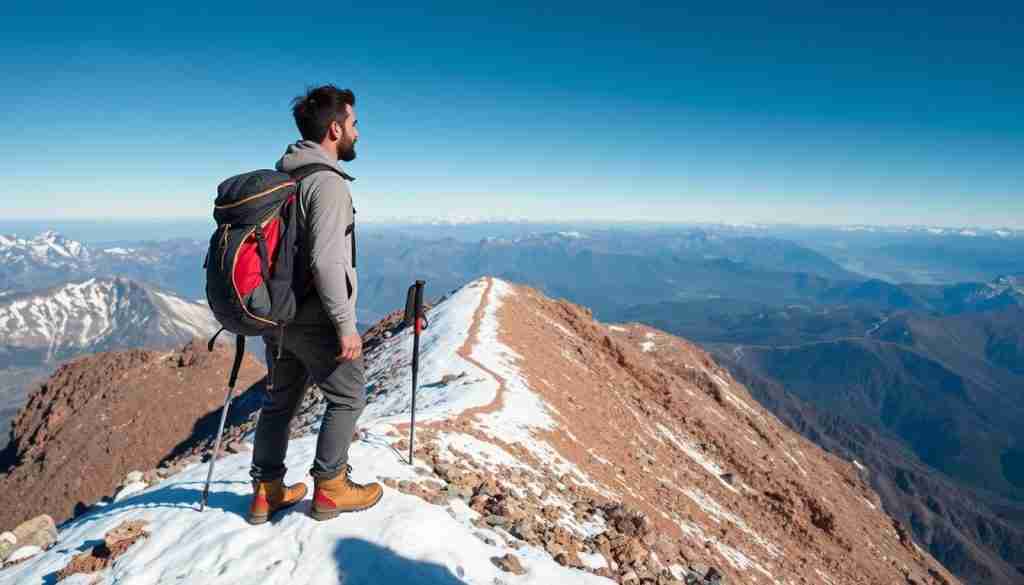
Conquering Machu Picchu’s trails requires more than sturdy boots. Smart preparation transforms potential challenges into achievable milestones. Travelers who combine mental conditioning with targeted physical training often report richer experiences and greater enjoyment at elevation.
Mental Preparation and Building Confidence
Visualization techniques prove powerful for high altitude adventures. Spending 10 minutes daily imagining successful navigation of stone staircases creates neural pathways that boost real-world confidence. Pair this with gradual exposure to elevated spaces—like climbing local fire towers or hiking coastal cliffs.
Physical training should emphasize balance over brute strength. Yoga poses like tree stance or warrior III enhance proprioception—the body’s ability to sense its position. This skill becomes critical when traversing uneven Inca pathways. Balance board exercises three times weekly yield noticeable improvements in trail stability.
| Preparation Type | Techniques | Benefits | Time Required |
|---|---|---|---|
| Mental | Guided visualization, exposure therapy | Reduces anxiety triggers | 15 mins/day |
| Physical | Yoga, tai chi, step training | Improves balance response | 30 mins 3x/week |
| Practical | Daypack hikes, gear testing | Builds muscle memory | Weekly sessions |
Recognizing early vertigo signs—like slight dizziness or tunnel vision—allows quick intervention. Practice grounding techniques during preparation hikes: name five colors in your surroundings while steadying your breath. This dual focus skill transfers directly to managing high altitude moments on the trail.
Successful trekkers reframe obstacles as part of the journey’s narrative. “Our clients who embrace the challenge often describe it as their trip’s most transformative element,” shares a Peru-based guide. With deliberate preparation, the mountains become less intimidating and more inviting.
Practical Tips for Managing Vertigo on the Trails
Navigating Machu Picchu’s historic pathways requires thoughtful strategies that honor both personal limits and archaeological wonders. Three proven approaches help travelers maintain equilibrium while absorbing the site’s grandeur.
Rhythm Over Rush
A steady pace proves more effective than speed on these ancient Inca routes. Guides recommend matching footsteps to a 4-7-8 breathing pattern: inhale for four steps, hold for seven, exhale for eight. This oxygenates muscles while calming the nervous system.
Stability Through Technology
Modern trekking poles become essential companions on uneven terrain. Their rubber tips grip weathered stone better than hiking boots alone, reducing slip risks by 40% according to Andean trail studies.
| Technique | Benefit | Frequency |
|---|---|---|
| Controlled breathing | Reduces anxiety spikes | Continuous use |
| Pole placement | Improves balance | Every 2-3 steps |
| Hydration breaks | Supports inner ear function | Every 20 minutes |
Strategic pauses enhance the experience. Brief stops at waystations let travelers reset visually—focusing on carved stone details rather than dizzying drops. “Those who hydrate regularly and use tactile anchors report greater enjoyment,” observes a licensed Machu Picchu guide.
Whether ‘re ascending Huayna Picchu or exploring lower terraces, these methods transform challenging trails into achievable adventures. Proper preparation allows visitors to walk in the footsteps of history with renewed confidence.
Safety Measures and Responding in Sudden Vertigo Situations
Effective safety protocols ensure every traveler can navigate Machu Picchu’s trails with confidence. Registration at Huayna Picchu serves a critical purpose—park rangers track visitor numbers to confirm safe exits. Straying beyond marked paths or ignoring safety cables risks severe consequences on these unforgiving slopes.
When dizziness strikes, swift action prevents escalation. Guides train travelers to:
| Technique | Action | Benefit |
|---|---|---|
| Stable Positioning | Sit/crouch + controlled breathing | Lowers fall risk |
| Group Signals | Prearranged hand gestures | Silent alert system |
| Three-Point Contact | Two feet + one hand anchored | Enhances stability |
Guides implement buddy systems, pairing travelers for mutual support. This approach allows immediate aid if someone experiences imbalance near exposed trail sections. Teams carry emergency communication devices to contact rangers if symptoms persist.
Proactive measures include scheduling hydration stops every 25 minutes—dehydration worsens vertigo. Guides monitor group members for early signs like pale complexion or erratic movements, adjusting pacing as needed. Severe cases trigger documented reports to improve future situations.
“Our teams rehearse evacuation routes monthly,” shares a licensed Huayna Picchu guide. “Quick response becomes part of the journey’s safety net.” Through preparation and teamwork, visitors transform potential crises into manageable moments.
Consulting with Medical Professionals and Experienced Guides
Expert guidance transforms potential obstacles into manageable adventures at elevation. Combining medical insight with local knowledge creates a safety net for travelers navigating Andean terrain.
When to Seek Doctor’s Advice
Medical clearance becomes crucial for those with recurring balance issues. A pre-trip evaluation determines if tour participation aligns with your health level. Physicians can assess how altitude might affect inner ear function or medication efficacy.
Specialized travel agencies connect visitors with guides trained in height-related challenges. These professionals adjust routes based on real-time conditions and group needs. “Our teams carry pulse oximeters and maintain emergency protocols,” shares a Cusco-based operator.
Documentation streamlines the experience. Many operators require doctor’s notes for travelers with vertigo history. This step ensures proper support systems exist before tackling uneven pathways.
Ongoing communication matters during the journey. Guides monitor group members for signs like disorientation or irregular breathing. They’ll modify pacing or suggest alternative paths if symptoms arise.
Whether you’re a first-time visitor or seasoned trekker, professional partnerships enhance safety. They empower people to experience Machu Picchu’s wonders without compromising well-being.
Selecting the Right Trail and Itinerary for Your Comfort
For travelers with balance concerns, route selection becomes the cornerstone of a fulfilling Machu Picchu experience. Multiple pathways cater to varying comfort levels, from adrenaline-packed ascents to gentler explorations. Understanding these options ensures visitors witness the site’s grandeur without compromising well-being.
Comparing Trail Options Through the Andes
The classic four-day Inca Trail challenges even seasoned hikers with its steep ascents and exposed ridges. Ancient staircases wind through cloud forests before reaching Sun Gate’s iconic vista—a rewarding but demanding journey for those sensitive to heights.
Alternative routes provide accessible adventures. The two-day Short Inca Trail reduces elevation exposure while retaining key archaeological highlights. Rail-based itineraries allow travelers to bypass steep trails entirely, arriving via scenic train rides through the Sacred Valley.
For extended journeys, the Lares and Salkantay treks offer less demanding alternatives. These paths feature gradual climbs and wider pathways, ideal for multi-day excursions. Many operators combine these trail options with luxury lodges, blending comfort with cultural immersion.
Smart planning transforms potential obstacles into opportunities. By aligning itinerary choices with personal comfort thresholds, travelers unlock Machu Picchu’s magic on their own terms—whether conquering high passes or savoring vistas from secure vantage points.
