Perched high in the Andes, the ancient ruins of Machu Picchu draw millions of visitors yearly. This UNESCO World Heritage Site’s global fame creates a unique challenge for photographers: capturing its grandeur without the distraction of bustling crowds. The allure of crisp morning light over weathered stone or mist curling around terraced slopes often competes with the reality of peak-season foot traffic.
Creating crowd-free images requires more than luck. Strategic planning, precise timing, and creative techniques transform chaotic scenes into serene compositions. This guide blends insider knowledge with practical advice to help photographers navigate one of the world’s most iconic landmarks.
From securing early-entry permits to identifying overlooked vantage points, every detail matters. Proper gear preparation and an understanding of seasonal patterns also play critical roles. Whether aiming for classic vistas or innovative angles, these methods ensure your portfolio stands apart.
Key Takeaways
- Early mornings and off-season visits dramatically reduce crowd interference
- Alternative trails and viewpoints offer fresh perspectives of the ruins
- Weather patterns significantly impact lighting and atmosphere
- Specialized permits provide exclusive access to less-visited zones
- Neutral density filters help minimize moving visitors in long exposures
- Contact us for a comfortable and personalized itinerary (Free Service)
Understanding Your Machu Picchu Photography Goals
Every photographer’s journey to the ancient citadel begins with a vision. Defining objectives before arrival transforms chaotic snapshots into intentional compositions. Boutique travel experts emphasize that clarity separates memorable images from generic vacation photos.
Defining Your Photography Style
Will your portfolio showcase sweeping landscapes or intimate architectural details? Consider these elements when planning:
- Mood-driven approaches: Dramatic shadows at sunrise versus soft midday hues
- Technical priorities: Long exposures for cloud movement or fast shutter speeds for crisp details
- Creative angles: Low perspectives emphasizing stone textures or elevated views framing multiple terraces
Benefits of Off-Peak Visits
November and April visits offer thinner crowds and dynamic weather patterns. One travel specialist notes: “Clouds during shoulder seasons add mystery to shots that sunny days can’t replicate.” Early afternoons—when day-trippers descend—also provide quieter moments for patient photographers.
Aligning expectations with on-site realities ensures smoother sessions. Amateurs gain time to experiment, while professionals maximize golden-hour opportunities. Remember: flexible itineraries often yield the most striking results.
When is the Best Time to Visit Machu Picchu
Deciding when to explore this iconic site can make or break a photographic endeavor. Light quality and visitor flow shift dramatically throughout the day, creating distinct advantages for different shooting styles.
Early Morning Light
Sunrise transforms the ruins with misty atmospherics and crisp shadows. The low-angle light enhances texture in ancient stonework, while thinner crowds allow uninterrupted compositions. Exposure settings often require balancing brightening skies with darker foreground elements.
Late Afternoon Opportunities
Golden hour bathes the terraces in warm, directional light ideal for emphasizing depth. As day-trippers depart, photographers gain space to experiment with dynamic compositions. This softer illumination reduces harsh contrasts, making it easier to view Machu Picchu with rich tonal gradations.
Consider these comparisons:
- Crowd density: 6-8 AM sees 40% fewer visitors than 10 AM-2 PM
- Light character: Morning offers cool blue tones vs. afternoon’s amber hues
- Creative flexibility: Late-day sessions allow extended shooting without midday rush
While dawn provides mystical ambiance, sunset reveals the site’s architectural warmth. Aligning your schedule with these patterns ensures varied portfolio options.
Essential Gear and Preparation for Photographing Machu Picchu
Capturing the ancient citadel’s essence demands more than technical skill—it requires smart gear choices. High-altitude conditions and strict site regulations shape what photographers can carry. A seasoned guide advises: “Pack like a mountain goat—light, agile, and ready for sudden weather shifts.”
Must-Have Photography Equipment
Wide-angle lenses (16-35mm) excel for vast landscapes, while 24-70mm zooms adapt to architectural details. Two camera bodies prevent lens changes in dusty environments. Extra batteries thrive in cold mornings—charge capacity drops 30% at altitude.
Neutral density filters balance light during golden hour. Lens cloths combat mist and sudden rain. A compact travel tripod? Leave it—full-sized models are banned. Instead, use stable rocks or bean bags for long exposures.
What Not to Bring
Drones and tripods violate site rules—security confiscates 15+ daily. Bulky bags slow movement on steep trails. Focus on essentials:
- Weather-sealed camera body
- Fast prime lens (f/2.8 or lower) for early morning shoots
- Portable rain cover for gear protection
Prep begins the night before. Charge all batteries and format memory cards. Layering clothes combats 40°F dawn temperatures. Local guides recommend arriving 90 minutes before sunrise—gate queues form quickly. With thoughtful planning, your photos Machu Picchu will reflect its timeless grandeur.


Exploring Popular Photography Spots at Machu Picchu
The ancient site’s layered landscape offers endless framing possibilities. Strategic positioning unlocks both timeless vistas and unexpected angles, blending natural grandeur with Incan engineering mastery.
Iconic Viewpoints and Classic Shots
Guardian House remains the go-to for postcard-perfect compositions. Position your camera near its stone walls to frame the ruins against Huayna Picchu’s jagged peak. Morning light here sculpts terraced slopes with dramatic shadows.
For panoramic depth, climb to the agricultural sector’s upper platforms. These elevated positions showcase the citadel’s harmonious integration with surrounding mountains. Wide-angle lenses (16-35mm) excel here.
Hidden Gems: Terraces and Sun Gate
Few venture to the curved terraces southeast of the main plaza. Their concentric patterns create leading lines toward the Temple of the Sun. Reach this spot via a 10-minute trail branching from the Sacred Rock path.
The Sun Gate (Inti Punku) rewards hikers with a historical perspective. This Inca Trail endpoint frames the citadel through a natural stone arch. Arrive by 10 AM to avoid harsh midday glare. Local guides note: “It’s where history literally frames the view Machu Picchu.”
Key contrasts between locations:
- Guardian House: Crowded at dawn but delivers iconic sunrise shots
- Lower Terraces: Quiet zones for intimate architectural studies
- Sun Gate: Blends hiking adventure with sweeping valley vistas
How to photograph Machu Picchu without crowds?
Navigating the ancient stone pathways requires more than a good camera—it demands smart crowd management tactics. Over 1.5 million annual visitors flood the site, but strategic timing and route selection create breathing room. TicketMachupicchu.com data reveals that Circuits 4 and 5 see 60% fewer travelers compared to popular routes.
Early birds win at entry gates. Arrive 90 minutes before opening to secure front positions. Guides recommend bypassing the main entrance by using the lesser-known Puente Ruinas checkpoint. This approach cuts wait times by half during peak hours from June to August.
Timing your Inca Trail arrival proves crucial. Hikers reaching the Sun Gate before 7:30 AM catch the ruins in soft light with minimal foot traffic. Afternoon descents along the trail also offer quiet moments as groups disperse toward Aguas Calientes.
Less-traveled paths like the Temple of the Moon route provide unobstructed angles. These areas remain blissfully quiet even at midday. Patience pays off—waiting 10-15 minutes after tour groups pass often clears key photo zones.
Blend into the environment by wearing earth-toned clothing and moving deliberately. Position yourself near stone walls or terraces to frame shots between visitor movements. A local photographer suggests: “Treat crowds like weather patterns—observe their flow and shoot during natural lulls.”
Research is non-negotiable. Study real-time visitor dashboards and book tickets for visit Machu during shoulder months. Combining these tactics transforms chaotic scenes into portfolio-worthy photos Machu enthusiasts cherish.
Tips for Creative and Unique Machu Picchu Photographs
Unlocking the site’s visual potential requires seeing beyond classic postcard views. Seasoned photographers emphasize blending technical precision with artistic intuition to craft images that tell untold stories. This approach transforms familiar scenes into fresh narratives.
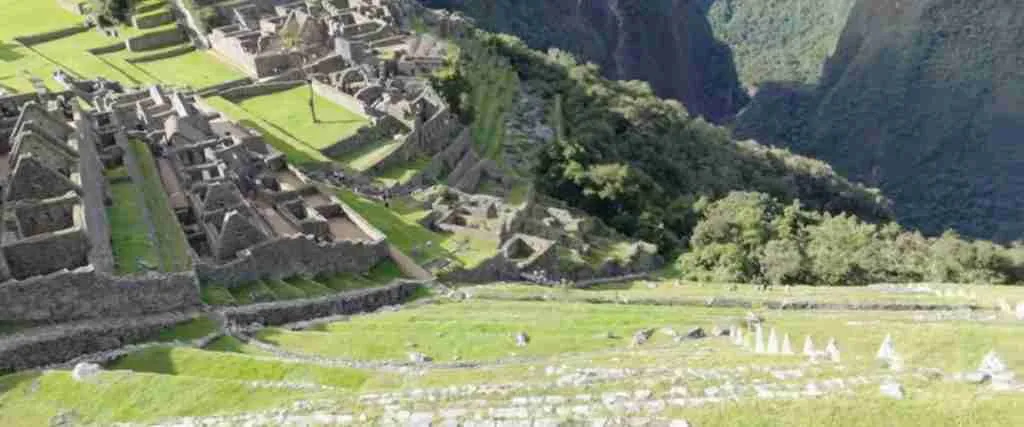
Experimenting with Perspectives
Shift your vantage point to reveal hidden dimensions. Crouch near moss-covered stones to emphasize weathered textures against distant peaks. Climb higher terraces at midday to capture geometric patterns in harsh sunlight—contrasts that highlight Inca engineering brilliance.
Professional shooter Ana Torres advises: “Shoot through foliage to frame the Sun Gate with natural borders. Eucalyptus leaves add depth while softening harsh mountain backdrops.” Try these techniques:
- Flip your camera for upward angles showcasing cloud-draped summits
- Use winding pathways as leading lines toward ceremonial structures
- Capture reflective puddles after rain for inverted compositions
Incorporating Local Elements
Weave cultural context into your shots. A llama grazing near terraces adds scale and regional character. Document weathered hands of Quechua artisans demonstrating traditional weaving techniques against ruin backdrops.
Subtle human elements enhance storytelling. Include hikers as silhouettes along the Inca Trail at dawn. Blend ancient and modern by contrasting stonework with vibrant textiles worn by local guides. Post-processing can amplify these details:
- Boost warm tones in woven fabrics to complement gray stone hues
- Subtly darken edges to spotlight architectural focal points
- Use split-toning to mirror the golden-hour glow of the Andes
Machu Picchu Regulations and Practical Advice
Navigating the site’s rules ensures both stunning photos and cultural preservation. Recent updates limit daily visitors to 4,500, with strict time slots enforced across five designated circuits. Understanding these protocols protects fragile ecosystems while maximizing creative opportunities.
Understanding Entry Permits and Circuits
Tickets now include specific entry hours and assigned routes. Circuits 1-3 cover classic viewpoints but face heavy foot traffic. Opt for Circuits 4 or 5 during rainy season—these paths see 35% fewer visitors while offering comparable vistas.
Secure permits 3-6 months ahead through official channels. A local tour operator advises: “Last-minute bookings rarely succeed during peak months from June to August.” Consider these critical details:
- Morning slots (6-8 AM) allow extended shooting before afternoon clouds
- Inca Trail hikers need separate permits—combine these for multi-day adventures
- Re-entry isn’t permitted; plan your entire trip within the 4-hour window
Coordinate circuit choices with golden-hour time frames. Circuit 2’s Sun Gate access pairs perfectly with sunrise shoots. Avoid midday visits when sunlight washes out intricate stonework. Rangers strictly enforce stay limits—late exits risk fines up to $100 USD.
Preservation remains paramount. Never touch ancient walls or stray from marked paths. These measures protect the site for future generations while maintaining photographic integrity. With thoughtful planning, regulations become tools for crafting exceptional images.
Maximizing Your Visit: Insider Tips for a Memorable Photo Experience
Successful photography expeditions blend meticulous planning with creative flexibility. Seasoned travelers emphasize that logistics shape 70% of a shoot’s success, while spontaneity handles the rest. Recent surveys reveal visitors who organize transport and schedules in advance capture 50% more portfolio-worthy shots.

Travel Logistics and Timing Strategies
Secure bus tickets from Aguas Calientes at least 48 hours early—spots fill fast during peak travel months. Opt for 5:30 AM departures to reach the gates before sunrise crowds. Local tour operator Andean Pathways notes: “Groups arriving by 6 AM gain 90 uninterrupted minutes at prime viewpoints.”
| Transport Option | Departure Time | Crowd Impact |
|---|---|---|
| First Bus | 5:30 AM | Low |
| Mid-Morning Train | 8:45 AM | High |
| Hiking Groups | 4:00 AM | Moderate |
Staying Organized on the Day of Your Visit
Create a time-blocked itinerary with buffer periods for unexpected delays. Use mobile apps like Trail Wallet to track hours spent at each location. Prioritize these steps:
- Pack gear the night before using a weather-resistant checklist
- Sync watches with official site clocks to avoid permit violations
- Allocate 45-minute slots for key viewpoints during late afternoon golden hour
Balance exploration and photography by designating “shoot zones” and “discovery periods.” Guides recommend shooting intensely during the first two hours, then documenting cultural details as light hardens. This rhythm prevents burnout while maximizing time-sensitive opportunities.
Conclusion
Capturing the essence of this Incan marvel demands both artistry and strategy. Successful shots blend meticulous planning with spontaneous creativity—early arrivals for sunrise serenity, strategic use of golden-hour sunset light, and knowledge of less-traveled routes through the mountains.
Technical preparation proves vital. Weather-resistant gear, permit research, and circuit selections shape outcomes. Yet the true magic emerges when photographers slow down. Observe how shadows dance across weathered ruins, or how clouds crown the world heritage site’s peaks.
Respect for preservation rules ensures future generations can witness this beauty. Pair regulation compliance with flexible vision. Let the details—a llama’s silhouette, morning mist clinging to terraces—guide your storytelling.
Machu Picchu rewards those who embrace its rhythms. Whether framing classic vistas or discovering hidden angles, each photo becomes a testament to patience and perspective. Let these strategies transform your travel experience from crowded challenge to inspired visual journey.
The ancient stones await. With the right approach, your lens will reveal why this place continues to captivate explorers across centuries.
