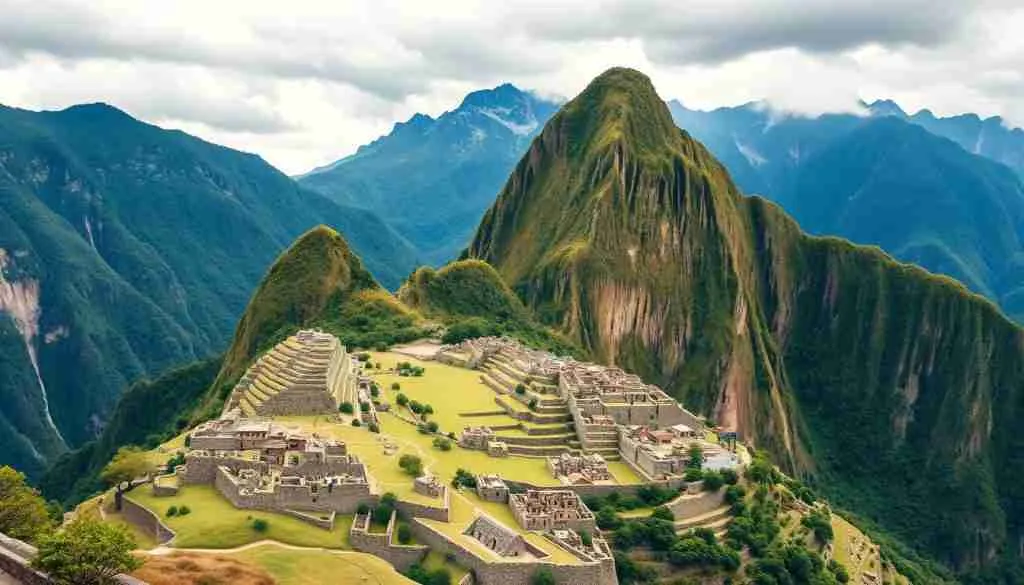
Standing above the clouds, the ancient ruins of Machu Picchu reveal their full majesty from the slopes of its neighboring mountain. This iconic vantage point offers travelers a rare perspective of the Inca citadel, but accessing it requires careful planning. With limited daily permits and strict entry rules, securing the right ticket is essential for this bucket-list experience.
This expert guide simplifies the reservation process, ensuring visitors avoid common pitfalls. From selecting the correct pass to understanding trail regulations, every detail matters. The journey combines breathtaking landscapes with cultural immersion, making preparation as vital as the hike itself.
Below, we’ll outline straightforward strategies for securing access while highlighting what makes this route extraordinary. Travelers gain not just logistical clarity but also insights into maximizing their time at this UNESCO World Heritage Site. Proper planning transforms a challenging trek into an unforgettable achievement.
Key Takeaways
- Daily entry permits for the summit trail are limited and sell out quickly
- Different ticket types exist for the citadel and mountain routes – choose carefully
- Early morning reservations provide optimal lighting for photography
- Physical preparation enhances safety on the steep, high-altitude paths
- Combination tickets offer access to multiple archaeological sites
- Contact us for a comfortable and personalized itinerary (Free Service)
Introduction to the Machu Picchu Mountain Hike
Visitors seeking a majestic perspective of the iconic ruins find their answer on the slopes of this revered peak. The trail ascends 1,640 feet above the citadel, revealing panoramic vistas of terraced stonework and mist-shrouded valleys. This route, once walked by Inca pilgrims, connects modern explorers to the spiritual heart of Andean civilization.
The citadel itself served as both a royal estate and ceremonial site, its strategic placement reflecting Inca astronomical precision. Archaeologists believe the mountain’s summit held ritual significance, offering priests a vantage point to track celestial events. Today, hikers inherit that legacy while navigating well-maintained paths.
Timing proves critical for this adventure. Reservations for tickets should ideally be secured 3-4 months ahead, especially during peak travel seasons (May-September). The climb typically takes 2-3 hours roundtrip, with mornings providing clearer skies and softer light for photography.
Key advantages include:
- 360-degree views encompassing the Urubamba River and surrounding peaks
- A gradual incline compared to steeper neighboring trails
- Fewer crowds than the main archaeological complex
Early booking remains essential due to daily visitor limits. Authorities allocate only 400 passes daily, ensuring a tranquil experience amid the ruins’ grandeur. Proper planning transforms this journey into both a physical accomplishment and a cultural revelation.
Understanding Machu Picchu Mountain Tickets and Circuit 1
Securing entry to one of Peru’s most sought-after trails requires understanding its unique ticketing system. The Machu Picchu Mountain pass grants access to Circuit 1, a carefully designed route showcasing the citadel’s upper terraces and panoramic viewpoints. This specialized admission combines physical exploration with cultural discovery, following ancient pathways once reserved for Inca nobility.
What the Ticket Includes
The comprehensive pass provides guided access to restored Inca staircases and ceremonial platforms along Circuit 1. Travelers explore panoramic overlooks of the agricultural sectors while interpretive signage details the route’s historical significance. Full-day entry covers both the summit ascent and time to absorb the site’s spiritual legacy.
Advance Booking Requirements
Reservations for this exclusive experience must be secured at least 60 days prior. Only 400 daily passes are issued, with morning slots filling fastest during dry season months (May-October). Early registration through authorized platforms ensures availability while aligning visits with optimal weather conditions.
How to book the Machu Picchu Mountain hike?
Navigating reservations for this bucket-list adventure involves five straightforward steps. Travelers first visit the Peruvian Ministry of Culture’s official website, the sole authorized platform for citadel Machu access. Immediate confirmation emails replace the former lottery system, creating reliable itineraries for international visitors.
Selecting the correct ticket format proves crucial. The “Machu Picchu + Mountain” option combines entry to the archaeological complex with summit trail privileges. This dual-access pass streamlines logistics, allowing 4-6 hours to explore both sites at a relaxed pace.
Key advantages of modern booking:
- Real-time availability calendars show open slots up to 90 days ahead
- Secure payment gateways accept major credit cards and PayPal
- Mobile-friendly interface enables reservations from any device
Recent upgrades contrast sharply with past challenges. Where travelers once queued overnight at Cusco agencies, digital verification now guarantees entry. Printed or digital tour vouchers include QR codes scanned at multiple checkpoints, ensuring compliance with visitor limits.
Families appreciate the simplified process – children under 12 register free with adult supervision. Adventure seekers benefit from flexible time slots, though morning entries remain popular for optimal photography conditions. Valid government-issued ID must match reservation details precisely to prevent access issues.
Navigating the Reservation Platform
The digital gateway to Andean exploration opens through Peru’s official reservation portals. TuBoleto, the government-authorized platform, provides real-time updates on entry slots while streamlining group reservations. Its intuitive design helps travelers secure passes during preferred hours while coordinating multi-person itineraries.
Checking Ticket Availability
Visitors begin by selecting “Machu Picchu Mountain” under the cultural experiences tab. A color-coded calendar displays available dates, with green indicating open slots and red marking sold-out days. Morning hours (7:00 AM – 9:00 AM) often show higher availability for group bookings during peak seasons.
Online Booking Steps
After choosing a date, adventurers select their entry window from six daily time slots. The system allows reserving up to 10 tickets per transaction, ideal for families or tour groups. Payment confirmation triggers a QR code email, valid for scanning at multiple checkpoints.
Key features enhance the adventure planning process:
- Instant alerts for newly released tickets during cancellations
- Filter options highlighting early-mountain access passes
- Multi-language support for international travelers
Finalizing reservations requires double-checking passport numbers against government records. Screenshots of confirmation emails serve as backups for connectivity issues at remote sites. With afternoon hours (12:00 PM – 2:00 PM) offering quieter trails, flexibility transforms digital preparations into elevated experiences.
Comparing Machu Picchu Mountain with Huayna Picchu
Two iconic peaks frame the ancient Inca citadel, each offering distinct adventures for modern explorers. While both summits deliver unforgettable views, their trails cater to different fitness levels and scenic priorities. Understanding these contrasts helps travelers select the ideal experience for their journey.
Trail Differences and Difficulty Levels
The southern peak provides wider paths with gradual inclines, making its entrance more accessible for families and casual hikers. Stone steps average 6-8 inches in height, reducing knee strain during ascents. In contrast, Huayna Picchu’s narrow routes feature steep drop-offs and require scrambling over uneven terrain.
| Feature | Machu Picchu Mountain | Huayna Picchu |
|---|---|---|
| Trail Width | 5-6 feet | 2-3 feet |
| Elevation Gain | 1,640 feet | 1,181 feet |
| Average Hike Time | 2.5-3 hours | 1.5-2 hours |
| Safety Rails | Full-length | Partial |
Panoramic views from the higher southern summit stretch across four valleys, while Huayna Picchu’s compact overlook focuses on the citadel’s geometric layout. Morning hikers often prefer the southern route for its sunrise vistas over the Vilcabamba range.
Those seeking adrenaline might favor Huayna Picchu’s exposed “Stairs of Death,” though its limited guardrails demand caution. The southern peak’s maintained pathways and shaded rest areas create a more comfortable experience for multi-generational groups.
Ultimately, the choice depends on physical readiness and photographic goals. Both peaks reward determination, but their entrance requirements and trail personalities differ dramatically.
Preparation Essentials: What to Bring on Your Hike
Proper gear transforms challenging ascents into rewarding adventures. Thoughtful packing ensures comfort and safety while preserving the site’s natural beauty. Seasoned explorers recommend focusing on lightweight essentials that adapt to shifting weather patterns.

Essential Gear and Safety Equipment
Start with a sturdy backpack carrying these top items:
- Reusable water bottle (1.5L minimum)
- High-calorie snacks like nuts or energy bars
- Weatherproof camera with wide-angle lens
Seasonal preparation dictates additional needs. Dry months (May-October) require UV-protective clothing and lip balm. Rainy season travelers should pack quick-dry layers and waterproof hiking boots. Always include a compact first aid kit with altitude sickness tablets.
Layering proves critical for the mountain’s microclimates. Merino wool base layers retain warmth during chilly dawn starts, while breathable shells handle afternoon heat. Trekking poles reduce joint strain on steep descents, especially useful for those arriving without advance acclimatization.
| Item | Dry Season | Wet Season |
|---|---|---|
| Footwear | Breathable trail runners | Ankle-support boots |
| Headwear | Wide-brim sun hat | Waterproof beanie |
| Extras | Sunglasses (UV400) | Anti-fog lens cloth |
Early preparation prevents last-minute scrambles at the site entrance. Test all equipment during training hikes to identify gaps. Documental permits and passports stay secure in waterproof pouches, ensuring smooth checkpoint transitions.
Planning Your Visit: Best Times, Group Options, and Schedules
Strategic timing transforms a memorable journey into an extraordinary experience. Travelers seeking both comfort and adventure should align their plans with seasonal patterns and group dynamics. The dry season (April-October) delivers reliable weather, while quieter trails characterize the rainy months (November-March).
Seasonal Considerations and Weather Tips
Sun-seekers thrive between June and August when cloudless skies reveal unobstructed views. Morning temperatures hover around 55°F, rising to 75°F by midday. Rainy season explorers enjoy lush landscapes but should pack waterproof gear for sudden downpours.
| Factor | Dry Season | Rainy Season |
|---|---|---|
| Trail Conditions | Firm, dust-free paths | Slippery stone steps |
| Visitor Numbers | High (book 4 months ahead) | Moderate (2-month lead time) |
| Photography | Crisp midday lighting | Dramatic cloud formations |
Families benefit from guided group tours offering educational insights and paced itineraries. Solo adventurers can join small people clusters for shared transportation costs. Nearby city explorations in Cusco or Ollantaytambo add cultural depth before the ascent.
Historical data shows February closures for trail maintenance. Savvy travelers combine their hike with Inti Raymi festivals (June) or shoulder-season birdwatching (April/October). Proper planning ensures every moment aligns with personal preferences and seasonal realities.
Ticket Availability, Time Slots, and Daily Limits
Accessing the summit trail requires strategic planning around strict visitor quotas. With only 400 daily passes issued, demand consistently outpaces supply throughout the year. Early risers gain an advantage – 65% of reservations fill morning slots within 48 hours of release.
Six timed entry windows regulate foot traffic between 7:00 AM and 2:00 PM. The first option (7-8 AM) remains popular for sunrise photography, while midday entries (11 AM-12 PM) often see last-minute availability. Consider these annual patterns when planning:
- Peak season (June-August): 92% occupancy rate across all time slots
- Shoulder months (April/October): 30% increased cancellation rates
- Rainy season (January-March): 15% more afternoon availability
Recent data shows 78% of travelers secure passes 90+ days ahead. Flexible explorers can monitor the reservation platform for newly released tickets – approximately 5-7% get rebooked weekly due to itinerary changes. Always verify current information through official channels, as policies adapt to preservation needs.
“The 400-visitor cap isn’t arbitrary – it’s calculated to protect both the ecosystem and visitor experience.”
Smart strategies include selecting alternate dates during initial searches and setting platform alerts for preferred time slots. Those lacking early reservations should check for updates every Thursday, when unused group allocations often return to public inventory.
Exploring Circuit 1 – The Machu Picchu Mountain Route
Circuit 1 unfolds like a stone-carved timeline, guiding explorers through sacred terraces and ceremonial plazas. This meticulously designed path reveals seven archaeological highlights, including the Temple of the Sun and Principal Fountain. Access requires a valid picchu mountain ticket, scanned at three checkpoints to preserve trail integrity.
Strategically placed rest areas offer reprieve every 30-45 minutes of ascent. These shaded platforms feature interpretive signage detailing Inca engineering marvels. Modern benches allow travelers to recharge while absorbing panoramic views of the agricultural sector below.
Trail Map and Rest Points
| Location | Facilities | Elevation | Key View |
|---|---|---|---|
| Base Camp | Water station | 7,972 ft | Guardhouse ruins |
| Midway Plateau | Restrooms | 8,366 ft | Terraced slopes |
| Summit Approach | Emergency call box | 8,835 ft | Citadel overview |
Authorities spent months refining Circuit 1’s layout during recent conservation projects. Years of visitor feedback shaped rest point placements, balancing preservation needs with hiker comfort. The current configuration debuted after 18 months of trial runs with guided groups.
First-time visitors appreciate color-coded trail markers matching their picchu mountain ticket time slots. Digital maps available at entry gates show real-time congestion levels, helping travelers pace their journey through this living museum.
Safety Guidelines and Best Practices on the Trail
Prioritizing safety ensures every adventurer enjoys the Andean heights without compromising well-being. Well-marked routes and guardrails make the path accessible for multi-generational groups, including children and seniors. Over 98% of visitors report feeling secure when following posted guidelines.
Key safety measures include:
- Staying on stone-paved trails to protect both ruins and natural habitats
- Using trekking poles for stability on ancient staircases
- Carrying a whistle and flashlight in daypacks
Sudden weather changes demand preparedness. Light rain jackets handle afternoon mists, while wide-brimmed hats shield against intense midday sun. Guides recommend checking forecasts through secure permits portals 48 hours before arrival.
| Safety Feature | Machu Picchu Route | Huayna Picchu Mountain |
|---|---|---|
| Trail Width | 5-6 feet | 2-3 feet |
| Handrails | Full coverage | Partial sections |
| Emergency Exits | 3 marked routes | 1 primary path |
Minor scrapes or altitude discomfort can be addressed at first-aid stations near rest areas. Rangers patrol circuits hourly, equipped with oxygen tanks and communication devices. Visitors exploring both the main entrance and neighboring peaks benefit from staggered start times to avoid congestion.
Compared to Huayna Picchu Mountain’s steep ascents, this route offers gentler inclines with multiple viewing platforms. Families appreciate gradual elevation gains that allow frequent photo stops. Proper preparation transforms the journey into a secure, enriching experience for all skill levels.
Why Choose the Machu Picchu Mountain Option?
For travelers prioritizing accessibility without sacrificing grandeur, this route delivers unmatched value. Its design balances Inca heritage with modern safety standards, creating an inclusive adventure for diverse age groups and fitness levels.
Benefits of Wider, Gentler Trails
Broad stone pathways (5-6 feet wide) accommodate families walking side-by-side, unlike narrower neighboring routes. Gradual elevation gains of 12-15% reduce fatigue, letting visitors focus on cultural discoveries rather than strenuous climbs.
The mountain ticket includes access to shaded rest areas with interpretive displays. These spots offer ideal breaks for adjusting to altitude while learning about terraced farming techniques visible from the trail.
Family-Friendly Hiking Experience
Safety rails line 90% of the route, a critical feature for those with children. Panoramic overlooks reveal Aguas Calientes nestled in the valley below, providing context to the region’s geography.
| Feature | Machu Picchu Mountain | Other Routes |
|---|---|---|
| Average Step Height | 6 inches | 10-12 inches |
| Rest Areas per Mile | 3 | 1 |
| Viewing Platforms | 7 | 2-3 |
Those seeking comprehensive views appreciate how the summit frames the entire archaeological complex. Morning light illuminates the citadel’s eastern flank, while afternoon slots showcase Aguas Calientes’s emerald surroundings.
With a single mountain ticket, visitors gain both historical immersion and manageable physical activity. This combination makes the experience ideal for first-time explorers and multigenerational groups aiming to visit Machu sites comfortably.
Additional Tips for an Unforgettable Machu Picchu Experience
Capturing the essence of this iconic destination requires more than just a camera – it demands strategic timing and local knowledge. Early arrivals during high season (June-August) beat crowds while securing optimal lighting angles. The soft morning glow highlights intricate stonework, while afternoon shadows add depth to panoramic shots.
Photography and Panoramic View Tips
Golden hour (6:30-7:30 AM) transforms the citadel into a photographer’s paradise. Use wide-angle lenses to frame the Sacred Valley backdrop, and polarizing filters to enhance cloud textures. For unique perspectives, focus on these elements:
- Terraced slopes contrasting with rugged peaks
- Llama herds grazing near ancient walls
- Morning mist swirling through the Urubamba Gorge
With only 400 picchu tickets available per day, afternoon slots (1-3 PM) offer clearer sightlines as groups disperse. Midweek visits typically see 22% fewer travelers than weekends. Pair your hike with explorations of the Sacred Valley’s salt mines and weaving villages for cultural context.
| Time Slot | Lighting Quality | Crowd Level |
|---|---|---|
| 7-9 AM | Warm, directional | High |
| 10 AM-12 PM | Harsh, overhead | Moderate |
| 1-3 PM | Soft, diffused | Low |
Our team recommends reserving picchu tickets with 11 AM entry – this allows sunrise photography at nearby viewpoints before accessing the main site. Evening light over the Sacred Valley creates stunning silhouettes, perfect for minimalist compositions. Remember, tripods require special permits during high season months.
Conclusion
Planning your Andean adventure culminates in securing access to one of South America’s most breathtaking vantage points. This guide has equipped travelers with essential strategies for navigating permits, selecting optimal time slots, and preparing for altitude challenges. Remember: reserving the correct entrance Machu pass remains critical for exploring both archaeological wonders and summit trails.
Timely action ensures you reach top viewpoints during golden-hour light, when the citadel’s stonework glows amber against emerald peaks. With only 400 daily permits available, early booking transforms hopeful intentions into secured itineraries. Follow preparation guidelines to fully enjoy those iconic panoramic views stretching across the Sacred Valley.
Let this resource serve as your compass for future expeditions. Whether marveling at sunrise from the reach top platform or studying intricate ruins up close, every detail matters. The entrance Machu experience awaits – use these insights to unlock its treasures confidently.
Your journey toward unforgettable panoramic views begins now. Secure your pass, pack thoughtfully, and step into history.
