Hopkins Village 2026: Garifuna Culture & Beach Guide
Key Takeaways:
- Hopkins Village represents Belize’s most authentic Garifuna cultural destination, combining pristine 3-mile Caribbean beach with living Afro-Caribbean heritage including traditional drumming, dance, and cuisine
- Accommodation costs range $45-180 per night in 2026 depending on category, with beachfront guesthouses at $65-95 offering exceptional value for authentic village experiences
- The village functions as an ideal base for southern Belize exploration, providing access to Cockscomb Jaguar Reserve, Maya archaeological sites, and Glover’s Reef diving within 30-90 minutes
- Garifuna cultural experiences including drum lessons, cooking classes, and dance performances cost $25-85 per person, delivering immersive heritage encounters impossible in resort areas
- The dry season December-May provides optimal beach weather with calm Caribbean waters, while September-November green season offers 30-40% accommodation savings accepting occasional rain showers
- Hopkins maintains genuine village character with limited nightlife and minimal commercial tourism infrastructure—perfect for travelers seeking authentic Caribbean culture over resort amenities
Discovering Hopkins Village in 2026
Hopkins Village occupies a narrow coastal strip where Caribbean waves meet coconut groves along southern Belize’s Stann Creek District, representing the country’s largest and most culturally intact Garifuna settlement. The village stretches along three miles of undeveloped golden sand beach punctuated by wooden fishing boats, thatch-roof beach bars, and weathered piers extending into turquoise waters. Unlike commercialized resort destinations, Hopkins preserves authentic Garifuna lifeways—fishermen repair nets under coconut palms, women prepare traditional hudut cassava bread, and evening drum circles gather spontaneously as cultural practice rather than tourist performance.
The Garifuna people trace ancestry to West African origins mixed with indigenous Caribbean Arawak heritage, creating unique Afro-indigenous culture that survived British colonial persecution and 1797 exile from St. Vincent. Hopkins residents maintain Garifuna language, spiritual practices, culinary traditions, and distinctive musical heritage centered on drumming and punta dance. The village functions as a living cultural museum where traditions continue as daily life rather than heritage preservation—children learn drumming from grandfathers, families prepare cassava-based meals using centuries-old techniques, and Garifuna spirituality influences community decisions and celebrations.
The 2026 tourism infrastructure balances authentic village character with traveler necessities—small hotels and guesthouses line the beachfront without disrupting visual coherence, restaurants serve both traditional Garifuna cuisine and international options, and activity operators offer cultural immersion alongside adventure tourism. The Southern Highway pavement completion in 2020 improved access from Belize City (formerly 4-5 hours on rough roads, now 2.5-3 hours on smooth pavement), while Hopkins maintains its unhurried rhythm embodied in the Garifuna concept of “soon come”—relaxed Caribbean time consciousness that frustrates efficiency-focused visitors but delights those seeking genuine cultural immersion.
Understanding Hopkins requires recognizing it as a real Garifuna village where tourism provides economic opportunity without dominating community identity. The village lacks resort-style amenities—no all-inclusive properties, minimal organized evening entertainment, limited shopping beyond local crafts, and modest infrastructure compared to Placencia or Caye Caulker. This authentic character attracts cultural travelers, independent adventurers, and those seeking Caribbean experiences beyond tourist bubbles, while disappointing visitors expecting resort convenience and structured activity programs. Hopkins rewards cultural curiosity, flexibility, and appreciation for authentic immersion over packaged tourism experiences.
People Also Ask About Hopkins Village 2026
What makes Hopkins Village special in 2026?
Hopkins Village delivers Belize’s most authentic Garifuna cultural experience combined with pristine 3-mile Caribbean beach accessible without crowds or resort development. The village functions as a genuine Garifuna settlement where approximately 1,200 residents maintain traditional lifeways—fishing from wooden dugout canoes, preparing cassava-based hudut dishes, practicing ancestral drumming and punta dance, and speaking Garifuna language alongside English and Kriol. Unlike tourist-focused cultural shows elsewhere, Hopkins offers living heritage where visitors participate in actual community life rather than observe staged performances.
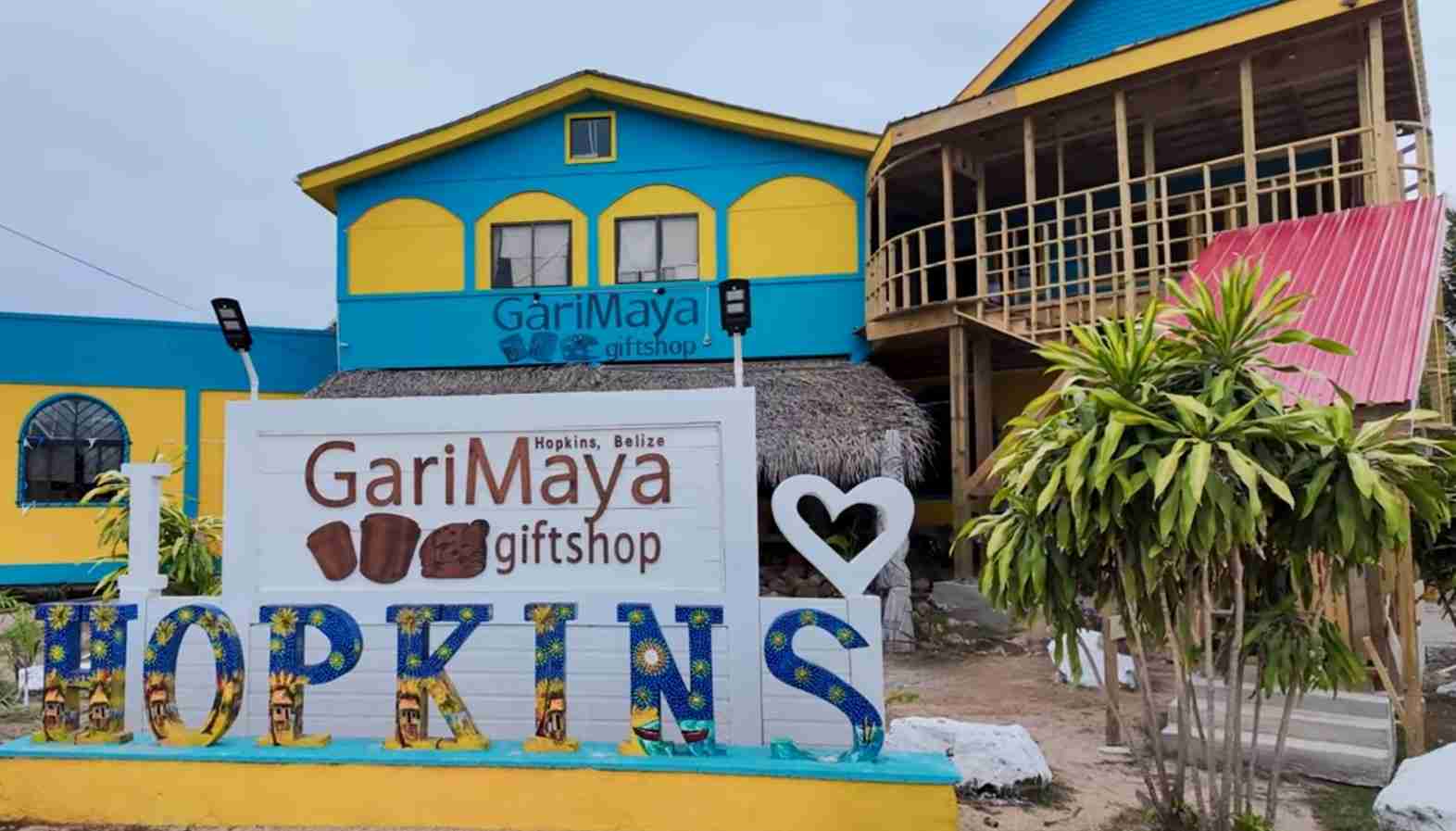
The beachfront stretches without high-rise development or cruise ship infrastructure, featuring golden sand backed by coconut groves, swaying palms, and colorful wooden guesthouses painted in Caribbean blues, yellows, and greens. Mornings bring fishermen returning with Caribbean snappers, afternoons showcase impromptu beach soccer games among village youth, and evenings feature drum circles under palm trees where visitors join spontaneous Garifuna music sessions. The village beach serves local families and international travelers equally, creating authentic interactions impossible in segregated resort environments.
Hopkins excels as a base for southern Belize exploration, positioned within 45 minutes of Cockscomb Basin Jaguar Reserve, 90 minutes from Dangriga’s Garifuna cultural sites, and 2 hours from Maya archaeological complexes at Mayflower or Nim Li Punit. Caribbean activities include snorkeling the South Water Caye Marine Reserve, diving Glover’s Reef Atoll UNESCO site, fishing for permit and bonefish on nearby flats, and kayaking through mangrove channels. This combination of authentic culture, beautiful beaches, and strategic location creates Hopkins’ unique appeal for 2026 travelers seeking substance over superficiality.
How much does it cost to visit Hopkins Village in 2026?
Daily costs in Hopkins Village range $65-185 per person in 2026 depending on accommodation category and activity selection, representing exceptional value compared to northern Belize resort areas. Budget guesthouse accommodations cost $45-65 per night for simple rooms with fans and shared bathrooms, mid-range beachfront properties run $85-135 for private baths and air conditioning, while upscale boutique hotels reach $150-225 for premium amenities (check booking platforms for current rates as pricing varies). These accommodation costs split between two people yield $23-113 per person nightly, significantly below Caye Caulker or Ambergris Caye equivalents.
Meal costs average $6-12 for breakfast at local cafés serving fry jacks and fresh fruit, $10-18 for lunch featuring rice and beans with fish or chicken, and $18-32 for dinner at beachfront restaurants offering fresh seafood and international options. Three daily meals total $34-62 per person, with budget-conscious travelers eating at village eateries toward the lower end and those selecting beachfront restaurant dining reaching upper ranges. Local beer costs $3-5, cocktails run $6-10, and fresh coconut water sells for $2-3 along the beach.
Activity costs include Garifuna drum lessons at $35-50 per person, cooking classes at $65-85, village cultural tours at $25-35, snorkel trips to South Water Caye at $75-95, diving at Glover’s Reef at $140-180 for two-tank dives, and Cockscomb Jaguar Reserve day trips at $85-110 (verify current rates with activity operators). Budget travelers selecting one daily activity spend $90-135 total (accommodation $45-65, meals $34-50, activity $25-50), mid-range visitors allocate $140-200 (accommodation $85-135, meals $45-62, activity $75-95), while premium experiences reach $220-280 daily with upscale lodging and diving excursions.
When is the best time to visit Hopkins Village in 2026?
The December-May dry season provides optimal Hopkins weather with average daytime temperatures of 75-85°F, gentle northeast trade winds, minimal rainfall, and calm Caribbean seas ideal for swimming and water sports. February-April represents the peak period with consistent sunshine, comfortable humidity levels, and reliable beach conditions, though accommodation prices reach seasonal highs 30-40% above rainy season rates. December-January delivers excellent weather with moderate crowds and pricing, while late April-May transitions toward green season with increasing heat but maintained dry conditions and reduced visitor numbers.
The June-November rainy season—locally termed “green season”—offers dramatic 25-40% accommodation savings and significantly reduced crowds accepting afternoon thunderstorm patterns. Typical rainy season days feature morning sunshine perfect for beach time and cultural activities, 1-3 hour afternoon rain showers, then clearing evenings for sunset viewing and dining. September-October represents the wettest months with highest precipitation totals and occasional tropical weather systems, though direct hurricane strikes on Hopkins remain rare historically. The green season attracts budget travelers and those seeking authentic village experiences without high-season tourist concentrations.
Cultural event timing enhances certain periods: November 19 Garifuna Settlement Day brings nationwide celebrations particularly vibrant in Hopkins with traditional drumming, punta dancing, and hudut feasting creating exceptional cultural immersion opportunities. December Christmas festivities include midnight mass, traditional gift exchanges, and community gatherings, while Easter week features religious processions and family-focused activities. May-June and September-October shoulder periods deliver optimal balances of reasonable weather, manageable crowds, moderate pricing, and authentic village atmosphere for travelers prioritizing cultural experience over guaranteed perfect beach weather.
Is Hopkins Village safe for tourists in 2026?
Hopkins Village maintains excellent safety standards for international visitors, functioning as a close-knit Garifuna community where residents know each other and look out for guests. Serious crime against tourists occurs rarely, with occasional petty theft from unlocked rooms or unattended beach belongings representing primary concerns easily mitigated through basic precautions. The village’s small size and lack of anonymity create natural crime deterrents—residents identify strangers immediately, and community social structures discourage behavior that might damage Hopkins’ growing tourism reputation.
Standard safety practices ensure worry-free Hopkins experiences: secure valuables in hotel safes or locked luggage, avoid displaying expensive jewelry or electronics conspicuously, supervise belongings at the beach, and walk purposefully after dark on village streets. The beachfront areas remain safe throughout day and evening hours with regular foot traffic and beachfront restaurant activity, while the Southern Highway and village periphery warrant standard road safety awareness regarding traffic and isolated areas. Solo female travelers report comfortable experiences in Hopkins with respectful local interactions and welcoming community atmosphere.
Health safety focuses on sun protection in tropical conditions—reef-safe sunscreen (required by law), wide-brimmed hats, and regular hydration prevent heat exhaustion common among visitors unaccustomed to Caribbean sun intensity. Mosquito-borne illness risk remains low but present—use DEET-based insect repellent during dawn and dusk hours, especially near mangrove areas and during rainy season. Tap water in Hopkins comes from community wells and should be avoided—bottled water costs $1-2 and ensures digestive health. Medical facilities in Hopkins provide basic care, with serious issues requiring transfer to Dangriga Hospital 15 miles north or Belize City for major medical needs.
Extended multi-day tours – 5+ days
Featured Belize Multi-Day Tour Packages
8 days
Land of Belize & Tikal
- ✓ Comprehensive Belize tour
- ✓ Expert local guides included
- ✓ All accommodation arranged
- ✓ Transportation provided
9 days
Journeys: Explore Belize National Geographic
- ✓ Comprehensive Belize tour
- ✓ Expert local guides included
- ✓ All accommodation arranged
- ✓ Transportation provided
7 days
Solo-ish Belize
- ✓ Comprehensive Belize tour
- ✓ Expert local guides included
- ✓ All accommodation arranged
- ✓ Transportation provided

13 days
Discover Belize
- ✓ Comprehensive Belize tour
- ✓ Expert local guides included
- ✓ All accommodation arranged
- ✓ Transportation provided
Multi-day tour packages powered by TourRadar. Prices and availability subject to change.
Essential Planning Information 2026
Getting to Hopkins Village
Hopkins Village sits 125 miles south of Belize City via the modern Southern Highway, with improved pavement reducing drive times to 2.5-3 hours through scenic coastal lowlands and citrus plantation areas. Private shuttle services from Belize City cost $65-95 per person for shared rides, $180-240 for private vehicle transfers accommodating up to 4 passengers. Major shuttle operators include Hopkins Shuttle Service and Southern Belize Transfers, with advance online booking ensuring confirmed transportation and English-speaking drivers providing cultural and natural history interpretation during the journey.
Public bus transportation via James Bus Line departs Belize City several times daily for $10-15 per person, making Hopkins accessible for budget travelers willing to navigate local transportation systems. Buses feature basic seating without air conditioning, stop frequently in villages along the route, and require 4-5 hours for the journey with multiple passenger pickups and deliveries. The adventurous nature of public bus travel rewards cultural immersion and authentic local interactions while demanding flexibility regarding departure times and comfort standards.
Rental cars from Belize City international airport provide maximum flexibility for Hopkins-based southern Belize exploration, with compact vehicles costing $45-65 per day, SUVs at $75-95 daily, and 4WD options at $95-125 daily including basic insurance. The Southern Highway features excellent pavement, clear signage, and minimal traffic creating straightforward navigation for experienced drivers. Rental cars prove particularly valuable for visiting nearby attractions independently—Cockscomb Jaguar Reserve, Maya sites, and remote snorkel departure points—though Hopkins village itself functions perfectly for pedestrian exploration without vehicle requirements.
Understanding Hopkins Geography and Layout
Hopkins Village extends along a narrow north-south coastal strip bounded by Caribbean Sea to the east and agricultural lands to the west, stretching approximately three miles between mangrove areas at northern and southern ends. The village divides into two informal sections: Northside where original Garifuna families maintain traditional wooden houses and fishing operations, and Southside featuring newer development including most tourist accommodations, restaurants, and activity operators. The main road parallels the beach 50-100 yards inland, with sandy paths and tracks connecting to beachfront properties and beach access points.
Key village landmarks include Lebeha Drumming Center in the central area offering nightly Garifuna cultural performances, the football field functioning as community gathering space and sporting venue, and several beach bars serving as social hubs for both residents and visitors. The village lacks formal street names or addresses—locations referenced by landmarks like “near Yugadah Inn” or “south of Driftwood Pizza”—requiring relaxed navigation attitudes and willingness to ask directions. This informal geography reflects authentic village character rather than planned resort development.
Beach access occurs freely along the entire 3-mile Hopkins coastline without private property restrictions—all beaches in Belize maintain public access by law. The best swimming areas concentrate in central village zones where sandy bottom extends 50-100 yards offshore before seagrass beds begin, while northern and southern sections feature more immediate seagrass and mangrove transitions. Morning beach walks reveal fishing boats departing for Caribbean catches, afternoons showcase families and tourists enjoying calm waters, and evenings bring spectacular sunrises over the Caribbean creating photographer-perfect conditions.
Hopkins Village Orientation and Services
Hopkins maintains modest service infrastructure suited to village scale rather than resort expectations. Basic supplies including snacks, beverages, toiletries, and mosquito repellent purchase from small shops along the main road, though serious grocery shopping requires trips to Dangriga 15 miles north with full supermarkets and wider selection. Several beachfront restaurants and local eateries provide dining options spanning authentic Garifuna cuisine to international comfort food, while beach bars serve cocktails, local Belikin beer, and fresh coconut water.
Banking services include a single ATM accepting international cards for cash withdrawals in Belize dollars, though bringing sufficient US currency from Belize City or international airports proves wise given occasional ATM outages. Most Hopkins businesses accept US dollars at the standard 2:1 exchange rate (2 Belize dollars = 1 US dollar), while credit cards work at established hotels and restaurants with 3-5% processing fees. Cell phone coverage operates adequately for calls and basic data, though internet speeds remain modest and weather can disrupt service—plan accordingly for remote work or extensive connectivity needs.
Activity booking occurs through hotel concierges, beachfront tour kiosks, or direct contact with operators like Hamanasi Adventure Resort for snorkel trips, Cockscomb Adventures for jungle tours, and individual Garifuna instructors for cultural lessons. Advance online booking proves unnecessary except during December-April peak season when popular activities fill 1-2 weeks ahead. Most activity operators maintain flexible scheduling allowing next-day or same-day bookings during normal periods, embodying Hopkins’ laid-back “soon come” approach to time management.
Understanding Hopkins Garifuna Heritage
Garifuna History and Cultural Significance
The Garifuna people emerged from remarkable historical circumstances combining West African heritage with indigenous Caribbean culture. In the 1600s-1700s, enslaved Africans survived shipwrecks near St. Vincent island and found refuge among indigenous Arawak and Carib populations, intermarrying and creating new Afro-indigenous communities. The resulting Garifuna culture synthesized African spiritual practices, agricultural techniques, and social structures with Caribbean indigenous knowledge of local ecosystems, maritime skills, and culinary traditions, forming unique heritage distinct from both ancestral sources.
British colonial authorities viewed the independent Garifuna as threats to plantation slavery systems and Caribbean control. Following Garifuna resistance to British expansion, colonial forces defeated Garifuna communities in 1797 and forcibly exiled approximately 4,000 survivors to Roatán island off Honduras. From this tragic displacement, Garifuna communities spread along the Central American Caribbean coast—Honduras, Guatemala, Nicaragua, and Belize—establishing fishing villages and maintaining cultural cohesion through shared language, spiritual practices, and collective memory of St. Vincent exile.
Garifuna settlers reached Belize in the early 1800s, establishing Hopkins Village and other coastal communities including Dangriga, Seine Bight, and Punta Gorda. Hopkins grew around fishing economy and cassava cultivation, with families maintaining traditional subsistence patterns while incorporating cash economy elements through fish sales and coconut harvesting. The village preserved Garifuna language, drumming traditions, punta dance, and spiritual practices including dugu ancestral ceremonies despite pressures from British colonial education systems promoting English language and Christian religious conversion.
UNESCO recognized Garifuna language, dance, and music as Masterpieces of the Oral and Intangible Heritage of Humanity in 2001, affirming global cultural significance and supporting preservation efforts. Contemporary Hopkins balances tradition and change—elders maintain ancestral knowledge while youth navigate modern education and global cultural influences, creating dynamic cultural evolution rather than static museum preservation. Tourism provides economic opportunities while raising questions about cultural commodification and authenticity, challenges Hopkins navigates through community-controlled cultural programs and resident-owned tourism enterprises.
Garifuna Language and Communication
Garifuna language belongs to the Arawakan linguistic family reflecting indigenous Caribbean roots, though heavily influenced by African vocabulary, French colonial contact, and English administrative language. The language features distinctive gender differences—women and men speak different versions with unique vocabularies and grammatical structures reflecting traditional gender-separated social spheres. Hopkins residents speak multilingual combinations of Garifuna among families, Kriol (Belizean Creole) for inter-ethnic communication, and English in schools and formal settings, creating complex linguistic landscapes navigated situationally.
Common Garifuna greetings visitors might encounter include “buiti binafi” (good morning), “buiti aban” (good afternoon/evening), and “seremein” (hello/how are you). Learning basic phrases demonstrates cultural respect and delights Hopkins residents who appreciate efforts to engage with Garifuna heritage. However, English communication functions perfectly throughout Hopkins—nearly all residents speak English fluently from childhood education, while tourism-sector workers maintain excellent English abilities for guiding and hospitality interactions.
Cultural communication extends beyond language to encompass Garifuna concepts of time, social interaction, and community obligation. The famous Caribbean “soon come” philosophy reflects Garifuna relationship with time emphasizing present moment quality over rigid scheduling, relationship building over transactional efficiency, and community harmony over individual urgency. Visitors accustomed to precise timekeeping and immediate service may find Hopkins rhythm frustrating initially, though most come to appreciate the relaxed atmosphere as authentic Caribbean culture rather than poor service quality.
Traditional Garifuna Music and Dance
Garifuna drumming represents the cultural heartbeat combining West African polyrhythmic traditions with Caribbean innovation, creating distinctive musical styles recognized globally. Three primary drums form the ensemble: the primera (lead drum) carries melodic variations and improvisation, the segunda (second drum) maintains steady mid-range rhythm, and the tercera (bass drum) anchors the low-frequency foundation. Drummers craft these instruments from hollowed mahogany trunks covered with stretched deer or peccary hide, each drum producing unique tones reflecting wood quality and skin preparation.
Punta dance forms the most recognizable Garifuna performance style, characterized by rapid hip movements, shoulder isolations, and competitive call-and-response between male and female dancers. Traditional punta functioned as social dance at wakes and celebrations, expressing grief, joy, and community cohesion through physical movement and musical interaction. Contemporary punta evolved into popular entertainment while maintaining cultural significance—Hopkins drum circles attract both villagers maintaining tradition and tourists experiencing authentic cultural expression through participatory observation and occasional dancing attempts.
Parranda music offers slower-paced Garifuna songs featuring vocal harmonies, guitar accompaniment, and romantic or social commentary lyrics in Garifuna language. Parrandas function as community bonding experiences during Christmas season and celebrations, with groups moving house-to-house performing songs and receiving food and drink hospitality. Visitors encountering parranda performances during December-January visits experience authentic Garifuna musical heritage in its intended social context rather than staged tourist presentations.
Hopkins maintains living drum culture through the Lebeha Drumming Center and individual master drummers offering lessons and performances. Evening drum circles gather spontaneously along the beach, particularly during dry season when visitor presence increases and village social energy peaks. These informal sessions provide authentic cultural encounters—visitors welcome to observe, dance, or attempt drumming under patient instructor guidance, creating cross-cultural exchanges enriching both Garifuna cultural preservation and visitor understanding of heritage complexity.
Beach Activities and Water Sports 2026
Hopkins Beach Experience
The Hopkins beachfront extends three miles along the Caribbean coast featuring golden-tan sand, gently sloping seafloor, and calm waters protected by offshore reef systems. The beach width varies 30-80 feet depending on tidal cycles and seasonal erosion patterns, widest during dry season December-May and narrower during rainy season when wave action increases. Coconut palms lean picturesquely over the sand providing natural shade, while weathered piers extend into turquoise waters where fishing boats moor and pelicans perch scanning for fish.
Swimming conditions excel during dry season when calm Caribbean waters feature minimal waves and excellent visibility, though seagrass beds begin 50-100 yards offshore creating natural swimming boundaries. The sandy bottom areas provide safe wading and swimming for all ability levels, while the seagrass transition marks natural snorkel zones where tropical fish, rays, and occasional sea turtles browse vegetation. Water temperatures remain bathwater-warm year-round at 78-84°F, requiring no wetsuits for comfortable extended swimming sessions.
Beach amenities remain deliberately minimal preserving authentic village character—no beach chair rentals, water sports equipment stands, or aggressive vendors common at resort beaches. Beachfront hotels and guesthouses provide lounge chairs for their guests, while independent travelers bring towels and sun protection for direct sand sitting. Several beach bars including Driftwood Beach Bar and Curve Bar provide shaded seating, cocktails, local beer, and casual dining while maintaining sandy-floor Caribbean authenticity. This low-key beach atmosphere attracts those seeking relaxation and authentic coastal culture over resort-style service and activity programs.
Snorkeling and Diving Opportunities
Hopkins functions as an excellent base for exploring South Water Caye Marine Reserve, a protected reef system 12 miles offshore featuring coral formations, tropical fish populations, and occasional sea turtle and ray encounters. Day trip snorkel excursions depart Hopkins beach 8:30-9:00 AM via boat, reaching the reef in 45-60 minutes for 2-3 snorkel sessions at different sites showcasing brain corals, elkhorn formations, sergeant majors, parrotfish, and vibrant reef ecosystems. Tours include equipment, marine park fees, guides, and often beachside lunch on South Water Caye.
South Water Caye snorkel trips cost $75-95 per person in 2026, including round-trip boat transportation, snorkel equipment, reef interpretation, and basic lunch (verify current rates with operators as pricing varies). Premium tours at $110-135 add additional snorkel sites, smaller group sizes limited to 8-10 participants, and upgraded meals. The South Water Caye reef represents part of the Belize Barrier Reef Reserve System UNESCO World Heritage site, delivering world-class snorkeling accessible as day trips from Hopkins without overnight requirements or extensive boat journeys.
Scuba diving from Hopkins accesses two primary destinations: South Water Caye walls and patch reefs at 40-80 feet depth for two-tank dive trips costing $140-160, and Glover’s Reef Atoll 35 miles offshore for advanced divers seeking pristine Caribbean wall diving at $180-220 for two tanks. Glover’s Reef, another UNESCO site component, features spectacular vertical walls dropping from 30 feet to thousands, massive coral formations, pelagic fish encounters including sharks and eagle rays, and exceptional visibility often exceeding 100 feet. Serious divers consider multi-day liveaboard trips to maximize Glover’s Reef exposure, though day trips from Hopkins provide accessible introductions to this remarkable atoll system.
Fishing Adventures
Hopkins coastal waters and nearby river systems provide exceptional fishing for permit, bonefish, tarpon, snook, and snapper attracting serious anglers and casual fishing enthusiasts. The flats fishing around Hopkins and neighboring coastal areas rank among Belize’s best, with permit in the 15-25 pound range and bonefish averaging 3-6 pounds prowling turtle grass flats visible from fishing platforms. Guides spot fish from elevated positions, then pole shallow-draft skiffs into casting range for sight-fishing experiences combining technical skill with visual excitement.
Fishing guide services from Hopkins cost $300-400 for full-day permit and bonefish trips accommodating 1-2 anglers, including skiff, guide expertise, equipment, lunch, and beverages. Half-day trips run $200-250 for 4-5 hours targeting bonefish and baby tarpon in river mouths and mangrove channels. Tarpon fishing peaks during April-June spawning season when rolling fish congregate at river mouths, while permit fishing maintains year-round consistency with slight preference for dry season months. All Hopkins fly fishing operates catch-and-release preserving fish populations for ecological sustainability and future angling opportunities.
Reef fishing and trolling trips target Caribbean snappers, groupers, barracuda, and king mackerel for visitors seeking dinner catches rather than sport fishing thrills. These trips cost $250-350 for full days with 3-4 participants sharing expenses, using spinning and conventional tackle to fish patch reefs, reef edges, and open water channels. Successful catches return to shore for beachfront restaurant preparation—several Hopkins eateries cook customer-caught fish for $12-18 per meal including sides and salad, creating fresh-as-possible Caribbean dining experiences.
Kayaking and Stand-Up Paddleboarding
Kayak rentals from beachfront operators cost $15-25 per half-day, $25-35 full-day for single or double kayaks allowing self-guided coastal exploration. The calm inshore waters provide ideal conditions for recreational paddling during dry season, with routes north and south along the coast revealing deserted beach sections, mangrove channel entrances, and fishing villages. Guided kayak tours to mangrove systems and Anderson Lagoon cost $65-85 per person, exploring ecological transition zones where freshwater meets Caribbean saltwater, supporting crocodiles, manatees, diverse birdlife, and juvenile fish populations.
Stand-up paddleboard rentals run $20-30 per half-day for stable recreational boards suitable for calm Hopkins waters. The activity provides excellent core workout while enabling wildlife observation from elevated standing positions—rays glide beneath boards, tropical fish school in shallows, pelicans dive nearby, and morning light creates perfect photography conditions. SUP yoga classes offered by select operators combine paddleboard platforms with yoga instruction for $35-45 per session, though this remains specialty rather than widespread Hopkins activity.
Mangrove kayaking through Hopkins river systems delivers outstanding nature observation as waterways wind through red and black mangrove forests serving as nurseries for reef fish, crocodile habitat, and bird sanctuaries. Guides identify wildlife including green herons, boat-billed herons, white ibis, and occasional crocodiles basking on muddy banks. The narrow channels and overhanging vegetation create intimate nature encounters impossible from larger boats, while the kayak silence avoids disturbing wildlife. These ecological tours balance recreation with environmental education, explaining mangrove importance for coastal protection, carbon sequestration, and fisheries support.
Cultural Experiences 2026
Garifuna Drum Lessons
Garifuna drumming lessons offer hands-on immersion into Hopkins’ living cultural heritage, taught by master drummers maintaining generations of rhythmic tradition. Private lessons cost $35-50 per hour focusing on fundamental primera, segunda, or tercera drum techniques, basic rhythm patterns, and cultural context explaining drumming’s role in Garifuna ceremonies and celebrations. Instructors demonstrate proper hand positions, strike techniques, and polyrhythmic coordination while sharing stories about drumming’s West African origins and Caribbean evolution.
Group drum lessons accommodate 3-6 participants for $25-35 per person in 90-minute sessions teaching collaborative ensemble playing. These group experiences emphasize rhythm interaction between different drums—primera improvisation dancing over segunda steady pulse anchored by tercera bass foundation—creating the layered complexity defining Garifuna musical style. Participants receive hands-on practice while instructors rotate between drums demonstrating each role’s contribution to overall sound.
The Lebeha Drumming Center functions as Hopkins’ premier cultural venue offering nightly performances November-May combining drumming, traditional punta dancing, and Garifuna song. Performances cost $10-15 admission with optional dinner packages for $35-45 including traditional hudut cassava fish stew and rice and beans. These shows balance authentic cultural expression with tourist accessibility—performers maintain traditional styles and Garifuna language songs while providing English context explanation. Visitors often join dancing toward performance ends, encouraged by performers who appreciate cultural exchange enthusiasm.
Garifuna Cooking Classes
Cooking classes provide delicious cultural immersion teaching traditional Garifuna cuisine preparation from cassava processing to hudut assembly. Standard classes cost $65-85 per person for 3-4 hour sessions including ingredient market visits, hands-on preparation, and communal meal enjoyment. Instructors—often Garifuna women maintaining family recipes and techniques—teach cassava bread making from fresh tuber grating through drying and toasting, hudut fish stew preparation with coconut milk and plantains, and traditional sere coconut fish soup seasoning.
The cassava processing sequence forms the foundation of Garifuna cooking class experiences: participants grate fresh cassava roots, squeeze pulp to extract moisture using woven baskets, spread the meal onto hot griddles for slow toasting, then flip the resulting flatbread creating the ereba cassava bread central to Garifuna meals. This labor-intensive process—historically women’s work requiring skill and stamina—demonstrates cultural food preparation contrasting sharply with industrial food production familiar to most visitors.
Cooking classes typically prepare complete traditional meals: hudut featuring boiled cassava, simmered fish in coconut broth, and mashed plantains; or sere with fish, okra, and coconut milk served over rice and cassava bread. Participants learn ingredient selection emphasizing fresh local fish from morning catches, proper coconut milk extraction techniques, plantain preparation methods, and seasoning balances using cilantro, black pepper, and other Garifuna flavor preferences. The communal meal conclusion enables cultural conversation, recipe questions, and authentic food appreciation in social context.
Village Cultural Tours
Guided Hopkins village tours cost $25-35 per person for 2-3 hour walking experiences introducing Garifuna heritage, community life, and cultural practices. Local guides—often multi-generational Hopkins residents—lead small groups through village sections explaining traditional house construction using palmetto fronds and hardwood posts, demonstrating cassava processing, visiting fishing boat builders, and explaining social structures governing community decisions and celebrations. These tours provide context impossible to gain through independent wandering, accessing private homes and cultural spaces unavailable without local introduction.
Tours typically include visits to artisan workshops where craftspeople produce traditional items including drums carved from mahogany logs, baskets woven from jippi jappa palm fronds, and decorative items using natural materials. Visitors observe construction processes while guides explain cultural significance—drums require specific wood selections and hide preparations for proper tone, baskets utilize weaving patterns passed through generations, and natural dye techniques create colorful designs from plant materials. These demonstrations support local artists economically while educating visitors about material culture connections to Garifuna identity.
Cultural tours often incorporate brief drumming demonstrations, traditional dance explanations, and Garifuna language lessons teaching basic greetings and phrases. The intimate group sizes—typically 2-6 participants—enable personal interaction and question opportunities, creating educational experiences rather than superficial tourist presentations. Tours conclude at family homes where hosts prepare traditional snacks like cassava bread with hudut or fresh tropical fruits, sharing hospitality while answering questions about contemporary Garifuna life balancing tradition and modern changes.
Celebrating Garifuna Settlement Day
Garifuna Settlement Day on November 19 commemorates the 1832 arrival of Garifuna settlers in southern Belize, celebrated nationwide but particularly vibrant in Hopkins with dawn ceremonies, traditional performances, and community feasting. The celebration begins before sunrise when community members carrying coconut branches, cassava bread, and symbolic objects reenact ancestral landing on Hopkins beach, recreating the historical moment when Garifuna canoes reached Belizean shores establishing permanent settlements.
The day proceeds with drumming performances, punta dance competitions, traditional food preparation, and cultural displays throughout Hopkins. Families prepare massive quantities of hudut, sere, cassava bread, and other Garifuna dishes shared communally, while drum circles attract spontaneous dancing from elders demonstrating traditional steps to youth learning heritage movements. Church services incorporate Garifuna hymns and prayers, speeches celebrate cultural survival and resilience, and the entire village transforms into living cultural festival.
Visitors present during Settlement Day experience authentic Garifuna culture at its most vibrant and accessible. Unlike tourist-oriented performances, Settlement Day celebrations express genuine cultural pride and community identity for local participants with tourists welcomed as interested observers. The atmosphere combines solemnity reflecting exile history and loss with joyful celebration of cultural survival and contemporary vitality. Hotels and guesthouses fill completely during Settlement Day week—book 2-3 months ahead for November 19 Hopkins visits—while spontaneous participation opportunities abound for those respecting ceremonial moments while embracing celebratory dancing and feasting invitations.
Accommodation Options 2026
Budget Guesthouses
Budget accommodations in Hopkins range $45-65 per night for simple rooms with fans, shared or private bathrooms, and basic furnishings located throughout the village. Typical budget properties feature wooden construction, screened windows for ventilation, simple beds with mosquito nets, and communal spaces for socializing with other travelers. Hot water availability varies—some properties offer solar heating while others provide cold showers comfortable in tropical temperatures. These budget options suit backpackers, long-term travelers, and those prioritizing cultural immersion and budget optimization over resort amenities.
Representative budget properties include Tipple Tree Beya at $45-55 per night for fan-cooled rooms with shared baths in traditional Garifuna-style wooden building, and Jungle Jeanie’s by the Sea offering basic beachfront cabanas at $50-60. Location varies from village center within walking distance of restaurants and beach bars to quieter northern or southern sections requiring 10-15 minute walks to main activity zones. Budget travelers should verify hot water, WiFi availability, and proximity to beach access when booking since amenities vary considerably across this price category.
Budget guesthouses provide authentic Hopkins experiences through direct contact with Garifuna host families and integration into village life. Hosts often prepare optional breakfast for $5-8 and share local knowledge about authentic village experiences, fishing opportunities, and cultural events. The informal atmosphere enables cultural exchange impossible at larger hotels—conversing with Garifuna elders about traditional life, receiving cassava bread preparation demonstrations, and experiencing genuine community hospitality beyond transactional tourism interactions.
Mid-Range Beachfront Hotels
Mid-range Hopkins accommodations cost $85-135 per night for comfortable rooms with air conditioning, private bathrooms, hot water, and often beachfront locations or ocean views. These properties balance authentic village character with reliable comfort levels—featuring Caribbean architectural styles using bright colors and natural materials while providing modern amenities including WiFi, comfortable bedding, and sometimes small pools or beach bars. This category represents optimal value for most travelers seeking comfort without premium pricing or resort formality.
Notable mid-range properties include Coconut Row Guest House at $85-105 for beachfront rooms with air conditioning and private porches, Beaches and Dreams Seafront Hotel at $95-125 for ocean-view rooms with modern bathrooms and WiFi, and Whistling Seas Vacation Inn offering comfortable accommodations at $100-130. These hotels typically feature on-site restaurants serving breakfast and dinner, beach equipment including kayaks and snorkel gear for guest use, and knowledgeable staff arranging activity bookings and transportation.
Mid-range hotels concentrate along the southern Hopkins beachfront where most tourist development occurs, providing easy beach access, proximity to restaurants and beach bars, and ocean breeze ventilation. Room configurations include standard doubles suitable for couples, family rooms with multiple beds accommodating 4-5 guests, and occasional suites with separate living areas and kitchenettes for extended stays. WiFi performance varies—adequate for email and social media but insufficient for remote work requiring video conferencing or large file transfers, reflecting Hopkins’ authentic village infrastructure rather than resort-grade connectivity.
Upscale Boutique Resorts
Premium Hopkins accommodations range $150-225 per night for boutique hotels and small resorts offering elevated amenities, attentive service, and enhanced privacy while maintaining authentic Hopkins character. These properties feature thoughtful design incorporating local materials and Garifuna cultural elements, spacious rooms with quality furnishings and linens, excellent restaurants emphasizing fresh seafood and local ingredients, and often spa services, infinity pools, and direct beach access. This category suits travelers seeking comfort and service quality while experiencing genuine Hopkins rather than generic resort environments.
Hamanasi Adventure and Dive Resort represents Hopkins’ premier property at $180-260 per night (check booking platforms for current rates) featuring beachfront and treehouse accommodations, full-service diving center, gourmet restaurant, pool, and comprehensive activity programming including snorkel trips, diving excursions, and cultural tours. The resort balances upscale comfort with environmental sensitivity through solar power, rainwater harvesting, and reef-safe operations. Other upscale options include Villa Margarita at $150-195 for intimate beachfront suites, and Parrot Cove Lodge at $165-215 for luxury cabanas in tropical garden settings.
Upscale properties provide comprehensive vacation experiences through on-site restaurants eliminating evening navigation to village eateries, activity desks arranging all excursions and transportation, and beach services including chairs, umbrellas, and beverage delivery. However, the enclosed resort experience somewhat limits authentic village interaction and cultural immersion—guests may spend entire visits within property boundaries missing spontaneous cultural encounters and genuine community connections available through smaller guesthouses. Balance resort comfort with intentional village exploration to maximize Hopkins cultural dimension alongside beach relaxation.
Long-Term Rental Options
Monthly rental accommodations in Hopkins cost $600-1,200 for simple furnished apartments or houses, attracting digital nomads, retirees, and extended-stay travelers. These rentals range from basic village houses with minimal amenities to comfortable beachfront properties with full kitchens, multiple bedrooms, and outdoor spaces. Long-term stays enable deeper cultural integration, cost optimization through self-catering, and authentic daily life rhythms impossible during brief vacation visits. Monthly rates negotiate directly with property owners rather than booking platforms, requiring flexibility and local networking for best options.
Long-term Hopkins residents appreciate the village’s relaxed pace, authentic Garifuna culture, low cost of living compared to North American or European standards, and natural beauty combining beach and jungle environments. The small expat community provides English-language social opportunities while remaining modest enough to encourage Garifuna community integration. Challenges include limited infrastructure for remote work (modest internet speeds), basic shopping requiring Dangriga trips for variety, minimal evening entertainment, and isolation from urban amenities and international airports.
Securing long-term rentals requires advance planning including Hopkins reconnaissance visits identifying properties and meeting landlords, negotiating lease terms directly with owners, and understanding utility arrangements and payment methods. Many monthly rentals exist informally without advertising—discovered through local networking, hotel owner connections, or Facebook groups serving Belize expat communities. Budget 1-2 weeks of initial hotel stays for property searching and community integration before committing to longer-term arrangements in this small authentic village environment.
Dining and Garifuna Cuisine 2026
Traditional Garifuna Dishes
Garifuna cuisine centers on cassava, seafood, coconut, and plantains creating distinctive flavors blending African, indigenous Caribbean, and coastal Central American influences. Hudut represents the signature dish—whole fish (typically snapper or grouper) stewed in rich coconut milk broth seasoned with cilantro and black pepper, served alongside fufu (mashed plantains) and cassava bread for soaking aromatic broth. The dish requires fresh fish from morning catches, proper coconut milk extraction, and plantain preparation skills making authentic versions special cultural experiences rather than everyday convenience meals.
Sere fish soup provides lighter alternative featuring coconut milk base with okra, fish chunks, cassava, and various vegetables creating hearty one-pot meals. The soup combines sweet coconut richness with okra’s subtle thickness and fish’s delicate flavor, seasoned simply to highlight ingredient quality. Traditional preparation uses fresh coconuts cracked and grated for milk rather than canned substitutes, creating superior flavor and authentic cultural process. Restaurants serving traditional Garifuna dishes include Innie’s Restaurant, Yugadah Inn, and family-run eateries throughout Hopkins charging $12-18 for complete hudut or sere meals.
Cassava bread (ereba) forms the foundational Garifuna starch, prepared through labor-intensive process grating fresh cassava roots, squeezing moisture using woven baskets, and slow-toasting on hot griddles. The resulting flatbread features crispy exterior with dense interior texture, mildly nutty flavor, and perfect consistency for soaking fish broths or spreading with butter. Cassava bread availability varies—most authentic at family homes and cooking classes, occasionally sold at village shops, and served as premium authentic element at better restaurants. The bread represents cultural heritage and traditional women’s food preparation knowledge passed through generations.
Beachfront Restaurant Scene
Hopkins beachfront restaurants blend international comfort food with fresh seafood and local specialties, priced $10-25 for main courses in casual sandy-floor Caribbean atmospheres. Driftwood Beach Bar and Pizza offers wood-fired pizzas ($12-18), fresh fish dinners ($16-22), and extensive cocktail menu in open-air beachfront setting with sunset views and WiFi connectivity. Chef Rob’s Grill serves upscale grilled seafood including lobster (seasonal August-February) at $28-35, fresh catch preparations at $18-24, and steaks at $22-28 in refined but casual beach environment.
Thongs Café provides authentic Belizean breakfast including fry jacks (fried dough) with beans and eggs at $6-9, fresh fruit plates at $5-7, and local coffee at $2-3 in simple village café atmosphere. Lunch options include rice and beans with stewed chicken at $8-12, fresh fish with coconut rice at $12-16, and vegetarian options featuring local vegetables at $8-10. The café functions as village social hub where residents and tourists mingle during morning coffee and casual lunches, creating authentic cultural exchange opportunities.
Caribbean-style beach bars including Curve Bar and Windschief serve casual meals, cocktails, and local Belikin beer in barefoot sand-floor environments perfect for sunset watching and evening socializing. Typical beach bar menus feature burgers at $8-12, fish tacos at $10-14, conch fritters at $8-10, and tropical cocktails at $6-10. These venues provide relaxed atmospheres where day transitions to evening through gradual crowd building, spontaneous drum circle formation, and casual conversations between diverse travelers and local residents sharing beach culture appreciation.
Local Eateries and Authentic Dining
Village eateries away from the beach offer authentic Belizean and Garifuna cuisine at budget prices in local atmosphere. Typical village restaurants serve rice and beans with stewed chicken at $6-9, fish with coconut rice at $9-12, and traditional Garifuna hudut at $12-15 in simple indoor dining rooms or outdoor picnic table settings. These establishments cater primarily to village residents rather than tourists, maintaining authentic food preparation, generous portions, and family-run hospitality creating genuine cultural dining experiences.
Innie’s Restaurant specializes in traditional Garifuna cuisine including hudut at $14-16, sere at $12-14, and cassava bread served with most meals. The family-operated restaurant maintains recipes and techniques passed through generations, using fresh local ingredients and traditional cooking methods. Yugadah Inn offers similar authentic Garifuna menus in beachfront location combining traditional preparations with convenient tourist access. These restaurants require patience—food preparation uses fresh ingredients cooked to order rather than pre-prepared dishes, embodying “soon come” timing that rewards cultural appreciation over rushed service expectations.
Self-catering options include small village shops stocking basic supplies, occasional produce vendors selling fresh fruits and vegetables, and morning fish sales when fishermen return from Caribbean catches. Serious grocery shopping requires trips to Dangriga 15 miles north where supermarkets provide wider selection, imported goods, and familiar brands. Travelers in properties with kitchens save substantially through self-catering—buying fresh fish directly from fishermen at $6-10 per pound, fruits and vegetables at local stands, and rice and beans in bulk from village shops creates authentic shopping experiences while optimizing food budgets.
Dining Budget Planning
Daily food costs in Hopkins range $34-62 per person depending on restaurant selection and dining style. Budget travelers eating at village eateries and preparing occasional self-catered meals spend $6-9 breakfast, $8-12 lunch, $10-15 dinner totaling $24-36 daily. Mid-range dining selecting beachfront restaurants and authentic Garifuna establishments runs $8-12 breakfast, $12-18 lunch, $18-25 dinner totaling $38-55 daily. Premium dining featuring upscale hotel restaurants and fresh lobster reaches $12-18 breakfast, $16-22 lunch, $25-35 dinner totaling $53-75 daily.
Beverage costs add $8-20 daily depending on consumption: local beer $3-5, cocktails $6-10, fresh fruit smoothies $4-6, and bottled water $1-2. Coffee from local cafés costs $2-3 while hotel coffee service runs $3-5. Travelers focused on budget optimization purchase beer and beverages at village shops for $2-3 rather than restaurant prices, though supporting local businesses through restaurant beverage purchases contributes to village economy and cultural sustainability.
Food splurges worth considering include authentic Garifuna cooking classes at $65-85 delivering both cultural education and complete meal, fresh lobster dinners during August-February season at $28-35 for Caribbean lobster tail preparations impossible to replicate elsewhere, and beachfront sunset dinners combining excellent food with romantic atmosphere and cultural immersion. Budget conscious travelers allocate funds toward unique cultural dining experiences like cooking classes while maintaining modest spending on routine meals through village eateries and selective self-catering.
Transportation to Hopkins 2026
From Belize City to Hopkins
Private shuttle services provide convenient Hopkins transportation from Belize City or international airport, costing $65-95 per person for shared rides with other travelers or $180-240 for private vehicles accommodating up to 4 passengers. Major operators including Hopkins Shuttle Service and Southern Belize Transfers maintain modern air-conditioned vehicles, English-speaking drivers, and flexible departure times coordinating with flight arrivals. Advance online booking guarantees confirmed transportation and eliminates arrival stress navigating Belize City traffic or locating public bus terminals.
The 125-mile journey via modern Southern Highway requires 2.5-3 hours through scenic coastal lowlands, citrus plantations near Dangriga, and rural villages showcasing authentic Belizean countryside. Drivers often provide informal narration explaining agricultural practices, cultural landmarks, and wildlife spotting opportunities—hawks perching on roadside posts, iguanas crossing pavement, and occasional wild turkeys in agricultural edges. Rest stops at local fruit stands or convenience stores near Dangriga add cultural dimension to transportation logistics.
Solo travelers and couples find shared shuttle costs reasonable at $65-95 per person, while groups of 3-4 achieve better value through private vehicle options splitting $180-240 total costs. Private transfers allow scheduling flexibility for early morning or late evening flights, intermediate stops at attractions or restaurants, and luggage capacity for extensive dive equipment or sports gear. Budget travelers accessing Belize City from the international airport can reduce costs by using municipal taxis to downtown bus terminals ($25-30) then public buses to Hopkins ($10-15), though this option adds complexity and 1-2 hours travel time.
Public Bus Transportation
James Bus Line operates daily Belize City-Hopkins service departing from Novelo’s Terminal near downtown, costing $10-15 per person for the 4-5 hour journey including multiple village stops en route. Buses feature basic seating without air conditioning, adequate overhead luggage racks, and friendly drivers familiar with regular passengers and village destinations. The extended travel time reflects frequent stops picking up and delivering passengers at villages, crossroads, and rural properties throughout southern Belize, creating authentic local transportation experience unavailable through tourist shuttles.
Public bus travel demands flexibility regarding precise schedules, comfort standards, and travel duration accepting these limitations for dramatic cost savings versus private shuttles. The experience rewards cultural immersion—conversing with Belizean commuters, observing rural village life through frequent stops, and experiencing authentic transportation systems serving local residents rather than tourist convenience. Budget backpackers, adventurous independent travelers, and those prioritizing cultural authenticity over comfort find public buses perfectly adequate and culturally enriching.
Hopkins bus stop locates along the main road through the village center, within easy walking distance of most accommodations. Return trips to Belize City depart Hopkins early morning, requiring coordination with hotel staff for current schedules and departure times. Buses fill during peak travel periods including Friday-Sunday weekends and holidays—arrive 20-30 minutes early for preferred seating and luggage space. Serious luggage challenges public bus travelers given limited storage—pack efficiently or consider private shuttle options if traveling with extensive gear, dive equipment, or multiple large bags.
Rental Car Considerations
Rental cars from Belize City international airport provide maximum flexibility for Hopkins-based southern Belize exploration, though village life itself requires no vehicle given pedestrian-friendly scale and beachfront concentration. The Southern Highway features excellent pavement, clear signage, minimal traffic, and straightforward navigation making self-drive feasible for experienced drivers comfortable with right-side driving (Belize follows right-side traffic despite British colonial heritage). Compact cars cost $45-65 daily, SUVs run $75-95, and 4WD vehicles reach $95-125 including basic insurance.
Rental car advantages include flexible scheduling for Cockscomb Jaguar Reserve visits, Maya archaeological sites, Dangriga cultural attractions, and spontaneous roadside stops at fruit stands, scenic viewpoints, and local villages. The ability to explore beyond Hopkins independently creates comprehensive southern Belize experiences impossible relying solely on scheduled tours. Disadvantages include navigation responsibility, parking security concerns, higher solo traveler costs versus shared shuttles, and elimination of driver-guide cultural interpretation during transfers.
Hopkins village parking occurs along the main road or at accommodation properties, with minimal security concerns given small village size and community vigilance. Day trip destinations feature designated parking areas—Cockscomb Reserve visitor center, Maya site lots, and beach departure points for reef excursions. Fuel availability in Hopkins remains limited to small quantities at village shops—fill tanks in Dangriga before Hopkins arrival and top off during day trips ensuring adequate fuel for remote destinations. Rental car economics favor groups of 3-4 splitting costs while solo travelers and couples generally find shuttle services more economical and considerably less stressful.
Budget Planning for Hopkins 2026
Budget Traveler Daily Costs
Budget-conscious Hopkins visits cost $65-110 per person daily through strategic accommodation selection, local eatery dining, and selective activity participation. Accommodation at budget guesthouses runs $45-65 per night ($23-33 per person for couples), village eatery meals total $24-36 daily, and one activity or beach day adds $0-50 depending on selection. Beach relaxation days cost nothing beyond meals, while budget-friendly activities like village cultural tours at $25-35 or Hopkins beach kayak rentals at $15-25 half-day create affordable destination experiences.
Sample budget day breakdown: Guesthouse accommodation $50 ($25 per person shared double), breakfast at village café $7, lunch at local eatery $10, dinner $12, beverages $8, village cultural tour $30. Total: $92 per person (excluding accommodation $25 per person). Alternative budget beach day: Accommodation $25 per person, meals $28, beverages $6, beach time free. Total: $59 per person. Budget travelers selecting 3-4 activity days per week combined with 3-4 beach relaxation days average $70-85 daily across full Hopkins stays.
Money-saving strategies include self-catering occasional meals using village shop supplies and fresh fish purchases from returning fishermen, sharing accommodations in double or family rooms reducing per-person costs 40-50%, selecting free beach activities over paid excursions several days weekly, and purchasing beverages at shops rather than restaurants saving $3-7 daily. Long-term stays negotiate better accommodation rates—weekly discounts of 10-15% and monthly rates of 20-30% below daily pricing create substantial savings for extended Hopkins visits.
Mid-Range Traveler Budgets
Mid-range Hopkins visitors allocate $140-200 per person daily for comfortable beachfront accommodations, quality dining, and regular activity participation. Beachfront hotels at $85-135 per night ($43-68 per person shared) provide air conditioning, reliable hot water, WiFi, and beach access, while beachfront restaurant dining totals $38-55 daily for fresh seafood and international cuisine. Activity costs average $50-95 daily for snorkel trips to South Water Caye, Garifuna cultural experiences, or jungle excursions creating comprehensive Hopkins destination engagement.
Sample mid-range day: Hotel accommodation $95 ($48 per person shared), breakfast at beachfront café $10, lunch $15, dinner $22, beverages $12, snorkel trip to South Water Caye $85. Total: $192 per person (excluding accommodation $48 per person). Mid-range travelers balance active excursion days at $180-220 per person with relaxed beach days at $100-130, averaging $150-175 daily across complete stays. This budget level delivers comfortable Hopkins experiences without budget anxiety while supporting local tourism economy through quality accommodation and activity bookings.
Mid-range optimization strategies include booking accommodation and activities through package combinations saving 10-15% versus individual reservations, selecting mid-week arrivals and departures avoiding weekend rate premiums, and balancing expensive diving or fishing days with more affordable cultural activities and beach relaxation. Three to five-day Hopkins visits at mid-range budgets total $450-875 per person including all accommodation, meals, activities, and local transportation—representing excellent value for Caribbean beach destination with authentic cultural immersion components.
Premium Experience Budgets
Premium Hopkins experiences cost $220-350 per person daily emphasizing boutique resort accommodations, upscale dining, private tours, and specialty activities including diving and sportfishing. Upscale hotels at $150-225 per night ($75-113 per person shared) deliver comprehensive resort services, gourmet restaurants, spa treatments, and attentive staff, while premium dining featuring fresh lobster and wine selections totals $53-75 daily. Exclusive activities including private cultural tours, reef diving, and sportfishing run $140-220 daily creating elite Hopkins experiences.
Sample premium day: Boutique hotel accommodation $180 ($90 per person shared), hotel breakfast $15, beachfront lunch $20, upscale seafood dinner $32, cocktails and wine $18, two-tank reef diving at Glover’s Reef $180. Total: $355 per person (excluding accommodation $90 per person). Premium travelers allocate budgets allowing spontaneous activity additions, upgraded dining choices, spa services, and private transportation without financial stress. Week-long premium Hopkins visits cost $1,500-2,500 per person including luxury accommodation, gourmet dining, diving packages, cultural experiences, and private transfers.
Premium Hopkins visitors appreciate the village’s authentic character over resort-manufactured atmosphere, seeking luxury comfort combined with genuine Garifuna cultural engagement. The boutique resort level provides quality accommodations and services while maintaining Hopkins’ small-scale intimate character impossible at large resort complexes. Premium budgets support local economy substantially through high-value accommodation bookings, generous tips, quality restaurant patronage, and private tour arrangements benefiting Garifuna guides and cultural instructors directly.
Sample 2026 Hopkins Itineraries
Three-Day Cultural Beach Escape
Day 1: Arrival and Village Orientation
10:00 AM – Arrive Hopkins via shuttle from Belize City, hotel check-in
11:00 AM – Explore village on foot: beach walk, main road shops, local landmarks
12:30 PM – Lunch at Thongs Café: rice and beans with fish
2:00 PM – Beach time: swimming, Caribbean relaxation, settling into village rhythm
4:00 PM – Attend Garifuna drum lesson at local instructor’s home
6:00 PM – Sunset cocktails at Driftwood Beach Bar
7:30 PM – Dinner featuring traditional hudut at Innie’s Restaurant
9:00 PM – Evening beach walk under stars, early rest after travel day
Beachfront guesthouse $95 per night (mid-range double occupancy = $48 per person), drum lesson $35, lunch $12, dinner $15, beverages $10, tips $8. Total day cost: $80 per person (excluding accommodation).
Day 2: Reef Snorkeling and Cultural Performance
8:00 AM – Breakfast at hotel or beach café
8:30 AM – Depart for South Water Caye snorkel excursion
9:15 AM – First reef snorkel site: coral gardens and tropical fish
10:30 AM – Second site: Shark Ray Alley encounters
11:45 AM – Third site: turtle grass beds and sea turtle viewing
12:30 PM – Beach lunch on South Water Caye (included in tour)
2:00 PM – Free time on caye: swimming, beach walking
3:00 PM – Return boat journey to Hopkins
4:00 PM – Hotel rest and refresh
6:00 PM – Dinner at beachfront restaurant
8:00 PM – Attend Lebeha Drumming Center performance: traditional music and punta dance
Snorkel tour $85 (includes lunch), breakfast $10, dinner $20, beverages $12, performance admission $12, tips $10. Total day cost: $149 per person (excluding accommodation $48 per person).
Day 3: Cooking Class and Departure
8:00 AM – Breakfast at hotel
9:00 AM – Garifuna cooking class: cassava bread making, hudut preparation
12:30 PM – Enjoy prepared lunch as part of cooking class
2:00 PM – Final beach time and village farewell
3:00 PM – Hotel checkout, prepare for departure
4:00 PM – Shuttle departure to Belize City or onward destination
Cooking class $75 (includes lunch), breakfast $10, snacks $5, tips $8. Total day cost: $98 per person (excluding accommodation).
Three-Day Total: Accommodation $286 (3 nights × $95 ÷ 2 people), daily costs $327. Grand total: $613 per person for comprehensive Hopkins cultural beach experience.
Five-Day Adventure and Culture Combination
Day 1: Arrival, village orientation, beach relaxation, sunset dinner. Costs similar to Day 1 above.
Day 2: Full-day Cockscomb Basin Jaguar Reserve excursion including jungle hiking, waterfall swimming, wildlife observation. Tour $95, meals $30, beverages $8, tips $12. Total: $145 per person (excluding accommodation).
Day 3: South Water Caye snorkel expedition with extended reef exploration. Costs similar to Day 2 above.
Day 4: Morning kayak tour through mangrove channels ($75), afternoon village cultural tour ($30), evening drumming lesson ($35). Meals $38, beverages $10, tips $12. Total: $200 per person (excluding accommodation).
Day 5: Relaxed beach morning, Garifuna cooking class afternoon, farewell dinner at upscale restaurant. Cooking class $75, meals $25, dinner $28, beverages $12, tips $10. Total: $150 per person (excluding accommodation).
Five-Day Total: Accommodation $476 (5 nights × $95 ÷ 2), daily costs $724. Grand total: $1,200 per person for comprehensive adventure-culture Hopkins experience.
Week-Long Premium Immersion
Day 1: Arrival and orientation at boutique resort, beach relaxation, sunset cocktails, gourmet dinner. Accommodation $180 ($90 per person), meals and beverages $55, tips $15. Total: $70 per person (excluding accommodation).
Day 2: Two-tank diving at Glover’s Reef Atoll with wall dives and pelagic encounters. Diving $180, meals $45, beverages $15, tips $18. Total: $258 per person (excluding accommodation).
Day 3: Private cultural tour with Garifuna family including home visit, traditional activities, authentic meal. Tour $120 (private), meals $35, beverages $12, tips $20. Total: $187 per person (excluding accommodation).
Day 4: Full-day sportfishing for permit and bonefish on the flats. Fishing $350 (split between 2 = $175 each), meals $40, beverages $15, tips $25. Total: $255 per person (excluding accommodation).
Day 5: Beach relaxation day with resort spa treatment, beachfront lunch, sunset sail. Spa $95, meals $50, sunset sail $65, beverages $18, tips $15. Total: $243 per person (excluding accommodation).
Day 6: Cockscomb Jaguar Reserve private tour with extended wildlife observation. Private tour $140, meals $38, beverages $12, tips $18. Total: $208 per person (excluding accommodation).
Day 7: Morning beach time, farewell gourmet lunch, afternoon departure. Meals $45, beverages $15, tips $20. Total: $80 per person (excluding accommodation).
Seven-Day Total: Accommodation $1,260 (7 nights × $180 ÷ 2), daily costs $1,301. Grand total: $2,561 per person for premium week-long Hopkins immersion.
Best Time to Visit Hopkins 2026
Dry Season Peak (December-May)
The December-May dry season delivers optimal Hopkins conditions with consistent sunshine, minimal rainfall, comfortable temperatures of 75-85°F, gentle northeast trade winds, and calm Caribbean waters perfect for swimming and water sports. February-April represents the peak period with virtually guaranteed excellent weather, though accommodation prices reach seasonal highs 30-40% above rainy season rates and beach crowds peak with North American winter escapees. December-January offers excellent weather with moderate pricing and manageable crowds, while late April-May transitions toward green season maintaining dry conditions with reduced visitors and 15-20% accommodation discounts.
Dry season advantages include reliable beach weather without rain interruption, optimal Caribbean visibility for snorkeling (60-80 feet clarity), comfortable conditions for cultural activities and jungle excursions, and elimination of tropical storm concerns enabling confident advance planning. Water sports conditions excel with calm seas, predictable winds, and warm water temperatures (78-82°F) requiring no wetsuit protection. Cultural activities including drum lessons and cooking classes proceed without weather limitations, while evening beach gatherings occur spontaneously as pleasant temperatures and clear skies encourage outdoor socializing.
Dry season disadvantages involve premium pricing for accommodation and activities, increased beach crowds particularly during December-January holidays and February-March spring break periods, and advanced booking requirements for quality properties filling 3-6 weeks ahead during peak periods. Hopkins maintains authentic village character even during busy season—crowds remain modest compared to resort destinations—but the increased visitor presence reduces intimate cultural encounters and transforms some village dynamics toward tourism orientation. Budget travelers and those seeking maximum cultural authenticity often prefer shoulder or green seasons despite accepting weather trade-offs.
Green Season Value (June-November)
The June-November rainy season—marketed positively as “green season”—provides exceptional Hopkins value for budget-conscious travelers and those prioritizing authentic cultural immersion over guaranteed perfect weather. Typical green season patterns feature morning sunshine perfect for beach time and cultural activities, 1-3 hour afternoon thunderstorms, then clearing evenings for sunset viewing and dining. Rainfall totals vary significantly—June-July brings moderate precipitation, August-October peaks as wettest months, and November transitions toward dry season with reducing rainfall. The result is 60-70% reliable morning weather at 25-40% cost savings versus dry season rates.
Green season advantages include dramatic accommodation discounts (budget properties $35-50, mid-range $65-95, upscale $110-165), significantly reduced beach crowds creating intimate village experiences, enhanced jungle vegetation and waterfall flows benefiting nature excursions, and authentic cultural encounters as tourism pressure decreases and village life returns to natural rhythms. September-October represents maximum savings with lowest annual prices accepting highest precipitation probability—serious budget travelers save $300-600 on week-long Hopkins stays applying savings toward upgraded activities or extended travel.
Green season challenges involve weather unpredictability disrupting beach plans and water sports, occasional multi-day rain events during tropical weather systems, increased humidity reaching 80-90% creating challenging conditions for heat-sensitive visitors, and Caribbean rough seas forcing snorkel trip cancellations or rescheduling. Hurricane season officially runs June-November with peak August-October, though direct Hopkins strikes remain historically rare. Book refundable accommodation and activities allowing weather-based adjustments, maintain schedule flexibility for rain-day alternatives, and embrace the authentic Garifuna village experience enhanced by reduced tourist presence and cultural authenticity.
Special Event Timing
Garifuna Settlement Day on November 19 represents Hopkins’ most significant cultural event, commemorating the 1832 Garifuna arrival in Belize through dawn ceremonies, traditional performances, and community celebrations. The multi-day festivities November 17-20 feature drumming competitions, punta dance performances, traditional food preparation, and cultural displays transforming Hopkins into vibrant cultural festival. Visitors timing Hopkins visits for Settlement Day experience authentic Garifuna heritage at its most accessible and celebratory—book accommodation 2-3 months ahead as village properties fill completely during this period.
Easter week (dates vary annually, late March-April) brings Belizean families to Hopkins beaches for holiday relaxation creating lively village atmosphere with increased crowds and festival energy. Accommodation prices spike 20-30% above normal dry season rates while beach areas bustle with family activities, impromptu games, and celebratory gatherings. Christmas-New Year holidays similarly fill Hopkins with both international tourists and Belizean families, creating peak season crowds and premium pricing while delivering vibrant multicultural atmosphere and special holiday events.
Lobster season August-February enables fresh Caribbean lobster tail dining experiences impossible during March-July closed season when lobster fishing remains illegal for conservation. Hopkins restaurants feature lobster specials at $28-35 during open season, with September-October combining lobster availability with green season pricing creating exceptional value opportunities. Fishing enthusiasts time Hopkins visits for April-June tarpon season when rolling fish congregate at river mouths, though permit and bonefish remain available year-round with slight dry season advantage for weather reliability and guide availability.
Frequently Asked Questions
How long should I stay in Hopkins Village?
Three to five days provides ideal Hopkins duration balancing beach relaxation, cultural immersion, and excursion opportunities without exhausting the village’s modest activity inventory. Three days allows quality beach time, one major excursion like reef snorkeling, and essential cultural experiences including drumming or cooking classes. Five days enables multiple excursions combining reef trips, jungle adventures, and cultural activities while maintaining relaxed village rhythm and authentic community integration. Longer stays of 7-10 days suit those seeking deep cultural immersion, extended beach relaxation, or using Hopkins as southern Belize exploration base.
Is Hopkins Village suitable for families with children?
Hopkins welcomes families excellently with safe beach swimming in calm shallow waters, authentic cultural experiences engaging curious children, and relaxed village atmosphere eliminating resort formality stress. The 3-mile beach provides endless exploration opportunities while the compact village scale enables easy pedestrian navigation. Cultural activities including drum lessons (children 8+), cooking classes (children 10+), and village tours engage young learners authentically. Challenges include limited structured children’s programming, modest healthcare facilities, and basic infrastructure compared to resort areas—families with flexible attitudes and cultural curiosity thrive while those expecting extensive kid’s clubs and organized activities may find Hopkins underwhelming.
What is the nightlife like in Hopkins?
Hopkins nightlife remains deliberately low-key reflecting authentic village character rather than tourist party atmosphere. Evening entertainment centers on beachfront bars featuring sunset cocktails, casual conversation, occasional live music, and spontaneous drum circles attracting both villagers and visitors. Several beach bars stay open until 10:00-11:00 PM during busy season, serving drinks and light food while providing relaxed social environments. The Lebeha Drumming Center offers evening cultural performances during peak season, while impromptu drumming sessions occur unpredictably creating authentic cultural encounters. Travelers seeking vibrant nightlife, dancing clubs, or extensive evening entertainment should select alternative destinations—Hopkins excels at authentic cultural immersion and natural beauty, not party scenes.
Can I work remotely from Hopkins Village?
Remote work from Hopkins faces infrastructure challenges including modest internet speeds (adequate for email and basic web browsing, insufficient for video conferencing or large file transfers), occasional power outages, and village atmosphere better suited to vacation relaxation than productivity focus. Mid-range and upscale hotels provide WiFi sufficient for basic connectivity, though bandwidth limitations affect multiple concurrent users. Digital nomads considering Hopkins should test connectivity upon arrival, maintain backup mobile hotspot capability, and embrace flexible work schedules accommodating infrastructure limitations. The village attracts more vacation travelers and retirees than digital nomads, though increasing numbers attempt remote work accepting technology constraints for exceptional cultural immersion and beach access.
How does Hopkins compare to Placencia?
Hopkins delivers more authentic Garifuna cultural experience with genuine village character, lower costs, and intimate community atmosphere, while Placencia provides superior tourism infrastructure, more accommodation variety, upscale dining, and lively nightlife. Hopkins suits cultural travelers, budget-conscious visitors, and those seeking authentic Caribbean village life over resort amenities. Placencia attracts those prioritizing extensive restaurant selection, vibrant bar scene, organized activities, and polished tourism services. Both offer excellent reef access and similar jungle excursions—destination choice depends on authentic culture priority (Hopkins) versus tourism convenience preference (Placencia). Many travelers visit both, appreciating each village’s distinct character and contributions to southern Belize diversity.
What should I pack for Hopkins Village?
Essential Hopkins packing includes reef-safe sunscreen (required by law), wide-brimmed hat, sunglasses with retention strap, insect repellent (DEET-based for effectiveness), lightweight quick-dry clothing, swimsuit, water shoes for reef walking, sandals for beach, closed-toe shoes for jungle excursions, and small daypack. The village maintains casual atmosphere—leave formal clothing at home while bringing comfortable beachwear and simple evening outfits for restaurants. Waterproof phone case protects electronics during water activities, reusable water bottle reduces plastic waste, and basic first aid supplies prove useful given modest village infrastructure. Camera equipment for cultural photography and reef documentation enhances experience documentation, while bringing sufficient cash in US dollars ensures convenient purchases where credit cards prove impractical.
Is Hopkins Village accessible for travelers with mobility limitations?
Hopkins presents significant accessibility challenges for travelers with mobility limitations given sandy beach terrain, basic infrastructure lacking wheelchair ramps or accessible restrooms, and absence of paved walkways. The village’s authentic character and minimal development create beautiful atmosphere but difficult accessibility—most properties feature steps, sand paths, and basic facilities not designed for wheelchair access or mobility assistance. Some newer hotels maintain ground-floor rooms with accessible bathrooms, though beach access and village navigation remain challenging. Travelers with mobility limitations should contact specific properties before booking to discuss individual accessibility and arrange appropriate accommodations, while recognizing Hopkins prioritizes authentic village character over universal access infrastructure.
Can I combine Hopkins with other Belize destinations?
Hopkins combines excellently with other Belize destinations creating comprehensive country experiences. Popular combinations include Hopkins beach culture plus Caye Caulker Caribbean islands (3-4 days each), Hopkins plus Cayo District Maya ruins and adventure tourism based in San Ignacio (4-5 days combined), or southern Belize circuit linking Hopkins with Placencia and Punta Gorda (6-8 days total). Multi-destination itineraries balance beach relaxation with cultural experiences, Caribbean islands with jungle adventures, and authentic village character with resort amenities. Transportation between destinations occurs via private shuttle, rental car, or occasional public buses—budget 3-4 hours Hopkins to northern Belize, 1.5 hours to Placencia, 2.5 hours to Punta Gorda for realistic travel planning.
What makes Hopkins special compared to other Caribbean beach destinations?
Hopkins combines pristine Caribbean beach with living Garifuna culture creating unique authentic immersion impossible at resort destinations throughout the Caribbean. The village functions as actual Garifuna settlement where tourism provides income without dominating community identity—cultural experiences reflect genuine heritage rather than staged tourist performances, dining features authentic traditional cuisine alongside tourist-friendly options, and daily rhythms follow village life rather than resort schedules. This authenticity paired with beautiful 3-mile beach, excellent reef access, modest costs, and strategic location for southern Belize exploration creates exceptional value for travelers seeking substance over superficiality, cultural depth over resort convenience, and authentic Caribbean life over manufactured tourist bubbles.