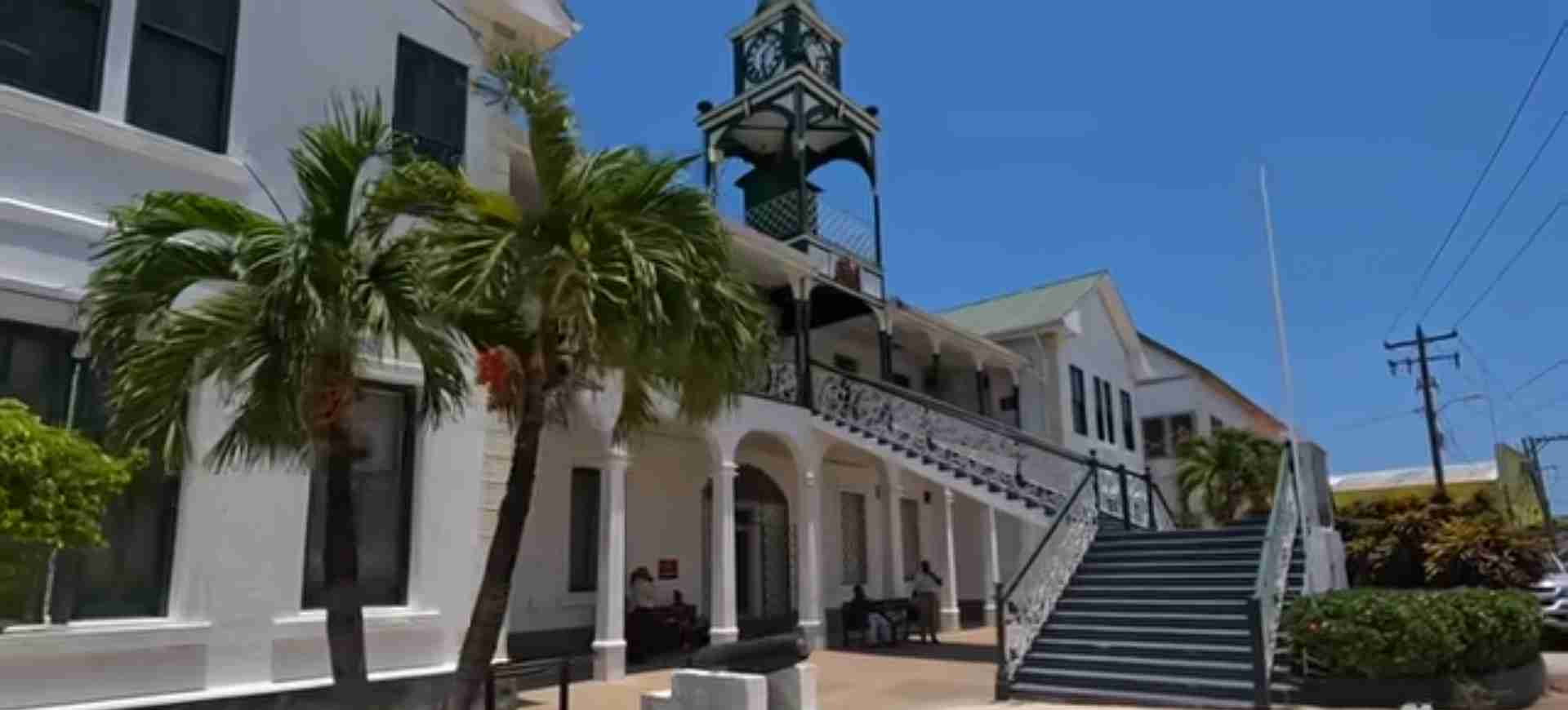
Belize City Travel Guide 2026: Cruise Port & Gateway
- Belize City serves as the primary cruise port and transportation hub for accessing mainland attractions and cayes
- The Tourism Village cruise port provides secure, organized facilities with direct access to tours and downtown Belize City within walking distance
- Budget $150-250 per person daily for tours, meals, and transportation in 2026, with significant savings possible through independent exploration
- Water taxis depart hourly to Caye Caulker ($22.50 one-way) and San Pedro ($30 one-way) from the Marine Terminal, making island hopping efficient and affordable
- Book popular tours like Altun Ha Maya Ruins and cave tubing 3-4 weeks ahead during peak season (December-April) to secure preferred departure times
- The city divides into the cruise port area (Tourism Village), downtown commercial district, and residential neighborhoods, with most visitor activity concentrated along the waterfront corridor
Planning Your Belize City Visit in 2026
Belize City functions as the crucial gateway to Belize’s diverse attractions, serving 1.2 million cruise passengers and hundreds of thousands of independent travelers annually. The city splits into distinct zones: the Tourism Village cruise port complex provides organized tour departures and shopping, the downtown commercial district offers authentic local experiences and transportation connections, and the waterfront Marine Terminal serves as the departure point for water taxis to the cayes. Understanding this geography proves essential for efficient planning, whether you’re arriving on a cruise ship with 6-8 hours in port or using Belize City as your mainland base for exploring the country.
The Tourism Village operates as a self-contained cruise port facility with security checkpoints, tour operator desks, restaurants, bars, and souvenir shops. Ships dock at the deepwater terminal 1.5 miles from shore, with tender boats providing 15-minute transfers to the Tourism Village. The facility opens when ships arrive (usually 7-8 AM) and closes when the last tender departs (usually 4-5 PM). Beyond the Tourism Village, downtown Belize City centers on Albert Street and the waterfront Swing Bridge area, where you’ll find banks, authentic restaurants, local markets, and the Marine Terminal for water taxi departures to the islands.
Belize City’s role as transportation hub makes it indispensable for accessing major attractions: the Northern Highway leads to Altun Ha Maya Ruins (32 miles, 1 hour), the Western Highway reaches the Belize Zoo (29 miles, 45 minutes) and continues to San Ignacio and the western archaeological sites, while the Coastal Highway connects to Hopkins Village and the southern coast. Water taxis operate scheduled service to Caye Caulker and Ambergris Caye throughout the day. The Philip S.W. Goldson International Airport sits 9 miles northwest of downtown, handling all international arrivals and domestic flights to the cayes and southern districts.
Your planning approach depends entirely on your arrival method. Cruise passengers work within strict time constraints, departing the ship around 8 AM and required back by 4:30-5 PM, which limits options to half-day tours or quick downtown exploration. Independent travelers staying overnight gain flexibility to catch early water taxis to the islands, book full-day tours to distant sites like Xunantunich or Caracol, or explore the city’s authentic neighborhoods at a comfortable pace. Both groups benefit from advance tour booking during peak season, as popular excursions fill weeks ahead.
People Also Ask About Belize City 2026
Is Belize City safe for tourists in 2026?
The Tourism Village cruise port area and designated tour zones maintain high security standards with controlled access and regular patrols, making these areas safe for cruise passengers and organized tour participants. Downtown Belize City requires standard urban caution, particularly in neighborhoods away from the main commercial corridor along Albert Street and the waterfront. Violent crime rarely affects tourists following basic precautions: stay in well-traveled areas during daylight hours, use official taxis rather than walking between distant points, keep valuables concealed, and avoid displaying expensive jewelry or electronics.
The Belize Tourism Board and cruise lines coordinate security measures in visitor areas. Licensed tour operators maintain radio contact with authorities and follow established routes avoiding problematic neighborhoods. The waterfront corridor between the Tourism Village and Marine Terminal sees heavy foot traffic and police presence throughout the day. After dark, stick to restaurants and bars in known tourist areas or return to your hotel, as street lighting remains inconsistent in residential zones and pedestrian activity drops significantly after 7 PM.
Specific safety practices prove effective: carry photocopies of your passport rather than the original, use ATMs during business hours inside banks rather than street machines, negotiate taxi fares before departure to avoid disputes, and travel in groups when exploring beyond the immediate port area. The city’s compact downtown makes navigation straightforward, but asking directions from shop owners or hotel staff works better than consulting your phone on the street. Most incidents affecting tourists involve opportunistic theft rather than violent crime, making awareness and basic precautions sufficient protection.
How much does it cost to visit Belize City in 2026?
Budget $150-250 per person daily in Belize City depending on your activity choices, with organized shore excursions representing the largest expense. Popular tours cost $75-140 per person for half-day experiences like Altun Ha Maya Ruins ($85-95), cave tubing on the Caves Branch River ($110-125), or snorkeling at Hol Chan Marine Reserve ($140 including water taxi and equipment). Check tour operator websites for current official rates as pricing varies by season and operator. Independent exploration costs significantly less: downtown walking costs nothing, authentic local restaurants charge $8-15 for meals, and water taxis to Caye Caulker run $22.50 one-way.
Accommodation costs affect overnight visitors but not cruise passengers. Budget hotels in safe areas charge $50-80 per night for basic double rooms with air conditioning and private bathrooms, mid-range properties cost $90-140 per night with better amenities and locations, while upscale waterfront hotels run $180-280 per night. These rates reflect 2026 peak season (December-April) pricing, with 20-30% discounts available May-November. Most properties include breakfast, reducing daily food costs. Hotel zones concentrate near the Marine Terminal and along the Northern Highway toward the airport, providing convenient access to transportation.
Transportation costs remain reasonable: official taxis from the cruise port to downtown charge $5-8 per person for the short ride, taxis to the airport run $25-30 for the vehicle (split among passengers), and water taxis cost $22.50 one-way to Caye Caulker or $30 to San Pedro with departures every 1-2 hours throughout the day. Tour transportation is included in excursion prices. Meals in tourist areas cost $12-20 for lunch and $18-30 for dinner, while authentic local restaurants charge $6-12 for traditional dishes like rice and beans with stew chicken or fish. Souvenirs and crafts in the Tourism Village run higher than downtown shops, where negotiation is expected and discounts of 10-20% are standard.
What are the best things to do in Belize City in 2026?
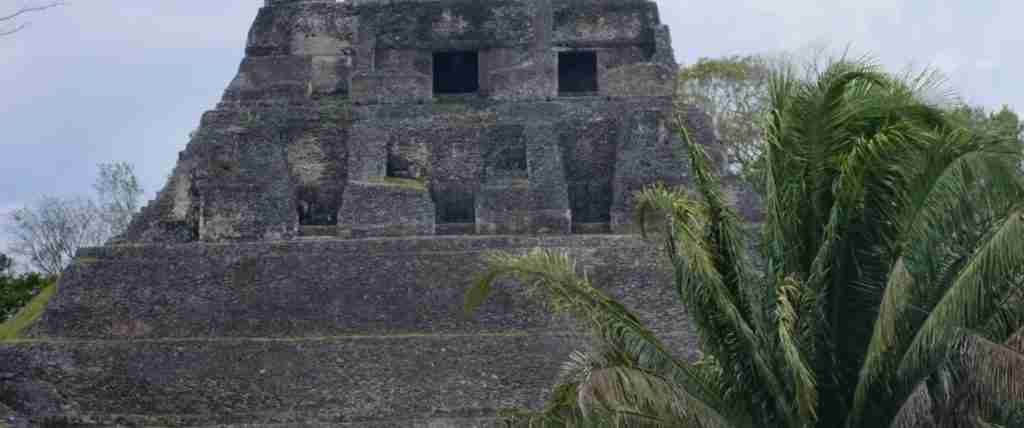
Altun Ha Maya Ruins ranks as the top half-day excursion from Belize City, combining significant archaeological importance with convenient location just 32 miles north. The site features the iconic Temple of the Masonry Altars, where archaeologists discovered the largest jade carving ever found in the Maya world. Tours depart 8-9 AM and return by 1-2 PM, allowing cruise passengers comfortable timing. Cave tubing on the Caves Branch River provides Belize’s signature adventure experience, floating through ancient Maya ceremonial caves on inner tubes through crystalline underground rivers. This full-day tour requires 7-8 hours including transport, making it challenging for cruise schedules but perfect for independent travelers.
The Belize Zoo sits 29 miles west on the Western Highway, showcasing native species in natural habitat enclosures including jaguars, tapirs, howler monkeys, and toucans. The zoo operates as a rescue and rehabilitation center, making it an educational experience beyond simple animal viewing. Half-day tours combine the zoo with stops at the Belize Sign for photos. Snorkeling at Hol Chan Marine Reserve near Ambergris Caye represents the premier marine experience, though the 45-minute water taxi journey plus snorkel time requires 6-7 hours total. Shark Ray Alley allows swimming alongside nurse sharks and southern stingrays in shallow water, creating memorable encounters for all skill levels.
Downtown Belize City exploration suits independent travelers with several hours between water taxi departures or those seeking authentic local culture beyond organized tours. The Museum of Belize, housed in the former colonial prison, presents comprehensive exhibits on Maya civilization, colonial history, and modern Belizean culture. The Swing Bridge, hand-operated since 1923, still opens twice daily for boat traffic, drawing crowds for this unique engineering demonstration. St. John’s Cathedral, built in 1812, stands as Central America’s oldest Anglican cathedral with impressive brick architecture. Albert Street and the adjacent market area offer shopping for local crafts, hot sauces, and Marie Sharp’s famous pepper sauces at source prices. Walking the waterfront between the Tourism Village and Marine Terminal provides perspective on local life beyond the cruise port bubble.
Do I need a tour in Belize City or can I explore independently in 2026?
Major archaeological sites like Altun Ha, adventure activities like cave tubing, and marine experiences like snorkeling all require organized tours due to transportation distances, equipment needs, and site access restrictions. These tours provide value through expert guides, included transportation, necessary equipment, and coordinated timing that eliminates logistical stress. For cruise passengers with limited time, organized excursions guarantee you’ll return to the ship on schedule. Book through reputable operators with established track records and radio communication to port officials. Shore excursions booked through cruise lines cost 20-40% more than identical tours booked directly with local operators but include guarantee of ship-wait if tours run late.
Downtown Belize City suits independent exploration with straightforward navigation and concentrated attractions within a compact area. Walking from the Tourism Village to the Museum of Belize takes 15-20 minutes along the waterfront. The Marine Terminal for water taxis sits just beyond the Swing Bridge, easily reached on foot. Albert Street shopping and authentic restaurants cluster within 3-4 blocks of the waterfront. Local buses depart from the main terminal near the Swing Bridge for destinations throughout Belize, though understanding routes and schedules requires some research. Taxis are readily available and affordable for short trips when walking doesn’t appeal.
A hybrid approach works well: book a morning tour to Altun Ha or the zoo through an organized operator, then explore downtown independently in the afternoon before catching a water taxi to Caye Caulker for overnight. This maximizes the guided experience for complex logistics while allowing authentic interaction in town. Solo travelers and couples find independent exploration more engaging and budget-friendly, while families with children or groups with varied mobility levels appreciate the structure and support of organized tours. Your comfort level with Spanish language (though English is official, Spanish dominates in some neighborhoods) and previous travel experience in developing countries should guide your decision between independent and organized activities.
Extended multi-day tours – 5+ days
Featured Belize Multi-Day Tour Packages
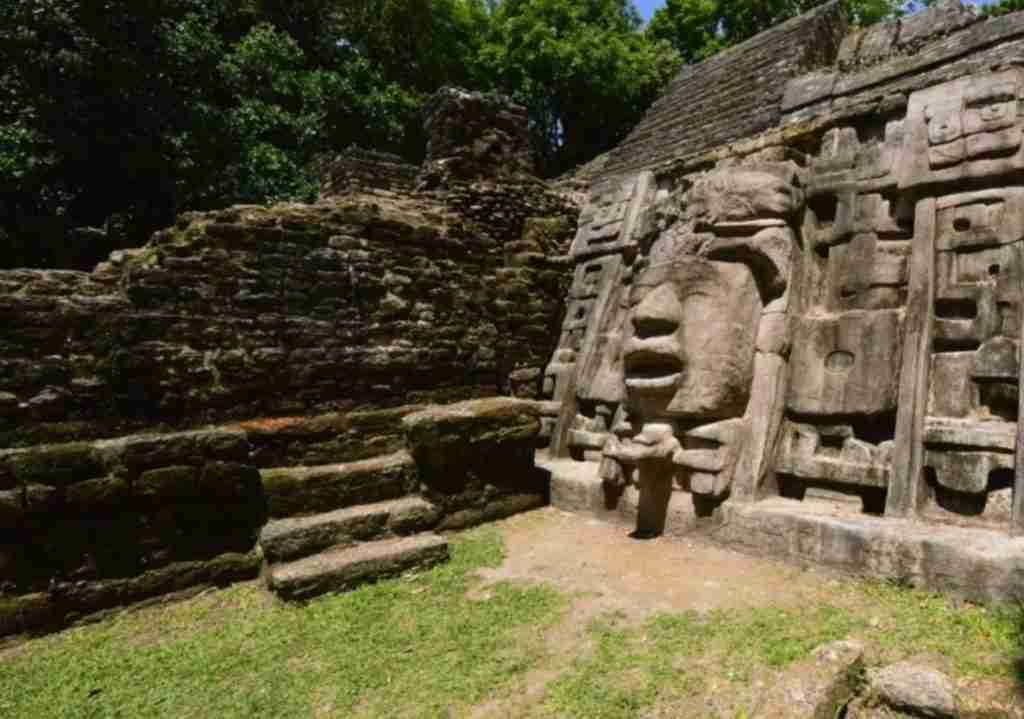
3 days
Belize 3-Day Discovery Tour
- ✓ Comprehensive Belize experience
- ✓ Expert local guides included
- ✓ All accommodation included
- ✓ Transportation provided
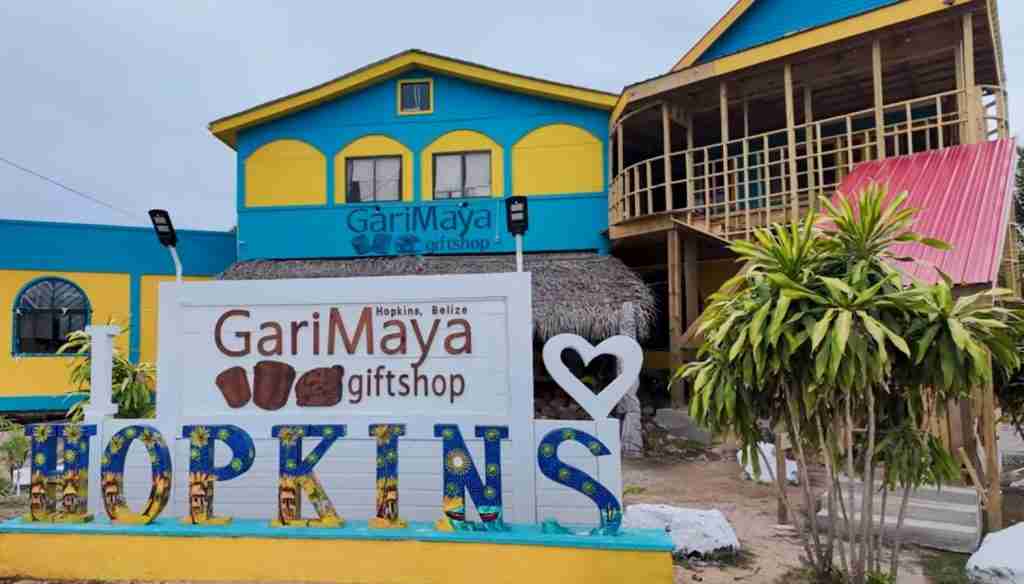
5 days
Belize 5-Day Highlights Experience
- ✓ Comprehensive Belize experience
- ✓ Expert local guides included
- ✓ All accommodation included
- ✓ Transportation provided
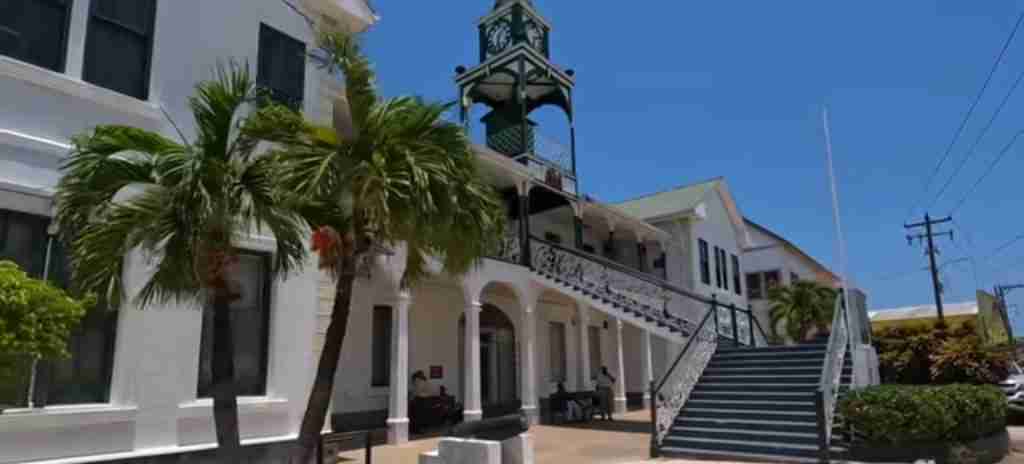
7 days
Belize 7-Day Cultural Journey
- ✓ Comprehensive Belize experience
- ✓ Expert local guides included
- ✓ All accommodation included
- ✓ Transportation provided
10 days
Belize 10-Day Complete Adventure
- ✓ Comprehensive Belize experience
- ✓ Expert local guides included
- ✓ All accommodation included
- ✓ Transportation provided
Multi-day tour packages powered by TourRadar. Prices and availability subject to change.
Essential Planning Information 2026
Understanding Belize City’s Layout and Neighborhoods
Belize City sprawls across a low-lying peninsula where the Belize River meets the Caribbean Sea, creating distinct zones that serve different functions. The Tourism Village occupies reclaimed land on the southern waterfront, purpose-built as a secure cruise port facility isolated from the city proper by gates and security checkpoints. This area remains entirely tourist-focused with international chain restaurants, souvenir shops selling the same mass-produced crafts found throughout Caribbean cruise ports, and tour operator desks arranged in organized rows. The Tourism Village connects to Fort George via a 10-minute walk along the waterfront promenade.
Fort George district represents the city’s upscale residential and hotel zone, stretching north from the Tourism Village along the coast. This neighborhood features colonial-era buildings in varying states of preservation, the Museum of Belize in the former prison complex, the Baron Bliss Memorial and lighthouse, and several mid-range to upscale hotels. The area maintains better infrastructure than downtown with wider streets, newer buildings, and less density. Memorial Park at the northern tip offers views across the water to St. George’s Caye, though the park itself shows considerable wear and limited maintenance.
Downtown Belize City centers on Albert Street and the Swing Bridge crossing the Belize River’s Haulover Creek. This commercial heart features authentic local businesses: hardware stores, clothing shops, small restaurants serving traditional Belizean cuisine, the main market selling fresh produce and seafood, money changers offering better rates than banks, and the central bus terminal connecting to every major destination in the country. The Swing Bridge area bustles with activity from 7 AM to 6 PM with vendors, office workers, and shoppers creating the genuine urban energy absent from the sanitized Tourism Village. The Marine Terminal for water taxis sits on the north bank just across the Swing Bridge.
Southside Belize City extends across the river from downtown into residential neighborhoods experiencing higher crime rates and limited tourist infrastructure. Cruise passengers and short-term visitors have no reason to venture into these areas, as attractions, restaurants, and services concentrate on the northside. The Western Highway and Northern Highway both depart from the northside, making it the logical base for exploring beyond the city. Understanding this basic geography prevents wrong turns into challenging neighborhoods and keeps you focused on zones where tourist infrastructure supports comfortable exploration.
Entry Requirements and Arrival Procedures 2026
United States, Canadian, and European Union citizens enter Belize visa-free for stays up to 30 days, requiring only a passport valid for the duration of stay (though six months validity is recommended). Immigration officials routinely ask about departure plans and accommodation, so have return tickets and hotel confirmations readily accessible on your phone or in print. The $40 departure tax is now included in most airline tickets, eliminating the need to save cash for airport departure fees. Cruise passengers pass through simplified immigration in the Tourism Village upon tender arrival, with the ship handling bulk clearance paperwork.
Philip S.W. Goldson International Airport processes international arrivals through a straightforward immigration and customs procedure. Immigration lines move efficiently except when multiple flights arrive simultaneously, which happens 3-4 times daily when U.S. connections cluster together. Have your immigration form completed before reaching the counter (forms are distributed on inbound flights or available at kiosks before immigration). Customs inspections remain cursory for most travelers, focusing on agricultural products and excessive alcohol. The terminal features ATMs dispensing Belize dollars, though USD is widely accepted throughout the country at a 2:1 exchange rate.
Airport transportation requires advance planning or acceptance of higher costs. Official airport taxis charge $25-30 for the 9-mile ride to downtown hotels, operating on fixed rates posted at the taxi stand. Shared shuttles cost $12-15 per person with 3-4 passengers minimum, departing when full rather than on fixed schedules. Several hotels provide included pickup for advance reservations. Rental cars suit travelers planning extensive exploration beyond Belize City, with companies like Crystal, Budget, and local operators maintaining airport counters. Roads in Belize range from excellent highways to rough dirt tracks, making 4WD vehicles worth considering for reaching remote sites.
Cruise passengers tendering from ship to Tourism Village face 15-20 minute boat rides depending on tender size and sea conditions. Ships anchor 1.5 miles offshore in the open roadstead, as Belize City lacks a deepwater pier for large vessels. Tender operations begin around 7-8 AM and continue through early afternoon, with return tenders starting around 3 PM and continuing until 5 PM. The final all-aboard time is typically 5:30 PM, requiring your return to the Tourism Village by 5 PM at the latest. Tender tickets are distributed on the ship with assigned times, though later departures can usually request earlier tickets if tours depart before their assigned slot. Rough seas occasionally disrupt tender operations, causing delays or cancellations that keep passengers aboard.
Currency, Money, and Payment Systems 2026
The Belize dollar (BZD) maintains a fixed 2:1 peg to the U.S. dollar, creating straightforward pricing calculations and widespread USD acceptance throughout the country. Most businesses quote prices in Belize dollars but accept USD at the 2:1 rate, giving back change in Belize dollars. This dual currency system works in tourists’ favor when prices are marked in BZD (you pay half in USD) but works against you when prices are quoted in USD (you can’t use BZD to pay less). Always confirm which currency applies before assuming automatic savings. Tour operators, upscale hotels, and Tourism Village merchants typically price in USD, while local restaurants, buses, and smaller shops use BZD.
ATMs in Belize dispense Belize dollars with most accepting foreign cards on Visa/Mastercard networks. Machines in tourist areas sometimes offer USD withdrawals but with poor exchange rates and additional fees. The best approach involves withdrawing moderate amounts in BZD from bank-operated ATMs during business hours, using USD cash for large purchases like tours, and relying on credit cards for hotels and restaurants. Scotiabank, Belize Bank, and Atlantic Bank maintain ATMs in downtown Belize City and the Tourism Village, charging $3-5 per withdrawal plus your home bank’s foreign transaction and ATM fees. Daily withdrawal limits typically cap at BZD $500 ($250 USD), requiring multiple transactions for large cash needs.
Credit cards work at hotels, established restaurants, tour operators, and Tourism Village shops but incur 3-5% surcharges that merchants add to bills. Small local restaurants, market vendors, taxis, water taxis, and buses accept cash only. Carrying $100-200 USD in small bills provides flexibility for situations where cards fail or vendors offer cash discounts. Keep bills in good condition, as damaged or heavily worn USD notes face rejection. The Tourism Village has several ATMs but charges higher fees than downtown banks. Breaking large bills proves challenging outside tourist areas, so request smaller denominations when withdrawing cash or making purchases at hotels and tour operators.
Tipping practices in Belize follow U.S. standards with 10-15% expected for restaurant table service, $1-2 per bag for porters, and $5-10 per person for tour guides depending on length and quality. Some restaurants include 10% service charges automatically, so check bills before adding additional tips. Taxi drivers don’t expect tips for straightforward rides but appreciate rounding up on longer journeys. Water taxi crews work primarily for tips, with $1-2 per person appreciated for luggage assistance. Tour guides depend heavily on tips, particularly those working for larger companies where base wages remain low. Cash tips in USD or BZD work equally well, though guides often prefer USD for better exchange rates when traveling or purchasing imported goods.
Getting to Belize City in 2026
International Flight Connections and Routes
Philip S.W. Goldson International Airport (BZE) maintains direct flights from major U.S. hubs including Miami, Houston, Dallas, Los Angeles, Charlotte, Denver, and Newark, making Belize easily accessible for North American travelers. United, American, Delta, Southwest, and Belize-based Maya Island Air and Tropic Air operate scheduled service with most flights departing U.S. cities in early morning or early afternoon for arrival in Belize by midday or late afternoon. Return flights typically depart Belize early morning or midday for afternoon or evening arrivals in the U.S., allowing full-day tours on arrival and departure days with appropriate planning.
Flight duration from U.S. gateways ranges from 2 hours from Miami and Houston to 5+ hours from Los Angeles and Denver, with most East Coast routes under 3 hours. Seasonal demand significantly affects pricing, with December-April high season commanding $450-700 round-trip from major hubs while May-November shoulder and low season drops to $300-500 for identical routes. Book flights 2-3 months ahead for best availability and pricing, though last-minute deals appear occasionally when airlines need to fill seats. Southwest’s entry into the Belize market in 2022 increased competition and lowered average fares, making the destination more accessible for budget-conscious travelers.
Canadian travelers connect through U.S. hubs or take direct Air Canada flights from Toronto to Belize during winter peak season. European visitors route through Miami, Houston, or Dallas with overnight layovers required for most European departure cities. Central American connections operate through Guatemala City, San Salvador, and Cancun with Copa, Avianca, and regional carriers. Tropic Air and Maya Island Air provide domestic connections from Belize City to San Pedro, Caye Caulker, Dangriga, Placencia, and Punta Gorda with short 15-45 minute flights on small aircraft that offer spectacular coastal views and island-hopping flexibility.
The airport terminal remains small and manageable with a single baggage claim area, one security checkpoint, and limited gate seating that can become crowded during peak departure times. Arrive 2 hours before international departures for check-in and security clearance. The departure area features several small restaurants, souvenir shops, and a duty-free liquor store. Free WiFi works throughout the terminal though bandwidth limitations make streaming impractical. Airlines check bags through to final destinations on international itineraries, but domestic connections on Tropic Air and Maya Island Air require manual bag transfer and separate check-in even when booked as through tickets.
Cruise Ship Arrival and Port Procedures
Belize City ranks among the Western Caribbean’s most popular cruise ports with ships calling 4-6 days weekly during peak season (December-April) and 2-3 times weekly in shoulder season (May-November and September-October). Norwegian, Carnival, Royal Caribbean, Celebrity, Holland America, and Princess Cruises all include Belize City on various Caribbean itineraries, typically as part of 7-day Western Caribbean loops departing from Florida ports. Ships anchor in the open roadstead 1.5 miles offshore, requiring tender transport to the Tourism Village that adds 30-45 minutes to your usable port time including waiting for tenders and the boat ride itself.
Tender operations begin when ships drop anchor around 7-8 AM with first passengers ashore by 8-8:30 AM. Ships distribute tender tickets the night before with assigned return times or first-come-first-served systems depending on cruise line policies. Passengers booked on ship-organized shore excursions receive priority tender boarding, leaving around 7:30-8 AM to reach tour departure points by 8:30-9 AM. Independent travelers wait for general tender boarding beginning 8:30-9 AM, creating crowds and waits during peak traffic. Request early tender tickets if you’re booking independent tours or catching water taxis to the islands, as missing tour departure times or boat schedules creates problems and potential financial losses.
The Tourism Village provides organized cruise port infrastructure with clear directional signage in English, security screening upon entry, tour operator booths arranged by company, restaurants and bars serving familiar international food and drinks, souvenir shops selling jewelry and crafts at inflated prices, free WiFi throughout the facility, and clean modern bathrooms. The atmosphere remains entirely tourist-focused with aggressive vendor approaches in some areas balanced by regulated tour operators working from established booths rather than roaming the docks. Shore excursions booked through the cruise line depart from designated meeting points within the Tourism Village, while independent tour operators meet passengers outside the facility’s main gates.
All-aboard time typically falls between 4:30-5:30 PM depending on ship departure schedules and tender logistics. Final tenders depart the Tourism Village around 5 PM, making a 4:30 PM return advisable to avoid last-minute crowds and ensure comfortable margin for tender boarding. Missing the ship requires expensive catch-up arrangements involving flights to the next port or rejoining the ship at its home port, plus hotel costs and disrupted vacation plans. Build conservative time buffers into independent exploration, particularly when relying on tour operators not affiliated with your cruise line. Weather can delay tender operations by 1-2 hours during squalls or rough seas, though cancellations remain rare given Belize’s protected coastal position.
Ground Transportation from Airport and Within City
Official airport taxis operate on fixed rates posted at the taxi stand outside baggage claim, charging $25-30 for up to 4 passengers traveling to downtown hotels or the Marine Terminal. The 9-mile journey takes 15-20 minutes via the Northern Highway through developing commercial zones and residential neighborhoods. Drivers know major hotels and standard destinations but may need addresses for smaller properties or private vacation rentals. Negotiate rates before departure and confirm whether the price is per person or per vehicle to avoid payment disputes upon arrival. Most taxis accept USD or BZD with change provided in BZD at the standard 2:1 exchange rate.
Shared shuttle vans offer lower per-person costs at $12-15 when traveling with 3-4 passengers, though departures wait until vehicles fill rather than running on fixed schedules. This works well for budget travelers without time pressure but frustrates those eager to reach hotels quickly after long flights. Several hotels provide included pickup for advance reservations, particularly mid-range and upscale properties where included transport represents a standard amenity. Arrange pickup through your hotel’s website or booking email at least 2-3 days ahead, providing flight details so drivers track arrival times and adjust for delays. This service eliminates taxi negotiation and guarantees transparent pricing while supporting hotels where you’re staying.
Downtown Belize City functions well for walking between nearby points, with the Tourism Village to Marine Terminal waterfront corridor offering safe, pleasant pedestrian routes. The Swing Bridge area and Albert Street see heavy foot traffic throughout business hours, making these core zones comfortable for visitors familiar with urban environments. Venture beyond this compact downtown requires caution, as residential neighborhoods lack infrastructure for tourist walking and some areas experience higher crime rates. Use taxis for movement between the hotel zone near the airport and downtown, between Fort George and the bus terminal, or when carrying luggage or valuable items that make you a target for opportunistic theft.
Taxi rates within downtown charge $3-5 per person for short trips, $5-8 for moderate distances like Tourism Village to the Marine Terminal, and $25-30 for longer runs to the airport or hotel clusters on the Northern Highway. Taxis don’t use meters, requiring fare negotiation before departure to establish clear expectations. Having exact change in small USD bills or BZD notes prevents disputes over change and tips. Most downtown taxis congregate at the Tourism Village gates, the Marine Terminal, the Swing Bridge area, and major hotels. Hailing taxis on the street works in busy commercial zones but proves unreliable in quieter neighborhoods, making phone booking through your hotel more dependable for scheduled departures.
Where to Stay in Belize City 2026
Hotel Zones and Neighborhood Guide
Belize City’s hotel inventory splits into three primary zones serving different traveler needs: the Northern Highway corridor between downtown and the airport caters to overnight guests needing convenient access to morning water taxis or domestic flights, the Fort George district provides waterfront location and proximity to the Tourism Village for cruise ship passengers extending their stay, and the outlying residential areas offer budget options for extremely price-conscious travelers willing to sacrifice location for savings. Each zone presents tradeoffs between convenience, safety, amenities, and value that should align with your priorities and travel style.
The Northern Highway hotel zone (also called the Princess Margaret Drive area) positions you 2-3 miles from downtown with modern mid-range properties offering reliable amenities, secure parking, swimming pools, and on-site restaurants. This zone suits travelers planning early morning water taxi departures to the islands (10-15 minute taxi to Marine Terminal), those with rental cars exploring mainland attractions, and anyone prioritizing clean, functional accommodation over atmospheric colonial properties. Hotels here include the Ramada, Best Western, and several Belizean-owned properties offering similar standards at competitive rates. The area lacks walkable restaurants or attractions, making you dependent on taxis or your hotel’s facilities for dining and services.
Fort George represents Belize City’s most established hotel district with colonial-era mansions converted into boutique properties, modern waterfront hotels, and several upscale options offering the city’s best amenities. This neighborhood provides walking access to the Museum of Belize, waterfront promenade, and Tourism Village, making it logical for cruise passengers staying pre- or post-cruise or independent travelers wanting to explore downtown without taxi dependence. The area maintains better security than other neighborhoods with regular police patrols and hotel security guards. Properties range from charming budget B&Bs in restored colonial homes to full-service waterfront hotels with pools, restaurants, and tour desks. Expect to pay premiums of 20-30% over comparable Northern Highway properties for the superior location and historic ambiance.
Budget travelers seeking rock-bottom pricing find options in residential neighborhoods further from tourist zones, though these areas require careful research and realistic safety expectations. Properties under $40 per night typically offer basic rooms with private bathrooms and air conditioning but limited security, inconsistent maintenance, and locations requiring taxi transport for reaching downtown or water taxis. These hotels serve backpackers, long-term budget travelers, and locals visiting from the districts rather than typical tourists planning Belize vacations. Unless budget constraints absolutely require this category, the modest premium for Northern Highway or Fort George properties delivers substantially better value through enhanced safety, reliable amenities, and convenient location.
Recommended Properties by Budget Category
Luxury and upscale properties in Belize City include the Radisson Fort George Hotel & Marina, offering waterfront location, full-service marina, swimming pool, multiple restaurants, and business center in a modern high-rise tower. Rooms feature contemporary furnishings, reliable air conditioning, cable TV, and WiFi. The property serves business travelers and cruise passengers wanting premium amenities. Rates run $180-240 per night for standard doubles in peak season. The Great House offers boutique luxury in a restored colonial mansion with just 16 rooms individually decorated with antiques and period furnishings. The property emphasizes personalized service, included gourmet breakfast, and intimate atmosphere. Rooms cost $200-280 per night with advance reservations required during peak months.
Mid-range options deliver the best value for most travelers through reliable quality, convenient locations, and amenities supporting comfortable stays. The Best Western Belize Biltmore Plaza on the Northern Highway offers 75 rooms with modern amenities, large swimming pool, restaurant and bar, tour desk, and secure parking. The property caters to both business and leisure travelers with consistent standards. Rooms cost $110-150 per night including breakfast buffet. The Belcove Hotel in Fort George provides 12 rooms in a restored colonial building with veranda seating, included breakfast, and walking access to waterfront attractions. The property emphasizes local character and personalized service over chain-hotel standardization. Rates run $95-130 per night for double occupancy.
Budget properties offering clean, safe accommodation at economical rates include the Sea Side Guest House on the Northern Highway, a family-run property with 10 rooms featuring private bathrooms, air conditioning, cable TV, and WiFi. The location requires taxis for reaching downtown but provides quiet residential setting. Rooms cost $55-75 per night. The Villa Boscardi in the Fort George area offers colonial charm in a restored mansion with 6 rooms sharing common spaces and included breakfast. The property attracts budget travelers wanting Fort George location without premium pricing. Rooms run $60-85 per night depending on size and season. All budget properties benefit from advance booking during peak season, as inventory remains limited and properties fill weeks ahead.
Booking Strategies and Seasonal Pricing 2026
Belize City hotel rates peak December-April during dry season when North American winter escapees and cruise ship traffic hits maximum levels. Book peak season accommodation 6-8 weeks ahead for best selection and rates, as properties fill completely during Christmas-New Year holidays, February, and spring break periods. Rates in this peak window run 25-35% higher than shoulder season (May-June and November-early December) and 40-50% higher than September-October low season when hurricane threat and heavy rainfall reduce tourism. Budget-conscious travelers gain substantial savings by visiting outside peak months, though weather becomes less predictable and some tours and businesses reduce schedules or close completely.
Booking platforms including Booking.com, Hotels.com, and Expedia offer competitive rates with frequent promotional discounts, though booking directly through hotel websites sometimes unlocks perks like room upgrades, included breakfast, or flexible cancellation. Compare total costs including taxes and fees across platforms before committing, as advertised rates often exclude Belize’s 12.5% hotel tax and sometimes additional service charges. Properties listed on booking platforms typically maintain higher standards than unlisted budget hotels, as international platforms enforce quality requirements and guest review systems. Read recent reviews carefully, focusing on comments about safety, cleanliness, noise, and neighborhood conditions rather than minor service complaints.
Cruise passengers extending stays before or after cruises should coordinate hotel booking with cruise line departure/arrival times to avoid paying for unused nights. Pre-cruise stays allow relaxed morning embarkation without early flights or missed ship departure, while post-cruise nights provide cushion against flight delays and opportunity to explore attractions inaccessible during cruise calls. Hotels near the Tourism Village or on the Northern Highway near the cruise port access road work best for these scenarios. Some hotels offer cruise parking packages including pre- and post-cruise nights with secured vehicle storage during the sailing, popular with Florida residents driving to embarkation rather than flying.
Budget Planning for 2026
Daily Cost Breakdowns by Travel Style
Budget travelers spending conservatively in Belize City need $80-120 per person daily excluding accommodation. Budget hotel $60-80, breakfast at local bakery or included at hotel $0-5, lunch at authentic restaurant $8-12, dinner at local eatery $12-18, water taxi to Caye Caulker $22.50, snacks and drinks $8-12, local bus or walking for downtown transport $0-3. Total day cost: $50-70 per person (excluding accommodation $60-80). This budget requires selecting budget hotels, eating at local restaurants rather than tourist-zone establishments, using public transportation or walking when possible, and limiting tours to one per trip or skipping organized excursions in favor of independent exploration and beach time on the islands.
Mid-range travelers enjoying comfortable amenities and some organized tours should budget $180-280 per person daily. Mid-range hotel $110-150, breakfast included at hotel or nearby cafe $0-8, lunch at casual restaurant $15-22, Altun Ha Maya Ruins tour $85-95, dinner at nice restaurant $25-35, taxis between sites $15-20, snacks and drinks $12-18. Total day cost: $152-198 per person (excluding accommodation $110-150). This budget supports staying in properties with pools and on-site restaurants, booking 1-2 organized tours during your visit, dining at a mix of tourist and local restaurants, and using taxis for convenience rather than only when necessary. Most independent travelers find this range comfortable without feeling constrained by budget limitations.
Luxury travelers wanting premium experiences and multiple tours budget $400-600 per person daily. Upscale hotel $200-280, full breakfast included $0, guided cave tubing tour $110-125, lunch at tourist restaurant $20-30, private snorkeling charter to Hol Chan $180-220 per person (3-4 person minimum), dinner at upscale restaurant $40-60, private taxis throughout day $35-50, premium drinks and snacks $20-30. Total day cost: $405-545 per person (excluding accommodation $200-280). This budget allows booking multiple organized tours, choosing private charters over group tours when available, staying in the city’s best properties, and dining at upscale restaurants without price checking. Few travelers maintain this spending level for extended stays, but cruise passengers with one day in port sometimes splurge on premium tours and experiences.
Money-Saving Strategies for 2026
Booking tours directly with local operators rather than through cruise ships saves 20-40% on identical experiences while supporting Belizean businesses rather than international cruise corporations. Reputable operators like Viator Adventures, S&L Travel and Tours, and Island Divers maintain professional standards matching ship-contracted providers while charging lower prices for cave tubing ($110 vs. $150), Altun Ha ($85 vs. $110), and combination tours. These companies communicate via email, accept credit card payment, provide meeting instructions, and guarantee timely returns for cruise passengers. The trade-off involves losing cruise line ship-wait guarantees if tours run late, though professional operators maintain excellent safety records and timing.
Eating at authentic Belizean restaurants instead of Tourism Village establishments cuts meal costs 40-60% while providing superior food quality and cultural experience. Rice and beans with stew chicken, fish, or pork costs $8-12 at local spots vs. $15-22 for inferior versions in tourist zones. Downtown restaurants on Albert Street, King Street, and near the Swing Bridge serve working Belizeans their daily meals, guaranteeing authentic preparation and reasonable pricing. El Shaday Restaurant, Sahara Grill, and Dario’s Meat Pies offer reliable quality. Breakfast at bakeries like German’s Bakery or Brodies provides fresh breads, pastries, and coffee for $3-6, substantially less than hotel breakfast buffets charging $10-15.
Visiting during shoulder season (May-June or November-early December) delivers 25-35% savings on accommodation while maintaining acceptable weather and tour availability. September-October offers maximum discounts but carries higher rainfall risk and reduced tour schedules as some operators close for annual maintenance or vacation. Tours become less crowded in shoulder season, with popular sites like Altun Ha receiving fewer daily visitors and cave tubing groups running smaller than peak season’s packed operations. Water taxis maintain regular schedules year-round except during hurricanes or tropical storms, making island access reliable even in low season. The trade-off involves less predictable weather and potential rain disruptions to outdoor activities.
Walking downtown rather than taking taxis between nearby points saves $3-8 per trip while providing authentic cultural immersion impossible from vehicle windows. The Tourism Village to Marine Terminal waterfront walk takes 20-25 minutes through active commercial zones where you’ll see Belizeans going about daily business, vendors selling fresh fruit and coconuts, fishermen cleaning catches, and authentic urban life. Albert Street shopping proves more interesting on foot than rushed taxi passes, as you can duck into stores, examine goods, chat with vendors, and absorb the atmosphere. Walking requires reasonable fitness, comfort with urban environments, awareness of surroundings for safety, and tolerance for tropical heat and humidity during midday hours when sun exposure proves intense.
Sample 2026 Itineraries
One-Day Cruise Port Visit
Maximize limited cruise ship time with focused planning and realistic expectations about what one day allows. Ship anchors 7:30 AM, first tender ashore 8:15 AM, meet Altun Ha tour operator outside Tourism Village gates 8:30 AM. Transportation departs 8:45 AM traveling north on Northern Highway through Orange Walk District to archaeological site arriving 9:45 AM. Guided tour 9:45 AM-11:30 AM exploring major plaza areas, temples, and central precinct with climbing allowed on most structures. Guide explains Maya history, archaeology, and site significance while allowing independent exploration time. Return to vehicles 11:45 AM, drive back to Belize City arriving Tourism Village 12:45 PM. Tour cost $85-95 per person includes transportation, guide, and site entrance.
Lunch 1 PM-2 PM at Tourism Village restaurant or authentic downtown spot if time permits. Walk to Marine Terminal 2-2:30 PM (20 minutes from Tourism Village along waterfront), catch 2:30 PM water taxi to Caye Caulker ($22.50 one-way, 45 minutes). Arrive Caye Caulker 3:15 PM, explore village streets, swim at Split public beach area, purchase drinks or snacks from local stands, observe laid-back island atmosphere. Depart Caye Caulker 4:30 PM water taxi (last ferry guaranteeing cruise ship return), arrive Belize City 5:15 PM, taxi to Tourism Village 5:25 PM ($5-8), board tender to ship 5:30-5:45 PM. This itinerary combines mainland archaeology with island culture but requires disciplined timing and comfortable crowds during tender boarding.
Alternative focused itinerary skips archaeological sites for marine emphasis: Depart Tourism Village 8:30 AM via water taxi to San Pedro, Ambergris Caye ($30 one-way, 1 hour 15 minutes). Meet organized snorkeling tour at San Pedro 10 AM for Hol Chan Marine Reserve and Shark Ray Alley ($75-95 per person, 3 hours). Snorkel pristine reef systems, swim with nurse sharks and stingrays, view tropical fish in protected marine park. Return San Pedro 1 PM, lunch at local restaurant ($15-22), explore town briefly, depart 3 PM water taxi for Belize City arrival 4:15 PM. Taxi to Tourism Village 4:25 PM, board tender with comfortable margin for ship departure. This schedule prioritizes Belize’s premier marine environment but sacrifices mainland cultural elements and requires weather cooperation for snorkeling.
Three-Day Independent Itinerary
Day 1 arrival and Belize City exploration. International flight arrives 12:30 PM, clear immigration and customs 1:15 PM, official airport taxi to Northern Highway hotel 1:45 PM ($27). Check in, refresh, lunch at hotel or nearby restaurant 2:30 PM ($15-20). Taxi to downtown Belize City 3:30 PM ($8), explore Museum of Belize ($10 entrance, 2 hours) covering Maya civilization, colonial history, and contemporary Belizean culture. Walk to Swing Bridge area 5:30 PM observing daily life, vendors, and local commerce. Early dinner at authentic restaurant near Albert Street 6 PM ($12-18), taxi back to hotel 7:30 PM ($8). Evening relaxation at hotel, early bed for morning island departure. Accommodation $110-150 per night, Museum $10, lunch $15-20, dinner $12-18, taxis $16, snacks $8. Total day cost: $61-72 per person (excluding accommodation).
Day 2 Caye Caulker island experience. Early breakfast at hotel 6:30 AM (included or $6-8), check out and store luggage 7:15 AM if staying on Caye Caulker, or day trip keeping Belize City base. Taxi to Marine Terminal 7:30 AM ($8), catch 8 AM water taxi to Caye Caulker ($22.50, 45 minutes). Arrive Caye Caulker 8:45 AM, check into beachfront guesthouse or day-trip locker rental. Snorkeling tour 9:30 AM-12:30 PM visiting reef sites and marine reserve ($50-70 per person including equipment and guide). Beach lunch at local spot 1 PM ($10-15), afternoon swimming at the Split public beach area or kayak rental ($25 for 2 hours), explore village shops and art galleries. Sunset drinks at waterfront bar 5:30 PM ($8-12), dinner at seafood restaurant 7 PM ($20-30). Return water taxi 8 PM if day-tripping ($22.50) or overnight on island if extending. Accommodation on Caye Caulker $70-110, water taxi round-trip $45, snorkeling $60, meals $40-57, activities $25. Total day cost: $170-187 per person (excluding accommodation).
Day 3 morning island time and afternoon departure. Late breakfast at island cafe 8:30 AM ($8-12), final beach swimming or paddleboarding 9:30 AM-11:30 AM, pack and check out noon. Lunch at favorite spot discovered previous day 12:30 PM ($12-18), catch 2 PM water taxi to Belize City ($22.50, 45 minutes). Arrive Marine Terminal 2:45 PM, retrieve stored luggage if day-tripped from Belize City base or store bags at terminal lockers. Quick Albert Street shopping for Marie Sharp’s hot sauces, local crafts, and souvenirs 3-4:30 PM. Early dinner at downtown restaurant 4:45 PM ($15-22), taxi to airport 6 PM ($27) for evening international flight departing 8-9 PM. Breakfast $10, lunch $15, water taxi $22.50, shopping $30-50, dinner $18, taxi $27. Total day cost: $122.50-142.50 per person. This itinerary balances cultural exploration, island beach time, and marine activities with realistic pacing for relaxed experience rather than exhausting rush.
Booking Your 2026 Visit
Tour Operators and Excursion Companies
S&L Travel and Tours operates as one of Belize’s most established tour companies with professional guides, modern air-conditioned vehicles, comprehensive insurance, and consistent quality across their excursion portfolio. They offer Altun Ha ($85 per person), cave tubing ($110), Xunantunich and zip-lining combinations ($155), and custom multi-day tours. Book through their website or email with credit card payment accepted. The company maintains radio contact with cruise ports and guarantees timely returns for ship passengers. Viator Adventures provides similar quality with slightly lower pricing and excellent customer reviews. Their cave tubing tours cost $105, Altun Ha $80, and combination packages deliver better value than booking individual sites separately.
Island Divers specializes in marine excursions from Belize City including snorkeling at Hol Chan Marine Reserve ($140 per person including water taxi transfer), private charters to the Blue Hole ($350-400 per person for full-day expedition), and PADI certification courses. They maintain professional equipment, experienced dive masters, and comprehensive safety protocols. Book 2-3 weeks ahead during peak season as private charters fill quickly. Caveman Adventures focuses on mainland adventure activities including cave tubing ($115), ATM Cave tours ($185), and jungle zip-lining ($95), operating from Belmopan base with Belize City pickups available. Their guides demonstrate excellent knowledge of natural history and archaeological significance beyond basic site narration.
Cruise ship shore excursions cost 25-45% more than booking identical tours with local operators but include ship-wait guarantees that prevent missing departure if tours run late. Norwegian Cruise Line’s Altun Ha tour costs $119 vs. $85 booking directly, while their cave tubing sells for $149 vs. $110 independent booking. The premium buys insurance against tour delays, simplified booking through ship systems, and concentrated meeting points within the Tourism Village. Independent tours require email communication, credit card payment to foreign companies, and trust that operators will perform as promised. Reputable companies maintain perfect records, but scam operations exist targeting cruise passengers with low prices and poor delivery. Research operators thoroughly through TripAdvisor, Google Reviews, and Belize tourism forums before booking.
Water Taxi Schedules and Island Connections 2026
The Belize Marine Terminal, located at 10 North Front Street just across the Swing Bridge from downtown, serves as the departure point for all water taxi service to Caye Caulker and Ambergris Caye (San Pedro). Two competing companies, San Pedro Belize Express and Ocean Ferry Belize, operate identical routes on staggered schedules providing combined departures every 30-60 minutes during peak daylight hours. Morning boats depart 7 AM, 8 AM, 9 AM, 10 AM, 10:30 AM, and 11:30 AM, afternoon service runs 1 PM, 3 PM, 4 PM, and 5:30 PM, with final departure 5:30 PM during peak season (earlier in low season). Schedule adjustments occur for holidays and low-season reduced frequency, so confirm specific departure times through company websites or phone calls 1-2 days before travel.
Tickets cost $22.50 one-way to Caye Caulker (45 minutes) or $30 one-way to San Pedro (1 hour 15 minutes, with 15-minute stop at Caye Caulker). Round-trip tickets offer no discount from purchasing two one-way fares and commit you to specific company for return journey, reducing flexibility if schedule changes or competing company offers more convenient timing. Purchase tickets at the Marine Terminal from company windows 15-30 minutes before departure or book online through company websites. Online booking guarantees seats during crowded peak season days but requires printing confirmation emails or having them accessible on phones for scanning at boarding. Cash payment in USD or BZD accepted at terminal ticket windows, credit cards work online and sometimes at terminals.
Water taxi boats range from basic 30-passenger launches to modern 75-passenger ferries with enclosed cabins, padded seats, and some air conditioning. Expect open-air seating on most trips with sun exposure requiring hats, sunglasses, and sunscreen. Rough seas create bouncy rides during windy periods, particularly afternoon when sea breezes strengthen. Motion-sensitive passengers should take seasickness medication 30-60 minutes before departure and request seats in the middle of boats where motion stays minimal. Luggage storage in covered compartments protects bags from spray, though keeping valuable items in waterproof bags provides additional security. The journey offers spectacular coastal views departing Belize City, transitioning to open Caribbean Sea, then approaching the barrier reef and cayes with brilliant turquoise water contrasts.
Advance Planning Timeline for 2026
Book international flights 2-4 months before travel dates for optimal pricing and seat selection, particularly during peak season December-April when demand drives prices upward and popular routes sell out. Southwest’s Tuesday fare sales sometimes offer exceptional value for Belize routes, while traditional carriers rarely discount below their standard seasonal pricing. Use flight search tools tracking price trends over several weeks to identify optimal booking windows, though excessive delay risks seat availability rather than securing additional savings. Direct flights from major hubs provide best value through time savings and eliminated connection risks, while routing through smaller markets sometimes discovers pricing anomalies worth investigating.
Reserve organized tours 3-4 weeks ahead during peak season, 1-2 weeks in shoulder season, for guaranteed space on preferred dates and departure times. Popular excursions like Altun Ha, cave tubing, and snorkeling fill completely during busy periods when multiple cruise ships call simultaneously or long weekends bring domestic travelers from Guatemala and Mexico. Booking directly through operator websites or email provides confirmation numbers and receipt documentation protecting your reservation. Some operators require deposits or full payment at booking while others collect payment at tour departure. Understand cancellation policies before committing, as weather cancellations typically offer full refunds while customer cancellations may forfeit deposits or incur penalties depending on advance notice provided.
Hotel reservations should occur 4-8 weeks before peak season travel, 2-4 weeks for shoulder season, with last-minute booking possible in low season September-October. Properties offering free cancellation until 24-72 hours before check-in provide flexibility for changing plans without financial penalties. Mid-range and upscale hotels maintain more generous cancellation terms than budget properties requiring non-refundable deposits. New Year’s week, February, and spring break periods require earliest booking as the city’s limited quality hotel inventory sells out months ahead. Consider booking refundable rates even at slightly higher cost for flexibility valuable when coordinating complex multi-destination itineraries where timing shifts affect hotel needs.
Water taxi tickets require no advance purchase except during peak holidays when locals traveling to family gatherings on the islands combine with tourist demand to fill boats. Purchase tickets 30-60 minutes before departure at the Marine Terminal for standard travel days. Online booking makes sense for first morning departures when you’re coordinating hotel checkout and taxi timing, as guaranteed reservation eliminates stress about sold-out boats forcing schedule changes. The terminal area gets congested during peak departure times 8-10 AM and 3-5 PM, so arriving early with purchased tickets speeds boarding and secures preferred seating locations.
2026 Updates and Current Information
Tourism Village Facilities and Services
The Tourism Village cruise port completed expansions in 2023 adding covered shopping pavilions, additional bathrooms, improved WiFi infrastructure, and organized tour operator zones separating companies by activity type. The facility now accommodates 3,000+ passengers daily when multiple ships call simultaneously. Free WiFi covers the entire complex with reasonable bandwidth for messaging and basic web browsing, though streaming video overwhelms the system during peak use. Several ATMs dispense Belize dollars and USD, while money changers offer competitive exchange rates comparable to downtown banks. The facility maintains air-conditioned rest areas providing relief from tropical heat between tour returns and tender boarding.
Restaurant and bar options expanded beyond generic burgers and nachos to include authentic Belizean cuisine at several stalls in the food court area. Prices remain elevated compared to downtown (expect to pay $15-20 for meals costing $8-12 elsewhere), but quality improved substantially from early Tourism Village iterations serving primarily cruise ship passengers unfamiliar with Belizean food. The craft market features 40+ vendor stalls selling jewelry, wood carvings, textiles, hot sauces, and souvenir items. Negotiate prices aggressively as initial quotes typically exceed downtown shops by 30-50%. Marie Sharp’s hot sauce factory store offers authentic products at source pricing, making it worthwhile browse even if you’re planning downtown shopping.
Security screening at Tourism Village gates separates the controlled cruise port area from public streets, with bag checks and metal detectors processing all passengers entering and exiting. This creates safe, regulated environment for cruise passengers but delays entry and exit during peak traffic when hundreds queue simultaneously. The gates open when ships arrive and close when final tenders depart, making it impossible to access the Tourism Village when no ships are in port. Independent travelers staying in Belize City cannot use Tourism Village facilities on non-cruise days, instead exploring downtown and waterfront areas accessible without security checkpoints.
Downtown Development and Waterfront Improvements
Belize City’s waterfront promenade connecting the Tourism Village to Fort George received significant upgrades during 2022-2024 including new paving, benches, lighting, and landscaping creating pleasant walking route along the coast. The project aims to encourage cruise passengers to explore beyond the Tourism Village into authentic downtown areas while improving public space for local residents. Additional improvements scheduled for 2025-2026 include expanded sidewalks on Albert Street, restored historic buildings near the Swing Bridge, and enhanced lighting in the commercial core. These developments make downtown exploration increasingly comfortable for visitors while maintaining the authentic urban character distinguishing Belize City from sanitized cruise ports.
The Museum of Belize expanded its exhibition spaces in 2023 with new galleries covering marine ecosystems, contemporary Belizean art, and detailed archaeological displays from major Maya sites. The museum operates Tuesday-Friday 8:30 AM-4:30 PM with extended hours until 8 PM on Fridays for after-work visitors. Admission costs $10 for adults, $5 for students, free for Belizean citizens and children under 12. Guided tours are available by advance request for $15 per person (3-person minimum). The building itself, constructed in 1857 as Her Majesty’s Prison and serving that function until 1993, provides fascinating architecture complementing the historical exhibits.
Transportation Updates and New Routes
The Philip S.W. Goldson International Airport completed terminal modernization in 2024 expanding departure gates, immigration processing capacity, and baggage handling systems to accommodate increasing passenger volumes. Airlines added routes including Southwest’s daily service from Denver and Houston, Delta’s expanded Atlanta frequencies, and United’s year-round Newark service complementing existing seasonal offerings. These additions improve access from U.S. markets and increase competition lowering average fares 15-25% compared to 2020-2022 pricing. Domestic carriers Tropic Air and Maya Island Air added aircraft to their fleets enabling higher frequencies on popular routes to San Pedro, Caye Caulker, and Placencia.
Water taxi service between Belize City and the cayes increased frequencies during peak season with boats now departing every 30-45 minutes during morning and afternoon rushes compared to hourly service previously. Both San Pedro Belize Express and Ocean Ferry Belize upgraded vessels adding modern boats with improved seating, partial air conditioning, and reduced vibration. Ticket prices remained stable at $22.50 to Caye Caulker and $30 to San Pedro, representing good value given fuel cost increases affecting marine transport globally. Online booking systems improved with mobile-friendly interfaces and electronic ticket delivery reducing paper waste and simplifying boarding procedures.
FAQ Section
Do I need a visa to visit Belize in 2026?
United States, Canadian, and European Union citizens visit Belize visa-free for stays up to 30 days requiring only passports valid for the duration of stay. Immigration officials may request proof of onward travel and accommodation details, so have return tickets and hotel confirmations accessible on your phone or in print. Extensions beyond 30 days require application at immigration offices with fees of $50 per month up to 6 months maximum.
Is Belize City worth visiting or should I go straight to the islands?
Belize City serves primarily as transportation hub rather than destination, with most travelers spending 1-2 nights maximum before heading to mainland attractions or the cayes. The city offers authentic urban Belizean culture, the excellent Museum of Belize, and convenient access to Altun Ha Maya Ruins. Skip Belize City entirely if your interests focus purely on diving, snorkeling, and beach relaxation better served by San Pedro or Caye Caulker. Plan 1 night if you’re exploring mainland sites like the Belize Zoo, Xunantunich, or western cave systems.
What language is spoken in Belize?
English serves as Belize’s official language and primary tongue in business and government, making it the only Central American country where English dominates. Spanish is widely spoken, particularly in northern and western districts with substantial Mestizo populations. Creole (Kriol) is the everyday language for many Belizeans, blending English with African, Spanish, and indigenous influences. Tourist areas operate entirely in English, though basic Spanish proves helpful in smaller towns and markets.
Can I use U.S. dollars in Belize?
U.S. dollars are accepted throughout Belize at the fixed 2:1 exchange rate to Belize dollars, with merchants giving change in BZD. Always confirm which currency prices are quoted in before assuming automatic 50% savings. Hotels, tours, and Tourism Village typically price in USD, while local restaurants and shops use BZD. Carry small USD bills ($1, $5, $10, $20) in good condition, as torn or damaged notes face rejection.
What’s included in shore excursion prices?
Tour prices include transportation from meeting points to sites and return, entrance fees to attractions, guide services, and activity equipment (snorkel gear, cave tubing tubes, helmets, etc.). Meals are not typically included except on full-day tours explicitly mentioning lunch. Tips for guides and drivers are not included, with $5-10 per person for half-day tours and $10-15 for full-day experiences representing standard amounts. Bring extra cash for optional add-ons like souvenir photos, premium drinks, or additional activities at sites.
How rough is the water taxi ride to the islands?
Water taxi conditions vary by weather, wind, and season. Calm days in protected waters provide smooth rides with minimal motion. Afternoon sea breezes strengthen creating choppy conditions that bounce smaller boats more than larger ferries. Morning departures typically encounter calmer seas than afternoon returns. Sit in the middle of boats to minimize motion effects, and take seasickness medication 30-60 minutes before departure if you’re prone to motion sickness. The ride crosses open Caribbean Sea with wave heights occasionally reaching 3-5 feet during windy periods.
Do I need travel insurance for Belize?
Travel insurance covering medical emergencies and evacuation proves valuable for Belize visits, as serious medical issues requiring air evacuation to U.S. facilities cost $15,000-25,000. Belize City has basic medical facilities adequate for minor issues but lacks advanced trauma care and specialized treatments. Trip cancellation and interruption coverage protects against losses from flight cancellations, tour cancellations due to weather, or unexpected illness preventing travel. Diving insurance adds coverage for hyperbaric chamber treatment costing $3,000-8,000 if needed.
Can I drink the tap water in Belize City?
Tap water in Belize City meets basic safety standards but tastes heavily chlorinated and may cause digestive upset for sensitive travelers. Hotels provide bottled water, and restaurants serve bottled or filtered water with meals. Purchase bottled water at supermarkets for $1-2 per 1.5L bottle rather than paying $3-5 at Tourism Village vendors. Brushing teeth with tap water is generally safe, though cautious travelers use bottled water for all oral contact.
What should I pack for a Belize City visit in 2026?
Pack lightweight, breathable clothing in light colors that reflect sun and dry quickly in humid conditions. Bring swimsuit, reef-safe sunscreen (chemical sunscreens are banned in marine reserves), wide-brimmed hat, sunglasses, insect repellent with DEET for evening mosquitoes, comfortable walking shoes with good traction for archaeological sites, water shoes for cave tubing and snorkeling, and light rain jacket for brief tropical showers. Leave jewelry and valuables at home, bringing only modest amounts of cash and a single credit card.
How far in advance should I book tours from Belize City?
Book popular tours like Altun Ha and cave tubing 3-4 weeks ahead during peak season December-April when cruise ships call 4-6 days weekly and tours fill completely. Shoulder season May-June and November-December allows 1-2 weeks advance booking with good availability. Low season September-October permits last-minute booking, though some operators reduce schedules or close for maintenance. Private charters and specialty tours require earlier booking regardless of season due to limited capacity.