
Honolulu Museums & Galleries 2026: Complete Cultural Guide
Honolulu’s cultural institutions showcase everything from ancient Polynesian artifacts and royal Hawaiian heritage to contemporary Pacific art and one of the world’s finest Islamic art collections. The city’s museums range from world-class institutions housing tens of thousands of works spanning 5,000 years to intimate galleries in the historic Chinatown Arts District, offering visitors comprehensive immersion into Hawaiian, Pacific, Asian, and global artistic traditions.
Key Takeaways for Honolulu Cultural Venues 2026
- Major Museum Pricing in 2026: Bishop Museum charges $39 general admission with $3 planetarium upgrades, Honolulu Museum of Art costs $25 with youth 18 and under free, while Hawaii State Art Museum (Capitol Modern) offers free admission year-round.
- Premium Experience Planning: Shangri La Museum tours cost $45 for general admission ($25 for Hawaii residents) and require advance booking often months ahead, with tours departing Thursday through Saturday from the Honolulu Museum of Art.
- Strategic Timing for Savings: Visit Honolulu Museum of Art on third Sundays for free kamaaina admission, Hawaii State Art Museum during First Friday events (first Friday monthly) for extended hours with live music, or Bishop Museum on weekdays during off-season periods (February-March, late March-May, October-November) for discounted rates.
- Collection Highlights Worth Planning Around: Bishop Museum houses 25 million Hawaiian and Pacific cultural artifacts including the world’s largest collection of Polynesian specimens, HoMA features over 55,000 works including pieces by van Gogh, Monet, Gauguin, and Picasso plus the largest Asian art collection in the United States, while Shangri La presents 4,500 Islamic art objects in Doris Duke’s oceanfront estate.
- Chinatown Arts District Cultural Scene: Downtown Honolulu’s Chinatown transforms into a bustling gallery walk on First Friday each month with free admission to participating venues, live music, food vendors, and rotating exhibitions at Downtown Art Center, Arts at Marks Garage, and numerous independent galleries along Nuuanu Avenue.
- Multi-Day Cultural Planning: A comprehensive museum experience combining Bishop Museum, Honolulu Museum of Art, Shangri La tour, and Chinatown galleries requires 3-4 days with approximately $110-120 per person in admission costs, plus transportation and dining expenses.
People Also Ask About Honolulu Museums & Galleries 2026
What are the best museums to visit in Honolulu in 2026?
Bishop Museum ranks as Honolulu’s top cultural attraction for Hawaiian and Pacific history, housing 25 million artifacts including royal Hawaiian feather capes, ancient navigational instruments, and comprehensive natural history specimens across five buildings. The Honolulu Museum of Art offers world-class collections spanning 5,000 years with particular strength in Asian art, European masters, and Hawaiian artists including Georgia O’Keeffe’s Maui landscapes. Shangri La provides the only standalone Islamic art museum experience in the United States within Doris Duke’s oceanfront estate featuring 4,500 objects from Morocco, Syria, Turkey, Egypt, India, and Spain. Hawaii State Art Museum (Capitol Modern) showcases exclusively Hawaiian artists in the state’s largest contemporary art collection with free admission. These four institutions represent Honolulu’s essential museum experiences in 2026.
How much does it cost to visit Honolulu’s major museums in 2026?
Bishop Museum charges $39 general admission ($36 seniors, $31 children ages 4-17) with optional $3 planetarium shows, opening daily 9 AM to 5 PM except Thanksgiving and Christmas. Honolulu Museum of Art costs $25 general admission with youth 18 and under free, operating Wednesday through Sunday with Friday hours extending to 9 PM. Shangri La tours run $45 general admission ($25 Hawaii residents) including shuttle transportation and same-day HoMA access, departing Thursday through Saturday at 9 AM, 11 AM, 1 PM, and 3 PM. Hawaii State Art Museum offers free admission year-round, open Wednesday through Saturday 10 AM to 4 PM. Combined admission to Bishop Museum, HoMA, and Shangri La totals approximately $110 per person in 2026, with Capitol Modern adding no cost to a comprehensive cultural itinerary.
When is the best time to visit Honolulu museums in 2026 to avoid crowds?
Weekday mornings between 9-11 AM at Bishop Museum and 10 AM-noon at Honolulu Museum of Art offer the quietest gallery experiences in 2026, particularly during off-season periods from February through mid-March and late September through mid-November when mainland tourism decreases. Hawaii State Art Museum sees minimal crowds any time during its Wednesday through Saturday operating hours. Shangri La tours accommodate only 12-15 guests per departure, ensuring intimate experiences regardless of season, though booking 2-3 months ahead becomes essential during peak winter and summer periods. First Friday events in Chinatown (first Friday of each month 6-9 PM) intentionally draw large crowds for the social gallery walk atmosphere. Tuesday closures at both Bishop Museum and Honolulu Museum of Art concentrate visitors into remaining days, making Wednesday through Thursday optimal for peaceful museum exploration.
Can you visit multiple Honolulu museums in one day in 2026?
Combining Bishop Museum and Hawaii State Art Museum in one day works well with morning at Bishop (2.5-3 hours recommended) and afternoon at Capitol Modern (1-1.5 hours), as they’re 3 miles apart and Capitol Modern closes at 4 PM. Honolulu Museum of Art and Shangri La tours naturally combine since Shangri La departures originate at HoMA, with your $45 Shangri La ticket including same-day HoMA admission — plan the 2.5-hour Shangri La tour first (9 AM or 11 AM departure), then explore HoMA galleries afterward until 6 PM (9 PM on Fridays). Attempting Bishop Museum, HoMA, and Shangri La in one day creates rushed experiences given Bishop’s comprehensive scope and Shangri La’s fixed tour schedule. Ideal planning spreads major museums across 2-3 days: Day 1 for Bishop Museum with full morning and early afternoon, Day 2 for Shangri La tour followed by HoMA exploration, Day 3 for Capitol Modern and Chinatown galleries. This pacing allows proper attention to each institution’s collections without museum fatigue.
Extended multi-day tours – 5+ days
Featured Honolulu Multi-Day Tour Packages
3 days
Honolulu 3-Day Discovery Tour
- ✓ Comprehensive Honolulu experience
- ✓ Expert local guides included
- ✓ All accommodation included
- ✓ Transportation provided

5 days
Honolulu 5-Day Highlights Experience
- ✓ Comprehensive Honolulu experience
- ✓ Expert local guides included
- ✓ All accommodation included
- ✓ Transportation provided
7 days
Honolulu 7-Day Cultural Journey
- ✓ Comprehensive Honolulu experience
- ✓ Expert local guides included
- ✓ All accommodation included
- ✓ Transportation provided
10 days
Honolulu 10-Day Complete Adventure
- ✓ Comprehensive Honolulu experience
- ✓ Expert local guides included
- ✓ All accommodation included
- ✓ Transportation provided
Multi-day tour packages powered by TourRadar. Prices and availability subject to change.
Introduction to Honolulu’s Cultural Landscape in 2026
Honolulu concentrates one of the Pacific’s most significant collections of museums and galleries within a compact urban area stretching from the Bishop Museum campus in Kalihi through downtown’s Capitol District to the oceanfront estates of Kahala. The city serves as the cultural repository for Hawaiian and broader Polynesian heritage while simultaneously maintaining world-class collections of Asian, Islamic, European, and contemporary art. This convergence of cultural institutions reflects Hawaii’s position as the crossroads of Pacific, Asian, and Western civilizations, with museums preserving and interpreting traditions spanning from ancient Polynesian navigation to contemporary Hawaiian artistic movements.
The museum landscape divides into several distinct categories serving different cultural functions. Bishop Museum operates as the state museum of natural and cultural history, founded in 1889 by Charles Reed Bishop to honor his wife Princess Bernice Pauahi Bishop, the last descendant of the Kamehameha royal dynasty. The Honolulu Museum of Art, established in 1927, functions as a comprehensive art museum with international scope while maintaining strong commitments to Hawaiian and Pacific art. Shangri La represents a unique category as a house museum dedicated exclusively to Islamic art, created from Doris Duke’s personal collection and residence. Hawaii State Art Museum operates under state government administration to showcase contemporary Hawaiian artists exclusively.
Beyond major institutions, Honolulu’s Chinatown Arts District has evolved since the early 2000s into a thriving gallery ecosystem with over 20 exhibition spaces, artist studios, and performance venues concentrated along Nuuanu Avenue and surrounding streets. This district transforms monthly during First Friday Gallery Walk events when venues extend hours, debut new exhibitions, and create a pedestrian-friendly art fair atmosphere with live music and food vendors. The contrast between Chinatown’s grassroots contemporary scene and the established museum institutions provides visitors with comprehensive exposure to both historical collections and current artistic production.
Planning a cultural visit to Honolulu in 2026 requires understanding operational schedules, advance booking requirements, and strategic timing to maximize access. Some venues like Shangri La require reservations months ahead due to limited tour capacity, while others like Capitol Modern welcome walk-in visitors during open hours. Seasonal pricing variations at Bishop Museum, free admission days at HoMA for residents, and First Friday programming at Chinatown galleries create opportunities for strategic planning. Transportation between venues via TheBus public transit, Biki bikeshare, or rideshare services enables efficient multi-museum itineraries. This guide provides comprehensive information for navigating Honolulu’s cultural institutions, from world-renowned collections to hidden gallery gems.
Bishop Museum 2026: Hawaiian and Pacific Cultural Heritage
Bishop Museum stands as Hawaii’s largest museum and the world’s premier institution for Polynesian cultural artifacts and Pacific natural history. Founded in 1889 to preserve the legacy of Princess Bernice Pauahi Bishop and the Kamehameha dynasty, the museum has expanded to house over 25 million cultural artifacts, natural history specimens, photographs, and documents spanning Hawaiian and Pacific history from ancient settlement through contemporary times. The campus encompasses five major buildings including the iconic Hawaiian Hall, Science Adventure Center, and J. Watumull Planetarium, situated on 2.5 acres in Honolulu’s Kalihi neighborhood approximately 6 miles northwest of Waikiki.
General admission costs $39 for adults in 2026 (check official website for current rates as pricing may vary), with seniors paying $36 and children ages 4-17 charged $31. Military personnel receive discounted rates, and children 3 and younger enter free. These prices grant access to all museum buildings, galleries, and outdoor spaces, with the J. Watumull Planetarium available for an additional $3 per person. The museum opens daily from 9 AM to 5 PM, closing only on Thanksgiving and Christmas. Last admission occurs at 4 PM, and guests arriving after this time may not be admitted. Parking costs $15 per vehicle in the museum lot, with free street parking available along Bernice Street and Kapalama Street for those willing to walk 1-2 blocks.
Hawaiian Hall and Royal Collections 2026
Hawaiian Hall dominates the Bishop Museum campus as a three-story Victorian building completed in 1903, designed in Richardsonian Romanesque style with lava rock walls and soaring interior spaces. The hall’s central atrium rises three stories with balconies on each level, creating a cathedral-like space that houses the museum’s most significant Hawaiian cultural treasures. On the ground floor, visitors encounter ancient Hawaiian gods carved in wood, royal feather cloaks and helmets worn by kings, and weapons used in traditional warfare. The featherwork collection represents the world’s finest assemblage of these sacred objects, created from thousands of tiny feathers from now-extinct Hawaiian bird species, demonstrating the extraordinary craftsmanship of ancient artisans.
The second floor focuses on daily life in ancient Hawaii, displaying fishing implements, agricultural tools, kapa (bark cloth) textiles, and domestic items that reveal how Hawaiians adapted to island environments. Navigation displays demonstrate Polynesian wayfinding techniques using stars, ocean swells, and bird behavior that enabled voyages across thousands of miles of open Pacific. The third floor presents royal Hawaiian history from the Kamehameha dynasty through the overthrow of the monarchy in 1893, featuring portraits of Hawaiian royalty, royal regalia, and personal belongings of the last Hawaiian monarchs. This comprehensive vertical journey through Hawaiian culture takes 60-90 minutes for thorough exploration.
Special exhibitions rotate through temporary gallery spaces, with 2026 featuring “Expedition Dinosaur: Into the Deep” examining marine reptiles that inhabited ancient seas. This traveling exhibition requires an additional $3 admission fee beyond general museum entry for non-members. Bishop Museum members at Patron level and above receive free access to special exhibitions. The museum maintains an active exhibition schedule with 3-4 major temporary shows annually, so checking the current exhibition calendar before visiting ensures awareness of special displays during your 2026 travel dates.
Natural History Collections and Science Adventure Center 2026
Bishop Museum’s natural history collections rival those of major mainland institutions, housing 24 million specimens representing Pacific biodiversity. The insect collection alone contains over 13 million specimens, making it one of the world’s most comprehensive assemblages of Pacific island insects. Marine collections include 6 million seashells, 500,000 marine invertebrates, and 130,000 fish specimens documenting Pacific Ocean life. Plant collections preserve 490,000 specimens representing Hawaii’s unique flora, much of it endemic to the islands and found nowhere else on Earth.
The Science Adventure Center provides interactive exhibits focusing on volcanology, oceanography, and biodiversity. The signature attraction features a simulated volcanic eruption demonstrating lava flow and explaining Hawaii’s volcanic origins. While the museum website mentions live lava demonstrations, visitors should confirm current programming as some activities operate on limited schedules. Interactive displays allow hands-on exploration of scientific concepts, making this building particularly engaging for families with children. The planetarium presents multiple shows daily, with “Wayfinders” exploring Polynesian navigation techniques using traditional methods to sail from Tahiti to Hawaii, presented in full-dome immersive format.
Planning Your Bishop Museum Visit in 2026
Allocate 2.5 to 4 hours for comprehensive Bishop Museum exploration, with shorter visits of 90 minutes covering Hawaiian Hall highlights and one additional building. Arriving at opening (9 AM) ensures smallest crowds and coolest temperatures in non-air-conditioned Hawaiian Hall. The museum accepts credit cards only — no cash transactions — so plan accordingly. Backpacks exceeding 20 pounds and travel luggage must be checked at the Admissions Desk for $5 per item.
The on-site cafe Tūtū’s Place by Highway Inn serves Hawaiian plate lunches, poke bowls, sandwiches, and snacks from 10:30 AM to 3:30 PM daily, though prices reflect museum venue premiums. Bringing your own refillable water bottle makes sense as the museum maintains water fountains and has eliminated single-use plastics campus-wide. Shop Pacifica museum store offers Hawaiian cultural items, books, and gifts with proceeds supporting museum programs.
Public transportation via TheBus provides economical access, though routes require 45-60 minutes from Waikiki with at least one transfer. Routes 2 and 13 serve the museum area. Rideshare services like Uber or Lyft cost $15-25 from Waikiki depending on traffic and time of day. The museum’s location near Honolulu International Airport (3 miles) makes it feasible for arrival-day or departure-day visits if traveling with carry-on luggage only, as checked bags cannot be stored.
Discount strategies include purchasing Go Oahu all-inclusive passes which include Bishop Museum admission along with other attractions, potentially saving 20-30% versus individual ticket purchases for visitors planning multiple paid activities. Online advance purchase with promotional codes (check museum website for current offers) sometimes provides 15-20% discounts. Hawaii residents should inquire about kamaaina rates. The museum participates in Museums for All program, offering free admission for up to four people with SNAP Electronic Benefits Transfer (EBT) card presentation.
Honolulu Museum of Art 2026: World-Class Collections
The Honolulu Museum of Art (HoMA) ranks among America’s finest regional art museums, housing over 55,000 works spanning 5,000 years of artistic production from ancient Mediterranean civilizations through contemporary art. The museum occupies two iconic buildings in central Honolulu — the main facility at 900 South Beretania Street and Spalding House in Makiki Heights — with the Beretania location serving as the primary visitor destination. Designed by Bertram Goodhue Associates and completed in 1927, the main building exemplifies Hawaiian regional architecture adapted for art display, featuring 30 galleries organized around six garden courtyards that allow natural ventilation and create contemplative outdoor spaces between exhibition halls.
General admission costs $25 for adults in 2026, with all youth ages 18 and under admitted free. Hawaii residents (kamaaina) pay $10 with valid ID. The museum operates Wednesday through Sunday, closing Monday and Tuesday year-round. Hours run 10 AM to 6 PM on Wednesday, Thursday, Saturday, and Sunday, with extended Friday hours until 9 PM. The museum closes on New Year’s Day, Independence Day, Thanksgiving, December 12-14, and Christmas Day. Hawaii residents receive free admission on the third Sunday of each month (Family and Community Sundays) and on Lā Ho’iho’i Ea (Hawaiian Restoration Day) on July 31. College students enrolled at any Hawaii state university or college enter free with valid student ID.
Asian Art Collections 2026
HoMA houses the largest collection of Asian art in the United States, with particular depth in Chinese, Japanese, Korean, Indian, and Southeast Asian works. The Japanese collection features extensive holdings of ukiyo-e woodblock prints, ceramics, and textile arts, with galleries dedicated to Buddhist sculpture and tea ceremony implements. Chinese galleries display jade carvings, bronze vessels from the Shang and Zhou dynasties, and imperial court paintings spanning multiple centuries. The museum’s commitment to Asian art reflects Hawaii’s historical connections to Asia and the collecting interests of founding benefactors.
The Arts of the Islamic World gallery presents highlights from the museum’s Islamic art collection, complementing the fuller Shangri La experience. This gallery underwent recent reinstallation and presents ceramics, metalwork, and textiles from the Islamic cultural sphere. For visitors booking Shangri La tours, exploring this HoMA gallery either before or after the estate visit provides broader context for Islamic artistic traditions across different media and time periods.
European and American Art 2026
European galleries feature significant works by Claude Monet, Vincent van Gogh, Paul Gauguin, and Pablo Picasso, representing major movements from Impressionism through modern art. Recent reinstallation of European and American galleries in 2026 presents these works with fresh interpretive approaches examining themes of power, faith, and nationhood. American art holdings include Georgia O’Keeffe’s Maui landscapes painted during her Hawaii visits, John Singer Sargent portraits, and works by contemporary artists including Lee Bontecou, Nick Cave, and Kara Walker.
The museum maintains active exhibition programming with 4-6 major temporary shows annually. Recent and current exhibitions include “Mary Cassatt at Work” examining the Impressionist painter’s depictions of women, and “Let Trade Winds Flow” featuring aloha shirt designs and Hawaiian textile traditions. Exhibition schedules change throughout the year, so checking current shows during your 2026 visit ensures awareness of special displays beyond the permanent collection.
Arts of Hawaii Collections 2026
HoMA distinguishes itself through comprehensive Hawaiian art holdings spanning traditional pre-contact works, art from the monarchy period, and contemporary pieces by Native Hawaiian and local artists. Traditional Hawaiian galleries display featherwork, kapa cloth, carved wooden images, and implements demonstrating indigenous artistic traditions. The museum actively collects and exhibits contemporary Hawaiian artists, supporting living artists and documenting ongoing artistic production in the islands.
Recent acquisitions showcased in Gallery 10 include Dec. 7, 1941 (Pearl Harbor Day) by pioneering Japanese American artist and other significant additions to the collection. The museum’s commitment to Hawaiian art extends to commissioned works, artist residencies, and educational programming connecting contemporary artists with community audiences. This dual focus on preserving historical Hawaiian art while actively supporting contemporary production creates dynamic galleries that evolve beyond static historical displays.
Museum Facilities and Visitor Experience 2026
HoMA Café serves casual contemporary cuisine Thursday through Sunday from 11 AM to 2 PM, with no museum admission required to dine at the cafe. The cafe operates as an ocean-friendly restaurant committed to sustainable practices. Outdoor seating in garden courtyards provides pleasant dining with koi pond and fountain views. The Coffee Bar in the Palm Courtyard offers coffee, tea, beer, wine, and grab-and-go items for visitors wanting lighter refreshments between galleries.
Doris Duke Theatre operates as Hawaii’s largest independent arthouse cinema, screening documentary, international, and independent films year-round with separate admission from museum entry. The theater entrance on Kinau Street allows direct access without museum admission for film-only visits. Programming includes film series, lectures, and performances addressing contemporary cultural issues. The theater hosts the annual Honolulu African American Film Festival and other specialized programming throughout the year.
HoMA Shop offers publications, jewelry, textiles, handcrafted works, art prints, and creative supplies reflecting the museum’s collection scope, with all proceeds supporting museum programs and exhibitions. The shop remains accessible without museum admission for those wanting to browse without gallery visits. Robert Allerton Art Library provides research access to art publications and archives, also accessible without admission requirement.
Docent-led tours offer free gallery highlights with museum admission, departing at scheduled times (check museum website for current tour schedule). These 60-minute guided tours provide expert insights into collection highlights and current exhibitions. Audio guides and digital gallery guides enhance self-guided exploration for visitors preferring independent pacing. The museum strives for full accessibility with wheelchair access throughout public spaces and specialized services available upon request.
Strategic Planning for HoMA Visits in 2026
Plan 2-3 hours minimum for first-time visits covering collection highlights, with 4-5 hours allowing thorough exploration of permanent galleries plus current special exhibitions. Friday evening visits (museum open until 9 PM) provide unique experiences with HoMA Nights programming featuring live music, art-making activities, and extended gallery access in a social atmosphere distinct from daytime visits. Combining HoMA with Shangri La tours on the same day maximizes value since Shangri La tickets ($45) include same-day HoMA admission.
Parking in the museum lot behind the HoMA School at 1111 Victoria Street costs approximately $10-15 (credit card only), with entrance on Beretania or Young Street. Street parking in surrounding residential areas offers free alternatives for visitors willing to walk 2-4 blocks. TheBus Route 2 stops near the museum on South Beretania Street, providing public transit access from Waikiki in 20-30 minutes. Biki bikeshare stations operate nearby for bicycle access.
Groups of 10 or more receive 20% discount on general admission with advance booking required. ROAM (Reciprocal Organization of Associated Museums) members from participating institutions nationwide receive up to two complimentary admissions with membership card presentation. Museums for All participants receive free admission and parking for SNAP EBT cardholders and up to three guests. Military personnel stationed in Hawaii receive kamaaina rate admission ($10) with military ID.
Shangri La Museum of Islamic Art 2026: Doris Duke’s Estate
Shangri La Museum of Islamic Art, Culture & Design occupies Doris Duke’s oceanfront estate near Diamond Head, built beginning in 1937 as the winter residence of the American tobacco heiress and philanthropist. The property represents the only museum in the United States dedicated exclusively to Islamic art and serves as a center for the Doris Duke Foundation for Islamic Art, offering tours of Duke’s personal collection assembled over nearly 60 years of global travel. The estate’s 4.9 acres feature main residence, gardens, swimming pool complex, and Playhouse, all incorporating architectural elements and decorative arts from Islamic cultural traditions spanning Morocco, Syria, Turkey, Egypt, India, Iran, and Spain.
Tours cost $45 per person for general admission and $25 for Hawaii residents with valid ID in 2026. These prices include round-trip shuttle transportation from Honolulu Museum of Art, guided tour of Shangri La estate and grounds, and same-day admission to HoMA galleries. Tours operate Thursday through Saturday only, departing at 9 AM, 11 AM, 1 PM, and 3 PM from the Honolulu Museum of Art located at 900 South Beretania Street. Each tour accommodates 12-15 guests maximum, creating intimate experiences with specialized guides. Children 7 and younger cannot participate in tours due to fragile art objects and estate preservation concerns.
Advance reservations prove essential for Shangri La access, with tours often selling out 2-3 months ahead during peak visitor seasons (December through March, June through August). The Doris Duke Foundation releases new tour dates on the first Thursday of each month at 10 AM Hawaii time, when tickets become available for upcoming months. Securing reservations requires monitoring this release schedule and booking immediately when desired dates appear. Walk-up or same-day tickets remain virtually impossible to obtain given limited capacity and high demand.
Collection Highlights and Estate Architecture 2026
Duke assembled approximately 4,500 Islamic art objects ranging from 8th-century ceramics to contemporary textiles, with particular strength in Syrian and Moroccan architectural elements. The estate incorporates entire rooms transplanted from Damascus, including the Damascus Room with walls covered in intricately painted wooden panels dating from the Ottoman period. The Moroccan Living Room features carved stucco work, colorful tile mosaics (zellij), and hand-painted cedar ceiling panels creating an immersive environment replicating Moroccan palatial interiors.
The Turkish Room displays İznik ceramics and Ottoman textiles in a space inspired by Duke’s travels through Turkey. The Mughal Garden references Indian Mughal garden traditions with cypress trees, citrus plantings, and poinsettias arranged in geometric patterns. The Entry Courtyard features a large-scale mural by contemporary Egyptian artist, designer, and activist Bahia Shehab, demonstrating Duke’s commitment to collecting contemporary Islamic art alongside historical pieces.
Architectural integration distinguishes Shangri La from traditional museum displays, with Islamic decorative arts incorporated into functional living spaces Duke occupied during winter months until her death in 1993. Tile work surrounds the swimming pool, carved doors and windows frame ocean views, and textiles furnish residential rooms as Duke intended, creating experiential immersion in Islamic artistic traditions rather than gallery-style object presentation. This house museum approach allows visitors to understand how Duke lived with her collection and how Islamic art functioned in its original palatial contexts.
Tour Experience and Logistics 2026
The complete Shangri La experience spans approximately 2.5 hours from HoMA check-in through return. Visitors check in at the Honolulu Museum of Art 15 minutes before scheduled tour departure time, gathering in designated areas for orientation. A 25-passenger shuttle bus departs HoMA 15 minutes after check-in begins, traveling through Honolulu’s Kahala residential neighborhood for the 20-minute journey to Shangri La. This transit time provides views of Diamond Head, coastal landscapes, and exclusive residential areas.
Upon arrival at Shangri La, docents provide 75-90 minutes of guided interpretation including house interior rooms, garden spaces, and architectural features. The tour balances structured group presentations with opportunities for individual exploration and photography in designated areas. Docents bring deep knowledge of Islamic art history, Duke’s biography, and the estate’s construction history, weaving these threads into compelling narratives that enhance object appreciation. Many visitors report docent expertise as a tour highlight, with guides answering detailed questions and providing cultural context for objects and spaces.
Shangri La provides refreshments including ice cream and water during tours, with souvenir fans distributed to guests. Photography policies allow personal photography in most spaces, though specific restrictions apply to protect fragile objects and respect residential character. The estate’s coastal location offers spectacular ocean views from gardens and terraces, creating dramatic backdrops for the art and architecture. The 15-minute return shuttle to HoMA completes the experience, depositing guests back at the museum where same-day admission allows immediate gallery exploration.
Planning Your Shangri La Visit in 2026
Book reservations 2-3 months in advance during winter high season (December-March) and summer (June-August), with greater flexibility possible during shoulder seasons (April-May, September-November). The first Thursday monthly ticket release at 10 AM Hawaii time requires vigilant monitoring for popular dates. Creating an account on the Honolulu Museum of Art ticketing portal before release dates streamlines the booking process when new inventory appears.
Morning tours (9 AM, 11 AM) offer advantages for travelers combining Shangri La with afternoon HoMA exploration, as museum galleries remain open until 6 PM (9 PM Fridays). The 1 PM and 3 PM departures work well for visitors who prefer exploring HoMA first or who arrive in Honolulu on midday flights. Tours operate rain or shine, with most estate areas under cover or equipped with weather protection. Comfortable walking shoes prove essential for navigating stairs, uneven surfaces, and extended standing during the 75-90 minute tour.
Several reviewers recommend watching documentaries about Doris Duke before visiting to deepen appreciation for her collecting vision and the estate’s cultural significance. The museum’s website offers virtual tour content providing preview experiences. Reading Doris Duke’s Shangri La: A House in Paradise coffee table book enhances pre-visit preparation with photographs and essays examining the collection and its formation.
The Shangri La location in a residential neighborhood prohibits independent access — all visits occur exclusively via organized tours departing from HoMA. The estate’s coastal setting near exclusive Diamond Head residential areas offers no public parking or walk-up access. Visitors must plan HoMA arrival with sufficient time for parking and check-in before shuttle departure, as late arrivals risk missing their reserved tour with no refunds for no-shows.
Hawaii State Art Museum (Capitol Modern) 2026: Contemporary Hawaiian Art
Capitol Modern, operating as the Hawaii State Art Museum (HiSAM), showcases the largest collection of contemporary Hawaiian art in public hands, with free admission year-round making it Honolulu’s most accessible cultural institution. Located on the second floor of the No. 1 Capitol District Building at 250 South Hotel Street in downtown Honolulu, the museum occupies approximately 19,500 square feet across four galleries plus outdoor exhibition areas including the Front Lawn, Second Floor Courtyard, The POD, and Sculpture Garden. The museum functions as the primary venue for the State Foundation on Culture and the Arts’ Art in Public Places Collection, featuring works exclusively by artists with connections to Hawaii.
The museum opens Wednesday through Saturday from 10 AM to 4 PM, closing Sunday through Tuesday and on most federal holidays. Extended evening hours occur during First Friday events (first Friday of each month) and Friday Night Tempo (third Friday of each month), with programming featuring live music, urban markets, and social gallery experiences. These evening events transform the typically quiet museum into a vibrant community gathering space, attracting younger audiences and creating party atmosphere distinct from daytime contemplative visits. All museum exhibits, events, and activities remain free regardless of day or time.
Collection Focus and Exhibition Programming 2026
Capitol Modern’s collection emphasizes contemporary works by Native Hawaiian artists and artists with significant connections to the islands, spanning painting, sculpture, photography, mixed media, printmaking, and installation art. The museum actively documents Hawaii’s contemporary art scene, collecting emerging artists alongside established figures and presenting rotating exhibitions highlighting different aspects of the state’s artistic production. Exhibitions address topics relevant to Hawaiian communities, from cultural identity and environmental concerns to social justice and historical memory.
Current 2026 programming includes works by Solomon Robert Nui Enos, a Native Hawaiian artist from Oahu’s Makaha Valley whose practice spans oil paintings, book illustrations, outdoor murals, and mixed-media sculptures created over 30 years. The museum’s exhibition calendar rotates 4-6 major shows annually, with each installation remaining on view for 2-4 months before refreshing with new content. Virtual tours of past exhibitions remain available on the museum website, allowing visitors to explore previous shows and understand the institution’s curatorial direction.
Visiting Capitol Modern in 2026
Plan 60-90 minutes for comprehensive gallery exploration, with casual visits requiring 30-45 minutes to view current exhibitions. The museum’s compact footprint and focused collection allow efficient touring compared to larger institutions like Bishop Museum or HoMA. Free admission removes financial barriers, making Capitol Modern ideal for budget-conscious travelers or those wanting brief cultural experiences between other downtown activities. The location across from Iolani Palace and near the Hawaii State Capitol creates logical pairing with other downtown historical sites.
The museum welcomes walk-in visitors during open hours with no advance reservations required. All items larger than 11×15 inches must be checked at the information desk for safety reasons. No food or drink enters gallery spaces to protect artworks, and smoking (including e-cigarettes) remains prohibited throughout the state building. Photography policies vary by exhibition, so inquiring at the desk before photographing ensures compliance with current restrictions.
Public transportation provides excellent access via multiple TheBus routes stopping along Hotel Street or nearby. Biki bikeshare stations operate directly in front of the building at the Hotel and Richards Street location (Stop 120) and at Richards and South Beretania Street (Stop 121). Nearby bike racks accommodate personal bicycles on South Hotel Street near Alakea Street, on Richards Street near South Hotel Street, and on the lawn between the State Capitol and Iolani Palace. Paid parking lots operate in the area including across Hotel Street at Ali’i Place (enter at 1099 Alakea Street, cash only), across Richards Street at Iolani Palace, and metered street parking throughout downtown.
Educational programs include gallery tours, art-making workshops, lectures, and film screenings coordinating with exhibition themes. School groups receive free admission during regular museum hours, with advance coordination recommended for larger groups. The museum lacks an on-site cafe, so visitors should plan refreshments before or after gallery visits at nearby downtown restaurants and cafes.
Chinatown Arts District Galleries 2026
Honolulu’s Chinatown neighborhood has evolved since the early 2000s into a thriving arts district with over 20 galleries, artist studios, performance spaces, and creative venues concentrated along Nuuanu Avenue and surrounding blocks. This grassroots cultural scene operates independently from major museums, driven by artist collectives, nonprofit organizations, and small commercial galleries showcasing contemporary Hawaiian art, Pacific Island artists, and works by creators from Hawaii’s diverse ethnic communities. The district transforms monthly during First Friday Gallery Walk when venues extend hours from 6-9 PM, debut new exhibitions, and create a pedestrian-friendly street festival atmosphere with live music, food vendors, and social energy.
Major Gallery Venues and Institutions 2026
Downtown Art Center operates as a nonprofit gallery and classroom space in the Chinatown Gateway Plaza building at 1041 Nuuanu Avenue (second floor main gallery). The center showcases Hawaii artists through rotating monthly exhibitions, offers art classes for community members, and hosts live music events. First Sunday of each month features live performances by local bands and musicians from 11 AM to 4 PM with refreshments available from the donation bar. The center champions the HEART initiative (Heritage, Entertainment, Arts & Culture, Restaurants, Theatre & Performing Arts) organizing the annual HEART of Honolulu Street Festival each April, shutting down Nuuanu Avenue for pedestrian art fair with performances, vendor booths, and creative activities.
Arts at Marks Garage serves as home to over a dozen performance and visual arts groups, presenting new exhibitions monthly alongside a busy calendar exceeding 150 annual performances, screenings, lectures, and workshops. The venue focuses particularly on programming for young people through creative classes and youth-oriented events. Marks Garage has sponsored Chinatown’s creative revitalization since 2001, supporting neighborhood relations, organizing street festivals, and helping establish the First Friday Gallery Walk tradition. The space operates as community arts hub rather than traditional gallery, blending exhibition, education, and performance in multidisciplinary programming.
Louis Pohl Gallery funds the Louis Pohl Foundation preserving its namesake artist’s legacy while promoting Hawaiian artists through month-long guest artist exhibitions alongside resident artist displays. The gallery advocates for emerging and established Hawaiian artists, introducing fine art into the community through accessible pricing and educational outreach. Works by resident artists including Linda Bachrach, Hans Loffel, and Paula Rath appear in collective displays showcasing diverse genres, aesthetics, and subject matter. The gallery participates actively in monthly First Friday and Second Saturday events.
Pegge Hopper Gallery, opened in 1983 as artist-run space, displays works by painter Pegge Hopper who moved to Honolulu in the 1960s and specialized in figurative and landscape painting featuring Hawaiian subjects. The gallery presents Hopper’s original paintings, drawings, posters, and limited editions alongside periodic group shows featuring other artists. Hopper’s distinctive style depicting Hawaiian women in bold compositions has become iconic in local art circles.
First Hawaiian Center gallery at 999 Bishop Street relaunched in 2022 (no longer affiliated with Honolulu Museum of Art) presenting established local artists and emerging creators in the building’s dramatic 60-foot vaulted atrium and second-floor mezzanine galleries. The lobby features a striking art-glass wall by James Carpenter consisting of 185 prisms creating dynamic light effects throughout the day. Gallery admission remains free during banking hours, and all art sales proceeds benefit featured artists directly.
First Friday Gallery Walk Experience 2026
First Friday Honolulu occurs on the first Friday of each month from approximately 6-9 PM, transforming Chinatown into pedestrian-friendly arts celebration. Participating galleries debut new exhibitions, extend hours, and offer refreshments creating social atmosphere encouraging gallery hopping. The self-guided tour format allows visitors to move freely between venues at their own pace, with printed maps available showing participating locations. Live music performances occur at multiple venues and street corners, with food trucks and vendors offering local cuisine.
The event attracts diverse crowds blending art collectors, tourists, local residents, artists, and young professionals creating vibrant street life distinct from Chinatown’s daytime character. Gallery openings feature artist receptions where visitors can meet creators, ask questions about works, and engage directly with Hawaii’s contemporary art community. This informal accessibility distinguishes First Friday from museum experiences, creating opportunities for personal artist interaction rarely available in institutional settings.
Planning First Friday visits requires awareness that crowds peak between 7-8 PM, with earlier arrival (6-6:30 PM) allowing more relaxed gallery viewing before peak congestion. Later arrival (8-8:30 PM) encounters thinning crowds as some venues begin closing. Parking becomes challenging during events, with paid lots in Chinatown District filling early. Public transit via TheBus or arriving via Biki bikeshare avoids parking concerns. Many visitors combine First Friday with dinner at Chinatown restaurants, arriving early for dining then gallery hopping afterward.
Additional Chinatown Gallery Resources 2026
Beyond First Friday marquee venues, numerous smaller galleries operate throughout Chinatown including arts supply stores with exhibition spaces, artist studios offering occasional open hours, and pop-up galleries in temporarily activated storefronts. The Chinatown cultural landscape remains fluid with new venues opening and others closing, requiring current research to identify active galleries during your 2026 visit. The Downtown Art Center website and First Friday Hawaii website maintain updated venue lists and event calendars.
Second Saturday events occur monthly (second Saturday of each month) providing alternative gallery walk opportunities with different participating venues and more relaxed crowds than First Friday. Friday Night Tempo (third Friday monthly) combines live music, art activities, and community gathering at Capitol Modern with spillover to nearby Chinatown venues. These recurring events create multiple monthly opportunities for gallery exploration beyond the First Friday concentration.
Specialized and Niche Museums 2026
USS Arizona Memorial and Pearl Harbor Museums
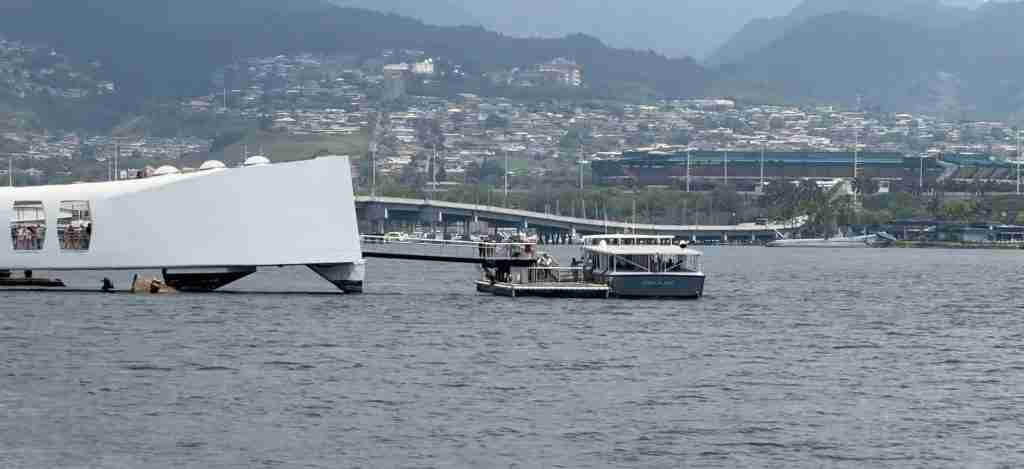
Pearl Harbor National Memorial encompasses multiple museums interpreting the December 7, 1941 attack and World War II Pacific theater. The USS Arizona Memorial stands above the sunken battleship where 1,177 sailors and Marines died during the attack, accessible only via Navy shuttle boat departing from the Pearl Harbor Visitor Center. Memorial tickets remain free but require advance reservation through recreation.gov due to limited daily capacity, with tickets releasing 60 days before each date and typically selling out within hours for peak travel periods.
The Pearl Harbor Visitor Center operates two museums — the Road to War and Attack museums — presenting artifacts, photographs, and interpretive exhibits documenting events leading to the attack and the assault itself. These museums charge no admission, operating daily from 7 AM to 5 PM except Thanksgiving, Christmas, and New Year’s Day. Battleship Missouri Memorial, USS Bowfin Submarine Museum, and Pearl Harbor Aviation Museum require separate paid admissions ranging from $23 to $35 per attraction, with combination packages offering savings for visiting multiple sites.
Pearl Harbor lies approximately 11 miles west of Waikiki, requiring 25-40 minutes driving depending on traffic. Audio tour devices assist visitors with limited mobility who cannot access the USS Arizona Memorial due to boat boarding requirements. Security restrictions prohibit bags larger than 1.5 inches thick, requiring storage at commercial facilities near the entrance ($7 per bag) for visitors carrying prohibited items.
Iolani Palace
Iolani Palace served as the official residence of Hawaiian Kingdom monarchs King Kalākaua and Queen Liliuokalani from 1882 until the monarchy’s overthrow in 1893. The palace represents the only royal palace on American soil and stands as a National Historic Landmark showcasing Victorian architecture adapted to Hawaiian climate and aesthetic preferences. Guided tours ($27 adults, $6 children ages 5-12) explore throne room, dining room, royal bedchambers, and other spaces furnished with original and period-appropriate pieces.
The palace operates Tuesday through Saturday from 9 AM to 4 PM, located at 364 South King Street in downtown Honolulu directly across from the Hawaii State Capitol. Advanced reservations prove strongly recommended as tour capacity limits create sellouts during peak periods. Self-guided audio tours ($18 adults) offer alternative access at lower cost. The palace grounds and galleries remain accessible for exterior photography and self-guided exploration of interpretive exhibits.
Hawaiian Mission Houses Historic Site and Archives
Hawaiian Mission Houses preserves three buildings from the early American Protestant mission to Hawaii — the 1821 Frame House (oldest Western-style building in Hawaii), 1831 Chamberlain House, and 1841 Printing Office where Hawaiian language materials were printed. Tours ($10 adults, $8 seniors and military, $6 children ages 6-18) interpret missionary life, Hawaiian responses to Christianity, and cultural transformation during the 19th century. The site operates Tuesday through Saturday 10 AM to 4 PM at 553 South King Street in downtown Honolulu, convenient for combining with Iolani Palace and Capitol Modern visits.
Multi-Day Cultural Itinerary Planning 2026
Three-Day Comprehensive Museum Tour
Day 1 focuses on Bishop Museum with morning arrival at 9 AM opening for 3-4 hours of comprehensive exploration covering Hawaiian Hall, Science Adventure Center, planetarium show, and special exhibitions. This allows completion by 12:30-1 PM with afternoon free for beach activities or other Honolulu attractions. Bishop Museum’s depth justifies dedicated focus rather than cramming additional museums into the same day, particularly for first-time visitors wanting thorough engagement with Polynesian cultural heritage.
Day 2 combines Shangri La morning tour (9 AM or 11 AM departure) with afternoon Honolulu Museum of Art exploration. The Shangri La ticket ($45) includes same-day HoMA admission, creating natural pairing. Morning tour completion by 11:30 AM or 1:30 PM leaves substantial afternoon time for HoMA permanent collections and current exhibitions. Friday scheduling enables evening extension until 9 PM for HoMA Nights programming with live music and social gallery atmosphere. This combination delivers Islamic art immersion and world-class fine art in single admission cost.
Day 3 dedicates morning to Capitol Modern (opens 10 AM) for 60-90 minutes, followed by Iolani Palace guided tour (advance reservation required), then afternoon exploration of Chinatown galleries. If Day 3 falls on First Friday, evening return to Chinatown for 6-9 PM gallery walk creates bookend experience showing the district’s transformation from daytime to festive evening atmosphere. This day concentrates downtown cultural attractions within walkable area, minimizing transportation needs.
Budget Cultural Experience 2026
Budget-conscious visitors can create compelling cultural experiences emphasizing free and discounted admissions. Capitol Modern offers free admission year-round, requiring no advance planning or ticketing. Third Sunday visits to Honolulu Museum of Art provide free admission for Hawaii residents, though this requires kamaaina status. First Friday Chinatown gallery walks cost nothing with all participating venues offering free admission during evening hours, combining art viewing with street festival atmosphere and live music.
Pearl Harbor museums (excluding paid attractions like Battleship Missouri) remain free with advance ticket reservations. Iolani Palace grounds and gallery exhibitions outside the palace interior allow free exploration without tour admission. Downtown Art Center and Arts at Marks Garage maintain free admission during regular hours beyond First Friday events. Strategic timing around free admission days, combined with free venues, creates comprehensive cultural experiences for $0-50 per person versus $110+ for full-price museum admissions.
Family-Friendly Cultural Planning 2026
Bishop Museum ranks as Honolulu’s most family-friendly major museum, with Science Adventure Center interactive exhibits, planetarium shows, and diverse collections maintaining children’s interest across age ranges. The volcanic eruption demonstration and hands-on science displays engage elementary-age children, while Hawaiian cultural exhibits appeal to older students. Plan 2-3 hours maximum for families to avoid museum fatigue, focusing on 2-3 buildings rather than attempting complete campus coverage. The museum welcomes families with young children, unlike Shangri La which excludes children 7 and younger.
Honolulu Museum of Art offers family-friendly programming on third Sundays with art-making activities and interactive tours designed for children. The museum’s garden courtyards provide outdoor space for brief breaks between galleries when children need movement. HoMA’s free admission for youth 18 and under reduces family costs significantly. Capitol Modern’s free admission and compact galleries allow brief cultural exposure suitable for shorter attention spans. First Friday Chinatown events create lively street festival atmosphere children often enjoy despite gallery art focus, with live music and food vendors adding entertainment beyond static art viewing.
Transportation Between Cultural Venues 2026
Public Transit Options
TheBus serves all major museums with routes connecting Waikiki to cultural venues, though travel times of 30-60 minutes exceed rideshare convenience. Route 2 provides direct service from Waikiki to Honolulu Museum of Art and continues to areas near Bishop Museum, operating approximately every 15-20 minutes during daytime hours. Route 13 serves Bishop Museum area from downtown. Standard one-way fare costs $3 per ride with exact change required (no dollar bills accepted, only coins). Multi-day visitor passes offering unlimited rides aren’t available on TheBus, requiring separate payment for each journey.
Capitol Modern, Chinatown Arts District, and Iolani Palace cluster in walkable downtown area served by numerous routes. Visitors staying in Waikiki can ride Route 2, E, 13, or 42 to downtown, then walk between venues covering approximately 1 mile total. This strategy works well for days combining multiple downtown attractions, paying single $3 fare each direction while walking between sites.
Biki Bikeshare System
Biki bikeshare operates 130+ stations across urban Honolulu from Chinatown through Waikiki to Diamond Head, providing convenient point-to-point transportation between cultural venues. Single rides cost $4.50 for 30 minutes, while 24-hour passes run $25 with unlimited 30-minute trips (longer trips incur overage charges). For visitors making 3+ trips in a day, the 24-hour pass offers value, though trips exceeding 30 minutes require strategic station stops to avoid overage fees.
Biki stations operate directly at or very near all downtown museums — Capitol Modern has dedicated station at the museum entrance, HoMA has nearby stations within 2 blocks, and Chinatown galleries have multiple stations along Nuuanu Avenue. Bishop Museum lacks immediate adjacent stations, with nearest Biki stops approximately 0.5 miles distant requiring brief rides or walks. The system works particularly well for downtown cultural touring, with stations positioned for efficient venue-to-venue cycling covering 1-3 miles per trip well within 30-minute limits.
Rideshare and Taxi Services
Uber and Lyft operate extensively throughout Honolulu with typical wait times of 3-8 minutes for pickup requests. Pricing varies by time of day and demand levels, with Waikiki to Bishop Museum running $15-25, Waikiki to HoMA costing $12-18, and Waikiki to downtown venues ranging $10-15. Short trips between downtown museums cost $8-12. Peak hour surges (morning 7-9 AM, afternoon 3-6 PM) can increase costs 1.5-2x base rates.
Rideshare provides maximum convenience for museum touring, particularly for visitors traveling in groups of 2-3 who can split costs. A couple visiting Bishop Museum, HoMA/Shangri La, and downtown venues over 3 days spends approximately $80-120 total on rideshare transportation ($40-60 per person), versus $3-9 per person for public transit. The time savings (rideshare averages 15-25 minutes Waikiki to museums versus 35-60 minutes by bus) and door-to-door convenience justify the premium for many travelers, particularly those with limited vacation days.
Rental Car Considerations
Rental cars provide flexibility for multi-venue touring but create parking challenges at urban museums. Bishop Museum charges $15-16 for on-site parking with ample capacity. Honolulu Museum of Art parking lot behind the museum school costs $10-15 (credit card only). Capitol Modern and Chinatown galleries rely on paid public lots ($10-20 daily) or metered street parking ($1.50 per hour with 2-3 hour limits). Shangri La requires parking at HoMA since shuttle transportation originates there, making rental car parking redundant.
For visitors planning beach, North Shore, and windward Oahu excursions beyond museum touring, rental cars serve multiple purposes justifying the cost. Vehicles parked at Waikiki hotels create unnecessary expenses and hassles for museum-only touring, with rideshare or public transit offering superior downtown access. The exception involves visitors staying at hotels with free parking who plan comprehensive Oahu exploration beyond cultural venues, where rental cars enable efficient multi-destination itineraries combining museums, beaches, hiking, and regional attractions.
Seasonal Considerations and Event Planning 2026
Weather and Climate Impacts
Honolulu maintains relatively consistent weather year-round with temperatures ranging 75-85°F most months, though winter months (December-March) bring increased rainfall and occasional storms. Museums operate rain or shine, making cultural attractions excellent alternatives during wet weather when beach activities become less appealing. Bishop Museum’s Hawaiian Hall lacks air conditioning, with natural ventilation creating comfortable conditions during cooler morning hours but becoming warm and humid during afternoon heat peaks. Visiting in early morning or late afternoon helps avoid warmest periods in non-air-conditioned spaces.
Summer months (June-September) bring peak tourist seasons with larger crowds at major museums, particularly Bishop Museum and Shangri La. Winter holidays (mid-December through early January) create secondary peak periods. Spring (April-May) and fall (September-November) offer shoulder seasons with smaller crowds, better availability for Shangri La tours, and more comfortable temperatures for walking between downtown venues.
Cultural Events and Special Programming
First Friday Gallery Walk occurs year-round on the first Friday of each month, providing consistent cultural programming regardless of season. Capitol Modern hosts Friday Night Tempo on third Fridays monthly with live music and urban market vendors. These recurring events create reliable planning anchors for visitors wanting evening cultural experiences beyond standard museum hours.
Bishop Museum presents rotating special exhibitions with 3-4 major shows annually, requiring checking the current exhibition calendar during your 2026 travel period. Exhibition openings sometimes include special evening events with extended hours, artist talks, and performances. Honolulu Museum of Art maintains similar rotating exhibition schedule with openings, lectures, and artist conversations tied to major shows. Subscribing to museum newsletters or checking websites 1-2 months before travel ensures awareness of special programming during your visit dates.
The annual HEART of Honolulu Street Festival typically occurs in April, shutting down Nuuanu Avenue in Chinatown for full-day arts festival with performances, vendors, art demonstrations, and community activities. This single-day event transforms the district beyond typical First Friday scale, attracting thousands of participants. Checking the Downtown Art Center website for 2026 dates allows planning visits to coincide with or avoid the festival depending on preferences for large crowds versus intimate gallery experiences.
Dining Near Museums and Galleries 2026
Museum On-Site Dining Options
Bishop Museum’s Tūtū’s Place by Highway Inn serves Hawaiian plate lunches, poke bowls, sandwiches, and snacks from 10:30 AM to 3:30 PM daily, closing on Thanksgiving, Christmas, and New Year’s Day. Menu items range $12-18 for entrees with beverages $3-6, reflecting museum venue pricing premiums over comparable off-site restaurants. The cafe provides convenient refueling without leaving the museum campus, though bringing packed lunches and eating in outdoor areas offers budget-friendly alternatives.
HoMA Café operates Thursday through Sunday 11 AM to 2 PM serving contemporary casual cuisine with island-style hospitality. The ocean-friendly restaurant emphasizes sustainable practices and locally sourced ingredients. Main courses run $15-22 with appetizers $8-12. The cafe remains accessible without museum admission for non-museum diners wanting lunch in garden courtyard settings. Reservations aren’t required but walk-in availability varies by day and time. The HoMA Coffee Bar in Palm Courtyard offers lighter options including coffee ($4-6), pastries ($5-8), and grab-and-go items for visitors wanting quick refreshments.
Capitol Modern lacks on-site dining, requiring visitors to patronize nearby downtown restaurants within 2-3 blocks. This proximity to Honolulu’s business district provides abundant options from food trucks to fine dining. Chinatown galleries similarly lack dedicated dining but position visitors amid the neighborhood’s extensive restaurant scene featuring Vietnamese, Chinese, Thai, Filipino, and contemporary fusion establishments at moderate prices ($10-20 per person for casual meals).
Downtown and Chinatown Restaurant Districts
Chinatown’s restaurant density exceeds any comparable Honolulu area, with 40+ establishments ranging from hole-in-the-wall pho shops to upscale modern Asian fusion. Vietnamese restaurants cluster along River Street and Maunakea Street, serving bánh mì sandwiches ($8-10), pho noodle soup ($12-15), and traditional dishes in no-frills environments. Chinese bakeries offer inexpensive pastries ($2-4) and savory buns ideal for light refreshments between gallery visits. Thai restaurants provide curries, noodles, and regional specialties at moderate prices ($12-18 entrees).
Downtown’s business district supports lunch-focused restaurants with weekday emphasis, many closing by 6 PM or operating limited weekend hours. Food trucks congregate near government buildings and business plazas, offering local plate lunches ($10-14) during weekday lunch hours 11 AM to 1:30 PM. Several contemporary restaurants have opened in recent years supporting evening dining needs, with Farm to Barn, Piggy Smalls, and other newer establishments serving dinner into evening hours to accommodate downtown residents and gallery walk participants.
Strategic Dining Planning
Planning lunch around museum visits requires understanding operating hours — HoMA Café serves lunch only, closing at 2 PM, making it unsuitable for mid-afternoon or evening dining needs. Bishop Museum’s Tūtū’s Place similarly maintains limited hours 10:30 AM to 3:30 PM. Visitors arriving at museums after cafe closing times must plan meals before entering museums or wait until completing visits to dine at external restaurants.
First Friday Gallery Walk creates ideal opportunity for combining dinner at Chinatown restaurants with evening gallery exploration. Arriving at 5:30-6 PM allows dinner before galleries extend hours at 6 PM, or dining during gallery walk breaks around 7-7:30 PM when restaurant crowds thin slightly. Many Chinatown restaurants remain open until 9-10 PM Friday nights, accommodating post-gallery dining for visitors who prefer eating after art viewing.
Budget-conscious strategies include purchasing food from Chinatown markets and bakeries for picnic-style meals, eating at food trucks near government buildings during weekday lunch hours ($10-14 versus $15-22 at sit-down restaurants), or timing visits to coincide with early-bird specials and lunch pricing at restaurants serving dinner menus. Convenience stores near museums stock sandwiches, snacks, and beverages for quick refueling at minimal cost.
Accessibility and Visitor Services 2026
Mobility Accessibility
All major museums provide wheelchair accessibility with elevators, ramps, and accessible restrooms. Bishop Museum’s historic Hawaiian Hall presents some challenges with stairs to upper levels, though ground floor exhibits remain fully accessible and represent majority of significant artifacts. The museum provides wheelchairs for visitor use and can accommodate guests with mobility limitations through alternative routing and assistance.
Honolulu Museum of Art maintains accessible entrances, elevators to all gallery levels, and wheelchair-accessible paths through courtyards. Some garden areas feature uneven surfaces or steps limiting access to specific outdoor spaces, though primary galleries remain fully accessible. HoMA provides wheelchairs upon request and offers specialized tours addressing accessibility needs when arranged in advance.
Shangri La tours present accessibility challenges given the historic residential estate’s original design prioritizing aesthetics over accessibility. The estate features stairs, uneven surfaces, and areas where wheelchairs cannot navigate. Visitors with mobility limitations should contact the Doris Duke Foundation in advance to discuss specific needs and determine if alternative accommodations allow participation. The shuttle bus accommodates wheelchairs for transportation between HoMA and the estate.
Capitol Modern features elevator access from ground floor to second-floor galleries and maintains full wheelchair accessibility throughout exhibition spaces. The building’s modern design incorporates accessibility standards with level floors, wide doorways, and accessible restrooms. Chinatown galleries occupy historic buildings with varying accessibility levels — some galleries require navigating stairs to second-floor spaces while others maintain ground-floor access. First Friday organizers provide accessibility information on participating venues.
Language Services and Interpretive Materials
Major museums provide interpretive materials in multiple languages reflecting Hawaii’s diverse visitor demographics. Bishop Museum offers audio guides and printed materials in Japanese and other languages beyond English. Honolulu Museum of Art provides multilingual gallery labels for select exhibitions and digital guide content accessible via smartphones in multiple languages. Docent-led tours primarily operate in English, though specialized tours in other languages may be arranged for groups with advance notice.
Visitor information desks at all major museums staff multilingual personnel during peak tourist seasons, particularly with Japanese language capabilities given significant Japanese tourism to Hawaii. Signage throughout museums includes English with varying levels of additional language support. Smart phone translation apps enable visitors to access exhibit text and labels in their preferred languages through camera-based translation features.
Family Services and Amenities
Bishop Museum provides family restrooms with changing tables and nursing-friendly spaces. The Science Adventure Center’s interactive exhibits specifically target family audiences with hands-on displays encouraging children’s engagement. The museum lacks rental strollers but allows visitors to bring their own through galleries and outdoor areas, though narrow spaces in some buildings limit maneuverability.
Honolulu Museum of Art welcomes families with children and offers family programming on third Sundays including art-making activities and interactive tours. Garden courtyards provide outdoor space where children can move freely between indoor gallery visits, reducing museum fatigue common in exclusively indoor institutions. The museum shop stocks children’s art books and educational toys appropriate for young artists. HoMA restricts strollers in some gallery spaces during peak crowding, requiring checking them at admissions desk.
Capitol Modern’s compact galleries and shorter visit durations suit families with younger children who struggle with extended museum experiences. The free admission removes financial barriers to brief visits, allowing families to leave when children tire rather than feeling obligated to maximize paid admission value. Chinatown galleries vary in family-friendliness, with some contemporary art content unsuitable for young children while others welcome family visitors.
Photography Policies and Restrictions 2026
Photography policies vary significantly across museums based on collection types and conservation concerns. Bishop Museum generally permits personal photography in permanent collection galleries without flash, though some special exhibitions prohibit photography due to loan agreements with other institutions. Commercial photography and tripod use require advance permission and may incur fees. The museum requests visitors respect cultural protocols around photographing sacred Hawaiian objects, with signage indicating specific items where photography is discouraged.
Honolulu Museum of Art allows photography in permanent collection galleries without flash for personal, non-commercial use. Special exhibitions frequently prohibit photography depending on loan terms from other museums or copyright restrictions on contemporary works. Gallery attendants enforce photography restrictions and remind visitors about flash photography prohibitions. The museum’s garden courtyards welcome photography, providing scenic backdrops popular for visitor photos and social media content.
Shangri La implements strict photography policies protecting fragile Islamic art objects and preserving residential character of the estate. Tour guides indicate which areas permit photography and which remain restricted. Flash photography is universally prohibited due to light damage risks to textiles, paintings, and other sensitive materials. Commercial photography and filming require special permission from the Doris Duke Foundation with fees applying for professional use.
Capitol Modern’s photography policies vary by exhibition, with some shows permitting photography while others restrict it based on artists’ preferences or loan agreements. Always inquire at the information desk before photographing in galleries. The sculpture garden and outdoor areas generally allow photography. Chinatown galleries maintain individual photography policies ranging from unrestricted personal photography to complete prohibitions — always ask gallery staff before photographing artwork.
Museum Memberships and Annual Passes 2026
Bishop Museum memberships begin at approximately $60 annually for individual membership, providing unlimited free admission to the museum and planetarium shows, discounts at the museum shop and cafe, member-only events, and reciprocal admission benefits at 300+ science centers and museums nationwide through ASTC (Association of Science and Technology Centers) passport program. Family memberships covering two adults and children under 18 cost around $100 annually, paying for themselves with 3-4 family visits given standard admission of $39 per adult plus $31 per child.
Honolulu Museum of Art memberships start at $50 annually for individual level, including unlimited free museum admission for member plus two guests, discounts in the museum shop and cafe, HoMA magazine subscription, and reciprocal admission to over 1,000 museums nationally and internationally through ROAM (Reciprocal Organization of Associated Museums) and NARM (North American Reciprocal Museums) programs. The two-guest benefit makes even individual memberships valuable for couples ($25 per person) given single-visit admission of $25. Dual/household memberships at $85 annually add additional family members and increased guest benefits.
Shangri La tours remain discounted for HoMA members though not free, with member rates reducing the $45 general admission. The combination of HoMA membership providing free museum access plus discounted Shangri La tours creates value for visitors planning multiple Hawaii trips or local residents frequenting the museums. Checking current membership levels and benefits on museum websites ensures accurate cost-benefit analysis given occasional promotional membership drives offering reduced rates.
For tourists visiting once, memberships rarely provide sufficient value versus single-visit admission unless planning to visit a member’s home museum through reciprocal programs within the membership year. For instance, purchasing HoMA membership ($50) for a Honolulu vacation creates reciprocal admission benefits at museums nationwide during subsequent travels throughout the membership year, potentially recouping costs through 2-3 reciprocal visits elsewhere. Local residents planning 2+ museum visits annually should strongly consider memberships given rapid payback periods.
Hawaii Resident Benefits and Discounts 2026
Hawaii residents (kamaaina) receive significant advantages at Honolulu cultural institutions through reduced admission rates and free access days. Honolulu Museum of Art charges kamaaina $10 versus $25 general admission (60% discount) and provides free admission on third Sunday of each month (Family and Community Sundays) plus free entry on Lā Ho’iho’i Ea (July 31). These benefits require valid Hawaii driver’s license or state ID for verification at admissions desk.
Shangri La tours discount Hawaii residents to $25 versus $45 general admission (44% discount) with Hawaii ID required at check-in. This substantial savings makes Shangri La more accessible to local residents who might otherwise find the premium tour pricing prohibitive. Bishop Museum offers kamaaina rates below general admission though exact pricing varies — checking the museum website or calling for current kamaaina rates ensures accurate budgeting.
Capitol Modern maintains free admission for all visitors regardless of residency, eliminating preferential pricing structures. Pearl Harbor USS Arizona Memorial provides free access to all visitors with advance reservations, similarly making residency irrelevant for admission. Iolani Palace and Hawaii Mission Houses offer kamaaina discounts on guided tours ranging from 20-40% below visitor rates.
College students enrolled at Hawaii state universities and colleges receive free admission to Honolulu Museum of Art with valid student ID, supporting educational access for the university community. This benefit extends to students at University of Hawaii campuses statewide including UH Manoa, UH Hilo, and community college system. Active duty military personnel stationed in Hawaii receive kamaaina admission rates at HoMA, recognizing their temporary island residence.
Sustainable and Responsible Cultural Tourism 2026
Supporting Hawaiian cultural institutions responsibly involves understanding the difference between cultural appreciation and appropriation, respecting sacred protocols around certain objects and practices, and contributing to institutions that preserve and interpret Hawaiian heritage for future generations. Bishop Museum and Honolulu Museum of Art both maintain collections of sacred Hawaiian objects including temple images, royal regalia, and funerary items. These objects deserve reverence and respectful viewing, with photography sometimes discouraged even when technically permitted. Reading interpretive labels explaining cultural context helps visitors understand significance beyond aesthetic appreciation.
Financial support through admission fees, memberships, and museum shop purchases directly sustains preservation, research, and educational programming. Bishop Museum operates as a private non-profit institution dependent on admissions, donations, and grants for operations, making visitor revenue essential to its mission. Honolulu Museum of Art similarly relies on visitor support alongside endowment income and philanthropic contributions. Purchasing memberships, making donations, and shopping at museum stores provides crucial unrestricted funding allowing institutions to pursue their educational missions.
Choosing to visit lesser-known institutions like Capitol Modern, Downtown Art Center, and Chinatown galleries distributes cultural tourism benefits beyond major museums to grassroots arts organizations supporting contemporary Hawaiian artists. First Friday gallery walks encourage direct purchases from living artists, with sales proceeds supporting creative careers and artistic production. This financial ecosystem enables artists to continue working in Hawaii rather than relocating to mainland art markets, preserving local creative communities.
Environmental sustainability extends to transportation choices, with public transit, bikeshare, and walking reducing carbon footprint compared to rideshare or rental car dependence. Museums have implemented sustainability initiatives including Bishop Museum’s single-use plastic elimination campus-wide, HoMA Café’s ocean-friendly restaurant certification, and water refill stations at multiple venues. Bringing reusable water bottles, declining plastic bags at museum shops, and choosing sustainable transportation options align visitor behavior with institutional environmental commitments.
Frequently Asked Questions About Honolulu Museums & Galleries 2026
Do I need to book Honolulu museum tickets in advance in 2026?
Advance booking requirements vary by institution in 2026. Shangri La tours require mandatory advance reservations, often 2-3 months ahead during peak seasons, with tickets released monthly on the first Thursday at 10 AM Hawaii time through the Honolulu Museum of Art portal. USS Arizona Memorial at Pearl Harbor demands advance reservations through recreation.gov with free tickets releasing 60 days before each date and selling out within hours during busy periods. Bishop Museum, Honolulu Museum of Art, and Capitol Modern accept walk-up visitors during operating hours without advance tickets, though online advance purchase at Bishop Museum sometimes offers 10-15% promotional discounts during off-season periods (check official website for current offers). For most museums, advance booking proves unnecessary but beneficial for time-specific planning and occasional savings, while Shangri La and USS Arizona Memorial make advance reservations absolutely essential due to limited daily capacity and high demand.
Which Honolulu museum is best for families with young children in 2026?
Bishop Museum ranks as Honolulu’s premier family-friendly cultural attraction in 2026, with Science Adventure Center interactive exhibits, planetarium shows designed for all ages, volcanic eruption demonstrations, and hands-on displays engaging children from preschool through high school. The museum’s diverse collections prevent boredom by offering multiple building experiences rather than single-gallery focus, allowing families to move between spaces when children’s attention shifts. Plan 2-3 hour visits maximum to prevent museum fatigue, focusing on 2-3 buildings (Hawaiian Hall, Science Adventure Center, Planetarium) rather than attempting complete campus coverage. Children 3 and younger enter free with paid adult admission. Capitol Modern offers excellent secondary option given free admission and compact gallery size allowing brief 30-45 minute visits suitable for shorter attention spans, with outdoor sculpture garden providing space for movement between indoor viewing. Shangri La prohibits children 7 and younger from tours due to fragile art objects and estate preservation concerns, while Honolulu Museum of Art welcomes families but requires closer supervision in galleries filled with valuable artworks, making it more suitable for older children (ages 8+) who can maintain appropriate museum behavior for extended periods.
Can I visit Honolulu museums on a budget in 2026?
Budget-conscious cultural experiences prove entirely feasible in Honolulu through strategic venue selection and timing in 2026. Capitol Modern (Hawaii State Art Museum) provides completely free admission year-round Wednesday through Saturday 10 AM to 4 PM, showcasing the state’s largest contemporary Hawaiian art collection at zero cost. First Friday Gallery Walk in Chinatown (first Friday monthly 6-9 PM) offers free admission to 15-20 participating galleries, live music, and street festival atmosphere without any entrance fees. Honolulu Museum of Art provides free admission on third Sundays for Hawaii residents (kamaaina with ID) and charges $0 for all youth 18 and under year-round, dramatically reducing family costs. Pearl Harbor USS Arizona Memorial and associated museums remain free with advance ticket reservations (memorial tickets) or walk-up access (visitor center museums). Iolani Palace grounds and exterior galleries allow free exploration without interior tour admission. Downtown Art Center and Arts at Marks Garage maintain free admission during regular hours beyond First Friday events. Strategic combination of these free venues creates comprehensive cultural experiences spanning Hawaiian art, contemporary galleries, historical sites, and military history for $0-25 per person, versus $110+ for full-price Bishop Museum, HoMA, and Shangri La admissions. Budget visitors sacrifice Shangri La’s unique Islamic art collection and Bishop Museum’s unparalleled Polynesian holdings but still access substantial cultural programming through free alternatives.
What are Honolulu museum hours on weekends in 2026?
Weekend museum hours vary significantly across Honolulu institutions in 2026 requiring careful planning for Saturday-Sunday visits. Bishop Museum operates Saturday and Sunday 9 AM to 5 PM with last admission at 4 PM, providing full weekend access identical to weekday schedules. Honolulu Museum of Art opens Saturday and Sunday 10 AM to 6 PM (closed Monday-Tuesday), offering weekend hours matching most weekdays except Friday’s extended 9 PM closing. Shangri La tours run Thursday through Saturday only, operating Saturday at 9 AM, 11 AM, 1 PM, and 3 PM departures but closed Sunday through Wednesday, making Saturday the sole weekend tour option. Capitol Modern (Hawaii State Art Museum) operates Wednesday through Saturday 10 AM to 4 PM but closes Sunday through Tuesday, eliminating Sunday museum access and requiring Saturday visits for weekend cultural experiences. USS Arizona Memorial operates seven days weekly 7 AM to 5 PM including weekends, though advance reservations release 60 days before dates. Chinatown galleries maintain individual schedules with many closing Sunday-Monday and operating limited Saturday hours, though First Friday events occur monthly regardless of day of week (first Friday monthly may fall on weekend occasionally). For comprehensive weekend museum touring, Saturday provides maximum options with Bishop Museum, HoMA, Shangri La, and Capitol Modern all operating, while Sunday limits choices to Bishop Museum, HoMA, and Pearl Harbor with Capitol Modern and Shangri La closed.
How much time should I budget for each major Honolulu museum in 2026?
Time requirements vary significantly based on visitor interests and desired engagement depth in 2026. Bishop Museum demands 2.5 to 4 hours for comprehensive exploration covering Hawaiian Hall, Science Adventure Center, Planetarium show, and special exhibitions, with minimal visits completing highlights in 90 minutes by focusing exclusively on Hawaiian Hall’s three floors. Honolulu Museum of Art requires 2 to 3 hours minimum for first-time visitors touring permanent collection highlights across multiple gallery buildings, with 4-5 hours necessary for thorough exploration including current special exhibitions and garden courtyards. Shangri La tours consume fixed 2.5-hour blocks including shuttle transportation from HoMA (20 minutes each direction) plus 75-90 minute guided estate tour, leaving no opportunity to adjust duration. Capitol Modern completes in 60 to 90 minutes for comprehensive current exhibition viewing, with casual visits possible in 30-45 minutes given the museum’s compact four-gallery footprint. USS Arizona Memorial requires 2-3 hours total including visitor center museum exploration (45-60 minutes), waiting for boat departure, 23-minute memorial experience, and return boat journey. Chinatown galleries during First Friday events warrant 2-3 hours allowing visits to 6-10 galleries with unhurried viewing and social interaction. For comprehensive multi-day cultural itinerary planning, allocate half-day blocks (4-5 hours) for Bishop Museum and HoMA/Shangri La combination, quarter-day blocks (2-3 hours) for Capitol Modern plus downtown walking tours or Chinatown gallery exploration, enabling 6-8 major museums and gallery experiences across three focused cultural touring days.
Are Honolulu museums wheelchair accessible in 2026?
Major Honolulu museums provide substantial wheelchair accessibility in 2026 though limitations exist in historic buildings and estates. Bishop Museum offers wheelchair-accessible ground floor exhibits in Hawaiian Hall containing majority of significant artifacts, with upper levels accessible via ramps and staff assistance though some routes require navigating stairs limiting independent access. The Science Adventure Center and other campus buildings maintain full accessibility with elevators, ramps, and accessible restrooms throughout. Wheelchairs are available for visitor use at no charge. Honolulu Museum of Art features accessible entrances, elevators serving all gallery levels, and wheelchair-friendly paths through primary exhibition spaces, though some garden courtyards include uneven surfaces, steps, or narrow passages limiting access to specific outdoor areas. The museum provides complimentary wheelchairs and offers specialized accessible tours when arranged in advance. Shangri La presents the most significant accessibility challenges given the historic residential estate’s original 1937-1993 design prioritizing aesthetics over accessibility — the property features stairs, uneven surfaces, and tight spaces where wheelchairs cannot navigate. Visitors with mobility limitations should contact the Doris Duke Foundation before booking to discuss specific needs and determine feasible participation options. Capitol Modern maintains complete wheelchair accessibility with elevator from ground floor to second-floor galleries, level exhibition spaces, wide doorways, and accessible restrooms meeting modern building standards. Chinatown galleries occupy diverse historic buildings with highly variable accessibility ranging from ground-floor wheelchair-friendly spaces to second-floor galleries accessible only via stairs. First Friday organizers provide accessibility information for participating venues, though comprehensive accessible gallery walk requires research identifying barrier-free locations versus inaccessible spaces.
Do Honolulu museums offer guided tours in 2026?
Guided tour availability varies across institutions with some offering complimentary docent tours while others operate exclusively or partially as guided-only experiences in 2026. Bishop Museum provides docent-led tours at no additional charge beyond admission, with schedules varying by season and docent availability (check museum website or inquire at admissions for current tour times). Shangri La operates exclusively as guided tours with no self-guided access permitted — the 75-90 minute docent-led experience comprises the entire estate visit, included in the $45 admission price. Honolulu Museum of Art offers free docent-led collection highlights tours with museum admission, departing at scheduled times throughout operating hours focusing on different aspects of the collection including Asian art, European works, or thematic tours. Audio guides and digital gallery guides provide self-guided enhancement for visitors preferring independent pacing. Capitol Modern generally operates as self-guided exploration with occasional docent-led tours during special exhibitions or First Friday events, though formal tour schedules remain limited given the museum’s smaller staff and exhibition focus. Iolani Palace requires participation in guided tours ($27 adults) with docents interpreting royal Hawaiian history and palace significance during 60-90 minute group tours limited to 15-20 participants. Self-guided audio tours ($18) offer lower-cost alternative. Chinatown galleries operate overwhelmingly as self-guided browsing environments without formal tour structures, though First Friday events sometimes include artist talks, exhibition walkthroughs, or informal conversations with gallery owners providing impromptu interpretive experiences. For guaranteed guided interpretation, Shangri La and Iolani Palace deliver expert docent-led content, while Bishop Museum and HoMA offer optional free tours enhancing but not requiring guided participation for museum access.
What is the best day of the week to visit Honolulu museums in 2026?
Optimal museum visit days depend on specific venue priorities and crowd tolerance in 2026. Wednesday and Thursday emerge as ideal weekdays for multi-museum touring since all major institutions operate these days while avoiding weekend crowds — Bishop Museum, Honolulu Museum of Art, and Capitol Modern all open Wednesday-Thursday with smaller visitor numbers than Saturday-Sunday peaks, while Tuesday closures at several museums concentrate tourists into remaining days making Wednesday-Thursday relatively quieter. Friday offers unique advantages for HoMA with extended hours until 9 PM enabling evening visits during HoMA Nights programming featuring live music and social gallery atmosphere unavailable other nights, while most museums operate normal hours making Friday suitable for standard morning-afternoon touring. Saturday maximizes venue options with Bishop Museum, HoMA, Shangri La, and Capitol Modern all operating, providing greatest scheduling flexibility for visitors with only weekend availability, though crowds increase significantly compared to weekday visits particularly at Bishop Museum and HoMA during 11 AM to 3 PM peak periods. Sunday limits choices with Capitol Modern closed and Shangri La not operating, restricting museum touring to Bishop Museum, HoMA, and Pearl Harbor unless specifically seeking third-Sunday free kamaaina admission at HoMA. Monday and Tuesday present severely restricted options with HoMA closed both days and Capitol Modern closed, leaving only Bishop Museum operational for cultural activities beyond Pearl Harbor. First Friday each month (first Friday of the month) creates special case where Friday becomes optimal for Chinatown Arts District exploration with 6-9 PM gallery walk events, extended venue hours, live music, and social atmosphere justifying crowds and parking challenges. Strategic visitors plan museum-intensive days Wednesday-Thursday for minimal crowds, save Friday for afternoon HoMA visit extending into evening programming or First Friday gallery walks, and use Saturday when weekend-only availability requires access to maximum venue options despite increased visitor density.
Can I buy combination tickets for multiple Honolulu museums in 2026?
No official combination tickets exist directly from museums in 2026, though third-party pass programs bundle multiple attractions. Go Oahu all-inclusive passes include Bishop Museum admission alongside 40+ other Oahu attractions including tours, activities, and cultural sites, with pricing structured around number of days or attractions selected — typical 3-day passes run $200-240 per adult potentially saving 20-30% versus individual ticket purchases for visitors planning multiple paid activities beyond museums. These passes include Bishop Museum but exclude Honolulu Museum of Art, Shangri La, and Capitol Modern (which charges no admission regardless). Shangri La tour tickets ($45) include same-day HoMA admission creating natural pairing of two museums under single admission cost, though this bundles only these two specific venues. No multi-museum passes combine Bishop Museum, HoMA, and other institutions under unified ticketing, requiring separate admission purchases at each venue. For visitors planning comprehensive cultural touring spanning Bishop Museum ($39), HoMA ($25), and Shangri La ($45), total individual admissions reach $109 per person with no bundled discount available. The Museums for All program provides free admission to multiple museums for SNAP EBT cardholders and up to three guests, creating de facto free multi-museum access for qualifying participants at Bishop Museum, HoMA, and Capitol Modern (already free). Hawaii residents qualify for kamaaina rates creating discounted multi-museum touring through residency-based pricing rather than combination tickets. Third-party tourism pass programs like Go Oahu provide sole option for true multi-attraction combination tickets, though limited museum inclusion (primarily Bishop Museum) restricts value for museum-focused visitors versus broader activity interests.
What should I bring when visiting Honolulu museums in 2026?
Essential items for Honolulu museum visits in 2026 include valid photo ID for kamaaina discounts (Hawaii residents) or age verification for senior rates, credit card for admissions and purchases (several museums accept only credit cards with no cash transactions), reusable water bottle as museums provide refill stations and have eliminated single-use plastics, comfortable walking shoes for extended standing and gallery touring covering 1-3 miles of walking at larger institutions, light jacket or sweater for air-conditioned galleries contrasting with warm outdoor temperatures (indoor spaces often maintain 68-72°F while outdoor Hawaii temperatures reach 80-85°F), and smartphone for photography where permitted and accessing digital museum guides. Shangri La reservations require bringing confirmation email or ticket reference number for check-in at HoMA 15 minutes before scheduled departure. Backpacks and bags exceeding 11×15 inches at Capitol Modern or 20 pounds at Bishop Museum require checking at admissions desks, so minimalist bags or willingness to check items prevents access issues. Sunscreen and hats protect during outdoor museum areas and travel between venues in Hawaii’s strong UV environment. Prescription medications for extended outings ensure comfort during 2-4 hour museum visits without return trips to hotels. Small snacks provide energy between museum cafe hours or for visitors avoiding venue food prices. Camera equipment beyond basic smartphones (DSLR cameras, tripods, professional video gear) often requires special permission and creates complications at security, so checking individual museum photography policies before bringing specialized equipment prevents entry problems. What NOT to bring includes prohibited items like weapons, outside food and drink in gallery spaces (water bottles generally permitted), oversized luggage or suitcases that cannot be checked, and cash-only payment methods at credit-card-only venues — leave these items at hotels or in vehicles to avoid security delays and admission complications.