Honolulu Food Guide: Best Restaurants and Local Cuisine
Honolulu stands as America’s most culturally layered dining destination, where traditional Hawaiian cooking intersects with Japanese izakayas, Filipino carinderia, Korean barbecue, and the pioneering Hawaii Regional Cuisine movement that transformed local ingredients into globally recognized fine dining. From $10 plate lunches combining two scoops rice and macaroni salad with kalua pork to $300 omakase experiences featuring Pacific fish flown from Tokyo auction houses, the city offers unmatched culinary diversity within walking distance of Waikiki Beach.
Key Takeaways About Honolulu Food and Dining
- Plate Lunch Defines Local Culture: The quintessential Hawaiian meal pairs two scoops white rice, one scoop macaroni salad, and a protein choice, reflecting the multi-ethnic plantation workforce that invented shared lunch traditions in the cane fields.
- Poke Remains Hawaii’s Signature Dish: Fresh raw fish seasoned with shoyu, sesame oil, and Hawaiian salt represents island fishermen’s traditional snack, available at dedicated shops, fish markets, and grocery store counters throughout Honolulu for $10-16 per pound.
- Hawaii Regional Cuisine Launched Fine Dining Movement: Twelve chefs collectively revolutionized island cooking in 1991, combining French techniques with local ingredients to create a distinctive Pacific Rim approach now represented by James Beard Award winners and Hale ‘Aina Gold recipients.
- Chinatown Anchors Culinary Innovation: Historic Chinatown has evolved from traditional Cantonese establishments to contemporary Vietnamese fusion, modern American bistros, and regional Chinese cuisines from Guizhou to Sichuan, making Hotel Street the island’s most dynamic dining corridor.
- Neighborhood Markets Deliver Authentic Value: Local grocery chains like Foodland and Times Supermarket maintain competitive poke counters and prepared food sections that often surpass dedicated restaurants, while Kalihi fish markets sell the freshest catch hours after boats dock.
- Multi-Ethnic Food Landscape Exceeds Mainland Diversity: Japanese ramen shops operating since the 1970s, Filipino restaurants serving sisig and adobo, Korean establishments offering banchan spreads, and Vietnamese pho houses create unmatched Asian culinary density rare outside Asia itself.
People Also Ask About Honolulu Food and Restaurants
What Is Traditional Hawaiian Food?
Traditional Hawaiian food centers on ingredients native Hawaiians cultivated and prepared before Western contact, primarily taro (kalo), sweet potato (‘uala), breadfruit (‘ulu), fish, and pork. Poi, made from pounded taro root, served as the staple starch accompanying most meals and remains culturally significant today. Kalua pig, traditionally cooked in an underground imu oven lined with hot rocks, delivers smoky, tender pork that anchors modern luaus and everyday plate lunches. Laulau wraps salted pork or fish with taro leaves in ti leaves before steaming for hours, creating intensely flavored bundles. These dishes appear on menus throughout Honolulu, from Helena’s Hawaiian Food in Kalihi to high-end interpretations at Mud Hen Water in Kaimuki, though authentic preparation methods have adapted to modern restaurant kitchens while preserving essential flavors and cultural connections.
Where Can Visitors Find the Best Poke in Honolulu?
Ono Seafood on Kapahulu Avenue serves widely acclaimed poke from a modest counter with minimal seating, offering shoyu ahi, Hawaiian-style with limu and ‘inamona, and spicy variations at $16-18 for bowl portions. Tamashiro Market in Kalihi, a pink three-story Japanese seafood market, provides extensive poke selections alongside whole fish and prepared foods, attracting locals who value freshness over atmosphere. Fresh Catch operates multiple locations combining convenience with quality, while Paradise Poke earned first place at 2023 Poke Fest for their truffle-inflected Ahi FTW combining silky tuna with wasabi, sea asparagus, and furikake. Foodland grocery stores throughout Honolulu maintain surprisingly competitive poke counters that locals frequent regularly, demonstrating that the best poke doesn’t require dedicated restaurants. Fish markets in Chinatown’s cultural plaza and neighborhood grocery stores like Alicia’s Market also deliver exceptional value, with poke priced $10-16 per pound compared to $16-25 at tourist-area vendors.
What Makes Plate Lunch Culture Unique to Hawaii?
Plate lunch emerged from Hawaii’s plantation era when Japanese, Filipino, Korean, Portuguese, Puerto Rican, and Hawaiian laborers worked side-by-side in sugarcane fields, each bringing lunch traditions that gradually merged into a standardized format: two scoops white rice, one scoop macaroni salad, and a protein choice. This democratic meal structure reflects Hawaii’s multicultural working class rather than elite dining traditions, with the macaroni salad sweetened beyond mainland versions, the rice providing filling bulk for manual labor, and proteins ranging from teriyaki chicken to kalua pork to mochiko chicken. Plate lunch remains remarkably affordable at $10-18 for generous portions that easily feed one person and sometimes two, served from drive-ins like Rainbow Drive-In that have operated since the 1960s, mom-and-pop cafés throughout residential neighborhoods, and even upscale restaurants offering elevated interpretations. The format’s persistence into contemporary Hawaii demonstrates how food traditions encode social history, with each generation inheriting the plate lunch as shorthand for local identity rather than tourist Hawaii.
How Does Hawaii Regional Cuisine Differ from Traditional Hawaiian Food?
Hawaii Regional Cuisine represents a modern fine dining movement launched in 1991 when twelve chefs including Roy Yamaguchi, Alan Wong, and Peter Merriman collectively decided Hawaii’s extraordinary local ingredients deserved more sophisticated treatment than the generic Continental hotel cooking dominating upscale restaurants. They combined French and Italian techniques with Asian influences and Hawaii-grown produce, creating dishes like macadamia-crusted mahi-mahi, seared ahi with wasabi butter sauce, and pineapple upside-down cake reimagined with local fruit varieties. This approach differs fundamentally from traditional Hawaiian food, which centers on pre-contact ingredients like taro, breadfruit, and fish prepared through centuries-old methods including underground imu cooking and pounding poi. Hawaii Regional Cuisine draws inspiration from all of Hawaii’s immigrant communities while showcasing local farms, ranches, and fishing boats, resulting in contemporary Pacific Rim plates that reference multiple traditions without claiming authenticity to any single culture. Restaurants like MW Restaurant, Senia, and Merriman’s Honolulu exemplify this approach, commanding $80-150+ per person for tasting menus that would be impossible to execute outside Hawaii’s unique ingredient base and multicultural kitchen expertise.
Extended multi-day tours – 5+ days
Featured Honolulu Multi-Day Tour Packages

3 days
Honolulu 3-Day Discovery Tour
- ✓ Comprehensive Honolulu experience
- ✓ Expert local guides included
- ✓ All accommodation included
- ✓ Transportation provided
5 days
Honolulu 5-Day Highlights Experience
- ✓ Comprehensive Honolulu experience
- ✓ Expert local guides included
- ✓ All accommodation included
- ✓ Transportation provided
7 days
Honolulu 7-Day Cultural Journey
- ✓ Comprehensive Honolulu experience
- ✓ Expert local guides included
- ✓ All accommodation included
- ✓ Transportation provided
10 days
Honolulu 10-Day Complete Adventure
- ✓ Comprehensive Honolulu experience
- ✓ Expert local guides included
- ✓ All accommodation included
- ✓ Transportation provided
Multi-day tour packages powered by TourRadar. Prices and availability subject to change.
Introduction: Honolulu’s Unmatched Culinary Landscape
Honolulu functions as the Pacific’s culinary crossroads, a city where the distance between a $5 musubi and a $300 omakase measures five city blocks rather than social class distinctions. The same chef who trained at Tokyo’s Tsukiji Market might source ahi from yesterday’s Honolulu Fish Auction, while a James Beard semifinalist’s mother makes pho in a Chinatown storefront where regulars have eaten the same bowl for forty years. This density of exceptional food across price points and cultural traditions creates a dining landscape fundamentally different from mainland cities, where ethnic cuisines typically cluster in specific neighborhoods and price segments predictably correlate with perceived quality.
The city’s food culture emerged from Hawaii’s plantation economy, when contract laborers from Japan, China, Korea, the Philippines, Portugal, and Puerto Rico worked alongside native Hawaiians in sugarcane and pineapple fields. Each group maintained cooking traditions while adapting to available ingredients, gradually creating hybrid dishes that became distinctly Hawaiian: the plate lunch with its two scoops rice and macaroni salad, saimin noodle soup combining Chinese, Japanese, and Filipino influences, and loco moco pairing hamburger steak with rice and gravy. These working-class innovations now coexist with Hawaii Regional Cuisine, the chef-driven movement that in 1991 transformed local ingredients into globally recognized fine dining, producing multiple James Beard Award winners and establishing Honolulu as a serious culinary destination beyond its tourist reputation.
Understanding Honolulu’s food requires recognizing its fundamental difference from both mainland American cities and Asia-Pacific capitals. Unlike San Francisco or Los Angeles, where ethnic cuisines maintain clear boundaries, Honolulu’s food landscape reflects actual multicultural living rather than immigrant enclaves serving nostalgia to diaspora communities. Unlike Tokyo or Hong Kong, where culinary traditions run centuries deep, Honolulu’s food history spans barely 150 years, making innovation and adaptation core values rather than departures from orthodoxy. A Vietnamese restaurant run by a family whose matriarch grew up in Saigon might serve pho alongside dishes influenced by thirty years cooking in Honolulu, while a Japanese izakaya’s menu reflects both Osaka training and ingredients available only in Hawaii.
The geography of Honolulu dining divides roughly into distinct zones, each with characteristic price points, cuisines, and atmospheres. Waikiki concentrates tourist-oriented restaurants, hotel dining programs, and beachfront establishments where ocean views command premium pricing, though hidden gems exist for those willing to explore beyond Kalakaua Avenue’s main strip. Chinatown anchors Honolulu’s most dynamic food scene, where historic buildings house Vietnamese fusion restaurants earning national recognition, modern American bistros, regional Chinese cuisines rarely found outside Asia, and Filipino pop-ups experimenting with traditional recipes. Kaimuki and Kapahulu neighborhoods east of Waikiki offer dense restaurant corridors where local families and food-savvy visitors find everything from ramen shops operating since the 1970s to Hawaii Regional Cuisine pioneers to Korean barbecue. Kalihi, north of downtown, maintains working-class authenticity through fish markets, Filipino carinderia, and mom-and-pop cafés serving plate lunches unchanged for decades.
Pricing in Honolulu reflects both island isolation and market segmentation, with tourist areas commanding significant premiums over neighborhood establishments serving identical dishes. A poke bowl in Waikiki costs $20-25 while the same quality fish at a Kalihi market sells for $12-16. Plate lunches range from $10 at drive-ins to $18 at trendy cafés, with portion sizes and preparation quality remaining remarkably consistent across price points. Fine dining spans $80-150 per person for Hawaii Regional Cuisine tasting menus to $300+ for omakase sushi experiences, with the best restaurants sourcing fish from both local boats and Japanese auctions. Budget-conscious visitors can eat exceptionally well for $30-40 daily by prioritizing grocery store poke, neighborhood plate lunch counters, food trucks, and Chinatown ethnic restaurants, while those seeking elevated experiences find sufficient options to justify multiple $100+ dinners during a single visit.
The seasonal calendar affects availability more than pricing for most restaurants, with certain fish species appearing and disappearing from menus as migrations and fishing regulations shift. Summer brings abundant mahi-mahi and ono, while winter sees limited local catches supplemented by mainland and international sources. Tourist seasons drive crowding rather than dramatic price fluctuations, with reservations essential at popular restaurants year-round but particularly challenging November through March when visitor numbers peak. Local residents follow their own seasonal rhythms, celebrating New Year’s with mochi and ozoni, summer with shave ice, and year-round with whatever fish arrived fresh that morning.
Understanding Hawaiian Cuisine: Native and Local Traditions
Hawaiian cuisine encompasses two distinct but related food traditions: ancient Hawaiian cooking predating Western contact, and “local food” that evolved during the plantation era through multicultural exchange. Ancient Hawaiian cuisine centered on ingredients Polynesian voyagers brought to the islands around 1,000 years ago, including taro, sweet potato, breadfruit, coconut, and domesticated pigs and chickens. Native Hawaiians developed sophisticated agricultural systems including terraced taro ponds and aquaculture fishponds, creating food abundance that supported complex social hierarchies and religious practices where certain foods remained kapu (forbidden) to specific groups. Cooking methods included the imu underground oven for whole pigs and root vegetables, wrapping foods in ti and banana leaves for steaming, and pounding cooked taro into poi using traditional stone boards.
Poi remains the most culturally significant Hawaiian food, made by steaming or baking taro corms, then pounding them with water until achieving desired consistency ranging from thick “one-finger” poi to thinner “three-finger” versions named for how many fingers scoop it from shared bowls. The process transforms taro’s complex starches into easily digestible paste with subtle sweetness and slight sourness from natural fermentation. Traditional Hawaiian meals featured poi as the base starch alongside salted fish, cooked greens, and occasionally pork, with strict protocols governing eating practices including washing hands before touching poi and never arguing while eating. Modern Honolulu restaurants serve poi as a side dish rather than centerpiece, though its cultural importance endures in Hawaiian families and at ceremonial luaus where traditional foods connect contemporary islanders to ancestral practices.
Kalua pig represents ancient Hawaiian cooking adapted to modern restaurants, originally prepared by digging an imu pit, lining it with volcanic rocks heated in fire, laying whole pig wrapped in banana leaves atop hot stones, covering everything with earth, and slow-cooking for 8-12 hours until meat falls off bones. The result delivers incomparably smoky, tender pork with distinctive mineral notes from volcanic rock contact. Contemporary restaurants approximate imu flavor using liquid smoke, slow ovens, or actual backyard imu pits, serving shredded kalua pig over rice, in plate lunches, or as elevated presentations combining traditional technique with modern plating. Helena’s Hawaiian Food in Kalihi has served authentic kalua pig since 1946, earning James Beard Award recognition while maintaining prices and preparations largely unchanged, while upscale restaurants charge considerably more for smaller portions emphasizing artisanal sourcing and presentation.
Laulau bundles salted pork, fish, or chicken with young taro leaves inside ti leaf wrapping, then steams bundles for hours until meat becomes fork-tender and greens break down into silky texture. The ti leaves impart subtle herbaceous flavor while creating natural cooking vessel, with packages traditionally steamed in imu alongside kalua pig or in modern stovetop steamers. Opening a laulau releases aromatic steam and reveals dark green contents that taste mildly salty and richly satisfying, best eaten with poi and rice. Most restaurants offering laulau use pork exclusively, though traditional versions included fish or combinations reflecting whatever protein was available. The dish exemplifies Hawaiian cooking’s emphasis on time and patience over complex seasonings, allowing quality ingredients to develop flavor through extended low-temperature cooking.
Poke evolved from Hawaiian fishermen’s practice of seasoning fresh catch chunks with sea salt, seaweed (limu), and kukui nut relish (‘inamona) before eating raw as a snack between fishing. The arrival of Asian immigrants introduced shoyu (soy sauce), sesame oil, and chili peppers, transforming simple salted fish into the poke Honolulu residents now consider essential. Traditional Hawaiian-style poke uses minimal seasoning highlighting fish quality, while shoyu poke adds soy sauce, green onions, and sesame oil, and spicy poke incorporates mayonnaise and chili sauce. The mainland poke bowl trend of 2015-2020 bears minimal resemblance to Hawaii’s version, with mainland shops adding quinoa, kale, and numerous mix-ins that would horrify local poke purists who insist the best versions feature just fish, simple seasonings, and perhaps limu or ‘inamona.
Local food traditions emerged during plantation era when workers from different countries shared lunches, traded dishes, and created new foods combining multiple influences. Saimin exemplifies this fusion, taking Chinese wheat noodles, Japanese dashi broth, Filipino garnishes, and Portuguese sausage to create a uniquely Hawaiian noodle soup found nowhere else. Spam musubi wraps grilled Spam slices with rice in nori seaweed, transforming the canned meat American military introduced during World War II into beloved snack food sold at convenience stores statewide. Mochiko chicken coats bite-sized chicken thighs in sweet rice flour batter before frying, creating crispy exterior and juicy interior that has no direct precedent in Japanese, Chinese, or American cooking. These hybrid dishes taste specifically Hawaiian rather than authentically anything else, representing culinary creolization similar to Louisiana’s gumbo or Singapore’s laksa.
Plate Lunch Culture: Hawaii’s Democratic Meal
The plate lunch standardized Hawaii’s multicultural working-class food traditions into a format unchanged since the 1940s: two scoops white rice, one scoop macaroni salad, and a protein choice arranged on disposable plates or styrofoam clamshells. This structure emerged from plantation labor practices where workers ate lunch together in cane fields, each bringing dishes from their cultural background that gradually converged toward shared preferences. Japanese workers contributed rice as universal base and teriyaki preparation methods, Filipino laborers added adobo and tocino, Portuguese immigrants brought linguiça sausage, Korean workers introduced kalbi preparations, and Hawaiian traditions supplied kalua pig and laulau. The two-scoop rice portion reflects physical labor requirements, providing filling carbohydrates to sustain workers through afternoon fieldwork, while macaroni salad arrived through American influence, sweetened with more sugar than mainland versions to match local preferences.
Rainbow Drive-In epitomizes classic plate lunch culture, operating since 1961 from a modest building near Ala Moana Center where locals and tourists queue for loco moco, teriyaki beef, or mixed plates combining two proteins. Prices remain accessible at $10-14 for generous portions that often provide two meals, with signature items like the loco moco pairing hamburger patty, fried egg, and brown gravy over rice that has fueled generations of students, surfers, and working families. The restaurant’s longevity demonstrates plate lunch’s enduring appeal despite dramatic changes in Honolulu’s dining landscape, with newer establishments offering similar format at higher prices without improving the fundamental execution established by drive-ins decades ago.
Loco moco originated in Hilo on the Big Island around 1949 when teenagers requested something hearty, cheap, and quick from their favorite café, resulting in hamburger patty over rice topped with fried egg and brown gravy. The name supposedly combined “loco” from one teenager’s nickname with rhyming “moco,” though multiple origin stories compete. Regardless of etymology, loco moco spread throughout Hawaii as quintessential comfort food served for breakfast, lunch, and dinner, with variations substituting Spam, kalbi, mahi-mahi, or chicken katsu for the original hamburger. The dish embodies plate lunch democracy, satisfying hunger without pretension and available everywhere from gas station cafés to upscale brunch restaurants charging triple the price for minimal recipe changes.
Macaroni salad serves as essential plate lunch component rather than mere side dish, with Hawaii’s version diverging significantly from mainland potato salad or coleslaw traditions. Local macaroni salad uses elbow pasta dressed with mayonnaise, milk, apple cider vinegar, and sugar, creating sweet-tangy flavor and creamy texture that complements rather than competes with savory proteins. Achieving proper consistency requires cooking pasta until quite soft by mainland standards, mixing while warm to better absorb dressing, and refrigerating before serving to allow flavors to meld. The best versions balance sweetness against mild acidity, coat pasta thoroughly without creating soupy pools, and include grated carrot or sweet onion for textural variety. Numerous local cookbooks feature competing macaroni salad recipes, each claiming superior authenticity, though consensus suggests liberal mayonnaise application and sweeter-than-expected seasoning.
Chicken katsu appears on virtually every plate lunch menu throughout Honolulu, adapting Japanese tonkatsu pork cutlet by substituting chicken breast, pounding thin, coating in panko breadcrumbs, and deep-frying until golden brown and remarkably crispy. Served with rice, macaroni salad, and katsu sauce (a tangy-sweet condiment similar to tonkatsu sauce but with more American ketchup influence), chicken katsu achieves near-universal appeal across age groups and cultural backgrounds. The dish exemplifies successful Japanese-Hawaiian adaptation, simplifying tonkatsu while retaining essential qualities that translate well to plate lunch format, priced accessibly at $11-15 for generous portions. Some restaurants elevate presentation with house-made katsu sauce, cabbage slaw, and Japanese pickles, though traditionalists insist the basic version from drive-ins achieves platonic ideal that refinements only dilute.
Zipper’s on McCully Street and L&L Hawaiian Barbecue represent opposite ends of plate lunch spectrum while sharing core format. Zipper’s operates from weathered building with minimal atmosphere, serving enormous plates of teriyaki beef, chicken katsu, and kalbi short ribs to construction workers and budget-conscious students, with prices bottoming around $10 for combinations that challenge most appetites. L&L Hawaiian Barbecue expanded from local chain to mainland presence with over 200 locations, standardizing recipes and presentations while maintaining affordable pricing and authentic format, though purists criticize corporate approach and favor independent drive-ins where recipes haven’t changed in decades. Both demonstrate plate lunch’s resilience as dining format capable of supporting everything from hole-in-wall operations to franchise expansion.
Fresh Fish and Poke: Island’s Signature Dishes
Honolulu’s poke culture operates on principles foreign to mainland interpretations, where fish markets and grocery store seafood counters maintain dedicated poke bars featuring 10-20 varieties prepared fresh daily and sold by weight or in ready-made bowls. Ahi (yellowfin tuna) dominates poke selections, cut into half-inch cubes and mixed with seasonings ranging from minimalist Hawaiian salt and limu seaweed to elaborate preparations incorporating spicy mayo, kimchi, or truffle oil. Tako (octopus) poke offers chewy texture and subtle sweetness, while salmon poke caters to those preferring milder fish. The finest poke requires yesterday’s catch, sharp knives producing clean cuts rather than ragged tears, and judicious seasoning that enhances rather than masks fish quality.
Ono Seafood on Kapahulu Avenue operates from modest storefront with six uncomfortable seats, forcing most customers to take poke to nearby Kapiolani Park for beachside consumption. Their menu lists perhaps eight poke varieties including shoyu ahi with classic soy-sesame preparation, Hawaiian-style with limu and ‘inamona kukui nut relish, and spicy versions adding chili-mayo heat, priced $16-18 for bowl portions combining two poke choices over rice. Lines form before opening and persist through lunch rush, with locals accepting wait times because fish quality justifies inconvenience. The restaurant’s longevity spanning 30+ years demonstrates that poke excellence requires minimal space or atmosphere, just impeccable fish and proper seasoning ratios developed through decades of practice.
Tamashiro Market towers three stories in pink-painted concrete in Kalihi’s working-class neighborhood, functioning primarily as Japanese seafood market selling whole fish, octopus, shellfish, and prepared foods while maintaining extensive poke selection spanning 15+ varieties. The market sources directly from Honolulu Fish Auction and commercial fishing boats, ensuring maximum freshness for customers willing to navigate parking challenges and occasionally brusque service. Poke prices undercut tourist-area vendors by 30-50%, with quality matching or exceeding dedicated poke shops, making Tamashiro essential stop for locals who refuse to overpay for fish available at fair market rates. The building itself qualifies as Honolulu landmark, its distinctive appearance and long history making it cultural institution beyond mere fish market.
Foodland grocery stores maintain surprisingly competitive poke counters that locals frequent without embarrassment, demonstrating that Hawaii’s premier supermarket chain takes poke seriously enough to challenge specialty shops. Their Ala Moana and Market City locations feature extensive selections spanning traditional preparations and creative innovations, with consistent quality control and convenient locations offsetting any loss of street credibility from buying poke at supermarket. Prices land slightly below dedicated poke shops while exceeding fish markets, creating middle ground for those seeking quality without hunting through Kalihi’s industrial neighborhoods. The grocery store poke phenomenon reflects Hawaii’s democratization of excellent food, where assumption that restaurants always exceed retail doesn’t hold.
Fresh Catch operates multiple locations combining tourist accessibility with local authenticity, offering build-your-own poke bowls that include fish choices, base selections, and creative toppings ranging from traditional to modern fusion. Their cleaner facilities and English-speaking staff lower barriers for visitors while maintaining fish quality that satisfies local standards, charging $16-22 for bowls that include more elaborate presentations than bare-bones poke counters provide. The restaurants occupy middle market between authentic-but-intimidating fish markets and overpriced tourist traps, succeeding by refusing to compromise fish quality while acknowledging that not all customers want to navigate Kalihi industrial zones or tolerate minimal service.
Paradise Poke earned first place at 2023 Poke Fest for their Ahi FTW featuring silky-smooth ahi in truffle oil, shoyu, and wasabi, topped with sea asparagus, red onion, furikake, and bubu arare (rice crackers). The dish exemplifies modern poke evolution, adding luxury ingredients and unexpected flavor combinations while maintaining respect for fish quality central to traditional preparations. Multiple Honolulu locations including Nu’uanu and Waikiki ensure accessibility, though tourists should note that despite innovation, the best poke still centers on yesterday’s ahi cut properly and seasoned judiciously, with creativity serving fish rather than overwhelming it.
Chinatown fish markets in the Cultural Plaza and along King Street sell poke alongside whole fish, maintaining old-school atmosphere where regulars chat in Cantonese, Japanese, or pidgin while selecting dinner ingredients. Prices bottom around $10-12 per pound for standard preparations, though availability varies based on daily catch and market timing, with best selection appearing morning hours before lunch rush depletes popular varieties. These markets serve primarily local Asian residents rather than tourists, creating environments where English might be minimal and patience essential, though fish quality and value justify any cultural adjustment required. Morning Catch in the O’ahu Market exemplifies Chinatown poke culture, operating from tiny stall where owner personally sources fish and prepares poke according to decades of practice.
Hawaii Regional Cuisine: Farm-to-Table Fine Dining
Hawaii Regional Cuisine emerged in 1991 when twelve chefs including Roy Yamaguchi, Alan Wong, Peter Merriman, Beverly Gannon, and others collectively decided Hawaii’s extraordinary local ingredients deserved more sophisticated treatment than generic Continental hotel cuisine dominating upscale restaurants. They committed to sourcing from Hawaii farms, ranches, and fishing boats while combining French and Italian techniques with Asian influences, creating distinctly Pacific cuisine impossible to replicate elsewhere. The movement transformed Hawaii from culinary backwater where hotel restaurants served mainland steaks and lobster tails into recognized fine dining destination producing James Beard Award winners and launching careers spanning decades.
Senia represents contemporary Hawaii Regional Cuisine’s pinnacle, where chefs Anthony Rush and Chris Kajioka earned James Beard semifinalist nominations for refined-casual approach combining technical precision with approachable atmosphere. Their 12-course tasting menu showcases local fish, Maui cattle, Hamakua mushrooms, and Okinawan sweet potato through preparations that reference multiple Asian traditions without claiming authenticity to any single cuisine. Signature dishes like smoked ahi cigars and charred Caraflex cabbage demonstrate how Hawaii Regional Cuisine evolved beyond 1990s fusion clichés toward more subtle, ingredient-focused cooking, priced around $150 per person for full tasting menu with optional wine pairings adding substantially. Reservations require advance planning, particularly for the eight-seat Chef’s Counter offering front-row kitchen views and personalized service.
MW Restaurant operates under husband-wife team Wade Ueoka and Michelle Karr-Ueoka, earning 2025 Hale ‘Aina Gold Award for best fine dining while maintaining neighborhood restaurant accessibility rather than formal intimidation. Their menu changes frequently based on ingredient availability, featuring dishes that combine Japanese precision with Hawaii ingredients and occasional European technique, resulting in plates that taste specifically local rather than generically upscale. The intimate 40-seat dining room in McCully creates atmosphere where regulars eat alongside special-occasion visitors, with service balancing professionalism and warmth. Prices land around $80-120 per person depending on selections, representing exceptional value for cooking quality that justifies considerably higher pricing in major mainland markets.
Merriman’s Honolulu brings Peter Merriman’s farm-to-table philosophy from Big Island original to Ward Village’s urban environment, maintaining commitment to sourcing 90%+ ingredients from Hawaii producers while adapting menu to Honolulu’s more cosmopolitan tastes. The restaurant helped establish direct relationships between chefs and farmers that now define Hawaii Regional Cuisine, with menu noting specific farms, ranches, and boats supplying each ingredient. Lunch service offers relative value at $25-40 for entrees, while dinner escalates toward $80-100 per person for multi-course meals featuring line-caught fish, grass-fed beef, and produce harvested that morning. The bright, modern dining room overlooks Ala Moana Beach Park, providing ocean views without Waikiki tourist density.
Mud Hen Water occupies more casual position in Hawaii Regional Cuisine spectrum, where chef Ed Kenney serves creative Hawaiian-influenced cooking in laid-back Kaimuki storefront encouraging family-style sharing. Dishes like chicken long rice croquettes with Japanese curry sauce and sausage-clams in lemongrass coconut broth demonstrate how Hawaii Regional Cuisine can emphasize comfort and accessibility while maintaining ingredient quality and technical excellence. Desserts including kiawe bean brownie with black sesame gelato showcase local ingredients most mainland diners never encounter, making each course simultaneously familiar and foreign. Reservations essential despite neighborhood location, with prices averaging $60-80 per person for dinner that feels more like eating at talented friend’s house than formal restaurant.
Roy’s remains Hawaii Regional Cuisine institution despite Roy Yamaguchi’s departure from daily operations, continuing the approach that made the original restaurant legendary: bold Asian spices, European sauces, and impeccably fresh seafood combined in dishes like smoked Szechuan baby back ribs and blackened ahi with soy mustard butter. The restaurant operates multiple locations including Waikiki and Hawaii Kai, maintaining consistent quality across properties while adapting menus to neighborhood demographics. Prices reflect upscale positioning at $70-100 per person for dinner, though lunch and happy hour offer better value for budget-conscious diners wanting to experience Hawaii Regional Cuisine without special-occasion spending.
Nami Kaze combines Japan-trained chef Jason Peel’s technical expertise with Hawaii ingredients, creating small plates and sake pairings that appeal to food-savvy locals seeking izakaya atmosphere with elevated execution. The constantly evolving menu features items like “Nami Kaze-style” fish and chips and uni pasta that would be impossible without Hawaii’s proximity to Asian ingredient sources and fishing grounds, priced as small plates allowing diners to sample widely rather than committing to single entrée. The restaurant exemplifies how Hawaii Regional Cuisine continues evolving beyond original founders, with younger chefs bringing fresh perspectives while maintaining core principles of local sourcing and technical excellence.
Chinatown: Historic District’s Culinary Renaissance
Honolulu’s Chinatown evolved from Hawaii’s oldest immigrant neighborhood into the city’s most dynamic dining district, where historic buildings along Hotel Street and King Street house Vietnamese fusion restaurants earning national recognition, modern American bistros, regional Chinese cuisines rarely found outside Asia, and Filipino pop-ups experimenting with traditional recipes. The neighborhood maintains working-class authenticity through affordable restaurants serving primarily local Asian residents while attracting food-savvy visitors willing to explore beyond Waikiki’s sanitized tourism zone. This dual character creates environment where $8 pho bowls and $100 tasting menus exist on the same block, with quality distributed across price points rather than following predictable value curves.
The Pig and the Lady anchors Chinatown’s culinary reputation through chef Andrew Le’s Vietnamese-influenced cooking combining his mother’s traditional recipes with contemporary techniques and Hawaii ingredients. The restaurant operates from King Street storefront where breakfast pho attracts morning crowds, lunch features banh mi and rice bowls, and dinner expands toward family-style plates meant for sharing. Le earned James Beard semifinalist nominations for cooking that references Saigon street food while incorporating local fish, Hamakua mushrooms, and seasonal produce from Oahu farms, resulting in menu that tastes specifically Hawaiian-Vietnamese rather than generic fusion. Reservations essential for dinner service, with prices ranging $15-30 for lunch to $60-80 per person for multi-course dinner.
Giovedi earned Esquire’s Best New Restaurants 2024 recognition for chef Robynne Maii’s personal cuisine combining Italian technique, Japanese ingredients, and Hawaii sensibility in intimate courtyard setting on Hotel Street. The constantly changing menu reflects ingredient availability and Maii’s creative impulses, featuring dishes like five-spice carrot cake and Okinawan sweet potato agnolotti that resist categorization beyond “contemporary American with Pacific influences.” The restaurant operates dinner-only from 5pm, with reservations strongly recommended following national recognition that transformed local favorite into destination challenging even Honolulu residents to secure tables. Prices land around $80-100 per person for multi-course meals showcasing why Chinatown represents Honolulu’s most exciting dining neighborhood.
Lucky Belly serves ramen and small plates from Hotel Street location that captures Chinatown’s gritty-meets-sophisticated character, where pork belly buns, oxtail dumplings, and gigantic noodle bowls attract late-night crowds seeking substantive food rather than scene. The restaurant helped establish Chinatown as serious dining destination before neighborhood’s recent renaissance, maintaining popularity through consistent execution and affordable pricing despite competition from newer establishments. Broth quality separates Lucky Belly’s ramen from lesser imitators, with 12-hour tonkotsu base delivering creamy richness that only extended cooking achieves, topped with soft egg, chashu pork, and condiments that diners can adjust to preference.
Fête operates as modern American bistro on Hotel Street emphasizing seasonal menus, house-made pastas, and farm-to-table ingredients in intimate 30-seat space that feels more Paris than Honolulu. Chef Robynne Maii’s cooking before opening Giovedi established Fête’s reputation for creative small plates and carefully sourced proteins, with menu changing frequently based on ingredient availability from local farms and fishing boats. The restaurant maintains accessibility despite sophisticated cooking, with lunch service offering better value than dinner and happy hour providing entry point for budget-conscious diners. Reservations recommended for dinner, with prices averaging $60-80 per person for multi-course meals.
Livestock Tavern serves American comfort food with innovative touches from Hotel Street location featuring seasonal menus emphasizing meat dishes like herb-roasted chicken, bacon-wrapped pork tenderloin, and smoked prime rib. The restaurant occupies more casual position than neighboring fine dining establishments while maintaining commitment to quality ingredients and proper technique, making it accessible option for those seeking satisfying dinner without formal atmosphere or premium pricing. The bar program features craft cocktails and extensive whiskey selection, creating convivial environment where Chinatown workers decompress after shifts alongside visitors exploring the neighborhood’s nightlife.
Maunakea Marketplace and Chinatown Cultural Plaza house food courts featuring Chinese, Lao, Thai, Vietnamese, Korean, and Filipino vendors serving $8-12 plates to primarily local Asian customers. These markets maintain old-school Chinatown character largely unchanged despite neighborhood gentrification, where English might be minimal, menus feature unfamiliar dishes, and authenticity matters more than atmosphere. Adventurous eaters can sample durian smoothies, balut (fertilized duck eggs), penny wort juice, and regional Chinese dishes rarely found in American restaurants, creating opportunities for culinary exploration impossible in tourist-oriented establishments.
Recent Chinese restaurant openings demonstrate Chinatown’s continuing evolution, with establishments serving Guizhou, Mongolian, Hunan, and Sichuan regional cuisines that diverge from Cantonese cooking that dominated Honolulu’s Chinese food scene for generations. Daji specializes in Guizhou-style noodles with sour-spicy flavor profiles distinct from neighboring Sichuan cuisine, while Dahan focuses on Mongolian skewers seasoned with cumin and chili powder. These restaurants attract younger Asian immigrants seeking tastes from their specific regions rather than generic Chinese-American dishes, creating authentic dining experiences that challenge visitors to expand beyond familiar fried rice and sweet-and-sour pork.
Waikiki Restaurants: Tourist District’s Hidden Quality
Waikiki concentrates tourist-oriented restaurants where ocean views and convenience command premium pricing, though exceptional dining exists for those willing to look beyond Kalakaua Avenue’s international chains and overpriced mediocrity. Hotel restaurants harbor some surprises, with House Without a Key at Halekulani offering sunset hula performances, Mai Tais, and surprisingly good coconut cake in setting capturing old Hawaii glamour without irony. Duke’s Waikiki maintains tourist favorite status through solid execution of surf-and-turf classics and prime beachfront location, though prices reflect demand from visitors accepting higher costs for convenience and atmosphere.
Arden Waikiki earned 2025 Hale ‘Aina awards for Best Service and Cocktails while delivering modern island cuisine with ocean views from elevated perch above Kalakaua Avenue. The restaurant combines sophisticated cooking with approachable atmosphere, serving dishes that reference Hawaii Regional Cuisine without requiring tasting menu commitment or three-hour dinner investment. Cocktail program emphasizes local spirits and tropical flavors executed with technical precision, making the bar viable destination independent of dinner service. Prices reflect Waikiki location at $100+ per person for dinner with drinks, though lunch and happy hour provide better value for those seeking to experience the restaurant without special-occasion spending.
Sushi Sho operates from Ritz-Carlton Residences serving Edomae-style sushi from chef Keiji Nakazawa who earned recognition in Tokyo before relocating to Honolulu. The omakase-only format commands $300+ per person for multi-course experiences featuring fish from both Hawaii waters and Japanese auctions, prepared with techniques that differ subtly from American sushi traditions through rice seasoning, fish aging, and presentation choices. The restaurant functions as Waikiki’s most expensive dining experience and arguably its best, though accessibility remains limited to those willing to invest serious money for exceptional sushi rather than casual meal.
Marukame Udon attracts lines stretching down Kuhio Avenue for fresh-made udon noodles served cafeteria-style at prices shocking by Waikiki standards: $6-8 for bowl-sized portions with various toppings and tempura options adding minimal cost. The restaurant operates as Japanese chain bringing quality udon to mass market through efficient service model where customers watch cooks prepare noodles before selecting toppings and paying at register. Despite tourist-heavy crowds and basic atmosphere, quality exceeds typical fast-casual expectations, making it valuable Waikiki option for budget-conscious visitors seeking filling meals without sacrificing too much quality.
Eating House 1849 brings Roy Yamaguchi’s cooking to accessible price points in Waikiki location emphasizing shared plates and casual atmosphere over formal fine dining. The menu features Hawaii Regional Cuisine classics alongside contemporary interpretations, with pricing landing around $60-80 per person for dinner that delivers proper introduction to the movement without requiring tasting menu investment. The restaurant balances tourist accessibility with local credibility, attracting both visitor groups through location and food quality that locals respect despite Waikiki address typically implying compromise.
Hidden gems exist in Waikiki’s less-trafficked blocks, where restaurants serving primarily Japanese tourists offer quality Japanese food at prices reflecting competition within that market segment. Yakitori Hachibei grills chicken skewers over charcoal in traditional Japanese izakaya style, while numerous ramen shops including Agu Ramen Ichiryu and Goma Tei serve bowls rivaling Chinatown’s best at comparable prices. These establishments require willingness to walk beyond Kalakau Avenue’s main strip and accept that English menus might be minimal, though food quality justifies minor inconvenience.
Kaimuki and Kapahulu: Neighborhood Dining Corridors
Kaimuki’s Waialae Avenue and Kapahulu’s commercial strip concentrate exceptional restaurants in compact areas where local families and food-savvy visitors find everything from decades-old ramen shops to contemporary Hawaii Regional Cuisine to Korean barbecue. These neighborhoods function as Honolulu’s primary restaurant rows outside Chinatown, with parking generally easier than downtown and atmospheres skewing more casual than Waikiki’s tourist formality. The density of quality options allows dinner-shopping where groups debate choices among multiple excellent restaurants within two-block radius rather than committing to single destination across town.
Mud Hen Water anchors Kaimuki’s restaurant scene through Ed Kenney’s creative Hawaiian-influenced cooking emphasizing family-style sharing and local ingredients. The restaurant’s stripped-down storefront belies sophisticated menu featuring chicken long rice croquettes with Japanese curry sauce, sausage-clams in lemongrass coconut broth, and kiawe bean brownie with black sesame gelato. Kenney’s cooking references traditional Hawaiian dishes while incorporating techniques and ingredients from multiple traditions, creating menu that tastes specifically local rather than generically fusion. Reservations essential despite neighborhood location, with prices averaging $60-80 per person for dinner that rewards adventurous eaters willing to try unfamiliar ingredients.
Rainbow Drive-In on Kapahulu Avenue serves classic plate lunch from weathered building that’s become Honolulu landmark, with lines forming regularly for loco moco, teriyaki beef, and mixed plates that haven’t changed substantially since the 1960s. The restaurant represents plate lunch culture’s democratic ideal: filling portions, accessible prices around $10-14, minimal atmosphere, and consistent execution that locals trust across generations. Visitors seeking authentic local food experience should prioritize Rainbow over upscale restaurants offering elevated interpretations at triple the price, as the drive-in achieves platonic ideal that refinements only dilute.
Ono Seafood’s Kapahulu location serves Honolulu’s most acclaimed poke from modest counter with minimal seating, forcing most customers to take bowls to nearby Kapiolani Park. Their shoyu ahi and Hawaiian-style poke with limu have earned devoted following among locals who accept inconvenience because fish quality justifies any compromise. The restaurant demonstrates that exceptional poke requires just fresh fish and proper seasoning rather than elaborate presentations or comfortable dining rooms, with prices around $16-18 for bowl portions representing fair value for quality delivered.
12th Avenue Grill occupies Kaimuki corner serving contemporary American cuisine with subtle Hawaii influences, earning local favorite status through consistent execution and neighborhood atmosphere that avoids pretension. The menu changes seasonally while maintaining core dishes like grilled fish, quality steaks, and creative appetizers, with wine program emphasizing California and European bottles at fair markups. Prices land around $60-80 per person for dinner featuring multiple courses and drinks, positioning the restaurant as accessible special-occasion destination rather than everyday casual or premium fine dining.
Kapahulu Avenue concentrates ramen shops including Hokkaido Ramen Santouka, Ezogiku, and others serving bowls to devoted regulars who debate relative merits of different broths, noodle textures, and topping combinations. These restaurants operate in tight corridor competing for limited customer base, forcing quality standards higher than markets with less density. Most offer multiple ramen varieties including tonkotsu (pork bone), shoyu (soy sauce), and miso bases, with additional toppings like extra chashu pork, soft-boiled eggs, and seasoned bamboo shoots available for small additional charges. Prices remain accessible at $12-16 for bowl-sized portions that satisfy most appetites without requiring additional dishes.
Korean barbecue establishments along Kapahulu including Sorabol and others serve tabletop grilling experiences where diners cook marinated meats over charcoal or gas flames, accompanied by banchan (small side dishes) including kimchi, pickled vegetables, and namul seasoned greens. The format encourages group dining and extended meals punctuated by soju or beer, with prices ranging $25-40 per person depending on meat selections and drink consumption. These restaurants attract Korean families, young locals seeking lively dining atmosphere, and visitors wanting interactive meals that double as entertainment.
Local Markets and Grocery Store Dining
Honolulu’s grocery stores and fish markets function as legitimate dining destinations rather than mere ingredient sources, with dedicated poke counters, prepared food sections, and ready-to-eat meals that often exceed restaurant quality at lower prices. This phenomenon reflects Hawaii’s food culture where distinction between retail and restaurant blurs, with locals comfortable buying dinner from Foodland’s poke counter or Times Supermarket’s hot food section rather than assuming restaurants always deliver superior experiences. Understanding these markets unlocks significant savings and authentic eating experiences unavailable to visitors who limit themselves to conventional restaurants.
Foodland grocery stores maintain extensive poke counters featuring 10-15 varieties prepared fresh daily, with quality rivaling dedicated poke shops through direct sourcing from Honolulu Fish Auction and skilled preparation teams. Their Ala Moana and Market City locations offer most extensive selections, though neighborhood stores throughout Honolulu carry respectable options. Prices land slightly below dedicated poke shops while exceeding fish markets, with convenience and consistent quality making Foodland viable option for locals who value reliability over absolute rock-bottom pricing. The prepared food sections also carry plate lunches, bentos, and local favorites like chicken katsu and kalbi short ribs, creating one-stop shopping for complete meals.
Times Supermarket operates similar model with seafood counters offering multiple poke varieties alongside whole fish, sashimi, and prepared foods. Their locations throughout Honolulu create accessibility advantages, though selection and quality vary by specific store and time of day, with morning hours typically offering freshest options before lunch rush depletes popular varieties. Prices compete with Foodland while both chains significantly undercut tourist-area poke vendors, making grocery stores essential knowledge for budget-conscious visitors seeking quality fish without paying Waikiki premiums.
Tamashiro Market in Kalihi functions primarily as wholesale-retail fish market serving restaurants and serious home cooks, though extensive poke selection and prepared foods make it viable lunch destination for those willing to navigate parking and occasional brusque service. The market’s direct sourcing from fishing boats and Honolulu Fish Auction ensures maximum freshness, with prices reflecting wholesale positioning at $10-12 per pound for standard poke preparations. The building itself qualifies as Honolulu landmark, its pink three-story presence visible throughout Kalihi’s industrial neighborhood, attracting locals who refuse to overpay for fish available at fair market rates.
Alicia’s Market operates as small neighborhood grocery in Kalihi serving primarily Filipino and local Asian residents, though poke counter attracts customers from across Honolulu seeking exceptional value and quality. Prices bottom around $10 per pound for fresh preparations, with fish sourced from nearby markets and local boats. The market maintains old-school atmosphere where English might be minimal and tourists rare, creating authentic experience unavailable in polished retail environments. Those willing to navigate unfamiliar neighborhood find poke quality matching or exceeding dedicated shops at prices reflecting local rather than tourist economics.
Chinatown markets including Maunakea Marketplace, Oahu Market, and vendors along King Street sell fresh fish, live seafood, and prepared poke alongside vegetables, tofu, and Asian groceries rarely found in conventional supermarkets. These markets serve primarily Chinese, Vietnamese, and Filipino immigrants seeking ingredients from their home cuisines, creating opportunities for culinary exploration beyond typical tourist experiences. Morning hours offer best selection and freshest fish, though timing requires early rising as markets operate on schedules serving restaurant buyers and early-bird shoppers rather than leisure tourists.
Don Quijote operates 24-hour Japanese discount store format including extensive prepared food section featuring sushi, bentos, poke, and hot foods ranging from katsu curry to grilled fish. The Kaheka location near Ala Moana serves as late-night destination for locals seeking ready-made meals after restaurant hours, with quality exceeding typical convenience store expectations through Japanese emphasis on prepared food standards. Prices reflect discount positioning, making Don Quijote viable option for budget travelers willing to accept cafeteria atmosphere rather than restaurant service.
Budget Dining: Eating Well Without Premium Spending
Honolulu offers exceptional food across all price points, with budget-conscious visitors capable of eating remarkably well for $30-40 daily by prioritizing plate lunch counters, food trucks, grocery store poke, and ethnic restaurants serving primarily local communities rather than tourists. This requires willingness to eat where locals eat, accept minimal atmosphere, and explore neighborhoods beyond Waikiki’s sanitized tourism zone, though rewards include authentic experiences and significant savings over conventional restaurant meals. The distinction between budget and premium dining in Honolulu centers more on atmosphere and location than food quality, with numerous examples of $10 plates matching or exceeding dishes costing three times more in upscale settings.
Plate lunch drive-ins throughout Honolulu serve filling meals for $10-14, with portions often providing two meals for average appetites. Rainbow Drive-In on Kapahulu, Zippy’s locations islandwide, and numerous mom-and-pop cafés offer teriyaki chicken, kalbi short ribs, chicken katsu, and loco moco with standard two-scoop rice and macaroni salad accompaniment. Quality varies by establishment, though best versions achieve comfort food satisfaction that expensive restaurants struggle to replicate through refinement. Budget travelers should eat plate lunch for lunch or early dinner, supplementing with grocery store poke or food truck meals for variety.
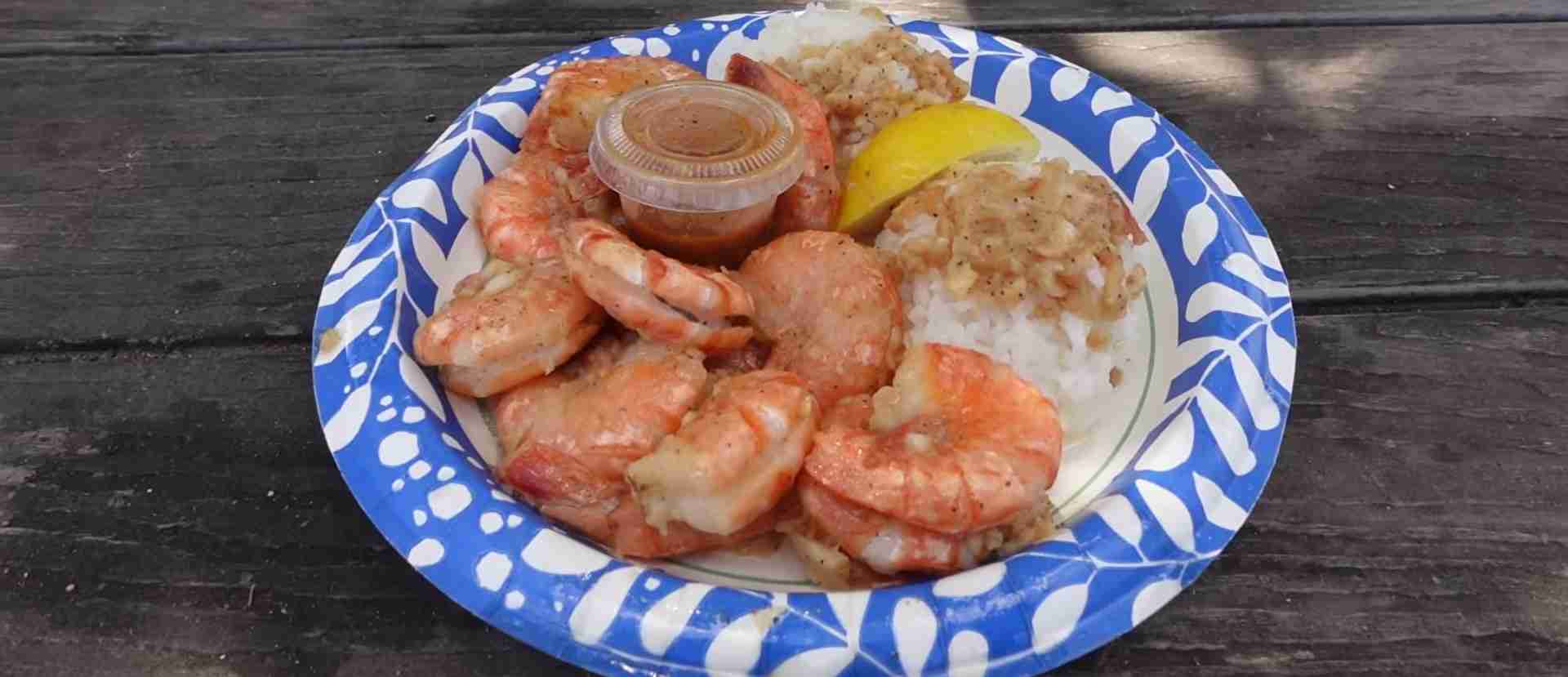
Food trucks concentrate in specific areas including Haleiwa on North Shore, various beach parks, and rotating locations throughout Honolulu’s neighborhoods. Giovanni’s Shrimp Truck represents North Shore’s famous garlic shrimp tradition, serving butter-drenched shrimp plates with rice for $15-18, while numerous other trucks offer poke bowls, tacos, plate lunches, and fusion dishes at comparable prices. Quality varies dramatically, with established trucks earning devoted followings while fly-by-night operations deliver disappointing experiences, making research essential before committing to unfamiliar vendors.
Marukame Udon in Waikiki serves fresh udon noodles cafeteria-style for $6-8 per bowl, with tempura and additional toppings adding minimal cost. The restaurant operates as Japanese chain bringing quality udon to mass market through efficient service model, resulting in lines that move quickly despite tourist crowds. A full meal including noodles, tempura, and drink costs under $15, making it Waikiki’s best value for those seeking filling meal without sacrificing too much quality to convenience and location.
Chinatown restaurants serve Vietnamese pho, Chinese noodles, Filipino dishes, and other ethnic cuisines for $8-15 per meal, with portions sized for working people rather than refined dining experiences. The Pig and the Lady’s breakfast pho costs around $12-15, while Maunakea Marketplace food court vendors charge even less for authentic regional dishes. These establishments cater primarily to local Asian communities rather than tourists, creating environments where English might be minimal though food quality justifies any cultural adjustment required.
Grocery store prepared foods from Foodland, Times, and Don Quijote deliver complete meals for $8-12, with poke bowls, bentos, and hot food sections offering alternatives to restaurant dining. A poke bowl from Foodland costs $12-16 compared to $20-25 at Waikiki vendors, while bentos combining rice, protein, and vegetables cost $8-10. Budget travelers can assemble picnic meals from grocery stores, eating at beach parks or accommodations while saving 50-70% over restaurant equivalents.
Breakfast presents budget opportunities through local cafés serving eggs, Spam, rice, and toast for $8-12, with coffee included. Rainbow Drive-In, numerous hotel coffee shops, and neighborhood diners offer American-Hawaiian breakfast combinations that fuel full mornings of activities without requiring $20+ brunches. Visitors staying in accommodations with kitchens can prepare simple breakfasts from grocery stores, reserving restaurant spending for lunch and dinner where local specialties matter more than generic breakfast foods.
Fine Dining Experiences: Premium Restaurants and Tasting Menus
Honolulu’s fine dining scene justifies premium spending through access to ingredients, cooking talent, and cultural influences unavailable in mainland markets, with the best restaurants sourcing fish from both local boats and Japanese auctions, employing chefs trained across Asia and Europe, and drawing inspiration from Hawaii’s unique multicultural environment. Prices for top-tier experiences range $80-150 per person for Hawaii Regional Cuisine tasting menus to $300+ for omakase sushi, with wine pairings adding substantially. These restaurants reward serious food enthusiasts willing to invest in memorable meals while offering limited value to casual diners seeking convenient sustenance over culinary exploration.
Senia operates as Honolulu’s most celebrated contemporary restaurant, where James Beard semifinalists Chris Kajioka and Anthony Rush serve 12-course tasting menus combining technical precision with approachable atmosphere. The constantly evolving menu showcases local fish, Maui cattle, Hamakua mushrooms, and Okinawan sweet potato through preparations referencing Japanese, Korean, Italian, and French traditions without claiming authenticity to any single cuisine. Signature dishes like smoked ahi cigars demonstrate ingredient-focused cooking that allows quality products to shine rather than burying them under excessive technique. The eight-seat Chef’s Counter offers front-row kitchen views and personalized service, commanding premium pricing around $200+ per person with wine pairings, while main dining room seats cost slightly less for identical menu.
MW Restaurant combines husband-wife team Wade Ueoka and Michelle Karr-Ueoka’s complementary skills, earning 2025 Hale ‘Aina Gold Award for best fine dining while maintaining neighborhood restaurant accessibility. The frequently changing menu features Japanese-influenced cooking highlighting Hawaii ingredients, with dishes balancing refinement and comfort rather than pursuing avant-garde innovation. The intimate 40-seat space creates atmosphere where regulars eat alongside special-occasion visitors, with service that explains dishes without condescension and accommodates dietary restrictions without drama. Prices around $80-120 per person represent exceptional value for cooking quality matching considerably more expensive mainland restaurants.
Chef Mavro serves French-inspired tasting menus from chef George Mavrothalassitis, who arrived in Hawaii during 1980s and helped establish the state as legitimate fine dining destination. The restaurant maintains formal atmosphere rare in Honolulu’s generally casual dining scene, with multi-course menus paired with wines selected to complement each dish’s flavors. Mavrothalassitis sources extensively from Hawaii farms and waters while applying classical French technique, creating cuisine that tastes specifically local rather than transplanted European cooking. Prices reflect premium positioning at $150-200+ per person for full tasting menu with wine pairings, making it special-occasion destination for serious food enthusiasts rather than everyday dining option.
Sushi Sho brings Edomae tradition from Tokyo to Waikiki’s Ritz-Carlton Residences, where chef Keiji Nakazawa prepares omakase-only meals featuring fish from both Hawaii waters and Japanese auctions. The restaurant follows Tokyo protocols including specific rice seasoning, fish aging techniques, and presentation choices that differ subtly from American sushi traditions, creating experiences that justify premium pricing through scarcity and expertise rather than mere novelty. Meals command $300+ per person for multi-course omakase, making it Honolulu’s most expensive regular dining experience and arguably its best sushi, though accessibility remains limited to those willing to invest serious money for exceptional execution.
Merriman’s Honolulu emphasizes farm-to-table cooking from Hawaii Regional Cuisine pioneer Peter Merriman, with menu noting specific farms, ranches, and boats supplying each ingredient. The bright, modern dining room overlooks Ala Moana Beach Park, providing ocean views without Waikiki tourist density or premium pricing. Dinner service averages $80-100 per person for multi-course meals featuring line-caught fish and grass-fed beef, while lunch offers better value at $25-40 for entrees that deliver proper introduction to Hawaii Regional Cuisine without requiring tasting menu commitment.
La Mer at Halekulani operates as Honolulu’s most formal French restaurant, requiring jackets for men and maintaining refined atmosphere that contrasts sharply with Hawaii’s generally casual dining culture. The restaurant serves classic French cuisine adapted to local ingredients, with ocean views and impeccable service justifying premium pricing around $150-200+ per person for full meals with wine. Those seeking traditional fine dining experience rather than contemporary innovation find La Mer delivers European standards while overlooking Waikiki Beach, though younger diners might find formality excessive for island vacation context.
Asian Cuisine Diversity: Japanese, Korean, Filipino, and Vietnamese
Honolulu’s Asian food landscape reflects actual immigrant communities rather than mainland cities’ tourist-oriented establishments, with Japanese ramen shops operating since the 1970s, Korean restaurants serving authentic banchan spreads, Filipino carinderia cooking traditional dishes, and Vietnamese pho houses maintaining recipes unchanged for decades. This depth and authenticity stems from Hawaii’s position as Pacific crossroads where Asian immigration predated mainland exclusion acts, creating established communities that sustained food traditions across generations. Visitors expecting mainland-style “Asian fusion” might be surprised by straightforward authenticity prioritizing flavor over trendiness.
Japanese restaurants span every category from convenience store musubi to $300 omakase sushi, with ramen shops, izakayas, tempura specialists, and tonkatsu restaurants scattered throughout Honolulu’s neighborhoods. Hokkaido Ramen Santouka on Kapahulu serves rich tonkotsu broth developed through 12-hour cooking, topped with chashu pork and soft-boiled egg for $12-16 per bowl. Yakitori Hachibei grills chicken skewers over charcoal in traditional izakaya format, creating smoky, crispy-skinned results impossible to achieve through other cooking methods. Gyotaku specializes in tonkatsu pork cutlets, pounding meat thin, coating in panko, and frying until golden while maintaining juicy interior, served with shredded cabbage and tonkatsu sauce.
Korean restaurants concentrate along Kapahulu Avenue and scattered throughout Honolulu, serving barbecue where diners grill marinated meats at their tables, bibimbap rice bowls mixed with vegetables and gochujang, and soon tofu stews bubbling with silken tofu and seafood. Sorabol operates as longtime Korean favorite offering extensive menu spanning barbecue, stews, and noodle dishes, with banchan side dishes including kimchi, pickled vegetables, and seasoned greens automatically accompanying meals. Prices range $15-40 per person depending on meat selections and drink consumption, with group dining encouraged through table-grilling format and generous portions meant for sharing.
Filipino restaurants remain relatively rare despite large Filipino population, with most authentic cooking happening in homes or small carinderia-style establishments serving primarily Filipino workers. Elena’s Filipino Foods in Waipahu operates cafeteria-style offering traditional dishes like adobo (meat braised in vinegar and soy), sinigang (sour tamarind soup), and lumpia (spring rolls) for $8-12 per plate. Mama Guava in Chinatown offers Filipino-American fusion through lunch pop-up format, serving crispy lumpia wrapped in look fun noodles and longanisa sausage in creative presentations that reference traditional flavors while appealing to broader audiences. The relative scarcity of Filipino restaurants compared to Japanese and Korean establishments reflects different immigration patterns and assimilation strategies rather than cuisine quality.
Vietnamese restaurants center on pho noodle soup, though best establishments offer extensive menus including banh mi sandwiches, spring rolls, rice plates, and regional specialties. The Pig and the Lady serves Andrew Le’s Vietnamese-influenced cooking combining his mother’s traditional recipes with contemporary techniques and Hawaii ingredients, earning James Beard semifinalist nominations for food that tastes specifically Hawaiian-Vietnamese. Vietnamese Cafe & Rolls operates multiple locations serving straightforward pho, banh mi, and vermicelli bowls at accessible prices around $10-15 per meal, with Chinatown location attracting local Vietnamese families alongside adventurous visitors. Pho houses throughout Honolulu maintain devoted followings among regulars who debate broth quality, noodle texture, and proper garnish ratios with intensity matching coffee shop espresso discussions.
Chinese restaurants demonstrate increasing diversity beyond Cantonese cooking that dominated Honolulu for generations, with recent arrivals serving Guizhou, Sichuan, Hunan, and Mongolian regional cuisines featuring flavor profiles and dishes rarely encountered in American Chinese restaurants. Daji in Chinatown Cultural Plaza specializes in Guizhou noodles with distinctive sour-spicy character, while Dahan focuses on Mongolian skewers seasoned with cumin and chili powder. Legend Seafood in Cultural Plaza maintains traditional Cantonese dim sum service where carts circulate dining room offering har gow shrimp dumplings, siu mai pork dumplings, and char siu bao barbecue pork buns, with pricing by plate color creating final bills based on accumulated plates.
Breakfast and Brunch Culture
Honolulu’s breakfast culture splits between local-style plate breakfasts pairing eggs, Spam or Portuguese sausage, and rice, versus mainland-influenced brunch menus featuring avocado toast, açai bowls, and bottomless mimosas. The distinction reflects broader tension between authentic local food and imported trends, with visitors choosing based on whether they seek genuine Hawaii experience or comfortable mainland familiarity. Prices range from $8-12 for local breakfasts to $18-30 for contemporary brunch, with portion sizes and food quality varying dramatically across establishments.
Local-style breakfast centers on combinations featuring eggs, meat (Spam, Portuguese sausage, or kalua pork), and rice or toast, often including pancakes or French toast and priced around $8-12 for generous portions. Rainbow Drive-In serves classic breakfast plates to morning crowds, while numerous neighborhood cafés and hotel coffee shops offer similar format throughout Honolulu. The inclusion of Spam reflects Hawaii’s relationship with the canned meat dating to World War II military introduction, with residents consuming more Spam per capita than any other U.S. state and considering it comfort food rather than poverty ingredient. Portuguese sausage, linguiça brought by Portuguese immigrants to Hawaii plantations, offers spiced alternative to generic breakfast sausage.
Loco moco appears on breakfast menus throughout Honolulu despite being equally appropriate for lunch or dinner, with hamburger patty, fried egg, and brown gravy over rice providing substantial morning fuel. The dish originated as cheap, filling meal for teenagers but has achieved comfort food status across age groups and meal times. Some restaurants offer breakfast variations substituting Spam or kalua pork for hamburger, demonstrating format’s flexibility and enduring appeal.
Contemporary brunch restaurants concentrate in Kaimuki, Kakaako, and tourist-accessible Waikiki locations, serving avocado toast, açai bowls, eggs Benedict variations, and creative pancake presentations at $15-30 per plate. Heavenly Island Lifestyle operates as açai bowl specialist offering elaborate presentations topped with fresh fruit, granola, honey, and nut butters, creating Instagram-ready meals that taste better than typical tourist trap versions. Bogart’s Café in Chinatown serves elevated breakfast classics including loco moco with higher-quality beef and house-made gravy, French toast with local fruit compotes, and creative egg dishes incorporating local ingredients.
Coffee culture in Honolulu emphasizes local Kona and Maui-grown beans, though many establishments serve mainland roasters or generic commercial coffee. Kona coffee commands premium pricing due to limited growing area and hand-harvesting requirements, with pure Kona costing $30-50 per pound retail and café drinks priced accordingly. Most “Kona blend” products contain minimal actual Kona coffee blended with cheaper beans, though 10% Kona content allows labeling that misleads uninformed consumers. Honolulu Coffee Company operates multiple locations serving legitimate 100% Kona alongside pastries and light meals, while numerous independent roasters including Greenwell Farms and Mountain Thunder source directly from Big Island farms.
Acai bowls and smoothie shops proliferate throughout Honolulu, capitalizing on healthy eating trends and Instagram aesthetics. Diamond Head Cove Health Bar and Haleiwa Bowls serve elaborate açai presentations topped with fresh fruit, granola, honey, and superfoods, priced $12-18 for bowl-sized portions that function as meals rather than snacks. Quality varies dramatically, with best versions using quality frozen açai and fresh rather than canned fruit, while lesser establishments cut costs through inferior ingredients that taste accordingly.
Shave Ice and Desserts
Shave ice represents Hawaii’s signature dessert, though mainland “shaved ice” and snow cones bear minimal resemblance to properly executed Hawaiian versions featuring ice shaved thin as snow, multiple flavored syrups, and optional additions including condensed milk, ice cream, and azuki beans. The texture difference between coarse mainland snow cones and fine Hawaiian shave ice matters enormously, with proper versions melting on tongue rather than requiring chewing. Matsumoto Shave Ice on North Shore operates as tourist destination where lines form for colorful ice mountains, though numerous Honolulu shops serve equally good versions without requiring hour-long drives.
Waiola Shave Ice in Kapahulu maintains devoted local following through consistent execution and reasonable prices around $5-8 for regular sizes with multiple flavors and optional condensed milk “snow cap.” The shop offers dozens of flavors ranging from traditional strawberry and pineapple to local favorites including li hing mui (salted dried plum), pickled mango, and lychee. Visitors should request condensed milk topping, which adds creamy richness offsetting syrup sweetness while creating marbled appearance as milk soaks through colored ice. The addition of ice cream or azuki beans at cone bottom transforms shave ice from simple dessert into substantial treat requiring spoon rather than mere sucking.
Uncle Clay’s House of Pure Aloha elevates shave ice through premium syrups made from fresh fruit and natural ingredients rather than artificial flavoring and corn syrup. The shop operates from MOA location near Ala Moana Center, serving creative combinations including guava, lilikoi (passion fruit), and coconut cream that taste recognizably like their namesake fruits. Prices reflect premium ingredients at $8-12 for medium sizes, though quality justifies costs for those seeking elevated dessert rather than simple sugar rush.
Malasadas represent Portuguese contribution to Hawaii dessert landscape, essentially yeast doughnuts without holes, deep-fried and rolled in sugar or filled with custard, chocolate, or fruit preserves. Leonard’s Bakery has served malasadas since 1952 from Kapahulu location that remains local institution, with hot malasadas emerging from fryers throughout the day creating irresistible fresh-dough aroma. Prices remain remarkably affordable at $1-2 per malasada, with filled varieties costing slightly more. The best eating experience occurs immediately after purchase while doughnuts remain hot and sugar coating hasn’t yet dissolved into oily coating.
Haupia appears as coconut milk-based dessert with pudding-like texture, traditionally served at luaus but available in various forms throughout Honolulu. The dessert combines coconut milk with cornstarch and sugar, cooking until thickened then chilling until set, resulting in squares with subtle coconut flavor and smooth texture. Modern interpretations include haupia pie combining coconut filling with chocolate and macadamia nuts in pastry crust, sold at Ted’s Bakery and other local bakeries. The dessert exemplifies Hawaii’s adaptation of available ingredients into new traditions, as coconut milk desserts exist throughout Polynesia but haupia’s specific preparation developed in Hawaii.
Mochi and Japanese sweets from Nisshodo Candy Store and other Japanese confectioners offer different dessert tradition emphasizing subtle sweetness and delicate textures over American preference for sugar bombs. Mochi wraps sweet azuki bean paste in chewy rice cake exterior, with variations including strawberry mochi encasing whole fresh strawberries or butter mochi cake combining mochi with butter and coconut milk. These sweets appeal to those seeking less aggressive sweetness than typical American desserts, though Western palates might find flavors too subtle without acclimation.
Food Tours and Culinary Experiences
Food tours offer structured introduction to Honolulu’s culinary landscape, combining restaurant visits with cultural context and neighborhood exploration that independent dining might miss. Tours range from Chinatown walking experiences sampling multiple establishments to North Shore shrimp truck circuits to upscale Hawaii Regional Cuisine multi-course events, priced $100-200 per person for 3-4 hour experiences. The format suits visitors with limited time wanting curated samplings rather than gambling on unfamiliar restaurants, though food-savvy travelers might find tour selections conservative compared to adventurous independent exploration.
Honolulu Food Tours operates Chinatown experiences visiting 6-8 establishments for tastings including dim sum, pho, malasadas, mochi, and local plate lunch, combined with neighborhood history and cultural explanations. The tour format allows sampling multiple cuisines without committing to full meals, creating overview of Chinatown’s diversity while tour guides provide context about immigrant communities and food traditions. Prices around $140 per person include all food samples and bottled water, with morning and afternoon departure times accommodating various schedules.
Hawaii Food Tours offers North Shore experiences combining shrimp trucks, Matsumoto Shave Ice, coffee farms, and local fruit stands into full-day circuits departing from Waikiki. The tour addresses transportation challenges that prevent many visitors from exploring North Shore independently, while providing cultural context about plantation history, surfing culture, and agricultural traditions. Prices around $150-180 per person include transportation, food samples, and guide services, though independent travelers with rental cars can replicate experience at lower cost by visiting same establishments without guide.
Cooking classes at various establishments including Sur La Table and private chefs teach Hawaii Regional Cuisine techniques, poke preparation, and local dishes including laulau and kalua pig. These experiences suit those wanting hands-on learning rather than passive consumption, with prices ranging $100-200 per person for 2-3 hour sessions including ingredients, instruction, and meals prepared during class. The format works particularly well for groups seeking activity combining cultural learning with practical skills applicable to home cooking.
Farmers markets throughout Honolulu including KCC Saturday morning market, Kaka’ako Farmers Market, and various neighborhood markets offer opportunities to meet local farmers, sample tropical fruits, purchase prepared foods, and observe local shopping culture. These markets function more as social events than efficient grocery shopping, with families spending Saturday mornings browsing vendors, eating breakfast plates, and socializing with neighbors. Visitors should arrive early for best selection, bring cash for vendors without card readers, and sample unfamiliar tropical fruits including rambutan, longan, and dragonfruit.
Dining Etiquette and Local Customs
Honolulu’s dining culture blends Hawaiian hospitality, Asian etiquette traditions, and American informality into hybrid norms that visitors should observe to avoid marking themselves as clueless tourists. Most important principle involves respecting local establishments and communities rather than treating Hawaii as theme park where normal social rules don’t apply. This means following posted rules, tipping appropriately, not blocking traffic for Instagram photos, and recognizing that many restaurants serve primarily local residents rather than tourists.
Tipping follows mainland American standards at 18-20% for sit-down restaurant service, with some establishments adding automatic gratuity for groups of six or more. Counter-service restaurants including poke shops, plate lunch drive-ins, and food trucks typically display tip jars where modest tips of $1-2 per order are appreciated but not mandatory. Confusion sometimes arises at hybrid establishments where customers order at counter but receive table service for delivered food, though general rule suggests tipping when someone brings food to table regardless of ordering method.
Shoes-off customs appear at some Japanese and Korean restaurants, particularly traditional establishments where diners sit on floor or raised platforms. Hosts will indicate when shoe removal is expected, typically providing cubbies or shelving for footwear storage. Visitors should wear clean socks or prepare for barefoot dining, as cultural requirement overrides personal comfort preferences. The custom reflects Japanese cleanliness standards and respect for dining spaces, making sock holes or foot odor potential embarrassments worth preventing through preparation.
Sharing food across tables is common in Hawaii’s communal dining culture, particularly at plate lunch counters and casual restaurants where large portions encourage splitting or trading bites. This practice stems from plantation-era traditions where workers shared lunches from different cultural backgrounds, creating expectation that food brings people together rather than serving as individual consumption. Visitors eating with locals should expect offers to share dishes and reciprocate rather than guarding plates possessively, though upscale restaurants follow more formal protocols discouraging across-table sharing.
Photography policies vary by establishment, with casual restaurants generally allowing food photos while fine dining restaurants might request discretion to avoid disturbing other diners. Flash photography without asking permission is universally poor form, as is blocking aisles or staff paths to capture perfect Instagram angles. The food photography trend has created tensions in some popular restaurants where tourists prioritize photos over eating, frustrating both staff and locals waiting for tables. Taking a quick photo is fine; staging elaborate multi-angle photo shoots while food cools and other diners wait is not.
Reservations are essential at popular restaurants including Senia, MW Restaurant, The Pig and the Lady, and other establishments earning local or national recognition. Making reservations shows respect for restaurant operations and other diners who might be displaced by walk-in parties claiming “just two people” during peak times. Some restaurants don’t accept reservations and operate first-come-first-served, requiring acceptance of potential waits or strategic timing arriving before or after peak hours.
Local terminology includes “broke da mouth” (delicious), “ono” (tasty), “grinds” (food), and “pau hana” (after work, literally “finished work”), with tourists who over-eagerly adopt pidgin terms sounding silly rather than integrated. Better approach involves speaking normal English while learning terminology through context, allowing natural adoption of useful words rather than forced imitation of speech patterns earned through growing up in Hawaii.
Seasonal Ingredients and Fishing Traditions
Hawaii’s agricultural calendar affects menu availability more than pricing at better restaurants, with seasonal fish species appearing and disappearing as migrations and fishing regulations shift throughout the year. Summer brings abundant mahi-mahi, ono (wahoo), and aku (skipjack tuna), while winter sees limited local catches supplemented by mainland and international sources. The best restaurants adapt menus to available ingredients rather than importing fish from distant sources, creating seasonal variation that rewards repeat visitors with different experiences across multiple trips.
Mahi-mahi peaks in summer months, providing flaky white fish with mild flavor that suits various preparations from simple grilling to complex sauces. The name means “strong-strong” in Hawaiian, referencing the fish’s fighting ability when hooked, though mainland markets often use Spanish name “dorado” to avoid perceived redundancy. Hawaii Regional Cuisine restaurants feature fresh-caught mahi-mahi in season, often noting specific boats or fishing methods on menus, while off-season availability depends on frozen stocks or mainland imports that compromise quality.
Ahi (yellowfin tuna) remains available year-round through combination of local fishing and imports from Pacific fishing grounds, though quality and price fluctuate based on supply. The best sushi restaurants source specific grade ahi from Japanese auctions, paying premium prices for fish meeting strict quality standards, while poke shops use local catches within 24 hours of landing. Ahi’s firm texture and mild flavor make it Hawaii’s most versatile fish, appearing raw in poke and sashimi, seared in Hawaii Regional Cuisine preparations, and cooked through in more conventional applications.
Ono (wahoo) appears in summer and fall, providing firm white flesh with delicate flavor appreciated by those who find ahi too strong or mahi-mahi too mild. The fish’s scarcity relative to more common species means limited restaurant availability even during peak season, though fish markets occasionally offer whole ono or thick steaks. Traditional Hawaiian name comes from “ono” meaning delicious, creating circular etymology where the fish is called delicious because it tastes delicious.
Opah (moonfish) remains relatively unknown outside Hawaii despite exceptional eating quality, with rich flavor and firm texture supporting various cooking methods. The fish’s unusual circular shape and vibrant coloring make it distinctive in fish markets, though scarcity limits regular restaurant availability. When available, opah appears on upscale restaurant menus as seasonal special, priced slightly higher than more common fish reflecting limited supply and superior flavor.
Aku (skipjack tuna) serves as everyday fish for many local families, offering stronger flavor than ahi at lower prices reflecting abundance and smaller size. Traditional Hawaiian cooking featured aku dried and salted for preservation, creating pipikaula (beef jerky) equivalent that remains available at some markets and restaurants serving traditional Hawaiian food. Fresh aku appears at fish markets and occasional restaurant specials, though its assertive flavor and darker color mean less popularity with tourists expecting mild white fish.
Opihi (Hawaiian limpet) represents delicacy requiring dangerous harvesting from wave-swept rocks, commanding high prices at fish markets when available and appearing rarely on restaurant menus. The small shellfish taste intensely of ocean, with chewy texture and mineral flavor that divides eaters into devoted fans and those who can’t understand the appeal. Traditional Hawaiian diet included opihi as protein source, though modern conservation concerns and harvesting difficulty mean most locals encounter it only at special occasions rather than regular meals.
Frequently Asked Questions About Honolulu Food and Restaurants
What Should First-Time Visitors Eat in Honolulu?
First-time visitors should prioritize poke from quality sources like Ono Seafood, Tamashiro Market, or Foodland grocery stores, experiencing Hawaii’s signature dish at peak freshness. Plate lunch from Rainbow Drive-In or neighborhood drive-ins delivers authentic local food culture through two scoops rice, macaroni salad, and protein choices like teriyaki chicken or kalua pork. Loco moco provides quintessential Hawaiian comfort food combining hamburger patty, fried egg, and brown gravy over rice, available at casual restaurants throughout Honolulu. Hawaii Regional Cuisine restaurants including Mud Hen Water, Merriman’s, or MW Restaurant showcase contemporary island cooking combining local ingredients with sophisticated techniques. Shave ice from Waiola or Matsumoto offers essential dessert experience, with condensed milk topping and multiple flavor combinations creating Hawaii’s answer to ice cream. These five items cover traditional Hawaiian food, local plate lunch culture, contemporary fine dining, and iconic desserts, providing comprehensive introduction to Honolulu’s culinary landscape within reasonable budget and time constraints.
How Much Should Visitors Budget for Food in Honolulu?
Budget-conscious visitors can eat well for $30-40 daily by prioritizing plate lunches at $10-14, grocery store poke at $12-16, food trucks at $8-15, and breakfast from cafés or markets at $8-12. Mid-range dining costs $60-80 daily through casual restaurants serving $15-25 lunches and $30-40 dinners, with occasional splurges on nicer restaurants balanced by cheaper meals. Upscale dining budgets should allow $100-150+ daily for Hawaii Regional Cuisine restaurants, quality sushi, and fine dining experiences where single meals cost $80-150 per person before drinks. Waikiki restaurants charge 30-50% premiums over identical dishes in neighborhood establishments, making location choice significant budget factor. Alcohol consumption substantially increases costs, with cocktails at $15-18, beer at $8-12, and wine by glass at $12-18 in most restaurants. Grocery stores offer the best value for breakfast items, snacks, and ready-made meals, with Foodland and Times Supermarket providing legitimate dining options rather than mere convenience. Visitors should plan splurges on 1-2 special meals while eating more casually for remaining days, balancing memorable experiences against budget constraints.
What’s the Difference Between Hawaiian Food and Local Food?
Hawaiian food refers specifically to native Hawaiian cuisine predating Western contact, centered on taro, sweet potato, breadfruit, fish, and pork prepared through traditional methods including underground imu cooking and poi pounding. This category includes dishes like kalua pig, laulau, poi, and squid luau that connect to ancient Hawaiian culture and remain culturally significant to native Hawaiian families. Local food encompasses broader category of dishes that emerged during plantation era through multicultural exchange among Japanese, Chinese, Filipino, Korean, Portuguese, Puerto Rican, and Hawaiian workers, creating hybrid dishes like plate lunch, saimin noodle soup, Spam musubi, and loco moco that belong specifically to Hawaii but don’t claim native Hawaiian authenticity. The distinction matters because conflating the two erases important cultural differences, with native Hawaiian food representing indigenous traditions while local food reflects immigrant contributions and creolization. Restaurants serving traditional Hawaiian food include Helena’s Hawaiian Food and certain luaus maintaining authentic preparation methods, while local food appears everywhere from drive-ins to contemporary restaurants reimagining plate lunch traditions. Visitors should experience both categories to understand Hawaii’s complete food culture rather than assuming all island food represents native Hawaiian traditions.
Where Can Visitors Find Authentic Hawaiian Food?
Helena’s Hawaiian Food in Kalihi serves authentic traditional dishes including kalua pig, laulau, squid luau, and poi in no-frills setting that earned James Beard Award recognition. The restaurant has operated since 1946, maintaining recipes and preparation methods largely unchanged across three generations, attracting locals and serious food tourists willing to navigate working-class neighborhood for genuine experience. Highway Inn operates multiple locations serving traditional Hawaiian food in more tourist-accessible settings, though some purists question authenticity compared to Helena’s stricter traditional approach. Various luaus including Paradise Cove and Germaine’s Luau serve traditional Hawaiian foods alongside tourist entertainment, offering convenient introduction to dishes like kalua pig and poi though preparation quality and authenticity vary. Mud Hen Water in Kaimuki offers contemporary interpretations of Hawaiian dishes, combining traditional ingredients and flavors with modern techniques and presentations that appeal to broader audiences while maintaining cultural respect. Ono Hawaiian Foods and numerous plate lunch restaurants serve kalua pig and laulau alongside local dishes, creating hybrid menus that blur distinctions between traditional Hawaiian and multicultural local food. Farmers markets occasionally feature vendors selling traditional Hawaiian foods including poi, laulau, and kulolo (taro-coconut dessert), providing opportunities to purchase items for home consumption or beach picnics.
Is Honolulu Food Expensive Compared to Mainland Cities?
Honolulu food prices exceed mainland averages across all categories, with island isolation, limited agricultural land, and high tourism demand creating upward pressure on costs. Grocery store prices run 30-50% higher than mainland equivalents, though restaurant prices show more variation depending on location and target market. Waikiki restaurants charge premium prices comparable to Manhattan or San Francisco tourist zones, while neighborhood establishments serving local residents offer better value though still expensive by national standards. The price-quality relationship differs from mainland cities, with excellent food available at budget prices from plate lunch counters and grocery store poke departments that would require restaurant visits elsewhere. Fine dining restaurants charge less than equivalent mainland establishments despite using similar quality ingredients and employing comparable talent, making upscale dining relatively good value. Specific examples include plate lunches costing $10-14 for portions that easily feed one person and sometimes two, poke bowls at $12-18 from quality sources versus $20-25 at tourist vendors, and Hawaii Regional Cuisine tasting menus at $80-150 per person versus $200-300 for similar experiences in major mainland food cities. Visitors should expect to spend more on food than equivalent mainland trips while recognizing that strategic choices can substantially control costs without sacrificing too much quality or missing essential experiences.
What Food Should Visitors Avoid in Honolulu?
Visitors should avoid obvious tourist traps along Kalakaua Avenue in Waikiki charging premium prices for mediocre food, easily identified through aggressive sidewalk barkers, photo-heavy menus with excessive items, and absence of local customers during meal times. Chain restaurants that exist on mainland offer nothing special in Hawaii beyond convenience, wasting opportunities to eat foods unavailable elsewhere. ABC Store prepared foods and convenience store sushi represent bottom-tier quality acceptable only for late-night desperation or extreme budget constraints, with grocery store alternatives offering dramatically better value and quality. Overly ambitious attempts to eat “authentic” food without research can lead to disappointing experiences at substandard establishments trading on ethnic credentials rather than food quality, making some research essential before visiting unfamiliar restaurants. Buffets at lower-end hotels generally disappoint despite all-you-can-eat appeal, with hotel restaurants in general offering poor value compared to equivalent independent establishments. Foods requiring absolute freshness including raw oysters and ceviche should be approached cautiously at casual establishments lacking proper refrigeration and food safety protocols, though quality restaurants handle these items properly. The most important avoidance involves dismissing excellent food because it comes from unexpected sources like grocery stores, food trucks, or weathered drive-ins that don’t match mainland assumptions about where good food comes from.
Can Vegetarians and Vegans Eat Well in Honolulu?
Vegetarians find ample options throughout Honolulu through Hawaii Regional Cuisine restaurants featuring vegetable-forward dishes, Asian restaurants offering tofu and vegetable preparations, and casual establishments accommodating special requests. Poke shops sell fried tofu poke seasoned identically to fish versions, providing vegetarian entry to Hawaii’s signature dish. Plate lunch restaurants typically offer tofu or vegetable protein options alongside meat dishes, though two-scoop rice and macaroni salad sides remain standard. Vegans face more challenges navigating dairy and egg ingredients in many local dishes, though dedicated vegan restaurants including Downbeat Diner & Lounge serve plant-based versions of plate lunch favorites. Indian restaurants throughout Honolulu offer extensive vegetarian and vegan selections through traditional cuisines naturally accommodating these diets. Farmers markets provide abundant tropical fruits, vegetables, and prepared foods catering to plant-based eating, with KCC Saturday market featuring multiple vegan vendors. The main challenge involves communicating dietary restrictions at small local establishments where English might be minimal and menu customization unusual, requiring patience and possibly pointing at acceptable ingredients. Upscale restaurants generally accommodate dietary restrictions professionally when notified during reservations, with chefs capable of creating satisfying vegetarian or vegan meals rather than merely removing meat from standard dishes.
What Makes Hawaii Regional Cuisine Different from Other American Fine Dining?
Hawaii Regional Cuisine emerged from specific place and moment when twelve chefs collectively decided in 1991 that Hawaii’s local ingredients deserved sophisticated treatment beyond generic Continental hotel cooking, combining French and Italian techniques with Asian influences and commitment to sourcing from Hawaii farms, ranches, and fishing boats. This movement differs from mainland farm-to-table trends through emphasis on Pacific ingredients unavailable elsewhere including opakapaka (pink snapper), Kahuku prawns, Maui onions, and Molokai sweet potatoes, creating cuisine impossible to replicate in other regions. The cultural context matters enormously, with Hawaii Regional Cuisine chefs drawing inspiration from Japanese, Chinese, Filipino, Korean, and Hawaiian traditions rather than limiting themselves to European fine dining models, resulting in dishes that might combine French technique with Japanese ingredients and Hawaiian cultural references. The movement helped establish Hawaii as legitimate culinary destination producing James Beard Award winners and launching careers spanning decades, transforming perception of island cooking from tourist mediocrity to globally recognized excellence. Contemporary Hawaii Regional Cuisine restaurants like Senia, MW Restaurant, and Merriman’s maintain founding principles while evolving beyond 1990s fusion clichés toward more subtle, ingredient-focused cooking that showcases quality products through minimal interference. The cuisine succeeds because it emerged from actual place rather than theoretical fusion, with chefs living in Hawaii, sourcing from Hawaii producers, and cooking for Hawaii residents who demand authenticity alongside innovation.
How Do I Navigate Fish Markets and Poke Counters?
Fish markets and poke counters require different protocols than conventional restaurants, starting with understanding that these establishments serve primarily local Asian customers who know what they want and expect efficient service. Approach counters after reviewing options displayed in cases, noting poke varieties, prices per pound, and any daily specials written on boards. Standard poke bowl sizes include small (around 5 ounces poke plus rice) and large (8 ounces poke plus rice), with prices ranging $12-18 depending on establishment and fish choices. Most shops allow combining two poke varieties in single bowl, creating opportunity to sample different preparations without committing to pounds of single variety. When ordering poke by weight rather than bowl, specify quarter pound, half pound, or full pound quantities, understanding that half pound serves one person generously or two people as side dish. Fish market etiquette involves waiting patiently for service rather than demanding attention, speaking clearly when ordering, and having payment ready rather than fumbling through wallet while line backs up behind you. Some markets speak primarily Cantonese, Japanese, or pidgin with minimal English, requiring patience and possibly pointing at desired items while stating quantities. Rice typically costs extra when ordering poke by weight, with some markets selling separately while others include rice with poke bowls automatically. Don’t expect elaborate customer service or menu explanations, as these establishments assume customers know what they want and appreciate efficiency over friendliness.
What Are Hawaii’s Food Safety Standards for Restaurants?
Hawaii maintains food safety standards through Department of Health inspections rating restaurants on 100-point scale, with scores posted at entrances and available through online database. Scores above 90 indicate “Pass” with good food safety practices, scores 70-89 require conditional pass with follow-up inspection, and scores below 70 result in closure until violations are corrected. Inspection reports detail specific violations including temperature control failures, cross-contamination risks, inadequate handwashing facilities, and pest infestations, providing transparency about food safety practices. Visitors should check posted inspection certificates before dining, though popular restaurants generally maintain high scores through regular inspections and proper protocols. The tropical climate creates additional food safety challenges including rapid bacterial growth in improperly stored foods and increased pest pressure, making proper refrigeration and sanitation essential. Street food and food trucks face same inspection requirements as brick-and-mortar restaurants, though enforcement consistency varies and some temporary vendors might operate without proper permits during special events. Raw fish consumption at poke shops and sushi restaurants carries inherent risks mitigated through proper sourcing, cold chain maintenance, and rapid turnover that prevents extended storage. Fresh fish should smell clean rather than fishy, appear glossy rather than dull, and feel firm rather than mushy, with reputable establishments refusing to sell fish failing these quality checks regardless of potential profit.