
Honolulu Hidden Gems Guide: Secret Spots and Local Favorites
Beyond Waikiki’s crowded beaches and Diamond Head’s well-trodden trails lies a Honolulu known primarily to residents and seasoned travelers—a city of secret coastal pools, neighborhood markets bustling with local life, hidden valleys where ancient Hawaiian temples stand undisturbed, and family-run restaurants serving authentic island cuisine. This guide reveals the lesser-known treasures that transform a typical Hawaiian vacation into an authentic cultural immersion.
Key Takeaways: Discovering Honolulu’s Hidden Treasures
- Secret Beaches and Coastal Gems: Honolulu harbors dozens of lesser-known beaches and tide pools accessible to those willing to venture beyond the main tourist corridors, including Makapu’u tide pools, Bamboo Ridge surf break, and the protected coves of Kahala’s residential coastline where green sea turtles feed undisturbed.
- Authentic Neighborhood Culture: Local neighborhoods like Kaimuki, Manoa Valley, and Kalihi preserve traditional Hawaiian and Asian-Pacific culture through family restaurants, ethnic markets, mom-and-pop shops, and community gathering spaces that have served residents for generations.
- Hidden Hiking and Nature Sanctuaries: Beyond the famous trails, secret paths lead to waterfalls, ancient stone foundations, native forest sanctuaries, and ridge-top viewpoints offering solitude impossible to find at popular destinations—places like Wa’ahila Ridge, Jackass Ginger Pool, and the upper reaches of Manoa Falls trail.
- Local Food Scene Secrets: Honolulu’s authentic culinary treasures exist in neighborhood plate lunch counters, family-operated saimin shops, traditional poke markets, and hole-in-the-wall bakeries producing malasadas, mochi, and traditional Hawaiian sweets using recipes passed through multiple generations.
- Cultural and Historical Hideaways: Lesser-visited historical sites, neighborhood museums, ancient fishponds, and sacred heiau (temples) offer profound cultural insights without the crowds, including Ulupo Heiau, the Chinese Chamber of Commerce Museum, and the historic plantation villages of the inland valleys.
- Insider Access Strategy: Discovering hidden Honolulu requires early morning visits, conversations with residents, exploration of residential neighborhoods on foot or bicycle, and willingness to venture away from guidebook recommendations into areas where tourism infrastructure doesn’t exist and local knowledge guides every discovery.
People Also Ask About Honolulu Hidden Gems
What Are the Best Secret Beaches in Honolulu?
Honolulu’s secret beaches include Makapu’u tide pools on the island’s windward side, accessible via a short unmarked trail offering crystal-clear pools perfect for snorkeling among reef fish and occasional sea turtles. Bamboo Ridge, located between Kahala and Hawaii Kai, provides excellent surfing and bodyboarding with minimal crowds. Kawaikui Beach Park in Kahala offers calm waters and frequent turtle sightings in a residential setting unknown to most visitors. Cromwell’s Beach, tucked beside Black Point, features excellent snorkeling and a local surf break. Portlock Point’s tide pools create natural aquariums during low tide, while the small beach at Paiko Lagoon Wildlife Sanctuary provides serene swimming in protected waters surrounded by native coastal vegetation.
Where Do Honolulu Locals Actually Eat?
Local residents frequent neighborhood institutions like Rainbow Drive-In for iconic plate lunches, Helena’s Hawaiian Food for traditional laulau and pipikaula, and Ono Hawaiian Foods for authentic poi and kalua pig. Kaimuki’s Waialae Avenue hosts beloved spots including Mud Hen Water for modern Hawaiian cuisine, 12th Avenue Grill for upscale comfort food, and Town for farm-to-table breakfast and lunch. In Kapahulu, locals line up at Ono Seafood and Maguro Brothers for the freshest poke. Chinatown’s markets and dim sum restaurants on Maunakea Street serve as community gathering places, while neighborhood saimin shops like Palace Saimin and Shiro’s Saimin Haven draw multi-generational customer bases. Family bakeries including Liliha Bakery for coco puffs and Leonard’s for malasadas represent essential local food culture.
What Hidden Hiking Trails Exist Beyond the Famous Routes?
Wa’ahila Ridge State Recreation Area offers panoramic views from Manoa Valley to Diamond Head with far fewer hikers than neighboring trails. The trail to Jackass Ginger Pool in Manoa Valley requires stream crossing and route-finding skills but rewards adventurers with a pristine waterfall and swimming hole. Likeke Falls trail ascends through bamboo forest to a hidden cascade, while the Judd Trail loop through Jackass Ginger Forest Reserve passes ancient Hawaiian agricultural terraces. Mount Tantalus’ network of connecting trails provides numerous secret viewpoints and native forest experiences. The Makapu’u lighthouse trail’s unofficial extensions lead to tide pools and coastal overlooks. Upper Manoa trails beyond the main waterfall access remote valleys where native birds and endemic plants thrive undisturbed by casual visitors.
How Can Visitors Experience Authentic Hawaiian Culture Away from Tourist Shows?
Authentic cultural immersion happens through attendance at community events like slack key guitar concerts at Anna Bannanas or Hawaiian Music Supply, participation in free hula classes offered at Kapiolani Park on weekends, and visits to working taro farms in the valleys where traditional agriculture continues. The Bishop Museum’s planetarium shows conducted in Hawaiian language and the monthly Hawaiian Civic Club meetings open to respectful visitors provide genuine cultural education. Shopping at KCC Farmers Market on Saturday mornings connects visitors with local farmers and food producers. Attending services at Kawaiaha’o Church, the Westminster of the Pacific, offers insight into Hawaiian Christian traditions. Volunteering with organizations like Malama Aina preserves cultural sites through hands-on restoration work. Conversations with kupuna (elders) at neighborhood parks and beaches often yield the most valuable cultural knowledge unavailable in any guidebook.
Extended multi-day tours – 5+ days
Featured Honolulu Multi-Day Tour Packages
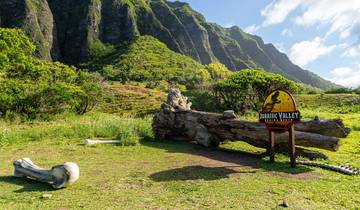
7 days
Hawaii Oahu Explorer – 7 days
- ✓ Comprehensive Honolulu tour
- ✓ Expert local guides included
- ✓ All accommodation arranged
- ✓ Transportation provided

5 days
5-Day Classic Hawaii Experience
- ✓ Comprehensive Honolulu tour
- ✓ Expert local guides included
- ✓ All accommodation arranged
- ✓ Transportation provided
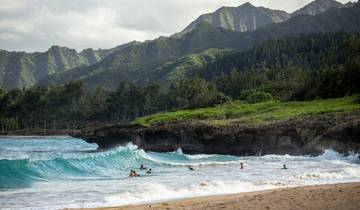
4 days
4 Day Hawaii Experience: Discover Oahu (Bilingual: Chinese, English)
- ✓ Comprehensive Honolulu tour
- ✓ Expert local guides included
- ✓ All accommodation arranged
- ✓ Transportation provided
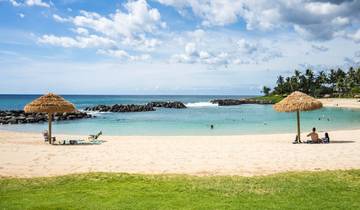
5 days
USA – Hawai: Tropical Dreams – 5 days
- ✓ Comprehensive Honolulu tour
- ✓ Expert local guides included
- ✓ All accommodation arranged
- ✓ Transportation provided
Multi-day tour packages powered by TourRadar. Prices and availability subject to change.
Introduction: Beyond Waikiki’s Well-Traveled Path
Honolulu exists in two parallel dimensions. The first dimension—familiar to millions of annual visitors—centers on Waikiki Beach’s hotel corridor, the Ala Moana Shopping Center’s retail cathedral, and a handful of iconic attractions including Diamond Head, Pearl Harbor, and Hanauma Bay. This tourist Honolulu functions efficiently, offering predictable experiences, international dining, and Instagram-ready sunset backdrops against sailboats and surfers.
The second Honolulu thrives in neighborhoods where tourism infrastructure never developed, where residents shop at ethnic markets speaking languages other than English, where family restaurants have served the same dishes for sixty years without updating their menus or décor, where beaches remain accessible only via residential streets or unmarked trails, and where ancient Hawaiian cultural practices continue in valleys and coastal areas protected more by obscurity than by official designation.
This guide maps the second Honolulu—the city of hidden gems and local secrets that rewards curiosity, early mornings, conversations with residents, and willingness to explore beyond the digital breadcrumbs of online reviews and travel blogs. Here, discovery happens through observation, patience, and respect for communities that have preserved their character despite occupying one of the world’s most valuable real estate markets.
The hidden gems scattered across Honolulu’s neighborhoods, valleys, and coastlines represent more than alternative attractions. They form the authentic cultural substrate of island life—the places where kamaaina (local residents) gather, celebrate, recreate, and maintain connections to land, ocean, and tradition that have defined Hawaiian culture for centuries. Access to these spaces requires not just geographic knowledge but cultural sensitivity, environmental awareness, and genuine interest in experiences that cannot be commodified or accelerated to fit a typical vacation itinerary.
From secret tide pools along the island’s southeastern shore to family-run restaurants in Kalihi’s industrial corridors, from hidden waterfalls in Manoa’s upper valleys to neighborhood markets where aunties sell homemade mochi and fresh poke, Honolulu’s hidden treasures offer something increasingly rare in modern tourism: authenticity, connection, and the possibility of genuine discovery in a landscape that appears, at first glance, to have been thoroughly documented and commercially developed.
Secret Beaches and Coastal Hidden Gems
Honolulu’s coastline extends far beyond Waikiki’s famous shores, encompassing dozens of lesser-known beaches, tide pools, and coastal access points that offer exceptional swimming, snorkeling, and marine life encounters without the crowds. These hidden coastal gems require local knowledge to access and often involve walking through residential neighborhoods or following unmarked trails.
Makapu’u Tide Pools and Coastal Exploration
The Makapu’u Point lighthouse trail attracts thousands of visitors for its paved accessibility and whale-watching vantage, but few venture to the tide pools below. Reached via an unmarked trail branching from the main path near the halfway point, these volcanic rock pools fill with incredibly clear water during calm seas, creating natural aquariums teeming with tropical fish, sea urchins, and small octopuses. The pools range from ankle-deep depressions to deeper basins suitable for snorkeling, with the clarity and marine life concentration rivaling any paid attraction.
Timing matters critically for tide pool exploration. Visit during low tide when pools reach maximum depth and clarity, typically early morning before winds pick up. The volcanic rock becomes extremely slippery when wet, requiring proper water shoes with grip. Strong surf makes these pools dangerous and inaccessible, so check ocean conditions before descending. The pools work best April through September when south swells remain small and trade winds create offshore conditions.
Beyond the main pools, adventurous explorers discover additional formations along the coastline toward Hanauma Bay, including blow holes that create dramatic spray during moderate swell and shallow lagoons where juvenile fish find protection from predators. The entire area functions as an unofficial marine sanctuary, though no formal designation protects it. Respectful visitors leave nothing behind, touch no marine life, and avoid walking on living coral visible in some pools.
Kahala’s Residential Coastline and Turtle Feeding Grounds
The Kahala neighborhood’s oceanfront represents Honolulu’s most exclusive residential real estate, but public beach access points exist throughout the area, offering some of Oahu’s best opportunities to observe Hawaiian green sea turtles feeding on seaweed in their natural habitat. Kawaikui Beach Park provides the most accessible entry point, with small parking area and shower facilities serving a local beach frequented primarily by neighborhood residents.
Green sea turtles congregate in the shallow waters offshore throughout the day, surfacing regularly to breathe while feeding on limu (seaweed) growing on the rocky bottom. Snorkelers maintaining respectful distance observe these endangered creatures in incredibly close proximity, with visibility often exceeding thirty feet in the calm waters protected by offshore reef. The beach itself remains small and rocky compared to Waikiki’s expansive sand, but the lack of commercial development and tourist infrastructure creates a markedly different atmosphere.
Further along the coast, Waialae Beach Park and the small beaches near the Kahala Hotel offer similar experiences with different access logistics. Walking the entire Kahala coastline becomes possible during low tide, revealing tide pools, sea cucumber colonies, and volcanic rock formations hidden during normal water levels. Early morning visits around sunrise offer the best combination of calm water, good visibility, and minimal human presence. Local residents walk dogs, swim laps, and practice paddleboarding in these waters, creating a authentic neighborhood beach scene impossible to find in commercial tourism zones.
Portlock Point Tide Pools and Black Point Exploration
The southeastern tip of Oahu near Hawaii Kai contains some of Honolulu’s most dramatic coastal geology and least-known swimming spots. Portlock Point’s tide pools form among ancient lava flows, creating deep channels and protected swimming areas during calm conditions. Access requires parking in the Portlock residential area and walking along the coastal trail, a route known primarily to local families who have used these pools for generations.
The main pool at Portlock reaches depths of eight feet in sections, allowing actual swimming rather than just wading. The volcanic rock surrounding the pool creates natural seats and sun-bathing platforms, while the clarity of water on calm days permits views of fish, crabs, and sea urchins moving across the bottom. During winter months when north swells wrap around the island, this spot becomes dangerous and should be avoided entirely. Summer months from May through September provide the most consistent safe conditions.
Black Point, the distinctive lava promontory visible from Waikiki, conceals Cromwell’s Beach—a small cove popular with local surfers and bodyboarders. The beach itself measures barely fifty feet across, accessible only via a steep trail through coastal vegetation. The snorkeling along the point’s edge rivals anything at Hanauma Bay when conditions align, with coral formations, tropical fish schools, and occasional dolphin sightings. The surf break just offshore attracts experienced locals, creating a cultural atmosphere distinctly different from beginner beaches elsewhere on the island.
Bamboo Ridge and East Oahu Hidden Coves
Between Kahala and Hawaii Kai, the coastline transitions from gentle beaches to dramatic cliffs punctuated by hidden coves accessible only to those willing to explore unmarked trails. Bamboo Ridge earned its name from the bamboo groves that once covered the hillside above a consistent reef break favored by local surfers. The beach area remains small and rocky, but the wave quality and uncrowded conditions attract those seeking authentic surf culture away from crowded Waikiki lineups.
The access trail descends steeply from the coastal road through ironwood trees and coastal scrub, requiring good balance and proper footwear. During summer months, the beach expands as sand accumulates in the cove, creating a more traditional beach experience. Winter erodes this sand, exposing the volcanic rock shelf and creating more challenging entry conditions. Regardless of season, the snorkeling along the reef edge provides excellent marine life viewing when water clarity permits.
Several additional small coves punctuate this coastline, most unnamed and known only through local oral tradition. These spots require careful ocean reading skills and knowledge of tidal patterns, as some become completely submerged during high tide or dangerous during any swell activity. The reward for this navigational challenge includes virtual solitude, excellent snorkeling, and the satisfaction of discovering spaces that appear on no tourist maps and receive no commercial promotion.
Authentic Neighborhood Culture and Local Communities
Honolulu’s authentic cultural heart beats strongest in neighborhoods that developed around plantation-era immigrant communities, military installations, and traditional Hawaiian settlements. These areas preserve ethnic traditions, culinary heritage, and community bonds that tourism has not commercialized or diluted.
Kaimuki: Historic Neighborhood Character and Local Dining
Kaimuki emerged as a streetcar suburb in the early twentieth century, developing around the intersection of Waialae Avenue and Koko Head Avenue into a commercial district serving predominantly Japanese, Chinese, and Portuguese plantation families. The neighborhood retains much of its historic character through preserved storefronts, family-owned businesses, and a dining scene that reflects authentic local tastes rather than tourist preferences.
Waialae Avenue’s restaurant corridor includes institutions like 12th Avenue Grill, where James Beard-nominated chef Kevin Hanney serves elevated comfort food sourced from local farms, and Town, which pioneered farm-to-table breakfast and lunch using island-grown ingredients. These contemporary restaurants coexist with multi-generational establishments including Hale Vietnam Restaurant, Kaimuki Superette for Filipino food, and Thirty Nines Bowl for traditional saimin. The density of quality dining in a compact walkable area creates a neighborhood atmosphere markedly different from Waikiki’s resort restaurant scene.
Kaimuki’s side streets preserve residential character through preserved plantation-era homes, mature trees creating continuous canopy coverage, and small parks where neighborhood families gather. The weekly farmers market at Kaimuki High School connects residents directly with Oahu farmers, creating community bonds through agricultural commerce. Small shops including Bailey’s Antiques & Aloha Shirts, Kaimuki Superette’s adjacent market, and the various boutiques along 12th Avenue serve neighborhood residents while welcoming curious visitors seeking authentic retail experiences.
The neighborhood’s coffee culture thrives at spots like Coffee Talk, Café Morey’s, and Morning Brew, where laptop workers, retirees, and students create the diverse demographic mix characteristic of local communities. These third places function as community gathering points where conversations happen across generational and ethnic lines, preserving the social fabric that defines neighborhood identity distinct from the transient populations of tourist districts.
Manoa Valley: Academic Culture and Mountain Community
Manoa Valley extends inland from the University of Hawaii at Manoa campus, climbing toward the Ko’olau Mountain Range through a neighborhood defined by academic culture, lush tropical vegetation, and historic preservation. The valley’s frequent rain showers create the verdant landscape and feed streams that cascade down from the mountains, occasionally flooding low-lying areas during intense winter storms.
The University of Hawaii campus itself contains hidden gems including the East-West Center’s Japanese garden, the Lyon Arboretum showcasing native Hawaiian plants and conservation work, and the Campus Center where local students gather between classes creating authentic collegiate atmosphere. The nearby residential streets feature historic homes dating from the early twentieth century, many designed by notable architects including Hart Wood and Charles W. Dickey in the distinctive Hawaiian Regional Architecture style.
Manoa Marketplace provides the neighborhood’s commercial center, hosting restaurants like Sushi Izakaya Gaku, Andy’s Sandwiches & Smoothies, and Ars Cafe alongside the Morning Brew coffee shop and Island Vintage Wine Bar. These establishments serve university students, valley residents, and visitors exploring the area before hiking to Manoa Falls. The marketplace’s architecture and tenant mix create a local atmosphere distinct from shopping centers designed for tourist commerce.
Upper Manoa contains some of Honolulu’s most expensive residential real estate, with homes tucked into the hillside amid tropical vegetation so dense that properties become invisible from the street. The valley’s cultural significance extends beyond real estate values to its role in preserving Hawaiian place names, supporting environmental conservation through organizations like Lyon Arboretum, and maintaining community identity despite gentrification pressures affecting other Honolulu neighborhoods.
Kalihi: Working-Class Heritage and Pacific Island Culture
Kalihi developed as Honolulu’s industrial and working-class residential district, housing immigrant families who worked in nearby pineapple canneries, military installations, and the harbor. The neighborhood maintains the highest concentration of Pacific Islander residents outside of American Samoa and maintains strong cultural connections to Samoa, Tonga, and Micronesia alongside long-established Filipino and Vietnamese communities.
The culinary landscape reflects this demographic diversity through restaurants, markets, and food vendors serving authentic Pacific Island and Asian cuisine impossible to find in tourist areas. Helena’s Hawaiian Food operates from a humble building on North King Street, serving traditional Hawaiian dishes including pipikaula short ribs, laulau, and poi prepared using techniques and recipes passed through multiple generations. The James Beard Foundation recognized Helena’s with an America’s Classics award, validating its significance to American food culture.
Kalihi Street and Dillingham Boulevard host numerous Vietnamese pho restaurants, Filipino bakeries producing pan de sal and ube pastries, Samoan markets selling corned beef and taro, and Chinese dim sum restaurants where morning tea service attracts multigenerational families. These establishments operate primarily for neighborhood residents rather than visitors, maintaining authentic preparation methods, original recipes, and pricing structures reflecting working-class budgets rather than tourist spending power.
The neighborhood’s industrial character persists in light manufacturing businesses, auto repair shops, and wholesale operations lining Nimitz Highway and Sand Island Access Road. This working landscape contrasts dramatically with Honolulu’s resort and commercial districts, offering genuine insight into the city’s economic diversity and the communities that support tourism infrastructure while rarely benefiting directly from visitor spending. Cultural centers including the Lanakila Multi-Purpose Senior Center and various Pacific Island churches preserve traditional practices, languages, and community bonds.
Chinatown: Historic Downtown and Cultural Preservation
Honolulu’s Chinatown represents one of America’s oldest Chinese immigrant districts, with continuous operation since the 1860s despite multiple fires, redevelopment pressures, and demographic shifts. The neighborhood bounded by River Street, Bethel Street, Beretania Street, and Nimitz Highway contains the densest concentration of pre-World War II architecture in Honolulu, with buildings housing acupuncture clinics, herb shops, lei stands, dim sum restaurants, and Buddhist temples.
Maunakea Street forms Chinatown’s commercial spine, with markets including Oahu Market, Maunakea Marketplace, and Chinatown Cultural Plaza offering produce, seafood, meat, and specialty ingredients unavailable in conventional supermarkets. Customers haggle in Cantonese, Mandarin, Vietnamese, and Tagalog over prices for live fish, whole roasted pork, and exotic fruits while vendors maintain business practices unchanged for decades. The market atmosphere—crowded, aromatic, loud, genuine—provides cultural immersion impossible to replicate in sanitized tourist experiences.
The neighborhood’s religious and cultural institutions include Kuan Yin Temple, where Buddhist practitioners make offerings and pray amid incense smoke, and the Izumo Taishakyo Mission of Hawaii, Honolulu’s oldest Shinto shrine. These active places of worship welcome respectful visitors while maintaining regular services and ceremonies for their congregations. The Hawaii Theatre Center preserves 1920s entertainment architecture while hosting concerts, films, and performances, functioning as both tourist attraction and community cultural venue.
Recent gentrification has introduced contemporary art galleries, craft cocktail bars, and upscale restaurants to Chinatown’s historic blocks, creating tension between preservation of working-class immigrant character and economic redevelopment. Establishments like The Pig and the Lady, Lucky Belly, and Livestock Tavern attract younger demographics and visitor audiences while historic dim sum restaurants, noodle shops, and markets continue serving traditional clientele. First Friday art walks draw thousands to gallery openings and street performances, temporarily transforming the neighborhood into an outdoor cultural festival before returning to its regular commercial rhythms.
Hidden Hiking Trails and Nature Sanctuaries
Beyond Honolulu’s famous hiking destinations, lesser-known trails provide access to waterfalls, native forests, ancient Hawaiian sites, and ridge-top viewpoints where solitude remains possible even during peak visitor seasons. These hidden trails require more navigation skill, better physical conditioning, and greater environmental awareness than popular routes but reward effort with authentic wilderness experiences.
Wa’ahila Ridge State Recreation Area: Panoramic Views Without Crowds
Wa’ahila Ridge trail ascends from the residential streets of St. Louis Heights through Norfolk Island pine forest to a narrow ridge offering views across Manoa Valley, Diamond Head, downtown Honolulu, and the Pacific Ocean. The trail receives a fraction of the foot traffic that crowds neighboring Manoa Falls trail despite providing superior viewpoints and more interesting terrain.
The three-mile out-and-back route gains approximately 1,200 feet elevation, following the ridge crest through sections requiring careful footing where the path narrows and drops steeply on both sides. The native forest sections harbor endemic bird species including amakihi and apapane, while the introduced pine groves create cathedral-like spaces where morning mist creates dramatic lighting conditions. Multiple viewpoint spurs branch from the main trail, each offering different perspectives on the surrounding landscape.
Trail conditions deteriorate during heavy rain when mud makes the steep sections treacherous and visibility drops to near zero. The best hiking happens during dry periods when trade winds clear the valley of clouds, typically late morning after mist burns off but before afternoon showers develop. The trailhead parking area accommodates fewer than ten vehicles, requiring early arrival on weekends or use of street parking in the surrounding residential neighborhood where respectful visitor behavior helps maintain community tolerance for trail access.
Jackass Ginger Pool and Upper Manoa Valley Adventures
Beyond the popular Manoa Falls trail terminus, adventurous hikers continue into the upper valley where a network of unofficial trails accesses remote waterfalls, swimming holes, and ancient Hawaiian agricultural terraces. Jackass Ginger Pool represents the most accessible of these hidden destinations, reached via stream crossings and route-finding through dense tropical vegetation approximately thirty minutes beyond the main falls.
The pool forms where a tributary stream drops over a fifteen-foot cascade into a basin deep enough for swimming, surrounded by ginger plants, wild banana trees, and Java plum trees. The water runs cold from mountain sources and remains remarkably clear even after rain. The setting feels completely removed from the city sprawling just miles below, with native birds providing the primary soundscape and no cell phone reception intruding on the wilderness experience.
Reaching the pool requires crossing the main stream multiple times, scrambling over wet rocks, and following faint paths through vegetation that can obscure the route. Flash flood risk exists throughout Manoa Valley during heavy rain, making this adventure suitable only during dry weather with stable forecasts. The unofficial nature of the trail means no maintenance occurs, no signs mark the route, and emergency services would face significant challenges reaching anyone injured in the area. These factors make Jackass Ginger Pool appropriate only for experienced hikers comfortable with wilderness navigation and self-rescue capability.
Other hidden destinations in upper Manoa include Paradise Falls, reached via the Lyon Arboretum trail system, and various unnamed cascades accessible only to those willing to undertake serious bushwhacking and stream travel. The entire upper valley functions as a de facto wilderness preserve, protected more by difficulty of access than by formal conservation status.
Likeke Falls and Pali Notches: Mountain Adventures Near the City
The Old Pali Highway, closed to vehicles but open to hikers, provides access to Likeke Falls and the Pali Notches, two hidden destinations offering waterfall swimming and dramatic ridge hiking respectively. Both require departing from the main highway path and following unsigned routes through tropical forest and along cliff edges.
Likeke Falls tumbles approximately forty feet into a pool suitable for swimming during periods of adequate rainfall. The approach follows a faint trail through introduced bamboo forest where the trail becomes easy to lose and sound of falling water provides better navigation than visual landmarks. During dry periods the falls slows to a trickle and the pool becomes too shallow for swimming, while heavy rain creates hazardous stream crossing conditions. The falls exists in a sweet spot where moderate recent rainfall fills the pool without making approach dangerous.
The Pali Notches comprise three gaps in the Ko’olau Mountain Range visible from the Nu’uanu Pali Lookout, accessible via steep scrambling routes requiring use of fixed ropes and chains. These routes climb nearly vertical rock faces to reach the narrow passes where wind funnels through with tremendous force. The exposure and technical difficulty make the notches appropriate only for experienced mountaineers comfortable with significant exposure and competent in rope work. Deaths have occurred when hikers underestimated the difficulty or misjudged their abilities.
Both destinations exist in legal gray areas where land ownership and access permission remain unclear, and official agencies neither encourage nor maintain access. Hikers proceed entirely at their own risk with the understanding that no formal rescue services exist and that any incident could result in closure of access. These realities preserve the wilderness character while demanding high levels of self-reliance and judgment from anyone choosing to explore these hidden areas.
Mount Tantalus Trail Network: Native Forest and Secret Viewpoints
Mount Tantalus and its neighboring peak Pu’u ‘Ualaka’a rise above the Makiki Valley, covered with native and introduced forest accessible via multiple interconnected trails forming loops and through-hikes offering frequent viewpoints across Honolulu and the Pacific Ocean. The network includes Moleka Trail, Makiki Valley Trail, Maunalaha Trail, Kanealole Trail, and others, with numerous unmarked connector paths and viewpoint spurs known primarily to regular users.
The native forest sections support endemic plants including koa, ohia lehua, and various ferns, creating ecosystem conditions similar to pre-contact Hawaii. Bird populations include native species forced into higher elevations by introduced mosquitoes carrying avian diseases, making these forests critical refuges for Hawaii’s critically endangered native birds. The introduced sections feature eucalyptus, kukui, and other species that dominate lower elevations but create different aesthetic experiences and support different ecological communities.
Secret viewpoints scattered throughout the network offer perspectives on the city unavailable from popular tourist lookouts. Early morning fog often fills the valleys while ridge tops remain in brilliant sunshine, creating dramatic cloudscape conditions. Sunset vistas include downtown Honolulu’s lights activating as darkness falls, while full moon nights transform the Pacific into a silver mirror stretching to the horizon. These experiences require hiking in low-light conditions, demanding headlamps, trail knowledge, and comfort with forest darkness.
The trail network’s complexity allows creation of custom routes matching fitness levels and time availability, from one-hour loops to all-day ridge explorations. The density of trails creates navigation challenges for those unfamiliar with the network, making detailed maps and GPS devices valuable tools. Trail conditions vary from well-maintained paths to barely-visible routes requiring constant attention to subtle ground signs. This variety preserves discovery potential where even experienced users occasionally find previously unknown trails and viewpoints.
Local Food Scene: Neighborhood Favorites and Hidden Culinary Gems
Honolulu’s authentic food culture thrives in neighborhood restaurants, market vendors, family bakeries, and hole-in-the-wall operations serving multi-generational customer bases with menus and recipes unchanged for decades. These establishments prioritize taste, value, and tradition over presentation, ambiance, or visitor appeal.
Traditional Hawaiian Food: Beyond Tourist Luaus
Authentic Hawaiian cuisine exists far from resort luaus and themed restaurants, preserved in humble establishments where families serve dishes using traditional preparation methods and original recipes. Helena’s Hawaiian Food on North King Street in Kalihi represents the standard bearer, receiving James Beard Foundation recognition while maintaining the unassuming atmosphere and reasonable prices that built its reputation across four generations of family operation.
The menu features traditional dishes increasingly rare in contemporary Hawaii: pipikaula (dried beef), laulau (pork and butterfish wrapped in taro and ti leaves), kalua pig prepared in underground imu, squid luau, poi in multiple textures, and short ribs prepared using family recipes. Portions arrive substantial, prices remain accessible, and the dining room maintains the simple booths and counter seating installed decades ago. The experience prioritizes food quality and cultural authenticity over any aesthetic consideration.
Ono Hawaiian Foods operates from Kapahulu Avenue, serving similar traditional dishes with family recipes distinct from Helena’s preparations. The poi comes from their own taro fields, ensuring quality and traditional production methods. Highway Inn, with multiple locations including the original in Waipahu, offers traditional Hawaiian plate lunches alongside comfort food adaptations that have become local classics themselves. These restaurants function as cultural institutions preserving culinary traditions while serving communities that value continuity over innovation.
Traditional Hawaiian breakfast remains accessible at spots including Liliha Bakery, where poi pancakes topped with coconut syrup represent innovation grounded in traditional ingredients, and various neighborhood diners serving rice, Portuguese sausage, and eggs—the local breakfast combination replacing mainland toast and bacon. Understanding Hawaiian food culture requires recognizing both pure traditional preparations and the hybrid cuisine that evolved from plantation-era mixing of Hawaiian, Asian, and Portuguese traditions.
Poke Shops and Seafood Markets: Fresh Fish Hawaiian Style
Long before poke achieved mainland popularity and premium pricing, it existed as simple preparation of fresh raw fish—usually ahu (yellowfin tuna)—mixed with sea salt, seaweed, kukui nut, and occasionally shoyu (soy sauce). Honolulu’s best poke comes from neighborhood seafood markets and grocery store fish counters where local families shop, not from restaurants marketing to visitors.
Ono Seafood in Kapahulu operates from a tiny counter space, preparing poke daily using fish purchased at auction that morning. The menu includes shoyu ahi, spicy ahi, tako (octopus), and seasonal preparations using whatever fish runs particularly fresh. Customers order by the pound and eat standing up or take containers away, as no seating exists. The simplicity focuses all attention on fish quality and preparation technique, with no extraneous elements diluting the core product.
Maguro Brothers operates similarly down Kapahulu Avenue, while Fresh Catch in Kalihi and various stalls at Tamashiro Market, Yama’s Fish Market, and neighborhood supermarkets including Foodland, Times, and Star Market prepare excellent poke as loss-leaders or low-margin items supporting their broader seafood business. Quality varies by market, preparation style, and daily fish availability, making trial of multiple sources part of the discovery process.
Traditional poke preparation uses minimal ingredients and allows fish flavor to dominate, contrasting with contemporary mainland poke bowls that bury fish under massive toppings and sauces. Understanding this distinction separates authentic local poke culture from commercialized imitations. The best poke comes from markets that sell whole fish to restaurant chefs and serious home cooks, indicating commitment to quality sourcing and expert fish knowledge.
Plate Lunch Tradition: Mixed Plate and Local Comfort Food
The plate lunch format—protein(s), rice, macaroni salad, served in partitioned foam container—emerged from plantation lunch wagons and evolved into Honolulu’s definitive casual meal format. Hundreds of plate lunch operations exist across Oahu, but certain establishments achieve legendary status through quality, consistency, and decades of community service.
Rainbow Drive-In, operating since 1961 near Kapiolani Community College, serves the archetypal plate lunch experience with menu offerings including loco moco (rice, hamburger patty, fried egg, brown gravy), fried chicken, shoyu chicken, chili, and the signature mix plate combining multiple proteins. The outdoor seating, unchanged décor, and reliable quality create time-capsule atmosphere where current customers often represent third generation patronage of the same family.
Zippy’s chain restaurants occupy unique cultural position as simultaneously local institution and commercial operation, with two dozen locations serving extensive menus mixing plate lunch staples, Asian dishes, American comfort food, and original creations including their signature chili. The 24-hour locations function as gathering places for shift workers, late-night crowds, and breakfast regulars maintaining social routines around specific booths and counter seats.
Smaller operations including L&L Hawaiian Barbecue, Kaka’ako Kitchen, and Aloha Kitchen serve neighborhood customers with varying emphases on traditional versus contemporary interpretations. Food quality varies dramatically between establishments, with the best operations using fresh ingredients and proper cooking techniques while lesser versions serve microwaved or low-quality preparations distinguishable immediately by locals. Learning to identify quality plate lunch requires sampling multiple sources and developing palate for proper texture, seasoning, and ingredient quality.
Ethnic Neighborhood Dining: Chinese, Vietnamese, Filipino, and Japanese
Honolulu’s immigrant communities maintain distinct culinary traditions through neighborhood restaurants serving authentic preparations primarily to ethnic community members rather than broader audiences. These establishments preserve regional cooking styles, traditional ingredients, and preparation techniques often modified or abandoned in more commercially-oriented restaurants.
Chinatown’s dim sum restaurants including Legend Seafood Restaurant, Mei Sum Chinese Dim Sum Restaurant, and multiple smaller operations serve traditional morning tea cart service where customers select dishes from rolling carts while servers stamp cards tracking consumption. The crowd skews heavily toward Chinese families, with Cantonese dominating conversations and servers often lacking English fluency. The dishes include classics rarely found elsewhere: chicken feet, tripe, liver, various offal preparations alongside mainstream dumplings and bao.
Vietnamese restaurants concentrate in Kalihi and Pearl City areas, with Duc’s Bistro, Piggy Smalls, The Pig and the Lady, and numerous pho shops serving different regional Vietnamese cooking styles. Traditional preparations include bun bo Hue, banh xeo, and various noodle soups beyond ubiquitous pho. The restaurants range from bare-bones operations in strip malls to contemporary dining rooms, but food quality correlates less with décor than with kitchen expertise and commitment to traditional preparation methods.
Filipino food exists throughout working-class neighborhoods in restaurants and carinderias (small cafeteria-style eateries) serving dishes including pancit, lumpia, adobo, sinigang, and dozens of regional specialties unfamiliar to non-Filipino diners. Kalihi hosts the highest concentration, with Elena’s Filipino Foods, Highway Inn Waipahu, and smaller family operations maintaining traditional recipes and serving styles. The cuisine remains underrepresented in mainstream restaurant culture despite Filipino Americans comprising significant portion of Hawaii’s population.
Japanese restaurants range from expensive sushi counters to neighborhood yakitori bars, ramen shops, and katsu restaurants. Marukame Udon’s Waikiki location attracts massive lines but delivers authentic udon quality, while neighborhood spots including Yakiniku Mikawon, Tokkuri-Tei, and Imanas Tei serve regular Japanese customers seeking familiar preparations and atmosphere. The Japanese food landscape includes both high-end kaiseki and casual izakaya, sushi bars and curry houses, creating comprehensive representation of Japanese culinary culture adapted to local ingredients and tastes.
Cultural and Historical Hidden Treasures
Honolulu’s lesser-known historical sites, cultural institutions, and sacred places offer profound insights into Hawaiian history and multi-ethnic heritage without the crowds overwhelming more famous attractions. These hidden treasures require intentional seeking and often reward visitors with docent-led tours, intimate settings, and opportunities for quiet contemplation impossible at major tourist sites.
Ulupo Heiau State Historic Site: Ancient Temple in Kailua
Ulupo Heiau represents one of Oahu’s largest ancient Hawaiian temples, a massive stone platform measuring approximately 140 by 180 feet rising thirty feet above the surrounding Kawainui Marsh wetlands. Oral tradition attributes construction to the legendary menehune, though historical evidence suggests construction during the reign of Kakuhihewa in the 16th century as an agricultural temple dedicated to Lono, god of fertility and agriculture.
The heiau received extensive restoration in recent decades, clearing invasive vegetation and rebuilding collapsed stone walls according to traditional methods. The site remains active as a sacred place where cultural practitioners perform ceremonies and make offerings, requiring respectful visitor behavior and prohibition on climbing structures or disturbing any offerings present. Interpretive signs explain the temple’s history, function, and significance to traditional Hawaiian culture.
The surrounding Kawainui Marsh represents Hawaii’s largest remaining wetland ecosystem, with boardwalk trails offering birdwatching opportunities for native and migratory waterfowl. The marsh historically supported extensive taro cultivation feeding thousands of residents, with fishponds providing additional protein. The landscape preservation efforts attempt to restore portion of traditional agricultural systems while maintaining wetland ecological functions.
Visiting Ulupo Heiau works best as early morning activity when light illuminates the stone structures dramatically and before heat intensifies. The location in residential Kailua means limited parking and necessity of walking through neighborhood streets to reach the site. The combination of archaeological significance, active sacred site status, and wetland ecosystem preservation creates multi-layered educational experience unavailable at more commercialized historical attractions.
Chinese Chamber of Commerce Museum and Chinatown Heritage
The Chinese Chamber of Commerce maintains a small museum on the second floor of their Chinatown building, preserving artifacts, photographs, and documents chronicling Chinese immigration to Hawaii beginning in the mid-19th century. The collection includes plantation tools, traditional clothing, business records, family photographs, and personal items donated by Chinese families documenting their ancestors’ experiences establishing communities in Hawaii.
The museum operates irregular hours and requires advance contact for visits, but the intimate scale and focused collection provide detail and personal stories absent from larger institutions. Docents often represent descendant families with direct connections to the artifacts and stories presented, creating living history experiences where past and present merge through personal narrative. The museum complements walking tours of Chinatown’s historic buildings, temples, and markets, providing context for understanding the neighborhood’s development and ongoing evolution.
Additional Chinese heritage sites include Kuan Yin Temple, Lin Yee Chung Association buildings, and numerous historic storefronts displaying architectural details from early 20th century construction. The cultural landscape extends beyond physical structures to ongoing business practices, language preservation in signage and conversation, and celebration of traditional festivals including Chinese New Year when Chinatown transforms into massive street celebration with firecrackers, lion dances, and cultural performances.
Plantation Village and Agricultural Heritage Sites
The Hawaii’s Plantation Village in Waipahu preserves over thirty structures representing different ethnic groups who labored on sugar plantations, including Japanese, Chinese, Portuguese, Puerto Rican, and Filipino workers. The preserved homes, community buildings, and work structures demonstrate living conditions and cultural practices that developed in plantation camps from the 1850s through mid-20th century.
Each house represents accurate reconstruction or preserved original structure furnished according to historical records and oral histories from surviving plantation workers and their descendants. The Portuguese bread oven, Japanese bath house, Filipino cockfight arena, and Chinese society hall demonstrate how immigrant groups maintained cultural traditions while adapting to plantation life and Hawaii’s multi-ethnic environment. Guided tours led by knowledgeable docents provide context and stories that transform static structures into living history.
The Waipahu location near former Oahu Sugar Company plantation mills places the village in authentic geographical context, though extensive development has replaced most plantation-era structures and agricultural lands. The preservation effort represents community recognition of plantation heritage’s importance to understanding contemporary Hawaii’s cultural landscape and multi-ethnic identity.
Related sites include Tropic Lightning Museum at Schofield Barracks documenting military history, various plantation-era churches still serving descendant communities, and remaining sugar mill structures throughout Central and West Oahu regions. Agricultural operations including Ko Hana Distillers’ agricultural rum production and various taro farms in windward valleys continue traditional agricultural practices adapted to contemporary economics.
Queen Emma Summer Palace and Royal Hawaiian Heritage
The Hanaiakamalama summer retreat served Hawaiian royalty in the Nuuanu Valley, preserved as Queen Emma Summer Palace museum showcasing Victorian-era Hawaiian royal culture through furniture, personal belongings, and household items used by Queen Emma and King Kamehameha IV. The Greek Revival architecture with Hawaiian adaptations demonstrates cultural synthesis characteristic of 19th century Hawaiian kingdom.
The collection includes feather cloaks, kapa cloth, furniture gifts from European monarchs, children’s toys belonging to Prince Albert (who died at age four), and personal effects revealing daily life of Hawaiian royalty attempting to maintain sovereignty while navigating increasing American influence. The intimate scale of the summer house creates different experience than grander Iolani Palace downtown, showing private family life rather than ceremonial state functions.
The Daughters of Hawaii organization operates the museum, conducting guided tours and maintaining the property according to historical accuracy. The surrounding Nu’uanu Valley preserves residential character and lush tropical landscaping creating appropriate context for understanding why royalty chose this location for summer residence away from Honolulu’s coastal heat and humidity.
Additional royal heritage sites include Royal Mausoleum State Monument where Hawaiian monarchs rest, Washington Place (now state governor’s residence) which served as Queen Liliuokalani’s home, and various sites associated with Kamehameha dynasty unification of Hawaiian islands. These locations collectively preserve memory of Hawaiian sovereignty and complex process of kingdom’s overthrow and annexation to United States.
Secret Viewpoints and Photography Locations
Beyond Honolulu’s famous scenic overlooks, hidden vantage points offer exceptional photographic opportunities and dramatic vistas with minimal crowds. These secret spots require local knowledge, early arrival, and often moderate hiking to reach optimal positions.
Tantalus Lookout and Upper Round Top Drive
The Puu Ualakaa State Wayside viewpoint on Tantalus Drive provides panoramic views from Diamond Head to the airport, encompassing downtown Honolulu, Waikiki, and the Pacific horizon. The official lookout attracts steady visitor traffic, but walking short distance along the road reveals numerous pullouts and informal viewpoints offering different perspectives and compositions without other photographers present.
Sunrise visits capture the city awakening with office buildings catching first light while valleys remain in shadow. Sunset transforms the ocean into molten gold while city lights begin activating, creating the classic postcard vista. Full moon nights allow long-exposure photography capturing moonlight on water, city lights, and star trails above the mountains. The elevation approximately 2,000 feet means temperatures drop noticeably below sea level, requiring light jacket during winter months.
The entire Round Top Drive and Tantalus Drive circuit offers viewpoint opportunities every few hundred yards, with some requiring brief walks into forest for unobstructed sightlines. The drives themselves pass through beautiful forest creating photographic subjects distinct from ocean and city vistas. Morning fog often fills valleys while ridges remain clear, creating dramatic cloudscape conditions ideal for landscape photography.
Makapuu Point Lighthouse Trail Unofficial Extensions
The paved Makapuu Point Lighthouse Trail attracts thousands for its accessibility and whale watching during winter months, but unofficial trails extending beyond the official terminus access superior viewpoints and tide pool overlooks unknown to casual visitors. These extensions follow the ridgeline toward Makapuu Beach and descend to coastal areas offering different perspectives on the lighthouse, ocean, and Rabbit Island offshore.
The ridge extension provides elevated views of both windward and leeward coastlines, with Koko Head Crater dominating inland views and Molokai visible across the channel on clear days. The descent routes to tide pools and blow holes require careful navigation over loose volcanic rock but reward effort with unique angles on wave action and coastal geology. The unofficial nature means no maintenance, no safety barriers, and complete personal responsibility for navigation and risk assessment.
Photography works best during morning light when sun illuminates the lighthouse and coastal cliffs from favorable angle. Afternoon brings strong backlight making coastal photography challenging. Winter months offer possibility of whale sightings with dramatic breach and tail slap behavior visible from elevated viewpoint. The combination of official and unofficial trails allows creation of custom routes matching photography objectives and physical ability.
Kahala Beach to Diamond Head Coastal Walk
The coastline from Kahala Beach Park to Diamond Head’s base includes numerous access points and viewpoints offering different perspectives on the iconic crater profile and Honolulu’s southeastern coast. Walking the entire distance during low tide becomes possible across beach and rock sections, though some segments require careful timing to avoid being trapped by rising water.
The coastal walk passes several small beaches and parks including Waialae Beach Park and Kuilei Cliffs Beach Park, each offering different foreground elements for Diamond Head compositions. Black Point provides dramatic volcanic rock formations and tide pools creating natural leading lines toward the crater. The changing elevation from sea level to elevated coastal parks varies photographic perspectives from intimate beach-level views to elevated panoramas.
Sunset photography works exceptionally well along this coast with Diamond Head’s distinctive profile silhouetted against colorful sky. The residential Kahala neighborhood means limited parking and necessity of walking significant distances, naturally reducing photographer density compared to accessible overlooks. The walk itself becomes photographic journey documenting transition from exclusive residential coastline to public parks and finally to Diamond Head’s protected state monument.
Nuuanu Pali Lookout Alternative Viewpoints
The official Nu’uanu Pali Lookout suffers from extreme wind, tourist bus traffic, and limited shooting positions, but short walks to adjacent ridges access alternative viewpoints offering similar vistas without the crowds. The Old Pali Highway below the main overlook provides lower elevation perspectives on the windward coast and Ko’olau cliffs, while trails extending along the ridge offer elevated positions above the official viewing platform.
The Pali Notches, reached via technical scrambling routes requiring rope work, provide the most dramatic perspectives but appropriate only for experienced mountaineers comfortable with exposure and difficult navigation. Less extreme alternatives include walking short distance along the ridge from the parking area to reach slightly elevated positions where wind diminishes and crowds disappear entirely.
Morning light works best for landscape photography as sun illuminates the windward coast and Kailua Bay. Clouds often form along the cliffs as trade winds push moist air over the mountains, creating dynamic atmospheric conditions. The extreme wind at the lookout makes tripod work challenging and requires careful equipment handling to prevent damage. Alternative positions slightly removed from the wind tunnel offer more stable shooting conditions while maintaining similar vista quality.
Local Shopping and Markets: Beyond Tourist Retail
Honolulu’s authentic shopping culture exists in neighborhood markets, family boutiques, and weekly farmers markets where residents source food, crafts, and specialty items unavailable in conventional retail channels. These shopping experiences prioritize function and community over tourist appeal.
KCC Farmers Market: Saturday Morning Island Agriculture
The Saturday morning farmers market at Kapiolani Community College represents Oahu’s premier agricultural marketplace, connecting island farmers directly with consumers seeking locally grown produce, prepared foods, crafts, and specialty items. The market operates 7:30 AM to 11:00 AM weekly, attracting thousands of shoppers including restaurant chefs sourcing ingredients and families making weekly produce purchases.
Vendors sell produce impossible to find in conventional supermarkets: Waimanalo strawberries, Kahuku corn, Kula onions, various banana varieties, dragon fruit, lilikoi (passionfruit), tropical vegetables, fresh herbs, and flowers. Prepared food vendors offer breakfast including kimchee fried rice, acai bowls, fresh fruit smoothies, and various plate lunches. The pricing reflects actual agricultural costs rather than tourist premiums, with quality often exceeding conventional grocery produce.
Arrival by 7:30 AM provides best selection before popular items sell out. Parking becomes extremely challenging after 8 AM, with overflow extending into surrounding neighborhood streets. Many vendors accept cash only, though card processing has increased in recent years. The social atmosphere includes running into friends, sampling new products, and conversations with farmers about growing practices and seasonal availability.
The market’s success spawned similar operations including Kailua Thursday night farmers market, Honolulu Saturday market at Ward Village, and various smaller neighborhood markets. KCC remains the largest and most diverse, with vendor waitlists extending months for available spaces. The market functions as both shopping venue and community gathering place preserving connections between urban consumers and agricultural producers.
Chinatown Markets: Ethnic Grocery and Specialty Ingredients
Chinatown’s markets including Oahu Market, Maunakea Marketplace, and numerous smaller shops supply Asian ingredients, fresh seafood, exotic produce, and specialty items unavailable in mainstream supermarkets. These markets serve primarily ethnic community members, with minimal accommodation to visitor customers through English signage or mainstream payment methods.
Oahu Market operates from a historic building offering live fish, whole roasted ducks and pork, fresh noodles, vegetables including bitter melon and long beans, preserved goods, and various prepared foods. The vendors negotiate prices, particularly for larger purchases, maintaining traditional market practices. The aromatic environment combines fish, preserved vegetables, spices, and roasted meats into sensory experience markedly different from sanitized supermarket shopping.
Maunakea Marketplace adjacent to Chinatown Cultural Plaza hosts vendors selling similar products with slightly more organization and cleaner facilities. The prepared food court upstairs serves various Chinese dishes, with some vendors specializing in regional cuisines including Cantonese, Sichuan, and Shanghai styles. The marketplace functions as social center for Chinese community, particularly elderly residents who gather for meals and conversations.
Smaller shops throughout Chinatown specialize in particular categories: tea shops offering hundreds of varieties, herbalists mixing traditional Chinese medicine preparations, kitchen supply stores selling woks and specialized cooking equipment, and bakeries producing traditional pastries including char siu bao, mooncakes, and various dim sum items. Shopping these specialized vendors requires some cultural knowledge and willingness to communicate across language barriers, but rewards effort with product quality and authenticity unavailable elsewhere.
Neighborhood Boutiques and Local Craft
Beyond chain retailers and tourist-oriented shops, Honolulu’s neighborhoods support independent boutiques selling locally designed clothing, handmade crafts, vintage items, and specialty goods. These shops survive through loyal local customer bases and products unavailable in conventional retail channels.
Kaimuki’s boutique district includes shops like Fighting Eel, selling contemporary Hawaiian-inspired clothing, and Roberta Oaks, offering vintage clothing and accessories. Manoa features Manoa Books for independent publishing and rare books, while downtown’s Fort Street Mall includes Native Books/Na Mea Hawaii promoting Hawaiian language and cultural products. These shops curate inventory reflecting owner taste and cultural perspective rather than market research and corporate merchandising strategies.
The arts district around Ward Village and Kakaako includes galleries showing contemporary Hawaiian art, locally designed home goods, and craft items ranging from surfboard manufacturing to jewelry making. First Friday gallery walks concentrate foot traffic once monthly, but the galleries and studios operate regular hours serving collectors and interior designers sourcing Hawaiian-made products.
Thrift stores including Savers, Goodwill locations, and smaller charity shops offer treasure hunting opportunities for vintage aloha shirts, retro Hawaiian décor, and used goods reflecting island lifestyle. The constant population turnover from military transfers and mainland relocations ensures consistent supply of quality used items at prices far below retail. Locals know which stores receive best donations and shop accordingly, creating informal hierarchy among thrift shopping destinations.
Off-Season and Timing Strategies for Hidden Honolulu
Experiencing hidden Honolulu successfully requires strategic timing to avoid crowds, optimize weather conditions, and access sites when they operate best. Understanding seasonal patterns, weekly rhythms, and daily timing creates superior experiences at every category of hidden gem.
Best Times for Beach and Coastal Exploration
Hidden beaches and tide pools work best during specific tidal and seasonal conditions that dramatically affect safety and quality of experience. Summer months from May through September bring calmer seas to most shores, making tide pool exploration safer and snorkeling more productive. Winter months from November through March create high surf on north and west shores while increasing south shore accessibility, reversing summer patterns.
Tide pool exploration requires low tide timing, ideally during morning hours before afternoon trade winds strengthen and before crowds arrive. Tide charts available through NOAA and various phone applications predict low tide timing weeks in advance, allowing precise planning. Spring tides (during full and new moon phases) create the lowest water levels and best tide pool access, while neap tides (quarter moons) show less variation.
Early morning timing benefits virtually all coastal activities through combination of calmer winds, better water clarity, cooler temperatures, and fewer people. Sunrise timing varies seasonally from approximately 6 AM in summer to 7 AM in winter, with optimal beach arrival thirty minutes before sunrise. Wildlife activity peaks during dawn hours when sea turtles actively feed and fish schools move into shallow water.
Weekday mornings avoid weekend crowds that overwhelm even hidden beaches once local residents discover them. Tuesday through Thursday represent ideal timing for coastal exploration, with Monday showing moderate weekend overflow and Friday beginning weekend rush. Holiday weekends attract maximum local beach traffic, making them least suitable for hidden gem discovery.
Hiking and Trail Timing for Optimal Conditions
Honolulu’s hiking trails experience dramatic weather variation throughout the day, with morning typically offering best conditions before afternoon clouds, rain, and wind develop. Trade wind patterns bring morning sunshine to leeward (south-facing) trails while windward trails may remain cloudy until midday. Understanding these patterns allows matching trail selection to weather conditions.
Rainy season from November through March increases trail difficulty through mud, stream flows, and vegetation overgrowth. Some trails become dangerous or impassable during heavy rain, particularly those involving stream crossings or steep muddy slopes. Dry season from April through October provides most consistent hiking conditions, though occasional rain still occurs and maintains the lush tropical vegetation that defines island hiking experience.
Trail traffic patterns follow predictable weekly rhythms with weekends bringing local families and tour groups to popular trails while hidden trails remain relatively empty. Weekday mornings offer best combination of good weather and low traffic. Trailhead parking fills early on weekends at popular destinations, requiring arrival before 7 AM to secure spaces. Hidden trails rarely experience parking challenges but still benefit from early timing for weather and wildlife observation.
Full moon periods enable night hiking on familiar trails, creating completely different experience of landscape through darkness, moonlight, and nocturnal sounds. This advanced hiking requires excellent trail knowledge, proper lighting equipment, and understanding of risks including reduced visibility and wildlife behavior changes. The reward includes exceptional solitude and otherworldly atmosphere unavailable during daylight hours.
Food and Dining Timing for Authentic Experiences
Local restaurants, markets, and food vendors operate according to community rhythms rather than tourist schedules. Understanding these patterns helps visitors access authentic dining experiences at optimal times. Many traditional establishments serve breakfast and lunch only, closing by mid-afternoon when inventory depletes. Arriving near closing time risks sold-out menu items and rushed service.
Farmers markets operate specific weekly schedules with KCC Saturday market drawing largest crowds and best selection. Arrival at opening time (7:30 AM) provides fullest vendor participation and freshest products before popular items sell out. The market social scene peaks mid-morning around 9 AM when regular customers overlap and vendors have time for conversation between sales.
Dim sum service at Chinatown restaurants operates Sunday mornings when Chinese families gather for traditional weekend meal. Arriving between 9 AM and 11 AM places visitors within the peak service period when cart variety maximizes and kitchen produces freshest items. Weekday dim sum service operates with reduced selection and fewer customers, creating different but still authentic experience.
Plate lunch restaurants peak during standard lunch hours from 11:30 AM to 1 PM when local workers take breaks. Popular operations sell out of daily specials by early afternoon. Visiting during mid-morning or mid-afternoon avoids crowds while ensuring menu availability, though missing the peak local lunch crowd reduces authentic cultural immersion of the experience.
Transportation and Access to Hidden Gems
Accessing Honolulu’s hidden treasures requires transportation planning as many locations exist beyond public transit routes and present parking challenges. Understanding options and limitations helps visitors reach destinations efficiently while respecting residential neighborhoods and environmental constraints.
Public Transportation to Lesser-Known Destinations
TheBus operates extensive route network covering Oahu including connections to many neighborhoods and trailheads, though service frequency and hours limit practical use for some hidden gems. Route 2 serves Manoa Valley providing access to Lyon Arboretum and Manoa Falls trailhead, while Route 23 reaches Diamond Head and Kahala neighborhoods. Route 1 connects Waikiki to downtown and Chinatown, providing access to cultural sites and markets.
Beach destinations often require bus service plus walking through residential neighborhoods to reach actual shore access points. The system works well for urban cultural exploration and major parks but struggles with remote trailheads and secluded beaches. Bus fare costs minimal amount allowing all-day unlimited transfers, making it cost-effective option despite time investments required.
Biki bike-share system operates in urban core areas including Waikiki, downtown, Chinatown, and Ala Moana, providing efficient mobility for restaurant hopping, market visits, and urban exploration. The system works poorly for beach access and hiking as stations don’t extend to coastal or mountain areas. The bikes function well on flat terrain but struggle with Honolulu’s numerous hills, limiting practical range for casual riders.
Combining public transit with ride-share for final mile connections creates hybrid approach maximizing cost-effectiveness while reaching destinations beyond bus routes. This strategy works particularly well for one-way hikes where trailhead and terminus occupy different locations without direct transit connections.
Rental Car Considerations and Parking Challenges
Rental cars provide maximum flexibility for reaching hidden beaches, trailheads, and neighborhood destinations, though parking challenges and costs offset this convenience. Many secret beaches exist in residential neighborhoods where street parking requires navigation of permit zones, limited spaces, and community sensitivity to visitor traffic.
Trailhead parking areas fill completely on weekend mornings at popular trails, with overflow into residential streets creating neighborhood tensions. Hidden trail access often relies entirely on street parking in residential areas where visiting hikers compete with resident parking needs. Respectful parking behavior—blocking no driveways, observing all posted restrictions, moving vehicles promptly after hikes—helps maintain community tolerance for trail access.
Downtown and Chinatown parking presents challenges during business hours with meters and lots requiring payment. Street parking exists but requires careful attention to posted hours and restrictions. Several municipal lots offer day rates making them practical for extended urban exploration. The density of destinations within Chinatown and downtown areas makes parking once and walking the preferred strategy.
Beach parking varies dramatically by location from formal lots with designated spaces to street parking with no infrastructure. Popular beach parks include parking lots that fill during peak hours, while hidden beaches may offer only roadside parking with capacity for handful of vehicles. Early arrival solves most parking challenges while providing better conditions for beach activities regardless.
Walking and Cycling for Neighborhood Exploration
Walking represents the optimal exploration method for compact neighborhoods including Kaimuki, Chinatown, and Manoa commercial districts. The density of restaurants, shops, and cultural sites within these areas makes parking once and exploring on foot the most efficient approach. Walking pace allows observation of architectural details, spontaneous discoveries, and interactions with shopkeepers impossible from vehicles.
Cycling works excellently for Honolulu’s flatter neighborhoods and coastal roads, though hills limit practical range without electric assist. The Biki bike-share system serves urban core exploration well, while personal bicycles or rental bikes enable longer routes to Kahala, Diamond Head, or windward destinations via Pali Highway bike path. Road cycling safety varies dramatically by route, with some streets offering bike lanes while others force cycling in vehicle traffic on narrow roads.
Several organizations including Hawaii Bicycling League lead group rides showcasing different neighborhoods and scenic routes, providing social framework for cycling exploration and local knowledge sharing. These rides range from casual neighborhood tours to challenging mountain routes, accommodating various skill levels and interests. The group format increases safety through numbers while introducing participants to routes and destinations they might not discover independently.
Walking and cycling inherently support the slow exploration pace that hidden gem discovery requires. The reduced speed compared to driving increases observation potential and spontaneous discovery opportunities while eliminating parking challenges and reducing environmental impact. The physical exercise component adds health benefits while deepening sense of place through embodied landscape experience impossible from vehicle interiors.
Cultural Sensitivity and Responsible Tourism
Exploring hidden Honolulu requires cultural awareness and responsible behavior respecting communities, sacred sites, and fragile environments. Understanding cultural context and demonstrating appropriate respect separates thoughtful visitors from those who exploit local knowledge without reciprocating respect or care.
Sacred Sites and Cultural Protocol
Hawaiian sacred sites including heiau (temples), burial grounds, and culturally significant landscapes require respectful behavior beyond what law mandates. Never climb on heiau structures, remove stones, or disturb offerings left by cultural practitioners. Entering certain areas may be culturally inappropriate regardless of legal access, making advance research and observation of posted protocols essential.
When visiting active sacred sites, remain quiet and observant. If cultural ceremonies or practices occur, maintain respectful distance unless specifically invited to participate. Photography at sacred sites requires particular sensitivity—when in doubt, don’t photograph. Some practitioners consider photography of ceremonies or offerings disrespectful regardless of intent. Asking permission demonstrates respect and often leads to educational conversations about cultural significance.
Learning basic Hawaiian cultural concepts enhances respectful engagement. The concept of kapu (sacred/forbidden) still applies at many sites. Aloha means more than hello—it encompasses mutual respect, kindness, and harmony. Malama aina (care for the land) represents responsibility to environmental stewardship. Understanding these concepts at basic level demonstrates sincere interest in Hawaiian culture beyond superficial tourist engagement.
Supporting organizations that preserve Hawaiian cultural sites and practices provides meaningful way to reciprocate access to sacred landscapes. Groups including Malama Aina, various heiau restoration projects, and cultural education programs rely on volunteer labor and financial support. Visitors who benefit from access to sacred sites bear responsibility to support their preservation and cultural continuity.
Environmental Stewardship and Leave No Trace
Hawaii’s fragile ecosystems suffer from visitor impact including trail erosion, vegetation damage, wildlife disturbance, and pollution. Practicing Leave No Trace principles minimizes individual impact while preserving natural areas for future use. Pack out all trash including organic waste like fruit peels that introduce non-native nutrients and seeds. Stay on established trails to prevent erosion and vegetation damage. Never feed wildlife or approach animals closely, particularly endangered species like Hawaiian monk seals and green sea turtles.
Tide pool exploration causes particular ecological concern as walking on living coral, removing organisms for inspection, and disturbing habitats degrades these sensitive environments. Observe without touching, move slowly to avoid crushing organisms, and never remove shells, rocks, or creatures from pools. The cumulative impact of thousands of visitors touching and disturbing tide pool life creates substantial ecological damage despite individual touches seeming harmless.
Beach access through residential neighborhoods requires extra care to minimize impact on residents. Park legally without blocking driveways or restricted areas, keep noise levels appropriate for residential settings, and remove all beach gear and trash when departing. The privilege of accessing beaches through residential areas depends on visitor behavior that doesn’t degrade resident quality of life or property values.
Supporting environmental conservation organizations provides direct contribution to preservation efforts. Groups including Surfrider Foundation Hawaii, Malama Maunalua, and various watershed partnerships work to restore ecosystems, remove invasive species, and protect water quality. Volunteer opportunities allow visitors to participate directly in conservation work while learning about local environmental challenges and solutions.
Community Respect and Economic Support
Visiting neighborhood businesses, markets, and restaurants generates economic benefit supporting local families and community institutions. Choosing local establishments over national chains keeps money circulating within communities and preserves the authentic character that makes these neighborhoods worth visiting. Premium pricing at some local businesses reflects fair wages, quality ingredients, and sustainable practices rather than profit extraction.
Respectful behavior in residential neighborhoods prevents the community conflicts that often lead to access restrictions. Walk and talk quietly, park legally and conscientiously, respect private property boundaries, and greet residents courteously. Many hidden gems exist through community tolerance of visitor access rather than formal public access rights. Inconsiderate behavior by small number of visitors can result in access restrictions affecting everyone.
Learning about neighborhood history and cultural context demonstrates genuine interest beyond superficial tourism. Reading posted historical markers, visiting small museums, and engaging in conversations with long-time residents or business owners builds understanding and connection. This knowledge enriches personal experience while showing respect for the communities that create and maintain neighborhood character.
Avoiding over-sharing of hidden gems on social media helps preserve their uncrowded character. Geotag discretion, avoiding specific location details, and emphasizing cultural sensitivity in any posts about lesser-known sites protects places from Instagram-driven crowds that often degrade the very qualities that made them special. The tension between sharing discoveries and protecting them from overuse requires thoughtful consideration of long-term consequences.
Frequently Asked Questions About Honolulu’s Hidden Gems
What’s the single best secret spot in Honolulu that most tourists miss?
The Makapu’u tide pools combine exceptional natural beauty, excellent snorkeling, and relative obscurity despite proximity to a popular lighthouse trail. Reached via an unmarked trail branching from the main Makapu’u Point path, these volcanic rock pools fill with crystal-clear water during calm seas, creating natural aquariums teeming with tropical fish, sea urchins, and octopuses. Visit during low tide on calm summer days for the best and safest conditions. The pools require more effort than beach access but reward visitors with experiences rivaling any paid attraction while maintaining the uncrowded atmosphere that defines true hidden gems.
How can I experience authentic Hawaiian culture without attending a commercial luau?
Authentic cultural immersion happens through community participation rather than paid performances. Attend free hula classes offered weekends at Kapiolani Park, visit working taro farms in Manoa and Waimanalo valleys where traditional agriculture continues, shop at KCC Farmers Market on Saturday mornings to meet local farmers and food producers, and attend services at Kawaiaha’o Church to experience Hawaiian Christian traditions. The Bishop Museum offers educational programs conducted partially in Hawaiian language, while volunteering with organizations like Malama Aina provides hands-on cultural site preservation experience. Most meaningful cultural exchanges occur through respectful conversations with kupuna (elders) at neighborhood parks and beaches, where oral history and traditional knowledge pass through personal sharing rather than commercial presentation.
Are there safe hidden beaches suitable for families with young children?
Kawaikui Beach Park in Kahala provides calm protected waters ideal for young children, with gentle entry, sandy bottom, and frequent green sea turtle sightings creating memorable family experiences. The beach receives primarily neighborhood use, maintaining quiet atmosphere compared to Waikiki. Waialae Beach Park nearby offers similar conditions with playground facilities and shower amenities. Both beaches work best during summer months when south shore seas remain calm. Paiko Lagoon Wildlife Sanctuary features extremely shallow protected water perfect for toddlers, though parking remains limited. These family-friendly hidden beaches require morning visits for best conditions and parking availability, with weekday timing avoiding weekend local family crowds.
What’s the best way to find authentic local restaurants away from tourist areas?
Authentic local dining requires venturing into working-class neighborhoods including Kalihi, Kaimuki, and Waipahu where restaurants serve multi-generational customer bases rather than visitors. Look for establishments with minimal English signage, ethnic-specific menus, and customers speaking languages other than English. James Beard America’s Classics award recipients including Helena’s Hawaiian Food represent validated authentic operations. Online reviews mentioning “local favorite,” “family recipes,” or “just like home” often indicate genuine local establishments. Farmers markets and ethnic grocery stores frequently lead to nearby authentic restaurants serving the same communities. Asking local residents for recommendations yields better results than guidebooks or travel blogs, as locals patronize different establishments than those marketed to visitors.
Which hidden trails offer the best views without dangerous conditions?
Wa’ahila Ridge Trail provides exceptional panoramic views from Manoa Valley to Diamond Head and the Pacific Ocean with well-maintained path and moderate difficulty suitable for average fitness levels. The three-mile out-and-back route gains approximately 1,200 feet elevation but follows clear trail without technical sections or dangerous exposure. Tantalus-Round Top Drive offers multiple short walks to viewpoints requiring minimal hiking while delivering spectacular vistas. The Makapu’u Lighthouse Trail’s unofficial extensions along the ridge provide superior views compared to the crowded paved section, though requiring more navigation skill. All these trails work best during morning hours before clouds develop and after recent dry weather minimizes mud conditions.
How early should I arrive at hidden beaches to avoid crowds?
Arriving thirty minutes before sunrise provides optimal combination of parking availability, calm conditions, and solitude at hidden beaches. Most beaches see minimal use before 8 AM except on summer weekends when local families arrive earlier. Weekday mornings from Tuesday through Thursday offer least crowded conditions at all beach categories. Tide pool exploration requires coordinating arrival with low tide timing regardless of hour, sometimes necessitating pre-dawn departure for optimal early morning low tides. The effort of early arrival rewards visitors with experiences impossible during peak hours when parking disappears, winds strengthen, and crowds arrive.
Can I safely explore Chinatown as a visitor?
Chinatown remains safe for respectful visitors exercising normal urban awareness during daylight hours when markets, restaurants, and shops operate actively. The neighborhood’s working-class character includes visible homelessness and social service populations that may seem confronting to visitors from suburban backgrounds but generally present no safety threat. Avoid isolated areas late at night, stay aware of surroundings, and respect that this remains a residential and commercial neighborhood serving local populations rather than tourist destination. Shopping the markets and dining at authentic restaurants provides cultural immersion unavailable in sanitized tourist districts. Visiting during weekly First Friday art walks brings large crowds and festive atmosphere with increased safety through numbers.
What hidden gems work well during rainy weather?
Rainy day hidden gems include the Chinese Chamber of Commerce Museum in Chinatown, Bishop Museum’s extensive collections and planetarium shows, and various neighborhood restaurant explorations including dim sum service at Chinatown establishments or plate lunch sampling across different neighborhoods. The Hawaii State Art Museum offers free admission showcasing local artists, while various small galleries in Chinatown and Kakaako welcome browsing. Indoor farmers markets including Honolulu Farmers Market at Ward Village operate rain or shine under covered facilities. Coffee shops and bakeries throughout neighborhoods provide cozy refuge during heavy rain while allowing observation of local daily life. Shopping at ethnic markets in Chinatown creates cultural experience enhanced rather than diminished by rain creating authentic market atmosphere.
How can I learn which hidden beaches have the calmest water for snorkeling?
Understanding seasonal swell patterns helps predict calm conditions at different beaches. South shore beaches including Kahala area remain calmest May through September when north Pacific swells dominate and south shore stays protected. Winter months November through March bring high surf to north and west shores while south-facing areas often become more accessible. Check surf forecasts at Surfline, NOAA, or local news websites before beach visits. Speaking with residents at beach parks or nearby businesses often yields current condition information and local knowledge about seasonal patterns. Water clarity depends on recent rain and wind conditions, with best snorkeling following several dry days during periods of light wind. Morning hours before trade winds strengthen provide calmest surface conditions regardless of season.
What’s the most important cultural principle to understand when visiting hidden Honolulu?
Malama aina—caring for the land—represents the foundational Hawaiian value that should guide all visitor behavior. This principle encompasses environmental stewardship, cultural respect, and reciprocal responsibility to preserve places and communities that grant access to visitors. Practicing malama aina means leaving locations better than found through removing trash, staying on established trails, respecting sacred sites and cultural protocols, supporting local businesses, and contributing to conservation efforts. The privilege of accessing hidden gems carries obligation to protect them from degradation, respect the communities that maintain them, and ensure their preservation for future generations. Understanding this reciprocal relationship transforms visitors from consumers into stewards participating in Hawaii’s cultural and environmental preservation.