
Honolulu Cultural Significance & Heritage Guide
Honolulu stands as the cultural and spiritual heart of the Hawaiian Islands, where ancient Polynesian traditions merge with the diverse influences of Asia, America, and the Pacific to create one of the world’s most unique multicultural societies. From sacred heiau temples predating European contact to the only royal palace on American soil, the city preserves a living heritage that continues to shape Hawaiian identity and practice today.
Key Takeaways: Understanding Honolulu’s Cultural Heritage
- Ancient Hawaiian Foundation: Honolulu’s cultural significance begins with its role as a major settlement in pre-contact Hawaii, where Native Hawaiian traditions of land stewardship (malama aina), spiritual connection to place, and sophisticated social systems developed over centuries of Polynesian voyaging and settlement.
- Royal Hawaiian Legacy: The city served as the capital of the Hawaiian Kingdom from 1845 to 1893, preserving Iolani Palace, the only royal residence in the United States, along with other significant sites documenting Hawaii’s period of internationally recognized sovereignty and constitutional monarchy.
- Multicultural Convergence: Honolulu’s heritage reflects successive waves of immigration from China, Japan, Portugal, the Philippines, and other Pacific nations, creating a distinctive local culture that blends languages, cuisines, customs, and values into what residents call the “aloha spirit.”
- Living Cultural Practices: Traditional Hawaiian practices including hula, language, navigation, fishing methods, and spiritual ceremonies continue as living traditions rather than historical artifacts, with contemporary practitioners actively preserving and evolving these cultural forms.
- Sacred Geography: The city’s landscape holds profound spiritual significance in Hawaiian cosmology, with specific sites serving as connections between the physical and spiritual realms, requiring understanding and respect from visitors and residents alike.
- Contemporary Cultural Renaissance: Since the 1970s, Honolulu has experienced a vigorous Hawaiian cultural revival focused on language preservation, traditional arts, sovereignty discussions, and the reassertion of Native Hawaiian identity after decades of suppression.
People Also Ask About Honolulu Cultural Heritage
What makes Honolulu culturally significant in Hawaiian history?
Honolulu holds exceptional cultural significance as the political, economic, and spiritual center of modern Hawaii, bridging ancient Polynesian traditions with contemporary island life. The area served as an important settlement long before European contact, with archaeological evidence showing continuous habitation and sophisticated agricultural systems dating back centuries. The natural harbor that gave the city its name (meaning “sheltered bay”) attracted early settlers who recognized its strategic and practical value, establishing fishponds, taro patches, and religious sites across what is now metropolitan Honolulu. The transformation into Hawaii’s capital under King Kamehameha III in 1845 cemented the city’s role as the seat of Hawaiian sovereignty, where the Hawaiian Kingdom conducted international diplomacy, developed constitutional government, and created institutions that blended traditional Hawaiian governance with Western political structures. This period saw the construction of Iolani Palace, establishment of Hawaiian-language newspapers, and development of a literate, politically engaged Hawaiian populace. Following the overthrow of the monarchy and eventual annexation, Honolulu became the focal point for efforts to preserve Hawaiian culture against systematic suppression, making it both a site of cultural trauma and ongoing resistance.
What are the most important cultural sites in Honolulu?
Honolulu’s most significant cultural sites span from ancient Hawaiian sacred spaces to monuments of royal heritage and multicultural history. Iolani Palace stands as the preeminent symbol of Hawaiian sovereignty, the only royal palace on American soil where Kings Kalakaua and Liliuokalani ruled before the 1893 overthrow. Nearby, Kawaiahao Church represents both Hawaiian Christianity and cultural continuity, built with coral blocks and serving as the royal family’s church while conducting services in Hawaiian language. Puowaina (Punchbowl Crater) holds sacred significance as an ancient place of sacrifice and now serves as the National Memorial Cemetery of the Pacific, layering contemporary memorial purposes onto traditional spiritual geography. The Bishop Museum houses the world’s most comprehensive collection of Hawaiian and Pacific artifacts, serving as both repository and active cultural center. Sacred heiau sites including Kaniakapupu ruins in Nuuanu Valley and the ancient fishponds of Pearl Harbor area demonstrate pre-contact Hawaiian engineering and spiritual practice. The city’s Chinatown preserves immigrant heritage through temples, markets, and cultural institutions documenting Asian contributions to island society, while locations like the Byodo-In Temple in the Koolau Mountains honor Japanese Buddhist traditions transplanted to Hawaiian soil.
How does Hawaiian culture influence modern Honolulu?
Hawaiian culture permeates modern Honolulu through language, values, social customs, and ongoing cultural practices that shape daily life beyond tourist performances. The Hawaiian concept of aloha extends far beyond a greeting to embody an ethical framework emphasizing compassion, respect, and harmonious relationship with land and community, influencing everything from business practices to environmental policies. Hawaiian language experiences growing visibility through immersion schools, university programs, and increasing use in signage, official documents, and daily conversation, reversing decades of decline. Traditional practices including hula, taught in hundreds of halau (schools) across the city, connect contemporary practitioners to ancestral knowledge systems while evolving as living art forms. The value of ohana (family, including extended kinship networks) structures social relationships beyond nuclear family units, creating support systems and obligations that differ from mainland American patterns. Malama aina (caring for the land) principles increasingly guide environmental policy, land use decisions, and sustainability initiatives, rooting contemporary conservation in traditional Hawaiian resource management. Cultural protocols around sacred sites, proper conduct, and spiritual respect shape behavior in specific locations, requiring awareness from residents and visitors. Food culture blends traditional Hawaiian staples like poi, laulau, and poke with immigrant contributions, creating distinctive local cuisine that reflects the islands’ multicultural heritage while maintaining Hawaiian foundations.
What role does Honolulu play in Hawaiian cultural preservation?
Honolulu serves as the primary center for Hawaiian cultural preservation, education, and revitalization, housing the institutions, practitioners, and advocates working to maintain and strengthen Hawaiian traditions. The University of Hawaii at Manoa operates extensive Hawaiian language and Hawaiian Studies programs, training new generations of scholars, teachers, and cultural practitioners while conducting research that documents and analyzes traditional knowledge. Hawaiian immersion schools (kula kaiapuni) throughout the city educate students entirely in Hawaiian language, creating the first generation of native speakers raised in Hawaiian since the language was banned from schools in 1896. Major cultural institutions including the Bishop Museum, Iolani Palace, and the Polynesian Voyaging Society headquarters preserve material culture, conduct educational programs, and support ongoing cultural practice. The city hosts traditional ceremonies, hula competitions including the prestigious Merrie Monarch Festival broadcasts, and cultural gatherings that bring practitioners together and transmit knowledge across generations. Legal and political organizations based in Honolulu advocate for Native Hawaiian rights, sovereignty discussions, and protection of cultural resources, making the city the center of contemporary Hawaiian political consciousness. The concentration of Hawaiian cultural practitioners, scholars, and institutions creates networks of knowledge transmission, innovation, and mutual support that would be impossible in smaller communities, making Honolulu essential to the survival and flourishing of Hawaiian culture despite historical attempts at suppression.
Extended multi-day tours – 5+ days
Featured Honolulu Multi-Day Tour Packages
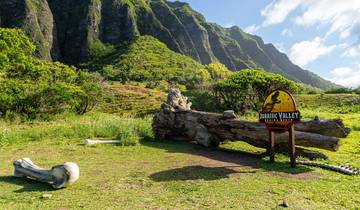
7 days
Hawaii Oahu Explorer – 7 days
- ✓ Comprehensive Honolulu tour
- ✓ Expert local guides included
- ✓ All accommodation arranged
- ✓ Transportation provided

5 days
5-Day Classic Hawaii Experience
- ✓ Comprehensive Honolulu tour
- ✓ Expert local guides included
- ✓ All accommodation arranged
- ✓ Transportation provided

4 days
4 Day Hawaii Experience: Discover Oahu (Bilingual: Chinese, English)
- ✓ Comprehensive Honolulu tour
- ✓ Expert local guides included
- ✓ All accommodation arranged
- ✓ Transportation provided
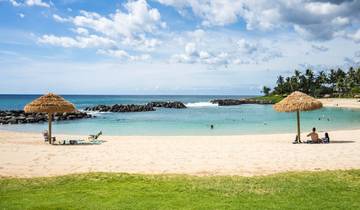
5 days
USA – Hawai: Tropical Dreams – 5 days
- ✓ Comprehensive Honolulu tour
- ✓ Expert local guides included
- ✓ All accommodation arranged
- ✓ Transportation provided
Multi-day tour packages powered by TourRadar. Prices and availability subject to change.
Introduction: Honolulu as Cultural Crossroads
Honolulu occupies a unique position in world cultural geography as the meeting point of Polynesian, Asian, American, and Pacific traditions, creating a society that defies simple categorization while maintaining deep roots in Hawaiian indigenous culture. The city’s cultural significance extends beyond its role as Hawaii’s capital to encompass its position as the westernmost major American city, the easternmost point of Polynesian culture, and a Pacific crossroads where multiple civilizations have converged, clashed, and ultimately created something distinctive. Understanding Honolulu requires moving beyond surface-level tourist presentations of Hawaiian culture to engage with the complex historical processes, ongoing cultural negotiations, and living traditions that make the city both uniquely Hawaiian and representative of broader Pacific and global patterns.
The cultural landscape of contemporary Honolulu reflects layers of history stretching back to the first Polynesian voyagers who discovered and settled these remote islands, bringing with them sophisticated knowledge of navigation, agriculture, social organization, and spiritual practice. These early settlers developed a distinctive Hawaiian civilization over centuries of isolation, creating complex systems of land management, religious practice, political organization, and artistic expression adapted to the unique ecology and geography of the archipelago. The arrival of Europeans in 1778 initiated rapid and often devastating changes, introducing new diseases, technologies, economic systems, and religious frameworks that transformed Hawaiian society while prompting sophisticated Hawaiian responses including the unification of the islands under Kamehameha I and the development of the constitutional monarchy.
The Hawaiian Kingdom period, centered in Honolulu from 1845 onward, represents a crucial chapter in Pacific history as Hawaii navigated between traditional governance and Western-style constitutional monarchy, maintained international diplomatic relations, and created cultural institutions blending Hawaiian and foreign elements. The illegal overthrow of Queen Liliuokalani in 1893, followed by annexation and eventual statehood, profoundly shaped Hawaiian cultural identity, creating trauma that continues to influence contemporary discussions of sovereignty, cultural rights, and Hawaiian identity. The twentieth century brought massive demographic changes through Asian immigration, military presence, tourism development, and eventual statehood, transforming Honolulu into one of America’s most ethnically diverse cities while raising urgent questions about cultural preservation, land rights, and the place of Native Hawaiian culture in an increasingly cosmopolitan city.
Contemporary Honolulu exists as a site of both cultural loss and remarkable cultural resilience, where traditional Hawaiian practices continue alongside immigrant traditions and modern American culture. The Hawaiian cultural renaissance that began in the 1970s reinvigorated language, traditional navigation, hula, and other practices while fostering new generations of cultural practitioners and advocates. Understanding this cultural landscape requires recognizing both the pain of colonization and cultural suppression and the strength of ongoing Hawaiian cultural practice and revival, approaching the city with respect for both its ancient heritage and its contemporary cultural complexity.
Ancient Hawaiian Cultural Foundations
The cultural significance of Honolulu begins with its role in ancient Hawaiian society, where the area known as Kou served as an important settlement well before European contact transformed the islands. Archaeological evidence and oral traditions document sophisticated communities organized around sustainable resource management, complex social hierarchies, and spiritual practices connecting people to land and ancestors. The natural harbor that gave Honolulu its name attracted early settlers who recognized both practical advantages and spiritual significance in the sheltered waters and fertile valleys extending into the Koolau Mountains. These communities developed extensive fishpond systems, irrigated taro patches, and dryland farming that supported substantial populations while maintaining ecological balance through traditional conservation practices.
Hawaiian social organization divided society into distinct classes with specific roles, responsibilities, and privileges that structured daily life and cultural practice. Alii (chiefs) claimed descent from gods and held authority over land divisions called ahupuaa, which typically extended from mountain peaks to ocean reefs, encompassing all ecological zones necessary for community sustenance. Kahuna (priests and experts) possessed specialized knowledge in areas including religious ritual, healing, navigation, canoe building, and other essential practices, transmitting this knowledge through apprenticeship and oral tradition. Maka’ainana (commoners) formed the majority of the population, working the land, fishing, and producing the goods that sustained society while owing labor and tribute to chiefs. Kapu (taboo) systems regulated behavior, protected resources, maintained social hierarchy, and structured religious practice through prohibitions and prescribed actions that governed everything from food preparation to interaction between classes.
Religious practice centered on heiau (temples) built in specific locations chosen for spiritual significance and practical purposes including agricultural fertility, fishing success, and healing. These stone platforms, some reaching massive scale with walls standing multiple levels high, served as sites for offerings, prayers, and ceremonies conducted by kahuna following precise protocols passed down through generations. Different heiau types served specific purposes: luakini heiau for human sacrifice and major state rituals, mapele heiau for agricultural ceremonies, and various others for fishing, healing, and community welfare. The spiritual worldview underlying these practices saw no separation between physical and spiritual realms, understanding land, ocean, and sky as inhabited by gods, ancestral spirits, and supernatural forces requiring proper relationship through ritual, respect, and reciprocal care.
Hawaiian cultural practices emphasized skilled craftsmanship in multiple domains essential to island life. Canoe building required extensive knowledge of wood selection, shaping techniques, and spiritual protocols, producing vessels ranging from small fishing canoes to massive double-hulled voyaging canoes capable of transoceanic travel. Kapa (bark cloth) production involved complex processes of harvesting, soaking, beating, and decorating paper mulberry bark to create textiles for clothing, bedding, and ceremonial use. Featherwork reached extraordinary sophistication in the creation of helmets, cloaks, and other items reserved for highest chiefs, requiring thousands of feathers collected from specific native birds and attached to woven bases with exacting skill. These crafts embodied not merely technical proficiency but deep cultural knowledge, spiritual understanding, and connection to ancestral practice that made objects simultaneously functional and sacred.
The system of land tenure and resource management developed by ancient Hawaiians demonstrated sophisticated ecological understanding and sustainable practices that maintained productivity over centuries. The ahupuaa system created self-sufficient land divisions under chiefly control, each containing mountain forests for timber and water, agricultural slopes for taro and sweet potato, lowland areas for fishponds and additional cultivation, and ocean access for fishing. Chiefs allocated use rights to families who maintained responsibility for specific parcels, creating long-term relationships between people and land that encouraged conservation and multi-generational thinking. Kapu periods protected resources during spawning seasons or growth periods, ensuring sustainable harvest. This system recognized the interconnection of upland forests, freshwater streams, and coastal ecosystems, managing entire watersheds rather than fragmentary zones.
Royal Hawaiian Heritage and the Hawaiian Kingdom
Honolulu’s transformation into Hawaii’s capital under the Hawaiian Kingdom created a period of remarkable cultural and political development that continues to shape the city’s identity and significance. King Kamehameha III moved the capital from Lahaina to Honolulu in 1845, recognizing the superior harbor, central location, and growing commercial importance of what had become the islands’ primary port. This decision concentrated political power, diplomatic activity, economic development, and cultural institutions in Honolulu, establishing patterns that persist in contemporary Hawaii where the city dominates virtually all aspects of island life. The Hawaiian Kingdom period from 1845 to 1893 saw Honolulu develop sophisticated governance systems, international diplomatic relations, and cultural institutions that blended Hawaiian traditions with Western frameworks while maintaining Hawaiian sovereignty and identity.
Iolani Palace stands as the most significant physical monument to this period, embodying both Hawaiian royal authority and the kingdom’s engagement with modern governance and technology. Completed in 1882 during the reign of King Kalakaua, the palace incorporated the latest technologies including electric lighting (installed before the White House), indoor plumbing, and telephones while serving as the working seat of government and royal residence. The architecture blended Hawaiian and European elements in what became known as American Florentine style, with extensive use of native woods including koa in interior details and furnishings. The palace hosted formal state functions, diplomatic receptions, and royal ceremonies that demonstrated Hawaii’s status as an independent nation recognized by major powers including the United States, Great Britain, and France. Following the 1893 overthrow, the palace served first as the capitol building for the Republic of Hawaii and later the Territory and State of Hawaii before restoration as a museum preserving and interpreting this crucial period.
The Hawaiian monarchy demonstrated remarkable cultural resilience and adaptation in navigating between traditional Hawaiian governance and Western political structures. The 1840 constitution established a constitutional monarchy that maintained the power and sacred status of the king while creating a legislature, establishing legal codes, and defining citizen rights. King Kamehameha III’s motto “Ua mau ke ea o ka aina i ka pono” (The life of the land is perpetuated in righteousness) articulated principles of just governance that continue to resonate in contemporary Hawaiian political thought. Subsequent monarchs including Kamehameha IV, Kamehameha V, Lunalilo, Kalakaua, and Liliuokalani each navigated complex political waters as foreign interests increasingly challenged Hawaiian sovereignty while maintaining cultural traditions and asserting Hawaiian identity.
King Kalakaua’s reign from 1874 to 1891 particularly emphasized Hawaiian cultural revival after decades of missionary influence had suppressed traditional practices. He commissioned the creation of genealogical records documenting royal and chiefly lineages, supported the revival of hula which missionaries had banned as immoral, encouraged Hawaiian language and literature, and promoted a vision of Hawaii as leader of a confederation of Pacific island nations. The palace became a center of Hawaiian cultural renaissance with performances of traditional chant and dance, exhibitions of Hawaiian crafts, and gatherings celebrating Hawaiian heritage. Kalakaua traveled extensively, becoming the first monarch to circumnavigate the globe, establishing relationships with other monarchs and bringing international attention to Hawaiian culture and sovereignty.
The overthrow of Queen Liliuokalani in January 1893 represents a traumatic rupture in Hawaiian history whose effects continue to shape contemporary culture and politics. A group of American businessmen and sugar planters, supported by U.S. Minister John Stevens and armed forces from the USS Boston, forced the queen to yield authority under protest to avoid bloodshed. Liliuokalani’s surrender statement emphasized that she yielded to superior force while appealing to the United States government to undo the illegal action, demonstrating sophisticated legal and diplomatic thinking even in crisis. The subsequent Republic of Hawaii, annexation in 1898, and eventual statehood in 1959 created complex legal and cultural situations that continue to fuel debates over sovereignty, Native Hawaiian rights, and proper relationship between Hawaiian and American governance.
The royal legacy continues to shape contemporary Honolulu through preservation of sites, ongoing sovereignty discussions, and cultural practices that maintain connection to this period. Organizations including Friends of Iolani Palace maintain the building and conduct educational programs that present accurate historical interpretation while honoring Hawaiian perspectives. Annual events including King Kamehameha Day celebrations and Aloha Festivals maintain connection to royal traditions while adapting them for contemporary context. The image of Liliuokalani, Hawaii’s last monarch, appears throughout the city in statues, place names, and cultural references, symbolizing both the loss of sovereignty and the strength and dignity of Hawaiian resistance to colonization.
Hawaiian Language and Oral Traditions
Hawaiian language (Olelo Hawaii) serves as fundamental carrier of cultural knowledge, worldview, and identity, with efforts to preserve and revitalize the language representing crucial aspects of broader cultural survival. The language belongs to the Polynesian language family, sharing characteristics with Tahitian, Maori, Samoan, and other Pacific languages while developing distinctive features during centuries of island isolation. Hawaiian possesses a relatively small phonetic inventory with only thirteen letters (five vowels and eight consonants) while maintaining rich complexity through vowel length, glottal stops, and multiple layers of meaning in individual words. The language encodes specifically Hawaiian environmental knowledge, social relationships, and spiritual concepts often impossible to translate precisely into English, making language preservation essential to maintaining authentic Hawaiian culture.
The near-extinction and remarkable revival of Hawaiian language represents one of the most dramatic language preservation success stories globally. Following overthrow of the monarchy, use of Hawaiian in schools was prohibited in 1896, beginning a rapid decline as English became mandatory for education, government, and economic advancement. By the 1980s, fewer than fifty native speakers under the age of eighteen remained, and the language seemed destined for extinction within a generation. The establishment of Aha Punana Leo (Hawaiian language nest program) preschools in 1984 initiated a conscious revival effort, creating the first opportunities for children to acquire Hawaiian as their primary language in nearly a century. These programs expanded into full immersion schools (kula kaiapuni) operating from preschool through high school, teaching all subjects in Hawaiian while producing graduates fluent in the language and connected to cultural knowledge embedded within it.
The University of Hawaii at Manoa operates one of the world’s most comprehensive indigenous language programs through its Hawaiian Studies department, offering undergraduate and graduate degrees entirely in Hawaiian while conducting research that documents, analyzes, and expands the language. Faculty and students work with rare Hawaiian language texts including nineteenth century newspapers, chants, and manuscripts to access knowledge that exists only in Hawaiian, making this material available to contemporary practitioners and scholars. The program trains Hawaiian language teachers, translators, and cultural practitioners while pushing the language to develop vocabulary for contemporary concepts from technology to science, demonstrating that Hawaiian functions as a complete, living language rather than a cultural relic. Television and radio broadcasts in Hawaiian, contemporary Hawaiian language music, and increasing public signage create environments where the language appears in daily life rather than only in cultural or educational settings.
Oral traditions including chant (mele and oli) and storytelling (mo’olelo) preserve and transmit cultural knowledge, historical memory, and spiritual understanding across generations. Hawaiian chants serve multiple functions including genealogical documentation, historical record, spiritual invocation, entertainment, and education, with different chant types following specific protocols and performance requirements. Genealogical chants trace lineages from gods through successive generations to contemporary individuals, establishing claims to land, authority, and knowledge while demonstrating the interconnection between divine and human realms. Historical chants document events, celebrate achievements, and preserve memory of significant people and places, functioning as oral historical archives in a culture without writing until the nineteenth century. Spiritual chants invoke divine presence, seek blessing and protection, and facilitate communication with the spiritual realm during religious ceremonies.
The training required to master traditional chanting demands years of study under qualified teachers (kumu) who transmit not only words and melodies but proper pronunciation, breathing techniques, and spiritual protocols essential to effective practice. Students learn that chants carry mana (spiritual power) requiring correct performance and appropriate context, with errors potentially causing spiritual harm or offense. The revival of chanting traditions through hula schools, cultural groups, and educational institutions maintains this knowledge while adapting to contemporary contexts where ancient chants appear in new settings including graduation ceremonies, public events, and cultural celebrations. Contemporary practitioners create new chants following traditional patterns, demonstrating that chanting remains a living tradition rather than preserved artifact.
Mo’olelo (stories) encompass a vast literature of myths, legends, historical narratives, and didactic tales that encode cultural values, explain natural phenomena, and transmit practical knowledge. These stories frequently feature gods and goddesses including Pele (volcano goddess), Kane (god of creation and fresh water), Kanaloa (god of the ocean), and numerous others who interact with humans, shaping landscape and establishing patterns of proper behavior. Stories of legendary figures including the demigod Maui who fished up islands and slowed the sun, the goddess Hina who beat kapa cloth by moonlight, and various chiefs and commoners facing challenges teach moral lessons while entertaining and preserving cultural memory. Contemporary storytellers maintain these traditions while sometimes adapting them for modern audiences, ensuring that younger generations connect to cultural heritage through narrative.
Traditional Hawaiian Practices and Arts
Hula stands as perhaps the most widely recognized Hawaiian cultural practice, functioning as far more than dance to encompass a complete system of cultural knowledge, spiritual practice, and artistic expression. Ancient hula (hula kahiko) developed as sacred practice performed in religious ceremonies, with specific dances created for different deities, purposes, and occasions. These dances combined precise body movements, chanted or sung accompaniment, and implements including ipu (gourd drums), pahu (sharkskin drums), ili ili (stone castanets), and puili (bamboo rattles) to create multi-sensory performances that communicated stories, honored gods, and transmitted cultural knowledge. The training of hula dancers in traditional halau (schools) under kumu hula (masters) involved not only learning movements but absorbing cultural knowledge, spiritual protocols, and the values embedded in each dance.
The suppression of hula by missionaries who considered it immoral and the subsequent revival under King Kalakaua demonstrates the dance’s importance to Hawaiian cultural identity. When missionaries and their converts gained influence in the mid-nineteenth century, they successfully pressured the government to restrict public hula performance, driving the practice underground where it survived through dedicated practitioners who maintained knowledge despite social pressure and legal prohibition. Kalakaua’s public support for hula in the 1880s initiated a renaissance that continued despite renewed suppression after the overthrow, with hula schools maintaining tradition through the dark decades when Hawaiian culture faced systematic attack. The contemporary hula world includes both traditional kahiko and modern auana styles that incorporate Western musical instruments and contemporary themes while maintaining connection to fundamental principles and techniques.
Major hula competitions including the Merrie Monarch Festival (held annually in Hilo but broadcast widely to Honolulu audiences) showcase the highest levels of hula performance while reinforcing cultural protocols and standards. These competitions require dancers to demonstrate both kahiko and auana proficiency, judged on technical precision, cultural authenticity, and artistic presentation. The preparation for competition involves months or years of training, research into historical sources, creation of appropriate implements and costumes, and deep engagement with the cultural knowledge embedded in each dance. The competitions function simultaneously as artistic performances, cultural preservation efforts, and community gatherings that bring together practitioners, scholars, and audiences committed to maintaining hula as living tradition.
Traditional Hawaiian navigation represents another crucial cultural practice experiencing revival through the Polynesian Voyaging Society based at Honolulu’s Sand Island. Ancient Polynesian navigators accomplished one of humanity’s most remarkable feats by discovering and settling islands across the Pacific Ocean using only observation of stars, wave patterns, bird behavior, and other natural signs without instruments. This knowledge, preserved in oral tradition and practical instruction, nearly vanished as Western navigation methods replaced traditional techniques. The construction and voyaging of Hokulea, a reconstruction of a traditional double-hulled voyaging canoe, beginning in 1975 initiated a cultural renaissance that demonstrated the sophistication of traditional navigation while training new generations in these techniques. Master navigator Mau Piailug from Micronesia taught Hawaiian students traditional wayfinding, creating a new generation of navigators who have since sailed Hokulea and sister vessels across the Pacific using only traditional methods.
The success of traditional navigation revival extends beyond technical achievement to encompass broader cultural impacts including increased pride in Hawaiian and Polynesian heritage, demonstration that traditional knowledge equals or exceeds Western science in specific domains, and inspiration for other cultural preservation efforts. The voyages connect contemporary Hawaiians to ancestral achievements while building relationships with other Pacific peoples who share Polynesian heritage. Educational programs bring thousands of students aboard the canoes or into contact with navigators and crew, transmitting both specific knowledge and broader messages about cultural strength, environmental awareness, and the value of traditional wisdom. The navigation revival demonstrates that Hawaiian cultural practices continue to develop and find relevance in contemporary contexts rather than functioning merely as historical preservation.
Traditional Hawaiian fishing practices combine sophisticated environmental knowledge, specialized techniques, and spiritual protocols that sustained communities for centuries while maintaining fish populations and ocean health. Ancient fishermen possessed detailed knowledge of fish behavior, seasonal patterns, spawning cycles, and habitat preferences that informed decisions about when, where, and how to fish. Specific fishing techniques including throw-net fishing, torch fishing at night, deep-sea fishing from canoes, and fish trap construction each required specialized knowledge and equipment passed from experienced fishermen to apprentices. The kapu system protected resources during spawning seasons and restricted certain fishing areas or species, implementing what modern science recognizes as essential conservation practices. Contemporary practitioners maintain some traditional fishing methods while facing challenges from overfishing, habitat destruction, and conflicts with commercial fishing interests.
Traditional agriculture, particularly taro cultivation for poi production, carries deep cultural significance extending beyond practical food production to encompass spiritual values and cultural identity. Taro (kalo) holds sacred status in Hawaiian culture as the elder brother of humankind according to creation traditions, requiring respectful treatment and creating obligations of care. Taro cultivation in irrigated pondfields (loi kalo) demonstrates sophisticated hydraulic engineering with water channeled from streams through precisely graded terraces, maintaining water levels that suppress weeds while providing optimal growing conditions. The work of taro farming builds community through shared labor, teaches respect for land and water, and connects practitioners to ancestors who developed these systems over centuries. Contemporary taro farmers maintain traditional methods while facing challenges including water rights conflicts, imported pests and diseases, and economic pressure from cheaper imported starches.
Sacred Sites and Spiritual Geography
Understanding Honolulu’s cultural significance requires recognizing the spiritual dimension of landscape in Hawaiian worldview, where specific places hold sacred status as connections between physical and spiritual realms. The Hawaiian concept of wahi pana (storied places) identifies locations where significant events occurred, gods or ancestors reside, or spiritual power concentrates, requiring specific protocols and respectful behavior from those who enter. These places exist throughout metropolitan Honolulu despite urban development, including obvious sites like heiau platforms and less visible sacred spaces marked only in oral tradition and cultural memory. Contemporary cultural practitioners and Native Hawaiian advocates work to identify, protect, and properly maintain these sites while educating the public about their significance and appropriate protocols.
Puowaina (Punchbowl Crater) demonstrates the layering of ancient and contemporary sacred significance in Honolulu’s landscape. The crater’s name translates as “Hill of Sacrifice,” referring to its ancient use as a site for human sacrifice during specific ceremonies. This spiritual significance continues in its modern use as the National Memorial Cemetery of the Pacific, where military personnel and their families rest in ground already consecrated by centuries of religious importance. The multiple layers of meaning create complex cultural dynamics where ancient Hawaiian spiritual values coincide with contemporary American memorial practices, requiring sensitivity to both traditions. Some Native Hawaiians object to the cemetery use as inappropriate for sacred ground, while others see continuity in the site’s function as place of honor and remembrance.
Diamond Head (Leeahi) carries spiritual significance in Hawaiian tradition as a sacred place associated with Pele, the volcano goddess, and various legends explaining its formation and features. The crater’s distinctive profile appears in countless chants and stories, establishing it as a landmark in both physical and cultural geography. Traditional practices at the site continued into the modern era despite military occupation and tourist development, with some practitioners maintaining access to specific locations for ceremony and spiritual practice. The tension between preservation of sacred sites and modern uses including military installations, tourism, and urban development characterizes many locations in Honolulu where cultural significance conflicts with economic or governmental priorities.
Ancient fishponds scattered around Oahu’s coastline, including areas now within Honolulu’s urban footprint, represent both technological achievement and spiritual practice. These constructed enclosures used precisely fitted stone walls to create semi-enclosed areas where fish could enter as juveniles but grew too large to escape, providing sustainable protein sources while demonstrating sophisticated understanding of fish behavior and ecology. The construction and maintenance of fishponds involved not only engineering skill but spiritual protocols including prayers, offerings, and kapu periods. Some contemporary groups work to restore damaged fishponds, viewing this work as simultaneously cultural preservation, environmental restoration, and educational opportunity that connects modern communities to ancestral practices.
Kaniakapupu, the summer palace ruins in Nuuanu Valley, holds significance as both archaeological site and cultural landscape. Built by King Kamehameha III in the mid-nineteenth century, the stone structure served as royal retreat and location for significant political and cultural events including the 1847 luau celebrating Hawaiian sovereignty and independence where thousands gathered in a massive demonstration of Hawaiian political consciousness. The ruins, accessed by trail through native forest, evoke both the grandeur of the Hawaiian Kingdom and the tragedy of its overthrow, functioning as pilgrimage site for those seeking connection to this period. The surrounding forest includes native plants used in traditional medicine, craft, and ceremony, making the area valuable for both historical and environmental education.
The concept of kapu (prohibition, sacred restriction) continues to influence behavior at certain sites, requiring visitors to observe specific protocols or avoid areas entirely. Some locations remain off-limits except to authorized cultural practitioners conducting ceremonies or other appropriate activities. Others allow visitation but require respectful behavior including removal of shoes, refraining from photography, avoiding loud conversation, and observing restrictions on food and drink. These protocols reflect Hawaiian understanding that certain places possess spiritual power requiring proper respect, with violations potentially causing harm to both the transgressor and the community. Contemporary education efforts work to explain these concepts to residents and visitors from cultural backgrounds without similar traditions, promoting understanding while protecting sacred sites.
Multicultural Heritage and Immigration
Honolulu’s cultural landscape reflects successive waves of immigration that transformed the ethnic composition of Hawaii while creating distinctive local culture blending multiple traditions. Chinese workers arrived beginning in the 1850s, initially contracted for sugar plantation labor but quickly expanding into retail, agriculture, and other enterprises. Chinatown developed as commercial and residential center preserving Chinese language, religion, cuisine, and customs while adapting to Hawaiian conditions. Chinese influence appears in local cuisine through dishes including manapua (char siu bao), dim sum, and various noodle dishes that became integrated into local food culture. Buddhist and Taoist temples established in Chinatown serve both religious and cultural functions, maintaining traditions while supporting Chinese language schools and cultural associations.
Japanese immigration beginning in the 1880s brought even larger numbers of contract laborers who eventually became Hawaii’s largest ethnic group. First-generation immigrants (issei) maintained strong connection to Japanese language, religion, and customs, establishing Buddhist temples, Shinto shrines, language schools, and community organizations throughout Honolulu. Second and third generations (nisei and sansei) negotiated between Japanese heritage and American identity, particularly challenged during World War II when Japanese Americans faced suspicion despite overwhelming loyalty to the United States. The massive service and sacrifice of the 442nd Regimental Combat Team and 100th Infantry Battalion, composed primarily of Japanese Americans from Hawaii, helped transform social and political dynamics in postwar Hawaii, with Japanese American veterans using the GI Bill to obtain education and enter politics, eventually dominating Hawaii’s Democratic Party and state government.
Portuguese immigration brought workers from Madeira and the Azores beginning in the 1870s, contributing distinctive foods including malasadas (fried dough), sweet bread, and sausages that became integrated into local cuisine. The Portuguese brought small guitars that evolved into the ukulele (the name itself means “jumping flea” in Hawaiian), an instrument that became central to Hawaiian music despite its foreign origins. Portuguese Catholic traditions added to Hawaii’s religious diversity, with festivals and celebrations enriching the cultural calendar. The relatively lighter skin of Portuguese immigrants positioned them ambiguously in Hawaii’s racial hierarchy, sometimes allowing upward mobility denied to Asian workers while maintaining connection to immigrant and working-class communities.
Filipino immigration beginning in the 1900s brought the largest number of workers in the later plantation period, with Filipinos eventually becoming one of Hawaii’s largest ethnic groups. Multiple Filipino ethnic groups including Ilocano, Visayan, and Tagalog each brought distinct languages, customs, and traditions that enriched Hawaii’s cultural diversity while sometimes creating divisions within the Filipino community. Filipino influence appears in local cuisine through dishes including adobo, pancit, and lumpia, in musical traditions including kulintang percussion, and in cultural events including fiestas and celebrations. Filipino organizations maintain cultural traditions, provide community support, and advocate for Filipino interests in Hawaii’s complex ethnic landscape.
Korean, Okinawan, Puerto Rican, and other immigrant groups contributed additional layers to Honolulu’s multicultural heritage, each bringing distinctive traditions while adapting to local conditions. The blending of these multiple traditions created “local culture” characterized by distinctive speech patterns (pidgin), food preferences, cultural values emphasizing humility and harmony, and social customs that differ from both mainland American norms and individual ethnic traditions in their countries of origin. This local culture, while sometimes overshadowing Native Hawaiian culture through sheer demographic weight, also incorporates Hawaiian words, values, and concepts, creating syncretic traditions that acknowledge multiple heritages while maintaining Hawaiian elements.
The relationship between Native Hawaiian culture and immigrant cultures involves complex negotiations around cultural authenticity, political power, land rights, and cultural preservation. Some Native Hawaiian activists argue that focus on multicultural harmony obscures ongoing colonization and marginalization of Hawaiian people in their ancestral lands. Others embrace the diverse heritage of contemporary Hawaii while asserting the special status and claims of indigenous people. These discussions shape contemporary politics, education policy, cultural programming, and social relationships, requiring ongoing negotiation and dialogue between communities with different histories and interests in Hawaii’s future.
Contemporary Cultural Renaissance and Activism
The Hawaiian cultural renaissance that began in the 1970s represents a conscious, organized effort to revitalize Hawaiian language, cultural practices, political consciousness, and community identity after decades of suppression and marginalization. Multiple factors contributed to this movement including the broader Native American rights movement on the mainland, environmental concerns around development threatening Native Hawaiian sites and practices, and growing awareness among younger Hawaiians of cultural loss and the need for active preservation. The movement combined cultural revival with political activism, linking preservation of traditional practices to demands for land rights, sovereignty, and protection of Native Hawaiian interests.
The protest movement against military bombing of Kahoolawe island in the mid-1970s served as catalyst for broader cultural and political awakening. The Protect Kahoolawe Ohana organized illegal occupations of the island to protest its use as bombing range and demand its return to Native Hawaiian control, framing the issue in terms of cultural preservation, environmental protection, and Native Hawaiian rights. The successful campaign to end bombing and eventually return the island to state control for Native Hawaiian cultural purposes demonstrated the power of organized activism while inspiring broader efforts to protect sacred sites, revitalize cultural practices, and assert Native Hawaiian political claims. Veterans of the Kahoolawe movement became leaders in other cultural and political initiatives including Hawaiian language revival, traditional navigation, and sovereignty organizing.
The sovereignty movement encompasses various organizations and approaches to addressing Native Hawaiian political status, ranging from demands for complete independence to proposals for nation-within-a-nation arrangements similar to American Indian tribes. Organizations including Ka Lahui Hawaii, the Hawaiian Kingdom Government, and others articulate different visions of sovereignty while agreeing on fundamental claims that the overthrow was illegal, Native Hawaiians retain inherent sovereignty never legally extinguished, and contemporary political arrangements fail to adequately protect Native Hawaiian rights and interests. These discussions engage complex legal questions about international law, the legal status of annexation, and the applicability of various models of indigenous self-determination to the Hawaiian context.
Educational initiatives focusing on Hawaiian culture represent crucial aspects of contemporary cultural preservation and transmission. The University of Hawaii’s Hawaiian Studies programs conduct research that documents cultural knowledge, analyzes historical sources, and trains new generations of scholars and practitioners. Community education programs offer classes in Hawaiian language, hula, traditional crafts, and other cultural practices to adults seeking to reconnect with heritage. Public schools incorporate Hawaiian history and culture into curriculum, though debates continue about depth, accuracy, and appropriate balance between Hawaiian content and other educational priorities. Cultural institutions including the Bishop Museum, Iolani Palace, and various heiau sites provide educational programs, exhibitions, and public events that make Hawaiian culture accessible to diverse audiences.
The question of who can appropriately practice and teach Hawaiian culture creates ongoing discussions about cultural authenticity, knowledge transmission, and appropriate relationships between Native Hawaiians and others interested in Hawaiian culture. Some cultural practitioners and communities restrict certain knowledge and practices to Native Hawaiians, viewing them as heritage belonging specifically to the indigenous community. Others welcome participation from non-Hawaiians while emphasizing the need for proper training, respect for protocols, and acknowledgment of Hawaiian authority over cultural knowledge. These negotiations appear in contexts including hula schools deciding whether to accept non-Hawaiian students, Hawaiian language programs considering admission policies, and cultural sites establishing access protocols. The discussions reflect broader questions about cultural survival, community boundaries, and the relationship between cultural preservation and cultural sharing.
Music, Arts, and Contemporary Cultural Expression
Hawaiian music evolved from ancient chant traditions through multiple phases of innovation and incorporation of foreign instruments while maintaining distinctively Hawaiian characteristics. Early contact-period music combined Hawaiian vocal traditions with introduced instruments including guitars and ukuleles, creating the slack-key guitar (ki ho’alu) style characterized by altered tunings and fingerpicking techniques. This music developed in rural ranch settings where Hawaiian cowboys (paniolo) adapted Mexican and Spanish musical influences to Hawaiian aesthetic preferences, creating a unique tradition that continues to influence contemporary Hawaiian music. The steel guitar, invented in Hawaii by Joseph Kekuku in the 1880s, became emblematic of Hawaiian music while influencing country, blues, and other musical genres globally.
The Hawaiian Renaissance inspired renewed interest in traditional musical forms including ancient chant and the creation of contemporary songs in Hawaiian language drawing on traditional themes and musical structures. Musicians including the Brothers Cazimero, the Sons of Hawaii, Israel Kamakawiwoole, and numerous others combined Hawaiian language lyrics, traditional subjects, and contemporary musical arrangements to create music that appealed to modern audiences while maintaining cultural authenticity. This music served educational functions, teaching Hawaiian language and values through accessible medium while providing soundtrack for cultural events, protests, and community gatherings. The international success of some Hawaiian musicians, particularly Israel Kamakawiwoole’s ukulele version of “Somewhere Over the Rainbow/What a Wonderful World,” brought Hawaiian music to global audiences while maintaining cultural integrity.
Contemporary Hawaiian visual arts draw on traditional forms including featherwork, kapa making, and wood carving while incorporating modern materials and techniques. Artists working in traditional media research historical techniques, experiment with materials, and create works that honor ancestral practice while expressing contemporary perspectives. Others use painting, sculpture, printmaking, photography, and new media to explore Hawaiian themes, experiences, and aesthetic values. Major exhibitions at venues including the Honolulu Museum of Art showcase Hawaiian artists alongside international works, while galleries specializing in Hawaiian and Pacific art provide dedicated spaces for cultural expression. The relationship between traditional crafts and contemporary art generates productive tensions as artists navigate between cultural authenticity, artistic innovation, and market demands.
Hawaiian literature in both Hawaiian and English language documents cultural knowledge, explores identity questions, and expresses Hawaiian perspectives on history and contemporary life. Writers including Haunani-Kay Trask, Noenoe Silva, Kiana Davenport, and others produce poetry, fiction, and non-fiction that centers Hawaiian experiences while reaching diverse audiences. Hawaiian-language literature revival includes not only translation of ancient chants and stories but creation of contemporary literature including poetry, novels, and academic writing in Hawaiian, demonstrating that the language functions as complete medium for modern expression. This literature provides crucial counterpoint to dominant narratives about Hawaii, offering indigenous perspectives on colonization, cultural survival, and contemporary Hawaiian life.
Film and video production by Native Hawaiian and local filmmakers presents Hawaiian stories and perspectives often absent from mainstream media representations of Hawaii. Documentary films explore historical events, cultural practices, and contemporary issues from Hawaiian viewpoints, while dramatic films create narratives centered on Hawaiian and local experiences. The Native Hawaiian film community works to develop infrastructure, training, and support for indigenous filmmaking while grappling with questions of cultural representation, authenticity, and the relationship between artistic expression and cultural preservation. Film festivals including the Hawaii International Film Festival and smaller venues dedicated to local and indigenous work provide platforms for Hawaiian filmmakers to reach audiences.
Cultural Protocols and Contemporary Etiquette
Understanding and observing cultural protocols represents essential aspect of respectful engagement with Hawaiian culture in Honolulu, requiring awareness of values, customs, and appropriate behaviors that differ from mainland American or other cultural norms. The concept of aloha extends far beyond a greeting to encompass an ethical framework emphasizing compassion, respect, humility, and reciprocal relationship with people, land, and spiritual forces. Approaching Hawaiian culture with aloha requires genuine interest, willingness to learn, acknowledgment of one’s position as guest or newcomer, and commitment to respectful behavior even when full understanding remains incomplete.
Proper conduct at sacred sites requires research, observation, and sometimes consultation with cultural authorities to ensure appropriate behavior. Many sites post signs explaining protocols, which might include removal of shoes before entering temples or marked areas, refraining from photography, maintaining quiet respectful demeanor, and avoiding actions like climbing on stone structures or removing natural or archaeological materials. Some sites restrict access to cultural practitioners or require advance permission for visitation. When protocols are unclear, observing how local people behave provides guidance, while asking respectful questions of appropriate authorities demonstrates commitment to proper conduct.
The practice of asking permission before engaging with Hawaiian cultural knowledge, entering certain spaces, or photographing people and sites reflects values of respect and reciprocity embedded in Hawaiian culture. This practice acknowledges that knowledge, places, and cultural expressions belong to specific communities and individuals who retain authority over appropriate use and access. Simply assuming the right to access or use cultural material because it appears in public spaces or published sources violates these values. Learning to ask permission, accept refusals graciously, and express gratitude for access granted builds respectful relationships while honoring cultural sovereignty.
Gift-giving and reciprocity play important roles in Hawaiian social relationships, with the practice of ho’okupu (offering, gift) extending from spiritual offerings at sacred sites to social exchanges between people. Understanding appropriate gifts and timing requires cultural knowledge, with common practices including bringing food to share at gatherings, contributing to community efforts, and offering symbolic gifts when asking for teaching or access to cultural knowledge. The expectation of reciprocity in relationships means that receiving teaching, hospitality, or other benefits creates obligations to give back, maintaining balance and connection rather than one-way extraction of knowledge or resources.
Language use demonstrates respect for Hawaiian culture, even for those who don’t speak Hawaiian fluently. Learning proper pronunciation of Hawaiian words including correct use of kahako (macron indicating vowel length) and okina (glottal stop) shows respect for the language and its speakers. Using Hawaiian words appropriately in context rather than inserting them randomly as exotic decoration demonstrates cultural understanding. Learning basic phrases including traditional greetings and expressions of gratitude enables more authentic engagement with Hawaiian cultural settings. Recognizing that some knowledge exists only in Hawaiian and requires Hawaiian language fluency for full access acknowledges the language’s continuing importance beyond symbolic functions.
Environmental ethics rooted in the Hawaiian concept of malama aina (caring for the land) guide appropriate behavior in natural settings. This includes staying on marked trails to prevent erosion and plant damage, refraining from removing plants, rocks, or other natural materials, properly disposing of waste, and minimizing environmental impact. The principle extends to ocean environments where traditional practices including catch limits, seasonal restrictions, and habitat protection demonstrate respect for marine resources. Contemporary environmental activism in Hawaii frequently draws on traditional values to argue for conservation, sustainable development, and protection of natural and cultural resources against commercial exploitation.
Contemporary Challenges to Cultural Preservation
Tourism represents both economic necessity and cultural challenge for Honolulu, creating tensions between authentic cultural preservation and commercialized performances designed to meet tourist expectations. The reduction of complex cultural traditions to brief performances in hotels and commercial venues often presents simplified, romanticized versions of Hawaiian culture that omit historical trauma, ongoing struggles, and deeper spiritual and intellectual dimensions. While some cultural practitioners work within the tourism industry to present respectful, educational programs, the economic pressure to entertain rather than educate frequently compromises cultural integrity. The Hawaiian cultural renaissance has worked to create spaces for traditional cultural practice outside tourism contexts, establishing hula schools, cultural centers, and community gatherings where cultural transmission occurs without the distorting influence of tourist expectations.
Land development and urbanization continuously threaten cultural sites and traditional practices as economic pressure drives construction of hotels, condominiums, and commercial facilities. Sacred sites including heiau, burial grounds, and culturally significant natural features face destruction or compromise from development projects that prioritize economic gain over cultural preservation. Legal protections exist through historic preservation laws, Native Hawaiian burial protection, and environmental review processes, but enforcement varies and developers sometimes successfully argue for exceptions. Cultural practitioners and community organizations engage in ongoing battles to identify, protect, and preserve sites against development pressure, with varying success depending on legal frameworks, political will, and community mobilization.
The high cost of living in Honolulu forces many Native Hawaiians to relocate to the mainland or other Pacific locations, creating a diaspora that complicates cultural preservation efforts. The displacement of Native Hawaiians from their ancestral lands through economic pressure rather than explicit removal creates situations where cultural practices tied to specific places become difficult or impossible to maintain. The concentration of wealth and property ownership in non-Hawaiian hands, particularly from mainland and foreign investors purchasing real estate, exacerbates these dynamics. Some Native Hawaiian activists frame this situation as ongoing colonization, arguing that economic displacement accomplishes the same cultural destruction as historical forced removals while appearing as neutral market forces.
The question of cultural appropriation arises when non-Hawaiians adopt Hawaiian cultural practices, symbols, or knowledge without proper understanding, permission, or acknowledgment of cultural context. This includes commercial use of Hawaiian words, images, and cultural symbols in marketing, entertainment productions that misrepresent Hawaiian culture, and individuals claiming Hawaiian cultural authority without appropriate training or cultural connection. While some degree of cultural sharing and exchange enriches society, the history of colonization and cultural suppression makes many Native Hawaiians particularly sensitive to inappropriate use of cultural material. These concerns generate discussions about intellectual property rights over cultural knowledge, appropriate boundaries for cultural sharing, and the responsibilities of those who engage with Hawaiian culture from outside the community.
Climate change poses existential threats to both physical sites and cultural practices in Honolulu, with rising sea levels endangering coastal heiau, fishponds, and other culturally significant locations. Changes in ocean temperature, rainfall patterns, and storm intensity affect traditional fishing, agriculture, and other practices developed for specific ecological conditions. The potential loss of beaches, coastal areas, and low-lying lands to sea level rise threatens not only physical sites but the cultural practices and knowledge systems tied to these environments. Cultural practitioners and environmental activists work to document vulnerable sites and practices while advocating for climate action that might preserve conditions necessary for cultural survival.
Frequently Asked Questions About Honolulu Cultural Heritage
What is the appropriate way to show respect for Hawaiian culture as a visitor?
Showing respect for Hawaiian culture requires genuine interest in learning about traditions, awareness of historical context including colonization and cultural suppression, and commitment to appropriate behavior in cultural settings. Begin by educating yourself through reputable sources about Hawaiian history, cultural values, and contemporary issues facing Native Hawaiians. When visiting cultural sites, observe posted protocols including removing shoes when requested, refraining from photography in sacred spaces, maintaining quiet respectful demeanor, and avoiding climbing on archaeological structures. Learn basic Hawaiian words and proper pronunciation, demonstrating respect for the language. Support Native Hawaiian-owned businesses and cultural practitioners rather than commercialized tourist operations that profit from simplified cultural performances. Listen to and honor Native Hawaiian voices in discussions about culture, land, and sovereignty rather than assuming tourist perspective takes precedence. Recognize your position as guest in someone else’s homeland, approaching with humility and gratitude rather than entitlement to access or understanding.
Can non-Hawaiians learn and practice hula or other Hawaiian cultural traditions?
Non-Hawaiians can learn hula and other Hawaiian cultural practices, though appropriate approaches require respect for cultural protocols and acknowledgment of Hawaiian authority over these traditions. Many hula halau (schools) welcome students regardless of ethnicity, recognizing that cultural sharing enriches both practitioners and the tradition itself when done respectfully. However, students must commit to proper training under qualified kumu hula (teachers), learning not only movements but cultural knowledge, protocols, and values embedded in the practice. Some forms of knowledge or practice remain restricted to Native Hawaiians or require specific cultural qualifications, with practitioners and communities maintaining authority to determine appropriate access. Non-Hawaiian practitioners should recognize they engage with living culture belonging to an indigenous people, not public domain material available for casual adoption. Supporting Hawaiian language education, cultural institutions, and Native Hawaiian rights demonstrates commitment beyond individual practice. The question ultimately concerns not whether non-Hawaiians can learn Hawaiian practices but whether they will do so with proper respect, commitment, and acknowledgment of cultural context and authority.
What is the current status of the Hawaiian sovereignty movement?
The Hawaiian sovereignty movement encompasses diverse organizations and approaches working toward greater Native Hawaiian self-determination and political recognition, though no single unified position represents all perspectives. Some groups seek complete independence and restoration of the Hawaiian Kingdom as a sovereign nation, arguing that the 1893 overthrow was illegal under international law and that Hawaiian sovereignty never legally terminated. Others pursue nation-within-a-nation arrangements similar to American Indian tribes, seeking federal recognition and self-governance over specific lands and matters affecting Native Hawaiians. The federal recognition process through the Department of Interior has generated controversy, with some supporting it as pragmatic path toward self-determination while others reject it as validating American authority over Hawaiian lands. In 1993, the U.S. government formally apologized for the overthrow through the Apology Resolution, acknowledging illegal action but stopping short of concrete remedies. The Office of Hawaiian Affairs, a state agency funded by revenue from ceded lands, provides some programs and advocacy for Native Hawaiian interests while generating controversy over its structure and effectiveness. The sovereignty movement maintains active presence through educational programs, protests against development and military use of lands, and ongoing political organizing, though achieving concrete political change remains challenging given complex legal situations and divisions within the Native Hawaiian community about preferred approaches.
How is Hawaiian language being preserved and taught?
Hawaiian language preservation occurs through coordinated efforts spanning immersion education, university programs, community classes, and increasing public use, creating the most successful indigenous language revival in the United States. Hawaiian language immersion schools (Aha Punana Leo preschools and Kula Kaiapuni K-12 programs) educate students entirely in Hawaiian, creating the first generation of native speakers raised in Hawaiian since the language was banned from schools in 1896. These programs now operate throughout the state with hundreds of students achieving fluency while learning all subjects from math to science in Hawaiian. The University of Hawaii at Manoa offers undergraduate and graduate degrees in Hawaiian language and Hawaiian studies, training teachers and scholars while conducting research that expands Hawaiian language capacity for contemporary topics. Community education programs offer Hawaiian language classes to adults seeking to learn or improve their Hawaiian, serving thousands annually. Media including Hawaiian language radio, television programming, newspapers, and social media presence creates environments where learners encounter Hawaiian in contemporary contexts. The Hawaiian dictionary and extensive online resources make learning materials widely available. Despite this progress, Hawaiian remains endangered with fewer than 25,000 speakers, most learning it as second language, making continued efforts essential for long-term survival. The goal extends beyond preserving Hawaiian as historical artifact to maintaining it as complete, living language capable of expressing contemporary thoughts and serving all functions of daily life.
What role does the Bishop Museum play in cultural preservation?
The Bishop Museum serves as Hawaii’s preeminent cultural institution, housing the world’s most comprehensive collection of Hawaiian and Pacific artifacts while conducting research, education, and cultural programs that preserve and interpret Hawaiian heritage. Founded in 1889 by Charles Reed Bishop to honor his late wife Princess Bernice Pauahi Bishop, the museum holds over 25 million artifacts, documents, and photographs documenting Hawaiian culture, natural history, and Pacific civilizations. Collections include royal Hawaiian artifacts, traditional implements, kapa cloth, featherwork, and extensive ethnographic materials documenting cultural practices. The museum’s research staff includes scholars in Hawaiian culture, archaeology, anthropology, and natural sciences who study collections, conduct fieldwork, and publish findings that advance knowledge of Hawaiian and Pacific cultures. Educational programs serve school groups, families, and adult learners through exhibitions, classes, demonstrations, and cultural events that make Hawaiian culture accessible to diverse audiences. The museum maintains traditional Hawaiian cultural practices through practitioners who demonstrate canoe building, featherwork, and other traditional arts while teaching these skills to students. Hawaiian cultural advisors guide the museum’s programs and exhibitions, ensuring appropriate representation and respect for cultural protocols. The institution faces ongoing challenges balancing preservation, access, and cultural sensitivity while adapting to contemporary discussions about indigenous rights, repatriation of cultural materials, and the role of Western institutions in preserving indigenous cultures. Despite controversies, the Bishop Museum remains essential to Hawaiian cultural preservation through its collections, research, and educational mission.
How do traditional Hawaiian values influence contemporary life in Honolulu?
Traditional Hawaiian values continue to influence contemporary Honolulu through language, social relationships, environmental ethics, and cultural practices that shape daily life beyond tourist presentations. The concept of aloha functions as lived ethical principle emphasizing compassion, respect, and harmonious relationships in contexts from business to politics, with people genuinely attempting to embody aloha values in interactions. The emphasis on ohana (family) creates extended kinship networks and mutual support systems that differ from mainland American individualism, with obligations to family extending beyond nuclear units to include distant relatives and close friends adopted as family. Malama aina (caring for land) principles increasingly guide environmental policy and personal behavior, connecting contemporary conservation to traditional resource management practices. The value of pono (righteousness, balance, proper conduct) influences ethical decision-making and conflict resolution, seeking outcomes that restore harmony rather than merely establishing winners and losers. Hawaiian concepts of place and relationship to land affect how people understand their connection to specific locations, with many residents identifying strongly with particular areas and feeling responsibilities toward those places. The practice of ho’oponopono (setting right, reconciliation) provides framework for resolving disputes through discussion, confession, forgiveness, and restoration of relationship rather than adversarial conflict. These values appear in educational settings where Hawaiian concepts inform pedagogy and curriculum, in business where companies increasingly incorporate Hawaiian values into mission statements and practices, and in community organizing where traditional values provide foundations for collective action. The influence remains incomplete and contested, with debates about authentic Hawaiian values versus commercialized versions, but the broader impact demonstrates that Hawaiian culture continues to shape contemporary island life.
What are the most important cultural events in Honolulu’s calendar?
Honolulu’s cultural calendar features numerous events celebrating Hawaiian heritage and multicultural traditions, with some holding particular significance for cultural preservation and community gathering. King Kamehameha Day on June 11 celebrates Hawaii’s first king with ceremonies at the Kamehameha statue, lei draping, parades, and cultural performances honoring Hawaiian monarchy and heritage. Aloha Festivals in September represent Hawaii’s largest cultural celebration, featuring parades, hula performances, music, craft demonstrations, and educational programs that showcase Hawaiian culture while providing entertainment. The Prince Lot Hula Festival, held annually at Moanalua Gardens, honors traditional hula with performances by halau (schools) from across the islands in non-competitive format emphasizing cultural authenticity over commercial presentation. May Day celebrations (Lei Day) throughout the city honor Hawaiian lei-making traditions with competitions, demonstrations, and festivities showcasing this distinctive art form. Chinese New Year celebrations in Chinatown feature parades, lion dances, firecrackers, and cultural performances maintaining Chinese traditions while adapting to Hawaiian context. Obon festivals during summer months honor Japanese Buddhist traditions of honoring deceased ancestors through dancing, lantern floating, and community gatherings. The Annual Lantern Floating Hawaii on Memorial Day combines Japanese Buddhist traditions with contemporary memorial practices in moving ceremony honoring deceased loved ones. Filipino Fiesta celebrations throughout the year maintain connection to Philippine heritage through food, music, dance, and religious observances. These events serve multiple functions including cultural preservation, education of younger generations, community building, and public demonstration of cultural vitality, creating opportunities for cultural transmission outside commercial tourist contexts while celebrating the diversity that characterizes contemporary Honolulu.
How can visitors support authentic Hawaiian culture rather than commercialized versions?
Supporting authentic Hawaiian culture requires making conscious choices about where to spend money, time, and attention during a Honolulu visit, prioritizing Native Hawaiian-owned businesses and cultural institutions over commercialized tourist operations. Purchase crafts and artwork directly from Hawaiian artists and craftspeople rather than mass-produced items imported from Asia and falsely marketed as Hawaiian. Attend cultural performances at venues including the Bishop Museum or community events rather than hotel luaus that present simplified shows designed for tourist consumption. Take educational tours led by Native Hawaiian guides who provide accurate historical and cultural context rather than entertainment-focused tours that perpetuate stereotypes. Support Hawaiian language education programs, cultural institutions, and sovereignty organizations through donations or volunteer work if genuinely interested in cultural preservation beyond casual tourism. Choose accommodations and restaurants owned by Native Hawaiians when possible, recognizing that tourism profits overwhelmingly flow to non-Hawaiian owners. Read books and materials written by Native Hawaiian authors providing indigenous perspectives rather than relying on tourist guides and promotional materials. Engage with contemporary Hawaiian issues including land rights, cultural preservation, and sovereignty rather than viewing Hawaiian culture as exotic past disconnected from present struggles. Spend time and money in less touristy areas where local culture thrives away from Waikiki commercialization. Recognize that some cultural knowledge and practices appropriately remain restricted to Native Hawaiians, respecting boundaries rather than demanding access to everything. The overall approach requires shifting from consumer mentality toward genuine cultural interest, supporting Hawaiian cultural survival rather than merely extracting entertainment value from simplified cultural presentations.
What is the significance of Hawaiian monarchy period for contemporary culture?
The Hawaiian Kingdom period from 1810 to 1893 holds profound significance for contemporary Hawaiian culture as a time when Hawaiians exercised sovereignty, developed institutions blending traditional and Western elements, and established international recognition as an independent nation. This period demonstrated Hawaiian capability for self-governance and cultural adaptation, creating constitutional government, legal systems, educational institutions, and diplomatic relations while maintaining Hawaiian cultural values and practices. The monarchs, particularly King Kalakaua, actively supported Hawaiian cultural revival including hula and traditional arts after decades of missionary suppression, establishing precedent for conscious cultural preservation efforts. The illegal overthrow of Queen Liliuokalani represents traumatic rupture that continues to influence contemporary Hawaiian political consciousness and sovereignty discussions, with many viewing the overthrow as ongoing crime requiring remedy through restoration of Hawaiian self-governance. The physical sites and material culture from this period including Iolani Palace, royal regalia, and documents provide tangible connections to this era, serving as focal points for cultural memory and political organizing. Hawaiian Kingdom flags, symbols, and references appear prominently in contemporary sovereignty movement imagery, connecting current struggles to historical sovereignty. The legal status of the Hawaiian Kingdom under international law generates ongoing debates, with some sovereignty advocates arguing that the kingdom never legally ceased to exist and that its sovereignty could be restored through proper legal and political processes. The period also demonstrated possibilities for blending traditional Hawaiian governance with modern political structures, offering potential models for contemporary discussions of Hawaiian self-determination. Understanding this period as both historical fact and ongoing political reality provides essential context for engaging with contemporary Hawaiian culture and politics.
How does urbanization affect traditional Hawaiian cultural practices?
Urbanization creates multiple challenges for traditional Hawaiian cultural practices that developed in rural, agricultural, and marine contexts quite different from contemporary metropolitan Honolulu. Traditional practices including taro cultivation, traditional fishing, and gathering of plants for medicine and ceremony require access to land and ocean resources increasingly unavailable in urban settings due to development, private property restrictions, and environmental degradation. The conversion of agricultural lands and natural areas to residential and commercial use eliminates physical spaces where cultural practices occurred while disrupting ecological systems that sustained traditional resource management. Urban noise, artificial lighting, and general disturbance make conducting traditional ceremonies and spiritual practices difficult in settings that require natural quiet and connection to natural environment. The fast-paced, economically driven character of urban life conflicts with traditional practices requiring extended time, patient observation, and attention to natural cycles and spiritual requirements. However, urbanization also concentrates resources including educational institutions, cultural organizations, and communities of practitioners who support each other in maintaining traditions despite challenging conditions. Urban cultural practitioners adapt traditional practices to available spaces, conducting ceremonies in parks and protected areas, creating urban taro patches and gardens that maintain agricultural knowledge, and using educational settings to transmit cultural knowledge. The tension between urban life and traditional practice generates creative adaptations while raising questions about whether practices fundamentally tied to specific rural or marine environments can survive in substantially altered form. Many cultural practitioners maintain connections to rural areas where land access enables traditional practices, traveling regularly to maintain these connections while living in urban Honolulu for employment and educational opportunities.