
Best Day Trips from Honolulu 2026: Complete Guide
Honolulu’s central location on Oahu makes it the perfect base for exploring the island’s diverse attractions, from historic World War II memorials to dramatic volcanic landscapes and pristine beaches accessible within an hour’s drive. Whether you’re drawn to cultural immersion at the Polynesian Cultural Center, hiking Diamond Head crater at sunrise, or discovering the North Shore’s legendary surf beaches, the island offers day trip experiences ranging from budget-friendly public beach access to premium guided tours through movie-famous valleys.
Key Takeaways: Planning Day Trips from Honolulu 2026
- Pearl Harbor Essential 2026: Pearl Harbor National Memorial remains Hawaii’s most visited historic site, with tours ranging $40-180 depending on inclusions and requiring advance reservations for the USS Arizona Memorial boat program. Budget 4-6 hours for a comprehensive visit including USS Missouri and aviation museum.
- North Shore Adventure 2026: The famous North Shore sits 40 miles from Waikiki, accessible via scenic coastal drives through iconic surf towns like Haleiwa and legendary beaches including Sunset Beach and Banzai Pipeline. Organized tours cost $120-180 with hotel pickup, while self-driving allows flexible beach hopping and food truck stops.
- Budget-Conscious Exploration 2026: Budget day trips cost $35-70 per person using TheBus public transportation to free beaches and state parks, mid-range guided tours run $105-195 including transportation and admission fees, while premium full-day experiences reach $170-260 for packages combining cultural attractions with luau dinners.
- Windward Coast Highlights 2026: Kailua Beach and Lanikai Beach on the windward side offer turquoise waters and white sand without entry fees, while nearby Kualoa Ranch provides Hollywood movie location tours ($50-170 for packages) and adventure activities in valleys featured in Jurassic Park and Lost.
- Reservation Requirements 2026: Diamond Head State Monument ($25 entry) requires reservations 30 days in advance, Hanauma Bay Nature Preserve ($25 entry) needs bookings 2 days ahead and closes Mondays-Tuesdays, while Pearl Harbor USS Arizona Memorial programs operate first-come basis with timed entry tickets distributed daily starting 7 AM.
- Strategic Timing 2026: Early morning departures capture the best lighting for photography and avoid midday crowds at popular sites, with Pearl Harbor operating 7 AM-5 PM daily, Diamond Head opening at sunrise, and North Shore beaches offering optimal swimming conditions before trade winds strengthen in afternoons.
People Also Ask About Honolulu Day Trips 2026
What are the best day trips from Honolulu in 2026?
Pearl Harbor National Memorial ranks as the top day trip from Honolulu, combining the USS Arizona Memorial with optional visits to USS Missouri battleship and Pearl Harbor Aviation Museum for comprehensive World War II history immersion. The North Shore offers a complete contrast with legendary surf beaches, charming Haleiwa town, food trucks serving garlic shrimp, and seasonal opportunities to watch professional surfers tackle massive winter swells at Banzai Pipeline. Kualoa Ranch provides adventure tourism through valleys where Jurassic Park and dozens of films shot their Hawaiian sequences, with zipline courses, horseback riding, and UTV tours ranging $50-170. The windward coast beaches at Kailua and Lanikai deliver postcard-perfect turquoise water and white sand without admission fees, while Hanauma Bay Nature Preserve offers Hawaii’s most accessible snorkeling over protected coral reefs teeming with tropical fish.
How much do day trips from Honolulu cost in 2026?
Budget day trips using TheBus public transportation ($7.50 day pass) to free beaches and self-guided hiking trails cost $35-70 per person including meals and incidentals. Mid-range organized tours to Pearl Harbor, North Shore, or Polynesian Cultural Center run $105-195 per person including round-trip transportation from Waikiki hotels, admission fees, and sometimes lunch. Premium full-day experiences combining multiple attractions or luau packages reach $170-260 per person. Rental cars provide flexibility at $40-70 daily plus $3-10 parking fees at paid attractions, making them cost-effective for groups of 3-4 travelers splitting expenses.
Can you visit the North Shore from Honolulu in one day in 2026?
The North Shore sits 40 miles from Honolulu with drive times of 45-75 minutes depending on traffic and route selection, making comfortable full-day visits entirely feasible. Organized circle island tours departing Waikiki hotels at 7-8 AM return by 5-6 PM after visiting multiple North Shore beaches, Haleiwa town, Dole Plantation, and scenic viewpoints along the windward coast. Self-driving allows more flexible timing and beach selection, with most visitors allocating 2-3 hours at North Shore beaches, 1-2 hours browsing Haleiwa shops and restaurants, and stops at roadside shrimp trucks and fruit stands. Winter months (November-February) bring legendary surf competitions and massive waves worth witnessing even for non-surfers, while summer offers calmer waters suitable for swimming and snorkeling.
Are reservations required for Honolulu day trips in 2026?
Diamond Head State Monument mandates advance reservations up to 30 days before visits, with $25 entry fees for non-residents and limited daily capacity often selling out weeks ahead during peak seasons. Hanauma Bay Nature Preserve requires reservations 2 days in advance through the city parks system, charges $25 admission, and closes Mondays-Tuesdays for reef restoration. Pearl Harbor’s USS Arizona Memorial boat program operates on timed entry with free tickets distributed first-come first-served starting at 7 AM daily, though arriving before 6:30 AM increases chances during high season. Organized tours to Polynesian Cultural Center, Kualoa Ranch, and North Shore generally require advance booking for guaranteed spaces and hotel pickup coordination, with many experiences selling out 1-2 weeks ahead during summer and winter holiday periods.
Extended multi-day tours – 5+ days
Featured Honolulu Multi-Day Tour Packages
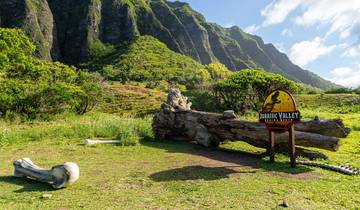
7 days
Hawaii Oahu Explorer – 7 days
- ✓ Comprehensive Honolulu tour
- ✓ Expert local guides included
- ✓ All accommodation arranged
- ✓ Transportation provided

5 days
5-Day Classic Hawaii Experience
- ✓ Comprehensive Honolulu tour
- ✓ Expert local guides included
- ✓ All accommodation arranged
- ✓ Transportation provided
4 days
4 Day Hawaii Experience: Discover Oahu (Bilingual: Chinese, English)
- ✓ Comprehensive Honolulu tour
- ✓ Expert local guides included
- ✓ All accommodation arranged
- ✓ Transportation provided
5 days
USA – Hawai: Tropical Dreams – 5 days
- ✓ Comprehensive Honolulu tour
- ✓ Expert local guides included
- ✓ All accommodation arranged
- ✓ Transportation provided
Multi-day tour packages powered by TourRadar. Prices and availability subject to change.
Introduction: Exploring Oahu from Honolulu Base 2026
Honolulu’s position on Oahu’s southern shore places travelers within easy reach of the island’s complete geographic and cultural diversity. A single day’s journey from Waikiki hotels can encompass volcanic craters formed 300,000 years ago, protected marine ecosystems where Hawaiian green sea turtles glide through coral gardens, valleys where ancient Hawaiian chiefs trained their warriors and modern film crews shot blockbuster movies, and beaches where winter swells generate waves reaching 30 feet that professional surfers travel worldwide to ride. The island’s compact 44-mile length and efficient highway system compress extraordinary variety into manageable day trip distances, with nearly every major attraction accessible within 90 minutes of central Honolulu.
The 2026 travel landscape on Oahu reflects Hawaii’s ongoing evolution toward sustainable tourism management. Popular natural sites including Diamond Head and Hanauma Bay now operate under reservation systems designed to protect fragile ecosystems while maintaining public access, requiring advance planning that rewards early bookers with guaranteed entry during peak seasons. Pearl Harbor National Memorial continues welcoming visitors free of charge to the USS Arizona Memorial program while generating revenue through paid attractions at USS Missouri, USS Bowfin submarine, and the aviation museum complex. The Polynesian Cultural Center maintains its position as Oahu’s premier cultural attraction, operated as a nonprofit supporting Brigham Young University-Hawaii scholarships for Pacific Islander students who staff the villages and perform in the evening show.
Transportation options for day trips range from TheBus public system serving major beaches and attractions at $7.50 daily unlimited rates to rental cars providing maximum flexibility at $40-70 daily to organized tours eliminating navigation stress through door-to-door hotel service and expert local guides sharing historical context and insider knowledge. Each approach carries distinct advantages depending on traveler priorities, group size, and comfort with independent exploration versus structured itineraries. The North Shore’s 40-mile distance from Waikiki makes it the furthest common day trip destination, while Hanauma Bay sits just 10 miles east and Diamond Head rises 2 miles from central Waikiki, creating options for morning-only excursions or full-day multi-stop adventures.
Weather patterns across Oahu create microclimates affecting day trip planning throughout the year. The windward (eastern) coast including Kailua and Kaneohe receives significantly more rainfall than Honolulu’s leeward location, with morning showers common even during summer months when Waikiki stays dry. The North Shore experiences its famous massive winter surf from November through February, transforming calm summer swimming beaches into spectator viewing areas where 20-30 foot faces draw professional competitors and photographers worldwide. Diamond Head and Hanauma Bay offer year-round accessibility with minimal weather concerns, while Kualoa Ranch valley tours operate rain or shine with mud and streams adding authenticity to jungle expedition experiences.
Cultural sensitivity and environmental awareness guide responsible day trip tourism across Oahu. Hanauma Bay requires all first-time visitors to watch a conservation education video before beach access, teaching coral reef protection principles and fish feeding prohibitions that sustain the marine ecosystem’s health. Pearl Harbor maintains solemn memorial atmosphere through dress codes prohibiting swimwear and bags larger than standard purses, honoring the 1,177 sailors and marines still entombed in USS Arizona’s submerged hull. Hawaiian cultural sites at Kualoa Ranch and Polynesian Cultural Center share indigenous knowledge and traditions with visitors through demonstrations and storytelling that contextualize Hawaii’s pre-contact society and navigation achievements across the vast Pacific Ocean.
Pearl Harbor National Memorial Day Trips 2026
Pearl Harbor represents America’s entry into World War II and stands as the Pacific theater’s most significant historic site, drawing more than 1.8 million visitors annually to contemplate the December 7, 1941 attack that sank or damaged 21 ships and killed 2,403 servicemembers and civilians. The memorial complex sits 11 miles west of Waikiki in a still-active naval harbor, with the white USS Arizona Memorial structure spanning the battleship’s submerged remains where oil still seeps to the surface from fuel tanks ruptured 83 years ago. The experience combines outdoor exhibits, museums chronicling the attack’s progression, and the solemn boat ride to the memorial where visitors stand above the final resting place of 1,177 sailors and marines whose names are inscribed on marble walls.
The USS Arizona Memorial Program operates free of charge through the National Park Service, distributing timed entry tickets on first-come first-served basis starting at 7 AM when the visitor center opens. Each ticket admits a small group to a 23-minute documentary film followed by a Navy-operated boat ride to the memorial, where visitors spend 10-15 minutes before return boats depart. High demand during peak seasons means tickets for later time slots disappear within hours of distribution, making early arrival essential for guaranteed same-day access. Lines begin forming at the visitor center entrance around 6 AM during summer months and winter holidays, with those arriving after 8-9 AM frequently finding all daily allocations exhausted.
Organized Pearl Harbor tours provide guaranteed memorial access through advance coordination with tour operators who secure timed tickets before arrival, eliminating line waiting and entry uncertainty. Half-day tours departing Waikiki hotels cost $69-90 and include round-trip transportation, reserved USS Arizona Memorial boat program tickets, and 2-3 hours at Pearl Harbor allowing time for self-guided museum exploration. Full-day tours priced $120-180 add admission to USS Missouri battleship ($35 independently) where Japan’s surrender documents were signed in Tokyo Bay 1945, the USS Bowfin submarine museum ($18), and the Pearl Harbor Aviation Museum ($26) housing restored aircraft in historic hangars that survived the 1941 attack.
The USS Missouri battleship tour walks visitors through the massive 887-foot vessel’s decks where the September 2, 1945 surrender ceremony ended World War II, with the exact spot marked on the teak deck where General Douglas MacArthur stood while Japanese officials signed documents formally concluding the Pacific conflict. Audio guides included with admission explain the ship’s role in World War II, Korean War, and Operation Desert Storm operations before its 1992 decommissioning and 1999 arrival at Pearl Harbor as a floating museum. The tour covers gun turrets housing 16-inch rifles capable of firing 2,700-pound shells 23 miles, officer quarters, mess halls, and the kamikaze impact point where a Japanese pilot struck the ship during Okinawa operations.
The Pearl Harbor Aviation Museum occupies two massive hangars on Ford Island connected to the main visitor complex by shuttle bus, displaying 70 aircraft including a Japanese Zero fighter recovered from the 1941 attack, B-17 and B-25 bombers, and modern fighters from subsequent conflicts. Hangar 79 still bears bullet holes from strafing runs during the December 7 attack, preserved as authentic battle damage that connects visitors directly to the violence that unfolded across the harbor. Flight simulators allow hands-on experiences piloting various aircraft, while docent-led tours provide deeper technical and historical context for aviation enthusiasts willing to invest additional time beyond self-guided exploration.
Transportation to Pearl Harbor from Waikiki offers multiple options balancing cost against convenience. TheBus routes 20 and 42 connect Waikiki to the Arizona Memorial with $3 one-way fares and 60-75 minute travel times including transfers, though bus schedules require careful coordination to avoid missing reserved memorial time slots. Rental cars reach Pearl Harbor in 20-30 minutes via H-1 freeway with free parking available at the visitor center, providing flexibility for multi-stop days combining Pearl Harbor morning visits with afternoon North Shore exploration. Rideshare services cost $25-35 each way from Waikiki, making organized tours economically competitive when factoring round-trip transportation plus guaranteed memorial access.
Pearl Harbor operates 7 AM to 5 PM daily except Thanksgiving, Christmas, and New Year’s Day, with last USS Arizona Memorial programs departing around 3 PM to ensure visitors clear the memorial before closing time. The complex prohibits bags exceeding standard purse size (1.5 inches × 2.25 inches × 5.5 inches) for security screening efficiency, though a storage facility near the entrance offers bag storage at $7 per item. Dress codes prohibit swimwear and require shirts and footwear, maintaining respectful memorial atmosphere while acknowledging Hawaii’s warm climate with casual attire acceptance. Photography is permitted throughout the complex except inside the memorial’s shrine room, where silence and contemplation replace narration and explanation.
Combined Pearl Harbor and city tour options add Honolulu historic sites including Iolani Palace (America’s only royal palace), King Kamehameha statue, and Punchbowl National Cemetery where Pacific War casualties rest in a volcanic crater overlooking the city. These 7-8 hour combinations cost $90-120 and provide comprehensive Oahu historical context bridging ancient Hawaiian monarchy through World War II to modern statehood, appealing to first-time Oahu visitors seeking maximum cultural immersion in single-day itineraries. The city components typically follow Pearl Harbor morning visits, routing through downtown Honolulu’s government district and residential neighborhoods offering perspectives beyond Waikiki’s tourist concentration.
North Shore Oahu Day Trips 2026
The North Shore stretches along Oahu’s northern coastline from Kahuku Point to Kaena Point, encompassing 17 miles of legendary surf beaches, agricultural land growing tropical fruits and coffee, and the historic town of Haleiwa where surfers, artists, and local families converge in a community predating modern tourism. Winter transforms these beaches into the surfing world’s most prestigious proving ground, where waves reaching 20-30 foot faces during November-February swells attract professional competitors to events including the Vans Triple Crown and Eddie Aikau Big Wave Invitational. Summer reverses conditions entirely, with calm water suitable for swimming, snorkeling, and stand-up paddleboarding replacing the massive winter surf that makes ocean entry dangerous for all but expert watermen.
The drive from Waikiki to North Shore beaches spans 40-45 miles with three distinct routing options offering different scenery and drive times. The H-2 freeway through central Oahu’s pineapple fields reaches Haleiwa in 45-50 minutes under normal traffic, providing the most direct route. The Pali Highway (Route 61) or Likelike Highway (Route 63) crossing the Koolau Mountains delivers to the windward coast with continuation north along Kamehameha Highway past Kualoa Ranch and Kahuku, totaling 60-75 minutes but showcasing dramatic mountain backdrops and coastline vistas. The scenic coastal route following Kalanianaole Highway past Hanauma Bay and around the island’s eastern point adds 15-20 minutes while passing beaches and lookouts worth exploration stops.
Organized North Shore tours departing Waikiki hotels at 7-8 AM cost $120-180 depending on inclusions and operate as circle island itineraries visiting windward coast attractions before reaching North Shore beaches. Standard stops include Nuuanu Pali Lookout overlooking the windward coast where King Kamehameha’s warriors drove opposing forces over cliffs in 1795 battle, Halona Blowhole where ocean surges compress through lava tube creating water spouts, Macadamia nut farms offering free samples, and Dole Plantation’s pineapple exhibits and maze. Small-group tours in 12-14 passenger vans provide more personalized commentary and flexible timing than large motor coaches, though both formats cover similar itineraries with 2-3 hours allocated to North Shore beach stops and Haleiwa exploration.
Haleiwa town maintains authentic character despite tourist traffic, with surf shops selling boards and equipment coexisting alongside art galleries, shave ice stands, and restaurants serving plate lunches and fresh fish. The historic town center along Kamehameha Highway contains wooden buildings dating to plantation era when sugar and pineapple drove the local economy, now repurposed as boutiques and cafes preserving architectural heritage while adapting to tourism economics. Matsumoto Shave Ice draws constant lines for its finely shaved ice with tropical fruit syrups and optional ice cream or sweet azuki bean additions, while Giovanni’s Shrimp Truck at Kahuku attracts crowds for garlic butter shrimp plates served from converted delivery vehicles parked permanently at roadside.
Sunset Beach and Banzai Pipeline rank among surfing’s most photographed locations, with winter swells creating the powerful reef breaks that define professional careers and generate iconic imagery recognized worldwide. Sunset Beach’s wide sand crescent accommodates spectators during competition periods when scaffolding viewing stands appear and announcers narrate wave-by-wave action to crowds. The Pipeline’s perfectly formed barrels breaking over shallow reef create both spectacular beauty and significant danger, with numerous professional surfers suffering serious injuries over decades of competitive history at this single reef break. Summer transforms both locations into calm swimming beaches where families wade in water that winter makes impassable.
Waimea Bay combines magnificent beach scenery with seasonal transformation illustrating Oahu’s dramatic weather patterns. Winter brings massive surf and the Eddie Aikau Big Wave Invitational, held only when waves exceed 20 feet and honoring legendary Hawaiian lifeguard Eddie Aikau who died attempting to save crew from capsized voyaging canoe Hokule’a in 1978. The invitation-only event draws surfing’s elite to ride some of the largest rideable waves in Hawaiian waters, with spectators numbering in tens of thousands when conditions trigger the one-day competition held sporadically when appropriate swells arrive. Summer sees calm bay water popular for swimming and snorkeling, with families enjoying conditions unrecognizable to those familiar only with winter’s power.
Turtle Beach (Laniakea Beach) north of Haleiwa provides near-guaranteed encounters with Hawaiian green sea turtles basking on sand or swimming in shallow water. Volunteers from conservation organizations monitor turtle activity and educate visitors on required 10-foot distance maintaining, as federal and state laws protect these endangered creatures from harassment. The beach’s reef structure and abundant algae attract turtles for feeding, with highest viewing probability during midday when turtles rest between feeding sessions. Photography from respectful distance captures memorable wildlife encounters without disturbing animals whose populations recovered significantly since receiving legal protection.
Self-driving North Shore visits allow timing flexibility for specific conditions or interests, with rental cars costing $40-70 daily making them economically attractive for groups of 3-4 splitting expenses. Starting early captures morning light for photography and arrives before midday crowds at popular beaches and Haleiwa parking areas. Counter-clockwise routing from Waikiki through windward coast to North Shore then returning via central Oahu provides changing scenery throughout the day, while clockwise routing from central Oahu visits North Shore first when fresh then explores eastern coastline during afternoon. Both circles cover 100-120 miles total with 3-4 hours minimum driving time plus stops.
Food truck culture thrives along North Shore routes, with Giovanni’s Shrimp Truck, Fumi’s Shrimp, and Romy’s Kahuku Prawns competing for garlic shrimp supremacy while Ted’s Bakery serves haupia (coconut) cream pie and chocolate haupia pie that justify dedicated stops. These roadside operations offer authentic local flavors at $15-18 per plate, substantially less than restaurant equivalents while maintaining quality that built loyal followings among residents and returning visitors. Picnic table seating encourages lingering over meals while watching North Shore scenery, with ocean views and mountain backdrops creating memorable dining settings.
Windward Coast Beaches: Kailua and Lanikai 2026
Kailua Beach Park ranks consistently among America’s finest beaches, earning Dr. Beach’s top-10 recognition multiple years for its 2-mile crescent of fine white sand, turquoise water protected by offshore reef, and steady trade winds favoring kiteboarding and windsurfing. The beach sits 12 miles and 25-30 minutes from Waikiki via Pali Highway through Koolau Mountain tunnels, emerging on windward coast where rainfall three times Honolulu’s annual totals sustains lush vegetation contrasting dramatically with Waikiki’s drier climate. Free county park facilities include restrooms, showers, picnic pavilions, and lifeguard stations, making Kailua accessible to budget-conscious travelers avoiding paid attractions while seeking premium beach experiences.
Lanikai Beach extends south from Kailua along a residential neighborhood where luxury homes face powder-soft sand and shallow water displaying every shade of blue and turquoise photographers capture in Hawaiian paradise imagery. The beach lacks facilities beyond roadside parking along Mokulua Drive where residents tolerate visitor presence with varying degrees of patience, as vacation rental controversies and parking constraints create occasional tension between locals and tourists. The two Mokulua Islands offshore provide iconic photography subjects and kayak destinations, with permitted beach landings on the larger island’s leeward side accessible to intermediate paddlers during calm conditions.
Getting to Kailua and Lanikai requires either rental car ($40-70 daily) or rideshare service ($35-45 each way from Waikiki), as TheBus connections involve multiple transfers and 90+ minute travel times discouraging casual beach visits. The Pali Highway (Route 61) provides the most direct route through Koolau Mountains via tunnel boring through volcanic rock, emerging at Nuuanu Pali Lookout where pullouts offer windward coast panoramas before descending switchbacks to sea level. Alternative routes via Likelike Highway (Route 63) or H-3 freeway reach the same destination with slight time differences, though Pali Highway’s dramatic mountain crossing and lookout make it the scenic choice for first-time visitors.
Kailua town adjacent to the beach contains equipment rental shops providing kayaks ($40-60 for singles, $50-75 for doubles), paddleboards ($35-50), and snorkel gear ($15-25) for exploring offshore areas or paddling to Mokulua Islands. Local outfitters offer guided kayak tours to the islands with snorkeling stops at $95-125 per person, handling logistics and safety while sharing ecological information about protected seabird sanctuaries and marine life. These organized options appeal to travelers lacking kayaking experience or preferring professional guidance navigating currents and landing protocols at island beaches.
The Lanikai Pillbox Trail begins in residential area above Lanikai Beach, climbing 0.8 miles to World War II-era military observation bunkers offering panoramic views across Kailua Bay to the Mokulua Islands with Honolulu’s skyline visible 12 miles distant. The moderate hike gains 400 feet elevation over sometimes-steep trail sections, rewarding sunrise hikers with spectacular lighting conditions illuminating the islands and surrounding coastline. Two concrete pillboxes at different elevations provide rest stops and photography platforms, with interior graffiti adding urban art elements to military history. The hike requires 1-2 hours round-trip depending on pace and photography time, with early morning starts beating midday heat and capturing optimal light angles.
Bellows Field Beach Park operates as military recreation area during weekdays but opens to public Friday noon through Sunday evening, offering another stunning windward coast beach option with camping facilities, picnic areas, and ironwood tree groves providing shade. The beach’s 1-mile stretch faces directly into trade winds, creating ideal kiteboarding and windsurfing conditions while making swimming challenging during strong wind periods. Weekend visitors find substantially fewer crowds than Kailua’s main beach, as military restriction limits development and maintains natural character appealing to those seeking less-populated beach experiences.
Food options in Kailua range from Island Snow shave ice to Kalapawai Market’s deli counter serving sandwiches and prepared foods to Buzz’s Steakhouse overlooking Kailua Bay. Boots & Kimo’s restaurant draws breakfast crowds for macadamia nut pancakes, while local plate lunch restaurants offer filling $12-18 meals combining rice, macaroni salad, and protein options from teriyaki chicken to kalua pork. These establishments cater primarily to residents with visitor traffic as secondary business, maintaining authentic local character and pricing compared to Waikiki’s tourist-oriented restaurants.
Combining Kailua beach time with Lanikai exploration and Pillbox hike creates full-day windward coast itineraries requiring rental car for efficient movement between sites. Starting with sunrise Pillbox hike (6:30-8 AM) captures best light followed by Lanikai beach relaxation (8-10 AM) then moving to Kailua Beach for swimming and water sports (10 AM-2 PM) with lunch at local restaurants before return to Waikiki by mid-afternoon. This routing maximizes limited time while experiencing multiple aspects of windward coast’s appeal, from hiking and photography to swimming and dining.
Diamond Head State Monument Hiking 2026
Diamond Head crater rises 760 feet above Waikiki as Oahu’s most recognizable landmark, formed 300,000 years ago during a single volcanic eruption that lasted days and created the tuff cone visible from throughout Honolulu. The summit trail climbs 1.6 miles round-trip through the crater’s interior, ascending 560 feet via switchbacks, tunnels, and stairways to observation platforms providing 360-degree views across Waikiki, downtown Honolulu, and the Pacific Ocean stretching to the horizon. The hike requires reservations booked up to 30 days in advance through the state parks system, with $25 entry fees for non-residents ages 13 and older plus $3 parking charges for those driving to the trailhead.
Reservations for Diamond Head sell out weeks in advance during peak seasons (June-August, December-January), making early booking essential for guaranteed summit access on preferred dates. The online reservation system opens exactly 30 days before each visit date at 7 AM Hawaii time, with popular time slots disappearing within hours or days as travelers worldwide coordinate Diamond Head hikes into Oahu itineraries. Checking daily for cancellation openings sometimes yields last-minute availability, though relying on this strategy risks missing the experience entirely if no slots materialize.
The trail begins at parking lot inside the crater, accessed through a 225-foot tunnel boring through the crater wall from Diamond Head Road. Hikers proceed along paved path for initial 0.3 miles before switchbacks begin climbing crater’s inner wall, with periodic benches allowing rest stops and photography of Honolulu skyline emerging above crater rim. The trail transitions to stairs through two sections totaling 170 steps, then enters a narrow tunnel requiring careful navigation before final 99-step spiral staircase climbs to summit platforms where panoramic views reward the effort.
Sunrise hikes capture spectacular lighting conditions illuminating Waikiki’s beachfront hotels and the Pacific Ocean with golden hour glow, though sunrise time slots book fastest as photographers and romantic couples prioritize these premium viewing conditions. The 6:30-8:30 AM window provides cooler temperatures for climbing while avoiding midday heat that makes the exposed trail challenging, with temperatures inside the crater and on sun-facing switchbacks reaching uncomfortable levels during afternoon hours. Wind at the summit cools hikers arriving from lower elevations, with trade winds accelerating through gaps in crater rim producing refreshing breezes.
The hike’s difficulty rates moderate for reasonably fit individuals, though the stairs and elevation gain challenge those unaccustomed to climbing. Children as young as 5-6 complete the hike regularly when properly paced with rest breaks, while elderly hikers with mobility limitations may find the stairs and uneven surfaces prohibitive. The trail is not wheelchair accessible and provides no bailout points once committed to the summit route, requiring climbers to reverse course down the same trail they ascended. Water fountains at trailhead help prevent dehydration, though carrying personal water bottles is recommended as no water sources exist along the trail itself.
Getting to Diamond Head from Waikiki offers several transportation options balancing convenience against cost. TheBus route 23 connects Waikiki to Diamond Head with $3 one-way fare and 15-20 minute travel time, dropping riders at the crater entrance for the 0.7-mile walk through access tunnel to parking lot and trailhead. Rental cars or rideshare services ($12-18 each way) deliver directly to parking lot entrance, though $3 parking fees apply and spaces fill quickly during peak morning hours. Walking from Waikiki hotels ranges 30-60 minutes depending on starting location, feasible for budget travelers comfortable with modest distances before beginning the crater climb.
The state monument operates sunrise to sunset daily, with exact hours varying seasonally as sunrise times change throughout the year. The 4-hour window from reservation time allows flexibility for varying hiking paces, though most visitors complete the round-trip in 60-90 minutes including summit photography time. The monument prohibits drones, pets, and smoking while requiring visitors to remain on designated trails to prevent erosion and protect native vegetation struggling to survive in the harsh volcanic environment. Educational signage along the trail explains Diamond Head’s military history, as the crater served as strategic observation post and artillery position defending Honolulu Harbor throughout the 20th century.
Combining Diamond Head with Kahala neighborhood exploration or Honolulu Zoo visits creates half-day itineraries maximizing morning before afternoon beach time or organized tours. The upscale Kahala residential area beyond Diamond Head contains mansions worth driving past for architecture appreciation, while the Honolulu Zoo sits at Waikiki’s eastern edge adjacent to Kapiolani Park. These combinations work particularly well for families with young children, as the zoo provides engaging activities after morning hiking when kids’ energy for walking diminishes.
Hanauma Bay Nature Preserve Snorkeling 2026
Hanauma Bay ranks among the world’s most spectacular snorkeling destinations, offering shallow coral reefs teeming with tropical fish in a protected volcanic crater opening to the ocean through a breached rim. The bay’s horseshoe shape creates calm water conditions most days, allowing swimmers of all abilities to observe parrotfish, butterflyfish, tangs, and other reef species from surface waters or while duck-diving for closer inspection. Hawaiian green sea turtles frequent the bay, gliding through water or resting on sand alongside humans they recognize pose no threat after decades of protected status and conservation education.
Entry to Hanauma Bay requires $25 admission for non-residents ages 13 and older plus $3 parking fees, with reservations needed 2 days in advance through the Honolulu city parks reservation system. The preserve closes Mondays and Tuesdays for reef recovery and marine life rest, limiting access to Wednesday-Sunday operating hours from 6:45 AM (entry closes at 1:30 PM) with all visitors required to exit by 4 PM. This mandatory closure schedule helps protect the reef ecosystem from cumulative impacts of thousands of daily visitors, allowing fish populations to feed and reproduce without constant human presence that characterized the pre-1990s period when daily visitation reached 10,000 people.
All first-time visitors must watch a 9-minute conservation education video before beach access, learning proper reef etiquette including bans on fish feeding, coral touching, and littering that damage the fragile ecosystem. The video requirement applies even to those who previously visited Hanauma Bay, as marine conservation knowledge updates regularly and reinforcing core messages helps maintain the bay’s ecological health. Theater seating accommodates groups every 15 minutes throughout morning hours, with multiple language options available for international visitors who represent significant portions of daily attendance.
The beach sits 300 feet below parking lot level, accessible via tram service included with admission or by walking down paved path requiring 7-10 minutes descent. The tram eliminates the climb challenge for elderly or mobility-limited visitors, though capacity constraints mean waiting times can reach 20-30 minutes during busy periods. Walking up from the beach at day’s end provides moderate workout climbing the same path descended earlier, with benches positioned at intervals for rest breaks and ocean views rewarding the exertion.
Snorkel gear rental costs approximately $20 for mask, snorkel, and fins from concession stands at beach level, with equipment quality adequate for casual snorkeling though serious enthusiasts often bring personal gear ensuring proper fit and fog-free visibility. The rental fee includes gear use for the entire day, allowing morning and afternoon snorkel sessions with midday beach rest between water entries. Those bringing own equipment save rental costs while ensuring familiar gear, though checked luggage fees for airline transport sometimes exceed local rental costs depending on trip length and airline policies.
The bay’s coral reefs concentrate along both arms of the horseshoe with deeper channel through the center where current flows toward the ocean opening. Beginning snorkelers stay in shallow water near shore where visibility remains excellent and fish congregate around scattered coral heads, while confident swimmers venture farther out to reef edges where larger fish and occasional sea turtles appear. The Witch’s Brew area near the bay’s mouth creates dangerous currents that have drowned inexperienced swimmers attempting to swim too far from shore, making respect for warning signs and lifeguard instructions essential for safe enjoyment.
Getting to Hanauma Bay from Waikiki involves driving 12 miles east on Kalanianaole Highway through Kahala and Hawaii Kai neighborhoods with 20-25 minute travel time under normal traffic conditions. TheBus route 22 provides public transportation option with $3 one-way fare and 40-45 minute travel time, though early buses fill quickly during summer months as both tourists and locals utilize this economical access method. Organized snorkel tours including Hanauma Bay admission, gear rental, and round-trip Waikiki hotel transportation cost $40-55 per person, appealing to those avoiding rental car expenses or preferring simplified logistics.
Food options at Hanauma Bay consist of a snack bar selling sandwiches, drinks, and packaged snacks at premium prices reflecting the captive audience and facility maintenance costs. Bringing picnic lunches in soft-sided coolers (hard coolers are prohibited) allows budget-conscious families to avoid high snack bar prices while enjoying beach meals under shade structures or on sand. No glass containers are permitted to protect bare feet from broken glass hazards, while alcohol prohibition maintains family-friendly atmosphere and prevents unsafe swimming decisions.
Combining Hanauma Bay morning snorkeling with afternoon exploration of nearby Makapuu Lighthouse Trail or Sandy Beach creates full-day eastern Oahu itineraries requiring rental car for efficient multi-stop touring. The Makapuu Lighthouse Trail provides paved 2-mile round-trip hike to historic lighthouse with panoramic ocean views and seasonal whale watching opportunities (December-April), while Sandy Beach attracts bodysurfing experts to powerful shore break unsuitable for casual swimming but spectacular for wave watching.
Kualoa Ranch Adventure Tours 2026
Kualoa Ranch encompasses 4,000 acres of private valleys and coastline on Oahu’s windward side, serving as filming location for more than 200 movies and television shows including Jurassic Park, Lost, Jumanji, Kong Skull Island, and 50 First Dates. The ranch operates as working cattle operation while offering adventure tours through valleys where film crews shot Hawaiian sequences, with zipline courses, horseback riding, UTV off-road experiences, and catamaran cruises providing varied access to landscapes too dramatic for standard tourism development. The ranch sits 25 miles from Waikiki with 35-40 minute drive time via H-3 freeway or Likelike Highway, making it comfortable day trip destination for families and adventure seekers.
Tour pricing at Kualoa Ranch operates on single-tour ($50-155) or package basis, with two-tour combinations ($100-130) and three-tour packages ($140-170) providing better per-activity value than individual bookings. The Half-Day Package includes Hollywood Movie Sites Tour plus Ocean Voyage catamaran experience with complimentary Ranch House Buffet lunch for approximately $125, operating 9:45 AM check-in through 2:30 PM departure. The Full-Day Package expands to three 90-minute tours spanning 8:30 AM through 3:30 PM with lunch included, allowing comprehensive ranch exploration across multiple valleys and activity types.
The Hollywood Movie Sites Tour transports guests in open-air buses through Kaaawa Valley where Jurassic Park’s iconic gate and visitor center scenes filmed, with preserved props and sets still standing decades after productions wrapped. Guides share filming anecdotes and point out specific locations recognizable from scenes burned into moviegoers’ memories, from the field where velociraptors hunted to the bunker complex from Jurassic World and the massive Godzilla footprint from the 2014 reboot. The tour emphasizes both entertainment value and ecological significance, as the ranch’s conservation commitment preserves valleys appearing nearly unchanged from pre-contact Hawaiian times.
The UTV Raptor Tour provides off-road driving experiences through Hakipuu Valley’s jungle trails, with guests piloting side-by-side vehicles capable of navigating muddy streams and steep hillsides inaccessible to standard vehicles. Drivers must be 16+ years with valid licenses while passengers can be 5+ years old, making this family-friendly adventure with proper safety precautions. The 2-hour tour ($80-155 depending on booking timing) combines adrenaline from challenging terrain with stops at movie locations and vista points overlooking the windward coast. Mud coverage is guaranteed during rainy periods, adding authenticity to jungle expedition atmosphere.
The zipline tour features 7 dual-cable tandem lines ranging from 200 feet to quarter-mile lengths, with two suspension bridges and short hiking segments connecting platforms through Kaaawa Valley rainforest canopy. Participants must meet 75-pound minimum weight requirement, with maximum weight at 280 pounds and 54-inch waist circumference. The 2.5-3 hour experience ($155-175) provides bird’s-eye valley perspectives while guides share Hawaiian plant and bird identification knowledge. Weather rarely cancels zipline operations, as the system continues operating during light rain that enhances rather than detracts from the jungle immersion experience.
Horseback riding tours follow valley trails at walking pace, allowing guests with minimal riding experience to enjoy 1-hour ($85) or 2-hour ($130) excursions through pastures and forested areas where cattle graze alongside native and introduced plant species. The ranch’s paniolo (Hawaiian cowboy) heritage informs guide commentary about ranching history and the role cattle operations played in Hawaiian economy following their 1793 introduction by Captain George Vancouver. Riders traverse same valleys where ancient Hawaiian chiefs trained warriors, connecting modern recreational riding to centuries of human interaction with these sacred landscapes.
The Ocean Voyage tour crosses 800-year-old Molii fishpond via Polynesian canoe before boarding 49-passenger catamaran for Kaneohe Bay cruise featuring views of Mokolii Island (Chinaman’s Hat) and coral reefs visible through clear water. The 90-minute experience includes time at Secret Island Beach accessible only via ranch property, with opportunities for swimming, beach games, and photography of one of Oahu’s most pristine coastal areas protected from development by ranch ownership. This tour pairs well with land-based activities in package combinations, providing water-focused contrast to jungle and valley explorations.
The Jungle Expedition utilizes 6-wheel-drive Swiss Pinzgauer military vehicles to access remote Hakipuu Valley areas where regular tour buses cannot venture, climbing steep grades and crossing streams while bouncing over trails that feel adventurous while remaining safely within vehicle capabilities. Movie location stops include Lost filming sites and Kong Skull Island props, with valley vistas from elevated viewpoints revealing the dramatic Ko’olau Mountain backdrop that made these valleys filming favorites. The 90-minute tour operates rain or shine, with muddy conditions adding to rather than detracting from the expedition atmosphere.
Getting to Kualoa Ranch from Waikiki requires rental car ($40-70 daily) or organized tour with included transportation, as TheBus connections involve multiple transfers and lengthy travel times incompatible with timed tour reservations. The ranch provides free parking for self-drivers, with check-in at the visitor center where tour assignments and schedules get distributed. Arriving 15-30 minutes before first scheduled tour allows time for restroom use, souvenir shopping, and orientation to the ranch layout. The on-site restaurant serves lunch ($15-25 for entrees) independently of package meal inclusions, providing options for those on single-tour bookings.
Polynesian Cultural Center Full-Day Experience 2026
The Polynesian Cultural Center recreates six Pacific Island villages representing Hawaii, Samoa, Tahiti, Tonga, Fiji, and Aotearoa (New Zealand), with native islanders demonstrating traditional crafts, dances, and cultural practices preserved through centuries of navigation and settlement across the world’s largest ocean. The nonprofit center located in Laie on Oahu’s northeastern shore operates as fundraising mechanism for Brigham Young University-Hawaii scholarships, employing Pacific Islander students who share their heritage while pursuing higher education. The 42-acre complex combines educational village experiences with canoe pageant performances, evening luau dinner, and the spectacular HA: Breath of Life show featuring more than 100 performers.
Admission packages at the Polynesian Cultural Center range from basic village access ($50-65) to comprehensive experiences including luau dinner and evening show ($195-210). The most popular Gateway Buffet package ($125-150) includes self-guided village tours, buffet dinner with live Hawaiian music, and reserved seating at the HA show, providing full-day entertainment from noon opening through 9 PM show conclusion. Transportation from Waikiki adds $25-35 per person to independent tickets, with organized tours bundling admission, transportation, and sometimes additional stops at Dole Plantation or windward coast beaches for $140-180 total packages.
The village areas open at noon with first canoe pageant performance at 1 PM, allowing early arrivals 5-6 hours to explore demonstrations including Tahitian coconut bread making, Maori weapons training, Fijian meke dancing, Samoan fire knife fundamentals, and Hawaiian hula lessons. Each village staffs multiple demonstration areas with rotating activities throughout afternoon, ensuring returning visitors encounter different content than previous trips. The interactive hands-on approach encourages participation rather than passive observation, with guests invited to try poi pounding, spear throwing, and drum playing under patient instruction from performers whose college education the center supports.
The Hukilau Marketplace at the center’s entrance operates independently of admission, providing free access to shops selling Pacific Island crafts, clothing, and foods along with restaurants and food trucks serving plate lunches and snacks. Visitors arriving early or departing late browse these commercial areas without admission tickets, making it convenient meeting point for split groups or meal stop during circle island tours passing through Laie. The marketplace’s tropical architecture and landscaping create appealing photography backgrounds while commercial aspects support the center’s educational mission.
The Ali’i Luau represents traditional Hawaiian feast with imu (underground oven) ceremony revealing slow-cooked kalua pig before buffet service featuring poi, lomi salmon, chicken long rice, and tropical fruits alongside mainland favorites accommodating diverse palates. The outdoor setting incorporates waterfalls and gardens creating atmospheric dining environment while live musicians perform during the meal service. The luau seating begins at 4:40 PM, requiring coordination with village tour timing to avoid missing either afternoon demonstrations or dinner service. Premium packages ($195+) include better show seating and additional amenities, though the buffet meal itself remains consistent across dining tiers.
The HA: Breath of Life evening show tells the story of Polynesian navigation and settlement through dance, music, acrobatics, and fire knife performances executed by the center’s most skilled performers. The 90-minute production combines traditional elements with contemporary theatrical production values, creating family-friendly entertainment that educates while amazing audiences with physical prowess and cultural authenticity. Fire knife demonstrations that close the show generate standing ovations as performers spin flaming blades in patterns blurring into rings of fire while maintaining choreography and avoiding burns that would end careers.
Getting to the Polynesian Cultural Center from Waikiki spans 35 miles with 50-60 minute drive time via H-1, H-2, and H-3 freeways or alternatively along windward coast via Pali Highway and Kamehameha Highway coastal route. Rental car parking is free at the center, though afternoon arrival during peak seasons sometimes fills lots requiring overflow parking with shuttle service. TheBus connections involve 2-3 transfers and 2+ hour travel times unsuitable for visitors with timed reservations and evening show commitments. Most independent visitors either drive rental cars or book center-operated motor coach service ($25-35 per person round-trip) providing Waikiki hotel pickup and return after the evening show.
The center’s educational mission differentiates it from commercial luau shows emphasizing entertainment over cultural accuracy. The nonprofit structure ensures revenue supports scholarship programs rather than shareholder profits, with more than 50% of BYU-Hawaii’s student body receiving financial support from center operations. This mission-driven approach creates authentic cultural transmission as performers share traditions passed through their families rather than executing choreography learned for employment. The depth of knowledge displayed during village demonstrations reflects lived experience, with performers fielding questions about their home islands and traditional practices with personal insights impossible to replicate in commercial entertainment contexts.
Combining Polynesian Cultural Center visits with other northeastern shore attractions creates very long but rewarding days, as the 35-mile distance from Waikiki places the center beyond easy combination with most other major sites. Stops at Byodo-In Temple in Kaneohe Valley ($5 admission) or quick North Shore beach views add minimal time to the routing while breaking the long drive with worthwhile diversions. Most visitors find the Cultural Center experience sufficiently comprehensive to justify dedicated full-day commitment without attempting to compress additional major attractions into the same itinerary.
Scenic Drive and Lesser-Known Day Trips 2026
Tantalus Drive and Round Top Drive form a scenic loop through rainforest above Honolulu, climbing 2,000 feet above sea level for panoramic city and ocean views without admission fees or reservation requirements. The winding roads pass luxury homes and native forest, with pullouts at Puu Ualakaa State Wayside Park providing sunset viewing platforms overlooking Diamond Head, Waikiki, and downtown Honolulu. The 10-mile loop requires 45-60 minutes driving time without stops, though photographers and sightseers commonly extend visits to 2-3 hours capturing changing light conditions. The roads’ narrow width and hairpin turns challenge nervous drivers, though normal caution and modest speeds make the route manageable for those comfortable with mountain roads.
Manoa Falls Trail provides easily accessible rainforest hiking just 3 miles from Waikiki, with the 1.6-mile round-trip trail following stream through native and introduced forest to 150-foot waterfall cascading over moss-covered cliffs. The trail operates free of charge though commercial parking lots near the trailhead cost $5-10, with limited free street parking available for those arriving early enough to claim spots before they fill. The trail’s gentle grade and paved first half make it suitable for families with young children, though mud can be significant after rain periods requiring sturdy footwear rather than flip-flops. The waterfall’s volume varies seasonally, with winter rains producing impressive flow while summer dry periods reduce the cascade to modest stream.
The Byodo-In Temple in Kaneohe Valley replicates a 950-year-old Buddhist temple in Uji, Japan, set against the fluted Koolau Mountain cliffs creating one of Oahu’s most photogenic sites. The non-practicing temple operates as tourist attraction and photography venue, charging $5 admission to grounds featuring koi ponds, meditation gardens, and the bell tower where visitors ring the massive bon-sho bell. The temple sits along routes from Honolulu to North Shore or Polynesian Cultural Center, making it convenient stop adding 30-45 minutes to through-traffic itineraries. Wedding photography sessions and commercial film shoots utilize the temple regularly, sometimes limiting public access during scheduled private events.
Makapuu Lighthouse Trail offers paved 2-mile round-trip hiking to historic lighthouse perched on Oahu’s southeastern point, with panoramic views across Makapuu Beach to the offshore islands and windward coast. The trail gains 500 feet elevation via switchbacks moderate in grade, suitable for families and elderly hikers comfortable with distance and elevation. Whale watching during December-April migration seasons makes this trail popular with marine mammal enthusiasts, as humpback whales frequently breach and spout in channels between Oahu and nearby Molokai. The paved surface accommodates strollers and wheelchairs on lower sections, though the full trail to the lighthouse requires walking ability and moderate fitness.
Waimea Valley on the North Shore provides botanical garden and cultural site access through admission fees ($20 adults, $12 children) covering valley trails, archaeological sites, and swimming at Waimea Falls pool beneath a 45-foot cascade. The valley’s 1,800 acres contain more than 5,000 plant species from tropical regions worldwide, arranged in geographic collections along paved walking paths requiring 45-90 minutes for complete exploration. Cultural demonstrations of Hawaiian games, hula, and traditional crafts occur throughout the day, connecting botanical collections to the valley’s role as agricultural and cultural center during pre-contact Hawaiian society. The falls pool permits swimming when lifeguards are present and water conditions meet safety standards, with life jackets required for weak swimmers.
Kaneohe Sandbar (Ahu o Laka) appears during low tides in Kaneohe Bay as shallow water area where visitors wade in knee-to-waist-deep water surrounded by turquoise bay with Ko’olau Mountains rising dramatically on shore. Access requires boat rental or organized tour, as the sandbar sits approximately 1 mile offshore from Kaneohe boat ramps. Tour operators charge $40-65 per person for sandbar excursions including boat transport, with some packages adding snorkel stops at coral reefs hosting tropical fish and occasional sea turtle encounters. The ethereal experience of standing in middle of a bay far from shore ranks among Oahu’s most unique natural attractions, though timing visits to low tide periods requires advance planning and schedule flexibility.
Iolani Palace in downtown Honolulu represents America’s only royal palace, serving as official residence for Hawaiian Kingdom monarchs King Kalakaua and Queen Liliuokalani before the 1893 overthrow and 1898 annexation to the United States. Guided tours ($28 adults) explore the palace’s grand hall, throne room, state rooms, and private quarters where Hawaiian royalty lived and governed until constitutional monarchy ended. The palace’s architecture combines Hawaiian traditional elements with Victorian-era design influences, creating hybrid style reflecting Hawaii’s position bridging Pacific Islander culture and Western political systems during the late 19th century. Tours require advance reservations and operate Tuesday-Saturday, making this downtown attraction suitable for combining with Pearl Harbor visits or Honolulu city exploration.
Transportation Options and Logistics 2026
TheBus public transportation system serves Oahu comprehensively with routes connecting Waikiki to major attractions including Pearl Harbor, Hanauma Bay, and Ala Moana Shopping Center for $3 per ride or $7.50 unlimited day pass. Route efficiency varies significantly by destination, with direct Pearl Harbor connections taking 60-75 minutes while Kailua Beach requires multiple transfers consuming 90+ minutes. The bus system operates on fixed schedules requiring coordination with attraction operating hours and reservation times, making it practical for single-destination days rather than multi-stop touring. Senior travelers (65+) qualify for reduced fares, while children under 5 ride free when accompanied by paying adult.
Rental cars provide maximum flexibility for day trips allowing multi-stop itineraries and spontaneous routing changes, with economy vehicles costing $40-55 daily through major agencies at Honolulu Airport or Waikiki locations. Compact SUVs reaching $60-80 daily accommodate larger groups while providing cargo space for beach gear, coolers, and purchases. Booking weeks or months in advance secures lowest rates, while last-minute rentals during peak seasons face limited availability and premium pricing. Fuel costs add $15-30 daily depending on driving distance, with gas prices in Hawaii typically $0.50-1.00 above mainland averages. Parking at most natural attractions costs $3-10, with Diamond Head and Hanauma Bay charging specific parking fees separate from admission.
Rideshare services through Uber and Lyft operate throughout Oahu, providing point-to-point transportation without vehicle commitment. Waikiki to Pearl Harbor costs $25-35 each way, while rides to North Shore reach $60-80 one-way during normal demand periods. Surge pricing during high-demand times inflates costs significantly, making rideshare economically competitive with rental cars only for single short-distance trips rather than full-day touring. Airport pickups face additional fees and designated pickup zones complicating the experience compared to mainland markets, though the services function reliably once travelers understand Hawaii-specific protocols.
Organized day tours eliminate transportation logistics entirely through hotel pickups in air-conditioned motor coaches or smaller vans, with professional guides providing historical context and coordinating timing at multiple stops. Tour costs typically range $80-180 per person depending on inclusions, making them economically attractive for solo travelers who would otherwise rent cars for single-occupant use. The structured itineraries sacrifice spontaneity and timing control but deliver stress-free experiences appealing to travelers prioritizing convenience over independence. Small-group tours in 10-14 passenger vans provide more personalized attention than full-size coaches carrying 40+ passengers, though both formats visit similar sites with comparable commentary quality.
Multi-day touring becomes economically efficient with rental cars when daily rates divide among 3-4 passengers and multiple days of use amortize the airport pickup/return time investment. A group of four splitting $60 daily rental plus $20 fuel costs pays $20 per person for full-day vehicle access versus $120-180 per person for organized tour equivalents, though this calculation excludes parking fees and ignores the value of professional narration and coordination. Solo travelers or couples find organized tours often deliver better value when accounting for transportation costs and convenience factors.
Bicycling works for hardy riders comfortable with traffic and Hawaii’s hills, with Waikiki to Diamond Head representing reasonable 4-6 mile rides each direction while North Shore’s 40-mile distance exceeds most casual cyclists’ comfort zones. Bike rental shops charge $25-40 daily for cruisers or hybrid bikes, with electric bikes ($50-75 daily) flattening hills and extending practical range. Oahu lacks comprehensive bike lane networks outside specific beach path sections, requiring riders to share roads with vehicles including tour buses and trucks on routes like Kalanianaole Highway to Hanauma Bay.
Budget Planning for Day Trips 2026
Budget day trips from Honolulu cost $35-70 per person combining TheBus transportation ($7.50 unlimited day pass) with free beaches and self-guided hiking trails requiring only packed lunches and personal water bottles. Kailua Beach, Lanikai Beach, and numerous North Shore beaches charge no admission fees, while trails like Makapuu Lighthouse and Manoa Falls provide hiking experiences without paid entry. Budget-conscious travelers pack cooler lunches eliminating restaurant expenses, bringing daily costs down to transportation plus incidentals like parking ($3-10 at some locations) and optional snacks or shave ice ($5-8).
Mid-range day trips incorporating organized tours or paid attractions run $105-195 per person including round-trip transportation, admission fees, and sometimes lunch. Pearl Harbor half-day tours cost $69-90, North Shore circle island tours run $120-180, and Kualoa Ranch two-tour packages reach $100-130. These mid-range options eliminate transportation logistics and parking challenges while adding professional guide narration explaining historical and cultural context beyond what self-guided exploration provides. Bringing personal snacks and water bottles reduces incidental costs during organized tours, as stopping at convenience stores or tourist-focused food outlets inflates meal expenses above local restaurant pricing.
Premium full-day experiences combining cultural attractions with luau dinners or adventure activity packages cost $170-260 per person. Polynesian Cultural Center comprehensive packages including Ali’i Luau and evening show reach $195-210, while Kualoa Ranch three-tour full-day packages cost $140-170. These premium experiences deliver immersive cultural or adventure content justifying higher costs through unique access and quality that budget alternatives cannot replicate. The value proposition depends on individual priorities, with cultural enthusiasts finding Polynesian Cultural Center pricing worthwhile while adventure seekers prioritize Kualoa Ranch investment.
Families face multiplied costs across children and adults, making free beaches and hikes economically attractive compared to paid attractions charging per-person admission. A family of four visiting Hanauma Bay pays $50 admission (two adults at $25 each, children under 13 free) plus $3 parking plus $80 snorkel gear rental (four sets at $20 each) totaling $133 before food, versus zero admission at Kailua Beach requiring only transportation costs. However, the unique snorkeling experience at Hanauma Bay may justify the premium over standard beach swimming, particularly for families prioritizing marine life encounters in their Hawaii vacation memories.
Annual pass options benefit residents and extended-stay visitors but offer minimal value for typical week-long vacations. Diamond Head and Hawaii state parks sell annual parking passes ($50) providing unlimited access for 12 months, while various attraction combinations offer multi-visit discounts. Vacation lengths under two weeks rarely justify annual pass purchases given the limited repeat visits possible within short timeframes, though snowbirds spending 2-3 months in Hawaii find these passes reduce per-visit costs significantly.
Hidden costs include parking fees ($3-10 at most attractions), equipment rentals ($20-60 for snorkel gear, kayaks, or paddleboards), and food purchases at captive-audience locations like Hanauma Bay snack bar or Kualoa Ranch cafe where prices inflate 50-100% above equivalent meals in town. Budgeting extra $20-30 daily for incidentals prevents surprise expenses from derailing carefully planned daily budgets, with this buffer covering parking, unexpected snack purchases, or souvenir impulses.
Seasonal Considerations and Weather Patterns 2026
Summer months (May-September) deliver Oahu’s driest weather with minimal rainfall in Honolulu and Waikiki, though windward coast and North Shore still receive periodic showers from orographic lift as trade winds push moisture-laden air against Ko’olau Mountains. The North Shore’s calm summer ocean conditions allow swimming and snorkeling at beaches transformed into washing machines during winter months, making summer ideal for families seeking gentle wave environments. Diamond Head and other exposed hiking trails face hot midday conditions during summer, favoring early morning departures that capture cooler temperatures and avoid afternoon heat accumulation in volcanic craters and on sun-facing slopes.
Winter brings Hawaii’s famous North Shore surf with swells from November through February generating waves reaching 20-30 feet that attract professional surfers worldwide and create spectacular viewing for landlubber spectators. These same conditions make swimming dangerous to deadly for inexperienced ocean-goers, as powerful currents and shore break overwhelm those unfamiliar with big-wave dynamics. Winter also delivers humpback whale migrations with calving and breeding occurring in Hawaiian waters between December and April, making whale watching productive during this period from shore locations including Makapuu Lighthouse Trail and offshore boat tours designed specifically for marine mammal viewing.
Trade winds blow from the northeast throughout most of the year, creating windward/leeward weather distinctions that determine daily conditions across different parts of the island. Windward locations including Kailua, Kaneohe, and the Polynesian Cultural Center receive two to three times Honolulu’s annual rainfall, with brief morning showers common even during nominally dry summer months. These passing showers rarely last more than 20-30 minutes and frequently give way to brilliant sunshine, making rain gear advisable but extended weather delays uncommon. Leeward (western) Oahu including Waianae coast stays driest year-round, though this area sees fewer tourist visits due to longer distances from Waikiki and limited commercial attraction development.
Hurricane season officially runs June through November, though direct hits on Oahu remain rare with most systems passing north or south of the Hawaiian Islands. Peripheral effects from distant hurricanes can bring heavy rain and rough ocean conditions closing beaches and canceling boat tours, typically lasting 1-3 days before normal weather patterns resume. Hurricane warnings trigger widespread preparation and potential evacuations, though the state’s geographic isolation and modern forecasting provide 3-5 days advance notice allowing visitors to modify plans or shelter safely.
Sunrise times vary seasonally from 5:50 AM during summer solstice to 7:10 AM at winter solstice, affecting Diamond Head sunrise hike timing and early morning photography throughout the year. Sunset ranges from 7:15 PM in summer to 5:50 PM in winter, with twilight lingering 20-30 minutes afterward as colors fade from spectacular oranges and purples to dark night sky. These seasonal light changes require adjusting activity timing to capture optimal conditions, with winter’s earlier darkness potentially cutting short North Shore beach time or requiring headlamps for sunset hikes begun too late.
Temperature variation remains modest year-round with daytime highs ranging 78-88°F and nighttime lows 65-75°F, making seasonal clothing changes minimal compared to mainland climates experiencing 40-50 degree seasonal swings. Ocean water temperature ranges 75-80°F year-round, comfortable for swimming without wetsuit protection though some visitors find winter’s 75-76°F water cool during initial entry before acclimation occurs. Humidity stays relatively high throughout the year at 60-70%, with trade winds providing cooling effect that prevents muggy discomfort common in continental tropical locations.
Safety and Practical Considerations 2026
Ocean safety requires understanding Hawaii’s powerful currents, waves, and marine hazards that claim lives annually despite warnings and lifeguard presence. Hanauma Bay’s protected horseshoe shape provides some of Oahu’s safest swimming and snorkeling, though even here the Witch’s Brew area near the ocean opening creates dangerous currents requiring distance respect. North Shore beaches kill or seriously injure swimmers annually during winter months when massive surf creates hydraulic forces impossible for humans to overcome, making observation from shore the only safe approach when waves exceed head-high sizes. Lifeguard-patrolled beaches marked with warning flags communicate current conditions, with red flags prohibiting ocean entry and yellow flags indicating caution for strong swimmers only.
Sun protection requires aggressive application of reef-safe sunscreen (required at Hanauma Bay and encouraged everywhere), as Hawaii’s tropical latitude places it much closer to equator than mainland United States creating stronger UV radiation. Fair-skinned visitors burn in 15-20 minutes without protection, while even darker complexions require sunscreen to prevent painful burns during extended outdoor exposure. Reapplication every 90-120 minutes maintains protection during day-long beach or hiking activities, with water resistance claims on sunscreen bottles indicating how long products maintain effectiveness during swimming before requiring fresh coats.
Hiking safety emphasizes appropriate footwear, water carrying, and weather awareness preventing minor inconveniences from escalating to emergencies. Diamond Head’s stairs and uneven volcanic rock surfaces challenge those wearing flip-flops, while Manoa Falls Trail’s mud requires tread-equipped shoes rather than smooth-soled sandals. Carrying one liter of water per person for every two hours of hiking prevents dehydration in Hawaii’s humid heat, with symptoms including dizziness, headache, and confusion signaling need for immediate shade, rest, and fluid intake. Trail maps and cellphone GPS apps help prevent getting lost, though cellular coverage gaps exist in remote valleys where self-rescue becomes necessary if navigation errors occur.
Theft from rental cars parked at beaches and trailheads represents Oahu’s most common tourist-targeted crime, with smash-and-grab robberies taking valuables left visible in vehicles within minutes of owner departure. Leaving nothing visible in cars eliminates theft motivation, while taking all valuables to beaches or locking them in hotel safes prevents losses. Organized tour buses provide theft-free storage for belongings during attractions visits, as tour company responsibility and driver supervision protect passengers’ possessions better than unattended rental cars in public lots.
Marine life encounters require distance respect despite animals’ apparent comfort near humans. Hawaiian green sea turtles at Hanauma Bay, Laniakea Beach, and other locations maintain federal protection prohibiting touching or approaching within 10 feet, with violations risking $1,000+ fines and potential criminal charges. Sea urchins hiding in reef crevices deliver painful spine punctures to bare feet, making reef shoes or water socks advisable protection for rocky shore walking. Jellyfish blooms occur periodically 8-10 days after full moons, bringing box jellyfish to windward beaches where their stings cause significant pain requiring vinegar treatment and occasionally medical attention for severe reactions.
Emergency services across Oahu respond through 911 calls just like mainland United States, with ambulances, fire departments, and police dispatching to incidents throughout the island. The Queen’s Medical Center in downtown Honolulu provides comprehensive emergency department services, while smaller facilities including Kaiser Permanente clinics in Waikiki and Straub Medical Center handle urgent care needs not requiring full emergency department resources. Travel insurance covering medical emergencies prevents surprise bills from ruining vacations, as Hawaii medical costs match or exceed mainland prices despite the tropical setting suggesting lower expense structures.
Respecting cultural sites and private property maintains positive relationships between tourists and residents who sometimes feel overwhelmed by visitor volumes exceeding resident populations in certain areas. Beach access requires using public pathways rather than cutting through private yards, while archaeological sites warrant observation without touching or disturbing artifacts and structures that survived centuries before modern tourism arrived. Photography etiquette includes asking permission before photographing people, particularly at cultural demonstrations where performers share sacred traditions deserving respect rather than casual social media fodder.
Sample Day Trip Itineraries 2026
Budget Beach and Hike Day: Kailua and Lanikai
Depart Waikiki 7:30 AM via rental car or rideshare, arriving Kailua Beach Park 8:00 AM for parking before lots fill. Swim and relax at Kailua Beach 8:00-10:30 AM, enjoying turquoise water and white sand without admission costs. Drive 5 minutes to Lanikai Pillbox Trail 10:45 AM, hiking to summit viewpoint 11:00 AM-12:15 PM with photography stops overlooking Mokulua Islands. Descend and drive to Lanikai Beach 12:30 PM for additional swimming and lunch from packed cooler brought from Waikiki. Depart Lanikai 2:30 PM, stopping at Kailua town for ice cream or shave ice before return drive to Waikiki arriving 3:30-4:00 PM. Total costs: rental car $60 divided among group, rideshare $70-90 round-trip solo, food from packed lunch $10-15 per person.
Mid-Range Pearl Harbor and City History Day
Join organized tour departing Waikiki 6:30-7:00 AM with hotel pickup included. Arrive Pearl Harbor 7:30 AM, watch USS Arizona Memorial documentary and take boat to memorial 8:00-9:30 AM. Visit USS Missouri battleship with audio guide 9:45-11:30 AM, exploring decks and surrender ceremony site. Tour Pearl Harbor Aviation Museum 11:45 AM-1:00 PM viewing historic aircraft and battle-damaged hangar. Depart Pearl Harbor 1:15 PM for downtown Honolulu, visiting Iolani Palace exterior (photo opportunity) and King Kamehameha statue 1:45-2:15 PM. Drive to Punchbowl National Cemetery 2:30-3:15 PM for panoramic city views and Pacific War memorial. Return to Waikiki 4:00 PM. Total cost: organized tour $90-120 including transportation and Pearl Harbor admissions, lunch at Pearl Harbor cafe $15-20.
Premium North Shore and Polynesian Cultural Center Day
Depart Waikiki 7:00 AM via rental car or organized tour, driving to North Shore via Pali Highway and windward coast route. Stop at Macadamia nut farm 8:15 AM for samples and coffee. Arrive North Shore 9:00 AM, visiting Sunset Beach and Banzai Pipeline for photos and observation (winter surf watching or summer swimming). Browse Haleiwa town 10:00-11:00 AM, visiting surf shops and Matsumoto Shave Ice. Lunch at Giovanni’s Shrimp Truck 11:30 AM ($18 garlic shrimp plate). Depart for Polynesian Cultural Center 12:15 PM, arriving 12:45 PM for village exploration. Tour six island villages 1:00-4:30 PM participating in demonstrations and watching canoe pageant. Ali’i Luau dinner 4:45-6:15 PM with imu ceremony and live music. HA: Breath of Life evening show 7:30-9:00 PM. Return to Waikiki 10:00-10:30 PM. Total costs: Polynesian Cultural Center package with luau and show $195-210, transportation via rental car $60 split among group or tour $35-45 per person, North Shore lunch and snacks $25-30.
Adventure Day at Kualoa Ranch
Depart Waikiki 8:00 AM for 35-minute drive to Kualoa Ranch, arriving 8:45 AM for 9:00 AM first tour check-in. Hollywood Movie Sites Tour 9:00-10:30 AM exploring Jurassic Park and Lost filming locations. UTV Raptor Tour 10:45 AM-12:45 PM driving through Hakipuu Valley jungle trails and streams. Ranch House Buffet lunch 1:00-2:00 PM included with package. Jungle Expedition 2:15-3:45 PM in Swiss Pinzgauer vehicle to remote valley viewpoints. Depart Kualoa Ranch 4:00 PM, optional stop at Byodo-In Temple 4:15-4:45 PM ($5 admission). Return to Waikiki 5:30 PM via H-3 freeway. Total costs: Kualoa Ranch three-tour package $140-170 including lunch, transportation via rental car $60 split among group, optional temple admission $5.
Sunrise Diamond Head and Hanauma Bay Snorkel Day
Depart Waikiki 5:45 AM for Diamond Head State Monument arriving 6:00 AM for sunrise reservation slot. Hike to summit 6:15-7:30 AM capturing sunrise lighting over Waikiki and Pacific Ocean. Return to parking lot 7:45 AM and drive to Hanauma Bay arriving 8:00 AM before midday crowds. Watch mandatory conservation video 8:15 AM, take tram to beach 8:30 AM. Rent snorkel gear ($20) and snorkel coral reefs 8:45-11:30 AM observing tropical fish and possible sea turtle encounters. Lunch from packed cooler 11:45 AM-12:30 PM on beach. Final snorkel session 12:45-1:45 PM before tram ride up. Depart Hanauma Bay 2:15 PM, optional stop at Makapuu Lookout for photos 2:30-2:45 PM. Return to Waikiki 3:00 PM. Total costs: Diamond Head admission and parking $28, Hanauma Bay admission and parking $28, snorkel gear rental $20, food from packed lunch $10-15 per person, transportation via rental car $60 split among group or rideshare $60-80 round-trip.
Frequently Asked Questions About Honolulu Day Trips 2026
How early should I book reservations for popular day trips in 2026?
Diamond Head State Monument reservations open exactly 30 days before each visit date at 7 AM Hawaii time, with peak season slots (June-August, December-January) selling out within hours to days of becoming available. Hanauma Bay Nature Preserve accepts reservations 2 days in advance through the city parks system, requiring precise timing for weekend visits when demand exceeds weekday traffic. Organized tours to Polynesian Cultural Center, Kualoa Ranch, and North Shore often fill 1-2 weeks ahead during high season, making advance booking advisable for guaranteed spaces and preferred time slots. Pearl Harbor USS Arizona Memorial operates first-come first-served for free programs, meaning early arrival (before 6:30 AM during peak periods) provides best access chances rather than advance reservations.
What’s the best way to get around Oahu for day trips without renting a car?
Organized tours eliminate transportation logistics entirely through hotel pickups in air-conditioned coaches, with comprehensive packages costing $80-180 per person including round-trip transport and admission fees. TheBus public transportation serves major attractions including Pearl Harbor ($3 per ride, $7.50 day pass) with 60-90 minute travel times to most destinations, though coordinating bus schedules with attraction operating hours and reservation times requires careful planning. Rideshare services provide point-to-point convenience at $25-80 each way depending on destination, making them economically competitive for short single trips but expensive for full-day multi-stop touring. The transportation choice depends on budget priorities, comfort with independent navigation versus structured itineraries, and group size affecting per-person cost calculations.
Can I visit both Pearl Harbor and North Shore in one day?
Organized circle island tours commonly combine Pearl Harbor morning visits (7:30-11:30 AM covering USS Arizona Memorial and one additional attraction) with North Shore afternoon stops (12:30-3:30 PM including beach time and Haleiwa town) before returning to Waikiki by 5-6 PM. This packed itinerary provides introduction to both areas but sacrifices depth for breadth, with 2-3 hours at Pearl Harbor insufficient for visitors wanting comprehensive museum exploration and 2 hours at North Shore limiting beach relaxation and town browsing. Self-driving with early departure (6:30 AM from Waikiki) allows more flexible timing, though attempting to add USS Missouri, aviation museum, and multiple North Shore beaches creates rushed experience risking disappointment from time pressure and decision fatigue.
Are day trips from Honolulu suitable for families with young children?
Kailua Beach and other free beaches provide ideal family destinations with gentle waves, soft sand, and facilities including restrooms and showers supporting comfortable full-day visits. Pearl Harbor welcomes children interested in history, though preschoolers may find the 4-6 hours of museums and memorials exceeding their attention spans and stamina. Diamond Head hike challenges families with children under 5-6 years due to stairs and elevation gain, though many families successfully complete the climb with proper pacing and rest breaks. Hanauma Bay offers excellent first-time snorkeling for children 6 and older comfortable in water, with shallow areas allowing supervised ocean introductions. Kualoa Ranch tours include minimum age requirements varying by activity (zipline requires 75+ pounds, UTV passengers must be 5+, horseback riding 7+), making full ranch experiences better suited for children 8 and older.
What should I pack for a full day trip from Honolulu?
Reef-safe sunscreen provides essential protection from Hawaii’s intense UV radiation, with SPF 30-50 broad spectrum formulas requiring reapplication every 90-120 minutes during outdoor activities. Swimsuits and beach towels enable spontaneous swimming at beaches encountered during touring, while water shoes protect feet from sharp coral and sea urchins in rocky shore areas. Reusable water bottles (one liter per person minimum) prevent dehydration during hiking and beach time, with insulated bottles keeping water cool in Hawaii’s heat. Lightweight rain jacket or poncho accommodates Hawaii’s brief passing showers, particularly important for windward coast destinations receiving more rainfall than Honolulu. Comfortable walking shoes with tread support hiking trails and tourist attractions requiring extended standing and walking, while flip-flops or sandals work for beach visits and casual town exploration. Cash for parking fees, food trucks, and small purchases supplements credit cards not universally accepted at roadside vendors and some attraction concessions.
How much time should I allocate for different day trip destinations?
Pearl Harbor requires 4-6 hours for comprehensive visits including USS Arizona Memorial program (2 hours including wait time and boat ride), USS Missouri tour (90 minutes), and aviation museum (60-90 minutes), though half-day options covering only Arizona Memorial and one additional attraction complete in 3-4 hours. North Shore exploration works as half-day trips (4-5 hours including drive time) visiting one or two beaches and Haleiwa town, or full-day circle island tours (8-10 hours) adding windward coast stops and multiple beach locations. Kualoa Ranch half-day packages span 9:45 AM-2:30 PM with two tours and lunch, while full-day packages occupy 8:30 AM-3:30 PM with three tour options. Polynesian Cultural Center demands full days for proper appreciation, with village exploration, luau dinner, and evening show consuming 12:00 PM-9:30 PM before accounting for 50-60 minute drive times each way. Hanauma Bay visits range from 2-hour quick snorkels to 5-6 hour full beach days with multiple water sessions and beach relaxation between snorkel periods.
What’s the most budget-friendly way to experience Oahu day trips?
TheBus public transportation ($7.50 unlimited day pass) combined with free beaches including Kailua, Lanikai, Waikiki, and North Shore’s Sunset Beach creates $35-70 daily costs when adding packed lunches from grocery stores and personal snacks. Free hiking trails at Makapuu Lighthouse, Manoa Falls, and Lanikai Pillbox provide ocean and mountain scenery without admission charges, requiring only transportation costs and personal water bottles. Self-catering breakfast and lunch from grocery stores ($15-25 daily per person) substantially reduces food costs compared to restaurant meals ($20-40 per meal), with picnic coolers allowing beach dining at premium locations without captive-audience pricing. Splitting rental car costs among 3-4 travelers reduces per-person transportation to $15-20 daily plus fuel, making this economically competitive with organized tours while providing schedule flexibility.
How do weather patterns affect day trip planning on Oahu?
Trade winds from the northeast create weather differences between windward and leeward coasts, with Kailua and North Shore receiving 2-3 times Honolulu’s annual rainfall through orographic lift as moisture-laden air rises against Ko’olau Mountains. Brief morning showers on windward coast clear within 20-30 minutes most days, making rain gear advisable but rarely forcing cancellations except during persistent storm systems. North Shore winter surf (November-February) transforms calm summer swimming beaches into dangerous high-wave zones where 20-30 foot faces attract professional surfers and prohibit recreational swimming, requiring seasonal awareness when planning beach activities. Summer months (May-September) deliver Oahu’s most reliable dry weather with minimal rainfall and calm North Shore ocean conditions ideal for swimming and snorkeling. Whale watching season (December-April) brings humpback whales to Hawaiian waters, making winter months optimal for marine mammal viewing from shore locations including Makapuu Lighthouse Trail and dedicated whale watch boat tours.
Are there any day trips from Honolulu that include authentic Hawaiian cultural experiences?
The Polynesian Cultural Center provides Hawaii’s most comprehensive cultural education through six island villages staffed by Pacific Islander students demonstrating traditional crafts, dances, and practices including poi pounding, hula, fire knife, and outrigger canoe techniques passed through generations. Kualoa Ranch’s Kualoa Grown Tour explains ancient Hawaiian ahupuaa land division system and sustainable farming practices maintaining 800-year-old fishponds still functioning today, connecting modern agriculture to traditional resource management. Iolani Palace downtown represents Hawaiian Kingdom governance and royal traditions, with guided tours explaining constitutional monarchy period and eventual overthrow leading to United States annexation. Waimea Valley on North Shore combines botanical gardens with cultural demonstrations and archaeological sites showing pre-contact Hawaiian agricultural and religious practices in valleys considered sacred by ancient Hawaiians. These authentic experiences contrast with commercial luau shows emphasizing entertainment over education, though both serve different visitor preferences and travel styles.
What are the COVID-19 or health protocols for day trips in 2026?
Hawaii’s COVID-19 restrictions evolved significantly from 2020-2023 emergency protocols, with 2026 operating under endemic management rather than pandemic response measures. Most attractions no longer require vaccination proof, testing, or masking though individual tour operators may maintain voluntary precautions. Visitors should check specific attraction websites and tour operator policies close to travel dates, as protocols can change rapidly in response to emerging variants or outbreak patterns. General health awareness remains advisable, with hand sanitizer use before eating and during high-touch environments preventing various illness transmission beyond COVID-19 including common colds and stomach viruses that disrupt vacations regardless of specific pathogen.