Honolulu Best Tours & Walking Routes 2026: Complete Travel Guide
Honolulu offers extraordinary touring experiences ranging from the sobering history of Pearl Harbor to leisurely coastal walks through Waikiki, scenic North Shore expeditions, and immersive culinary adventures. Whether exploring independently with self-guided routes or joining expert-led excursions, visitors discover the island’s diverse landscape, rich cultural heritage, and authentic local flavors through carefully designed tours and walking paths that showcase Oahu’s most compelling destinations.
Key Takeaways: Honolulu Tours & Walking Routes 2026
- Pearl Harbor Tours Require Advance Planning: The USS Arizona Memorial program books out weeks ahead through the free reservation system (recreation.gov charges $1 service fee), while comprehensive guided tours including transportation from Waikiki range $61-66 and combine Pearl Harbor visits with Honolulu city highlights.
- Diamond Head Demands Reservations: Non-resident visitors must book both entry ($5 per person) and parking ($10 per vehicle) up to 30 days in advance through the Hawaii state parks system, with sunrise time slots selling out within hours of becoming available.
- Self-Guided Walking Tours Deliver Value: GPS-triggered audio tours for Waikiki cost $5-8 per device and provide unlimited flexibility, while guided food tours range $100-220 and include multiple tastings plus cultural insights from local experts.
- North Shore Full-Day Tours Average $99-149: Comprehensive island circle tours include multiple beach stops, scenic lookouts, garlic shrimp lunch opportunities, and activities like snorkeling or paddleboarding, with small-group options (under 12 passengers) commanding premium pricing.
- Transportation Modes Affect Experience: Large coach tours accommodate 40-80 passengers at lower prices but move more slowly through stops, while small-group vans (6-14 passengers) offer personalized experiences, flexible timing, and easier access to locations with limited parking.
- Combination Tours Maximize Limited Time: Multi-destination packages efficiently link Pearl Harbor with Diamond Head, North Shore beaches, or Honolulu food scenes in single full-day itineraries, eliminating the logistics burden of self-driving while covering 70-80 percent of Oahu’s highlights.
People Also Ask About Honolulu Tours 2026
How Much Do Honolulu Tours Cost in 2026?
Tour prices in Honolulu vary significantly by type and duration. Half-day Pearl Harbor tours with Waikiki pickup range $61-66 per adult and include USS Arizona Memorial boat tickets, documentary film viewing, and basic Honolulu city drive-through. Self-guided audio walking tours for Waikiki cost $5-8 per device with lifetime access. Full-day North Shore circle island tours range $99-149 depending on group size and included activities. Food walking tours span $100-220 based on number of tastings and tour length. Diamond Head requires separate $5 entrance and $10 parking fees paid directly to Hawaii state parks. Private custom tours start around $150-250 per hour with 4-6 hour minimums.
Do I Need to Book Honolulu Tours in Advance for 2026?
Advance booking proves essential for specific experiences. Pearl Harbor’s USS Arizona Memorial program releases tickets 8 weeks ahead on recreation.gov, with most time slots filling within days during peak seasons. Diamond Head reservations open 30 days in advance, and sunrise slots (6:00-7:00 AM) sell out within hours on weekends. Popular guided tours like small-group North Shore excursions and specialty food tours frequently reach capacity 1-2 weeks ahead during high season. Self-guided audio tours can be purchased and downloaded immediately. As general practice, booking 7-14 days ahead secures preferred dates and times for guided tours, while critical reservations like Diamond Head and Pearl Harbor require the maximum advance window.
Which Honolulu Tours Work Best for First-Time Visitors in 2026?
First-time visitors benefit most from comprehensive circle island tours that combine Pearl Harbor, Diamond Head, North Shore beaches, and scenic east coast lookouts in one full day, providing geographic orientation and cultural context. Pearl Harbor tours with Honolulu city highlights offer essential historical grounding within a half-day timeframe. Self-guided Waikiki walking tours allow flexible pacing while learning about royal heritage, beach culture, and architectural landmarks. Food tours through Chinatown or Waikiki deliver authentic culinary experiences plus neighborhood navigation skills useful for subsequent independent exploration. For visitors with 3-5 days total, combining a Pearl Harbor half-day tour, a North Shore full-day excursion, and a Waikiki walking tour creates balanced exposure to history, natural beauty, and local culture.
Can I Do Honolulu Tours Without Renting a Car in 2026?
Honolulu tours operate effectively without personal vehicles through combination of guided tours with included transportation and public transit options. Virtually all Pearl Harbor, North Shore, and circle island tours include Waikiki hotel pickup and drop-off. Waikiki Trolley hop-on-hop-off service connects major attractions including Diamond Head for $25-45 depending on pass type. TheBus public transportation serves Diamond Head, downtown Honolulu, and Waikiki for $3 per ride. Rideshare services (Uber/Lyft) cost $8-15 for short trips like Waikiki to Diamond Head. Self-guided walking tours by definition require no vehicle. The primary limitation without a car involves spontaneous exploration of remote beaches or mountain lookouts outside tour itineraries, but structured tours cover 80-90 percent of visitor priorities efficiently.
Extended multi-day tours – 5+ days
Featured Honolulu Multi-Day Tour Packages

3 days
Honolulu 3-Day Discovery Tour
- ✓ Comprehensive Honolulu experience
- ✓ Expert local guides included
- ✓ All accommodation included
- ✓ Transportation provided
5 days
Honolulu 5-Day Highlights Experience
- ✓ Comprehensive Honolulu experience
- ✓ Expert local guides included
- ✓ All accommodation included
- ✓ Transportation provided

7 days
Honolulu 7-Day Cultural Journey
- ✓ Comprehensive Honolulu experience
- ✓ Expert local guides included
- ✓ All accommodation included
- ✓ Transportation provided

10 days
Honolulu 10-Day Complete Adventure
- ✓ Comprehensive Honolulu experience
- ✓ Expert local guides included
- ✓ All accommodation included
- ✓ Transportation provided
Multi-day tour packages powered by TourRadar. Prices and availability subject to change.
Introduction: Navigating Honolulu’s Tour Landscape in 2026
Honolulu’s touring infrastructure has evolved dramatically since pandemic-era disruptions, with 2026 bringing streamlined digital booking, mandatory advance reservations for high-demand sites, and expanded small-group tour options responding to visitor preferences for personalized experiences. The island’s most significant change involves Diamond Head State Monument’s reservation requirement implemented in 2022, fundamentally altering spontaneous hiking patterns, while Pearl Harbor’s free but limited USS Arizona Memorial tickets continue filling months ahead during winter high season.
The city’s geographic touring zones divide into distinct experiences: Waikiki and Diamond Head for coastal walks and iconic crater hiking, downtown Honolulu and Chinatown for cultural immersion and culinary exploration, Pearl Harbor for World War II history, and the North Shore for beach culture, surf spots, and rural island character. Each zone supports different tour formats, from self-paced audio walks to structured full-day motorcoach excursions, with prices reflecting group size, duration, and included elements like meals or activity equipment.
Tour operators increasingly emphasize authentic local perspectives through guides born and raised on Oahu, moving away from scripted presentations toward conversational sharing of island knowledge, family stories, and insider recommendations. This shift manifests in small-group food tours led by chefs who personally know market vendors, North Shore beach buses operated by surfers who grew up on those breaks, and Pearl Harbor guides whose grandparents witnessed the 1941 attack. The premium charged for these intimate experiences ($20-40 above standard tours) reflects labor economics of smaller groups plus competitive guide compensation for cultural expertise.
Seasonal patterns significantly influence tour availability and pricing. December through March brings peak visitor volume, cruise ship arrivals, and Japanese tourist groups, creating advance booking pressures and occasional tour sellouts. April through June offers optimal weather with reduced crowds and occasional promotional pricing. Summer (July-August) sees family travel surge with corresponding tour demand. September through November provides shoulder season value with warm ocean temperatures and lighter tourism infrastructure strain. These cycles affect not just tour costs but experience quality, as summer Diamond Head hikes at midday involve substantial crowds and heat exposure compared to spring morning ascents.
The tour booking landscape fragments across platforms: direct operator websites often provide best prices and flexibility, aggregator sites like Viator and GetYourGuide offer consolidated reviews and instant confirmation, hotel concierge desks mark up prices 15-25 percent but handle logistics personally, and specialized platforms like ToursByLocals connect visitors with private local guides for fully customized itineraries. Understanding these channels helps optimize both cost and experience quality based on individual priorities around price sensitivity, advance planning capability, and desired personalization level.
Pearl Harbor Tours and Historical Experiences 2026
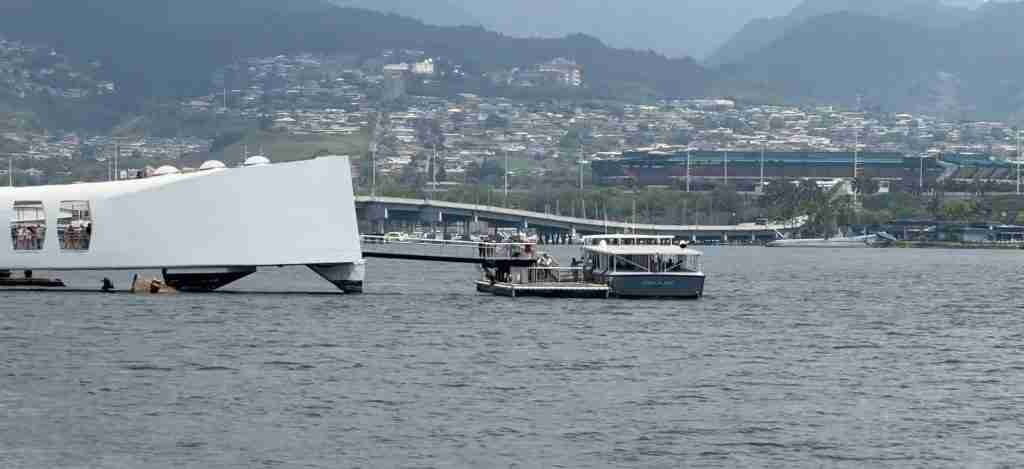
Pearl Harbor remains Hawaii’s most visited attraction with 1.8 million annual visitors, and the touring experience centers on balancing profound historical respect with practical logistics of security screening, boat schedules, and limited daily capacity. The USS Arizona Memorial program operates as the emotional cornerstone, requiring advance tickets through recreation.gov that release exactly 8 weeks ahead at midnight Hawaii time for the free boat tour and documentary film. Commercial tour operators secure allocation of these tickets and bundle them with round-trip Waikiki transportation, creating the $61-66 standard Pearl Harbor tour package.
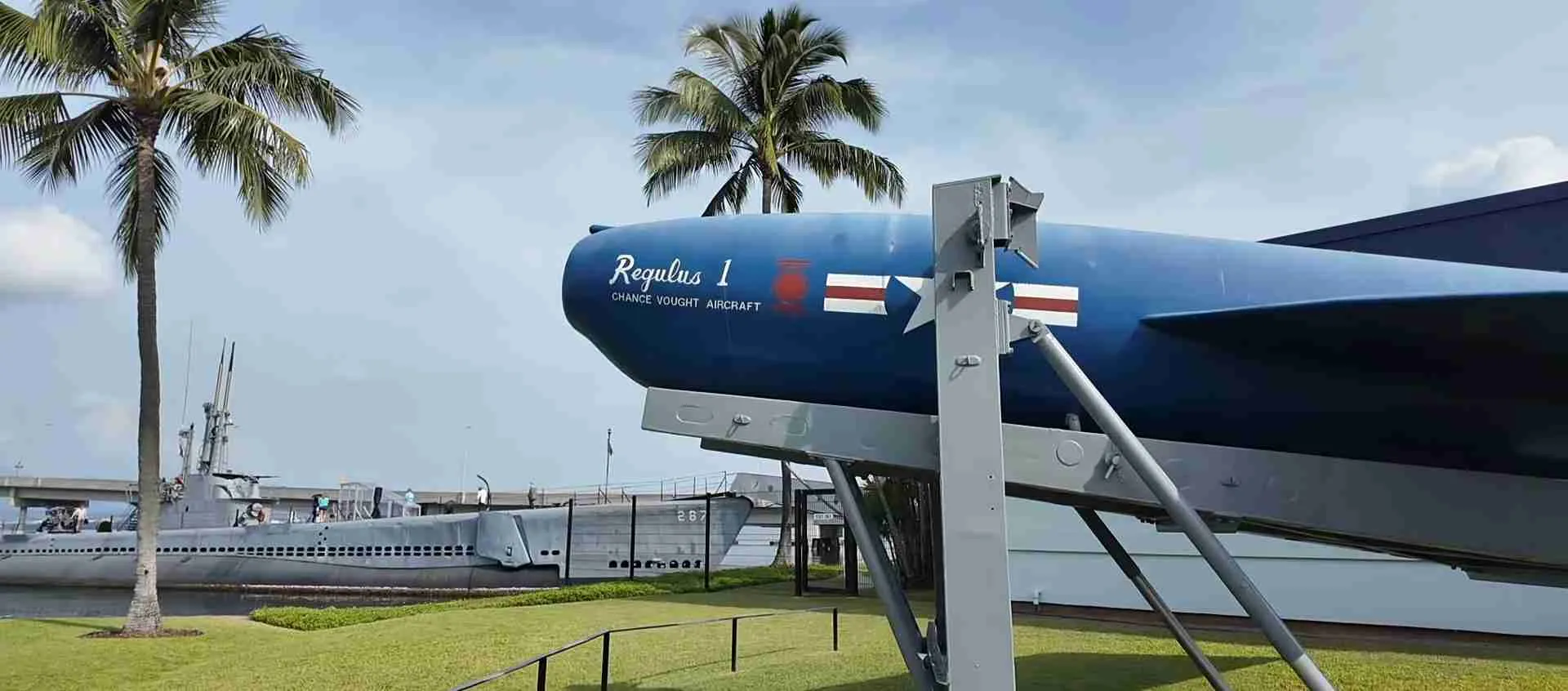
Comprehensive Pearl Harbor tours lasting 6-8 hours expand beyond the Arizona Memorial to include the USS Missouri battleship where Japan’s surrender was signed, the USS Bowfin submarine museum, and the Pearl Harbor Aviation Museum housed in historic hangars still bearing bullet holes from the December 7 attack. These extended tours range $89-120 and require stronger physical capability for climbing battleship ladders and walking substantial distances across Ford Island. The Missouri deck tour alone covers one mile of walking and involves steep ship stairs unsuitable for mobility-limited visitors.
Pearl Harbor security restrictions prohibit bags larger than 1.5 inches by 2.25 inches by 5.5 inches, forcing most visitors to use the bag storage facility charging $6 per standard bag or $7.50 per large luggage item. Tours including Waikiki pickup allow bag storage on the tour vehicle, eliminating this expense. The no-bag policy extends to purses, camera bags, backpacks, and diaper bags, catching unprepared visitors who either pay storage fees or miss their reserved boat time returning items to hotels.
Pearl Harbor combination tours merge historical sites with Honolulu city highlights, typically adding Punchbowl National Cemetery, Iolani Palace exterior viewing, King Kamehameha statue, and Chinatown drive-through to the Pearl Harbor core experience. These 5-6 hour packages range $66-75 and suit travelers prioritizing efficiency over deep historical immersion. The trade-off involves limited time at Pearl Harbor itself (2.5-3 hours) versus 4-5 hours for Pearl Harbor-only tours, reducing opportunities for museum exhibits and audio guide rental.
Private Pearl Harbor tours start around $400-500 for groups up to 4 passengers and provide scheduling flexibility, personalized pacing, and guide attention impossible in 40-passenger coach tours. These premium options prove valuable for multi-generational families with varying mobility levels, history enthusiasts wanting extended exhibit time, or visitors with tight cruise ship schedules requiring precise timing. Private guides often possess family connections to Pearl Harbor history, sharing personal photographs and stories unavailable in standard presentations.
The Pearl Harbor Passport program bundles all four historical attractions (Arizona Memorial, Missouri, Bowfin, Aviation Museum) into discounted packages for visitors planning full-day immersion. Individual attraction pricing totals $90-100 when purchased separately versus $65-75 for passport holders. This option requires independent transportation and advance USS Arizona Memorial ticket reservation, suiting confident navigators willing to manage logistics for cost savings.
Waikiki Walking Tours and Beach Exploration 2026
Waikiki’s compact 1.5-mile beachfront corridor supports exceptional self-guided walking through GPS-triggered audio tours narrated by local guides who grew up in the neighborhood. Shaka Guide’s Heart of Waikiki tour costs $5 per device and covers 15-20 stops including Duke Kahanamoku statue, Royal Hawaiian Hotel, International Marketplace, and Kapiolani Beach Park, with natural pause points for beach time, shopping, or refreshment stops. The audio activates automatically as walkers approach each landmark, eliminating screen-watching and allowing attention to surroundings.
Halia Tours offers two-part Waikiki audio walking experiences dividing the area into east (Diamond Head side) and west (Fort DeRussy side) sections, each costing $8 and focusing on different historical themes. Part 1 emphasizes Hawaiian royalty and the transformation from sacred gathering place to tourist destination, while Part 2 explores military history, entertainment industry filming locations, and mid-century hotel development. Combined, these tours provide 3-4 hours of content suitable for morning and afternoon walks on separate days.
Guided Waikiki walking tours led by local historians cost $30-45 for 90-minute experiences focusing on royal heritage, surf culture, or architectural evolution. These intimate groups (maximum 12 participants) allow question-and-answer interaction impossible with audio guides and often include access to hotel lobbies, historic churches, or cultural sites requiring escort. The premium reflects labor costs but delivers cultural context and storytelling nuance that self-guided technology cannot replicate.
Waikiki’s beach walk extends continuously from Hilton Hawaiian Village to Kapiolani Park, offering 2-3 miles of paved oceanfront promenade suitable for wheelchairs, strollers, and casual footwear. Morning walks (6:00-9:00 AM) avoid both heat and crowds while capturing surfers catching early waves and outrigger canoe clubs practicing. Sunset walks (5:00-7:00 PM) feature golden hour photography opportunities, beach bar scene observation, and torch lighting ceremonies at some hotels.
Food-focused Waikiki tours combine walking with culinary tastings at 5-7 local eateries, spanning malasadas, poke bowls, shave ice, and plate lunch. Secret Food Tours operates 3-hour experiences costing $100-110 per person including all food, while Hawaii Food Tours’ extended 6-hour Chinatown expeditions reach $200-220 and venture beyond Waikiki into historic downtown markets. These tours substitute for lunch or dinner while providing cultural education about Hawaii’s multi-ethnic cuisine evolution.
Self-guided beach hopping works efficiently in Waikiki given the continuous shoreline and public beach access points every 2-3 blocks. Each beach segment offers distinct character: Kahanamoku Beach attracts families with calm lagoon waters, Queens Beach draws surfers and bodyboarders, Kuhio Beach features concrete groin walls creating protected swimming area, and Sans Souci Beach provides local atmosphere away from tourist density. Walking the full beach sequence takes 45-60 minutes at leisure pace, with multiple exit points to Kalakaua Avenue for refreshments or return to accommodations.
Waikiki Trolley hop-on-hop-off service operates four color-coded routes covering Waikiki, Diamond Head, Ala Moana shopping, and Honolulu historic sites, with unlimited-ride day passes costing $45 for adults. The open-air trolleys provide narrated transportation between walking zones, eliminating return logistics when exploring distant beach sections or climbing Diamond Head. Trolleys run every 20-30 minutes during peak hours, making this option practical for multi-stop beach days or heat-sensitive visitors needing air-conditioned rest intervals.
Diamond Head Hiking and Crater Exploration 2026
Diamond Head State Monument requires advance online reservations for all non-Hawaii residents through the state parks system (gostateparks.hawaii.gov), with bookings opening exactly 30 days ahead and sunrise time slots (6:00-7:00 AM) selling out within 2-3 hours during weekends and holidays. Entry fees of $5 per person plus $10 per vehicle must be paid by credit card during the reservation process, with no refunds for no-shows or late arrivals.
The Diamond Head trail ascends 560 feet over 0.8 miles each direction, combining paved switchbacks, natural volcanic tuff surface, 175 stair steps, and two historic military tunnels before reaching the summit bunker with 360-degree coastal views. The complete round-trip hike requires 60-90 minutes depending on fitness level and photography stops. The trail offers minimal shade, demanding sun protection, substantial water (recommended 24-32 ounces per person), and sturdy footwear for uneven terrain and steep sections.
Parking within Diamond Head crater accommodates approximately 80 vehicles, creating the reservation system’s primary constraint. Visitors booking parking slots receive 2-hour windows (6:00-8:00 AM, 8:00-10:00 AM, etc.) and must exit before the window closes to make space for subsequent arrivals. Walk-in visitors using rideshare drop-off or public transportation book 1-hour entry windows and face the same arrival punctuality requirements. The last entry window begins at 4:00 PM, with the park closing at 6:00 PM daily.
Alternative access via Waikiki Trolley Diamond Head shuttle eliminates parking concerns and reservation stress, with trolley passes ($45 daily) including unlimited rides between Waikiki hotels and the Diamond Head trailhead. This option suits visitors without rental cars or those arriving during periods when parking reservations are sold out. TheBus Route 23 also serves Diamond Head from Waikiki for $3 per ride, though the stop sits outside the crater requiring additional walking.
Guided Diamond Head tours with transportation from Waikiki range $75-85 per person and include reserved entry tickets, bottled water, and expert narration about the crater’s volcanic formation and military history. These sunrise tours departing Waikiki at 5:00-5:30 AM capture optimal lighting and temperatures while avoiding midday crowds. The guide assistance proves valuable for first-time hikers uncertain about the tunnel sections or summit bunker navigation.
Self-guided audio tours specific to Diamond Head cost $9 for adults and $5 for children, available through Pacific Historic Parks. This GPS-triggered narration provides geological, cultural, and military history as hikers ascend, operating through smartphone apps downloaded before arrival. The audio supplements the basic trail experience without requiring guide coordination or fixed group timing.
Diamond Head summit rewards climbers with views spanning Waikiki’s hotel corridor, Koko Head crater to the east, downtown Honolulu and Pearl Harbor to the west, and the Pacific Ocean horizon. Clear winter mornings occasionally reveal passing humpback whales. The summit bunker served as World War II fire control station directing coastal artillery, and the preserved lighthouse built in 1917 remains operational as a navigational beacon.
Heat management proves critical for Diamond Head success, with afternoon hikes (12:00-3:00 PM) exposing visitors to temperatures 10-15 degrees higher than morning ascents plus intense sun reflection off light-colored volcanic rock. Medical emergencies on the trail typically involve dehydration or heat exhaustion among unprepared midday hikers. Morning time slots (6:00-9:00 AM) provide comfortable temperatures, dramatic lighting for photography, and reduced trail congestion.
North Shore Tours and Beach Adventures 2026
North Shore tours represent Honolulu’s most popular full-day excursion, combining famous surf beaches (Sunset Beach, Banzai Pipeline, Waimea Bay), scenic coastal drives, garlic shrimp lunch stops, and optional activities like snorkeling at Shark’s Cove or visiting Waimea Valley waterfall. Standard motorcoach tours accommodating 40-50 passengers cost $99-115, while small-group van tours limited to 10-14 participants range $135-155, with the price difference reflecting personalized attention, flexibility in timing, and easier beach access.
Typical North Shore itineraries depart Waikiki at 7:00-8:00 AM and return around 5:00-6:00 PM, following a circular route up Oahu’s east coast through scenic lookouts (Halona Blowhole, Makapuu Point, Pali Lookout) before reaching the North Shore’s legendary beach communities. Lunch stops in Haleiwa or Kahuku feature food truck options including Giovanni’s Garlic Shrimp, Seven Brothers, and local plate lunch vendors, with meal costs ($15-20) typically excluded from tour prices to allow dietary choice.
Activity-inclusive North Shore tours operate through companies like Kevo’s Beach Bus and The Surf Bus, bundling transportation with 2-3 beach activities (snorkeling equipment, paddleboards, kayaks) for $145-165. These active-focus tours attract younger travelers and families seeking hands-on ocean experiences rather than drive-by sightseeing. The small-group format (maximum 14 passengers) allows extended beach time (90-120 minutes per location) versus standard tours’ brief photo stops (15-30 minutes).
Winter North Shore tours (November-February) emphasize surf culture and big wave observation, with guides timing beach stops to coincide with surf competitions if schedules align. Summer tours (May-September) shift focus to calm bay swimming, snorkeling, and paddleboarding when North Shore waters transform from powerful surf zone to gentle recreation area. This seasonal character change fundamentally alters the tour experience and activity options available.
North Shore food-specific tours diverge from standard sightseeing by prioritizing culinary experiences at local farms, shrimp trucks, coffee plantations, chocolate factories, and tropical fruit markets. These 6-8 hour experiences cost $165-220 and include 8-12 food tastings plus cultural education about Hawaii’s agricultural history and contemporary farm-to-table movement. Food tours suit travelers interested in culinary depth over beach time and those seeking authentic local flavor literally and culturally.
Private North Shore tours starting around $500-600 for up to 6 passengers provide complete itinerary customization, allowing visitors to emphasize preferred elements like extended snorkeling time, specific beach stops, photography at particular lookouts, or visits to lesser-known locations unsuitable for large coaches. Private guides often hold professional photography backgrounds or cultural expertise enabling specialized experiences unavailable on standard tours.
Turtle viewing opportunities occur regularly at Laniakea Beach (Turtle Beach) on the North Shore, where Hawaiian green sea turtles rest on shore during midday. Most North Shore tours include this stop with guidelines about maintaining safe distance (10 feet minimum) from protected wildlife. Early morning and late afternoon visits offer best viewing odds, with trained volunteers monitoring turtle presence and educating visitors about conservation.
North Shore town stops in Haleiwa provide shopping, gallery browsing, and surf history exploration through museums and memorials honoring legendary watermen. Tours typically allocate 30-45 minutes for Haleiwa, sufficient for quick shave ice at Matsumoto’s or coffee at local cafes but insufficient for serious shopping or extended surf museum visits. Travelers prioritizing Haleiwa town exploration benefit from independent visits on separate days or private tours with flexible timing.
Food and Culinary Tours Honolulu 2026
Honolulu’s food tour landscape spans multiple neighborhoods and culinary traditions, from Chinatown market walks sampling Asian fusion to Waikiki tastings emphasizing Hawaiian-influenced contemporary cuisine. Tours range $100-220 depending on duration (2-6 hours), number of tastings (5-12 stops), and guide expertise, with all food costs included in tour pricing.
Chinatown food tours operate as morning or midday experiences when markets display peak freshness and bakeries offer warm pastries. Hawaii Food Tours’ “Famous Hole-in-the-Wall Tour” costs $180-200 for 5-6 hours and includes 10-12 tastings at family-owned bakeries, noodle shops, dim sum restaurants, and specialty markets unfamiliar to most tourists. Guides often maintain personal relationships with proprietors, enabling behind-counter access and food preparation observations unavailable to walk-in diners.
Waikiki-focused food tours emphasize contemporary Hawaiian cuisine blending indigenous traditions with Asian, Portuguese, and American influences. Secret Food Tours’ Waikiki experience costs $100-110 for 3 hours and covers malasadas, poke bowls, plate lunch, shave ice, and locally-made chocolate, with portions sized for light lunch replacement. These tours work effectively for visitors with limited time wanting concentrated exposure to Hawaiian food culture without extensive neighborhood navigation.
Off-the-beaten-path food tours venture beyond tourist corridors into residential neighborhoods where local families actually dine, visiting hole-in-the-wall establishments, ethnic grocery stores, and family-run cafes. These 4-5 hour experiences cost $150-180 and require stronger walking capability plus open-minded palates willing to sample unfamiliar dishes like tripe, durian fruit, or traditional Hawaiian poi. Cultural education accompanies each tasting, explaining immigration patterns, food preservation techniques, and ceremonial significance of particular dishes.
Combination bike-and-food tours cover 7-12 miles at leisure pace, stopping at 5-7 eateries while also visiting historic sites and scenic viewpoints. These active tours cost $130-160 and suit physically capable visitors wanting exercise integrated with culinary exploration. The bicycle component enables greater geographic range than walking tours, reaching Kapahulu, Kaimuki, and Manoa neighborhoods beyond typical tourist radius.
Private culinary tours with personal chef guides start around $350-400 for 2 participants and provide completely customized itineraries addressing specific dietary preferences, cuisine interests, or shopping objectives. These premium experiences suit serious food enthusiasts, those with significant dietary restrictions requiring advance restaurant coordination, or couples celebrating special occasions wanting intimate attention impossible in group settings.
Food tour dietary accommodation varies by operator, with most tours handling vegetarian preferences through menu substitutions but struggling with vegan requirements given Hawaii cuisine’s heavy seafood and pork emphasis. Serious food allergies require advance disclosure and operator confirmation of safe participation, as cross-contamination risks exist in small restaurants and markets. Gluten-free needs can be partially accommodated though some traditional items like malasadas and certain pastries lack suitable alternatives.
Market-focused food tours in Chinatown teach ingredient selection, price negotiation, and regional product identification useful for visitors with vacation rental kitchens planning self-prepared meals. These 2-3 hour tours cost $80-110 and conclude with recipe cards and vendor recommendations for particular ingredients. The shopping education proves valuable for travelers spending 7-10 days in Honolulu and desiring alternatives to constant restaurant dining.
Circle Island and Comprehensive Oahu Tours 2026
Circle island tours circumnavigate Oahu in 8-10 hours, covering approximately 80 percent of the island’s perimeter while stopping at major landmarks, beaches, and scenic viewpoints. These comprehensive experiences cost $110-140 for standard coach tours and $155-180 for small-group alternatives, representing efficient multi-site access for time-constrained visitors wanting geographic orientation.
Typical circle island itineraries depart Waikiki heading east toward Hanauma Bay lookout, continue through Makapuu Point and Kailua, ascend to Pali Lookout for windward coast views, proceed to North Shore surf beaches, visit Dole Plantation for pineapple exhibits, and return through central Oahu’s mountain valleys. Bathroom stops, lunch opportunities, and brief beach walks punctuate the 150-mile driving route at 90-minute intervals.
Activity-enhanced circle island tours integrate snorkeling, kayaking, or stand-up paddleboarding into the itinerary, typically at Kailua Beach or North Shore locations with equipment provided. These active versions cost $145-175 and require 9-10 hours accounting for activity setup, participation time (60-90 minutes), and post-activity rinsing. The combination proves valuable for visitors wanting both island overview and ocean recreation without dedicating separate full days to each.
Circle island tour lunch logistics vary by operator, with some including lunch at specific restaurants (limiting choice but guaranteeing timing), others providing food truck vouchers (offering variety but requiring decision-making at multiple locations), and many simply scheduling 60-minute lunch breaks allowing passengers to select from nearby options at personal expense ($15-25 typical cost). Understanding lunch arrangement before booking prevents frustration about included versus excluded elements.
Photography-focused circle island tours cater to serious photographers with extended stops at optimal lighting times, assistance with composition and settings, and scheduling around sunrise/sunset opportunities. These specialized tours cost $180-220 and limit groups to 6-8 participants enabling personalized attention and equipment assistance. Participants typically bring DSLR or mirrorless cameras rather than smartphones, with guides helping capture technically sophisticated images beyond typical tourist snapshots.
Cultural immersion circle island tours emphasize Hawaiian history, archaeological sites, and contemporary native Hawaiian perspectives over pure sightseeing, stopping at heiau (temples), fishing shrines, and community projects demonstrating traditional practices. These educational experiences cost $160-200 and attract culturally curious travelers willing to sacrifice some scenic beach time for deeper historical understanding and meaningful contemporary cultural exchange.
Combination Pearl Harbor and circle island tours compress both experiences into 10-12 hour marathons, allowing Pearl Harbor visit (2.5-3 hours) before continuing around the island’s eastern and northern coast. These exhausting but efficient packages cost $145-165 and suit cruise passengers or travelers with extremely limited Oahu time. The trade-off involves rushed Pearl Harbor experience and reduced circle island stops compared to standalone versions of each tour.
Wheelchair-accessible circle island tours operate through specialized operators with lift-equipped vehicles accommodating mobility devices, though some stops (Pali Lookout, certain beaches) present terrain challenges for wheelchair users. These tours cost 20-30 percent above standard pricing reflecting specialized equipment and the additional time required for accessible boarding and site navigation.
Specialty and Adventure Tours Honolulu 2026
Honolulu’s adventure tour landscape extends beyond standard sightseeing into specialized experiences emphasizing active participation, unique perspectives, or niche interests. These specialty tours command premium pricing but deliver differentiated experiences impossible through conventional bus tours or independent exploration.
Shark encounter tours operate from Haleiwa Harbor on the North Shore, offering cage-free swimming with Galapagos sharks, sandbar sharks, and occasional tiger sharks in open ocean 3 miles offshore. These 2-hour experiences cost $120-150 per person and include wetsuit, snorkel gear, and safety briefing. Despite the cage-free format, safety records remain excellent due to professional marine biologist guides understanding shark behavior patterns and maintaining appropriate distances.
Helicopter tours provide aerial perspectives of Oahu’s dramatic topography, flying over Waikiki, Diamond Head, Pearl Harbor, North Shore, and the central mountain ranges. Standard 30-minute tours cost $225-275 per person, while extended 60-minute experiences reaching remote valleys and waterfalls run $400-450. Doors-off photography flights add $50-75 premium but enable unobstructed camera angles. Weight restrictions and passenger balance requirements sometimes force separated seating for couples or families.
Catamaran sunset cruises departing Waikiki Beach range $75-130 for 2-hour experiences including open bar, appetizers, and live music. These romantic evening options provide Diamond Head backdrop, occasional whale sightings (December-April), and gentle offshore motion suitable for most passengers. Premium upgrades to private charters start around $800-1200 for up to 6 passengers and allow customized departure times and route preferences.
Horseback riding tours in Oahu’s interior valleys cost $145-185 for 2-hour trail rides through mountain terrain, tropical forests, and former sugar plantation lands. These experiences suit confident riders comfortable with basic English saddle control, while beginner-friendly options with walking-pace trail rides cost slightly less ($120-145). The valley settings provide dramatic mountain amphitheater views and waterfalls inaccessible by vehicle.
Surfing lessons on Waikiki Beach or North Shore (seasonal) range $75-120 for 2-hour group sessions (4-6 students per instructor) and $150-200 for private instruction. Waikiki’s gentle waves and sandy bottom create ideal learning conditions for first-time surfers, with most participants standing successfully during initial attempts. North Shore lessons during summer calm periods cost premium prices ($180-225 for private sessions) given the legendary surf location and expert instructor credentials.
Submarine tours via Atlantis Submarines descend 100 feet offshore from Waikiki, providing underwater reef and shipwreck viewing through large portholes in climate-controlled comfort. These 45-minute experiences cost $125-145 for adults and work effectively for non-swimmers, young children, or visitors wanting marine life observation without snorkeling equipment. The submarine accommodates 48 passengers and operates multiple daily departures weather permitting.
Stand-up paddleboard tours in Waikiki or Kailua Bay cost $85-110 for 90-minute guided sessions including equipment and basic instruction. These stable watercraft suit various fitness levels and enable reef exploration, turtle spotting, and coastal perspective unavailable from shore. Sunrise paddleboard sessions ($95-125) capture optimal lighting and glassy water conditions before trade winds intensify.
Practical Tour Planning for Honolulu 2026
Successful Honolulu tour experiences require advance planning around booking timelines, physical requirements, weather patterns, and logistical coordination. Understanding these practical elements prevents common frustrations and optimizes limited vacation time.
Booking windows vary dramatically by tour type, with Pearl Harbor’s USS Arizona Memorial requiring the full 8-week advance window during peak season while self-guided audio tours can be purchased moments before use. As general practice, reserve guided tours 10-14 days ahead for weekday departures and 14-21 days for weekend tours during high season (December-March). Shoulder season (April-June, September-November) allows successful booking 3-7 days in advance for most tours.
Physical capability assessment proves essential for tour selection, with operators rarely enforcing stated fitness requirements until participants struggle during activities. Diamond Head hiking demands ability to climb 175 stairs, navigate uneven terrain, and walk 1.6 miles total. North Shore snorkeling tours require swimming competence and comfort in open ocean conditions. Multi-stop bus tours involve repeated boarding and exiting from vehicles, sometimes on uneven ground or steep parking lot grades unsuitable for significant mobility limitations.
Weather considerations shape tour quality significantly. Winter (December-March) brings occasional rain systems causing gray skies and reduced photography appeal but also creates North Shore’s famous surf conditions. Summer (June-September) provides reliable sunshine but intensifies midday heat during walking tours and exposes outdoor touring to strong UV radiation. Spring (April-May) offers optimal balance of pleasant temperatures, reduced rainfall, and moderate tourist volume.
Group tour dynamics influence experience substantially, with large coach tours (40-50 passengers) moving more slowly through sites, requiring extended bathroom stops for entire groups, and limiting personal interaction with guides. Small-group tours (6-14 passengers) enable conversational exchanges, flexible timing adjustments, and easier photographer access but cost 20-35 percent more. Private tours eliminate group coordination entirely but command 2-3 times standard pricing.
Tour cancellation policies generally allow full refunds for cancellations 24-72 hours before scheduled departure, with shorter notice periods resulting in 50-100 percent retention of fees. Weather cancellations initiated by operators trigger full refunds or date changes, but marginal weather where tours operate despite rain rarely qualifies for refunds. Travel insurance covering tour costs proves valuable for expensive multi-tour bookings where illness or family emergencies might force cancellation.
Tipping tour guides follows general Hawaii service industry standards of 15-20 percent for satisfactory experiences and 20-25 percent for exceptional guides who enhanced the tour through knowledge, personality, or extra effort. Food tour tips should reflect the substantial meal value provided rather than just guide service. Private tour guides often receive 20-25 percent gratuities reflecting the personalized attention and customization work involved.
Tour combination strategies maximize efficiency for visitors with limited Oahu time. A logical 4-day sequence might include: Day 1 – Pearl Harbor half-day tour plus Waikiki walking tour; Day 2 – North Shore full-day tour; Day 3 – Diamond Head morning hike plus afternoon food tour; Day 4 – Free beach day or shopping. This pattern covers major historical, cultural, natural, and culinary experiences while maintaining energy through varied activity levels and appropriate rest.
Transportation and Access for Honolulu Tours 2026
Understanding transportation logistics proves essential for successful tour participation, as Honolulu’s touring infrastructure assumes either included pickup service or independent access to meeting points via rental car, public transit, or rideshare services.
Most commercial tours include Waikiki hotel pickup within defined zones, typically covering the Waikiki Beach corridor from Hilton Hawaiian Village through Diamond Head direction to Kapiolani Park. Hotels outside this core area (Ala Moana, downtown Honolulu, Kahala) sometimes incur supplemental pickup fees ($10-20 per person each direction) or require guests to meet at designated central locations. Cruise ship passengers docking at Honolulu Harbor access most tours through specialized shore excursion pricing that includes pier pickup and return.
TheBus public transportation serves numerous tour starting points for $3 per ride, with Route 23 reaching Diamond Head, Route 2 covering Waikiki to downtown areas, and Route 52 connecting to Ala Moana Center. The bus system operates reliably but requires schedule consultation and 30-45 minute travel times between zones, making it suitable for punctual travelers comfortable with public transit but impractical for tight tour schedules or those carrying beach equipment.
Rideshare services (Uber and Lyft) provide point-to-point transportation throughout Honolulu with costs varying by distance and demand. Waikiki to Diamond Head runs $8-15, Waikiki to Pearl Harbor costs $18-25, and Waikiki to North Shore ranges $40-55 each direction. During morning rush hours (7:00-9:00 AM) and afternoon peaks (3:30-6:00 PM), surge pricing can inflate these costs 30-50 percent. Rideshare proves most economical for 2-4 travelers splitting costs compared to individual taxi fares.
Rental car access opens independent touring flexibility but introduces parking challenges at popular sites. Diamond Head requires advance parking reservations alongside entry tickets. Pearl Harbor offers limited free parking (120 spaces) that fills by 7:30-8:00 AM during peak season. Waikiki hotel parking costs $30-50 daily, and beach parking ranges $1-3 per hour at metered spaces. The combined parking expenses and navigation stress often offset rental car freedom for visitors focusing primarily on organized tours.
Bicycle rentals through Biki bikeshare stations cost $4 for 30-minute increments or $25 for 24-hour unlimited 30-minute trips, suitable for Waikiki and downtown Honolulu exploration within the bikeshare coverage area. Longer-term rentals from bike shops run $25-40 daily for standard cruisers and $40-65 for performance road bikes. The Waikiki to Diamond Head route (3.5 miles each direction) works well for capable cyclists comfortable with traffic exposure and hill climbing.
Walking proves practical for Waikiki-contained activities, downtown Honolulu cultural sites, and Chinatown food exploration, with most destinations within 2-mile radius accessible in 20-40 minutes. Honolulu’s grid street pattern and ocean orientation simplify navigation, though summer heat and humidity make midday walks challenging for heat-sensitive visitors. Morning walks (6:00-10:00 AM) capture pleasant temperatures and reduced pedestrian density.
Airport transportation to/from tour starting points ranges from $18 shared shuttle services through SpeediShuttle to $45-55 taxi or rideshare fares for Waikiki hotels. Some tour operators offer airport pickup for additional fees ($25-35 per person) when arrival timing aligns with tour schedules. Visitors arriving on early flights can sometimes join afternoon tours directly from the airport with luggage storage arranged through tour operators.
Seasonal Touring Considerations Honolulu 2026
Honolulu’s touring landscape shifts substantially across seasons, affecting everything from ocean conditions and wildlife sightings to tour pricing and visitor density. Understanding these patterns enables optimal tour selection and timing.
Winter season (December-March) brings peak tourist volume, whale watching opportunities, North Shore big wave surf, and occasional rain systems. Tour prices reach annual highs during Christmas through New Year’s period and again in February during Presidents’ Day week. Advance booking becomes critical, with popular tours selling out 2-3 weeks ahead. Whale watching tours operate exclusively during this season, adding dedicated marine wildlife experiences unavailable other times. North Shore tours emphasize surf culture observation with possible competition viewing.
Spring season (April-June) offers optimal touring conditions combining pleasant temperatures, reduced crowds, occasional promotional pricing, and reliable weather patterns. Ocean conditions calm progressively through the season, enabling year-round snorkeling sites to reach peak clarity and comfort. Tour operators sometimes discount prices 10-15 percent during April to maintain bookings as peak season ends. Booking 7-10 days ahead typically secures desired tours and dates.
Summer season (July-September) delivers guaranteed sunshine, calm ocean conditions for snorkeling and paddleboarding, and family travel surge. Midday temperatures make air-conditioned tour vehicles welcome, while morning and late afternoon tours capture comfortable conditions. North Shore transforms from powerful surf destination to gentle swimming and snorkeling paradise, fundamentally changing tour character. School vacation periods (late June through mid-August) increase family participation in tours and create youth-oriented energy in group settings.
Fall season (October-November) provides shoulder period value with warm ocean temperatures persisting through November, reduced tourist density, and operators willing to negotiate multi-tour packages or group discounts. North Shore begins transitioning toward winter surf season in November, creating variable conditions day-to-day. Thanksgiving week mirrors peak season crowds and pricing despite being technically shoulder season.
Weather patterns influence tour quality daily. Trade wind weather (60 percent of days) brings morning sunshine, afternoon clouds over mountains, and consistent breezes cooling coastal areas. Kona wind conditions (15 percent of days) reverse normal patterns, creating hot humid days with possible afternoon thundershowers and flat ocean conditions favoring paddleboarding. Winter storms (5 percent of days December-March) bring widespread rain and wind, canceling some ocean tours but rarely affecting land-based sightseeing.
Sunrise tours (departure 5:00-6:00 AM) capture optimal lighting for Diamond Head, North Shore beaches, and scenic lookouts while avoiding midday heat and crowds. These early experiences require sacrifice of sleep and breakfast but deliver dramatically superior photography conditions and more intimate tour atmospheres with smaller groups. Sunset tours emphasize golden hour lighting and romantic ambiance but face exposure to afternoon trade wind intensification and possible cloud development.
Full moon periods affect evening tours and sunset cruises, with calendar coordination enabling moonrise viewing during sunset sail experiences. New moon periods create optimal stargazing conditions for tours incorporating nighttime elements. Tidal patterns influence snorkeling and reef exploration, with low tide exposing more marine life in shallow areas but creating challenging entry conditions at rocky beaches.
Tour Combinations and Multi-Day Planning 2026
Strategic tour combination maximizes Honolulu experience while managing energy, budget, and time constraints. Different touring patterns suit varying trip lengths and priorities.
Three-day intensive touring pattern combines Pearl Harbor (Day 1 half-day), North Shore full-day (Day 2), and Diamond Head plus Waikiki walking (Day 3 morning and afternoon). This compressed approach covers primary Oahu highlights efficiently but provides limited beach relaxation or independent exploration time. Suitable for first-time visitors with tight schedules or cruise passengers making single port call.
Five-day balanced touring pattern spreads major tours across alternating days: Pearl Harbor and downtown food tour (Day 1), beach day (Day 2), North Shore tour (Day 3), independent Diamond Head and relaxation (Day 4), specialty tour or shopping (Day 5). This rhythm prevents tour fatigue while still covering essential experiences with built-in recovery time.
Seven-day comprehensive touring pattern enables specialty additions: Pearl Harbor (Day 1), Waikiki walking and beach (Day 2), North Shore (Day 3), Diamond Head and food tour (Day 4), circle island or adventure tour (Day 5), beach day (Day 6), neighborhood exploration or additional specialty tour (Day 7). This extended stay allows deeper cultural immersion plus rest and spontaneous discovery.
Activity-based tour combinations group similar experiences: water-focused series (snorkel tour, paddleboard lesson, catamaran cruise), food-focused series (Chinatown food tour, cooking class, sunset dinner cruise), history-focused series (Pearl Harbor, downtown walking tour, cultural center visit). This thematic approach suits specific interests rather than general sightseeing priorities.
Energy management across multi-tour days requires recognition that full-day tours (8-10 hours) create substantial fatigue through combination of early morning departures, sustained sitting in vehicles, sun exposure, and decision fatigue around meals and purchases. Alternating full-day tours with half-day experiences or free days prevents burnout and maintains vacation enjoyment rather than grinding through checklists.
Budget optimization strategies include booking multi-tour packages directly with operators (10-15 percent discounts for 3+ tours), using Go City Oahu all-inclusive passes for attraction bundles, combining free self-guided walks with paid guided experiences, and timing visits during shoulder seasons for promotional pricing. Private tours become economical for groups of 4-6 splitting costs when compared to individual guided tour prices plus separate transportation.
Family touring considerations with children require shorter tours (maximum 4-5 hours for elementary age), activity elements maintaining engagement, bathroom access every 90 minutes, and snack availability. Child pricing (typically ages 3-12) ranges 30-50 percent below adult rates, while infants (under 3) often tour free but still count toward vehicle capacity. Some adventure tours maintain minimum age requirements (8-12 years) for safety reasons.
Frequently Asked Questions: Honolulu Tours 2026
What Tours Should First-Time Honolulu Visitors Prioritize in 2026?
First-time visitors achieve comprehensive Honolulu orientation through three essential tours: Pearl Harbor half-day experience establishing historical context of Hawaii’s World War II role and USS Arizona Memorial visit; North Shore full-day tour providing exposure to famous beaches, local food culture, and rural Oahu character distinct from Waikiki urbanization; and self-guided Waikiki walking tour delivering beachfront familiarity, royal heritage education, and neighborhood navigation confidence for subsequent independent exploration. This combination covers approximately 60 percent of major Oahu highlights within 2-3 touring days while leaving time for beach relaxation, shopping, and spontaneous discovery. Diamond Head hiking adds fourth priority for physically capable visitors wanting iconic volcanic crater experience and panoramic coastal views.
How Much Do Most Visitors Spend on Honolulu Tours in 2026?
Average visitors allocating 3-4 days to touring activities spend $400-600 per person on guided tour experiences, covering Pearl Harbor tour ($61-66), North Shore full-day tour ($99-149), food tour or specialty experience ($100-150), and Diamond Head entry ($5 plus $10 parking shared). Visitors pursuing comprehensive touring spanning 5-7 days often reach $700-1000 per person through addition of circle island tour, sunset cruise, adventure activities, or multiple food tours. Budget-conscious travelers utilizing self-guided audio tours, public transportation to free sites like beaches and parks, and selective participation in 1-2 guided experiences maintain $150-250 total touring expenditure. Luxury travelers selecting exclusively private guides and premium specialty tours easily exceed $1500-2000 per person across week-long stays. These figures exclude meals not included in food tours, shopping, and attraction admissions beyond tour packages.
Can Honolulu Tours Accommodate Mobility Limitations in 2026?
Honolulu touring accessibility varies substantially by tour type and specific limitation. Pearl Harbor bus tours accommodate wheelchair users though the USS Arizona Memorial boat requires transfer from wheelchair to boat seating via ramp with staff assistance, and the Missouri battleship proves largely inaccessible due to steep stairs and narrow passageways. Waikiki walking tours offer wheelchair-accessible routes along paved beachfront promenade, though historic building interiors sometimes present threshold or elevator challenges. Diamond Head remains unsuitable for wheelchairs or significant walking limitations given steep terrain and stair sections. Circle island bus tours work for mobility-limited passengers comfortable with coach seating for extended periods but face challenges at stops requiring uneven ground navigation. Specialized accessible tour operators using lift-equipped vehicles and planning routes around level-access sites charge 20-30 percent premiums but deliver genuinely accommodating experiences. Visitors should communicate specific mobility limitations when booking, as operators vary in both capability and candor about activity requirements.
What Weather Conditions Cancel Honolulu Tours in 2026?
Honolulu tour cancellations due to weather occur rarely, with operators proceeding through light rain and moderate wind common in tropical climate. Ocean-based tours (catamaran cruises, submarine tours, snorkeling excursions) cancel during high surf advisories or small craft warnings issued by National Weather Service, typically affecting 2-5 days monthly December through March during winter storm passages. Helicopter tours ground during low visibility or high wind conditions unsuitable for safe flight operations. Land-based tours (Pearl Harbor, circle island, Waikiki walks) operate through most weather with operators providing ponchos or rain gear for passenger comfort. Severe weather events like tropical storms or hurricanes affecting Hawaii 1-2 times annually create multi-day tour shutdowns, though these systems typically approach with 3-5 days advance warning enabling rebooking before arrival. Tour operators notify participants of weather cancellations 12-24 hours ahead when possible, offering full refunds or alternative date options. Visitors should maintain booking flexibility during November-March winter season when weather variability peaks.
How Do Honolulu Food Tours Handle Dietary Restrictions in 2026?
Food tour dietary accommodation depends significantly on restriction type and advance notice provided. Vegetarian preferences receive successful accommodation through restaurant partnerships offering plant-based alternatives at most stops, though some traditional Hawaiian items lack direct substitutes. Vegan requirements prove more challenging given Hawaii cuisine’s emphasis on seafood and pork, with some food tours unable to participate vegan travelers meaningfully or recommending alternative tour types. Gluten-free needs can be partially met though malasadas, certain pastries, and some local specialties contain gluten without suitable replacements. Serious food allergies (nuts, shellfish, dairy) require operator consultation minimum 48 hours before tour for restaurant coordination and cross-contamination risk assessment, with some tours declining participation when safe accommodation proves impossible. Religious dietary laws (kosher, halal) find limited restaurant options in Hawaii outside specialized establishments, making food tour participation difficult. The most successful accommodation occurs when visitors contact operators 5-7 days ahead providing specific restriction details, enabling proper restaurant coordination and realistic participation expectations.
Should I Book Honolulu Tours Before Arriving or Upon Arrival in 2026?
Advance booking 7-21 days before arrival proves strongly recommended for essential tours during December-March peak season, particularly Pearl Harbor experiences requiring USS Arizona Memorial ticket reservation 8 weeks ahead, Diamond Head reservations opening 30 days in advance, and popular small-group tours filling 2-3 weeks ahead. Shoulder season visitors (April-June, September-November) successfully book most tours 3-7 days ahead, balancing advance planning with weather assessment and energy level evaluation after arrival. Last-minute booking upon arrival works for self-guided audio tours purchased and downloaded moments before use, some large-group coach tours with available capacity, and specialty experiences operating multiple daily departures. The risk of arrival booking involves potential sold-out situations requiring schedule changes, acceptance of less-preferred departure times, or participation in larger group sizes than desired. Booking advantages include locked-in pricing unaffected by possible increases, secured preferred dates and times, and reduced vacation stress from logistics uncertainty. Travelers with inflexible schedules (cruise passengers, short stays) should book all tours before arrival, while extended stays allowing spontaneous adjustments can mix advance bookings for critical experiences with arrival decisions for supplementary activities.
What Time of Day Works Best for Different Honolulu Tours in 2026?
Morning tours departing 7:00-9:00 AM capture optimal conditions for Diamond Head hiking (cooler temperatures, better lighting), Pearl Harbor visits (reduced crowds, longer exhibit time), and North Shore trips (allowing full day including afternoon beach activities). Sunrise tours leaving 5:00-6:00 AM deliver superior photography lighting and intimate atmospheres but require significant sleep sacrifice. Midday tours (10:00 AM-2:00 PM departures) face heat exposure for walking activities and midday sun challenges for photography but work well for ocean-based experiences when trade winds moderate sea chop. Afternoon tours starting 1:00-3:00 PM suit later risers and allow morning beach time before touring, though sunset timing becomes tight for North Shore return trips. Evening tours emphasize sunset viewing on cruises or dinner experiences, trading sightseeing for ambiance and romantic settings. Food tours operate effectively morning through afternoon depending on restaurant availability, with lunch tours (11:00 AM-2:00 PM) providing meal replacement while dinner tours (4:00-7:00 PM) create evening entertainment. Optimal timing balances personal energy patterns, photography priorities, and specific tour requirements rather than following universal rules.
How Do Private Honolulu Tours Compare to Group Tours in Value in 2026?
Private Honolulu tours cost 2-3 times standard group tour pricing ($500-800 for 4-6 hour private experiences versus $60-150 per person for equivalent group tours) but deliver distinct advantages justifying premiums for specific visitor profiles. Private tours eliminate group coordination delays, enable complete itinerary customization, allow flexible timing and extended stops, provide exclusive guide attention for questions and photography assistance, and accommodate special needs difficult in group settings. Value proposition strengthens for traveling parties of 4-6 splitting private tour costs, arriving at $125-200 per person pricing competing favorably with premium small-group tours ($140-180 per person) while gaining superior flexibility. Solo travelers or couples find private tour economics challenging unless prioritizing complete personalization or managing mobility limitations requiring specialized accommodation. Group tours deliver cost efficiency, social interaction with fellow travelers creating shared experiences, and proven itineraries refined through operator experience. The value comparison ultimately depends on individual priorities around budget constraints, desired personalization level, social preferences, and special requirements that group tours cannot accommodate effectively.
What Should I Bring on Honolulu Tours in 2026?
Essential items for Honolulu tours include reef-safe sunscreen (traditional chemical sunscreens harm coral and face restrictions at marine parks), wide-brimmed hat for sun protection during outdoor stops, reusable water bottle for hydration (most tours provide water refill opportunities), light rain jacket or poncho for tropical shower protection, comfortable walking shoes with grip suitable for varied terrain, small backpack or day bag for carrying personal items (note Pearl Harbor bag size restrictions), phone or camera for photography, light layers for air-conditioned vehicle comfort contrasting outdoor heat, and personal medications in original containers. Snorkeling tours require swimsuit worn under clothing, beach towel (sometimes provided by operator), and waterproof phone case or dry bag. Food tours benefit from appetite management (light breakfast before morning tours), hand sanitizer between tastings, and containers for taking home excess food. Cash for tips (15-20 percent of tour cost), optional purchases at stops, and food truck meals works universally as credit cards face inconsistent acceptance. Photo ID proves necessary for age verification on alcohol-included tours and rental equipment liability forms. Tour confirmation emails or vouchers should be accessible via phone screenshots or printouts.
How Safe Are Honolulu Adventure Tours in 2026?
Honolulu adventure tours maintain strong safety records through professional guide training, equipment maintenance standards, and conservative operating parameters prioritizing participant welfare over dramatic experiences. Shark encounter tours operate cage-free but employ marine biologist guides understanding shark behavior and maintaining appropriate distances, with no serious incidents in commercial operation history. Helicopter tours follow strict FAA maintenance requirements and pilot licensing standards, though inherent aviation risks exist making pre-flight safety briefings critical. Surfing lessons occur in protected beach areas with sandy bottoms and gentle waves suitable for beginners, with instructor-student ratios (maximum 6:1 for groups) enabling close supervision. Snorkeling tours provide life jackets for uncertain swimmers, maintain visual contact through guide pairing systems, and restrict deep water activities to confident participants. Horseback riding tours match riders with appropriate horses based on experience and maintain walking to trot speeds on maintained trails. The primary safety concerns involve participants misrepresenting physical capabilities, ignoring safety briefings, or acting outside guide instructions. Visitors should honestly assess personal fitness, disclose relevant medical conditions, follow guide directions completely, and recognize that adventure touring inherently involves some risk despite professional safety management.