
Free Things to Do in Honolulu 2026: Complete Guide
Honolulu delivers spectacular beaches, lush hiking trails, world-class museums, and vibrant cultural experiences without requiring expensive admission tickets. From sunrise swims at Waikiki Beach to sunset views from Tantalus Lookout, the city offers dozens of free activities that showcase Hawaii’s natural beauty and rich heritage while preserving your travel budget for the experiences that matter most.
Key Takeaways:
- Honolulu’s entire coastline of county-managed beaches remains free in 2026, including Waikiki Beach, Ala Moana Beach Park with free parking, and windward gems like Kailua Beach Park
- Free hiking trails access rainforest waterfalls and coastal panoramas, with Manoa Falls Trail offering street parking alternatives to paid lots and Makapu’u Lookout Trail providing wheelchair-accessible paved paths
- Pearl Harbor National Memorial, USS Arizona Memorial, U.S. Army Museum of Hawaii, and Aliiolani Hale provide free admission to world-class historical and cultural exhibits
- Puu Ualakaa State Park delivers panoramic city views for free admission, though parking fees begin February 2026 for non-residents
- Saturday farmers markets at KCC and Kaka’ako offer free browsing of local produce, artisan crafts, and prepared foods across Honolulu’s most vibrant community gathering spaces
- City parks, botanical gardens, cultural festivals, and seasonal events throughout 2026 expand free entertainment options beyond beaches and trails
People Also Ask About Free Things Honolulu 2026
What beaches in Honolulu are completely free in 2026?
All county-managed beaches in Honolulu remain free with no entry fees in 2026. Waikiki Beach offers the most accessible urban beach experience with public access along the entire Kalakaua Avenue shoreline, free to swim and sunbathe. Ala Moana Beach Park provides a mile-long stretch of calm, reef-protected water with free parking in ample lots, making it one of the finest urban beaches in the United States with an estimated 4 million annual visitors. On the windward side, Kailua Beach Park delivers turquoise water, white sand, and views of the Mokulua Islands with free parking, restrooms, and lifeguards. Lanikai Beach sits just south of Kailua with no dedicated parking lot but publicly accessible sand and exceptional morning light. North Shore destinations including Sunset Beach and Ehukai Beach Park remain free county parks where winter surf reaches world-class proportions. Diamond Head Beach and Hanauma Bay now require paid entry and reservations, but the vast majority of Oahu’s coastline costs nothing to access.
Are there free hiking trails near Honolulu with waterfalls?
Manoa Falls Trail provides the most accessible free rainforest hike near Honolulu, leading 1.6 miles roundtrip through lush tropical vegetation to a 150-foot waterfall. The trail itself requires no entrance fee, permits, or reservations. A commercial parking lot at the trailhead charges a small fee, but free street parking exists on nearby residential streets like Waakaua Street within a short walk of the trailhead. The relatively flat path takes 1-2 hours roundtrip and accommodates hikers of all abilities, passing through eucalyptus trees, banyan forests, and bamboo groves. Swimming in the waterfall pool is prohibited due to landslide risk and bacteria concerns, but the journey through the rainforest justifies the moderate effort. The valley receives frequent rainfall creating muddy trail conditions, so closed-toe shoes with tread provide better traction than sandals. Makapu’u Lookout Trail offers a different free hiking experience along the southeastern coast, with paved wheelchair-accessible paths delivering panoramic ocean views without waterfall destinations.
Which Honolulu museums offer free admission in 2026?
Pearl Harbor National Memorial and the USS Arizona Memorial provide completely free admission in 2026, though timed tickets are required and should be reserved online in advance or obtained early on arrival day since this ranks among Hawaii’s most heavily visited attractions. The U.S. Army Museum of Hawaii at Fort DeRussy in Waikiki offers free entry to exhibits covering Hawaiian military history from ancient warfare through modern conflicts, with outdoor displays of tanks and artillery. Aliiolani Hale, home to Hawaii’s Supreme Court across from Iolani Palace, maintains free admission to exhibits exploring the islands’ royal and legal history, including rooms documenting life under martial law following the Pearl Harbor bombing. The Honolulu Museum of Art provides free admission for children 18 and under every day, plus free entry for Hawaii residents on the third Sunday of each month and during special Blue Star Museum dates for active military families. Iolani Palace typically charges admission starting at $28, but offers free audio tours to the first 500 Hawaii residents on Kama’aina Sundays, held the first Sunday of each month with cultural performances and food vendors. The Hawaii State Art Museum at Capitol Modern appears to maintain free or minimal admission for rotating contemporary art exhibits in downtown Honolulu.
What free viewpoints show the best Honolulu city views?
Puu Ualakaa State Park, commonly called Tantalus Lookout, delivers the most spectacular free panoramic views of Honolulu from an elevated vantage point 2,000 feet above sea level. The lookout encompasses Diamond Head to Pearl Harbor, with Waikiki’s high-rises, Manoa Valley, and the Pacific Ocean spreading below. Admission to the park and lookout remains free in 2026, though parking fees of $3 for non-residents begin in February 2026 according to state announcements. The scenic drive up Round Top Drive through residential neighborhoods and rainforest adds to the experience, with multiple pullout spots offering preview views before reaching the main parking areas. The park opens daily from 7 AM to 6:45 PM in winter and 7 AM to 7:45 PM in summer, closing shortly after sunset. An alternative unofficial viewpoint exists about a half-mile past the park entrance on Round Top Drive, accessible 24 hours for visitors wanting nighttime city lights views. The wide grassy lawn at the main lookout accommodates picnics, with pavilions, restrooms, and picnic tables available. Frequent rainbow sightings occur at Tantalus due to Oahu’s microclimates, making this a prime rainbow-viewing location. The Makapu’u Lookout Trail on the southeastern coast provides another free elevated perspective, while various beach parks offer sea-level coastal panoramas at no cost.
Extended multi-day tours – 5+ days
Featured Honolulu Multi-Day Tour Packages

3 days
Honolulu 3-Day Discovery Tour
- ✓ Comprehensive Honolulu experience
- ✓ Expert local guides included
- ✓ All accommodation included
- ✓ Transportation provided
5 days
Honolulu 5-Day Highlights Experience
- ✓ Comprehensive Honolulu experience
- ✓ Expert local guides included
- ✓ All accommodation included
- ✓ Transportation provided
7 days
Honolulu 7-Day Cultural Journey
- ✓ Comprehensive Honolulu experience
- ✓ Expert local guides included
- ✓ All accommodation included
- ✓ Transportation provided
10 days
Honolulu 10-Day Complete Adventure
- ✓ Comprehensive Honolulu experience
- ✓ Expert local guides included
- ✓ All accommodation included
- ✓ Transportation provided
Multi-day tour packages powered by TourRadar. Prices and availability subject to change.
Introduction: Honolulu’s Free Activities Transform Budget Travel in 2026
Honolulu confronts travelers with a reputation for expensive hotels, premium restaurant prices, and costly tours that can strain vacation budgets. Yet beneath this high-cost surface exists a parallel Honolulu where world-class beaches, spectacular hiking, significant cultural sites, and vibrant community events require no admission fees. Understanding which activities genuinely cost nothing versus which charge hidden fees separates disappointing budget trips from extraordinary free experiences.
The city’s geography concentrates free activities within easy reach of Waikiki accommodations. County-managed beaches stretch from downtown’s Ala Moana Beach Park through Waikiki to windward Kailua Beach, all maintaining free access while state parks like Diamond Head and Hanauma Bay implement reservation systems and entry fees. Rainforest hiking trails begin just minutes from urban Honolulu, with Manoa Falls Trail delivering tropical waterfall scenery without permits or reservations. Pearl Harbor’s memorials anchor free historical experiences, while farmers markets, botanical gardens, and cultural festivals fill weekends with community engagement costing nothing to attend.
This guide distinguishes truly free activities from those with minimal costs like parking fees, identifies street parking alternatives to paid lots, and reveals lesser-known free attractions beyond obvious beach destinations. The difference between spending $200 per person on paid attractions versus accessing equivalent free experiences determines whether Honolulu becomes an affordable destination or budget-breaking splurge. Smart travelers combine free beaches, trails, museums, and viewpoints with selective paid experiences, maximizing Hawaii’s natural and cultural wealth while preserving funds for accommodations, dining, and truly unique activities unavailable elsewhere.
Free Beach Experiences in Honolulu 2026
Waikiki Beach: Iconic Urban Shoreline
Waikiki Beach remains completely free in 2026 with public access along every section of the Kalakaua Avenue shoreline from Duke Kahanamoku Beach to Kuhio Beach and Queen’s Surf Beach. No entry fees, no parking charges at metered street spaces during evening hours, and no reservations required to spread a towel on the most famous beach in Hawaii. The shallow, reef-protected waters create gentle conditions ideal for beginning swimmers and families with children, while consistent small waves attract surfers to designated areas. Lifeguards staff multiple towers daily, with restroom facilities and outdoor showers available at several beach parks along the strip.
Early morning visits between 6 AM and 9 AM avoid peak crowds and secure prime sand positions near the water, with sunrise illuminating Diamond Head’s volcanic profile. Late afternoon from 4 PM onward brings spectacular sunsets as the sun drops behind Waikiki’s hotel towers, creating golden hour photography conditions. The beach cleaning schedule runs overnight, leaving morning sand pristine before daily visitor traffic accumulates. Street parking along Kalakaua Avenue and connecting side streets becomes free after 6 PM on weekdays and remains free all day Sundays, eliminating the primary cost associated with beach visits.
Kuhio Beach features a protected saltwater pool formed by a seawall, creating calm swimming conditions even when ocean waves pick up intensity. Queen’s Surf Beach at the Diamond Head end attracts local families and offers quieter atmosphere compared to central Waikiki’s resort frontage. Public beach access paths exist between every hotel property, ensuring continuous shoreline access despite private resort development. The wide beach accommodates volleyball games, picnics, and sunbathing without overcrowding during most months outside peak summer and winter holiday periods.
Ala Moana Beach Park: Local Favorite
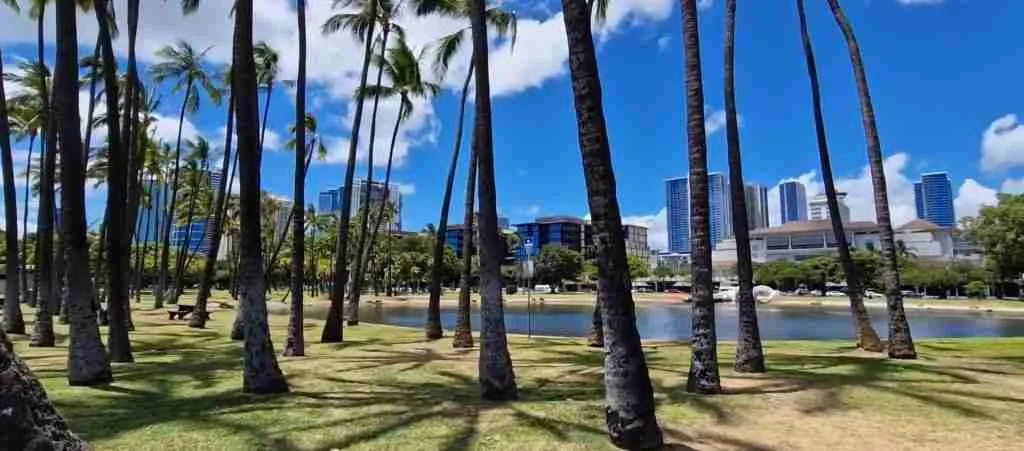
Ala Moana Beach Park delivers a 100-acre urban beach park with a half-mile gold-sand beach, calm swimming protected by an offshore reef, and ample free parking just one mile west of Waikiki. This City and County of Honolulu park maintains no entry fees, no parking charges, and welcomes an estimated 4 million visitors annually as one of the finest urban beaches in the United States. The beach’s protected swimming channel, originally dredged for boat traffic in the 1920s, extends 1,000 yards long and reaches 20-30 feet deep, creating safe swimming conditions for families while accommodating experienced swimmers seeking deeper water.
Large grassy areas shaded by banyan and palm trees provide picnic spaces away from direct sun, with barbecue grills, picnic tables, tennis courts, and a music pavilion available throughout the park. Lifeguards patrol the beach daily, with restrooms, outdoor showers, and food concessions eliminating the need to leave for basic facilities. The park’s location adjacent to Ala Moana Shopping Center enables combining beach time with urban amenities, accessible via TheBus Route 8, 19, 20, 23, and 42 for visitors without rental cars. Free parking lots accommodate hundreds of vehicles, though weekend afternoons see lots fill by mid-morning.
The park closes from 10 PM to 4 AM with police enforcement through citations and arrests, preventing overnight camping while maintaining daytime and evening access. The beach’s east end near the shopping center features sandy bottom entry, while the middle and west sections contain rocks and coral requiring careful ocean entry. Morning hours before 10 AM offer the calmest conditions for swimming, with afternoon trade winds occasionally creating choppy surface conditions. Magic Island, a peninsula extending from the park’s western edge, hosts cultural events, provides excellent sunset viewing, and features a protected swimming lagoon popular with families.
Windward Beaches: Kailua and Lanikai
Kailua Beach Park on Oahu’s windward side ranks consistently among America’s best beaches with turquoise water, white sand, views of the offshore Mokulua Islands, and zero entry fees or parking charges. The county-maintained beach park provides free parking lots, restrooms, lifeguards, and picnic facilities serving both visitors and local residents who frequent this three-mile stretch of protected shoreline. Trade winds create ideal conditions for windsurfing and kiteboarding, with equipment rental shops operating nearby for those wanting to try water sports beyond swimming and sunbathing.
The beach’s wide sand expanse accommodates large crowds without feeling congested, with shallow water entry safe for children and gentle waves suitable for bodyboarding. Morning hours deliver the calmest ocean conditions before afternoon trade winds strengthen, while weekday visits avoid weekend crowds when local families fill the beach park. The 20-minute drive from Waikiki over the Pali Highway passes through rainforest scenery and delivers dramatic first views of the windward coast as the road descends toward Kailua town.
Lanikai Beach sits immediately south of Kailua Beach, accessible via neighborhood streets without dedicated parking lots. Visitors park along residential streets and walk short distances to multiple beach access paths between private homes. The lack of facilities and official parking creates a quieter, more secluded beach experience compared to Kailua’s developed park amenities. Early morning light at Lanikai produces exceptional photography conditions as sunrise illuminates the Mokulua Islands and turquoise water, making this a favorite location for professional and amateur photographers. The residential street parking requires respecting neighborhood quiet and avoiding blocking driveways, with several public access points marked along Mokulua Drive.
North Shore Public Beaches
Sunset Beach and Ehukai Beach Park on Oahu’s North Shore remain free county parks accessible without fees, reservations, or restrictions in 2026. Winter months from November through February transform these beaches into world-famous big-wave surf sites, with swells reaching 30-40 feet creating deadly shore breaks and powerful rip currents unsuitable for swimming. Summer months deliver calm, flat conditions perfect for swimming, snorkeling, and family beach days as winter’s massive swells disappear completely. The seasonal transformation creates two entirely different beach experiences at the same locations.
Ehukai Beach Park hosts the Banzai Pipeline, one of surfing’s most legendary breaks where winter waves create perfect barrels over shallow reef. Watching expert surfers ride these massive waves provides spectacular free entertainment, with competitions drawing international athletes and large spectator crowds during peak winter surf season. Public parking lots fill quickly on big wave days, requiring early arrival or acceptance of roadside parking along Kamehameha Highway. Summer visits reveal wide sandy beaches with gentle swimming conditions, restroom facilities, and picnic areas serving families and casual beachgoers.
Waimea Bay Beach Park offers similar seasonal contrasts, with winter big-wave conditions giving way to summer’s calm swimming bay. The famous Waimea Rock jumping spot operates safely only during summer’s flat ocean conditions, when swimmers leap from the rock into deep bay water. Winter attempts prove extremely dangerous as shore breaks and currents create life-threatening conditions around the rock. The beach park maintains free first-come parking, restrooms, and lifeguard services throughout the year, with seasonal warnings posted regarding ocean conditions and swimming safety.
Free Hiking Trails and Outdoor Adventures 2026
Manoa Falls Trail: Rainforest Waterfall Hike
Manoa Falls Trail leads 1.6 miles roundtrip through lush tropical rainforest to a 150-foot waterfall just 15 minutes from downtown Honolulu. The state-managed trail requires no entrance fees, permits, or reservations, making this one of Oahu’s most accessible free rainforest hikes. A commercial parking lot at the trailhead charges a small fee, but free street parking exists on nearby residential streets like Waakaua Street, requiring a short walk to reach the official trailhead at the end of Manoa Road near Lyon Arboretum.
The relatively flat trail gains minimal elevation over its 0.8-mile one-way distance, accommodating hikers of all fitness levels including families with young children and elderly visitors. The path begins through towering eucalyptus trees, transitions into old-growth banyan forests with massive root systems creating natural archways, and concludes with bamboo groves surrounding the waterfall viewing area. A parallel detour path through the bamboo grove offers less muddy conditions while rejoining the main trail before the falls, recommended during wet periods when the primary path becomes particularly slippery.
Manoa Valley ranks among Oahu’s wettest microclimates, receiving frequent rainfall that keeps the trail perpetually damp and muddy. Closed-toe shoes with aggressive tread provide necessary traction on slippery root sections and mud patches, while flip-flops prove inadequate for safe hiking. The rainfall that creates muddy conditions also ensures the waterfall rarely runs dry, unlike seasonal waterfalls elsewhere on Oahu that diminish to trickles during dry months. Swimming in the waterfall pool is prohibited due to landslide danger and leptospirosis bacteria risk, with low barriers and warning signs discouraging water contact.
The entire hike takes 1-2 hours roundtrip depending on trail conditions, fitness level, and time spent at the waterfall viewing area. Hoses near the trailhead parking area allow rinsing mud from shoes and legs before returning to vehicles, preventing interior car damage. Morning weekday visits avoid weekend crowds when hundreds of hikers converge on the trail, though the forest canopy provides continuous shade making afternoon hikes comfortable temperature-wise. TheBus Route 5 stops near the trailhead entrance, offering public transportation access for visitors without rental cars.
Makapu’u Lookout Trail: Paved Coastal Path
Makapu’u Lookout Trail provides a completely paved, wheelchair-accessible 2-mile roundtrip hike along Oahu’s southeastern coast with panoramic ocean views, lighthouse vistas, and whale watching opportunities during winter months. The state trail requires no entry fees or permits, with parking available at the trailhead lot off Kalanianaole Highway though state park parking may implement fees as part of broader 2026 changes to state-managed facilities. Free street parking alternatives exist along the highway for visitors wanting to avoid potential parking charges.
The paved path climbs gradually up the sea cliffs, gaining approximately 500 feet elevation over its one-mile length to the primary lookout point. The smooth asphalt surface accommodates wheelchairs, strollers, and visitors with limited mobility who cannot navigate rocky or root-filled trails like Manoa Falls. Interpretive signs along the route explain geological features, native plant species, and the historic Makapu’u Lighthouse visible on the point below the trail’s terminus.
Ocean views encompass Koko Head Crater to the west, the offshore Mokulua Islands and Lanikai Beach to the north, and open Pacific Ocean stretching endlessly to the east. Winter months from December through April bring migrating humpback whales close to shore, visible from the trail as they breach, blow, and nurse calves in Hawaiian waters. The exposed coastal location creates strong trade winds that provide cooling relief during the uphill climb but can challenge balance and comfort, making light windbreaker jackets useful despite warm temperatures.
Sunrise and sunset visits deliver spectacular lighting conditions, with early morning hikes avoiding midday heat exposure along the shadeless paved path. The trail closes at dusk, requiring hikers to complete their visits before darkness though no gates physically prevent access. Parking lot break-ins occur occasionally at the trailhead, requiring visitors to leave no valuables visible in vehicles and preferably remove all items from car interiors. The round-trip hike takes 45-90 minutes depending on pace and time spent at overlooks photographing coastal scenery.
Lanikai Pillbox Trail: Ridge Hike with Beach Views
Lanikai Pillbox Trail climbs from Kailua’s residential neighborhoods to former military bunkers on a ridge overlooking Lanikai Beach, the Mokulua Islands, and windward Oahu’s coastline. The state trail requires no fees or permits, with trailhead access from the end of Kaelepulu Drive requiring street parking in the residential area. The steep, unimproved trail gains significant elevation quickly over loose dirt and rock, creating moderate difficulty that rewards hikers with exceptional panoramic views from the ridge-top pillboxes.
The first pillbox sits approximately 20-30 minutes up the trail, providing excellent views of Lanikai Beach’s turquoise water and the twin Mokulua Islands offshore. A second pillbox farther along the ridge offers expanded vistas encompassing more of the windward coast, requiring another 15-20 minutes hiking beyond the first bunker. The concrete World War II-era military observation posts now serve as scenic viewing platforms and popular photography locations, with graffiti art covering interior and exterior walls creating colorful backdrops for visitor photos.
The trail’s exposed ridge location creates strong trade wind exposure and lacks shade, making early morning or late afternoon timing preferable to midday heat exposure. Sturdy hiking shoes with ankle support prove necessary on the steep, loose terrain where smooth-soled shoes struggle for traction. The trailhead neighborhood parking requires careful attention to residential driveways and posted parking restrictions, with respectful quiet helping maintain good relations between hikers and local residents.
Sunrise hikes deliver spectacular first light illuminating the beach and islands below, while afternoon timing provides better lighting for photographing the coastline from elevated perspectives. The round-trip hike takes 1-2 hours depending on whether hikers continue to the second pillbox and how much time is spent at each viewpoint. Combining this hike with beach time at Lanikai or Kailua creates a full morning of free outdoor activity accessible from Waikiki within a 30-minute drive.
Free Museums and Cultural Sites 2026
Pearl Harbor National Memorial and USS Arizona
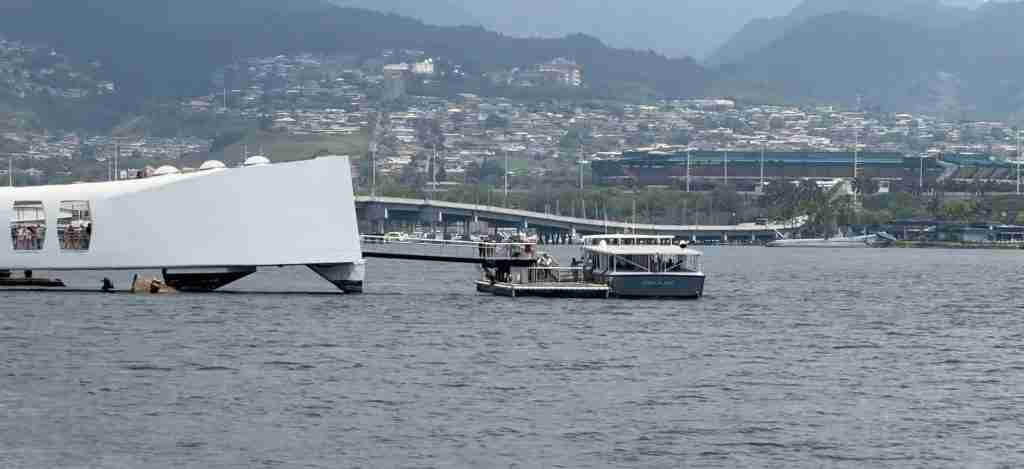
Pearl Harbor National Memorial provides completely free admission to one of America’s most significant World War II sites, preserving the history of the December 7, 1941 attack that brought the United States into the war. The memorial encompasses the USS Arizona Memorial, museums, interpretive exhibits, and waterfront grounds accessible without charge, though timed tickets are required for the boat shuttle to the memorial structure built over the sunken battleship. Reservations should be made online through recreation.gov well in advance of visit dates, or same-day tickets can be obtained by arriving when the visitor center opens at 7 AM.
The visitor center museums display artifacts, photographs, and interactive exhibits documenting the attack, its aftermath, and the war’s Pacific theater progression. A 23-minute documentary film screened before the memorial boat ride provides historical context and personal stories from survivors and military personnel, required viewing for all visitors taking the shuttle. The boat carries visitors to the white memorial structure spanning the USS Arizona’s submerged hull, where names of the 1,177 crewmen killed in the attack are inscribed on marble walls. Oil still seeps from the wreck 80 years after sinking, visible as rainbow sheen on the harbor water surface.
Pearl Harbor ranks among Hawaii’s top three most heavily visited attractions, creating significant crowds and limited ticket availability during peak seasons. Booking online reservations two months in advance of travel dates ensures access, while walk-up ticket availability diminishes by mid-morning even on weekdays. Security screening prohibits bags larger than a small wallet or purse, requiring most visitors to use bag storage facilities at nearby commercial operations for a fee or leave items in vehicles. The visitor center grounds, museums, and bookstore remain accessible without timed tickets, allowing free browsing even for those unable to secure memorial boat reservations.
The memorial site opens daily except Thanksgiving, Christmas, and New Year’s Day, with visitor center hours from 7 AM to 5 PM and final memorial boat departures around 3 PM. TheBus routes serve Pearl Harbor from Waikiki, though the visit typically requires 3-4 hours minimum making rental car transportation more convenient for fitting into daily schedules. Adjacent USS Missouri, USS Bowfin submarine, and Pacific Aviation Museum charge separate admission fees and are not included in the free Pearl Harbor experience.
U.S. Army Museum of Hawaii
The U.S. Army Museum of Hawaii at Fort DeRussy in Waikiki offers completely free admission to exhibits spanning Hawaiian military history from ancient warfare through modern conflicts. Battery Randolph, a massive coastal defense fortification built in 1911, houses the museum’s indoor galleries displaying small arms, uniforms, photographs, and interpretive materials documenting Hawaii’s strategic military importance. Outdoor exhibits feature tanks, helicopters, artillery pieces, and other military equipment viewable without entering the building.
The museum covers Hawaiian Kingdom military forces, the islands’ role in World War II Pacific operations, Korean War contributions, Vietnam War deployments, and contemporary military presence. Interactive displays allow visitors to handle replica weapons, view historic film footage, and examine detailed dioramas depicting significant battles and military installations. The fortification’s thick concrete walls, ammunition storage rooms, and defensive gun positions visible throughout the building illustrate early 20th-century coastal defense architecture.
Located steps from Waikiki Beach along Kalia Road, the museum provides educational indoor activity during rare rainy weather or afternoon breaks from beach time. Operating hours run Tuesday through Saturday from 10 AM to 4:30 PM, closed Sundays and Mondays. The free admission, air-conditioned galleries, and compact size requiring 45-90 minutes for thorough exploration make this an accessible cultural stop between beach and dining activities. On-site parking in the Fort DeRussy lot validates at the museum, though street parking and nearby beach park lots offer alternatives.
Aliiolani Hale: Supreme Court History
Aliiolani Hale across from Iolani Palace houses Hawaii’s Supreme Court and maintains free public access to exhibits exploring the islands’ royal and legal history. The building’s Renaissance Revival architecture features a prominent clock tower and fronts a park containing the King Kamehameha statue, one of Honolulu’s most photographed landmarks. Interior galleries document Hawaiian Kingdom governance, the 1893 overthrow of the monarchy, territorial period legal development, and statehood judicial system establishment.
Dedicated exhibit rooms cover life under martial law following the Pearl Harbor attack, when military authorities suspended civilian legal processes and imposed curfews, censorship, and restrictions lasting throughout World War II. Personal stories, photographs, and legal documents illustrate this period’s impact on Hawaii residents, particularly those of Japanese ancestry subject to additional scrutiny and restrictions. The exhibits provide context for understanding modern Hawaii’s multicultural society and the historical tensions between military authority and civilian governance.
The building’s grand interior staircase, high ceilings, and formal courtrooms reflect 19th-century governmental architecture, with public areas accessible during weekday business hours. Supreme Court sessions open to public observation occur periodically, allowing visitors to witness Hawaii’s highest court in action. The central downtown location enables combining Aliiolani Hale with nearby Iolani Palace, Hawaii State Art Museum, and other cultural sites within walking distance, creating a free or low-cost downtown cultural tour.
Hawaii State Art Museum at Capitol Modern
The Hawaii State Art Museum, also known as Capitol Modern, exhibits contemporary Hawaiian art in a historic building near the State Capitol. The museum maintains free or minimal admission, displaying rotating exhibitions featuring paintings, sculptures, installations, and mixed media works by Hawaii artists. The permanent collection emphasizes Hawaiian cultural themes, landscape interpretations, and contemporary artistic responses to island life and history.
The museum occupies a renovated Spanish Mission Revival building originally constructed for YMCA use in 1928, with high ceilings, natural light, and gallery spaces suited to art display. Special exhibitions change quarterly, featuring emerging artists alongside established names in Hawaii’s art community. Educational programs, artist talks, and special events occur regularly, often with free admission expanding public access to contemporary art beyond standard museum hours.
Located within the Capitol District walking distance from Iolani Palace, Aliiolani Hale, and other downtown attractions, the museum fits into comprehensive cultural tours of historic Honolulu. Operating hours typically run Tuesday through Saturday from 10 AM to 4 PM, with free admission policies supporting the museum’s mission of making contemporary Hawaiian art accessible to residents and visitors regardless of economic circumstances.
Free Viewpoints and Scenic Outlooks 2026
Puu Ualakaa State Park: Tantalus Lookout
Puu Ualakaa State Park, commonly called Tantalus Lookout, delivers Honolulu’s most spectacular elevated viewpoint with panoramic vistas encompassing Diamond Head to Pearl Harbor from a 2,000-foot elevation on the slopes of an extinct volcanic cinder cone. The lookout provides free admission in 2026, though parking fees of $3 for non-residents begin in February 2026 according to state park announcements. Hawaii residents with valid ID continue accessing free parking under state policies favoring local access to public lands.
The drive up Round Top Drive from downtown Honolulu or Waikiki takes 15-20 minutes through residential neighborhoods transitioning into rainforest as the narrow, winding road climbs toward the park entrance. Multiple pullout spots along Round Top Drive offer preview views before reaching the main parking areas, with the scenic drive itself constituting part of the attraction. Two parking lots serve the lookout, with the larger lower lot requiring a 5-minute walk to the viewpoint while a smaller upper lot sits immediately beside the overlook but fills quickly during sunset hours.
The wide grassy lawn at the lookout accommodates picnics, with visitors spreading blankets to enjoy views while eating takeout meals from Honolulu restaurants or homemade lunches. Pavilions, restrooms, and picnic tables provide facilities, while benches along the lawn’s edge create comfortable viewing spots. Rainbow sightings occur frequently at Tantalus due to Oahu’s microclimates producing rain showers that pass quickly while sunshine illuminates droplets, making this among the best rainbow-viewing locations near Honolulu. Twin rainbows and full semicircle rainbows appear regularly, with patient visitors often witnessing spectacular displays.
The park opens daily from 7 AM to 6:45 PM during winter months and 7 AM to 7:45 PM in summer, closing shortly after sunset with gates preventing vehicle exit beyond posted times. Sunset visits require arriving 30-45 minutes before sunset to secure parking in the smaller upper lot, as the larger lower lot fills but requires walking uphill to viewpoints in diminishing light. An alternative unofficial lookout exists approximately a half-mile past the main park entrance on Round Top Drive, accessible 24 hours without gates for visitors wanting nighttime city lights views.
Vehicle break-ins occur occasionally in the parking lots despite regular patrols, requiring visitors to remove all items from car interiors rather than simply hiding valuables. The park’s protected forest setting harbors native Hawaiian plants, with interpretive signs explaining the area’s natural and cultural history including Hawaii’s first commercial macadamia nut plantation established here in the 1920s. The Ualakaa Loop Trail, a 1-mile hiking path, begins at the lookout for visitors wanting to extend their park visit beyond viewpoint photography.
Alternative Viewpoints Around Honolulu
Several beach parks and coastal access points provide free ocean viewpoints without requiring drives up mountain roads or paying parking fees. Magic Island at Ala Moana Beach Park extends into the ocean creating sunset viewing spots where the sun drops into the Pacific horizon rather than behind buildings, with grassy areas accommodating picnic dinners while watching the light show. Kapiolani Park at the Diamond Head end of Waikiki offers open lawns with Diamond Head backdrop views, free to access for picnics, running, or relaxing between beach sessions.
Sandy Beach Park on the southeastern coast provides dramatic views of powerful shore break waves crashing against the beach, with a small parking area and coastal overlooks accessible without fees. The beach itself proves dangerous for swimming due to strong currents and shore breaks, but the scenery attracts photographers and wave watchers year-round. Makapu’u Lookout along the highway near the lighthouse trail offers pullout parking with views of the rugged coastline, though this roadside viewpoint lacks facilities or developed overlook areas.
Downtown rooftop gardens and public spaces occasionally provide elevated city views, with some buildings maintaining public access during business hours. The Hawaii State Capitol building features open-air architecture with public areas accessible for viewing civic spaces, though security screening applies. Waterfront areas near Aloha Tower, historically Honolulu’s tallest building and maritime landmark, remain publicly accessible with harbor views and historical interpretation though the tower’s observation deck may charge admission.
Free Markets and Community Events 2026
KCC Farmers Market: Saturday Morning Tradition
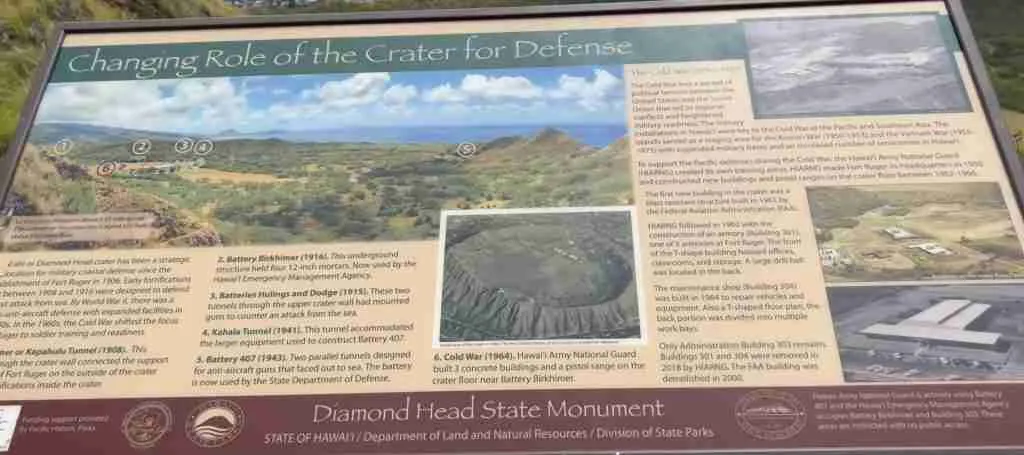
The KCC Farmers Market at Kapiolani Community College operates every Saturday morning from 7:30 AM to 11 AM, bringing together 80 local vendors selling fresh produce, island-grown fruits, artisan products, prepared foods, and crafts. The market requires no admission fee, with visitors browsing freely and purchasing only items they choose to buy. Located across from Diamond Head State Monument, the market occupies the college parking lot in a convenient location for combining with morning beach time or Diamond Head hiking.
Local farmers bring first-grade produce sold at prices competitive with or below supermarket rates, including exotic tropical fruits like rambutan, longan, dragon fruit, and mountain apple rarely found in mainland stores. Fresh-caught fish vendors offer ahi, mahi mahi, ono, and other Hawaiian seafood, while specialty producers sell local honey, macadamia nuts, coffee, and tropical jams. Ready-to-eat food booths serve breakfast items like acai bowls, mochi waffles, egg dishes, and lilikoi lemonade, creating popular gathering spots with lines forming at favorite vendors.
Popular Honolulu restaurants including The Pig and the Lady operate booths offering menu items difficult to reserve at their brick-and-mortar downtown locations, making the market an accessible way to sample sought-after cuisine. Many vendors accept credit cards and mobile payment apps, though cash remains useful for smaller producers preferring traditional transactions. The market discourages plastic bags, making reusable shopping bags essential for carrying purchases.
Arriving between 8 AM and 9 AM provides sufficient time to browse the entire market, make purchases, and sample prepared foods before the 11 AM closing. Earlier arrival at 7:30 AM opening secures access to limited-quantity items that sell out quickly, though the early timing requires waking before typical vacation schedules. TheBus Route 23 from Waikiki reaches the college via Kahala Avenue, offering public transportation access, while driving requires navigating through Kapiolani Park and around Diamond Head crater on Diamond Head Road. Free parking in the college lots serves market visitors, with overflow parking on nearby residential streets when lots fill during peak hours.
People’s Open Markets: Neighborhood Bargains
The People’s Open Markets, established in 1973 by the City and County of Honolulu, operate at 13 locations around Oahu with each site hosting vendors for 45-60 minutes on designated weekdays. The markets sell fresh produce, fruits, vegetables, and occasionally prepared foods at prices averaging 35% below retail supermarket costs, targeting local residents seeking affordable food rather than tourist audiences. City staff conduct weekly price surveys at stores to determine recommended vendor pricing, ensuring the markets fulfill their mission of providing low-cost healthy food access.
The rotating schedule brings markets to different neighborhoods on different days, with locations including areas near Waikiki where visitors might encounter these brief markets during morning activities. The short operating windows mean arriving promptly at start times maximizes selection before popular items sell out, as vendors typically bring limited quantities expecting to sell through inventory during the hour-long sessions. Ethnic fruits and vegetables not commonly found in supermarkets appear frequently, with Filipino, Chinese, Vietnamese, and Pacific Islander produce reflecting Honolulu’s diverse communities.
The markets provide free browsing with no admission fees, though the vendor-customer dynamic differs from leisurely farmers market atmospheres as locals quickly select and purchase items from familiar vendors. Visitors seeking authentic local experiences rather than curated tourist markets appreciate these neighborhood gathering spots where residents socialize while shopping. The city’s website lists current market locations and schedules, subject to change based on vendor availability and seasonal factors.
Seasonal Cultural Events and Festivals
Honolulu hosts numerous free cultural events throughout 2026, with many occurring at Waikiki Beach, Kapiolani Park, and downtown venues accessible without tickets or admission fees. The Aloha Festivals in September typically feature free street parties, cultural demonstrations, and performances celebrating Hawaiian heritage through music, dance, and traditional arts. Waikiki Hoolaulea and similar street festivals close Kalakaua Avenue to vehicles, creating pedestrian zones filled with entertainment, food vendors, and community activities.
Fourth of July celebrations at Ala Moana Beach Park, Magic Island, or Waikiki Beach often include free fireworks displays visible from multiple beachfront locations, with families claiming spots hours before sunset for optimal viewing positions. The Honolulu Marathon in December attracts thousands of participants with the race route providing free spectator entertainment as runners pass through city streets from early morning through midday. Various running events, triathlons, and athletic competitions throughout the year create spectator opportunities without admission charges.
Free concerts at Waikiki Beach Walk, Kapiolani Park bandstand, and other public venues occur regularly, featuring Hawaiian music, contemporary bands, and cultural performances. The city’s official event calendar at honolulu.gov lists scheduled activities, while visitor publications and hotel concierge desks provide information about upcoming free events during specific travel dates. Cultural festivals celebrating specific ethnic communities often open to public attendance without tickets, offering authentic food, performances, and cultural displays beyond tourist-oriented luaus and shows.
Free Parks and Outdoor Spaces 2026
Kapiolani Park: Waikiki’s Green Space
Kapiolani Park covers 300 acres at the Diamond Head end of Waikiki, providing free open lawns, walking paths, sports fields, and shade trees for picnics, running, and relaxing. Named for Queen Kapiolani, the park dates to 1877 as one of Hawaii’s oldest public parks and continues serving as Waikiki’s primary green space for residents and visitors seeking alternatives to beach sand. The park hosts free community events, running events, and cultural celebrations throughout the year, with open areas welcoming casual use anytime.
Tennis courts, volleyball courts, archery range, and other recreational facilities operate within the park, some requiring reservations or permits for organized use but otherwise accessible for impromptu games and practice. The Waikiki Shell, an outdoor concert venue within the park, hosts ticketed shows and free community performances depending on event schedules. Tree-shaded areas provide relief from direct sun during midday hours, with benches and grassy spots suitable for reading, napping, or watching park activities.
The park connects directly to Sans Souci Beach and Kaimana Beach at its southern edge, creating seamless transitions between green space and ocean access. Running and walking paths circle the park perimeter with distance markers, popular with early morning joggers and evening walkers avoiding crowded Waikiki sidewalks. The Honolulu Zoo and Waikiki Aquarium border the park’s mauka side, charging separate admission but sharing the general park area’s accessibility and green space amenities.
Foster Botanical Garden: Historic Plant Collection
Foster Botanical Garden charges $5 admission, placing it slightly outside strict “free” categorization but offering exceptional value as one of Oahu’s oldest botanical gardens covering 14 compact acres in downtown Honolulu. The garden features mature trees planted in the 1850s, including exceptional specimens protected by the City and County of Honolulu for rarity, age, and cultural significance. The Bo Tree descended from the original Bodhi Tree under which Buddha sought enlightenment, the country’s largest quipo tree towering into the sky, and cannonball trees bearing giant fruit directly from trunks create living museum experiences.
The shaded paths wind through collections organized by geographic regions, featuring tropical plants from around the world alongside native Hawaiian species. Benches throughout the garden allow resting while enjoying birdsong and observing the diverse plant life, with interpretive signs explaining botanical significance and cultural uses. The compact size requires 1-2 hours for thorough exploration, making this a manageable cultural stop during downtown sightseeing combining Chinatown, Iolani Palace, and other nearby attractions.
Free parking in the garden lot eliminates typical downtown parking challenges, though street parking alternatives exist nearby for visitors already parked elsewhere. The $5 admission represents suggested donation status at some periods, with the garden occasionally offering free entry days during special events or community programs. TheBus routes serve downtown Honolulu with stops near the garden on Nuuanu Avenue and Vineyard Boulevard, providing public transportation access for the 15-minute ride from Waikiki.
Free Fitness and Recreation Activities 2026
Beach Running and Ocean Swimming
Waikiki Beach, Ala Moana Beach Park, and other coastal areas provide natural venues for running on sand and swimming in the ocean without gym memberships or pool fees. Early morning beach running from 6 AM to 8 AM coincides with sunrise and comfortable temperatures before midday heat, with hard-packed wet sand near the waterline offering easier running surfaces than loose dry sand higher on the beach. The three-mile stretch from Ala Moana Beach Park through Waikiki to Diamond Head creates continuous beachfront running routes, with streetside paths offering alternative firm surfaces when sand running becomes tiring.
Ocean swimming in calm protected areas like Ala Moana’s channel or Waikiki’s reef-protected beaches provides full-body cardiovascular exercise in natural saltwater, with no chlorine irritation and marine life encounters adding interest beyond pool laps. Local swimming groups occasionally organize informal ocean swims, with information shared through community boards and social media groups welcoming visitors to join group activities. Rip currents, strong shore breaks, and Portuguese man-o-war jellyfish require attention to posted warnings and lifeguard advisories before entering the ocean.
Stand-up paddleboarding, bodyboarding, and boogie boarding require equipment rentals or purchases, but bodysurfing needs only swimwear and ocean access, allowing visitors to ride waves using body positioning and arm strokes. Waikiki’s gentle waves suit beginning bodysurfers, while more powerful breaks at Sandy Beach or Makapuu challenge experienced wave riders. Beach volleyball nets at Ala Moana Beach Park, Queen’s Surf Beach, and other locations welcome pickup games, with informal groups forming around regular players who appreciate additional participants.
Urban Walking Tours and Exploration
Self-guided walking tours through historic Honolulu create free cultural experiences exploring architecture, monuments, and landmarks concentrated in downtown’s Capitol District. Starting at Iolani Palace and proceeding through Aliiolani Hale, King Kamehameha statue, Kawaiahao Church, Mission Houses Museum, and other sites within a compact walkable area requires only comfortable shoes and optional guidebook or smartphone navigation. The Hawaii State Capitol building’s open-air architecture welcomes public exploration of civic spaces during weekday business hours, with no admission fees for viewing the grounds and public areas.
Chinatown walking tours following self-guided routes discover historic temples, traditional herb shops, lei makers, art galleries, and local restaurants serving authentic Asian cuisine beyond tourist-oriented establishments. Free printed walking maps often available at hotels and visitor centers outline suggested routes, while smartphone apps provide audio descriptions and historical narratives for specific sites. The compact Chinatown district allows thorough exploration within 2-3 hours, with stops for browsing shops, photographing colorful storefronts, and sampling inexpensive street food from vendors.
Ala Moana Shopping Center offers air-conditioned walking opportunities during hot weather or rainy periods, with the open-air mall layout creating pleasant browsing environments regardless of purchases. Window shopping, people watching, and exploring the food court without buying meals costs nothing, while free cultural performances occasionally occur at the center’s main stage. The adjacent Ala Moana Beach Park creates loops combining indoor shopping center walking with outdoor beach park strolls, totaling several miles of varied terrain and environments.
Money-Saving Strategies for Honolulu 2026
Maximizing Free Activities in Daily Schedules
Structuring Honolulu days around free activities with selective paid experiences maximizes budget efficiency while maintaining full vacation schedules. Morning beach time at Ala Moana Beach Park or Waikiki Beach followed by lunch from grocery store purchases creates no-cost mornings, saving funds for evening dining at restaurants. Afternoon hiking at Manoa Falls or Makapuu Lookout fills 2-3 hours with memorable experiences costing nothing beyond transportation to trailheads.
Sunset viewing from Tantalus Lookout, Magic Island, or beach locations provides evening entertainment without dinner show or tour expenses, potentially followed by inexpensive casual dining at local plate lunch restaurants rather than resort fine dining. Free cultural events, farmers market browsing, and museum visits occupy additional hours, reducing reliance on paid attractions and tours that quickly consume vacation budgets. Strategic planning balances desired paid experiences like Pearl Harbor’s USS Missouri tour, helicopter flights, or specific restaurants with abundant free alternatives preventing every activity from carrying cost.
Transportation Cost Reduction
TheBus monthly visitor passes purchased for extended stays cost less than rental cars for visitors focusing on Waikiki, Ala Moana, downtown, and other bus-accessible areas. Routes 8, 19, 20, and 23 connect Waikiki to major attractions including Ala Moana Beach Park, downtown museums, and Kapiolani Park, while Route 2 reaches Kailua Beach via a longer ride through residential areas. The bus system’s comprehensive route network serves most Honolulu neighborhoods, though reaching North Shore beaches and some hiking trails proves difficult without vehicles.
Walking between Waikiki accommodations and nearby beaches, parks, shopping, and dining eliminates repeated short-distance transportation costs while providing exercise and neighborhood exploration opportunities. The relatively flat terrain in developed areas accommodates comfortable walking for most fitness levels, with distances from central Waikiki to Ala Moana Beach Park around two miles and Kapiolani Park less than one mile. Bicycle rentals for daily or weekly periods cost less than vehicles while accessing similar destinations, with dedicated bike lanes along major routes improving safety and convenience.
Free Food Opportunities
Farmers markets provide opportunities to purchase fresh fruit, vegetables, and prepared foods at lower costs than restaurants, suitable for picnic meals at parks and beaches. Supermarket poke, musubi, and plate lunches from grocery store delis offer authentic local food at fraction of restaurant prices, particularly from neighborhood groceries in residential areas outside tourist zones. Preparing simple breakfasts and lunches from grocery purchases while dining out only for dinners cuts meal expenses substantially compared to three daily restaurant meals.
Beach picnics with homemade sandwiches, fresh fruit from markets, and drinks from supermarkets create memorable meals with better views than indoor restaurant dining at negligible cost. Some hotels include breakfast in room rates, effectively providing free morning meals when factored into total accommodation expenses, though careful comparison of rates with and without breakfast determines actual savings. Happy hour specials at beach bars and restaurants often include complimentary pupus (appetizers) with drink purchases, sometimes substantial enough to constitute light meals for budget-conscious visitors.
Practical Information for Free Honolulu Activities 2026
Best Times to Visit Free Attractions
Early morning hours before 9 AM provide optimal conditions for beach visits, hiking trails, and viewpoints, with cooler temperatures, smaller crowds, and easier parking than midday periods. Waikiki Beach, Manoa Falls Trail, and KCC Farmers Market reward early risers with manageable crowds and comfortable weather before heat and congestion build through morning hours. Late afternoon from 4 PM onward brings improved conditions at some locations as day visitors depart, though afternoon trade winds sometimes create choppy ocean conditions and cooler temperatures requiring light jackets at elevated viewpoints.
Weekday visits to popular beaches and trails avoid weekend crowds when local residents join tourists at favorite spots, though some locations like farmers markets operate only on weekends requiring schedule adjustments. School vacation periods, summer months from June through August, and winter holidays from mid-December through early January represent peak tourist seasons when all attractions experience maximum crowding. Visiting during shoulder seasons of April-May and September-November reduces crowds while maintaining generally favorable weather conditions.
Safety Considerations
Vehicle break-ins occur throughout Honolulu at beach parking lots, trailhead areas, and viewpoint parking, requiring all items removed from car interiors rather than simply hidden from view. Thieves target vehicles displaying luggage, cameras, purses, and other valuable-appearing items, breaking windows quickly to grab contents before fleeing. Leaving nothing visible in locked vehicles, removing rental car company stickers that identify tourist vehicles, and using hotel safes for passports and electronics prevents theft losses.
Ocean conditions vary significantly by season, location, and daily weather patterns, with strong shore breaks, rip currents, and Portuguese man-o-war jellyfish creating swimming hazards at beaches lacking lifeguard protection. Following posted warnings, swimming only at lifeguarded beaches, and observing ocean conditions before entering water prevents drownings and injuries that occur regularly in Hawaii. Hiking trails become slippery and dangerous during rain, with flash flooding possible in valley trails like Manoa Falls during heavy precipitation.
Sun exposure in Hawaii’s tropical latitude causes severe sunburns within 30 minutes for unprotected skin, requiring high-SPF sunscreen, hats, and periodic shade breaks. Trail hiking and beach activities during midday hours from 10 AM to 2 PM create maximum UV exposure, making protective clothing and frequent sunscreen reapplication essential. Dehydration risks increase in warm weather during physical activities, requiring carrying water bottles and drinking regularly even when not feeling thirsty.
Weather and Seasonal Patterns
Honolulu maintains relatively consistent temperatures year-round, with winter months from November through March averaging 70-80°F and summer months from May through September reaching 80-90°F. Trade winds provide cooling breezes most days, though Kona wind conditions several times per year bring humid, still air from the south creating less comfortable conditions. Rain falls more frequently during winter months, though brief passing showers occur year-round with sunny conditions returning quickly after precipitation.
Oahu’s microclimates create simultaneous rain in Manoa Valley while Waikiki Beach remains sunny and dry, requiring location-specific weather awareness rather than assuming island-wide conditions. Windward beaches face afternoon trade winds creating choppy ocean surfaces and potentially uncomfortable beach conditions, while leeward Waikiki remains calmer. North Shore waves peak during winter months from November through February when big swells create dangerous swimming conditions, while summer brings flat, calm water suitable for families.
Hurricane season officially runs June through November, though direct hits on Oahu remain rare with most storms passing north or south of the islands. Tropical storm watches occasionally affect travel plans, requiring flexibility in outdoor activity scheduling and monitoring official weather advisories. Winter months bring migrating humpback whales to Hawaiian waters, visible from coastal trails and viewpoints from December through April, adding wildlife viewing opportunities to free outdoor activities.
Frequently Asked Questions
Do I need reservations for free Honolulu beaches?
No reservations are required for county-managed beaches including Waikiki Beach, Ala Moana Beach Park, Kailua Beach Park, Sunset Beach, and other free public beaches in 2026. Visitors arrive anytime during daylight hours, park in available spaces, and access the sand and water without tickets or advance bookings. Hanauma Bay Nature Preserve, now operating under a paid reservation system, represents the primary exception requiring online bookings and entry fees. Diamond Head State Monument charges admission and recommends reservations, though this is a hiking attraction rather than beach access. The vast majority of Oahu’s coastline remains open-access without reservation systems or entry fees.
Which free hiking trails are best for families with children?
Manoa Falls Trail provides the most family-friendly free hiking option near Honolulu, with relatively flat terrain, continuous shade, and interesting rainforest scenery holding children’s attention during the 1.6-mile roundtrip walk. The waterfall destination creates a clear goal motivating young hikers, while the trail’s moderate length prevents exhaustion or boredom. Makapu’u Lookout Trail’s paved surface accommodates strollers and young children who tire easily, though the gradual uphill climb and exposed sun require breaks and sun protection. The 2-mile roundtrip distance and lack of a waterfall or dramatic endpoint may challenge very young children’s patience. Shorter nature walks at Lyon Arboretum near Manoa Falls or botanical garden paths provide alternatives for families seeking easier terrain with less distance, though some charge minimal admission fees.
What free activities work during rainy weather?
Museum visits to Pearl Harbor National Memorial, U.S. Army Museum of Hawaii, Honolulu Museum of Art, and Aliiolani Hale provide indoor cultural experiences during rain, with air-conditioned galleries and covered walkways protecting visitors from precipitation. The Bishop Museum charges admission but offers comprehensive exhibits worth visiting during all-day rain when beach and hiking options prove impractical. Ala Moana Shopping Center and other malls create dry walking environments for window shopping and browsing without purchases required. Some hotel lobbies and public buildings maintain impressive art collections, architecture, and ocean views accessible during brief rain showers. Brief tropical showers pass quickly in Hawaii, making flexibility and patience often more useful than abandoning outdoor plans entirely for rainy forecasts.
Can I access Pearl Harbor without a car?
TheBus Route 20 and Route 42 serve Pearl Harbor from Waikiki, requiring approximately one hour travel time each direction. The bus provides affordable public transportation access without rental car expenses, though the extended travel time and limited frequency compared to driving makes fitting the visit into daily schedules more challenging. Many visitors combine Pearl Harbor with other central Oahu attractions accessible via the same bus routes, creating full-day public transportation itineraries. Organized tour companies offer Pearl Harbor transportation packages, though these typically include fees beyond basic admission costs. Ride-sharing services like Uber and Lyft serve Pearl Harbor though costs accumulate quickly for round-trip rides from Waikiki.
Are Honolulu’s free activities suitable for solo travelers?
All free beaches, hiking trails, viewpoints, and cultural sites accommodate solo travelers safely during daytime hours with normal urban precautions regarding personal belongings and awareness of surroundings. Beach areas like Waikiki Beach, Ala Moana Beach Park, and popular hiking trails like Manoa Falls see sufficient visitor traffic that solo travelers blend into crowds without standing out or feeling isolated. Some solo travelers appreciate the independence of self-guided activities without group tour schedules or companion coordination, while others seek social interaction through joining informal beach volleyball games, running groups, or farmers market browsing. Solo female travelers report generally safe experiences during daylight activities at popular sites, though isolated trails and parking areas at dusk or after dark warrant greater caution.
What free sunrise or sunset viewing spots exist in Honolulu?
Tantalus Lookout provides spectacular sunset viewing over Honolulu with panoramic city and ocean vistas, though parking fees begin February 2026 and the park closes shortly after sunset requiring departure before full darkness. Magic Island at Ala Moana Beach Park offers unobstructed sunset views directly into the Pacific Ocean, with grassy areas for picnic dinners while watching the light show completely free. Waikiki Beach delivers sunset silhouettes of Diamond Head with vibrant sky colors, accessible along the entire public shoreline. For sunrise viewing, Lanikai Beach and Kailua Beach on the windward side face east with morning light illuminating the Mokulua Islands and turquoise water. Makapu’u Lookout Trail provides elevated sunrise perspectives over the southeastern coast, though arriving before the 7 AM park opening requires careful timing.
How much money can I save by focusing on free Honolulu activities?
Visitors spending full days combining free beaches, hiking, viewpoints, and museums potentially save $200-400 per person compared to typical paid attraction itineraries including luaus, boat tours, helicopter rides, and admission-fee sites. A typical paid activity day might include Diamond Head admission $5, Hanauma Bay entry $25, Pearl Harbor audio tour $10, evening luau $130, and tour transportation $50, totaling $220 per person. The equivalent free day substitutes Waikiki Beach swimming, Manoa Falls hiking, Pearl Harbor free memorial, and sunset viewing at Magic Island, costing only transportation and meal expenses. Over a week-long visit, the difference between primarily free activities versus paid attractions exceeds $1,000-1,500 per person, allowing that budget reallocation toward upgraded accommodations, fine dining experiences, or truly unique activities unavailable through free alternatives.
Do free activities provide authentic Hawaiian cultural experiences?
Free activities often deliver more authentic local experiences than paid tourist shows and attractions designed primarily for visitor entertainment. Farmers markets, neighborhood beaches frequented by residents, hiking trails accessed by local families, and community cultural events provide genuine interactions with Hawaiian and local island culture beyond staged performances. Pearl Harbor’s free exhibits document actual historical events with primary sources and artifacts, while Iolani Palace grounds and downtown historic sites preserve authentic royal heritage. Commercial luaus and cultural shows create entertaining experiences but represent stylized presentations rather than everyday Hawaiian life, making the free cultural landscape often more meaningful for understanding contemporary island society.
What should I know about parking at free Honolulu attractions?
Parking availability and costs vary significantly across free attractions, with some beaches like Ala Moana Beach Park offering ample free parking while others like Tantalus Lookout implement fees beginning February 2026. Street parking near attractions often provides free alternatives to paid lots, requiring extra walking but eliminating parking expenses. Waikiki area parking proves expensive and congested, making staying within walking distance of accommodations or using TheBus preferable to driving. Trailhead parking at Manoa Falls charges fees at the commercial lot but allows free street parking on residential roads nearby. Vehicle break-ins affect all parking areas including paid lots and free street spaces, requiring complete removal of items from vehicle interiors rather than assuming paid parking provides security.
Can I visit Honolulu’s free attractions entirely by public transportation?
TheBus serves most major free attractions within Honolulu including Waikiki Beach, Ala Moana Beach Park, downtown museums, Pearl Harbor, and Kailua Beach, though routes to North Shore beaches and some hiking trails prove impractical without vehicles. Visitors staying in Waikiki and focusing on urban beaches, nearby trails, and downtown cultural sites manage entirely on public transportation combined with walking. Extended trips to windward beaches or North Shore destinations require longer bus rides that consume significant portions of daily schedules, making rental cars more efficient for comprehensive island exploration. The monthly visitor pass provides unlimited rides for extended stays, costing less than rental cars for visitors prioritizing bus-accessible attractions over remote locations.