
Honolulu 3-Day Itinerary 2026: Complete Planning Guide
Honolulu combines urban sophistication with natural beauty, offering pristine beaches, dramatic volcanic landscapes, and profound historical significance within a compact, walkable destination. This three-day itinerary balances Waikiki Beach relaxation with Diamond Head hiking, Pearl Harbor history, and authentic local dining experiences, providing first-time visitors with Honolulu’s essential experiences while maintaining flexibility for personal preferences and pace.
Key Takeaways for Honolulu 3-Day Visit 2026
- Budget Planning 2026: Budget travelers need $85-130 per person daily assuming two sharing accommodation, mid-range visitors spend $210-315 per person daily, and luxury travelers invest $475-710 per person daily. Complete three-day trips range $255-390 budget, $630-945 mid-range, and $1,425-2,130 luxury per person.
- Essential Advance Reservations: Diamond Head State Monument requires online booking up to 30 days ahead with $5 entry fee. Pearl Harbor USS Arizona Memorial offers free timed tickets that should be reserved weeks in advance through recreation.gov. Both attractions sell out quickly during peak season from March through August 2026.
- Accommodation Location Strategy: Eastern Waikiki near Kapiolani Park offers better value with hotels $30-80 lower per night than beachfront properties while maintaining 5-10 minute walks to swimmable beaches. Central Waikiki provides maximum convenience with premium pricing, while budget travelers find hostels and basic hotels starting $62 nightly.
- Transportation Economics 2026: TheBus provides island-wide access for $3 per ride with HOLO card, making rental cars unnecessary for this three-day Waikiki-focused itinerary. Monthly passes cost $90 and benefit visitors staying longer. Hotel parking fees of $45-65 daily plus $10 Diamond Head parking make public transit the economical choice for urban exploration.
- Dining Value Opportunities: Plate lunch counters deliver complete meals for $15-25, food trucks offer authentic Hawaiian cuisine at similar prices, and grocery store poke provides restaurant-quality seafood for $8-12 per half-pound. Mid-range sit-down restaurants charge $30-45 per entrée while resort dining starts $65 before drinks and appetizers.
- Best Time Strategy 2026: April-May and September-November offer ideal weather with temperatures 75-82°F, lower accommodation rates $50-100 below summer peaks, and reduced crowds at major attractions. December through March brings occasional rain and peak winter visitor numbers driving prices to annual highs.
People Also Ask About Honolulu 3-Day Itineraries 2026
How much does a 3-day trip to Honolulu cost in 2026?
A three-day Honolulu trip costs $255-390 per person for budget travelers, $630-945 for mid-range comfort, and $1,425-2,130 for luxury experiences in 2026. Budget travelers share hostel dormitories or budget hotels at $62-84 nightly, eat primarily at plate lunch counters and food trucks for $15-25 per meal, use TheBus for $3 per ride, and focus on free attractions like beaches and hiking. Mid-range visitors book hotels $180-280 nightly, dine at casual restaurants for $30-45 entrées, mix public transit with occasional rideshare, and purchase attraction tickets averaging $25-40 daily. Luxury travelers select oceanfront resorts $450-650 nightly, dine at premium restaurants $80-120 per entrée, use private transportation, and book guided experiences $100-200 per activity.
What are the must-see attractions for a first visit to Honolulu in 2026?
First-time Honolulu visitors should prioritize Diamond Head State Monument for sunrise hikes with panoramic Waikiki and Pacific views, Pearl Harbor National Memorial for USS Arizona and Battleship Missouri historical tours, Waikiki Beach for swimming and surfing lessons, and authentic plate lunch experiences at local institutions like Rainbow Drive-In. Diamond Head requires $5 entry with advance online reservations opening 30 days ahead. Pearl Harbor’s USS Arizona Memorial offers free admission with timed tickets reserved through recreation.gov weeks before travel dates. Waikiki Beach provides free access with equipment rentals $15-40 for surfboards or snorkel gear. Iolani Palace, Bishop Museum, and Hanauma Bay Nature Preserve represent worthy alternatives when primary sites reach capacity.
Do I need a rental car for 3 days in Honolulu in 2026?
Rental cars are unnecessary for three-day Honolulu itineraries focused on Waikiki, Diamond Head, and Pearl Harbor in 2026. TheBus Routes 2, 2L, and 23 connect Waikiki to Diamond Head in 25-35 minutes for $3 per ride, while Routes 20 and 42 reach Pearl Harbor from Waikiki in 45-60 minutes. Hotel parking costs $45-65 daily in Waikiki, with limited street parking and Diamond Head charging $10 additional parking fees. Rideshare services cost $15-30 for trips when public transit proves inconvenient. Rental cars benefit visitors planning North Shore day trips to Haleiwa or windward coast excursions to Kailua Beach, adding $65-85 daily for vehicle, gas, and parking expenses.
What is the best area to stay in Honolulu for 3 days in 2026?
Eastern Waikiki near Kapiolani Park and Queen Kapiolani Hotel offers optimal value for three-day Honolulu stays in 2026, providing hotels $30-80 lower per night than central beachfront properties while maintaining 5-10 minute walks to swimmable beaches and excellent TheBus connections. Budget travelers find hostels $62-84 nightly in this area compared to $90-140 in central Waikiki. Mid-range hotels cost $180-280 nightly versus $250-380 for equivalent beachfront locations. The neighborhood provides immediate access to Diamond Head hiking, Kapiolani Park’s free space, and local dining options on Monsarrat Avenue at prices 20-30% below Kalakaua Avenue tourist restaurants. Central Waikiki suits visitors prioritizing maximum beach proximity willing to pay premium rates, while Ala Moana serves business travelers and those seeking shopping mall convenience.
Extended multi-day tours – 5+ days
Featured Honolulu Multi-Day Tour Packages

3 days
Honolulu 3-Day Discovery Tour
- ✓ Comprehensive Honolulu experience
- ✓ Expert local guides included
- ✓ All accommodation included
- ✓ Transportation provided
5 days
Honolulu 5-Day Highlights Experience
- ✓ Comprehensive Honolulu experience
- ✓ Expert local guides included
- ✓ All accommodation included
- ✓ Transportation provided
7 days
Honolulu 7-Day Cultural Journey
- ✓ Comprehensive Honolulu experience
- ✓ Expert local guides included
- ✓ All accommodation included
- ✓ Transportation provided
10 days
Honolulu 10-Day Complete Adventure
- ✓ Comprehensive Honolulu experience
- ✓ Expert local guides included
- ✓ All accommodation included
- ✓ Transportation provided
Multi-day tour packages powered by TourRadar. Prices and availability subject to change.
Introduction to Planning Your Honolulu 3-Day Experience 2026
Honolulu concentrates diverse Hawaiian experiences within remarkably compact geography, enabling visitors to hike volcanic craters at sunrise, explore World War II history, swim with sea turtles, and dine on authentic island cuisine without traveling beyond a few miles from Waikiki accommodations. The city’s 72-million-annual-rider public bus system connects beaches, historical sites, cultural attractions, and dining neighborhoods efficiently, eliminating rental car necessity for urban-focused itineraries. Three days provides sufficient time to experience Honolulu’s essential attractions at a comfortable pace while allowing flexibility for weather-dependent beach activities, spontaneous dining discoveries, and personal interest pursuits.
This itinerary framework balances structured morning activities when attractions open with flexible afternoons for beach relaxation, shopping exploration, or additional sightseeing based on energy levels and weather conditions. Diamond Head sunrise hikes maximize cooler temperatures and dramatic lighting while avoiding midday crowds exceeding 3,000 daily visitors. Pearl Harbor morning visits align with cooler temperatures and better availability before afternoon USS Arizona Memorial closures. Waikiki Beach afternoons provide swimming, surfing lessons, and sunset viewing after completing day’s primary activities.
Budget planning for Honolulu requires realistic expectations about island pricing reflecting Hawaii’s geographic isolation, limited local agriculture, and tourism-driven economy. Meals cost 40-50% more than mainland U.S. averages, with fast food combos reaching $13 compared to $8-9 nationally, and sit-down restaurant entrées starting $30-45 versus $18-25 typical mainland pricing. Accommodation rates reflect Waikiki’s limited inventory and year-round demand, with budget hotels starting $62 nightly compared to $40-50 mainland equivalents. Understanding these pricing realities enables appropriate budgeting without on-arrival sticker shock.
Seasonal timing significantly impacts both costs and experience quality. Peak winter season from December through March brings highest accommodation rates averaging $273-509 nightly compared to shoulder season $180-350, along with maximum crowds at beaches and attractions. Summer months June through August deliver excellent weather with temperatures 79-82°F but attract family vacationers driving moderate pricing and availability challenges. Ideal shoulder seasons April-May and September-November offer comfortable 75-80°F temperatures, lower accommodation rates, reduced attraction crowding, and better restaurant availability for walk-in dining.
This guide provides three complete daily itineraries with specific timing recommendations, transportation instructions, realistic cost breakdowns, dining suggestions, and contingency alternatives for weather or preference adjustments. Budget tier recommendations assume hostel dormitories or basic hotels with two people sharing rooms, plate lunch dining, and public transportation. Mid-range suggestions feature comfortable hotels, mix of casual and sit-down restaurants, and occasional rideshare for convenience. Luxury options include oceanfront resorts, fine dining experiences, and private guided activities. All prices reflect 2026 projections incorporating Hawaii’s 4.712% general excise tax.
Pre-Trip Planning Essentials for Honolulu 2026
Advance Reservations and Ticketing Requirements
Diamond Head State Monument transformed reservation systems in 2022, implementing mandatory online booking to manage visitor impacts after daily crowds reached 6,000 hikers. Non-resident visitors must reserve entry tickets 30 days in advance through gostateparks.hawaii.gov/diamondhead, selecting specific 2-hour arrival windows from 6:00 AM through 6:00 PM. Entry costs $5 per person plus optional $10 vehicle parking, payable by credit card only. Hawaii residents with valid identification enter free without reservations. Arriving within the first 30 minutes of your reservation window ensures entry, while late arrivals face denial without refunds. Mobile phone signals around Diamond Head can be unreliable, requiring visitors to download confirmation QR codes before arrival rather than relying on email access on-site.
Pearl Harbor National Memorial operates on similar advance reservation principles, though USS Arizona Memorial tickets remain free. Reserve timed entry tickets through recreation.gov weeks before travel dates, particularly for peak season March through August 2026 when same-day availability rarely exists. The memorial releases tickets 60 days in advance, selling out within hours for popular morning slots. Strict security prohibits bags larger than small purses, with paid storage available for standard backpacks and camera bags. Alternative Pearl Harbor experiences including Battleship Missouri ($35 adults), Pacific Aviation Museum ($30), and USS Bowfin Submarine ($17) accept same-day visitors without advance reservations, providing backup options when Arizona Memorial tickets prove unavailable.
Hanauma Bay Nature Preserve requires online reservations at 48-hour advance windows through honolulu.gov/parks, though this itinerary prioritizes Diamond Head and Waikiki beaches over the 30-minute drive to Hanauma. Entry costs $25 plus mandatory orientation video viewing. The bay limits daily visitors to 1,400 and frequently sells out for morning snorkeling sessions during peak seasons. Bishop Museum, Honolulu Museum of Art, Iolani Palace, and other cultural attractions accept same-day walk-up visitors at admission desks, though guided palace tours benefit from advance online booking.
Accommodation Selection and Neighborhood Comparison 2026
Waikiki divides into distinct pricing zones based on beach proximity and property age. Beachfront hotels along Kalakaua Avenue command premium rates $250-650 nightly for direct sand access and ocean views, exemplified by Moana Surfrider, Royal Hawaiian, and Halekulani properties serving luxury travelers. One-block-back hotels on Kuhio Avenue or side streets offer identical beach access via 2-3 minute walks while reducing nightly rates $50-120, with chains like Hyatt Place Waikiki and Aston Waikiki Beach providing mid-range comfort $180-280 nightly.
Eastern Waikiki near Kapiolani Park delivers optimal value for budget-conscious travelers, featuring hotels $30-80 cheaper than central locations while maintaining excellent beach access. Queen Kapiolani Hotel and Hotel Renew provide 5-10 minute walks to swimmable Kuhio Beach sections with significantly lower rates than equivalent beachfront properties. This neighborhood places visitors adjacent to Diamond Head trailhead, Kapiolani Park’s free green space, and Monsarrat Avenue’s local dining scene featuring prices 20-30% below tourist-focused Kalakuka Avenue restaurants.
Budget accommodations concentrate in older properties and hostels throughout Waikiki, with dormitory beds starting $62 nightly at Waikiki Beachside Hostel and basic private rooms $84-120 at properties like Aston Waikiki Circle Hotel. These facilities sacrifice modern amenities and resort features while providing essential clean lodging, beach proximity, and cost savings enabling budget allocation toward activities and dining. Most include basic continental breakfast, beach equipment lending, and helpful local staff guidance.
All Waikiki hotels add mandatory resort fees $25-45 daily covering WiFi, beach equipment, and nominal amenities, plus hotel parking $45-65 daily for those arriving with rental vehicles. These fees apply regardless of usage, appearing as separate line items beyond base room rates. Budget planning must account for these additional charges transforming advertised $180 room rates into actual $235-250 daily costs after fees and taxes.
Transportation Planning and HOLO Card Setup
TheBus provides comprehensive Oahu coverage for $3 per ride using HOLO card or $3.25 cash payment without transfer privileges. New visitors should purchase HOLO cards at any ABC Store, 7-Eleven, or Foodland location for $2 initial fee, then load sufficient funds for planned trips. Cards enable automatic fare capping where multiple rides within single days or months accumulate toward daily and monthly pass values, with excess rides provided free once thresholds reach. Daily caps activate after three rides ($9 total), monthly caps at $90 after 30 rides.
Key Waikiki routes include Route 2 and 2L connecting Kuhio Avenue to Diamond Head, downtown Honolulu museums, and Ala Moana Shopping Center every 20-30 minutes from early morning through midnight. Routes 20 and 42 provide Pearl Harbor access from Waikiki in 45-60 minutes. Route 23 serves Diamond Head via Kapiolani Community College stop requiring short uphill walk to crater entrance. Complete route maps, real-time tracking, and schedule information available through TheBus mobile app and website.
Rideshare services including Uber and Lyft operate throughout Honolulu with typical Waikiki-to-Diamond Head rides costing $15-20, Waikiki-to-Pearl Harbor $25-35, and airport-to-Waikiki $35-45 depending on traffic conditions. Airport shuttle services offer shared-ride options $16-22 per person with multiple hotel stops extending travel time compared to direct rideshare or taxi service.
Complete Day-by-Day Honolulu Itinerary 2026
Day 1: Diamond Head Sunrise, Waikiki Beach, and Kalakaua Avenue Introduction
6:00 AM – Diamond Head Sunrise Hike: Begin your Honolulu experience with sunrise atop Diamond Head crater, Oahu’s most iconic natural landmark offering 360-degree views spanning Waikiki, downtown Honolulu, Koko Head, and the Pacific Ocean. Book 7:00-9:00 AM reservation slot when making Diamond Head arrangements 30 days prior, allowing arrival during first 30 minutes of window. From Waikiki hotels, catch Route 23 from Kuhio Avenue or walk 20-30 minutes along Diamond Head Road for early morning exercise. Rideshare costs $12-18 from central Waikiki, avoiding parking challenges and $10 vehicle fees.
The 0.8-mile trail gains 560 feet elevation through switchbacks, tunnel sections, and stairways requiring 45-75 minutes ascending based on fitness levels and photo stops. Steep final approaches include 99-step staircase and 225-foot lighted tunnel leading to Fire Control Station platform. Sunrise timing varies throughout 2026 from 6:00 AM winter to 5:50 AM summer, with gates opening 30 minutes before sunrise for early hikers. Bring flashlight or phone light for pre-dawn sections, 32-ounce water bottle per person, and apply sunscreen before hiking despite early hour. Summit temperatures run 5-10 degrees cooler than Waikiki with occasional wind requiring light jacket layer.
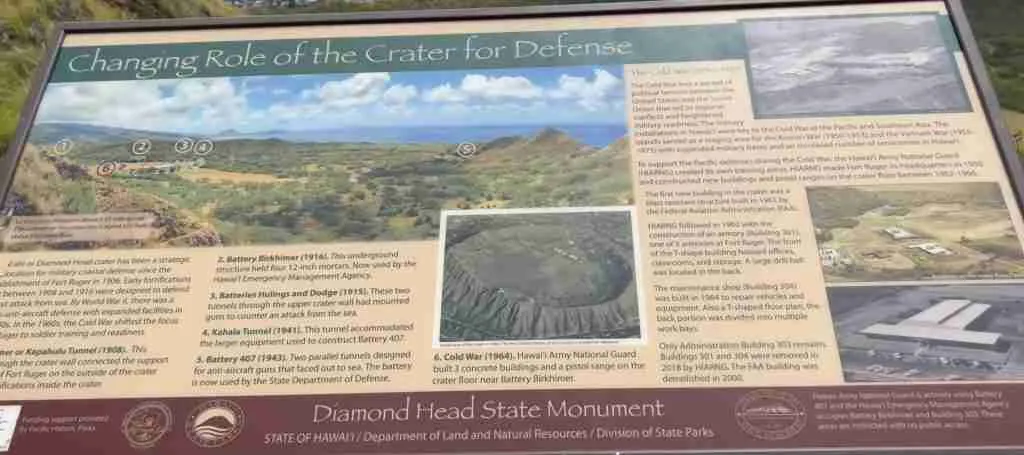
Crater floor facilities provide restrooms and small gift shop but lack food service. Historical military bunkers, navigation lighthouse, and interpretive signs explain Diamond Head’s World War I and II coastal defense role. Allow 2-2.5 hours total including descent and photo opportunities. Most visitors complete hikes by 9:00-9:30 AM before temperature peaks and midday crowds arrive.
9:30 AM – Breakfast at Diamond Head Market & Grill: Return to Monsarrat Avenue for post-hike breakfast at Diamond Head Market & Grill, combining grocery store with sit-down restaurant serving generous portions at fair pricing. Breakfast plates $12-16 include local specialties like loco moco (hamburger patty, rice, fried egg, gravy), Portuguese sausage with eggs, or kalua pork hash. Outdoor seating provides pleasant morning atmosphere with Diamond Head views. Alternative options include Bogart’s Cafe $10-14 or Diamond Head Cove Health Bar $11-17 for lighter yogurt bowls and smoothies.
11:00 AM – Waikiki Beach Swimming and Orientation: Walk or bus back to Waikiki for first beach experience at Kuhio Beach sections offering gentle waves, sandy bottom, and lifeguard supervision suitable for swimming and boogie boarding. Free beach access extends along entire 1.5-mile Waikiki coastline with public facilities at Kuhio Beach Park including outdoor showers, restrooms, and grassy areas. Rent beach chairs $12-15 daily or bring towel from hotel. Water temperatures average 77-80°F year-round requiring no wetsuit for comfortable swimming.
Orient yourself to Waikiki’s layout during beach time. Kalakaua Avenue parallels beach one block inland, featuring high-end shopping, restaurants, and hotels. Kuhio Avenue runs one block farther inland hosting budget dining, ABC convenience stores, and mid-range accommodations. Cross streets connect the parallel avenues with pedestrian-friendly sidewalks, frequent traffic signals, and generally safe walking conditions day and night in tourist areas.
1:00 PM – Lunch at Local Plate Lunch Counter: Experience Hawaii’s quintessential plate lunch tradition offering complete meals served in sectioned containers with two scoops rice, macaroni salad, and generous protein portions. Rainbow Drive-In $11-14 represents the most celebrated plate lunch institution, requiring 15-minute walk or short bus ride from central Waikiki but delivering authentic experience locals have enjoyed since 1961. Signature mixed plate combines teriyaki beef, mahimahi, and breaded chicken. Ono Seafood $12-16 specializes in poke bowls featuring daily-fresh ahi tuna, salmon, or tako in traditional Hawaiian preparations. Food trucks along Kuhio Avenue and side streets offer similar pricing with varied cuisines including garlic shrimp, Korean BBQ, and Thai specialties.
2:30 PM – Royal Hawaiian Center and Shopping Exploration: Stroll through Royal Hawaiian Center’s open-air shopping complex featuring 110 stores spanning luxury brands, Hawaiian specialty shops, and casual retailers. Free cultural programs include ukulele lessons Tuesdays and Thursdays 4:00-5:00 PM, lei-making demonstrations Mondays and Fridays 10:00 AM, and hula shows Mondays, Wednesdays, and Fridays 6:00-6:30 PM. Air-conditioned indoor areas provide afternoon heat relief while browsing. International Market Place one block away offers similar shopping with slightly younger demographic focus and additional dining options.
ABC Stores proliferate throughout Waikiki every 2-3 blocks, stocking beach supplies, snacks, souvenirs, and essentials at convenience store pricing. Compare prices against full-size grocery stores like Food Pantry or Foodland for better value on multi-day purchases of water, sunscreen, and snacks.
5:00 PM – Sunset at Kuhio Beach Torch Lighting Ceremony: Return to Kuhio Beach for nightly torch lighting and hula show, free cultural performance occurring at sunset Tuesday, Thursday, and Saturday evenings. Arrive 30 minutes early to secure front-row viewing positions on seawall. The ceremony includes traditional Hawaiian chanting, conch shell blowing, torch lighting, and hula dancing accompanied by live music. Duke Kahanamoku statue one block east provides alternative sunset viewing with fewer crowds and excellent photography opportunities.
6:30 PM – Dinner at Mid-Range Waikiki Restaurant: Select dinner based on cuisine preferences and budget allocation. Duke’s Waikiki $25-38 entrées delivers beachfront atmosphere with seafood specialties, extensive salad bar, and 4:00-6:00 PM happy hour specials. Marukame Udon $8-14 offers Japanese noodle soup in casual cafeteria setting requiring patience for popular 20-40 minute lines but delivering exceptional value. Cheesecake Factory at Royal Hawaiian Center $18-32 provides familiar mainland chain comfort with outdoor seating and extensive menu options.
Fine dining alternatives for special occasion meals include La Mer $135 prix fixe French cuisine with ocean views, or Michel’s $95-150 per person featuring romantic ambiance and contemporary French-Hawaiian fusion. Reservations essential for upscale dining, particularly Friday and Saturday evenings.
Day 1 Budget Summary:
Budget traveler daily cost: Hostel $31-42 per person sharing, breakfast $10, lunch $12, dinner $14, Diamond Head $5, TheBus $6, beach activities free. Total approximately $78-89 per person.
Mid-range traveler daily cost: Hotel $90-140 per person sharing, breakfast $14, lunch $18, dinner $32, Diamond Head $5, transport $12, beach activities free. Total approximately $171-221 per person.
Luxury traveler daily cost: Resort $225-325 per person sharing, breakfast $35, lunch $45, dinner $95, Diamond Head $5, transport $25, sunset cocktails $24. Total approximately $454-554 per person.
Day 2: Pearl Harbor History, Iolani Palace, and Downtown Honolulu Culture
7:00 AM – Early Departure for Pearl Harbor: Catch Route 20 or Route 42 from Kuhio Avenue in Waikiki by 7:00-7:30 AM, allowing 45-60 minutes travel time to Pearl Harbor Visitor Center for 8:30-9:00 AM USS Arizona Memorial program start. Bring only small purse or clear plastic bag, as security prohibits standard backpacks, camera bags, and large purses. Bag storage available $7 per item for those unprepared.
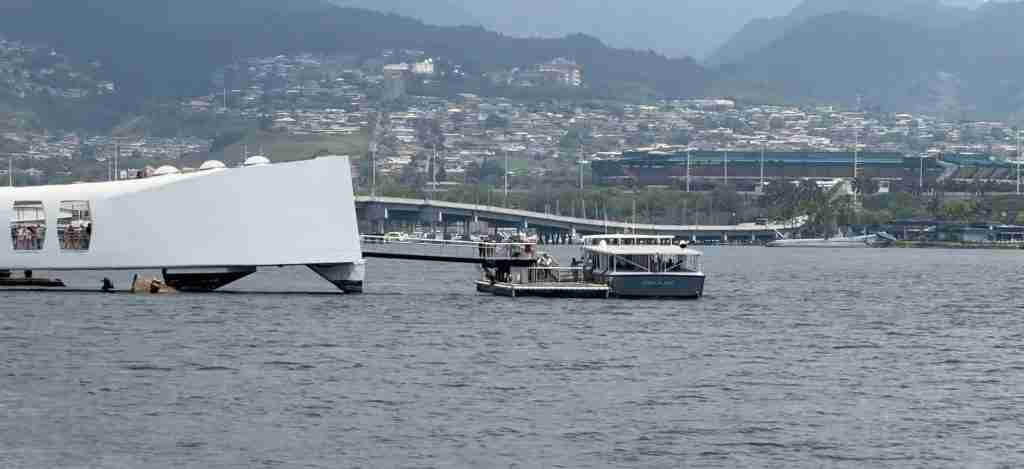
Free USS Arizona Memorial experience includes 23-minute documentary film providing December 7, 1941 attack context, followed by Navy shuttle boat to memorial platform built above sunken battleship. Oil continues rising from USS Arizona 85 years after sinking, visible on water surface from memorial deck. Total program requires 75 minutes including boat transport. Arrive 30 minutes before ticketed time for security screening, museum exhibits browsing, and outdoor memorial displays.
Battlefield Missouri $35 adults provides self-guided or docent-led tours of battleship where Japan formally surrendered September 2, 1945. Located on Ford Island requiring shuttle bus from visitor center, the experience adds 90-120 minutes. Pacific Aviation Museum $30 adults showcases World War II aircraft in historic hangars. USS Bowfin Submarine Museum $17 offers self-guided submarine interior tours. Combination tickets provide modest discounts when visiting multiple attractions.
11:30 AM – Return to Waikiki for Lunch: Return via Route 42 express or Route 20 stopping downtown, arriving Waikiki around 12:30-1:00 PM. Fresh seafood options include Nico’s Pier 38 $15-28 located near harbor or Maguro Brothers $12-18 for casual poke bowls. Giovanni’s Shrimp Truck $15 offers famous garlic shrimp plates though original North Shore location provides more authentic experience.
2:00 PM – Iolani Palace Tour: Reserve afternoon slot at Iolani Palace, Hawaii’s only royal palace and residence of Hawaiian monarchy until 1893 overthrow. Located in downtown Honolulu 15 minutes from Waikiki via Route 2, the palace offers guided tours $27.95 adults and self-guided audio tours $21.95. Reservations recommended through iolanipalace.org, particularly for limited 90-minute guided tours departing hourly. Tours explore throne room, dining room, royal bedrooms, and basement galleries while explaining Hawaiian kingdom history, overthrow events, and restoration efforts. Free exterior grounds exploration available without tickets.
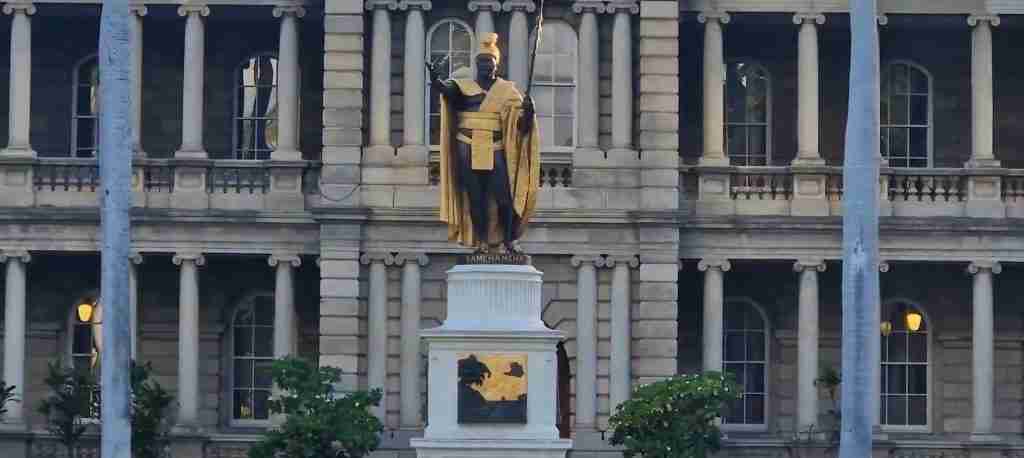
Adjacent Hawaii State Capitol building allows public access to open-air rotunda with symbolic architectural elements representing Hawaiian islands. King Kamehameha I statue across street provides popular photo opportunity, though crowds intensify midday. Walk two blocks to Kawaiahao Church, Hawaii’s first Christian church built 1842 from coral blocks, offering free self-guided visits during daytime hours.
4:00 PM – Honolulu Museum of Art Alternative or Shopping: Culture enthusiasts can substitute Honolulu Museum of Art $20 general admission for Iolani Palace, featuring 50,000-piece collection spanning Asian art, European masters, contemporary Hawaiian works, and Pacific Island artifacts. The museum occupies beautiful historic buildings with courtyard cafes providing peaceful afternoon respite. Wednesday evenings offer free admission 6:00-9:00 PM with live music performances.
Shopping alternatives include Ala Moana Center, Hawaii’s largest shopping mall featuring 350 stores from luxury boutiques to department stores, located between downtown and Waikiki on convenient bus routes. The open-air complex provides free hula shows, lei-making demonstrations, and cultural programs alongside shopping and dining options.
6:00 PM – Chinatown Dining Experience: Explore Chinatown’s authentic Asian restaurants and food halls offering Honolulu’s best dining value. Legend Seafood Restaurant in Chinatown Cultural Plaza serves traditional cart-service dim sum $20-35 per person with har gow, siu mai, char siu bao, and rotating dessert selections. Arrive before 6:30 PM to avoid 60-90 minute weekend waits. The Pig and the Lady $18-32 features modern Vietnamese cuisine earning James Beard attention. Little Village Noodle House $12-22 delivers reliable Chinese favorites in casual atmosphere. Maunakea Marketplace food stalls offer budget alternatives $8-15 for Filipino, Vietnamese, and Chinese specialties.
After dinner, browse Chinatown galleries, lei shops, and Asian grocery stores along Hotel Street and Maunakea Street. First Friday monthly gallery walks 5:00-9:00 PM transform neighborhood into arts festival with open studios, street performances, and food vendors. Safety precautions include avoiding quiet side streets after 10:00 PM and staying in well-lit commercial areas during evening exploration.
Day 2 Budget Summary:
Budget traveler daily cost: Hostel $31-42 per person sharing, breakfast $10, lunch $14, Chinatown dinner $16, Pearl Harbor free, TheBus $9, Iolani audio tour $22. Total approximately $102-113 per person.
Mid-range traveler daily cost: Hotel $90-140 per person sharing, breakfast $16, lunch $20, Chinatown dinner $28, Pearl Harbor combo $45, transport $15, Iolani guided tour $28. Total approximately $242-292 per person.
Luxury traveler daily cost: Resort $225-325 per person sharing, breakfast $40, lunch $35, fine dining $120, Pearl Harbor private tour $175, transport $40, cultural experiences $50. Total approximately $685-785 per person.
Day 3: North Shore Day Trip Alternative or Waikiki Beach Activities
Final day provides flexibility based on energy levels, weather conditions, and personal interests. Two complete alternatives accommodate different travel styles.
Option A: North Shore Day Trip
7:30 AM – Depart for North Shore: Rent vehicle ($65-85 daily including insurance) or book guided tour ($95-145 per person) for North Shore exploration requiring full day commitment. Self-drivers take H-1 west to H-2 north, then Kamehameha Highway through Haleiwa town, requiring 60-75 minutes from Waikiki depending on traffic. TheBus Route 52 provides budget alternative requiring 2.5 hours each direction with limited weekend service.
Stop at Dole Plantation $15 admission for pineapple plantation tour, garden maze, and pineapple soft serve, or bypass for beach focus. Laniakea Beach “Turtle Beach” offers frequent Hawaiian green sea turtle sightings from shore, requiring maintained 10-foot distance per wildlife protection laws. Free parking fills rapidly after 10:00 AM weekends.
11:00 AM – Haleiwa Town Exploration: Browse Haleiwa’s surf shops, art galleries, and shave ice stands lining historic plantation-era storefronts. Matsumoto Shave Ice $4-7 serves legendary rainbow-colored treats justifying 20-40 minute lines. Giovanni’s Shrimp Truck $15 delivers garlic shrimp plates from original North Shore roadside location. Haleiwa Beach Park provides swimming, picnicking, and local atmosphere free from tourist crowds.
1:00 PM – North Shore Beaches: Visit Sunset Beach, Banzai Pipeline, and Waimea Bay depending on season and surf conditions. Winter months December through March bring massive 15-30 foot waves attracting professional surfers but creating dangerous swimming conditions. Summer months May through September provide calm waters suitable for swimming, snorkeling, and stand-up paddleboarding. Lifeguards post colored flags indicating current conditions and safe activity areas. All beaches offer free access with limited parking filling early on weekends.
3:30 PM – Return to Waikiki: Depart North Shore by 3:30-4:00 PM avoiding rush hour traffic intensifying after 4:30 PM on H-1 eastbound. Evening returns can require 90-120 minutes compared to 60-minute morning drives. Budget extra time for rental car return and airport shuttle connections if departing Honolulu following day.
Option B: Waikiki Beach and Water Activities Day
9:00 AM – Surfing Lesson: Book 90-minute group surfing lesson $75-95 per person with reputable schools like Hans Hedemann Surf School or Faith Surf School operating from Waikiki Beach. Small group sessions 4-6 students provide individual attention while reducing costs compared to private lessons $165-195. Instructors supply soft-top beginner boards, rash guards, and basic instruction covering ocean safety, paddling technique, and wave catching fundamentals. Most first-timers successfully ride waves standing during initial lessons on Waikiki’s gentle rolling breaks. Morning sessions benefit from lighter winds and smaller crowds before midday beach congestion.
11:00 AM – Beach Relaxation and Swimming: Spend late morning enjoying beach swimming, boogie boarding with rented equipment $12-15 daily, or simple relaxation under rented umbrella $15-20. Queen’s Beach section offers excellent swimming with sandy bottom, gentle slope, and consistent lifeguard supervision. Sans Souci Beach at eastern Waikiki provides locals’ favorite swimming spot with clearer water, fewer crowds, and grassy Kapiolani Park adjacent for picnicking.
12:30 PM – Lunch at Beachfront Restaurant: Duke’s Waikiki $18-32 delivers beachfront views with casual atmosphere and reliable seafood-focused menu. Arrive before 1:00 PM avoiding peak lunch crowds and potential waits. Hula Grill $20-35 offers similar beachfront positioning with slightly elevated cuisine. Budget alternatives include food trucks along Kalakaua Avenue or return to Monsarrat Avenue for plate lunch pricing.
2:00 PM – Optional Outrigger Canoe Ride: Experience traditional Hawaiian outrigger canoe rides $30-40 per person for 45-60 minute sessions paddling beyond Waikiki surf breaks. Operators like Waikiki Beach Services and Hawaiian Surfing Adventures offer regular departures from central Waikiki, weather permitting. Groups paddle together under captain guidance, often catching waves surfing style on return journey. This authentic cultural activity provides unique perspective on Waikiki from ocean vantage point while learning about ancient Hawaiian navigation and fishing traditions.
4:00 PM – Kapiolani Park and Diamond Head Beach: Walk through Kapiolani Park’s 300 acres offering free access to sports fields, walking paths, banyan trees, and open green space perfect for afternoon relaxation away from beach crowds. The park hosts free concerts Sunday afternoons and regular community events. Adjacent Honolulu Zoo $21 adults provides optional wildlife viewing if energy and interest remain, though modest facility compared to mainland major city zoos.
Diamond Head Beach Park at eastern park edge offers excellent bodysurfing and boogie boarding with local surfer atmosphere contrasting Waikiki’s tourist scene. Limited parking and modest facilities maintain neighborhood character. Sunset views rival Waikiki’s famous displays from less crowded vantage points.
6:00 PM – Farewell Dinner Selection: Celebrate final Honolulu evening with dinner matching budget and culinary preferences. Roy’s Waikiki $32-48 entrées showcases Hawaiian Regional Cuisine founder Roy Yamaguchi’s Pacific Rim fusion earning James Beard recognition. Taormina Sicilian Cuisine $22-42 delivers authentic Italian with beachfront ambiance. Sansei Seafood Restaurant and Sushi Bar $18-38 offers creative Japanese fusion with 25% early bird discounts 5:30-6:00 PM arrival. Budget farewell options include returning to favorite plate lunch counters or food trucks discovered during previous days, celebrating successful trip completion with familiar reliable choices at authentic pricing.
Day 3 Budget Summary (Waikiki Beach Option):
Budget traveler daily cost: Hostel $31-42 per person sharing, breakfast $9, lunch $15, dinner $18, surfing lesson $85, beach activities $12, TheBus $6. Total approximately $176-187 per person.
Mid-range traveler daily cost: Hotel $90-140 per person sharing, breakfast $18, lunch $28, dinner $40, surfing lesson $90, canoe ride $35, transport $10, snorkel rental $20. Total approximately $331-381 per person.
Luxury traveler daily cost: Resort $225-325 per person sharing, breakfast $45, lunch $50, fine dining $130, private surfing $185, catamaran sail $165, transport $30. Total approximately $830-930 per person.
Seasonal Considerations and Weather Planning 2026
Honolulu’s tropical climate maintains year-round warmth with subtle seasonal variations affecting pricing, crowds, and activity feasibility. Understanding these patterns enables strategic timing maximizing value and experience quality.
Peak Winter Season: December – March 2026
Winter months attract maximum mainland visitors escaping cold weather, driving accommodation rates to annual peaks averaging $273-509 nightly compared to $180-350 shoulder season pricing. Christmas through New Year period represents absolute peak with hotels frequently selling out and requiring 6-12 month advance reservations. Major attractions including Diamond Head and Pearl Harbor reach daily capacity limits earlier in day. Restaurant waits extend significantly during evening dining hours 6:00-8:00 PM.
Weather delivers comfortable 73-77°F temperatures with occasional rain showers averaging 6-7 days monthly. North Shore experiences massive winter swells 15-30 feet attracting professional surfers but creating dangerous swimming conditions unsuitable for casual beach visitors. Waikiki maintains calmer protected waters suitable for swimming year-round. Winter months offer excellent whale watching opportunities as humpback whales migrate to Hawaiian waters December through April, with peak sightings January through March.
Shoulder Spring Season: April – May 2026
Spring represents ideal Honolulu visiting period combining excellent weather, moderate pricing, and manageable crowds. Temperatures rise to pleasant 75-79°F with decreased rainfall averaging 4-5 days monthly. Accommodation rates drop $50-100 below winter peaks while maintaining quality availability across all budget categories. Major attractions operate at comfortable capacity levels with Diamond Head reservations available 7-14 days before desired dates rather than requiring full 30-day advance booking.
Ocean conditions transition from winter swells to summer calm, providing versatile beach activities including swimming, snorkeling, and beginning surfing instruction. Water temperatures climb to comfortable 77°F requiring no wetsuit protection. Late spring brings slightly drier conditions ideal for hiking and outdoor exploration without winter’s occasional rain disruptions.
Peak Summer Season: June – August 2026
Summer delivers Honolulu’s warmest temperatures 79-82°F with minimal rainfall averaging 3 days monthly and extended daylight hours until 7:15 PM sunset. Family vacationers dominate visitor demographics with children out of school, creating moderate crowd levels below winter peaks but above shoulder season comfort. Accommodation pricing remains elevated though typically $30-60 below December-January maximums. Beach areas reach maximum capacity weekends requiring early arrival for preferred shade and proximity positions.
Ocean conditions provide calmest swimming and snorkeling opportunities with gentle 2-4 foot surf perfect for beginning surfers and stand-up paddleboarders. Water temperatures peak 80°F encouraging extended swimming sessions. Occasional tropical storms develop June through November, though direct Honolulu impacts remain rare with most systems passing north of Hawaiian Islands.
Value Fall Season: September – November 2026
Fall shoulder season delivers excellent value combining favorable weather with reduced pricing and minimal crowds. September maintains summer warmth gradually cooling through November to 77°F averages. Rainfall increases slightly through October and November averaging 5 days monthly but rarely disrupting full-day activities. Accommodation rates drop to annual lows with properties offering competitive pricing and frequent upgrade opportunities for advance bookers.
Thanksgiving week late November represents brief exception with increased mainland visitors and corresponding rate spikes, though significantly below winter holiday pricing. Beach conditions remain excellent through early November with calm swimming and snorkeling opportunities. Humpback whale early arrivals begin appearing late November, previewing winter whale watching season.
Neighborhood Dining Guide: Where Locals Actually Eat 2026
Monsarrat Avenue – Diamond Head Local Scene
Monsarrat Avenue parallel to Diamond Head delivers Honolulu’s best dining value combining authentic local favorites with comfortable casual atmosphere. Diamond Head Market & Grill $12-22 serves generous breakfast plates, lunch bowls, and take-out prepared foods attracting neighborhood residents and savvy tourists. Bogart’s Cafe $10-18 specializes in breakfast and lunch with outdoor seating and excellent coffee. Diamond Head Cove Health Bar $11-19 caters to post-hike crowds with acai bowls, smoothies, and health-conscious plates.
12th Avenue Grill $18-32 provides upscale neighborhood bistro experience featuring locally sourced ingredients and daily specials earning local loyalty. South Shore Grill $15-28 combines Mexican and Hawaiian fusion in casual setting with full bar. These establishments maintain prices 20-30% below equivalent Kalakaua Avenue tourist restaurants while delivering equal or superior food quality.
Kaimuki Neighborhood – Restaurant Row
Kaimuki’s Waialae Avenue concentration of restaurants represents Honolulu’s premier neighborhood dining scene, requiring 10-minute drive or 25-minute bus ride from Waikiki but rewarding effort with exceptional value and quality. The area attracts discerning local diners supporting innovative chefs in intimate settings.
Mud Hen Water $22-38 showcases James Beard semifinalist chef Ed Kenney’s Hawaiian soul food celebrating local ingredients and cultural traditions. Town $18-32 features market-driven Italian-inspired cuisine in minimalist setting. 12th Ave Grill $22-36 delivers New American comfort food with exceptional wine selection. Hale Vietnam $12-22 serves authentic Vietnamese earning citywide acclaim. These restaurants fill rapidly for dinner service requiring advance reservations or early arrival before 6:00 PM rush.
Chinatown – Authentic Asian Cuisine
Chinatown’s compact downtown district provides Honolulu’s most diverse ethnic dining spanning Chinese, Vietnamese, Thai, Filipino, and fusion concepts at prices well below Waikiki tourist areas. Legend Seafood Restaurant $20-35 delivers traditional dim sum cart service matching Hong Kong standards. The Pig and the Lady $18-32 features modern Vietnamese earning James Beard attention. Fete $28-48 showcases fine dining Hawaiian ingredients in intimate setting. Little Village Noodle House $12-22 provides reliable Chinese favorites without pretense.
Chinatown food halls and markets offer authentic meals $8-15 from Filipino lunch counters, Vietnamese pho specialists, and Chinese BBQ shops. Maunakea Marketplace downstairs food court concentrates options in single location with communal seating and cash-only vendors. Evening exploration benefits from First Friday monthly arts walk transforming neighborhood into festival atmosphere with extended restaurant hours and street food vendors.
Plate Lunch Institutions – Essential Honolulu
Hawaii’s plate lunch tradition represents authentic local dining delivering complete filling meals $11-16 from humble counters and food trucks. Rainbow Drive-In near Kapahulu serves legendary plates since 1961 with teriyaki beef, mahimahi, and mixed plate combinations beloved by generations of local families. Helena’s Hawaiian Food $14-20 specializes in traditional Hawaiian cuisine including pipikaula short ribs, squid luau, and haupia earning James Beard recognition despite basic cafeteria setting.
Ono Seafood $12-16 near Kapahulu focuses exclusively on poke bowls featuring daily-fresh fish preparations. Fukuya Delicatessen in McCully specializes in Japanese-Hawaiian fusion including oxtail soup and chicken katsu. These establishments close early evening hours, typically 5:00-7:00 PM, requiring lunch or early dinner timing. Cash payment preferred though most now accept cards.
Money-Saving Strategies for Honolulu 2026
Accommodation Cost Reduction Techniques
Eastern Waikiki hotels near Kapiolani Park deliver $30-80 nightly savings compared to central beachfront properties while maintaining equivalent beach access via 5-10 minute walks. Queen Kapiolani Hotel, Lotus Honolulu, and Hotel Renew provide comfortable mid-range options $180-280 versus $250-380 for beachfront equivalents. Budget travelers find hostels and older hotels $62-120 in this neighborhood compared to $90-160 central Waikiki rates.
Booking 90-180 days in advance secures better rates and property selection, particularly for peak winter season December through March. Shoulder seasons April-May and September-November offer spontaneous booking opportunities with competitive last-minute rates. Resort fees remain mandatory regardless of booking timing, adding $25-45 daily to advertised base rates. Avoid hotel parking $45-65 daily by using public transit exclusively, requiring slightly longer activity transitions but delivering significant three-day savings $135-195.
Condo rentals through platforms like VRBO provide kitchen facilities enabling grocery shopping and meal preparation, reducing dining costs $40-80 daily per couple compared to restaurant meals. Weekly rentals often include reduced per-night rates and waived cleaning fees. Confirm units include beach equipment, WiFi, and parking if needed before booking.
Dining Cost Management
Plate lunch counters and food trucks deliver complete filling meals $15-25 compared to sit-down restaurant entrées $30-45 for equivalent portions. Rainbow Drive-In, Ono Seafood, and roadside trucks along Kuhio Avenue provide authentic local cuisine at prices reflecting actual food costs rather than tourist premiums. Grocery store poke from Foodland or Times Supermarket costs $8-12 per half-pound versus $15-22 restaurant bowl equivalents.
Happy hour specials at Waikiki restaurants typically run 4:00-6:00 PM offering discounted pupus, drinks, and select entrées. Duke’s Waikiki, Yard House, and Tiki’s Grill provide substantial savings during early dining hours. Sansei Seafood offers 25% discount for 5:30-6:00 PM seating, reducing $38 rolls to $28.50. Early bird dining strategies enable occasional upscale experiences within moderate budgets.
Breakfast at Diamond Head Market & Grill, Bogart’s Cafe, or similar local spots costs $10-16 versus $18-32 hotel restaurant pricing. Free hotel continental breakfasts when included save $15-25 daily per person. ABC Store purchases of granola bars, fruit, and yogurt enable self-service breakfast under $8. Lunch remains best opportunity for budget dining with plate lunch options and food trucks providing maximum value. Allocate dining budget toward dinner experiences when restaurant atmosphere and service justify elevated pricing.
Activity and Attraction Savings
Free attractions including Waikiki Beach, Kapiolani Park, Ala Moana Beach Park, sunset viewing, and beach walking provide substantial entertainment value without admission costs. Diamond Head’s $5 entry represents best paid attraction value delivering iconic hiking experience and panoramic views for minimal investment. Pearl Harbor’s free USS Arizona Memorial requires only advance reservation effort while providing profound historical experience.
Afternoon beach activities including swimming, boogie boarding with owned equipment $25-35 purchased at Longs Drugs or Walmart, and picnicking cost nothing beyond equipment investment. Rental equipment including surfboards $25-40 daily, snorkel sets $15-20, beach chairs $12-15, and umbrellas $15-20 accumulates quickly, with purchase options providing better value for multi-day use when returnable to mainland or gifted before departure.
Wednesday evening Honolulu Museum of Art offers free admission 6:00-9:00 PM with live music programming. Royal Hawaiian Center and International Market Place provide free cultural programs including ukulele lessons, lei-making demonstrations, and hula shows multiple days weekly. First Friday Chinatown gallery walk delivers free arts and culture entertainment monthly. These complimentary programs provide authentic cultural exposure without entertainment budget impact.
Transportation Expense Minimization
TheBus HOLO card at $3 per ride delivers comprehensive island coverage at fraction of rental car costs. Three-day Waikiki-focused itineraries require approximately $18-27 total bus fares compared to rental car daily rates $65-85 plus hotel parking $45-65 and attraction parking fees. Monthly passes $90 benefit visitors staying 10+ days with frequent daily trips warranting unlimited access.
Walking between Waikiki activities eliminates many transit needs, with Diamond Head accessible via 30-minute beachside walk and central Waikiki restaurants/shopping reachable on foot from most accommodations. Rideshare services fill gaps when public transit proves inconvenient, with strategic $12-18 trips avoiding $65 rental car commitments. Airport shuttle services $16-22 per person shared-ride provide economical arrival and departure connections compared to $35-45 rideshare private service.
Bicycle rentals $25-35 daily offer independent beach cruiser exploration along Waikiki’s flat coastal paths extending to Diamond Head and Ala Moana. Some hotels include complimentary bicycle use in resort fees, providing free alternative to paid rentals when available. Electric bikes $45-65 daily enable longer Diamond Head climbs and expanded exploration range for moderate additional investment.
Sample 3-Day Budget Breakdowns by Travel Style 2026
Budget Traveler Complete 3-Day Cost
Accommodation: Waikiki Beachside Hostel dormitory $62 nightly × 3 nights = $186 total, $93 per person assuming two travelers sharing costs.
Meals: Breakfast $9-12 daily (market pastries, coffee), lunch $12-18 (plate lunch, food trucks), dinner $14-20 (casual dining, groceries). Daily food $35-50, three days $105-150 per person.
Transportation: HOLO card $2 initial, bus fares $18-27 for three days exploring. Total $20-29 per person.
Attractions: Diamond Head $5, Pearl Harbor free, beach activities free, cultural programs free. Total $5 per person.
Optional activities: Surfing group lesson $85, equipment rentals $20-30. Total $105-115 when included.
Complete budget 3-day trip: $223-292 per person without optional activities, $328-407 including surfing lesson. This aligns with projected budget tier range $255-390 allowing moderate meals and activities variation.
Mid-Range Traveler Complete 3-Day Cost
Accommodation: Queen Kapiolani Hotel standard room $230 nightly including resort fee × 3 nights = $690 total, $345 per person sharing double occupancy.
Meals: Breakfast $15-20 (Diamond Head Market, hotel breakfast), lunch $20-30 (casual restaurants, poke bowls), dinner $30-45 (sit-down restaurants, occasional fine dining). Daily food $65-95, three days $195-285 per person.
Transportation: Bus passes $27, occasional rideshare $25-40. Total $52-67 per person.
Attractions: Diamond Head $5, Pearl Harbor combination ticket $45, Iolani Palace $28, museum admission $20. Total $98 per person.
Activities: Surfing lesson $90, outrigger canoe $35, equipment rentals $30. Total $155.
Complete mid-range 3-day trip: $845-950 per person including full activity participation. This exceeds projected mid-range $630-945 at upper range when incorporating all suggested activities, allowing selective choices maintaining budget parameters.
Luxury Traveler Complete 3-Day Cost
Accommodation: Halekulani oceanfront room $550 nightly including resort fee × 3 nights = $1,650 total, $825 per person sharing.
Meals: Breakfast $30-45 (resort breakfast, boutique cafes), lunch $45-65 (beachfront restaurants), dinner $95-150 (fine dining, special occasion). Daily food $170-260, three days $510-780 per person.
Transportation: Private airport transfer $90, rideshare services $75-100, parking $65. Total $230-255 per person sharing costs.
Attractions: Pearl Harbor private tour $175, Diamond Head $5, premium museum access $40. Total $220.
Activities: Private surfing instruction $185, catamaran sunset sail $165, spa treatment $180, premium equipment $75. Total $605.
Complete luxury 3-day trip: $2,390-2,885 per person incorporating comprehensive premium experiences. This exceeds projected luxury tier $1,425-2,130 when including all optional activities, demonstrating luxury pricing scalability based on experience choices.
Practical Tips and Final Recommendations 2026
Packing Essentials for Honolulu Three Days
Hawaii’s tropical climate and casual beach culture simplify packing requirements. Bring reef-safe mineral sunscreen SPF 30+ as Hawaii banned chemical sunscreens containing oxybenzone and octinoxate damaging coral reefs. Lightweight quick-dry clothing including swimwear, shorts, t-shirts, and sundresses handles most activities. Light rain jacket or windbreaker addresses occasional showers and air-conditioned indoor cooling. Comfortable walking shoes for Diamond Head hiking plus sandals or flip-flops for beach and casual wear complete footwear needs.
Prescription medications in original containers, basic first aid supplies, and reef-safe insect repellent prevent common travel inconveniences. Reusable water bottle reduces plastic waste while maintaining hydration in warm climate. Dry bag protects electronics during beach activities. Small backpack or beach bag carries daily essentials. GoPro or waterproof phone case captures underwater memories. Electrical adapters unnecessary as Hawaii uses standard U.S. outlets and voltage.
Cultural Awareness and Local Etiquette
Hawaii maintains distinct cultural traditions deserving visitor respect and understanding. Remove shoes when entering homes and some establishments observing traditional Hawaiian and Asian customs. Respect sacred sites, historical markers, and cultural monuments by reading interpretive signs and following posted guidelines. Maintain 10-foot distance from Hawaiian green sea turtles, monk seals, and spinner dolphins under federal endangered species protections, observing without touching or pursuing wildlife.
Traffic congestion affects Honolulu during morning 7:00-9:00 AM and evening 4:00-6:30 PM rush hours. Patient driving, early activity timing, and public transit use minimize frustration. Honolulu’s multicultural population expects basic courtesy including queue respect, indoor quiet conversations, and trash disposal in proper receptacles. Tipping follows mainland U.S. standards: 18-22% restaurants, $2-3 per drink bartenders, $5-10 daily housekeeping, 15-20% rideshare drivers.
Safety Considerations and Emergency Information
Waikiki maintains excellent safety for tourists with heavy police presence and well-lit streets enabling comfortable evening walking in commercial areas. Avoid quiet side streets after 10:00 PM and maintain awareness of surroundings when using ATMs or handling cash. Secure valuables in hotel safes rather than leaving on beaches or in vehicles. Rental car break-ins affect popular attractions including Diamond Head and beach parking areas, motivating public transit use when possible.
Ocean safety requires understanding current beach conditions through lifeguard consultations and flag systems indicating swimming safety. Strong currents, sudden shore breaks, and sharp coral present hazards at various locations. Never turn back to ocean when standing near water’s edge, as unpredictable large waves periodically wash ashore causing injuries. Swim only at lifeguarded beaches during posted hours, typically 9:00 AM-5:30 PM. Lightning storms rare but dangerous when occurring, requiring immediate ocean exit when thunder heard.
Emergency services accessed via 911 provide police, fire, and ambulance response. Queen’s Medical Center in downtown Honolulu offers 24-hour emergency care. Minor illnesses and injuries addressed at Straub Medical Center urgent care or Waikiki Urgent Care locations accepting most insurance. U.S. citizens require no passport for Hawaii domestic travel. International visitors need valid passports and appropriate visa documentation when entering United States through Honolulu International Airport.
Trip Extension Opportunities
Three days captures Honolulu’s essential experiences while leaving excellent attractions unexplored, justifying trip extensions for travelers with flexible schedules. Additional days enable North Shore full exploration including Haleiwa town, Waimea Bay swimming, and Banzai Pipeline surf viewing. Windward coast destinations including Kailua Beach, Lanikai Beach, and Makapu’u Lighthouse Trail reward day-long excursions with pristine beaches and dramatic coastal scenery.
Neighbor island day trips via 30-40 minute inter-island flights expand Hawaiian archipelago exposure. Maui’s Road to Hana, Haleakala National Park, and resort beaches provide distinct experiences beyond Oahu offerings. Big Island showcases active volcanoes, snorkeling with manta rays, and Kona coffee farms. Kauai delivers dramatic Na Pali Coast, Waimea Canyon, and lush tropical landscapes. These inter-island additions require minimum two additional days per island for meaningful exploration justifying flight costs and logistical complexity.
Extended Honolulu stays enable deeper neighborhood exploration including Manoa Falls hiking, Lyon Arboretum botanical gardens, Punchbowl National Cemetery, and University of Hawaii campus culture. Surfing skill progression benefits from multiple lessons across several days. Scuba diving certification courses require 3-4 days, providing access to advanced underwater experiences beyond basic snorkeling. These activity-focused extensions appeal to special interest travelers prioritizing specific pursuits over destination variety.
Frequently Asked Questions About Honolulu 3-Day Trips 2026
Can I see everything in Honolulu in 3 days?
Three days captures Honolulu’s essential experiences including Diamond Head hiking, Pearl Harbor history, Waikiki Beach activities, and authentic local dining, but cannot cover every worthwhile attraction in this diverse city. This itinerary prioritizes first-time visitor must-see destinations while acknowledging excellent alternatives like Hanauma Bay snorkeling, Bishop Museum cultural exhibits, Manoa Falls hiking, and North Shore exploration requiring additional days. Selective travelers focusing on specific interests can thoroughly explore favorite categories within three days, while comprehensive explorers benefit from 5-7 day visits incorporating neighbor island day trips and extended activity participation.
What is the cheapest month to visit Honolulu in 2026?
September and October 2026 offer Honolulu’s lowest accommodation rates and airfare prices, with hotel rooms averaging $180-280 nightly compared to December-March winter peaks $273-509. Early September maintains excellent weather with temperatures 79-81°F and minimal rainfall, while late October sees slightly increased precipitation averaging 5 days monthly. Avoid Thanksgiving week late November when rates spike temporarily. Budget travelers booking September visits secure significant savings while experiencing comfortable weather and reduced crowds at major attractions. May represents spring alternative with comparable pricing and slightly drier conditions for those preferring earlier season travel.
Is Waikiki Beach safe for swimming year-round?
Waikiki Beach maintains safe swimming conditions year-round with gentle waves, sandy bottom, and consistent lifeguard supervision during posted hours 9:00 AM-5:30 PM. Protected reef offshore reduces wave energy creating calm swimming environment suitable for families and inexperienced swimmers. Water temperatures average 77-80°F requiring no wetsuit protection even winter months. Occasional high surf advisories during winter storms December through March warrant consulting lifeguards before entering water. Always swim at lifeguarded beach sections, avoid swimming during early morning or evening hours without supervision, and respect warning flags indicating dangerous conditions. Waikiki’s tourism infrastructure ensures maintained beach safety standards exceeding more remote Hawaiian beach locations.
How far in advance should I book Diamond Head reservations for 2026?
Book Diamond Head State Monument reservations 30 days in advance when reservation window opens for peak season March through August 2026. Popular sunrise slots 6:00-8:00 AM and weekend timings sell out within hours of becoming available. Shoulder season April-May and September-November typically offer availability 14-21 days before desired dates, while winter months December-January require full 30-day advance booking. Midday slots 12:00-4:00 PM maintain better last-minute availability throughout year for flexible visitors. Check reservation site daily for cancellations releasing unexpected openings closer to travel dates. Alternative morning activities include Makapu’u Lighthouse Trail, Manoa Falls, or early Waikiki Beach walks when Diamond Head proves unavailable.
What should I budget for meals per day in Honolulu 2026?
Budget travelers manage $35-50 daily per person combining market breakfast pastries $8-12, plate lunch counters $15-20, and casual dinner $14-20 with occasional grocery store supplements. Mid-range diners allocating $65-95 daily enjoy sit-down breakfast $15-20, casual lunch restaurants $20-30, and comfortable dinner $30-45 with appetizers or drinks. Luxury travelers investing $170-260 daily dine at resort breakfast venues $30-45, beachfront lunch spots $45-65, and fine dining restaurants $95-150 per entrée plus wine pairings. Hawaii’s 4.712% general excise tax applies to all meals. Tipping expectations follow mainland standards at 18-22% for table service. Food trucks, plate lunch counters, and grocery store poke provide authentic Hawaiian cuisine at significant savings compared to tourist-focused restaurants charging premium prices for equivalent quality.
Do hotels in Honolulu include free breakfast in 2026?
Most Waikiki hotels charge separately for breakfast at on-site restaurants $18-32 per person buffet or $12-24 à la carte, with complimentary breakfast uncommon except at select mid-range chains and hostels. Resort fees $25-45 daily occasionally include continental breakfast vouchers or coffee service but rarely full hot breakfast. Budget hotels and hostels like Waikiki Beachside Hostel provide basic continental breakfast within room rates. Hyatt Place Waikiki includes breakfast in package rates. Check specific hotel policies during booking to understand breakfast inclusions. Most budget travelers find better value purchasing breakfast at Diamond Head Market & Grill $10-16, Bogart’s Cafe $10-14, or ABC Store groceries under $8 compared to hotel restaurant pricing.
Can I use Uber and Lyft in Honolulu?
Uber and Lyft operate throughout Honolulu with reliable service, app-based booking, and competitive pricing for short trips. Typical Waikiki-to-Diamond Head rides cost $12-18, Waikiki-to-Pearl Harbor $25-35, and Waikiki-to-airport $35-45 depending on traffic and surge pricing. Rideshare availability peaks in Waikiki tourist areas with 5-10 minute wait times, while pickup times extend 15-25 minutes in residential neighborhoods. Traditional taxi cabs remain available at hotels and tourist attractions using meter-based pricing averaging $3.50 initial plus $2.60 per mile. Most visitors find rideshare apps more convenient and transparent than traditional taxis. TheBus public transit at $3 per ride provides economical alternative for budget travelers comfortable with slightly longer travel times and route planning requirements.
What is the best day of the week to visit Pearl Harbor?
Weekday visits Tuesday through Thursday provide optimal Pearl Harbor experience with reduced crowds compared to weekend congestion. Morning programs 8:00-10:00 AM offer cooler temperatures and freshest visitor energy before afternoon heat and fatigue. USS Arizona Memorial operates daily except Thanksgiving, Christmas, and New Year’s Day. Battleship Missouri and other attractions maintain similar daily schedules without weekly closures. Summer months June through August bring maximum family visitor numbers regardless of weekday, while September through November deliver smallest crowds. Book USS Arizona Memorial tickets exactly when 60-day advance window opens regardless of selected visit day, as all days sell out quickly during peak season. Same-day standby tickets released 7:00 AM daily provide last-resort options requiring very early arrival and no guarantees.
Is 3 days enough for first-time visitors to Honolulu?
Three days provides first-time visitors sufficient time experiencing Honolulu’s essential attractions including Diamond Head hiking, Pearl Harbor history, Waikiki Beach swimming, and authentic Hawaiian dining while maintaining comfortable pacing without exhausting daily schedules. This duration allows focus on Honolulu proper without attempting unrealistic North Shore day trips or multiple neighbor island excursions fragmenting limited time. First-time visitors appreciate concentrated Waikiki base minimizing accommodation changes and logistics while exploring Hawaii’s most accessible destination. Extended stays 5-7 days benefit travelers adding North Shore beaches, windward coast exploration, or neighbor island day trips but risk overwhelming inexperienced visitors unfamiliar with Hawaiian geography, culture, and activity pacing. Quality focused exploration of fewer destinations exceeds rushed attempts covering excessive ground within limited timeframes.
What is the average cost per day in Honolulu for couples in 2026?
Couples traveling mid-range comfort spend $210-315 per person daily in 2026, totaling $420-630 per couple assuming two sharing hotel accommodation. This budget includes hotel $180-280 nightly divided between two people, meals $65-95 per person for breakfast, lunch, and dinner, transportation $15-25 per person mixing TheBus and occasional rideshare, and attractions $25-40 per person for admission tickets and activities. Three-day trips cost $630-945 per person or $1,260-1,890 per couple total. Budget travelers reduce costs to $85-130 per person daily selecting hostel dormitories, plate lunch dining, and exclusive public transit use. Luxury couples invest $475-710 per person daily choosing oceanfront resorts, fine dining, and premium guided experiences. These ranges assume advance planning, shoulder season travel, and moderate spending patterns without excessive shopping, nightlife, or luxury indulgences beyond daily experiences.