
Hofburg Palace Vienna: Complete Travel Guide 2026
Key Takeaways
- Hofburg Palace admission costs €15-17.50 for adults in 2026, with combo tickets providing better value at €37-43 for multiple attractions
- The Imperial Apartments, Sisi Museum, and Imperial Silver Collection require 2.5-3 hours minimum for thorough exploration
- Book online in advance during peak summer months (June-August) to avoid 30-45 minute ticket queues at entrance
- Vienna Pass offers unlimited access to Hofburg and 70+ attractions for €84-164, ideal for multi-day city exploration in 2026
- Early morning visits (9:00-10:30 AM) provide quieter viewing conditions before tour group arrivals
- The palace complex spans 240,000 square meters with 2,600 rooms, making it one of Europe’s largest palace complexes
Introduction: Planning Your Hofburg Palace Visit in 2026
The Hofburg Palace stands as Vienna’s most magnificent imperial residence, serving as the primary winter palace of the Habsburg dynasty for over 600 years. This sprawling complex in the heart of Vienna’s historic center evolved from a medieval fortress into an architectural masterpiece showcasing Gothic, Renaissance, Baroque, and Rococo styles across centuries of continuous expansion.
Planning your 2026 visit requires understanding the palace’s multiple museums, varying admission options, optimal visiting times, and strategic booking approaches. The complex houses several distinct attractions including the Imperial Apartments where Emperor Franz Joseph and Empress Elisabeth lived, the comprehensive Sisi Museum dedicated to Austria’s beloved empress, the spectacular Imperial Silver Collection displaying courtly dining culture, and the Austrian National Library’s State Hall featuring one of the world’s most beautiful baroque library rooms.
The palace complex remains partially functional as Austria’s official governmental center, housing the Austrian President’s offices and the OSCE headquarters, adding contemporary political significance to its historical grandeur. This dual role as museum and working government facility creates unique visiting dynamics that strategic planning can optimize for the best 2026 experience.
People Also Ask About Hofburg Palace Vienna 2026
How much does it cost to visit Hofburg Palace in 2026?
Individual admission to the Imperial Apartments, Sisi Museum, and Silver Collection costs €17.50 for adults in 2026, €16 for seniors (65+), €11.50 for students under 25, and children under 19 enter free with adults. Check the official Hofburg website for current rates as pricing may vary seasonally.
Combo tickets provide significant value: the Hofburg Plus ticket including the Imperial Treasury costs €26, while the comprehensive Sisi Ticket covering Hofburg, Schönbrunn Palace, and Imperial Furniture Collection costs €43 for adults. The Vienna Pass at €84-164 for 1-6 days includes unlimited Hofburg access plus 70+ Vienna attractions and public transport.
What is the best time to visit Hofburg Palace in 2026?
Early morning entry at 9:00-10:30 AM offers the quietest viewing conditions before tour groups arrive around 11:00 AM. Weekday visits from Tuesday through Thursday experience lower crowds than weekends and Mondays. Shoulder seasons (April-May and September-October 2026) balance pleasant weather with manageable visitor numbers compared to peak summer months.
Winter months (November-March) provide the most intimate viewing experience with significantly reduced crowds, though Vienna’s cultural appeal remains high year-round. The palace stays open until 6:00 PM daily (last entry 5:30 PM), with late afternoon visits (after 4:00 PM) offering another quieter window as many tour groups depart.
Do you need advance bookings for Hofburg Palace in 2026?
Online advance booking is strongly recommended during peak season (June-August) to avoid 30-45 minute ticket queues at the entrance. While walk-up tickets remain available, advance bookings guarantee entry at your preferred time and allow you to proceed directly through security screening, saving 40-60 minutes during busy periods.
Combo tickets like the Sisi Ticket or Vienna Pass can be purchased online before your trip and activated upon first use at any included attraction. The Vienna Pass includes skip-the-line privileges at major sites, providing additional time savings during 2026’s expected high tourism season as Vienna continues recovering to pre-pandemic visitor numbers.
How long does it take to visit Hofburg Palace in 2026?
The core Hofburg experience (Imperial Apartments, Sisi Museum, Silver Collection) requires 2.5-3 hours for thorough exploration without rushing. Audio guides included with admission provide comprehensive information at your own pace across 24 rooms and exhibition spaces.
Adding the Imperial Treasury extends your visit by 90-120 minutes to view the Habsburg crown jewels and Holy Roman Empire regalia. The Austrian National Library State Hall requires an additional 45-60 minutes. A comprehensive Hofburg day exploring all major attractions spans 5-6 hours including breaks, making it ideal to dedicate a full morning and early afternoon to the complex.
Extended multi-day tours – 5+ days
Featured Vienna Multi-Day Tour Packages
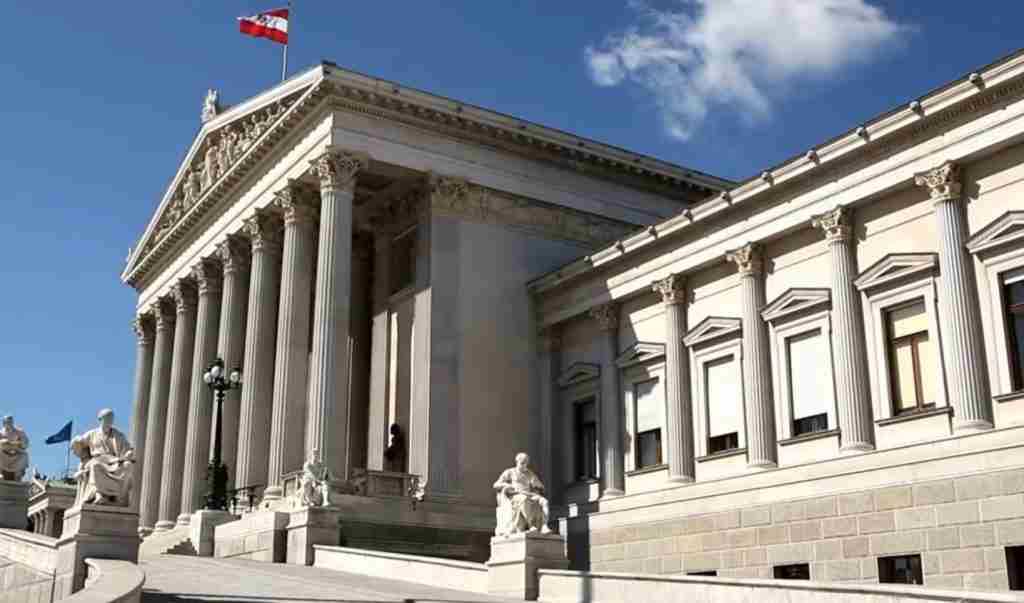
3 days
Vienna 3-Day Discovery Tour
- ✓ Comprehensive Vienna experience
- ✓ Expert local guides included
- ✓ All accommodation included
- ✓ Transportation provided
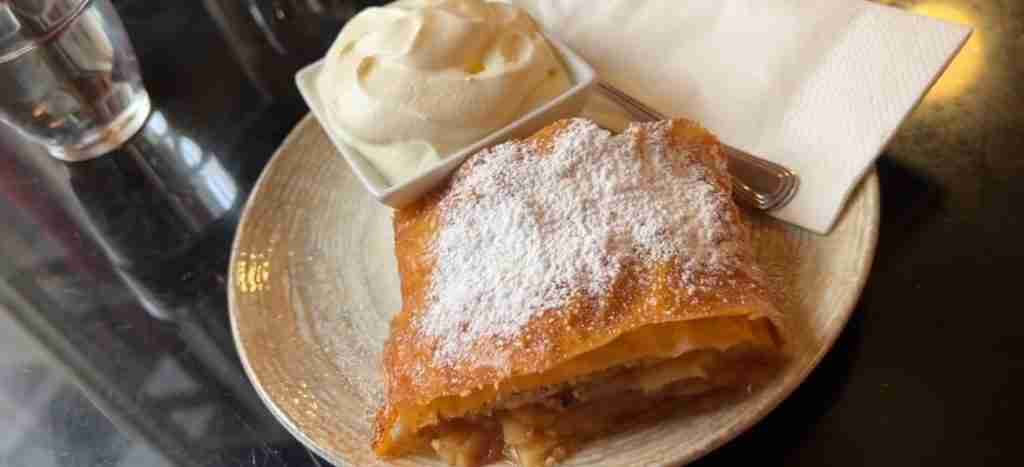
5 days
Vienna 5-Day Highlights Experience
- ✓ Comprehensive Vienna experience
- ✓ Expert local guides included
- ✓ All accommodation included
- ✓ Transportation provided
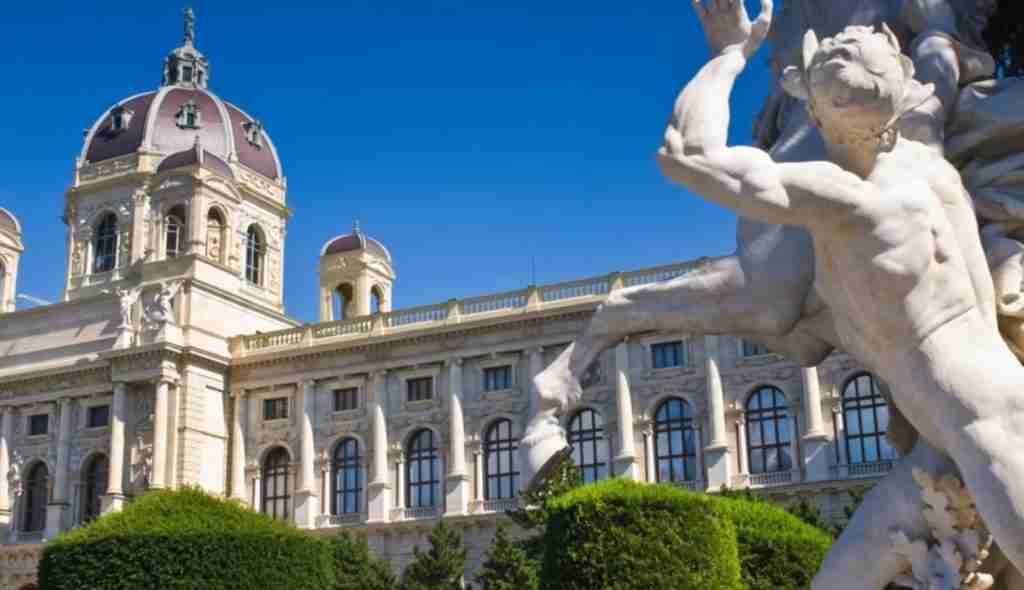
7 days
Vienna 7-Day Cultural Journey
- ✓ Comprehensive Vienna experience
- ✓ Expert local guides included
- ✓ All accommodation included
- ✓ Transportation provided

10 days
Vienna 10-Day Complete Adventure
- ✓ Comprehensive Vienna experience
- ✓ Expert local guides included
- ✓ All accommodation included
- ✓ Transportation provided
Multi-day tour packages powered by TourRadar. Prices and availability subject to change.
Essential Planning Information 2026
Current Costs and Pricing Breakdown 2026
Understanding Hofburg’s pricing structure helps optimize your 2026 budget. The Imperial Apartments, Sisi Museum, and Silver Collection combination costs €17.50 for adults, €16 for seniors (65+), €11.50 for students under 25 with valid ID, and free entry for children under 19 when accompanied by adults. Check the official Imperial Palace website for current official rates as pricing may vary.
The Imperial Treasury (Schatzkammer) requires separate admission at €14 for adults, €11 for students and seniors, free for children under 19. This houses the Habsburg crown jewels, Holy Roman Empire regalia, and the Burgundian treasures spanning 1,000 years of European history.
Combo ticket options provide substantial savings for visitors planning multiple attractions. The Hofburg Plus ticket (Imperial Apartments + Treasury) costs €26 for adults versus €31.50 purchased separately. The comprehensive Sisi Ticket covering Hofburg, Schönbrunn Palace, and the Imperial Furniture Collection costs €43 for adults (valid one year), saving €12-15 compared to individual admissions.
The Vienna Pass offers the best value for extensive city exploration, priced at €84 (1 day), €111 (2 days), €137 (3 days), €164 (6 days) in 2026. This includes unlimited entries to 70+ attractions including Hofburg, Schönbrunn, Belvedere, Spanish Riding School, plus free public transport and hop-on-hop-off bus tours. The pass pays for itself after visiting 3-4 major attractions plus using public transport.
Audio guides come included with Hofburg admission in 14 languages, covering all exhibition rooms with historical context and architectural details. Guided tours in English and German run at scheduled times for €5 supplement beyond basic admission, providing expert interpretation of the imperial apartments and their historical significance.
Transportation Options and Access 2026
Hofburg Palace occupies Vienna’s historic center at Michaelerplatz, easily accessible via multiple public transport options. The U3 subway line reaches Herrengasse station 400 meters (5-minute walk) from the main entrance. Trams 1, 2, D, and 71 stop at Burgring, Volkstheater, or Dr.-Karl-Renner-Ring within 5-8 minutes walking distance.
Vienna’s excellent public transport network operates 5:00 AM to midnight on weekdays, until 12:30 AM on Friday-Saturday nights, with night buses maintaining service during closed hours. A single ticket costs €2.40, 24-hour tickets €8, 48-hour €14.10, and 72-hour €17.10 in 2026. Weekly tickets cost €17.10 (Monday-Monday), providing best value for extended stays.
Walking from St. Stephen’s Cathedral takes 12-15 minutes via Graben and Kohlmarkt, Vienna’s premier shopping streets, making this a pleasant approach that orients you to the historic center. From the Vienna State Opera, a 10-minute walk along Opernring and Burgring brings you to the Heldenplatz entrance.
Bicycle rental through Vienna’s Citybike system offers free first hour with subsequent hours at €1-2, with docking stations throughout the inner city. The flat, compact historic center makes cycling efficient, though pedestrian zones require walking bikes through Michaelerplatz and Heldenplatz areas during peak hours.
Private taxis and ride-sharing services provide direct access to Michaelerplatz, costing €15-25 from Vienna’s main train station (Wien Hauptbahnhof), €25-35 from Vienna International Airport depending on traffic conditions. Drop-off occurs at Michaelerplatz with a short walk to the main entrance.
Understanding the Hofburg Complex 2026
Palace Layout and Major Attractions
The Hofburg complex evolved over seven centuries into a sprawling 240,000-square-meter site containing 2,600 rooms, 19 courtyards, and 18 wings. This makes comprehensive navigation essential for efficient 2026 visits. The main tourist entry at Michaelerplatz leads through Michael’s Wing (Michaelertrakt) to the Imperial Apartments, Sisi Museum, and Silver Collection.
The Imperial Apartments showcase 24 rooms where Emperor Franz Joseph and Empress Elisabeth lived from 1857-1898. Highlights include Franz Joseph’s sparse military-style bedroom and study, Elisabeth’s luxurious apartments with gymnastics equipment reflecting her fitness obsession, and the grand reception rooms where the Habsburg court conducted official ceremonies.
The Sisi Museum across six rooms presents Empress Elisabeth’s complex life through 300 personal objects including her traveling case, poetry manuscripts, reconstructed court dresses showing her legendary 50cm waist, and death mask from her 1898 assassination in Geneva. The museum provides psychological depth to Vienna’s most romanticized historical figure.
The Imperial Silver Collection displays 7,000 pieces of imperial tableware, porcelain, and dining accessories across 20 rooms. Highlights include the 140-piece Milan centerpiece weighing 300kg, Chinese and Japanese porcelain collections, and elaborate table settings demonstrating Habsburg court dining protocol for banquets serving hundreds of guests.
The Imperial Treasury (separate admission) contains Europe’s most important collection of secular and ecclesiastical treasures. The crown of the Holy Roman Empire (962 AD), Austrian imperial crown (1602), cradle of Napoleon’s son, and the legendary Burgundian treasures including the world’s largest cut emerald represent 1,000 years of European dynastic power.
The Austrian National Library State Hall (separate admission) ranks among the world’s most magnificent library rooms. The baroque hall designed by Johann Bernhard Fischer von Erlach contains 200,000 volumes from 1501-1850, with elaborate ceiling frescoes by Daniel Gran and marble columns creating a temple to knowledge under 30-meter-high dome.
Historical Context and Significance
The Hofburg began as a medieval fortress built in 1279 by King Ottokar II of Bohemia before Habsburg Duke Albrecht I acquired it in 1282, establishing it as the dynasty’s primary seat for 636 years until the empire’s collapse in 1918. Each generation expanded and renovated, creating the architectural diversity visible today.
The Swiss Court (Schweizerhof) represents the oldest section from the 13th-16th centuries, named for the Swiss Guard stationed there. The Renaissance Swiss Gate (1553) provides the most prominent medieval remnant, leading to the Imperial Treasury and the Hofburg Chapel where the Vienna Boys’ Choir performs Sunday masses.
Leopold I’s expansion in the 1660s-1680s created the baroque Leopold Wing and Imperial Chancellery, establishing the palace’s role as governmental center beyond mere royal residence. This dual function continued through Austrian Republic establishment in 1918 and persists today with presidential offices occupying the Leopold Wing.
The Spanish Riding School, housed in the Winter Riding School completed in 1735, represents the world’s oldest continuously operating classical riding academy. The magnificent baroque hall hosts daily training sessions and formal performances featuring Lipizzaner stallions executing Renaissance haute école movements refined over four centuries.
Emperor Franz Joseph’s 68-year reign (1848-1916) saw the final major expansion with the New Hofburg (Neue Burg) completed 1881-1913. This monumental curved wing facing Heldenplatz was intended as part of a massive imperial forum connecting Hofburg to museums across Ringstrasse, a grandiose project never completed before the empire’s 1918 collapse.
Best Time to Visit Hofburg Palace 2026
Seasonal Analysis for 2026 Planning
Spring (April-May 2026) offers ideal visiting conditions with pleasant temperatures averaging 12-18°C, blooming gardens in nearby Burggarten and Volksgarten, and moderate crowds as European tourism season begins. Easter week sees increased visitors, but overall numbers remain manageable compared to summer peaks. May particularly balances excellent weather with pre-summer crowd levels.
Summer (June-August 2026) brings peak tourist season with maximum crowds, longest queues, and highest hotel prices. July and August see average temperatures of 20-25°C with occasional heat waves pushing 30°C+. The palace’s air-conditioned interior provides welcome relief during hot spells. Extended daylight hours until 9:00 PM allow flexible scheduling of outdoor Hofburg exploration around morning museum visits.
Autumn (September-October 2026) rivals spring as the optimal visiting period. September maintains pleasant 15-20°C temperatures with reduced crowds as school holidays end. October’s fall foliage in palace gardens creates photogenic backdrops while cooler 10-15°C temperatures make walking tours comfortable. Vienna’s cultural season intensifies with opera and concert schedules resuming full programs.
Winter (November-March 2026) offers the most intimate Hofburg experience with minimal crowds, though December’s Christmas markets increase inner city foot traffic. Temperatures average 0-5°C with occasional snow creating magical atmosphere around Heldenplatz. Indoor museums provide all-weather attraction, making winter ideal for serious historical and cultural study without summer distractions.
Daily Timing Strategies 2026
The palace opens 9:00 AM daily (September-June) and 9:00 AM (July-August), with last entry at 5:30 PM and final closure at 6:00 PM year-round. Arriving at 9:00 AM opening provides 15-30 minutes of quiet viewing before tour groups arrive. Security screening takes 5-10 minutes with minimal queuing at opening time.
Peak crowding occurs 11:00 AM-3:00 PM when tour buses discharge groups into the Imperial Apartments. The most popular rooms (Franz Joseph’s study, Elisabeth’s apartments, Silver Collection highlights) experience bottleneck congestion during these hours. Patience and strategic timing help navigate crowds without missing key exhibitions.
Late afternoon visits after 4:00 PM see reduced crowds as tour groups depart for hotel check-ins and dinner preparations. The final 90 minutes before 5:30 PM last entry offers another window of relative quiet, though be prepared for staff beginning closing procedures around 5:45 PM in less-visited rooms.
Weekday visits Tuesday-Thursday statistically show lower attendance than Mondays (when many European attractions close, pushing visitors to Hofburg), Fridays (early weekend visitors), and weekends (peak tourist and local traffic). Wednesday mornings at 9:00 AM opening represent the statistically quietest viewing window based on 2023-2024 attendance data.
Accommodation Strategies Near Hofburg 2026
Location Considerations for 2026 Stays
Staying within Vienna’s historic inner district (1st District/Innere Stadt) places you walking distance from Hofburg and major attractions. The area bounded by Ringstrasse contains Vienna’s highest concentration of sights, restaurants, and cultural venues, eliminating transportation time and costs for sightseeing.
Properties within 500 meters of Hofburg include luxury hotels along Kärntner Strasse, Graben, and Kohlmarkt, mid-range options on side streets like Wallnerstrasse and Bräunerstrasse, and budget accommodations in the Jewish Quarter (Judenplatz area). Proximity commands premium pricing, with location within the Ringstrasse adding 30-50% to rates compared to outer districts.
The Ringstrasse area (1st District edge) offers excellent value positioning 10-15 minutes walking from Hofburg with superior public transport connections. The Schottenring, Stubenring, and Kärntner Ring sections provide access to U2, U4 subway lines and multiple tram routes while maintaining central location advantages.
The 7th District (Neubau) and 8th District (Josefstadt) west of the Ringstrasse represent Vienna’s trendiest neighborhoods with boutique hotels, cafes, and restaurants serving local clientele. These areas lie 15-20 minutes by tram or subway from Hofburg while offering authentic Viennese atmosphere and 20-30% lower accommodation costs than the 1st District.
Budget Accommodation Options 2026
Hostels in Vienna’s center charge €25-45 per night for dormitory beds, €70-120 for private rooms with shared bathrooms. Wombat’s City Hostel near Naschmarkt offers modern facilities 15 minutes by subway from Hofburg, with 24-hour reception, communal kitchen, and social atmosphere ideal for solo travelers and backpackers.
Budget hotels and pensions in the 2nd-9th Districts range €80-140 per night for double rooms with private bathroom. Pension Wild near Volkstheater provides family-run hospitality 10 minutes from Hofburg, clean rooms with breakfast included, and personal attention that chain hotels cannot match. Book 2-3 months ahead for summer 2026 availability.
Apartment rentals through Booking.com and Airbnb offer self-catering alternatives at €90-160 per night for one-bedroom units, €140-220 for two-bedrooms in residential districts. Apartments provide kitchens for breakfast and light meals, reducing daily food costs by €15-30 per person while offering local neighborhood experiences.
Mid-Range and Luxury Options 2026
Three-star hotels in central Vienna charge €120-200 per night for standard doubles, rising to €180-280 during peak summer weeks. Hotel Am Stephansplatz places you 12 minutes walking from Hofburg with views toward St. Stephen’s Cathedral, modern rooms, breakfast buffet, and helpful concierge service for restaurant bookings and cultural ticket arrangements.
Four-star properties range €180-320 per night with superior amenities, central locations, and polished service. Hotel Sacher across from Vienna State Opera offers legendary hospitality, original Sacher-Torte in the cafe, and 10-minute walks to both Hofburg and Stephansplatz. The Imperial Riding School Renaissance Hotel occupies a converted baroque palace 500 meters from Hofburg with period details and modern luxury.
Five-star luxury hotels command €300-650+ per night for standard rooms, €500-1,200+ for suites. Hotel Imperial on Ringstrasse housed visiting royalty and dignitaries since 1873, offering palatial elegance, Michelin-quality dining, and impeccable service 10 minutes from Hofburg. The Park Hyatt Vienna occupies a converted bank building near Stephansplatz with contemporary luxury and spa facilities.
Apartment hotels like Adagio Aparthotel Vienna City combine hotel services with apartment space and kitchens at €140-240 per night, ideal for families or extended stays requiring more room than standard hotel configurations. These typically include breakfast areas, fitness facilities, and weekly housekeeping.
Transportation Guide to Hofburg 2026
Public Transport Options and Costs 2026
Vienna’s public transport network (Wiener Linien) operates one of Europe’s most efficient urban systems with five subway lines (U1-U6), 28 tram routes, and over 100 bus lines providing comprehensive coverage. The U3 subway line’s Herrengasse station serves Hofburg directly, while U1 and U4 reach nearby Stephansplatz and Karlsplatz stations within 10-12 minutes walking distance.
Single tickets cost €2.40 and remain valid 90 minutes for one journey including transfers between subway, tram, and bus. Validate tickets in blue stamping machines before boarding or face €105 fines from frequent plain-clothes inspectors. Tickets purchased on trams cost €2.60 with exact change required.
Day passes provide unlimited travel: 24-hour tickets cost €8.00, 48-hour €14.10, 72-hour €17.10 in 2026. Calculate break-even at 4-5 journeys daily for 24-hour passes. The 72-hour option offers best value for weekend visitors making multiple daily trips between attractions, accommodation, and restaurants throughout Vienna’s extensive network.
Weekly passes (Monday-Monday) cost €17.10, providing optimal value for stays of 4+ days. The Vienna City Card combines unlimited public transport with attraction discounts at €17-29 for 24-72 hours, though savings depend on specific attractions visited compared to straight transport passes.
The Vienna Pass at €84-164 for 1-6 days includes unlimited public transport plus free admission to 70+ attractions and hop-on-hop-off bus tours. This represents best overall value for intensive sightseeing schedules visiting 3+ major attractions daily over multiple days, eliminating both transport costs and individual admission fees.
Alternative Transportation Methods 2026
Walking represents the most pleasant way to experience Vienna’s compact historic center, with most major attractions within 15-20 minutes of each other. The pedestrianized Graben, Kohlmarkt, and Kärntner Strasse shopping streets create car-free walking routes connecting Stephansplatz, Hofburg, and the State Opera. Download offline Google Maps for navigation without data charges.
Bicycle rental through Vienna’s Citybike system offers free first hour, €1 for second hour, €2 for third hour, with subsequent hours at €4 each. Register online or at Tourist Info centers for access to 120 docking stations citywide. The flat terrain and extensive bike lanes make cycling efficient, though cobblestones in historic areas require caution and pedestrian zones prohibit riding during peak hours.
Electric scooters from Tier, Lime, and Bird rent at €1 unlock fee plus €0.19-0.25 per minute. Download apps for account setup and payment. Scooters provide quick point-to-point transport but require parking in designated zones and following traffic rules to avoid fines. The 1st District limits scooter speeds and parking areas to manage historic area impacts.
Taxis and Uber operate throughout Vienna with rides from central hotels to Hofburg costing €8-15 depending on exact origin point and traffic conditions. Airport transfers run €35-45 for standard taxis, €30-40 for Uber to Vienna International Airport 18km east of the center. Apps like Taxi 31300 and Taxi 40100 offer reliable service with English-speaking dispatchers.
Horse-drawn carriages (Fiaker) provide romantic transport around the Ringstrasse and historic center at premium tourist prices: €55-110 for 20-40 minute tours departing from Stephansplatz, Hofburg, and major hotels. Negotiate prices clearly before boarding and confirm route details to avoid misunderstandings about destinations and duration.
Dining and Food Options Near Hofburg 2026
Budget Dining Strategies 2026
Vienna’s traditional Wurstelstand (sausage stands) provide authentic quick meals at €3.50-6.50 for classic Käsekrainer (cheese sausage), Bosna, or Burenwurst with bread and mustard. Würstelstand Hoher Markt near Schwedenplatz operates 24/7 serving locals and tourists since 1928. These stands offer the most economical hot meals in central Vienna.
Bakery chains like Anker, Ströck, and Mann provide breakfast pastries (€1.20-3.50), sandwiches (€3.50-6.80), and coffee (€2.40-4.20) with seating areas throughout the inner city. A complete breakfast of coffee, croissant, and fruit juice costs €6-9, far below hotel breakfast buffet supplements of €15-25 at most properties.
Supermarket prepared foods from Billa, Spar, and Hofer (Aldi) offer sandwich options (€2.50-5), salads (€3-6), and ready meals (€4-8) for picnic lunches in nearby Burggarten or Volksgarten parks. Central locations include Billa on Graben and Spar on Kärntner Strasse, both within 10 minutes of Hofburg.
University cafeterias (Mensen) open to public serve filling lunches €5-9 including soup, main course, and side dish. Mensa Alte WU near Rossauer Lände operates weekdays 11:30 AM-2:00 PM, requiring 25-minute transit from Hofburg but offering substantial savings over tourist-area restaurants for budget-conscious travelers.
Traditional Viennese Cuisine 2026
Authentic Viennese Beisl (tavern) restaurants serve traditional cuisine in casual atmospheres at moderate prices. Gasthaus Pöschl in the 7th District offers classic Wiener Schnitzel €15-19, Tafelspitz (boiled beef) €16-20, and seasonal game dishes €17-23, with daily lunch specials at €9-13 representing excellent value.
Schnitzel represents Vienna’s signature dish, properly made from veal pounded thin, breaded, and fried in clarified butter. Figlmüller near Stephansplatz serves enormous schnitzels hanging over plate edges, costing €18-24 but shareable between two with side dishes ordered separately. Expect 30-60 minute waits without reservations during peak lunch and dinner hours.
Traditional coffee houses maintain 19th-century rituals of newspaper reading, pastry consumption, and leisurely socializing. Café Central near Hofburg charges €5-7 for coffee drinks, €4.50-8 for cakes, with Apfelstrudel, Sachertorte, and Esterhazytorte representing essential Viennese pastry experiences. Budget €15-20 per person for coffee and cake in historic coffee houses.
Heuriger (wine taverns) in Vienna’s outskirts serve new wine with buffet-style cold platters. Wieninger Heuriger in Stammersdorf offers buffet selections €8-16 per person with unlimited salad bar, traditional spreads, cold cuts, and cheeses, plus wine by the quarter-liter at €3-5. The 25-minute tram ride from center provides authentic local experience away from tourist areas.
Fine Dining and Special Occasions 2026
Michelin-starred restaurants offer exceptional cuisine at premium prices. Steirereck in Stadtpark holds two Michelin stars with tasting menus at €195-295 per person showcasing modern Austrian cuisine using regional ingredients and innovative techniques. Wine pairings add €110-180. Book 4-8 weeks ahead for 2026 dinner reservations.
Restaurant Konstantin Filippou near Staatsoper offers intimate fine dining with one Michelin star, featuring creative seasonal menus at €145-165 for 6-7 courses. The 32-seat restaurant emphasizes personalized service and wine selections from Austrian vineyards. Lunch menus at €65-85 provide more accessible fine dining experiences.
Hotel restaurants combine elegant settings with accomplished cuisine. The Bristol Lounge serves traditional Viennese cuisine in grand surroundings with mains €28-48, three-course dinner menus €65-85, and legendary breakfast buffets €32-38. The Imperial Hotel Restaurant offers similar quality and pricing with more formal atmosphere.
Wine bars and bistros like Vestibül in Burgtheater courtyard provide sophisticated dining €25-45 per person with excellent Austrian wine selections. The dramatic baroque setting and seasonal menus focusing on local producers deliver special occasion ambiance without Michelin pricing, making reservations essential for weekend dinners.
Sample Itineraries 2026
Half-Day Hofburg Focus (4-5 Hours)
Morning arrival at 9:00 AM Hofburg opening provides optimal viewing conditions. Begin with Imperial Apartments requiring 90-120 minutes for thorough exploration of Franz Joseph and Elisabeth’s living quarters, reception rooms, and audience chambers. Audio guides included with admission provide room-by-room historical context and architectural details.
Continue to the Sisi Museum for 45-60 minutes examining Empress Elisabeth’s personal objects, poetry, and reconstructed court dresses. The museum’s intimate scale and psychological depth complement the formal Imperial Apartments with personal insights into Vienna’s most romanticized historical figure.
Complete the core Hofburg experience with the Imperial Silver Collection, requiring 45-60 minutes to appreciate the elaborate table settings, porcelain collections, and massive Milan centerpiece. The collection demonstrates Habsburg court dining protocol and artistic patronage across centuries.
Exit around 12:30-1:00 PM for lunch at nearby restaurants or cafes. Budget €15-25 for casual lunch at traditional Beisl, €8-12 for bakery sandwiches and coffee, or €4-8 for Wurstelstand quick meal.
Afternoon exploration of Hofburg’s exterior architecture and surrounding areas includes Heldenplatz, the Burgtheater facade, and Volksgarten rose gardens (peak bloom May-September). The Spanish Riding School entrance and imperial stables occupy the Stallburg wing, with training sessions viewable Tuesday-Saturday mornings for separate admission.
Half-day costs: Hofburg admission €17.50, lunch €8-25, coffee/snacks €5-10, local transport €2.40-4.80. Total: €33-57 per person excluding accommodation.
Full-Day Imperial Vienna (8-9 Hours)
Start with 9:00 AM Hofburg opening for Imperial Apartments, Sisi Museum, and Silver Collection (2.5-3 hours as detailed above). Early arrival maximizes quiet viewing before tour group arrivals.
Mid-morning coffee break at Café Central (10 minutes walk) for Viennese pastry and melange coffee €10-15, experiencing legendary coffee house culture in historic baroque setting where Freud, Trotsky, and other luminaries gathered.
Continue to Imperial Treasury (separate admission €14) for 90-120 minutes viewing Habsburg crown jewels, Holy Roman Empire regalia, Burgundian treasures, and ceremonial objects spanning 1,000 years of European dynastic history. The collection’s political and spiritual significance contextualizes Habsburg power.
Lunch at Gasthaus Pöschl or similar traditional Beisl for authentic Wiener Schnitzel, Tafelspitz, or seasonal specialties €15-25 including side dishes and mineral water. The 25-minute transit to 7th District provides authentic local atmosphere away from tourist-heavy inner city.
Afternoon visit to Austrian National Library State Hall (€10 separate admission) for 60-90 minutes in one of the world’s most magnificent library rooms. The baroque architecture, ceiling frescoes, and 200,000 historic volumes create overwhelming aesthetic experience. Photography allowed without flash.
Late afternoon stroll through Burggarten and Volksgarten (free) for relaxation and gardens before early dinner or return to accommodation. The gardens provide peaceful counterpoint to intensive museum visits with excellent Hofburg exterior photography angles.
Evening options include Spanish Riding School performance (€35-195 depending on seat location and performance type), Vienna State Opera standing room tickets (€10-20 available 80 minutes before curtain), or traditional Heuriger wine tavern dinner in outer districts €25-40 per person including wine.
Full-day costs: Hofburg €17.50, Imperial Treasury €14, National Library €10, coffee/pastry €10-15, lunch €15-25, dinner €25-40, snacks/drinks €8-15, transport €8-17.10 (day pass). Total: €107-143 per person excluding accommodation and evening entertainment.
Three-Day Vienna Cultural Immersion 2026
Day 1 – Hofburg and Historic Center: Morning Hofburg visit (Imperial Apartments, Sisi Museum, Silver Collection), mid-morning coffee at Café Central, lunch at traditional Beisl, afternoon Imperial Treasury and National Library, evening walk through Ringstrasse and dinner near Stephansplatz. Accommodation €120-180 per night (mid-range double occupancy). Museum admissions €41.50, meals €40-60, coffee/snacks €15-20, transport included in 72-hour pass €17.10. Total Day 1: €96-121 per person excluding accommodation.
Day 2 – Schönbrunn and Vienna Woods: Morning Schönbrunn Palace Grand Tour (€29), gardens exploration, lunch at palace cafe €15-25, afternoon Gloriette climb and Imperial Carriage Museum (€12), evening Heuriger wine tavern in Grinzing €30-45 including wine and buffet. Total Day 2: €86-111 per person excluding accommodation.
Day 3 – Art Museums and Modern Vienna: Morning Kunsthistorisches Museum (€20), lunch at Naschmarkt food stalls €10-18, afternoon Belvedere Palace Upper Gallery (€18.50) for Klimt’s “The Kiss” and Austrian art collection, evening Vienna State Opera standing room performance (€10-20) or traditional dinner €25-40. Total Day 3: €83-96 per person excluding accommodation.
Three-day totals: Museum/attraction admissions €141-162, meals €115-163, coffee/snacks €25-35, 72-hour transport pass €17.10, accommodation €240-360 (two nights mid-range). Complete three-day costs: €538-737 per person for comprehensive Vienna cultural experience.
Money-Saving Strategies for 2026 Hofburg Visits
Advance Booking Benefits 2026
Early online booking through official channels provides guaranteed entry times during peak season when walk-up queues extend 45-90 minutes during July-August midday peaks. Advance tickets allow you to proceed directly to security screening, saving substantial time for actual museum viewing versus queue waiting.
Combo tickets purchased in advance offer 15-25% savings compared to individual admissions. The Sisi Ticket (€43 adults) covering Hofburg, Schönbrunn Palace, and Imperial Furniture Collection saves €12-15 versus separate purchases while remaining valid one year, allowing flexible scheduling across multiple days or return visits.
The Vienna Pass purchased online often features early-bird discounts of 10-15% compared to on-site purchases, with 2-3 day passes providing best value for intensive sightseeing schedules. Calculate your planned attractions to ensure the pass saves money versus individual admissions – typically requiring 3-4 major sites daily for financial advantage.
Free audio guides included with Hofburg admission eliminate €5-10 separate audio guide rental fees charged at many European palaces. The 14-language guides provide comprehensive room-by-room information, making expensive guided tours unnecessary for independent visitors comfortable with self-paced exploration.
Seasonal Optimization Tips 2026
Shoulder season visits (April-May, September-October 2026) deliver 20-30% lower accommodation costs compared to peak summer months while maintaining excellent weather and cultural programming. Hotels reduce rates as business conference season dominates over pure tourism, creating opportunities for advance booking discounts.
Winter visits (November-March excluding Christmas period) see accommodation prices drop 30-40% compared to summer peaks, with central hotels offering €100-180 rates that cost €180-280 in July-August. Museums and attractions maintain full operating hours while crowds diminish dramatically, providing optimal viewing conditions.
Monday closures at many Vienna museums funnel visitors toward Hofburg and other daily attractions, increasing Monday crowds 20-30% above Tuesday-Thursday baselines. Strategic Tuesday-Thursday scheduling provides quieter experiences without sacrificing access to other attractions that close Mondays.
Late afternoon final entries after 4:00 PM receive identical admission to full-day tickets but provide only 90-120 minutes viewing time before 6:00 PM closing. Budget travelers can experience highlights at full price but with compressed timing, though this sacrifices the comprehensive exploration that makes Hofburg admission worthwhile.
Budget Accommodation and Dining Hacks 2026
Apartment rentals with kitchens reduce daily food costs €20-40 per person through self-catered breakfasts (€4-8 versus hotel buffets €15-25) and occasional light dinners. Supermarkets like Billa and Spar provide fresh ingredients for simple meals, with central locations enabling quick shopping runs between attractions.
Lunch menus (Mittagsmenü) at quality restaurants offer 2-3 course meals €9-18 that cost €25-40 if ordered à la carte at dinner. Traditional Beisl and gasthaus restaurants throughout Vienna serve daily lunch specials showcasing authentic Viennese cuisine at accessible prices for budget-conscious travelers.
Free walking tours operate throughout Vienna’s historic center with knowledgeable guides working for tips (€10-15 suggested). These 2-3 hour tours provide historical context and orientation ideal for first-day arrival, though remember guides work for tips so budget accordingly for appreciated service.
Picnic lunches in Burggarten or Volksgarten save €15-30 compared to restaurant meals while providing pleasant outdoor dining in imperial gardens. Supermarket prepared foods, bakery sandwiches, fresh fruit, and drinks create satisfying midday breaks without tourist-area restaurant markup pricing.
Booking and Reservations 2026
Official Booking Channels and Procedures
The official Hofburg Imperial Palace website (imperial-austria.at) provides direct ticket sales with no markup fees. Online tickets are emailed immediately with QR codes scanned at entrance for direct security screening access, bypassing ticket purchase queues that extend 30-60 minutes during peak periods.
Combo tickets including the Sisi Ticket and Vienna Pass purchase through official websites (sisi.si for Sisi Ticket, viennapass.com for Vienna Pass) with instant digital delivery. Print at home or display on smartphones for admission scanning. Customer service email addresses handle booking questions and modification requests.
Phone reservations through Tourist Info Wien (+43-1-24-555) provide English-language booking assistance Monday-Friday 9:00 AM-5:00 PM. Staff can coordinate complex multi-attraction itineraries and answer specific questions about access, timing, and special requirements not covered in standard online FAQs.
On-site ticket offices at Michaelerplatz open 8:45 AM daily (15 minutes before palace opening) with immediate admission available based on daily capacity. Walk-up purchases work well during low season (November-March excluding holidays) when advance booking provides limited practical advantage beyond time certainty.
Group Bookings and Special Access 2026
Groups of 10+ persons qualify for reduced admission rates (approximately 10-15% discount) with advance booking required minimum 2 weeks ahead through [email protected]. Educational groups and students receive additional discounts with proper documentation and accredited institution letters.
Private guided tours in English, German, Spanish, Italian, and French arrange through the Imperial Palace education department with pricing €180-240 for groups up to 25 persons (2 hours) beyond standard admission fees. Private tours allow flexible timing and detailed historical discussions impossible in standard audio guide formats.
Accessibility services include wheelchair access throughout Imperial Apartments and museums via elevators and ramps, with free admission for disabled visitors requiring assistance plus one accompanying person. Contact [email protected] minimum one week ahead to arrange special access requirements and assistance.
Photography permits for professional shoots require advance application through the Imperial Palace administration with fees varying by usage type (editorial, commercial, film production). Amateur photography remains freely permitted throughout museums without flash, tripods, or selfie sticks which damage artwork and disrupt other visitors.
Planning Your 2026 Hofburg Visit
Pre-Visit Preparation Strategies
Research Habsburg history basics before visiting to maximize appreciation of imperial apartments’ significance. Understanding Franz Joseph’s 68-year reign, Elisabeth’s unconventional empress role, and the 1914-1918 empire collapse provides context transforming beautiful rooms into meaningful historical narratives. Recommended reading includes “The Reluctant Empress” by Brigitte Hamann for Sisi background.
Download the official Hofburg Palace app (iOS/Android) before arrival for enhanced navigation, supplementary historical information, and audio content beyond standard guides. The app works offline after initial download, eliminating data charges while providing room-specific content during museum exploration.
Plan 3-4 hour minimum visits to avoid rushing through 24 Imperial Apartment rooms, 6 Sisi Museum galleries, and 20 Silver Collection spaces. Many visitors underestimate the palace’s scale, resulting in exhausted final hours. Quality viewing requires breaks for processing historical information and avoiding museum fatigue.
Check special exhibition schedules on the official website as temporary shows complement permanent collections with additional historical perspectives. Spring 2026 programming typically features Habsburg dynasty anniversaries while autumn exhibitions explore artistic and cultural themes from imperial-era Vienna.
What to Bring for Optimal 2026 Experience
Comfortable walking shoes prove essential for 2-4 hours standing and slow walking through palace rooms. Museum floors combine parquet, marble, and stone surfaces requiring supportive footwear. Avoid open-toed sandals in winter when stone floors conduct cold temperatures.
Small daypack or shoulder bag holds water bottles, snacks, guidebooks, and purchased items while passing palace security screening. Large backpacks require coat check deposit (free but time-consuming), making smaller bags more practical. Security prohibits food and drink in museum rooms but allows bottles in bags.
Smartphone or camera for photography in most areas (flash prohibited). The Imperial Apartments, Sisi Museum, and Silver Collection allow photography helping memory retention and social media sharing. The National Library State Hall permits photography without flash, creating stunning architectural images.
Layered clothing accommodates varying temperatures between outdoor courtyards (cold in winter, hot in summer) and climate-controlled interior museums. Air conditioning in summer provides relief from Vienna heat while winter heating keeps exhibition spaces comfortable despite exterior cold.
Post-Visit Activities and Connections
The Hofburg Chapel next to the Swiss Court hosts Vienna Boys’ Choir Sunday masses September-June at 9:15 AM (arrive 8:30 AM for seating, free standing room available). The Renaissance chapel’s acoustics and musical tradition create moving experiences combining imperial history with Vienna’s musical heritage.
Spanish Riding School performances in the Winter Riding School showcase Lipizzaner stallions in classical dressage. Morning training sessions Tuesday-Saturday 10:00 AM-12:00 PM cost €18 (€12 children), while formal performances run €35-195 based on seating and performance type. Book performances 2-3 months ahead for summer 2026 dates.
The Albertina Museum across Albertinaplatz houses one of the world’s great print and drawing collections including Dürer’s “Hare” and extensive Impressionist holdings. The museum complements Hofburg historical focus with artistic depth, requiring 2-3 hours for main collections. Admission €18.90, open daily 10:00 AM-6:00 PM, Wednesday-Thursday until 9:00 PM.
Walking tours through the historic center connect Hofburg with St. Stephen’s Cathedral (12 minutes), Vienna State Opera (10 minutes), and Karlskirche (15 minutes). The compact inner city’s pedestrian-friendly streets and architectural density reward exploration between major sights, discovering smaller palaces, churches, and courtyards that reveal Vienna’s imperial heritage layers.
2026 Updates and Current Information
Ongoing Restoration and Conservation Projects
The Hofburg undergoes continuous conservation work as 240,000 square meters of historic buildings require ongoing maintenance. Current 2026 projects focus on roof repairs in the Leopold Wing and facade restoration in the Amalia Wing, with temporary scaffolding potentially affecting exterior photography in these sections.
The Imperial Apartments receive periodic gallery updates rotating furniture and artwork to reduce light exposure damage while showcasing diverse Habsburg collection pieces. Check the official website before visiting for any temporary room closures related to conservation work, though these rarely affect more than 1-2 rooms at a time.
Climate control systems installed throughout the museums protect historic textiles, paintings, and furnishings from humidity and temperature fluctuations. These systems maintain optimal viewing conditions year-round while preserving irreplaceable Habsburg collection objects for future generations.
New Digital Initiatives 2026
Virtual reality experiences launched in 2025 complement physical museum visits with immersive reconstructions of Habsburg court ceremonies and daily life. VR stations in the Imperial Apartments allow visitors to experience 19th-century balls, formal dinners, and court protocols through 5-10 minute programs included with admission.
The enhanced mobile app introduced in late 2025 provides augmented reality features overlaying historical images and information when viewing specific rooms through smartphone cameras. Point your device at empty spaces to see period furnishings, artwork, and costumed courtiers recreating imperial atmosphere.
Online collection databases make thousands of Habsburg artifacts accessible for research and exploration beyond museum display limitations. The searchable database includes detailed provenance, conservation history, and high-resolution images of objects from imperial silver to Elisabeth’s jewelry and Franz Joseph’s military uniforms.
Accessibility and Visitor Services Enhancements
Expanded accessibility features ensure visitors with disabilities experience full Hofburg access. Elevators serve all museum levels with wheelchair-accessible routes clearly marked through Imperial Apartments, Sisi Museum, and Silver Collection. Audio descriptions for visually impaired visitors supplement standard audio guides in German and English.
Family-friendly programming includes children’s audio guides with age-appropriate historical narratives and interactive discovery activities throughout museum spaces. Family tickets (2 adults + children under 19) receive standard adult admission pricing as youth under 19 enter free, making Hofburg accessible for family budgets.
Multilingual visitor services staff at information desks provide assistance in English, German, Spanish, Italian, French, and Mandarin. Floor plans in 12 languages and directional signage help international visitors navigate the complex’s multiple wings, courtyards, and museums without confusion.
Frequently Asked Questions About Hofburg Palace 2026
Is the Hofburg Palace worth visiting in 2026?
Yes, the Hofburg offers exceptional value for visitors interested in European history, imperial culture, and architectural beauty. The palace’s 600+ years as Habsburg seat, combined with world-class museum collections in the Imperial Apartments, Sisi Museum, and Silver Collection, provide comprehensive immersion in Central European imperial civilization. The inclusion of audio guides in admission costs and strategic combo ticket options deliver excellent cultural experiences per euro spent compared to many European palace attractions.
How much time do you need at Hofburg Palace?
The core Hofburg experience (Imperial Apartments, Sisi Museum, Silver Collection) requires 2.5-3 hours minimum for meaningful exploration without rushing. Adding the Imperial Treasury extends visits by 90-120 minutes, while the National Library State Hall requires another 45-60 minutes. A comprehensive Hofburg day exploring all major attractions spans 5-6 hours including breaks. Half-day focused visits concentrating on the Imperial Apartments remain satisfying for time-limited travelers.
What is the best way to see Hofburg Palace?
Independent visits using included audio guides provide optimal flexibility and pacing for most travelers. Arrive at 9:00 AM opening to avoid crowds, allow 3 hours for core attractions, and take breaks in courtyards between museums to prevent fatigue. Purchase tickets online in advance to skip ticket queues, and consider combo tickets (Sisi Ticket or Vienna Pass) for visits including Schönbrunn Palace or multiple Vienna attractions. Private guided tours work well for groups seeking deeper historical context and personalized attention.
Can you visit Hofburg Palace without a guide?
Yes, self-guided visits work excellently with comprehensive audio guides included in admission. The guides provide room-by-room historical narratives, architectural details, and cultural context in 14 languages, making separate guided tours unnecessary for independent travelers. Well-marked routes through the museums, multilingual signage, and logical exhibition flow enable satisfying self-directed exploration. Guided tours add value for visitors seeking interactive discussions and expert answers to specific questions.
What should you not miss at Hofburg Palace?
Essential Hofburg highlights include Emperor Franz Joseph’s sparse bedroom and study revealing his disciplined military lifestyle, Empress Elisabeth’s luxurious apartments with gymnastics equipment and elaborate dressing room, the stunning Imperial Silver Collection’s Milan centerpiece and elaborate table settings, and the Sisi Museum’s personal artifacts and death mask. The Imperial Treasury’s crown jewels and Holy Roman Empire regalia represent unmissable additions for history enthusiasts with extra time and budget for the separate admission.
Is Hofburg Palace good for children?
The Hofburg appeals to children interested in princesses, emperors, and palace life, particularly through the Sisi Museum’s engaging personal story and the elaborate Silver Collection’s massive tableware inspiring young imaginations. Free children’s audio guides adapt historical narratives for younger audiences with interactive discovery elements. The palace’s vast scale and numerous rooms can challenge very young children’s attention spans, making family visits most successful for ages 8+ with built-in breaks in the gardens and courtyards.
What is the difference between Hofburg and Schönbrunn Palace?
Hofburg served as the Habsburgs’ winter residence and government center in Vienna’s city center, featuring formal imperial apartments and elaborate ceremonial spaces reflecting political power. Schönbrunn Palace functioned as the summer residence in Vienna’s suburbs, offering more relaxed royal living spaces, extensive gardens with fountains and pavilions, and the world’s oldest zoo. Both palaces merit visits for comprehensive Habsburg understanding, with the Sisi Ticket combining admission to both properties plus the Imperial Furniture Collection for efficient multi-palace exploration.
Does the Hofburg Palace require advance booking?
Advance online booking is strongly recommended during peak season (June-August) to avoid 30-45 minute ticket queues and guarantee entry at preferred times. Low season visits (November-March) often allow successful walk-up purchases with minimal queuing, though online tickets provide certainty and eliminate on-site payment time. Combo tickets like the Vienna Pass or Sisi Ticket must be purchased in advance through official channels, making pre-planning essential for visitors optimizing multiple attraction access.
Are there lockers or coat check at Hofburg?
Free coat check facilities near the entrance accommodate large bags, backpacks, and winter coats, with claim tokens returned when retrieving items. Small personal bags fitting under museum security size limits proceed through x-ray screening and accompany visitors through exhibitions. The coat check operates during all museum hours but experiences peak traffic at opening (9:00-9:30 AM) and closing (5:30-6:00 PM), potentially adding 5-15 minutes to entry and exit timing during busy periods.
Can you take photos inside Hofburg Palace?
Photography without flash is permitted throughout the Imperial Apartments, Sisi Museum, and Silver Collection, allowing personal documentation and social media sharing. Tripods, selfie sticks, and flash photography are prohibited to prevent artwork damage and visitor disruption. The Austrian National Library State Hall permits photography without flash, creating stunning architectural images in one of the world’s most magnificent library rooms. Always respect museum staff requests and avoid blocking other visitors when taking photographs.