
Ho Chi Minh City Budget Guide 2026: Complete Cost Breakdown & Free Things to Do
Ho Chi Minh City offers exceptional value for travelers in 2026, where world-class street food costs less than a coffee back home and hostel beds start at just $4 per night. Vietnam’s largest metropolis balances affordable exploration with rich cultural experiences, from free colonial architecture walks to budget-friendly museum visits at $1.50 each. This comprehensive budget guide breaks down actual 2026 costs across accommodation, dining, transportation, and attractions, helping you plan daily spending from backpacker-level $15-25 to comfortable mid-range $50-80 budgets.
Key Takeaways: Ho Chi Minh City Budget Essentials 2026
- Ultra-Affordable Accommodation: Hostel dormitories cost $4-10 per night in District 1’s backpacker area, while budget hotels range $10-30 with air conditioning and private bathrooms included.
- Street Food Paradise: Complete meals cost $0.80-3 at street stalls, with iconic dishes like banh mi sandwiches at $0.80-1.40 and pho noodle soup at $1.80-2.80 per bowl.
- Cheap Public Transport: City buses cost $0.30-0.65 per ride, the new metro line charges $0.30-0.50, and even Grab taxi rides across District 1 rarely exceed $2-3.
- Free Cultural Experiences: Explore Notre Dame Cathedral, Saigon Central Post Office, Ben Thanh Market, riverside walks, and multiple public parks without spending a single dong.
- Daily Budget Reality Check: Backpackers can explore comfortably on $15-25 daily, mid-range travelers enjoy quality experiences at $50-80, while comfort seekers spend $100-150 for upscale dining and private tours.
- Best Value Activities: War Remnants Museum entrance costs just $1.50, Cu Chi Tunnels tours run $15-20 including transport, and full-day organized tours average $25-40 with lunch included.
People Also Ask About Ho Chi Minh City Budget 2026
How Much Money Do I Need Per Day in Ho Chi Minh City in 2026?
Daily budget requirements in Ho Chi Minh City for 2026 range from $15-25 for backpackers staying in hostels and eating street food, $50-80 for mid-range travelers enjoying air-conditioned restaurants and comfortable hotels, to $100-150+ for those preferring upscale dining and private tours. Budget travelers can eat three excellent street food meals for $5-8 daily, spend $4-10 on hostel accommodation, and use public transport for under $2 daily. Mid-range visitors typically allocate $30-50 for accommodation, $15-30 for restaurant meals, and $5-10 for mixed transportation. The city’s exceptional value means even comfort-focused travelers spend considerably less than equivalent experiences in Western cities or regional hubs like Singapore and Bangkok.
Is Ho Chi Minh City Cheaper Than Bangkok or Hanoi in 2026?
Ho Chi Minh City ranks among Southeast Asia’s most affordable major cities in 2026, typically 10-20% cheaper than Bangkok for accommodation and dining, while offering similar pricing to Hanoi with slight variations by category. Street food in HCMC costs $0.80-3 per meal compared to Bangkok’s $1.50-4, and hostel dormitories run $4-10 versus Bangkok’s $8-15. Mid-range hotels in Ho Chi Minh City average $30-50 nightly compared to Bangkok’s $40-70 range. When compared to Hanoi, Ho Chi Minh City shows nearly identical street food pricing but slightly higher accommodation costs in tourist districts, balanced by better availability and infrastructure. Overall, HCMC delivers exceptional value across all budget levels, particularly for food, local transport, and cultural attractions.
What Are the Best Money-Saving Strategies for Ho Chi Minh City 2026?
Maximize your Ho Chi Minh City budget in 2026 by eating where locals eat in residential districts rather than tourist zones, which reduces meal costs by 30-50% while improving food quality and authenticity. Stay in District 3, 5, or 10 instead of District 1 for accommodation savings of $10-20 nightly with just 10-15 minutes additional travel time. Use public buses and the new metro line instead of taxis and Grab for 80% transportation cost reduction. Visit attractions independently rather than joining organized tours when possible, saving $15-30 per activity while allowing flexible schedules. Book accommodation directly with hotels or hostels rather than through booking platforms to negotiate better rates for extended stays. Shop at local markets like Ben Thanh in early morning for authentic prices before tourist crowds arrive.
How Much Cash Should I Carry in Ho Chi Minh City in 2026?
Carry 1-2 million Vietnamese dong ($40-80) in small bills for daily expenses in Ho Chi Minh City during 2026, as street food vendors, local markets, small restaurants, and public transport operate cash-only with limited ability to provide change for large denominations. ATMs are widely available throughout District 1 and tourist areas, typically dispensing 2-3 million dong ($80-120) maximum per withdrawal with fees of 40,000-50,000 dong ($1.50-2) per transaction from international cards. Most hotels, upscale restaurants, tour operators, and shopping malls accept credit cards, though a 2-3% surcharge may apply. Keep small bills (10,000, 20,000, 50,000 dong notes) separate for street food and local transport, as vendors often lack change for 200,000 or 500,000 dong notes. Exchange money at official bank counters or gold shops offering better rates than hotels or airport exchanges, and avoid black market currency traders completely.
Extended multi-day tours – 5+ days
Featured Ho Chi Minh City Multi-Day Tour Packages

5 days
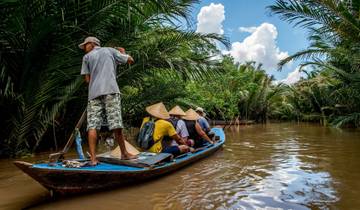
Vietnam Southern Serenity 5 Days in Ho Chi Minh & Mekong Delta – Floating market
- ✓ Comprehensive Ho Chi Minh City tour
- ✓ Expert local guides included
- ✓ All accommodation arranged
- ✓ Transportation provided
3 days
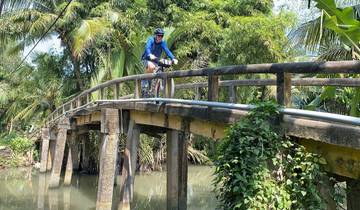
Mekong Delta 3 Days 2 Nights Tour: Cai Be – Can Tho – Chau Doc
- ✓ Comprehensive Ho Chi Minh City tour
- ✓ Expert local guides included
- ✓ All accommodation arranged
- ✓ Transportation provided
3 days
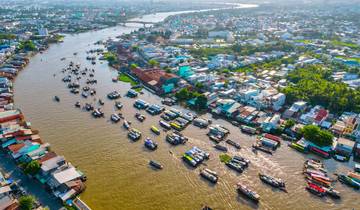
Amazing Rustic Mekong River By Bike & Boat 3 Days 2 Nights
- ✓ Booking needs min. 2 travelers
5 days
5-Day Tour in the South of Vietnam: Ho Chi Minh city – Mekong Delta – Cu Chi tunnels
- ✓ Comprehensive Ho Chi Minh City tour
- ✓ Expert local guides included
- ✓ All accommodation arranged
- ✓ Transportation provided
Multi-day tour packages powered by TourRadar. Prices and availability subject to change.
Introduction: Understanding Ho Chi Minh City’s Budget-Friendly Appeal in 2026
Ho Chi Minh City stands as one of Southeast Asia’s most compelling budget travel destinations in 2026, where exceptional value meets vibrant urban culture across Vietnam’s economic capital. The city’s affordability stems from low living costs, fierce competition among service providers, and a well-developed tourism infrastructure that caters to every budget level from backpackers to luxury travelers. Unlike regional competitors where tourist areas command premium pricing, Ho Chi Minh City maintains remarkably consistent prices across neighborhoods, with only 10-20% variation between backpacker districts and residential areas.
The Vietnamese dong’s favorable exchange rate amplifies purchasing power, with current rates hovering around 25,000 VND per US dollar, meaning $20 converts to 500,000 dong and provides substantial spending capacity for budget travelers. This exchange rate, combined with local prices calibrated to Vietnamese rather than tourist income levels, creates extraordinary value for international visitors. A complete meal that costs 50,000-70,000 dong ($2-2.80) represents a significant but affordable expense for local workers, yet provides remarkable value for travelers accustomed to Western or even regional Southeast Asian pricing.
Ho Chi Minh City’s budget appeal extends beyond pure affordability to encompass quality and diversity of experiences. The city offers world-class French colonial architecture, compelling war history museums, sophisticated cafe culture, night markets, riverside promenades, and day trip opportunities to Cu Chi Tunnels and Mekong Delta—all accessible on minimal budgets through strategic planning and local knowledge. Street food quality rivals upscale restaurant offerings, public transportation reaches all major attractions, and free or ultra-cheap activities fill entire itineraries without compromising experience quality.
The tourism infrastructure has matured significantly, with District 1’s backpacker area around Pham Ngu Lao Street offering concentrated accommodation, dining, tour booking, and nightlife options that simplify budget travel logistics. Yet the city rewards travelers who venture beyond tourist zones into Districts 3, 5, and 10, where authentic local life unfolds at even lower prices. Understanding this geography and pricing structure enables savvy budget management while accessing the full spectrum of Ho Chi Minh City experiences in 2026.
Accommodation Costs in Ho Chi Minh City 2026
Accommodation in Ho Chi Minh City for 2026 ranges from $4 hostel dormitories to $300+ luxury hotels, with exceptional quality and value concentrated in the $10-80 bracket that covers most travelers’ needs. The city’s competitive accommodation market, particularly in District 1’s backpacker zone and surrounding Districts 3 and 5, ensures consistent standards, modern amenities, and strategic locations at all price points.
Budget Accommodation Options in Ho Chi Minh City ($4-20 Per Night)
Hostel dormitories in District 1’s Pham Ngu Lao backpacker area cost $4-10 per night in 2026, typically including air conditioning, personal lockers, WiFi, and often complimentary breakfast. Top-rated hostels like Saigon Chill Hostel, Mobylette Saigon Hotel, and Vietnam Backpacker Hostels charge $6-9 for dormitory beds with excellent facilities including rooftop bars, communal kitchens, organized tours, and social atmospheres perfect for solo travelers. Budget private rooms in hostels run $15-25 nightly, offering privacy while maintaining hostel amenities and social environment.
Budget guesthouses and small hotels throughout Districts 1, 3, and 5 provide private rooms with air conditioning and en-suite bathrooms for $10-20 per night, representing exceptional value for couples or travelers preferring privacy over hostel dormitories. These establishments typically occupy narrow multi-story buildings characteristic of Vietnamese architecture, offering basic but clean rooms with comfortable beds, hot water showers, WiFi, and helpful reception staff. Location trade-offs exist—staying in Districts 3, 5, or 10 rather than District 1 saves $5-10 nightly while adding just 10-15 minutes travel time to major attractions via public transport or short Grab rides.
Budget accommodation booking strategies for 2026 include direct booking through hostel websites or messaging via Facebook for better rates than booking platforms charge, particularly for stays exceeding three nights. Many budget properties offer discounts of 10-20% for week-long bookings or monthly rates that reduce costs further for extended stays. Arriving without reservations during low season (May-October) enables walk-in negotiation, though peak season (November-March) and major holidays require advance booking to secure best budget options.
Mid-Range Hotels and Boutique Properties ($30-80 Per Night)
Mid-range hotels in Ho Chi Minh City for 2026 occupy the $30-80 nightly range and deliver outstanding value with modern amenities, prime locations, rooftop pools, breakfast buffets, and professional service standards rivaling Western three-star to four-star properties. This category includes both local Vietnamese hotel chains like Liberty and Silverland, and international budget brands including Ibis, Red Doorz, and OYO properties throughout central districts.
The $30-50 bracket provides air-conditioned rooms with modern furnishings, flat-screen TVs, comfortable beds with quality linens, spacious bathrooms with hot water and toiletries, WiFi, daily housekeeping, and helpful concierge services for tour booking and transport arrangements. Many properties include rooftop terraces, basic fitness facilities, and breakfast options. Location advantages in this price range include proximity to major attractions like Ben Thanh Market, Nguyen Hue Walking Street, and the backpacker district, with properties often occupying renovated colonial buildings or modern high-rises in Districts 1 and 3.
The $50-80 range elevates offerings to include rooftop swimming pools, full breakfast buffets with Western and Vietnamese options, upgraded room sizes, better views, spa facilities, airport transfers, and boutique design elements. Boutique hotels emphasizing design, local art, and personalized service populate this bracket, offering distinctive character absent from budget chain properties. District 1 hotels in this range often occupy restored colonial buildings with period architectural details, contemporary Vietnamese design touches, and locations within walking distance of major cultural sites and dining areas.
Luxury and Upscale Accommodations ($100-300+ Per Night)
Luxury hotels in Ho Chi Minh City for 2026 start at $100-150 for five-star local properties and range to $300-500+ for international luxury brands including Park Hyatt Saigon, Hotel des Arts, InterContinental, and Reverie Saigon. These properties offer international luxury standards with Vietnamese hospitality touches, featuring opulent rooms, multiple restaurants and bars, full-service spas, executive lounges, rooftop pools with city views, and locations in prime District 1 positions near Opera House and Nguyen Hue Walking Street.
The $100-150 category includes newer Vietnamese five-star hotels and upscale business properties offering luxury amenities and services at significant discounts compared to international brand equivalents. Properties in this range deliver spacious rooms exceeding 30-40 square meters, luxury bathrooms with rainfall showers and soaking tubs, club lounge access, multiple dining options, full fitness centers, and professional business facilities. Location advantages concentrate around Dong Khoi Street’s shopping and dining corridor, with easy access to cultural attractions and riverside promenades.
Neighborhood Location Strategies for Accommodation Value 2026
District 1 accommodation centers on the Pham Ngu Lao backpacker area for budget options and Dong Khoi Street corridor for mid-range to luxury properties, providing maximum convenience for first-time visitors at premium prices 10-20% above alternative neighborhoods. District 3 offers exceptional value for mid-range hotels located 5-10 minutes from District 1 attractions via public transport or short Grab rides, with quieter residential atmospheres and better local dining access at reduced accommodation costs.
District 5’s Cholon Chinatown area provides budget and mid-range options near traditional markets, temples, and authentic Chinese-Vietnamese culture, appealing to travelers seeking local immersion over tourist infrastructure. District 10 residential neighborhoods offer rock-bottom prices for basic accommodation with limited tourism infrastructure but excellent local dining and genuine neighborhood experiences. District 7’s Phu My Hung modern development area suits families and longer-term stays with spacious apartments, international schools, shopping malls, and expatriate amenities, though requiring 20-30 minutes travel to central tourist attractions.
Food and Dining Expenses in Ho Chi Minh City 2026
Food costs in Ho Chi Minh City for 2026 range from $0.80 street food meals to $50+ upscale restaurant dining, with extraordinary quality, variety, and value concentrated in the $1-8 range that encompasses authentic Vietnamese cuisine from street vendors and local restaurants. The city’s food scene operates on multiple tiers that rarely overlap, allowing budget travelers to eat exceptional meals for under $10 daily while upscale diners access international fine dining at prices far below Western equivalents.
Street Food Prices and Essential Dishes 2026
Street food represents Ho Chi Minh City’s best culinary value in 2026, with complete satisfying meals costing $0.80-3 from mobile carts, sidewalk stalls, and small shophouse eateries throughout the city. This pricing applies equally to tourist districts and residential neighborhoods, with minimal premium charges even in prime District 1 locations. The street food infrastructure operates morning to late night, providing breakfast, lunch, dinner, and snack options accessible within short walking distance anywhere in central districts.
Essential street food dishes and 2026 prices include:
- Pho (Vietnamese noodle soup): 45,000-70,000 VND ($1.80-2.80) for standard beef or chicken pho at neighborhood shops, rising to 90,000 VND ($3.60) at famous establishments with decades-long reputations and consistently long queues
- Banh Mi (Vietnamese baguette sandwich): 20,000-35,000 VND ($0.80-1.40) for classic pork and pate versions from street carts, with premium locations like Banh Mi Huynh Hoa charging 50,000-60,000 VND ($2-2.40) for overstuffed specialty sandwiches
- Com Tam (broken rice with grilled pork): 35,000-65,000 VND ($1.40-2.80) including grilled pork chop, steamed egg meatloaf, shredded pork skin, and fried egg—a complete satisfying meal popular for breakfast, lunch, and dinner
- Bun Thit Nuong (grilled pork vermicelli): 30,000-60,000 VND ($1.20-2.40) with fresh herbs, pickled vegetables, peanuts, and fish sauce dressing
- Goi Cuon (fresh spring rolls): 5,000-10,000 VND ($0.20-0.40) per roll, typically sold in portions of 3-4 rolls totaling 15,000-40,000 VND ($0.60-1.60) for a light meal or snack
- Bun Bo Hue (spicy beef noodle soup): 40,000-70,000 VND ($1.60-3) for rich, spicy central Vietnamese specialty increasingly popular in Ho Chi Minh City
- Banh Xeo (sizzling Vietnamese crepe): 30,000-50,000 VND ($1.20-2) filled with pork, shrimp, and bean sprouts, served with lettuce wraps and herbs
Street food meal planning for budget travelers in 2026 easily achieves three excellent daily meals for $5-8 total, with breakfast pho at $2, lunch banh mi at $1, and dinner com tam at $2-3, leaving budget for Vietnamese iced coffee and fresh fruit smoothies. Quality remains consistently high across price points—the cheapest street vendors often produce the most authentic and delicious food, having perfected single dishes over decades of daily preparation.
Local Restaurants and Casual Dining 2026
Local restaurants in Ho Chi Minh City for 2026 occupy the $2-8 price range and include “com binh dan” (ordinary rice) eateries serving Vietnamese rice plates with various toppings, small family-run restaurants specializing in regional cuisines, and casual dining establishments in shophouses throughout central districts. These venues bridge street food and formal dining, offering air-conditioned comfort, menu variety, table service, and higher hygiene standards at modest price premiums over street stalls.
Com binh dan restaurants charge 50,000-80,000 VND ($2-3.20) for rice with choice of three to four toppings from daily-prepared dishes including braised pork, grilled fish, steamed vegetables, tofu, and Vietnamese omelettes. These cafeteria-style operations attract local workers during lunch rushes and provide budget travelers authentic Vietnamese home-style cooking at minimal cost. Seafood restaurants in working-class neighborhoods serve grilled fish, steamed clams, stir-fried squid, and crab preparations for 100,000-200,000 VND ($4-8) per person including rice and vegetables.
Vietnamese regional specialty restaurants focusing on Northern, Central, or Southern cuisines charge $5-10 per person for complete meals with multiple dishes, rice, and drinks. These establishments offer deeper exploration of Vietnam’s diverse culinary traditions beyond ubiquitous pho and banh mi, including dishes rarely available from street vendors. Tourist-oriented restaurants in District 1’s backpacker area charge $4-8 for similar Vietnamese meals with English menus, air conditioning, and Western-friendly spice levels, representing reasonable value for travelers prioritizing comfort over authenticity.
Mid-Range and International Dining 2026
Mid-range restaurants in Ho Chi Minh City for 2026 charge $8-20 per person and encompass upscale Vietnamese establishments, international cuisines including Italian, French, Japanese, Korean, and Indian, trendy cafes with all-day dining menus, and hotel restaurants serving buffets and a la carte options. This category delivers air-conditioned comfort, sophisticated presentations, extensive wine and cocktail lists, and service standards approaching international expectations at prices 50-70% below Western equivalents.
Vietnamese fusion restaurants blending traditional recipes with modern presentations and international techniques charge $10-15 for main courses, offering elevated versions of classic dishes with premium ingredients, artistic plating, and contemporary dining environments in renovated colonial buildings or modern design-focused spaces. Italian restaurants serving authentic pasta, pizza, and risotto from imported ingredients charge $12-20 for mains, while Japanese establishments offer sushi, sashimi, and ramen for $15-25 per person. Korean BBQ restaurants provide all-you-can-eat options for $12-18 including unlimited meat, side dishes, and beverages.
International chain restaurants including KFC, Lotteria, Jollibee, Pizza Hut, and Starbucks charge $2-7 for combo meals and $3-5 for coffee drinks, priced significantly below Western equivalents but above local alternatives. These establishments attract middle-class Vietnamese families and provide familiar options for travelers experiencing Vietnamese food fatigue, though representing poor value compared to local restaurants offering superior quality at lower prices.
Upscale and Fine Dining Experiences 2026
Upscale dining in Ho Chi Minh City for 2026 ranges from $30-80+ per person for fine dining experiences at internationally-recognized restaurants, rooftop venues, and hotel establishments serving gourmet Vietnamese and international cuisines. This category includes Michelin-recognized establishments, celebrity chef restaurants, and sophisticated venues emphasizing ambiance, presentation, and service alongside culinary excellence.
Multi-course tasting menus at top-tier restaurants cost $65-130 per person excluding drinks, offering contemporary Vietnamese cuisine reinterpreting traditional flavors through modern techniques, premium ingredients, and artistic presentations. These experiences compete with international fine dining standards while maintaining significant value compared to equivalent restaurants in Western cities or regional luxury destinations like Singapore and Hong Kong. Fine dining Vietnamese restaurants charge $30-50 for a la carte mains featuring premium local ingredients like Dalat vegetables, Nha Trang seafood, and Mekong Delta specialties prepared with sophisticated techniques.
Rooftop bars and restaurants at luxury hotels offer stunning city views alongside international menus and extensive wine lists, with entrees priced $25-40 and cocktails $8-15. These venues provide romantic settings, professional service, and Instagram-worthy presentations at prices representing excellent value for special occasion dining. French restaurants in restored colonial villas serve classic French cuisine with Vietnamese touches for $40-60 per person including wine, while high-end Japanese omakase experiences charge $80-150 for chef’s choice sushi and sashimi courses.
Beverage Costs and Cafe Culture 2026
Vietnamese coffee culture dominates Ho Chi Minh City’s beverage scene in 2026, with ca phe sua da (iced coffee with condensed milk) costing 15,000-25,000 VND ($0.60-1) at street vendors and small local cafes, rising to 45,000-75,000 VND ($1.80-3) at trendy air-conditioned establishments with Instagram-worthy interiors. International chain coffee shops including Starbucks, Highlands Coffee, and The Coffee House charge 80,000-120,000 VND ($3.20-4.80) for espresso-based drinks, representing poor value compared to excellent local alternatives.
Beer prices vary dramatically by venue type and brand selection. Local bia hoi (fresh beer) costs 5,000-10,000 VND ($0.20-0.40) per glass at street corner bia hoi joints popular with local workers. Bottled Vietnamese beers like Saigon, Tiger, and Heineken cost 15,000-25,000 VND ($0.60-1) at local restaurants, 30,000-50,000 VND ($1.20-2) at backpacker bars, and 80,000-150,000 VND ($3.20-6) at upscale venues and hotel bars. International craft beers and imported bottles charge $4-8 at specialty beer bars and Western-oriented establishments.
Fresh fruit smoothies and sugarcane juice from street vendors cost 10,000-20,000 VND ($0.40-0.80), providing refreshing hydration in tropical heat at minimal expense. Bottled water costs 5,000-10,000 VND ($0.20-0.40) from convenience stores and street vendors, while international soft drink brands charge similar prices. Coconut water from fresh coconuts costs 15,000-25,000 VND ($0.60-1) from street vendors and represents healthier alternative to packaged beverages.
Transportation Costs in Ho Chi Minh City 2026
Transportation in Ho Chi Minh City for 2026 ranges from $0.30 public bus rides to $15+ private car services, with excellent value concentrated in public transport and ride-sharing options that provide comprehensive city coverage at minimal expense. The transportation network has improved significantly with metro line operations, expanded bus routes, and widespread Grab availability complementing traditional taxis and motorbike taxis.
Public Transportation: Buses and Metro 2026
Public buses in Ho Chi Minh City cost 7,000-15,000 VND ($0.30-0.65) per ride regardless of distance in 2026, with exact fare payment onboard to conductors who issue tickets and provide change. The bus network covers over 150 routes connecting central districts with suburban areas, operating approximately 5 AM to 9 PM with reduced service on some routes. Bus 109 provides air-conditioned tourist-friendly service from the airport to District 1 for 20,000 VND ($0.80), featuring English announcements, luggage space, and comfortable seating.
Metro Line 1 connecting Ben Thanh Market to suburban Thu Thiem and Suoi Tien charges 7,000-12,000 VND ($0.30-0.50) per single journey based on distance traveled, with day passes available for 50,000 VND ($2) allowing unlimited travel. The metro system requires contactless payment cards or mobile app purchases, with ticket vending machines accepting cash and credit cards at all stations. Security checks similar to airport screening apply at metro entrances, adding 2-5 minutes to journey times but ensuring passenger safety.
Public transportation savings compared to taxis and Grab reduce daily transport budgets by 70-90%, with budget travelers covering all movement needs for under $2 daily through strategic bus and metro use. Mobile apps including Moovit and Google Maps provide real-time route planning, arrival predictions, and service updates in English. Public transport limitations include crowding during rush hours (7-9 AM and 5-7 PM), limited late-night service, and language barriers with staff, though increasing tourist infrastructure addresses these challenges.
Ride-Sharing: Grab and Taxi Services 2026
Grab dominates ride-sharing in Ho Chi Minh City for 2026, offering GrabCar (private cars), GrabBike (motorbike taxis), and GrabTaxi (metered taxis) through mobile app booking with transparent pricing, cashless payment, and driver rating systems. GrabBike costs 10,000-30,000 VND ($0.40-1.20) for short journeys within districts, rising to 40,000-80,000 VND ($1.60-3.20) for longer cross-district trips. GrabCar charges 30,000-60,000 VND ($1.20-2.40) for short District 1 trips, increasing to 100,000-200,000 VND ($4-8) for airport transfers or extended journeys to Cu Chi or Mekong Delta starting points.
Traditional metered taxis from Vinasun (white-green cars) and Mai Linh (green cars) charge base fares around 15,000 VND ($0.60) plus 15,000-20,000 VND ($0.60-0.80) per kilometer. Airport taxis to District 1 cost 150,000-200,000 VND ($6-8) depending on traffic and exact destination, with journey times ranging 25-45 minutes. Taxi scams targeting tourists have decreased significantly with Grab’s prevalence, though travelers should still verify meter activation and note estimated fares before departure when using traditional taxis.
Surge pricing affects Grab rates during peak hours, bad weather, and high-demand periods including morning and evening rush hours, potentially doubling or tripling normal fares. Budget travelers can avoid surge charges by waiting 15-30 minutes for demand to decrease or using public transport during peak periods. Grab accepts cash or cashless payment through linked credit cards, mobile wallets, and GrabPay balances, providing flexibility for travelers without Vietnamese bank accounts.
Motorbike Taxis and Xe Om Services 2026
Traditional xe om (motorbike taxis) operate throughout Ho Chi Minh City in 2026, identifiable by drivers wearing numbered vests or jackets waiting at street corners and major intersections. Fares require pre-trip negotiation, typically starting around 20,000-30,000 VND ($0.80-1.20) for short trips within districts and rising to 50,000-100,000 VND ($2-4) for longer journeys. Language barriers and lack of transparent pricing make xe om less convenient than GrabBike for most tourists, though local knowledge and flexibility provide advantages for certain situations.
GrabBike provides safer, more transparent motorbike taxi service with fixed prices displayed before booking, driver identification and ratings, GPS tracking, and customer service support for disputes. Helmets are provided by law, though quality and cleanliness vary. Motorbike taxis navigate Ho Chi Minh City traffic efficiently, often reaching destinations 30-50% faster than cars during rush hours, making them ideal for time-sensitive transportation needs.
Airport Transfer Options and Costs 2026
Tan Son Nhat International Airport sits approximately 7 kilometers from District 1 in central Ho Chi Minh City, with transfer options in 2026 ranging from $0.80 public bus to $40+ private car services. Public bus 109 provides the most budget-friendly option at 20,000 VND ($0.80), operating air-conditioned coaches with luggage space every 15-20 minutes from 6 AM to 6 PM between the airport and Ben Thanh Market with multiple District 1 stops. Journey time ranges 45-75 minutes depending on traffic.
Grab rides from the airport to District 1 cost 100,000-150,000 VND ($4-6) for GrabCar during normal periods, potentially increasing to 200,000-250,000 VND ($8-10) during surge pricing. Traditional Vinasun and Mai Linh taxis charge similar rates of 150,000-200,000 VND ($6-8) using metered fares. Private transfer services booked through hotels or tour operators cost $15-25 for sedan pickups with driver assistance for luggage and direct hotel drop-off, eliminating navigation uncertainty for first-time visitors.
Day Trip Transportation and Tour Transfers 2026
Day trips from Ho Chi Minh City to Cu Chi Tunnels, Mekong Delta, and surrounding attractions utilize organized tour buses charging $15-40 including round-trip transportation, entrance fees, and often lunch. Independent travelers can reach Cu Chi Tunnels via public bus from Ben Dinh Bus Terminal for 20,000-30,000 VND ($0.80-1.20) one-way, though requiring 90-120 minutes each direction and local knowledge for proper connections. Private car hire with driver costs $50-80 daily for groups, allowing flexible itineraries and multiple destination combinations.
Motorbike rentals appeal to experienced riders comfortable with Ho Chi Minh City traffic, charging 100,000-200,000 VND ($4-8) daily from backpacker area shops and requiring passport deposit or cash security. International driving permits and Vietnamese licenses technically required though enforcement varies. Bicycle rentals cost 50,000-100,000 VND ($2-4) daily from hotels and tour operators, suitable for short distances within districts but challenging for extensive city exploration given traffic conditions and tropical heat.
Attraction and Activity Costs in Ho Chi Minh City 2026
Attraction entrance fees in Ho Chi Minh City for 2026 remain remarkably affordable, with major museums charging $1-2 and historical sites rarely exceeding $5 for admission. The city’s attractions divide between free cultural experiences, low-cost museums and monuments charging nominal entrance fees, and organized tours and activities commanding higher prices for comprehensive experiences with transportation and guides included.
Museum Entrance Fees 2026
War Remnants Museum entrance costs 40,000 VND ($1.50) for adults, 20,000 VND ($0.80) for children aged 6-16, and free admission for children under 6 in 2026. The museum operates daily 7:30 AM to 5:00 PM including weekends and holidays, displaying compelling Vietnam War history through photographs, military equipment, and artifact collections that require 1.5-2 hours comprehensive viewing. This represents exceptional value for one of Southeast Asia’s most impactful historical museums, offering professional curation, English translations, and emotional exhibitions that rival far more expensive international institutions.
Ho Chi Minh City Museum charges 30,000 VND ($1.20) entrance, operating 7:30 AM to 5:00 PM with closed hours 12:00-1:30 PM daily. The museum occupies a beautiful French colonial building showcasing city history from ancient times through modern development, with extensive collections covering geography, archaeology, economy, and culture. Additional photography fees of 20,000 VND ($0.80) apply for professional cameras beyond standard tourist photography. Fine Arts Museum costs 30,000 VND ($1.20), displaying Vietnamese art from ancient to contemporary periods across three floors of exhibition space.
Ton Duc Thang Museum offers free admission, honoring Vietnam’s second president through biographical exhibitions, artifacts, and multimedia displays in a modern facility near the Saigon River. Museum of Vietnamese History charges 30,000 VND ($1.20), covering Vietnamese civilization from prehistoric times through French colonial period. Revolutionary Museum (same building as Ho Chi Minh City Museum) covers independence struggle and war history with separate 30,000 VND ($1.20) entrance fee.
Historical Sites and Monuments 2026
Independence Palace (Reunification Palace) charges 65,000 VND ($2.60) entrance, operating 7:30 AM to 11:00 AM and 1:00 PM to 4:00 PM daily including weekends. The preserved 1960s presidential palace offers self-guided tours through underground bunkers, state rooms, residential quarters, and rooftop helipad where iconic 1975 tank breach photographs were captured. Audio guides cost additional 50,000 VND ($2). The palace requires 60-90 minutes comprehensive exploration and represents essential Vietnam War historical context.
Jade Emperor Pagoda operates on donation basis with suggested contributions of 20,000-50,000 VND ($0.80-2), functioning as active Buddhist and Taoist temple filled with ornate statues, intricate wood carvings, and constant incense smoke creating atmospheric religious environment. Respectful attire covering shoulders and knees required, with modest dress often enforced more strictly than other temples given sacred significance to local worshippers.
Saigon Notre Dame Cathedral charges no entrance fee for exterior viewing and photography, with interior access limited to mass times and occasional guided tours. The Cathedral underwent major restoration beginning 2017 with completion expected 2026-2027, meaning exterior scaffolding may partially obscure the iconic twin towers during visits. Central Post Office next door operates as working postal service with free admission to admire French colonial architecture, intricate interior details, and historic telephone booths, though purchasing postcards or souvenirs expected if spending extended time photographing.
Day Trip Costs: Cu Chi Tunnels and Mekong Delta 2026
Cu Chi Tunnels organized tours cost $15-25 per person including round-trip transportation, entrance fees (90,000-110,000 VND / $3.50-4.30), English-speaking guide, and often water bottles, operating as half-day morning or afternoon excursions lasting 4-5 hours total. Ben Dinh site attracts majority of tours with reconstructed tunnel sections, weapons displays, and shooting range (additional $1-2 per bullet). Ben Duoc site offers less crowded authentic experience with larger tunnel networks, memorial temple, and fewer commercial elements.
Independent Cu Chi Tunnels visits via public bus from Ben Dinh Bus Terminal cost 20,000-30,000 VND ($0.80-1.20) each way plus separate entrance fees, requiring 2-3 hours each direction and Vietnamese language navigation skills. Grab car hire with waiting time costs approximately 800,000-1,200,000 VND ($32-48) for half-day excursion, economical for groups of 3-4 travelers splitting costs. On-site guides at Cu Chi Tunnels entrances charge 100,000-200,000 VND ($4-8) for English explanations, though quality varies significantly compared to organized tour guides.
Mekong Delta day tours cost $20-40 per person for full-day excursions visiting floating markets, fruit orchards, traditional villages, and canal boat rides. Tours include lunch, transportation, entrance fees, boat rides, and English guides, operating approximately 7 AM to 5 PM from Ho Chi Minh City pickup points. My Tho and Ben Tre represent closest Mekong Delta destinations at 70-90 kilometers from city, while Can Tho floating markets require overnight stays given 170-kilometer distance.
Walking Tours and Cultural Activities 2026
Free walking tours operate daily from District 1 backpacker area, functioning on tip-based models where guides work for gratuities rather than fixed fees. XO Tours and Vietnam Free Walking Tours provide 2-3 hour explorations covering French colonial architecture, local markets, street food tastings, and historical narratives, with suggested tips of $5-10 per person based on group size and service quality. These tours offer excellent value for cultural context, local insights, and budget-friendly orientation to city geography and customs.
Water puppet shows at Golden Dragon Water Puppet Theater cost 150,000-220,000 VND ($6-8.80) for 50-minute traditional performances combining puppetry, music, and Vietnamese folklore storytelling. Shows operate multiple times daily with reserved seating and air-conditioned comfort, though some travelers find productions touristy compared to Hanoi’s more traditional water puppet venues. Saigon Opera House performances including ballet, classical music, and Vietnamese cultural shows charge 300,000-800,000 VND ($12-32) depending on seating location and production quality.
Cooking classes cost $25-40 for half-day experiences including market visits, hands-on instruction for 3-4 dishes, recipe cards, and communal lunch consuming prepared dishes. Classes operate from cooking schools in District 1 and residential neighborhoods, emphasizing Vietnamese home cooking techniques, ingredient selection, and cultural context alongside practical culinary skills. Vietnamese language courses and cultural workshops through community centers cost $10-20 for introductory sessions covering basics of language, customs, and cultural norms.
Free Things to Do in Ho Chi Minh City 2026
Ho Chi Minh City offers extensive free cultural experiences, architectural exploration, and local immersion opportunities that fill entire itineraries without entrance fees or activity costs. Budget travelers can craft rich multi-day explorations combining free attractions with affordable street food and public transport, experiencing authentic Vietnamese culture and French colonial heritage without compromising quality or depth of experience.
Free Architectural and Historical Sites 2026
Saigon Notre Dame Cathedral exterior viewing and photography provides iconic French colonial architecture without entrance fees, though interior access remains limited during ongoing restoration expected to continue through 2026-2027. The red brick twin towers dominate Dong Khoi Street’s Paris Square, creating perfect photography opportunities particularly during golden hour lighting before sunset. Central Post Office next door operates as free-admission historical building and working postal service, showcasing ornate French colonial interior, original telephone booths, vintage maps, and beautiful floor tiles worthy of extended photography and architectural appreciation.
People’s Committee Building (formerly Hotel de Ville) illuminated nightly in Nguyen Hue Walking Street creates stunning visual spectacle of French colonial architecture best appreciated after dark when colored lighting emphasizes building details and fountains operate in the pedestrian plaza. The building functions as government offices without public interior access, though exterior viewing and surrounding plaza exploration provide free entertainment nightly particularly on weekends when local families gather for evening strolls.
Opera House (Municipal Theater) exterior showcases elaborate French colonial architecture on Dong Khoi Street, with free viewing of ornate facade, classical columns, and beautiful proportions though interior access requires performance tickets. Bitexco Financial Tower exterior viewing from street level and Nguyen Hue Walking Street provides modern architectural contrast to colonial buildings, with lotus-shaped design creating distinctive Ho Chi Minh City skyline element visible throughout central districts.
Free Parks, Markets, and Public Spaces 2026
Tao Dan Park operates 24/7 with free admission, providing tropical green space in District 1 with jogging paths, exercise equipment, children’s playgrounds, bird-singing enthusiasts gathering mornings with ornate cages, and peaceful respite from traffic noise and urban chaos. The park attracts morning exercisers practicing tai chi, badminton, and traditional Vietnamese fitness activities, offering cultural observations and local interaction opportunities for early-rising travelers.
Ben Thanh Market browsing incurs no entrance fees, allowing exploration of traditional Vietnamese market atmosphere, product variety from fresh produce to handicrafts, and people-watching opportunities inside historic 1914 building and surrounding streets. While purchasing expected for extended stays, brief walk-throughs for photography and atmosphere appreciation accepted without vendor pressure. Ben Thanh Night Market operates outside the building 6 PM to midnight with street food stalls, souvenir vendors, and lively atmosphere along surrounding streets.
September 23 Park and surrounding lakes provide free green space in District 1 near Reunification Palace, featuring walking paths, ornamental gardens, and Turtle Lake roundabout popular with evening strollers and weekend family picnics. Hoang Van Thu Park in District 3 offers 106,500 square meters of free public space with central lake, exercise areas, and peaceful environment popular with locals for morning exercise and evening relaxation.
Free Cultural Experiences and Neighborhood Walks 2026
Dong Khoi Street walking creates free self-guided architectural tour connecting Opera House, Central Post Office, Notre Dame Cathedral, Saigon River waterfront, and numerous French colonial buildings housing contemporary cafes, boutiques, and galleries. The 1.5-kilometer walk from Opera House to riverfront requires 30-45 minutes leisurely pace with frequent stops for photography and building appreciation, best undertaken late afternoon for optimal lighting and evening illumination.
Saigon River promenade along Bach Dang provides free riverside walking with Majestic Hotel colonial architecture, boat watching, street vendor snacking, and sunset views across to Thu Thiem modern development. The 2-kilometer waterfront section from Majestic Hotel to Nha Rong Wharf offers benches, food carts, and local life observation particularly enjoyable during evening hours when temperatures moderate and locals gather for exercise and socializing.
Cholon Chinatown exploration through District 5’s traditional neighborhoods provides free cultural immersion in Chinese-Vietnamese heritage, ancient temples including Thien Hau Pagoda and Quan Am Pagoda with free admission, traditional medicine shops, historic architecture, and authentic local markets selling everything from herbs to textiles. Binh Tay Market anchors the district with massive traditional market building showcasing Chinese architectural influences and authentic wholesale trading atmosphere distinct from tourist-oriented Ben Thanh Market.
Free Temples, Pagodas, and Religious Sites 2026
Jade Emperor Pagoda operates on donation basis rather than fixed entrance, allowing free access to elaborate Taoist and Buddhist temple complex filled with intricately carved statues, turtle pond, ornate altars, and atmospheric incense smoke creating quintessential Vietnamese religious environment. Respectful behavior and modest dress required, with optional donations of 20,000-50,000 VND ($0.80-2) appropriate for extended visits and photography.
Vinh Nghiem Pagoda represents largest pagoda in Ho Chi Minh City with free admission to modern Buddhist temple complex, seven-story tower, large prayer halls, and peaceful gardens popular with local worshippers particularly during full moon and new moon ceremonies. Giac Lam Pagoda, city’s oldest Buddhist temple dating to 1744, offers free admission to ancient architecture, ornate decorations, traditional wooden structures, and peaceful atmosphere despite location in busy District 3 neighborhood.
Mariamman Hindu Temple on Truong Dinh Street provides free admission to colorful Hindu religious site serving local Indian community, featuring elaborate gopuram tower, ornate interior decorations, and distinctive architecture contrasting with surrounding Vietnamese Buddhist temples. Tan Dinh Church, pink Catholic cathedral in District 3, operates with free exterior viewing and interior access during mass times, showcasing beautiful European-Vietnamese religious architecture without tourist crowds encountered at Notre Dame Cathedral.
Sample Daily Budgets for Ho Chi Minh City 2026
Sample daily budgets for Ho Chi Minh City 2026 demonstrate realistic spending across backpacker, mid-range, and comfort travel styles, accounting for accommodation, meals, transportation, activities, and incidental expenses. These budgets assume moderate activity levels visiting major attractions, eating mixed Vietnamese and occasional international meals, and utilizing appropriate transportation for budget level without excessive economizing or wasteful spending.
Ultra-Budget Backpacker Daily Budget ($15-25)
Ultra-budget backpacker daily spending of $15-25 achieves comfortable Ho Chi Minh City exploration through strategic resource allocation prioritizing experiences over comfort while maintaining safety and reasonable nutrition. This budget suits extended travelers, gap year students, and cost-conscious explorers willing to embrace local lifestyle, public transportation, and street food culture for maximum destination exposure on minimal budgets.
Accommodation $6 hostel dormitory bed in shared 6-8 person room, breakfast $1.50 street pho, lunch $1 banh mi, dinner $2.50 com tam, transportation $1.50 public buses and short GrabBike rides, attraction $1.50 War Remnants Museum entrance, coffee $0.80 local cafe, bottled water and snacks $1, miscellaneous $2. Total daily spending: $17.80 excluding significant activities or day trips.
This budget accommodates one paid attraction daily, relies entirely on street food and local restaurants, walks extensively between nearby destinations, uses public buses for longer distances, and eliminates air-conditioned comfort, alcoholic beverages, organized tours, and souvenir purchases. Budget flexibility allows occasional splurges on mid-range restaurant meals or GrabCar rides by reducing accommodation costs through longer hostel stays negotiating weekly rates, eating exclusively street food on other days, or limiting paid attractions to free cultural experiences.
Standard Backpacker Daily Budget ($30-50)
Standard backpacker daily spending of $30-50 provides comfortable budget travel balancing cost consciousness with reasonable comfort, variety, and spontaneity. This budget suits mainstream backpackers, first-time Southeast Asia travelers, and budget-conscious independents seeking authentic experiences without extreme economizing or discomfort sacrifices.
Accommodation $12 hostel private room or budget guesthouse, breakfast $2 pho or banh mi, lunch $4 local restaurant, dinner $8 mid-range Vietnamese restaurant, transportation $3 mixed buses and GrabBike, attraction $2 museum entrance or $20 organized tour amortized over 10 days, coffee and drinks $4 cafes and smoothies, beer $2 local restaurant, miscellaneous $3. Total daily spending: $40 average with significant fluctuation based on tour days versus free sightseeing days.
This budget allows one major organized tour weekly like Cu Chi Tunnels or Mekong Delta, daily museum or attraction visits, mixed street food and restaurant dining, GrabBike convenience for medium distances, occasional air-conditioned restaurant comfort, local beers and cafe culture participation, and small souvenir purchases. Flexibility accommodates periodic splurges on upscale restaurants or activities by balancing with cheaper days focusing on free attractions and street food.
Mid-Range Traveler Daily Budget ($60-100)
Mid-range daily spending of $60-100 achieves comfortable travel with air-conditioned accommodation, restaurant variety including international cuisines, convenient transportation, and regular organized tours or activities without budget stress. This budget suits employed professionals on annual vacations, couples seeking comfort over extreme budget consciousness, and travelers prioritizing experience quality over maximum cost savings.
Accommodation $40 mid-range hotel with breakfast included, lunch $8 casual restaurant, dinner $15 good Vietnamese or international restaurant, transportation $6 GrabCar for convenience, attraction $25 organized tour or multiple museum visits, coffee and drinks $6 cafes and fresh juices, beer and wine $8 restaurants and bars, miscellaneous $5. Total daily spending: $113 with breakfast included in accommodation reducing separate breakfast costs.
This budget supports daily organized tours or combination of multiple attractions, restaurant dining for all meals with occasional upscale splurges, GrabCar convenience eliminating public transport navigation, rooftop bar visits, shopping for quality souvenirs, and spontaneous activity additions without significant budget impact. Accommodation quality reaches international three-star to four-star standards with modern amenities, central locations, and professional service replacing budget guesthouse compromises.
Comfort-Focused Daily Budget ($120-180)
Comfort-focused daily spending of $120-180 eliminates budget constraints for upscale dining, luxury accommodation, private tours, and premium experiences while remaining well below Western vacation costs. This budget suits luxury-leaning travelers, honeymooners, special occasion trips, and professionals seeking maximum comfort and convenience without backpacker compromises or budget awareness.
Accommodation $80 upscale hotel with pool and breakfast, lunch $20 upscale restaurant, dinner $40 fine dining or rooftop venue, transportation $12 private car or frequent GrabCar, attraction $35 private tour or premium experience, coffee and drinks $10 upscale cafes and hotel bars, cocktails and wine $15 rooftop bars, spa or massage $20, miscellaneous $10. Total daily spending: $242 providing luxury experiences at fraction of Western equivalents.
This budget accommodates daily private tours with expert guides and luxury transportation, fine dining exploring contemporary Vietnamese and international cuisines, premium spa treatments and wellness services, luxury hotel amenities including pools and executive lounges, rooftop cocktails with city views, and shopping for designer items or premium Vietnamese products. Flexibility exists for extremely upscale experiences like helicopter tours or multi-day luxury Mekong Delta cruises by reducing other categories or spreading costs across multiple days.
Money-Saving Strategies for Ho Chi Minh City 2026
Strategic budget management in Ho Chi Minh City for 2026 multiplies purchasing power through informed choices regarding neighborhoods, meal timing, transport modes, and activity selection. These proven strategies derive from local knowledge, cultural understanding, and travel expertise accumulated through extensive Ho Chi Minh City experience rather than penny-pinching extremes that compromise experience quality or authenticity.
Neighborhood Selection for Maximum Value 2026
Stay in Districts 3, 5, or 10 instead of District 1 for accommodation savings of $10-30 nightly while maintaining 10-15 minute access to major attractions via public buses or short Grab rides. District 3’s residential neighborhoods between Cao Thang Street and Vo Thi Sau Street offer excellent mid-range hotels at budget guesthouse prices given reduced tourist demand, with superior local dining, authentic cafe culture, and quieter environments more representative of Vietnamese daily life than backpacker district chaos.
District 5’s Cholon Chinatown provides rock-bottom accommodation pricing for basic hotels and guesthouses serving local Chinese-Vietnamese communities rather than international tourists, with extensive traditional markets, authentic dim sum restaurants, and cultural temples creating immersive experiences unavailable in tourist districts. District 10 residential areas near parks and universities offer Vietnamese neighborhood life at minimal costs, though requiring more extensive Vietnamese language skills and cultural adaptability given limited English and tourist infrastructure.
Eat outside District 1’s tourist zones where restaurant prices decrease 20-40% for identical or superior food quality. Districts 3, 5, 10, and Binh Thanh residential neighborhoods contain countless local restaurants, street food concentrations, and market areas where prices reflect Vietnamese rather than tourist income levels. Ask hotel staff or hostel receptionists for favorite local eating areas, download Vietnamese food apps showing popular restaurants by neighborhood, or simply follow crowds of locals during lunch hours to discover authentic dining at local prices.
Meal Timing and Street Food Strategies 2026
Eat breakfast early at street vendors serving local workers from 6-8 AM when food is freshest, portions most generous, and prices lowest before tourist crowds arrive. Many street food operations prepare limited quantities selling out by mid-morning, making early timing essential for best selection and quality. Street vendors often raise prices 20-30% or reduce portion sizes for obvious tourists, particularly in backpacker districts—observe prices charged to locals before ordering or visit the same vendor multiple times establishing regular customer relationships that earn local pricing.
Purchase prepared foods and snacks from local markets rather than tourist-oriented restaurants for 50-70% cost reduction. Ben Thanh Market’s internal food stalls charge double prices compared to neighborhood markets like Tan Dinh Market, Ho Thi Ky Market, or An Dong Market serving primarily local customers. Supermarkets including Co.op Mart, Lotte Mart, and Big C sell packaged snacks, fresh fruit, bottled water, and prepared foods at fixed prices often lower than convenience stores or tourist shops.
Avoid restaurants within 200 meters of major tourist attractions where prices inflate 30-50% exploiting captive audiences—walk 5-10 minutes into surrounding neighborhoods for authentic pricing. Backpacker district restaurants along Pham Ngu Lao, Bui Vien, and De Tham Streets charge 20-40% premiums over identical establishments two blocks away in residential streets. Tourist district restaurants frequently reduce portion sizes, lower food quality, or add service charges and taxes not applied at local establishments.
Transportation Optimization and Public Transport 2026
Master public bus routes for daily movements saving 70-90% compared to Grab and taxi expenses. Download bus route apps or obtain physical bus maps from tourist information centers showing comprehensive network coverage. Bus 1 connects major attractions along central corridors, while buses 93, 56, and 36 link various districts to Ben Thanh Market transportation hub. Accept 10-15 minutes additional travel time versus taxis for massive cost savings—a full day’s transportation using exclusively buses costs $2-3 versus $15-25 using Grab for equivalent movements.
Walk between nearby attractions in Districts 1 and 3 rather than taking taxis for short distances. Central Post Office to Notre Dame Cathedral, Ben Thanh Market to Reunification Palace, and Opera House to People’s Committee Building all require under 15 minutes walking, yet many tourists unnecessarily taxi these short distances at $2-3 each. Purchase comfortable walking shoes before arrival and maintain awareness in traffic while crossing streets using Vietnamese technique of steady consistent crossing allowing motorbikes to flow around pedestrians.
Share Grab rides with other travelers when visiting identical destinations like Cu Chi Tunnels or Mekong Delta starting points, splitting costs and creating group tour experiences at independent travel prices. Hostel bulletin boards, Facebook travel groups, and hostel common areas facilitate ride-sharing arrangements. GrabCar accommodates four passengers comfortably, making shared airport transfers or day trip transport extremely economical versus solo travel or organized tour premiums.
Attraction Entrance Fee Strategies and Free Alternatives 2026
Visit museums on weekday mornings avoiding weekend crowds while experiencing identical exhibitions at same low entrance fees. War Remnants Museum, Independence Palace, and other major attractions see dramatically reduced crowds on Tuesday-Thursday mornings, allowing better photography, easier exhibit viewing, and more peaceful contemplation of emotional subject matter. Some museums offer student discounts up to 50% for valid international student card holders—ISIC cards work at most attractions though enforcement and verification vary.
Prioritize free attractions and self-guided walking tours over paid organized tours for architectural and cultural experiences requiring no specialized access or transportation. French colonial architecture, public parks, riverside walks, temples, and markets provide rich experiences without entrance fees that equal or exceed paid museum quality for culturally curious travelers. Save paid attraction budget for experiences requiring entrance like museums and historical sites, or specialist access like Cu Chi Tunnels requiring rural transportation and guide explanations.
Book organized tours directly with operators rather than through hotels or travel agents adding 20-40% commission markups. Backpacker district tour operators on Pham Ngu Lao and De Tham Streets compete aggressively on pricing for identical Cu Chi Tunnels and Mekong Delta tours—compare multiple operators, negotiate group discounts for 3+ travelers, or wait for last-minute deals when operators reduce prices filling remaining bus seats. Online booking through Klook, GetYourGuide, or Viator sometimes offers lower prices than walk-in booking, though flexibility decreases and cancellation policies complicate refunds.
Budget Planning by Travel Style 2026
Successful budget planning for Ho Chi Minh City 2026 requires matching spending patterns to individual travel priorities, comfort requirements, time availability, and experience preferences rather than arbitrary daily limits disconnected from personal values. Understanding personal non-negotiables versus flexible categories allows strategic resource allocation maximizing satisfaction while controlling costs.
Extended Stay Budget Optimization (2+ Weeks)
Extended stays exceeding two weeks in Ho Chi Minh City enable significant cost reductions through accommodation negotiation, weekly meal routines, local knowledge development, and elimination of tourist trap spending. Negotiate monthly or weekly hostel rates reducing daily accommodation costs 20-40% below nightly rates—many budget hotels and guesthouses offer similar discounts for confirmed extended bookings paid upfront.
Develop regular eating routines at favorite street vendors and local restaurants where repeat business earns local pricing, generous portions, and occasional freebies from vendors appreciating loyal customers. Learn basic Vietnamese phrases for food ordering, price inquiry, and polite interaction improving service quality and pricing fairness from vendors who respect effort to engage with local language and culture. Extended stays justify cooking equipment rental or apartment stays with kitchen facilities, shopping at local markets, and preparing some meals for additional savings though missing street food’s exceptional value.
Purchase monthly or weekly public transport passes when available, investigate local fitness facilities and swimming pools versus expensive hotel gyms, establish routines at regular cafes earning discounts or loyalty benefits, and explore free activities exhaustively before repeating paid attractions. Extended stays shift focus from tourist sightseeing to cultural immersion, language learning, skill development through cooking or craft classes, and local relationship building that enriches experiences beyond typical tourist itineraries.
Short Visit Maximum Impact (3-7 Days)
Short visits to Ho Chi Minh City benefit from strategic spending prioritizing unique experiences, organized tours for efficiency, and central accommodation despite higher costs given limited time for extensive neighborhood exploration or public transport navigation. Accept higher daily spending rates compared to extended stays while maximizing experiential value per day through concentrated sightseeing, organized tours eliminating logistical challenges, and strategic restaurant selections sampling diverse Vietnamese cuisines.
Book accommodation in District 1 heart despite 20-30% premium over alternative neighborhoods given time savings walking to major attractions, restaurant concentration, tour operator proximity, and late-night dining and entertainment access without transportation complications. Pre-book major tours like Cu Chi Tunnels and Mekong Delta before arrival ensuring guaranteed departure dates and optimal time slots rather than bargain hunting consuming valuable vacation hours.
Concentrate restaurant budget on signature Vietnamese dishes and regional specialties unavailable at home rather than international comfort foods or chain restaurants offering poor value compared to local alternatives. Schedule one special upscale Vietnamese restaurant dinner experiencing contemporary Vietnamese cuisine evolution and sophisticated presentations rarely encountered through street food despite higher prices. Accept GrabCar transportation convenience over public buses given limited time for route learning and navigation complications—daily savings of 2-3 hours through efficient transport justify modest cost increases for short-term visitors.
Solo Traveler Budget Considerations
Solo travelers face accommodation premiums sharing costs between multiple people while enjoying transportation and dining flexibility. Hostel dormitories provide excellent solo traveler value at $4-10 nightly with built-in social opportunities through common areas, organized activities, and communal atmospheres facilitating friendship formation and travel partnership development for shared experiences and cost splitting.
Budget hotel private rooms cost $15-30 offering privacy and security without dormitory trade-offs, though lacking social interaction opportunities found in hostels. Solo travelers maximize free walking tours, join organized group tours for automatic companionship and shared experiences, and utilize hostel bulletin boards or Facebook groups finding travel partners for day trips splitting private car costs or multi-day excursions requiring minimum group sizes.
Solo dining at street vendors and local restaurants incurs no premiums given individual portion standards, while mid-range and upscale restaurants sometimes charge service fees or price dishes assuming shared consumption across multiple diners. Street food culture and casual dining perfectly suits solo travelers eating at own pace, controlling portions and timing, and avoiding awkward solo dining scenarios encountered at upscale establishments designed for couples or groups. Solo travelers achieve maximum flexibility adjusting daily budgets based on spontaneous opportunities, mood variations, and encounter-driven experiences impossible when coordinating with travel companions.
Couple and Family Budget Strategies
Couples benefit from private room cost sharing reducing per-person accommodation expenses while maintaining comfort and privacy. Budget hotel private rooms at $15-30 divided between two people provide $7.50-15 per person accommodation, matching hostel dormitory pricing with superior privacy and comfort. Mid-range hotels at $40-80 offer excellent value for couples seeking romantic getaways, comfortable environments, and upscale amenities at reasonable per-person costs.
Restaurant dining suits couples sharing multiple dishes family-style exploring greater menu diversity at lower per-person costs than ordering individual entrees. Vietnamese dining culture emphasizes shared plates, making couple and group dining more economical and culturally appropriate than solo meals. GrabCar transportation costs divide efficiently between couples, making private cars economically competitive with public transport while offering comfort and convenience advantages for romantic travel.
Families optimize budgets through apartment rentals with kitchen facilities, preparing breakfast and snacks reducing daily dining expenses, and selecting accommodation with family rooms or connecting rooms avoiding higher costs of booking separate spaces. Organized family tours provide age-appropriate explanations, child-friendly pacing, and safety considerations justifying higher costs versus independent travel complications navigating young children through traffic chaos, language barriers, and hygiene concerns.
Hidden Costs and Budget Tips for Ho Chi Minh City 2026
Hidden costs in Ho Chi Minh City for 2026 include visa fees, airport transfers, international ATM charges, travel insurance, mobile data, and miscellaneous expenses often excluded from daily budget calculations but significantly impacting total trip costs. Understanding and planning for these expenses prevents budget surprises and ensures adequate financial preparation for complete trip duration.
Visa and Entry Requirements 2026
Vietnam visa requirements and costs for 2026 vary by nationality, stay duration, and entry method, with e-visa applications costing $25 for single-entry 30-day validity or $50 for multiple-entry 90-day access. E-visa processing requires 3 business days minimum, passport validity exceeding 6 months beyond entry date, and upload of passport photo and biographical page meeting specific technical requirements. Visa on arrival through invitation letters costs $8-15 for letter issuance plus $25-50 stamping fees payable in US dollars cash upon airport arrival, creating potential confusion and requiring pre-arrival cash preparation.
Some nationalities qualify for visa exemptions ranging 14-30 days depending on bilateral agreements, including citizens of ASEAN nations, several European countries under reciprocal arrangements, and select Asian countries. Visa exemption conditions vary by nationality regarding entry requirements, maximum stay durations, and permissible purposes including tourism versus business versus family visits. Overland border crossings require pre-arranged visas, as visa on arrival programs apply exclusively to airport arrivals at designated international gateways.
Mobile Data and Communication Costs 2026
Local SIM cards cost 100,000-200,000 VND ($4-8) for tourist packages including 20-30GB data, unlimited domestic calls, and 30-day validity from providers including Viettel, Mobifone, and Vinaphone. Airport kiosks charge premium prices of $10-15 for identical packages sold at official stores or mobile phone shops in District 1 for lower prices. SIM card purchases require passport presentation and simple registration forms, with activation occurring immediately upon purchase.
Free WiFi availability extends throughout accommodation, restaurants, cafes, shopping malls, and many public spaces, though connection quality and speed vary significantly. Many travelers rely exclusively on accommodation WiFi avoiding SIM card expenses, though losing map access, translation apps, and Grab booking capabilities when exploring outside WiFi coverage creates navigation and communication challenges offsetting modest savings. International roaming charges from home carriers typically exceed $10 daily, making local SIM cards economically superior for stays exceeding 2-3 days.
ATM Fees and Currency Exchange Strategies 2026
International ATM withdrawals in Ho Chi Minh City incur combined fees of $5-8 per transaction including Vietnamese bank charges (40,000-50,000 VND) plus home bank foreign transaction fees (typically 1-3% of withdrawal amount). Maximum withdrawal limits range 2-3 million VND ($80-120) per transaction, forcing multiple withdrawals for larger cash needs and multiplying fee impacts. Minimize ATM fees by withdrawing maximum allowed amounts reducing transaction frequency, using bank accounts reimbursing foreign ATM fees, or carrying sufficient US dollars for currency exchange at competitive rates.
Currency exchange at official bank counters or reputable gold shops offers better rates than hotels, airports, or tourist area exchange booths marking up 3-5% above market rates. US dollars receive best exchange rates in Vietnam compared to euros or other currencies, with clean crisp bills in large denominations ($50, $100) commanding premium rates over worn or small-denomination notes. Avoid black market currency traders promising better rates but engaging in scams including counterfeit notes, short-changing through confusing counting techniques, or bait-and-switch tactics replacing legitimate notes with counterfeits during transactions.
Tipping Culture and Service Charges 2026
Tipping remains uncommon in Vietnamese culture for 2026, with local diners rarely tipping at street vendors, casual restaurants, or even upscale establishments. Foreign tourists increasingly leave small tips at restaurants (5-10% of bill), for tour guides (100,000-200,000 VND / $4-8 daily), and massage services (50,000-100,000 VND / $2-4 per hour), though expectations remain flexible and amounts appreciated rather than demanded.
Service charges of 5-10% appear on bills at upscale restaurants, hotels, and international establishments, typically going to business operations rather than individual servers, though some establishments distribute service charges among staff. When service charges appear on bills, additional tipping becomes optional based on exceptional service rather than standard expectation. Tour companies often clarify tipping expectations in pre-departure information or guide introductions, with group tours typically collecting pooled tips distributed among drivers, guides, and support staff.
Travel Insurance and Health Costs 2026
Travel insurance costs $30-80 for 2-week coverage or $100-200 for month-long protection depending on age, coverage limits, and policy features including medical evacuation, trip cancellation, gear theft, and adventure activity coverage. Budget travelers frequently skip insurance accepting personal risk, though medical care in Vietnam while affordable compared to Western countries still represents significant unexpected expense without insurance coverage.
Basic medical consultations at international clinics cost $50-100, while emergency room visits and hospital admissions range $200-1000+ depending on treatment complexity. Prescription medications cost fraction of Western prices when purchased from Vietnamese pharmacies, though insurance coverage typically reimburses costs upon return home requiring upfront payment and documentation collection. Dental work and routine medical care in Ho Chi Minh City often costs 60-80% less than Western equivalents, attracting medical tourists seeking affordable quality treatment during extended stays.
Frequently Asked Questions: Ho Chi Minh City Budget 2026
Can I Visit Ho Chi Minh City for Under $20 Per Day in 2026?
Yes, experienced budget travelers can visit Ho Chi Minh City for $15-20 daily in 2026 by staying in hostel dormitories ($5-8), eating exclusively street food ($5-8 daily), walking or using public buses ($1-2), and focusing on free attractions and self-guided exploration. This ultra-budget requires accepting basic accommodation, local food without variety, extensive walking, and elimination of organized tours, alcohol, air-conditioned comfort, and souvenir purchases. Backpackers on extended Southeast Asia trips regularly maintain these budgets, though most travelers find $25-35 daily provides better balance between cost control and reasonable comfort avoiding excessive economizing that compromises experience quality.
What’s the Best Month to Visit Ho Chi Minh City on a Budget in 2026?
May through October represents Ho Chi Minh City’s wet season and low tourism period, offering lowest accommodation prices (30-40% below high season), reduced tour costs, and easier negotiation for extended stays in 2026. Afternoon rains typically last 1-2 hours without disrupting full-day sightseeing, and temperatures remain warm year-round given tropical location just north of equator. High season from November through March brings pleasant dry weather, peak tourist crowds, and premium accommodation pricing requiring advance bookings—budget travelers balancing costs with weather should consider shoulder months of November or March when prices remain moderate while weather improves from wet season conditions.
Is Street Food in Ho Chi Minh City Safe for Budget Travelers in 2026?
Street food in Ho Chi Minh City is generally safe for budget travelers in 2026 when selecting vendors with high customer turnover, visible food preparation, fresh ingredients, and cleanliness standards typical of popular establishments. Choose stalls where locals queue indicating food quality and freshness, avoid sitting prepared dishes that have been exposed for extended periods, and stick to thoroughly cooked hot foods rather than raw salads or unpeeled fruits during initial acclimatization. Stomach sensitivity varies individually—some travelers experience no issues while others face temporary digestive adjustments, though serious food poisoning remains rare from reputable street vendors serving freshly prepared foods. Carry basic medications including anti-diarrheal tablets for minor issues while adjusting to different bacteria, spices, and cooking oils in Vietnamese cuisine.
How Much Should I Budget for a Week in Ho Chi Minh City in 2026?
Budget $200-400 for basic backpacker weekly expenses including hostel accommodation, street food, public transport, and budget attractions in Ho Chi Minh City for 2026. Mid-range travelers should allocate $500-800 weekly for comfortable hotels, restaurant meals, convenient transport, and organized tours. Luxury-oriented visitors require $1000-1500+ weekly for upscale hotels, fine dining, private tours, and premium experiences. These estimates assume moderate activity levels visiting major attractions, one organized day trip, mixed accommodation and dining tiers, and balanced spending across categories—actual costs vary significantly based on accommodation choices, dining preferences, activity selection, and personal spending habits across shopping, nightlife, and comfort priorities.
Should I Exchange Money at the Airport in Ho Chi Minh City?
Avoid currency exchange at Tan Son Nhat Airport in Ho Chi Minh City for 2026 given poor exchange rates 3-5% below market rates available at banks and gold shops in central districts. Exchange minimum amounts required for immediate needs including airport bus fare (20,000 VND) or Grab ride (150,000 VND), then exchange larger amounts at official bank branches or reputable gold shops along Dong Khoi Street or Le Loi Boulevard offering competitive rates. Alternatively, use ATMs for Vietnamese dong withdrawals accepting combined fees of $5-8 per transaction rather than poor exchange rate markups at airport counters. Many establishments in District 1 accept US dollars at reasonable informal exchange rates, allowing temporary dollar use while locating optimal official exchange options.
Are Credit Cards Widely Accepted in Ho Chi Minh City in 2026?
Credit cards function at upscale hotels, international restaurants, shopping malls, tour operators, and established businesses in Ho Chi Minh City for 2026, though street vendors, local restaurants, public transport, and small shops operate cash-only requiring adequate Vietnamese dong supplies. Visa and Mastercard enjoy widest acceptance, while American Express and Discover face limited merchant acceptance outside luxury establishments. Many merchants accepting credit cards impose 2-3% surcharges passing processing fees to customers rather than absorbing costs, making cash payments more economical for price-sensitive transactions. Carry minimum $50-100 in Vietnamese dong daily covering meals, transport, and small purchases, with larger amounts for shopping or upscale dining purchases justifying credit card convenience despite potential surcharges.
How Expensive Are Alcoholic Drinks in Ho Chi Minh City in 2026?
Alcoholic drink prices in Ho Chi Minh City for 2026 range from $0.20 bia hoi fresh beer at street corner establishments to $15+ cocktails at luxury hotel rooftop bars. Local Vietnamese beer bottles cost $0.60-1 at street food stalls and local restaurants, $1.20-2 at backpacker bars, and $3-6 at upscale venues and international restaurants. International beer brands and craft selections charge $4-8 at specialty bars and Western-oriented establishments. Wine starts at $15-25 per bottle at supermarkets and restaurants, with quality imported selections ranging $30-100+ at wine bars and fine dining venues. Cocktails cost $3-6 at backpacker bars, $8-12 at mid-range establishments, and $12-20+ at luxury rooftop venues with premium spirits and city views.
What Are Typical Costs for Laundry Services in Ho Chi Minh City 2026?
Laundry services in Ho Chi Minh City for 2026 cost 15,000-30,000 VND ($0.60-1.20) per kilogram for wash-and-fold service at neighborhood laundromats throughout District 1 and surrounding areas, with 24-48 hour turnaround times. Many budget hotels and hostels offer laundry services at 20,000-40,000 VND ($0.80-1.60) per kilogram with similar timeframes, while upscale hotels charge premium prices of $5-10 per kilogram for same-day service and pressing. Self-service laundromats remain rare in Ho Chi Minh City compared to Western countries, with wash-and-fold services representing standard budget traveler solution. Dry cleaning costs 30,000-50,000 VND ($1.20-2) per item depending on garment type and fabric, with suits and formal wear commanding higher prices than casual clothing.
How Much Do Spa and Massage Services Cost in Ho Chi Minh City 2026?
Traditional Vietnamese massage costs 100,000-200,000 VND ($4-8) per hour at neighborhood spas and massage parlors throughout Ho Chi Minh City in 2026, with foot massages starting at 80,000-150,000 VND ($3.20-6) per hour. Mid-range spa facilities charge $15-25 for hour-long treatments including oil massage, aromatherapy, and reflexology in comfortable environments with professional therapists. Luxury hotel spas and high-end wellness centers charge $50-100+ per hour for premium treatments including advanced therapies, imported products, and sophisticated facilities rivaling international spa standards. Budget travelers find excellent value at reputable neighborhood spas offering quality massage at fraction of Western prices, though researching reviews and avoiding unlicensed establishments near tourist areas attempting to exploit visitors remains important for safe authentic experiences.
What Items Should I Avoid Buying in Ho Chi Minh City Due to Poor Value?
Avoid purchasing bottled water, snacks, and packaged goods from tourist district convenience stores marking up prices 50-100% above supermarket costs—walk two blocks to Co.op Mart, Family Mart, or Circle K locations in residential areas for normal pricing. Skip souvenir shops along Dong Khoi Street and in Ben Thanh Market demanding inflated prices assuming tourists won’t comparison shop or negotiate—identical items cost 30-50% less at Saigon Square market or wholesale districts in Cholon. Decline jewelry, precious stones, and “antiques” from shops targeting tourists, as quality verification and authenticity guarantees remain dubious without specialized knowledge. Avoid purchasing international brand electronics, cameras, and phones given potential grey market imports, warranty complications, and pricing often matching or exceeding home country costs when accounting for warranty limitations and return challenges.