Best Ho Chi Minh City Tours 2026: War Sites & Food
Ho Chi Minh City’s most compelling tour experiences divide between historical war site explorations revealing Vietnam’s 30-year conflict legacy through Cu Chi Tunnels underground networks and War Remnants Museum guided visits, and culinary adventures spanning motorbike-driven street food odysseys sampling 7-12 Michelin-recognized dishes to hands-on cooking classes at local markets mastering pho, banh mi, and spring roll preparation. This 2026 guide provides verified pricing across budget group tours starting $16 per person to luxury private experiences exceeding $120, operational details for morning versus evening departures, strategic booking advice optimizing seasonal demand, and quality assessment criteria distinguishing exceptional operators from disappointing alternatives in Saigon’s saturated tour market where hundreds of companies compete for tourist dollars yet deliver vastly different value propositions.
Key Takeaways for Ho Chi Minh City Tour Selection 2026
- Cu Chi Tunnels Tour Pricing Structure 2026: Budget group tours cost $16-25 per person for half-day experiences (4-6 hours including transportation), premium small-group options priced $32-60 offer Ben Duoc’s less-crowded authentic tunnels over touristy Ben Dinh, while private tours starting $87+ provide customizable itineraries and dedicated guides eliminating large-group compromises.
- Street Food Tour Value Comparison: Evening motorbike food tours delivering 7-12 tastings across five districts price $25-65 per person creating thrilling Saigon traffic immersion impossible via walking tours, while pedestrian alternatives $15-45 suit nervous riders preferring sidewalk safety over scooter excitement despite covering smaller geographic range and fewer vendor stops.
- Cooking Class Market Integration: Classes combining Ben Thanh Market tours with hands-on preparation of 3-4 Vietnamese dishes cost 690,000-1,140,000 VND ($28-45) for group sessions lasting 3-4 hours, with premium operators charging 998,000-1,500,000 VND ($40-60) providing private cooking stations, professional chef instruction, and recipe booklets enabling home recreation after returning from vacation.
- Combination Tour Efficiency 2026: Full-day tours pairing Cu Chi Tunnels morning exploration with afternoon Mekong Delta sampan rides or War Remnants Museum visits price $45-95 per person maximizing sightseeing density for time-limited visitors, though 10-11 hour durations create exhaustion requiring realistic stamina assessment before booking back-to-back intensive experiences.
- Booking Platform Strategy: Direct operator websites occasionally beat GetYourGuide, Viator, and Klook prices by 10-15% eliminating platform commission fees, though online review aggregation and guaranteed refund policies justify premium for travelers prioritizing booking security over marginal savings, while walk-in bookings at Pham Ngu Lao agencies offer rock-bottom pricing with quality gamble risks.
- Seasonal Demand Pricing 2026: High season December-February commands 20-30% tour premiums over low season May-October rates, Tet Lunar New Year (January 29-February 4, 2026) triggers 25-30% holiday surcharges plus limited operator availability as Vietnamese celebrate family reunions, and last-minute same-day bookings during shoulder seasons enable negotiation leverage securing discounts impossible during peak demand periods.
People Also Ask About Ho Chi Minh City Tours 2026
What is the best Cu Chi Tunnels tour from Ho Chi Minh City in 2026?
The best Cu Chi Tunnels tour in 2026 depends on priorities balancing budget constraints against crowd avoidance and site authenticity, with premium small-group tours ($32-60 per person) visiting Ben Duoc tunnel complex providing superior experience compared to budget group tours ($16-25) crowding Ben Dinh’s heavily touristed site, while private tours ($87+) optimize scheduling flexibility and personalized guide attention eliminating compromises inherent to fixed-itinerary group departures. Budget group tours operated by established companies like Sinh Tourist, The Sinh Tourist, and Vietnam Adventure Tours accommodate 30-45 passengers in large buses departing 8:00 AM or 1:00 PM from District 1 hotels, traveling 70 kilometers northwest reaching tunnels after 1.5-2 hours depending on traffic, allocating just 1.5 hours for site exploration including documentary film, tunnel crawling, trap demonstrations, and optional shooting range before rushing return journeys to maximize daily tour rotations. The large groups create crowding at popular photo spots, limited guide interaction during 45-person walking tours, and cattle-herd pacing preventing contemplative historical engagement—acceptable for budget backpackers prioritizing cost minimization over quality optimization but disappointing for travelers expecting comprehensive educational experiences. Premium small-group tours capping participation at 10-15 people typically visit Ben Duoc tunnel complex 15 kilometers beyond Ben Dinh, featuring longer original tunnel sections (up to 100 meters versus Ben Dinh’s 20-50 meter tourist segments), significantly fewer visitors creating peaceful atmosphere enabling photography without background tourist hordes, and larger preserved area showcasing underground hospitals, meeting rooms, and living quarters unavailable at commercialized Ben Dinh. The intimate group sizes enable guide dialogue impossible in 45-person crowds, with operators like Joy Journeys employing knowledgeable guides sometimes including war veterans or historians providing context beyond basic script recitation. The 2-2.5 hour Ben Duoc exploration time versus Ben Dinh’s rushed 1.5 hours allows thorough examination rather than superficial walk-through, though the additional 30-minute drive each way extends total tour duration to 6-7 hours versus budget tours’ 4-5 hours. Private tours justify premium pricing ($87-150 for 2-4 person groups) through ultimate flexibility—custom departure times accommodating late risers or specific scheduling constraints, ability to spend extra time at personally interesting areas while skipping less engaging elements, option to combine Cu Chi with other destinations like Cao Dai Temple or customize lunch venue, and dedicated guide providing undivided attention answering questions impossible during group tour time constraints. Solo travelers or couples find private tour per-person costs prohibitive unless splitting with friends, while families of 4+ achieve reasonable per-head pricing through vehicle cost division. The speedboat tour alternative ($80-100 per person) reaches Cu Chi via 2-hour Saigon River journey creating unique perspective and avoiding highway traffic, appealing to travelers seeking experiential novelty over pure value optimization, though the premium pricing for essentially identical tunnel exploration once arrived makes this specialized option rather than mainstream recommendation.
Are Ho Chi Minh City food tours worth the money in 2026?
Ho Chi Minh City food tours deliver exceptional value in 2026 for travelers wanting efficient authentic cuisine sampling with cultural context impossible during independent restaurant selection, particularly evening motorbike tours combining thrilling local transportation experience with 7-12 tastings across multiple districts reaching hidden vendors inaccessible to tourists navigating alone, though budget-conscious travelers comfortable with solo exploration can replicate food experiences at fraction of tour costs by researching recommended stalls and accepting trial-and-error risks inherent to unguided dining. The typical $35-50 evening motorbike food tour provides 3-4 hour journey departing 6:00 PM visiting Districts 1, 3, 4, 5, and 10’s authentic neighborhoods where locals eat rather than tourist-focused Pham Ngu Lao restaurants inflating prices and diluting flavors for Western palates, sampling dishes including bun bo Hue spicy beef noodle soup (60,000-80,000 VND if ordering independently), banh xeo crispy pancakes (50,000-70,000 VND), goi cuon fresh spring rolls (40,000-60,000 VND), various grilled seafood and meat skewers (30,000-80,000 VND each), banh mi sandwiches (25,000-45,000 VND), Vietnamese desserts like che sweet soup (25,000-40,000 VND), and unlimited local beer plus iced tea throughout the evening. The mathematical comparison reveals solo dining costs totaling approximately 400,000-600,000 VND ($16-24) for equivalent food quantities, making the $35-50 tour premium reasonable when accounting for guide expertise identifying quality vendors among thousands of options, transportation eliminating Grab costs between distant neighborhoods, cultural explanation providing historical context and cooking technique details impossible to glean while silently eating, and social experience meeting fellow travelers versus solitary dining. The motorbike element adds considerable value for travelers who wouldn’t otherwise ride pillion through Saigon’s chaotic traffic—the visceral experience of weaving through dense motorbike flows, stopping at random street corners where tourists never venture, and experiencing authentic local life from backseat perspective creates memories transcending pure food consumption. Female rider options address safety concerns and gender preferences, while groups of friends booking together create lively social atmosphere enhanced by shared food adventure. Walking food tours priced $15-30 remove motorbike excitement while maintaining guide expertise and vendor curation, better suiting families with children, nervous riders uncomfortable on scooters, or older travelers preferring pedestrian pacing, though the reduced geographic range limits sampling diversity compared to motorized alternatives covering greater distances. The value proposition weakens for experienced travelers who’ve thoroughly researched Vietnamese cuisine, downloaded specific vendor recommendations, feel comfortable navigating traffic and language barriers independently, and prefer solo exploration flexibility over structured tour constraints. Savvy independent diners spending 2-3 evenings sampling recommended stalls from online guides and food blogs achieve comparable culinary experiences at 50-70% cost savings, accepting that occasional mediocre vendors and communication challenges represent acceptable tradeoffs for budget optimization. The cooking class alternative ($28-60 for 3-4 hour sessions) provides different value focusing on skill acquisition over quantity sampling, enabling participants to recreate dishes at home rather than passive consumption during tours, appealing to culinary enthusiasts wanting deeper engagement versus tourists seeking efficient tasting introduction. Ultimately, food tours justify costs for short-term visitors (3-5 day Saigon stays) prioritizing efficiency and cultural immersion over budget minimization, while extended stays (week+) enable organic food discovery through independent exploration supplemented by occasional tour experiences filling knowledge gaps.
Can I visit Cu Chi Tunnels independently without a tour in 2026?
Independent Cu Chi Tunnels visits remain feasible in 2026 though logistical complications, transportation time consumption, and loss of English historical context make organized tours strongly advisable for most travelers, with the DIY approach saving approximately $10-18 per person compared to budget group tours but requiring 6-8 hours total commitment versus 4-5 hour guided alternatives and eliminating educational value that transforms tunnel crawling from simple activity into meaningful historical engagement. The independent transportation process begins at Ben Thanh Bus Station where Bus 13 departs every 30-45 minutes heading toward Cu Chi district (fare approximately 7,000 VND or $0.30 per person, journey time 1.5-2 hours depending on traffic), requiring passenger attentiveness identifying correct Cu Chi Bus Station stop among multiple intermediate stops lacking English signage, then transferring to local Bus 79 reaching Ben Duoc Tunnels site (additional 6,000 VND, 45-minute journey through rural roads) or arranging motorbike taxi completing final leg if visiting Ben Dinh complex closer to highway. The return journey reverses this process though afternoon departure timing proves critical—missing the last convenient bus connections (typically around 4:00-5:00 PM depending on route) forces expensive private taxi hire back to Ho Chi Minh City costing 500,000-800,000 VND ($20-32) eliminating all budget savings from independent approach. The total independent transportation cost approximates 26,000 VND ($1) round-trip compared to organized tour’s inclusive pricing, creating mathematical savings of $15-24 per person when comparing against $16-25 budget group tours, though the 4-5 hour total bus time versus 2-3 hour tour bus duration, navigational stress managing transfers, and physical exhaustion from crowded local buses diminish value for travelers prioritizing comfort and time efficiency. Upon arrival, the entrance fee costs 110,000 VND ($4.50) regardless of arrival method, providing access to tunnel networks, exhibitions, documentary film screenings, and grounds wandering, though the absence of English-speaking guide transforms experience from educational historical immersion into self-guided wandering lacking context about tunnels’ construction, strategic importance, daily life details, and war tactics that knowledgeable guides illuminate through storytelling. The on-site Vietnamese-language signage and basic English plaques provide minimal information insufficient for comprehensive understanding, while the documentary film although informative runs in Vietnamese without subtitles at most screening times, and the tunnel network’s maze-like layout creates confusion about which sections demonstrate which historical functions without guide explanation. Independent visitors miss the guide’s identification of specific tunnel features including smokeless kitchens, underground hospitals, trap door demonstrations, and strategic escape routes that blend into landscape without expert indication, reducing the experience to physical tunnel crawling and photography versus meaningful historical education. The optional shooting range operates regardless of tour participation, charging 400,000-600,000 VND ($16-24) per magazine for AK-47, M16, or M1 carbine firing experiences—budget travelers skipping organized tours sometimes justify independent approach by allocating saved $18 toward shooting experience unavailable at this price elsewhere, creating different value proposition prioritizing unique activity over educational depth. The independence benefits include unlimited time freedom exploring without group tour’s rigid 1.5-2 hour allocation, ability to arrive very early (site opens 7:00 AM) before tour bus crowds descend mid-morning, and flexibility photographing favorite spots without tour guide rushing group along scheduled timeline, appealing to serious photography enthusiasts or history buffs wanting contemplative solitary engagement impossible during group tours’ cattle-herd pacing. Practical recommendations suggest independent approach only for budget backpackers with abundant time flexibility, Vietnamese language capability, or return visitors who’ve completed guided tours previously and want deeper self-directed exploration, while first-time visitors, families, time-limited travelers, and those prioritizing educational value overwhelmingly benefit from organized tour’s efficiency, English explanation, and stress-free logistics justifying modest premium over DIY complications.
What should I wear on a motorbike food tour in Ho Chi Minh City in 2026?
Motorbike food tour participants should wear comfortable closed-toe shoes with good grip, long lightweight pants or knee-length shorts, breathable cotton or technical fabric shirts with sleeves (not tank tops or strapless options), and bring light jacket or long-sleeve layer for air-conditioned restaurant stops and occasional evening rain, while avoiding flip-flops, excessive jewelry, loose scarves or clothing that could tangle in motorcycle mechanisms, and overly restrictive tight clothing preventing comfortable sitting position during 3-4 hour riding periods across bumpy urban streets. Footwear represents the most critical consideration given constant on-off mounting throughout the evening—closed-toe sneakers, walking shoes, or casual leather shoes provide ankle support and sole grip essential for safe dismounting at food stops, while flip-flops create slip hazards on wet pavement and offer zero protection if feet contact ground during stops, and high heels prove physically impossible for riding pillion position requiring bent knee posture. The Vietnamese traffic pattern involves frequent sudden stops and starts making secure footing essential, with several tour operators explicitly prohibiting flip-flop or sandal participation in insurance-mandated safety policies. Pants selection balances modesty against heat comfort, with long lightweight cotton or linen pants providing full leg coverage protecting against exhaust pipe burns (motorcycles’ hot mufflers positioned near passenger legs), preventing thigh chafing during extended sitting, and meeting cultural modesty expectations when entering certain restaurants or neighborhoods where extreme tourist casualness draws unwanted attention. Knee-length shorts represent acceptable compromise though women should avoid very short shorts or skirts creating awkward mounting positions and potential exposure during riding, while men face fewer restrictions though excessively casual board shorts or athletic wear appears inappropriate for dining contexts intermixed with riding. The shirt choice should include sleeves both for sun protection during earlier evening departures (6:00 PM still sees strong equatorial sun in Ho Chi Minh’s tropical latitude) and restaurant air conditioning that proves shockingly frigid after humid outdoor heat—sleeveless tank tops leave shoulders and arms exposed to sun during rides and create chilled discomfort during indoor food stops, while full-sleeve lightweight shirts provide versatile coverage adaptable through rolling up during hot moments. The layering strategy proves essential given dramatic temperature transitions between outdoor 28-32°C (82-90°F) humid heat and restaurant/cafe air conditioning often set to 18-20°C (64-68°F) creating 10-15 degree differentials within minutes, making packable rain jacket or light cardigan valuable additions carried in small backpack or provided by some premium tour operators who anticipate client comfort needs. Hair management requires attention for riders—loose long hair whips wildly during riding creating tangled mess and potential visibility obstruction, necessitating ponytail, braid, or bun containment before departure, while helmets (universally provided and required by tour operators meeting legal obligations) further complicate styling making simple tied-back approach most practical. Accessories should remain minimal with expensive jewelry, designer watches, and statement pieces left at hotel given theft risk during crowded market stops and excessive attention drawing from wearing obvious wealth displays in working-class neighborhoods where tours venture, while small crossbody bags or secure zippered pockets safely store phones, wallets, and cameras better than loose pockets allowing items to slip out during rides. The rain preparation proves seasonally relevant during May-October wet season when afternoon thunderstorms arrive predictably though evening tours (6:00 PM-10:00 PM) often avoid peak rain hours, with many operators providing disposable rain ponchos if weather threatens though these prove cumbersome during actual riding making personal light waterproof jacket superior alternative for precipitation-conscious travelers. Modest clothing considerations particularly impact female participants given cultural sensitivities around excessive skin exposure and the reality that food tours visit authentic local neighborhoods rather than tourist zones where anything goes—covering shoulders and knees demonstrates basic respect while preventing uncomfortable stares or occasional crude comments from local men unused to scantily-dressed Western women appearing at neighborhood eateries. The overall dress code falls between overly casual beach wear and formal dining attire, aiming for neat casual presentation appropriate for both motorcycle riding and sitting down in local restaurants where you’ll dine alongside Vietnamese families rather than exclusively tourists, creating cultural bridge rather than amplifying foreign visitor otherness through inappropriate attire screaming ignorance or disrespect.
Extended multi-day tours – 5+ days
Featured Ho Chi Minh City Multi-Day Tour Packages

5 days
Vietnam Southern Serenity 5 Days in Ho Chi Minh & Mekong Delta – Floating market
- ✓ Comprehensive Ho Chi Minh City tour
- ✓ Expert local guides included
- ✓ All accommodation arranged
- ✓ Transportation provided
3 days
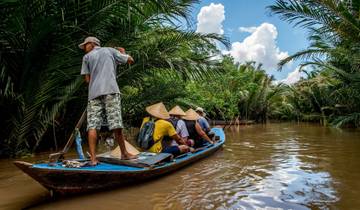
Mekong Delta 3 Days 2 Nights Tour: Cai Be – Can Tho – Chau Doc
- ✓ Comprehensive Ho Chi Minh City tour
- ✓ Expert local guides included
- ✓ All accommodation arranged
- ✓ Transportation provided
3 days
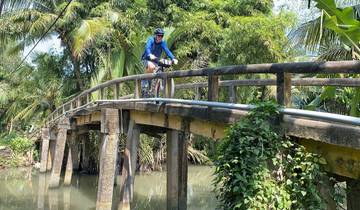
Amazing Rustic Mekong River By Bike & Boat 3 Days 2 Nights
- ✓ Booking needs min. 2 travelers
5 days
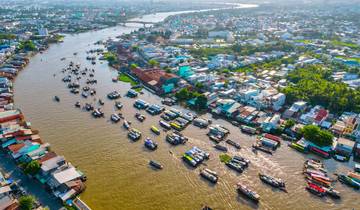
5-Day Tour in the South of Vietnam: Ho Chi Minh city – Mekong Delta – Cu Chi tunnels
- ✓ Comprehensive Ho Chi Minh City tour
- ✓ Expert local guides included
- ✓ All accommodation arranged
- ✓ Transportation provided
Multi-day tour packages powered by TourRadar. Prices and availability subject to change.
Introduction: Understanding Ho Chi Minh City Tour Landscape in 2026
Ho Chi Minh City’s organized tour industry encompasses hundreds of operators ranging from backpacker-focused budget agencies clustered in Pham Ngu Lao backpacker district to premium boutique companies targeting luxury travelers, creating bewildering selection process where price differences reaching 400% for ostensibly similar Cu Chi Tunnels or food tour experiences reflect vast quality variations in guide expertise, group sizes, site selection, and operational standards. The tour categories divide into historical war experiences, culinary adventures, combination packages, and specialized interests, with the two dominant categories—Cu Chi Tunnels historical tours and street food explorations—representing essential Saigon experiences recommended for 80%+ of visitors regardless of usual aversion to organized group activities. The Cu Chi Tunnels day trip stands as Vietnam’s second most visited attraction after Ha Long Bay cruises, attracting an estimated 500,000+ annual visitors despite location 70 kilometers from city center, with the underground network’s 250-kilometer labyrinth of hand-dug passages serving as Viet Cong guerrilla stronghold during American War creating tangible connection to 20th century conflict impossible to achieve through museum visits alone. The food tour proliferation reflects Vietnam’s emergence as global culinary destination following Anthony Bourdain’s celebrated 2016 Hanoi episode and subsequent international chef attention, with Ho Chi Minh City’s southern cuisine traditions including banh mi French-Vietnamese fusion sandwiches, complex pho variations, and fresh spring rolls achieving worldwide recognition translating into tourist demand for authentic vendor access and preparation technique education.
The booking ecosystem operates through multiple channels creating pricing and quality variations demanding research investment before commitment. Online platforms including GetYourGuide, Viator (TripAdvisor’s booking engine), Klook, and Airbnb Experiences aggregate tours from multiple operators with standardized presentation, verified reviews from confirmed participants, guaranteed refund policies protecting against operator cancellations or quality failures, and typically 10-20% price premiums above direct operator rates covering platform commission and customer service infrastructure. These platforms excel for risk-averse travelers prioritizing booking security and transparent review systems over absolute cost minimization, with the aggregated reviews across thousands of participants providing statistical validity impossible from individual operator websites claiming universal five-star satisfaction. Direct operator websites occasionally beat platform pricing by 10-15% when running promotional campaigns or offering early booking discounts, requiring separate research across multiple company sites to identify best current rates though lacking third-party review verification and standardized refund policies. The walk-in booking approach through Pham Ngu Lao travel agencies delivers rock-bottom pricing—occasionally 20-30% below online platform rates—through commission elimination and same-day inventory clearance motivations, though quality represents complete gamble without verified reviews, itineraries prove vague or misleading, and agencies sometimes book clients onto different operators’ tours than advertised creating bait-and-switch frustrations.
The seasonal pricing dynamics create significant cost variations across calendar year, with high season December-February commanding premium rates as international visitors escape northern hemisphere winter combining with Vietnamese diaspora returning for family visits, shoulder seasons March-April and September-November offering moderate pricing with improving weather as wet season concludes, and genuine bargain rates May-August during rainy season when fewer visitors tolerate afternoon thunderstorm risks despite morning departures typically avoiding precipitation. The Tet Lunar New Year holiday (January 29-February 4 in 2026) creates extreme complications with 25-30% mandatory surcharges applied by operators compensating staff who work during Vietnam’s most important family celebration period, dramatically reduced tour frequency as many operators close entirely for 3-7 days, and crowding from domestic Vietnamese tourism overwhelming popular sites creating packed conditions worse than typical high season. Savvy travelers avoid Tet week entirely unless specifically interested in festival cultural immersion, booking alternative weeks in January or February achieving high-season weather without holiday chaos. The advance booking timeline proves flexible with most tours accepting same-day reservations during low season while high season December-January and major holidays recommend 2-7 day advance booking securing preferred departure times and premium operators whose limited small-group capacity fills quickly.
The guide quality represents the single most important factor separating exceptional tours from disappointing experiences, yet proves nearly impossible to assess before booking without extensive review research. Superior guides combine fluent English enabling nuanced explanation and humor rather than basic script recitation, deep historical or culinary knowledge extending beyond memorized facts into contextual analysis answering spontaneous questions, personal connection to subject matter through family wartime experiences or professional chef background, and engaging personality creating entertainment alongside education versus boring academic lectures. The guide deficiency common in budget operators includes heavily accented English requiring concentration to comprehend reducing complex historical explanation to simplest vocabulary, rote memorization of basic facts without deeper understanding preventing informed responses to participant questions, and disengaged personality rushing through tour obligations to complete shift rather than genuine enthusiasm sharing Vietnamese culture. The small group versus large group dichotomy fundamentally impacts tour quality with 8-12 person groups enabling dialogue and personalized pacing impossible in 30-45 person crowds where guide shouts into microphone and individual questions prove impractical, though the premium pricing 50-150% above budget tours reflects these quality improvements. Private tours eliminate all group dynamics entirely at 2-3x costs justifiable for honeymooners seeking romantic exclusivity, families with young children whose pacing differs from general tourist groups, or affluent travelers unwilling to compromise on any aspect of experience.
Cu Chi Tunnels Tours: Pricing and Options 2026
Cu Chi Tunnels half-day tour pricing in 2026 ranges from budget group options at $16-25 per person to premium small-group experiences $32-60 per person, with private tours starting $87 for groups of 2-4 people and specialized speedboat alternatives reaching $80-100 per person, all including round-trip transportation from District 1 hotels, English-speaking guide, entrance fees (110,000 VND separately if visiting independently), and 4-7 hour total duration depending on chosen departure time and site visited. Budget group tours operated by established companies like Sinh Tourist, Kim Travel, and Vietnam Adventure Tours accommodate 30-45 participants in large air-conditioned buses, departing 8:00 AM for morning option or 1:00-2:00 PM for afternoon alternative, traveling 1.5-2 hours each way depending on traffic conditions, and allocating 1.5 hours for tunnel site exploration before return journey completing experience by approximately 2:00 PM (morning departure) or 6:30-7:30 PM (afternoon option). The large group dynamics create rushed pacing through tunnel areas with guides shepherding crowds past exhibits and demonstration areas, minimal opportunity for individual questions beyond basic clarifications, and crowding at popular photo spots including entrance trap doors and narrow tunnel crawl sections where lines form as dozens queue for their turn navigating underground passages. The budget category serves backpackers and cost-conscious travelers accepting quality compromises to minimize expenditures, families needing multiple tickets where premium pricing becomes prohibitively expensive when multiplied across 4-6 people, and casual visitors wanting to check Cu Chi off bucket list without demanding deep educational engagement or photography perfection.
Premium small-group tours priced $32-60 per person typically cap participation at 10-15 guests creating intimate atmosphere enabling guide dialogue, personalized attention answering specific questions, and relaxed pacing allowing thorough site exploration without constant herding toward next scheduled stop. These tours frequently visit Ben Duoc tunnel complex 15 kilometers beyond the more accessible Ben Dinh site, offering significantly less crowded experience with preserved longer tunnel sections (up to 100 meters versus Ben Dinh’s 20-50 meter tourist segments), larger grounds showcasing underground hospital facilities and meeting room chambers, and authentic rural atmosphere contrasting Ben Dinh’s commercialized environment complete with souvenir shops and tour bus parking lots. The operators including Joy Journeys, Saigon Adventure, and various boutique companies employ knowledgeable guides often with personal wartime connections or advanced historical training, delivering nuanced explanations connecting tunnel warfare tactics to broader conflict dynamics and Vietnamese cultural resilience rather than surface-level recitation of construction dates and tunnel lengths. The total tour duration extends to 6-7 hours accounting for additional driving time to Ben Duoc, though the 2-2.5 hour site allocation versus budget tours’ 1.5 hours enables comprehensive exploration without rushed feeling. The morning departures (typically 8:00 AM pickup) suit travelers wanting afternoons free for other Saigon activities, while some operators offer afternoon options (1:00-2:00 PM) appealing to late risers though returning closer to 7:00-8:00 PM reducing evening availability for dining or entertainment.
Private Cu Chi tours pricing $87-150 total (not per person) for 2-4 participant groups provide ultimate flexibility through customizable departure times accommodating specific scheduling needs, ability to adjust site duration spending extra time at personally interesting areas while abbreviating less engaging elements, option to combine Cu Chi with other destinations like Cao Dai Temple noon ceremony or customize lunch venue selecting personal preferences over standard group restaurant stops, and dedicated guide providing undivided attention impossible during group tour settings. The per-person economics work favorably for groups of 3-4 travelers splitting total cost achieving $22-38 per head comparable to or below premium small-group rates while gaining all private tour benefits, though couples face $44-75 per person and solo travelers encounter prohibitive $87-150 solo costs making group tour options more economically rational. The private tour category particularly suits families with young children whose pacing and attention spans differ from general tourist groups, elderly or mobility-limited travelers needing frequent breaks and slower walking speeds, serious history enthusiasts wanting extended dialogue with guide exploring specific tactical or political questions, and photographers prioritizing specific shots requiring patient waiting for ideal lighting or crowd clearance impossible during scheduled group movements. The booking process requires direct contact with operators typically unable to list private options on aggregator platforms, with reputable companies including Vietnam Adventure Tours, Joy Journeys, and local agencies in Pham Ngu Lao district offering competitive private pricing when contacted via email or messaging apps.
Speedboat Cu Chi tours priced $80-100 per person create alternative experience replacing highway drive with 2-hour Saigon River journey upstream toward Cu Chi district, combining tunnel visit with scenic boat ride perspective on river life including floating villages, fishing boats, and cargo vessels. The morning departure (typically 7:00-8:00 AM) navigates calmer water conditions and cooler temperatures, while the water route eliminates highway traffic delays creating more reliable journey timing compared to road transport’s variable congestion. The premium pricing reflects specialized boat operation costs and limited passenger capacity (usually 15-20 maximum per vessel versus 45-passenger tour buses), appealing to travelers seeking unique perspective over pure value optimization or those particularly interested in river ecosystems and waterborne communities. The experience targets affluent couples, honeymooners prioritizing romantic differentiation from standard tourist crowds, and visitors who’ve completed previous land-based Cu Chi tours wanting fresh angle during return visits. The boat journey itself provides marginal educational value compared to time at actual tunnel site, making this specialized option rather than mainstream recommendation for first-time visitors better served allocating budget toward premium land tours with superior guides and longer tunnel exploration periods. Some combination tours pair morning speedboat Cu Chi visit with afternoon Mekong Delta boat tours creating full water-focused day at $120-180 per person, though the back-to-back intensive schedule creates exhaustion requiring realistic stamina assessment before commitment.
Street Food Tours: Motorbike vs Walking Options 2026
Evening motorbike street food tours represent Ho Chi Minh City’s most popular culinary experience in 2026, priced $25-65 per person for 3-4 hour adventures departing 6:00 PM visiting 7-12 tasting stops across Districts 1, 3, 4, 5, and 10, combining thrilling pillion motorcycle riding through dense Saigon traffic with authentic vendor sampling impossible for tourists navigating independently given language barriers and overwhelming restaurant density creating paradox of choice. The standard tour structure pairs each participant with dedicated motorcycle rider (increasingly female riders addressing safety concerns and gender preferences) and guide alternating between riding and walking group, departing from hotel pickups or central meeting points, visiting curated selection of stalls, restaurants, and hidden alley vendors serving southern Vietnamese specialties including bun bo Hue spicy beef noodle soup, banh xeo crispy turmeric pancakes, goi cuon fresh spring rolls, various grilled seafood and meat skewers, banh mi sandwiches, Vietnamese coffee, and che dessert soups, with unlimited local beer and iced tea throughout the evening creating social drinking atmosphere alongside eating. The portion sizes at each stop typically involve sharing dishes among 4-6 person subgroups rather than individual full servings, enabling greater variety sampling without excessive fullness, though total food quantity leaves participants comfortably satisfied rather than requiring additional dinner after tour conclusion.
The pricing variations within motorbike food tour category reflect operator quality differences spanning guide expertise, vendor curation, group size limitations, and included beverages creating $40 value gap between bottom-tier $25 offerings and premium $65 experiences. Budget operators $25-35 per person accommodate larger groups (15-20 participants), employ less experienced guides with adequate but unexceptional English skills, visit established tourist-friendly vendors rather than hidden local favorites, and limit beer/drinks to 1-2 included beverages with additional purchases at participant expense. Mid-range tours $35-50 per person cap groups at 8-12 participants enabling more intimate atmosphere, utilize knowledgeable guides often with culinary backgrounds providing cooking technique explanations and ingredient discussions, curate vendor selection balancing accessibility with authenticity, and include unlimited beer creating all-inclusive pricing eliminating surprise beverage charges. Premium experiences $50-65 per person typically limit groups to 6-8 maximum, employ exceptional guides with professional chef credentials or food journalism backgrounds, access exclusive vendors including Michelin-recognized stalls from Michelin Guide’s recent Vietnam expansion, and incorporate additional elements like rooftop bar cocktails or live music venue stops creating comprehensive nightlife experience beyond pure eating. The standout operators including Saigon Street Eats, XO Tours, Back of the Bike Tours, and Saigon Adventure consistently earn five-star reviews praising guide personalities, food quality, safety consciousness during riding, and value perception despite premium pricing.
Walking street food tours priced $15-45 per person provide pedestrian alternative for travelers uncomfortable with motorbike riding, families with young children unable to accommodate on scooters, elderly visitors preferring stable ground over two-wheel transportation, or anyone arriving Ho Chi Minh City with pre-existing motorcycle accident phobia from news stories about Southeast Asian traffic dangers. The walking format restricts geographic range to single district or limited multi-district area accessible within comfortable 2-3 kilometer stroll, typically centering on District 1, 3, or 5 where vendor density enables 8-12 tasting stops without excessive walking distances between each location. The reduced variety compared to motorbike tours covering greater distances represents acceptable tradeoff for pedestrian safety and accessibility, while the slower pacing enables more detailed vendor interaction and preparation observation impossible when jumping on/off motorcycles rushing between distant neighborhoods. The evening walking tours (6:00-7:00 PM departures) last 3-3.5 hours matching motorbike duration despite reduced geographic coverage, incorporating more time at each vendor explaining dishes and observing preparation versus the quick tasting approach necessitated by motorbike tour logistics coordinating riders and managing group movements. The price differential favoring walking tours ($15-30 typical range versus $35-50 motorbike average) reflects reduced operational complexity without motorcycle provision and insurance requirements, though some premium walking experiences charging $40-45 rival motorbike pricing by incorporating upscale restaurants, craft beer tastings, or extended market tours justifying costs through quality upgrades over basic vendor sampling.
The morning and afternoon food tour alternatives serve different purposes than evening departures, with breakfast tours (8:00 AM start) focusing on pho variations, banh mi breakfast sandwiches, and traditional Vietnamese coffee culture across 2-3 hour experiences priced $20-40 per person, and lunch tours (11:00 AM-12:00 PM departures) exploring com tam broken rice plates, bun thit nuong vermicelli bowls, and midday regional specialties at $25-45 per person. These daytime options appeal to travelers already committed to evening restaurant reservations or activities, families wanting children in bed at reasonable hours rather than 9:30-10:00 PM tour conclusions, or food enthusiasts seeking comprehensive meal coverage across breakfast, lunch, and dinner sampling. The morning tours particularly shine for photography enthusiasts as harsh midday light softens to flattering morning glow, and market visits occur during peak activity when vendors display fresh produce and bustling commerce creates vibrant atmosphere impossible during afternoon lulls. The combination packages offering both daytime and evening tours over multi-day stays price $75-120 for two sessions, creating comprehensive culinary education impossible through single tour participation and enabling comparison between breakfast versus dinner food cultures in Vietnamese daily rhythms.
The specialized food tour variations include vegan/vegetarian-focused experiences highlighting Vietnam’s Buddhist culinary traditions and contemporary plant-based innovations ($30-50 per person), French colonial cuisine tours exploring Saigon’s historical bistros and bakeries ($45-65), Chinese-Vietnamese fusion in Cho Lon Chinatown ($35-50), and Michelin-recognized vendors tour ($50-75) featuring stalls recently awarded Michelin Bib Gourmand recognitions. These niche categories target specific dietary needs or culinary interests rather than general introduction, with advance research ensuring tour focus aligns with personal preferences before booking specialized experience potentially narrower than standard omnivorous street food samplings. The private food tour option (minimum 2 participants, $60-90 per person) customizes menu to dietary restrictions, personal interests in specific cuisines, and pacing preferences impossible in group settings, worthwhile for honeymoon couples seeking romantic experience, families with picky children requiring menu modifications, or return visitors having completed standard tours wanting deeper neighborhood immersion through personalized guide expertise.
Vietnamese Cooking Classes: Market Tours and Hands-On Preparation 2026
Vietnamese cooking class experiences in Ho Chi Minh City 2026 combine wet market tours teaching ingredient selection with hands-on preparation of 3-4 traditional dishes, priced 690,000-1,140,000 VND ($28-45) for standard group classes and 998,000-1,500,000 VND ($40-60) for premium operators offering private cooking stations, professional chef instruction, and comprehensive recipe booklets, with morning sessions (9:00 AM-1:00 PM) or afternoon alternatives (1:00 PM-5:00 PM) fitting various scheduling preferences. The typical class structure begins with Ben Thanh Market or Tan Dinh Market guided tour where chef instructor navigates stalls explaining Vietnamese produce varieties, spice blending traditions, noodle type distinctions, and vendor bargaining techniques while purchasing fresh ingredients for upcoming cooking session, then transitions to professional teaching kitchen equipped with individual or shared cooking stations where participants receive ingredient prep guidance and step-by-step preparation instructions culminating in seated meal enjoying personally prepared dishes alongside classmates. The standard menu covers Vietnamese classics including fresh spring rolls (goi cuon) demonstrating rice paper handling and rolling technique, pho noodle soup revealing broth building and spice balancing essential to authentic flavor profiles, and banh xeo savory pancakes requiring proper batter consistency and pan technique achieving crispy edges with soft interiors. The fourth dish varies by operator and season with options including caramelized clay pot fish, green papaya salad, Vietnamese coffee preparation, or traditional desserts like che sweet soup.
The operator quality variations spanning 690,000-1,500,000 VND ($28-60) pricing range reflect differences in class size, teaching kitchen facilities, chef credentials, recipe documentation quality, and market tour depth creating substantially different educational values despite superficially similar “cooking class with market tour” descriptions. Budget operators charging 690,000-790,000 VND ($28-31) typically accommodate 12-20 participants in crowded kitchen spaces requiring shared cooking stations among 3-4 students, employ English-speaking instructors without formal chef training relying on home cooking knowledge rather than professional technique expertise, provide handwritten recipe cards or photocopied pages instead of bound cookbooks, and rush market tours covering basic produce identification without cultural context or historical background. The mid-range category 900,000-1,140,000 VND ($36-45) limits class sizes to 8-12 participants enabling individual attention, operates dedicated teaching facilities with proper ventilation and modern equipment, utilizes professional chefs or culinary school graduates bringing formal training into instruction, supplies printed recipe booklets with ingredient substitution guidance for recreating dishes outside Vietnam, and allocates 45-60 minutes for comprehensive market tours explaining ingredient histories and regional variations. Premium experiences 998,000-1,500,000 VND ($40-60) cap enrollment at 6-8 students or offer entirely private sessions for couples/families, feature celebrity chefs or cookbook authors leading instruction, occupy restaurant-quality kitchens with private cooking stations per participant, include bound cookbook gifts with 25+ recipes beyond dishes prepared during class, and incorporate wine/beer pairings or elevated ingredient sourcing from specialty vendors. The standout operators including Provincial Table, Saigon Cooking Class, Hoa Tuc Cooking School, and M.O.M Cooking Studio consistently earn exceptional reviews praising hands-on engagement over demonstration-heavy approaches, personable instructors creating fun atmosphere alongside education, and genuine skill acquisition enabling home recreation rather than one-time cooking experience immediately forgotten after class conclusion.
The market tour integration represents critical differentiator between superior classes emphasizing Vietnamese food culture understanding versus cooking-only sessions missing cultural context essential for authentic cuisine appreciation. Quality market tours lasting 45-75 minutes precede cooking sessions, bringing participants through wet market chaos explaining unfamiliar produce like water spinach, dragon fruit, pomelo, rambutan, and durian, demonstrating how locals select fresh fish and meat evaluating quality signals invisible to untrained eyes, visiting spice vendors discussing five-spice powder compositions and lemongrass variety differences, and observing daily market rhythms where housewives negotiate prices and vendors display elaborate fruit carvings. The Ben Thanh Market represents most common tour destination given central District 1 location though its tourist-oriented nature with inflated pricing and aggressive vendor behavior creates less authentic experience than Tan Dinh Market’s local atmosphere where Vietnamese shoppers outnumber tourists and sellers maintain honest pricing for neighborhood clientele. The market component teaches practical skills beyond cooking technique—learning to identify fresh versus aged ingredients through smell tests and visual inspection, understanding Vietnamese measurement systems and price negotiations, recognizing regional ingredient variations like northern versus southern herb preferences, and appreciating wet market roles in daily Vietnamese life despite modern supermarket emergence. The cooking classes skipping market tours entirely reduce costs by 100,000-200,000 VND ($4-8) and shorten duration to 2-2.5 hours focusing exclusively on food preparation, suitable for travelers with limited time or specific interests in cooking mechanics over cultural immersion though sacrificing the holistic understanding that elevates classes from activity to educational experience.
The specialized cooking class variations include vegetarian/vegan sessions focusing on Buddhist temple cuisine and contemporary plant-based interpretations of traditional dishes ($35-50), regional cuisine courses exploring central Vietnamese specialties like bun bo Hue or northern dishes like bun cha versus standard southern curriculum ($40-55), advanced technique workshops for experienced cooks wanting knife skills or wok mastery beyond basic recipe following ($50-75), and family-friendly classes designed for children participation with age-appropriate tasks ($30-45 per adult, $20-30 per child). The private cooking class option minimum 2 participants charges 1,200,000-2,500,000 VND ($48-100) total providing customized menu selection addressing dietary restrictions or personal interests, flexible scheduling accommodating afternoon or evening preferences impossible in fixed group sessions, and intimate instructor attention enabling deeper questioning and technique refinement. The couples seeking romantic cooking date, small friend groups wanting exclusive experience, or families with young children whose participation disrupts standard classes find private options worthwhile despite 50-80% premium pricing over equivalent group classes. The combination packages pairing morning cooking class with afternoon food tour or Cu Chi Tunnels visit price $75-130 creating full-day culinary and cultural immersion maximizing limited Saigon visit days, though the back-to-back scheduling creates fatigue requiring realistic energy assessment before committing to intensive consecutive experiences.
War Remnants Museum and City Historical Tours 2026
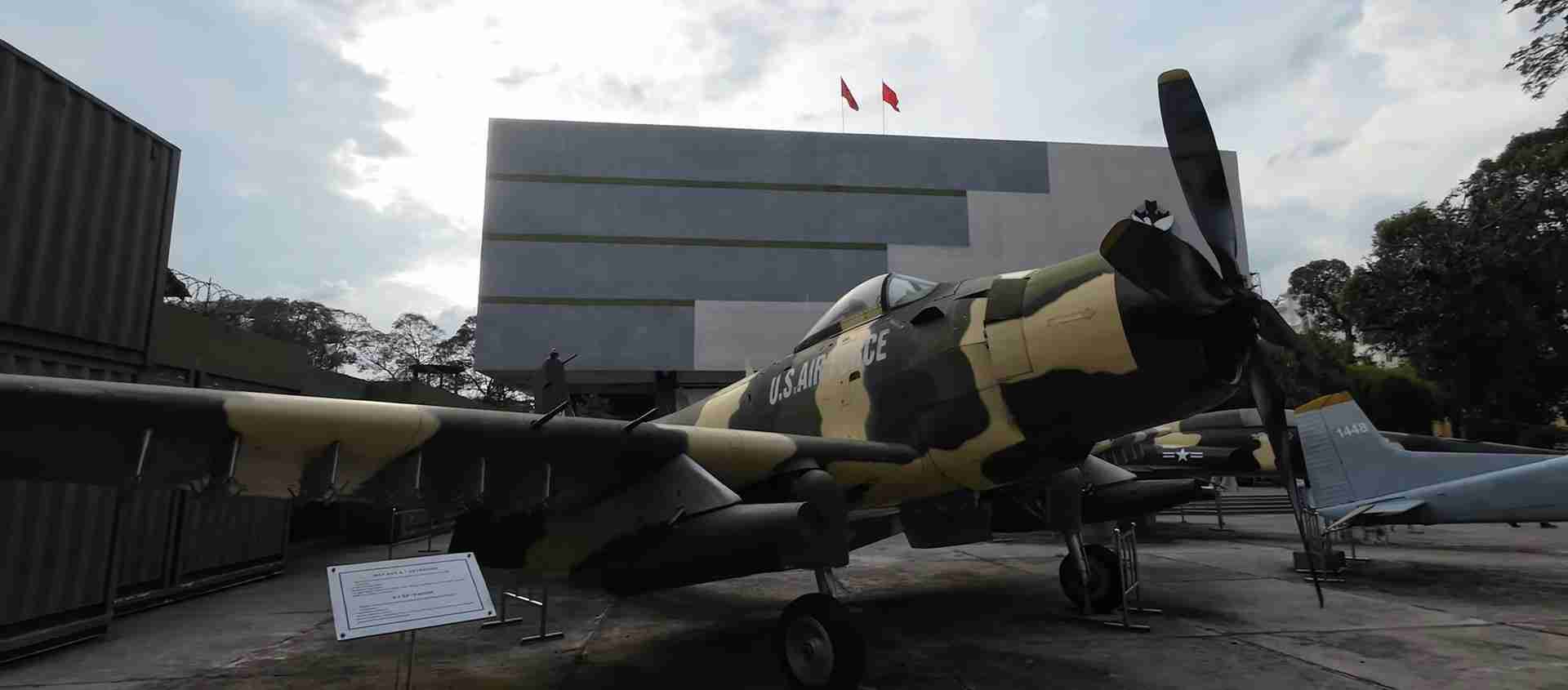
War Remnants Museum guided tours provide essential English-language historical context transforming what could be overwhelming graphic photography exhibition into meaningful educational experience explaining Vietnamese war perspectives, typically included as components within broader city sightseeing tours priced $35-75 per person for half-day experiences combining museum with Reunification Palace, Notre Dame Cathedral, Central Post Office, and additional District 1 landmarks. The standalone War Remnants Museum visit without organized tour costs only 40,000 VND ($1.60) entrance fee, but the Vietnamese-perspective presentation focusing on American atrocities, chemical warfare impacts, and civilian suffering proves challenging for Western visitors unprepared for one-sided narrative requiring historical context distinguishing propaganda elements from documented war crimes and understanding how Vietnamese wartime trauma shapes contemporary cultural attitudes. The guided tours allocate 1-1.5 hours for museum exploration with knowledgeable guides providing balanced commentary acknowledging exhibition bias while explaining factual historical foundation, describing specific displays including captured American military equipment, Agent Orange birth defect photographs, tiger cage prison reconstructions, and war photography galleries documenting conflict’s civilian impact, and answering questions about contentious historical interpretations around Gulf of Tonkin incident, My Lai massacre, and other pivotal events shaping American-Vietnamese relations.
The half-day city tour combinations typically price $35-55 per person for 4-5 hour morning or afternoon experiences visiting War Remnants Museum alongside Reunification Palace (where communist tanks crashed through gates ending war April 30, 1975), Notre Dame Cathedral’s French colonial architecture (currently under renovation with exterior scaffolding through 2026), Central Post Office designed by Eiffel’s workshop, Ben Thanh Market for shopping time, and Nguyen Hue Walking Street pedestrian promenade, with air-conditioned transportation between sites, English-speaking guide, entrance fees included (except optional shopping purchases), and hotel pickup/drop-off within District 1. The morning departures (8:00-8:30 AM) complete tour by 12:30-1:00 PM leaving afternoons available for independent activities or Cu Chi Tunnels afternoon tours, while afternoon options (1:00-1:30 PM) suit late risers though concluding at 5:30-6:00 PM requires careful dinner planning. The operator quality variations span basic history recitation at budget level versus engaging storytelling and primary source integration at premium tier, with guides making or breaking educational value through their historical knowledge depth, balanced perspective avoiding propaganda while acknowledging Vietnamese suffering, and ability to contextualize war museum experience within broader Vietnamese-American normalization progress since 1995 diplomatic recognition. The small-group premium tours (8-12 participants) priced $55-75 provide superior guide interaction impossible in 25-30 person budget groups, while private city tours $120-180 total enable customized pacing spending extra time at personally interesting sites or skipping less engaging stops.
The specialty war history tours targeting serious enthusiasts extend beyond standard tourist circuit incorporating lesser-known sites including The Last Helicopter statue marking American evacuation, Hidden Weapon Bunker revealing Viet Cong operations within Saigon, District 5’s wartime resistance tunnels, and detailed War Remnants Museum examination allocating 2-3 hours versus standard tours’ rushed 60-90 minutes, priced $65-95 per person for 5-6 hour comprehensive experiences. These in-depth options appeal to military history buffs, veterans or their families seeking personal connection to conflict geography, documentary researchers requiring expert guidance, and travelers dissatisfied with surface-level tourist presentations wanting nuanced understanding of guerrilla tactics, political dynamics, and long-term war impacts on Vietnamese society. The guides for specialty tours typically possess advanced historical training, personal wartime connections through family veteran experiences, or academic credentials bringing scholarly rigor impossible from general city tour guides trained primarily in customer service over subject expertise. The full-day war and tunnels combination (detailed in Combination Tours section below) creates most comprehensive historical education pairing morning city war sites with afternoon Cu Chi Tunnels underground exploration at $70-120 per person, suitable for visitors allocating single day to war history before transitioning to cultural sites, beaches, or other Vietnamese destinations during multi-week itineraries.
The Cao Dai Temple addition to war site tours creates unique religious-historical combination visiting Tay Ninh’s colorful syncretistic temple 100 kilometers northwest where Cao Dai faith blending Buddhism, Taoism, Confucianism, Christianity, and Islam conducts elaborate noon ceremony featuring hundreds of followers in ceremonial robes performing intricate worship rituals. The full-day Cu Chi and Cao Dai combination prices $45-75 per person departing 8:00 AM, visiting Cao Dai Temple to witness 12:00 PM ceremony, having lunch at local restaurant, then proceeding to Cu Chi Tunnels for afternoon exploration before returning Saigon approximately 6:00-7:00 PM. The temple’s technicolor architecture featuring ornate dragon columns, all-seeing divine eye symbolism, and theatrical ceremony spectacle creates Instagram-worthy content though raises ethical questions about religious practice becoming tourist entertainment with coach loads of foreigners observing sincere worship. The cultural experience appeals to travelers fascinated by religious diversity and colorful photography opportunities, though critics argue the tour bus crowds gawking at ceremony undermine authentic spiritual engagement making this optional enhancement rather than essential addition to Cu Chi visit. The private Cao Dai and Cu Chi tours $130-200 total enable early temple arrival securing front-row ceremony viewing before tour bus masses arrive, worth premium for serious photography or genuine religious interest versus casual cultural curiosity adequately served by standard group tour gallery section positioning.
Combination Tours: Maximizing Sightseeing Efficiency 2026
Full-day combination tours pairing Cu Chi Tunnels with complementary destinations optimize limited Saigon visit time for travelers wanting comprehensive sightseeing without booking separate half-day experiences, priced $45-95 per person for 9-11 hour intensive schedules visiting 2-3 major attractions with included transportation, guides, entrance fees, and lunch. The Cu Chi Tunnels and Mekong Delta combination represents most popular pairing at $50-75 per person, departing 8:00 AM for morning tunnel exploration (7:30-11:30 AM), having lunch at local restaurant (11:30 AM-12:30 PM), then proceeding to Ben Tre or My Tho Mekong Delta towns (1:30-5:00 PM) for sampan boat rides through narrow canals, visits to coconut candy workshops and honey bee farms, tropical fruit tastings, and observation of traditional river life before returning Ho Chi Minh City approximately 6:30-7:00 PM. The dual-attraction approach delivers excellent value cramming two major Saigon day trips into single intensive day, saving cumulative costs versus separate half-day bookings and eliminating return trip redundancy since Cu Chi and Mekong locations lie in same southwestern direction from city center making combined journey logistically sensible. The exhaustion factor cannot be understated—10-11 hours of continuous touring with just 1-hour lunch break, extended periods confined to tour bus during 5+ hours total transportation, and limited flexibility for rest breaks creates fatigue particularly for families with young children, elderly travelers, or anyone arriving Saigon with jet lag making realistic stamina assessment essential before committing to marathon experience.
The Cu Chi Tunnels and city sightseeing combination priced $55-85 per person creates alternative pairing visiting morning war sites (War Remnants Museum, Reunification Palace, Central Post Office, Notre Dame Cathedral) before afternoon Cu Chi Tunnels exploration, departing 8:00 AM with city sites 8:30-11:30 AM, lunch break 11:30 AM-12:30 PM, Cu Chi visit 2:00-4:30 PM, returning 6:30 PM for total 10-hour duration. This historical focus day appeals to war history enthusiasts wanting comprehensive conflict understanding through both urban museums and rural battlefield sites, first-time Vietnam visitors maximizing limited time by combining Saigon’s two essential historical experiences, and travelers continuing to beach destinations or other countries after brief Saigon stopover who want intensive cultural education before relaxation phases. The private combination tour version $150-250 total customizes schedule eliminating lunch break in favor of quicker snack stop if preferring shorter overall duration, adjusting city site selection based on personal interests skipping Notre Dame construction scaffolding for alternative destinations, and providing flexibility for photography enthusiasts wanting extra time at specific locations impossible during rigid group tour timelines. The luxury limousine combination tours $95-140 per person replace standard vans with Mercedes vehicles featuring reclining seats, enhanced air conditioning, bottled water and snacks, and maximum 7-passenger capacity creating comfortable transportation offsetting the long hours though not addressing fundamental exhaustion from continuous sightseeing across 10-11 hour days.
The Mekong Delta overnight combination extending Cu Chi day trip into 2-day/1-night experience prices $120-180 per person including accommodation at Mekong homestay or local hotel, all meals, boat trips, cycling tours, and transportation, enabling early morning floating market participation impossible during day-trip timing constraints. The Can Tho floating market operates pre-dawn hours (5:00-7:00 AM represents peak activity) requiring overnight Mekong stay to witness fruit and vegetable wholesale trading conducted entirely from boats creating iconic Vietnam tourism imagery impossible to experience on rushed day trips arriving mid-morning after market dispersal. The two-day pacing eliminates the exhaustion of cramming everything into single intensive day, allows deeper Mekong cultural immersion through homestay family meals and evening village walking, and provides relaxation time versus continuous rushing between scheduled activities. The overnight option suits travelers with 4+ days in Saigon region affording multi-day allocation, couples seeking romantic Mekong river escape, and anyone prioritizing authentic cultural experiences over maximum attraction quantity checked off bucket lists. The homestay accommodations represent basic standards—simple rooms with mosquito nets, shared bathroom facilities, fan ventilation (not air conditioning), and family-style meals featuring Mekong specialties prepared by host families creating genuine cultural exchange though lacking hotel comfort amenities. The hotel overnight alternatives upgrade comfort at 30-50% price premium over homestay versions, appealing to older travelers or those uncomfortable with rustic lodging conditions while maintaining floating market access justifying overnight investment.
The Saigon evening food tour and Cu Chi Tunnels split-day combination packages price $75-110 total when booking both experiences together versus separate individual rates, creating comprehensive historical and culinary day starting with morning Cu Chi exploration (8:00 AM-2:00 PM), afternoon break at hotel (2:00-6:00 PM), then evening food tour (6:00-10:00 PM). The multi-operator coordination requires booking through companies offering both services or manually arranging separate morning and evening bookings accepting lack of combined discount, with the advantage of spreading intensive activities across full day with substantial mid-afternoon rest period preventing exhaustion endemic to continuous 10-hour combination tours. The split approach suits energetic travelers maximizing single Saigon day before departing next morning, visitors with just 2-3 days total in city wanting both essential experiences efficiently scheduled, and those recovering from overnight flights who need midday rest before evening activities. The private car option for split-day arrangements provides luxury of retained vehicle and driver enabling return to hotel for shower and clothing change between sweaty morning tunnel crawling and evening dining versus standard tours’ fixed schedule requiring participation in food tour while still grimy and exhausted from morning adventure.
Booking Strategy and Quality Assessment 2026
Tour booking platform selection balances pricing optimization against review transparency and refund security, with GetYourGuide, Viator, and Klook charging 10-20% premiums above direct operator rates but providing aggregated verified reviews from thousands of participants, standardized cancellation policies protecting against operator failures, and guaranteed lowest price matching if identical tour found cheaper elsewhere within 24 hours of booking. These third-party platforms excel for risk-averse travelers prioritizing booking protection and statistical review validity over absolute cost minimization, with the review systems filtering across 500-5000 participant experiences per popular tour creating reliable quality assessment impossible from individual operator websites claiming universal satisfaction without independent verification. The platform comparison shopping proves essential given significant price variations for ostensibly identical experiences—the same Cu Chi Tunnels budget group tour pricing $18 on Viator, $22 on GetYourGuide, and $16 direct from operator website, with the $2-6 differential reflecting platform commission structures and dynamic pricing algorithms adjusting rates based on demand patterns and competitor monitoring. The early booking discounts occasionally favor platforms over direct operators when GetYourGuide runs 10% promotional campaigns or Klook offers first-booking coupons, requiring price checking across multiple sources before committing to perceived best rate.
Direct operator booking through company websites eliminates platform commissions potentially reducing costs 10-15% when operators pass savings to consumers versus pocketing full commission difference, though verification challenges increase without third-party review aggregation and refund security weakens relying on individual company policies versus platform guarantees. The reputable established operators including Sinh Tourist, Saigon Street Eats, Provincial Table cooking classes, and Joy Journeys historical tours maintain direct booking systems with transparent pricing, genuine customer reviews on Google and TripAdvisor even when booking directly, and reliable refund policies protecting against operator cancellations or quality failures. The email inquiry approach enables custom requests impossible through standardized platform booking forms—requesting specific dietary accommodations, negotiating private tour pricing for unusual group sizes (7-9 people falling between small-group maximums and private minimums), or arranging pickup from hotels in outer districts excluded from standard District 1 coverage. The direct communication establishes personal relationship potentially yielding upgrade courtesies or flexible timing adjustments impossible when booking through impersonal platform interfaces treating customers as transaction numbers. The risk increases dramatically when booking through walk-in Pham Ngu Lao travel agencies lacking online review histories, with common scams including bait-and-switch substituting inferior operators than advertised, vague itineraries omitting entrance fees or lunch from quoted prices creating surprise charges, and no-show tour buses forcing scrambling for alternative arrangements without advance notice.
The review research investment proves essential separating exceptional tours from mediocre experiences despite identical descriptions and similar pricing, with quality indicators including recent reviews (past 6 months reflecting current operations versus 3-year-old assessments praising since-departed excellent guides), specific detail praising particular guides by name rather than generic five-star ratings without substantive comment, criticism response patterns showing operators addressing complaints professionally versus defensive dismissiveness, and review volume providing statistical significance (100+ reviews creating reliable average versus 12 reviews possibly representing family and friends). The red flag warning signs include excessive five-star reviews with suspiciously similar phrasing suggesting purchased fake reviews, recent review clusters showing dramatic quality decline after ownership changes or staff departures, frequent complaints about specific issues (rushed pacing, poor guide English, hidden fees, uncomfortable vehicles) indicating systemic problems versus isolated incidents, and operator responses blaming customers rather than acknowledging service failures and improvement commitments. The comparison across multiple platforms proves valuable as GetYourGuide reviews sometimes differ significantly from TripAdvisor assessments for identical tour, with one platform attracting budget backpackers while another draws luxury travelers creating different expectation baselines and satisfaction thresholds making aggregated cross-platform research essential for balanced assessment. The guide name research on public review sites occasionally reveals specific guides earning exceptional praise, enabling email requests for that particular guide when booking though operators cannot always guarantee specific staff assignments given scheduling complexity and guide availability variations.
The advance booking timeline flexibility varies seasonally with high season December-February requiring 3-7 day advance reservation for popular tours like premium Cu Chi small-groups and highly-rated food tours whose limited capacity fills quickly, while low season May-September enables same-day or next-day booking across most experiences except specialized private tours needing advance logistics coordination. The last-minute booking advantages during shoulder/low seasons include potential negotiation leverage when operators prefer filling remaining spots at discounted rates over running tours at half capacity, though the tradeoff involves limited operator selection as the best-reviewed companies maintain bookings even in slow periods while mediocre alternatives desperately court same-day walk-ins. The group tour coordination for families or friend groups traveling together requires advance communication about pickup logistics ensuring everyone boards same vehicle (operators running multiple simultaneous departures sometimes split booking parties across different buses), seating preferences keeping group together, and dietary restrictions requiring menu modifications at included lunches. The private tour booking demands earlier communication (5-7 days minimum) enabling operator coordination of dedicated guide and vehicle, though the flexibility benefits include custom departure times accommodating late risers or specific scheduling constraints, ability to adjust itinerary eliminating disinterested sites while extending time at personal favorites, and dedicated guide providing undivided attention answering nuanced questions impossible during group tour’s rushed pacing.
Frequently Asked Questions About Ho Chi Minh City Tours 2026
How much should I tip tour guides in Ho Chi Minh City in 2026?
Tipping tour guides in Ho Chi Minh City remains optional rather than mandatory in 2026 though increasingly expected particularly on food tours and premium experiences, with appropriate amounts ranging 100,000-200,000 VND ($4-8) per person for half-day tours and 200,000-400,000 VND ($8-16) for full-day experiences depending on group size, service quality, and tour price level, while exceptional guides warrant higher gratuities and poor service merits reduced or withheld tips signaling dissatisfaction. The Vietnamese service industry traditionally operated without tipping culture as wages theoretically covered adequate compensation, though tourism growth importing Western tipping expectations combined with recognition that tour guide base salaries remain modest ($300-600 monthly) with tips representing significant income supplement has normalized gratuity practices across major tourist cities. The guide-focused tipping takes precedence over driver gratuities given guides’ central role delivering educational value and customer experience, with typical allocation splitting 70% to guide and 30% to driver when both deserve recognition, though solo travelers on private tours sometimes tip drivers equally recognizing their safe navigation through challenging traffic. The group size considerations affect per-person tip calculations—larger budget tours with 30+ participants enable modest individual contributions (50,000-100,000 VND or $2-4 per person) accumulating into substantial guide earnings when multiplied across group, while small premium tours of 8-12 people warrant higher per-head amounts (150,000-300,000 VND or $6-12) reflecting increased individual attention and superior intimate experience. The quality assessment drives tip amount with genuinely exceptional guides demonstrating deep knowledge, engaging personality, attentive service accommodating special requests, and clear passion for sharing Vietnamese culture deserving premium 300,000-500,000 VND ($12-20) per person even on half-day experiences, while mediocre guides reciting rote scripts, showing disengagement, or providing inadequate English explanation merit minimal symbolic tips or nothing at all sending clear quality feedback. The food tour tipping particularly reflects substantial value delivered through local knowledge identifying excellent vendors, cultural education explaining dishes and neighborhoods, and social atmosphere creation turning eating into memorable experience, with 200,000-400,000 VND ($8-16) representing standard range on $35-50 evening tours. The practical tip delivery typically occurs at tour conclusion after final hotel drop-off or group disbands, with cash in Vietnamese dong preferred over other currencies, and discreet hand-to-hand transfer rather than public announcement preventing awkward group pressure dynamics where some participants might feel obligated matching others’ generous amounts. The pre-tour tipping proves inappropriate as service hasn’t been evaluated yet, while mid-tour tipping for extraordinary early assistance (helping lost luggage situation, medical emergency support, going beyond scheduled obligations) demonstrates immediate gratitude before formal conclusion.
Can I join a food tour if I have dietary restrictions or allergies in 2026?
Most Ho Chi Minh City food tour operators accommodate common dietary restrictions including vegetarian, vegan, gluten-free, and major allergies (peanuts, shellfish, dairy) when notified during booking process, though the accommodation quality varies dramatically from excellent customization at premium operators to minimal effort substitutions at budget companies, while extremely restrictive diets or rare allergies may prove impossible to safely accommodate within Vietnamese street food context requiring realistic assessment whether tour participation makes sense. The vegetarian/vegan accommodations represent easiest modifications given Vietnam’s Buddhist culinary traditions providing extensive meat-free dishes naturally integrated into tour itineraries, with operators like Saigon Street Eats, XO Tours, and Back of the Bike explicitly marketing vegetarian tour options visiting tofu specialists, Buddhist vegetarian restaurants, and plant-based street vendors serving dishes like fresh spring rolls, vegetable pho, crispy vegetarian pancakes, papaya salad, and mushroom-based proteins substituting for standard meat-focused tastings. The dedicated vegetarian tours create more satisfying experiences than requesting vegetarian modifications on omnivorous tours where guide scrambles finding suitable alternatives at vendors primarily serving meat dishes, with vegetarian participants on standard tours sometimes receiving repetitive tofu substitutions or limited sampling while watching others enjoy full menu breadth. The vegan requirements add complexity beyond vegetarian given Vietnamese cuisine’s liberal use of fish sauce, shrimp paste, and oyster sauce as foundational flavoring agents in seemingly plant-based dishes, requiring operators with deep culinary knowledge distinguishing truly vegan preparations from dishes containing hidden animal derivatives, and willing to spend extra effort identifying the subset of vegan-friendly vendors among thousands of street stalls creating logistical challenges compared to vegetarian’s broader options. The gluten-free requests prove challenging in rice noodle-centric Vietnamese cuisine theoretically gluten-free but complicated by wheat-containing soy sauces, potential cross-contamination from shared cooking surfaces and utensils, and street vendor language barriers preventing reliable verification of ingredient compositions. The cautious celiac sufferers should avoid street food tours entirely given contamination risks impossible to eliminate in busy vendor environments where rice noodles fry in same woks as wheat noodles minutes earlier, while gluten-sensitive (non-celiac) participants accepting modest contamination risk find rice-based Vietnamese dishes largely compatible with restrictions when avoiding obvious wheat noodles, banh mi bread, and beer.
The allergy accommodations depend entirely on severity and commonality, with major allergies like peanuts, tree nuts, shellfish, and eggs requiring explicit advance communication during booking and realistic understanding that complete avoidance proves nearly impossible in street food context where cross-contamination, shared cooking equipment, and vendor language barriers create unavoidable exposure risks. The life-threatening anaphylactic allergies make street food tour participation irresponsibly dangerous regardless of operator assurances given inability to guarantee contamination prevention across 7-12 different vendors with varying cleanliness standards, equipment separation practices, and ingredient handling procedures, while moderate allergies causing uncomfortable but non-life-threatening reactions enable participation with careful vendor selection by knowledgeable guides and accepting occasional exposure risks. The shellfish allergy proves particularly challenging given Vietnamese cuisine’s extensive seafood integration and prevalence of shrimp paste as foundational seasoning agent in seemingly unrelated dishes, requiring operators to either substitute entirely different vendors or limit participation at certain stops where shellfish presence makes safe alternatives impossible. The dairy allergy creates minimal issues in Vietnamese cuisine naturally dairy-free except condensed milk in Vietnamese coffee and occasional French-influenced desserts easily avoided or substituted, while egg allergies require attention given eggs’ presence in banh xeo pancakes, some spring roll wrappers, and various fried dishes though abundant egg-free alternatives exist. The practical communication involves booking directly with operators rather than through third-party platforms preventing crucial dietary information from getting lost in transaction processing, explicitly explaining severity level distinguishing life-threatening anaphylaxis requiring absolute avoidance from preference-based restrictions allowing minor exposure, and requesting confirmation that guide assigned to tour possesses knowledge necessary for safe navigation of your specific restriction rather than generic awareness that “someone has dietary needs.” The bringing personal EpiPen or antihistamines proves essential for serious allergy sufferers attempting street food tours, accepting that emergency medication represents backup protection when preventive measures fail rather than excuse for careless exposure to known allergens. The cooking class alternative often accommodates restrictions more successfully than tours since menu can be customized before market shopping rather than adapting at vendors whose existing ingredients may not suit restrictions, with many cooking schools explicitly marketing allergy-friendly and dietary restriction flexibility in their promotional materials creating safer environment for restricted eaters wanting Vietnamese culinary experience without street vendor exposure risks.
Are Cu Chi Tunnels safe for claustrophobic people in 2026?
Cu Chi Tunnels tours accommodate claustrophobic visitors through entirely optional tunnel crawling segments, with guides explicitly stating that entering underground passages remains voluntary and surface-level exploration of exhibition areas, outdoor military equipment displays, trap demonstrations, and grounds wandering provides complete Cu Chi experience without requiring any confined space navigation. The tunnel sections accessible to tourists have been significantly widened and heightened from original wartime dimensions—the standard tourist tunnel stretches measure 20-50 meters long by 1-1.2 meters high and 0.8-1 meter wide compared to original passages just 0.6-0.8 meters high and 0.4-0.6 meters wide forcing crouch-walking or hands-and-knees crawling that modern visitors physically cannot navigate. The modifications enable most adults to proceed through tourist tunnels in hunched walking position rather than crawling, though taller visitors (over 180cm/6 feet) may need occasional hands touching floor for balance in lowest sections, and the widening provides adequate turning space preventing the trapped sensation of being wedged in passages with forward-only movement options. The ventilation improvements including electric lights every 5-10 meters and air holes at regular intervals reduce darkness and stuffiness that exacerbated original wartime claustrophobia, though tunnel interiors remain distinctly underground with earth walls, cramped dimensions, and enclosed atmosphere triggering discomfort in sensitivity-prone individuals regardless of safety modifications. The multiple exit points spaced every 20-30 meters enable quitting at regular intervals if discomfort escalates rather than committing to 50-100 meter through-tunnels with single exit, with guides stationed at entrances and exits assisting anyone experiencing panic or physical difficulty navigating passages. The Ben Duoc site offers longer preserved sections up to 100 meters attracting enthusiasts wanting more extensive underground experience, while Ben Dinh’s shorter 20-30 meter segments suit nervous first-timers preferring minimal exposure testing claustrophobia tolerance without committing to longer crawls.
The realistic assessment involves acknowledging that even widened tourist tunnels create confined underground environment that moderately claustrophobic people find uncomfortable though manageable, while severely claustrophobic individuals experience genuine panic requiring surface exit regardless of modifications designed to mitigate psychological triggers. The darkness despite electric lighting, earth smell creating dusty atmosphere, and physical contact with walls/ceiling during movement all contribute to enclosed sensation that some visitors find exhilarating adventure while others perceive as threatening confinement. The humidity adds another challenge with temperatures inside tunnels reaching 28-32°C (82-90°F) combined with high moisture content creating sweaty uncomfortable conditions that worsen confined space anxiety, though the brief 2-5 minute typical passage time prevents prolonged exposure turning discomfort into unbearable experience. The crowds during peak tourist hours create additional stress with queuing at tunnel entrances watching others disappear underground before your turn, potential for slower visitors ahead creating bunching inside tunnels if passing proves impossible in narrow sections, and pressure from following visitors preventing hesitation once entry committed, making early morning or late afternoon visits when fewer tourists visit more comfortable than mid-morning tour bus rush. The guide support proves reassuring with explicit permission to skip tunnel experience without judgment, assistance entering/exiting for physically challenged visitors, and emergency procedures for anyone experiencing panic attacks underground though these remain rare given voluntary participation and short distances involved. The alternative experiences focusing on surface attractions including extensive exhibition areas explaining tunnel construction and guerrilla warfare tactics, outdoor displays of captured tanks and aircraft, trap demonstrations showing punji sticks and other deadly mechanisms, and the optional shooting range provide meaningful Cu Chi engagement without underground exposure, enabling claustrophobic companions to skip tunnels while friends/family participate then reuniting for remaining site exploration. The honest self-assessment based on past enclosed space experiences proves essential—moderate anxiety in elevators or crowded subways suggests manageable tunnel discomfort worth attempting, while panic attacks in confined spaces or inability to tolerate MRI machines indicates skipping tunnel crawling entirely rather than risking panic episode embarrassing self and disrupting group tour flow. The remembering that tunnel participation remains completely optional with zero pressure from guides or tour companies removes the performance anxiety some travelers feel about appearing weak or disappointing companions, enabling confident decision to engage with Cu Chi’s rich historical content through surface-level exploration if personal psychological comfort demands avoiding underground passages.
How physically demanding are Cu Chi Tunnels and food tours in 2026?
Cu Chi Tunnels tours require moderate physical fitness for walking 2-3 kilometers across uneven terrain including dirt paths, modest inclines, and steps accessing exhibition areas, plus optional tunnel crawling demanding flexibility to crouch-walk through confined passages and upper body strength pulling yourself through tightest sections, while food tours involve 2-5 kilometers leisurely walking (pedestrian versions) or minimal physical exertion riding motorbike pillion (scooter tours) making these accessible to most fitness levels excluding severe mobility limitations requiring wheelchair assistance. The Cu Chi surface walking component spans approximately 2-3 kilometers total including paths between tunnel entrance points, exhibition buildings, outdoor military displays, and return to parking area, conducted over 1.5-2.5 hours creating relaxed pacing with frequent stops for guide explanations, photography, and rest breaks minimizing cardiovascular demand, though the uneven dirt surfaces, occasional modest hills, and tropical heat/humidity create modest fatigue for sedentary visitors unaccustomed to extended outdoor walking. The tunnel crawling optional element demands greater physical capability through bent-over or hands-and-knees positioning requiring leg strength for prolonged squatting, flexibility in hips and back tolerating cramped posture, and upper body strength if needing to pull yourself forward through tightest sections where feet cannot achieve adequate purchase against earthen floors. The typical tourist tunnel requires 2-5 minutes navigation time though the sustained uncomfortable position creates surprising muscle fatigue and cardiovascular elevation despite brief duration, with many visitors emerging sweaty, winded, and muscle-sore from effort despite pre-tunnel confidence about managing simple crawl. The age and mobility considerations suggest tunnel crawling unsuitable for anyone over 65 unless maintaining excellent fitness, people with knee or back problems experiencing pain from prolonged squatting or crouching, significantly overweight visitors whose body mass creates difficulty in cramped spaces, and anyone with recent injuries limiting flexibility or requiring careful movement avoiding sudden jerking motions possible when navigating uneven underground terrain in dim lighting. The pregnancy absolutely contraindicates tunnel entry given cramped positioning, fall risks on uneven surfaces, and physical exertion potentially stressing developing fetus, while young children under 10 should be closely supervised with realistic assessment whether their size, maturity, and stress tolerance suit underground confined space experience.
Food tours’ physical demands depend entirely on format with motorbike tours requiring zero walking beyond short strolls from parking spots to vendor stalls (total perhaps 500 meters across entire evening), while walking food tours cover 2-4 kilometers over 3-3.5 hours creating modest cardiovascular demand manageable for most ambulatory adults but potentially challenging for elderly or mobility-limited participants. The motorbike pillion riding proves surprisingly tiring despite minimal physical exertion through sustained alert posture maintaining balance during turns and stops, wind buffeting creating constant small muscle engagement, and heat/humidity exposure during rides between air-conditioned restaurant stops, leaving participants feeling drained by tour conclusion despite sitting rather than walking. The walking food tours spread 2-4 kilometer total distances across 3-3.5 hours averaging approximately 1 kilometer per hour representing very leisurely pace with extensive standing time at vendors while ordering, eating, and receiving cultural explanations from guides, though the continuous low-intensity activity without proper rest breaks creates cumulative fatigue particularly for sedentary tourists unaccustomed to extended evening walking after intensive daytime sightseeing. The heat and humidity dramatically amplify physical demands with evening temperatures still reaching 26-30°C (79-86°F) in tropical Ho Chi Minh City creating sweating and fluid loss requiring conscious hydration throughout tours, while air-conditioned restaurant stops create dramatic temperature differentials (10-15°C changes within minutes) that some visitors find uncomfortable beyond mere adaptation annoyance into genuine physical stress. The food consumption itself represents unexpected physical challenge as 7-12 tasting portions accumulate into substantial total food volume requiring digestive capacity beyond mere interest in trying dishes, with participants often feeling uncomfortably full by tour’s midpoint yet committed to sampling remaining stops creating bloated discomfort mixing with walking fatigue. The digestive sensitivity considerations suggest those with delicate stomachs or diagnosed conditions like IBS should approach street food tours cautiously given rich foods, spicy seasonings, unfamiliar ingredients potentially triggering digestive upset beyond simple fullness into genuine gastrointestinal distress, while alcohol consumption (unlimited beer included in many tours) on partially full stomach walking in humidity creates intoxication intensity surprising visitors accustomed to greater alcohol tolerance in climate-controlled Western settings. The realistic fitness preparation involves ensuring comfortable walking shoes broken in before tour preventing blisters, maintaining good hydration throughout day preceding evening food tours, and arriving with modest hunger enabling enjoyment of substantial food volume without feeling pressured into uncomfortable overeating simply because tour includes unlimited tastings.
What is the best time of day for Cu Chi Tunnels tours in 2026?
Morning Cu Chi Tunnels tours departing 8:00 AM provide optimal experience through cooler temperatures during tunnel exploration (25-28°C versus afternoon’s 30-34°C), fewer tour bus crowds arriving later enabling peaceful site navigation and superior photography without background tourist hordes, and return to Ho Chi Minh City by 1:00-2:00 PM leaving afternoons available for independent activities or rest, while afternoon departures (1:00-2:00 PM) suit late risers and enable morning city sightseeing though increased heat, larger crowds, and evening return timing create compromises. The temperature differential proves surprisingly significant in tropical climate where midday heat peaks at 32-35°C (90-95°F) making physical exertion uncomfortable and tunnel crawling particularly sweaty and claustrophobic versus morning’s relatively tolerable 25-28°C (77-82°F) enabling extended outdoor exploration and underground passages without heat exhaustion concerns. The humidity follows similar pattern with morning’s 70-80% relative humidity distinctly more pleasant than afternoon’s 85-95% creating oppressive thick air that exhausts visitors during walking and intensifies inside tunnels’ already stuffy atmosphere. The crowd dynamics heavily favor morning departure with most tour buses arriving Cu Chi between 9:30-11:30 AM creating peak congestion when dozens of 30-45 passenger groups simultaneously navigate site, bunching at popular photo spots including entrance trap doors and narrow tunnel sections where queues form as visitors wait turns crawling through passages. The very early 8:00 AM departures reaching tunnels approximately 9:30 AM enable 30-60 minute head start before main tourist wave arrives, allowing photography of exhibits and outdoor displays without constant background people photobombing shots, peaceful tunnel crawling without pressure from following crowds, and ability to hear guide explanations without competing noise from adjacent tour groups’ competing commentary. The late afternoon 1:00-2:00 PM departures reach tunnels approximately 3:00-3:30 PM when peak crowds begin dispersing though substantial tourist presence remains until 4:30-5:00 PM site closing time, creating moderate congestion less intense than midday peak but far exceeding morning tranquility.
The return timing considerations affect tour selection with morning tours returning Ho Chi Minh City 1:00-2:00 PM enabling afternoon relaxation at hotel, independent exploration of District 1 shopping and cafes, evening restaurant reservations or nightlife plans, or booking afternoon departure food tours creating comprehensive sightseeing day split between morning historical education and evening culinary adventure. The afternoon Cu Chi tours return approximately 6:30-7:30 PM limiting evening flexibility particularly for travelers committed to dinner reservations or entertainment plans, though the return timing proves convenient for visitors preferring eating substantial hotel breakfast, conducting morning business meetings or emails, or sleeping late recovering from previous day’s intensive touring before afternoon departure. The full-day energy management proves critical with morning tour participants arriving back physically tired requiring rest before evening activities versus afternoon tour participants who’ve relaxed all morning arriving tour fresh but returning exhausted without evening energy for additional plans. The traffic considerations favor morning departures avoiding peak afternoon gridlock when return journey coincides with Ho Chi Minh City’s 5:00-7:00 PM rush hour potentially extending 1.5-hour typical drive to 2-2.5 hours stuck in motorbike-dominated congestion, while morning tours return mid-afternoon during lighter traffic periods maintaining reliable 1.5-hour return timing. The combination tour logistics require morning Cu Chi allocation if pairing with afternoon Mekong Delta or city sightseeing creating full-day intensive schedules (details in Combination Tours section), making morning-only tours essential for travelers wanting afternoon flexibility rather than committing entire day to organized touring. The weather seasonality proves relatively neutral regarding morning versus afternoon preference during dry season November-April when rain risks remain low throughout day, though wet season May-October sees afternoon thunderstorms arriving 2:00-5:00 PM potentially soaking afternoon tour participants while morning tourists complete visits before precipitation begins, creating weather-based preference for morning departures during rainy months despite other factors remaining equal. The personal chronotype ultimately determines best selection with morning people who naturally wake early and feel energetic before noon finding morning tours align with biological rhythms enabling maximum engagement and enjoyment, while confirmed night owls who struggle with early waking preferring afternoon departures despite heat and crowd compromises over painful 7:00 AM hotel wake-up creating grumpy miserable experience despite theoretically superior touring conditions.
Do I need travel insurance that covers food tours and adventure activities in 2026?
Standard travel insurance policies typically cover food tours as general sightseeing activities requiring no special adventure sports riders, though motorbike food tours involve two-wheeled motorized transportation potentially triggering exclusions in basic policies requiring verification that motorcycle passenger coverage exists before departure, while Cu Chi Tunnels visits qualify as standard tourism without elevated risk classifications though the optional shooting range participation may trigger weapons activity exclusions in conservative policies. The food tour insurance considerations focus primarily on medical coverage for potential food poisoning or allergic reactions creating emergency room visits, trip interruption coverage if serious illness forces early departure canceling remaining pre-paid tours and accommodations, and personal liability protection if accidentally damaging vendor property or causing injury to others during crowded market navigation. The food poisoning risk remains modest when joining reputable operators selecting vendors with high turnover ensuring fresh ingredients and proper food handling, though street food inherently carries higher contamination risks than restaurant dining making medical coverage essential for travelers attempting authentic local cuisine. The pre-existing digestive conditions like IBS, Crohn’s disease, or chronic gastritis should be disclosed during insurance application ensuring coverage for exacerbations triggered by unfamiliar foods rather than facing claim denials for undisclosed conditions, while travelers with serious allergies should verify emergency treatment coverage and evacuation provisions if anaphylaxis requires hospital intervention. The motorbike passenger status creates the primary insurance complexity as numerous budget travel insurance policies exclude any motorcycle involvement regardless of role, while mid-tier and premium policies often cover motorcycle passengers up to certain engine sizes (typically 125cc-250cc limits) though excluding drivers, with the street food tour scooters generally falling within 110cc-125cc range meeting passenger coverage thresholds if policy includes two-wheel motorized vehicles. The critical verification involves reading actual policy documents or calling insurance representatives to explicitly confirm motorcycle passenger coverage rather than assuming general travel insurance suffices, as denied claims after motorbike accidents represent common traveler insurance disputes where injured passengers discover too late their budget policy excluded the covered activity. The comprehensive travel insurance including World Nomads, SafetyWing, Allianz, and other reputable providers typically cover food tour participation and motorcycle passenger status explicitly in policy language, costing $40-80 for week-long Vietnam coverage depending on age, coverage limits, and deductible selections.
The Cu Chi Tunnels activities including surface walking, tunnel crawling, and trap demonstrations fall within standard tourism coverage requiring no special adventure sports riders in virtually all travel insurance policies, though the optional rifle shooting range participation may trigger weapons activity exclusions or require specific verification that firearms use for recreational purposes qualifies as covered activity. The shooting range insurance ambiguity stems from policies excluding military activities, combat zones, and illegal weapons possession without clearly defining whether supervised civilian shooting at licensed ranges constitutes excluded activity, with conservative interpretation suggesting travelers planning shooting participation should explicitly verify coverage or purchase supplemental adventure sports policies like World Nomads’ Adventure Pack covering wider activity ranges including firearms experiences. The tunnel crawling despite confined space risks and physical demands remains classified as standard tourism given the widened tourist sections, safety modifications including lighting and ventilation, and millions of annual participants without serious incident creating statistically low-risk activity from insurance underwriting perspective. The medical evacuation coverage proves valuable for serious injuries or illness requiring emergency return to home country for treatment, with quality policies including $100,000+ medical evacuation provisions covering air ambulance, medical escorts, and transportation logistics if Ho Chi Minh City’s medical facilities prove inadequate treating major trauma or condition requiring specialized care unavailable in Vietnam. The trip cancellation and interruption coverage protects pre-paid tour costs, hotel reservations, and flights if last-minute illness, family emergencies, or unforeseen events force trip cancellation before departure or early termination after arrival, with typical policies refunding 80-100% of non-refundable costs when cancellation triggers match covered reasons excluding generic mind-changing or foreseeable circumstances like pre-existing conditions undisclosed during application.