The Inca Trail in Peru leads to the famous Machu Picchu, the Inca Empire’s capital. It’s filled with history and lets hikers see amazing mountains, old ruins, and the “lost city of the Incas”. This guide will help you plan your trip, from picking the best time to go to what to expect on the trail.

Key Takeaways
- The Inca Trail to Machu Picchu covers approximately 25 miles through the Andes Mountains of Peru.
- The classic 4-day Inca Trail hike is the most popular route, spanning 26 miles (42 kilometers).
- Hikers will encounter the challenging Dead Woman’s Pass, reaching an elevation of 4,215 meters.
- The Inca Trail is limited to 500 visitors per day, including guides and porters.
- Booking a tour to Machu Picchu requires advanced reservations, typically 6 months in advance.
- Contact us for a comfortable and personalized itinerary (Free Service)
What is the Inca Trail to Machu Picchu?
The Inca Trail, also known as the Camino Inca, is a famous hiking path in Peru. It links many ancient Inca ruins and ends at the famous Machu Picchu. This trail was a vital route for the Inca Empire, stretching over 25,000 miles through the Andes mountains.
The Inca Trail Experience
Hiking the Inca Trail lets you dive into the stunning beauty of the Andes. You’ll walk through lush forests, cross rivers, and see ancient inca ruins. It’s a journey that takes you through Peru’s deep cultural history.
Reaching Machu Picchu: The Ultimate Reward
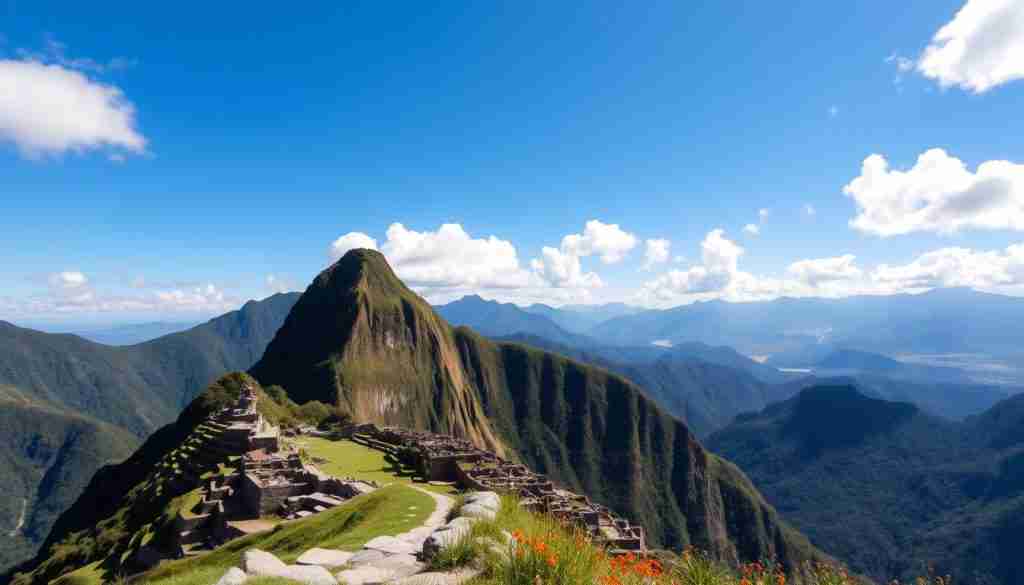
Getting to the Sun Gate is the biggest reward of the Inca Trail. From there, you see the ancient city of Machu Picchu in all its glory. This “lost city of the Incas” is one of the Seven Wonders of the World. Seeing it for the first time is unforgettable.
After enjoying the view from the Sun Gate, you can enter Machu Picchu. You can explore its ruins up close. This makes the tough hike totally worth it.
How Many Days to Hike the Classic Inca Trail?
The classic Inca Trail trek to Machu Picchu usually takes 5 days. This gives hikers enough time to enjoy the ancient ruins and beautiful mountains. They cross three high mountain passes, including the famous Dead Woman’s Pass. They also visit Inca archaeological sites like Sayaqmarka, Intipata, and Winay Wayna before reaching Machu Picchu through the Sun Gate.
For those wanting a tougher or more relaxed hike, there are 4-day and 6-day Inca Trail options. The 4-day hike covers 26 miles/41 KM, reaching the highest point at Dead Woman’s Pass. The 2-Day Inca Trail is shorter, at 7.5 miles/12 KM, with a peak altitude of 8800 ft/2730 m.
| Inca Trail Duration | Total Distance | Highest Altitude |
|---|---|---|
| 4 Days | 26 miles / 41 km | 14,000 ft / 4,260 m |
| 5 Days | 38 km | 13,780 ft / 4,200 m |
| 2 Days | 7.5 miles / 12 km | 8,800 ft / 2,730 m |
Choosing any Inca Trail duration means you’re in for an unforgettable adventure. You’ll see stunning landscapes, learn about the culture, and reach the famous Machu Picchu.
Choosing the Best Time for Hiking Machu Picchu
The Inca Trail can be hiked all year, but the best time is from April to October. This period offers hot, dry days for hiking. But, it’s also the busy season, so expect more people at Machu Picchu.
The dry season means less rain, making the hike easier. But, it’s also when most people visit, so the trails will be crowded.
Dry Season (April – October)
During the dry season, the skies are clear, and you’ll see the Andean mountains well. Daytime temperatures are between 17°C and 19°C. Nights can get below 10°C, especially in June to August.
This weather is great for hiking, with little rain. But, it’s also the peak tourist time. So, Machu Picchu and the Inca Trail will be busier.
Wet Season (November – March)
The wet season, from November through March, brings more rain and cooler temperatures, around 19°C to 21°C. The Inca Trail is less crowded then, but it’s harder to walk because of rain.
There’s a chance of mudslides and trail closures, especially in February when the trail is closed for maintenance.
Choosing the best time to hike the Inca Trail depends on what you like. The dry season has better weather, but the wet season is quieter. Knowing about the weather and trail closures will help plan a great trip.
Preparing for Your Inca Trail Trek
Hiking the Inca Trail to Machu Picchu is an amazing adventure. But, you need to prepare well to make it successful and fun. You must be physically fit, as the trail is over 33 miles long and very steep.
To prepare for the inca trail fitness challenge, start with cardio exercises like running or cycling. Do this 3-4 times a week. Also, work on strength training, focusing on your legs and core. This will help you handle the rough terrain.
Getting used to the high altitude is key. Spend at least two days in Cusco or the Sacred Valley before your trek. This lets your body adjust to the thinner air. It helps you enjoy the trek more.
Choosing the right inca trail gear is also important. Get sturdy hiking boots, a good rain jacket, and trekking poles. Doing your research and getting the right gear can greatly improve your experience on the Inca Trail.
“The Inca Trail is a true test of physical and mental endurance, but the sense of accomplishment you’ll feel upon reaching Machu Picchu is unparalleled.”
Focus on your inca trail fitness, get used to the altitude, and pick the right inca trail gear. This will set you up for an unforgettable adventure on the Inca Trail.

Securing Your Inca Trail Permits
Hiking the Inca Trail to Machu Picchu is a dream for many. But, you must know the permitting process. The Peruvian government limits the number of daily hikers due to its popularity and environmental concerns.
You need to book through an approved tour operator to hike the Inca Trail. They handle the permits. These permits sell out fast, especially in peak seasons. So, book your Inca Trail trek 6 months or more before your trip. If you don’t get a permit, you can’t hike the Inca Trail to Machu Picchu.
The Inca Trail permit system started in 2000 to manage Machu Picchu’s popularity. It also protects the site from erosion and overuse. Now, there are 500 daily permits for hikers, with 300 for guides and staff, and 200 for trekkers.
To get your Inca Trail permits, choose a trusted tour operator like Peru For Less. They have a 99% success rate, much higher than other companies. Popular dates book up 3 to 6 months early, so don’t wait.
Getting your Inca Trail permits is just the start. Know the Machu Picchu hiking regulations too. Machu Picchu can only take 2,500 visitors a day to protect it from damage and overcrowding.
By understanding the Inca Trail permit system and choosing a responsible tour operator, you’ll have a great trip to Machu Picchu.


Selecting a Responsible Tour Operator
Planning your Inca Trail trek to Machu Picchu means picking a tour operator that cares about the environment and local people. Look for companies that are owned by locals, hire guides and porters from Peru, pay them well, and help the community.
Peru For Less is a great choice. It’s a 100% Peruvian company. They train their guides from Cusco National University and pay them fairly. They also make sure porters carry no more than 20kg, less than the allowed 25kg. Plus, they give their porters free gear and health insurance.
| Sustainable Practices | Peru For Less | Industry Standard |
|---|---|---|
| Porter Load Weight Limit | 20kg | 25kg |
| Porter Wages and Benefits | Fair wages, free equipment, health insurance | Varies by company |
| Community Support | Donations to local schools, clinics, and initiatives | Limited or inconsistent |
TreXperience is another good choice for an inca trail tour company. They use some of their trip costs for conservation and teaching about the environment. They hire locals, use solar power, and don’t allow single-use plastics to lessen their impact.
When picking an ethical trekking peru operator, read reviews and look for certifications like the Rainforest Alliance. Make sure they match your values of locally-owned peru tours and caring for the planet.
“Choosing a responsible tour operator is essential for ensuring your Inca Trail experience creates a positive impact on the local community and environment.”
What to Expect on the Hiking Machu Picchu Trail
Starting the Inca Trail to Machu Picchu is an adventure filled with breathtaking views, tough hikes, and the joy of reaching the ancient Inca city. Let’s see what awaits those who embark on this memorable journey.
Day 1: The Journey Begins
The trek begins with an early start from Cusco at the trailhead at Km 82. After a breakfast stop, hikers pass through the first checkpoint and start their trek. They walk through the inca trail day 1 Andean mountains. This easy 8.7-mile stretch takes them past the ancient inca ruins on inca trail of Patallacta to the first campsite at Ayapata.
Day 2: Conquering Dead Woman’s Pass
Day 2 is the toughest part of the inca trail. It involves a tough climb to the highest point at inca trail dead woman’s pass, 13,828 feet above sea level. The climb is hard, but reaching the top is a huge achievement. Trekkers get amazing views of the Andes before going down to camp at Pacaymayu.
Day 3: Through the Cloud Forests
Day 3 takes hikers through the beautiful, misty inca trail cloud forests of the Andes. They’ll see many inca ruins on inca trail, like Runkuracay, Sayacmarca, and Phuyupatamarca. The 1,500-meter drop is tough, but the stunning machu picchu trek scenery makes it easier. The last camp is near the inca trail sun gate to Machu Picchu.
Day 4: Reaching the Sun Gate and Machu Picchu
The last day starts early as hikers aim to see the machu picchu sunrise from the Sun Gate. After a tough trek, seeing the ancient citadel is unforgettable. Trekkers then explore Machu Picchu, enjoying its amazing architecture and the site’s spiritual vibe.
Conclusion
Hiking the Inca Trail to Machu Picchu is an unforgettable Peru adventure travel experience. It lets travelers dive into the rich history and stunning beauty of this area. This guide has given you all the key info to plan your machu picchu travel planning.
Whether you pick the classic 5-day Inca Trail or another path, reaching the Sun Gate and seeing Machu Picchu is rewarding. With Inca Trail hiking tips, you’ll know what to expect. This makes the journey unforgettable and creates lasting memories.
So, get excited as you plan your machu picchu travel planning. The rewards of this epic Inca Trail trek to Machu Picchu are unmatched.