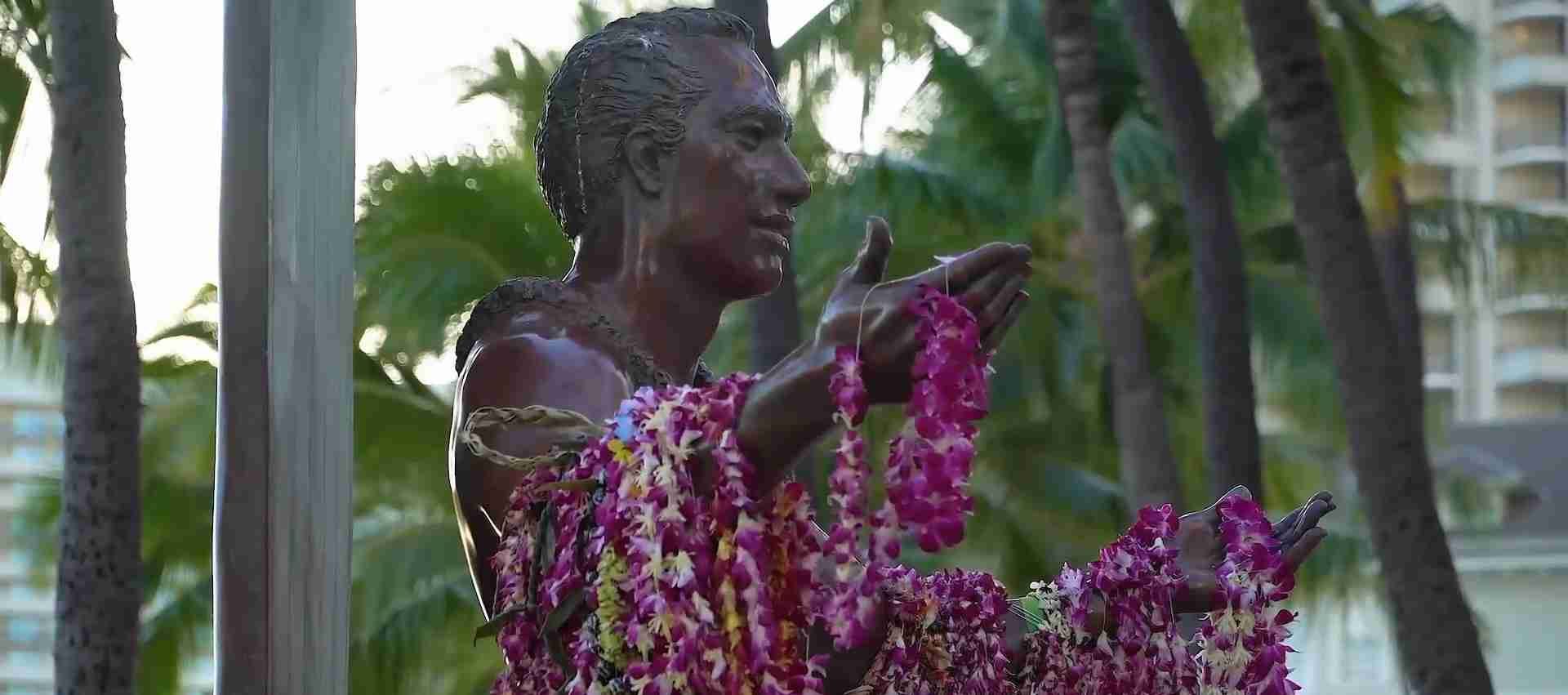
Hawaii Local Culture Guide: Spiritualism, Customs and Traditions
Hawaiian culture represents one of the world’s most distinctive indigenous traditions, shaped by centuries of geographic isolation and deep spiritual connection to land and ocean. The islands’ cultural practices reflect a sophisticated understanding of environmental balance, social harmony, and sacred relationship between people, nature, and the divine. This guide explores the spiritual foundations, living customs, and enduring traditions that define Hawaiian identity and continue shaping island life today.
Key Takeaways: Understanding Hawaiian Culture
- Spiritual Foundation: Hawaiian culture centers on mana (spiritual power), kapu (sacred laws), and the interconnectedness of all living things through a complex cosmology featuring major deities like Kāne, Kū, Lono, and Kanaloa
- Living Philosophy: The Aloha Spirit encompasses love, compassion, respect, and unity, expressed through core values including ohana (family), aloha ‘āina (love of land), malama (care), and kuleana (responsibility)
- Sacred Practices: Traditional ceremonies honor life transitions, seasonal cycles, and spiritual connections through rituals like the ‘awa ceremony, ho’olaule’a celebrations, and protocol-driven cultural events
- Expressive Arts: Hula serves as sacred storytelling and historical preservation, while lei-making, chanting, and oli represent sophisticated artistic traditions with deep spiritual significance
- Language Preservation: The Hawaiian language (‘Ōlelo Hawai’i) carries cultural knowledge and worldview, experiencing remarkable revitalization after near-extinction through immersion schools and cultural programs
- Cultural Renaissance: Contemporary Hawaii witnesses active preservation and revival of traditional practices, with indigenous Hawaiians reclaiming cultural identity while navigating modern challenges of land rights, sovereignty, and cultural appropriation
People Also Ask About Hawaii Local Culture
What is the spiritual foundation of Hawaiian culture?
Hawaiian spirituality centers on the concept of mana (spiritual power or life force) that flows through all things, from rocks and plants to people and gods. The traditional belief system recognizes four major gods: Kāne (creator of life and light), Kū (god of war and male productivity), Lono (god of agriculture and peace), and Kanaloa (god of the ocean). This spiritual framework establishes humans as part of an interconnected web of relationships with the natural world, ancestors, and divine forces. The kapu system (sacred laws) governed these relationships, establishing protocols for interacting with sacred spaces, resources, and spiritual forces. Traditional Hawaiians understood the islands themselves as the physical manifestation of deities, with specific geographic features representing gods, goddesses, and ancestral beings.
What does the Aloha Spirit mean in Hawaiian culture?
The Aloha Spirit represents far more than a greeting—it embodies a complete philosophy of living with love, compassion, humility, and mutual respect. The word “aloha” itself breaks down into “alo” (presence, sharing) and “ha” (breath of life), suggesting the sharing of life essence between people. This philosophy manifests in daily interactions through generosity, patience, unity, and pleasantness, creating social harmony within communities. The Aloha Spirit became so central to Hawaiian identity that the state of Hawaii formally enshrined it in law in 1986, defining it as “the coordination of mind and heart within each person” and requiring government officials to embody these values. Contemporary Hawaiians practice Aloha Spirit through acts of kindness, hospitality, environmental stewardship, and maintaining strong family and community bonds.
Why is hula considered sacred in Hawaiian culture?
Hula functions as sacred storytelling, historical preservation, and spiritual practice rather than mere entertainment. Ancient hula (hula kahiko) served as the primary method for transmitting genealogies, historical events, and spiritual knowledge before written language existed in Hawaii. Dancers trained for years in hālau (schools) under kumu hula (masters) to learn precise movements, chants, and protocols. Each gesture represents specific meanings—hand movements depict rain, wind, ocean waves, or other natural elements, while hip motions ground dancers to the earth. Traditional hula performances honored specific deities: hula dedicated to Laka (goddess of hula) followed elaborate rituals, while hula for Pele (volcano goddess) required special protocols near volcanic sites. The dance connects performers to ancestors, land, and divine forces, making it a form of prayer and spiritual communication rather than entertainment.
How has Hawaiian language influenced the culture?
The Hawaiian language (‘Ōlelo Hawai’i) serves as the primary vessel for cultural knowledge, worldview, and spiritual understanding. Hawaiian contains concepts untranslatable to English—words like “pono” (righteousness, balance, correctness) or “kuleana” (responsibility, privilege, right) carry layered meanings essential to cultural identity. The language lacks past and future tenses, reflecting a worldview where past, present, and future exist simultaneously, and ancestors remain actively present in daily life. Place names in Hawaiian describe geographic features, historical events, or spiritual significance, making the language inseparable from the land itself. After missionary influence nearly eradicated the language by the mid-20th century, a remarkable cultural renaissance beginning in the 1970s established Hawaiian immersion schools (Pūnana Leo), university programs, and media in ‘Ōlelo Hawai’i. Today, approximately 24,000 people speak Hawaiian, with growing numbers of native speakers raised in immersion environments keeping the language alive.
Extended multi-day tours – 5+ days
Featured Hawaii Multi-Day Tour Packages
3 days
Hawaii 3-Day Discovery Tour
- ✓ Comprehensive Hawaii experience
- ✓ Expert local guides included
- ✓ All accommodation included
- ✓ Transportation provided
5 days
Hawaii 5-Day Highlights Experience
- ✓ Comprehensive Hawaii experience
- ✓ Expert local guides included
- ✓ All accommodation included
- ✓ Transportation provided
7 days
Hawaii 7-Day Cultural Journey
- ✓ Comprehensive Hawaii experience
- ✓ Expert local guides included
- ✓ All accommodation included
- ✓ Transportation provided
10 days
Hawaii 10-Day Complete Adventure
- ✓ Comprehensive Hawaii experience
- ✓ Expert local guides included
- ✓ All accommodation included
- ✓ Transportation provided
Multi-day tour packages powered by TourRadar. Prices and availability subject to change.
Introduction: Hawaiian Cultural Identity and Living Traditions
Hawaiian culture emerged over 1,500 years through the remarkable journey of Polynesian voyagers who navigated thousands of miles of open ocean to reach the most isolated archipelago on earth. These early settlers brought sophisticated knowledge of navigation, agriculture, aquaculture, and social organization, adapting their ancestral practices to Hawaii’s unique environment. Geographic isolation allowed Hawaiian culture to develop distinctive characteristics while maintaining connections to broader Polynesian traditions found across the Pacific Triangle from New Zealand to Easter Island to Hawaii.
The arrival of Captain James Cook in 1778 initiated profound disruptions to Hawaiian society. Contact with Europeans brought devastating diseases that reduced the native population from an estimated 300,000-800,000 to fewer than 40,000 by 1890. Christian missionaries beginning in 1820 suppressed many traditional practices, particularly those related to Hawaiian religion, hula, and the Hawaiian language. The overthrow of the Hawaiian Kingdom in 1893 and subsequent annexation by the United States in 1898 further marginalized native Hawaiian culture, with the Hawaiian language banned from schools in 1896.
Despite these devastating impacts, Hawaiian culture never disappeared. Families continued practicing traditions privately, kupuna (elders) preserved knowledge, and cultural practitioners maintained sacred rituals away from colonial oversight. The Hawaiian Renaissance of the 1970s marked a turning point, as a new generation of Hawaiians actively reclaimed language, revived traditional navigation, and reasserted cultural identity. This movement coincided with broader indigenous rights movements worldwide, empowering native Hawaiians to challenge decades of cultural suppression.
Contemporary Hawaiian culture exists as a living tradition that honors ancestral practices while adapting to modern contexts. Native Hawaiians comprise approximately 20% of the state’s population, with many more claiming partial Hawaiian ancestry. Cultural practices permeate daily life throughout the islands—from the use of Hawaiian names and words in everyday speech, to traditional fishing methods still practiced in coastal communities, to hula taught in schools statewide. Major cultural institutions including the Bishop Museum, Polynesian Voyaging Society, and statewide Hawaiian studies programs actively preserve and transmit traditional knowledge.
Understanding Hawaiian culture requires recognizing its depth, complexity, and ongoing evolution. The traditions explored in this guide represent living practices with deep historical roots, not museum artifacts or tourist performances. Hawaiian cultural protocols deserve respect and understanding from all who encounter them, whether visiting the islands or engaging with Hawaiian communities. This guide approaches these traditions with reverence for their sacred significance and acknowledgment of the ongoing challenges native Hawaiians face in preserving cultural identity amid pressures of tourism, development, and cultural appropriation.
Hawaiian Spiritual Foundations: Cosmology and Worldview
Hawaiian spirituality understands the universe as fundamentally interconnected, with no separation between physical and spiritual realms. This worldview begins with the Kumulipo, the Hawaiian creation chant spanning over 2,000 lines that describes the birth of the cosmos through evolutionary stages. The Kumulipo traces development from primordial darkness through the emergence of sea life, land creatures, plants, and finally humans, establishing genealogical connections between all forms of existence. This cosmology positions humans not as separate from or dominant over nature, but as younger relatives in an extended family of life.
Creation itself emerges from the union of primordial forces. Wākea (sky father) and Papa (earth mother) mate to produce the Hawaiian islands, with each major island literally born as a child of these primal deities. Haloa, the first human, emerges as a younger sibling to the taro plant, establishing the sacred relationship between Hawaiians and their primary food source. This genealogy, known as one’s mo’okū’auhau, connects every Hawaiian family directly to the gods, the islands, and all living things, creating profound spiritual obligations to care for the land and ocean that sustain life.
The concept of akua (gods or spirits) encompasses a sophisticated pantheon of divine beings existing at multiple levels. The four major gods—Kāne, Kū, Lono, and Kanaloa—represent fundamental forces governing existence. Kāne, highest of the gods, rules over fresh water, sunlight, forests, and all living things, often manifesting in the upright stone pillars marking sacred sites. Kū embodies male energy, war, fishing, and the productive forces that sustain life through labor. Lono presides over agriculture, rainfall, peace, and the annual Makahiki festival celebrating harvest. Kanaloa rules the ocean depths, navigation, and the mysterious forces of the sea.
Beneath these major deities exist hundreds of lesser gods and ‘aumakua (ancestral guardian spirits). Pele, the volcano goddess, commands particular reverence in Hawaii, dwelling in Halema’uma’u crater at Kilauea volcano on Hawaii Island. Her volatile temperament mirrors volcanic activity, with eruptions understood as her emotions manifesting physically. Hi’iaka, Pele’s youngest sister, represents healing, dance, and the life-giving rain that follows destruction. Kamapua’a, the pig god, serves as Pele’s lover and rival, their conflicts generating geological features across the islands. These deities remain actively present in Hawaiian consciousness, with many contemporary Hawaiians maintaining relationships with specific akua through offerings, chants, and cultural protocols.
The spiritual landscape extends beyond named deities to encompass nature spirits and forces inhabiting specific locations. Menehune, mysterious small people predating Hawaiian arrival, supposedly built fishponds, temples, and roads overnight, leaving only their stonework as evidence. Night marchers (Huaka’i pō), ghostly processions of ancient warriors, traverse traditional paths on certain nights, particularly around significant astronomical events. Hawaiians understand these beings not as supernatural but as natural parts of the spiritual ecosystem requiring respect and appropriate protocols when encountered.
Hawaiian spirituality recognizes the fundamental principle that all existence possesses life force. Mountains, ocean, stones, plants, animals, and humans all contain varying degrees of consciousness and spiritual power. This animistic worldview demands reciprocal relationships—taking from the land or sea requires giving back through offerings, proper protocol, and sustainable practices. The concept of pono (balance, righteousness, correctness) extends this principle into social and environmental ethics, requiring that all actions maintain or restore equilibrium in the web of relationships connecting all beings.
Mana and Kapu: Sacred Power and Spiritual Laws
Mana represents the fundamental spiritual power or life force flowing through the universe, concentrated to varying degrees in gods, chiefs, sacred places, and certain individuals. Traditional Hawaiian society recognized mana as tangible and transferable, capable of being increased through righteous action or diminished through violations of spiritual law. High chiefs possessed tremendous mana inherited through sacred genealogies tracing directly to the gods, with the most powerful ali’i considered so charged with spiritual energy that their shadows could harm commoners who failed to prostrate themselves in their presence.
Individuals increased personal mana through proper conduct, mastery of skills, adherence to kapu (sacred restrictions), and performing rituals correctly. Kahuna (experts or priests) specialized in specific areas—kahuna pule (prayer experts), kahuna lapa’au (healers), kahuna kālai wa’a (master canoe builders)—each developing mana related to their expertise through years of training and spiritual discipline. This accumulated power enabled them to perform their specialized functions effectively, whether healing illness, ensuring successful voyages, or communicating with the gods.
Sacred places accumulated immense mana through association with powerful events, deities, or repeated ritual use. Heiau (temples) served as the primary repositories of sacred power, with different types serving specific functions. Luakini heiau, the largest and most powerful, functioned as war temples where human sacrifice occurred during critical rituals. Po’okanaka heiau focused on prayer and offerings without human sacrifice. ‘Ohana heiau served family groups, while hale o Papa temples specifically honored the goddess Papa and supported women’s rituals. Each heiau type followed specific architectural patterns, orientation to astronomical features, and kapu governing access and proper behavior.
The kapu system regulated interaction with mana, establishing detailed protocols for maintaining spiritual purity and preventing dangerous mixing of incompatible spiritual forces. Major kapu governed daily life: men and women could not eat together; commoners could not allow their shadows to fall on chiefs or sacred places; certain foods remained forbidden to women; specific fish species became kapu during spawning seasons to ensure sustainable harvests. Violation of kapu risked spiritual contamination that could bring disaster not only to the violator but to entire communities through disrupted relationships with the gods and natural world.
Seasonal kapu structured the annual cycle, most notably during Makahiki season from October through February. This four-month period honored Lono and suspended warfare, regular work, and many daily activities. Extensive kapu applied during Makahiki: no battles, no unnecessary labor, special food restrictions, and mandatory participation in games, sports, and religious ceremonies. The season ended with dramatic ritual combat between the king’s representatives and Lono’s priests, symbolically restoring normal order and the dominance of Kū over agricultural Lono.
Certain locations carried permanent kapu forbidding entry except for qualified kahuna or high chiefs. Wao akua (realm of the gods) encompassed mountain peaks and interior forests where deities dwelt in their most concentrated form. These areas remained largely untouched except for specific ritual purposes, creating de facto wilderness reserves that modern conservationists recognize as having preserved native ecosystems through spiritual protection. Coastal areas alternated between kapu and open access according to seasonal fish runs, creating one of the world’s most sophisticated systems of marine resource management.
The dramatic abolition of the kapu system in 1819 by Queen Ka’ahumanu and Liholiho (Kamehameha II) fundamentally transformed Hawaiian society. This revolutionary act, occurring just months before Christian missionaries arrived, overturned centuries of tradition by allowing men and women to eat together and abandoning major restrictions that had structured daily life. While often portrayed as preparing the way for Christianity, the kapu abolition reflected complex political and social tensions within Hawaiian society itself, particularly around gender restrictions and chiefly power. However, this formal abandonment of the kapu system didn’t eliminate Hawaiian spiritual understanding—many protocols, respects, and practices continued privately and re-emerged during the cultural renaissance of the 20th century.
Contemporary Hawaiians maintain protocols derived from traditional kapu concepts, particularly around sacred sites, natural resources, and cultural practices. Visitors to heiau grounds remove shoes, remain quiet, and ask permission before entering. Traditional practitioners follow specific protocols when gathering plants for medicine or lei-making, offering pule (prayers) and taking only what’s needed. These modern expressions of kapu thinking reflect ongoing relationships with mana and recognition that certain practices, places, and objects require special respect and careful approach.
Traditional Hawaiian Religion: Gods, Temples, and Ritual Life
Pre-contact Hawaiian religion organized around an elaborate system of heiau (temples), kahuna (priests), and complex rituals that structured community life, agricultural cycles, and political power. Religious practice operated at multiple scales, from intimate family shrines to massive royal temples requiring thousands of laborers to construct. The sophistication of this religious system rivaled that of other complex Polynesian societies, with Hawaiian innovations reflecting the islands’ unique environmental and social conditions.
Major heiau dominated the landscape of ancient Hawaii, with archaeological surveys identifying over 1,000 temple sites across the archipelago. These massive stone platforms followed precise architectural principles aligned with astronomical features, prevailing winds, and sacred geography. Pu’ukoholā Heiau on Hawaii Island, built by Kamehameha I in 1790-91, measures 224 feet long and 100 feet wide, constructed entirely of water-worn lava stones hand-carried from distant locations. The temple’s construction fulfilled a prophecy stating that building a temple to Kū would enable Kamehameha to unify the islands under his rule. Today, this National Historic Site preserves one of the last major heiau built before the kapu abolition.
Temple architecture varied by type and purpose but generally included several key features: the main platform (papa), oracle tower (anu’u), offering table (lele), covered houses (hale) for priests and sacred objects, ki’i (wooden images) representing gods, and prayer platforms. Luakini heiau for human sacrifice included all these elements plus specialized structures for ritual preparation and disposal of offerings. The largest could accommodate hundreds of people during major ceremonies, functioning as the ceremonial center of entire districts.
Kahuna specialized in different aspects of religious and practical life, requiring years of training under master teachers. The most powerful kahuna nui (high priests) served ruling chiefs, conducting major rituals, maintaining temples, and interpreting divine will through various forms of divination. Kahuna pule specialized in prayer and ritual performance, memorizing thousands of lines of chant required for proper ceremonies. Kahuna po’o maintained specific heiau, knowing the intricate protocols governing offerings, timing, and proper procedures for their particular temple’s deity and purpose.
Beyond religious specialists, kahuna encompassed all forms of expert knowledge. Kahuna lapa’au (healers) diagnosed illness through physical examination, dreams, and spiritual divination, treating patients with herbal medicines, massage (lomi lomi), prayer, and ritual. Kahuna kālai wa’a (master canoe builders) possessed both practical carpentry skills and spiritual knowledge to properly select trees, conduct rituals during construction, and ensure canoes possessed the mana necessary for successful voyages. Kahuna hōailona (experts in signs and omens) interpreted natural phenomena—bird behavior, clouds, ocean conditions—to predict future events and guide decision-making.
Human sacrifice (mohai kanaka) formed part of certain major rituals, particularly during luakini heiau dedication, war preparations, and crises threatening the entire society. These sacrifices followed specific protocols: only certain types of individuals could be sacrificed (war captives, kapu violators, individuals designated by prophecy), priests conducted elaborate purification rituals, and the remains received careful disposal according to strict procedures. While shocking to modern sensibilities, human sacrifice existed within a cosmological framework where such offerings maintained the cosmic order and ensured divine support for the community.
Daily religious life for common Hawaiians centered on family shrines and personal devotion rather than temple attendance. Households maintained small hale pule (prayer houses) dedicated to ‘aumakua (ancestral guardian spirits) and personal gods. Morning prayers, offerings of food, and consultation through divination formed routine spiritual practice. Agricultural families honored Lono through offerings at planting and harvest, fishermen made offerings to Kanaloa before voyages, and craftspeople maintained relationships with the deities governing their specific arts.
The annual Makahiki festival represented the most elaborate religious celebration, transforming Hawaiian society for four months each year. Beginning with the rising of Makali’i (Pleiades) in October, Makahiki honored Lono through games, sports competitions, feasting, and harvest celebrations. Regular work, warfare, and many kapu suspended during this time. Priests carried the Lonomakua (a tall pole with streamers representing the god) around each island, collecting offerings and ensuring each district participated properly. The festival concluded with dramatic mock battles and purification rituals restoring the normal order under Kū’s influence.
Missionary arrival in 1820 rapidly transformed Hawaiian religious life. The kapu abolition the previous year had already dismantled the formal temple system, with many heiau destroyed or abandoned. Christianity offered an alternative spiritual framework that some Hawaiians embraced, while others resisted or synthesized Christian and Hawaiian beliefs into new forms. By the mid-19th century, Christianity dominated public religious life, though traditional practices continued privately within families and remote communities. The religious suppression of this period inflicted deep wounds on Hawaiian cultural identity that the modern cultural renaissance actively works to heal.
The Aloha Spirit: Philosophy and Living Practice
The Aloha Spirit encompasses a complete philosophy of living that extends far beyond the commercial tourism version of the word. At its core, aloha represents the breath of life shared between people, creating bonds of mutual respect, love, and responsibility. This philosophy structures interpersonal relationships, community dynamics, and even government policy in contemporary Hawaii, offering an indigenous alternative to Western individualism and competition-focused social models.
Breaking down the word “aloha” itself reveals layers of meaning. “Alo” means presence, face, or sharing, while “ha” means breath or life force. Together they suggest the sharing of life essence—the recognition that all humans share the same divine breath and thus belong to one extended family. Traditional greetings involved pressing foreheads and noses together (honi), literally mixing breath and sharing life force. This physical embodiment of aloha creates immediate intimacy and mutual obligation between individuals, even strangers.
The Aloha Spirit manifests through specific values and behaviors that Hawaiians recognize as essential to maintaining social harmony. Akahai means kindness expressed with tenderness. Lōkahi signifies unity and agreement to disagree agreeably. ‘Olu’olu represents agreeability and pleasantness in interactions. Ha’aha’a embodies humility and modesty, recognizing that no person stands above others despite differences in status or ability. Ahonui means patience and persistence in the face of adversity. Together these qualities create a social environment that prioritizes collective harmony over individual assertion.
In 1986, Hawaii became the first state to formally codify indigenous values into law when the legislature passed the Aloha Spirit Law. This statute requires government officials to “contemplate and reside in the life force and give consideration to the ‘Aloha Spirit'” in their conduct. The law defines the Aloha Spirit as “the coordination of mind and heart within each person” and mandates its application to government decision-making. While controversial among some who argue spirituality shouldn’t be legislated, the law represents a remarkable acknowledgment of indigenous philosophy’s continued relevance to modern governance.
Aloha ‘āina (love of land) extends the Aloha Spirit specifically to human relationships with the natural world. This concept understands land not as property to be owned but as elder sibling to be respected and cared for. The Hawaiian language reflects this worldview—aina literally means “that which feeds,” emphasizing the reciprocal relationship where land provides sustenance and humans provide stewardship in return. Contemporary environmental activism in Hawaii frequently invokes aloha ‘āina, from protecting sacred mountains from telescope development to blocking military use of traditional lands.
Ohana (family) represents another core expression of aloha, encompassing both blood relatives and chosen family united by mutual care and obligation. Traditional Hawaiian society organized around extended family groups that shared resources, labor, and childcare collectively. Hanai (informal adoption) allowed childless couples to raise others’ children, creating multiple-parent households and distributing childcare responsibilities widely. This flexibility ensured all children received care and love while acknowledging that biological parentage doesn’t solely determine family bonds.
The practice of ho’oponopono embodies aloha’s conflict resolution dimensions. This traditional practice brings together family members or community members involved in disagreement to address grievances, seek forgiveness, and restore harmony. Led by a respected elder, ho’oponopono sessions follow specific protocols: acknowledgment of wrongdoing, sincere apologies, genuine forgiveness, and concrete steps toward restoration. The process recognizes that unresolved conflicts poison entire communities and that healing requires active work from all parties, not just the wrongdoer. Contemporary Hawaiians use ho’oponopono to address everything from minor family disputes to land rights conflicts with government agencies.
Kuleana represents the balance between rights and responsibilities embedded in aloha thinking. This untranslatable concept signifies that every privilege or right carries corresponding obligations. If someone holds fishing rights to a particular reef, they bear kuleana to manage that resource sustainably for future generations. Land ownership includes kuleana to maintain the land’s productivity and spiritual integrity. The concept challenges Western property rights notions by insisting that possession always includes stewardship obligations that can’t be separated from the privileges of access and use.
Commercial exploitation of aloha for tourism marketing has created tension around authentic versus performative expressions of this philosophy. Hotel workers instructed to greet guests with “Aloha!” and place lei on arrival reduce complex spiritual practice to service industry protocol. This commodification troubles many native Hawaiians who see their core values packaged and sold as exotic atmosphere. However, this commercial version also introduces visitors to concepts that, understood more deeply, might foster greater respect for Hawaiian culture and values.
Living with aloha in contemporary Hawaii means actively choosing compassion, patience, and generosity in daily interactions. It means stopping to help stranded motorists, sharing abundance with neighbors, and approaching conflicts with willingness to understand rather than win. For native Hawaiians, practicing aloha connects them to ancestral values and maintains cultural continuity despite colonial disruption. For all Hawaii residents, regardless of ethnicity, aloha provides a framework for creating the kind of community that thrives on mutual care rather than competitive individualism.
Traditional Ceremonies and Seasonal Rituals
Hawaiian ceremonial life structured time around natural cycles, human life transitions, and the maintenance of relationships with gods, ancestors, and the land. These rituals ranged from intimate family observances to massive public ceremonies involving entire communities. The sophistication and diversity of traditional Hawaiian ritual life reflected a culture deeply attuned to spiritual and natural rhythms requiring regular acknowledgment and renewal.
Birth ceremonies began during pregnancy, when expectant mothers followed specific kapu and engaged in spiritual practices to ensure healthy children. The cutting of a baby’s umbilical cord (piko) followed elaborate ritual, with the piko carefully preserved and hidden in a sacred location, often in stone walls or cliffs. The choice of hiding place connected the child spiritually to land and ancestors. Naming ceremonies involved consultation with kahuna and dreams to determine the appropriate name reflecting the child’s spiritual qualities and ancestral connections. These names often changed throughout life as individuals’ characters and accomplishments became clear.
Coming-of-age rituals differed by gender and family status. Young boys underwent physical and spiritual training to develop strength, courage, and proper conduct. High-status boys entered formal training in combat, governance, navigation, or priestly arts depending on their family’s role. The transition to manhood involved demonstrations of capability—catching fish, navigating canoes, or other challenges proving readiness for adult responsibilities. Girls’ first menstruation marked a major transition, followed by instruction in women’s arts, spiritual practices, and the responsibilities of potentially bearing children.
Marriage ceremonies (male) involved negotiations between families to ensure compatibility and proper exchange of resources and obligations. Weddings themselves could be simple family affairs or elaborate multi-day celebrations depending on the couple’s social status. The ceremony centered on the couple sharing food together, symbolically overcoming the kapu that normally separated men’s and women’s eating. High-status marriages carried political significance, creating alliances between families and districts that could shift power balances across entire islands.
Death rituals reflected beliefs about the soul’s journey and the ongoing presence of ancestors. Immediately after death, professional wailers (kanikau) performed elaborate mourning chants recounting the deceased’s genealogy and accomplishments. The body underwent careful preparation—washing, wrapping, and temporary burial while decomposition occurred. After flesh separated from bone, family members cleaned the bones (iwi) and hid them in secret locations (caves, cliffs, or underwater sites) to protect them from enemies who might use them in harmful sorcery. The bones retained the person’s mana and required protection. Mourning periods involved specific kapu on survivors’ activities, with restrictions lasting longer for higher-status individuals.
The ‘awa ceremony (using kava, Piper methysticum) marked important occasions from temple rituals to political negotiations. Participants sat in ranked order while designated preparers chewed or pounded the ‘awa root, mixed it with water in a wooden bowl (kumete), strained it through fiber, and served it in coconut cups following strict protocol. Each drinker received their portion according to rank and status, consuming the mildly intoxicating beverage that facilitated spiritual communication and bonding. The ceremony’s formality reinforced social hierarchies while creating liminal space where normal restrictions temporarily dissolved, allowing frank discussion and spiritual opening.
Agricultural ceremonies aligned with planting and harvest cycles, honoring Lono and asking for abundant rain and productive crops. Planting rituals involved offerings at field edges, prayers over seed stock, and careful observation of natural signs indicating propitious timing. Harvest ceremonies thanked the gods for abundance and included first-fruit offerings before families consumed new crops. These practices embedded agricultural work within spiritual frameworks that emphasized humans’ dependent relationship with divine forces controlling weather, soil fertility, and plant growth.
Fishing rituals ensured successful catches and sustainable marine resource use. Before launching canoes or nets, fishermen made offerings to Kanaloa and relevant ‘aumakua. Some families maintained relationships with shark ‘aumakua, never hunting sharks and expecting protection at sea in return. Kapu periods during spawning seasons required spiritual justification, with kahuna determining when resources could resume being harvested. These seasonal restrictions, enforced by both spiritual belief and chiefly power, created one of the world’s most effective pre-modern marine conservation systems.
Makahiki, the annual harvest festival honoring Lono, represented the largest and most elaborate seasonal ceremony. Beginning in October with the rising of Makali’i constellation (Pleiades), Makahiki transformed Hawaiian society for four months. Work ceased except for essential fishing and farming. Warfare became kapu. Communities competed in sports—wrestling, boxing, spear throwing, surfing, foot racing—with champions gaining prestige. Priests carried the Lonomakua image (a tall pole decorated with white kapa cloth and feathers) around each island, collecting offerings of food, pigs, and craft goods. The conclusion involved mock battles where priests representing Lono fought warriors representing Kū, with Kū’s victory symbolizing the return to normal order and the resumption of warfare and regular work.
Temple rededication ceremonies occurred periodically to renew heiau and maintain their spiritual power. These could involve repairs, new offerings, and elaborate rituals including animal or human sacrifice depending on the temple’s type and purpose. Major political moments—victory in war, succession of a new chief, threat from disease or famine—often prompted major temple ceremonies to ensure divine support and demonstrate chiefly mana through successful ritual performance.
Contemporary Hawaiians maintain many traditional ceremonies while adapting them to modern contexts. Blessing ceremonies for new buildings, boats, or ventures follow traditional protocols with kahuna offering prayers and salt water blessings. Graduation ceremonies at Hawaiian culture schools include traditional protocols, oli (chants), and formal acknowledgment of teachers and ancestors. These adaptations demonstrate that ceremonial life remains vital rather than frozen in pre-contact forms, continuing to mark important transitions and maintain spiritual connections in ways relevant to contemporary Hawaiian experience.
Hawaiian Language and Oral Traditions
The Hawaiian language (‘Ōlelo Hawai’i) carries the worldview, history, and spiritual knowledge that define Hawaiian culture. This Polynesian language belongs to the larger Austronesian family that stretches from Madagascar to Easter Island, with closest relatives in Tahitian and Marquesan. Hawaiian developed distinctive features during 1,500 years of isolation, creating a sophisticated medium for oral literature, precise environmental description, and expression of complex philosophical concepts.
Hawaiian’s phonetic simplicity—just 13 letters including 8 consonants (h, k, l, m, n, p, w, ‘) and 5 vowels (a, e, i, o, u)—belies its expressive complexity. The glottal stop (‘), written as an inverted comma and called ‘okina, functions as a full consonant, making subtle distinctions crucial for meaning. The word kau means “summer,” while ka’u means “mine”—the ‘okina completely changes meaning. Similarly, the macron (kahakō) over vowels indicates elongated pronunciation: “kāne” means “man/male” while “kane” means “to chop.” Proper pronunciation requires attention to these diacritical marks that many English speakers initially overlook.
Hawaiian excels at describing natural phenomena with precision. The language contains over 200 words for rain, each describing specific types, locations, and conditions. “Kili” indicates driving rain, “kukalahale” means storm rain, “kulanipua’a” designates sheets of rain, and “luliliko” describes the rain that bends grass. This vocabulary reflects intimate knowledge of microclimates and weather patterns essential for agriculture and navigation. Similarly, Hawaiians distinguish dozens of wind types, ocean conditions, and cloud formations through specific vocabulary that English requires entire sentences to approximate.
Kaona (hidden meanings) represents one of Hawaiian language’s most sophisticated features. Skilled speakers and chanters layer multiple meanings into single phrases through word choice, context, and allusion. A chant ostensibly describing surfing might simultaneously reference sexual relationships, political power, and spiritual ascent. This poetic density allowed sensitive information to travel publicly while remaining hidden from those lacking cultural knowledge to decode it. Kaona continues in contemporary Hawaiian poetry, song, and oratory, rewarding listeners who understand cultural references and linguistic subtleties.
The language’s structure reflects worldview differences from English. Hawaiian lacks simple future tense, using aspect markers that indicate whether actions are continuous, completed, or beginning rather than when they occur on a timeline. This grammatical structure embodies a culture where past and future coexist with present, where ancestors remain actively present, and where strict temporal boundaries don’t separate what English speakers consider past, present, and future. The language also personalizes relationships with nature—Hawaiians say “mauna” (mountain) using the same grammatical forms as for people, not the forms used for inanimate objects, reflecting mountains’ status as living beings deserving same respect as humans.
Oral literature in Hawaiian reached extraordinary sophistication in the absence of writing. Trained memorizers (po’e maka’ala) preserved genealogies, historical accounts, and religious knowledge through exact recitation of thousands of lines. The Kumulipo creation chant spans over 2,000 lines tracing cosmic evolution and royal genealogies. Such works required years to memorize perfectly, with students studying under masters who tested recall and corrected errors. This oral tradition meant literature remained dynamic—chanters could improvise within established frameworks, creating new variations while maintaining core content.
Oli (chants) served diverse functions from welcoming guests to consecrating temples to teaching navigation. Some oli followed strict melodic patterns (oli hoo) while others used more speech-like delivery (oli kahea). The content, delivery style, and context all carried meaning, with skilled listeners understanding layers of significance beyond literal words. Many oli remain kapu (restricted) to specific families or purposes, with permission required before performance. This restriction protects sacred knowledge while maintaining appropriate reverence for powerful chants.
Hawaiian suffered catastrophic decline following missionary arrival. Missionaries created a written alphabet in the 1820s and produced substantial Hawaiian-language literature including Bible translations and newspapers. However, the 1896 law prohibiting Hawaiian-language instruction in schools after the overthrow of the kingdom initiated rapid language death. By the mid-20th century, Hawaiian appeared headed for extinction with fewer than 2,000 fluent speakers, mostly elderly kupuna who learned it as children before school prohibition.
The Hawaiian Renaissance of the 1970s included dramatic language revitalization efforts. Activists established Pūnana Leo (Language Nest) preschools starting in 1984, where children learned exclusively in Hawaiian. These schools expanded through elementary and secondary levels, creating the first generation of native speakers raised entirely in ‘Ōlelo Hawai’i since the early 20th century. The University of Hawai’i established Hawaiian language medium programs allowing undergraduate and graduate education entirely in Hawaiian. The state recognized Hawaiian as an official language in 1978, equal to English.
Today approximately 24,000 people speak Hawaiian with varying fluency, including around 2,000 native speakers who learned it as their first language at home or in immersion schools. Hawaiian-language media includes a daily news broadcast, music in Hawaiian topping local charts, and social media content produced entirely in ‘Ōlelo Hawai’i. Hawaiian place names replace English names across the islands, with proper pronunciation increasingly respected in media and tourism. This revitalization represents one of the world’s most successful indigenous language revival programs, though Hawaiian remains classified as critically endangered by UNESCO.
Contemporary Hawaiian speakers navigate complex questions about purity versus evolution. Should the language remain strictly traditional, or can it adopt new vocabulary for modern concepts like “computer” (lolouila, from lolo/brain + uila/electric) or “telephone” (kelepona)? Should immersion schools teach only Hawaiian, or should students maintain English fluency? These debates reflect broader tensions around cultural preservation versus adaptation that all living languages face.
Hula: Sacred Dance, Storytelling, and Cultural Preservation
Hula represents far more than entertainment—it functions as sacred practice, historical preservation, and living connection to ancestral knowledge. This sophisticated dance form combines precise movement, rhythmic chanting, percussion, and deep cultural meaning to tell stories, preserve genealogies, and honor the gods. The richness of hula’s techniques and repertoire reflects centuries of development within a culture that transmitted all knowledge orally through embodied performance.
Hawaiian tradition traces hula’s origins to Laka, the goddess of hula and wild vegetation. According to legend, Laka descended to earth and taught the first dances on Kaua’i, establishing the art’s sacred character. Hi’iaka, Pele’s youngest sister, also appears in hula origin stories, with some forms dedicated specifically to her. These divine origins meant hula training and performance required spiritual preparation, protocol, and respect—dancers weren’t performers but practitioners engaged in sacred work connecting physical and spiritual realms.
Traditional hula (hula kahiko) developed before Western contact and continues today in forms as close to ancient practice as contemporary knowledge allows. Hula kahiko accompaniment includes only percussion instruments and chanting—ipu (gourd drums), pahu (sharkskin drums), kāla’au (rhythm sticks), ili ili (stone castanets), and ‘uli’uli (feathered gourd rattles). The oli (chant) provides the primary meaning, with hand gestures, hip movements, and facial expressions (lei ha’a) interpreting the text. These movements aren’t arbitrary—each gesture represents specific concepts, natural phenomena, or actions described in the chant.
Learning hula requires years of training under a kumu hula (hula master) within a hālau (school). Students begin with basic postures—kaholo (side-to-side step), ka’o (swivel step), ‘ami (hip rotation)—mastering precise technique before advancing to complete dances. The training encompasses not just movement but also Hawaiian language, cultural history, traditional protocol, and spiritual practices. Students learn to make their own lei and instruments, maintain the hālau kuahu (altar to Laka), and perform required rituals. This comprehensive education ensures hula transmission includes the cultural context giving movements meaning.
Traditional hālau followed strict protocols and kapu. Students in training observed restrictions on certain foods, sexual activity, and social interactions to maintain spiritual purity. Training often occurred in relative isolation, with advanced students spending months perfecting repertoire for specific performances. The kumu hula wielded considerable authority, functioning as teacher, spiritual guide, and disciplinarian. This intensity reflected hula’s importance—performers who made mistakes during royal court performances or temple ceremonies risked severe punishment, as errors could offend gods or damage their patron chief’s prestige.
Different hula styles served different purposes. Hula pahu accompanied by sharkskin drums conveyed historical narratives and genealogies of high chiefs. Hula ‘āla’apapa, performed sitting, told stories through arm and hand movements alone. Hula ki’i employed stick puppets representing characters in mythological tales. Hula noho, another seated form, allowed elderly performers to continue dancing despite physical limitations. Each style followed distinct aesthetic principles, movement vocabulary, and performance contexts.
Missionary suppression nearly destroyed hula in the 19th century. Protestant missionaries viewed the dance as lewd and pagan, particularly objecting to hip movements and performances at night. Queen Ka’ahumanu, influenced by Christian teachings, banned public hula performance in the 1830s. For decades, hula survived only in remote areas away from missionary influence and within families who practiced privately. This suppression inflicted cultural trauma, interrupting transmission of knowledge and creating gaps in the performance tradition that contemporary practitioners still work to recover.
King David Kalākaua revived hula in the late 19th century, earning him the nickname “Merry Monarch.” Kalākaua understood hula’s importance for Hawaiian cultural identity and actively promoted traditional arts despite continued missionary opposition. His 50th birthday celebration in 1886 featured major hula performances bringing masters from across the islands. This revival proved short-lived, as Kalākaua’s death in 1891 and the kingdom’s overthrow two years later again marginalized Hawaiian cultural expression. However, Kalākaua’s efforts preserved knowledge and legitimized hula as Hawaiian cultural heritage rather than mere entertainment or forbidden practice.
The 20th century saw hula’s transformation into tourist entertainment, creating tension between sacred tradition and commercial performance. Hotels staged shows for tourists, often presenting simplified versions disconnected from cultural context. Dancers wore costumes designed for tourist expectations rather than traditional dress. This commodification troubled many Hawaiians who saw their sacred art reduced to exotic spectacle. However, these shows also provided income for practitioners and maintained public awareness of hula even during periods of cultural suppression.
The Hawaiian Renaissance catalyzed hula’s resurgence as serious cultural practice rather than just entertainment. Activists and cultural practitioners established hālau teaching traditional repertoire, protocols, and cultural context. The Merrie Monarch Festival, established in 1963 and incorporating hula competition from 1971, became the premier venue for hula kahiko and hula ‘auana (modern hula), drawing top hālau from across Hawaii and the Pacific. This annual event in Hilo, Hawaii Island, functions as both competition and celebration, with strict judging standards maintaining high performance quality while honoring traditional forms.
Hula ‘auana (modern hula) developed alongside hula kahiko, incorporating Western musical instruments, melodic singing, and more relaxed movement vocabulary. ‘Auana addresses contemporary themes—romantic love, modern landscapes, personal experiences—in styles that would seem strange in traditional context. Many hālau teach both forms, with students learning to shift between the grounded, powerful movements of kahiko and the more flowing, lyrical quality of ‘auana. This dual practice demonstrates hula’s living evolution rather than frozen preservation.
Contemporary hula faces questions about authenticity, evolution, and cultural appropriation. Should non-Hawaiians study and perform hula? Can men dance hula, traditionally often reserved for women (though ancient hula included significant male performance)? How should hula adapt to express contemporary Hawaiian experiences while maintaining connection to ancient roots? These debates reflect broader discussions about indigenous cultural practices in modern contexts, balancing preservation with innovation and exclusive versus inclusive approaches to cultural transmission.
Hula continues evolving as living art form. Contemporary choreographers create new pieces addressing modern issues—climate change, Hawaiian sovereignty, diasporic experience—using traditional movement vocabulary and protocols while expressing current concerns. This creativity demonstrates that hula remains vital rather than simply preserved, continuing its historical role as Hawaiian culture’s primary vehicle for storytelling, historical preservation, and spiritual expression.
Lei-Making: Floral Art and Cultural Symbolism
Lei represent one of Hawaii’s most recognizable cultural expressions, yet their significance extends far beyond the flower garlands given to tourists. Traditional lei-making embodies spiritual practices, ecological knowledge, artistic mastery, and social meaning conveyed through specific materials, construction techniques, and presentation contexts. The diversity of lei styles reflects Hawaii’s rich biodiversity and the cultural sophistication developed over centuries of refining this art form.
The word “lei” means garland, wreath, or necklace, but also carries meanings of beloved child or dear one. This semantic connection between floral arrangements and cherished people reveals lei’s role in expressing affection, respect, and spiritual connection. Traditional Hawaiians created lei not just from flowers but from leaves, seeds, shells, bones, teeth, and feathers, with each material carrying specific meanings and appropriate contexts. Giving someone a lei creates spiritual bonds and transfers mana between giver and recipient.
Lei hulu (feather lei) represented the most valuable and prestigious type, reserved for ali’i (chiefs) and used in major ceremonies. Master craftspeople collected specific feathers from native birds—yellow feathers from the ‘ō’ō and mamo (now extinct), red feathers from ‘i’iwi and ‘apapane, black feathers from ‘io hawks—attaching thousands of individual feathers to woven fiber backings. The labor-intensive process might take months or years for a single lei, with some requiring feathers from thousands of birds. Royal lei hulu contained so much concentrated mana that wearing them marked highest rank and greatest spiritual power. These precious lei passed through generations as family treasures and symbols of chiefly lineage.
Lei po’o (head lei) made from fragrant flowers and leaves adorned dancers, ceremony participants, and honored guests. Traditional materials included mokihana berries (which retain their scent for months), maile vines (with their distinctive anise fragrance), ‘ilima flowers (requiring 500-1,000 blossoms for a single lei), pua kenikeni blossoms, and countless other native and Polynesian-introduced plants. Each material carried associations—maile lei at weddings symbolized binding commitment, ‘ilima represented Oahu and royalty, kukui nuts offered protection. Knowledge of these associations allowed lei to communicate complex messages through material selection alone.
Construction techniques vary by material and desired aesthetic. Lei kui involves stringing flowers or other materials through their centers with needle and thread—the familiar style using plumeria, orchids, or tuberose. Lei wili wraps materials spirally around a core foundation, often used for maile vines or ti leaves. Lei hili braids multiple strands together, creating intricate patterns. Lei humuhumu sews individual elements to a backing. Each technique produces distinct aesthetics and requires specific skills developed through practice.
Traditional lei-making followed protocols governing collection and construction. Practitioners offered pule (prayers) before gathering materials, explaining their purpose and asking permission from the plant’s spirit. They took only what they needed, leaving the plant healthy to continue growing. Certain plants remained kapu during specific seasons or grew in restricted areas requiring special permission to access. These practices embedded lei-making within reciprocal relationships with the natural world, ensuring sustainable harvests and maintaining spiritual propriety.
Lei carry protocol around giving and wearing. Traditional etiquette prohibits refusing a lei, as refusal rejects the giver’s affection and mana. Recipients wear lei draped over shoulders, not dangling from hands. Pregnant women traditionally didn’t wear closed lei (circular ones) around their necks, fearing this might cause umbilical cord complications—they wore lei over one shoulder instead or chose open-ended lei. When finished with a lei, tradition suggests returning it to the earth rather than discarding it in trash, acknowledging the sacred relationship with plants that provided beauty.
Different islands and regions developed preferences for specific lei styles reflecting local plant availability and aesthetic traditions. Oahu favored ‘ilima lei requiring painstaking collection of tiny flowers. Maui featured lokelani (pink cottage rose) lei. Kaua’i used mokihana berries with their distinctive citrus scent. Hawaii Island incorporated lehua blossoms (considered dangerous to pick according to some beliefs, as they anger Pele). These regional styles created identity markers, allowing observers to recognize someone’s island origin through their lei choices.
Lei Day, established in 1928, celebrates lei culture annually on May 1st. The holiday emerged during a period of cultural renaissance in the territorial era, when local leaders sought to promote Hawaiian traditions and create island cultural identity distinct from mainland American culture. Lei Day festivities include lei-making competitions, exhibitions showcasing rare materials and techniques, and public programs teaching basic lei-making skills. Schools across Hawaii participate, with students creating lei and learning about the tradition’s cultural significance.
Contemporary lei-making balances tradition with innovation and sustainability concerns. Many traditional lei materials—particularly native plants and bird feathers—face conservation challenges. Ethical lei makers source materials responsibly, never taking from wild populations of endangered species and often cultivating lei plants in home gardens. Some practitioners specialize in materials collected from roadsides or parks where pruning occurs anyway, transforming waste vegetation into art. These adaptations demonstrate how traditional practices evolve to address modern environmental realities.
Commercial lei production for tourism raises questions similar to hula’s commodification. Airport lei stands sell lei to millions of visitors annually, often using non-native flowers like plumeria or orchids grown commercially. These tourist lei bear little resemblance to traditional styles in materials, construction, or spiritual significance. Yet they also introduce visitors to lei as Hawaiian cultural expression, potentially sparking deeper interest in the art form’s traditional dimensions. Contemporary lei makers navigate between supporting themselves through their art and maintaining traditional standards and protocols that commercial production often can’t accommodate.
Lei-making remains vital in contemporary Hawaii, with practitioners creating lei for graduations, weddings, funerals, and ceremonial events. Master lei makers achieve recognition for their skill and knowledge, teaching workshops and apprentices to ensure technique transmission. Innovation continues—contemporary makers experiment with new materials, unconventional color combinations, and sculptural forms while respecting traditional protocols. This living tradition demonstrates that lei-making functions as ongoing cultural practice rather than historical artifact, continuing to express affection, mark important occasions, and connect Hawaiians to their ancestral heritage.
Core Hawaiian Values: Living Cultural Principles
Hawaiian culture articulates a sophisticated ethical framework through core values that structure interpersonal relationships, environmental interactions, and spiritual practices. These values, passed through generations, offer indigenous alternatives to Western individualism and provide practical guidance for creating harmonious communities and sustainable relationships with the natural world. Understanding these values reveals the philosophical depth underlying Hawaiian culture and their continued relevance to contemporary challenges.
Pono stands as perhaps the most fundamental Hawaiian value, encompassing righteousness, correctness, balance, and moral goodness. Pono describes states, actions, and relationships aligned with proper order—a person can be pono, a decision can be pono, a community can achieve pono. The concept demands balance between competing needs and interests, finding solutions that honor all parties and maintain harmony. When conflicts arise, ho’oponopono (literally “to make right”) restores pono through structured reconciliation processes bringing all affected parties together to address grievances and reestablish balance.
Aloha ‘āina (love of land) expresses the sacred relationship between Hawaiians and the islands. This value understands land not as property but as family—as elder sibling to humans who provides sustenance and deserves care in return. The Hawaiian language embeds this concept in the word ‘āina itself, meaning “that which feeds.” Practicing aloha ‘āina requires protecting land from harm, using resources sustainably, and maintaining relationships with specific places through regular visits, offerings, and stewardship. Contemporary environmental activism in Hawaii explicitly invokes aloha ‘āina when challenging development, pollution, or military use of land and ocean.
Mālama (to care for, preserve, protect) describes the active responsibility to maintain the wellbeing of people, resources, and relationships. Malama ‘āina means environmental stewardship. Mālama keiki means caring for children. Mālama kūpuna means respecting and caring for elders. The concept establishes that relationships require active maintenance—one can’t passively enjoy benefits without investing effort in preservation and care. This reciprocity ensures sustainability across generations, with each generation receiving inheritance from ancestors while holding responsibility to preserve and enhance it for descendants.
Kuleana represents the inseparable connection between rights and responsibilities. Every privilege carries corresponding obligations that can’t be separated or avoided. If someone enjoys fishing rights to a particular area, they hold kuleana to manage that resource sustainably for others and future generations. Land ownership includes kuleana to maintain the land’s spiritual integrity and productive capacity. This concept challenges modern property rights by insisting that possession always includes stewardship obligations extending beyond the owner’s immediate interests to encompass community needs and future generations’ wellbeing.
Ohana (extended family) defines the primary social unit in Hawaiian culture, encompassing far more than nuclear family. Ohana includes blood relatives across multiple generations, adopted family members (hānai), and sometimes close friends incorporated through spiritual bonds. Traditional Hawaiian society organized around extended family groups that shared labor, resources, childcare, and decision-making collectively. This structure distributed support widely—children received care from many adults, elders found security among kin, and isolated nuclear families facing crisis found immediate assistance. Contemporary Hawaiians maintain strong ohana connections despite modern pressures toward nuclear family isolation, with family gatherings, collective celebrations, and mutual aid networks remaining central to cultural life.
Laulima (many hands) captures the value of cooperative labor and community effort. The word literally means “many hands,” describing how work becomes lighter and more enjoyable when shared. Traditional Hawaiian society depended on laulima—building houses, constructing fishponds, farming taro terraces, and catching fish all required coordinated group effort. This value continues in contemporary Hawaii through community work parties (makahiki clean-ups, taro patch restoration, beach cleanups) where groups accomplish together what individuals couldn’t manage alone. Laulima also extends to decision-making, reflecting belief that collective wisdom exceeds individual insight.
Ha’aha’a (humility) requires recognizing one’s place in the larger web of relationships without false modesty or arrogance. This value discourages boasting, self-promotion, or claims of superiority over others. Traditional Hawaiians practiced ha’aha’a by crediting success to ancestors, gods, and community support rather than individual talent alone. The value also demands respect for those with greater knowledge or experience—students approach teachers with humility, younger people defer to elders, and everyone acknowledges that no one possesses complete understanding. This humility creates space for learning and maintains social harmony by preventing ego conflicts.
Lokahi (unity, harmony, agreement) describes the state where different elements work together harmoniously despite differences. Lokahi extends beyond mere absence of conflict to active cooperation creating something greater than individual contributions. The value applies to relationships between people, between humans and nature, and between physical and spiritual realms. Achieving lokahi requires compromise, communication, and willingness to prioritize collective wellbeing over individual preferences. Hawaiian governance traditions emphasized lokahi in decision-making—councils deliberated until reaching consensus rather than using majority-rules voting that left minorities unsatisfied.
Ho’ihi (respect) demands careful attention to appropriate behavior in different contexts. Ho’ihi means showing respect for elders through proper address and deference. It means treating sacred places with reverence and following required protocols. It means honoring expertise by not presuming to instruct masters in their crafts. Traditional Hawaiian society maintained detailed knowledge of proper respect expressions—specific language for chiefs versus commoners, protocols for entering homes or heiau, customs governing interactions between relatives. Contemporary Hawaiians maintain these practices, particularly around cultural events, sacred sites, and relationships with kupuna.
‘Ike pono (righteousness, moral knowledge) represents the wisdom to discern right action in complex situations. This value acknowledges that ethics require more than following rigid rules—they demand understanding context, weighing consequences, and choosing actions that maintain pono even when situations present conflicts between different values. Traditional kahuna possessed ‘ike pono developed through years of study and spiritual practice, enabling them to provide guidance on difficult questions. Contemporary Hawaiians develop ‘ike pono through cultural education, connection with kupuna, and reflection on traditional stories that explore ethical dilemmas.
These values don’t exist as abstract principles but as practical guides for daily living. Decisions about resource use invoke aloha ‘āina and mālama. Conflicts demand ho’oponopono to restore pono. Community projects mobilize laulima. Child-rearing embodies mālama and ohana. Contemporary Hawaiian cultural practitioners explicitly teach these values in schools, programs, and cultural events, transmitting indigenous ethics to new generations while demonstrating their continued relevance to modern challenges from climate change to social justice.
Contemporary Hawaiian Cultural Practices and Adaptation
Hawaiian culture today exists as living tradition continuously evolving while maintaining connection to ancestral roots. Contemporary Hawaiians navigate complex questions about preservation versus innovation, exclusive versus inclusive approaches to cultural transmission, and how traditional practices adapt to address modern circumstances. This dynamic process creates vibrant cultural expression that honors the past while remaining relevant to current experiences and challenges.
Hawaiian language revitalization represents one of the most successful contemporary cultural movements. Starting from fewer than 2,000 elderly native speakers in 1970, Hawaiian language advocates established Pūnana Leo immersion preschools in 1984, expanded through elementary and secondary Hawaiian-medium education, and created university programs allowing college degrees entirely in ‘Ōlelo Hawai’i. Today over 24,000 people speak Hawaiian with varying fluency, including approximately 2,000 native speakers who learned it as their first language at home or in immersion schools. This achievement required changing state laws prohibiting Hawaiian-medium education, convincing skeptical parents that children could thrive learning in Hawaiian, and developing modern Hawaiian vocabulary for contemporary concepts.
Hālau hula (hula schools) throughout Hawaii teach thousands of students annually, maintaining and innovating within this ancient art form. Major hālau combine rigorous training in traditional hula kahiko with contemporary hula ‘auana, teach Hawaiian language and cultural protocols, and create new choreography addressing modern themes while using traditional movement vocabulary. The annual Merrie Monarch Festival in Hilo showcases the highest levels of hula excellence, with competition categories for both traditional and contemporary styles. Beyond competition, hālau provide community, cultural education, and connection to Hawaiian identity for students of all ages and backgrounds.
Traditional navigation experienced remarkable revival through Hōkūle’a, the double-hulled voyaging canoe launched in 1975. Designed to test whether ancient Polynesians could have intentionally settled Hawaii using traditional navigation without instruments, Hōkūle’a’s successful 1976 voyage to Tahiti proved the sophistication of Polynesian wayfinding. Master navigator Mau Piailug from Micronesia taught Hawaiian crew members traditional navigation using stars, ocean swells, bird behavior, and other natural signs. Subsequent voyages including circumnavigating the Pacific and, in 2013-2017, sailing around the world, demonstrated both traditional knowledge’s enduring validity and its relevance to contemporary concerns about environmental sustainability and cultural identity.
Traditional Hawaiian agriculture experiences resurgence through restoration of ancient lo’i kalo (taro terraces) and fishponds. Community groups and families reclaim abandoned agricultural lands, rebuild irrigation systems, and resume cultivation using traditional methods. These projects provide more than food production—they create educational opportunities for youth learning traditional farming, restore native ecosystems, and reconnect practitioners to ancestral relationships with ‘āina. Some communities establish traditional ahupua’a management systems that integrate land use from mountains to ocean, attempting to restore indigenous resource management despite modern property boundaries and regulations.
Hawaiian cultural protocols structure contemporary ceremonial events from graduations to political protests. Participants observe protocols for entering sacred spaces, remove shoes at appropriate locations, maintain silence during prayers, and follow guidance from cultural practitioners leading ceremonies. These protocols apply regardless of participants’ ethnicity—anyone attending Hawaiian cultural events learns and respects these requirements. Protocol provides frameworks for respectful interaction, creates liminal spaces where normal social rules suspend, and maintains connection to traditional ways of organizing communal activities.
Traditional healing practices (lā’au lapa’au) continue through lineages of healers preserving plant medicine knowledge, massage techniques (lomi lomi), and spiritual healing approaches. While modern medicine dominates healthcare, many Hawaiians incorporate traditional healing either as primary treatment or complementing biomedical care. Some practitioners trained by kupuna maintain detailed knowledge of native plant medicines—which plants treat which ailments, proper harvest times and protocols, preparation methods, and appropriate prayers. This medical pluralism reflects Hawaiian pragmatism about health while preserving indigenous knowledge threatened by urbanization and loss of native ecosystems.
Contemporary Hawaiian music blends traditional elements with modern genres, creating distinctive sounds rooted in cultural heritage. Slack-key guitar (kī hō’alu) developed in Hawaii during the 19th century, with tunings passed through family lines and distinctive fingerpicking styles evoking traditional chanting rhythms. Contemporary Hawaiian musicians incorporate ‘ōlelo Hawai’i lyrics, traditional instruments like pahu or ipu alongside Western instruments, and themes addressing cultural identity, land rights, and ancestral connections. Hawaiian music maintains commercial success while serving as vehicle for cultural transmission, with radio stations programming Hawaiian-language music and annual music awards celebrating traditional and contemporary Hawaiian artists.
Digital technology creates new spaces for Hawaiian cultural expression and transmission. Social media accounts conduct ‘ōlelo Hawai’i lessons, share traditional stories, and organize cultural events. YouTube channels teach hula, lei-making, and Hawaiian language. Podcasts discuss Hawaiian history, contemporary issues, and cultural practices. These digital platforms reach global Hawaiian diaspora communities and interested learners worldwide, democratizing access to cultural knowledge while raising questions about appropriate transmission of sacred or restricted knowledge through public digital media.
The Hawaiian sovereignty movement represents profound contemporary engagement with cultural identity and political self-determination. Various sovereignty organizations pursue different visions—some advocate independence and restoration of the Hawaiian Kingdom, others seek nation-within-a-nation status similar to Native American tribes, still others focus on land rights and cultural preservation within current political structures. These movements explicitly connect contemporary political struggles to cultural revival, arguing that meaningful sovereignty requires both political recognition and cultural revitalization. Annual observances of the kingdom’s overthrow, advocacy for Native Hawaiian land rights, and challenges to development projects on sacred lands all flow from sovereignty activism rooted in cultural identity.
Cultural appropriation creates ongoing tensions as non-Hawaiians adopt Hawaiian names, practice hula, wear lei, or commercialize cultural elements. Hawaiians debate where to draw boundaries—should only Hawaiians practice hula? Should non-Hawaiians use Hawaiian names? Can businesses owned by non-Hawaiians sell Hawaiian cultural products? These questions lack simple answers, with Hawaiians holding diverse views ranging from exclusive protection of culture to generous sharing with respectful learners. Most agree that context matters: earnest students learning from qualified teachers earn different responses than tourists reducing hula to costume entertainment or businesses profiting from Hawaiian culture without community relationship or cultural knowledge.
Contemporary Hawaiian culture faces practical challenges of generational transmission. Urbanization separates families from ancestral lands where traditional practices make most sense. Economic pressures require jobs that may not accommodate time for cultural activities. Younger generations raised in Westernized education systems may not speak Hawaiian or understand traditional protocols without explicit teaching. Yet these challenges also inspire creative adaptations—urban taro gardens, weekend cultural programs for families, technology-assisted language learning, and intergenerational mentorship programs connecting kupuna with youth eager to learn cultural practices.
Cultural Protocols and Etiquette for Visitors
Visitors to Hawaii encounter living indigenous culture that deserves respect and understanding rather than casual consumption. Hawaiian cultural protocols govern appropriate behavior in specific contexts, particularly around sacred sites, natural resources, and cultural practices. Understanding and following these protocols demonstrates respect for Hawaiian culture and helps prevent inadvertent offense or harm to culturally significant places and practices.
Heiau (temple) sites require particular respect as sacred places retaining spiritual power. Before entering heiau grounds, remove shoes as sign of respect. Walk quietly, speak softly, and avoid loud or frivolous behavior. Don’t climb on stone structures or walls—many heiau remain sacred to Hawaiian spiritual practitioners who use them for ceremonies. If you see offerings (lei, stones arranged carefully, wrapped ti leaves), don’t disturb them. Ask permission before entering by offering brief prayer or statement of respectful intent. Leave offerings only if you understand proper protocols—inappropriate offerings can cause spiritual imbalance. Photograph respectfully, avoiding images of people engaged in spiritual practices without permission.
Natural sites carry cultural significance beyond their scenic beauty. Don’t remove rocks, sand, coral, or other materials from beaches, volcanic sites, or natural areas. Hawaiian tradition warns that taking such items brings bad luck, but beyond superstition, these prohibitions protect fragile ecosystems and preserve sites for future visitors. Specific sites like Halema’uma’u crater (Pele’s home) deserve particular reverence—don’t throw anything into volcanic vents, don’t leave offerings without understanding proper protocols, and maintain appropriate behavior recognizing you’re visiting someone’s home. Many Hawaiians consider certain mountains, valleys, or coastal areas sacred, often marked by signs requesting respect or restricting access.
Lei protocols govern proper wearing and disposal. When someone gives you a lei, accept it graciously—refusing a lei rejects the giver’s affection and spiritual offering. Wear lei draped over shoulders, not dangling in hand. Pregnant women traditionally wear open-ended lei or lei over one shoulder rather than closed circular lei around neck. When finished with fresh lei, return them to earth by placing them on plants or composting—don’t discard them in trash. These practices honor the plants that gave beauty and maintain reciprocal relationships with the natural world.
Hawaiian language usage shows respect for culture. Learn correct pronunciation of place names—Hawai’i has three syllables (Ha-vai-ee) with emphasized stress. The ‘okina (glottal stop) functions as a consonant requiring vocal separation—Hawai’i isn’t “Ha-wai” but “Ha-vai-ee” with clear break. Use Hawaiian words respectfully, learning correct pronunciation and meaning. Don’t mock or exaggerate Hawaiian accents. Use “aloha” and “mahalo” appropriately—these words carry deeper meaning than casual “hi” or “thanks” and should be used sincerely rather than flippantly. When unsure of Hawaiian pronunciation, ask rather than guess.
Respect for Hawaiian people and culture extends to avoiding stereotypes and cultural appropriation. Don’t wear grass skirts, coconut bras, or fake flower lei—these costumes reduce Hawaiian culture to caricature and perpetuate offensive stereotypes. Don’t refer to Hawaiian people or culture as “Polynesian” generically—Hawaiians are specifically Hawaiian with distinct identity. Avoid assumptions that all Hawaii residents are Hawaiian—the state’s population includes diverse Asian, Pacific Islander, and other ethnic groups alongside native Hawaiians. Don’t claim personal connection to Hawaiian culture through casual tourism or brief visits—living in Hawaii, even long-term, doesn’t make someone Hawaiian.
Photography requires cultural sensitivity. Ask permission before photographing Hawaiian people, particularly at cultural events or ceremonies. Hula performances, especially traditional hula kahiko, may prohibit photography or recording—respect these restrictions. Don’t photograph sacred ceremonies without explicit permission from cultural practitioners. When photographing cultural sites, avoid poses that trivialize or disrespect—sitting on temple walls, making inappropriate gestures near sacred locations, or treating serious sites as personal photo props. Consider whether your photographs respect the site’s sacredness or reduce it to backdrop.
Ocean and land activities follow cultural protocols beyond environmental regulations. Traditional fishing grounds may remain kapu during certain seasons—respect closure signs and local guidance. If you see Hawaiian families fishing, don’t crowd their spots or disturb their activities. Ask before taking marine life—some families maintain ‘aumakua relationships with specific sea creatures like sharks or sea turtles that they never harm. When hiking, stay on established trails to protect sacred sites and fragile ecosystems. Don’t build rock stacks (ahu in Hawaiian) at random locations—these markers traditionally indicated specific information about water, direction, or boundaries, and random construction creates confusion and disrespect.
Commercial cultural experiences require discernment about authentic versus superficial presentations. Large luau shows at hotels often present simplified versions of Hawaiian culture designed for tourist expectations. Smaller community-run cultural centers, Hawaiian cultural practitioners offering workshops, or cultural events open to public provide more authentic experiences. Look for Hawaiian-owned or Hawaiian-operated businesses when seeking cultural experiences. Ask about teachers’ cultural credentials and lineage—who taught them, how long they’ve studied, what their relationship to Hawaiian culture involves. This vetting ensures you’re learning from qualified practitioners rather than cultural entrepreneurs appropriating Hawaiian knowledge.
Participation in Hawaiian cultural activities carries responsibilities. If you study hula, learn Hawaiian language, or practice other Hawaiian arts, approach them with seriousness and respect rather than casual hobby interest. Hawaiian culture isn’t theme park entertainment but living tradition with deep spiritual significance. Commit to learning cultural context, protocols, and appropriate behavior. Follow your teacher’s guidance about what knowledge to share publicly versus keep restricted. Support Hawaiian cultural practitioners and institutions financially when possible—cultural transmission requires resources and compensating teachers honors their knowledge and time.
Land rights and sovereignty issues deserve respectful awareness. Understand that Hawaii was an independent kingdom overthrown illegally by American business interests supported by U.S. military forces in 1893. Native Hawaiians face ongoing challenges around land access, cultural preservation, and political self-determination. Development projects, military use of lands, and resource extraction frequently conflict with Hawaiian cultural values and land rights. When controversies arise—telescope construction on Mauna Kea, military bombing practice on Kaho’olawe, or resort development on sacred sites—understand the historical context of dispossession and ongoing harm rather than dismissing Hawaiian concerns as obstructing progress.
Environmental stewardship practices honor aloha ‘āina. Don’t litter, damage coral reefs, disturb nesting birds, or harm ecosystems. Use reef-safe sunscreen to protect coral. Don’t feed wild animals or touch marine life. Participate in beach cleanups if opportunities arise. Support Hawaiian-led conservation efforts through donations or volunteer work. Recognize that land and ocean aren’t just scenic resources but living relatives deserving care and respect. Your behavior as visitor either contributes to preservation or degradation of the islands that sustain Hawaiian culture.
Cultural Preservation, Renaissance, and Contemporary Challenges
Hawaiian culture survived attempted destruction during the 19th and early 20th centuries, underwent remarkable revitalization during the Hawaiian Renaissance beginning in the 1970s, and today faces both unprecedented opportunities and serious threats. Understanding this ongoing cultural preservation requires recognizing complex historical forces, contemporary challenges, and the determination of native Hawaiians to maintain cultural identity despite sustained pressures toward assimilation and cultural loss.
The near-extinction of Hawaiian culture stemmed from overlapping destructive forces. Introduced diseases reduced the native population catastrophically from an estimated 300,000-800,000 in 1778 to approximately 40,000 by 1890, destroying entire communities and breaking cultural transmission chains. Christian missionaries beginning in 1820 actively suppressed Hawaiian religion, hula, and spiritual practices they viewed as pagan. The Hawaiian language faced prohibition in schools after 1896, severing connection between youth and cultural knowledge transmitted orally. The overthrow of the Hawaiian Kingdom in 1893 and subsequent annexation by the United States marginalized Hawaiian political voice and land rights. These combined traumas created conditions where Hawaiian culture appeared headed for extinction by the mid-20th century.
The Hawaiian Renaissance of the 1970s marked a dramatic reversal as a new generation of Hawaiians actively reclaimed cultural identity. This movement emerged alongside broader indigenous rights movements worldwide and civil rights struggles in the U.S. mainland. Key catalysts included the successful voyage of Hōkūle’a to Tahiti in 1976 using traditional navigation, proving the sophistication of Polynesian wayfinding and inspiring cultural pride. The Protect Kaho’olawe ‘Ohana’s occupation of Kaho’olawe island beginning in 1976 challenged military bombing and demanded return of Hawaiian lands. These dramatic actions captured public attention and inspired broader cultural revival.
Language revitalization formed the Renaissance’s foundation. Activists established the first Pūnana Leo (language nest) preschool in 1984 in Kekaha, Kaua’i, where children learned exclusively in Hawaiian despite state laws technically prohibiting Hawaiian-medium education. These advocates fought legal battles, changed state regulations, and proved that children thrived learning in Hawaiian. The program expanded statewide, creating pathway from preschool through high school in Hawaiian medium. Today these schools graduate students fluent in Hawaiian, many becoming teachers themselves and creating new generation of native speakers. This achievement represents one of the world’s most successful endangered language revival programs.
Cultural institutions established during the Renaissance preserve and transmit traditional knowledge. The Bishop Museum in Honolulu maintains extensive collections of Hawaiian artifacts, cultural materials, and archives. The Polynesian Voyaging Society continues sailing Hōkūle’a and sister canoes, training new generations in traditional navigation and environmental stewardship. Cultural centers across the islands offer programs teaching traditional arts, crafts, and practices. University of Hawai’i established strong Hawaiian Studies programs producing scholars researching Hawaiian history, culture, and contemporary issues from Hawaiian perspectives. These institutions provide infrastructure supporting cultural transmission beyond family-based teaching alone.
The Hawaiian sovereignty movement emerged as political dimension of cultural renaissance. Organizations including Ka Lāhui Hawai’i, the Hawaiian Kingdom Government, and Nation of Hawai’i pursue different visions for Hawaiian self-determination, from independence to nation-within-a-nation status. While sovereignty groups disagree on specific political goals, they share commitment to Hawaiian political voice, land rights, and cultural preservation. Annual observances of the kingdom’s overthrow, legal challenges to state land management, and advocacy for federal recognition maintain Hawaiian sovereignty issues in public discourse.
Land rights remain central to cultural preservation. Native Hawaiians comprise approximately 20% of Hawaii’s population but hold less than 1% of private land. The Hawaiian Homes Commission Act of 1921 set aside approximately 200,000 acres for Native Hawaiian homesteading, but bureaucratic barriers, underfunding, and mismanagement left thousands waiting decades for homesteads while land leased to non-Hawaiian ranchers and developers. Recent controversies over Mauna Kea telescope construction and military use of training ranges illustrate ongoing conflicts where Hawaiian cultural values and land rights clash with outside interests claiming legal authority over Hawaiian lands.
Cultural appropriation creates persistent challenges as Hawaiian cultural elements become commercialized and divorced from their cultural context. Mainland businesses sell “Hawaiian” products designed by non-Hawaiians with no cultural knowledge or community connection. Halloween costumes reduce Hawaiian culture to grass skirts and coconut bras. Yoga studios offer “hula yoga” fusion taught by instructors with minimal understanding of hula’s spiritual significance. These appropriations trouble many Hawaiians who see their culture reduced to exotic aesthetic while they face ongoing political and economic marginalization. However, Hawaiians disagree about boundaries—some advocate strict protection of cultural practices, others embrace generous sharing with respectful learners.
Tourism presents complex challenge to cultural preservation. Hawaii’s economy depends heavily on tourism, providing employment for many families. However, tourism often presents superficial “Hawaiian culture” designed for visitor expectations rather than authentic tradition. Large luau shows, lei greeting services, and “Hawaiian” entertainment at hotels commodify culture while providing limited education about deeper meanings and protocols. Some Hawaiians work in tourism industry specifically to provide authentic cultural education, viewing their work as cultural preservation through teaching respectful visitors. Others see tourism as inherently exploitative, reducing living culture to performances for outside consumption.
Climate change threatens Hawaiian ecosystems that sustain traditional cultural practices. Rising sea levels endanger coastal communities and archaeological sites. Changing precipitation patterns affect taro cultivation and native forest ecosystems. Ocean warming and acidification damage coral reefs essential for traditional fishing. These environmental changes don’t just threaten biodiversity but directly impact cultural practices dependent on specific environmental conditions. Hawaiian environmental activists explicitly connect climate action to cultural preservation, arguing that protecting Hawaiian culture requires protecting the islands’ ecosystems.
Contemporary Hawaiian youth navigate complex identity questions. Many grow up speaking English primarily, attending Western-oriented schools, and participating in mainstream American culture while also identifying as Hawaiian. They face pressures to prove Hawaiian authenticity through blood quantum requirements (controversial measures requiring specific percentage of Hawaiian ancestry), cultural knowledge, or political activism. Some access cultural education through Hawaiian immersion schools, community programs, or family teaching. Others become disconnected from cultural roots through urbanization, family breakdowns, or lack of opportunity. Youth-focused cultural programs attempt to create pathways for all Hawaiian youth to access cultural knowledge regardless of family circumstances.
The future of Hawaiian cultural preservation depends on sustained commitment to language revitalization, protection of sacred sites and natural resources, transmission of traditional knowledge to new generations, and resolution of land rights and sovereignty questions. Success requires not just Hawaiian effort but also commitment from all Hawaii residents and visitors to respect Hawaiian culture, support Hawaiian-led cultural institutions, and recognize Hawaiian people’s rights to self-determination. The remarkable cultural renaissance of recent decades demonstrates that Hawaiian culture remains vibrant and resilient, continuing to evolve while maintaining connections to ancestral traditions that survived despite sustained attempts to destroy them.
Frequently Asked Questions About Hawaiian Culture
What is the difference between Hawaiian and Polynesian culture?
Hawaiian culture represents a specific branch of broader Polynesian culture that developed distinct characteristics during 1,500 years of isolation in the Hawaiian archipelago. All Hawaiian culture is Polynesian, but not all Polynesian culture is Hawaiian. Polynesians settled a vast triangle of Pacific Ocean from New Zealand to Easter Island to Hawaii, developing related but distinct cultures adapted to different island environments. Hawaiian, Tahitian, Maori (New Zealand), Samoan, and other Pacific Islander cultures share ancestral connections visible in similar languages, voyaging canoe traditions, agricultural practices, and spiritual concepts. However, Hawaiian culture developed unique features including specific deities (Pele has no equivalent in other Polynesian cultures), distinctive hula styles, particular social structures, and adaptations to Hawaii’s unique ecosystems. Referring to Hawaiians generically as “Polynesian” erases their specific cultural identity, similar to calling Italians simply “European.”
Is it offensive for non-Hawaiians to wear lei or learn hula?
This question generates diverse opinions within Hawaiian communities, with no single answer representing all Hawaiians’ views. Generally, wearing lei respectfully when given by others or purchased appropriately is acceptable and even encouraged—lei traditions involve gift-giving and sharing rather than exclusive restriction. However, purchasing cheap plastic lei or wearing them as costume accessories (particularly with grass skirts and coconut bras) reduces meaningful tradition to stereotypical props and causes offense. Learning hula depends on approach and intent. Studying seriously under qualified kumu hula (hula teacher), respecting protocols, and committing to understanding cultural context earns respect even from traditionally-minded Hawaiians. Treating hula as casual hobby, performing without proper training, or using hula for commercial purposes without Hawaiian lineage or permission often generates criticism. The key distinction involves respectful engagement versus superficial appropriation—earnest students who honor the culture, learn from qualified teachers, and follow protocols generally receive acceptance, while those who treat Hawaiian practices as exotic entertainment or profit from culture without proper relationship to Hawaiian community face legitimate criticism.
What role does Hawaiian religion play in contemporary island life?
Traditional Hawaiian religion no longer functions as the dominant organized religion—Christianity became widespread during the 19th century and remains the major religious identification for most Hawaii residents. However, Hawaiian spiritual concepts and practices remain active in various forms. Some Hawaiians maintain traditional religious practices privately or through cultural groups, making offerings to gods and ‘aumakua, observing protocols at sacred sites, and participating in traditional ceremonies. Many more Hawaiians blend Christian faith with Hawaiian spiritual concepts—attending church while also believing in mana, respecting kapu at sacred sites, maintaining relationships with ‘aumakua, and observing traditional protocols. Hawaiian spiritual concepts influence environmental activism, with aloha ‘āina motivating protection of sacred sites and ecosystems. Cultural practitioners maintain spiritual traditions through hula dedicated to Laka, navigation honoring Kanaloa, and agricultural practices connected to Lono. Even secular Hawaiians often observe certain traditional protocols out of cultural respect and pragmatic concern—avoiding taking rocks from volcanic sites, showing respect at heiau, and acknowledging spiritual dimensions of land and ocean. This complex religious landscape demonstrates how Hawaiian spirituality persists despite Christianity’s dominance, neither disappearing completely nor returning to pre-contact forms, but evolving into contemporary expressions relevant to modern Hawaiian experience.
How can visitors respectfully experience Hawaiian culture beyond commercial tourist activities?
Authentic cultural experiences require effort beyond attending hotel luaus or taking brief tours. Attend community-hosted cultural events open to the public, including free hula performances at shopping centers, Hawaiian music concerts, and cultural festivals. Visit cultural centers operated by Hawaiian organizations rather than only commercial attractions—Bishop Museum offers world-class exhibitions on Hawaiian culture, Polynesian Cultural Center (despite its touristy aspects) employs many Hawaiian practitioners, and smaller community cultural centers throughout the islands provide intimate educational experiences. Take classes or workshops from Hawaiian cultural practitioners—many offer lei-making, Hawaiian language, ukulele, or hula lessons open to visitors willing to commit to learning. Attend protocol-based events like blessing ceremonies for new buildings or cultural commemorations where visitors can observe proper cultural protocols in practice. Purchase directly from Hawaiian artists and craftspeople at markets and galleries rather than mass-produced “Hawaiian” products made elsewhere. Read Hawaiian history and culture books written by Hawaiian authors to develop contextual understanding beyond brief visits. Support Hawaiian cultural organizations through donations or membership. Most importantly, approach cultural learning with humility, respect, and genuine interest rather than treating Hawaiian culture as entertainment or exotic experience for personal consumption. Recognize that meaningful cultural understanding develops over time through sustained engagement rather than brief tourist encounters.
What is the controversy around Mauna Kea and why does it matter for Hawaiian culture?
Mauna Kea, the tallest mountain in Hawaii, is sacred in Hawaiian culture as the realm of gods and the connection point between earth and sky. The mountain’s summit area contains numerous heiau and served as burial place for high chiefs. Beginning in the 1960s, the state of Hawaii leased summit lands for astronomical observatories, with thirteen telescopes eventually constructed despite Hawaiian opposition. Controversy intensified in 2015 when construction began on the Thirty Meter Telescope (TMT), prompting months-long occupation by protectors (kia’i) who blocked the access road. Opponents argue that additional construction desecrates sacred sites, violates Hawaiian religious practices, and represents continued colonial appropriation of Hawaiian lands. They note that construction disturbs archaeological sites, disrupts spiritual practices requiring summit access, and prioritizes scientific interests over Hawaiian cultural and spiritual needs. Telescope supporters, including many Native Hawaiians in astronomy, argue that Mauna Kea’s unique atmospheric conditions make it invaluable for scientific research, that strict protocols minimize cultural impact, and that Hawaiian participation in astronomy honors traditional navigation and astronomical knowledge. This controversy extends beyond one telescope to fundamental questions about who controls Hawaiian lands, whether Hawaiian spiritual values warrant legal protection, and how Hawaii balances competing interests when they conflict with indigenous rights. The conflict illustrates ongoing challenges around Hawaiian sovereignty, land rights, and cultural preservation in contexts where Hawaiian values clash with outside interests claiming legal authority over Hawaiian spaces.
Why is blood quantum controversial in Hawaiian identity discussions?
Blood quantum—requiring specific percentage of Hawaiian ancestry to qualify as Hawaiian—creates divisive debates about identity and access to resources. The Hawaiian Homes Commission Act of 1921 requires 50% Hawaiian blood quantum to qualify for homestead lands, a threshold adopted from Native American policy. However, blood quantum conflicts with traditional Hawaiian understanding of identity based on genealogy, cultural knowledge, and community participation rather than fraction of ancestry. Many people with less than 50% Hawaiian blood identify strongly as Hawaiian, participate in Hawaiian cultural practices, and face same social challenges as higher-blood-quantum Hawaiians, yet face exclusion from certain programs and resources. Blood quantum also becomes increasingly difficult to maintain as Hawaiians marry outside the Hawaiian population—children of 50% Hawaiian parent married to non-Hawaiian have only 25% Hawaiian blood, potentially losing access to homelands and programs despite growing up immersed in Hawaiian culture. Some argue blood quantum creates destructive divisions within Hawaiian community, privileges racial purity concepts imported from colonizers, and measures Hawaiianness through biology rather than culture or commitment. Others defend blood quantum as necessary protection ensuring limited resources reach those with strongest ancestral claims and preventing fraud by people claiming Hawaiian identity for benefits without genuine connection to Hawaiian communities. This debate reflects broader indigenous identity struggles worldwide about how to define membership, protect against appropriation, and maintain community boundaries without imposing artificial divisions based on colonial racial categories.
What is ho’oponopono and how is it practiced today?
Ho’oponopono literally means “to make right” or “to correct,” describing a traditional Hawaiian practice for resolving conflicts, healing relationships, and restoring harmony within families or communities. Traditional ho’oponopono involved gathering all parties affected by conflict under leadership of a respected elder or kahuna. Participants would pray, discuss grievances openly, identify root causes of conflict, accept responsibility for their contributions to problems, offer sincere apologies, grant genuine forgiveness, and determine concrete steps toward restoration and prevention of future conflicts. The process prioritized collective harmony over individual vindication, requiring participants to release resentments and commit to healing rather than simply determining who was right or wrong. Contemporary Hawaiians practice ho’oponopono in various forms. Some families maintain traditional practices for resolving internal conflicts. Hawaiian cultural programs teach ho’oponopono techniques to students learning conflict resolution skills. Some therapists and counselors integrate ho’oponopono principles into clinical practice, adapting traditional frameworks for contemporary therapeutic contexts. Organizations use ho’oponopono processes to address workplace conflicts or community disputes. New Age adaptations also emerged, often simplified into individual forgiveness practices disconnected from original communal context—these commercial versions sometimes trouble traditional practitioners who see sacred practice reduced to self-help technique. Despite various interpretations, core ho’oponopono principles remain relevant: conflicts poison entire communities requiring active healing work, resolution requires participation from all parties not just wrongdoers, sincere apology and genuine forgiveness both matter equally, and restored harmony benefits everyone involved. This traditional practice offers alternative to adversarial Western conflict resolution that prioritizes individual rights and victory over collective harmony.
How does traditional Hawaiian agriculture differ from modern farming?
Traditional Hawaiian agriculture developed sophisticated systems adapted to Hawaii’s diverse microclimates and prioritizing sustainability over maximizing short-term yields. The foundation was wetland taro (kalo) cultivation in terraced pondfields (lo’i kalo) that used gravity-fed irrigation from mountain streams. These systems created productive agricultural ecosystems supporting not just taro but also fish, shrimp, and other aquatic species living in the flowing water. Upland dry farming of sweet potato, dryland taro, and other crops used different techniques adapted to specific rainfall zones and soil types. The ahupua’a land division system organized resource management from mountain peaks to ocean, with communities responsible for maintaining entire watersheds rather than isolated plots. This structure prevented upstream activities from damaging downstream users and encouraged integrated land use planning. Traditional agriculture incorporated extensive environmental knowledge—which varieties grow best in specific microclimates, when to plant based on moon phases and seasonal rainfall patterns, how to maintain soil fertility through crop rotation and allowing fields to fallow, and how to read natural signs indicating optimal planting and harvest times. Fishing and farming integrated through practices like adding fish to taro pondfields where they fertilized crops while growing to harvest size. Modern industrial agriculture in Hawaii focuses on monoculture crops (pineapple, sugar, macadamia nuts) for export markets, uses heavy irrigation and chemical inputs, prioritizes maximum yields over sustainability, and treats farming separately from broader ecosystem management. Contemporary Hawaiian farmers attempting to revive traditional methods face challenges including fragmented land ownership destroying ahupua’a integrity, competition from industrial agriculture, limited access to traditional agricultural lands, and need to make practices economically viable in modern economy. However, these revival efforts demonstrate that traditional agriculture offers sustainable alternatives to industrial methods while maintaining cultural connections to land and ancestors.
What is the significance of surfing in Hawaiian culture?
Surfing (he’e nalu, literally “wave sliding”) held profound cultural and spiritual significance in traditional Hawaiian society, far beyond the recreational sport it became globally. Ancient Hawaiians distinguished between different surfing styles—he’e nalu (bodyboarding), kaha nalu (bodysurfing), and surfing on wooden boards ranging from short paipo boards to massive 18-foot olo boards reserved for ali’i. Master craftspeople carved boards from specific trees (koa, wiliwili, breadfruit), following spiritual protocols including offerings and prayers during tree selection and board construction. The boards themselves contained mana and required proper care. Surfing connected Hawaiians to the ocean (Kanaloa’s realm), requiring intimate knowledge of waves, tides, currents, and weather patterns. Competitions attracted enormous stakes with chiefs wagering property, resources, and even personal freedom on surfing contests. Skill in surfing brought prestige, with master surfers gaining status and respect throughout communities. Some surf breaks remained kapu to commoners, with only ali’i permitted to ride certain waves. The sport also carried romantic dimensions—surfing prowess attracted mates, and beaches served as social spaces where young people met and courted. Missionary influence nearly destroyed surfing in the 19th century, viewing it as frivolous waste of time that should be redirected toward work and Christian devotion. Duke Kahanamoku revived surfing’s international profile in the early 20th century through his athletic success and promotional efforts, helping transform it into global sport. Contemporary Hawaiian surfers maintain cultural connections through respect for ocean, acknowledgment of surfing’s Hawaiian origins, and participation in traditional competitions and ceremonies. However, surfing’s globalization creates tensions around commercialization, crowding at traditional surf spots, and appropriation of Hawaiian cultural practice disconnected from its spiritual and cultural context.
Why do some Hawaiians oppose tourism and how do they envision alternatives?
Tourism criticism from some Hawaiian activists stems from concerns about cultural exploitation, environmental degradation, economic inequity, and how tourism industry shapes Hawaii to serve visitor expectations rather than resident needs. Critics argue tourism reduces living Hawaiian culture to entertainment for outside consumption, with hotel luaus and “Hawaiian” performances presenting superficial caricatures disconnected from authentic tradition. The industry profits enormously from Hawaiian cultural imagery while Native Hawaiians face disproportionate poverty, homelessness, and limited access to ancestral lands developed into resorts. Tourism development has destroyed sacred sites, displaced Hawaiian communities, and prioritized visitor desires over resident quality of life. Massive visitor numbers (approximately 10 million annually pre-pandemic in a state with 1.4 million residents) strain infrastructure, drive up housing costs, deplete natural resources, and damage fragile ecosystems. Critics note that tourism jobs often provide low wages without benefits, leaving workers unable to afford living in communities where they work while resort profits flow to multinational corporations. Some activists advocate dramatically reducing visitor numbers, redirecting economy toward local food production and sustainable industries, reclaiming hotel lands for Hawaiian communities, and creating tourism models controlled by Hawaiian communities that center cultural education over entertainment. These visions often connect to broader sovereignty goals, arguing that true self-determination requires economic independence from tourism industry that keeps Hawaii dependent on outside visitors and capital. However, Hawaiians hold diverse views—many work in tourism industry and value opportunities it provides, some advocate reforming tourism rather than eliminating it, and others see careful cultural tourism as vehicle for educating visitors about authentic Hawaiian culture and values. The debate reflects fundamental questions about economic justice, cultural preservation, and how Hawaii balances competing needs of residents, Hawaiian cultural preservation, environmental protection, and economic development in an economy structured around visitor spending.