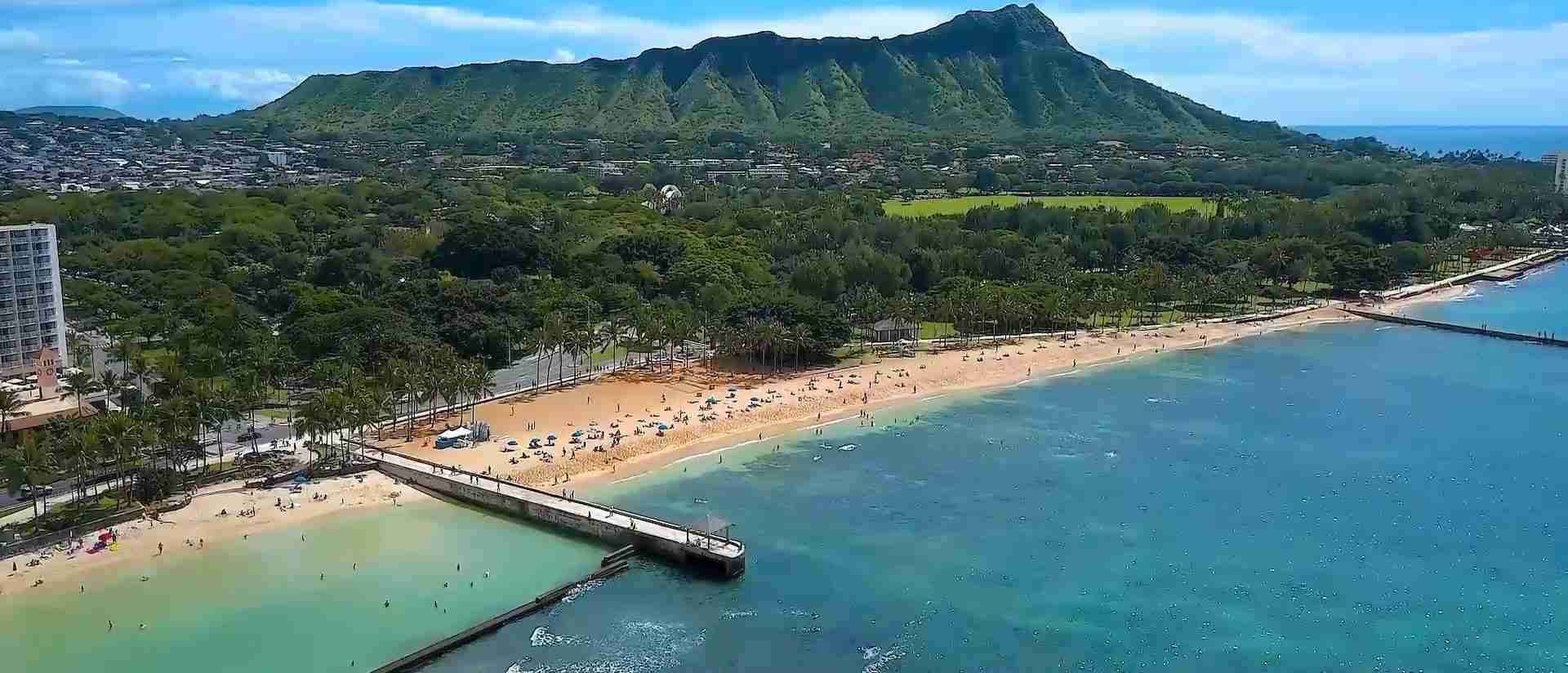
Best Time Visit Hawaii 2026: Seasonal Planning Guide
Hawaii welcomes visitors year-round with consistently warm temperatures and ocean conditions, but timing significantly impacts weather patterns, accommodation costs, crowd levels, and access to signature experiences like whale watching and cultural festivals. Understanding Hawaii’s two-season climate rhythm, tourism demand cycles, and natural phenomena timing enables strategic planning that aligns your travel dates with your specific priorities, whether maximizing weather reliability, minimizing costs, or experiencing particular events and wildlife migrations.
Key Takeaways: Best Time Visit Hawaii 2026
- Optimal Value Windows 2026: April-May and September-October deliver the best overall combination of near-ideal weather, 20-40% lower accommodation costs compared to peak periods, and manageable crowds at major attractions, with mid-range hotels averaging $140-200 nightly versus $200-300 in winter and $180-260 in summer.
- Budget Planning 2026: Daily costs range $95-155 per person for budget travelers (two sharing budget accommodations), $215-330 for mid-range comfort (two sharing mid-range hotels), and $490-750 for luxury experiences (two sharing luxury resorts), with shoulder seasons offering the most significant savings across all budget tiers.
- Weather Reliability 2026: April through October constitutes Hawaii’s dry season with the most consistent sunshine and minimal rainfall, though summer 2026 faces elevated El Niño probability bringing drier conditions, warmer ocean temperatures approaching 80°F by September, and increased wildfire risk particularly on leeward coasts.
- Whale Watching Season 2026: Humpback whales arrive in Hawaiian waters from mid-December 2025 through April 2026, with peak viewing from January through March 2026 when sightings occur on 95%+ of boat tours and whales display most active surface behaviors including breaching and competition pods, with February offering the highest whale density.
- Cultural Event Timing 2026: Major festivals include Honolulu Festival (March 13-15), Lei Day (May 1), King Kamehameha Day (June 11), Memorial Day Lantern Floating (May 25), Aloha Festivals (September), Hawaii Food & Wine Festival (October), and Honolulu Marathon (December 13), offering authentic Hawaiian cultural experiences throughout the calendar.
- Crowd Patterns 2026: Peak tourism occurs mid-December through March (winter escape season) and June through August (family summer vacation period), while April, May, September, October, and early November see 30-50% fewer visitors, creating shorter lines at popular attractions, easier beach parking, and more availability for tours and dining reservations.
People Also Ask About Best Time Visit Hawaii 2026
What is the cheapest month to visit Hawaii in 2026?
May, September, and October represent the cheapest months to visit Hawaii in 2026, with accommodation rates dropping 20-40% below peak season pricing. Mid-range Waikiki properties average $140-200 per night during these shoulder periods compared to $200-300 during December-March winter peaks and $180-260 during June-August summer periods. Flight prices similarly decrease during these months, with post-Labor Day September showing the lowest airfare rates of the year, while early November before Thanksgiving also offers excellent value with hotel rates at annual lows. Budget-conscious travelers can expect daily costs of $95-155 per person (two sharing budget accommodations) during these shoulder months, compared to $115-185 during peak winter and summer periods.
When is the best weather in Hawaii for 2026?
Hawaii’s best weather in 2026 occurs during the dry season from April through October, when sunshine dominates, rainfall stays minimal, and temperatures range from mid-70s°F to mid-80s°F with low humidity. May and September-October particularly deliver optimal conditions, combining dry-season reliability with comfortable temperatures and warm ocean waters. Summer 2026 (June-August) faces elevated El Niño probability with NOAA forecasting 62% likelihood of development, bringing even drier conditions, warmer ocean temperatures approaching 80°F by September, but increased afternoon heat and higher wildfire risk on leeward coasts. Winter months (November-March) see increased rainfall particularly on windward coasts, though leeward resort areas like Waikiki, Kihei, Kona, and Poipu maintain reliable sunshine with brief passing showers rather than all-day rain events.
Is 2026 a good year to visit Hawaii?
2026 presents favorable conditions for Hawaii visits with stabilized hotel pricing showing only 2-4% increases after years of post-pandemic surges, softening visitor demand creating availability at properties that previously ran at 80%+ occupancy, and comprehensive recovery from 2023 Maui wildfires and March 2026 storm damage restoring full tourism infrastructure across all islands. The El Niño pattern expected for summer 2026 brings reliable dry weather ideal for outdoor activities, while new Hawaii climate fee and transient accommodations tax increases to 18-19% total represent the primary cost considerations. Air capacity to Hawaii reaches record levels with Delta, Southwest, and Alaska Airlines expanding routes, creating competitive pricing particularly for midweek departures, while cultural festivals, whale season, and signature events proceed on schedule throughout 2026 offering authentic Hawaiian experiences.
When should I avoid crowds in Hawaii 2026?
Avoid peak crowd periods in Hawaii 2026 by steering clear of mid-December through March (winter escape season with highest hotel rates and visitor arrivals), June through August (family summer vacation period), Thanksgiving week (November 26-30, 2026), and spring break weeks in March-April when mainland school schedules drive increased demand. Instead, visit during April, May, September, October, or early November (before Thanksgiving) when visitor counts drop 30-50%, creating shorter wait times at popular attractions like Pearl Harbor and Haleakala National Park, easier beach parking at Waikiki and North Shore locations, better availability for restaurant reservations and tour bookings, and more personalized service at hotels and resorts, all while maintaining excellent weather conditions and significantly lower accommodation costs.
Extended multi-day tours – 5+ days
Featured Hawaii Multi-Day Tour Packages
3 days
Hawaii 3-Day Discovery Tour
- ✓ Comprehensive Hawaii experience
- ✓ Expert local guides included
- ✓ All accommodation included
- ✓ Transportation provided
5 days
Hawaii 5-Day Highlights Experience
- ✓ Comprehensive Hawaii experience
- ✓ Expert local guides included
- ✓ All accommodation included
- ✓ Transportation provided
7 days
Hawaii 7-Day Cultural Journey
- ✓ Comprehensive Hawaii experience
- ✓ Expert local guides included
- ✓ All accommodation included
- ✓ Transportation provided
10 days
Hawaii 10-Day Complete Adventure
- ✓ Comprehensive Hawaii experience
- ✓ Expert local guides included
- ✓ All accommodation included
- ✓ Transportation provided
Multi-day tour packages powered by TourRadar. Prices and availability subject to change.
Introduction: Understanding Hawaii’s 2026 Seasonal Planning
Hawaii defies the traditional four-season calendar that governs most travel destinations, operating instead on a subtle two-season rhythm shaped by Pacific Ocean currents, trade wind patterns, and solar positioning rather than dramatic temperature swings. The Hawaiian Islands maintain year-round warmth with daily highs rarely dipping below 75°F or climbing above 90°F at sea level, making genuinely “bad” weather virtually nonexistent by mainland standards. This climatic consistency creates a year-round destination but simultaneously means that timing decisions revolve around factors beyond simple weather considerations.
The 2026 travel year presents distinct opportunities and challenges for Hawaii visitors. Hotel pricing shows stabilization after years of post-pandemic increases, with industry forecasts projecting only 2-4% rate growth rather than the double-digit jumps that characterized 2021-2024. However, new taxation including the increased Transient Accommodations Tax raising total lodging taxes to 18-19% and ongoing resort fee proliferation mean total trip costs continue climbing despite base rate moderation. Visitor demand forecasts suggest slight declines from peak years, with the University of Hawaii Economic Research Organization projecting 9.48 million air arrivals representing a 1% drop from 2025, while the state Department of Business, Economic Development & Tourism estimates 9.76 million visitors showing 0.6% growth.
This softening demand combined with record airline capacity creates favorable conditions for travelers, particularly during shoulder seasons when hotel properties need to fill rooms and tour operators have available spots. The March 2026 Kona Low storms that dumped up to 40 inches of rain on parts of Oahu and Maui temporarily disrupted spring travel but resulted in complete infrastructure recovery by summer, with roads reopened, beach parks cleaned, and slightly lower forward booking rates benefiting travelers who plan strategically.
Summer 2026 faces unique weather considerations with NOAA forecasting a 62% probability of El Niño development between June and August, with some long-range models suggesting 80-90% likelihood of a strong event by late summer. El Niño reshapes Hawaiian weather in specific, measurable ways through reduced rainfall, weaker trade winds, warmer ocean temperatures, and higher wildfire risk, while also elevating Central Pacific hurricane activity from August through October. For visitors planning June-October 2026 trips, this means reliably dry conditions ideal for outdoor activities but increased afternoon heat on leeward coasts and elevated awareness of fire danger in areas covered by non-native grasses.
The timing of natural phenomena adds another planning dimension beyond weather and costs. Humpback whales arrive in Hawaiian waters from mid-December through April, with January-March representing peak viewing when 95%+ of boat tours report sightings and shore-based observers regularly spot whales from coastal viewpoints. North Shore surf season brings massive winter swells from November through February, attracting elite competitions like the Vans Triple Crown but creating dangerous conditions for casual swimmers, while South Shore beaches offer gentler summer waves ideal for beginners from May through September. Ocean temperatures vary only about 6 degrees annually, from lows of 73-74°F between late February and March to highs near 80°F in late September and early October, remaining comfortable for swimming year-round but noticeably warmer during late summer and early fall.
Cultural events and festivals provide another timing consideration for travelers seeking authentic Hawaiian experiences beyond beaches and natural attractions. The 30th Honolulu Festival (March 13-15, 2026) kicks off the spring cultural season with Pacific Rim performances and the Grand Parade featuring Nagaoka fireworks over Waikiki, while Lei Day (May 1) celebrates traditional lei-making with hula performances and cultural demonstrations across all islands. King Kamehameha Day (June 11) honors Hawaii’s unifying monarch with floral parades and ceremonies, the Memorial Day Lantern Floating (May 25) sees 50,000 attendees releasing 7,000 paper lanterns at Ala Moana Beach Park, September’s Aloha Festivals deliver the state’s largest Hawaiian cultural celebration with royal court investitures and street parties, and October’s Hawaii Food & Wine Festival brings internationally renowned chefs to multiple islands for epicurean events.
Understanding these intersecting factors—weather reliability, pricing dynamics, crowd levels, natural phenomena, and cultural events—enables strategic timing decisions aligned with individual priorities. A February visitor prioritizes whale watching and accepts higher hotel rates and larger crowds, while a May traveler values shoulder-season savings and excellent weather over whale season access. A September visitor enjoys the warmest ocean temperatures of the year and festival season energy, while a July family constrained by school schedules accepts peak pricing and larger crowds as necessary tradeoffs for summer vacation flexibility.
This comprehensive guide analyzes Hawaii’s 2026 seasonal patterns month by month, examining weather trends, accommodation pricing, visitor demand, ocean conditions, wildlife activity, and signature events to help you identify your optimal travel window. Whether you prioritize budget considerations, weather perfection, specific activities like surfing or diving, cultural immersion through festivals, or simply avoiding crowds, understanding how these elements shift across the calendar transforms good Hawaii trips into perfectly timed adventures that deliver exactly the experience you seek.
Hawaii’s Two-Season Climate System 2026
Hawaii operates on a two-season climate system fundamentally different from the four-season model governing most temperate destinations, with seasonal distinctions based on rainfall patterns and trade wind behavior rather than dramatic temperature variations. The tropical location at 21 degrees north latitude creates remarkably stable year-round temperatures, with the Pacific Ocean acting as a massive thermostat that moderates temperature extremes and keeps the overlying atmosphere consistently warm. Average daily highs range from 80°F in winter to 87°F in summer, while overnight lows rarely drop below 65°F, creating the gentle seasonal variation that defines Hawaiian weather.
The dry season, called “kau” in Hawaiian, extends from April through October and represents the period of most reliable weather across all islands. During these months, the Pacific High pressure system strengthens and positions itself northeast of Hawaii, driving consistent northeasterly trade winds that deliver cooling breezes particularly welcome during afternoon heat. These trade winds blow air across the ocean for thousands of miles before reaching Hawaii, creating moderate conditions year-round regardless of air mass origins. Rainfall during the dry season concentrates on windward (northeastern) coasts where trade winds force moisture-laden air upslope against volcanic mountains, causing clouds to form and precipitation to fall primarily in valleys and elevated areas rather than coastal resort zones.
The wet season, termed “hooilo,” runs from November through March and brings increased rainfall particularly to windward exposures, though “rainy season” terminology misleads many first-time visitors expecting Southeast Asian monsoon conditions. Winter rainfall in Hawaii arrives primarily through two mechanisms: passing frontal systems migrating south from higher latitudes as the Pacific jet stream shifts seasonally, and Kona storms—low-pressure systems bringing winds from the south or west rather than the typical northeast trades. These Kona storms can deliver substantial rainfall over several days, though they remain infrequent events rather than defining winter weather patterns.
Critically for trip planning, leeward (southwestern) coasts including Waikiki on Oahu, Kihei and Wailea on Maui, Kona on Hawaii Island, and Poipu on Kauai maintain reliable sunshine even during wet season months, with brief passing showers rather than sustained rain events. The volcanic mountain ranges on each island create dramatic microclimates over remarkably short distances, with windward sides receiving 2-3 times more annual rainfall than leeward coasts. This microclimate reality means visitors staying on leeward coasts enjoy consistent sunshine while simultaneously benefiting from the lush green landscapes and dramatic waterfalls sustained by windward rainfall just miles away.
The 2026 dry season faces unique considerations with NOAA forecasting elevated El Niño probability for summer months. El Niño events occur when Pacific Ocean temperatures rise above normal in the equatorial region, shifting atmospheric circulation patterns and repositioning the jet stream. For Hawaii, El Niño brings reduced rainfall even compared to typical dry season conditions, weaker trade winds that diminish afternoon cooling breezes, warmer ocean temperatures that can approach or exceed 80°F by late summer, and elevated wildfire risk particularly on leeward slopes covered by non-native grasses that dry to tinder during prolonged drought.
Historical El Niño impacts in Hawaii demonstrate these effects clearly. During the 2015-2016 strong El Niño event, Honolulu recorded its driest summer on record with some months receiving less than 20% of normal rainfall, while leeward Big Island areas went months without measurable precipitation. Ocean temperatures climbed above 80°F, creating exceptional snorkeling visibility but stressing coral reefs and reducing the abundance of reef fish. The Department of Land and Natural Resources drought forecast and the Geographic Area Coordination Center Hawaii seasonal outlook both flag elevated fire potential for leeward areas during El Niño summers, a concern heightened by the August 2023 Lahaina wildfire that demonstrated Hawaii’s vulnerability to fast-moving fires during drought conditions combined with strong winds.
For 2026 summer visitors, El Niño likelihood means planning should incorporate fire awareness strategies including signing up for emergency alerts through county civil defense systems, asking about backup power at vacation rentals in leeward areas, keeping rental car fuel tanks above half-full for evacuation flexibility, and avoiding outdoor activities during red flag fire warning days when gusty winds combine with low humidity. Hawaii has invested heavily in wildfire prevention infrastructure since Lahaina, deploying AI fire cameras, expanding weather station networks, and implementing Public Safety Power Shutoff programs, but elevated risk remains during El Niño dry periods.
August through October also carries higher hurricane risk during El Niño years. In neutral conditions, Central Pacific tropical cyclone activity remains modest with one or two named storms annually, most passing well south of the islands. El Niño warming shifts the zone of tropical cyclone formation farther east and closer to Hawaii, increasing the probability of direct impacts or near-misses that bring heavy rain, dangerous surf, and flight disruptions. Hurricane season runs officially June 1 through November 30, with August-October representing the most active period. Travel insurance with weather disruption coverage costs $50-100 for week-long trips and covers flight cancellations, hotel closures, and mandatory evacuations, providing valuable protection during peak hurricane months.
Sea surface temperatures demonstrate the ocean’s moderating influence on Hawaiian climate. Annual variation spans only about 6 degrees, from winter lows of 73-74°F between late February and March to summer highs near 80°F in late September and early October. This narrow temperature range keeps ocean swimming comfortable year-round while creating distinct seasonal experiences. Winter ocean temperatures in the low-to-mid 70s°F feel refreshing rather than warm, ideal for active water sports like surfing, diving, and snorkeling but sometimes requiring wetsuits for extended immersion particularly during early morning sessions. Late summer and early fall ocean temperatures approaching 80°F feel bath-like, perfect for leisurely swimming and floating but potentially less refreshing during hot afternoons when air temperatures also peak.
The seasonal lag between solar heating and ocean temperature response creates counterintuitive timing patterns. Hawaii’s warmest months are not June and July when solar radiation peaks but rather August and September when the ocean has accumulated months of heat input, while the coolest months are not December and January but February and March after prolonged winter cooling. This lag means visitors seeking the warmest ocean temperatures should target late summer and early fall rather than mid-summer, while those preferring cooler, more refreshing water conditions find optimal temperatures during late winter and early spring.
Trade wind patterns strongly influence day-to-day comfort beyond their role in precipitation. When trades blow consistently at 10-20 mph, they provide natural air conditioning that makes 85°F feel comfortable rather than oppressive, particularly along exposed coastlines and at elevated resort locations. Trade winds build as daytime heating intensifies, reaching peak strength during afternoon hours before diminishing in evening and overnight periods. Several times annually, trade winds cease completely for days or even weeks, replaced by light variable winds or southerly Kona winds that bring hot, sticky conditions Hawaiians term “vog” when combined with volcanic emissions from Kilauea on Hawaii Island.
Understanding Hawaii’s two-season system enables realistic expectations and strategic planning. Visitors arriving during April-October dry season can expect predominantly sunny weather but should pack light rain jackets for brief passing showers particularly on windward coasts and at elevated areas like Haleakala and Mauna Kea summits where afternoon clouds build regularly. Those visiting November-March wet season should focus accommodations on leeward coasts where sunshine remains reliable, understand that occasional multi-day rain events occur but don’t define the season, and embrace the trade-off of greener landscapes and more dramatic waterfall flows resulting from winter precipitation. Both seasons deliver fundamentally pleasant weather by objective standards, with seasonal choice depending more on specific activity priorities, budget constraints, and crowd tolerance than weather avoidance.
Month-by-Month Hawaii Weather Guide 2026
January 2026: Peak Whale Season and Winter Crowds
January marks peak winter season in Hawaii with the highest hotel rates of the year, largest visitor crowds, and optimal humpback whale viewing as thousands of whales concentrate in Hawaiian waters for breeding and calving. Weather delivers reliable sunshine on leeward coasts with average daytime highs of 80°F and overnight lows near 65°F, while windward areas experience increased rainfall from passing frontal systems and occasional Kona storms. Ocean temperatures bottom out at 73-74°F, feeling refreshing rather than warm but remaining comfortable for swimming, snorkeling, and water sports with brief acclimatization.
Whale watching tours operate daily from all major islands during January, with boat operators reporting 90%+ sighting success rates as humpbacks display active surface behaviors including breaching, tail slapping, and competitive pod formations where multiple males pursue females. Shore-based whale watching succeeds from coastal viewpoints including Makapuu Lighthouse Trail on Oahu, Wailea coastal walk on Maui, and Kealakekua Bay overlooks on Hawaii Island, with binoculars enhancing distant spout detection. Morning whale watching tours from 8-11 AM offer calmer seas and better visibility compared to afternoon departures when trade wind-driven chop increases.
North Shore surf reaches peak size during January with massive winter swells producing 20-30 foot faces at Pipeline, Waimea Bay, and Sunset Beach on Oahu’s North Shore, attracting elite surfers for Vans Triple Crown competitions but creating dangerous conditions for recreational swimmers. South Shore beaches including Waikiki, Kihei, and Poipu maintain calm summer swell patterns ideal for families and beginners. Ocean safety requires attention during winter months, with lifeguards posting warning flags at beaches experiencing hazardous conditions, strong currents, and shore break that can knock swimmers off their feet.
Accommodation rates peak in January with mid-range Waikiki hotels averaging $200-300 nightly, outer island mid-range properties reaching $250-350, and luxury resorts commanding $500-700 per night. Booking well in advance becomes essential for January travel, with popular properties often selling out months ahead particularly for New Year’s week (December 26-January 2) when rates spike an additional 30-50% above typical January levels. Rental car demand also peaks, with advance reservations critical for securing vehicles at reasonable rates rather than facing walk-up premiums or unavailability.
Cultural events in January include the New Year’s Ohana Festival (January 11, 2026) at the Japanese Cultural Center in Honolulu, celebrating Hawaiian and Japanese New Year traditions with mochi pounding, kagami biraki ceremonies, and cultural demonstrations. The Maui Whale Festival begins in late January, continuing through February with educational presentations, film festivals, and the Great Whale Count volunteer initiative coordinated by Pacific Whale Foundation. Hawaii’s Chinese New Year celebrations occur in late January or early February depending on the lunar calendar, featuring lion dances, fireworks, and cultural festivities in Honolulu’s Chinatown.
January suits visitors prioritizing whale watching experiences, winter escape from cold climates, and acceptance of higher costs and larger crowds as necessary tradeoffs for peak season timing. Families constrained by winter school break schedules find January practical despite premium pricing, while budget-conscious travelers should avoid this month in favor of shoulder season alternatives offering 30-50% accommodation savings.
February 2026: Peak Whale Density and Valentine’s Romance
February delivers the highest whale density of the annual migration cycle, with humpback populations peaking as late-arriving whales join those already present and mothers with newborn calves frequent nearshore waters. Whale watching success rates exceed 95% on boat tours, with multiple whale sightings per trip and the most active surface behaviors of the season including spectacular breaches, pectoral fin slapping, and spy-hopping where whales vertically lift their heads above water to observe surroundings. Shore-based viewing reaches optimal conditions, with whales often visible from beaches and coastal trails without binoculars as they rest and nurse calves in shallow protected waters.
Weather continues winter patterns with leeward coast sunshine predominating and brief passing showers on windward exposures, though February typically sees slightly less rainfall than December and January as the wet season transitions toward spring. Average temperatures remain stable at 78-80°F daytime and 65-68°F overnight, with ocean temperatures at their annual low of 73-74°F—cool enough to feel refreshing during active water sports but sometimes warranting rash guards or shorty wetsuits for extended snorkeling or diving sessions, particularly during early morning hours when air temperatures also reach daily minimums.
Valentine’s Day drives romantic travel demand during mid-February, with hotels offering special packages including couples’ spa treatments, sunset dinner cruises, and beach or garden wedding ceremonies. Popular romantic activities include sunset catamaran sails from Waikiki with Diamond Head views, helicopter tours over volcanic craters and waterfalls, couples’ snorkeling at Molokini Crater or Hanauma Bay, and private beach dinners arranged by resorts and tour operators. Advance reservations become essential for Valentine’s weekend (February 14-16, 2026) at signature restaurants and sunset activities.
The World Whale Day celebration occurs on February 15, 2026, centered on Maui but with events across all islands. Pacific Whale Foundation coordinates educational presentations, the Great Whale Count volunteer shore-based survey, World Whale Film Festival screenings, and specialty whale watching cruises with extended viewing time and naturalist commentary. The week-long celebration includes an opening ceremony at Makena with traditional Hawaiian blessing, cultural performances, and community gatherings recognizing Pacific Whale Foundation’s 45th anniversary of marine conservation efforts.
Accommodation pricing remains elevated in February at near-January levels, with mid-range hotels averaging $200-280 nightly and luxury properties $500-700 per night. Presidents’ Day weekend (February 15-17, 2026) sees particular demand from mainland travelers extending three-day weekends, with flight prices spiking for Friday departures and Monday returns. Travelers seeking value should target early February (first two weeks) or late February (after the 20th) when demand moderates slightly compared to mid-month Valentine’s and Presidents’ Day peaks.
North Shore surf continues delivering massive winter swells throughout February, with Waimea Bay, Pipeline, and Sunset Beach maintaining elite-level waves and professional competitions. The Eddie Aikau Big Wave Invitational, held only when swells reach 20+ foot faces, may occur during February if conditions align, drawing worldwide attention to Oahu’s North Shore surfing culture. Casual swimmers should avoid North Shore beaches entirely during winter swell periods, instead enjoying calm South Shore waters at Waikiki, Ala Moana Beach Park, and Hanauma Bay.
February represents optimal timing for visitors prioritizing whale watching as their primary motivation, with the highest probability of memorable encounters and most active whale behaviors. Couples celebrating Valentine’s Day or anniversaries find romantic ambiance enhanced by perfect weather, though premium pricing applies. Wildlife photographers targeting humpback whale images should schedule February trips for peak subject availability and behavior diversity, while budget travelers gain little advantage over January and should instead target March or later for cost savings.
March 2026: Late Whale Season and Spring Transition
March marks the transition from peak winter season toward spring shoulder season, with whale viewing remaining excellent through mid-month before whales begin northern migration during the second half of March. Humpback sightings continue at 80-90% success rates on boat tours through mid-March, declining to 50-70% during the final two weeks as whales depart for Alaska feeding grounds. Mothers with young calves often linger later than other whales, with shore-based observers sometimes spotting these pairs through late March in protected bays and nearshore waters where calves build strength for the long migration north.
Weather improves markedly during March as the wet season transitions toward the dry season, with rainfall decreasing compared to January-February and sunshine increasing across all islands. Leeward coasts maintain their typical dry weather reliability while windward areas experience fewer multi-day rain events and more mixed sun-and-cloud patterns. Average temperatures rise slightly to 78-82°F daytime and 66-69°F overnight, with ocean temperatures beginning their slow climb from winter lows, reaching 74-76°F by month’s end and starting to feel warmer during afternoon swimming sessions.
The 30th Honolulu Festival (March 13-15, 2026) represents one of Hawaii’s largest cultural celebrations, promoting understanding and ethnic harmony between Hawaii and Pacific Rim nations. The three-day event features traditional dance performances, art demonstrations, craft exhibitions, and cultural exchanges by artists from Japan, Australia, Tahiti, Philippines, Taiwan, Korea, and mainland United States. The festival culminates with the Grand Parade along Kalakaua Avenue in Waikiki on Sunday March 15, featuring elaborate floats, marching bands, and traditional costume displays, followed by the Nagaoka Fireworks spectacular over Waikiki Beach transforming the night sky with choreographed pyrotechnics synchronized to music.
Spring break travel peaks during March depending on mainland school district calendars, with the first three weeks seeing elevated family visitor numbers and hotel rates remaining near winter peak levels. Popular family attractions including Pearl Harbor, Hawaii Volcanoes National Park, Haleakala summit sunrise viewing, and Road to Hana tours experience maximum crowds during mid-March spring break weeks, requiring advance reservations and early morning arrivals to minimize wait times. Beaches at Waikiki, Kaanapali, and Poipu see heavy usage, with parking lots filling by mid-morning during peak spring break periods.
North Shore surf begins diminishing during March as winter storm tracks shift northward and swell generation decreases, though periodic large swells still occur particularly during the first half of the month. By late March, North Shore beaches transition toward summer patterns with smaller waves and safer swimming conditions for recreational visitors. South Shore surf remains minimal, maintaining calm summer conditions ideal for beginner surfers, stand-up paddleboarders, and families with young children learning ocean skills.
Accommodation pricing shows initial moderation during late March, with shoulder season rates beginning after spring break concludes around March 20-25 depending on the year. Mid-range hotels drop from $200-280 nightly during early March to $160-220 during the final week, while luxury properties ease from $500-700 to $400-600 per night. Flight prices also decrease for late March travel compared to mid-month spring break peaks, with midweek departures offering the best value particularly for Tuesday and Wednesday flights.
The Prince Kuhio Day state holiday on March 26, 2026, honors Prince Jonah Kuhio Kalanianaole with cultural ceremonies, royal societies’ gatherings, and traditional Hawaiian demonstrations across the islands. The holiday particularly celebrates Kuhio’s legacy of establishing Hawaiian homestead programs and advocating for Native Hawaiian rights during his congressional service from 1903-1922. Government offices close for the state holiday, though most tourist-oriented businesses remain open.
March suits visitors seeking late-season whale watching opportunities combined with improved weather and transitioning toward shoulder season pricing, particularly during the final week after spring break concludes. Cultural enthusiasts should target March 13-15 for the Honolulu Festival’s Pacific Rim celebrations, while budget travelers gain advantage by booking late March dates when accommodation rates drop 20-30% compared to mid-month peaks yet weather and ocean conditions remain excellent.
April 2026: Shoulder Season Value Begins
April initiates Hawaii’s optimal shoulder season window, delivering excellent weather as the dry season establishes, significantly lower accommodation rates compared to winter peaks, and reduced visitor crowds creating shorter lines at major attractions and easier access to tours and restaurant reservations. Whales complete their northern migration by early April, with only scattered late-season sightings, while ocean temperatures climb toward comfortable mid-70s°F and weather reliability increases across all islands as trade winds strengthen and rainfall decreases even on windward coasts.
Weather in April ranks among the year’s best, combining dry season sunshine with comfortable temperatures before summer heat intensifies. Average daytime temperatures reach 80-84°F while overnight lows settle at 68-71°F, creating ideal conditions for outdoor activities from sunrise hiking to sunset beach sessions. Trade winds blow consistently at 10-20 mph, providing natural cooling during afternoon hours when temperatures peak. Ocean temperatures rise to 75-77°F, feeling notably warmer than winter’s 73-74°F and eliminating the refreshing coolness that sometimes requires wetsuit consideration during extended winter water activities.
Accommodation rates drop substantially in April, with mid-range Waikiki hotels averaging $140-180 nightly compared to $200-300 during winter months—a savings of 30-40% for identical properties and room categories. Outer island mid-range hotels show similar decreases to $160-220 per night, while luxury resorts ease to $350-500 from winter peaks of $500-700. This pricing reduction extends across the travel ecosystem, with rental car rates, tour packages, and inter-island flights all showing shoulder season discounts as tourism demand moderates from winter highs.
The annual Merrie Monarch Festival occurs the week after Easter each year, falling in April during most years including 2026. Held in Hilo on Hawaii Island, Merrie Monarch represents Hawaii’s most prestigious hula competition, attracting the finest halau (hula schools) from across Hawaii and internationally for week-long kahiko (ancient) and auana (modern) hula competitions judged by cultural experts. The festival transforms Hilo into Hawaii’s cultural epicenter during competition week, with evening performances at Edith Kanaka’ole Stadium requiring advance ticket purchases months ahead. Visitors unable to secure competition tickets can attend free daytime hula performances, craft fairs featuring traditional Hawaiian arts, and parades celebrating hula heritage.
The SPAM JAM street festival occurs on April 25, 2026, in Waikiki, celebrating Hawaii’s beloved canned meat with creative spam-based dishes from local restaurants, food trucks, and innovative chefs transforming the simple ingredient into gourmet creations. Kalakaua Avenue closes for the Saturday evening block party featuring dozens of vendors, live entertainment on multiple stages, and thousands of attendees sampling spam musubi variations, spam sliders, spam fried rice, and inventive fusion dishes. The free festival embodies Hawaii’s local food culture where SPAM holds iconic status as a pantry staple incorporated into everything from breakfast scrambles to sushi rolls.
Beach conditions transition from winter to summer patterns during April, with North Shore swells diminishing to summer lows by mid-month and surf shifting to South Shore beaches where small summer swells provide ideal learning conditions for beginner surfers. Water clarity improves as winter storm runoff settles, creating excellent snorkeling and diving visibility at sites including Hanauma Bay, Molokini Crater, Tunnels Beach, and Kealakekua Bay. Ocean activities face minimal weather interruption, with trade wind-sheltered spots on leeward coasts offering calm water for stand-up paddleboarding, kayaking, and beginner surfing lessons.
Sunrise timing shifts earlier during April as spring progresses, with sunrise occurring around 6:00-6:15 AM by month’s end compared to 6:45-7:00 AM during winter months. Earlier sunrises enable morning hikers to begin popular trails like Diamond Head, Koko Crater, and Makapu’u Lighthouse during cooler hours, completing ascents before crowds arrive and afternoon heat intensifies. Sunset occurs around 6:45-7:00 PM, providing extended evening beach time and outdoor dining opportunities in comfortable temperatures.
April represents optimal timing for budget-conscious travelers seeking maximum value, delivering winter-quality weather and ocean conditions at 30-40% lower costs. The month particularly suits active visitors prioritizing hiking, snorkeling, and outdoor exploration without winter whale watching or summer festival priorities. Retirees and remote workers with flexible schedules find April ideal for extended stays combining excellent weather, low crowds, and shoulder season pricing across accommodations, activities, and dining.
May 2026: Peak Shoulder Season Value
May delivers Hawaii’s best overall value proposition, combining peak dry season weather reliability, the lowest accommodation rates before summer vacation season begins, minimal tourist crowds, and warm ocean temperatures reaching the upper 70s°F by month’s end. The month represents the optimal window for visitors prioritizing weather quality, cost efficiency, and crowd avoidance simultaneously, with mid-range hotels averaging $140-180 nightly and luxury properties $350-450—representing 35-45% savings compared to winter peaks while maintaining superior weather conditions.
Weather in May achieves near-perfect conditions before summer heat and humidity intensify, with average daytime temperatures at 82-86°F, overnight lows at 70-73°F, and consistent trade winds providing afternoon cooling. Rainfall reaches annual lows across all islands, with even windward coasts experiencing predominantly sunny weather and brief passing showers rather than sustained precipitation. The dry season fully establishes, creating ideal conditions for all outdoor activities from multi-day backpacking trips to full-day boat excursions to sunrise summit drives without weather contingency planning.
Lei Day celebrations occur on May 1, 2026, honoring Hawaii’s tradition of lei-making with cultural demonstrations, hula performances, music showcases, and lei competitions across all islands. The Queen Kapiolani Park Lei Day celebration in Waikiki represents Oahu’s largest gathering, featuring lei-making workshops where visitors learn traditional techniques, competitions judging lei created from native flowers and foliage, live Hawaiian music and hula on multiple stages, and displays of lei styles from different Hawaiian islands and Polynesian cultures. The celebration embodies the aloha spirit through the giving and receiving of lei, with many visitors purchasing fresh flower lei from vendors or creating their own during workshops.
Ocean temperatures climb to 76-78°F by late May, approaching comfortable bath-like warmth that encourages extended swimming sessions and eliminates the refreshing coolness of winter waters. This temperature increase particularly benefits snorkelers and divers who spend hours in the water exploring coral reefs, with no wetsuit consideration necessary during typical afternoon sessions when both air and water temperatures peak. Water clarity remains excellent following the dry season pattern, with 80-100 foot visibility common at popular snorkel and dive sites when conditions align.
Memorial Day weekend (May 24-26, 2026) brings the year’s most moving cultural event with the annual Memorial Day Lantern Floating at Ala Moana Beach Park on May 25. The Shinnyo-en Foundation organizes the ceremony where approximately 7,000 paper lanterns are set afloat at sunset, each carrying personal messages, prayers, or remembrances honoring departed loved ones. The event draws roughly 50,000 attendees including many tourists who participate in the universal act of remembrance, with the ceremony live-streamed globally. Parking at Ala Moana fills hours before the 6:30 PM sunset ceremony, requiring arrival by 4:00 PM for prime spots or use of public transportation and rideshare services to avoid parking challenges.
Memorial Day weekend also marks the beginning of increased visitor numbers as mainland summer vacation season approaches, with hotel rates rising 15-20% for the Friday-Monday holiday period compared to earlier May dates. Travelers seeking maximum value should target early-to-mid May before Memorial Day, while those planning late May visits should book accommodations and rental cars well in advance as holiday weekend inventory sells out early.
The Kailua Fourth of July Parade, though occurring in July, begins preparation and early promotion during May as the town’s community organizations coordinate Hawaii’s largest Independence Day parade. Visitor planning for summer arrivals can monitor parade details announced in May through local media and community websites, with the July 4 event attracting thousands to Kailua town for morning parade festivities followed by beach celebrations.
May suits virtually all visitor types and priorities, delivering weather comparable to or better than winter months at significantly lower costs with far fewer crowds. The month particularly benefits couples, small groups, and solo travelers seeking peaceful Hawaii experiences without school-age family crowds. Active travelers prioritizing hiking, diving, and multi-island exploration find May optimal for reliable weather across extended itineraries. Budget-conscious visitors achieve maximum value, with savings from shoulder season accommodation rates enabling budget upgrades to mid-range properties or extending trip duration using cost savings.
June 2026: Summer Season Begins
June marks the official start of summer vacation season as mainland schools dismiss for break, bringing increased family visitation, rising accommodation rates, and warmer temperatures as Hawaii transitions from spring shoulder season to peak summer conditions. Weather remains predominantly dry and sunny as June falls within the dry season, though temperatures climb toward summer peaks and humidity increases slightly compared to April-May. Ocean temperatures reach the upper 70s°F, feeling warm and inviting for extended swimming sessions.
Average temperatures in June reach 84-87°F during daytime hours, with overnight lows settling at 72-75°F, creating noticeable warmth compared to spring months. Trade winds continue blowing but sometimes weaken during June, reducing afternoon cooling on days when wind velocity drops below 10 mph. Visitors accustomed to cooler climates may find midday heat intense during beach sessions, requiring shade breaks, increased hydration, and reef-safe sunscreen reapplication every two hours. Leeward areas experience the most pronounced heat, with afternoon temperatures at inland locations occasionally approaching 90°F.
The 2026 summer faces elevated El Niño probability with NOAA forecasting 62% likelihood of development between June and August, potentially reaching 80-90% for strong events by late summer according to some long-range models. El Niño impacts begin manifesting during June through reduced rainfall even below typical dry season levels, weaker trade winds that diminish afternoon cooling, warmer ocean temperatures that may approach 79-80°F by late June, and elevated wildfire risk on leeward slopes where non-native grasses dry quickly during prolonged drought periods. Hawaii’s Department of Land and Natural Resources flags elevated fire potential during El Niño summers, requiring visitor awareness including signing up for emergency alerts, avoiding outdoor activities during red flag fire warning days, and maintaining situational awareness of smoke or fire reports.
King Kamehameha Day on June 11, 2026, celebrates Hawaii’s unifying monarch who established the Kingdom of Hawaii by conquering and uniting the Hawaiian Islands under single rule during the late 18th and early 19th centuries. The state holiday features floral parades on multiple islands, with the most elaborate occurring in Honolulu where parade participants drape Kamehameha statues downtown and in Kapaau on Hawaii Island with lei reaching 18 feet in length. Cultural ceremonies, royal societies gatherings, and traditional Hawaiian demonstrations occur throughout the day, with government offices closing but most tourist-oriented businesses remaining open.
The Kapalua Wine & Food Festival occurs during early June 2026 on Maui, bringing together world-class vintners, renowned celebrity chefs, and culinary personalities for multi-day tastings, dinners, and educational seminars. The 45th annual festival represents one of the United States’ oldest and most respected food and wine events, with seminars covering wine pairing techniques, cooking demonstrations, and intimate dinners at resort restaurants featuring visiting chefs collaborating with local culinary talent. Tickets require advance purchase, with some events selling out months ahead.
Hawaii Kuauli Pacific & Asia Cultural Festival runs June 5-7, 2026, on Hawaii Island, celebrating diverse Pacific and Asian cultures that shaped Hawaii through traditional performances, food, arts, and cultural demonstrations from Japanese, Filipino, Chinese, Korean, Polynesian, and Hawaiian communities. The multi-day festival at various Big Island venues provides authentic cultural immersion opportunities beyond typical tourist experiences, with performances ranging from taiko drumming to hula kahiko to Filipino tinikling bamboo dance.
Accommodation rates increase substantially in June compared to April-May shoulder season, with mid-range hotels climbing to $180-240 nightly and luxury properties reaching $450-600 per night as summer family demand drives pricing. The gradual rate increase throughout June sees early month bookings offering better value than late June dates when July Fourth holiday period pricing begins taking effect. Rental car rates also climb during June with family demand, requiring advance bookings 6-8 weeks out to secure best rates rather than facing walk-up premiums.
Beach conditions transition fully to summer patterns by June, with South Shore beaches including Waikiki, Poipu, and Kihei receiving small summer swells ideal for beginning surfers, bodyboarders, and stand-up paddleboarders. North Shore beaches offer calm swimming conditions during June, with Waimea Bay, Sunset Beach, and Shark’s Cove transforming from winter’s dangerous surf zone into summer’s family-friendly swimming and snorkeling destinations. Ocean visibility remains excellent with 60-100 foot clarity common at popular snorkel sites when calm conditions prevail.
June suits families constrained by school calendar breaks who accept higher costs and increased crowds as necessary tradeoffs for summer vacation flexibility. The month offers reliable weather for beach-focused vacations, though temperatures climb toward summer peaks. Budget travelers find limited advantage in June compared to April-May, while those seeking quieter Hawaii experiences should either visit before June or wait until September shoulder season when rates and crowds decrease substantially.
July 2026: Peak Summer Crowds and Heat
July represents peak summer tourism season with maximum visitor numbers, highest summer accommodation rates, and warmest temperatures of the year approaching or exceeding 90°F on some afternoons particularly at inland locations. Family vacation demand dominates July as schools remain closed across mainland United States and international markets, creating crowded conditions at beaches, attractions, restaurants, and tour activities. Weather continues dry season patterns with minimal rainfall, though heat and humidity intensify compared to early summer months.
Average daytime temperatures reach 85-88°F across most coastal resort areas, climbing toward 90°F at inland locations during afternoon hours when solar heating peaks. Overnight temperatures remain warm at 73-76°F, providing limited cooling compared to spring and fall months. Humidity increases during July compared to earlier dry season months, creating tropical conditions that feel substantially warmer than raw temperature readings suggest. Trade winds blow inconsistently during July, with some days delivering refreshing 15-20 mph breezes while other periods see light variable winds under 10 mph that reduce afternoon cooling.
El Niño development probability peaks during July according to NOAA forecasts, with some models suggesting 80-90% likelihood of strong event establishment by late July. El Niño impacts intensify during July through persistent drought conditions with rainfall potentially 50-70% below normal for leeward areas, weakened trade winds that fail to provide consistent afternoon cooling, ocean temperatures potentially reaching or exceeding 79°F creating bath-like water ideal for swimming but stressing coral reefs, and elevated wildfire danger requiring visitor awareness and precautions during outdoor activities.
Independence Day celebrations on July 4, 2026, feature fireworks displays across all islands, with Oahu’s largest shows launching from Ala Moana Beach Park and over Waikiki visible from most shoreline areas between Diamond Head and Ala Moana. Kailua hosts Hawaii’s largest Fourth of July parade beginning at 10:00 AM along Kailua Road, featuring floats, marching bands, community organizations, and local politicians in traditional small-town parade atmosphere. The parade and subsequent beach celebrations draw thousands, requiring early arrival for parking or use of public transportation. Big Island fireworks traditionally occur over Hilo Bay, while Maui celebrations center on Kihei and Wailea with resort properties hosting private displays for guests.
The Prince Lot Hula Competition occurs in mid-July at Moanalua Gardens on Oahu, representing one of Hawaii’s most prestigious hula contests alongside the Merrie Monarch Festival. The non-competitive exhibition format focuses on perpetuating traditional hula styles, with halau (hula schools) performing kahiko (ancient) and auana (modern) hula in outdoor garden setting. The free event attracts thousands of spectators who bring picnic blankets and coolers for all-day viewing, immersing themselves in authentic Hawaiian culture away from tourist-oriented commercial luaus.
Accommodation rates reach summer peaks during July, with mid-range hotels averaging $200-260 nightly and luxury properties commanding $500-650 per night. July Fourth weekend (July 2-6, 2026) sees particular demand spikes with rates climbing an additional 20-30% above typical July levels, while the entire month maintains elevated pricing without the shoulder season discounts available during April-May or September-October. Advance booking becomes essential for July travel, with popular family-friendly properties selling out months ahead particularly for beachfront rooms and suites.
Beach crowding peaks during July at popular tourist beaches including Waikiki, Kaanapali, Poipu, and Hapuna, with beach chairs and umbrellas claiming prime locations by mid-morning and parking lots filling by 9:00-10:00 AM. Families seeking less crowded beach experiences should target smaller local beaches including Lanikai, Kailua, and Makalawena, arriving early for parking access. Snorkeling tours to Molokini Crater, Hanauma Bay, and other popular sites operate at capacity during July, requiring advance reservations days or weeks ahead rather than day-of bookings possible during shoulder seasons.
Ocean temperatures peak during late July reaching 78-79°F, with some areas approaching 80°F particularly in shallow nearshore waters that heat quickly during prolonged sunny periods. These bath-like temperatures feel exceptionally comfortable for extended swimming and snorkeling sessions, though some visitors find warmer water less refreshing during hot afternoons when air temperatures also peak. Water clarity remains excellent when calm conditions prevail, with trade wind-sheltered spots offering 80-100 foot visibility for snorkelers and divers.
July suits families with school-age children who lack flexibility for shoulder season travel, accepting premium pricing and maximum crowds as unavoidable constraints of mid-summer vacation timing. The month delivers reliable weather for beach-focused trips despite intense heat, though visitors should plan indoor activities during peak afternoon heat hours including aquarium visits, shopping, and museum tours. Budget travelers find no advantage in July compared to other summer months and should instead target September or October for substantial cost savings with comparable weather quality.
August 2026: Late Summer Heat and Hurricane Season
August maintains peak summer heat with the year’s highest average temperatures, reaching 86-88°F daytime and 74-76°F overnight across most coastal areas, while also marking the beginning of elevated hurricane season activity as Central Pacific tropical cyclone formation increases. Weather continues predominantly dry and sunny with minimal rainfall except during occasional passing afternoon showers, though hurricane awareness becomes prudent as August-October represents the most active period for tropical systems potentially affecting Hawaii.
El Niño impacts likely reach maximum intensity during August according to climate forecasts, with strong event development potentially creating Hawaii’s driest summer conditions in years. Historical strong El Niño years show August rainfall dropping to 20-30% of normal levels at leeward locations, with some areas receiving zero measurable precipitation for the entire month. Trade winds weaken substantially during El Niño events, with light variable winds under 10 mph common during August afternoons when natural cooling becomes most desirable. Ocean temperatures may approach or exceed 80°F by late August, creating the year’s warmest water conditions ideal for leisurely swimming but potentially stressing coral reef ecosystems.
Hurricane season activity increases significantly during August, with Central Pacific tropical cyclone formation escalating as ocean temperatures peak and atmospheric conditions align. El Niño years show elevated hurricane risk compared to neutral or La Niña conditions, with storm tracks shifting eastward bringing tropical systems closer to the Hawaiian Islands. While direct hurricane strikes remain rare events occurring roughly once per decade, near-misses bringing heavy rain, dangerous surf, and flight disruptions occur more frequently. Travel insurance with weather disruption coverage provides valuable protection during August-October, costing $50-100 for week-long trips and covering flight cancellations, hotel closures, and mandatory evacuations if tropical systems threaten during travel dates.
The Made in Hawaii Festival occurs in late August on Oahu, showcasing locally manufactured products including clothing, jewelry, food items, crafts, and household goods produced by Hawaii businesses. The festival provides authentic shopping opportunities supporting local economy while discovering unique Hawaii-made items unavailable elsewhere. Hundreds of vendors participate in the multi-day event at Neal S. Blaisdell Center, with free admission attracting both residents and tourists seeking genuine Hawaii products rather than imported souvenirs.
The Poke Fest celebrates Hawaii’s beloved raw fish dish with competitions among restaurants and home chefs creating innovative poke variations beyond traditional ahi shoyu preparations. The festival features dozens of poke styles from classic limu to spicy mayo to Korean-influenced gochujang versions, with visitors sampling creations and voting for favorites. Live entertainment, local craft beers, and cooking demonstrations complement the poke tastings, creating food festival atmosphere celebrating Hawaii’s seafood culture.
Accommodation rates remain elevated during August though typically decrease 5-10% compared to July peaks, with mid-range hotels averaging $180-240 nightly and luxury properties $450-600 per night. The absence of major holiday weekends during August creates relatively stable pricing throughout the month, though Labor Day weekend (August 29-31, 2026) sees modest demand increase from mainland three-day-weekend travelers extending summer vacations. Advance booking remains important for popular beachfront properties, though last-minute availability sometimes emerges during non-holiday weeks.
Beach conditions maintain summer patterns during August, with South Shore swells providing small waves for beginner surfers and calm swimming for families, while North Shore beaches offer tranquil water ideal for snorkeling and swimming during typical trade wind conditions. However, August marks the beginning of potential surf disruption from distant tropical systems, with large south swells occasionally generated by hurricanes or tropical storms far to the south creating hazardous shore break at South Shore beaches including Waikiki. Lifeguards post warning signs during these events, with swimming becoming dangerous until swells subside days after storm passage.
Ocean temperatures peak during late August reaching 79-80°F, representing the year’s warmest water conditions that feel bath-like during extended swimming sessions. Snorkelers and divers enjoy these temperatures for hours-long sessions without wetsuits, while some visitors find the warm water less refreshing during hot afternoons when cooling becomes desirable. Water clarity fluctuates depending on recent rainfall and ocean current patterns, with calm periods delivering excellent visibility while storms or strong currents sometimes reduce clarity temporarily.
August suits travelers seeking warm ocean temperatures who accept peak summer heat and crowds in exchange for bath-like water conditions ideal for extended swimming and snorkeling. Families constrained by late summer school calendar breaks find August practical before September returns to session, though heat intensity requires planning indoor activities during peak afternoon hours. Budget travelers should avoid August in favor of September when rates drop 20-30% with minimal weather trade-offs, while hurricane season awareness requires flexible travel planning and comprehensive trip insurance.
September 2026: Optimal Fall Shoulder Season
September delivers Hawaii’s second optimal shoulder season window, combining peak warm ocean temperatures at 79-80°F, continued dry season weather reliability, substantially lower accommodation rates as summer vacation season concludes, and reduced tourist crowds following Labor Day. The month represents ideal timing for visitors prioritizing ocean activities, warm water comfort, festival season cultural events, and cost efficiency simultaneously, with mid-range hotels dropping to $160-220 nightly representing 20-30% savings compared to summer peaks.
Weather in September maintains excellent dry season patterns with predominantly sunny conditions and minimal rainfall across all islands, though temperatures moderate slightly from August peaks to more comfortable levels. Average daytime temperatures reach 84-87°F while overnight lows settle at 73-75°F, with trade winds typically strengthening during September after August lulls and providing consistent afternoon cooling. Humidity decreases compared to summer months, creating more comfortable conditions despite similar temperature readings. The dry season continues through September, making the month highly reliable for multi-day outdoor activities, extended hiking trips, and full-day boat excursions without weather contingency concerns.
Ocean temperatures peak during September reaching 79-80°F, representing the year’s absolute warmest water conditions resulting from months of accumulated solar heating. These bath-like temperatures feel exceptionally comfortable for extended snorkeling sessions, leisurely swimming, and stand-up paddleboarding without the refreshing coolness of winter waters. Families with young children particularly benefit from September’s warm ocean temperatures that encourage kids to spend hours playing in nearshore waters, while snorkelers and divers enjoy extended sessions exploring coral reefs without considering wetsuit use even during early morning or late afternoon dives.
The Aloha Festivals represent September’s cultural highlight, comprising Hawaii’s largest celebration of Hawaiian culture with events spanning multiple weeks across all islands. The festivities begin with the Royal Court Investiture on September 5, 2026, at the Royal Hawaiian Hotel where the Aloha Festivals court is introduced with traditional hula, chant, and pageantry. The Waikiki Hoolaulea block party on September 19, 2026, transforms Kalakaua Avenue into Hawaii’s largest annual street festival from 6-10 PM, featuring dozens of food vendors serving local specialties, multiple stages with live Hawaiian music and contemporary island performers, cultural demonstrations, and craft artisans. The Floral Parade on September 26, 2026, showcases elaborate floats decorated entirely with tropical flowers, pa’u riders in traditional Hawaiian royal colors, marching bands, and cultural organizations celebrating Hawaii’s heritage through the morning procession along Kalakaua Avenue.
The Greek Festival of Hawaii occurs in September, offering visitors Mediterranean cultural immersion through Greek dance performances, traditional food including gyros and baklava, cooking demonstrations, and wine tastings. The multi-day event celebrates Greek culture’s contribution to Hawaii’s diverse population, creating unique cultural fusion experiences available only in cosmopolitan island communities where multiple ethnic traditions coexist and intermingle.
Labor Day weekend (August 29-September 1, 2026) marks the transition from peak summer season to shoulder season, with accommodation rates dropping substantially after the holiday Monday. Travelers should target post-Labor Day dates beginning September 2 onward for maximum savings, with mid-range properties decreasing 20-25% compared to pre-holiday rates while weather and ocean conditions remain unchanged. Flight prices also plummet post-Labor Day, with midweek September departures representing the year’s lowest airfare rates as airlines reduce capacity following summer peak and offer promotional fares to maintain load factors.
Hurricane season continues through September, representing one of the three most active months alongside August and October for Central Pacific tropical cyclone activity. El Niño conditions if established during summer increase September hurricane probability compared to neutral years, requiring continued trip insurance and flexible travel planning. Most September weeks proceed without tropical weather threats, though monitoring forecast discussions from Central Pacific Hurricane Center becomes prudent for travelers with upcoming trips, allowing itinerary adjustments if systems develop.
Beach crowds decrease dramatically after Labor Day, with popular tourist beaches returning to comfortable density levels and parking becoming readily available even during late morning arrivals. Local beaches see increased resident usage during September weekends as families enjoy traditional summer activities without tourist crowds, creating opportunities for visitors to experience authentic local beach culture. Snorkeling tours, boat charters, and water sport rentals show improved availability compared to summer months, with day-of bookings often possible rather than requiring weeks-advance reservations.
September represents optimal timing for retirees, couples, remote workers, and anyone with flexible scheduling seeking maximum value and warm ocean conditions without summer family crowds. The month delivers arguably the year’s best overall experience combining weather quality, ocean comfort, cultural events, and cost efficiency. Active travelers find September ideal for water-focused trips prioritizing snorkeling, diving, surfing, and swimming in peak warm conditions, while budget-conscious visitors achieve significant savings enabling extended stays or accommodation upgrades using cost differential versus summer rates.
October 2026: Fall Transition and Festival Season
October continues shoulder season advantages with accommodation rates remaining 20-30% below winter peaks, declining tourist numbers as fall progresses, and excellent weather as the dry season extends through mid-month before gradual transition toward wet season patterns during the final weeks. Ocean temperatures begin cooling from September peaks but remain warm at 77-79°F through mid-October, while cultural festivals including the Hawaii Food & Wine Festival provide authentic culinary experiences for food-oriented travelers.
Weather during October shows the clearest dry-to-wet season transition timing, with the first two weeks typically maintaining dry season patterns of predominant sunshine and minimal rainfall, while the final two weeks sometimes see increased shower activity particularly on windward coasts as winter weather patterns begin establishing. Average daytime temperatures moderate to 83-86°F, providing comfortable warmth without summer heat intensity, while overnight lows at 71-74°F create pleasant evening conditions for outdoor dining and beach walks. Trade winds blow consistently during October, offering reliable afternoon cooling and comfortable beach conditions.
The Hawaii Food & Wine Festival represents October’s premier event, spanning multiple islands (Oahu, Maui, Hawaii Island) with dozens of individual tastings, dinners, and educational seminars featuring internationally renowned chefs, celebrated winemakers, and master sommeliers. The festival showcases Hawaii Regional Cuisine highlighting locally sourced ingredients from island farms, ranches, and fisheries, with visiting chefs collaborating with Hawaii culinary talent to create unique island-inspired dishes. Individual event tickets require advance purchase, with signature dinners and limited-seating tastings selling out weeks or months ahead. The festival particularly attracts food-focused travelers prioritizing culinary experiences as vacation centerpieces rather than supplementary activities.
The Hawaiian International Film Festival occurs during November with some October preview screenings, focusing on cinema from Asia-Pacific region and recognizing emerging filmmaking talent. The festival screens feature-length films, documentaries, and shorts across multiple Oahu venues, with workshops, seminars, and award presentations providing opportunities for film enthusiasts to engage with directors, producers, and actors. The festival attracts international cinema audience seeking exposure to films not distributed through mainstream commercial channels.
Halloween celebrations on October 31, 2026, feature elaborate street parties and costume contests particularly in Waikiki and Lahaina (pending Maui wildfire recovery status), with thousands of costumed participants transforming entertainment districts into carnival atmospheres. Families with children find numerous trick-or-treat events at resorts and shopping centers, while adults attend Halloween-themed bar crawls and dance parties. Ghost tours gain popularity during October, with walking tours exploring Honolulu’s Chinatown, Iolani Palace, and historic sites where supernatural legends and documented paranormal activity create spooky storytelling opportunities.
Accommodation rates remain at shoulder season levels during early-to-mid October, with mid-range hotels averaging $160-220 nightly and luxury properties $350-500 per night. Halloween weekend (October 30-November 1, 2026) sees modest demand increase from mainland travelers extending weekend getaways, though rate increases remain far less dramatic than major holiday periods like Christmas or Thanksgiving. The absence of school breaks during October creates favorable pricing throughout most of the month.
Ocean temperatures begin their slow seasonal decline during October, dropping from September peaks of 79-80°F to 77-79°F by month’s end, though remaining comfortably warm for extended swimming and snorkeling sessions. Winter swells begin appearing during late October particularly affecting North Shore beaches, with surf forecasters monitoring distant North Pacific storm development that generates first significant winter waves. South Shore beaches maintain summer patterns during October with calm conditions ideal for families and beginning surfers.
October suits food-focused travelers targeting the Hawaii Food & Wine Festival, retirees and remote workers with flexible scheduling seeking continued shoulder season value, and visitors timing trips to avoid both summer heat and winter crowds while maintaining excellent weather. The month delivers reliable conditions for outdoor activities, warm ocean temperatures for water sports, and cultural festival opportunities unavailable during other seasons, all at accommodation rates substantially below winter peaks.
November 2026: Wet Season Begins and Thanksgiving Peak
November marks Hawaii’s transition from dry season to wet season with increasing rainfall particularly on windward coasts, though leeward resort areas maintain predominantly sunny weather with brief passing showers rather than sustained precipitation. The month shows distinct pricing patterns with excellent value during early-to-mid November before Thanksgiving week drives holiday premium rates, while whale season begins during late November with first humpback arrivals. Ocean temperatures continue cooling to 75-77°F, and North Shore winter surf season commences with increasing swell size.
Weather patterns shift noticeably during November as trade winds weaken and become less consistent, replaced periodically by Kona winds bringing humid conditions from the south or west. Rainfall increases compared to dry season months particularly during the second half of November, with December-January-February representing the wettest period. However, rain in Hawaii rarely resembles mainland autumn or winter precipitation, instead arriving as brief showers lasting 10-30 minutes followed by sunshine and rainbow displays. Leeward coasts including Waikiki, Kihei, Kona, and Poipu maintain favorable weather, with showers passing quickly and sunshine dominating daily weather patterns.
Average temperatures in November reach 81-84°F daytime and 69-72°F overnight, feeling noticeably cooler than summer months particularly during evening hours when trade wind breezes create comfortable conditions for outdoor activities. Morning temperatures drop into the mid-to-upper 60s°F at higher elevations, requiring light jackets for sunrise viewing at Haleakala summit or Mauna Kea visitor center. Ocean temperatures cool to 75-77°F, still comfortable for swimming but feeling refreshing rather than bath-like, with some snorkelers beginning to consider shorty wetsuits for extended morning or late afternoon sessions when both air and water temperatures reach daily minimums.
The Kona Coffee Cultural Festival occurs during early November on Hawaii Island, celebrating the region’s world-famous coffee with nearly 50 events spanning 10 days. The festival includes coffee farm tours, cupping competitions judging coffee quality and flavor profiles, coffee recipe contests, cultural demonstrations, art exhibitions, and the Miss Kona Coffee scholarship pageant. The festival provides immersive agricultural tourism experiences, with visitors touring historic coffee farms, learning cultivation and processing techniques, and tasting single-origin coffees from specific farms and regions within the Kona coffee belt.
Thanksgiving week (November 22-29, 2026) transforms Hawaii accommodation pricing and availability, with rates spiking 40-60% above early November levels as mainland families extend holiday weekends into full-week vacations. Mid-range hotels climb to $220-300 nightly during Thanksgiving week, while luxury properties command $550-750 per night comparable to winter peak pricing. Popular beachfront properties sell out months in advance for Thanksgiving week, requiring early booking by summer for desirable rooms and suites. Rental cars face severe demand during Thanksgiving, with advance reservations by early October essential for securing vehicles at reasonable rates rather than facing premium walk-up pricing or complete unavailability.
The first humpback whale sightings occur during mid-to-late November as early-arriving adult males scout breeding areas, with November 15-30 representing the transition period when whale presence shifts from rare to occasional. While whale watching tours don’t yet operate on regular schedules during November, shore-based observers sometimes spot whales from coastal viewpoints, and charter boat passengers on fishing or diving trips occasionally encounter whales. The official whale season designation begins December 15, but whales arrive progressively throughout November and early December.
North Shore winter surf begins during November with increasing swell size and frequency as North Pacific storm systems generate waves that travel across the ocean reaching Hawaii 2-3 days after storm formation. Early season swells during November typically remain modest at 6-12 foot faces, growing substantially during December-January-February when massive winter storms generate 20-30 foot waves at Pipeline, Waimea Bay, and Sunset Beach. North Shore beaches begin posting warning signs and lifeguards restrict swimming areas during high surf days, while South Shore beaches maintain calm summer patterns ideal for families.
November presents bifurcated value proposition with excellent shoulder season rates during early-to-mid November (through November 20) before Thanksgiving week premium pricing begins. Travelers with flexibility should target November 1-20 for maximum value, enjoying shoulder season accommodation rates of $160-200 nightly mid-range and $350-450 luxury while weather remains predominantly favorable. Those constrained by Thanksgiving holiday timing should book early and accept premium rates, or consider alternative holiday destinations offering better value during peak demand periods.
December 2026: Winter Season and Holiday Peaks
December brings winter season in full force with peak hotel rates during Christmas-New Year’s week, largest tourist crowds of the year, established whale season with regular humpback sightings, and maximum North Shore surf attracting elite competitions. Weather shows increased rainfall compared to dry season months though leeward resort areas maintain predominantly sunny conditions, while ocean temperatures bottom toward seasonal lows and cultural celebrations including Honolulu City Lights create festive holiday atmosphere unique to tropical Christmas settings.
Weather during December shows clearest wet season patterns with increased shower frequency particularly on windward coasts, though rainfall remains brief and intermittent rather than sustained multi-day precipitation typical of Pacific Northwest or European winter conditions. Average daytime temperatures reach 78-81°F while overnight lows settle at 65-68°F, creating mild conditions by mainland winter standards but feeling noticeably cool to Hawaii residents and long-term visitors. Morning temperatures occasionally drop into low 60s°F at sea level during cold front passages, requiring light jackets for early activities particularly at exposed coastal locations where wind enhances cooling effects.
Ocean temperatures decline toward annual lows during December, reaching 74-75°F and feeling distinctly refreshing rather than warm, with many snorkelers and divers beginning to use shorty wetsuits for extended water sessions particularly during early morning hours when both air and water temperatures reach daily minimums. Swimming remains comfortable for most visitors accustomed to temperate climate ocean temperatures, though the transition from summer’s 79-80°F bath-like water to winter’s 74-75°F refreshing conditions becomes noticeable. Winter ocean temperatures actually benefit active water sports including surfing, diving, and swimming laps by preventing overheating during vigorous exercise.
Whale watching season establishes during December with increasing humpback arrivals throughout the month, though peak densities don’t occur until January-February. December 15 marks the official whale season start date designated by Hawaiian Islands Humpback Whale National Marine Sanctuary, with commercial whale watching tours beginning regular schedules. Sighting success rates during December range from 60-80% as whale populations build progressively, improving to 90%+ by January. Shore-based whale watching succeeds from coastal viewpoints particularly during late December as whales begin frequenting nearshore waters.
North Shore surf reaches impressive size during December with consistent winter swells delivering 15-25 foot faces at elite breaks including Pipeline, Waimea Bay, and Sunset Beach. The Vans Triple Crown of Surfing competitions typically occur during November-December, with contests held only when wave conditions align with competition requirements. Thousands of spectators gather at North Shore beaches during competition days, with shuttle buses operating from Haleiwa town to accommodate crowds. Casual swimmers must avoid North Shore beaches entirely during winter swell periods, with lifeguards restricting beach access during hazardous conditions and strong currents creating dangerous situations even for experienced swimmers.
Honolulu City Lights transforms downtown Honolulu into elaborate holiday display from late November through December, featuring the Honolulu Hale (city hall) display with thousands of lights coordinated to music, Shaka Santa displays, Christmas trees decorated by community organizations, and festive decorations throughout downtown area. The free display attracts residents and tourists seeking tropical Christmas experiences, with Waikiki Trolley offering special Honolulu City Lights tours and parking downtown filling early during peak viewing hours.
The Honolulu Marathon on December 13, 2026, represents one of the world’s largest marathons with approximately 30,000 participants from over 50 countries running the 26.2-mile course from downtown Honolulu through Diamond Head and Kahala before finishing at Kapiolani Park. The marathon creates road closures affecting Honolulu traffic from early morning through midday, with spectators lining the course cheering runners. Visitors not participating in the marathon should plan alternative activities or routes avoiding affected areas, while those interested in observing can position themselves at scenic sections including Diamond Head and Kahala Beach for prime viewing.
Accommodation rates reach annual peaks during Christmas-New Year’s week (December 20-January 3, 2027), with mid-range hotels climbing to $300-450 nightly and luxury properties commanding $700-1000+ per night representing 50-80% premiums above typical December rates. Properties sell out months in advance for holiday weeks, requiring bookings by summer for desirable beachfront rooms and family suites. Early December (December 1-18) offers substantially better value before holiday premium pricing begins, with mid-range hotels at $200-280 and luxury properties $500-650 nightly. Travelers seeking December visits but avoiding holiday premiums should target December 1-15 window when weather remains comparable, whale watching begins, and rates stay 30-40% below holiday week peaks.
December suits visitors prioritizing whale watching combined with festive holiday atmosphere in tropical setting, winter surf spectating at North Shore elite competitions, and acceptance of premium pricing during holiday weeks. Families constrained by school winter break timing find December practical despite crowds and costs, while marathon participants should book early for optimal accommodations near start and finish areas. Budget-conscious travelers should avoid December entirely in favor of January-February for comparable whale viewing at lower rates, or target spring shoulder season for maximum value.
Budget Planning by Season 2026
Hawaii’s 2026 travel costs vary substantially across seasons, with shoulder periods (April-May, September-October) delivering 20-40% savings on accommodations compared to peak winter (December-March) and summer (June-August) periods, while daily expenses for meals, transportation, and activities remain relatively stable year-round. Understanding seasonal pricing patterns enables strategic budget planning that maximizes value without sacrificing experience quality, with savings from shoulder season accommodation rates often enabling trip extensions, room upgrades, or increased activity budgets using cost differentials versus peak periods.
Budget Tier Daily Costs 2026
Budget travelers prioritizing cost efficiency over luxury amenities can experience Hawaii for $95-155 per person daily (two sharing budget accommodations), focusing on hostel dormitories or budget hotels, plate lunch counters and food trucks for meals, public transportation via TheBus systems, and free or low-cost activities including beaches, hiking trails, and shore snorkeling. Budget accommodations range from $80-110 per room nightly divided by two travelers, plate lunch breakfasts cost $12-15, food truck lunches run $15-20, and budget dinners at local restaurants range $20-30, while TheBus fares at $3.25 per ride enable cost-effective island transportation. Free activities dominate budget itineraries including world-class beaches, extensive hiking trail networks, shore snorkeling at sites like Hanauma Bay and Kapalua Bay, sunrise and sunset viewing, farmers markets, and self-guided scenic drives.
Weekly budget travel costs range $665-1,085 per person (two sharing accommodations), enabling week-long Hawaii experiences for travelers accepting basic accommodations, local food culture immersion, public transportation limitations, and focus on natural attractions over commercial tours. Budget strategies include booking hostel private rooms rather than dormitories for couples seeking privacy at mid-range between dorm and hotel costs, shopping at grocery stores for breakfast supplies and picnic lunches saving $30-50 daily on meal expenses, renting snorkel gear for $10-15 daily rather than booking $120-220 boat snorkel tours, and timing visits during shoulder seasons when even budget accommodation rates drop 15-20% below peak periods.
Mid-Range Tier Daily Costs 2026
Mid-range travelers balancing comfort with value spend $215-330 per person daily (two sharing mid-range accommodations), staying at three-star hotels or vacation rentals, dining at mix of local restaurants and casual establishments, using combination of public transportation and rideshare services, and selecting 1-2 paid activities or tours per day while supplementing with free beach and hiking activities. Mid-range accommodations cost $180-260 per room nightly during shoulder seasons increasing to $200-300 during peak periods divided by two travelers, breakfast at hotel restaurants or cafes runs $15-20, lunch at casual restaurants costs $25-35, and dinner at mid-range establishments ranges $40-55 per person, while transportation combining TheBus with occasional Uber/Lyft rides totals $15-30 daily. Paid activities including snorkel boat tours ($120-220), helicopter tours ($250-350), zipline adventures ($150-200), and cultural luaus ($100-180) occupy 3-4 days per week with remaining days devoted to free hiking, beach activities, and scenic drives.
Weekly mid-range travel costs range $1,505-2,310 per person (two sharing accommodations), representing the most popular budget tier among mainland visitors seeking comfortable accommodations, diverse dining experiences, flexibility between driving and riding, and mix of paid tours with free activities. Mid-range optimization strategies include booking vacation condos with kitchens enabling breakfast preparation and picnic lunch packing saving $40-60 daily on meal costs, timing visits during shoulder seasons when mid-range hotel rates drop 20-30% from $200-300 to $140-200 nightly, purchasing multi-day activity passes when visiting multiple paid attractions, and renting cars for multi-day exploration of entire islands rather than limiting activities to resort areas accessible by public transportation.
Luxury Tier Daily Costs 2026
Luxury travelers prioritizing premium experiences invest $490-750 per person daily (two sharing luxury accommodations), staying at five-star resorts or upscale vacation rentals, dining at fine restaurants and resort establishments, utilizing rental cars or private drivers, and booking premium tours and exclusive experiences including private boat charters, helicopter tours with doors-off photography, spa treatments, and VIP cultural experiences. Luxury accommodations cost $500-700 per room nightly divided by two travelers, fine dining breakfast costs $25-35, upscale lunch ranges $40-60, and signature restaurant dinners run $80-120+ per person before drinks and gratuity, while private transportation via rental luxury vehicles or driver services totals $40-70 daily. Premium activities dominate luxury itineraries including private yacht charters ($1,500-3,000 for half-day), helicopter tours with exclusive landings ($400-600), private surf lessons ($200-300), couples’ spa packages ($400-800), and intimate chef’s table dinners ($200-400 per person).
Weekly luxury travel costs range $3,430-5,250 per person (two sharing accommodations), delivering comprehensive premium Hawaii experiences with five-star resort amenities, chef-driven cuisine, private guided activities, and exclusive access to experiences unavailable through standard tourism channels. Luxury enhancements include upgrading to oceanfront suites with private lanais and premium views, booking butler service or concierge-arranged experiences, chartering private boats for exclusive snorkeling at remote locations, arranging private helicopter tours landing at inaccessible waterfalls or volcanic craters, and reserving chef’s table experiences at signature restaurants including Alan Wong’s, Roy’s, and Merriman’s showcasing Hawaii Regional Cuisine from pioneering chefs.
Seasonal Price Variations 2026
Accommodation costs fluctuate 30-50% between shoulder and peak seasons, with mid-range Waikiki hotels averaging $140-180 nightly during April-May and September-October shoulder periods, climbing to $180-260 during June-August summer season, and peaking at $200-300 during December-March winter season. Outer island properties show similar patterns, with Maui mid-range hotels ranging from $160-220 shoulder season to $250-350 winter peaks, while Hawaii Island and Kauai properties span $140-200 shoulder to $220-300 peak periods. Luxury resorts demonstrate even more dramatic swings, with properties commanding $350-450 during shoulder seasons escalating to $500-650 summer and $700-1000+ during Christmas-New Year’s holiday weeks.
Flight costs similarly vary by season, with shoulder season airfares from West Coast origins averaging $300-500 roundtrip compared to $500-700 summer and $600-900 winter peaks, while Midwest and East Coast flights range from $500-800 shoulder season to $800-1,200 peak periods. Advance booking 6-8 weeks ahead delivers optimal flight pricing, while midweek departures on Tuesday or Wednesday save 10-20% compared to weekend travel. Post-Labor Day September shows the year’s lowest airfare rates as airlines reduce capacity following summer peak, while Christmas-New Year’s week produces the highest fares requiring booking months in advance to avoid premium last-minute pricing.
Rental car costs range from $35-55 daily for economy vehicles booked through discount aggregators during shoulder seasons, increasing to $60-100 daily during peak periods, with luxury vehicles and SUVs commanding $100-220 daily depending on season and advance booking timing. Island-specific demand creates variation, with Maui rental rates typically 20-30% higher than Oahu for identical vehicles, while Hawaii Island shows moderate pricing between Oahu and Maui levels. Advance booking 4-6 weeks ahead locks favorable rates with free cancellation enabling rebooking if prices drop, while walk-up rentals during peak seasons face severe premiums or complete unavailability.
Money-Saving Strategies 2026
Strategic shoulder season timing delivers the single largest budget impact, with April-May and September-October visits saving $1,000-2,000 on week-long mid-range trips compared to December-March winter peaks while maintaining comparable or superior weather quality. Midweek travel on Tuesday-Wednesday-Thursday saves 10-30% on flights and accommodations compared to weekend arrivals and departures when demand peaks, while booking 6-8 weeks in advance for flights and 8-12 weeks for peak season hotels secures optimal rates before last-minute premiums take effect.
Vacation condo rentals with full kitchens enable breakfast preparation and packed lunches saving $50-80 daily for couples compared to restaurant meals for all dining occasions, with grocery shopping at Safeway, Foodland, or Target providing familiar mainland-style options alongside local specialties. Plate lunch establishments including Rainbow Drive-In, Ono Hawaiian Foods, and countless food trucks deliver authentic local food at $12-18 per meal compared to $25-45 at casual restaurants, while grocery store poke counters offer fresh ahi poke at $12-15 per pound versus $18-25 at restaurants.
Free activities rival paid tours for many visitors, with world-class hiking including Diamond Head, Makapuu Lighthouse, Lanikai Pillbox, Koko Crater, and Manoa Falls delivering spectacular views and excellent exercise at zero cost, while shore snorkeling at Hanauma Bay ($12 non-resident entry), Kapalua Bay, Tunnels Beach, and Kealakekua Bay provides encounters with tropical fish, sea turtles, and coral formations comparable to $120-220 boat snorkel tours. Scenic drives along Road to Hana, Hana Highway, Chain of Craters Road, and Waimea Canyon rival helicopter tour views at fuel-only costs, while sunset beach sessions and sunrise viewing from coastal viewpoints deliver iconic Hawaii experiences at no charge.
Credit card rewards and travel points cover substantial trip costs when strategically applied, with major travel card sign-up bonuses often providing 50,000-100,000 points sufficient for roundtrip flights or 2-4 hotel nights. Chase Ultimate Rewards, American Express Membership Rewards, and airline-specific programs transfer points to travel partners at favorable redemption rates, while hotel loyalty programs including Marriott Bonvoy and Hilton Honors deliver free night certificates and elite status benefits reducing accommodation costs. Strategic credit card usage concentrates spending on single rewards program to maximize point accumulation, with travel cards offering 2-3 points per dollar on travel purchases and dining effectively providing 4-6% returns when points redeem at 2-cent valuations.
Optimal Travel Windows by Priority 2026
Best Weather: April-May and September-October 2026
Travelers prioritizing weather reliability above all other factors should target April-May or September-October when dry season patterns deliver the most consistent sunshine, minimal rainfall, comfortable temperatures, and reliable trade winds across all islands. These shoulder season months combine optimal weather conditions with substantially lower costs and reduced crowds compared to peak summer and winter periods, creating the ideal convergence of favorable factors. April-May offers spring weather transitioning from winter toward summer with temperatures in the low-to-mid 80s°F and ocean warming from winter lows to comfortable mid-70s°F, while September-October delivers late summer warmth with ocean temperatures peaking at 79-80°F and dry season sunshine extending through mid-October before wet season gradual establishment.
Statistical weather data supports shoulder season selection, with April-May recording 70-80% fewer rainy days than December-February winter months while maintaining 10-15°F cooler temperatures than July-August summer peaks. September-October continues dry season reliability established during summer while ocean temperatures reach annual maximums creating bath-like water ideal for extended swimming and snorkeling sessions. Trade winds blow most consistently during spring and fall transition periods, providing natural afternoon cooling that makes outdoor activities comfortable even when temperatures approach mid-80s°F.
Best Value: May and September-October 2026
Budget-conscious travelers seeking maximum value should target May or September-October when accommodation rates drop 30-40% below peak season levels while weather quality remains excellent and ocean temperatures stay comfortable. May represents the optimal single month for value, with mid-range hotels averaging $140-180 nightly compared to $200-300 during winter peaks, while flight prices reach annual lows particularly after Mother’s Day weekend when post-spring-break demand bottoms. September rivals May for value with similar accommodation discounts and the added benefit of peak warm ocean temperatures at 79-80°F, though hurricane season awareness requires comprehensive trip insurance as prudent protection.
Early November before Thanksgiving week (November 1-20) provides tertiary value opportunity with shoulder season rates and good weather, though increased rainfall probability compared to dry season months represents the trade-off for cost savings. Late October similarly delivers value as shoulder season extends through most of the month before Thanksgiving holiday premium pricing begins, with Halloween week offering particularly favorable rates when mainland travel demand remains low.
Whale Watching Priority: January-February 2026
Visitors prioritizing humpback whale encounters should schedule January-February trips when whale populations peak and surface behaviors reach maximum activity levels, with boat tour sighting success rates exceeding 95% and shore-based observers regularly spotting whales from coastal viewpoints. February particularly delivers the year’s highest whale density with mothers and newborn calves frequent in nearshore protected waters, competition pods of males pursuing females creating spectacular surface displays, and peak breaching activity as whales expend energy in breeding behaviors.
Late December and early March provide secondary whale viewing windows, with December 15-31 seeing progressive whale arrivals building toward January peaks, and March 1-15 maintaining strong sighting rates before whales begin northern migration during the second half of March. These shoulder whale season periods offer modest accommodation savings compared to January-February while still delivering excellent whale encounter probabilities, with December benefiting from festive holiday atmosphere and March showing improved weather as wet season transitions toward spring.
Surf Spectating: December-February 2026
North Shore winter surf enthusiasts should visit December-February when massive Pacific swells deliver 20-30 foot faces at Pipeline, Waimea Bay, and Sunset Beach, attracting the world’s elite surfers for competitions including the Vans Triple Crown typically held November-December. January-February particularly produces the most consistent large swell conditions as North Pacific storm tracks reach seasonal peak intensity, generating waves that travel across the ocean reaching Hawaii 2-3 days after formation. Surf forecasting enables strategic timing around major swells, with websites like Surfline and Magicseaweed providing 7-10 day advance notice of incoming swell trains allowing visitors to position themselves at North Shore during peak wave days.
Summer surf season from May-September shifts focus to South Shore beaches where small swells provide beginner-friendly conditions ideal for first-time surfers taking lessons at Waikiki, Lahaina, or Poipu. Summer North Shore beaches transform from winter’s dangerous surf zone into calm swimming and snorkeling destinations with crystal-clear water and gentle conditions perfect for families with young children.
Festival and Cultural Events: March and September 2026
Cultural enthusiasts seeking authentic Hawaiian festival experiences should target March for Honolulu Festival (March 13-15) and Prince Kuhio Day (March 26) celebrations, or September for Aloha Festivals comprising Hawaii’s largest Hawaiian cultural celebration spanning multiple weeks with royal court investiture, Waikiki Hoolaulea block party, and Floral Parade. May additionally offers Lei Day (May 1) celebrations and Memorial Day Lantern Floating (May 25) as signature cultural events, while June features King Kamehameha Day (June 11) honoring Hawaii’s unifying monarch with ceremonies and floral parades across all islands.
October attracts food-focused travelers with Hawaii Food & Wine Festival bringing internationally renowned chefs to multi-island tastings, dinners, and seminars, while November offers Kona Coffee Cultural Festival celebrating Big Island’s world-famous coffee heritage. Cultural event timing enables trip planning around specific celebrations, with festival dates typically announced 6-12 months in advance allowing advance booking of accommodations near festival venues.
Family Summer Vacation: June-August 2026
Families constrained by school calendar summer breaks find June-August practical despite premium pricing and maximum crowds, with reliable dry season weather, warm ocean temperatures, and comprehensive tour operator capacity accommodating family groups. Early June (June 1-15) offers best value within summer season before July Fourth holiday period pricing takes effect, while late August (after August 15) sometimes shows modest rate decreases as summer season winds down approaching Labor Day. Summer visitors should book accommodations and rental cars by early spring, with popular family-friendly beachfront properties selling out months ahead for July-August dates.
Summer travel strategies include focusing on South Shore beaches with calm conditions ideal for young children learning ocean skills, booking morning activity tours before afternoon heat peaks, planning indoor activities including aquariums and museums during hottest midday hours, and seeking accommodations with pools providing cooling alternatives to ocean swimming. Family-friendly resorts including Aulani Disney Resort, Grand Wailea, and Turtle Bay offer kids’ programs, water slides, and supervised activities enabling parents to enjoy spa treatments or adult dining while children participate in structured programs.
Avoiding Crowds: April, May, and Early November 2026
Travelers prioritizing quiet Hawaii experiences away from tourist crowds should visit April, May, or early November (November 1-20 before Thanksgiving week) when visitor numbers drop 30-50% from peak season levels. April particularly delivers peaceful conditions as spring break concludes and summer family season hasn’t yet begun, with beaches returning to comfortable density, attraction lines shortening, restaurant reservations available with 1-2 days notice rather than requiring weeks advance booking, and tours operating at partial capacity creating more personalized experiences with guides.
Early morning timing within any season reduces crowd encounters, with popular attractions like Pearl Harbor, Diamond Head, and Haleakala sunrise viewing requiring early departures but rewarding visitors with solitude impossible during midday hours. North Shore beaches and Road to Hana achieve similar crowd reductions through 6:00-7:00 AM departures, while sunset beach sessions at less-famous locations provide peaceful alternatives to crowded Waikiki and Kaanapali sunset viewing spots.
Island-Specific Timing Considerations 2026
While statewide seasonal patterns govern most timing decisions, each Hawaiian island shows distinct characteristics that influence optimal visiting windows based on specific activities, microclimates, and tourism infrastructure. Understanding island-specific factors enables refined timing decisions particularly for multi-island itineraries or visits focused on single-island deep exploration rather than overview sampling of multiple destinations.
Oahu Timing 2026
Oahu welcomes visitors year-round with the most extensive tourism infrastructure supporting spontaneous travel and last-minute bookings better than outer islands, though Waikiki crowds peak during December-March winter season and June-August summer vacation periods. The island’s geographic diversity creates multiple microclimates enabling weather flexibility, with Waikiki’s leeward location maintaining sunshine even when windward areas experience rainfall, while North Shore transforms seasonally from winter’s surf spectacle (November-February) to summer’s calm swimming and snorkeling destination (May-September).
Cultural events concentrate on Oahu more than other islands, with Honolulu Festival (March), Lei Day (May), King Kamehameha Day Parade (June), Prince Lot Hula Competition (July), Memorial Day Lantern Floating (May), and Aloha Festivals (September) providing authentic cultural experiences. Winter whale watching from Makapuu Lighthouse Trail and Diamond Head overlooks delivers shore-based sightings without requiring boat tours, while summer North Shore snorkeling at Sharks Cove and Three Tables rivals boat tour experiences at no cost.
Maui Timing 2026
Maui attracts premium-seeking travelers year-round with the highest average hotel rates among major islands, though seasonal variations still create 30-40% cost differentials between shoulder and peak periods. The island shows the most pronounced whale watching season advantages, with Auau Channel between Maui, Lanai, and Molokai concentrating over 50% of Hawaii’s humpback whale population during January-March creating the state’s premier whale encounters. Shore-based viewing from Wailea coastal walk, Papawai Point, and Olowalu yields daily sightings during peak season without requiring boat tours.
Road to Hana driving experiences vary seasonally, with summer dry season (May-September) providing most reliable weather for the winding coastal drive while winter wet season (December-February) brings heavier rainfall creating more dramatic waterfalls but potentially hazardous road conditions during sustained precipitation. Haleakala summit sunrise viewing requires advance reservations during all seasons, with permits selling out weeks ahead during peak periods but often available days before during shoulder seasons.
Hawaii Island (Big Island) Timing 2026
Hawaii Island’s size and topographic diversity create extreme microclimates making timing less critical than understanding geographic variations, with Kona side maintaining dry sunny weather year-round while Hilo side receives substantial rainfall during all seasons. Winter whale watching from Kona coast delivers excellent encounters though not approaching Maui’s concentration, while summer proves optimal for Mauna Kea summit stargazing with drier weather and clearer skies compared to winter cloudiness at elevation.
Kilauea volcanic activity varies unpredictably making timing impossible to plan around eruptions, though Hawaii Volcanoes National Park warrants visits during any season for crater viewing, lava tube exploration, and understanding volcanic processes. Manta ray night snorkeling and diving operates year-round from Kona, with calm leeward conditions ensuring tours proceed during most periods unlike weather-dependent activities on windward coasts.
Kauai Timing 2026
Kauai shows the most pronounced wet season impacts among major islands, with winter months (November-March) bringing substantial rainfall particularly to North Shore and interior regions where annual precipitation exceeds 400 inches in some mountain areas. Na Pali Coast boat tours operate year-round from South Shore ports but face weather cancellations more frequently during winter when ocean swells create hazardous conditions, making summer (May-September) optimal for reliable boat tour access to coastal sea caves and snorkeling sites.
Waimea Canyon and Kokee State Park achieve most dramatic appearance during winter and spring when rainfall creates flowing waterfalls and lush green vegetation, though muddy trail conditions sometimes restrict hiking access during sustained precipitation. Summer provides better hiking weather with drier trails, though waterfalls diminish and vegetation shows drought stress during prolonged dry periods. Helicopter tours fly year-round but achieve best visibility during dry season months when clouds don’t obscure waterfalls and valleys.
Practical Planning Considerations 2026
Advance Booking Timing 2026
Strategic advance booking secures optimal rates and availability while maintaining flexibility through free cancellation policies offered by most hotels, airlines, and tour operators. Flight booking achieves ideal pricing 6-8 weeks before departure, with earlier booking sometimes producing higher prices as airlines initially price seats conservatively before reducing fares to stimulate demand, while booking within 2-3 weeks of departure faces premium last-minute pricing. Midweek departures on Tuesday or Wednesday consistently deliver 10-20% savings compared to weekend travel when leisure demand peaks.
Hotel reservations warrant booking once travel dates finalize, with shoulder season properties often showing availability weeks or days before arrival but peak season beachfront rooms selling out months ahead particularly during Christmas-New Year’s, Thanksgiving, spring break, and summer vacation periods. Booking directly through hotel websites sometimes delivers better rates or amenities compared to third-party aggregators, with elite status benefits including room upgrades, late checkout, and resort credit additions providing value beyond lowest rate guarantees. Free cancellation policies enable booking early to secure inventory while monitoring rates for decreases enabling rebooking at lower prices.
Rental cars require advance booking 4-6 weeks ahead during peak seasons when fleet capacity constraints create shortages, with last-minute walk-up rentals facing severe premiums or complete unavailability during high-demand periods. Comparison across multiple rental agencies and aggregator sites including Costco Travel, Discount Hawaii Car Rental, and AutoSlash identifies best rates, with prices fluctuating substantially enabling rebooking when rates drop. Comprehensive insurance coverage proves essential given narrow winding roads and beach parking lots where door dings occur frequently.
Popular tours including Molokini Crater snorkeling, Na Pali Coast boat tours, helicopter flights, and luaus warrant advance booking particularly during peak seasons, with signature experiences selling out weeks ahead. Shore-based activities including hiking, beach days, and scenic drives require no advance booking enabling spontaneous daily planning based on weather conditions and energy levels, providing flexibility within structured itineraries. Inter-island flights between Hawaiian islands show better availability and pricing compared to mainland-Hawaii flights, with booking 2-4 weeks ahead sufficient for most travel periods.
Weather Contingency Planning 2026
Hawaii’s localized weather patterns and island microclimates enable weather contingencies through geographic flexibility, with leeward resort areas maintaining sunshine when windward coasts experience rainfall. Travelers should embrace weather flexibility rather than rigid daily schedules, moving activities between windward and leeward sides of islands based on current conditions rather than adhering to predetermined plans during unfavorable weather. Real-time weather radar apps including Windy and Weather.gov Hawaii provide hourly forecast updates showing rain cells and enabling strategic activity timing around showers.
Indoor activity alternatives provide weather contingencies during rare extended rain events, with options including Bishop Museum and Iolani Palace in Honolulu, Maui Ocean Center aquarium, Kauai Museum, and Hawaii Volcanoes National Park visitor centers and lava tube exploration. Shopping centers including Ala Moana Center, Royal Hawaiian Center, and Outlets of Maui offer air-conditioned browsing during midday heat or persistent rain, while movie theaters, bowling alleys, and arcade facilities provide family entertainment alternatives during weather delays.
Hurricane Season Awareness 2026
Central Pacific hurricane season runs officially June 1 through November 30, with August-October representing the most active period for tropical cyclone formation particularly during El Niño years when ocean warming shifts storm tracks eastward closer to Hawaii. Direct hurricane strikes remain rare events affecting Hawaii once per decade on average, though near-misses bringing heavy rain, dangerous surf, and flight disruptions occur more frequently requiring traveler awareness and contingency planning.
Trip insurance with weather disruption coverage costs $50-100 for week-long Hawaii trips and provides valuable protection during hurricane season months, covering flight cancellations if storms ground aircraft, hotel stay extensions if return flights cancel, and non-refundable tour or activity costs if providers shut down during storm threats. Comprehensive coverage including trip cancellation, interruption, and delay proves worthwhile for travelers booking expensive Hawaii trips months in advance, protecting investment if storms require date changes or cancellations.
Monitoring forecasts from Central Pacific Hurricane Center during the days before scheduled trips enables proactive responses if tropical systems develop, with most storms showing 5-7 day advance warning before potentially impacting Hawaii. Airlines typically waive change fees and fare differences for travel to storm-threatened destinations, enabling date adjustments without penalties when systems threaten during planned travel periods. Hotel cancellation policies vary, with some properties offering flexible cancellation for force majeure weather events while others maintain standard policies requiring fees for late cancellations even during storm threats.
Frequently Asked Questions: Best Time Visit Hawaii 2026
What is the rainiest month in Hawaii 2026?
December typically records the highest rainfall across most Hawaiian islands during 2026, averaging 3-4 inches in leeward resort areas like Waikiki and 8-12 inches on windward coasts, though individual storms can deliver substantially more precipitation during concentrated periods. January and February show similar rainfall patterns, with November marking the transition from dry to wet season. However, Hawaii rain differs fundamentally from mainland precipitation, arriving as brief 10-30 minute showers followed by sunshine and rainbows rather than sustained all-day rain events. Leeward coasts including Waikiki, Kihei, Kona, and Poipu maintain predominantly sunny weather even during wet season months, with rain typically passing quickly.
Can you swim in Hawaii ocean year-round 2026?
Yes, Hawaii ocean temperatures remain comfortable for swimming year-round in 2026, ranging from winter lows of 73-74°F during February-March to summer peaks of 79-80°F in September-October. Winter temperatures feel refreshing rather than warm but stay well above mainland ocean temperatures even during summer months, while late summer ocean temperatures approach bath-like warmth ideal for extended swimming sessions. However, winter months (November-March) bring larger waves and stronger currents particularly on north-facing beaches, creating dangerous conditions for casual swimmers. North Shore Oahu, North Shore Maui, and North Shore Kauai experience hazardous surf November-February requiring beach closures and lifeguard warnings, while South Shore and leeward beaches maintain calm summer conditions ideal for year-round swimming.
How far in advance should I book Hawaii 2026?
Book flights 6-8 weeks before departure for optimal pricing during shoulder seasons (April-May, September-October), while peak season travel during December-March winter or June-August summer warrants booking 12-16 weeks ahead particularly for holiday periods including Christmas-New Year’s, Thanksgiving, and spring break when inventory sells out months in advance. Hotels benefit from early booking once dates finalize, with free cancellation policies enabling price monitoring and rebooking if rates drop, while peak season beachfront properties require 4-6 month advance reservations to secure desirable rooms. Rental cars warrant booking 4-6 weeks ahead during peak periods when fleet shortages create unavailability, while popular tours including Molokini snorkeling and helicopter flights sell out weeks ahead during high-demand seasons.
Is Hawaii crowded during spring break 2026?
Yes, Hawaii experiences elevated crowds during spring break periods in March 2026, with exact timing varying based on mainland school district calendars but typically concentrating during the first three weeks of March when most districts schedule breaks. Popular family attractions including Pearl Harbor, Hawaii Volcanoes National Park, Haleakala summit sunrise, and Road to Hana tours see maximum visitor numbers during mid-March requiring advance reservations and early morning arrivals to minimize wait times. Beaches at Waikiki, Kaanapali, and Poipu experience heavy usage with parking lots filling by mid-morning, while hotels maintain near-peak rates comparable to winter season levels. Travelers seeking crowd avoidance should visit late March after spring break concludes around March 20-25 or target April when shoulder season rates and reduced visitor numbers take effect.
What should I pack for Hawaii in different seasons 2026?
Hawaii’s year-round warm weather requires lightweight clothing during all seasons, with shorts, t-shirts, sundresses, and sandals forming wardrobe foundations regardless of visit timing. Summer months (May-September) warrant sun protection including reef-safe sunscreen, wide-brim hats, and UV-protective swim shirts given intense tropical sun exposure, while winter months (November-March) benefit from adding light jackets or long sleeves for evening hours when temperatures drop into mid-60s°F and trade winds create cooling effects. All seasons require packable rain jackets for brief passing showers particularly on windward coasts, while hiking boots or trail shoes prove essential for popular trails regardless of season. Winter visitors planning North Shore surf spectating should pack windbreakers for exposed coastal viewing areas, while summer travelers benefit from moisture-wicking athletic wear for hiking in heat and humidity.
How does El Niño affect Hawaii travel in summer 2026?
NOAA forecasts 62% probability of El Niño development between June-August 2026, with some long-range models suggesting 80-90% likelihood of strong events by late summer, creating significantly drier conditions across Hawaii compared to typical summer patterns. El Niño impacts include reduced rainfall potentially 50-70% below normal for leeward areas, weaker trade winds diminishing afternoon cooling particularly during calm periods, ocean temperatures potentially reaching or exceeding 80°F by September creating exceptionally warm bath-like water, elevated wildfire risk requiring visitor awareness particularly on leeward slopes covered by dry non-native grasses, and increased Central Pacific hurricane activity during August-October requiring trip insurance and weather monitoring. For summer 2026 visitors, El Niño means highly reliable dry weather ideal for outdoor activities but increased afternoon heat on windless days and heightened awareness of fire danger during red flag warning periods.
Can you see whales in Hawaii during summer 2026?
No, humpback whales complete their northern migration to Alaska feeding grounds by late April or early May, with summer months (June-September) 2026 seeing zero whale presence in Hawaiian waters. Whale season runs from mid-December through April with peak viewing during January-March when thousands of humpbacks concentrate in Hawaiian waters for breeding, calving, and nursing. Visitors prioritizing whale watching must schedule winter or early spring trips, with February delivering the highest whale density and most active surface behaviors including breaching and competition pods. Summer visitors seeking marine mammal encounters can observe Hawaiian monk seals basking on beaches, spinner dolphins in nearshore waters, and sea turtles while snorkeling at sites including Turtle Bay, Maluaka Beach, and Tunnels Beach.
What are the new Hawaii taxes and fees for 2026?
Hawaii implemented increased Transient Accommodations Tax (TAT) effective January 1, 2026, raising the statewide rate from 10.25% to 11%, which combines with county surcharges of 3-4.5% (varying by island) and general excise tax of 4.712% to impose total lodging taxes of 18-19% on hotel bills. Additionally, the new Hawaii Green Fee of $50 per visitor helps fund environmental conservation and climate initiatives, collected at airports or through accommodation providers. Resort fees ranging $25-50 per night continue at most chain properties covering amenities like WiFi, pool towels, and fitness center access that should be included in base rates, while parking fees at hotels often add $30-50 daily particularly at urban Waikiki properties. These combined taxes and fees add 25-35% to listed hotel rates, requiring budget planning accounting for total costs rather than advertised base prices.
Is September or October better for visiting Hawaii 2026?
September edges October slightly for optimal Hawaii visits in 2026, delivering peak warm ocean temperatures at 79-80°F, continued dry season reliability through the entire month, Aloha Festivals cultural celebrations, and accommodation rates 20-30% below winter peaks. Ocean temperatures represent September’s primary advantage, with late summer warmth creating bath-like water ideal for extended swimming and snorkeling sessions compared to October’s cooling trend toward 77-79°F by month’s end. However, October shows minimal practical differences from September with comparable shoulder season pricing, good weather continuing through mid-October before wet season transition begins during the final two weeks, and Hawaii Food & Wine Festival providing premier culinary event unavailable during September. Hurricane season awareness applies to both months, with August-October representing peak tropical cyclone activity requiring trip insurance and weather monitoring, though most weeks proceed without tropical weather threats.
What is the cheapest day of the week to fly to Hawaii 2026?
Tuesday and Wednesday departures consistently deliver the lowest airfare to Hawaii during 2026, saving 10-20% compared to Friday and Saturday weekend departures when leisure travel demand peaks. Midweek travel on Tuesday-Wednesday-Thursday reduces flight costs across origins, with West Coast savings of $50-100 per ticket, Midwest $100-150, and East Coast $150-200 compared to weekend travel during peak seasons. Return flights on Tuesday or Wednesday similarly save compared to Sunday returns when travelers rush home before Monday work commitments. Booking 6-8 weeks in advance during shoulder seasons or 12-16 weeks for peak periods secures best rates, while flexible date searches showing calendar views enable identifying lowest-price combinations. Red-eye overnight flights from West Coast origins to Hawaii save $40-80 per ticket compared to daytime flights while delivering early morning Hawaii arrivals enabling immediate beach access.