
Hallstatt Travel Guide 2026: Complete Planning Resource
This comprehensive guide provides actionable planning information for 2026 Hallstatt visits, covering transportation logistics, accommodation strategies, budget planning, and timing optimization. Whether planning day trips from Salzburg or extended stays immersing in Alpine lake culture, understanding Hallstatt’s unique constraints and opportunities enables experiences that transcend superficial tourism to engage meaningfully with one of Central Europe’s most extraordinary cultural landscapes. The following sections detail everything needed to plan memorable Hallstatt visits while respecting the fragile balance between tourism, preservation, and local community needs.
Key Takeaways
- Hallstatt requires advance planning in 2026, with accommodation booking 3-6 months ahead for summer visits
- Daily costs range €180-350 per person depending on accommodation choices and dining preferences
- Public transportation from Salzburg takes 2.5-3 hours and costs €34-46 round-trip per person
- Early morning visits (before 9 AM) or late afternoon (after 4 PM) avoid peak tourist crowds
- The village’s 780-person population means limited infrastructure – advance bookings essential for all services
- UNESCO World Heritage status brings preservation benefits but also significant visitor management challenges
Introduction: Planning Your Hallstatt Experience in 2026
Hallstatt stands as one of Austria’s most photographed destinations, a lakeside village of 780 residents that welcomes over one million annual visitors drawn by its UNESCO World Heritage designation and impossibly picturesque setting between the Hallstätter See (Lake Hallstatt) and the Dachstein mountains. This dramatic disparity between permanent population and tourist numbers creates unique planning challenges for 2026 travelers seeking authentic experiences beyond Instagram photography. The village’s infrastructure remains deliberately limited to preserve its historic character and prevent overdevelopment, making advance planning essential for successful visits. Understanding seasonal patterns, transportation logistics, and realistic cost expectations transforms potential frustration into rewarding Alpine cultural immersion.
The 2026 travel landscape for Hallstatt continues evolving as local authorities implement visitor management strategies balancing tourism revenue with resident quality of life and environmental preservation. New parking restrictions, shuttle bus systems, and potential visitor quotas aim to reduce congestion during peak summer months while extending shoulder season tourism through improved infrastructure and marketing. These changes require travelers to plan more strategically than in previous years, with flexibility built into itineraries to accommodate potential access limitations or reservation requirements. The most successful 2026 visits will combine thorough advance research with realistic expectations about what this tiny village can and cannot provide to mass tourism.
People Also Ask About Hallstatt 2026
How much does it cost to visit Hallstatt in 2026?
Budget daily costs for Hallstatt visits in 2026 range €180-250 per person for mid-range experiences, including accommodation €120-180 per night, meals €50-80, local transportation €15-25, and attraction entries €15-30. Accommodation €120-180 per night (mid-range double occupancy), Skywalk entrance €15, boat ride €10, funicular €34 round-trip, lunch €18-28, dinner €30-45, coffee and cake €8-12. Daily operational costs total €95-145 per person excluding accommodation. Check official tourism websites for current rates as seasonal variations affect pricing. Budget travelers using hostels and preparing some meals can reduce costs to €100-150 daily, while luxury seekers staying at Heritage Hotel and dining at premium restaurants spend €400-600 per person daily. Transportation to Hallstatt from Salzburg or Vienna adds €34-46 round-trip for public transit or €150-200 for private transfers.
When is the best time to visit Hallstatt in 2026?
May through early June and September through mid-October provide optimal Hallstatt experiences in 2026, combining pleasant weather, reduced crowds, and lower accommodation rates than peak summer. Late spring showcases Alpine wildflowers, comfortable temperatures (15-22°C), and village awakening after winter, while early autumn offers spectacular foliage, harvest festivals, and warm lake water from summer heating. Peak summer (July-August) brings maximum crowds with 8,000-10,000 daily visitors overwhelming the village’s 780-person capacity, though extended daylight hours allow early morning photography before crowds arrive. Winter (December-March) offers magical snow-covered landscapes and Christmas market charm, but limited services as many hotels and restaurants close, and weather conditions can restrict mountain access. Spring shoulder season (April-early May) risks unpredictable weather including rain and lingering snow at higher elevations.
Can you do Hallstatt as a day trip in 2026?
Day trips to Hallstatt work well from Salzburg (2.5-3 hours each way) or shorter from Bad Ischl (35-40 minutes), allowing 4-6 hours in the village sufficient for main attractions and lakefront exploration. Departing Salzburg by 8 AM train allows arrival before peak crowds, full day exploration including Skywalk, boat ride, and village wandering, with return by 6-7 PM. The compact village layout enables seeing major sights within half-day, though rushed itineraries miss the evening tranquility after day-trippers depart and morning atmosphere before arrivals. Overnight stays provide deeper engagement with local culture, access to sunrise and sunset photography opportunities, and flexibility for weather-dependent activities like salt mine tours or mountain hiking. Day trips from Vienna prove impractical given 4-hour minimum transit time each direction, leaving insufficient village time to justify the journey.
Do you need to book Hallstatt attractions in advance for 2026?
Accommodation requires advance booking 3-6 months ahead for summer 2026 visits, as the village offers only 1,200 total beds across all hotels, guesthouses, and vacation rentals. The salt mine tour accepts walk-ins but pre-booking through the official website guarantees entry time during peak season when daily capacity limitations apply. The 5fingers viewing platform and Dachstein Ice Cave operate first-come first-served, though arriving before 10 AM usually ensures access without excessive waits. Restaurant reservations prove essential for dinner during July-August when popular establishments fill completely, while lunch service often accommodates walk-ins. The funicular to the Skywalk sells tickets on-site with minimal waits except during peak midday hours (11 AM-2 PM) when brief queues form. Boat tours around the lake run continuously during operating season with frequent departures making advance booking unnecessary.
Extended multi-day tours – 5+ days
Featured Hallstatt Austria Multi-Day Tour Packages
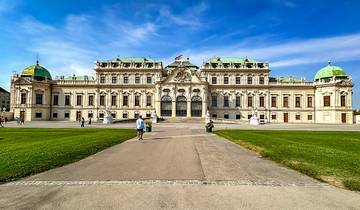
7 days
Tailor-made 7 Day Austria Culture and Nature Tour, Private Guide & Driver
- ✓ Comprehensive Hallstatt Austria tour
- ✓ Expert local guides included
- ✓ All accommodation arranged
- ✓ Transportation provided
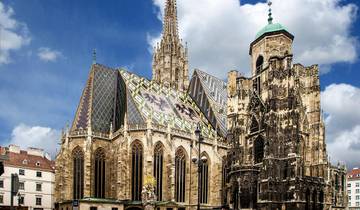
7 days
7 Day Prague and Vienna by train
- ✓ Comprehensive Hallstatt Austria tour
- ✓ Expert local guides included
- ✓ All accommodation arranged
- ✓ Transportation provided
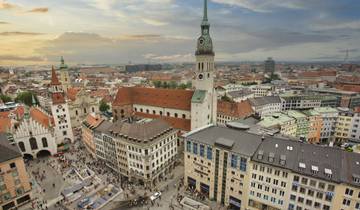
7 days
7 Day Munich And Vienna By Train
- ✓ Comprehensive Hallstatt Austria tour
- ✓ Expert local guides included
- ✓ All accommodation arranged
- ✓ Transportation provided

7 days
7 Day In Vienna Including Danube Valley And Bratislava
- ✓ Comprehensive Hallstatt Austria tour
- ✓ Expert local guides included
- ✓ All accommodation arranged
- ✓ Transportation provided
Multi-day tour packages powered by TourRadar. Prices and availability subject to change.
Essential Planning Information 2026
Current Entry Requirements and Access
Hallstatt maintains no entry fees or visitor quotas as of early 2026, though local authorities continue discussing potential daily visitor limits to manage overtourism impacts. The village remains accessible 24/7 to pedestrians, with vehicular access restricted to residents, hotel guests with parking reservations, and service vehicles. Day visitors must park at designated lots outside the village center, using shuttle buses or walking 10-15 minutes to reach the historic core. Non-EU citizens should verify passport validity requirements (minimum 6 months beyond travel dates) and European visa regulations, though Austria’s Schengen membership allows free movement from other Schengen countries for EU citizens. No special permits or advance registrations are required for standard tourism activities, though commercial photography or drone operations need municipal approval.
Seasonal Visitor Patterns and Crowd Management
Peak summer months (July-August) bring 8,000-10,000 daily visitors to the village of 780 residents, with Chinese and Korean tour groups contributing significantly to midday congestion between 10 AM-3 PM. The village feels overwhelmingly crowded during these hours, with the iconic viewing platform requiring 30-45 minute waits for unobstructed photographs. Early morning visits (7-9 AM) or late afternoon (4-6 PM) provide dramatically different experiences with manageable crowds and better photographic light. Shoulder seasons (May-June, September-October) reduce daily visitors to 3,000-5,000, creating more comfortable exploration conditions while maintaining full service availability. Winter weekdays see just 500-1,000 visitors daily, offering authentic village atmosphere, though Christmas market weekends attract 3,000-4,000 creating brief congestion periods.
Weather Considerations and Activity Planning for 2026
Hallstatt’s Alpine lake position creates microclimates affecting weather patterns unpredictably. Summer temperatures range 18-28°C with frequent afternoon thunderstorms developing rapidly over mountains, requiring flexible activity schedules. Spring and autumn experience 10-20°C with higher precipitation probability, while winter brings -5 to 5°C with regular snowfall transforming the village into winter wonderland. Mountain weather changes rapidly regardless of season – the Dachstein summit sits 2,700 meters above sea level where temperatures drop 15-20°C below village levels and conditions shift hourly. Visitors planning cable car ascents or hiking should check mountain weather forecasts specifically rather than relying on village predictions. Lake temperature reaches swimming comfort (18-20°C) only during late July through August, with shoulder seasons requiring wetsuits for water activities.
Best Time to Visit Hallstatt 2026
Spring Season Analysis (April-June)
Late spring (mid-May through June) offers Hallstatt’s most balanced visitor experience, combining awakening nature, comfortable temperatures, and crowd levels manageable enough for spontaneous exploration. May brings Alpine wildflower blooms painting hillsides in vivid colors, snow-melt swollen waterfalls, and locals preparing for summer season through visible restoration work and garden plantings that reveal authentic village life. Accommodation rates remain 20-30% below peak summer prices while most services operate full schedules. The trade-off involves unpredictable weather with rain showers interrupting 40-50% of days and mountain access sometimes restricted by late-season snow above 1,500 meters. June approaches summer conditions with longer days, warmer temperatures, and increasing visitor numbers, though remaining below July-August overwhelming levels. Families with school-age children find June particularly appealing as it precedes school holiday rush.
Summer Peak Season Reality (July-August)
Peak summer presents Hallstatt at its most controversial – stunning weather and extended daylight offset by overwhelming crowds that fundamentally alter the village character. The experience depends entirely on timing strategies, with arrivals before 9 AM allowing peaceful morning exploration before tour bus deluge, while stays after 5 PM provide evening tranquility as day-trippers depart. Maximum daylight hours (sunrise 5:30 AM, sunset 8:45 PM) enable activity scheduling around crowd peaks. Water temperatures reach comfortable swimming levels, all mountain facilities operate full capacity, and every restaurant and shop maintains extended hours. However, accommodation costs peak at 150-200% of shoulder season rates, advance booking becomes essential 4-6 months ahead, and the authentic Alpine village atmosphere disappears beneath tourist infrastructure. Visitors who thrive in bustling destinations and maximize early morning/late evening hours can enjoy spectacular summer Hallstatt, while those seeking tranquility should avoid this period entirely.
Autumn Excellence (September-October)
Early autumn rivals spring as Hallstatt’s optimal visiting period, offering summer-like services with dramatically reduced crowds and spectacular foliage displays. September maintains warm temperatures (15-22°C), reliable weather patterns, and water temperatures still comfortable for swimming from summer heating. The surrounding beech and maple forests explode in gold, orange, and red hues creating photographic opportunities surpassing even summer’s green landscapes. October brings sharper mountain air, earlier sunsets, and increasing autumn storm probability, though peak foliage occurs mid-month when forests achieve maximum color intensity. Accommodation rates drop 30-40% from summer peaks while maintaining full service availability. Local harvest festivals celebrate regional products, restaurants feature seasonal game meats and mushrooms, and the village assumes more authentic character as tourism slows toward winter closure. The main risk involves weather variability – autumn storms can arrive suddenly, creating 2-3 day periods of rain that limit outdoor activities.
Winter Wonderland Considerations (November-March)
Winter transforms Hallstatt into fairytale landscape appealing to specific traveler types willing to accept seasonal limitations. Christmas market weeks (late November-December) draw significant crowds for traditional Alpine holiday atmosphere, while January-February bring genuine quiet with just hundreds rather than thousands of daily visitors. Snow blankets the village creating postcard scenes, frozen lake edges produce remarkable ice formations, and mountains become pristine white backdrops. However, many hotels close November-April, restaurants operate limited schedules, boat services cease entirely, and mountain facilities restrict access to winter sports areas only. Budget accommodations largely disappear, forcing reliance on the few open hotels at premium winter rates. The experience rewards visitors seeking authentic Alpine winter life, photography opportunities in magical conditions, and escape from summer’s overwhelming tourism, but requires acceptance of limited services, weather uncertainties, and shorter daylight hours (sunrise 8 AM, sunset 4:30 PM) restricting activity windows.
Getting to Hallstatt 2026: Transportation Planning
Public Transportation from Salzburg
Salzburg provides the most practical public transit access to Hallstatt, with 2.5-3 hour journeys combining trains and ferry crossings. Direct trains depart Salzburg Hauptbahnhof hourly to Attnang-Puchheim (65 minutes), where connections to Hallstatt station run every 1-2 hours (additional 50 minutes). The final segment requires a 5-minute ferry ride across the lake, as Hallstatt station sits on the eastern shore opposite the village – ferries coordinate with train arrivals, though 10-15 minute waits occur occasionally. Total cost reaches €23 one-way or €34-46 for day passes providing unlimited regional travel including local buses. The ÖBB (Austrian Federal Railways) operates all rail segments with high reliability and comfort, offering first-class upgrades providing more spacious seating and power outlets. Morning departures before 8 AM allow arriving Hallstatt by 10:30 AM, providing full day exploration before return trains departing hourly until 6 PM. Purchase tickets online through ÖBB website or mobile app for slight discounts versus station purchases.
Vienna to Hallstatt Transportation Options
Vienna to Hallstatt public transportation requires 4-5 hours involving multiple connections, making this practical only for travelers with flexible schedules or combining Hallstatt with Salzkammergut regional exploration. Direct trains depart Wien Westbahnhof to Attnang-Puchheim (2.5 hours), connecting to Hallstatt trains as described above. Total public transit costs €45-60 one-way depending on advance booking discounts. The journey length makes day trips impractical – departing Vienna 7 AM allows arriving Hallstatt noon, requiring departure by 4 PM for reasonable Vienna return times. Overnight stays become essential for meaningful Hallstatt experiences when originating from Vienna. Private transfer services operate Vienna-Hallstatt routes charging €350-450 for up to 4 passengers, providing door-to-door convenience in 3 hours but representing significant cost increase over public transit. This option works for small groups dividing costs or travelers prioritizing time efficiency over budget considerations.
Car Rental and Driving Considerations
Driving to Hallstatt offers flexibility for Salzkammergut regional exploration but creates parking challenges in the village itself. Salzburg to Hallstatt driving takes 90 minutes via A1 autobahn and B166 scenic route through Bad Ischl. Day visitors must park at P1 parking lot (north entrance) charging €10 for 4 hours or €15 daily, then walk 10-15 minutes to village center or take shuttle bus €2.50 per ride. Hotel guests receive parking permits for designated lots closer to accommodations, though spaces remain extremely limited requiring advance confirmation. The scenic Salzkammergut region rewards car travel through lakes like Wolfgang see, Attersee, and Traunsee, each offering distinct character and less crowded alternatives to Hallstatt. Rental costs range €45-75 daily for compact cars, with automatic transmission adding €15-25 daily premium. Austrian autobahn tolls require purchasing vignette stickers costing €9.90 for 10 days, available at border crossings and gas stations.
Organized Tours and Group Transportation
Day tour packages from Salzburg to Hallstatt operate year-round through multiple operators, providing hassle-free transportation and guided experiences. Standard tours run €75-95 per person including round-trip bus transport, English-speaking guide, and 3-4 hours in Hallstatt for independent exploration. Premium tours charging €120-160 add salt mine visits, boat rides, or lunch at traditional restaurants. The convenience appeals to travelers avoiding public transit logistics or preferring group context and expert commentary. However, tour schedules arrive Hallstatt during peak crowd hours (10 AM-2 PM) when the village experiences maximum congestion, and rigid departure times prevent flexible exploration or weather delay accommodation. Independent travelers gain significant advantages through self-planned visits allowing early morning or late afternoon arrivals avoiding tour group peaks. Evaluate tour value against public transit costs plus independent guide hiring (€150-200 for private half-day tours) which may provide superior experiences for 2-3 person groups.
Accommodation Strategies for 2026
Village Center Hotels
Staying within Hallstatt’s historic village center provides authentic immersion and convenience at premium rates reflecting limited availability and exceptional locations. Heritage Hotel Hallstatt represents the village’s most prestigious accommodation, occupying a 16th-century building with lake views and upscale amenities charging €280-450 per night for double occupancy. Mid-range options like Seehotel Grüner Baum and Gasthof Zauner offer €180-280 nightly with traditional Austrian character, lakeside positions, and breakfast included. Budget village accommodations essentially don’t exist – the few guesthouses charge €120-160 minimum for basic rooms. All village hotels require advance booking 3-6 months ahead for summer stays, with cancellation policies typically allowing free cancellation up to 7 days before arrival. The advantage of village accommodation includes evening and early morning access when day-trippers depart, ability to leave luggage securely while exploring, and authentic integration into village life. Parking remains extremely limited even for hotel guests, with many properties offering no parking requiring use of public lots.
Nearby Lake Communities
Alternative accommodations in Obertraun (2 km south) or Gosau (8 km east) provide 30-50% cost savings while maintaining easy Hallstatt access. Obertraun sits directly across the lake with regular ferry service (€5 round-trip, 10 minutes) and offers hotels charging €100-180 nightly including breakfast. The village provides authentic Alpine atmosphere without Hallstatt’s tourist intensity, though lacking the photogenic architecture and lake position. Gosau provides more extensive accommodation options including apartment rentals €80-140 nightly suitable for families or longer stays, though requiring 15-20 minute drives to Hallstatt and limited public transit connections. Bad Ischl, the Salzkammergut region’s largest town 20 km north, offers widest accommodation selection including budget hotels €60-100 and vacation apartments €70-120, plus full services like supermarkets, pharmacies, and restaurants. The trade-off involves 35-40 minute transit times to Hallstatt via regional buses running hourly during peak season. These alternatives suit budget-conscious travelers, families needing more space, or those exploring the broader Salzkammergut region beyond Hallstatt alone.
Vacation Rentals and Alternative Lodging
Vacation rental apartments in Hallstatt and surrounding communities provide self-catering options reducing meal costs while offering more space than hotel rooms. Village apartments range €140-220 nightly with 2-night minimum stays, while nearby communities offer €80-150 for comparable properties. Booking through Airbnb, Booking.com, or direct through property websites requires careful evaluation of exact locations, as “Hallstatt” listings sometimes occupy adjacent valleys requiring significant driving. Kitchen facilities enable breakfast preparation and picnic assembly, reducing daily food costs by €30-40 per person compared to restaurant meals. The accommodation style works well for families, longer stays (3+ nights), or travelers with dietary restrictions requiring meal control. However, rentals lack the breakfast included at most hotels, reception desk assistance for local information, and daily housekeeping service. Minimum night requirements (typically 2-3 nights) make rentals impractical for single-night Hallstatt stays better served by hotels despite higher nightly rates.
Things to Do and See: Complete Activity Guide
UNESCO World Heritage Old Town Exploration
Hallstatt’s historic center earned UNESCO World Heritage designation in 1997 recognizing its exceptional cultural landscape combining prehistoric salt mining, preserved medieval architecture, and harmonious integration with natural surroundings. The compact village layout allows comprehensive exploration within 2-3 hours of wandering narrow lanes lined with traditional Alpine houses featuring painted facades, flower boxes, and architectural details spanning five centuries. The iconic Market Square provides the primary photographic focal point where pastel buildings frame the church spire against mountain backdrop – arriving before 9 AM or after 5 PM ensures uncrowded photographs impossible during midday tour group peaks. The Protestant Church offers cemetery famous for the 12th-century charnel house containing painted skulls due to limited burial space, viewable for €2 entry providing fascinating insight into local death customs. Walking the lakeside promenade from north to south takes 20-25 minutes, offering continuously changing perspectives on village and mountain scenery.
Hallstatt Skywalk Experience
The Hallstatt Skywalk viewing platform sits 360 meters above the village, accessible via funicular railway providing panoramic vistas across the Salzkammergut lake district. The funicular departs from the southern edge of the village center every 15 minutes during operating hours (9 AM-6 PM peak season), with round-trip tickets costing €34 for adults, €17 for children. Check official website for current rates. The 2-minute ascent delivers visitors to the World Heritage View platform featuring the iconic Hallstatt photograph appearing in countless tourism marketing materials. The observation deck includes protected viewing areas for poor weather conditions, outdoor terraces for clear days, and a small café serving snacks and beverages. The adjacent Celtic Trail hiking path offers additional perspectives for visitors with time and appropriate footwear, though the main platform satisfies most visitor expectations within 45-60 minutes including funicular time. Early morning or late afternoon visits avoid midday crowds while capturing superior photographic light when low sun angle illuminates village details impossible to see under midday overhead lighting.
Hallstatt Salt Mine Underground Tour
The Hallstatt Salt Mine represents the oldest known salt mine in the world, with archaeological evidence documenting extraction dating to 5000 BCE during the Neolithic period. The historic mine operates as tourist attraction offering 70-minute underground tours departing hourly 9:30 AM-4:30 PM during peak season (April-October), with reduced schedules during shoulder seasons. Entrance fees reach €36 adults, €18 children including funicular transport to mine entrance at 838 meters altitude above the village. The experience provides genuine cultural education about Celtic period salt mining that created Hallstatt’s original importance and wealth, supplemented by underground salt lakes, historic mining equipment displays, and the dramatic wooden slide miners used for rapid descent through tunnels. Tours conduct in German and English with headset audio guides providing comprehensive narration. The mine maintains year-round temperature of 8-10°C requiring warm clothing regardless of surface weather. Physical fitness requirements remain minimal despite underground walking – visitors with mobility limitations should inquire about accessibility accommodations available for certain tour routes.
Lake Activities and Boat Tours
Hallstätter See spans 8.5 kilometers in length with maximum depths reaching 125 meters, creating Alpine lake environment supporting various water activities. Electric boat tours departing from village center provide 45-minute narrated circuits explaining geological formation, historical settlement patterns, and pointing out notable landmarks along shorelines. Tours operate April-October with departures every 30-60 minutes depending on season, costing €10 adults, €5 children per person. Rowboat and electric boat rentals allow independent exploration charging €18-25 per hour depending on boat size, ideal for couples or families seeking private lake access. Swimming becomes comfortable only during late July-August when surface temperatures reach 18-20°C, with designated swimming areas marked near village beaches. Stand-up paddleboard and kayak rentals operate from several lakeside locations charging €15-20 per hour, providing excellent perspectives on village architecture from water level that photographs cannot capture from shore. All water activities depend on weather conditions – even moderate winds create challenging conditions on this narrow Alpine lake where gusts funnel between mountains creating suddenly dangerous situations for inexperienced boaters.
Budget Planning for 2026 Hallstatt Visits
Daily Cost Breakdown by Travel Style
Budget travel in Hallstatt proves challenging given limited low-cost accommodation and elevated prices reflecting tourist demand and limited supply. Absolute minimum daily costs reach €100-150 per person requiring hostel or budget guesthouse outside the village (€60-80 per night for shared rooms or basic doubles in nearby communities), self-catered breakfast and lunch from supermarkets (€15-20), one budget restaurant dinner (€25-35), local transportation including buses and ferry (€10-15), and limited paid attraction access choosing free activities like hiking and village exploration. Mid-range travelers spending €180-250 daily stay in village guesthouses or nearby hotels (€120-180 per night double occupancy), eat all meals at casual restaurants (€50-80 total), access primary attractions including Skywalk and boat tour (€40-50), plus transportation and miscellaneous expenses (€20-30). Luxury experiences costing €400-600 daily include Heritage Hotel accommodation (€280-450), fine dining for all meals (€120-180), private guides and premium tours (€100-150), and all attractions without budget considerations.
Meal Planning and Dining Costs
Hallstatt restaurant prices reflect tourist demand with limited competition – the village’s 780 residents support just 15-20 dining establishments that rely primarily on visitor spending. Breakfast at hotel restaurants runs €15-22 per person for buffet service, while supermarket breakfast ingredients cost €5-8 when self-catering. Lunch options range from takeaway sandwiches and snacks €8-12 to casual restaurant meals €18-28 for traditional Austrian dishes like schnitzel, fish, or pasta. Dinner represents the day’s most significant meal expense with casual restaurants charging €30-45 per person for main course, side dish, and non-alcoholic beverage, while upscale establishments reach €50-75. Traditional Austrian hospitality includes complimentary bread service and tap water availability, though servers may not automatically offer free water requiring explicit requests. Alcohol significantly increases meal costs – wine by the glass runs €6-10, beer €5-7, cocktails €12-16. Budget-conscious travelers should consider breakfast self-catering, lunch from supermarkets or bakeries, reserving restaurant spending for dinner when atmosphere and service justify premium pricing.
Transportation and Activity Cost Management
Transportation costs vary dramatically based on origin point and travel style. Salzburg public transit day passes costing €34-46 provide unlimited regional travel including round-trip to Hallstatt, making this extremely cost-effective for solo travelers or couples versus driving (parking €15, fuel €20-25, total €35-40) that only becomes economical for groups of 3-4 splitting costs. Within Hallstatt itself, the compact village layout makes everything walkable eliminating local transport expenses except the ferry crossing from train station (€2.50 one-way) for public transit arrivals. Attraction costs concentrate on major experiences – Skywalk funicular €34, salt mine tour €36, boat tour €10 – creating total activity costs of €80-100 for comprehensive village exploration. Free activities include village walking, church visits (€2 charnel house entry optional), lakeside promenading, and extensive hiking trails radiating from the village requiring only appropriate footwear. Travelers can construct rewarding full days costing just €10-20 in attraction fees through strategic activity selection prioritizing free experiences while choosing 1-2 paid attractions matching specific interests.
Sample 2026 Itineraries
Perfect Hallstatt Day Trip from Salzburg
Depart Salzburg Hauptbahnhof 7:30 AM train arriving Hallstatt 10:15 AM after connection at Attnang-Puchheim and ferry crossing. Morning activities (10:30 AM-1 PM) include village walking tour capturing photographs from iconic viewpoints before peak crowds, Market Square exploration, church and charnel house visit, and lakeside promenade walk. Lunch €18-28 at lakeside restaurant with local fish or traditional Austrian dishes (1-2 PM). Afternoon (2-5 PM) features Skywalk funicular ascent for panoramic photography, World Heritage View platform visit, return to village for shopping local crafts and Mozart chocolates, final lake photography during golden hour light. Depart Hallstatt 5:15 PM ferry returning Salzburg by 8 PM. Transportation €34 day pass, Skywalk €34, lunch €18-28, snacks and coffee €10-15. Total day cost: €96-121 per person (excluding dinner in Salzburg).
Two-Day Village Immersion Experience
Day 1 arrives Hallstatt mid-afternoon allowing evening tranquility after day-trippers depart. Accommodation mid-range village hotel €120-180 per night. Afternoon (3-6 PM) includes hotel check-in, village orientation walk, lakeside relaxation, sunset photography from multiple vantage points capturing changing light. Dinner €35-45 at traditional Gasthof featuring regional specialties. Evening stroll through village after 7 PM reveals authentic atmosphere absent during day. Day 1 costs: hotel €120-180, dinner €35-45, snacks €8-12. Day 2 begins early for sunrise photography 6:30-8 AM when village completely empty. Breakfast at hotel (included or €15-22). Morning (9 AM-12:30 PM) features salt mine tour €36 including 70-minute underground experience and funicular to mine entrance, return to village for lunch €20-30. Afternoon (1:30-4 PM) includes boat tour €10 around lake, village shopping, relaxation before departure 4:30 PM returning Salzburg by 7:30 PM. Day 2 costs: salt mine €36, lunch €20-30, boat tour €10, coffee €5-8, transportation €34. Total two-day cost: €388-497 per person.
Three-Day Salzkammergut Regional Exploration
Day 1 dedicates to Hallstatt core attractions following two-day itinerary Day 1 model, staying overnight in village. Day 2 explores nearby Obertraun featuring Dachstein Ice Caves and 5Fingers viewing platform accessible via Dachstein cable car €49 round-trip. The 5Fingers platform extends dramatic cantilevered walkways over 400-meter cliff providing adrenaline-inducing panoramas. Ice Cave tours €28 showcase year-round glacial formations in underground caverns. Lunch €18-25 at mountain restaurant. Return Hallstatt late afternoon for second village night. Day 2 costs: cable car €49, ice cave €28, lunch €18-25, dinner €30-40. Day 3 transfers to Bad Ischl (20 km, 35 minutes by bus €8 one-way) for imperial spa town exploration including Kaiservilla €16 entrance, traditional café culture, and shopping. Alternatively visit Wolfgang see (25 km) for lake swimming, Schafberg mountain railway €38 round-trip, or St. Gilgen Mozart heritage sites. Return to Salzburg evening. Day 3 costs: transportation €15-20, attractions €16-38, meals €40-60. Total three-day cost: €580-750 per person including accommodation €240-360 for two nights.
Dining and Local Cuisine Experiences
Traditional Austrian Specialties
Hallstatt restaurants emphasize traditional Austrian cuisine with particular focus on local lake fish and Salzkammergut regional specialties. Reinanke (whitefish) from Hallstätter See appears on virtually every menu, prepared pan-fried with butter and almonds (Reinanke Müllerin Art) representing the most authentic local dish. Trout, char, and pike provide additional freshwater options showcasing pristine Alpine lake ecosystem. Traditional meat dishes include Wiener Schnitzel €24-32, Tafelspitz (boiled beef) €26-34, and seasonal game during autumn months. Local ingredients feature in herb-crusted lamb, mountain cheese platters, and wild mushroom preparations during summer-autumn seasons. Desserts showcase Austrian pastry traditions including Apfelstrudel, Sachertorte, and Kaiserschmarrn executed with varying quality across establishments. The Gasthof Zauner maintains reputation for authentic regional cooking in atmospheric historic dining room, while Heritage Hotel restaurant offers refined interpretations at premium pricing. All restaurants display menus outside allowing price and offering comparison before committing to specific establishments.
Cafés and Casual Dining
Traditional Austrian café culture thrives in Hallstatt despite tourist orientation of many establishments. Proper Kaffee und Kuchen (coffee and cake) experiences range €8-12 per person including excellent coffee preparations and house-made pastries. Café Derbl maintains local favorite status serving traditional cakes, light lunches, and lakeside terrace seating with village views. Several bakeries offer takeaway sandwiches, pastries, and coffee for picnic assembly allowing budget-friendly meals at scenic lakeside locations. Pizza and pasta restaurants provide alternatives to traditional Austrian cuisine at moderate prices €12-18 per person for casual lunch service. These casual options work well for midday meals, saving budget and appetite for more elaborate dinner experiences. The Ice Cream parlors scattered throughout village serve excellent gelato €3-5 per scoop, perfect for afternoon treats while exploring. Budget travelers should investigate supermarket options in nearby communities for breakfast and lunch ingredient purchasing, though Hallstatt village itself offers very limited grocery shopping confined to one small market with tourist-inflated prices.
Money-Saving Strategies for 2026
Timing Optimization
Shoulder season visits (May, September-October) reduce accommodation costs 30-40% compared to peak summer while maintaining nearly full service availability and pleasant weather conditions. The same mid-range hotel charging €250 nightly during August drops to €150-180 in May or September, creating €280-420 savings across a two-night stay for couples. Additionally, shoulder seasons reduce restaurant and attraction crowding eliminating wasted time in queues and creating more relaxed experiences that feel more valuable relative to cost. Winter visits outside Christmas market weeks offer deepest discounts with hotel rates dropping 50% from summer peaks, though limited services and weather risks make this practical only for specific traveler types. Midweek stays (Sunday-Thursday nights) cost 10-20% less than Friday-Saturday nights even within the same season, allowing further optimization for travelers with flexible schedules.
Strategic Accommodation Selection
Staying in Obertraun, Gosau, or Bad Ischl rather than Hallstatt village itself cuts accommodation costs €40-100 nightly while maintaining easy access via short ferry rides or drives. A couple spending two nights saves €160-400 through this strategic positioning, money that funds multiple meals, activities, and transportation costs. The trade-off involves slightly reduced convenience and missing evening village atmosphere, though many travelers find nearby communities offer more authentic Austrian experiences free from Hallstatt’s overwhelming tourism intensity. Vacation rentals with kitchen facilities enable breakfast and lunch self-catering saving €30-40 daily per person compared to restaurant meals. A family of four preparing two meals daily across a three-day visit saves €360-480 total, dramatically reducing overall trip costs while potentially improving food quality and dietary control over restaurant alternatives.
Free and Low-Cost Activity Prioritization
Hallstatt offers numerous free activities providing authentic experiences without admission costs. Village walking, church exterior appreciation, lakeside promenading, and photography from public viewpoints cost nothing while creating memorable experiences rivaling paid attractions. Hiking trails radiating from the village including the trail to Waldbachstrub waterfall and various lakeside paths provide hours of free outdoor recreation in stunning Alpine landscapes. Choosing one or two paid attractions (Skywalk OR salt mine rather than both) and filling remaining time with free activities creates satisfying itineraries at fraction of costs compared to comprehensive paid experience approaches. The combined Skywalk and salt mine cost €70 per person – eliminating one saves significant money while arguably enhancing appreciation of the selected experience through focused attention rather than rushed attempts to see everything. Photography enthusiasts particularly benefit from this approach, as Hallstatt’s visual appeal rewards patience and timing over comprehensive attraction access.
Booking and Reservations for 2026
Accommodation Booking Timeline
Summer 2026 Hallstatt accommodation requires booking 3-6 months in advance for desired village properties, with Heritage Hotel and other premium locations filling even earlier for peak July-August dates. Booking platforms including Booking.com, Expedia, and direct hotel websites all maintain availability tracking, though direct bookings sometimes secure 5-10% discounts plus more flexible cancellation policies. Most hotels allow free cancellation up to 7-14 days before arrival, providing flexibility for trip adjustments while securing desired properties. Shoulder season visits (May-June, September-October) allow shorter booking windows of 4-8 weeks while still ensuring good selection, though the best-value properties still fill quickly. Winter bookings (excluding Christmas weeks) can often be made just 2-3 weeks ahead given limited demand, though services also contract with many properties closed entirely. Vacation rental bookings through Airbnb or VRBO follow similar timelines, though minimum night requirements (typically 2-3 nights) and cleaning fees affect total cost calculations requiring careful comparison against hotel alternatives.
Transportation Reservations
Austrian Federal Railways (ÖBB) allows ticket purchases up to 6 months in advance through their website or mobile app, with Sparschiene discount tickets offering 30-50% savings on standard fares when booking early for specific trains. These discounted tickets lock travelers into particular departures without flexibility, while standard tickets allow travel on any train within the validity period. For popular routes like Salzburg-Hallstatt during summer weekends, early booking secures best prices and guaranteed seating during crowded periods. The ferry crossing from Hallstatt station requires no advance booking – boats coordinate with train arrivals and operate first-come first-served. Private transfer services should be booked 2-4 weeks ahead during peak season to ensure vehicle availability and confirm pricing, though many operators maintain last-minute availability during shoulder seasons. Car rental reservations made 4-8 weeks advance secure better vehicle selection and pricing compared to last-minute bookings, particularly during summer peak season when compact cars and automatics face highest demand.
Tour and Activity Reservations
Salt mine tours accept walk-in visitors but benefit from online advance booking through the official website (salzwelten.at) guaranteeing specific entry times and avoiding potential sold-out situations during peak summer days. The booking system allows selecting preferred languages and times up to 30 days in advance. Skywalk funicular operates first-come first-served with tickets purchased on-site, though peak midday hours (11 AM-2 PM) sometimes create 20-30 minute waits that pre-booking would not eliminate. Boat tours around the lake require no reservations with frequent departures during operating season. Organized day tours from Salzburg should be booked 2-4 weeks ahead during summer to ensure availability and preferred dates, though shoulder season availability allows shorter booking windows. Restaurant dinner reservations become essential during July-August at popular establishments, made through phone calls or online booking systems available at higher-end restaurants. Lunch typically accommodates walk-ins except at the smallest establishments where advance notice (same morning) proves helpful.
Planning Your 2026 Hallstatt Visit: Final Strategies
Realistic Expectations
Hallstatt presents inherent contradictions that visitors must reconcile – a tiny authentic Alpine village that happens to be one of Europe’s most photographed destinations. The experience quality depends entirely on timing strategies, season selection, and attitude toward inevitable crowds during peak periods. Visitors arriving expecting undiscovered hidden gem face disappointment when confronting summer midday tour bus reality, while those understanding the situation and planning accordingly through early morning visits or shoulder season timing achieve rewarding experiences. The village’s UNESCO heritage and natural beauty justify its popularity while creating the very crowding that threatens the authentic character that merits protection. Accepting these paradoxes rather than resisting them creates mental framework for positive experiences despite imperfect conditions.
Flexibility and Weather Contingencies
Alpine weather variability requires flexible itineraries capable of adapting to changing conditions. Mountain activities including Dachstein Ice Caves and cable car ascents close entirely during dangerous weather, while village exploration continues regardless of rain through museum visits, café culture immersion, and covered market hall browsing. Building one alternate rainy-day activity plan for every planned outdoor activity creates preparedness without over-planning. The compact village and surrounding region enable spontaneous itinerary adjustments – a beautiful morning might inspire impromptu boat rides or extended hiking, while afternoon storms suggest museum visits or early restaurant arrival. Weather forecasting apps specific to mountain regions provide more accurate Hallstatt predictions than national forecasts, though even these prove unreliable beyond 48-hour windows in rapidly changing Alpine conditions.
Sustainable and Responsible Tourism
Hallstatt faces existential questions about tourism sustainability as visitor numbers strain infrastructure, diminish resident quality of life, and threaten the authentic character that attracted tourists originally. Responsible 2026 visitors can contribute to positive outcomes through several practices: respecting residential areas by avoiding noise and trespassing, supporting local businesses rather than international chains, distributing visits across shoulder seasons rather than concentrating during peak summer, and exploring broader Salzkammergut region beyond Hallstatt alone. The surrounding area offers dozens of equally beautiful villages and landscapes with fraction of Hallstatt’s crowds – Bad Goisern, Gosau, and Altaussee provide authentic Alpine experiences supporting local economies without overwhelming small communities. Ultimately, deciding whether to visit Hallstatt at all represents the most sustainable choice given legitimate questions about whether adding one more visitor to millions annually contributes positively or accelerates degradation of the very qualities making the destination special.
FAQ: Hallstatt 2026 Travel Planning
Is Hallstatt worth visiting given the crowds?
Hallstatt merits visiting when approached with realistic expectations and strategic timing. The village’s exceptional beauty, UNESCO heritage significance, and dramatic Alpine-lake setting create genuinely special experiences despite tourist crowds. Success depends entirely on timing – early morning visits (7-9 AM), late afternoon stays (after 4 PM), or shoulder season trips (May-June, September-October) provide dramatically better experiences than peak summer midday visits when 8,000-10,000 daily visitors overwhelm the 780-resident village. Overnight stays enable access to quiet evening and morning periods inaccessible to day-trippers, transforming the experience from crowded photo-stop to meaningful cultural immersion. Travelers who thrive in popular destinations, appreciate strategic planning, and maintain flexible attitudes toward crowds can absolutely enjoy rewarding Hallstatt visits. Those seeking undiscovered tranquil Alpine villages should explore lesser-known Salzkammergut communities offering similar landscapes without tourist intensity.
How much time should I spend in Hallstatt?
Day trips provide 4-6 hours sufficient for core attractions including village walking, Skywalk OR salt mine (choosing both requires rushing), lakefront exploration, and meal at traditional restaurant. This timeline works for travelers with limited schedules or those visiting multiple Salzkammergut destinations. One overnight stay dramatically enhances experiences through evening and early morning access when day-trippers absent, allowing relaxed exploration, weather contingency accommodation, and deeper cultural engagement. Two nights enable comprehensive village exploration, day trip to nearby Dachstein mountain or alternative lake communities, and complete relaxation without schedule pressure. Three or more nights suit travelers using Hallstatt as regional base exploring the broader Salzkammergut, though the village’s limited size means extended stays involve significant time outside Hallstatt itself. Most visitors find one or two nights provides optimal balance between experience depth and itinerary efficiency.
Can I visit Hallstatt with children?
Hallstatt welcomes families with children, offering several kid-friendly activities and services despite its historic village character. The salt mine tour particularly appeals to children through underground adventure elements, miner’s slide, and interactive displays making educational content engaging. Boat rides provide relaxing activities suitable for all ages, while lakeside playgrounds and swimming areas (summer only) occupy energetic children. The Skywalk funicular ride itself excites children regardless of the panoramic views that interest adults. However, the village’s steep terrain, cobblestone streets, and limited flat areas create challenges for strollers requiring baby carriers for infants. Restaurants accommodate families though children’s menus remain limited at traditional Austrian establishments. Family-friendly accommodation options exist primarily in nearby communities rather than Hallstatt village itself, where apartment rentals provide more space and kitchen facilities reducing costs for larger families. Overall, families with children ages 5-12 find Hallstatt most enjoyable when incorporating active outdoor elements beyond pure village sightseeing.
What should I pack for Hallstatt in 2026?
Essential Hallstatt packing varies by season but always includes layered clothing for temperature variation between village and mountain altitudes. Summer visits (June-August) require light clothing, sun protection (hat, sunscreen, sunglasses), rain jacket for afternoon storms, and comfortable walking shoes for cobblestone streets. Spring/Fall (April-May, September-October) need warm layers, waterproof jacket and pants, and closed-toe walking shoes for potentially wet conditions. Winter visits (November-March) demand serious cold-weather gear including insulated coat, winter boots, hat, and gloves for temperatures regularly dropping below freezing. All seasons benefit from small backpack for layers and personal items, reusable water bottle, power bank for phone charging during full-day exploration, and basic first-aid supplies. Photographers should bring tripod for evening/morning shots, polarizing filter for lake reflections, and backup batteries as cold weather drains power quickly. The salt mine tour provides jumpsuits but requires closed-toe shoes – sandals or flip-flops prevent mine entry regardless of surface weather.
Are there any hidden fees or unexpected costs in Hallstatt?
Hallstatt generally maintains transparent pricing though several potential unexpected costs exist. Parking fees €10-15 daily catch drivers unaware if researching village costs without considering arrival logistics. Resort taxes (Kurtaxe) add €2-3 per person per night to accommodation costs, sometimes listed separately from quoted room rates. Restroom usage fees €0.50-1 appear at some public facilities and restaurants, though many establishments provide free access to customers. Credit card usage sometimes incurs 2-3% surcharges at smaller establishments preferring cash, and foreign transaction fees from home banks add 1-3% to all card purchases unless using fee-free travel cards. Cable car and funicular prices quoted as one-way versus round-trip create confusion requiring attention during ticket purchase. Restaurant cover charges rarely appear but bread service fees €2-3 occasionally surprise diners expecting complimentary bread. Tipping expectations of 5-10% for good service represent cultural norm rather than mandatory charge but should be budgeted nonetheless. Overall, Hallstatt proves expensive but straightforward with few actual hidden fees beyond those common throughout Austria.
How accessible is Hallstatt for travelers with mobility limitations?
Hallstatt presents significant accessibility challenges given medieval village layout featuring steep cobblestone streets, steps throughout the historic center, and limited elevator access. Wheelchair users face substantial barriers with few truly accessible routes through the village core. The lakeside promenade provides one relatively flat pathway offering partial village access and photographic opportunities, though even this route includes occasional steps and uneven surfaces. The Skywalk funicular maintains wheelchair accessibility with level boarding and observation platform access, making this one fully accessible major attraction. The salt mine tour proves challenging with stairs and sloped tunnels creating barriers for many mobility-limited visitors – contact operators directly to discuss specific limitations and available accommodations. Many hotels lack elevators with rooms accessed via stairs, though some modern properties and nearby towns offer accessible accommodations. Visitors with mobility limitations should contact specific hotels and attractions before booking to verify accessibility and arrange necessary accommodations. Alternative Salzkammergut destinations including Bad Ischl provide better infrastructure for mobility-challenged travelers while still offering authentic Alpine experiences.
What’s the best way to avoid crowds in Hallstatt?
Crowd avoidance requires strategic timing across three levels: time of day, day of week, and season. Early morning visits before 9 AM find the village nearly empty as overnight tourists sleep and day-trippers haven’t arrived – this creates the absolute best experience window. Late afternoon after 4 PM sees day tour departures reducing crowds substantially, with evenings after 6 PM approaching morning tranquility. Weekday visits (Tuesday-Thursday) experience 20-30% fewer visitors than Friday-Sunday when domestic tourists and international weekend travelers peak. Shoulder seasons (May, September-October) reduce overall visitor numbers by 50-60% versus peak summer while maintaining good weather and full services. Winter visits outside Christmas market weeks see the fewest crowds but accept limited services and seasonal closures. Overnight stays prove essential for accessing optimal timing windows, as day-trippers arriving by public transit can’t access early morning or evening periods. The combination of weekday shoulder season overnight stays with early morning exploration provides absolute minimum crowd exposure while still experiencing Hallstatt fully.
Can I swim in Lake Hallstatt?
Swimming in Hallstätter See occurs from designated areas near the village during summer months when water temperatures reach 18-20°C (late July through August). The lake’s 125-meter depth and Alpine mountain feed water source means temperatures remain cool even during peak summer, requiring cold tolerance for comfortable swimming. Designated swimming areas feature small beaches with limited facilities including basic changing rooms, though no lifeguard services operate requiring personal responsibility for water safety. The lake’s clarity allows visibility to several meters depth in calm conditions, creating excellent snorkeling opportunities viewing freshwater ecosystems. Spring and autumn water temperatures of 12-16°C appeal only to hardy swimmers or those in wetsuits. Winter swimming attracts extreme cold-water enthusiasts but represents dangerous activity for unprepared participants. The lake’s mountain position creates sudden weather changes with wind patterns funneling through valleys generating quickly dangerous conditions for swimmers. Always check local weather forecasts and observe flag warning systems before entering water. Non-swimmers and children enjoy wading at beach areas during summer or scenic boat tours providing lake access without swimming requirements.
What other Salzkammergut destinations combine well with Hallstatt?
The Salzkammergut region encompasses 76 Alpine lakes and dozens of historic villages creating extensive multi-day exploration opportunities beyond Hallstatt alone. Wolfgang see sits just 25 km northwest featuring St. Wolfgang’s charming lakeside village, Schafberg mountain railway providing panoramic summit views, and St. Gilgen’s Mozart family heritage sites. The combination creates excellent two-day itineraries splitting time between Hallstatt and Wolfgang see complementary experiences. Bad Ischl served as Habsburg summer capital, offering imperial villa tours, traditional spa culture, and strategic central location for regional day trips. Altaussee provides quieter authentic village atmosphere with pristine lake swimming, salt mine tours, and literary heritage connections. Grundlsee and Toplitzsee offer remote mountain lake experiences with Nazi gold treasure legends adding intrigue. Dachstein mountain complex accessible from Obertraun includes ice caves, 5Fingers viewing platform, and extensive hiking creating full-day adventure excursions from Hallstatt base. A 3-4 day Salzkammergut itinerary combining Hallstatt with 1-2 additional destinations provides comprehensive regional understanding while distributing tourist pressure across multiple communities rather than overwhelming Hallstatt alone.
Is Hallstatt safe for solo travelers?
Hallstatt represents extremely safe destination for solo travelers of all genders, with virtually no violent crime and minimal theft given small permanent population and heavy tourist surveillance. The main safety concerns involve natural hazards rather than human threats – mountain weather changes, slippery lakeside rocks, and hiking trail navigation challenges create actual risks. Solo travelers should inform accommodations of hiking plans, carry charged phones with emergency contacts programmed, and never attempt challenging mountain activities alone without proper equipment and experience. The village’s compact size and constant tourist presence mean help is always nearby, while the Austrian culture’s general trustworthiness and efficiency creates supportive environment for independent travel. Solo women report feeling completely safe walking village streets at any hour, though normal precautions around drink supervision and clearly declining unwanted attention remain sensible. The main challenges for solo travelers prove social rather than safety-related – higher per-person costs when not splitting accommodations and potentially lonely dinners motivate some solo travelers to choose sociable hostel accommodations in nearby communities over village hotels when prioritizing companionship over ultimate convenience.