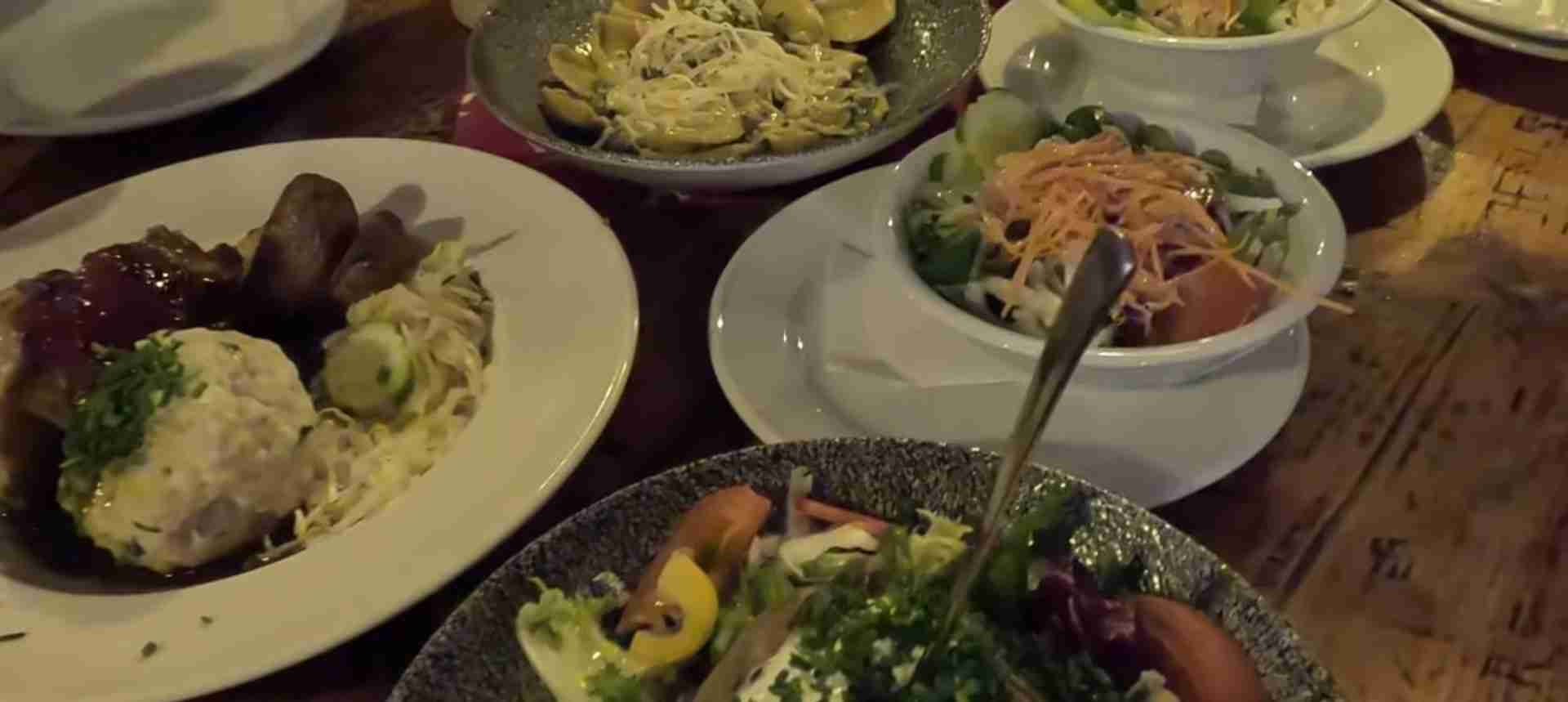
Salzburg Food Guide: Austrian Cuisine
Key Takeaways
- Salzburg’s cuisine blends Alpine mountain traditions with imperial Viennese refinement, creating unique regional specialties
- Traditional dishes like Salzburger Nockerl and Bosna reflect centuries of culinary heritage and cultural exchange
- The city’s pastry tradition rivals Vienna’s, with Mozart-themed confections and classic Austrian desserts
- Regional ingredients from surrounding Alpine valleys define authentic Salzburg cooking methods
- Traditional Gasthäuser and modern interpretations preserve culinary traditions while innovating for contemporary tastes
- Seasonal culinary festivals celebrate everything from asparagus to game meats throughout the year
Introduction: Salzburg’s Culinary Heritage
Salzburg’s cuisine represents a fascinating intersection of Alpine mountain traditions, imperial Austrian refinement, and centuries of cultural exchange that shaped Central European gastronomy. The city’s strategic position along historic trade routes brought influences from Italy, Bavaria, and the former Habsburg territories, creating a distinctive culinary identity that honors tradition while embracing regional diversity. From the legendary Salzburger Nockerl soufflé that graces every traditional menu to humble street foods like Bosna sausages, the city’s food culture reflects both aristocratic elegance and hearty mountain practicality.
The culinary landscape extends far beyond tourist-oriented Mozart-themed chocolates. Authentic Salzburg cuisine draws from Alpine farming traditions, where preservation techniques developed over centuries transformed simple ingredients into complex flavors. Smoked meats, aged cheeses, pickled vegetables, and robust bread-baking traditions sustained mountain communities through harsh winters, creating the foundation for dishes still celebrated today. The city’s Gasthäuser (traditional inns) maintain recipes passed through generations, while innovative chefs reinterpret classical preparations with modern techniques and seasonal ingredients from nearby organic farms.
Understanding Salzburg’s food culture requires appreciation for the seasonal rhythms that govern traditional Austrian cooking. Spring brings white asparagus festivals, summer showcases Alpine berries and fresh dairy products, autumn celebrates game meats and mushroom foraging, while winter features hearty stews and festive baking traditions. This seasonal approach connects modern diners with agricultural cycles that have sustained the region for millennia, offering authentic experiences that transcend simple tourism to touch the heart of Alpine food traditions.
People Also Ask About Salzburg Cuisine
What is the most famous dish from Salzburg?
Salzburger Nockerl stands as the city’s most iconic culinary creation, a dramatic soufflé dessert representing the three peaks surrounding Salzburg: Mönchsberg, Kapuzinerberg, and Gaisberg. This ethereal preparation combines whipped egg whites with sugar and flour, baked until golden and billowing, then dusted with powdered sugar and served immediately while still puffed and cloud-like. The dish dates to the 17th century, with legends connecting it to Salome Alt, mistress of Prince-Archbishop Wolf Dietrich von Raitenau. Traditional preparation requires precise timing and technique, as the delicate soufflé deflates rapidly after leaving the oven. Authentic versions arrive at the table in the baking dish, creating theatrical presentation that matches the dessert’s legendary status in Austrian gastronomy.
What makes Austrian cuisine different from German cuisine?
Austrian cuisine distinguishes itself through stronger Central European and Italian influences reflecting the Habsburg Empire’s multicultural legacy, while German cuisine maintains more regional variation with stronger emphasis on pork and potato-based dishes. Austrian cooking incorporates paprika, caraway, and poppy seeds more prominently, showing Hungarian and Czech influences absent from traditional German recipes. The Viennese coffeehouse tradition and pastry culture developed sophistication unmatched in German baking, creating elaborate tortes and delicate pastries that define Austrian identity. Dumpling varieties (Knödel) appear in both cuisines but Austrian versions show more diversity, including sweet variants like Marillenknödel (apricot dumplings) rarely found in German traditions. Austrian cuisine also demonstrates stronger Italian connections through dishes like Wiener Schnitzel (adapted from Milan’s cotoletta) and extensive pasta-like preparations unknown in traditional German cooking.
What ingredients define authentic Salzburg cooking?
Authentic Salzburg cuisine centers on regional Alpine ingredients that sustained mountain communities for centuries. Local dairy products dominate, including Pinzgauer Bergkäse (mountain cheese aged in Alpine cellars), fresh Topfen (quark), and rich butter from grass-fed cattle grazing Alpine meadows. Pork remains the primary meat, processed into numerous smoked and cured products like Selchfleisch (smoked pork) and various sausage varieties. Freshwater fish from local lakes—particularly trout, char, and pike—feature prominently in traditional preparations. Seasonal wild game including venison, wild boar, and chamois reflects hunting traditions maintained in surrounding forests. Distinctive seasonings include caraway seeds, juniper berries, wild mushrooms (especially chanterelles and porcini), and horseradish, creating flavor profiles distinct from both German and Italian Alpine regions. Local grains produce dark rye breads and specialty flours used in traditional dumplings and pastries.
How did Mozart influence Salzburg’s culinary culture?
Wolfgang Amadeus Mozart’s cultural legacy transformed into commercial culinary products in the 20th century, most famously through Mozartkugel (Mozart balls)—chocolate confections featuring marzipan, nougat, and dark chocolate created by Salzburg confectioner Paul Fürst in 1890. The original Fürst recipe remains handmade using traditional techniques, distinguishing it from mass-produced versions sold globally. Mozart-themed cafés, restaurants, and confectioneries proliferate throughout the city, though historical connections remain largely marketing rather than authentic culinary heritage. Mozart himself enjoyed typical 18th-century Austrian fare including roasted meats, dumplings, and simple pastries, but no specific dishes bear direct connection to his life. The Mozart brand nevertheless drives significant culinary tourism, supporting numerous artisan chocolatiers and pastry shops that maintain high-quality standards despite commercial origins. This phenomenon demonstrates how cultural icons can sustain craft traditions even when historical authenticity proves tenuous.
Extended multi-day tours – 5+ days
Featured Salzburg Multi-Day Tour Packages

7 days
7 Days by Train in Munich & Zurich: Alpine Dreams & Bavarian Charms
- ✓ Comprehensive Salzburg tour
- ✓ Expert local guides included
- ✓ All accommodation arranged
- ✓ Transportation provided

5 days
5 Days in Salzburg: History, Mountains, and City Highlights
- ✓ Comprehensive Salzburg tour
- ✓ Expert local guides included
- ✓ All accommodation arranged
- ✓ Transportation provided
7 days
Christmas in Central Europe, Vienna to Berlin
- ✓ Comprehensive Salzburg tour
- ✓ Expert local guides included
- ✓ All accommodation arranged
- ✓ Transportation provided
7 days
Christmas in Central Europe, Berlin to Vienna
- ✓ Comprehensive Salzburg tour
- ✓ Expert local guides included
- ✓ All accommodation arranged
- ✓ Transportation provided
Multi-day tour packages powered by TourRadar. Prices and availability subject to change.
Traditional Salzburg Dishes: From Humble Origins to Refined Classics
Salzburger Nockerl reigns supreme among the city’s culinary traditions, representing both technical mastery and theatrical presentation. The dessert’s creation requires separating eggs at precise temperatures, whipping whites to specific peaks, and baking at exact heat to achieve the characteristic golden exterior surrounding a custardy interior. Traditional recipes specify using whole milk heated with vanilla, though modern interpretations experiment with flavored creams and fruit compotes. The three-peak presentation carries deep symbolic meaning, connecting the dish to Salzburg’s mountain landscape and religious significance of the Trinity. Authentic preparation occurs in copper or ceramic baking dishes that distribute heat evenly, creating the crispy bottom contrasting with pillowy heights. Serving must happen within minutes of removing from the oven, as the soufflé’s dramatic volume deflates rapidly, making this a dish that demands attention and perfect timing from both kitchen and dining room.
Bosna represents Salzburg’s answer to fast food, a grilled pork and beef sausage creation that emerged in the 1950s as Balkan immigrants brought new culinary influences to Austria. The name references Bosnia, though the dish evolved as distinctly Salzburg street food. Preparation involves splitting a white sausage (Bratwurst) lengthwise, grilling it until crispy, then nestling it in a white roll with chopped onions, curry powder, and parsley. Purists debate proper condiment application—some insist on mustard, others prefer the curry-onion combination alone. The dish appears at countless Imbiss stands throughout the city, serving late-night revelers, market shoppers, and locals seeking quick sustenance. Its humble presentation belies complex flavor development through the Maillard reaction created by proper grilling technique. Bosna exemplifies how immigrant communities enriched Austrian food culture, creating hybrid dishes that became authentically local through decades of adoption and adaptation.
Bauernschmaus (farmer’s feast) epitomizes hearty Alpine eating, combining multiple pork preparations with sauerkraut and dumplings on a single massive platter. Traditional versions include roasted pork belly, smoked pork chop, grilled sausages, and bacon, representing every part of the pig in various preparations. The dish evolved from rural celebrations where entire families gathered for slaughter days, transforming necessity into festive abundance. Sauerkraut provides essential acidity cutting through rich meats, while bread dumplings (Semmelknödel) or potato dumplings (Erdäpfelknödel) absorb flavorful juices. Modern restaurant interpretations maintain generous portions that challenge even hearty appetites, often serving two or more diners from a single order. The communal aspect remains important—Bauernschmaus works best shared among friends, encouraging conversation and conviviality that define Austrian dining culture. Seasonal variations incorporate game meats during autumn hunting season or include liver dumplings in the soup course preceding the main platter.
Kasnocken showcases Salzburg’s cheese dumpling tradition, combining egg noodle dough with mountain cheese, cream, and caramelized onions. The preparation technique requires pinching small dough pieces directly into boiling water, creating irregular shapes that catch sauce better than uniform pasta. Alpine cheese varieties—particularly aged Bergkäse with its nutty, complex flavor—melt into the cream sauce, while crispy fried onions add textural contrast and sweet notes. Traditional mountain huts (Almhütten) serve Kasnocken as sustaining fare for hikers and farmers, though refined restaurant versions elevate the dish with artisan cheeses and technical refinements. The dish demonstrates Austrian dumpling mastery, balancing richness with lightness through proper egg ratios and cooking techniques. Seasonal variations incorporate fresh herbs during summer months or substitute sweet onions during autumn harvest. Proper Kasnocken achieves tender interior texture with slightly crispy edges from final pan-frying in butter, creating complexity that transcends simple comfort food expectations.
Sweet Specialties and Desserts: Salzburg’s Pastry Tradition
Mozartkugel represents Salzburg’s most commercially successful confection, though numerous versions exist with varying quality and authenticity. The original Fürst Mozartkugel maintains handmade production using wooden sticks to hand-dip each piece in dark chocolate, creating irregular shapes distinguishing authentic versions from industrial products. The filling combines pistachio marzipan and hazelnut nougat, wrapped in dark chocolate with 100% cocoa content that balances the sweet interior. Paul Fürst’s original recipe from 1890 remains family-guarded, though competitors produce millions of machine-made variants sold globally. The authentic version appears only at Fürst confectioneries in Salzburg, where production continues using original techniques and recipes. Tasting reveals significant differences—handmade versions offer more complex marzipan flavor, higher-quality chocolate with pronounced cacao notes, and better textural balance. The Mozart brand’s commercial success demonstrates both the power of cultural marketing and the value consumers place on artisan production when quality justifies premium pricing.
Salzburger Mozarttaler presents another chocolate specialty unique to the city, though less famous than Mozartkugel. These flat chocolate discs contain nougat praline centers enrobed in dark chocolate, creating simpler construction than the multi-layered balls. Various confectioners produce their own versions, leading to quality variations across the market. The flat shape allows easier packaging and transport than spherical Mozartkugel, making Mozarttaler popular souvenirs for travelers with luggage space constraints. Traditional recipes specify using only dark chocolate, though milk chocolate variants now appear in tourist-oriented shops. The dessert emerged in the early 20th century as chocolatiers sought to capitalize on Mozart’s commercial appeal while creating technically simpler products requiring less hand-labor than original Mozartkugel. Quality examples demonstrate that technical simplicity need not compromise flavor, as proper ingredient selection and production technique create satisfying chocolate experiences without elaborate construction.
Apfelstrudel holds special status in Salzburg’s dessert pantheon, representing Austrian pastry mastery at its finest. Authentic strudel requires hand-stretched dough pulled until paper-thin, creating multiple delicate layers that shatter with the first bite. Traditional preparation involves stretching dough across an entire tablecloth until edges become transparent enough to read newspaper through, demanding both skill and patience. The filling combines tart apples (preferably Boskop or other acidic varieties) with raisins, sugar, cinnamon, and breadcrumbs that absorb excess moisture during baking. Proper technique yields crispy exterior layers surrounding tender fruit filling, with each bite offering textural contrast and balanced sweetness. Served warm with vanilla sauce or whipped cream, the dessert exemplifies Austrian comfort food while showcasing technical virtuosity. Modern variations incorporate walnuts, almonds, or other fruits, though purists maintain that classic apple preparation remains unsurpassed. The dish’s popularity extends throughout former Habsburg territories, creating regional variations that demonstrate both shared culinary heritage and local innovation.
Kaiserschmarrn translates literally as “emperor’s mess,” reflecting both imperial origins and deliberately rough presentation. This shredded pancake dish combines eggs, flour, sugar, and milk into thick batter, pan-fried until golden, then torn into irregular pieces and caramelized with additional butter and sugar. The emperor Franz Joseph I reportedly adored the dish, elevating peasant food to imperial status. Traditional service pairs Kaiserschmarrn with plum compote (Zwetschkenröster), whose tartness balances the caramelized sweetness. The dish works equally well as dessert, afternoon snack, or even light dinner, demonstrating Austrian flexibility around meal categorization. Proper preparation achieves crispy, caramelized edges contrasting with fluffy interior, creating addictive textural complexity. Raisins soaked in rum often stud the pancake, adding moisture and adult sophistication. Kaiserschmarrn exemplifies how Austrian cuisine transforms simple ingredients through technique, creating dishes greater than their component parts suggest. Regional variations incorporate various fruit compotes, nuts, or flavored sugars, though the basic preparation remains remarkably consistent across Austria.
Austrian Beverages and Drinks: Coffee Culture and Local Specialties
Salzburg’s coffee culture, while not reaching Vienna’s legendary status, maintains sophisticated traditions centered around traditional Kaffeehäuser (coffeehouses). These establishments function as extended living rooms where patrons spend hours over single cups, reading newspapers, conducting business, or simply watching street life pass. Coffee preparation follows precise Viennese standards, with offerings ranging from Melange (similar to cappuccino) to Einspänner (black coffee topped with whipped cream in a glass). The ritual emphasizes leisure and conversation rather than quick caffeine consumption, reflecting Central European café philosophy that transformed coffee drinking into social institution. Traditional coffeehouses serve coffee on silver trays with a glass of water, creating elegant presentation that elevates the experience beyond mere beverage service. The culture extends to specific etiquette—regular customers maintain preferred tables, newspapers circulate in wooden holders, and servers (traditionally called Herr Ober) maintain formal professionalism while developing familiar relationships with long-term patrons.
Almdudler represents Austria’s beloved soft drink, an Alpine herbal lemonade that outsells Coca-Cola in many regions. The recipe combines 32 mountain herbs including elderflower, creating distinctive flavor that tastes simultaneously familiar and unique to non-Austrian palates. The drink pairs excellently with traditional Austrian cuisine, cutting through rich meats and cheeses while complementing savory flavors. Almdudler appears on nearly every restaurant menu throughout Salzburg, served cold in bottles or on tap at traditional Gasthäuser. The brand’s success demonstrates Austrian pride in regional products, maintaining market dominance despite global soft drink competition. Mixed drinks incorporating Almdudler have emerged in recent years, with bartenders creating cocktails blending the herbal soda with spirits like gin or vodka. The beverage’s versatility extends to cooking, where chefs use it in glazes, marinades, and even dessert preparations, proving that regional specialties can find applications beyond simple beverage service.
Austrian beer culture thrives in Salzburg despite the region’s wine production in surrounding areas. Local breweries produce traditional Austrian beer styles including Märzen (amber lager), Zwickl (unfiltered lager), and seasonal wheat beers. Stiegl, Austria’s largest private brewery founded in 1492, operates Salzburg’s most famous beer production, offering brewery tours and traditional beer hall dining. The Stiegl-Brauwelt museum and restaurant complex showcases brewing heritage while serving classic beer hall fare like roasted pork knuckle, pretzels, and Obatzda (cheese spread). Beer garden culture flourishes during summer months, when traditional gardens like Augustiner Bräu fill with locals and visitors enjoying liter mugs under chestnut trees. The Augustiner brewery maintains the tradition of serving beer in stone mugs filled directly from wooden barrels, creating authentic atmosphere unchanged for centuries. Beer and food pairings follow established wisdom—light Zwickl complements delicate fish, while darker Märzen stands up to rich game meats and smoked pork.
Schnapps production represents serious business in Alpine Austria, where fruit brandies achieve complexity rivaling fine wines. Traditional production involves fermenting whole fruits—apricots, plums, pears, apples—then distilling the fermented mash to concentrate flavors and alcohol. Quality examples capture essential fruit character while achieving smooth finish and aromatic complexity. Small family distilleries throughout Salzburg province produce limited-edition schnapps from heritage fruit varieties, creating collectors’ items among enthusiasts. The digestif tradition after hearty meals has deep roots in Alpine culture, where schnapps supposedly aids digestion while extending convivial table conversation. Proper serving involves small glasses chilled but not ice-cold, allowing aromatic compounds to express fully. Quality assessment examines clarity, aroma intensity, flavor accuracy to source fruit, and finish length. Modern cocktail culture has rediscovered traditional schnapps, incorporating these fruit brandies into sophisticated mixed drinks that honor heritage while creating contemporary expressions.
Culinary History and Heritage: From Imperial Kitchens to Mountain Huts
Salzburg’s culinary identity formed through complex interactions between princely courts, monastic communities, and rural Alpine populations over more than a millennium. The Prince-Archbishops who ruled Salzburg until 1803 maintained sophisticated courts rivaling Vienna’s imperial grandeur, employing French-trained chefs and importing luxury ingredients from across Europe. These ecclesiastical rulers paradoxically combined religious austerity with gastronomic opulence, creating elaborate feast days celebrating religious festivals through culinary excess. The Residenz palace kitchens produced multi-course banquets featuring exotic spices, imported citrus fruits, and elaborate sugar sculptures that demonstrated both wealth and cultural sophistication. Records from the 17th century describe feasts lasting eight hours with dozens of courses, revealing how food displayed power and status in early modern Europe.
Monastic brewing and cooking traditions contributed significantly to regional food culture, as Benedictine monasteries operated breweries, vineyards, and farms that sustained both religious communities and surrounding populations. These institutions preserved classical cooking knowledge through the Middle Ages while developing techniques for food preservation essential for survival in mountainous terrain with harsh winters. Smoked meats, fermented vegetables, aged cheeses, and dried fruits emerged from practical necessity but evolved into prized delicacies. Monasteries also maintained fish ponds and practiced sophisticated aquaculture, ensuring protein sources during the numerous religious fast days requiring abstinence from meat. The interplay between religious dietary restrictions and culinary innovation drove creative adaptation that enriched overall food culture beyond simple deprivation.
Rural Alpine communities developed distinct foodways responding to geographical isolation, seasonal extremes, and limited agricultural diversity. Mountain farms produced dairy products, raised hardy livestock, and cultivated crops that tolerated short growing seasons and steep terrain. These constraints fostered ingenuity—multiple preservation methods, nothing wasted, every edible part utilized. Communal traditions around slaughter days, harvest festivals, and seasonal transhumance (moving livestock between summer Alpine pastures and winter valley barns) created social fabric woven through food practices. Skills passed through generations without written recipes, maintaining traditions through practice and observation. The dissolution of feudal structures and emergence of tourism in the 19th century transformed these subsistence practices into cultural heritage worth preserving and celebrating.
The Habsburg Empire’s dissolution after World War I initially seemed to threaten regional food identity as political fragmentation disrupted trade networks and cultural exchange. However, Austrian nationalism increasingly embraced culinary tradition as expression of identity distinct from German or Italian neighbors. The interwar period saw romanticization of Alpine folk culture, elevating peasant dishes to national treasures and promoting regional specialties as authentic expressions of Austrian character. This process intensified after World War II, when Austria sought neutral identity separate from Germany’s difficult history. Food became safe territory for national pride, with traditional dishes, pastries, and beverages marketed as quintessentially Austrian. Tourism accelerated this trend, creating economic incentives for preserving traditions while adapting them for contemporary commercial contexts.
Regional Ingredients and Products: From Alpine Valleys to Salzburg Tables
Salzburg’s surrounding regions produce exceptional dairy products benefiting from Alpine meadow grazing that imparts distinctive flavors to milk, butter, and cheese. The practice of Almwirtschaft (Alpine pasture farming) involves moving cattle to high mountain meadows during summer months, where they graze on diverse wild herbs and flowers unavailable in valley pastures. This seasonal migration produces milk with complex flavor profiles and higher ratios of omega-3 fatty acids and beneficial nutrients. Traditional cheesemaking occurs in small Alpine huts during summer months, creating wheels of Bergkäse that age in specially maintained cellars achieving nutty, crystalline complexity rivaling Swiss or French mountain cheeses. The Protected Designation of Origin system recognizes several regional cheeses including Tennengauer Bergkäse and Pongauer Bergkäse, ensuring production follows traditional methods in designated geographical areas.
Local pig farming maintains heritage breeds adapted to Alpine conditions, including the distinctive Mangalitsa pig with its woolly coat and marbled meat. These traditional breeds produce pork with superior flavor and fat quality compared to industrial varieties, though slower growth rates and specialized care increase costs. Small-scale farmers maintain breeding populations, selling directly to restaurants and specialty butchers who value quality over quantity. Butchering traditions ensure every part finds use—from blood sausage to liver pâté to rendered lard for cooking. Smoking techniques developed over centuries transform fresh pork into Speck, Selchfleisch, and various sausages that keep for months while developing complex flavors through controlled curing and smoking processes. Regional variations in smoking woods (beech, juniper, fruit woods) create distinct flavor profiles identifying production areas.
Wild game from Salzburg province’s extensive forests provides seasonal protein sources and connects modern dining to ancient hunting traditions. Red deer, roe deer, chamois, and wild boar populations require active management through controlled hunting, creating sustainable yield benefiting both wildlife and human consumers. Traditional hunting culture maintains strict ethical codes around harvest seasons, animal welfare, and meat utilization. Game meat requires different handling than domestic animals—proper aging develops flavor and tenderness, while careful fat removal prevents strong flavors from overwhelming dishes. Traditional preparations include venison goulash, roasted saddle with juniper sauce, and terrines combining game with pork fat. The autumn hunting season creates annual ritual anticipation among food enthusiasts, when restaurants feature special game menus showcasing regional forest products.
Freshwater fish from Alpine lakes and rivers provide delicate proteins featuring prominently in traditional Salzburg cuisine. Char from Wolfgangsee, trout from mountain streams, and pike from the Salzach River offer distinct flavors and textures requiring sensitive preparation respecting their quality. Traditional cooking methods include simple pan-frying in butter with almonds (Forelle Müllerin), poaching in court bouillon, or smoking over beechwood. The fish’s freshness proves paramount—traditional practice involves keeping fish alive in tanks until immediately before cooking, ensuring peak quality. Sustainable fishing practices now regulate catch limits and protect spawning seasons, ensuring population health for future generations. Modern chefs experiment with curing techniques, creating house-made gravlax and smoked preparations that extend seasonal availability beyond fresh fish periods.
Dining Etiquette and Traditions: Understanding Austrian Table Culture
Austrian dining etiquette combines formal Continental table manners with relaxed Alpine sociability, creating atmosphere that feels simultaneously proper and welcoming. Meals begin when all diners receive their food and the host offers “Guten Appetit” or “Mahlzeit,” to which others respond in kind before eating. Hands remain visible on the table throughout the meal, with wrists resting on the table edge—hiding hands in the lap suggests potential mischief to Austrian sensibility. Fork stays in the left hand, knife in the right throughout the meal, with Continental cutting style maintaining this grip rather than switching after cutting. Bread breaking occurs with hands rather than knife, and butter spreads with a knife dedicated to that purpose rather than the dinner knife.
The concept of Gemütlichkeit—cozy conviviality—permeates Austrian dining culture, emphasizing relaxation, good company, and taking time over meals. Rushing through courses or immediately requesting the bill after finishing implies dissatisfaction with the experience. Traditional Gasthäuser and restaurants expect diners to linger, with servers checking periodically rather than hovering. Requesting the bill requires explicit action—the phrase “Zahlen bitte” (check please) or catching the server’s eye and making a writing gesture signals readiness to pay. Tipping follows the custom of rounding up or adding 5-10% for good service, stated directly to the server rather than leaving cash on the table. The practice of saying the total amount including tip when paying prevents awkward calculation discussions.
Sharing food and ordering communal dishes represents normal practice in Austrian dining, particularly in traditional Gasthäuser serving family-style portions. Bauernschmaus platters designed for sharing arrive at the table with multiple forks, encouraging communal eating rather than formal individual service. This reflects Alpine traditions where communal meals strengthened social bonds and demonstrated hospitality. Modern restaurants maintain this custom through shared appetizer platters, large-format main courses, and desserts meant for table sharing. The practice encourages conversation and builds camaraderie through literal breaking of bread together. Diners who prefer individual portions should specify when ordering, though embracing the communal approach provides more authentic cultural experience.
Seasonal meal timing follows traditional patterns largely maintained in contemporary Austria. The main meal (Mittagessen) occurs at midday, with many restaurants offering lunch menus featuring traditional dishes at more accessible prices than evening service. This reflects agricultural heritage when the heaviest meal sustained workers through afternoon labor. Dinner (Abendessen) tends toward lighter fare, though tourist-oriented restaurants serve full menus throughout evening hours. The tradition of Jause—afternoon coffee and cake—occupies important social space between lunch and dinner, when friends gather in coffeehouses or homes for pastries and conversation. Sunday brunch culture has emerged in recent decades, particularly in urban areas, though traditional families still favor midday Sunday dinner as the week’s main gathering meal.
Culinary Calendar and Festivals: Seasonal Celebrations Through Food
Spring’s arrival brings Spargelzeit (asparagus season), when white asparagus dominates restaurant menus throughout Salzburg from late April through June. This seasonal obsession rivals Germany’s asparagus fervor, with special menus, festivals, and dedicated asparagus preparations appearing across dining establishments. Traditional service involves whole spears with hollandaise sauce, boiled potatoes, and Schinken (ham), though creative chefs develop numerous variations. The vegetable’s delicate, slightly bitter flavor and tender texture when properly cooked inspires devotion among enthusiasts who anticipate the season annually. Asparagus farming requires labor-intensive cultivation in sandy soil mounds that exclude sunlight, keeping stalks white rather than green. The brief season and specialized growing conditions create scarcity value, though democratic pricing ensures accessibility across economic classes. Asparagus festivals in surrounding farming communities celebrate the harvest with markets, cooking demonstrations, and communal feasts.
Summer brings Almkirchtag (Alpine church day) festivals in mountain communities, celebrating the return of cattle from high summer pastures with religious services, traditional music, and communal feasting. These events maintain ancient transhumance traditions where livestock spent summer months in Alpine meadows before returning to valley barns for winter. The festivals feature regional specialties including fresh Alpine butter, newly made mountain cheese, and traditional baked goods. Visitors can experience authentic Alpine culture away from tourist centers, participating in communal celebrations that remain genuinely local rather than performances for outsiders. The events coincide with peak summer weather, allowing hiking to remote Alpine huts and experiencing traditional mountain hospitality. Many festivals include folk music, traditional costume displays, and craft demonstrations that preserve cultural heritage threatened by modernization and rural depopulation.
Autumn inaugurates hunting season and associated game festivals celebrating wild meats from surrounding forests. Restaurants develop special menus featuring venison, wild boar, and other game prepared according to traditional and contemporary methods. The season extends from September through January, with peak availability during October and November when hunters harvest animals before winter. Wild mushroom foraging overlaps with hunting season, creating opportunities for combined preparations like venison with chanterelle sauce or wild boar with porcini ragout. Regional hunting associations organize festivals combining game cookery competitions, hunter tradition demonstrations, and communal meals showcasing forest products. These events maintain cultural connections between urban populations and hunting heritage that shaped Alpine food culture for millennia.
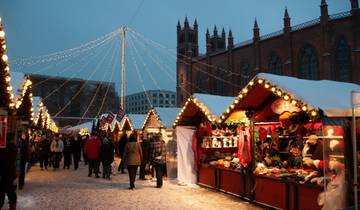
Winter brings Christmas market season, transforming Salzburg into festive wonderland filled with traditional foods, mulled wine, and seasonal specialties. The Christkindlmarkt (Christmas market) tradition dates to the 15th century, though modern versions began emerging in the 19th century. Vendors sell Lebkuchen (gingerbread), roasted chestnuts, Glühwein (mulled wine), raclette, and countless variations of sausages and roasted meats. The markets run from late November through Christmas, creating month-long celebration of traditional winter foods and gathering places for community socialization. Traditional baking reaches peak intensity, with households producing Vanillekipferl (vanilla crescents), Zimtsterne (cinnamon stars), and other Christmas cookies following recipes passed through generations. The Advent season emphasizes anticipation and preparation, with food traditions marking time toward Christmas celebration through progressive baking schedules and special Sunday treats.
Where to Experience Authentic Cuisine: From Traditional Gasthäuser to Modern Interpretations
Augustiner Bräu represents Salzburg’s most authentic beer hall experience, operating since 1621 in a former monastery complex. The self-service tradition requires purchasing empty stone mugs at the entrance, carrying them to massive wooden barrels where servers fill them directly from the tap, then finding seats in sprawling beer garden or wood-paneled interior halls. Food comes from multiple stalls offering traditional fare including roast pork, sausages, pretzels, and Obatzda cheese spread. The atmosphere feels genuinely local rather than tourist-oriented, with multigenerational families, students, and elderly regulars sharing benches in democratic mixing. The experience demands adaptation to local customs—bring your own food if vendors’ offerings don’t appeal, share tables with strangers when space proves limited, and embrace the convivial chaos that defines authentic beer hall culture. Summer beer garden seating under ancient chestnut trees provides idyllic setting for extended afternoon drinking and socializing.
Traditional Gasthäuser like Sternbräu and Zum Eulenspiegel maintain centuries-old recipes and dining traditions in historic buildings featuring vaulted ceilings, wood paneling, and ceramic tile stoves. These establishments serve classic Salzburg dishes prepared according to traditional methods, prioritizing authenticity over innovation. Sternbräu occupies a 14th-century building in the Old Town, offering regional specialties in atmospheric dining rooms decorated with period details. The menu features Salzburger Nockerl prepared tableside, traditional pork dishes, and seasonal game preparations. Zum Eulenspiegel similarly emphasizes traditional cooking in a 15th-century building, with menu descriptions highlighting local ingredient sourcing and heritage recipes. These restaurants attract both locals celebrating special occasions and visitors seeking authentic Austrian dining experiences, creating balanced clientele that validates their genuine traditional focus rather than tourist trap orientation.
Modern interpretations of traditional cuisine appear at restaurants like Esszimmer and Ikarus, where chefs trained in contemporary techniques reinterpret classical dishes through innovative lenses. Esszimmer holds Michelin recognition for sophisticated Austrian cuisine that respects tradition while embracing modern sensibility. Dishes might feature traditional ingredients like Alpine char or venison prepared with precise contemporary techniques and unexpected flavor combinations. The restaurant demonstrates how Austrian cuisine can evolve while maintaining connections to heritage, creating bridges between past and future. Ikarus operates in Hangar-7, a futuristic building housing Red Bull owner Dietrich Mateschitz’s aircraft collection, where guest chefs from around the world create month-long residencies. While not exclusively Austrian, the program frequently features Austrian chefs presenting elevated interpretations of regional classics, showing how global culinary dialogue can enrich rather than erase traditional food culture.
Market culture thrives at Grünmarkt (Green Market) in Universitätsplatz, where farmers and specialty vendors sell regional products Monday through Saturday mornings. The market provides direct connections to producers, allowing conversations about farming practices, ingredient seasonality, and recipe recommendations. Vendors offer free samples of cheeses, smoked meats, and baked goods, encouraging exploration and discovery. The market atmosphere combines practical shopping with social gathering, as locals catch up with neighbors and vendors while selecting ingredients. Prepared food stalls sell Bosna sausages, Turkish gözleme, and various international foods reflecting Salzburg’s multicultural population. The market demonstrates how traditional food distribution persists alongside modern supermarkets, maintaining quality standards and community connections that mass retail cannot replicate. Visiting requires arriving early for best selection, bringing cash for vendors who may not accept cards, and carrying reusable bags for purchases.
FAQ: Salzburg Austrian Cuisine
Is Salzburg cuisine suitable for vegetarians?
Traditional Salzburg cuisine heavily features meat and dairy, though vegetarian options exist with some effort. Kasnocken (cheese dumplings), Kaiserschmarrn (sweet pancake), various salads, and side dishes like Semmelknödel (bread dumplings) can compose satisfying vegetarian meals. Modern restaurants increasingly offer vegetarian interpretations of traditional dishes, substituting vegetables or cheese for meat components. The growing health consciousness and international influence have expanded vegetarian selections beyond traditional offerings, particularly in urban restaurants catering to diverse clientele. However, traditional Gasthäuser may offer limited choices, and vegetarians should be prepared to ask questions about preparation methods, as seemingly vegetarian dishes sometimes contain meat-based broths or bacon flavorings. Vegans face more significant challenges, as dairy products permeate Austrian cuisine, though specialized restaurants and international establishments provide suitable options.
How does Salzburg cuisine accommodate dietary restrictions?
Austrian restaurants increasingly accommodate dietary restrictions, though traditional establishments may have limited experience with specialized diets. Gluten-free options remain challenging in cuisine built around dumplings, breads, and pastries, though some restaurants now offer gluten-free alternatives for popular dishes. Lactose intolerance can be managed by avoiding cream-based sauces and cheese dishes, though this eliminates many traditional specialties. Nut allergies require careful communication, as marzipan, almond meal, and various nuts feature prominently in Austrian baking. Modern restaurants with international influences generally handle dietary restrictions more easily than traditional Gasthäuser, and advance notification when making reservations allows kitchens to prepare appropriately. The concept of dietary restrictions for non-medical reasons remains less common in traditional Austrian culture, though younger generations show increased awareness and accommodation.
What etiquette should tourists observe when dining in traditional restaurants?
Tourists should greet staff upon entering (“Grüß Gott” in Salzburg rather than Vienna’s “Guten Tag”), wait to be seated rather than choosing tables independently, and avoid rushing meals or servers. Asking for the check requires explicit action as described previously, and tipping involves stating the total amount including gratuity directly to the server. Sharing tables in crowded traditional restaurants represents normal practice, requiring brief greetings to tablemates before focusing on one’s own party. Photographing food has become accepted though excessive phone use during meals suggests poor manners. Respecting the Gemütlichkeit atmosphere means avoiding loud conversations, allowing neighbors to enjoy their meals peacefully, and embracing the slower pace that defines traditional Austrian dining. These customs create more authentic and enjoyable experiences while showing respect for local culture.
Can visitors find international cuisine in Salzburg?
Salzburg offers diverse international dining reflecting Austria’s multicultural population and tourist appeal. Turkish, Italian, Asian, and Indian restaurants operate throughout the city, from simple takeaway establishments to upscale dining venues. The Balkan community has influenced Salzburg’s food scene significantly, with numerous establishments serving ćevapi, pljeskavica, and other Balkan specialties alongside the Bosna sausage that became locally adopted. Asian cuisine ranges from Chinese buffets to sophisticated Japanese and Thai restaurants, though quality varies considerably. Italian restaurants proliferate, offering everything from pizza and pasta to refined regional Italian cooking. The international selection, while not matching larger European cities, provides sufficient variety for visitors seeking alternatives to Austrian cuisine during extended stays. However, the city’s culinary identity remains firmly rooted in traditional Austrian cooking, and visitors who ignore local specialties miss essential aspects of Salzburg’s cultural heritage.
How do seasonal changes affect menu availability?
Seasonal variation significantly impacts traditional Austrian menus, with restaurants adjusting offerings to match ingredient availability and cultural expectations. Spring brings asparagus season, summer features fresh Alpine dairy and berries, autumn showcases game meats and mushrooms, while winter emphasizes hearty stews and preserved foods. Traditional establishments embrace seasonality as expression of culinary authenticity, rotating menus every few months to reflect changing availability. Tourist-oriented restaurants may maintain more consistent year-round offerings to meet visitor expectations, though even these venues typically feature seasonal specials. The seasonal approach connects diners to agricultural rhythms and regional production cycles, creating anticipation for limited-availability items that makes them more valued when obtainable. Visitors planning around specific seasonal specialties should research timing, as harvest variations can shift availability by several weeks depending on weather patterns.
What makes Salzburg’s food scene distinct from Vienna’s?
Salzburg maintains stronger connections to Alpine and Bavarian food traditions compared to Vienna’s cosmopolitan imperial legacy. The city’s proximity to Germany influences cuisine more directly than in Vienna, where Hungarian, Czech, and Italian elements dominated historical development. Salzburg’s smaller scale creates more intimate restaurant culture less focused on grand coffeehouses and formal dining that characterizes Vienna. The surrounding mountain landscape provides different ingredients and culinary traditions than Vienna’s Danube valley position, with greater emphasis on mountain dairy, game, and Alpine farming products. Salzburg’s cuisine feels heartier and more rustic, reflecting peasant and mountain traditions, while Vienna’s food culture shows more aristocratic refinement and multicultural sophistication. Both cities celebrate Austrian culinary heritage while expressing different regional identities shaped by geography, history, and cultural influences. Visitors seeking comprehensive understanding of Austrian cuisine benefit from experiencing both cities’ distinct contributions to national food culture.
How has tourism affected traditional Salzburg cuisine?
Tourism created both opportunities and challenges for traditional Salzburg cuisine. The economic incentive to preserve traditional restaurants and recipes has sustained practices that might otherwise have disappeared through modernization and changing tastes. However, tourist demand sometimes encourages superficial presentations prioritizing photogenic appeal over authentic preparation and quality ingredients. The Mozart brand proliferation exemplifies how commercial tourism can both preserve craft traditions (artisan chocolatiers maintaining quality standards) and dilute authenticity (mass-produced souvenirs with minimal connection to actual culinary heritage). Traditional Gasthäuser must balance serving locals who expect authentic preparation with accommodating tourists unfamiliar with Austrian dining customs and flavor profiles. The best establishments maintain high standards regardless of clientele, while lower-tier operations exploit tourist naivety through inferior products at premium prices. Discerning visitors can find genuine traditional experiences by following local recommendations, avoiding overly touristy locations, and researching establishments before dining.
Are Salzburg restaurants expensive compared to other Austrian cities?
Salzburg’s restaurant prices fall between Vienna’s expensive dining scene and smaller Austrian towns’ more moderate costs. The city’s tourist popularity inflates prices in Old Town establishments, particularly those near major attractions like the cathedral and Mozart’s birthplace. Traditional Gasthäuser in residential neighborhoods offer better value while maintaining quality and authenticity. Lunch menus provide more accessible pricing than dinner service, with many restaurants offering fixed-price midday meals. The self-service model at places like Augustiner Bräu dramatically reduces costs while providing authentic experiences. Market shopping and picnic assembly costs considerably less than restaurant dining while connecting visitors to local food culture. Budget-conscious travelers can eat well in Salzburg through strategic choices, avoiding tourist traps while embracing local dining customs. The city’s quality-to-price ratio generally proves reasonable when selecting appropriate establishments, though international travelers from countries with lower food costs may find Austrian dining expensive regardless of location.
What food souvenirs should visitors bring home from Salzburg?
Mozartkugel chocolates from Fürst confectionery represent Salzburg’s most iconic edible souvenir, though only authentic handmade versions merit premium prices. Traditional Lebkuchen (gingerbread) and other Christmas market treats work well as gifts, particularly when purchased fresh from artisan bakers. Local schnapps from small distilleries provides distinctive alcoholic souvenirs unavailable outside Austria. Pumpkin seed oil from Styria (while not specifically Salzburg, widely available locally) offers unique cooking ingredient prized by food enthusiasts. Austrian wine, particularly Grüner Veltliner and Riesling from nearby regions, travels well in checked luggage. Specialty chocolate brands like Zotter create innovative flavors using Austrian ingredients. Traditional Austrian cookbooks in English translation allow recreating dishes at home while providing cultural context. Visitors should avoid cheap mass-produced Mozart chocolates sold in souvenir shops, instead seeking quality artisan products that justify higher prices through superior ingredients and traditional production methods.
How can visitors learn Austrian cooking techniques?
Cooking classes specifically focused on Austrian cuisine operate in Salzburg, teaching traditional dishes like strudel, schnitzel, and Salzburger Nockerl. These hands-on experiences typically include market tours for ingredient shopping, cooking instruction, and communal meal sharing. Some traditional restaurants offer cooking demonstrations or behind-the-scenes kitchen tours showing professional preparation of regional specialties. Cookbook stores sell English-language Austrian cookbooks with detailed instructions for home recreation of traditional dishes. Online resources including Austrian food blogs and YouTube channels provide free instruction, though quality varies considerably. The key to mastering Austrian cooking involves understanding ingredient quality, traditional techniques like hand-stretching strudel dough, and patience with preparations requiring multiple steps or extended cooking times. Visitors seriously interested in Austrian cuisine might consider extended stays allowing repeated practice with guidance from local cooks or enrollment in longer culinary programs offered by Austrian cooking schools.