Halifax Food Guide: Maritime Culinary Heritage
Halifax’s food culture represents one of Atlantic Canada’s most distinctive culinary landscapes, shaped by centuries of fishing tradition, Acadian settlement, and its position as a major immigration gateway. The city’s cuisine centers on exceptional seafood drawn from some of the world’s richest fishing grounds, complemented by Annapolis Valley agriculture and a brewing heritage dating to 1820. This guide explores the traditional dishes, iconic specialties, and maritime flavors that define Halifax’s culinary identity.
Key Takeaways About Halifax Maritime Cuisine
- Seafood Heritage: Halifax’s location on the Atlantic provides access to lobster, scallops, haddock, salmon, and mussels that form the foundation of local cuisine, with fishing traditions extending back centuries to Mi’kmaq foodways and European settlement.
- The Halifax Donair: Created in 1973 by Greek immigrant Peter Gamoulakos, the donair became Halifax’s official food in 2015, featuring spiced beef, sweet milk-based sauce, tomatoes, and onions wrapped in pita bread.
- Acadian Culinary Traditions: Dishes like rappie pie (grated potato casserole), fish cakes made from salt cod, and chicken fricot soup reflect the French Acadian heritage that shaped Nova Scotia’s food culture from the 1600s.
- Seaport Farmers Market: Established by Royal Proclamation in 1750, North America’s longest continuously operating farmers market showcases local producers, artisan food vendors, and Maritime specialties every weekend at Pavilion 23.
- Craft Beer Capital: Halifax leads Atlantic Canada’s craft beer scene with over 15 local breweries, anchored by Alexander Keith’s Brewery founded in 1820 and joined by innovative craft producers like Garrison, Propeller, and 2 Crows.
- Seasonal Eating Patterns: Maritime cuisine follows seasonal rhythms with lobster in summer, scallops in fall, hearty stews in winter, and hodge podge (fresh vegetable stew) celebrating summer harvest vegetables.
People Also Ask About Halifax Food
What Makes Halifax Food Different from Other Canadian Cities?
Halifax cuisine distinguishes itself through its direct connection to Atlantic fishing grounds, Acadian cultural influences, and unique local creations like the donair. The city’s food culture emphasizes fresh seafood caught daily from surrounding waters, traditional preservation techniques developed during centuries of fishing economy, and dishes reflecting Mi’kmaq, French Acadian, British, Irish, and African Nova Scotian culinary traditions. Halifax restaurants serve exceptional seafood at prices below major Canadian cities due to proximity to source, while specialties like donair sauce, rappie pie, and hodge podge exist nowhere else in the country. The pub culture remains particularly strong, with historic taverns and craft breweries forming social and culinary centerpieces throughout neighborhoods. Halifax’s maritime identity permeates every aspect of its food scene, from waterfront lobster shacks to fine dining establishments showcasing Nova Scotia ingredients.
What Are the Most Important Traditional Nova Scotia Dishes to Try?
Traditional Nova Scotia cuisine includes several distinct dishes that define regional food culture. Rappie pie, an Acadian specialty, consists of grated potatoes from which moisture has been removed, layered with chicken or clam broth and meat, then baked until golden. Hodge podge, a summer vegetable stew, combines new potatoes, carrots, green beans, yellow beans, and peas in cream and butter, celebrating fresh harvest. Fish cakes made from salt cod and potato represent centuries of preservation tradition. Solomon Gundy, a pickled herring preparation, demonstrates British influence. Blueberry grunt, a steamed dessert made with wild Nova Scotia blueberries and dumplings, showcases local ingredients. Lunenburg pudding, a spiced sausage containing beef, pork, and spices, reflects German settlement in coastal communities. Dulse, dried red seaweed consumed as a snack, provides intense ocean flavor. These dishes connect directly to settlement patterns, preservation necessities, and available ingredients that shaped Nova Scotia food culture from the 1600s through present day.
How Does Halifax’s Craft Beer Scene Compare to Other Canadian Cities?
Halifax ranks among Canada’s top craft beer destinations, with over 15 local breweries serving a population of approximately 450,000, creating one of the highest brewery-per-capita ratios in the country. The city’s brewing heritage extends to 1820 with Alexander Keith’s Brewery, providing historical depth absent in newer craft beer cities. Halifax breweries emphasize Maritime ingredients including sea salt, locally-grown hops, and traditional brewing methods passed through generations. The scene features diverse brewery sizes from intimate nano-breweries to large-scale operations, each contributing unique styles. Compared to larger Canadian cities, Halifax’s craft beer community maintains stronger connections to local ingredients and maritime identity. Breweries like Garrison incorporate sea-inspired ales including Halifax Harbor Sea Salted Caramel Ale, while 2 Crows experiments with foedres, wild yeast, and fruit additions. The concentration of quality breweries within walkable downtown districts allows brewery tours covering multiple establishments in single afternoons. Halifax’s craft beer growth has driven economic and cultural impacts throughout Atlantic Canada, with the city serving as the region’s undisputed craft beer capital.
What Is a Halifax Donair and Why Is It Significant?
The Halifax donair represents the city’s official food, designated by city council in 2015, and stands as one of Canada’s most distinctive regional specialties. Created in 1973 by Greek immigrant Peter Gamoulakos at King of Donair on Quinpool Road, the donair emerged when Gamoulakos adapted traditional Greek gyros for Nova Scotian tastes. Recognizing that 1970s Halifax diners rejected lamb and yogurt-based tzatziki, he substituted spiced ground beef for lamb and developed a sweet sauce made from evaporated milk, sugar, vinegar, and garlic powder. The dish consists of spiced beef sliced from a rotating cone, fried on a flattop for crispy edges, then wrapped in soft Lebanese-style pita with chopped tomatoes, onions, and the signature sweet sauce. The donair became a late-night staple throughout Nova Scotia, with nearly every pizza shop now selling more donairs than pizzas. The dish inspired variations across Canada including donair pizza, donair egg rolls, and garlic fingers served with donair sauce. King of Donair’s original location continues operating on Quinpool Road, maintaining the recipe that sparked a cultural phenomenon. The donair’s significance extends beyond food to represent Halifax’s immigrant contributions, adaptability to local tastes, and creation of genuinely new Canadian cuisine rather than merely importing traditional dishes.
Extended multi-day tours – 5+ days
Featured Halifax Multi-Day Tour Packages

3 days
Halifax 3-Day Discovery Tour
- ✓ Comprehensive Halifax experience
- ✓ Expert local guides included
- ✓ All accommodation included
- ✓ Transportation provided

5 days
Halifax 5-Day Highlights Experience
- ✓ Comprehensive Halifax experience
- ✓ Expert local guides included
- ✓ All accommodation included
- ✓ Transportation provided

7 days
Halifax 7-Day Cultural Journey
- ✓ Comprehensive Halifax experience
- ✓ Expert local guides included
- ✓ All accommodation included
- ✓ Transportation provided

10 days
Halifax 10-Day Complete Adventure
- ✓ Comprehensive Halifax experience
- ✓ Expert local guides included
- ✓ All accommodation included
- ✓ Transportation provided
Multi-day tour packages powered by TourRadar. Prices and availability subject to change.
Introduction to Halifax’s Maritime Culinary Heritage
Halifax’s food culture reflects the city’s evolution from a 1749 British military outpost to Atlantic Canada’s commercial and cultural capital. The culinary landscape draws directly from some of the world’s richest fishing grounds, positioned where the cold Labrador Current meets the warm Gulf Stream, creating exceptional marine biodiversity. This geographic advantage provided Halifax with a fishing-based economy that sustained communities for centuries and continues shaping modern cuisine.
The city’s food traditions incorporate layers of cultural influence beginning with Mi’kmaq peoples who inhabited the region for millennia, utilizing seafood, wild game, berries, and maple in foodways that emphasized seasonal abundance and preservation. French Acadian settlement from 1605 introduced dairy products, baking traditions, and dishes like rappie pie that remain cultural touchstones. British and Irish immigration during the 18th and 19th centuries established pub culture, fish-and-chip shops, and preservation techniques including pickling and salting. African Nova Scotian communities, among Canada’s oldest Black settlements, contributed unique food traditions rooted in resilience and local adaptation.
Modern Halifax cuisine balances traditional maritime cooking with contemporary culinary innovation. The city maintains strong connections to fishing heritage through waterfront restaurants serving daily catches, while embracing farm-to-table principles drawing from Annapolis Valley agriculture. Halifax’s role as a university center with six institutions creates diverse demand supporting everything from historic taverns to Vietnamese pho shops, Lebanese restaurants to Japanese izakayas. This combination of deep tradition and cosmopolitan influences produces a food scene celebrating both maritime heritage and global flavors.
The Halifax Seaport Farmers Market, established in 1750, exemplifies the enduring importance of local food networks. Craft breweries led by Alexander Keith’s legacy honor brewing traditions while innovating with Maritime ingredients. The donair’s 1973 creation demonstrates Halifax’s capacity for culinary invention, transforming immigrant traditions into distinctly local specialties. Understanding Halifax’s food culture requires appreciating how geography, settlement patterns, economic history, and cultural exchange shaped cuisines that remain both rooted in tradition and continuously evolving.
Maritime Seafood: Foundation of Halifax Cuisine
Halifax’s culinary identity centers on Atlantic seafood caught from surrounding waters that rank among the world’s most productive fishing grounds. The city’s position provides direct access to lobster, scallops, haddock, halibut, salmon, mussels, oysters, and numerous other species that form the foundation of both traditional and contemporary cuisine. This section explores the seafood that defines Halifax cooking and the fishing traditions sustaining the industry.
Lobster: The Maritime Crown Jewel
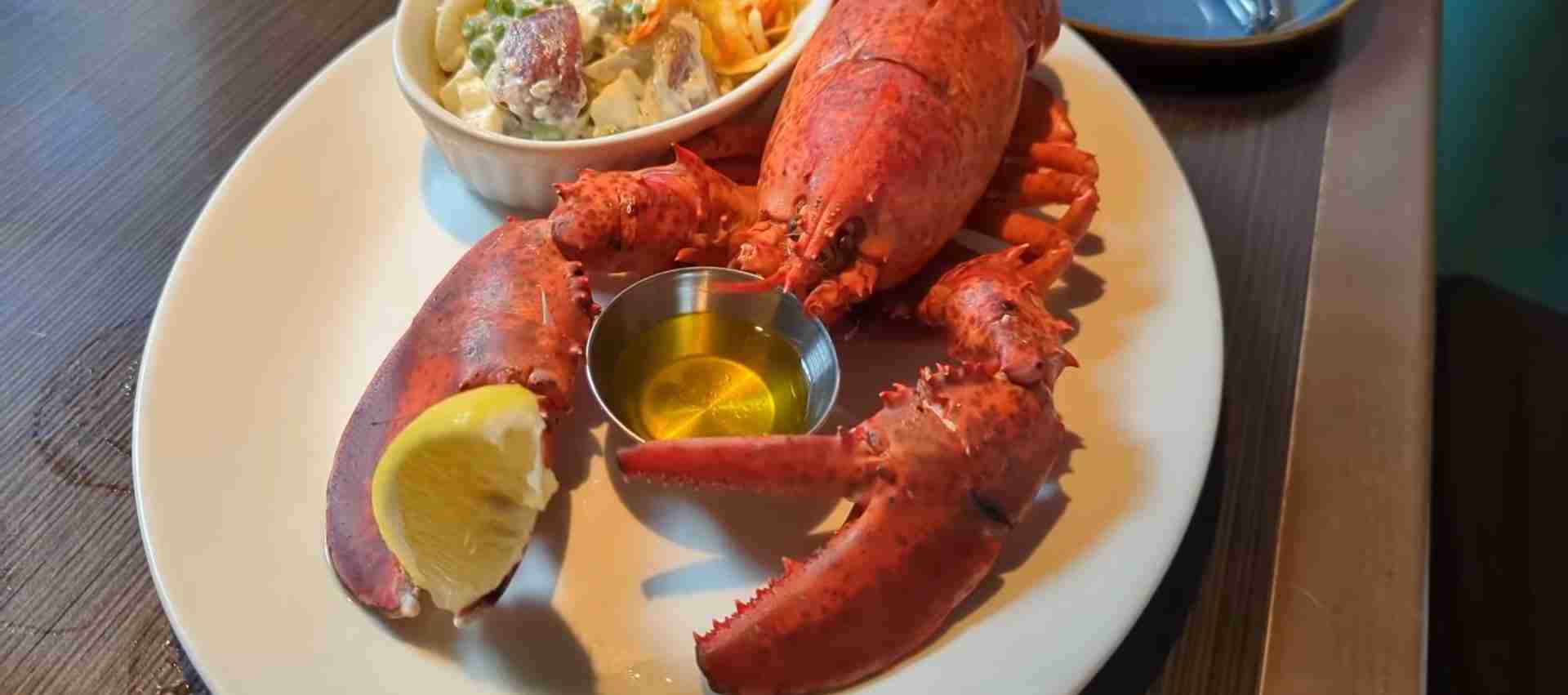
Atlantic lobster represents Nova Scotia’s most iconic seafood, with the fishing industry generating over $450 million annually and providing livelihoods throughout coastal communities. Lobster fishing follows seasonal patterns with different areas opening at various times, ensuring year-round availability. The southwestern Nova Scotia fishery, centered around Barrington (known as the “Lobster Capital of Canada”), produces lobster recognized for exceptional quality and sweet flavor. Live lobster prices fluctuate based on catches, demand, and season, typically ranging from $10 to $20 per pound at fishermen’s co-ops and wharf-side pounds during peak season, with retail prices adding several dollars per pound. Restaurant lobster dinners featuring a 1.25 to 1.5-pound lobster with sides cost $50 to $75 at mid-range establishments, while simple steamed lobster with butter remains the preferred preparation showcasing the meat’s natural sweetness.
Lobster preparation in Halifax ranges from traditional steamed whole lobster to lobster rolls, chowders, and contemporary innovations. The fishing tradition extends centuries, with methods evolving from Indigenous harvesting techniques through wooden trap development to modern sustainable practices. Lobster seasonality influences menu availability, with summer months providing peak abundance and fall bringing premium pricing as catches decline before winter closures. The industry faces ongoing challenges including warming waters affecting lobster migration patterns, regulatory changes protecting sustainability, and market fluctuations, yet remains central to Nova Scotia’s economy and culinary identity.
Scallops, Mussels, and Other Shellfish
Nova Scotia scallops, particularly the large sea scallops harvested from offshore grounds, rank among the sweetest and most prized globally. The Digby scallop fleet produces exceptional quality scallops that appear on menus throughout Halifax, prepared simply with butter or incorporated into chowders and pasta dishes. Mussel farming along Nova Scotia’s coastline provides year-round availability of cultivated mussels that offer sweet, tender meat at affordable prices. Prince Edward Island mussels also feature prominently on Halifax menus. Oysters from various Nova Scotia growing regions including the Bras d’Or Lakes offer distinct flavor profiles influenced by water salinity and mineral content, with raw oyster bars becoming increasingly popular at restaurants and markets.
Clams, particularly quahogs (hard-shell clams), sustain traditional chowder culture throughout Nova Scotia. These mollusks live in mudflats along the eastern seaboard and vary in size from littlenecks to large chowder clams. Steamers (soft-shell clams) provide another traditional preparation, served with drawn butter. The shellfish industry contributes significantly to local economies while maintaining sustainable harvesting practices that protect long-term viability.
Groundfish: Haddock, Halibut, and Cod
Haddock serves as Halifax’s preferred fish for fish and chips, offering firm white flesh that fries beautifully with light, crispy batter. The fish appears throughout menus from casual takeout counters to upscale restaurants, prepared fried, baked, or pan-seared. Atlantic halibut, a premium flatfish, commands higher prices but delivers exceptional flavor and meaty texture suitable for grilling or roasting. Atlantic cod, once the foundation of Nova Scotia’s fishing economy, now appears less frequently on menus due to strict quotas protecting rebuilding stocks, though salt cod remains important in traditional Acadian dishes like fish cakes and rappie pie.
The groundfishery’s decline during the late 20th century following overfishing created lasting economic impacts throughout Atlantic Canada. Modern fishing operates under strict sustainability measures including quotas, seasonal closures, and gear restrictions designed to rebuild stocks while maintaining viable commercial fishing. Halifax restaurants increasingly emphasize sustainable seafood sourcing, with many establishments highlighting catch methods and fishing regions on menus.
Salmon and Other Finfish
Atlantic salmon farming provides year-round availability of fresh salmon throughout Halifax restaurants and markets. Wild Atlantic salmon fishing operates under stringent restrictions protecting endangered populations, making farmed salmon the primary source for commercial sale. Salmon appears in diverse preparations from traditional Maritime cooking to contemporary Asian-influenced dishes. Mackerel, a flavorful oily fish abundant in summer months, offers exceptional value and nutrition though remains underutilized compared to its potential. Striped bass, pollock, and numerous other species contribute to Halifax’s diverse seafood offerings, with restaurants increasingly featuring lesser-known fish to reduce pressure on overexploited stocks.
The Halifax Donair: Official City Food
The Halifax donair stands as the city’s most famous culinary creation, designated as Halifax’s official food by city council in 2015. This section explores the donair’s history, composition, cultural significance, and where to find authentic versions of Halifax’s signature dish.
Origin and Development
Peter Gamoulakos, a Greek immigrant operating Velo’s Pizza in Bedford, created the donair around 1971-1973 after attempting to introduce traditional Greek gyros to Nova Scotia. When customers rejected lamb and yogurt-based tzatziki sauce, Gamoulakos adapted the recipe by substituting spiced ground beef for lamb and developing a sweet sauce made from evaporated milk, sugar, vinegar, and garlic powder. He perfected the recipe and opened King of Donair on Quinpool Road in 1973, where the restaurant continues operating in its original location. The dish quickly gained popularity among university students and late-night diners, spreading throughout Nova Scotia as other pizza shops adopted the recipe. The donair’s success led to variations including donair pizza, donair egg rolls, donair poutine, and garlic fingers served with donair sauce.
The donair’s cultural impact extends beyond food to represent immigrant contributions to Canadian cuisine and Halifax’s capacity for culinary innovation. December 8 was designated National Donair Day. The dish achieved national attention through features on Food Network, Travel Channel, Vice Media, and endorsements from celebrity chefs including Anthony Bourdain, Andrew Zimmern, and Matty Matheson. King of Donair has expanded beyond Nova Scotia while maintaining the original recipe and defending its trademark against infringement. The donair inspired similar dishes in other Canadian cities, particularly Edmonton, though Halifax maintains the authentic version.
Composition and Preparation
An authentic Halifax donair consists of four essential components that distinguish it from similar Middle Eastern dishes. Donair meat comprises spiced ground beef molded into an elongated log, cooked on a vertical rotating spit, then shaved thin and sautéed on a flattop griddle to ensure doneness and create crispy edges. The spice blend typically includes oregano, cayenne pepper, paprika, onion powder, and other seasonings that provide the characteristic flavor profile. Donair sauce, the defining element separating donairs from gyros or shawarma, combines evaporated milk (or sweetened condensed milk at some establishments), white vinegar, sugar, and garlic powder into a sweet, garlicky white sauce. The toppings consist simply of diced fresh tomatoes and raw onions, providing freshness and texture contrast. Soft Lebanese-style pita bread wraps all components into a portable package that inevitably becomes messy during consumption.
Preparation technique affects donair quality significantly. The meat must be shaved thin enough to ensure proper cooking during griddle sautéing while maintaining crispy edges. The sauce requires careful mixing as vinegar curdles the milk, with some establishments gently stirring while others whisk vigorously or even whip the mixture. Sauce variations exist across Halifax, with some shops using exclusively evaporated milk, others using condensed milk, and some using a combination. The pita should be warmed to remain soft and pliable during wrapping. Size options typically include small, medium, large, and super, with large donairs providing substantial meals.
Where to Find Authentic Donairs
King of Donair at 6422 Quinpool Road maintains the original recipe in the building where Peter Gamoulakos created the dish in 1973. The restaurant has won The Coast’s Best of Halifax Reader’s Choice Award for Best Donair 14 times between 1998 and 2016, establishing its reputation as the definitive donair source. Donairs cost approximately $9 to $13 depending on size. Tony’s Donair at 2390 Robie Street represents another original establishment serving donairs since the 1970s, offering no-frills corner shop atmosphere and authentic preparation with super-thin, spicy meat. Johnny K’s Authentic Donairs on Blowers Street serves quality donairs in the downtown core. Nearly every pizza shop throughout Halifax and Nova Scotia sells donairs, with varying quality depending on meat preparation and sauce recipes.
The donair functions primarily as late-night food, with many establishments open until 2 AM on weeknights and 3-4 AM on weekends, catering to post-pub crowds. The dish’s cultural association with late-night eating remains strong, though donairs are increasingly accepted as legitimate lunch or dinner options. Donair plates served on a bed of fries with sauce and toppings provide knife-and-fork alternatives to the wrapped version. The donair’s messy nature is considered part of the authentic experience rather than a flaw.
Traditional Acadian and Maritime Dishes
Halifax’s cuisine incorporates traditional dishes reflecting Acadian French heritage, British and Irish influences, and Mi’kmaq foodways. These preparations emphasize seasonal ingredients, preservation techniques, and hearty comfort food adapted to maritime climate and available resources.
Rappie Pie: Acadian Heritage Casserole
Rappie pie, known as “râpure” in Acadian French, represents one of Nova Scotia’s most distinctive traditional dishes despite the misnomer suggesting a pastry pie. The dish consists of grated potatoes from which moisture has been squeezed or pressed, creating a dense potato base. The extracted potato liquid is replaced with meat or fish stock (typically chicken, clam, or rabbit), layered with cooked meat or seafood and onions, then baked in a large pan until the top develops a golden-brown crust. The texture resembles a thick casserole or pudding rather than conventional potato dishes, leading to the local nickname “glue pie” referencing its adhesive consistency. Rappie pie is traditionally served with generous amounts of butter or molasses to add moisture and flavor.
The dish originated in Acadian communities along Nova Scotia’s southwest shore, particularly around Clare and Argyle. Rappie pie preparation represents significant labor, historically undertaken for special occasions and community gatherings. Modern versions maintain traditional techniques though commercial preparation has simplified home cooking. The dish appears on restaurant menus specializing in Acadian cuisine and at festivals celebrating Acadian heritage. While its unusual texture initially challenges newcomers, rappie pie represents important cultural heritage connecting contemporary Nova Scotia to centuries of Acadian settlement.
Hodge Podge: Summer Vegetable Celebration
Hodge podge exemplifies Nova Scotia summer cuisine, consisting of fresh vegetables cooked together in cream and butter. The dish traditionally combines new potatoes, carrots, green beans, yellow wax beans, and peas, though variations include any summer vegetables available from gardens or farmers markets. Vegetables are cooked until tender in lightly salted water, then drained partially before adding generous amounts of butter and cream (or blend/half-and-half). The result resembles a thick vegetable soup or chowder with distinct individual vegetables rather than a blended preparation. Salt and pepper provide the only seasoning, allowing fresh vegetable flavors to dominate.
The name derives from the English term “hotchpotch” meaning a mixture of different things, reflecting the dish’s adaptable nature based on available produce. Hodge podge appears throughout the Annapolis Valley and rural Nova Scotia during July and August when vegetables reach peak freshness. Farmers markets commonly sell pre-assembled hodge podge vegetable bundles. The dish may be served as a main course with bread or as a substantial side accompanying meat. Some preparations include corned beef cooked separately and served alongside. Hodge podge represents the brief Maritime summer abundance and the tradition of celebrating seasonal harvest.
Fish Cakes and Salt Cod Traditions
Fish cakes made from salt cod and potato represent centuries of preservation tradition throughout Atlantic Canada. Salt cod, created by heavily salting and drying fresh cod, provided protein during winter months before refrigeration and sustained fishing communities, sailing ships, and trade networks. To prepare fish cakes, salt cod requires overnight soaking to remove excess salt, then simmering until tender. The cooked fish is flaked and combined with mashed potato, onions, and seasonings, formed into patties, and pan-fried until golden and crispy. The result provides subtle salt cod flavor balanced by potato, with crispy exterior and soft interior. Traditional Acadian preparation includes carrots mixed into the potato and fish, adding sweetness and color.
Fish cakes are typically served with baked beans, creating a traditional working-class breakfast or light meal. Chowchow, a chunky green-tomato pickle relish, provides traditional accompaniment adding sweet and tart contrast. While salt cod consumption has declined since fresh fish became widely available year-round, fish cakes remain cultural touchstones appearing on breakfast menus, at Acadian restaurants, and during heritage celebrations. Some cooks substitute fresh haddock or pollock for salt cod, though traditionalists argue this lacks authentic flavor. Fish cakes represent the ingenuity of preservation cultures that transformed necessity into enduring culinary tradition.
Other Traditional Maritime Dishes
Blueberry grunt, a traditional steamed dessert, showcases Nova Scotia’s abundant wild blueberries. The dish consists of sweetened blueberries topped with biscuit-like dough, steamed on the stovetop until the dough cooks through and absorbs blueberry juice. The name references the grunting sound blueberries make while cooking. Served warm with cream or ice cream, blueberry grunt represents classic Maritime comfort dessert. Solomon Gundy, pickled herring prepared with onions and spices, demonstrates British preservation traditions. Lunenburg pudding, a spiced sausage containing beef and pork, reflects German settlement in Lunenburg County. Dulse, dried red seaweed consumed as a snack or ingredient, provides intense ocean flavor and nutrition. These dishes connect contemporary cuisine to settlement patterns, available ingredients, and cultural traditions extending centuries into Nova Scotia’s past.
Halifax Seaport Farmers Market: Culinary Hub Since 1750
The Halifax Seaport Farmers Market holds the distinction of being North America’s longest continuously operating farmers market, established by Royal Proclamation in June 1750, just one year after Halifax’s founding. The market provides essential connections between local producers and consumers while serving as a cultural gathering place and culinary destination showcasing Nova Scotia food culture.
History and Evolution
Governor Edward Cornwallis and the Council designated the original market site at what is now the Bank of Montreal building, establishing a “flesh, meat or cattle market” serving Halifax’s early colonial population. The market sold produce and livestock delivered from Acadian farms in the Annapolis Valley and local production. When Halifax incorporated as a city in 1848, the original City Charter conveyed the market property to the city “for the public and common benefit and use of the City of Halifax according to the true interest and meaning of the original grant,” ensuring the market’s perpetual operation. The market relocated multiple times throughout its history as Halifax grew, finally settling in 2010 at Pavilion 23 in the Halifax Seaport district along Marginal Road.
The modern facility provides a spacious, column-free space with soaring ceilings and proximity to Halifax Harbour. The market hosts over 100 vendors on weekend days, creating one of Atlantic Canada’s busiest year-round markets. The transformation from agricultural market selling livestock and produce to contemporary culinary marketplace reflects broader changes in urban food culture, though the core mission of connecting local producers with consumers remains constant across nearly three centuries.
What to Find at the Market
Halifax Seaport Farmers Market operates Saturdays from 8 AM to 2 PM and Sundays from 10 AM to 3 PM year-round, with additional weekday hours on Wednesdays through Fridays from 11 AM to 3-5 PM depending on season. The market hosts diverse vendors including produce farmers from Annapolis Valley bringing seasonal fruits and vegetables, artisan bread bakers offering sourdough and traditional styles, cheese makers producing local varieties, meat and poultry vendors, seafood sellers offering daily catches, prepared food stalls serving breakfast and lunch, coffee roasters, craft beverage producers, and artisans creating everything from jewelry to woodwork. Unlike purely agricultural markets, the Halifax Seaport Farmers Market balances food vendors with craftspeople and prepared food options, creating a browsing and eating destination rather than solely a shopping venue.
Standout food vendors include local favorites serving lobster rolls, international cuisines, fresh baked goods, and specialty items unavailable elsewhere. The market atmosphere remains vibrant with street musicians, crowds navigating between stalls, and waterfront views from the building’s harbor-facing side. The bustling weekend crowds create festival-like energy particularly during summer tourist season and around holidays. Visitors should arrive early on Saturdays for the best produce selection before popular items sell out, though the entire day provides quality browsing and eating opportunities.
Role in Halifax Food Culture
The Seaport Farmers Market functions as more than a retail venue, serving as a cultural institution connecting urban residents with agricultural production, showcasing artisan food culture, and providing community gathering space. The market’s persistence through nearly three centuries demonstrates its fundamental role in Halifax’s social fabric. Modern food movements emphasizing local sourcing, seasonal eating, and direct producer-consumer relationships find historical precedent in the market’s founding purpose. The market influences Halifax restaurants as chefs source ingredients and draw inspiration from seasonal offerings. The facility hosts private events outside market hours, wedding receptions, and corporate gatherings, providing revenue supporting operations. The market’s position in the Seaport district contributes to waterfront redevelopment transforming former industrial piers into arts, culture, and culinary destinations attracting both residents and cruise ship visitors.
Halifax Restaurant Scene: From Seafood Shacks to Fine Dining
Halifax offers diverse dining options reflecting its maritime heritage, immigrant communities, and emerging culinary creativity. This section explores the restaurant landscape from casual seafood spots to upscale establishments, highlighting where to experience authentic Halifax cooking.
Traditional Maritime Seafood Restaurants
The Five Fishermen occupies Halifax’s oldest building dating to 1750, serving upscale seafood in a historic atmosphere. The restaurant emphasizes Nova Scotia seafood chowder, wood-grilled swordfish, lobster preparations, and an extensive wine list. The main dining room features dark wood and stained glass creating elegant ambiance, while a more casual downstairs section offers the same menu. Evan’s Fresh Seafoods operates from Dartmouth waterfront across Halifax Harbour, functioning primarily as a fish market that also serves exceptional fish and chips, lobster rolls (both traditional cold with mayonnaise and hot with butter), seafood chowder, and scallop burgers. The working-class, casual atmosphere and high-quality seafood make it a local favorite accessible via harbor ferry. McKelvie’s Restaurant combines seafood specialization with views overlooking Halifax Waterfront. These establishments represent traditional maritime cooking emphasizing fresh catches and simple preparations that showcase ingredient quality.
Contemporary and Upscale Dining
The Bicycle Thief brought Mediterranean-influenced seafood to Halifax’s waterfront, establishing itself as a local institution. The sister restaurant Water Polo opened nearby in a new waterfront development, pairing bold Mediterranean flavors with Nova Scotia seafood in a tapas-style sharing menu. The waterfront patio ranks among Halifax’s best outdoor dining spaces. Drift Restaurant offers contemporary Nova Scotia cuisine with waterfront views. Field Guide in the North End showcases locally-sourced ingredients in innovative preparations. Eliot & Vine serves creative dishes and craft cocktails, praised for lobster malfadine and crab agnolotti. The Brooklyn Warehouse operates with a nightly-changing seasonal menu featuring Nova Scotia scallops, locally-sourced proteins, and upscale preparations. The culinary scene increasingly emphasizes local sourcing, creative preparation, and farm-to-table principles while maintaining seafood as the central focus.
Pub Culture and Casual Dining
Halifax’s pub culture forms an essential component of social and culinary life, with historic taverns and modern gastropubs serving quality food alongside craft beer. The Stubborn Goat Gastropub offers creative takes on pub classics using local ingredients. Gahan House Harbourfront combines a brewery, upscale pub menu, and oyster bar with harbor views. The Old Triangle Irish Alehouse provides traditional Irish pub atmosphere. Salt + Ash Beach House near the waterfront emphasizes live-fire cooking with pizzas, shared snacks, and East Coast family-style favorites. The Auction House delivers chef-inspired burgers and creative pub fare. These establishments demonstrate how Halifax pub culture evolved beyond basic bar food to encompass serious culinary ambitions while maintaining relaxed, friendly atmospheres.
International Cuisine Diversity
Halifax’s immigrant communities contribute significant culinary diversity. Lebanese and Middle Eastern cuisine maintains particularly strong presence, reflecting immigration patterns. Mezza Lebanese Kitchen serves traditional Lebanese dishes alongside donairs and shawarma. Smyrna Restaurant offers Mediterranean flavors. The city features Vietnamese, Thai, Japanese, Indian, and Chinese restaurants providing authentic preparations. Da Maurizio specializes in Northern Italian fine dining. Cafe Chianti serves Italian cuisine in a welcoming atmosphere. This diversity reflects Halifax’s role as Atlantic Canada’s largest urban center and its universities attracting international students. The combination of traditional Maritime cooking, contemporary innovation, and global influences creates a food scene balancing heritage with cosmopolitan aspirations.
Craft Beer and Brewing Heritage
Halifax leads Atlantic Canada’s craft beer scene with over 15 local breweries combining rich brewing heritage with contemporary innovation. The city’s beer culture extends from Alexander Keith’s founding in 1820 through the craft beer renaissance transforming Halifax into a destination for beer enthusiasts.
Alexander Keith’s: Historic Foundation
Alexander Keith arrived from Scotland in 1817 and established his brewery in 1820 at the current Lower Water Street location, making it one of North America’s oldest commercial breweries. Keith operated the brewery for 53 years while serving three terms as Halifax mayor. The brewery survived the 1917 Halifax Explosion and continued operations through various ownership changes. By the 1990s, Keith’s IPA became Nova Scotia’s most popular beer. The brand is now owned by Labatt but operates a small-batch brewery at the historic site creating unique ales unavailable elsewhere. Alexander Keith’s offers theatrical tours transporting visitors to 1863 with period costume, speech, and decor. The tours include beer sampling and education about brewing history. The brewery’s persistence across two centuries establishes Halifax’s credentials as a brewing city and provides historical context for the modern craft movement.
Pioneering Craft Breweries
Granite Brewery, established in 1985, launched Halifax’s modern craft beer movement, followed by Propeller Brewing Company and Garrison Brewing Company in the late 1990s. These pioneers introduced the philosophy of brewing smaller batches emphasizing richer, more distinct flavors compared to mass-produced lagers. Propeller opened on Gottingen Street in 1997 and remains one of Halifax’s oldest craft brewers, operating a tap room offering numerous beers including award-winning Propeller IPA. The brewery underwent recent reinvigoration with a new head brewer refreshing the lineup. Garrison Brewing operates in the historic Seaport district at 1149 Marginal Road, serving seven year-round brews plus numerous seasonals and one-offs. The brewery emphasizes sea-inspired ales including Tall Ship Amber Ale and Halifax Harbor Sea Salted Caramel Ale, incorporating maritime ingredients like sea salt. The tap room and patio provide people-watching and harbor views. These pioneering breweries established quality standards and consumer expectations that enabled subsequent craft beer growth.
Contemporary Craft Beer Scene
2 Crows Brewing opened in 2015 at 1932 Brunswick Street, quickly gaining recognition as one of North America’s top 50 new breweries. The brewery emphasizes unique beers using foedres (large wooden fermentation vessels), wild yeast, and extensive fruit additions. The industrial taproom allows patrons to observe brewing operations. Good Robot Brewing, Unfiltered Brewing, and Chain Yard Urban Cidery cluster in the North End within blocks of each other, creating a brewery district. North Brewing operates locations in both Halifax and Dartmouth. Gahan House, originally from Charlottetown, Prince Edward Island, expanded to Halifax in 2014 with a waterfront brewpub combining house-brewed beer, craft selections, and upscale pub food. The brewery scene continues expanding with new openings joining established operations.
Halifax craft breweries emphasize local ingredients including Nova Scotia hops, Maritime fruits, sea salt, and traditional brewing methods. Many breweries offer tours, flights for sampling, merchandise shops, and food service. The concentration of quality breweries within walkable downtown areas enables brewery tours visiting multiple establishments in single afternoons. Beer culture permeates Halifax social life with taprooms functioning as community gathering spaces, live music venues, and casual dining destinations. The city hosts beer festivals and events throughout the year celebrating craft brewing. Halifax’s craft beer scene contributes significantly to tourism, with beer enthusiasts traveling specifically to visit breweries and sample limited releases unavailable elsewhere.
Seasonal Eating Patterns and Ingredients
Maritime cuisine follows seasonal rhythms dictated by fishing seasons, agricultural harvest, and historical preservation necessities. Understanding seasonal patterns enhances appreciation of Halifax food culture and guides optimal timing for experiencing specific dishes and ingredients.
Summer: Peak Seafood and Fresh Produce
Summer brings peak lobster season with abundant catches and optimal pricing. Lobster rolls, steamed lobster, and lobster-focused dishes dominate summer menus. Fresh scallops, mussels, and diverse finfish provide exceptional variety. The Annapolis Valley harvest delivers fresh vegetables including new potatoes, carrots, green beans, yellow beans, and peas essential for hodge podge. Farmers markets overflow with local produce, berries, and artisan products. Outdoor dining patios open throughout Halifax, with waterfront establishments offering harbor views. Summer also brings cruise ship visitors creating bustling restaurant scenes and farmers market crowds. The season represents Halifax’s culinary peak when local ingredients reach maximum diversity and quality.
Fall: Scallop Season and Harvest
Fall marks premium scallop season when these mollusks reach peak sweetness and size. Scallop-focused dishes appear prominently on autumn menus. Apple harvest from Annapolis Valley orchards produces fresh cider, pies, and preserves. Wild blueberries harvested in late summer appear in desserts and preserves. Root vegetables including potatoes, carrots, turnips, and squash feature in heartier preparations anticipating winter. Halifax restaurants transition from light summer dishes to richer, warming preparations. Fall foliage in surrounding regions attracts visitors combining scenic drives with culinary tourism. The season provides comfortable temperatures for brewery tours and outdoor activities paired with harvest-focused dining.
Winter: Comfort Food and Preservation Traditions
Winter emphasizes hearty stews, chowders, and preserved ingredients reflecting historical preservation necessities. Salt cod preparations including fish cakes demonstrate traditional preservation methods. Root vegetable dishes, rappie pie, and other substantial fare provide warming comfort. While fishing continues through winter, catches often decrease and focus shifts to species thriving in cold waters. Winter represents ideal time for experiencing traditional Maritime cooking emphasizing preservation, root cellars, and dishes developed to sustain communities through harsh weather. Halifax’s pub culture thrives during winter months with cozy taverns providing gathering spaces. Craft breweries release winter seasonal beers including stouts and dark ales. The season attracts fewer tourists, creating opportunities for locals-oriented dining and authentic experiences.
Spring: Renewal and Anticipation
Spring brings anticipation of coming abundance with early vegetables appearing at markets and fishing seasons opening for various species. Maple syrup production occurs during late winter/early spring, though Nova Scotia’s maple industry operates on smaller scale than Quebec and Ontario. Spring represents transition period as restaurants shift from winter comfort food toward lighter preparations. The season provides opportunities for experiencing Halifax before summer tourist crowds arrive while still accessing quality seafood and local ingredients.
Food Tours, Markets, and Culinary Experiences
Halifax offers organized culinary experiences connecting visitors with local food culture, producers, and restaurants. These experiences provide curated introductions to Halifax’s food scene beyond independent restaurant visits.
Guided Food Tours
Taste Halifax Food Tours operates walking tours through downtown Halifax visiting multiple restaurants, food shops, and markets with guided commentary about culinary history and local specialties. Tours typically include 4-6 stops with substantial tastings constituting a full meal. Local Tasting Tours offers similar experiences focusing on Halifax’s historic properties and waterfront areas. These guided tours provide context about dishes, ingredients, and culinary traditions that independent dining might miss. Tours operate seasonally with reduced winter schedules, focusing on walkable downtown areas accessible without vehicles. The educational component distinguishes food tours from restaurant hopping, with guides explaining cultural backgrounds, preparation methods, and local significance of featured foods.
Brewery Tours and Tastings
Multiple breweries offer tours and tastings providing behind-the-scenes access to brewing operations. Alexander Keith’s theatrical tours remain popular attractions combining history, entertainment, and beer sampling. Garrison Brewing offers brewery tours explaining the brewing process from malt room through fermentation to bottling. Propeller and other craft breweries provide tours and flights allowing sampling of multiple beers. Self-guided brewery crawls visiting multiple North End breweries create popular afternoon activities. The concentration of breweries within walkable areas enables comprehensive sampling without driving concerns. Tours range from formal scheduled experiences to casual taproom visits with brewing equipment visible through windows.
Halifax Seaport Farmers Market Experience
Visiting Halifax Seaport Farmers Market provides immersive introduction to local food culture, producers, and artisan vendors. The market functions as both shopping venue and eating destination with numerous prepared food stalls. Weekend visits capture peak atmosphere with crowds, musicians, and full vendor participation. The market location in the Seaport district enables combination visits with waterfront walks, nearby restaurants, and cultural attractions. Market vendors often provide product samples and explain production methods, creating educational opportunities unavailable at conventional grocery stores.
Special Events and Festivals
Dine Around Halifax operates annually in February with participating restaurants offering prix fixe menus at set price points from $10 to $60. The event supports local restaurants during slower winter months while providing accessible fine dining experiences. Many participating establishments donate portions of proceeds to Feed Nova Scotia. Halifax hosts various food and beer festivals throughout the year including craft beer weeks, seafood festivals, and cultural celebrations featuring specific cuisines. These events create opportunities for concentrated tastings and discoveries unavailable during normal operations.
Where to Eat: Neighborhood Dining Guide
Halifax dining distributes across distinct neighborhoods, each offering different atmospheres, price ranges, and culinary styles. This geographic guide helps navigate Halifax’s restaurant landscape.
Downtown and Waterfront
Downtown Halifax concentrates the highest density of restaurants, bars, and entertainment venues. The waterfront boardwalk features seafood restaurants, casual dining, and harbor views. Historic Properties area hosts pubs, restaurants, and Gahan House Harbourfront. This area serves tourists, business travelers, and locals seeking upscale or mid-range dining. The concentration of options enables restaurant hopping and diverse meal choices within compact walking distances. Parking challenges make public transit or walking preferable. The area experiences peak crowds during summer cruise ship season and weekend evenings.
North End: Craft Beer and Creative Dining
The North End emerged as Halifax’s creative and culinary hotspot, centered around Gottingen Street and surrounding blocks. The neighborhood hosts Propeller Brewing, 2 Crows Brewing, Good Robot Brewing, Unfiltered Brewing, and Chain Yard Urban Cidery within walkable proximity. Restaurants including Field Guide, Eliot & Vine, and Brooklyn Warehouse showcase innovative cooking emphasizing local ingredients. The area attracts younger demographics, artists, and food enthusiasts seeking less touristy experiences. The North End represents Halifax’s emerging culinary creativity beyond traditional maritime cooking, though gentrification concerns accompany the neighborhood’s transformation.
Quinpool Road: Student Territory and Donair Central
Quinpool Road functions as student-oriented commercial strip serving Dalhousie University. King of Donair’s original location anchors the street’s culinary identity. Pizza shops, casual restaurants, and international cuisines create diverse, affordable options. The area emphasizes value and substantial portions over upscale presentation. Late-night establishments cater to student schedules and post-pub crowds. Quinpool exemplifies working-class Halifax dining culture focused on satisfying hunger efficiently rather than culinary artistry, though quality varies significantly between establishments.
South End and Spring Garden Road
The South End encompasses Halifax’s most affluent residential neighborhoods surrounding Dalhousie University and extending toward Point Pleasant Park. Spring Garden Road provides shopping and dining corridor featuring diverse restaurants, cafes, and pubs. The area balances student population with professional residents creating demand for both casual and upscale options. Public Gardens area offers pleasant walking combining dining with Halifax’s Victorian-era horticultural showcase.
Dartmouth: Across the Harbor
Dartmouth, Halifax’s neighbor across the harbor, maintains distinct identity with its own dining scene. Evan’s Fresh Seafoods at Alderney Landing provides exceptional fish and chips and lobster rolls accessible via harbor ferry. North Brewing operates a Dartmouth location. The Portland Street and downtown Dartmouth areas host diverse restaurants serving local communities. Dartmouth offers generally lower prices than Halifax proper while maintaining quality. The harbor ferry crossing creates scenic 10-minute journey connecting Halifax waterfront with Alderney Landing.
Understanding Halifax Dining Costs and Tipping
Halifax dining costs vary significantly based on establishment type, cuisine style, and location. This section provides guidance on typical pricing, tipping expectations, and budgeting for Halifax dining experiences.
Typical Restaurant Price Ranges
Casual dining including fish and chips, donairs, and pizza typically costs $10 to $18 per person for main courses. Mid-range restaurants serving seafood, pub fare, and diverse cuisines charge $18 to $35 per person for entrees. Upscale dining featuring creative preparations and premium ingredients ranges from $35 to $65 per person for main courses. Lobster dinners at mid-range establishments cost $50 to $75 including sides. Lobster rolls range from $19 to $25 depending on location and lobster quantity. Fish and chips cost $15 to $22 at quality establishments. Donairs range from $9 to $13 depending on size. These prices reflect local currency and represent main courses without beverages, appetizers, or desserts. Seafood pricing fluctuates based on seasonal availability and market conditions.
Farmers Market and Street Food
Halifax Seaport Farmers Market prepared foods typically cost $8 to $18 for substantial portions. Coffee and baked goods range from $3 to $8. Fresh produce pricing varies seasonally but generally offers competitive value compared to supermarkets. Artisan products including cheese, bread, and specialty items command premium pricing reflecting small-batch production. Market eating provides budget-friendly alternatives to sit-down restaurants while offering quality local food.
Craft Beer Pricing
Craft beer pints at brewery taprooms and bars typically cost $7 to $9. Flights allowing sampling of multiple beers range from $12 to $18. Growler fills for taking beer home cost $15 to $25 depending on size and beer style. Retail six-packs of local craft beer range from $14 to $18. These prices reflect premium positioning compared to mass-market lagers while remaining accessible for regular consumption.
Tipping and Service Charges
Canadian tipping culture expects 15% to 20% gratuities for table service, with 18% representing standard good service and 20% indicating exceptional service. Some restaurants automatically add gratuity for large parties, typically groups of six or more. Counter service establishments including cafes and casual spots often present tipping options starting at 10% to 15%, though no obligation exists for simple counter transactions. Halifax restaurant servers typically earn minimum wage plus tips rather than reduced server wages common in United States, though tips remain essential income components. Bills present pre-tax amounts with harmonized sales tax added separately, and tip calculations should use pre-tax totals.
Practical Dining Information
Successfully navigating Halifax’s dining scene requires understanding operational patterns, reservation systems, and practical considerations affecting meal planning.
Reservations and Walk-ins
Popular restaurants including The Bicycle Thief, Five Fishermen, and upscale establishments require reservations, particularly for weekend dinners and summer months when tourist activity peaks. Many restaurants accept OpenTable reservations while others use phone bookings. Casual establishments, pubs, and donair shops operate on walk-in basis without reservations. Weeknight dining generally offers greater walk-in availability than weekends. Lunch periods typically accommodate walk-ins more easily than dinner services. Making reservations 1-2 weeks ahead ensures preferred times at popular spots during peak season, while off-season often allows same-day bookings.
Hours and Timing
Halifax restaurants typically serve lunch from 11:30 AM to 2 PM and dinner from 5 PM to 9 PM on weekdays, with extended hours until 10 PM or later on weekends. Many establishments close between lunch and dinner service. Sunday operations often feature brunch from 10 AM to 2 PM. Late-night dining remains limited outside donair shops and pizza places serving until 2-4 AM depending on day. Halifax dining culture tends toward earlier dinner times compared to major metropolitan areas, with peak restaurant traffic occurring between 6 PM and 8 PM. Kitchens typically stop accepting orders 30 minutes to one hour before posted closing times.
Dietary Restrictions and Preferences
Halifax restaurants increasingly accommodate vegetarian, vegan, and gluten-free diets, though seafood-focused establishments may offer limited options. The Wooden Monkey specializes in organic, locally-sourced food serving vegetarians, vegans, and meat-eaters equally. Many restaurants mark menu items with dietary indicators. Staff generally accommodate requests and explain ingredients when asked. Vegan and vegetarian restaurants operate throughout Halifax serving plant-based cuisine. Gluten-free awareness has increased significantly with many establishments offering gluten-free bread, pasta, and preparation methods avoiding cross-contamination. Advance notice for severe allergies remains advisable to ensure kitchen preparation meets safety requirements.
Transportation and Parking
Downtown Halifax parking presents challenges with limited street parking and expensive lots. Public transit, walking, or taxi services often prove more convenient than driving to downtown restaurants. The Halifax Metro Transit system operates buses connecting neighborhoods, though service frequency decreases evenings and weekends. The harbor ferry provides scenic transportation between Halifax waterfront and Dartmouth. Uber and conventional taxi services operate throughout Halifax for convenient restaurant access. Many neighborhoods feature concentrated dining areas enabling walking between multiple establishments without vehicle concerns. Drinking and driving carries severe legal penalties and social stigma; designated drivers, public transit, or ride services are essential when consuming alcohol.
Halifax Food Shopping and Cooking
For visitors with accommodation featuring kitchens or locals seeking quality ingredients, Halifax offers diverse food shopping options from farmers markets to specialty shops and conventional supermarkets.
Seafood Markets and Fishmongers
Evan’s Fresh Seafoods operates as both fishmonger and restaurant, selling high-quality fresh fish, lobster, scallops, and other seafood at retail prices. The waterfront location and reputation for quality make it popular among locals. Other seafood markets throughout Halifax provide daily catches at varying price points. Live lobster availability depends on season with peak accessibility during summer months. Purchasing live lobster directly from fishermen’s co-ops or wharf-side pounds offers best prices, though requires research to locate these sources outside tourist areas. Supermarkets including Sobeys and Atlantic Superstore maintain lobster tanks and fresh seafood counters, offering convenience with price markups compared to dedicated fishmongers.
Farmers Markets
Halifax Seaport Farmers Market provides weekend shopping for produce, meats, cheese, bread, and specialty items directly from producers. Additional farmers markets operate in surrounding communities including Dartmouth, Bedford, and Annapolis Valley towns. Summer markets offer greatest variety with full seasonal produce while winter markets emphasize storage crops, preserves, and prepared foods. Prices at farmers markets often exceed supermarket rates but reflect small-scale production, superior quality, and direct producer support. Markets function as both shopping venues and social experiences with opportunities to meet farmers, learn about production methods, and discover artisan products unavailable through conventional retail.
Specialty Food Shops
Halifax hosts specialty shops focusing on cheese, charcuterie, baking, coffee, chocolate, and international ingredients. These establishments cater to food enthusiasts seeking premium products, unusual ingredients, or specific cultural foods. Local cheese shops feature Nova Scotia artisan cheeses alongside imported selections. Bakeries produce sourdough, traditional breads, and specialty items unavailable at supermarkets. Coffee roasters including Java Blend and Low Point Coffee sell freshly roasted beans. International grocery stores serve Lebanese, Asian, African, and other communities with authentic ingredients for home cooking.
Supermarkets and Conventional Shopping
Major supermarket chains including Sobeys, Atlantic Superstore, and Walmart operate throughout Halifax providing conventional grocery shopping. These stores stock local products alongside national brands, offering one-stop shopping convenience. Prices generally undercut specialty shops and farmers markets while sacrificing some quality and local sourcing. Supermarkets maintain fresh seafood counters, bakeries, and prepared food sections providing accessible options for visitors and residents seeking efficiency over artisan quality.
Halifax Food Calendar: Annual Events and Seasonal Highlights
Halifax’s food culture includes annual events and seasonal patterns creating optimal timing for specific culinary experiences.
Winter: Dine Around and Comfort Food Season
Dine Around Halifax operates throughout February with participating restaurants offering prix fixe menus at various price points. The event showcases Halifax dining diversity while supporting restaurants during traditionally slow winter months. Winter represents peak season for traditional comfort foods including chowders, rappie pie, and hearty stews. Craft breweries release winter seasonal beers. The season offers authentic local experiences without tourist crowds.
Spring: Maple Season and Anticipation
Late winter through early spring marks maple syrup production season, though Nova Scotia’s maple industry operates on smaller scale than Quebec and Ontario. Spring brings anticipation of coming abundance with early vegetables and fishing seasons opening. Restaurant menus begin transitioning from winter comfort food toward lighter preparations.
Summer: Peak Season for Everything
Summer represents Halifax’s culinary peak with lobster season, farmers market abundance, outdoor dining, and maximum tourist activity. Cruise ships bring visitors creating bustling restaurant scenes and farmers market crowds. Waterfront restaurants operate outdoor patios. Hodge podge appears at markets and on menus. The season provides optimal variety and quality while also experiencing highest prices and longest wait times at popular establishments.
Fall: Scallop Season and Harvest Celebrations
Fall brings premium scallop season and apple harvest from Annapolis Valley. Restaurants transition toward heartier autumn menus. Fall foliage attracts visitors combining scenic drives with culinary tourism. The season offers comfortable temperatures for brewery tours and outdoor activities without summer crowds. Harvest-focused menus celebrate local agriculture.
Halifax Food Culture: Understanding Local Customs
Halifax food culture includes customs and expectations that enhance dining experiences when understood and respected.
Maritime Hospitality and Pace
Halifax maintains more relaxed dining pace than major metropolitan areas, with servers taking time for conversation and personal interaction rather than rushing through service. This Maritime hospitality reflects cultural values emphasizing personal connection over efficiency. Diners should not interpret leisurely service as neglect but rather as different cultural approach. Meals often extend longer than equivalent experiences in faster-paced cities. This applies particularly to pubs and casual establishments where lingering over beer represents cultural norm.
Pub Culture and Social Drinking
Halifax pub culture emphasizes community gathering, conversation, and moderate drinking rather than rapid consumption. Historic taverns function as neighborhood social centers where regulars gather repeatedly. Live music appears frequently at pubs creating entertainment alongside eating and drinking. The combination of quality food, craft beer, and friendly atmosphere distinguishes Halifax pub culture from basic bars. Pubs welcome families earlier in evenings, transitioning to adult atmosphere as night progresses.
Seafood Confidence and Quality Expectations
Halifax residents maintain high standards for seafood quality due to proximity to fishing grounds and cultural heritage. Overcooked fish, old seafood, or poor preparation generate immediate negative response. Restaurants understand these expectations and generally maintain quality standards. Visitors should not hesitate to ask about fish freshness, catch dates, or preparation methods. Seafood restaurants displaying daily catch boards signal quality and transparency.
Local Pride and Regional Identity
Halifax residents take pride in regional specialties including donairs, rappie pie, and maritime seafood traditions. Enthusiasm for local food culture welcomes newcomers genuinely interested in understanding regional cuisine. Showing respect for traditions, asking informed questions, and demonstrating willingness to try unfamiliar dishes earns positive reception. Criticizing donairs without trying them or dismissing traditional dishes as strange generates negative reactions. Approaching Halifax food culture with open mind and genuine curiosity provides best foundation for memorable experiences.
Frequently Asked Questions About Halifax Food
What is the Best Time to Visit Halifax for Food?
Summer from June through August provides peak culinary experiences with lobster season, maximum farmers market variety, outdoor dining options, and food festivals. The season also brings highest tourist crowds and prices. Fall from September through October offers excellent scallop season, apple harvest, comfortable temperatures for brewery tours, and reduced crowds while maintaining quality ingredients. Winter provides authentic local experiences with traditional comfort food, Dine Around Halifax in February, and minimal tourist activity, though some seasonal ingredients become unavailable. Spring represents shoulder season with anticipation of coming abundance. Food enthusiasts seeking optimal ingredient variety and dining options should visit summer despite crowds, while those prioritizing authentic local experiences without tourist masses should consider fall or winter.
How Much Should I Budget Daily for Food in Halifax?
Daily food budgets vary significantly based on dining preferences and accommodation. Budget travelers eating primarily at casual restaurants, donair shops, and farmers market food stalls can manage $30 to $50 daily. Mid-range travelers dining at seafood restaurants, pubs, and trying local specialties should budget $70 to $110 daily including craft beer and occasional splurges. Upscale dining featuring fine restaurants, wine pairings, and premium experiences requires $150 to $250 daily. These estimates assume three meals plus beverages and snacks. Cooking some meals using farmers market ingredients or supermarket shopping significantly reduces costs. A week-long visit balancing casual dining, mid-range seafood restaurants, brewery visits, and one upscale meal typically costs $500 to $770 per person for all food and beverages.
What Are the Must-Try Foods in Halifax?
Essential Halifax culinary experiences include: authentic Halifax donair from King of Donair or another quality establishment; fresh lobster either as lobster roll or traditional steamed preparation; fish and chips made with haddock from establishments like Evan’s Fresh Seafoods; Nova Scotia seafood chowder featuring multiple shellfish species; rappie pie at Acadian restaurants to experience traditional preparation; hodge podge during summer months when fresh vegetables are available; local craft beer from Garrison, Propeller, or other Halifax breweries; fresh oysters from Nova Scotia growing regions; blueberry grunt or other traditional Maritime desserts; and a meal at Halifax Seaport Farmers Market sampling multiple vendors. These experiences provide comprehensive introduction to Halifax’s culinary heritage and contemporary food culture.
Are Halifax Restaurants Expensive Compared to Other Canadian Cities?
Halifax dining costs fall significantly below Vancouver, Toronto, and Montreal while offering comparable or superior seafood quality. Mid-range seafood restaurants charge $18 to $35 for entrees versus $25 to $45 in larger cities. Fresh lobster costs substantially less due to proximity to fishing grounds. Craft beer pricing remains similar across Canadian cities. Casual dining and pub food offer excellent value. The combination of lower costs and exceptional seafood quality positions Halifax as remarkable culinary value, particularly for visitors from larger Canadian cities or United States. Budget and mid-range travelers find Halifax very affordable while upscale dining remains accessible compared to major metropolitan markets.
Can I Find Good Vegetarian and Vegan Food in Halifax?
Halifax increasingly accommodates vegetarian and vegan diets with dedicated restaurants, clearly marked menu options, and growing awareness among chefs. The Wooden Monkey specializes in organic, locally-sourced cuisine serving vegetarians, vegans, and omnivores equally. Several vegetarian and vegan restaurants operate throughout the city. Most mainstream restaurants offer vegetarian options, with vegan selections becoming more common. The farmers market provides abundant produce and prepared vegan foods. International cuisines including Lebanese, Indian, and Thai offer naturally plant-based options. While seafood dominates Halifax cuisine, vegetarians and vegans find quality options with modest research. Advance notice for strict vegan requirements helps restaurants prepare appropriately. The situation has improved dramatically over the past decade with continued progress expected.
What Makes the Halifax Donair Different from Greek Gyros or Turkish Doner?
The Halifax donair distinguishes itself from Greek gyros and Turkish doner through several key differences. The meat uses spiced ground beef rather than lamb or mixed meats common in traditional preparations. The signature sweet donair sauce made from evaporated milk, sugar, vinegar, and garlic powder replaces yogurt-based tzatziki (gyros) or yogurt and hot sauces (doner). The toppings consist only of diced tomatoes and raw onions, omitting lettuce, cucumbers, and other vegetables typical in gyros and doner. The meat is shaved from the spit then sautéed on a flattop griddle rather than served directly from the vertical roaster. These adaptations transformed Mediterranean street food into distinctly Canadian creation optimized for Nova Scotian tastes. The result tastes sweeter and less herbaceous than traditional versions while maintaining the vertical roasting technique and pita presentation. The donair represents genuine culinary innovation rather than simply importing existing dishes.
Where Can I Buy Fresh Lobster to Cook Myself?
Fresh live lobster can be purchased from several sources in Halifax. Evan’s Fresh Seafoods in Dartmouth operates as fish market selling high-quality live lobster along with other seafood. Fishermen’s co-ops and wharf-side lobster pounds along Nova Scotia’s coast offer best prices, typically $10 to $20 per pound depending on season and market conditions, though these require local knowledge to locate. Supermarkets including Sobeys and Atlantic Superstore maintain lobster tanks selling live lobster at retail markups but provide convenient access. Halifax Seaport Farmers Market vendors sometimes sell live lobster on weekends. When purchasing live lobster, select active specimens showing movement and tail curl when lifted. Store in refrigerator covered with damp newspaper or seaweed, never in fresh water or airtight containers. Cook within 24 hours of purchase. A 1.25 to 1.5-pound lobster provides one generous serving. Steaming requires large pot with 2 inches of salted water, bringing to boil, adding lobster, and cooking 12-15 minutes for average size.
What Are Halifax’s Best Breakfast Spots?
Halifax breakfast culture includes both traditional Maritime options and contemporary brunch destinations. Traditional Maritime breakfast features fish cakes with baked beans, oatcakes with local preserves, or basic diner breakfasts with eggs, bacon, and toast. The Wooden Monkey serves organic breakfast options accommodating various dietary preferences. Numerous cafes throughout downtown and North End offer quality coffee, pastries, and breakfast sandwiches. The Seaport Farmers Market provides weekend breakfast and brunch options from multiple vendors serving everything from traditional Canadian breakfast to international options. Gahan House and other brewpubs offer weekend brunch combining breakfast fare with beer and waterfront views. Willy’s in downtown serves fast casual breakfast and lunch. Local coffee roasters including Java Blend and Low Point Coffee operate cafes serving breakfast foods alongside quality coffee. Halifax breakfast scene emphasizes quality ingredients and local sourcing rather than elaborate presentations.
How Do I Experience Authentic Acadian Food Culture?
Authentic Acadian food culture requires seeking specialized restaurants and communities preserving traditional cooking. La Cuisine de Brigitte (Acadian Tea Room) in Head of Chezzetcook, approximately 30 minutes east of Halifax, operates on the grounds of the Acadian House Museum serving traditional Acadian dishes including fish cakes, rappie pie, and other specialties. The region around Clare and Argyle on Nova Scotia’s southwest shore maintains strong Acadian cultural presence with restaurants serving traditional cuisine. Rappie pie, the signature Acadian dish, appears on restaurant menus throughout southwestern Nova Scotia and at festivals celebrating Acadian heritage. Some Halifax restaurants incorporate Acadian dishes though dedicated Acadian establishments operate primarily in historically Acadian regions. Visiting Acadian communities and cultural sites provides fuller understanding of food traditions developed over centuries. The cuisine emphasizes French influences adapted to Maritime ingredients and preservation necessities.
What Should I Know About Tipping in Halifax Restaurants?
Halifax follows Canadian tipping customs expecting 15% to 20% gratuities for table service. Standard good service warrants 18% while exceptional service deserves 20% or more. Poor service may justify 10% to 15% though completely withholding tips should be reserved for truly unacceptable experiences. Tips calculate from pre-tax bill totals before harmonized sales tax addition. Many payment systems automatically suggest tip percentages for convenience. Some restaurants add automatic gratuity for large parties, typically groups of six or more, clearly indicated on bills. Counter service establishments present tipping options though no obligation exists for simple counter transactions without table service. Halifax restaurant servers earn minimum wage plus tips rather than reduced server wages, though tips remain essential income components. Tipping culture influences service quality as servers depend on gratuities for substantial income portions. Cash tips ensure servers receive full amounts immediately while credit card tips may involve processing delays or sharing arrangements.