
Free Things to Do in Halifax 2026: Complete Budget-Friendly Guide
Halifax offers extraordinary experiences at absolutely no cost, from the spectacular 4-kilometer Waterfront Boardwalk and 16-acre Victorian Public Gardens to the historic Citadel Hill with its daily noon gun firing. The city’s commitment to accessible public spaces means visitors can explore maritime heritage, natural beauty, and cultural attractions without spending a single dollar on admission fees.
Key Takeaways
- Waterfront Access 2026: The 4-kilometer Halifax Waterfront Boardwalk operates free 24/7 year-round, featuring iconic orange hammocks, art installations, and harbor views without any admission charges.
- Summer Citadel Savings 2026: Halifax Citadel National Historic Site offers completely free admission from June 19 to September 7, 2026 through the Canada Strong Pass, including access to exhibits, guided tours, and the daily noon gun firing ceremony.
- Victorian Garden Experience: Halifax Public Gardens provides free admission to 16 acres of meticulously maintained Victorian-era gardens with complimentary horticultural tours daily at 10:30 AM, 12 PM, 1:30 PM, and 3 PM from June through October.
- Natural Trails 2026: Point Pleasant Park offers 39 kilometers of free trails through 75 hectares of coastal forest with ocean views, historic fortifications, and off-leash dog areas without any entrance fees.
- Budget Transportation: The historic Halifax-Dartmouth Ferry provides affordable harbor tours at CAD $3 ($2) one-way with free 90-minute transfers, while children 12 and under ride free on all Halifax Transit services.
- Year-Round Programming: Free activities span all seasons in 2026, from summer waterfront festivals and public garden concerts to winter sledding on Citadel Hill and year-round museum access on select evenings.
People Also Ask About Halifax Free Activities 2026
What free things can you do in Halifax in 2026?
Halifax offers extensive free activities in 2026 including the complete 4-kilometer Waterfront Boardwalk open 24/7, Halifax Public Gardens with free admission daily, Point Pleasant Park’s 39 kilometers of trails, Halifax Citadel National Historic Site with free admission June 19 to September 7 via the Canada Strong Pass, and the daily noon gun firing year-round except Christmas Day. The Halifax Central Library, Art Gallery of Nova Scotia on Thursday evenings, and Maritime Museum of the Atlantic on select summer Thursdays provide free cultural access. Free summer events include waterfront festivals, outdoor concerts, farmers markets on weekends, and street performances along the boardwalk. Winter activities include sledding on Citadel Hill, skating opportunities, and year-round trail access at Point Pleasant Park.
Is Halifax Citadel free in 2026?
Halifax Citadel National Historic Site offers completely free admission from June 19 through September 7, 2026 under the Canada Strong Pass initiative, covering entrance to the fort, all exhibits including the Fortress Halifax display, guided tours with costumed 78th Highlanders, and the daily noon gun ceremony. Outside these dates (May 7 to June 18 and September 8 to October 31, 2026), regular admission fees apply for adults. However, youth 17 and under receive free admission year-round to all Parks Canada sites. The Parade Square and noon gun firing remain accessible even during winter months when interior exhibits close, and the noon gun fires daily except Christmas Day regardless of season. Free guided tours during the Canada Strong Pass period run at regular intervals throughout the day.
How much does it cost to visit the Halifax Waterfront in 2026?
Visiting the Halifax Waterfront costs absolutely nothing in 2026. The 4-kilometer boardwalk operates as a free public footpath 24 hours daily year-round, with no admission fees for walking, relaxing in the iconic orange hammocks, viewing art installations like the “Get Drunk, Fall Down” sculpture, or enjoying harbor views from Adirondack chairs. Historic Properties exploration, photography opportunities, and access to the Seaport Farmers Market building (though individual vendors charge for purchases) remain free. The waterfront’s public spaces, benches, washrooms, and parks require no payment. While restaurants, tours, and some museums along the boardwalk charge fees, the boardwalk itself and its public amenities maintain completely free access for visitors and residents alike throughout all seasons.
What is free to do in Halifax on weekends in 2026?
Halifax weekends in 2026 offer exceptional free activities including the Seaport Farmers Market on Saturdays and Sundays (free to browse), Halifax Public Gardens with free horticultural tours on weekend mornings, Point Pleasant Park’s complete trail network, and extended weekend cycling access on designated trails. The Halifax Waterfront hosts free summer weekend events including the Busker Festival across six full days, outdoor fitness classes, street performers, and live music at various waterfront locations. Sunday afternoon concerts at the Public Gardens bandstand run free during summer months. Art Gallery of Nova Scotia occasionally offers free weekend programming, and the Halifax Central Library provides free weekend access to all floors, exhibitions, and public spaces. Free weekend activities also include beach access at Crystal Crescent Beach Provincial Park, trail systems throughout the city, and self-guided heritage walks through downtown historic districts.
Extended multi-day tours – 5+ days
Featured Halifax Multi-Day Tour Packages
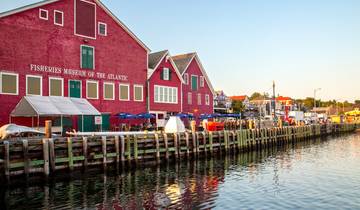
6 days
Taste of the Maritimes
- ✓ Comprehensive Halifax tour
- ✓ Expert local guides included
- ✓ All accommodation arranged
- ✓ Transportation provided

6 days
A Taste of the Maritimes
- ✓ Comprehensive Halifax tour
- ✓ Expert local guides included
- ✓ All accommodation arranged
- ✓ Transportation provided

7 days
Wonders of the Bay of Fundy
- ✓ Comprehensive Halifax tour
- ✓ Expert local guides included
- ✓ All accommodation arranged
- ✓ Transportation provided

5 days
Best of Prince Edward Island
- ✓ Comprehensive Halifax tour
- ✓ Expert local guides included
- ✓ All accommodation arranged
- ✓ Transportation provided
Multi-day tour packages powered by TourRadar. Prices and availability subject to change.
Introduction: Halifax Free Experiences 2026
Halifax demonstrates exceptional accessibility for budget-conscious travelers in 2026, offering world-class cultural, historical, and natural attractions without admission charges. The city’s approach to public space reflects its maritime heritage and commitment to community access, providing visitors with experiences that rival paid attractions in quality and educational value. From the moment visitors step onto the Halifax Waterfront Boardwalk to exploring Victorian gardens and hiking coastal trails, the city reveals itself through experiences designed for universal access rather than exclusive admission.
This comprehensive guide details every significant free activity available in Halifax throughout 2026, organized by category to maximize planning efficiency. The offerings span from the spectacular June 19 to September 7 free admission period at Halifax Citadel National Historic Site to year-round access at Point Pleasant Park’s 75-hectare coastal forest. Understanding the seasonal availability of activities, from summer waterfront festivals to winter sledding opportunities, enables visitors to optimize their Halifax experience regardless of travel dates. The combination of permanent free attractions and special 2026 programming creates opportunities for multi-day visits without accommodation costs comprising the sole expense.
Halifax’s free attractions concentrate within walkable distances downtown, though the city’s affordable public transit system (CAD $3 or $2 per ride) connects outlying parks and beaches efficiently. The strategic timing of visits around free admission periods, farmers market days, and outdoor concert schedules maximizes value while experiencing Halifax’s authentic character through its public spaces, community events, and accessible heritage sites. This guide provides the essential information needed to explore Halifax thoroughly in 2026 while maintaining a zero-dollar activity budget.
Halifax Waterfront Boardwalk Free Access 2026
The Halifax Waterfront Boardwalk operates as a free public footpath 24 hours daily throughout 2026, stretching 4 kilometers from Casino Nova Scotia to the Canadian Museum of Immigration at Pier 21. This constitutes one of the world’s longest continuous urban boardwalks, providing unrestricted access to harbor views, public art installations, historic sites, and community gathering spaces without any admission fees or time restrictions. The boardwalk’s construction from durable heavy timber ensures all-season accessibility, with the pathway maintained year-round for walking, running, cycling (on designated sections), and wheelchair access.
The boardwalk’s free amenities include strategically positioned orange hammocks along Salter boardwalk section, dozens of Adirondack chairs overlooking the harbor, public benches, accessible washrooms, and open green spaces. The iconic orange hammocks have become Halifax’s most photographed free attraction, offering harbor-breeze relaxation and selfie opportunities without reservations or fees. Parks Canada’s red Adirondack chairs position themselves facing Georges Island National Historic Site, providing contemplative harbor views while connecting visitors with the site’s national heritage designation. Public washroom facilities operate throughout the boardwalk’s length, eliminating the common requirement to patronize businesses for restroom access in other cities.
Historic Properties, located at the boardwalk’s northern section, comprises Canada’s oldest surviving waterfront warehouse group dating to the late 1700s and early 1800s. Visitors explore these Victorian-Italianate façades freely, walking through the interconnected buildings that once served privateers and merchants during Halifax’s early maritime history. The buildings now house shops and restaurants, but the architectural exploration and historical interpretation remain free. The waterfront’s newest district, Queen’s Marque, offers free access to outdoor public spaces and art installations at the water’s edge, showcasing contemporary design alongside heritage structures.
The boardwalk showcases public art installations including the humorous “Get Drunk, Fall Down” sculpture by Chris Hanson and Hendrika Sonnenberg, featuring a slumped lamppost with a concerned companion lamppost looking on, and the nearby Fountain lamppost shooting water into the harbor. The Wave sculpture by artist Donna Hiebert stands as one of the waterfront’s most photographed attractions, offering visitors free interaction with contemporary Canadian art. These installations require no admission fees, guided tours, or reservations, integrating seamlessly into the walking experience.
Summer programming along the Halifax Waterfront in 2026 includes free events such as street performers, buskers during the annual Busker Festival, pop-up fitness classes, and outdoor markets. The Seaport Farmers Market building offers free admission for browsing (vendors charge for purchases), providing access to Nova Scotia artisans, food producers, and craftspeople without entrance fees. The waterfront hosts free outdoor concerts, cultural celebrations including Acadian celebrations in August, and community gatherings throughout the warmer months. These events enhance the free boardwalk experience with organized programming while maintaining the no-admission-fee approach.
Maritime Museum of the Atlantic, located directly on the boardwalk, offers free admission on select Thursday evenings during summer months from 5 PM to 8 PM in 2026, providing free access to exhibits about Nova Scotia’s seafaring history, Titanic artifacts, and Halifax Explosion displays during these designated times. The museum ships CSS Acadia and HMCS Sackville dock immediately outside the museum and can be photographed freely from the boardwalk, though boarding tours require separate admission fees during regular hours. The waterfront location enables free viewing of these historic vessels as active components of Halifax’s working harbor.
The boardwalk provides free vantage points for observing Halifax Harbour’s active maritime traffic including sailboats, ferries, cargo ships, naval vessels, and cruise ships throughout the year. The working port atmosphere offers continuous activity without requiring tour bookings or admission charges, with public spaces designed specifically for observation and photography. Sunset viewing from the boardwalk benches and hammocks ranks among Halifax’s premier free evening activities, with westward harbor views creating dramatic light displays across the water.
Access points to the Halifax Waterfront Boardwalk exist at numerous street intersections throughout its 4-kilometer length, allowing visitors to join at convenient locations rather than requiring end-to-end walks. The boardwalk connects directly with downtown Halifax streets, making it accessible from hotels, restaurants, and other city center attractions without additional transportation costs. Bus routes 1, 2, 4, 5, 6, 7, 9, and 10 provide direct access to various boardwalk sections, with the ferry terminal offering another free access point for those arriving from Dartmouth.
Halifax Public Gardens Free Victorian Experience 2026
Halifax Public Gardens provides completely free admission to 16 acres of Victorian-era gardens throughout 2026, operating daily from 8 AM until 30 minutes before dusk year-round. Established formally in 1867 during Canadian Confederation, these gardens represent one of the finest surviving examples of Victorian garden design in North America, designated as a National Historic Site of Canada in 1984. The free admission policy ensures universal access to this meticulously maintained cultural landscape without any entrance fees, reservations, or time restrictions during operating hours.
The gardens feature over 140 different species of trees, shrubs, and perennial plants arranged in traditional Victorian formal landscaping style, with three fountains, two stone bridges, three duck ponds (one large, two small), and the iconic 1887 bandstand as central features. Visitors explore winding pathways that reveal carefully designed vistas, carpet beds planted in traditional Victorian patterns, geometric beds featuring seasonal annuals, tropical display beds with exotic plants, and mature tree groves providing shade and architectural interest. The formal garden paths display the gardens as they were meant to be seen in the Victorian era, with specific viewpoints designed for optimal aesthetic appreciation.
Free horticultural and historical tours operate daily at 10:30 AM, 12 PM, 1:30 PM, and 3 PM from June through October 2026, led by Friends of the Public Gardens volunteers. These one-hour tours provide expert interpretation of the gardens’ plant collections, historical significance, design principles, and Victorian gardening traditions without any tour fees or advance reservations required. Visitors simply arrive at tour times and join the group, receiving comprehensive education about the site’s botanical and cultural heritage. Morning bird walks offer additional free programming during peak birding seasons, connecting natural history with horticultural appreciation.
The gardens’ 1887 bandstand hosts free Sunday afternoon concerts during summer months in 2026, continuing a tradition of public musical performances in this historic setting. Local musicians, brass bands, and classical ensembles perform on the ornate Victorian-style bandstand, with audiences gathering on surrounding lawns and benches for picnic-style concert experiences. These concerts require no tickets, reservations, or admission fees, embodying the Victorian-era principle of public gardens serving community cultural needs. The bandstand’s acoustic design and central location create intimate performance spaces despite outdoor settings.
The gardens contain numerous statues, monuments, and commemorative plaques exploring Halifax’s Victorian-era military history, temperance movement, royal commemorations, and cultural heritage. Visitors encounter statues of Roman goddesses (Ceres, Flora, Diana) donated from Chief Justice Sir William Young’s estate in 1887, monuments to Nova Scotian military figures, plaques commemorating the Halifax Provisional Battalion of 1785, and memorials to temperance crusaders including Frances Willard. These historical artifacts provide free outdoor museum experiences, with interpretive information available through guided tours and informational signage.
Griffin Pond, the gardens’ largest water feature, hosts a model Titanic floating among resident ducks, turtles, and visiting osprey and blue herons. The pond’s ecological significance combines with its designed aesthetic, creating habitat for urban wildlife while maintaining Victorian landscape principles. Visitors observe waterfowl throughout seasons without disturbing natural behaviors, as feeding ducks is prohibited to maintain their natural migratory patterns and health. The pond’s bridges and surrounding pathways offer multiple viewpoints for wildlife observation and photography.
The Family Lawn area at the southeast gate (Spring Garden Road at Summer Street) designates the only section where visitors can walk on grass and picnic, with the remainder of the gardens requiring visitors to stay on established pathways. This policy protects the Victorian garden design while providing designated public gathering space for families, relaxation, and informal activities. The Family Lawn accommodates children’s play, picnicking, and casual lounging while the formal garden areas maintain their designed character and plant health.
Horticultural Hall, a Victorian-style building serving as the gardens’ centerpiece, houses a café offering beverages and light refreshments (purchases required) and provides public washrooms available during operating hours. The hall’s historical architecture contributes to the Victorian atmosphere while serving contemporary visitor needs. Wheelchairs for public use are available at Horticultural Hall, ensuring accessibility for visitors with mobility limitations throughout the gardens’ pathways. The gardens maintain wheelchair-accessible routes, though some areas feature cobblestones and gravel surfaces that present challenges for certain wheelchair users.
The gardens’ location at Spring Garden Road, South Park Street, Summer Street, and Sackville Street places them within walking distance of downtown hotels, Halifax Citadel National Historic Site, and Spring Garden Road shopping district. Multiple entrance gates at corner locations allow convenient access from different directions, with the main gate at Spring Garden Road and South Park Street offering the most prominent entry point. Bus routes 1, 2, 3, 4, 6, 7, 9, 10, 14, 17, 18, 52, 53, 58, 59, 60, 61, 62, 72, 80, 82, 83, 84, 85, 86, 87, 88, 90, 123, 135, 136, and 185 provide public transit access to the gardens.
Gardens rules protect the Victorian landscape character, prohibiting bicycles, scooters, jogging, pets, and smoking throughout the grounds. These restrictions maintain the contemplative atmosphere and protect delicate plantings from damage, while bicycle and scooter parking is available outside garden gates. The smoke-free environment and pet restrictions ensure all visitors enjoy peaceful garden experiences without disturbances, though service animals receive accommodation under accessibility regulations.
Seasonal variation transforms the gardens throughout 2026, with spring bulb displays, summer carpet bed plantings, autumn foliage, and winter’s peaceful snow-covered landscape each offering distinct experiences. The gardens remain open year-round weather permitting, with winter access providing serene cold-season beauty and photography opportunities when summer crowds diminish. Christmas light displays brighten early winter evenings, adding seasonal charm to the Victorian setting without admission charges.
Point Pleasant Park Coastal Trails 2026
Point Pleasant Park offers completely free access to 75 hectares of coastal forest crisscrossed with 39 kilometers of trails throughout 2026, operating as Halifax’s signature urban park without any entrance fees or time restrictions. Located on the southern tip of the Halifax peninsula approximately 3 kilometers from downtown, the park provides extensive trail networks through mixed forest, along rocky coastline, past historic military fortifications, and across open meadows with harbor and ocean views. Two parking lots accommodate vehicles free of charge, while Bus Route 9 and walking access from adjacent neighborhoods enable car-free visits.
The park’s trail system ranges from wide, wheelchair-accessible main paths to narrow wooded footpaths, accommodating various mobility levels and hiking preferences without difficulty ratings restricting access. Sailors Memorial Way, the waterfront path, runs approximately 3.4 kilometers along the coast offering continuous harbor views, beaches, and interpretive sites including the Halifax Memorial granite cross honoring 3,267 Canadian and Newfoundland sailors buried at sea during World Wars I and II. This coastal route provides the park’s most dramatic scenery, combining maritime history with natural beauty along easily navigable gravel pathways.
Historic military features throughout Point Pleasant Park include ruins of early fortifications, preserved gun emplacements from the 18th century, Fort McNab (key to the Halifax Defence System from the 1880s), and the Prince of Wales Tower built in 1796-97 as the first Martello tower in North America. Visitors explore these defensive structures freely, learning about Halifax’s strategic military importance through on-site interpretation and the physical remains of defense systems protecting the harbor for over 200 years. The fortifications integrate with natural trails, creating outdoor museum experiences combining military history with coastal ecology.
The park’s ecology supports significant biodiversity despite urban location, with mature coniferous and deciduous forests, coastal ecosystems, and marine intertidal zones visible from shoreline trails. Visitors observe harbor seals, seabirds, migratory songbirds, marine invertebrates in tide pools, and forest wildlife including red squirrels and various woodpecker species. The coastal location creates distinct microhabitats where maritime influences affect forest composition, providing educational opportunities for nature observation without requiring guided tours or interpretive programs.
Dog regulations designate the majority of Point Pleasant Park as off-leash, making it Halifax’s premier free dog park with extensive trail networks for canine exercise. Specific restrictions apply to Sailors Memorial Way (no dogs after 10 AM) and Cambridge Drive (on-leash required at all times), with the remainder of the park allowing off-leash activity under owner supervision. This policy attracts significant local use while accommodating visitors preferring dog-free areas by designating specific paths with restrictions. The extensive off-leash area eliminates common fees associated with private dog parks while providing superior natural environments.
Cycling access operates under specific regulations in Point Pleasant Park during 2026, with designated trails open for cycling on Saturdays, Sundays, and holidays, while weekday cycling restricts to main roads and pathways only. Weekend cycling routes receive specific designation, with signage indicating permitted paths. This system balances recreational cycling with pedestrian safety and trail preservation, providing free cycling opportunities without requiring separate bike park fees while protecting narrow footpaths from erosion and conflicts with walkers.
The park’s small swimming beach on the Northwest Arm provides free ocean access during summer months, though water temperatures remain cool throughout the season reflecting North Atlantic conditions. The beach area includes adjacent grassy spaces for picnicking and sunbathing, with the sheltered arm location creating calmer water conditions than open ocean sites. Swimming occurs at personal risk without lifeguard supervision, following standard Canadian public beach protocols for unmonitored swimming areas.
Shakespeare by the Sea performs free outdoor theater productions during summer months at Point Pleasant Park, staging Shakespeare plays and other works in the park’s natural amphitheater settings. Performance schedules vary by season, with productions typically running July through September weather permitting. Audiences bring blankets or chairs, creating picnic-style theater experiences without ticket charges, reservations, or fees. This professional theater company’s commitment to free public performances continues Halifax’s tradition of accessible cultural programming.
Point Pleasant Park’s 999-year lease from Great Britain to Halifax Regional Municipality, established in 1866 for one shilling per year, creates unique governance ensuring public access. This historical arrangement guarantees the park remains accessible to the public without development or privatization threats, with the nominal lease payment of approximately 10 cents Canadian annually symbolizing the commitment to public stewardship. Visitors benefit from this historic agreement through permanent free access to prime coastal real estate that might otherwise face residential development.
Washroom facilities operate at the park’s main entrance and maintenance building, providing public amenities without user fees. Water fountains, waste receptacles, and park benches position throughout trail networks, supporting extended visits without requiring users to leave for basic amenities. The maintenance building (5718 Point Pleasant Drive) operates a lost and found service accessible by calling 902-490-4700, providing visitor support beyond basic trail access.
Seasonal activities transform Point Pleasant Park beyond summer hiking, with winter offering free sledding on park hills when snow conditions permit, snowshoeing on groomed trails, and cross-country skiing opportunities. Fall foliage transforms the forest into color displays rivaling paid attractions, while spring migration brings warblers and other songbirds to coastal thickets. The year-round accessibility and seasonal variation create multiple free return visit opportunities throughout 2026 without repetitive experiences.
Halifax Citadel National Historic Site Free Summer Access 2026
Halifax Citadel National Historic Site implements completely free admission from June 19 through September 7, 2026 under the Canada Strong Pass initiative, eliminating all entrance fees during the peak summer visitor season. This 11-week period encompasses the site’s full programming season, including costumed interpretation, guided tours, military demonstrations, museum exhibits, and daily noon gun firing ceremonies. The free admission applies to all visitors regardless of age or residency, with no advance reservations required for general admission during this period.
The fort’s signature daily noon gun firing continues year-round except Christmas Day, visible and audible across downtown Halifax as the 3rd Brigade Royal Artillery fires the ceremonial cannon at exactly 12:00 PM. During the Canada Strong Pass period (June 19 to September 7, 2026), visitors access the parade square and watch the noon gun ceremony free of charge, with costumed interpreters providing context about this tradition dating to 1857. The noon gun ranks among the world’s oldest continuing time signals, creating a free authentic historical experience requiring only timing arrival for the midday ceremony.
Guided tours with costumed 78th Highlanders operate at regular intervals throughout the day during the free admission period, providing comprehensive fort interpretation without additional fees. These kilted interpreters lead groups through period rooms, defensive fortifications, barracks, and strategic viewpoints while explaining military life, Halifax’s defensive history, and the fort’s role in protecting British and Canadian interests from 1749 through the Second World War. Tour schedules post at the Visitor Centre upon arrival, with multiple daily departure times accommodating varying visitor schedules.
The Fortress Halifax exhibition, the Citadel’s largest and newest permanent display, explores Mi’kmaq heritage, Halifax’s evolution through conflict, experiences of diverse groups including Acadians and African Nova Scotians, and the city’s role in global warfare. Interactive elements include the One Land, Four Peoples touch table revealing different cultural perspectives on the same geography, and Leonard Paul’s art capturing Kjipuktuk (Halifax) before colonization. First-person video perspectives, soldier tent dress-up opportunities, and the 15-minute film “A Harbour Worth Defending” provide engaging educational experiences included in free admission.
Nine period rooms throughout the fort recreate 19th-century military life, including barracks, officers’ quarters, prison cells, powder magazine, and defensive positions. During the free admission period, visitors explore these spaces independently or with guided tours, experiencing authentic historical environments maintained to 1869 standards when the current fort’s construction completed. The rooms contain period furnishings, military equipment, and interpretive panels explaining daily routines, hierarchies, and living conditions for British garrison soldiers stationed in Halifax.
The Citadel’s ramparts provide 360-degree views of Halifax, the harbor, Dartmouth, and surrounding regions from the fort’s elevated hilltop position. These defensive walls, designed for cannon placement and military observation, now serve as free observation decks allowing visitors to understand Halifax’s geography and strategic importance. The viewing platforms operate during all open hours, with north and south platforms offering distinct perspectives on harbor entrances, downtown development, and approaching vessels.
Outside the Canada Strong Pass period, Halifax Citadel charges admission fees from May 7 to June 18 and September 8 to October 31, 2026, with year-round free admission remaining available for youth 17 and under through Parks Canada’s youth admission policy. During winter months (November through early May), interior exhibits close while the Parade Square and noon gun firing continue when weather permits, with accessible washrooms remaining open. Winter visitors access these limited services free of charge, experiencing the fort’s exterior and noon ceremony without admission fees despite reduced programming.
The Army Museum at Halifax Citadel operates independently, with specific free admission dates announced separately from fort admission. The museum opens select dates including March 3-7 and March 17-21, 2026 from 10 AM to 2 PM free of charge, showcasing military artifacts, uniforms, and historical displays related to Canadian armed forces. These free museum days complement fort exploration, though schedules operate independently of Canada Strong Pass dates.
Access to Halifax Citadel requires uphill walking from downtown Halifax, with the fort positioned on the city’s most prominent hill approximately 15 minutes’ walk from waterfront hotels. The steep approach challenges some visitors, though the site maintains accessible routes and elevator access for those with mobility limitations. Driving to the site enables parking closer to entrance gates, though parking fees may apply (verify current rates as public parking operates separately from fort admission). The elevated position creating access challenges also provides the strategic hilltop location essential to the fort’s historical purpose and current views.
Special events during the Canada Strong Pass period in 2026 may include Canada Day celebrations on July 1, military tattoos, evening ghost tours (separate fees apply for ghost tours), and cultural demonstrations expanding beyond standard programming. These events vary annually, with specific schedules published on Parks Canada’s website and at the Visitor Centre. Free admission applies to standard fort access during these events, though some special programming may require additional fees or reservations.
Halifax-Dartmouth Ferry Affordable Harbor Views 2026
The Halifax-Dartmouth Ferry provides affordable harbor tours at CAD $3 ($2) one-way in 2026, operating as North America’s oldest saltwater ferry service and the world’s second oldest after the Mersey Ferry. While not technically free, the ferry’s minimal cost delivers exceptional value for harbor views, maritime heritage experience, and functional transportation between downtown Halifax and Dartmouth. Children 12 and under ride completely free on all Halifax Transit services including both ferry routes, enabling families to experience harbor crossings without charges for younger members.
Two ferry routes operate from the Halifax waterfront terminal: the Alderney Ferry service to downtown Dartmouth’s Alderney Landing and the Woodside Ferry to the Woodside terminal. The Alderney route operates daily with departures every 15 to 30 minutes depending on time of day, crossing the harbor in approximately 15 minutes. The Woodside route operates Monday through Friday only without weekend or holiday service, serving primarily commuter traffic. Both routes integrate with Halifax Transit’s bus system, with transfers valid for 90 minutes enabling connections to other transportation without additional fares when transfers are requested upon boarding.
The 15-minute crossing provides unobstructed 360-degree harbor views including Halifax waterfront skyline, Dartmouth shore, active port operations, naval vessels, commercial shipping, recreational sailboats, and historic harbor landmarks. Passengers access outdoor decks for photography and fresh air, with covered interior seating available during inclement weather. The ferry’s working transit nature ensures authentic harbor experiences rather than manufactured tourist atmospheres, with local commuters and visitors sharing vessels throughout operating hours.
Ferry terminals operate on cash-only exact change basis, requiring passengers to have precise CAD $3 ready or purchase tickets from Halifax Transit retail partners in advance. Coin exchange machines at terminals convert larger bills to coins, though these produce substantial quantities of loonies and toonies rather than optimal change combinations. The HFXGO mobile app enables digital ticket purchase and contactless boarding, eliminating exact change requirements while providing 150-minute transfer validity from activation time. Monthly passes and multi-ride tickets purchased through retail partners offer additional savings for visitors planning multiple transit uses.
Free transfer requests upon boarding enable return ferry trips within 90 minutes without additional payment, effectively providing round-trip harbor crossings for a single CAD $3 fare when visitors time their Dartmouth exploration appropriately. This transfer policy applies to all Halifax Transit services, meaning ferry passengers can also board buses within the transfer window or conversely, bus passengers can board ferries using unexpired bus transfers. The integrated transfer system maximizes value from minimal transit expenditure, enabling multiple transportation uses from single fares.
Dartmouth’s Alderney Landing destination offers free waterfront boardwalk access, public spaces, weekend farmers market (free browsing), and views back toward Halifax skyline. Visitors disembarking at Alderney Landing find themselves in downtown Dartmouth’s revitalized waterfront district within walking distance of breweries, restaurants, parks, and urban art installations. The free Dartmouth boardwalk extends along the harbor shore, providing car-free coastal walking connecting to residential neighborhoods and parkland. Return ferry boarding completes round-trip harbor experiences, with sunset crossings offering particularly dramatic lighting on Halifax’s western-facing waterfront.
The ferry service’s historical significance dates to 1752 when the Nova Scotia government established official ferry operations, creating over 270 years of continuous harbor crossings. Modern vessels maintain this tradition while providing contemporary amenities, accessibility features, and efficiency. The historical context enriches the transit experience beyond simple harbor crossing, connecting passengers with Halifax’s maritime heritage and the practical waterborne transportation that built the city.
Photography opportunities from ferry decks include Halifax Citadel’s hilltop position, waterfront development spanning eras from historic to contemporary, working port operations with container terminals and naval facilities, and Georges Island National Historic Site in mid-harbor. Morning and evening light create optimal conditions for skyline photography, while midday crossings offer clearest visibility for distant landmarks. Passengers photograph freely without restrictions beyond safety requirements to remain clear of operational areas.
Weather considerations affect ferry comfort, with North Atlantic winds creating choppy conditions and cold temperatures even during summer months. Passengers should dress appropriately for maritime exposure, bringing layers even on warm days as harbor breezes cool outdoor deck areas significantly. Winter ferry operations continue year-round, though covered seating becomes preferred over outdoor decks during cold months. The ferry’s sheltered harbor route experiences calmer conditions than open ocean would create, though wave action still produces noticeable vessel motion.
Accessible boarding enables wheelchair users and passengers with mobility limitations to utilize ferry service, with level boarding systems and interior accessible seating. Service animals accompany passengers following standard public transit policies. The accessibility features ensure the affordable harbor experience remains available to all visitors regardless of physical abilities, maintaining inclusive access to this historic transportation service.
Halifax Central Library Free Public Spaces 2026
Halifax Central Library provides completely free admission to its 120,000-square-foot facility throughout 2026, operating as a public space welcoming visitors whether or not they hold library cards or check out materials. The award-winning building’s five floors contain reading rooms, study spaces, technology centers, exhibition galleries, rooftop terrace, and the Living Room performance space, all accessible without fees or registration requirements. The library’s commitment to public access extends beyond book lending to creating free community gathering spaces, work environments, and cultural venues.
The fourth-floor rooftop terrace offers free panoramic views of Halifax including the Citadel, downtown development, harbor glimpses, and surrounding neighborhoods from an elevated perspective. Open-air seating, gardens, and walking space create outdoor rooms above street level, providing unique urban vantage points without requiring restaurant patronage or observation deck admission. The terrace operates during library hours weather permitting, becoming popular locations for reading, working, socializing, or simply enjoying views free of charge.
Ground floor exhibitions change regularly throughout 2026, showcasing local artists, historical photography, community projects, and cultural displays in professional gallery spaces. These rotating exhibitions provide free contemporary and historical art experiences without gallery admission fees, with opening receptions and artist talks occasionally offered as additional free programming. The exhibition quality rivals commercial galleries while maintaining universal access through the library’s public mandate.
The Living Room, a dedicated performance and event space, hosts free concerts, author readings, panel discussions, film screenings, and community gatherings throughout the year. Programming ranges from local musicians to visiting speakers, children’s performances to adult educational series, all offered without ticket charges as part of the library’s public service mission. Event schedules post on the library’s website and at information desks, with most events operating on first-come, first-served seating without reservations.
Technology access includes free public computers, WiFi throughout the building, printing (minimal per-page charges apply), scanning, and specialized equipment including 3D printers, recording studios, and digital media labs. Visitors without library cards can access WiFi and use reference resources freely, while library card holders (available free to Nova Scotia residents and for small fees to visitors) gain additional benefits including material checkout and extended computer time. The technology infrastructure supports remote workers, students, researchers, and casual internet users without requiring coffee shop purchases or hotel business center fees.
Children’s floor features dedicated youth spaces with play areas, storytelling rooms, activity zones, and age-appropriate reading collections accessible free to families. Programming includes free storytimes, craft activities, educational workshops, and special events throughout the year without registration fees or material costs. Parents and caregivers utilize these spaces as free indoor children’s activities during inclement weather or as daily routine components, with extended hours accommodating various family schedules.
The library’s architectural significance as an award-winning contemporary design creates destination appeal beyond its programming, with visitors touring the building’s innovative features including the dramatic atrium, staircase sculpture, sustainable design elements, and integration with historic streetscape. Self-guided architectural appreciation costs nothing, with the building itself functioning as free public art and design education. Guided architecture tours occasionally operate through tourism partners or library programming, though independent exploration reveals the building’s key features without tour participation.
Location at 5440 Spring Garden Road positions Halifax Central Library within walking distance of Halifax Public Gardens, downtown hotels, shopping districts, and major transit routes. The corner position at Spring Garden and Queen streets creates high visibility and multiple entrance accessibility. Bus routes 1, 2, 3, 4, 6, 7, 9, 10, 14, 17, 18, 52, 53, 58, 59, 60, 61, 62, 72, 80, 82, 83, 84, 85, 86, 87, 88, 90, 123, 135, 136, and 185 provide direct access, while the central location enables walking from most downtown accommodations.
Operating hours extend into evenings and include weekend access, with specific hours varying by season and day of week. Current hours verification through the library website ensures visit planning accuracy, particularly for rooftop terrace access which may restrict during extreme weather. The extended hours accommodate working visitors, tourists, and residents seeking evening activities without cost barriers.
The library café operates as a separate commercial entity charging for food and beverages, though café seating extends into public areas allowing visitors to enjoy the space without purchase requirements. The café provides convenient refreshment options while the library itself maintains free access policies independent of café operations. Public seating throughout the building ensures non-purchasing visitors find comfortable spaces.
Art Gallery of Nova Scotia Free Thursday Evenings 2026
Art Gallery of Nova Scotia implements free admission Thursday evenings in 2026, offering visitors access to over 17,000 artworks and temporary exhibitions without entrance fees during extended evening hours. This weekly free admission program removes financial barriers to cultural engagement, enabling visitors to experience provincial art collections, Canadian masterworks, and traveling exhibitions typically requiring paid admission. The Thursday evening timing accommodates working visitors and tourists seeking evening activities beyond restaurants and bars.
The permanent collection emphasizes Nova Scotia and Maritime art, including significant Maud Lewis holdings, contemporary Canadian works, Inuit art, and historical pieces reflecting the region’s cultural development. Free Thursday access includes all permanent galleries, allowing comprehensive museum experiences without the abbreviated visits sometimes associated with free admission periods. Visitors spend hours exploring collections at leisure, returning across multiple Thursday evenings throughout their Halifax stay to fully experience the extensive holdings.
Temporary exhibitions rotate throughout 2026, bringing international artists, thematic shows, contemporary installations, and traveling exhibitions to Halifax audiences. Free Thursday admission includes these temporary exhibitions alongside permanent collections, providing access to programming that might otherwise require premium ticket pricing. The combination of permanent and temporary exhibition access during free periods delivers exceptional cultural value equivalent to full-price admission days.
The museum occupies two historic buildings: the main gallery at 1723 Hollis Street in a heritage structure featuring restored historic architecture, and the North Building nearby housing additional galleries and the Art Sales & Rental service. Both locations participate in free Thursday evening admission, creating connected cultural experiences exploring different exhibition spaces and architectural environments. The heritage building’s Victorian features add historical interest complementing the artworks displayed within renovated spaces.
Educational programming occasionally coincides with free Thursday evenings, including artist talks, gallery tours, curator presentations, and workshop activities. While not guaranteed weekly, these enhanced programs when scheduled create richer experiences than simple gallery viewing. Visitors checking the monthly calendar identify Thursdays featuring additional programming, optimizing their free admission visits for maximum engagement.
The gallery shop operates as a separate retail entity selling art books, jewelry, gifts, and local artisan work, with shopping optional rather than required. The shop’s independence from admission allows browsing without purchasing, though supporting the gallery through shop sales helps sustain free admission programs. Many visitors combine free museum visits with shop purchases, balancing free cultural access with financial support for ongoing operations.
Location in downtown Halifax’s historic district positions the Art Gallery within walking distance of waterfront attractions, Halifax Citadel, Public Gardens, and downtown accommodations. The Hollis Street address places the main gallery near provincial government buildings and historic churches, creating cultural district context. Bus routes provide direct access, while pedestrian connections from other free attractions enable efficient multi-attraction days without transportation costs beyond walking.
Operating hours for free Thursday evenings extend later than standard museum hours, typically running into early evening to accommodate dinner-time and post-work visitors. Specific hours require verification through the gallery website, as seasonal variations and special events may affect schedules. Arriving shortly before free admission begins avoids crowds gathering at transition times, while mid-evening visits often encounter lighter traffic as early arrivals depart.
Photography policies permit non-flash photography in most permanent collection areas for personal use, enabling visitors to document favorite works and share cultural experiences through social media. Temporary exhibitions may restrict photography depending on lending agreements and artist preferences, with specific restrictions posted in affected galleries. The liberal photography allowance in permanent areas creates shareable content highlighting Halifax’s cultural offerings without additional permissions required.
Accessibility features include elevator access to all floors, wheelchair-accessible entrances, accessible washrooms, and seating throughout galleries for visitors requiring rest breaks. The museum maintains inclusive policies ensuring cultural access extends beyond admission fees to physical accessibility, enabling all community members to engage with provincial art collections regardless of mobility limitations.
Free Beaches and Swimming Areas 2026
Halifax Regional Municipality maintains several free ocean beaches accessible throughout summer 2026, providing Atlantic swimming, sunbathing, and coastal recreation without admission fees or parking charges at most locations. Crystal Crescent Beach Provincial Park, located approximately 25 kilometers south of downtown Halifax, operates as the region’s premier free beach destination with three distinct beach areas separated by rocky headlands. All three beaches maintain completely free access, parking, changing facilities, and picnic areas without the user fees common at many provincial parks.
Crystal Crescent’s first beach provides the most developed amenities including lifeguard supervision during peak summer season, washrooms, changing rooms, boardwalk access, and designated swimming areas. The supervised swimming represents exceptional free safety provision, as many public beaches charge fees when lifeguards operate. Families with young children particularly benefit from the supervised area’s safety protocols while maintaining zero-cost access. The second beach offers similar amenities with slightly less development, while the third beach provides wilderness beach experiences with minimal facilities for visitors seeking undeveloped coastal environments.
Water temperatures at Crystal Crescent and other Halifax-area Atlantic beaches remain cool throughout summer, typically ranging from 12-18°C (54-64°F) even during peak season. Visitors should anticipate refreshing rather than warm swimming conditions, with wetsuits common among locals for extended water time. The cold water reflects North Atlantic currents and latitude, creating invigorating swimming experiences rather than the temperate conditions found at southern beaches. This temperature reality, while initially shocking, provides authentic Maritime beach experiences without requiring travel to warmer climates.
Martinique Beach, located approximately 65 kilometers east of Halifax near Musquodoboit Harbour, stretches 5 kilometers as Nova Scotia’s longest sand beach with completely free access. The exposed Atlantic position creates impressive wave action for surfing and body-boarding, while the extensive length ensures crowd dispersal even during peak summer weekends. Parking operates free of charge, with basic facilities including washrooms and picnic areas. The drive from Halifax requires vehicle access, though carpooling among travelers reduces per-person costs while enabling access to this exceptional coastal resource.
Lawrencetown Beach, positioned approximately 25 kilometers east of Halifax, attracts surfers year-round due to consistent Atlantic swell and orientation capturing storm energy. The beach operates with free access and parking, with local surf shops nearby providing equipment rental (fees apply for rentals). Non-surfers enjoy the dramatic wave-watching, sandy beach walking, and dune exploration without participating in surfing activities. The beach’s popularity among local surfers creates interesting observation opportunities for visitors unfamiliar with cold-water surfing culture.
Queensland Beach within Halifax city limits offers urban beach access approximately 10 kilometers from downtown, operating with free admission and parking. The sheltered harbor position creates calmer water conditions than exposed Atlantic beaches, with warmer water temperatures due to shallow bay warming. Families with young children often prefer Queensland’s gentler conditions over Atlantic surf beaches, while the proximity to downtown reduces transportation time and costs. Basic amenities include washrooms, picnic areas, and open green spaces adjacent to sandy beach areas.
Shubie Park Beach on Lake Charles in Dartmouth provides fresh water swimming as an alternative to ocean beaches, with warmer water temperatures and absence of surf creating different beach experiences. The lake setting enables swimming without ocean current concerns, while the freshwater eliminates salt water’s stickiness. Free parking and beach access operate throughout summer, with the Dartmouth location accessible via ferry from Halifax enabling car-free beach visits. The park surrounding the beach offers trails, picnic areas, and open spaces extending recreational opportunities beyond beach time.
Beach safety protocols emphasize personal responsibility at unsupervised locations, with only Crystal Crescent’s first beach providing lifeguard coverage during peak season. Visitors swim at their own risk elsewhere, following standard ocean safety practices including avoiding swimming alone, recognizing rip current indicators, monitoring weather conditions, and respecting red flag warnings when posted. The cold water temperatures create additional safety considerations including hypothermia risk during extended exposure, particularly affecting children and individuals unaccustomed to cold water swimming.
Environmental stewardship practices at Halifax beaches include pack-in-pack-out waste management, protection of dune vegetation, respect for coastal ecosystems, and “leave no trace” principles. The free beach access depends on community commitment to preserving these coastal resources, with visitors’ responsible behavior ensuring continued public access without degradation requiring closures or fee implementation. Dog regulations vary by beach and season, with some allowing leashed dogs year-round, others restricting dogs during peak summer months, and designated off-leash areas operating at specific locations and times.
Free Hiking and Trail Systems 2026
Halifax Regional Municipality maintains extensive free trail networks beyond Point Pleasant Park, providing diverse hiking experiences from urban greenways to wilderness paths throughout 2026. The Salt Marsh Trail, stretching approximately 6 kilometers through Cole Harbour, operates as a popular paved multi-use trail accessible for walking, running, cycling, and wheelchair use without fees or permits. The trail traverses coastal salt marshes, offering wildlife observation opportunities including Great Blue Herons, waterfowl, and migrating shorebirds in wetland habitats adjacent to suburban development.
The Shubenacadie Canal Greenway follows the historic canal route connecting Halifax Harbour to the Bay of Fundy, with developed trail sections totaling over 20 kilometers providing urban escape opportunities within metro Halifax. The waterway trail passes through Halifax Common, Shubie Park, and connecting communities, integrating historical interpretation about the 19th-century canal system with contemporary recreational trail access. Lock structures, canal remnants, and interpretive signage create outdoor history lessons complementing trail walking and cycling.
Sir Sandford Fleming Park (Dingle Park) offers free trails through 95 acres of forested parkland along the Northwest Arm, featuring the Dingle Tower memorial, picnic areas, and waterfront walking paths. The tower stands as a memorial to Nova Scotia’s granting of representative government, providing free exterior viewing though interior access may operate on limited schedules. The park’s trails connect to broader trail networks enabling extended hiking from this central access point, while the waterfront position creates scenic walking complemented by sailing activity observation on the Northwest Arm.
Blue Mountain-Birch Cove Lakes Wilderness Area, positioned along Halifax’s western boundary, protects 3,000 hectares of wilderness within metro boundaries, offering free trail access to old-growth forests, pristine lakes, and undeveloped coastal headlands. The wilderness area’s size enables multi-hour hikes without encountering development, providing authentic wilderness experiences without leaving municipal boundaries. Trail development continues as of 2026, with new access points and extended trail networks expanding public access to this protected natural area.
Halifax Common comprises North Common, Central Common, and South Common connecting as continuous parkland through Halifax’s center, with paths enabling walking or running circuits through urban green space. The Commons host recreational facilities, playgrounds, sports fields, and open meadows alongside formal pathways, serving as free outdoor activity spaces for residents and visitors. Historical significance as preserved common land dating to Halifax’s founding in 1749 adds cultural context to contemporary recreational use.
McNabs Island, positioned in Halifax Harbour, provides wilderness hiking accessible via private boat or tour operators (ferry fees apply, the island itself is free to visit). The provincially protected island features hiking trails through coastal forests, past abandoned military fortifications, along undeveloped beaches, and through meadows supporting rare plant species. Day-tripping visitors pack food and water as the island lacks commercial facilities, creating self-sufficient wilderness experiences within view of downtown Halifax. The island’s car-free environment and wildlife populations including deer and rare bird species create unique hiking contexts unavailable on mainland trails.
The Trans Canada Trail passes through Halifax Regional Municipality, connecting to the nationwide trail system with free access to local sections. The trail integrates existing greenways, rail trails, and new construction creating continuous routes for long-distance walking or cycling. Trail sections vary in development level from paved urban sections to natural surface paths, accommodating different user preferences and abilities. Long-distance travelers using the Trans Canada Trail find Halifax segments cost-free like the broader system, while local users access portions for shorter recreational outings.
Trail safety practices include informing others of hiking plans, carrying water and snacks, dressing for weather variability, using proper footwear, and respecting trail conditions during seasons like spring mud or winter ice. Cell phone coverage exists on most urban trails but diminishes in wilderness areas, with emergency preparedness appropriate for trail remoteness. Weather changes rapidly in Maritime climates, with fog, wind, and temperature shifts occurring within hours requiring layers and preparation beyond current conditions.
Seasonal trail use extends beyond summer, with winter offering snowshoeing and some groomed cross-country skiing (check specific trail policies), spring featuring migration birding, summer providing forest shade hiking, and fall delivering spectacular foliage viewing. The year-round free access eliminates seasonal cost barriers while weather and trail conditions vary significantly by season. Winter preparation requirements increase but free access continues, with Halifax’s moderate winters (by Canadian standards) enabling year-round trail use for appropriately prepared visitors.
Free Cultural Events and Festivals 2026
Halifax hosts numerous free cultural events and festivals throughout 2026, transforming public spaces into community gathering areas for entertainment, celebration, and cultural exchange without admission charges. The Busker Festival, scheduled for early August along Halifax and Dartmouth waterfronts, presents six full days of world-class street performers including acrobats, fire-breathers, comedians, jugglers, musicians, and magicians across multiple stages. All performances operate on voluntary donation basis rather than ticket sales, enabling families and budget travelers to experience professional entertainment without mandatory costs.
Canada Day celebrations on July 1, 2026 center at Halifax Citadel National Historic Site and Grand Parade downtown, featuring free concerts, military demonstrations, children’s activities, food vendors, and evening fireworks. The national holiday’s free programming reflects Canada’s approach to accessible public celebrations, with taxpayer-funded events creating inclusive community experiences. The Citadel’s hilltop position creates natural amphitheater effects for concerts and ceremonies, while the Grand Parade’s downtown location enables walking access from hotels and attractions.
Natal Day celebrations in early August honor Halifax’s founding with free events including the harbor parade featuring decorated boats, waterfront concerts, children’s activities, military demonstrations, and community gatherings. This regional holiday creates locally-focused celebrations complementing national Canada Day events, with programming emphasizing Halifax and Nova Scotia history, culture, and community pride. The multi-day celebration extends free activities across the civic holiday weekend, maximizing visitor opportunities to participate.
Halifax Pride Festival in July features street parties, parade, performances, and community events with free admission to outdoor activities. The parade route through downtown creates family-friendly celebration viewing without reserved seating or tickets, while waterfront stages host performers throughout the weekend. The festival’s growth reflects Halifax’s commitment to inclusive community celebrations, with free access ensuring diverse participation across economic backgrounds.
Acadian celebrations in August recognize Nova Scotia’s Acadian heritage through music, dance, traditional food demonstrations, and cultural education at waterfront and community locations. Free performances introduce visitors to Acadian culture often unfamiliar outside Maritime provinces, creating educational opportunities alongside entertainment. The timing during peak tourist season enables maximum visitor engagement with this distinct Canadian cultural tradition.
Nocturne: Art at Night typically occurs in October, transforming downtown Halifax into an all-night contemporary art festival with installations, performances, interactive works, and artist demonstrations free to the public. The event’s overnight format creates unique urban experiences, with galleries, streets, and public spaces hosting art from sunset to sunrise. The experimental contemporary art focus contrasts with traditional gallery presentations, introducing visitors to cutting-edge Canadian and international artistic practices.
Halifax Crafters Spring and Fall Markets operate at Halifax Forum with free admission for browsing, bringing hundreds of artisans selling handmade goods, crafts, food products, and artwork. While purchases involve costs, the browsing experience provides free exposure to Nova Scotia artisans and craftspeople producing traditional and contemporary work. The market scale creates comprehensive showcasing of regional talent unavailable through individual gallery visits.
Sunset watching from waterfront viewpoints, Citadel Hill, and Point Pleasant Park represents daily free entertainment throughout summer months, with locals and visitors gathering at optimal vantage points for harbor sunsets. The ritual nature of sunset watching creates community experiences requiring only timing and appropriate locations. Harbor sunsets benefit from western exposures over water, creating dramatic color displays enhanced by maritime atmospheres and occasional fog formations.
Free outdoor movie screenings occasionally operate during summer months at various parks and public spaces, with community groups and organizations sponsoring family-friendly films after dark. These events require checking local listings for specific schedules and locations, as organization by different groups creates varying calendars rather than consistent weekly programming. Attendees bring blankets or chairs, creating picnic-style movie viewing without the cost of commercial theaters.
Live music performances occur regularly at Halifax Public Gardens’ bandstand, waterfront stages during summer programming, and various pub patios where sidewalk seating enables free listening without requiring entrance or drink purchases. The city’s active music scene creates frequent opportunities for free performance access, with visitors strategically positioning themselves near outdoor performance spaces. The concentration of venues in compact downtown areas enables walking between performances, catching multiple acts during evening explorations.
Free Museum Access and Special Programming 2026
Maritime Museum of the Atlantic implements free Thursday evening admission from 5 PM to 8 PM during summer months in 2026, providing access to permanent exhibits about Titanic artifacts, Halifax Explosion history, Nova Scotia maritime heritage, and temporary exhibitions. The Thursday evening timing matches Art Gallery of Nova Scotia’s free admission schedule, enabling combined cultural evenings visiting both institutions without admission costs. The museum’s waterfront location on the Halifax Boardwalk integrates easily into free boardwalk walking, creating comprehensive free daily itineraries combining outdoor and museum experiences.
The museum’s permanent Titanic collection includes the world’s largest collection of wooden artifacts from the disaster, with Halifax’s role as recovery port creating unique historical connections. Personal items, deck chairs, and victim belongings provide intimate connections to the tragedy, while interpretive panels explain Halifax’s response and burial of victims in city cemeteries. The Halifax Explosion exhibit details the 1917 maritime disaster when a munitions ship exploded in Halifax Harbour, creating the largest pre-nuclear explosion and killing approximately 2,000 people. These exhibits combine to create powerful historical narratives unique to Halifax, making the free admission periods particularly valuable for comprehensive museum experiences.
Museum ships CSS Acadia and HMCS Sackville dock immediately outside the Maritime Museum, offering exterior viewing and photography opportunities free of charge though deck tours require separate admission. The ships’ presence creates free maritime atmosphere and historical context, with Acadia serving as a hydrographic survey vessel charting Newfoundland coasts and Sackville representing Canada’s only remaining Second World War convoy escort corvette. Photography from the boardwalk captures these vessels in active harbor context without requiring tour purchases.
Canadian Museum of Immigration at Pier 21 occasionally offers free admission days or evenings throughout 2026, though these dates require verification as schedules vary annually. When free admission operates, visitors explore Canada’s immigration history through the lens of Pier 21, which processed nearly one million immigrants between 1928 and 1971. The personal stories, interactive exhibits, and historical photographs create emotional connections to immigrant experiences, while the waterfront location marks the actual arrival point for thousands of immigrants beginning new lives in Canada.
Shearwater Aviation Museum, located at Shearwater Airbase approximately 20 kilometers from downtown Halifax, operates with free admission year-round, displaying aircraft, engines, photographs, and artifacts documenting Royal Canadian Navy and Canadian Armed Forces aviation history. The permanent collection includes historical aircraft, restoration projects visible to visitors, and exhibits explaining military aviation development. The free admission reflects military base operations supporting public education, though access requires transportation to the suburban base location.
Naval Museum of Halifax provides free admission exploring Royal Canadian Navy history, with exhibits at CFB Halifax examining naval operations, equipment, personnel experiences, and Atlantic maritime defense. The specialized focus on naval rather than general maritime history complements the Maritime Museum’s broader scope, creating comprehensive understanding when both museums are visited. The military base location creates access procedures potentially requiring identification presentation, though the free admission policy reflects military commitment to public history education.
Discovery Centre, Halifax’s science center, offers occasional free admission days or reduced-rate evenings though standard admission applies most days. When free access operates, visitors explore interactive science exhibits, planetarium shows (may require separate tickets), and educational programming typically requiring admission fees. The free days target accessibility for families unable to afford regular admission, with limited annual frequency making schedule verification essential for planning.
Black Cultural Centre for Nova Scotia, located in Cherry Brook approximately 20 kilometers from downtown Halifax, provides free admission to exhibits documenting African Nova Scotian history, culture, and contributions to the province. The specialized museum preserves and presents Black Canadian experiences often omitted from mainstream historical narratives, creating essential educational access through free admission policies. The suburban location requires vehicle access, though the carpooling among travelers reduces individual costs while enabling access to this significant cultural resource.
Public library branches throughout Halifax Regional Municipality offer free programming including author readings, children’s storytimes, craft activities, film screenings, and educational workshops throughout 2026. While Halifax Central Library garners primary tourist attention, neighborhood branch libraries provide additional free programming in various communities. The branch programs particularly benefit visitors staying in suburban accommodations or exploring neighborhoods beyond downtown, with local cultural activities creating community immersion opportunities.
Free Winter Activities Halifax 2026
Winter transforms Halifax’s free attractions into cold-season destinations offering activities unavailable during summer months, with many year-round free sites providing distinct winter experiences from November through March. Citadel Hill becomes Halifax’s premier free sledding destination when snow accumulates, with local families gathering on the fort’s surrounding slopes for tobogganing and sliding without equipment rental fees or hill access charges. The natural amphitheater shape creates multiple slope angles accommodating different skill levels, while the downtown location enables walking access from hotels and the snow-covered hill creates iconic winter scenes.
The Halifax Public Gardens maintain winter access weather permitting, though formal garden gates close during extreme conditions. Snow-covered Victorian landscapes create dramatically different aesthetics from summer floral displays, with bare tree architecture, snow-laden evergreens, and frozen pond surfaces revealing garden structure usually softened by foliage. Winter bird watching attracts local naturalists feeding overwintering species, while the peaceful atmosphere contrasts sharply with summer’s visitor crowds. Photography opportunities emphasize winter light, snow textures, and architectural elements, creating distinct image possibilities from standard summer garden photos.
Point Pleasant Park’s trail network remains open throughout winter, with snow covering creating Nordic skiing and snowshoeing opportunities on designated trails. The coastal forest location moderates Halifax’s winter temperatures compared to inland regions, though Atlantic winds create wind-chill effects requiring appropriate clothing. Winter hiking reveals landscape bones obscured by summer foliage, with harbor views through leafless trees and winter bird populations replacing summer species. The park’s off-leash dog areas remain active year-round, with winter beach walking particularly appealing when summer crowds disappear.
Ice skating opportunities operate when temperatures permit at outdoor rinks including Emera Oval (free public skating sessions scheduled between programmed activities), neighborhood rinks in various parks, and natural ice on frozen lakes and ponds. The Emera Oval, positioned adjacent to Halifax Common, provides maintained ice surface with free skate sessions interspersed with hockey and special events. Skate rental fees apply (visitors lacking personal skates), though the ice access itself operates freely during public sessions. Natural ice skating on Lake Banook and other water bodies depends on ice thickness and safety conditions, with local knowledge essential for determining safe skating conditions.
Winter festivals including the Fire & Ice Festival transform waterfront and downtown areas into winter celebration venues with ice sculptures, fire performances, outdoor activities, and cultural programming. While some festival elements may require tickets, many outdoor components operate with free access, creating winter entertainment during the typically quiet January-February period. The festival programming varies annually, with specific free activity schedules published as events approach.
Halifax Seaport Farmers Market continues Saturday and Sunday operations throughout winter, providing free browsing access to local vendors, artisans, and food producers selling seasonal products. Winter market vendors emphasize preserved foods, crafts, baked goods, and winter vegetables rather than fresh summer produce, creating distinct shopping experiences from summer markets. The indoor market provides warming breaks during winter downtown exploration, with the market building’s architecture creating destination interest beyond vendor offerings.
Christmas lights and decorations throughout downtown Halifax create free evening entertainment during December, with the Halifax Public Gardens featuring seasonal light displays enhancing the Victorian setting. Downtown retailers, office buildings, and public spaces contribute lighting creating festive atmospheres without the admission fees associated with dedicated light festivals in other cities. Walking tours of Christmas lighting operate informally, with visitors creating personal routes through illuminated streets and public spaces.
Winter bird watching attracts serious birders to Halifax locations including Point Pleasant Park, Hartlen Point, and various coastal sites where ocean currents and habitat create winter bird concentrations. Sea ducks, alcids, gulls, and occasional rare species create birding opportunities unavailable during summer migration periods. The specialized nature of winter birding creates less crowded conditions at birding sites, with dedicated enthusiasts tolerating cold conditions for species observation unavailable in summer.
Winter photography opportunities throughout Halifax emphasize snow-covered historic architecture, frozen harbor ice formations, storm waves against coastal rocks, and winter light’s different qualities from summer’s extended daylight. The photographer’s perspective transforms familiar summer scenes into winter compositions requiring different technical approaches and creative thinking. Local photography groups occasionally organize winter photo walks, creating social birding opportunities and location guidance for visitors unfamiliar with winter shooting conditions.
Indoor winter refuge at Halifax Central Library, shopping malls, public buildings, and university campuses provides free warming spaces during extreme cold or snow conditions. The library particularly welcomes extended visits with comfortable seating, technology access, exhibitions, and programming creating productive or entertaining ways to escape weather without requiring continuous coffee shop purchases. University campuses including Dalhousie University maintain public areas where visitors read, work, or simply warm up during winter walks, though academic building access may restrict during holidays and non-business hours.
Free Historic Downtown Walking Experiences 2026
Halifax’s compact downtown enables comprehensive free walking tours exploring 275 years of urban history, maritime heritage, and architectural development without requiring guided tour purchases. The Historic Properties along the waterfront provide immediate entry into Halifax’s past, with late-1700s and early-1800s warehouse buildings creating Canada’s oldest surviving waterfront commercial district. Visitors explore independently using interpretive panels, architectural details, and the physical streetscape itself to understand Halifax’s privateering era, maritime commerce, and waterfront development without guide services.
The Old Town Clock, positioned on Citadel Hill’s lower slopes overlooking downtown, stands as Halifax’s most recognized landmark and free photography location. Built in 1803 under Prince Edward’s direction, the clock tower continues operating as a public timepiece while symbolizing British military precision and colonial governance. The clock’s location enables viewing from numerous downtown vantage points, though approaching the structure for close examination reveals architectural details and the surrounding small park area. The clock’s historical significance combines with practical function, as accurate public timekeeping continues serving the community as originally intended.
St. Paul’s Anglican Church, established 1749 as Halifax’s founding year church and Canada’s oldest Protestant church in continuous use, welcomes visitors for self-guided exploration of the Georgian-style interior, colonial-era memorial tablets, and historic churchyard. The church’s position at Grand Parade connects it to Halifax’s civic center, with provincial government buildings, city hall, and commercial development surrounding the original worship site. Free access enables architectural appreciation, historical reflection, and heritage understanding without tour fees, though Sunday worship services invite participation in active religious tradition continuing since the city’s founding.
Province House, constructed 1811-1819, operates as Canada’s oldest legislative building in continuous use, offering free public tours when the Nova Scotia House of Assembly is not in session. Visitors explore the legislative chamber, Speaker’s office, legislative library, and historic rooms while learning about responsible government’s development, famous members including Joseph Howe, and the building’s architectural significance. The tours operate Monday through Friday when the legislature is not sitting, with guides providing historical context and answering questions without tour charges. The building’s downtown location and continued governmental use create living history experiences rather than museum atmospheres.
The Grand Parade, linking St. Paul’s Church with City Hall, functions as Halifax’s primary civic square hosting public gatherings, festivals, demonstrations, and ceremonies since the city’s founding. The open space creates central meeting points and orientation landmarks for downtown navigation, while historical markers explain significant events from riot to celebration occurring on this public ground. The urban square’s free access 24/7 enables visitor participation in Halifax’s ongoing civic life, whether experiencing organized events or simply observing daily urban rhythms.
Historic Garrison Grounds adjacent to Citadel Hill provide free parkland exploring military training grounds used since Halifax’s founding for troop exercises, public gatherings, and community events. The open meadow spaces offer picnicking, kite flying, sunbathing, and relaxation without park fees or access restrictions. The historical context as military grounds adds significance to contemporary recreational use, with the Citadel’s presence on the overlooking hill creating visual connections between current parkland and historical military purposes.
Downtown architectural walking reveals Victorian, Georgian, and contemporary buildings illustrating Halifax’s development through varying periods and fortunes. Self-guided exploration costs nothing, with architecture enthusiasts examining building details, construction techniques, and stylistic evolution without requiring architectural historian services. Noteworthy buildings include Keith’s Brewery building, historic bank buildings on Hollis Street, Victorian commercial facades on Granville Street, and contrasting contemporary developments including waterfront projects. The compressed downtown concentrates architectural variety within walkable distances, creating efficient self-guided architectural tours.
Heritage plaques throughout downtown provide free historical interpretation explaining significant sites, buildings, events, and individuals contributing to Halifax’s development. The Heritage Trust of Nova Scotia and Parks Canada install markers creating self-guided historical tours for alert walkers reading plaques during downtown exploration. The distributed interpretation eliminates requirements for guidebooks or tour services, with the plaques providing essential context for understanding observed buildings and sites.
Memorial sites including the Halifax Explosion memorial, various war memorials, and commemorative plaques throughout downtown create opportunities for reflection on Halifax’s wartime experiences and losses. These memorials require no admission fees while providing powerful historical connections, particularly for visitors familiar with First World War convoy operations, Second World War naval campaigns, or the Halifax Explosion’s devastation. The memorials’ public positioning ensures accessibility, with regular civic ceremonies at major memorials during Remembrance Day and other occasions creating community participation opportunities.
Graffiti and street art throughout downtown neighborhoods, particularly around waterfront areas and university campuses, create free urban art galleries showcasing contemporary visual culture. The evolving nature of street art means constantly changing displays, with some works commissioned through formal programs while others emerge through informal artistic practice. Photography of street art enables visitors to document contemporary artistic expressions reflecting Halifax’s current cultural conversations and creative communities.
Frequently Asked Questions About Free Halifax Activities 2026
Can you visit Halifax Citadel for free outside the summer months in 2026?
Halifax Citadel offers limited free access during winter months (November through early May) when the Parade Square and daily noon gun firing remain accessible weather permitting, though interior exhibits, period rooms, and guided tours close for the season. Youth 17 and under receive free admission year-round to all Parks Canada sites including the Citadel, while adults pay admission fees during shoulder seasons (May 7 to June 18 and September 8 to October 31). The free Canada Strong Pass period (June 19 to September 7, 2026) provides the most comprehensive free access with all exhibits, guided tours, and programming operating without admission charges for all ages.
Are there free parking options for visiting Halifax attractions in 2026?
Point Pleasant Park offers two free parking lots serving 75-hectare trail network, while Crystal Crescent Beach Provincial Park, Martinique Beach, Lawrencetown Beach, Queensland Beach, and most other regional beaches maintain free parking areas. Downtown Halifax attractions typically require paid parking at meters, lots, or garages, though some hotels provide parking for guests. Visitors maximize free experiences by utilizing parking at free suburban attractions, using Halifax Transit ($3 or $2 per ride) for downtown access, or staying at downtown accommodations within walking distance of waterfront, Public Gardens, and Citadel. Weekend parking rates sometimes reduce compared to weekday business rates, with some residential street parking operating free on Sundays though this varies by neighborhood.
What free activities work well for families with children in Halifax 2026?
Family-friendly free activities include Halifax Public Gardens with children’s Family Lawn area and free horticultural tours, Halifax Waterfront Boardwalk featuring orange hammocks and children’s play areas, Point Pleasant Park’s extensive trails and beach, Halifax Central Library’s dedicated children’s floor with play spaces and free programming, and free museum days at Maritime Museum of the Atlantic and Art Gallery of Nova Scotia. Crystal Crescent Beach provides supervised swimming during peak summer season without fees, while Citadel Hill offers free sledding during winter when snow permits. Children 12 and under ride free on Halifax Transit including ferries, reducing transportation costs for family exploration. Summer festivals including the Busker Festival provide free street performance entertainment appealing to children, while Public Gardens’ Sunday afternoon bandstand concerts create family picnic opportunities.
How do Halifax’s free attractions compare to other Canadian maritime cities in 2026?
Halifax provides superior free attraction access compared to most Canadian cities due to the combination of extensive year-round free sites (Public Gardens, Point Pleasant Park, Waterfront Boardwalk) and the summer Canada Strong Pass period eliminating Citadel admission during peak season. The 4-kilometer continuous boardwalk exceeds Saint John’s fragmented waterfront access, while the Victorian Public Gardens rival only Quebec City’s Plains of Abraham for historical garden significance among Eastern Canadian cities. The concentration of free attractions within walkable downtown distances enables comprehensive Halifax experiences without vehicle rental, contrasting with more dispersed Maritime cities requiring transportation between sites. The Halifax-Dartmouth Ferry’s affordable rates ($3 or $2) and historical significance surpass typical municipal transit, creating tourist experiences from functional transportation.
Are Halifax’s beaches swimmable and safe for free swimming in 2026?
Halifax-area Atlantic beaches operate with free access but feature cold water temperatures (12-18°C/54-64°F even in summer) requiring tolerance for refreshing conditions rather than warm swimming. Crystal Crescent Beach’s first beach provides lifeguard supervision during peak summer season at no cost, offering supervised swimming safety unusual for free beaches. Other area beaches operate without lifeguards, requiring swimmers to assess personal capabilities, understand ocean safety including rip currents, and swim at their own risk. The beaches maintain safe access when users respect ocean conditions, avoid swimming during rough seas or red flag warnings, and compensate for cold water through appropriate exposure duration. Children particularly require supervision due to both water temperature creating hypothermia risk and Atlantic surf conditions demanding ocean swimming experience.
What free winter activities operate when summer attractions close in Halifax 2026?
Winter free activities include sledding on Citadel Hill when snow accumulates, Point Pleasant Park trails for winter hiking and snowshoeing, ice skating at Emera Oval during free public sessions and on natural ice when conditions permit, Halifax Public Gardens winter walking when gates remain open, and Halifax Central Library’s indoor spaces, exhibitions, and programming. The Halifax Waterfront Boardwalk operates 24/7 year-round, providing winter harbor views and walking though weather conditions create challenging exposure during storms. Maritime Museum of the Atlantic and Art Gallery of Nova Scotia continue free Thursday evening admissions during winter months, while Halifax Seaport Farmers Market operates Saturday and Sunday year-round. Winter festivals during January-February add seasonal programming, with Fire & Ice Festival creating free outdoor activities during the coldest months.
How many days of free activities can realistically fill in Halifax during 2026?
Visitors can easily fill five to seven days exploring Halifax’s free attractions without repetition: Day 1 Halifax Waterfront Boardwalk exploration and ferry crossing, Day 2 Halifax Public Gardens morning visit and Art Gallery free Thursday evening, Day 3 Point Pleasant Park hiking and beach time, Day 4 Halifax Citadel (during free admission period) and downtown historic walking, Day 5 Crystal Crescent Beach day trip, Day 6 Sir Sandford Fleming Park and McNabs Island (ferry fees apply), Day 7 Halifax Central Library, farmers market browsing, and neighborhood exploration. Additional days explore trail systems, beach variety, museum free admission times, festival attendance if timing aligns, and seasonal activities like winter sledding or summer outdoor concerts. The combination of large parks, extensive trail networks, multiple beaches, changing museum exhibitions, and event programming enables extended visits maintaining fresh experiences without paid attraction requirements.
Do you need a library card to access Halifax Central Library’s free spaces in 2026?
Halifax Central Library welcomes all visitors to its public spaces, rooftop terrace, ground floor exhibitions, and WiFi access without library cards or membership requirements. Visitors use reading rooms, study spaces, comfortable seating areas, and washrooms freely regardless of library card status. Nova Scotia residents obtain library cards free of charge enabling material checkout, extended computer time, and additional privileges, while visitors from outside Nova Scotia can purchase temporary library cards for small fees if checkout services are desired. However, the majority of the library experience including building access, rooftop views, exhibitions, free programming like concerts and author readings, and technology infrastructure operates without library card requirements, creating genuinely free cultural access for tourists and temporary visitors.
Are free museum days in Halifax crowded or limited in 2026?
Free Thursday evening admission at Maritime Museum of the Atlantic and Art Gallery of Nova Scotia typically attracts moderate crowds creating busier conditions than standard weekdays but remaining manageable compared to major tourist destinations. The evening timing (5 PM to 8 PM) spreads visitors across three hours rather than concentrating arrivals, while the weeknight schedule means primarily local residents and dedicated tourists participate rather than cruise ship day-trippers. Halifax Citadel’s free admission period (June 19 to September 7, 2026) coincides with peak tourism season creating the year’s highest visitor numbers, though the fort’s large size and outdoor spaces prevent the overcrowding affecting indoor museums during free periods. Arriving at free period opening times or mid-period rather than final hours optimizes experiences, as early arrivals secure preferred parking and avoid last-minute rushes before closing.
Can you explore Mi’kmaq heritage for free in Halifax during 2026?
Mi’kmaq heritage exploration in Halifax combines free and fee-based opportunities, with several free access points providing introduction to Mi’kmaw culture and history. Halifax Citadel’s Fortress Halifax exhibition includes Mi’kmaq perspectives through Leonard Paul’s art and the One Land, Four Peoples interactive display during the free admission period (June 19 to September 7, 2026). Various downtown heritage plaques acknowledge Mi’kmaq as the region’s original inhabitants, while the land acknowledgments at public institutions recognize Mi’kma’ki as ancestral and unceded territory. However, comprehensive Mi’kmaq cultural education requires visiting specialized sites including Millbrook Cultural & Heritage Centre (admission may apply) or participating in guided experiences often involving fees. The free introductions provide context for understanding Nova Scotia’s Indigenous heritage, while deeper engagement typically involves paid programming supporting Indigenous communities and cultural preservation.