
Haleakala Sunrise Complete Guide 2026: Ultimate Planning Resource
Watching dawn break from 10,023 feet above the Pacific Ocean ranks among the world’s most spectacular natural experiences, and Haleakala National Park delivers this phenomenon daily above a sea of clouds. The summit’s elevation-driven cold, mandatory reservation system, and pre-dawn darkness demand careful planning, but proper preparation transforms what could be logistical stress into an unforgettable bucket-list moment.
Key Takeaways
- Mandatory Reservation System 2026: Sunrise viewing requires two separate purchases — a $1 vehicle reservation for 3:00-7:00 AM access booked up to 60 days in advance on Recreation.gov, plus the standard $30 park entrance fee valid for three consecutive days covering both Summit and Kipahulu districts.
- Extreme Temperature Conditions: Summit temperatures range 30-45°F at sunrise year-round with windchill dropping readings into the 20s — expect conditions 30 degrees colder than coastal Maui requiring winter layering including thermal base layers, insulated jacket, hat, gloves, and windproof outer shell even during summer months.
- Early Morning Logistics: Plan for 2:00-3:00 AM hotel departure depending on accommodation location, allowing 1.5-2 hours driving time up the winding 38-mile Crater Road plus 30-60 minutes for parking and positioning at viewing areas before sunrise occurs between 5:40 AM (summer) and 7:00 AM (winter).
- Guided Tour Alternative 2026: Professional sunrise tours cost $220-280 per person including hotel pickup, transportation, warm jackets, park fees, sunrise reservation, expert interpretation, and full breakfast afterward — eliminating driving stress, parking competition, and reservation hassles while providing cultural and geological context.
- Four Viewing Locations: Summit parking includes Pu’u’ula’ula Peak (10,023 feet, highest point with panoramic crater views), Haleakala Visitor Center (9,740 feet, most popular with facilities), Kalahaku Overlook (9,324 feet, backup option), and Leleiwi Overlook (8,840 feet, alternative when upper lots fill).
- Post-Sunrise Opportunities: The three-day park pass enables exploration of hiking trails including Sliding Sands Trail into the volcanic crater, rare silversword plant viewing, endangered nene goose sightings, stargazing return visits, sunset viewing without reservations, and Kipahulu District waterfalls via the Road to Hana.
People Also Ask About Haleakala Sunrise 2026
How do I get Haleakala sunrise reservations for 2026?
Reservations open exactly 60 days before your visit date at 7:00 AM Hawaii Standard Time on Recreation.gov under “Haleakala National Park Summit Sunrise Reservations.” Create an account and log in before the release time, as slots sell out within minutes during peak season (December-March, June-August). The system also releases a limited number of reservations 48 hours in advance for last-minute planners. Each reservation costs $1 per vehicle (non-refundable), allows one vehicle per customer every three days, and requires the reservation holder to present photo ID matching the confirmation name at the park entrance. The reservation holder must be physically present in the vehicle. Reservations are never available at the park entrance or on a walk-up basis.
What is the best month for Haleakala sunrise in 2026?
April, May, September, and October offer optimal conditions combining clearer weather patterns, fewer crowds competing for reservations and parking, comfortable shoulder-season temperatures, and longer daylight for post-sunrise exploration. Summer months (June-August) provide the driest weather with sunrise occurring as early as 5:40 AM but attract maximum visitor volume. Winter months (December-February) feature later sunrise times around 7:00 AM making wake-up calls more manageable, though increased cloud cover and occasional freezing temperatures with frost or rare snow affect viewing reliability. February specifically combines moderately dry conditions with manageable reservation competition. Avoid the last two weeks of December when holiday travel creates maximum congestion at viewing areas.
How much does a Haleakala sunrise tour cost in 2026?
Guided sunrise tours range $220-280 per person in 2026 depending on operator and inclusions. Standard packages include hotel pickup from South, West, and Central Maui locations beginning 2:00-3:00 AM, round-trip transportation in climate-controlled vehicles with large viewing windows, provision of warm winter jackets or ski suits, all park entrance and sunrise reservation fees, expert interpretation from certified guides covering geology, Hawaiian culture, and natural history, and full sit-down breakfast at locations such as Maui Tropical Plantation following sunrise. Premium private tours cost $280-350 per person offering exclusive group experiences with flexible pickup times and customized itineraries. Self-driving costs total $31 combining the $30 entrance fee valid three days plus $1 sunrise reservation, though this excludes the value of guided expertise, weather contingency support, and pre-dawn driving stress elimination.
What should I wear to Haleakala sunrise in 2026?
Dress for winter mountain conditions regardless of season — temperatures at the 10,000-foot summit range 30-45°F at sunrise with windchill dropping effective temperatures into the 20s even during July and August. Essential clothing includes thermal base layer or long underwear (avoid cotton which retains moisture), long pants, long-sleeve shirt, fleece or wool mid-layer, insulated winter jacket or ski coat with hood, warm hat covering ears, gloves or mittens, thick socks, and closed-toe shoes or hiking boots. Bring a blanket or extra jacket for sitting during the 30-60 minute wait before sunrise. Layer strategically for temperature increases after sunrise — many visitors remove outer layers for post-sunrise hiking as temperatures climb 15-20 degrees within two hours. Tours typically provide heavy coats, but bringing personal layers ensures proper fit and warmth. Sunglasses and high-SPF sunscreen are mandatory post-sunrise due to intense UV exposure at elevation.
Extended multi-day tours – 5+ days
Featured Hawaii Multi-Day Tour Packages
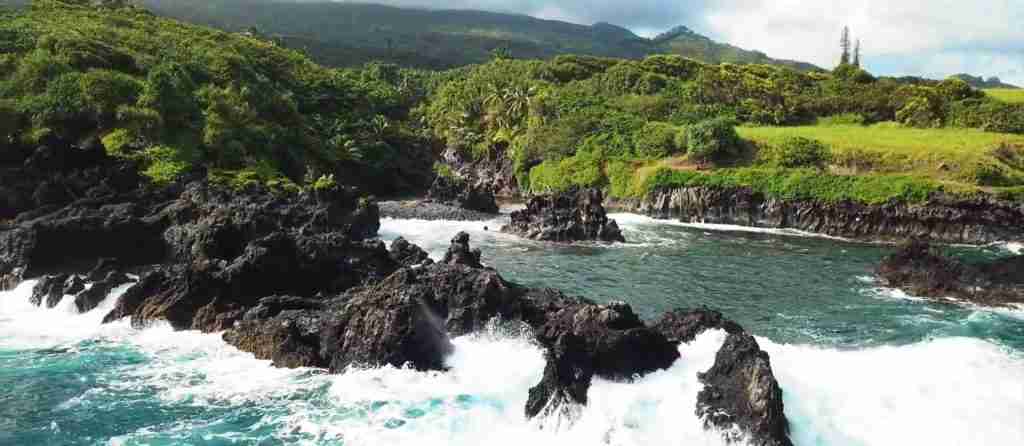
3 days
Hawaii 3-Day Discovery Tour
- ✓ Comprehensive Hawaii experience
- ✓ Expert local guides included
- ✓ All accommodation included
- ✓ Transportation provided
5 days
Hawaii 5-Day Highlights Experience
- ✓ Comprehensive Hawaii experience
- ✓ Expert local guides included
- ✓ All accommodation included
- ✓ Transportation provided

7 days
Hawaii 7-Day Cultural Journey
- ✓ Comprehensive Hawaii experience
- ✓ Expert local guides included
- ✓ All accommodation included
- ✓ Transportation provided
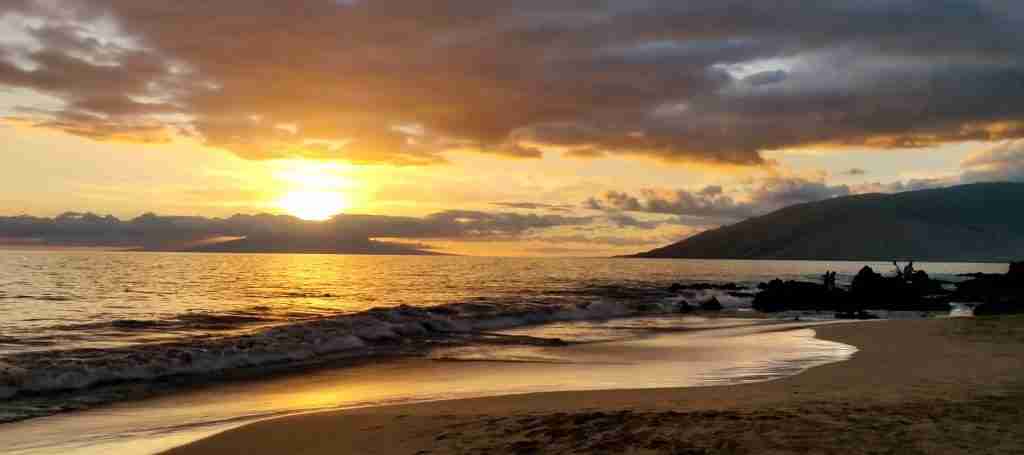
10 days
Hawaii 10-Day Complete Adventure
- ✓ Comprehensive Hawaii experience
- ✓ Expert local guides included
- ✓ All accommodation included
- ✓ Transportation provided
Multi-day tour packages powered by TourRadar. Prices and availability subject to change.
Introduction
Haleakala National Park’s summit sunrise has attracted pilgrims since ancient Hawaiians named the mountain “House of the Sun” following the demigod Maui’s legendary feat of lassoing the sun to slow its passage across the sky. Mark Twain witnessed this spectacle in the 1860s and declared it “the sublimest spectacle I ever witnessed, and I think the memory of it will remain with me always.” Modern visitors echo this sentiment, though they navigate logistics Twain never faced — online reservation systems, traffic management protocols, and crowds drawn by social media virality.
The summit’s appeal transcends mere sunrise viewing. Standing above 97% of Earth’s atmosphere where the dormant volcano’s silhouette pierces through cloud layers creates otherworldly perspectives impossible at lower elevations. The “crater” — actually an erosion valley carved over millennia — stretches seven miles long and two miles wide, displaying color palettes shifting from deep reds to charcoal grays as sunlight angle changes. Rare silversword plants found nowhere else on Earth bloom once in 50 years before dying, while endangered nene geese (Hawaii’s state bird) patrol the summit parking areas unafraid of careful observers.
Planning for 2026 requires understanding the National Park Service’s reservation system implemented to address overwhelming demand that once created two-hour parking waits and turned visitors away at dawn. The current structure balances access preservation with resource protection, though it demands advance planning incompatible with spontaneous travel. Those who invest effort reap rewards — statistics show 92% of visitors who successfully navigate the system rate the experience as life-changing, while proper clothing and timing preparation eliminates the discomfort that mars many unprepared attempts.
This guide provides complete operational intelligence for 2026 including verified pricing, reservation timing strategies, clothing requirements for extreme temperature conditions, parking lot comparisons, tour operator analysis, post-sunrise activity optimization, and contingency planning for weather complications or sold-out reservations. Whether choosing self-drive independence or guided tour convenience, the information enables confident decision-making for Hawaii’s most dramatic natural spectacle.
Understanding the Haleakala Sunrise Reservation System 2026
The National Park Service implements a mandatory sunrise reservation system controlling vehicle access to the Summit District between 3:00 AM and 7:00 AM daily throughout 2026. This requirement applies year-round regardless of weather conditions, season, or day of week. Every non-commercial vehicle entering the four highest elevation parking lots during these hours must possess a valid sunrise reservation, verified by park rangers at entrance stations who check confirmation emails and photo identification.
Reservations cost $1 per vehicle and cover only the sunrise access window. This fee is separate from and additional to the standard park entrance fee of $30 per private vehicle. The reservation system operates through Recreation.gov, the federal recreation booking platform, and requires users to create a free account before attempting reservations. Accounts cannot be created during the booking process when reservations release, so establishing login credentials at least one week before your target booking date prevents technical failures during the competitive booking window.
The booking window opens exactly 60 days before the desired visit date at 7:00 AM Hawaii Standard Time. For example, reservations for July 15, 2026 become available May 16, 2026 at 7:00 AM HST. During peak travel seasons including December through March (winter holidays and spring break), June through August (summer vacation), and major holiday weekends, reservations typically sell out within 2-15 minutes of release. Shoulder season dates (April-May, September-October) may remain available for several hours or days, though popular weekend dates still sell quickly.
The system limits each user to one vehicle reservation every three consecutive days, preventing hoarding and ensuring broader access. Families or groups traveling in multiple vehicles must coordinate separate Recreation.gov accounts for simultaneous bookings. The reservation holder’s name must match government-issued photo ID presented at park entrance — rangers verify identity and will turn away vehicles where the reservation holder is not physically present regardless of whether other group members hold the confirmation.
A secondary release mechanism provides last-minute access. The National Park Service holds back a small percentage of daily reservations and releases them exactly 48 hours (two days) before each sunrise date at 7:00 AM HST. This 48-hour window accommodates weather-watching planners or spontaneous travelers, though quantities are limited and competition remains intense for desirable dates.
Reservations are non-refundable under all circumstances including poor weather, cloud cover obscuring sunrise, personal illness, flight delays, or any other complications. The park explicitly states no refunds will be issued due to inclement weather conditions at the summit. This policy incentivizes checking extended weather forecasts before booking, though Haleakala’s microclimate makes predictions unreliable beyond three days.
Technical considerations affect success rates. Recreation.gov experiences heavy server load when popular reservations release. Users should refresh the calendar page beginning at 6:58 AM HST, add their desired date to cart immediately when it appears available, and complete checkout within 60 seconds. Payment information should be saved to accounts in advance. Mobile devices often experience slower connection speeds than desktop computers during high-traffic periods. Having multiple devices and browsers ready provides backup options if one platform freezes or errors.
Missing sunrise reservations doesn’t eliminate summit access. After 7:00 AM, the reservation requirement expires and any visitor with a valid park entrance pass can drive to the summit. Post-7:00 AM visits avoid crowds, enable unhurried hiking, and often provide better photographic light as the sun climbs higher revealing crater details invisible during the pre-dawn twilight favored by sunrise viewers. Sunset viewing, stargazing, and midday visits require only the standard entrance fee with no reservation needed.
Haleakala National Park Entrance Fees and Passes 2026
The standard private vehicle entrance fee costs $30 and provides access to both Haleakala National Park districts — Summit and Kipahulu — for three consecutive days from first entry (check the official National Park Service website for current rates as fees occasionally adjust). This three-day validity allows visitors to experience sunrise at the summit one morning, explore Kipahulu waterfalls via the Road to Hana another day, and return for sunset or stargazing, all under a single entrance fee. The park transitioned to cashless payment systems, accepting only credit cards, debit cards, and digital payment methods at entrance stations and kiosks.
Motorcycles pay $25 per vehicle for the same three-day access. Pedestrians and cyclists entering on foot or bicycle pay $15 per person for three-day individual access — relevant for those joining bike tour operators who handle entrance logistics or hikers accessing trailheads via alternative transportation.
Alternative pass options provide value for specific visitor categories. The Haleakala Annual Pass costs $55 and grants unlimited entrance to Haleakala National Park for one year from purchase date. This pass becomes economical for anyone making two or more visits within 12 months — common among Maui residents, extended-stay visitors, or multi-island travelers returning to Maui. The pass covers the cardholder plus passengers in a single private vehicle.
The Hawaii Tri-Park Annual Pass costs $55 and covers three national parks — Haleakala on Maui, Hawaii Volcanoes National Park on the Big Island, and Pu’uhonua o Honaunau National Historical Park also on the Big Island. Travelers visiting multiple Hawaiian islands within one year gain significant value from this pass, particularly those combining Maui and Big Island experiences in a single trip.
The America the Beautiful National Parks Annual Pass costs $80 and provides entrance to more than 2,000 federal recreation sites nationwide including all national parks, national forests, Bureau of Land Management areas, and Fish and Wildlife refuges. This pass becomes cost-effective for anyone visiting three or more fee-charging federal sites within 12 months. The pass covers entrance fees only — it does NOT waive the $1 sunrise reservation fee, which remains mandatory regardless of pass type.
Senior citizens aged 62 and older qualify for the America the Beautiful Senior Pass available in annual ($20) and lifetime ($80) versions. U.S. military personnel and veterans receive free access through the Military Annual Pass. Individuals with permanent disabilities qualify for the Access Pass providing free lifetime entrance. Fourth-grade students can obtain a free annual pass through the Every Kid Outdoors program. These discounted and free passes cover entrance fees but not the sunrise reservation fee.
Fee-free days occur several times during 2026 when entrance fees are waived parkwide, though the sunrise reservation requirement and $1 reservation fee remain mandatory even on free days. Confirmed 2026 fee-free days include February 16 (Presidents Day), May 25 (Memorial Day), June 14 (Flag Day), July 3-5 (Independence Day weekend), August 25 (National Park Service birthday), September 17 (Constitution Day), October 27 (Theodore Roosevelt’s birthday), and November 11 (Veterans Day). Planning visits on fee-free days saves $30 per vehicle though reservation competition intensifies on these dates.
Entrance fees can be paid at park entrance stations where rangers verify reservations and process payments, or pre-purchased online through Recreation.gov saving time at entry gates. Pre-paying and saving digital confirmation to mobile devices or printing paper copies streamlines morning entry when every minute counts for sunrise positioning. Passes purchased online through Recreation.gov arrive by mail within 2-3 weeks, so order well in advance of travel dates or opt for digital options when available.
Sunrise Times and Seasonal Variations 2026
Sunrise times at Haleakala’s 10,023-foot summit vary approximately 90 minutes across the calendar year, directly affecting wake-up times, driving schedules, and visitor experience quality. Understanding seasonal timing patterns enables realistic itinerary planning and helps match personal preferences to optimal visiting windows.
Summer months from June through early August deliver the earliest sunrise times, with the sun cresting the horizon around 5:40-5:50 AM. The summer solstice on June 20, 2026 marks the year’s earliest sunrise near 5:38 AM, providing maximum daylight for post-sunrise exploration but demanding 2:00-2:30 AM hotel departures from West Maui resort areas. Early sunrise timing creates compressed morning schedules — visitors wake in darkness, drive in darkness, wait in darkness, witness a brief dawn spectacle, then face fatigue managing the rest of their day.
Winter months from December through February shift sunrise times significantly later, occurring around 6:50-7:00 AM. The winter solstice on December 21, 2026 produces the latest sunrise near 7:02 AM, allowing more civilized 4:00-4:30 AM departures and reducing the sleep disruption many travelers find challenging. Later winter sunrise times prove particularly attractive for families with children, older adults managing physical limitations, or anyone struggling with extreme early wake-ups.
Spring and fall shoulder seasons offer moderate sunrise times around 6:10-6:30 AM during March-May and September-November. These transitional periods balance reasonable wake-up requirements with favorable weather patterns and reduced crowd competition. April sunrise occurs approximately 6:15 AM, requiring 3:30 AM hotel departures — early enough to feel adventurous but late enough to remain manageable without multiple alarm clocks.
Daylight Saving Time does not apply in Hawaii, eliminating the confusion travelers from mainland United States experience tracking time zone changes. Hawaii observes Hawaii-Aleutian Standard Time year-round, maintaining consistent UTC-10:00 offset. This permanence simplifies sunrise planning — the 6:00 AM sunrise shown on planning calendars occurs at 6:00 AM Hawaii time regardless of date.
The weeks surrounding equinoxes (March 20 and September 22 in 2026) deliver nearly equal day and night lengths with sunrise occurring close to 6:15-6:25 AM. These periods combine moderate timing with balanced weather patterns — neither the wettest winter months nor the driest summer months, creating middle-ground conditions for viewing reliability.
Cloud cover patterns correlate partially with seasons though Haleakala’s elevation generates microclimates unpredictable even 24 hours in advance. Summer months June-August statistically deliver the driest conditions with lowest cloud interference, though afternoon clouds building from coastal moisture still occur regularly. Winter months December-February bring increased precipitation and cloud formation, occasionally obscuring sunrise views despite clear coastal weather. Shoulder seasons show intermediate patterns with April-May and September-October generally favoring clear mornings.
Viewing duration extends beyond the moment the sun clears the horizon. The complete sunrise experience spans 45-60 minutes from first light showing above the cloud layer (approximately 30 minutes before official sunrise) through full daybreak when sunlight illuminates the entire crater floor (approximately 15-20 minutes after sunrise). Visitors departing immediately when the sun appears miss the most dramatic color transitions as dawn light shifts from crimson and gold to brilliant daylight revealing crater details invisible during twilight. Staying 20-30 minutes past sunrise separates memorable experiences from rushed photo opportunities.
Moon phases affect stargazing opportunities during pre-dawn arrival. New moon periods (minimal lunar light) provide spectacular star visibility during the dark drive and pre-sunrise wait. Full moon periods create bright conditions obscuring stars but offering unique moonlight landscapes across the crater before dawn. The 2026 new moons occur January 29, February 28, March 29, April 27, May 27, June 25, July 24, August 23, September 21, October 21, November 20, and December 19 — all ideal for combining sunrise viewing with stargazing.
Temperature Conditions and What to Bring 2026
Haleakala’s summit temperature environment shocks unprepared visitors expecting tropical Hawaiian warmth. The 10,023-foot elevation sits above 97% of Earth’s atmosphere, eliminating the insulating air mass that moderates coastal temperatures. This creates year-round cold conditions incompatible with beach resort clothing, demanding winter mountain gear regardless of season or daytime coastal weather.
Sunrise temperatures typically range 30-45°F even during summer months, with winter mornings occasionally dropping to 25-32°F or lower. Wind compounds the cold significantly — sustained 15-30 mph winds are common at the exposed summit, creating windchill values 10-15 degrees below actual air temperature. A 38°F reading with 20 mph wind feels like 28°F, well into conditions causing hypothermia without proper insulation. Some winter mornings see frost covering vehicles and railings, with rare occasions producing light snow or ice on summit infrastructure.
The temperature differential between coastal Maui and the summit reaches 30-35 degrees consistently. Leaving an 80°F hotel room in Wailea and arriving at a 35°F summit parking lot within 90 minutes creates physiological stress if clothing transitions don’t match environmental changes. This dramatic shift catches visitors who pack for a tropical vacation and arrive at the summit discovering they’re underdressed for what feels like a Colorado winter morning.
Essential clothing begins with thermal base layers — long underwear or compression layers made from synthetic fabrics like polyester, polypropylene, or merino wool that wick moisture while providing insulation. Cotton t-shirts, cotton underwear, and cotton socks should be avoided entirely as cotton retains moisture from perspiration or humidity, losing all insulating value and accelerating heat loss. A single cotton layer can reduce effective warmth by 30-40% compared to synthetic alternatives.
Mid-layers provide bulk insulation — fleece jackets, wool sweaters, or down vests trap warm air against the body. Layering enables temperature regulation as conditions change, allowing removal of outer layers when hiking after sunrise or when returning to warmer elevations during descent. Many experienced visitors bring 3-4 layers: base layer, mid-layer fleece, insulated vest, and windproof outer shell.
Outer shells must block wind — the single biggest heat loss factor at the summit. A heavy winter jacket, ski parka, or insulated coat rated for 20-40°F temperatures provides appropriate protection. Windbreaker jackets, rain shells, or light fleece jackets without wind-blocking fabric prove inadequate regardless of multiple layers underneath. Hoods on outer jackets protect necks and ears from wind penetration that undermines even good layering systems.
Head covering is mandatory — up to 40% of body heat escapes through an uncovered head at these temperatures. Warm hats that cover ears, beanies, or winter headbands prevent rapid heat loss. Scarves or neck gaiters protect vulnerable neck areas from wind. Gloves or mittens preserve hand function — trying to operate camera equipment or smartphones with numb fingers at 30°F frustrates even simple tasks.
Footwear should prioritize warmth and traction. Closed-toe shoes or hiking boots with thick socks prevent cold feet during 30-60 minute stationary waits before sunrise. Flip-flops, sandals, or thin sneakers with ankle socks leave visitors miserably cold within minutes. The volcanic rock and cinder parking surfaces provide uneven footing, making sturdy footwear essential for navigating in pre-dawn darkness.
Blankets or extra jackets for sitting convert cars into mobile warming stations. Many visitors retreat to vehicles during the pre-sunrise wait, running heaters intermittently to combat cold while preserving fuel. Beach towels wrapped around shoulders provide surprising warmth when combined with proper clothing layers. Some prepared visitors bring compact camp chairs and sleeping bags for maximum comfort during the extended wait.
Temperature increases dramatically after sunrise — within 30 minutes of full daylight, summit temperatures can climb 10-15 degrees, and within two hours they may reach 55-65°F under clear skies. This warming trend makes removable layers strategic. Visitors planning post-sunrise hiking should dress in easily adjustable layers rather than single heavy coats difficult to pack when removed.
Sun exposure at 10,000 feet exceeds coastal intensity by 30-40% due to reduced atmospheric filtering. Sunglasses with UV protection become mandatory within 30 minutes of sunrise. High-SPF sunscreen (30+) should be applied to all exposed skin before hiking — sunburn occurs surprisingly quickly in the intense high-altitude ultraviolet radiation even on cool mornings. Wide-brimmed hats protect faces and necks during post-sunrise exploration when temperatures allow removal of winter beanies.
Hydration requires attention despite cool temperatures. The combination of low humidity, high elevation, and physical exertion (hiking, climbing to viewpoints) causes dehydration rates 50% higher than sea level. Bringing 2-3 liters of water per person enables proper hydration during the 3-4 hour summit visit. The park provides no water sources at the summit — the nearest water access is at park headquarters near the 7,000-foot elevation.
Food sustains energy during early morning cold exposure and long waits. The park sells no food at any summit location, and the nearest commercial options are in Kula town at 3,000 feet elevation, 40 minutes below the summit. Bringing breakfast items, snacks, and hot beverages in thermoses provides comfort and prevents the energy crashes many visitors experience after adrenaline fades following sunrise. Trail mix, energy bars, fruit, and sandwiches all travel well and provide easily accessed calories.
Guided tours typically provide heavy winter jackets, coats, or ski suits as part of service, though personal base layers and accessories remain each visitor’s responsibility. Relying entirely on tour-provided outerwear without personal thermal underwear, warm socks, hats, and gloves results in insufficient warmth for the coldest mornings. Tour operators cannot provide perfect-fitting gear for all body types — bringing personal layers ensures comfort regardless of provided equipment quality.
Driving to Haleakala Summit: Routes and Timing 2026
Reaching Haleakala’s summit requires navigating 38 miles of progressively winding mountain roads climbing from sea level to 10,023 feet through five distinct climate zones. The route demands 1.5-2 hours driving time depending on starting location, road conditions, and driver comfort with steep grades and switchback curves in darkness. Understanding route options, timing requirements, and road characteristics prevents the late arrivals that cost visitors premium parking spots and viewing positions.
From South Maui resort areas including Wailea, Kihei, and Makena, drivers follow Pi’ilani Highway (Highway 31) north toward Kahului, then turn inland onto Haleakala Highway (Highway 37) near Pukalani. The route transitions to Kula Highway (also Highway 37) through upcountry farmland before connecting to Crater Road (Highway 378) at the park entrance. Total distance spans approximately 40 miles requiring 1.5-2 hours depending on traffic and road familiarity. Recommended departure times for sunrise viewing range 2:30-3:30 AM depending on season and hotel location — earlier departures provide buffer time for parking competition and unexpected delays.
From West Maui resorts in Ka’anapali, Kapalua, and Lahaina, drivers cross the island via Honoapiilani Highway (Highway 30) to Kahului, adding 20-30 minutes to the journey. The complete trip from West Maui to the summit spans 50-60 miles requiring 2-2.5 hours. West Maui visitors should plan 2:00-3:00 AM departures to ensure comfortable arrival margins before sunrise. Pre-dawn cross-island drives encounter minimal traffic, though rental car GPS systems occasionally suggest slower scenic routes inappropriate for time-sensitive travel — verifying route selection before departure prevents costly navigation errors.
From Central Maui including Kahului and Wailuku, the drive covers approximately 35 miles via Haleakala Highway (Highway 37) requiring 1.25-1.75 hours. Central Maui’s proximity to the mountain provides the most flexible departure timing, with 3:00-3:30 AM departures typically sufficient for prime parking and viewing access.
Crater Road (Highway 378) comprises the final 11 miles from park entrance at 7,000 feet to summit at 10,023 feet, featuring the steepest grades and tightest switchbacks of the entire route. This section includes 29 hairpin turns climbing through cloud layers where visibility can drop to near-zero within seconds. Speed limits drop to 15-25 mph on the sharpest curves, and the entire 11-mile segment requires 25-35 minutes of careful driving. Headlights on high beam provide maximum visibility through fog banks and cloud layers, though drivers should dim for oncoming traffic — rare but present as park staff and early-departing visitors descend.
The road surface remains paved and well-maintained year-round with clearly marked lanes, reflective markers, and guardrails on cliff-side sections. However, the combination of darkness, steep grades, continuous curves, and fatigue from 2-3 AM wake-ups demands alert defensive driving. Pull-offs at scenic overlooks provide opportunities to let faster traffic pass or take breaks if driver fatigue becomes concerning. Park rangers patrol the route monitoring for unsafe driving and assisting with emergencies.
Altitude gain of 10,000 feet in 38 miles creates atmospheric pressure changes affecting some visitors. Ear popping from pressure equalization is universal and harmless. More concerning symptoms include mild headaches, slight breathlessness, or lightheadedness — signs of altitude sickness that affect perhaps 10-15% of visitors. These symptoms typically resolve within 30-60 minutes at summit elevation and rarely prevent sunrise viewing, though individuals with heart conditions, respiratory issues, or pregnancy should consult physicians before attempting the summit. Descending to lower elevations provides immediate relief for anyone experiencing severe altitude distress.
Fuel requirements deserve attention — the park contains no gas stations or vehicle services. Vehicles should begin the journey with full tanks as the climb from sea level to summit consumes 30-40% more fuel than equivalent flat-road distance due to constant uphill grades in low gear. Running out of fuel creates serious problems given remote location, pre-dawn timing, and limited cell service at higher elevations. The nearest 24-hour gas stations operate in Kahului and Kihei — verify tank levels before beginning upcountry drives.
Vehicle braking systems experience high stress during the return descent. Continuously riding brakes to control downhill speed causes brake fade and potential failure — the primary cause of serious accidents on mountain roads. Proper technique involves downshifting to lower gears, allowing engine compression to control descent speed, and using brakes only for speed adjustment on turns. Automatic transmissions should be shifted to “2” or “L” (low range) for steep descents. Many rental agencies specify this technique in mountain driving guidelines, though few tourists read or follow the instructions until experiencing scary brake fade halfway down the mountain.
Cellphone service becomes unreliable above 5,000 feet and nonexistent at the summit for most carriers. GPS navigation continues working via satellite signal, though real-time traffic updates and online map services require cellular data. Downloading offline maps before leaving coastal areas provides backup navigation if GPS signal is lost. Emergency services can be contacted via 911 from most locations, though response times to summit incidents range 45-90 minutes depending on resource availability.
Weather conditions change rapidly at elevation. Clear coastal weather provides no guarantee of summit conditions — fog, clouds, high winds, or rain can materialize within minutes despite perfect forecasts. Checking the National Weather Service summit forecast the evening before provides best available predictions, though Haleakala’s microclimate makes all forecasts uncertain beyond 6-12 hours. Road closures due to extreme weather (high winds over 60 mph, ice, flooding) occur rarely but without advance warning — park information lines and websites post closure notices, though early-morning travelers may discover closures only upon arrival.
Parking at Haleakala Summit: Strategy and Alternatives 2026
Summit parking operates on first-come, first-served allocation within four primary lots serving the highest elevation viewing areas. Despite sunrise reservations controlling vehicle entry, parking space availability remains uncertain — reservations guarantee access to the park, not specific parking spaces. Strategic arrival timing and backup location knowledge separates frustrated parking searchers from visitors securing prime viewing positions.
Pu’u’ula’ula Summit (Red Hill) at 10,023 feet marks the absolute highest accessible point on Maui, offering 360-degree panoramic views encompassing the crater floor, West Maui mountains, Haleakala’s slopes descending to coastal areas, and neighboring islands of Lanai, Molokai, Kahoolawe, and the Big Island on exceptionally clear days. The summit lot accommodates approximately 30-40 vehicles in designated spaces plus overflow parking along roadside pull-offs. This location attracts maximum demand as the most iconic viewing site, typically filling 45-60 minutes before sunrise during peak seasons. A 0.4-mile paved trail from the parking area climbs to the true summit observation shelter requiring 10-15 minutes walking at elevation — manageable but challenging for visitors unaccustomed to 10,000-foot exertion.
Haleakala Visitor Center at 9,740 feet sits 283 vertical feet below the summit while providing excellent sunrise views across the crater without summit parking competition. The visitor center location features the park’s most popular viewing deck, restroom facilities (critical after 2-hour drives), and relative shelter from wind compared to the exposed summit peak. Parking accommodates 50-60 vehicles with better organization than the summit lot, though spaces still fill 30-45 minutes before sunrise during busy periods. The viewing deck allows comfortable positioning for photography without the elevation stress of summit hiking. This represents the optimal choice for families with children, older adults, or anyone prioritizing comfort over maximum elevation bragging rights.
Kalahaku Overlook at 9,324 feet serves as primary backup when upper lots fill or as a strategic first choice for visitors preferring moderate crowds and good views over summit prestige. The parking area holds approximately 25-30 vehicles and rarely fills completely except during peak holiday periods. Views encompass substantial crater sections with silversword plant colonies visible from overlook fences — rare vegetation found nowhere else on Earth. Kalahaku’s lower elevation reduces altitude stress while maintaining spectacular sunrise perspectives. Rangers may direct overflow traffic from upper lots to Kalahaku during congested mornings, making early arrival here strategic during high-demand periods.
Leleiwi Overlook at 8,840 feet provides the lowest elevation sunrise viewing option, positioned more than 1,100 feet below the summit. This location fills last and rarely turns away visitors except during extreme peak days (New Year’s Day, Christmas week). The overlook accommodates approximately 20 vehicles with additional roadside parking available. Views face directly into the crater providing different perspectives than higher elevations, with some visitors preferring the dramatic foreground features and silversword viewing opportunities. The lower altitude significantly reduces cold exposure and altitude effects, though sunrise appears slightly later (2-3 minutes) compared to summit locations due to horizon angle differences.
Parking strategy depends on visitor priorities and risk tolerance. Conservative planners aiming for guaranteed summit parking should arrive 60-90 minutes before sunrise during peak months (December-March, June-August), accepting extended cold waits in exchange for positioning certainty. This approach proves particularly important during holiday weeks when visitor volume doubles normal levels. Moderate-risk planners arriving 45-60 minutes before sunrise typically secure either summit or visitor center parking during shoulder seasons (April-May, September-October), representing the sweet spot balancing comfort and results for most visitors.
Backup planning eliminates disappointment when preferred lots fill. Visitors discovering full summit parking should immediately descend to visitor center parking rather than circling hoping for departing vehicles — the pre-sunrise period sees virtually zero turnover as all arrived viewers remain for the spectacle. Finding the visitor center lot full triggers immediate descent to Kalahaku rather than waiting for unlikely openings. This decisive downward progression ensures positioning somewhere excellent rather than nowhere at all.
Parking lot lighting is minimal to nonexistent preserving dark sky conditions for stargazing and night sky programs. Flashlights or headlamps prove essential for navigating from vehicles to viewing areas in complete darkness. Smartphone flashlight apps provide adequate illumination though drain batteries in cold temperatures — dedicated flashlights with fresh batteries offer more reliability. Stumbling across uneven volcanic rock surfaces in darkness while carrying camera equipment creates unnecessary injury risk eliminated by simple light sources.
Vehicle security requires normal precautions. Valuables should remain out of sight or secured in locked trunks. Vehicle break-ins are relatively rare given ranger patrols and limited escape routes, but leaving cameras, phones, or bags visible on seats invites opportunistic theft. Locked vehicles with empty interiors visible through windows present minimal temptation and rarely experience problems.
Post-sunrise parking transitions from scarce to abundant as the majority of sunrise viewers depart between 7:30-8:30 AM. Visitors arriving after sunrise without reservations find ample parking and deserted viewing areas throughout the morning. This counter-intuitive timing provides excellent alternatives for those missing reservations or preferring to avoid pre-dawn schedules — seeing the crater in full daylight reveals details invisible during twilight viewing, and uncrowded conditions enable photography impossible during shoulder-to-shoulder sunrise congestion.
Guided Sunrise Tours vs Self-Drive: Complete Comparison 2026
Choosing between guided tours and self-drive approaches depends on budget priorities, driving comfort, weather risk tolerance, and value placed on expert interpretation. Each option delivers the sunrise spectacle successfully while providing distinct advantages and limitations affecting overall experience quality.
Guided sunrise tours cost $220-280 per person in 2026 including comprehensive service packages (check tour operator websites for current pricing as rates vary seasonally). Standard inclusions begin with hotel pickup from South Maui (Wailea, Kihei), West Maui (Ka’anapali, Napili, Lahaina), and Central Maui locations beginning 2:00-3:00 AM depending on hotel distance from the summit. Transportation via modern tour vans features large viewing windows, comfortable captain’s chairs, climate control, and professional drivers navigating dark mountain roads while guests rest or stargaze through panoramic windows.
Tour operators provide heavy winter jackets, parkas, or ski suits to all guests upon reaching cold summit elevations, eliminating packing requirements for bulky cold-weather gear inappropriate for tropical vacation luggage. These provided jackets typically accommodate most adult sizes, though extremely tall or large individuals should verify availability when booking. The jacket provision solves the fundamental challenge facing Hawaii visitors — needing winter mountain clothing for a single 2-hour period during otherwise beach-focused vacations.
All park fees including the $30 entrance fee and $1 sunrise reservation are included in tour pricing — no additional payments required at park entrances. Tour operators secure sunrise reservations directly through commercial permits bypassing the competitive Recreation.gov booking system that frustrates independent travelers. This reservation guarantee provides certainty valuable during peak seasons when individual reservations sell out within minutes of release.
Certified interpretive guides accompany all quality tours, providing educational narration covering Haleakala’s geology, volcanic formation history, Hawaiian cultural significance, endemic species including silversword plants and nene geese, and astronomical features visible in pre-dawn skies. Guide quality varies by operator, with top-tier companies employing National Association for Interpretation certified naturalists delivering college-level content digestible for general audiences. This expertise transforms a beautiful sunrise into an educational experience understanding why Haleakala’s landscape appears so otherworldly and what cultural meanings early Hawaiians attributed to the mountain.
Post-sunrise breakfast represents significant value inclusion in most tour packages. Operators stop at venues including Maui Tropical Plantation, Kula restaurants, or Pa’ia cafes for full sit-down meals featuring eggs, pancakes, fresh fruit, coffee, and juice with vegetarian, vegan, and gluten-free options available upon advance request. Arriving back at hotels by 10:00-11:00 AM with breakfast completed allows tour guests to rest before afternoon activities rather than facing restaurant searches while exhausted from pre-dawn wake-ups.
Weather contingency support provides underappreciated tour value. If clouds obscure sunrise despite clear forecasts, guides pivot to alternative viewing locations, extend time at overlooks waiting for cloud breaks, or enhance geological and cultural interpretation compensating for reduced visibility. Tour operators cannot refund for weather conditions as stated in booking terms, but professional guides maximize whatever conditions occur rather than leaving disappointed independent visitors standing alone in fog.
The guided tour disadvantages center on cost and flexibility limitations. The $220-280 per person cost significantly exceeds the $31 total ($30 entrance + $1 reservation) for self-drive couples or families, though tour value calculations must account for avoided rental car expenses if visitors specifically rent vehicles for summit access. Tour timing follows fixed schedules incompatible with spontaneous late departures or extended summit stays — groups depart viewing areas approximately 30-40 minutes after sunrise regardless of individual preferences. Photographers seeking specific light conditions or hikers wanting immediate post-sunrise trail access find tour structures restrictive.
Self-drive independence costs $31 total combining the $30 park entrance fee and $1 sunrise reservation. This dramatic cost advantage multiplies for couples ($62 vs $440-560 for two tour tickets) or families ($62 vs $880-1,120 for four people). Groups splitting rental car expenses across multiple days reduce per-person costs further, making self-drive financially optimal for budget-conscious travelers or those already renting vehicles for broader Maui exploration.
Complete schedule flexibility represents self-drive’s primary advantage. Independent visitors arrive when desired, stay as long as preferred, and pursue post-sunrise activities including hiking, photography from multiple viewpoints, or Kipahulu District exploration without tour group constraints. Photographers chasing optimal light for crater interior shots or silversword close-ups gain hours of unconstrained access impossible on timed group tours.
The self-drive challenges prove significant for many visitors. Pre-dawn mountain driving in complete darkness demands alertness difficult to maintain after 2:00 AM wake-ups. The 38-mile route through 29 hairpin switchbacks in fog or cloud layers stresses even confident drivers, particularly those unfamiliar with mountain roads. Fatigue-related driving errors cause the majority of Haleakala road incidents — rangers cite exhausted drivers for unsafe speeds, failure to maintain lane position, or single-vehicle crashes caused by microsleep events more frequently than any other violation category.
Sunrise reservation competition frustrates self-drive planners. Popular dates sell out in minutes requiring precise 7:00 AM HST login timing and split-second execution booking reservations before thousands of competing users exhaust available inventory. Missing desired dates forces itinerary adjustments or elimination of sunrise viewing entirely — particularly problematic for visitors with fixed-date airline tickets and limited Maui time windows.
Cold exposure without provided jackets requires packing winter clothing inappropriate for tropical destinations. Visitors arriving from mainland winter climates may bring adequate layers, but those flying from warm regions or planning beach-only vacations face luggage space conflicts choosing between packing ski jackets for one morning or suffering cold discomfort during two hours at freezing summit temperatures. Rental jacket services exist through some Maui adventure companies though availability and sizing remain inconsistent.
Educational content depends entirely on self-research when driving independently. Reading interpretive signs and visitor center materials provides basic information, but the depth delivered by certified naturalist guides requires advance study most vacationers cannot or choose not to complete. Understanding why the crater displays specific colors, how silversword plants survive extreme conditions, or what Hawaiian navigational traditions connected to Haleakala enriches the experience substantially compared to simple sunrise viewing.
The optimal choice aligns with specific traveler profiles. Tours suit first-time visitors seeking hassle-free experiences, those uncomfortable with night driving or mountain roads, anyone prioritizing educational content and cultural interpretation, travelers without rental cars, groups where driving fatigue would impact safety, and budget-flexible visitors valuing convenience over cost savings. Self-drive benefits experienced Hawaii visitors comfortable with mountain driving, budget-conscious travelers especially families or groups, photographers requiring flexible timing and positioning, hikers planning extended summit exploration, and anyone seeking independence over structured group experiences.
What to Expect During Sunrise Viewing 2026
The complete sunrise experience spans approximately 90 minutes from arrival through viewing conclusion, encompassing distinct phases each delivering unique perspectives on Haleakala’s extraordinary landscape and celestial display. Understanding the progression prevents premature departures that cause visitors to miss the most dramatic moments occurring after the sun clears the horizon.
Arrival at viewing areas occurs 30-60 minutes before official sunrise depending on parking competition and personal positioning preferences. The pre-dawn summit environment appears utterly alien — volcanic cinder and rock landscapes in shades of red, brown, and black stretch to crater walls seven miles distant, all visible only by starlight or photographer’s flashlights. The Milky Way arcs overhead with clarity impossible at sea level, and planets visible to naked eyes often surprise urban visitors unfamiliar with truly dark skies. This pre-sunrise dark sky period alone justifies the journey for astronomy enthusiasts, with winter months (new moon dates) providing optimal stellar viewing.
Temperatures during the waiting period register 30-45°F with windchill reducing effective temperatures into the 20s during breezy mornings. Most visitors retreat to vehicles running heaters intermittently, emerging periodically to check horizon conditions or photograph stars. The social atmosphere varies by season and crowd density — packed summer mornings create festival-like energy with hundreds of strangers sharing pre-dawn anticipation, while quiet winter weekday mornings might host just 20-30 people creating intimate, contemplative experiences.
First light appears approximately 30-40 minutes before official sunrise as the faintest glow illuminates the eastern horizon where sky meets the vast Pacific Ocean stretching unbroken to California 2,500 miles distant. This initial twilight phase lasts 15-20 minutes as light intensity increases gradually, revealing crater contours and the cloud layer below the summit that creates the famous “above the clouds” perspective. The cloud sea itself becomes a dynamic landscape — billowing formations reflecting pre-dawn pastels create moving abstracts more captivating than static rock formations.
Color transitions accelerate during the final 10 minutes before sunrise as atmospheric scattering intensifies. The eastern sky progresses through purples and deep blues into brilliant oranges, reds, and golds painting both the sky canvas and the clouds below in constantly shifting hues. This color spectacle surpasses the actual sunrise moment for many observers — the interplay of light, clouds, and vast atmospheric perspectives creates scenes impossible to capture adequately with cameras, demanding present-moment attention over lens obsession.
The moment of sunrise occurs when the sun’s upper edge breaks the horizon line, typically touching the cloud layer surface 20-40 miles distant from the summit. This precise instant triggers spontaneous applause from crowds and creates the iconic “sun emerging from clouds” photographs dominating Haleakala imagery. However, the sunrise moment itself lasts mere seconds — the sun climbs rapidly once clearing the horizon, and the specific instant easily escapes notice amid crowd energy and photography focus.
Post-sunrise illumination delivers the experience’s most underappreciated phase. During the 15-30 minutes after the sun clears the horizon, increasing light reveals crater details invisible during twilight. The volcanic cinder cones scattered across the crater floor emerge in sharp relief, silversword plants on nearby slopes transform from dark silhouettes to silvery sculptures catching direct sunlight, and the full scale of the seven-mile crater expanse becomes comprehensible as depth perception improves with daylight. Colors shift from sunrise pastels to vivid reds, oranges, and browns defining the volcanic landscape.
Most visitors depart within 20 minutes of sunrise despite the ongoing spectacle, creating progressive crowd thinning that improves conditions for those remaining. Staying an additional 30-40 minutes past sunrise enables uncrowded photography from popular viewpoints, better wildlife observation as nene geese approach now-departed visitor areas, and appreciation of the crater’s immense scale impossible to grasp during the concentrated energy of the sunrise moment itself.
Temperature increases accelerate after sunrise. Within 30 minutes of full daylight, summit temperatures typically climb 10-15 degrees from pre-dawn lows. Within 90 minutes, temperatures may reach 55-60°F under clear conditions, requiring removal of heavy outer layers that felt essential during the dark waiting period. This warming enables comfortable hiking and extended exploration impossible during the frigid pre-dawn hours.
Cloud conditions significantly impact viewing quality, though “bad” weather often produces unexpectedly spectacular results. Total cloud cover below the summit creates the surreal above-the-clouds ocean perspective many visitors consider the most memorable outcome. Partial cloud cover produces dynamic light interactions as sun rays penetrate gaps creating spotlight effects and dramatic contrasts. Only thick cloud cover extending above summit elevation obscures sunrise completely, and even these conditions often break temporarily allowing brief viewing windows. The weather unpredictability means every sunrise produces unique results — no two mornings present identical color patterns, cloud formations, or atmospheric conditions.
Wildlife encounters occur regularly during viewing periods. Nene geese (Hawaiian state bird and an endangered species) patrol parking areas and viewpoints unafraid of humans, approaching within feet seeking food — though feeding wildlife remains strictly prohibited. White-tailed tropicbirds and Hawaiian petrels sometimes soar past viewpoints during morning flights. The endangered silversword plants visible from overlook railings bloom once during their 50-year lifespan between May and November, presenting striking flower stalks reaching 6 feet tall. Seeing blooming silverswords represents rare fortune given their infrequent flowering windows.
Photography challenges multiply at summit elevations. The extreme dynamic range between dark landscape shadows and brilliant sky highlights exceeds most camera sensors, requiring exposure bracketing or graduated neutral density filters for balanced captures. Tripods prove essential for pre-sunrise low-light photography but become cumbersome during the rapid light changes of actual sunrise when handheld flexibility matters more than stability. Cold temperatures drain camera batteries rapidly — keeping spare batteries warm in pockets prevents mid-sunrise power failures. Condensation forms on lenses when bringing cold equipment into warm vehicles after viewing, requiring lens cloths and patience waiting for natural evaporation.
Post-Sunrise Activities and Trail Options 2026
The three-day park entrance pass incentivizes extended exploration beyond sunrise viewing, with hiking trails, volcanic landscape features, and educational opportunities justifying multi-hour summit visits or return trips during the pass validity window. Strategic activity planning maximizes the entrance fee value while revealing dimensions of Haleakala invisible during brief sunrise-only visits.
Sliding Sands Trail (Keoneheʻeheʻe Trail) descends directly into the crater from the trailhead located 0.3 miles below the summit at the visitor center parking area. The first 2 miles lose 1,400 feet of elevation through otherworldly landscapes of red, orange, and brown volcanic cinder resembling Mars surface imagery more than Hawaiian scenery. The trail surface comprises loose volcanic sand and gravel requiring careful footing, though the downward grade makes initial progress deceptively easy. Most sunrise viewers hike 1-2 miles into the crater appreciating the alien environment before returning, creating a 2-4 mile roundtrip requiring 1.5-3 hours depending on pace and photography stops.
The critical consideration involves the return climb — every foot descended must be climbed back at 9,000+ feet elevation where oxygen levels sit at 70% of sea level concentrations. Visitors hiking beyond their fitness levels discover the return ascent demands double or triple the time required for descent, and altitude compounds exertion making every uphill step challenging. Realistic self-assessment of fitness prevents the emergency calls park rangers receive from exhausted hikers trapped deep in the crater unable to complete return climbs. A conservative 1-mile descent limit proves wise for most visitors, allowing crater exposure without overcommitment.
Halemau’u Trail provides alternative crater access from a trailhead at 7,990 feet elevation reached via a 3.5-mile drive down Crater Road from the summit. This trail descends more gradually than Sliding Sands over 4 miles to the crater floor, losing 1,400 feet through switchbacks offering expansive views of the western crater wall and distant Koolau Gap. The first 2 miles reach an overlook platform providing spectacular perspectives without committing to the full crater descent. Halemau’u draws fewer crowds than Sliding Sands making it preferable for visitors seeking solitude, though the lower trailhead elevation reduces “above the clouds” atmospherics compared to summit trails.
Hosmer Grove Trail offers family-friendly hiking through alien forest landscapes near the park entrance at 7,000 feet elevation. The 0.5-mile loop traverses planted forest combining non-native species (Mexican weeping pine, incense cedar, Douglas fir) with native Hawaiian species including the ʻōhiʻa lehua tree displaying brilliant red blossoms. The minimal elevation gain and short distance accommodate children, seniors, or anyone avoiding strenuous exertion after early morning wake-ups. Interpretive signs explain restoration ecology and endemic bird species occasionally visible in the forest canopy.
Leleiwi Overlook short trail provides elevated perspective platforms 0.2 miles from the parking area at 8,840 feet. The paved path climbs gentle grades to multiple viewing decks facing directly into the crater, with silversword plant colonies visible behind protective fencing. This brief walk delivers outsized rewards for minimal effort, making it ideal for visitors with limited time or energy after sunrise viewing. Late morning light (9:00-11:00 AM) illuminates the crater walls beautifully from this western-facing perspective, creating optimal photography conditions absent during sunrise’s eastward-facing orientation.
White Hill trail from the summit parking area offers a 0.4-mile paved path climbing to Haleakala’s true highest point at 10,023 feet. The short distance and paved surface mislead visitors about difficulty — the 10,000-foot elevation makes even gentle uphill walks surprisingly strenuous for those unaccustomed to altitude. Reaching the summit observation shelter requires 10-15 minutes of steady climbing rewarded with 360-degree panoramic views encompassing the entire crater, Maui’s isthmus connecting to West Maui mountains, and neighboring islands on exceptionally clear days. This represents the only true summit access — all other viewing areas sit below the peak elevation.
Silversword plant viewing opportunities scatter across the summit district. The endangered silverswords (Haleakala silversword or ʻāhinahina in Hawaiian) grow only on Haleakala and Big Island’s Mauna Kea above 7,000 feet, existing nowhere else on Earth. The plants resemble silver pincushions formed by hundreds of sword-shaped leaves covered in reflective hairs protecting against intense high-altitude UV radiation and dramatic temperature swings. Mature plants may live 50 years before producing a single spectacular flowering stalk reaching 6 feet tall, then dying. Blooming occurs between May and November with peak flowering in June-July. Fenced enclosures protect silverswords from trampling — viewing requires stopping at designated overlooks including Kalahaku and the visitor center area where interpretive signs explain this botanical marvel’s unique adaptations.
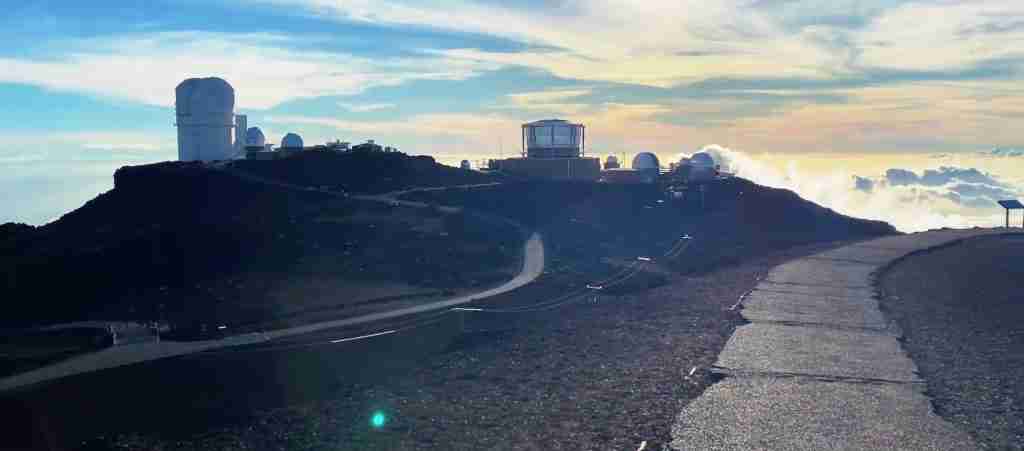
Science City observatory complex occupies the summit area above park visitor access, housing astronomical and space surveillance facilities operated by universities and defense agencies. The distinctive white domes visible from viewing areas contain telescopes studying solar dynamics, tracking space debris, and conducting atmospheric research. Public tours inside the observatories are not offered due to security requirements and operational considerations, though the dramatic architectural forms contribute to the summit’s otherworldly ambiance especially when photographed against sunrise skies.
Return visits during the three-day pass validity window provide different perspectives. Sunset viewing requires no reservations and attracts smaller crowds than sunrise, with late afternoon light painting the crater in warm tones absent during morning viewing. The sunset typically occurs between 6:30-7:00 PM depending on season, allowing more civilized scheduling than pre-dawn wake-ups. Post-sunset stargazing takes advantage of Haleakala’s exceptional dark sky conditions — the summit ranks among Earth’s finest amateur astronomy sites when moon phases cooperate. Night sky programs offered by park rangers (check current schedules on the park website) teach constellation identification and explain Hawaiian celestial navigation traditions.
Kipahulu District exploration via the Road to Hana provides coastal contrast to summit volcanic landscapes. Located on Maui’s eastern shore completely separate from the summit area without connecting roads, Kipahulu features lush rainforest, waterfalls, and the renowned Pipiwai Trail climbing through bamboo forest to 400-foot Waimoku Falls. The same $30 entrance pass covers both districts, though visiting both in one day proves impossible without helicopter transport — allowing 2-3 hours driving each direction via the famously winding Road to Hana. Most visitors dedicate separate days to summit and Kipahulu experiences, maximizing the three-day pass value.
Photography Tips for Haleakala Sunrise 2026
Capturing Haleakala sunrise successfully demands understanding the location’s unique challenges including extreme dynamic range, rapidly changing light conditions, freezing temperatures affecting equipment, and crowd constraints limiting positioning flexibility. Strategic preparation and technical adjustments separate memorable photographs from disappointing results that fail to match the magnificent views witnessed in person.
Camera equipment selection balances capability against cold-weather functionality. DSLR and mirrorless cameras with manual exposure controls provide necessary flexibility for the challenging lighting conditions, while smartphone cameras struggle with the extreme dynamic range between dark landscape shadows and brilliant sunrise sky. Cameras with good high-ISO performance enable pre-sunrise star photography and twilight landscape captures impossible with older sensors or entry-level equipment.
Lens selection depends on compositional priorities. Wide-angle lenses (16-35mm full-frame equivalent) capture the crater’s vast scale and dramatic cloud layers, creating immersive foreground-to-background compositions. Standard zoom lenses (24-70mm) offer versatility for both landscapes and detail shots of silversword plants or nene geese. Telephoto lenses (70-200mm+) isolate specific crater features, compress distant layers creating abstract patterns, and enable wildlife photography without disturbing protected species. Many experienced photographers bring two camera bodies with complementary lenses avoiding lens changes in darkness and cold.
Tripod use proves essential for pre-sunrise low-light photography when shutter speeds extend to multiple seconds requiring stable platforms. However, tripods become problematic during the actual sunrise when rapid light changes demand quick recomposition impossible with tripod-mounted cameras. The optimal workflow involves tripod use for the 30 minutes preceding sunrise, then switching to handheld shooting when the sun nears the horizon, then returning to tripod mounting after sunrise for detailed crater landscapes in full daylight. Carbon fiber tripods provide better cold-weather performance than aluminum models which conduct freezing temperatures into hand contact points.
Exposure strategy addresses the fundamental challenge — the sun creates exposure values 10-15 stops brighter than surrounding landscape, exceeding any camera’s single-exposure dynamic range. Bracketing exposures capturing multiple frames at different settings enables later blending in post-processing, creating balanced images showing both shadow detail and highlight preservation. Graduated neutral density filters darken the sky while leaving the landscape unaffected, compressing dynamic range within camera sensor capabilities. These filters require careful positioning aligning the transition zone with the horizon line, and work best on calm mornings when clouds don’t extend above the graduation line.
Metering modes require adjustment from typical automatic settings. Evaluative or matrix metering produces inconsistent results as the camera’s computer struggles interpreting extreme brightness ranges. Spot metering on mid-tone areas (volcanic rock surfaces) provides reliable starting exposures, then bracketing above and below ensures capturing usable frames. The histogram display shows exposure distribution more reliably than the LCD preview screen which appears deceptively bright in pre-dawn darkness — exposures appearing perfect on screen often prove underexposed when viewed later on calibrated monitors.
White balance settings affect color rendition dramatically during the color-shifting twilight period. Auto white balance produces acceptable results though often overcorrects the warm sunrise tones many photographers seek to preserve. Daylight white balance (5500K) maintains warm color casts, while cloudy white balance (6500K) intensifies oranges and reds. Custom white balance using the Kelvin scale (4000-5000K range) enables precise control, though experimentation during precious sunrise minutes risks missing optimal moments. Shooting RAW format preserves all white balance adjustment flexibility for post-processing correction.
Focusing challenges multiply in darkness. Autofocus systems struggle finding contrast in low light, and manual focus becomes difficult without adequate visibility. Pre-focusing on infinity during the drive up when distant lights are visible locks focus for landscape work, or using live view magnification on bright stars enables precise manual focus before twilight begins. Hyperfocal distance focusing maximizes depth of field for wide-angle shots encompassing foreground details through distant crater walls, though this technique requires either focus distance scales (absent on many modern lenses) or smartphone hyperfocal calculator apps.
Battery management prevents equipment failures during critical moments. Cold temperatures reduce lithium battery capacity by 30-50%, causing fully charged batteries to display low power warnings within 30 minutes of cold exposure. Keeping spare batteries in warm pockets maintains their charge and provides immediately usable reserves. Some photographers wear batteries in interior jacket pockets, swapping cold depleted batteries for warm fresh ones every 20-30 minutes to maintain consistent shooting capacity throughout the morning.
Condensation management protects equipment when transitioning between extreme temperature zones. Bringing frozen cameras from 35°F summit air into 75°F heated vehicles causes immediate condensation forming on lenses, viewfinders, and internal elements. This condensation can damage electronics and create fungus growth in lens assemblies. The solution involves placing cameras in sealed plastic bags while still cold, allowing slow temperature equalization over 30-60 minutes as the sealed bag prevents moisture contact with equipment. Silica gel packets inside camera bags absorb excess moisture preventing condensation-related damage.
Composition opportunities extend beyond obvious sunrise horizon shots. Including foreground elements (silversword plants, volcanic rocks, crater rim features) creates depth and scale context absent in sky-only compositions. The cloud layer below the summit produces abstract minimalist scenes when isolated with telephoto lenses. Post-sunrise side-lighting reveals crater wall textures invisible during flat twilight illumination. Silhouettes of other photographers against dawn sky create human interest elements showing scale and shared experience. Nene geese portraits require patience and longer lenses respecting the 50-foot minimum approach distance protecting endangered species.
Timing considerations affect image characteristics. The 30 minutes before sunrise provides subtle pastel colors and mysterious twilight atmospheres. The moment of sunrise delivers dramatic light rays and intense color contrasts. The 30 minutes after sunrise reveals landscape details and enables proper crater interior exposure impossible during the sunrise backlight. Photographers committed to comprehensive coverage should plan 90-minute shooting sessions from pre-dawn through full daylight, rather than departing immediately after the sun clears the horizon.
Crowd management requires assertive but respectful positioning. Popular viewpoints become packed during peak seasons, with photographers jockeying for premium spots along railings and overlooks. Arriving early secures preferred positions, though late arrivals must work around established photographers rather than pushing between tripods or blocking sight lines. Collaborative energy typically prevails with neighboring photographers sharing brief moment warnings (“sun’s about to break”), though occasional conflicts arise when inconsiderate visitors ignore photography etiquette blocking shots or bumping tripods during long exposures.
Best Months and Seasonal Considerations 2026
Haleakala sunrise experiences vary substantially across calendar months, with weather patterns, crowd density, temperature extremes, and operational factors creating distinct advantages and challenges for each season. Strategic timing optimization balances favorable conditions against visitor volume and logistical complications.
January and February bring peak winter conditions with latest sunrise times around 7:00-7:10 AM enabling 4:30-5:00 AM hotel departures — the most manageable wake-up times of the year. Summit temperatures reach their coldest extremes with pre-dawn readings occasionally dropping to 25-30°F and frost or rare light snow affecting exposed surfaces. Cloud cover probability increases compared to summer months though clear mornings still occur regularly, and lower sun angles during winter create longer-duration color displays as dawn light takes additional time reaching full daylight intensity. Holiday crowds from Christmas through early January create maximum congestion, though mid-January through February sees moderate visitor volume as winter travel patterns normalize. February specifically combines reasonable crowd levels with improving weather compared to December-January while maintaining civilized sunrise timing.
March transitions from winter to spring with sunrise times shifting earlier to 6:30-6:45 AM requiring 3:45-4:00 AM departures. The vernal equinox on March 20, 2026 marks nearly equal day and night lengths with moderate temperatures and balanced weather patterns. March experiences increasing spring break travel particularly mid-March through early April when mainland school systems schedule breaks, creating competition for sunrise reservations and parking spaces. Weather becomes more variable with some mornings delivering brilliant clarity while others bring unexpected cloud cover or wind as seasonal patterns shift.
April and May represent optimal shoulder season months combining favorable weather probabilities, moderate crowds, comfortable temperatures, and reasonable sunrise timing around 6:00-6:20 AM. These months avoid both winter’s extreme cold and summer’s pre-dawn wake-up challenges while delivering excellent viewing conditions. Reservation competition eases compared to peak winter and summer windows, making last-minute booking more feasible. Post-sunrise temperatures warm quickly into comfortable 55-65°F ranges enabling extended hiking and exploration. Silversword plants begin early bloom cycles during late May with flowering intensifying through summer months.
June, July, and August constitute peak summer season with the earliest sunrise times of the year around 5:40-5:50 AM demanding 2:00-2:30 AM hotel departures — the most challenging wake-up requirements testing even motivated visitors. Summer delivers the driest weather statistically with lowest cloud interference probabilities, though afternoon cloud formation still occurs regularly. Summit temperatures moderate slightly compared to winter though pre-dawn readings still range 35-45°F requiring full winter layering. Visitor volume peaks during June-August as mainland families travel during school vacation periods, creating maximum competition for reservations and parking while generating festival-like crowd energy some visitors enjoy and others find overwhelming. Silversword blooming peaks during these months with maximum flowering displays visible at overlooks.
September and October mirror April-May as optimal shoulder season windows combining improving weather after summer peaks, declining crowds as school years resume, moderate sunrise times around 6:10-6:30 AM, and comfortable temperatures. September specifically benefits from lingering summer weather patterns with reduced visitor volume creating the year’s best balance of conditions and accessibility. October brings increased variability as winter weather patterns begin emerging though clear mornings remain common. Both months provide excellent value for flexibility-prioritizing travelers avoiding rigid peak-season planning.
November marks transition into winter patterns with sunrise times shifting later to 6:40-6:50 AM. Thanksgiving week (late November) triggers holiday travel surges creating mid-month crowd spikes, though early and mid-November before the holiday maintain moderate volumes. Weather becomes more unpredictable with increased cloud cover probability and occasional cold fronts bringing wind and precipitation. Temperatures begin dropping toward winter extremes requiring maximum cold-weather preparation.
December combines challenging conditions with maximum crowds. Late sunrise times around 6:55-7:05 AM provide the year’s easiest wake-up schedules, but the Christmas through New Year period creates absolute peak visitor congestion — reservations sell out instantly upon release, parking fills to capacity requiring backup location contingencies, and viewing areas become shoulder-to-shoulder crowded. Weather proves highly variable with clear brilliant mornings alternating with thick cloud cover and occasional freezing conditions. The last two weeks of December should be avoided by anyone prioritizing uncrowded experiences or flexible reservation access.
Moon phases affect stargazing during pre-sunrise waiting periods and night sky visibility during return sunset/astronomy visits. New moon periods (dark skies) occur monthly and provide spectacular stellar viewing: January 29, February 28, March 29, April 27, May 27, June 25, July 24, August 23, September 21, October 21, November 20, and December 19, 2026. Full moon periods create bright conditions obscuring stars but offering unique moonlit landscape photography opportunities before dawn. Planning sunrise visits coordinating with new moons maximizes the complete summit experience beyond sunrise alone.
Weather forecast reliability remains limited regardless of season. Haleakala’s elevation and isolation create microclimate conditions unpredictable beyond 12-24 hours. The National Weather Service maintains summit-specific forecasts updated twice daily providing best available predictions, though sudden changes occur without warning. Checking forecasts the evening before provides planning guidance while accepting that actual conditions may vary significantly from predictions. Flexibility regarding expectations prevents disappointment when forecasts prove inaccurate — some of the most memorable sunrise experiences occur during “poor” forecasted conditions that unexpectedly clear.
Sunrise Alternatives: Sunset and Stargazing 2026
Visitors unable to secure sunrise reservations, unwilling to wake before 3:00 AM, or seeking alternative Haleakala experiences can access equally spectacular summit displays during sunset and after-dark astronomy programs requiring no reservations and attracting substantially smaller crowds while showcasing the mountain’s exceptional dark sky environment.
Sunset viewing requires only the standard $30 park entrance fee with no reservation system controlling access. Visitors can enter the Summit District any time between 7:00 AM and park closing (which varies seasonally, check current hours on the park website) and position at viewing areas throughout the afternoon and evening. This unrestricted access eliminates the competitive booking stress and sold-out disappointment affecting sunrise attempts, while providing more civilized scheduling compatible with normal sleep patterns and afternoon-based activity planning.
Sunset timing varies seasonally from approximately 5:50 PM in winter (December solstice) to 7:15 PM in summer (June solstice). The later summer sunset times enable easier coordination with other daytime activities — visitors can spend mornings at beaches, afternoons exploring upcountry towns or Hana Highway attractions, then drive to the summit arriving 60-90 minutes before sunset for comfortable positioning without rushed schedules or pre-dawn darkness complications.
Temperature conditions at sunset prove significantly warmer than sunrise sessions. Even winter sunset temperatures typically range 45-55°F compared to sunrise’s 30-40°F readings, and summer sunsets occur with temperatures around 55-65°F. The sun’s warmth during the hours preceding sunset moderates conditions, requiring lighter layering than sunrise expeditions. Visitors should still bring warm jackets and layers as temperatures drop rapidly once the sun sets, particularly if planning post-sunset stargazing extending into evening hours when readings fall to sunrise-equivalent levels.
Sunset viewing areas utilize the same parking lots as sunrise visitors — Pu’u’ula’ula Summit, Haleakala Visitor Center, Kalahaku Overlook, and Leleiwi Overlook. However, sunset crowds remain 40-60% smaller than sunrise gatherings even during peak seasons, and parking competition proves minimal. Arriving 60 minutes before sunset guarantees parking at preferred locations while allowing time to scout optimal viewing angles and photography positions impossible during the rushed pre-dawn sunrise scramble.
The directional orientation provides fundamentally different viewing perspectives. Sunset viewers face west watching the sun descend toward West Maui mountains and the Pacific Ocean, while sunrise viewers face east toward the open ocean horizon. This western orientation includes Maui’s central valley, the isthmus connecting to West Maui, and on exceptionally clear days the islands of Lanai and Molokai silhouetted against the setting sun. The populated landscape elements create different compositional opportunities than sunrise’s empty ocean horizon, enabling sunset photography incorporating human geography and island topography.
Color displays during sunset can exceed sunrise intensity due to afternoon atmospheric moisture and cloud development. While sunrise produces delicate pastels during cloud-free mornings, sunset often delivers more dramatic oranges, reds, and purples as western sun angles interact with clouds and particulates accumulated during daylight hours. The color peak occurs during the 15-20 minutes following sunset when the sun drops below the horizon but continues illuminating high-altitude clouds creating the intense displays photographers term “alpenglow.”
Post-sunset twilight extends viewing opportunities. Civil twilight (when the sun sits 0-6 degrees below the horizon) lasts approximately 20 minutes after sunset providing sufficient light for landscape visibility while stars begin emerging. Nautical twilight (sun 6-12 degrees below horizon) continues another 20 minutes as darker blue skies reveal brighter stars and planets. Astronomical twilight (sun 12-18 degrees below horizon) requires a final 20 minutes before complete darkness, meaning true night sky viewing begins approximately 60 minutes after sunset. This extended twilight period rewards visitors remaining after most sunset viewers depart.
Stargazing from Haleakala ranks among the world’s premier amateur astronomy experiences. The 10,000-foot elevation places observers above 97% of atmospheric water vapor that obscures stars at sea level, while the mid-Pacific location thousands of miles from major cities eliminates light pollution affecting continental sites. On moonless nights under clear conditions, the Milky Way appears as a luminous river arching overhead with sufficient brightness to cast shadows, and fainter stars invisible to city dwellers create a dense stellar backdrop numbering thousands of visible points.
The National Park Service offers ranger-led astronomy programs several evenings weekly during summer months and less frequently during winter (check current schedules on the park website). These free programs typically begin 60-90 minutes after sunset once full darkness arrives, featuring constellation identification, telescope viewing of planets and deep-sky objects, Hawaiian navigation stories connecting to celestial patterns, and scientific explanations of astronomical phenomena visible from the summit. Programs last 1-2 hours and require only the standard park entrance fee.
Self-guided stargazing requires minimal equipment beyond warm clothing and patience for dark adaptation. Naked eye viewing reveals the Milky Way core during summer months (visible in the southern sky May-September), planet viewing throughout the year as Jupiter, Saturn, Mars, and Venus cycle through visible periods, meteor shower peaks including the Perseids (August 12-13), Geminids (December 13-14), and Quadrantids (January 3-4), and occasional special events like eclipses or bright comets. Smartphone astronomy apps identify constellations and track celestial objects in real-time, turning the summit into an interactive planetarium.
Binoculars enhance stargazing significantly. Even basic 7×50 or 10×50 binoculars reveal star clusters, nebulae, and the four brightest Jupiter moons invisible to naked eyes. The famous Pleiades star cluster transforms from a hazy patch into dozens of individual blue-white stars, while the Orion Nebula reveals its gas cloud structure. Binoculars require no setup or alignment making them ideal for casual viewing superior to complex telescope operations.
Photography during sunset and stargazing demands different techniques than sunrise work. Sunset exposures prove more manageable as gradual light loss allows continuous adjustment rather than sunrise’s rapidly increasing brightness requiring quick adaptation. Star photography requires tripods, manual focus on infinity, and long exposures (15-30 seconds) at high ISO settings (1600-6400) revealing Milky Way details and fainter stars. Capturing star trails requires even longer exposures or multiple stacked frames, creating circular arc patterns around Polaris as Earth’s rotation moves stars across the frame.
The descent drive after dark requires extra caution. The same winding road manageable during daylight becomes more challenging in darkness despite headlight illumination. Drivers should reduce speeds 5-10 mph below daytime rates on curves, maintain extra following distance from vehicles ahead, and remain alert for wildlife including nene geese and endangered Hawaiian petrels active at night sometimes crossing roads unexpectedly. The drive takes 15-20 minutes longer at night compared to daylight descents, requiring patience rather than speed.
Weather Complications and Contingency Planning 2026
Haleakala’s 10,000-foot summit creates microclimate conditions that defy accurate forecasting beyond 12-24 hours, with cloud cover, precipitation, wind, and temperature extremes developing rapidly despite clear coastal weather. Understanding weather pattern variability and developing backup strategies prevents wasted effort and enables successful experiences despite less-than-perfect conditions.
Cloud formation represents the most common viewing complication. Clouds develop at multiple elevations affecting visibility differently depending on their altitude relative to the summit. Low clouds forming below 6,000 feet create the desirable “above the clouds” perspective enhancing rather than obscuring sunrise views — these conditions produce the iconic cloud ocean photographs dominating Haleakala imagery. Mid-level clouds between 6,000-9,000 feet partially obscure views creating broken cloud layers with gaps allowing intermittent viewing. High clouds extending above 10,000 feet completely block sunrise visibility creating disappointing whiteout conditions where viewers stand inside cloud banks seeing nothing beyond immediate surroundings.
The challenge involves predicting which cloud pattern will develop. Coastal weather provides minimal indication of summit conditions — perfectly clear beaches often correlate with summit cloud cover, while overcast coastal mornings sometimes deliver crystal-clear summit skies. The National Weather Service summit forecast updated twice daily (evening and early morning) provides best available predictions, though accuracy remains inconsistent. Checking the forecast at 9:00 PM the evening before and again upon waking at 2:00-3:00 AM reveals trend direction, though conditions can shift significantly in the two hours required for driving to the summit.
Webcam monitoring provides real-time summit visibility verification. The park operates a webcam positioned near the visitor center (viewable on the park website) updating images every 10-15 minutes. Checking this webcam before departing from coastal hotels shows actual current conditions, though interpreting predawn darkness images requires understanding that gray-black frames may indicate either cloud cover or simply nighttime darkness. Morning twilight webcam checks 30-60 minutes before sunrise provide clearer visibility assessment, though by this point most visitors have already committed to the drive.
Partial cloud cover often produces the most dramatic viewing experiences. Gaps in cloud layers create dynamic light shows as sun rays penetrate breaks casting spotlights across crater floors and cloud surfaces. These “god rays” or “crepuscular rays” frequently appear more spectacular in photographs than clear-sky sunrises, and the constantly changing cloud positions create unique moments impossible during static clear conditions. Visitors should remain present during partial cloudiness rather than assuming the experience is ruined — some of the most memorable sunrises occur during unpredictable weather.
Rain at the summit occurs less frequently than cloud cover but creates thoroughly miserable conditions when present. Freezing temperatures combined with precipitation produce hypothermia risk without proper rain gear and layering. Most sunrise viewers retreat to vehicles during rainfall, running heaters and hoping for breaks in precipitation before or during sunrise. The park provides no sheltered viewing structures at high-elevation overlooks — exposed conditions mean standing in rain if choosing to view during precipitation. Rain gear including waterproof shells and pants should be carried during months with elevated precipitation probability (November-March particularly).
Wind creates the most underestimated discomfort. Sustained 20-40 mph winds occur regularly at exposed summit locations, with occasional gusts exceeding 50 mph during storm events. These winds produce windchill effects dropping perceived temperatures 15-20 degrees below actual readings, transform 40°F into dangerously cold 20°F-equivalent conditions, and make tripod use challenging or impossible as equipment vibrates from wind pressure. Extreme wind events (60+ mph) trigger road closures preventing access entirely, though these occur primarily during winter storm passages announced in advance on park information lines.
Temperature extremes beyond normal cold ranges happen occasionally during winter months. Frost regularly coats vehicles and railings during December-February mornings, while ice formation occurs several times per winter creating slick conditions on walkways and parking surfaces. Very rare snowfall events (once every 2-4 years typically) produce brief light snow accumulations melting within hours of sunrise, though these spectacular events attract massive crowds if forecasted in advance and create hazardous driving during the accumulation period.
Altitude sickness affects 10-15% of sea-level visitors ascending rapidly to 10,000 feet. Symptoms include headache, dizziness, lightheadedness, nausea, or shortness of breath developing within 30-60 minutes of summit arrival. Mild symptoms typically resolve on their own as bodies acclimatize, though severe cases require immediate descent to lower elevations. Individuals with heart conditions, respiratory issues, or pregnancy should consult physicians before attempting summit visits. The rapid elevation gain in 90 minutes provides insufficient time for gradual acclimatization that multi-day mountain ascents allow, so some level of altitude effect is nearly universal though usually mild and temporary.
Equipment failures increase during cold weather. Camera batteries drain rapidly requiring warm spares, smartphones shut down in sub-freezing temperatures, flashlight batteries weaken, and vehicle batteries occasionally struggle starting after extended cold exposure. Keeping critical electronic devices in interior jacket pockets maintains warmth preserving functionality, while vehicle batteries benefit from avoiding excessive accessory use (headlights, heaters, stereos) during the pre-sunrise wait to preserve starting charge.
Contingency planning acknowledges weather unpredictability. Flexible travelers maintaining 2-3 available mornings during their Maui stay can defer sunrise attempts if the first morning produces poor conditions, trying subsequent mornings for better weather. The three-day entrance pass validity supports this flexibility. Single-morning visitors with no scheduling alternatives should maintain reasonable expectations accepting that perfect conditions occur perhaps 60% of the time, with partial viewing or obscured conditions affecting the remaining 40% of attempts. These statistics mean even careful planning cannot guarantee ideal results.
Alternative timing provides backup options. If sunrise viewing fails due to weather, returning for sunset the same day or a subsequent evening requires no additional entrance fee and frequently delivers better conditions as afternoon weather patterns differ from morning systems. Midday visits between 10:00 AM-2:00 PM typically encounter the clearest conditions as morning clouds burn off and afternoon buildup has not yet begun, enabling excellent crater viewing and hiking though lacking the dramatic lighting of golden hour timing.
Family Considerations and Accessibility 2026
Haleakala sunrise viewing with children, seniors, or visitors with mobility limitations requires additional planning addressing early wake-up challenges, altitude effects, temperature extremes, and physical access to viewing areas. Strategic modifications enable successful family experiences while managing the unique complications these groups face.
Young children (ages 3-10) struggle with the 2:00-3:00 AM wake-up times required for sunrise viewing, becoming cranky, tired, and uncooperative regardless of how exciting parents describe the experience. The cold wait at the summit compounds behavioral challenges as uncomfortable children lose patience during the 30-60 minute period before sunrise begins. Parents should set realistic expectations that young children may sleep through portions of the experience, require constant attention preventing adult enjoyment, or melt down entirely making the effort counterproductive. Many family-focused travelers choose sunset viewing instead, allowing normal sleep schedules and more pleasant child dispositions during late afternoon summit visits.
Older children (ages 10+) and teenagers generally manage the early wake-up and cold exposure better, particularly if prepared in advance with explanations of what to expect and involvement in planning decisions. Allowing older children to research the experience, select warm clothing, and participate in photography creates investment preventing the disengagement that ruins many family attempts. Bringing backup entertainment for the pre-sunrise wait (books, games, music with headphones) occupies restless teenagers during downtime.
The altitude affects children more variably than adults. Some children show no altitude symptoms at 10,000 feet while others develop headaches, nausea, or extreme fatigue. Parents should watch for complaints of feeling unwell and descend immediately if severe symptoms emerge. Most mild altitude effects resolve within 30-60 minutes and don’t require intervention beyond rest and hydration, though severe cases demand lower elevation access.
Tour operators provide valuable support for families. The provided warm jackets ensure adequate child warmth without parents packing extensive cold-weather gear for tropical vacations. Tour guides manage logistics allowing parents to focus on children rather than driving, parking, and positioning. The structured schedule prevents children’s typical “can we leave now” complaints as departure timing becomes the guide’s responsibility rather than parental discretion. Post-sunrise breakfast included in tour packages addresses hungry children without parents searching for restaurants while managing tired kids.
Restroom facilities exist at the Haleakala Visitor Center and park headquarters but NOT at the summit peak viewing area. The visitor center restrooms operate 24/7 but lack heating creating uncomfortably cold conditions during pre-dawn hours. Children with limited bladder control should use restrooms upon arrival at the park even if not feeling immediate need — the 30-60 minute wait before sunrise without facilities creates problems for young children. Emergency situations require descending from summit to visitor center, missing critical sunrise moments.
Senior visitors generally manage sunrise viewing successfully with appropriate preparation. The cold temperatures and early wake-ups prove manageable for healthy seniors, though those with arthritis or joint issues may find cold exposure intensifies pain requiring extra medication or heating pads. Mobility around parking areas and viewing platforms remains straightforward for most seniors as paved surfaces and short walking distances avoid the hiking demands exceeding many older adults’ capabilities.
Altitude effects impact seniors more significantly than younger adults. Shortness of breath and rapid heart rate from minimal exertion (walking from parking to overlooks) occur commonly and usually resolve with rest. Seniors with pre-existing heart or respiratory conditions should consult physicians before attempting 10,000-foot elevations, as the reduced oxygen levels stress cardiovascular systems. Blood pressure medications and altitude create complex interactions requiring medical guidance for some seniors.
Wheelchair accessibility varies by location. The Haleakala Visitor Center viewing deck provides wheelchair-accessible ramps and platforms enabling complete sunrise viewing access without requiring any stairs or difficult terrain navigation. The summit observation shelter at Pu’u’ula’ula requires climbing a 0.4-mile paved trail gaining 100+ feet elevation — doable with assistance but challenging for many wheelchair users. Kalahaku and Leleiwi overlooks provide limited wheelchair access to some viewpoints though not all overlook areas accommodate wheelchairs. Families or groups traveling with wheelchair users should plan for visitor center viewing as the most reliably accessible location.
The park’s accessible parking spaces at visitor center and summit provide close proximity to viewing areas, though the pre-dawn arrival timing means these spaces rarely fill as able-bodied visitors park anywhere available. Reserved accessible parking provides most value during midday return visits when standard parking lots may be full.
Service animals are permitted in all park areas including trails and viewing platforms, though handlers should prepare for temperature extremes affecting animals. Small dogs particularly suffer in cold summit conditions requiring protective clothing or carrier warmth. The park strongly discourages bringing pets (non-service animals) due to temperature stress and the presence of endangered ground-nesting birds that pet disturbance can harm.
Individuals with mobility limitations short of wheelchair requirements often succeed at sunrise viewing with strategic location choices. The visitor center platform requires minimal walking from parking areas and provides comfortable viewing without elevation gain stress. The summit observation requires more walking and climbing discouraging those with limited endurance, but vehicles can park at lower summit lot accessing excellent crater views from the parking area itself without requiring any walking beyond stepping from vehicles.
Photography equipment proves challenging for those with limited arm strength or dexterity. Heavy DSLR cameras and large tripods demand physical capability some seniors and individuals with limitations cannot manage safely. Smartphone photography or lightweight compact cameras provide accessible alternatives requiring minimal physical strength while delivering acceptable results for memory documentation even if lacking professional DSLR quality.
Budget Planning and Cost Breakdown 2026
Planning comprehensive Haleakala sunrise costs requires accounting for entrance fees, reservations, fuel, potential tour alternatives, and ancillary expenses varying significantly based on transportation choices and group size. Understanding complete cost structures prevents budget surprises while enabling informed decision-making between self-drive and guided tour approaches.
Self-drive baseline costs begin with the mandatory $30 park entrance fee valid for three consecutive days covering both Summit and Kipahulu districts, plus the $1 sunrise reservation fee. These fixed costs total $31 per vehicle regardless of occupant number, meaning couples pay $31 combined ($15.50 per person) while families of four pay $31 total ($7.75 per person). The dramatic per-person cost reduction for larger groups makes self-drive financially optimal for families or friend groups traveling together.
Fuel consumption for the 38-mile one-way summit drive varies by starting location and vehicle efficiency. From South Maui resort areas, the roundtrip distance spans approximately 80 miles consuming 2.5-4 gallons depending on vehicle type and the constant uphill grades demanding low-gear operation. At Maui’s typical gas prices ($4-5 per gallon), fuel costs add $10-20 to the expedition. West Maui visitors traveling 100+ miles roundtrip spend $12-25 in fuel. Rental cars with poor fuel economy (large SUVs averaging 15-18 MPG) cost substantially more than compact cars (30-35 MPG), though mountainous terrain reduces all vehicles’ efficiency ratings below highway specifications.
Food and beverage expenses depend on preparation strategies. The park sells no food or drinks at any summit location, requiring visitors to bring all provisions. Self-catering from grocery stores costs $5-10 per person for breakfast items (fruit, granola bars, sandwiches) and hot beverages in thermoses. Restaurant breakfast stops after descending add $15-25 per person at typical Maui dining establishments in Kula, Makawao, or Pa’ia towns. Groups can minimize costs through grocery shopping the previous day, or maximize convenience accepting higher restaurant pricing.
Warm clothing requirements create hidden costs for visitors lacking appropriate gear. Those flying from cold climates or winter-season travelers likely own suitable jackets, hats, and layers adding zero marginal cost. Summer visitors from warm regions or those planning beach-only vacations face decisions: purchase cold-weather gear in Maui ($50-150 for adequate jacket and accessories at local retailers), pack winter items consuming valuable luggage space and weight, or suffer cold discomfort at the summit. Rental jacket services exist through some adventure tour companies charging $10-20 per item, though availability and sizing remain inconsistent making advance arrangements necessary.
Photography equipment costs range from zero (smartphone cameras) to thousands for serious photographers investing in DSLR bodies, wide-angle lenses, tripods, and filters. Visitors already owning camera gear add no marginal cost, while those renting equipment locally face $30-100 daily rental rates for quality camera and lens combinations. Most casual visitors find smartphone cameras adequate for memory documentation even if lacking the technical quality serious photography demands.
Complete self-drive cost scenarios illustrate variation by group size. Solo travelers pay the $31 entrance and reservation combined with $10-20 fuel totaling $41-51 plus food and potential clothing costs. Couples split the $31 park fees ($15.50 each) plus $10-20 fuel ($5-10 each) totaling approximately $20-30 per person before food. Families of four split $31 park costs ($7.75 per person) plus $15-20 fuel ($3.75-5 per person) totaling just $11.50-13 per person before food — demonstrating powerful economies of scale for larger groups.
Guided sunrise tour costs in 2026 range $220-280 per person for standard packages, or approximately 7-10 times the self-drive baseline cost for couples and 14-20 times for families of four (check operator websites for current pricing as seasonal rates vary). This substantial premium purchases comprehensive services: hotel pickup eliminating rental car needs, professional drivers navigating dark mountain roads, provided winter clothing, all park fees included, expert interpretation enhancing educational value, and full breakfast afterward. The value calculation depends on priorities — travelers on tight budgets find the premium impossible to justify, while those prioritizing convenience and education consider the expense worthwhile.
The crossover analysis compares tour costs against rental car savings for visitors who might avoid renting cars entirely if using tours for major excursions. Maui rental cars cost $50-120 per day depending on vehicle class and season. Visitors planning 4-5 day Maui stays potentially skip rental cars by using tours for Haleakala, Road to Hana, and whale watching while using hotel shuttles and rideshares for local needs. Tour costs appear less expensive when offsetting avoided rental car expenses ($200-480 for 4-day rental) plus parking fees, though this strategy requires accepting limited mobility and structured scheduling incompatible with spontaneous exploration.
Annual pass economics favor anyone making multiple visits within 12 months. The Haleakala Annual Pass ($55) pays for itself versus two $30 entrance fees ($60 total). Maui residents or extended-stay visitors making 3-4 summit trips annually save significantly. The Hawaii Tri-Park Pass ($55) covering Haleakala, Hawaii Volcanoes, and Pu’uhonua o Honaunau becomes economical for travelers visiting multiple islands making two trips to Big Island parks plus one Haleakala visit. The America the Beautiful Pass ($80) requires visiting three fee-charging federal sites nationally within a year, achievable for active travelers combining Maui with mainland national park trips.
Budget-conscious strategies minimize costs without sacrificing experience quality. Grocery shopping for breakfast provisions instead of restaurant meals saves $10-15 per person. Traveling during shoulder seasons (April-May, September-October) finds lower rental car rates and occasionally discounted tour pricing. Packing winter clothing from home eliminates local purchase needs. Coordinating with other travelers to fill rental vehicles spreads per-person costs across maximum occupants. Combining sunrise viewing with sunset return visits or Kipahulu exploration maximizes the three-day entrance pass value delivering multiple experiences for single fee payment.
Hidden costs affecting some visitors include rental car insurance upgrades required by some agencies for mountain driving (verify policies before declining coverage), parking at resort hotels charging overnight fees, and premium charges for early-morning rental car pickups from 24-hour locations. These ancillary expenses can add $20-50 to total costs depending on rental agreements and accommodation types.
Safety Considerations and Emergency Preparedness 2026
Summit elevation combined with temperature extremes, altitude effects, remote location, and pre-dawn darkness creates safety challenges absent during typical tourist activities. Understanding risks and implementing preventive strategies ensures successful experiences while avoiding the medical emergencies and vehicle accidents that affect unprepared visitors annually.
Altitude sickness represents the most common medical complication, affecting 10-15% of sea-level visitors ascending rapidly to 10,000 feet. Symptoms range from mild headaches and slight breathlessness to severe nausea, dizziness, extreme fatigue, and disorientation. The rapid elevation gain compressed into 90-minute drives prevents gradual acclimatization, making some level of altitude effect nearly universal though usually minor. Most cases resolve within 30-60 minutes as bodies adjust, though severe symptoms require immediate descent to lower elevations.
Prevention strategies include hydration beginning the day before summit visits — dehydration compounds altitude effects significantly. Avoiding alcohol consumption the evening before reduces altitude symptom severity, as alcohol’s dehydrating effects worsen altitude response. Eating light meals before and during summit visits provides energy without the digestive stress that exacerbates nausea. Individuals with pre-existing heart conditions, respiratory issues, severe asthma, or pregnancy face elevated altitude risk requiring physician consultation before attempting summit elevation.
Hypothermia risk increases during extended cold exposure particularly when clothing proves inadequate. Early symptoms include uncontrollable shivering, confusion, slurred speech, and loss of coordination. Advanced hypothermia becomes life-threatening requiring immediate warming and medical attention. Prevention demands proper layering as detailed in temperature sections — thermal base layers, insulating mid-layers, and windproof shells providing adequate protection. Visitors arriving underdressed should retreat to heated vehicles rather than remaining exposed to dangerous cold.
The park provides no emergency medical facilities at the summit. The nearest medical clinic operates in Kula town at 3,000 feet elevation requiring 30-40 minute drives from summit areas, while full hospital emergency departments exist in Kahului and Wailuku approximately 90 minutes from the summit. Serious medical emergencies require helicopter evacuation coordinated through 911 calls, though weather conditions frequently prevent helicopter operations delaying rescue response substantially.
Cellphone service becomes unreliable above 5,000 feet and essentially nonexistent at the summit for most carriers. Emergency 911 calls sometimes connect through weak signals or emergency-only networks even when standard service shows no bars, so attempting 911 contact remains worthwhile despite displaying “no service” status. Park rangers patrol summit areas during sunrise hours providing first responder capabilities for medical emergencies, though their training and equipment limitations prevent treatment of serious conditions requiring hospital intervention.
Vehicle safety issues stem primarily from driver fatigue combined with challenging road conditions. The 2:00-3:00 AM wake-ups required for sunrise viewing create severe sleep deprivation affecting reaction times, decision-making, and alertness equivalent to legally impaired blood alcohol levels. Drivers should recognize fatigue warning signs including heavy eyelids, difficulty focusing, and microsleep episodes, pulling over immediately rather than continuing when drowsy. The descent drive proves more dangerous than the ascent as adrenaline from sunrise viewing fades and exhaustion intensifies.
Brake system failures cause the most serious vehicle accidents on Haleakala. The continuous downhill descent demands constant braking that overheats brake systems causing fade and potential complete failure. Proper technique involves downshifting to lower gears (second or low range on automatic transmissions) allowing engine compression to control descent speed, reserving brakes only for speed adjustment on tight curves. Drivers smelling burning odor or experiencing spongy brake pedal feel should pull over immediately allowing brake cooling rather than continuing descent on failing systems.
The narrow winding road features blind curves, steep drop-offs, and minimal shoulders creating hazardous conditions when vehicles meet on tight sections. Speed limits appropriately restrict travel to 15-25 mph on the sharpest switchbacks, though many visitors unfamiliar with mountain driving attempt higher speeds losing control or crossing centerlines into opposing traffic. Defensive driving maintaining safe speeds prevents most accidents regardless of other drivers’ unsafe behaviors.
Wildlife encounters occur regularly, particularly with nene geese (endangered Hawaiian state bird) frequenting parking areas and overlooks. These protected birds show minimal fear of humans, sometimes approaching within feet seeking food. Federal law prohibits feeding, touching, or harassing endangered species with substantial fines enforced for violations. Maintaining 50-foot minimum distance protects both visitors and birds — aggressive nenes occasionally bite or strike with wings when feeling threatened by approaching humans.
Edge safety at overlooks requires vigilance particularly in pre-dawn darkness. Volcanic rock surfaces provide uneven footing, and protective railings don’t exist at all viewpoints. Falls from crater rim edges result in serious injury or death given the vertical drops exceeding 100 feet in many locations. Visitors should remain behind designated barriers when present, and exercise extreme caution near cliff edges particularly when using tripods or photography equipment dividing attention from footing.
Lightning during rare thunderstorm events creates deadly danger at the exposed summit. The volcano’s prominence makes it the highest point across hundreds of square miles, attracting lightning strikes during electrical storms. If thunderstorms develop (indicated by dark towering clouds, distant thunder, or static electricity causing hair to stand up), immediate retreat to vehicles provides only safe shelter — open observation platforms and shelters offer no protection from direct strikes. Lying flat on the ground in lightning crouch position if caught in the open provides marginal protection superior to standing or running.
Sun exposure at 10,000 feet exceeds sea level intensity by 30-40% due to reduced atmospheric filtering. Sunburn occurs surprisingly rapidly during post-sunrise hours despite cool temperatures creating false security. High-SPF sunscreen (30+) should be applied to all exposed skin before hiking or extended outdoor exposure. Sunglasses with UV protection prevent snow-blindness type damage from reflected light off volcanic rock surfaces and cloud tops. Hats with wide brims protect faces and necks from overhead radiation.
Dehydration develops rapidly in the low-humidity high-altitude environment despite cool temperatures masking perceived fluid loss. Bringing 2-3 liters of water per person enables proper hydration during 3-4 hour summit visits. Symptoms include headache, dark urine, dizziness, and extreme fatigue often mistaken for altitude sickness. The park provides no water sources at summit elevations — the nearest water access is at park headquarters near 7,000 feet requiring 20-minute drives from upper viewing areas.
Frequently Asked Questions About Haleakala Sunrise 2026
Do I need a sunrise reservation if I have an annual park pass?
Yes, the sunrise reservation requirement applies to all visitors regardless of park pass type. Annual passes including the Haleakala Annual Pass, Hawaii Tri-Park Pass, or America the Beautiful National Parks Pass waive the $30 entrance fee but do NOT waive the $1 sunrise reservation fee or the reservation requirement itself. Visitors must secure sunrise reservations through Recreation.gov even when holding valid annual passes. The only difference is annual pass holders skip the $30 entrance fee payment at park entrance while still presenting sunrise reservation confirmation and photo ID during the 3:00-7:00 AM access window.
What happens if I miss sunrise due to traffic or late wake-up?
Sunrise reservations remain valid only during the designated sunrise viewing window for the specific date booked. Missing sunrise due to late departure, traffic delays, or alarm failures means losing the $1 reservation fee without refund or transfer options. However, the $30 park entrance fee remains valid for three consecutive days allowing return visits for sunset viewing, midday exploration, or hiking without additional entrance payment. Visitors can enter the Summit District after 7:00 AM without sunrise reservations using only the standard entrance pass. Many who miss sunrise simply enjoy the summit in full daylight which provides better crater detail visibility and uncrowded conditions compared to the shoulder-to-shoulder sunrise viewing experience.
Can I book sunrise reservations for multiple consecutive days?
The Recreation.gov system limits each user account to one sunrise reservation per three-day period preventing consecutive bookings. Travelers planning extended Maui stays wanting sunrise viewing on multiple days must coordinate bookings through separate Recreation.gov accounts from different users. For example, couples or families can have different family members create individual accounts each booking separate dates, though the reservation holder must be physically present in the vehicle matching photo ID to reservation name. This three-day restriction prevents hoarding and ensures broader public access, though it complicates plans for visitors hoping to experience sunrise multiple times during single trips.
Is Haleakala sunrise worth the effort for non-photographers?
The sunrise spectacle delivers profound impact beyond photography considerations — the experience combines astronomical wonder, geological drama, cultural significance, and perspective-shifting elevation views creating memories that endure decades after photos fade. Many visitors describe sunrise at Haleakala as transformative life moments ranking among their most powerful travel experiences, particularly when understood within Hawaiian cultural contexts explaining why ancient Hawaiians considered the summit the realm of gods. The effort required (early wake-up, cold exposure, planning complexity) separates casual tourists from committed experiencers, though most who successfully navigate the logistics report the rewards exceed the challenges substantially. Visitors genuinely opposed to 2:00 AM wake-ups or uninterested in natural phenomena should skip sunrise in favor of other Maui attractions better matching their preferences, but those willing to invest the effort typically emerge profoundly moved by the experience.
How long should I plan to stay at the summit after sunrise?
Optimal summit visits extend 2-3 hours after sunrise allowing full appreciation of the experience including post-sunrise color transitions, detailed crater viewing in full daylight, short hiking on accessible trails, wildlife observation, and uncrowded photography after initial masses depart. Many visitors leave within 20 minutes of sunrise missing the most dramatic post-sunrise moments when increasing light reveals crater textures and colors invisible during twilight viewing. The complete spectacle spans 45-60 minutes from first light through full daybreak, though extending stays to 10:00-11:00 AM enables exploration of visitor center exhibits, silversword viewing at Kalahaku Overlook, and potentially hiking the first mile of Sliding Sands Trail into the crater. Groups on tight schedules should allocate minimum 90 minutes from arrival through departure, while flexible travelers benefit from 3-4 hour visits incorporating multiple activities maximizing the three-day entrance pass value.
What is the best alternative if sunrise reservations sell out?
Sunset viewing provides equally spectacular displays without reservation requirements or early wake-up demands. Sunset occurs between 5:50-7:15 PM depending on season and attracts 40-60% fewer visitors than sunrise creating more relaxed viewing conditions and easier parking access. The same dramatic color displays occur in reverse as the sun descends toward West Maui mountains and the Pacific Ocean, often with more intense oranges and reds due to afternoon atmospheric moisture. Post-sunset stargazing from the summit ranks among the world’s premier amateur astronomy experiences, with the Milky Way visible to naked eyes and thousands of stars creating dense stellar backdrops impossible at lower elevations. Visitors can also enter the Summit District after 7:00 AM without reservations enjoying uncrowded conditions, excellent crater visibility in full daylight, and comfortable hiking temperatures — many discover the midday summit experience superior to the rushed pre-dawn circus despite lacking sunrise prestige.
Are guided tours worth the cost compared to self-driving?
Tour value depends on budget flexibility and priority weighting of convenience versus cost savings. Tours costing $220-280 per person provide comprehensive services including hotel pickup, professional driving eliminating navigation and fatigue stress, provided winter clothing solving luggage packing challenges, guaranteed sunrise reservations bypassing competitive booking struggles, expert interpretation delivering educational context about geology and Hawaiian culture, and full breakfast afterward. These benefits prove worthwhile for first-time visitors, those uncomfortable with night driving or mountain roads, anyone lacking cold-weather gear, budget-flexible travelers, and groups where driving fatigue would impact safety. Self-drive approaches costing $31 total ($15.50 per person for couples, $7.75 per person for families of four) deliver dramatic cost savings particularly for groups, provide complete schedule flexibility enabling extended summit stays and spontaneous activity choices, and suit experienced Hawaii visitors comfortable with mountain driving. The optimal choice aligns with specific traveler profiles rather than representing universal superiority of either approach.
What should I do if weather looks bad on my reservation morning?
Sunrise reservations are non-refundable regardless of weather conditions, so poor forecasts create decisions between attending despite marginal conditions or forfeiting the $1 reservation accepting the loss. Many of the most memorable sunrise experiences occur during partial cloud cover producing dynamic light interactions as sun rays penetrate gaps in cloud layers creating spotlight effects and dramatic color contrasts. Only thick cloud cover extending above summit elevation completely obscures sunrise, and even these conditions sometimes break temporarily allowing brief spectacular viewing windows. The recommendation is attempting the visit despite poor forecasts as Haleakala’s microclimate frequently defies predictions with clearing occurring unexpectedly. If conditions prove truly awful with zero visibility, the three-day entrance pass enables return visits for sunset or midday viewing without additional cost. Weather gamblers accept that perhaps 40% of attempts encounter less-than-perfect conditions, but the spectacular outcomes during favorable weather justify the risk for most visitors.
Can I see the sunrise from areas outside the park without a reservation?
Sunrise viewing from outside park boundaries along Crater Road or from private properties in upcountry Maui provides zero-cost alternatives requiring no reservations. The town of Kula at 3,000-4,000 feet elevation offers elevated perspectives with some residents’ properties facing east toward the sunrise horizon. However, these lower-elevation viewpoints lack the above-the-clouds perspective and dramatic volcanic landscape context that make summit sunrise uniquely powerful. The cloud layer forming at 5,000-8,000 feet typically obscures the actual sunrise moment from Kula viewpoints, creating vastly inferior experiences compared to summit viewing. Public pulloffs along Crater Road between 7,000-9,000 feet sometimes provide acceptable viewing though parking space is extremely limited and technically requires park entrance for legal access. The recommendation remains securing proper summit reservations and park entry rather than seeking inferior alternatives that save marginal costs while delivering substantially reduced experience quality.
How early do I need to arrive before sunrise?
Arrival timing balances parking competition against extended cold exposure — conservative planners arriving 60-90 minutes before sunrise guarantee preferred summit or visitor center parking during peak seasons while accepting longer waits in freezing conditions. Moderate-risk arrivals 45-60 minutes before sunrise typically secure excellent parking somewhere in the summit complex during shoulder seasons representing the sweet spot for most visitors. Arrivals 30 minutes before sunrise risk missing prime parking requiring backup location descents to Kalahaku or Leleiwi overlooks. The critical factor is season — December-March and June-August demand earlier arrivals for parking certainty, while April-May and September-October allow slightly later arrivals with minimal parking risk. First-time visitors should err toward early arrivals accepting cold wait time rather than gambling on late arrivals that might miss preferred viewpoints entirely.