
Guatemala UNESCO Sites 2026: Complete Heritage Travel Guide
This comprehensive 2026 planning guide provides detailed cost breakdowns, transportation strategies, accommodation recommendations across all budget levels, money-saving techniques, and sample itineraries ensuring your Guatemala UNESCO heritage experience maximizes both educational value and practical efficiency. Guatemala’s UNESCO sites rank among Central America’s most significant cultural destinations, offering travelers profound encounters with ancient Mayan cosmology, colonial Spanish urbanism, and ongoing conservation efforts protecting these irreplaceable heritage treasures for future generations.
Key Takeaways
- Guatemala hosts three UNESCO World Heritage Sites in 2026: Tikal National Park, Antigua Guatemala, and Quiriguá Archaeological Park, representing exceptional Mayan civilization and colonial Spanish heritage
- Complete circuit visiting all three sites costs $450-650 per person for 7-10 days in 2026, including accommodations, transportation, entrance fees, and meals, with budget options available from $280-400
- Tikal entrance costs $20 for foreigners in 2026, Antigua is free to explore with individual monument fees $3-8, and Quiriguá charges $7 for international visitors (check official websites for current rates as pricing may vary)
- Dry season from November through April offers optimal visiting conditions for 2026, with December-February providing the best weather but higher accommodation rates, while May-October shoulder season delivers significant savings of 30-40% on hotels
- Advance booking for Tikal sunrise tours and popular Antigua accommodations is essential 2-3 months ahead for peak season 2026 travel, while Quiriguá remains accessible with same-day visits throughout the year
- Strategic base cities in 2026 include Antigua for colonial heritage and central location, Flores for Tikal access, and Rio Dulce or Puerto Barrios for convenient Quiriguá visits, with efficient bus and shuttle networks connecting all major sites
Planning Your Guatemala UNESCO Heritage Journey in 2026
Guatemala preserves three exceptional UNESCO World Heritage Sites that showcase the profound achievements of Mayan civilization and Spanish colonial architecture. In 2026, travelers discover Tikal National Park’s towering pyramids rising above jungle canopy, Antigua Guatemala’s perfectly preserved colonial streetscapes beneath volcanic peaks, and Quiriguá Archaeological Park’s magnificent carved stelae representing the finest examples of Mayan sculptural art. These sites provide comprehensive understanding of Guatemala’s layered cultural heritage spanning over 2,000 years of continuous human achievement.
Planning your 2026 Guatemala UNESCO heritage journey requires strategic coordination of transportation between geographically dispersed sites, understanding seasonal weather patterns affecting jungle and highland environments, and optimizing timing to balance crowd levels with accommodation availability. Tikal sits in Guatemala’s remote Petén region requiring dedicated travel time, Antigua occupies the central highlands with excellent transportation connections, and Quiriguá lies along the Caribbean lowland route offering convenient access from multiple directions. The complete circuit visiting all three sites takes 7-10 days with comfortable pacing allowing proper exploration of each location’s unique archaeological and architectural treasures.
People Also Ask About Guatemala UNESCO Sites 2026
How many UNESCO sites are in Guatemala in 2026?
Guatemala has three UNESCO World Heritage Sites inscribed on the list in 2026. Tikal National Park received UNESCO designation in 1979 as a mixed cultural and natural heritage site, recognizing both the monumental Mayan archaeological remains and the biodiversity of the surrounding tropical rainforest ecosystem. Antigua Guatemala gained World Heritage status in 1979 for its exceptional preservation of Spanish colonial architecture and urban planning representing the fusion of European and indigenous American building traditions. Quiriguá Archaeological Park joined the list in 1981 based on its remarkable collection of carved stelae and zoomorphic monuments demonstrating the highest artistic achievements of Mayan civilization. These three sites represent Guatemala’s most significant contributions to humanity’s shared cultural heritage, attracting researchers, archaeologists, and heritage tourists from around the world throughout 2026.
How much does it cost to visit Guatemala UNESCO sites in 2026?
Visiting all three Guatemala UNESCO sites costs $450-650 per person for a complete 7-10 day circuit in 2026, including mid-range accommodations, ground transportation, entrance fees, guided tours, and meals. Tikal National Park charges $20 entrance for foreign visitors, sunrise tours cost $45-65 including transportation from Flores, and guided archaeological walks range $35-50 per person in 2026. Check the official Tikal and INGUAT websites for current rates as pricing may vary. Antigua Guatemala offers free access to the colonial city’s streets and plazas, with individual monuments charging $3-8 admission and museum entries $4-10 per person. Quiriguá Archaeological Park entrance costs $7 for international visitors. Budget travelers complete the circuit for $280-400 staying in hostels and using public buses, while luxury experiences with premium hotels and private guides range $1,200-1,800 per person. Ground transportation between sites costs $60-120 total using tourist shuttles, or $25-40 using public chicken buses for budget-conscious travelers.
What is the best time to visit Guatemala UNESCO sites in 2026?
The best time to visit Guatemala UNESCO sites in 2026 runs from November through April during the dry season, offering optimal weather conditions across both highland and lowland locations with minimal rainfall disrupting archaeological site visits. December through February provides peak conditions with clear skies, comfortable temperatures in Antigua’s highlands (15-25°C), and reduced humidity in Tikal’s jungle environment, though accommodation rates reach annual highs and popular tours book out 2-3 months in advance. March and April deliver excellent weather with slightly warmer temperatures and moderate pricing as the dry season concludes. The shoulder months of May and October-November offer significant value with 30-40% lower hotel rates, fewer crowds at major sites, and generally cooperative weather with occasional afternoon showers. Rainy season from June through September brings daily precipitation affecting jungle site access and outdoor exploration comfort, though Tikal’s forest displays vibrant green growth and wildlife becomes more active during these months. Budget-conscious travelers maximize savings visiting during May-October while accepting higher rainfall probability, particularly during September’s peak wet period.
Do you need advance bookings for Guatemala UNESCO sites in 2026?
Advance bookings are essential for Tikal sunrise tours and popular Antigua accommodations during peak season 2026 travel. Tikal sunrise tours departing at 3:30-4:00 AM from Flores sell out 2-3 months ahead for December-March dates, requiring early reservation to secure spots witnessing dawn break over Temple IV’s summit. Antigua’s boutique hotels and colonial mansion accommodations fill quickly during Christmas, New Year’s, Easter Week (Semana Santa), and major festival periods, with booking 1-2 months in advance ensuring preferred properties. Regular Tikal day visits accommodate walk-in visitors throughout the year, though arriving at park opening (6:00 AM) avoids midday heat and tour group crowds. Quiriguá Archaeological Park welcomes same-day visitors year-round with no advance reservation requirements given its smaller visitor capacity and convenient highway access. Domestic flights between Guatemala City and Flores benefit from advance booking 3-4 weeks ahead, saving 20-30% compared to last-minute fares. Tourist shuttle services between major cities accept reservations 1-2 days in advance, ensuring guaranteed seats during high-traffic periods when buses fill to capacity.
Extended multi-day tours – 5+ days
Featured Guatemala Multi-Day Tour Packages
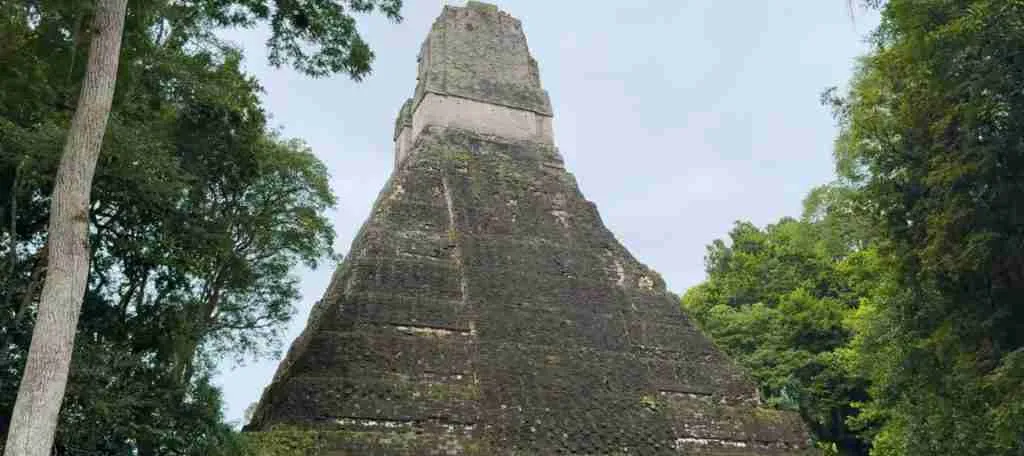
3 days
Guatemala 3-Day Discovery Tour
- ✓ Comprehensive Guatemala experience
- ✓ Expert local guides included
- ✓ All accommodation included
- ✓ Transportation provided

5 days
Guatemala 5-Day Highlights Experience
- ✓ Comprehensive Guatemala experience
- ✓ Expert local guides included
- ✓ All accommodation included
- ✓ Transportation provided
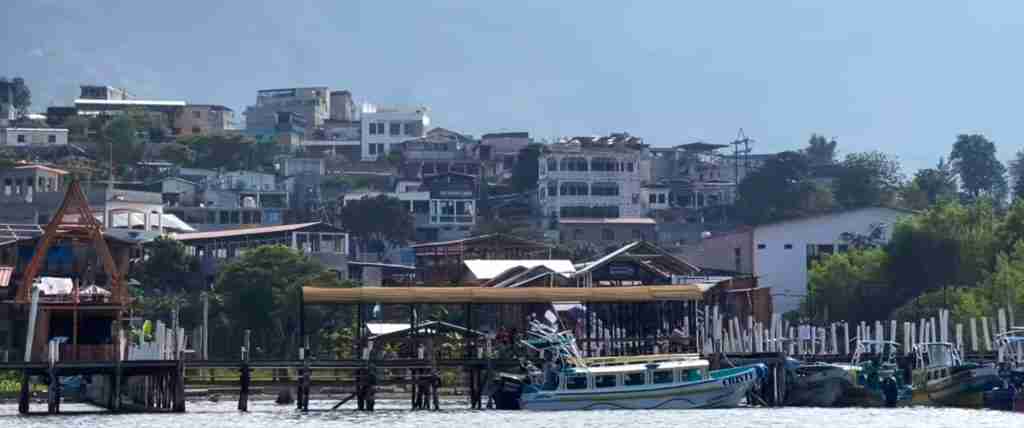
7 days
Guatemala 7-Day Cultural Journey
- ✓ Comprehensive Guatemala experience
- ✓ Expert local guides included
- ✓ All accommodation included
- ✓ Transportation provided
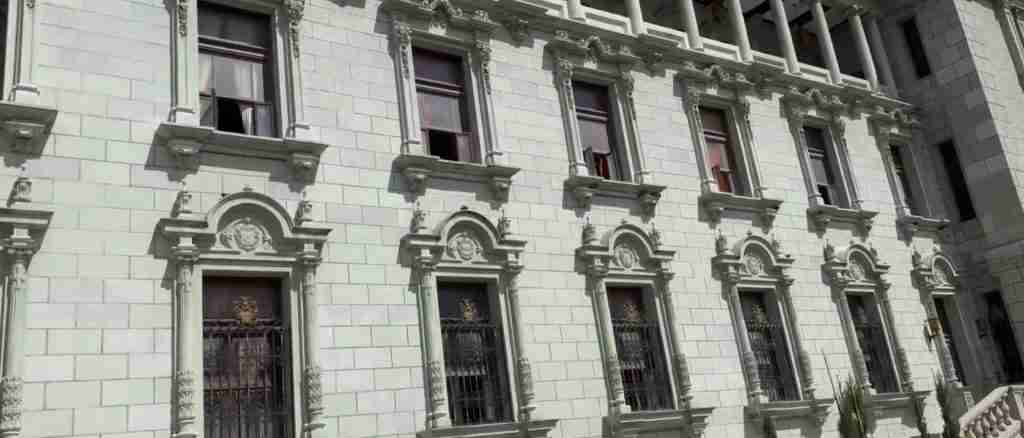
10 days
Guatemala 10-Day Complete Adventure
- ✓ Comprehensive Guatemala experience
- ✓ Expert local guides included
- ✓ All accommodation included
- ✓ Transportation provided
Multi-day tour packages powered by TourRadar. Prices and availability subject to change.
Essential Planning Information 2026
Current Costs and Pricing Breakdown 2026
Guatemala UNESCO site entrance fees for 2026 include Tikal National Park at $20 for foreign visitors (Guatemalan nationals pay reduced rates), Quiriguá Archaeological Park at $7 for international guests, and Antigua Guatemala offering free city access with individual monument admissions ranging $3-8 per location. Check official park websites and INGUAT (Guatemalan Tourism Institute) for current rates as pricing may vary based on government fee adjustments. Guided tours at Tikal cost $35-50 per person for 3-4 hour archaeological walks, sunrise tours run $45-65 including pre-dawn transportation, and private guides range $80-120 for personalized full-day experiences. Antigua walking tours cost $15-25 per person for 2-3 hour historical circuits, while specialized architecture or photography tours charge $40-60 for in-depth exploration with expert guides.
Accommodation pricing in 2026 varies significantly by location and season. Antigua mid-range hotels cost $60-95 per night for double occupancy during high season (December-April), dropping to $40-65 during shoulder periods (May, October-November) and $35-55 in rainy season (June-September). Flores mid-range accommodations near Tikal run $45-75 nightly in peak season, $30-50 during shoulders, and $25-40 in wet months. Budget hostels throughout Guatemala charge $12-20 for dorm beds and $25-35 for private rooms year-round. Luxury colonial hotels in Antigua range $180-350 nightly, while premium jungle lodges near Tikal cost $200-400 including meals and guided activities.
Transportation costs between UNESCO sites include tourist shuttle services charging $15-25 per person for Antigua-Guatemala City routes, $20-35 for Guatemala City-Rio Dulce/Quiriguá, and $25-40 for Flores-Guatemala City segments. Domestic flights between Guatemala City (GUA) and Flores (FRS) cost $85-140 one-way when booked 3-4 weeks ahead, rising to $160-220 for last-minute reservations. Public chicken buses offer budget alternatives at $3-8 for most intercity routes, though travel times extend 30-50% longer than tourist shuttles and comfort levels decrease significantly. Private transfers cost $120-180 for Antigua-Guatemala City airport, $180-250 for Guatemala City-Flores, and $80-120 for Guatemala City-Rio Dulce segments accommodating up to 4 passengers.
Daily meal costs in Guatemala average $25-40 per person for three meals at mid-range restaurants, with breakfast running $5-8, lunch $8-12, and dinner $12-20 including beverages. Budget travelers eat for $12-18 daily at local comedores and street food stalls, while upscale dining in Antigua’s international restaurants ranges $40-70 per person for multi-course dinners with wine. Site-specific costs include Tikal park transportation from Flores ($8-12 round-trip on shared shuttles), water and snacks for jungle exploration ($5-10 daily), and photography permits for commercial equipment ($50-100 at major sites, standard tourist photography included in admission).
Transportation Options and Schedules 2026
International flights to Guatemala arrive at La Aurora International Airport (GUA) in Guatemala City, serving as the primary gateway for UNESCO site access in 2026. Major North American carriers including United, American, Delta, and Avianca operate daily flights from Houston, Miami, Los Angeles, and Mexico City, with flight times ranging 3-5 hours depending on departure city. European travelers connect through major US hubs or Mexico City, while South American visitors access Guatemala via Panama City or San Salvador connections. Domestic flights between Guatemala City and Flores depart 4-6 times daily on Avianca and TAG Airlines, with morning departures at 6:30 AM, 8:00 AM, and 10:30 AM, and afternoon returns at 3:30 PM, 5:00 PM, and 6:30 PM. Flight duration runs 55 minutes covering the 300-kilometer distance to Petén region far more efficiently than 8-10 hour overland bus journeys.
Tourist shuttle services provide comfortable, reliable transportation between major destinations with fixed schedules and door-to-door hotel pickup. Antigua-Guatemala City shuttles depart hourly 5:00 AM-6:00 PM, with 45-60 minute journey times depending on traffic conditions. Guatemala City-Flores shuttles operate overnight departures at 9:00 PM-10:00 PM, arriving 5:00 AM-6:00 AM after 8-9 hour journeys with rest stops. Rio Dulce and Quiriguá access routes from Guatemala City run morning departures at 6:00 AM-8:00 AM, reaching Caribbean lowlands in 5-6 hours. Advance reservations through established operators like Litegua, Linea Dorada, and ADN Mundo Maya ensure guaranteed seats and professional service standards.
Public chicken buses offer extensive coverage across Guatemala at minimal cost, departing frequently from major city terminals throughout daylight hours. Guatemala City’s main terminal operates 4:00 AM-8:00 PM with departures every 30-60 minutes to Antigua, hourly service to Rio Dulce and Puerto Barrios, and regular connections to western highlands. Buses display destination placards in windshields, accept cash payment to conductors, and make frequent stops loading passengers along routes. Journey times extend considerably compared to shuttles due to multiple stops and slower overall speeds, though cultural immersion and authentic local interaction provide unique travel experiences for adventurous visitors.
Car rentals from Guatemala City airport cost $35-65 daily for compact vehicles, $50-80 for mid-size sedans, and $70-120 for 4WD SUVs recommended for rainy season travel and remote site access in 2026. International chains including Hertz, Avis, Budget, and Thrifty maintain airport counters with 24-hour service. Driving to Antigua takes 45 minutes on well-maintained CA-1 highway, reaching Rio Dulce requires 5 hours on CA-9 Atlantic Highway, and accessing Flores demands 8-9 hours across varying road conditions with overnight stops recommended. GPS navigation works reliably on major routes, though fuel stations become sparse in remote areas requiring advance planning. Traffic congestion in Guatemala City peaks 7:00-9:00 AM and 5:00-7:00 PM, affecting departure timing from the capital.
Guatemala’s UNESCO World Heritage Sites Overview 2026
Tikal National Park encompasses 575 square kilometers of tropical rainforest containing over 3,000 ancient structures dating from 600 BC to 900 AD, representing one of Mayan civilization’s most powerful city-states. The archaeological zone features six massive temple pyramids rising 30-65 meters above plaza level, with Temple IV reaching 65 meters as the tallest pre-Columbian structure in the Americas. Visitors in 2026 explore the Great Plaza flanked by Temple I (Temple of the Great Jaguar) and Temple II (Temple of the Mask), climb wooden staircases ascending Temple IV for panoramic jungle views, and discover intricate carved stelae documenting dynastic histories and astronomical observations. The surrounding national park protects 200+ species of trees, jaguars, pumas, howler monkeys, spider monkeys, and over 300 bird species including ocellated turkeys and ornate hawk-eagles. UNESCO designated Tikal as a mixed cultural and natural heritage site recognizing both archaeological significance and biodiversity conservation values.
Antigua Guatemala preserves the Western Hemisphere’s finest intact Spanish colonial city, founded in 1543 and serving as Central America’s political and cultural capital for over 200 years. The city’s gridded street plan extends across a highland valley at 1,500 meters elevation, surrounded by three volcanic peaks creating dramatic backdrop scenery. Antigua’s UNESCO designation protects numerous monuments including the Cathedral of San Jose begun in 1545, La Merced Church with its elaborate yellow and white baroque facade completed in 1767, Santa Clara Convent featuring peaceful courtyards and fountain gardens, and Casa Santo Domingo transformed from ruined convent to luxury hotel preserving original colonial walls and archaeological remains. The city suffered devastating earthquakes in 1773 prompting Spanish authorities to relocate the capital to present-day Guatemala City, inadvertently preserving Antigua’s colonial architecture through arrested development. Modern Antigua in 2026 maintains strict building codes protecting architectural heritage while supporting thriving cultural scene with Spanish language schools, artisan workshops, international restaurants, and traditional Easter Week (Semana Santa) processions drawing visitors worldwide.
Quiriguá Archaeological Park contains the finest collection of Mayan carved stone monuments in Mesoamerica, created during the site’s 8th-9th century florescence under ruler K’ak’ Tiliw Chan Yopaat. The park’s highlight stelae stand 3-8 meters tall carved from single sandstone blocks weighing up to 65 tons, depicting rulers in elaborate ceremonial dress with hieroglyphic texts recording historical events, astronomical calculations, and mythological narratives. Stela E rises 8 meters as the tallest known Mayan monument, erected in 771 AD commemorating the site’s independence from rival Copán. Zoomorphic altars shaped as fantastic creatures complement the stelae, representing some of Mayan civilization’s most sophisticated three-dimensional sculptural achievements. The compact archaeological zone allows complete site exploration in 2-3 hours, with well-maintained paths connecting monument groups amid manicured lawn settings and tropical tree groves. Quiriguá’s location in Guatemala’s Motagua River valley provides convenient access from CA-9 Atlantic Highway, situated 90 kilometers from Rio Dulce and 205 kilometers from Guatemala City.
Best Time to Visit Guatemala UNESCO Sites 2026
Seasonal Analysis for 2026
Guatemala’s dry season from November through April provides optimal conditions for UNESCO site exploration in 2026, with minimal rainfall disrupting outdoor activities across both highland and lowland environments. November marks the transition from rainy to dry periods, offering excellent value with 25-35% lower accommodation rates than peak months while weather improves significantly from October’s heavy rains. December through February delivers peak season conditions with clear skies, comfortable temperatures, and reliable sunny days perfect for archaeological site photography and colonial city walking tours. March and April conclude the dry season with warming temperatures reaching 30-35°C in lowland Tikal and 25-28°C in highland Antigua, though afternoon clouds begin developing as rainy season approaches. These months provide favorable conditions with moderate pricing and good availability before Easter Week (Semana Santa) in late March or early April draws maximum visitor numbers to Antigua’s religious processions.
May through October constitutes Guatemala’s rainy season, characterized by afternoon thunderstorms developing 2:00-5:00 PM most days while mornings typically remain clear and suitable for site visits. May and early June offer shoulder season advantages with lingering dry-season weather patterns, 30-40% accommodation discounts, and manageable rainfall levels allowing full-day outdoor exploration with rain gear preparation. July-August experience mid-summer drought (canicula) bringing 2-3 week periods of reduced rainfall and renewed sunny conditions ideal for budget-conscious summer travelers. September stands as the wettest month with daily precipitation, saturated jungle trails, and challenging site access at Tikal when mud conditions affect walking paths. October maintains heavy rainfall though intensity decreases from September peaks, with improving conditions toward month’s end signaling dry season transition. Rainy season travel rewards flexible visitors with dramatic storm photography opportunities, lush green jungle landscapes, active wildlife during wet periods, and significant cost savings across accommodations and tours.
Weather Patterns and Crowd Predictions 2026
Tikal’s tropical rainforest climate maintains warm temperatures year-round with daytime highs 28-35°C and nighttime lows 20-24°C regardless of season. Dry season months provide 80-90% sunny days with occasional morning mist dissipating by 9:00-10:00 AM, creating ideal conditions for sunrise tours ascending Temple IV’s summit. Rainy season brings 60-80% cloud cover with afternoon thunderstorms 70-85% of days, though morning site access typically remains viable for visitors departing Flores at 6:00-7:00 AM. Humidity levels stay consistently high at 70-90% throughout the year, requiring adequate hydration and sun protection during multi-hour jungle walks. Flores serves as Tikal’s gateway town experiencing similar climate patterns with slightly warmer temperatures given lakeside location at lower elevation than park highlands.
Antigua Guatemala’s highland setting at 1,500 meters elevation produces temperate climate with dry season daytime temperatures 20-25°C and nighttime lows 10-15°C requiring light jacket or sweater for evening dining and walks. Rainy season brings afternoon showers 60-75% of days while mornings remain predominantly clear for architectural photography and plaza exploration. The city’s volcanic backdrop creates microclimates with weather varying between neighborhoods, though compact colonial core allows easy adjustment to changing conditions. December-January nights occasionally drop to 8-10°C, while March-April daytime highs reach 26-28°C before rainy season cooling. Quiriguá’s Caribbean lowland location produces hot, humid conditions year-round with temperatures 28-35°C and higher rainfall totals than highlands. The archaeological park’s open lawn settings provide less shade than Tikal’s jungle environment, requiring mid-morning or late afternoon visits during hot months to avoid midday heat exposure.
Crowd levels peak during Christmas-New Year period (December 20-January 6), Easter Week (dates vary in late March or early April), and July-August summer vacation season when North American and European tourists maximize Guatemala visits. Tikal sunrise tours sell out daily during these periods, Antigua hotels book to capacity requiring 2-3 month advance reservations, and popular restaurants implement waiting lists for prime dining hours. February-March before Easter delivers excellent weather with moderate crowds, while November post-rainy season and early May shoulder periods offer optimal balance of favorable conditions and manageable visitor numbers. Quiriguá remains relatively uncrowded year-round given smaller overall visitation compared to Tikal and Antigua, though tour groups from Caribbean cruise ships create midday peaks when ships dock at Puerto Barrios 80 kilometers east.
Accommodation Strategies 2026
Budget Accommodation Options 2026
Antigua’s budget accommodation scene centers around hostels and guesthouses offering dorm beds $12-18 nightly and private rooms $25-38 for double occupancy in 2026. Zoola Antigua Hostel provides modern facilities with rooftop terrace, communal kitchen, and organized social activities in restored colonial building two blocks from Central Park. Yellow House Hostel features garden courtyard, free breakfast, and Spanish-English language exchange programs attracting international backpackers. Jungle Party Hostel combines budget pricing with evening entertainment and tour booking services, though noise levels suit social travelers more than rest-seekers. Private budget hotels like Posada Juma Ocag and Hotel Posada de Don Rodrigo offer simple double rooms $35-50 with private bathrooms, colonial-style courtyards, and breakfast included, providing affordable comfort without hostel dormitory atmosphere.
Flores budget options include Hotel Isla de Flores ($30-45 for lake-view doubles), Los Amigos Hostel ($12-15 dorm beds with rooftop hammock area), and Hotel Santana ($35-50 for air-conditioned rooms near Flores causeway). These properties provide essential Tikal tour booking services, restaurant recommendations, and transportation coordination for visitors using Flores as base for archaeological site access. Many budget accommodations include free breakfast and shared kitchen facilities allowing meal cost control, while rooftop terraces offer sunset views across Lago Petén Itzá. Santa Elena mainland area across the causeway from Flores island delivers slightly lower rates with hotels charging $25-40 for comparable rooms, though Flores island location provides superior ambiance and walkable access to lakefront restaurants and evening entertainment.
Rio Dulce and Quiriguá area budget options concentrate in Rio Dulce town with Hotel Backpackers ($25-35 doubles), Bruno’s Hotel ($30-40 with river views), and basic guesthouses $20-30 nightly. These properties serve travelers transiting between Guatemala City and Caribbean coast or making dedicated Quiriguá archaeological site visits. Puerto Barrios 80 kilometers east offers additional budget hotels ($25-45 range) with frequent bus connections to Quiriguá, though Rio Dulce provides more pleasant base with river setting, marina facilities, and excursion opportunities to Livingston and Caribbean beaches. Budget accommodation booking in Guatemala rarely requires advance reservation outside peak December-January and Easter Week periods, allowing flexible arrival and on-ground price comparison at multiple properties before committing.
Mid-Range and Luxury Options 2026
Antigua mid-range hotels occupy restored colonial mansions featuring interior courtyards, fountain gardens, and period architectural details creating authentic heritage atmosphere. Hotel Casa Santo Domingo ($180-280 nightly) transforms ruined 16th-century convent into luxury property with three on-site museums, multiple restaurant courtyards, and archaeological remains visible throughout public spaces. Porta Hotel Antigua ($120-185) provides modern amenities in colonial-style building with rooftop terrace overlooking city and volcanoes, central location one block from Cathedral, and tour desk arranging UNESCO site excursions. Hotel Mesón Panza Verde ($145-220) offers boutique accommodations with nine unique rooms, award-winning restaurant, and personalized service in intimate residential neighborhood setting. These mid-range properties include breakfast, WiFi, and colonial architectural authenticity at prices substantially below North American or European equivalent standard.
Luxury Antigua accommodations include Camino Real Antigua ($240-380) with spa facilities, multiple dining venues, and extensive gardens, and Casa Palopó ($350-550) delivering ultra-luxury lake views, private butler service, and artistic interior design. These properties provide concierge services arranging private guides, helicopter volcano tours, and customized UNESCO site itineraries for affluent travelers seeking premium experiences. Mid-range options maintain high service standards while offering better value for heritage-focused visitors prioritizing location and authentic colonial atmosphere over international luxury chain amenities.
Flores mid-range hotels include Hotel Casona del Lago ($75-110) with colonial-style rooms and lakefront restaurant, Las Lagunas Boutique Hotel ($85-130) offering modern design and rooftop infinity pool, and Hotel Isla de Flores ($50-80) providing lake views and central Flores island location. These properties arrange Tikal tours, domestic flight confirmations, and onward travel booking for visitors using Flores as Petén region base. Luxury jungle lodges near Tikal include La Lancha ($280-420) designed by Francis Ford Coppola with rainforest setting and gourmet dining, and Camino Real Tikal ($180-280) positioned at park entrance with swimming pool and evening wildlife viewing from restaurant terraces. These premium options justify higher rates through proximity to archaeological site enabling early morning access before tour groups arrive and evening jungle ambiance impossible from town-based accommodations.
Rio Dulce mid-range options include Hacienda Tijax ($60-95) with jungle bungalows and organic farm tours, and Casa Guatemala ($70-110) featuring riverside setting with kayak rentals and swimming areas. These properties provide meal plans, boat excursions, and Quiriguá transportation coordination for travelers exploring Caribbean lowland cultural and natural attractions. The region lacks luxury development given remote location and transit-focused visitor profile, though mid-range accommodations deliver comfortable bases for UNESCO site access and Caribbean coast connections.
Transportation Guide 2026
International Access and Domestic Flights 2026
La Aurora International Airport (GUA) in Guatemala City serves all international arrivals with modern terminal facilities, immigration processing, and ground transportation options. United Airlines operates daily flights from Houston (IAH) and Newark (EWR), American Airlines serves Dallas (DFW) and Miami (MIA), Delta flies from Atlanta (ATL) and Los Angeles (LAX), and Avianca connects through San Salvador (SAL) from multiple US cities. Mexican carriers Volaris and Viva Aerobus provide budget alternatives through Mexico City (MEX), while Copa Airlines links Guatemala to South American destinations via Panama City hub. US citizens enter Guatemala visa-free for tourism stays up to 90 days, requiring passport valid six months beyond travel dates. Arriving passengers collect luggage, proceed through customs declaration, and access tourist information desk in arrivals hall providing maps, hotel booking, and ground transportation coordination.
Domestic flights between Guatemala City and Flores operate 4-6 times daily on Avianca Guatemala and TAG Airlines from same La Aurora terminal as international flights. Morning departures at 6:30 AM, 8:00 AM, and 10:30 AM allow same-day Tikal visits, while afternoon returns at 3:30 PM, 5:00 PM, and 6:30 PM accommodate morning archaeological site exploration before evening return to capital. Fares range $85-140 one-way when booked 3-4 weeks ahead through airline websites or consolidator platforms, increasing to $160-220 for last-minute purchases within 7-10 days of travel. Flights operate on 50-passenger turboprop aircraft with 55-minute flight time, free checked bag allowance, and basic snack service. Mundo Maya International Airport (FRS) in Flores provides taxi service to Flores island hotels ($5-8 per vehicle) and tourist shuttles to Santa Elena accommodations ($3-5 per person). Advance domestic flight booking ensures preferred departure times and cost optimization, though same-day availability typically exists outside peak December-January and Easter periods.
Airport ground transportation from Guatemala City to Antigua operates via authorized taxi service ($40-50 per vehicle for up to 4 passengers), tourist shuttles ($15-20 per person with shared service), and public bus connections ($1.50-3 total via zone 4 terminal transfer). Tourist shuttles provide door-to-door hotel delivery in Antigua, departing airport arrivals area hourly 6:00 AM-10:00 PM with 45-60 minute journey time. Taxis charge fixed rates posted at airport taxi stand, accepting cash payment in US dollars or Guatemalan quetzales with exact change recommended. Public buses require navigating Guatemala City’s central terminal for Antigua connections, suitable for experienced budget travelers but complicated for first-time visitors with luggage. Most Antigua hotels arrange advance airport pickup $35-45 per vehicle, confirming arrival flight details and meeting travelers in arrivals hall with name signs.
Ground Transportation Between Sites 2026
Tourist shuttle services provide reliable transportation between Guatemala’s UNESCO sites with fixed schedules and advance reservation systems ensuring guaranteed seats. Antigua-Guatemala City shuttles operate hourly 5:00 AM-6:00 PM in both directions, charging $15-18 per person for 45-60 minute journeys with hotel pickup and drop-off included. Guatemala City-Flores overnight buses depart 9:00 PM-10:00 PM daily, arriving 5:00 AM-6:00 AM after 8-9 hour journeys with rest stops and onboard bathrooms. Litegua and Linea Dorada operate first-class overnight services with reclining seats, air conditioning, and blanket provision for $35-45 per person. Guatemala City-Rio Dulce shuttles run morning departures 6:00 AM-8:00 AM, reaching Caribbean lowlands in 5-6 hours with lunch stops and bathroom breaks for $28-35 per person. Book shuttles through hotel concierge desks, tourist information offices, or directly with established operators 1-2 days ahead ensuring space availability during high-traffic periods.
Public chicken buses offer extensive Guatemala coverage at budget-friendly rates, operating from Guatemala City’s main terminal with frequent departures to all major destinations. Antigua buses depart every 15-30 minutes 4:00 AM-8:00 PM, charging Q10-15 ($1.30-2) for one-hour journey on recycled North American school buses. Rio Dulce and Puerto Barrios buses operate hourly 5:00 AM-6:00 PM, charging Q50-75 ($6.50-10) for 5-6 hour trips with multiple intermediate stops. Flores overnight buses run 6:00 PM-10:00 PM departures, arriving morning after 8-10 hour journeys for Q100-150 ($13-19) in standard class or Q180-220 ($23-28) in premium ejecutivo class with reclining seats. Public buses display destination placards, accept cash payment to conductors, and provide authentic local transportation experience with significantly longer travel times than tourist shuttles. Luggage storage underneath buses costs Q5-10 extra, with carry-on bags riding on overhead racks or passenger laps depending on load levels.
Private transfers between UNESCO sites offer maximum comfort and flexibility for groups of 2-4 travelers willing to pay premium pricing. Guatemala City airport to Antigua private vans cost $120-150 for up to 4 passengers with direct hotel delivery and flexible departure timing. Guatemala City to Flores private transfers run $280-350 for full-day journey allowing intermediate stops at scenic viewpoints and restaurant breaks. Guatemala City to Rio Dulce private transport costs $180-220 with similar flexibility for customized routes. Split among multiple travelers, private transfers approach tourist shuttle pricing while eliminating schedule restrictions and pickup delays. Arrange private transfers through hotel concierge services, tour operators, or recommended drivers maintaining vehicles specifically for tourist transportation. Negotiate total price before departure, confirming air conditioning, luggage capacity, and intermediate stop allowances avoiding misunderstandings.
Car rental from Guatemala City airport provides independence for experienced drivers comfortable navigating Latin American road conditions. Compact vehicles cost $35-60 daily with unlimited mileage, mid-size sedans $50-80, and 4WD SUVs $70-120 recommended for rainy season travel and remote area access. Insurance coverage costs additional $15-25 daily for comprehensive protection including collision damage, theft, and liability. Driving to Antigua follows well-signed CA-1 highway requiring 45 minutes under normal traffic, reaching Rio Dulce demands 5-6 hours on CA-9 Atlantic Highway with good pavement throughout, and accessing Flores takes 8-10 hours across varying road conditions with overnight stop recommended. Fuel stations become sparse north of Rio Dulce requiring tank fills at major towns. Parking in Antigua costs Q10-20 ($1.30-2.50) for hotel lots or public areas, while street parking downtown requires careful attention to restrictions. Guatemala City traffic peaks 7:00-9:00 AM and 5:00-7:00 PM, affecting departure timing from capital. GPS navigation functions reliably on major routes, with offline map downloads recommended for areas with limited cellular coverage.
Money-Saving Strategies 2026
Advance Booking Benefits 2026
Advance booking provides substantial savings across Guatemala UNESCO site travel components in 2026. Domestic flights between Guatemala City and Flores deliver 25-35% cost reduction when purchased 3-4 weeks ahead versus last-minute fares within 7 days of travel. A round-trip flight booked early costs $170-280 total compared to $320-440 for same-week purchases, saving $150-160 per person on essential Tikal access transportation. International flights to Guatemala show similar patterns with 6-8 week advance booking yielding optimal pricing from North American departure cities, particularly during peak December-January and Easter week periods when last-minute availability becomes limited and premium-priced.
Antigua accommodation booking 1-2 months ahead for high season (December-April) ensures preferred hotel selection and occasionally early-bird discounts of 10-15% off standard rates. Popular boutique properties fill capacity during Christmas, New Year’s, and Easter Week requiring advance reservation avoiding expensive last-resort options or inconvenient locations far from colonial center. Shoulder season (May, October-November) and rainy season (June-September) maintain good availability allowing flexible booking 1-2 weeks ahead without significant price penalties, though advance booking still secures first choice of properties at published rates.
Tikal sunrise tours from Flores book out 2-3 months ahead during peak season, with waiting lists forming for December-February dates popular among photographers seeking dramatic dawn light over jungle pyramids. Reserve sunrise tours immediately upon confirming travel dates, ensuring guaranteed spots at $45-65 standard rates versus potential premium tour costs $80-100 if alternative operators remain available. Regular day tours maintain good availability year-round though advance booking confirms preferred departure times and guide language options. Quiriguá access requires no advance booking given smaller visitor numbers and easy site accessibility from highway location.
Seasonal Optimization Tips 2026
Shoulder season travel during May and October-November delivers 30-40% accommodation savings compared to December-March peak pricing across Guatemala destinations. Antigua mid-range hotels charging $90-120 in high season drop to $55-75 during shoulders, Flores accommodations fall from $70-95 to $40-60, and even budget hostels reduce dorm beds from $18 to $12-14. These savings accumulate significantly over multi-night stays, with week-long trips saving $200-350 on accommodations alone while maintaining comfortable mid-range standard. Shoulder months provide additional benefits of reduced crowds at Tikal and Antigua, better restaurant availability without reservations, and tour guides offering more personalized attention with smaller group sizes.
Rainy season travel from June through September (excluding September’s peak rainfall) offers maximum budget optimization with accommodation discounts reaching 40-50% below high season rates. Budget-conscious travelers accept afternoon rainfall probability in exchange for substantial cost reduction, using morning site visits when weather typically cooperates and indoor afternoon activities during storm periods. Antigua’s colonial museums, churches, and covered markets provide excellent rainy afternoon options, while Tikal’s morning-focused sunrise tours avoid most precipitation. Pack quality rain gear and quick-dry clothing enabling comfortable wet-weather exploration, turning potential disadvantage into authentic tropical forest experience with fewer visitors and active wildlife.
Meal cost optimization focuses on local comedores and street food vendors rather than tourist-oriented international restaurants. Breakfast at local bakeries costs $2-4 for fresh bread, coffee, and juice compared to $8-12 at hotel dining rooms, lunch at neighborhood comedores runs $4-6 for complete plate versus $12-18 at plaza restaurants, and street food dinners deliver filling meals $3-5 versus $15-25 for tourist restaurant equivalent. These savings add $15-25 daily per person, totaling $105-175 weekly while providing authentic Guatemalan cuisine and cultural interaction. Mix budget local meals with occasional upscale dining experiencing Antigua’s international restaurant scene without excessive food costs dominating overall budget.
Free walking tours in Antigua provide excellent historical orientation without guide fees, operating on tip-based model allowing budget allocation according to service quality and personal financial capacity. These 2-3 hour tours cover colonial architecture, earthquake history, and cultural traditions, with tips of $5-10 per person considered appropriate for quality guides. Self-guided exploration using smartphone apps and downloaded maps eliminates guide costs entirely for independent-minded travelers comfortable navigating without expert interpretation. Tikal benefits significantly from professional guide knowledge explaining Mayan cosmology and archaeological context, justifying the $35-50 expense for enhanced educational value impossible through solo visits.
Sample 2026 Itineraries
Complete UNESCO Circuit 2026 – 10 Days
This comprehensive 10-day itinerary covers all three Guatemala UNESCO World Heritage Sites with comfortable pacing allowing proper exploration of each location’s unique cultural treasures. The circuit balances colonial highland heritage in Antigua, ancient Mayan civilization at Tikal and Quiriguá, and strategic transportation connections optimizing time efficiency while minimizing travel fatigue.
Days 1-3: Antigua Guatemala
Arrive Guatemala City, take tourist shuttle to Antigua (45-60 minutes, $15-18 per person). Check into mid-range colonial hotel $70-95 per night. Afternoon walking orientation explores Central Park, Cathedral facade, and Santa Catalina Arch establishing geographic bearings for subsequent days. Dinner at colonial courtyard restaurant $18-25 per person. Day 1 total: Shuttle $15, lunch $12-15, dinner $18-25, coffee/snacks $8-10. Total day cost: $53-65 per person (excluding accommodation $70-95).
Day 2 dedicated UNESCO heritage exploration visits La Merced Church ($5 admission), Casa Santo Domingo museums ($8 admission), Santa Clara Convent ($6 admission), and San Francisco Church (free entry). Hire private guide $40-50 for 3-4 hour morning architectural tour providing historical context and access to lesser-known colonial gems. Afternoon explores artisan markets and rooftop viewpoints overlooking volcanic landscape. Meals at local comedores and mid-range restaurants total $25-35 for day. Day 2 total: Guide $40-50, admissions $19, lunch $10-15, dinner $15-20. Total day cost: $84-104 per person (excluding accommodation).
Day 3 morning hike to Cerro de la Cruz viewpoint (free) captures photography of colonial city framed by Volcán Agua before mid-morning departure to Guatemala City. Guatemala City to Flores overnight bus departs 9:00-10:00 PM ($35-45) arriving early morning Day 4. Day 3 total: Breakfast $5-8, lunch $12-15, shuttle to Guatemala City $15-18, dinner/snacks for bus journey $8-12. Total day cost: $40-53 per person (excluding accommodation and overnight bus ticket).
Days 4-6: Tikal & Petén Region
Arrive Flores 5:00-6:00 AM, check into lakefront hotel $50-75 per night. Rest and breakfast at hotel. Afternoon explores Flores island colonial streets and lakefront Malecón, evening dinner at waterfront restaurant $15-22. Book next morning’s sunrise tour. Day 4 total: Breakfast $6-10, lunch $10-15, dinner $15-22. Total day cost: $31-47 per person (excluding accommodation $50-75).
Day 5 Tikal sunrise tour departs hotel 3:30-4:00 AM ($45-65 including transportation, entrance fee $20 additional). Experience dawn breaking over Temple IV summit, explore Great Plaza, Temple I and II, North Acropolis, and Central Acropolis through mid-morning with guide interpretation. Return Flores early afternoon. Late lunch $12-18, evening free for relaxation after early morning start. Day 5 total: Sunrise tour $45-65, Tikal entrance $20, lunch/dinner $25-35, snacks $5-8. Total day cost: $95-128 per person (excluding accommodation).
Day 6 morning domestic flight Flores-Guatemala City ($85-140), connecting bus to Rio Dulce (departing Guatemala City 1:00-2:00 PM, $25-30). Arrive Rio Dulce evening, check into riverside hotel $50-70 per night. Dinner at hotel restaurant $15-20. Day 6 total: Flight $85-140, lunch Guatemala City $10-15, bus to Rio Dulce $25-30, dinner $15-20. Total day cost: $135-205 per person (excluding accommodation $50-70).
Days 7-8: Quiriguá & Caribbean Lowlands
Day 7 morning organized transport to Quiriguá Archaeological Park (1.5 hours, $15-25 round-trip arranged through hotel). Site entrance $7, explore magnificent stelae and zoomorphic altars with guide $25-35 for 2-3 hour interpretation. Return Rio Dulce afternoon, optional boat tour to Livingston or hot springs ($30-45). Lunch near Quiriguá $8-12, dinner Rio Dulce $15-22. Day 7 total: Transport to Quiriguá $15-25, entrance $7, guide $25-35, lunch $8-12, dinner $15-22. Total day cost: $70-101 per person (excluding accommodation).
Day 8 morning explores Rio Dulce canyon and Castillo San Felipe (16th-century Spanish fort, $4 admission) by boat tour ($20-30 per person). Afternoon bus to Guatemala City ($25-30, departing 1:00-2:00 PM). Evening arrival Guatemala City, airport hotel $65-90 per night. Dinner $18-25. Day 8 total: Boat tour $20-30, fort admission $4, lunch $10-15, bus $25-30, dinner $18-25. Total day cost: $77-104 per person (excluding accommodation $65-90).
Days 9-10: Departure Buffer
Day 9 optional return to Antigua for additional exploration or shopping (shuttle $15-18 each way), or Guatemala City cultural sites including National Museum of Archaeology ($7 admission) and historic center. Arrange Day 10 departure according to international flight timing. Day 9-10 flexibility accommodates schedule adjustments, weather delays, or extended stays at preferred locations. Budget $50-100 per person daily for meals, local transport, and incidental activities.
Complete 10-Day Circuit Total Costs:
- Accommodation (9 nights): $495-760 per person (double occupancy mid-range hotels)
- Transportation (domestic flight, buses, shuttles, local transport): $280-360 per person
- Entrance fees and tours: $166-235 per person
- Meals (30 meals): $315-465 per person
- Total: $1,256-1,820 per person for complete UNESCO circuit
Budget version using hostels, public buses, and cheaper meals: $720-950 per person. Luxury version with premium hotels, private guides, and domestic flights both directions: $2,400-3,200 per person.
Highlights Tour 2026 – 5 Days
Condensed 5-day itinerary focuses on Antigua and Tikal as Guatemala’s premier UNESCO sites, suitable for travelers with limited time or those prioritizing major highlights over comprehensive coverage. This efficient circuit maximizes major site exposure while minimizing travel days.
Day 1: Antigua Arrival & Orientation
International flight arrives Guatemala City morning or early afternoon. Tourist shuttle to Antigua $15-18, check into hotel, afternoon walking exploration of Central Park area. Evening dinner introducing Guatemalan cuisine. Day 1 total: Shuttle $15-18, lunch $12-15, dinner $18-25, coffee $5-8. Total day cost: $50-66 per person (excluding accommodation).
Day 2: Antigua UNESCO Heritage
Full-day architectural exploration with morning private guide $40-50 covering major colonial monuments. Afternoon independent exploration of artisan markets, rooftop cafes, and lesser-known churches. Evening cultural dinner and music venue. Day 2 total: Guide $40-50, admissions $18-25, lunch $12-18, dinner $20-28. Total day cost: $90-121 per person (excluding accommodation).
Day 3: Antigua to Flores/Tikal
Morning domestic flight to Flores $85-140, afternoon explores lakefront town and books next morning’s sunrise tour. Evening preparation for early Tikal departure. Day 3 total: Flight $85-140, lunch Antigua $10-15, dinner Flores $15-22. Total day cost: $110-177 per person (excluding accommodation).
Day 4: Tikal Sunrise Experience
Pre-dawn departure for Tikal sunrise tour $45-65 plus entrance $20. Complete morning archaeological exploration returning early afternoon. Late lunch, evening reflection on Mayan heritage experience. Day 4 total: Tour $45-65, entrance $20, lunch/dinner $25-35, snacks $8-12. Total day cost: $98-132 per person (excluding accommodation).
Day 5: Return & Departure
Morning domestic flight Flores-Guatemala City $85-140, connecting international departure or optional Antigua return for final night. Day 5 costs vary based on international flight timing and final night location.
5-Day Highlights Total: $625-925 per person including accommodations, flights, major tours, and meals. This condensed itinerary sacrifices Quiriguá and Caribbean lowlands for time efficiency while preserving core UNESCO heritage experiences at Antigua and Tikal.
Booking and Reservations 2026
Official Booking Channels 2026
Tikal National Park entrance tickets purchase on-site at park entrance with no advance reservation required for general admission. The park opens 6:00 AM-6:00 PM daily, accepting cash payment in Guatemalan quetzales or US dollars for the $20 foreign visitor fee. Sunrise tours accessing the park before official opening require booking through authorized tour operators in Flores, with major companies including Martsam Travel, San Juan Travel, and Tikal Sunrise. These operators maintain offices along Flores island’s main street, accept online booking through their websites with credit card payment, and confirm reservations via email or WhatsApp messaging. Tour prices include round-trip transportation from Flores hotels, park entrance coordination, and guide services throughout the archaeological zone exploration.
Antigua accommodations book directly through hotel websites offering best rate guarantees and avoiding third-party commission fees that sometimes result in reduced service. Booking.com, Hotels.com, and Expedia provide reservation alternatives with user reviews and flexible cancellation policies, though direct booking often delivers 5-10% lower rates and complimentary upgrades when available. Email direct reservation requests to Antigua hotels 1-2 months ahead for high season dates, inquiring about early payment discounts occasionally offered for advance full payment. Many colonial hotels lack elevator access given historic building restrictions, making room location requests important for travelers with mobility limitations or heavy luggage.
Domestic flights between Guatemala City and Flores book through Avianca Guatemala (www.avianca.com) and TAG Airlines (www.tag.com.gt) websites with credit card payment and email confirmation. Advance booking 3-4 weeks ahead locks optimal pricing before algorithm-driven fare increases closer to departure. Guatemala City airport provides same-day ticket counters for last-minute purchases, though significantly higher walk-up fares and potential sold-out flights during peak periods make advance booking strongly recommended. Checked baggage allowances include one free bag up to 23 kilograms, with excess baggage fees $25-40 per additional piece.
Tour Operator Recommendations 2026
Guatemala Kan Tours operates comprehensive multi-day packages combining Antigua, Tikal, and Quiriguá with professional guides, transportation coordination, and accommodation booking. Their 7-10 day UNESCO circuits cost $850-1,400 per person based on group size and accommodation level, including all entrance fees, ground transportation, breakfasts, and expert guiding throughout. The company maintains strong relationships with local communities and conservation organizations, ensuring ethical tourism practices and direct economic benefits to heritage site regions.
Martsam Travel in Flores specializes in Tikal tours with options ranging from standard sunrise experiences ($45-65) to full-day expeditions ($75-95) incorporating less-visited temple complexes and extended jungle exploration. Their guides receive ongoing archaeological training from Guatemalan Ministry of Culture, delivering authoritative interpretation of Mayan hieroglyphic texts, astronomical alignments, and dynastic histories. Multi-day Petén region tours combine Tikal with Yaxha, Uaxactun, and El Mirador for serious archaeology enthusiasts seeking comprehensive Mayan heritage exposure.
Old Town Outfitters in Antigua provides walking tours, volcano hikes, and colonial heritage explorations with bilingual guides trained in architecture history and cultural anthropology. Their standard walking tours cost $25-35 per person for 3-4 hour circuits, while specialized photography tours ($60-80) optimize timing and locations for architectural and landscape imagery. The company supports local artisan cooperatives and cultural preservation initiatives through tourism revenue sharing and volunteer programs.
Aventuras Naturales based in Rio Dulce coordinates Quiriguá visits combined with Caribbean coast exploration, Livingston Garifuna culture experiences, and rainforest conservation tours. Their multi-day packages ($200-350 per person) integrate archaeological heritage with natural environment and contemporary indigenous cultures, providing holistic understanding of Guatemala’s cultural landscape beyond isolated monument visits. Transportation uses comfortable private vehicles, accommodations range from eco-lodges to mid-range hotels, and local community guides share traditional knowledge and environmental conservation perspectives.
2026 Updates & Current Information
Guatemala’s UNESCO World Heritage Sites continue implementing enhanced conservation measures and visitor management protocols in 2026. Tikal National Park expanded its research facilities with new archaeological laboratory inaugurated in 2025, supporting ongoing excavation projects revealing previously unknown temple structures and residential complexes. The park administration introduced carrying capacity limits for sunrise tours at Temple IV, restricting simultaneous visitor numbers to 150 persons ensuring safety on wooden staircase systems and preserving authentic dawn experience without overwhelming crowds. These measures require advance tour booking during peak December-February season when demand exceeds capacity.
Antigua Guatemala strengthened building code enforcement protecting colonial architectural heritage from inappropriate modern alterations. The city’s UNESCO management office works with property owners ensuring renovations respect historical authenticity while accommodating contemporary comfort needs for hotels and restaurants. New pedestrian zones expand car-free areas around Central Park and major churches, improving visitor experience and reducing vehicular impact on colonial street systems. Earthquake monitoring systems installed throughout the city provide early warning capabilities protecting residents and tourists from seismic events common in Guatemala’s volcanic highland region.
Quiriguá Archaeological Park completed conservation treatment of several major stelae in 2024-2025, addressing weathering damage and biological growth threatening carved surfaces. The work stabilized monuments for future generations while maintaining public access to these extraordinary sculptural achievements. New interpretive signage throughout the park explains Mayan hieroglyphic texts and iconographic programs in English and Spanish, enhancing educational value for international visitors. The park administration coordinates with nearby communities developing artisan markets and food services providing economic alternatives to agricultural expansion threatening archaeological zone buffer areas.
Digital innovations enhance UNESCO site experiences in 2026 with official mobile apps providing audio tours, augmented reality reconstructions, and wayfinding assistance. Tikal’s app includes astronomical alignment visualizations showing how ancient Mayans oriented temples according to solar, lunar, and Venus cycles. Antigua’s app features historical photographs comparing colonial-era architecture with current conditions, highlighting restoration successes and ongoing conservation needs. These technological enhancements complement professional guide services rather than replacing human expertise, offering flexible self-guided options for visitors preferring independent exploration at their own pace.
Sustainable tourism initiatives expand across Guatemala’s heritage sites with local communities receiving training and economic support for tourism service provision. Homestay programs near Tikal connect visitors with Maya Itza families maintaining traditional lifeways, cooking methods, and ecological knowledge. Antigua’s artisan cooperatives offer workshops teaching traditional weaving, pottery, and wood carving techniques, creating cultural exchange opportunities beyond passive monument viewing. Quiriguá area communities develop ecotourism ventures highlighting Caribbean lowland ecosystems, complementing archaeological heritage with natural environment appreciation and conservation awareness.
Frequently Asked Questions About Guatemala UNESCO Sites 2026
Can you visit all three Guatemala UNESCO sites in one trip?
Yes, visiting all three Guatemala UNESCO World Heritage Sites in a single trip is absolutely achievable and represents the optimal approach for comprehensive heritage exploration. A complete circuit visiting Tikal National Park, Antigua Guatemala, and Quiriguá Archaeological Park requires 7-10 days allowing comfortable pacing with proper exploration time at each location and manageable travel days between geographically separated sites. Most visitors structure itineraries spending 2-3 days in Antigua exploring colonial heritage, 2-3 days based in Flores accessing Tikal’s Mayan archaeological treasures, and 1-2 days in Rio Dulce area visiting Quiriguá’s magnificent carved monuments. This routing minimizes backtracking while following logical geographic progression from highlands to Caribbean lowlands or vice versa depending on international flight connections through Guatemala City. Budget-conscious travelers complete the circuit for $720-950 per person using hostels and public transportation, mid-range visitors spend $1,250-1,800 staying comfortable hotels with tourist shuttles, and luxury travelers invest $2,400-3,200 for premium accommodations and private guides throughout.
What is the best order to visit Guatemala’s UNESCO sites?
The optimal visiting sequence depends on international flight arrival and departure cities, though most travelers follow Antigua-Tikal-Quiriguá routing maximizing transportation efficiency and site accessibility. Beginning in Antigua allows cultural acclimatization to Guatemala in comfortable colonial city environment with excellent tourist infrastructure before venturing to more remote Tikal location. After 2-3 days in Antigua, travelers take domestic flight to Flores for Tikal access, then route to Caribbean lowlands visiting Quiriguá before returning to Guatemala City for international departure. Reverse routing Quiriguá-Tikal-Antigua works equally well for travelers arriving from Caribbean side or those preferring to conclude trips in Antigua’s appealing highland setting. Visiting Quiriguá between Antigua and Tikal creates inefficient backtracking given geographic positions, though travelers with specific timing constraints or combining Guatemala with Honduras/Caribbean coast trips may find this sequence logical for their overall itinerary.
How much time do you need at each UNESCO site?
Tikal National Park requires full day minimum for adequate archaeological exploration, with serious archaeology enthusiasts benefiting from two full days accessing extensive temple complexes beyond central tourist areas. Standard sunrise tours departing Flores at 3:30-4:00 AM return by early afternoon covering Great Plaza, Temple I and II, Temple IV summit ascent, Central Acropolis palace complex, and North Acropolis ceremonial structures. Full-day visits extending to 6-8 hours explore outlying temple groups including Temple VI with extensive hieroglyphic texts, Lost World complex featuring Pre-Classic pyramid, and northern temple clusters requiring 3-4 kilometers jungle walking from central area. Antigua Guatemala deserves 2-3 days minimum experiencing major colonial monuments, museums, viewpoints, artisan markets, and surrounding landscapes. Serious architecture and history enthusiasts easily spend 4-5 days exploring lesser-known churches, attending cultural events, and taking day trips to nearby highland towns and volcanoes. Quiriguá Archaeological Park requires 2-3 hours maximum covering compact site featuring stelae, zoomorphic altars, and small ceremonial structures concentrated in manageable walking circuit.
Do you need a guide at Guatemala’s UNESCO sites?
Professional guides significantly enhance UNESCO site experiences through expert interpretation though they are not mandatory at any Guatemala heritage location. Tikal benefits enormously from guide knowledge explaining Mayan cosmology, hieroglyphic texts, architectural symbolism, and ecological context impossible to appreciate through self-guided exploration of seemingly random stone structures amid jungle vegetation. Guides cost $35-50 for 3-4 hour archaeological walks with 4-6 person groups, or $80-120 for private full-day experiences. Antigua’s colonial architecture and historical significance become far more meaningful with expert architectural historian guides ($40-50 for 3-4 hours) explaining construction techniques, earthquake damage patterns, religious iconography, and social history invisible to casual observers. Free walking tours on tip-based model provide budget alternative with quality varying by individual guide expertise. Quiriguá’s small size and excellent interpretive signage allow satisfying self-guided visits, though guides ($25-35 for 2 hours) enhance understanding of hieroglyphic inscriptions and sculptural programs representing sophisticated Mayan artistic achievements.
What should you bring when visiting Guatemala UNESCO sites?
Essential items for Guatemala UNESCO heritage visits include comfortable broken-in walking shoes with good ankle support for uneven archaeological site surfaces and colonial cobblestone streets, sun protection including broad-spectrum SPF 50+ sunscreen and wide-brimmed hat for tropical sun exposure, insect repellent with DEET or picaridin for Tikal’s jungle mosquitoes and other biting insects, refillable water bottle for constant hydration in hot humid conditions, lightweight rain jacket or poncho for afternoon thunderstorms during rainy season months, and daypack carrying supplies while keeping hands free for photography and climbing temple stairs. Tikal-specific items include binoculars for wildlife viewing in forest canopy, flashlight or headlamp for sunrise tours departing pre-dawn, energy snacks for extended jungle walks away from food vendors, and lightweight long pants and long-sleeve shirt protecting against insects and sun while allowing ventilation in humid heat. Antigua additions include layers for cool highland evenings particularly December-February when temperatures drop to 10-15°C, camera equipment for exceptional colonial architecture and volcanic landscape photography, and comfortable sandals for evening dining and plaza strolling after daytime walking tours.
Are Guatemala’s UNESCO sites safe for tourists in 2026?
Guatemala’s UNESCO World Heritage Sites maintain excellent safety records with professional security, tourist police presence, and well-established visitor infrastructure ensuring secure heritage experiences for international travelers in 2026. Tikal National Park employs park rangers and security personnel monitoring archaeological zone and access roads, with tourist police stationed at entrance gates and major temple complexes during operating hours. Flores island maintains safe family-friendly environment with well-lit streets, active police presence, and tourism-dependent economy incentivizing visitor security. Antigua Guatemala ranks as one of Central America’s safest cities with dedicated tourist police force patrolling colonial center 24 hours daily, security cameras in public spaces, and business community commitment to maintaining secure environment supporting tourism economy. Standard urban precautions apply including not displaying expensive jewelry or electronics unnecessarily, using authorized taxis after dark, and staying within well-traveled tourist areas evening hours. Quiriguá’s highway location receives regular police patrols given major transportation route status. Overall crime rates affecting tourists at UNESCO sites remain minimal, with proper awareness and reasonable precautions ensuring safe, enjoyable heritage experiences.
Can you visit Guatemala UNESCO sites independently or do you need a tour?
Independent travel to all three Guatemala UNESCO sites is absolutely feasible using public transportation, hostels or budget hotels, and self-guided exploration for adventurous travelers comfortable with Spanish language basics and Latin American travel logistics. Antigua accesses easily via hourly public buses from Guatemala City ($1.30-2, one hour), hotels book directly without tour operators, and colonial center navigates perfectly using downloaded maps and smartphone navigation. Tikal requires more planning with overnight bus from Guatemala City to Flores ($13-28, 8-10 hours), local shuttles to park entrance ($8-12 round-trip), and sunrise tours booked directly with Flores operators rather than through international agencies. Quiriguá sits 3 kilometers off CA-9 Atlantic Highway accessible via any Guatemala City-Puerto Barrios public bus ($6.50-10, 5-6 hours) with short taxi or tuk-tuk transfer to archaeological park entrance. Independent travel costs 40-50% less than organized tours while providing flexibility for spontaneous schedule adjustments and extended stays at preferred locations. Organized tours justify premium pricing for travelers preferring pre-arranged logistics, expert guiding throughout, and eliminating navigation uncertainties in unfamiliar foreign environment.
What is the elevation and climate like at Guatemala’s UNESCO sites?
Guatemala’s UNESCO sites occupy dramatically different elevations and climate zones requiring varied clothing and preparation strategies. Antigua Guatemala sits at 1,500 meters elevation in temperate highland valley with year-round daytime temperatures 20-25°C and nighttime lows 10-15°C December-February requiring light jacket or sweater for evening activities. The highland location produces comfortable conditions for walking tours with moderate humidity and cooling afternoon breezes, though intense sun exposure at elevation demands sunscreen protection. Tikal National Park occupies lowland tropical rainforest at 200-300 meters elevation with hot humid conditions year-round featuring daytime highs 28-35°C and nighttime lows 20-24°C. The jungle environment maintains 70-90% humidity requiring hydration awareness and heat acclimatization for visitors from temperate climates. Quiriguá Archaeological Park sits in Caribbean lowlands at 75 meters elevation experiencing similar hot humid tropical conditions as Tikal with temperatures 28-35°C daily and high humidity levels. The park’s open lawn settings provide less shade than Tikal’s forest canopy, making early morning or late afternoon visits preferable during hottest months avoiding midday heat exposure.
How accessible are Guatemala’s UNESCO sites for visitors with mobility limitations?
Accessibility for visitors with mobility challenges varies significantly among Guatemala’s UNESCO sites reflecting different terrain types and heritage preservation priorities. Antigua Guatemala’s colonial center features cobblestone streets with uneven surfaces, sidewalk discontinuities, and significant elevation changes navigating hillside topography, creating substantial challenges for wheelchair users and visitors using walking assistance devices. Major monuments including Cathedral, La Merced Church, and Central Park area remain partially accessible though interior access to museums and upper levels requires stair negotiation. Many colonial hotels lack elevators given historic building restrictions, requiring careful property selection for ground-floor room access. Tikal National Park presents severe accessibility limitations with archaeological structures featuring steep pyramid staircases, uneven jungle trails with roots and rocks, and distances up to 3-4 kilometers between major temple groups. Temple summit access requires climbing tall stairways without handrails, impossible for mobility-limited visitors though ground-level plaza areas and several structures offer satisfying experiences without climbing. Quiriguá Archaeological Park provides best accessibility among Guatemala UNESCO sites with relatively flat terrain, paved and gravel paths connecting monument groups, and compact layout allowing complete site exploration within limited walking distances. The open lawn settings eliminate steps and obstacles, making Quiriguá suitable for visitors using wheelchairs or mobility devices with assistance.
What are the best photography opportunities at Guatemala UNESCO sites?
Guatemala’s UNESCO heritage sites rank among Central America’s premier photography destinations offering exceptional architectural, archaeological, and landscape imagery opportunities. Tikal provides extraordinary jungle pyramid compositions with temple summits rising above rainforest canopy, particularly from Temple IV platform capturing Temple I, II, and III emerging from green sea below. Sunrise photography from Temple IV requires pre-dawn access via authorized tour operators, yielding dramatic golden light illuminating distant pyramids as morning mist burns off jungle valleys. Wildlife photography opportunities include howler monkeys, spider monkeys, toucans, and parrots active early mornings and late afternoons around temple complexes. Antigua Guatemala delivers classic Spanish colonial architecture photography with volcanic backdrop, particularly from Cerro de la Cruz viewpoint capturing entire city layout framed by Volcán Agua’s perfect cone. La Merced Church’s elaborate yellow and white baroque facade photographs best in morning light, while Santa Catalina Arch offers iconic Antigua composition with Volcán Agua visible through colonial archway. Sunset photography from rooftop terraces produces magical golden hour light washing over terracotta rooftops and colonial churches. Quiriguá’s monumental carved stelae photograph dramatically in side-lighting conditions emphasizing three-dimensional relief carving and hieroglyphic detail, with early morning or late afternoon providing optimal shadow contrast. The park’s manicured lawns and tropical tree settings frame monuments beautifully for context shots showing scale and environment.