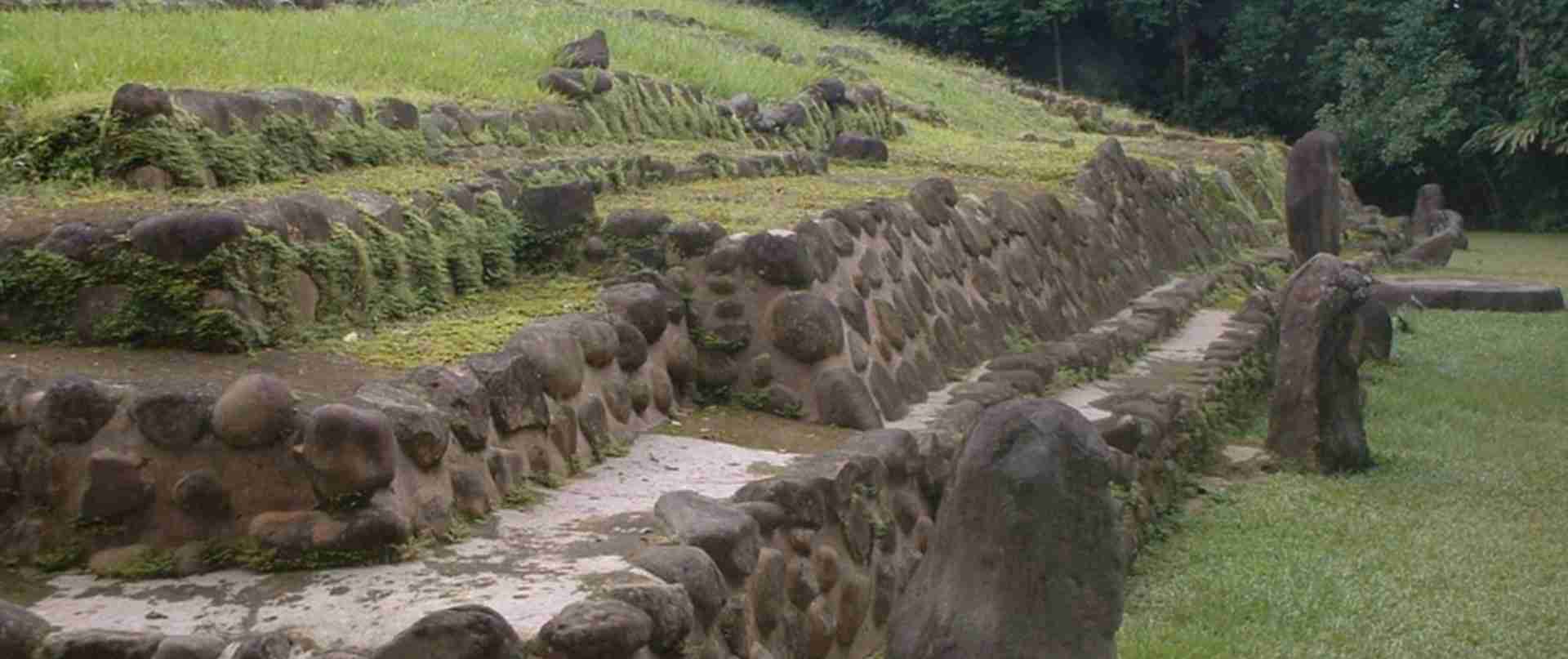
Takalik Abaj 2026: Guatemala’s Newest UNESCO Site
This comprehensive guide addresses all aspects of planning your Takalik Abaj visit in 2026, from understanding entrance logistics and transportation options to exploring nearby Pacific coast destinations and optimizing your archaeological experience. Whether you’re a dedicated archaeology enthusiast seeking to understand cultural transitions between Olmec and Maya civilizations or a traveler incorporating this newest UNESCO site into broader Guatemala explorations, you’ll find actionable information for creating meaningful visits to this extraordinary cultural heritage location.
Key Takeaways
- Takalik Abaj received UNESCO World Heritage inscription in 2023, making it Guatemala’s newest internationally recognized archaeological site
- Entrance costs Q80 ($10) for international visitors in 2026, with site access from 8:00 AM to 5:00 PM daily
- The site bridges Olmec and Maya civilizations, with occupation spanning 1800 BCE to 900 CE across 17 centuries
- Located 200 km from Guatemala City near Retalhuleu, accessible via Pacific coast highway with 3.5-4 hour drive time
- Budget travelers spend Q300-400 ($39-52) daily including accommodation, while mid-range visitors budget Q700-1,000 ($90-129)
- Best visited November through April 2026 during dry season, with morning hours from 8:00-11:00 AM offering optimal conditions
Introduction to Takalik Abaj Planning 2026
Takalik Abaj stands as Guatemala’s most recently inscribed UNESCO World Heritage site, receiving this prestigious designation in 2023 for its extraordinary archaeological significance as a bridge between two great Mesoamerican civilizations. Located in Guatemala’s Pacific piedmont zone near the modern town of El Asintal, this extensive site preserves evidence of continuous occupation spanning from pre-Olmec times through the Late Classic Maya period. The 2023 UNESCO inscription brings international attention to this remarkable archaeological complex that demonstrates the transition from Olmec to Maya cultural dominance across nearly two millennia of Mesoamerican history.
The site’s name, Takalik Abaj, translates from K’iche’ Maya as “Standing Stones,” referencing the numerous carved monuments and stelae distributed across its ceremonial plazas and architectural terraces. Unlike many Maya sites that developed later in the Classic Period, Takalik Abaj’s roots reach back to pre-Classic times when Olmec artistic traditions dominated Mesoamerica. The archaeological record shows how this cultural center absorbed, transformed, and ultimately transmitted Olmec influences into emerging Maya civilization, making it invaluable for understanding cultural evolution in ancient Guatemala and southern Mexico.
Your 2026 visit takes you to a site that remains less crowded than Guatemala’s more famous archaeological destinations like Tikal or Quiriguá, offering intimate experiences with monuments spanning multiple civilizations. The recent UNESCO designation has improved visitor facilities while maintaining the site’s character as an active archaeological research location where new discoveries continue shaping understanding of Mesoamerican prehistory. Modern amenities including a comprehensive site museum, guided tour services, and well-maintained pathways make Takalik Abaj accessible to general visitors while preserving its scholarly importance.
People Also Ask About Takalik Abaj 2026
Why is Takalik Abaj significant as Guatemala’s newest UNESCO site in 2026?
Takalik Abaj received UNESCO World Heritage inscription in July 2023, making it Guatemala’s most recently designated World Heritage site and bringing international recognition to its extraordinary role in Mesoamerican cultural development. The site’s significance stems from its unique position as a bridge between Olmec and Maya civilizations, preserving archaeological evidence of the transformation from one great Mesoamerican culture to another across nearly 1,700 years of continuous occupation from approximately 1800 BCE to 900 CE.
The UNESCO designation recognizes Takalik Abaj’s outstanding universal value in demonstrating cultural evolution, artistic development, and trade network formation during Mesoamerica’s formative and pre-Classic periods. The site contains monuments displaying both Olmec-style carving (particularly the famous “pot-belly” sculptures) and early Maya hieroglyphic inscriptions, physical evidence of the cultural transition scholars have long discussed but rarely found so clearly demonstrated in a single location. This archaeological record makes Takalik Abaj essential for understanding how complex civilizations develop, transform, and influence each other across centuries.
The 2023 designation also brings practical benefits for visitors, as UNESCO status typically accelerates conservation funding, infrastructure improvements, and professional site management. Guatemala’s tourism ministry has prioritized accessibility enhancements including improved road signage, expanded visitor facilities, and enhanced interpretation materials. For travelers, visiting UNESCO sites soon after designation offers opportunities to experience them before mass tourism development potentially changes their character, making 2026 an ideal time for Takalik Abaj exploration.
How much does it cost to visit Takalik Abaj in 2026?
Entrance to Takalik Abaj costs Q80 ($10) for international visitors in 2026, with reduced rates of Q40 ($5) for Central American residents and Q5 ($0.65) for Guatemalan nationals (check the official INGUAT website for current rates as pricing may vary). This pricing structure matches other Guatemalan archaeological sites, positioning Takalik Abaj as an affordable addition to multi-site itineraries. The entrance fee includes access to all excavated areas, the excellent on-site museum with its substantial collection of carved monuments and artifacts, and self-guided exploration along maintained pathways.
Guided tour services cost Q250-350 ($32-45) for private tours in Spanish or English, covering 2-3 hours of detailed explanations about the site’s Olmec and Maya occupations, monument iconography, and ongoing archaeological research. These guides provide valuable context that significantly enhances understanding beyond what signage and museum displays offer. Group tours when available reduce per-person costs to Q150-200 ($19-26), though forming groups requires coordinating with other visitors or booking through tour operators.
Additional costs include parking at Q10 ($1.30) for private vehicles, though most visitors arrive via organized transportation or public buses that drop passengers near the entrance. Photography requires no special permits for personal use, though professional commercial photography needs advance authorization from INGUAT with fees starting at Q500 ($65). Budget-conscious travelers can complete full-day visits including entrance, local transportation, and meals for Q200-280 ($26-36) excluding Guatemala City or coastal transportation costs.
Complete daily budgets for visiting Takalik Abaj and surrounding areas total Q300-400 ($39-52) for budget travelers using local buses and basic accommodations, Q700-1,000 ($90-129) for mid-range experiences with comfortable lodging and private transportation, or Q1,800-2,600 ($232-335) for upscale visits including premium accommodations in Retalhuleu or Pacific beach resorts. These estimates cover accommodation, all meals, entrance fees, transportation, and guide services but exclude long-distance travel from Guatemala City or international arrival costs.
What is the best way to reach Takalik Abaj from Guatemala City in 2026?
Direct buses from Guatemala City to Retalhuleu depart multiple times daily from the Terminal de Autobuses, with the journey taking 3.5-4 hours and costing Q60-90 ($8-12) for regular service or Q120-150 ($15-19) for first-class buses with air conditioning and reserved seating. From Retalhuleu, local buses to El Asintal (12 km from Takalik Abaj) depart hourly for Q8-12 ($1-1.55), followed by motorcycle taxi or tuk-tuk transfer to the archaeological site entrance for Q20-30 ($2.60-4).
The most efficient approach for day trips involves hiring private transportation from Guatemala City, with full-day excursions costing Q1,600-2,200 ($206-284) for vehicles accommodating 4-6 passengers including driver, fuel, and waiting time at the site. This option eliminates public transportation connections and allows flexible timing, particularly valuable when combining Takalik Abaj with Pacific coast visits or other regional destinations. Many Guatemala City tour operators offer organized day trips including transportation, guide services, and entrance fees for Q850-1,200 ($110-155) per person with minimum group sizes of 4-6 participants.
Travelers approaching from Guatemala’s Pacific coast or western highlands can reach Takalik Abaj via Retalhuleu on Highway CA-2, the main Pacific coastal route. From Antigua, the drive takes approximately 3 hours (140 km) through Guatemala’s southern highlands and coffee-growing regions, with bus services costing Q50-75 ($6.50-10). From Quetzaltenango (Xela), buses reach Retalhuleu in 2-2.5 hours (85 km) for Q35-50 ($4.50-6.50), making Takalik Abaj accessible as a day trip from western highland destinations or as an en-route stop for travelers moving between regions.
When is the best time to visit Takalik Abaj in 2026?
The optimal period for visiting Takalik Abaj runs from November through April 2026, coinciding with Guatemala’s dry season when clear skies and comfortable temperatures create ideal conditions for outdoor archaeological exploration. During these months, daytime temperatures range from 24-32°C (75-90°F) in this Pacific piedmont location, with minimal rainfall allowing uninterrupted site exploration and optimal photography conditions. December through February see the highest visitor numbers, though Takalik Abaj remains far less crowded than major sites like Tikal or Antigua colonial attractions.
Early morning arrivals from 8:00-11:00 AM offer the best combination of comfortable temperatures, excellent photography lighting, and minimal crowds. The site’s terraced layout means morning sun illuminates monuments and architectural features beautifully while temperatures remain moderate for walking the extensive site. Late morning and early afternoon hours from 11:00 AM to 2:00 PM bring intense heat in this tropical location, making extended exploration more challenging particularly during March and April when temperatures peak.
Late afternoon visits from 3:00-5:00 PM provide dramatic lighting for photography as the sun approaches the western horizon, creating long shadows that emphasize the three-dimensional qualities of carved monuments and architectural terraces. However, arriving by 2:00-2:30 PM ensures adequate exploration time before the 5:00 PM closing. The site’s location at intermediate elevation (600-800 meters) means temperatures remain more moderate than truly lowland sites, though proper sun protection and hydration remain essential throughout the day.
Rainy season from May through October 2026 brings afternoon thunderstorms typically developing between 2:00-5:00 PM, though morning visits often occur before weather deteriorates. The Pacific piedmont zone receives substantial rainfall during these months, transforming the landscape to lush green but creating muddy conditions on some pathways. Visitor numbers drop significantly during rainy season, offering opportunities for nearly private experiences at the site, while accommodations in Retalhuleu and surrounding areas offer 20-30% discounts compared to dry season rates.
Extended multi-day tours – 5+ days
Featured Guatemala Multi-Day Tour Packages
3 days
Guatemala 3-Day Discovery Tour
- ✓ Comprehensive Guatemala experience
- ✓ Expert local guides included
- ✓ All accommodation included
- ✓ Transportation provided
5 days
Guatemala 5-Day Highlights Experience
- ✓ Comprehensive Guatemala experience
- ✓ Expert local guides included
- ✓ All accommodation included
- ✓ Transportation provided
7 days
Guatemala 7-Day Cultural Journey
- ✓ Comprehensive Guatemala experience
- ✓ Expert local guides included
- ✓ All accommodation included
- ✓ Transportation provided

10 days
Guatemala 10-Day Complete Adventure
- ✓ Comprehensive Guatemala experience
- ✓ Expert local guides included
- ✓ All accommodation included
- ✓ Transportation provided
Multi-day tour packages powered by TourRadar. Prices and availability subject to change.
Essential Planning Information for Takalik Abaj 2026
Current Admission Fees and Site Access 2026
Takalik Abaj entrance fees follow Guatemala’s standard archaeological site pricing structure, charging Q80 ($10) for international visitors, Q40 ($5) for Central American residents, and Q5 ($0.65) for Guatemalan nationals in 2026 (check official INGUAT website for current rates as pricing may vary). Children under 12 enter free when accompanied by adults, making the site family-friendly from a cost perspective. These fees remain consistent throughout the year without seasonal variations or special pricing for different time periods.
The entrance fee provides access to all excavated areas across the site’s extensive 6.5 square kilometer area, though visitor exploration concentrates in the central ceremonial precinct containing the major plazas, terraces, and monument collections. The excellent on-site museum is included in admission, displaying impressive collections of carved monuments, jade artifacts, pottery, and informative panels explaining the site’s Olmec and Maya occupations. Photography for personal use requires no additional fees, unlike some sites that charge equipment surcharges.
Parking facilities near the entrance cost Q10 ($1.30) for private vehicles, with a small lot providing spaces for approximately 15-20 cars. The parking area includes covered spaces protecting vehicles from tropical sun, plus basic facilities including restrooms. Visitors arriving via public transportation pay no parking fees, while motorcycle taxis and tuk-tuks typically drop passengers directly at the entrance without parking in the designated area.
Professional photography requiring tripods for commercial purposes or film production needs advance permits from INGUAT’s Guatemala City office, with processing taking 5-7 business days and fees starting at Q500 ($65) depending on project scope and intended commercial use. Academic research photography for scholarly publications typically receives expedited processing at reduced rates, while personal travel photography using tripods requires no special authorization beyond normal entrance fees.
Site Hours and Visitor Information 2026
Takalik Abaj operates daily from 8:00 AM to 5:00 PM throughout 2026, with ticket sales ending at 4:00 PM to allow visitors adequate exploration time before closing. The site maintains these hours year-round regardless of season, providing reliable access for trip planning purposes. Staff begin clearing the site at 4:45 PM, with final exit by 5:00 PM enforced for conservation and security reasons. Late arrivals after 3:00 PM receive full admission but have limited time for comprehensive exploration of the extensive site.
The visitor center and museum open simultaneously with the archaeological site at 8:00 AM, allowing arrivals to begin with museum orientation before proceeding to outdoor monument areas. This approach proves particularly effective during hot months, as the air-conditioned museum provides comfortable introduction to the site’s history and significance before commencing walking tours in warmer outdoor areas. The museum displays alone merit 30-45 minutes for thorough examination, with explanatory panels in Spanish and English describing Olmec and Maya occupations.
Restroom facilities are available near the entrance and museum area but not distributed throughout the archaeological site itself, requiring visitors to use facilities before beginning extended explorations. A small visitor services area sells bottled water and basic snacks, though selection remains limited compared to commercial tourist destinations. Most visitors bring adequate water supplies from nearby towns, as the tropical climate and extensive walking require 1.5-2 liters per person for 2-3 hours of exploration.
During rainy season (May-October), afternoon thunderstorms occasionally require temporary site closures for visitor safety, particularly if lightning activity threatens open plaza areas. Staff monitor weather conditions and advise visitors when storms approach, allowing time to return to covered areas near the entrance. Serious weather-related closures remain rare, typically affecting only 5-10% of rainy season days, while light rain allows continued exploration for visitors prepared with appropriate rain gear.
What to Bring for Your 2026 Visit
Sun protection proves essential for Takalik Abaj visits given the Pacific piedmont’s intense tropical sun exposure and limited shade across the site’s open plazas and terraces. Wide-brimmed hats, quality sunglasses with UV protection, and SPF 50+ sunscreen provide necessary protection during extended outdoor exploration. Long, lightweight shirts and pants in light colors offer additional sun protection while guarding against insects that inhabit vegetated areas between excavated zones. Early morning or late afternoon visits reduce direct sun exposure compared to midday periods.
Water carries paramount importance, with recommendations of 1.5-2 liters per person for comprehensive site exploration taking 2-3 hours. The combination of walking, heat, and tropical humidity increases water requirements beyond temperate climate norms. The site provides no water sources beyond the entrance area, making self-sufficiency necessary for outdoor portions of visits. Snacks or light meals supplement water supplies, particularly for morning arrivals planning extended explorations before lunch or visitors combining Takalik Abaj with additional regional activities.
Photography equipment should include wide-angle lenses (16-35mm) for capturing architectural terrace complexes and plaza layouts, plus standard zoom lenses (24-70mm or 24-105mm) for monument documentation and general site photography. The carved monuments vary greatly in size, from massive “pot-belly” sculptures to smaller stelae, requiring versatile lens options. Polarizing filters reduce glare from stone surfaces while enhancing sky colors, particularly effective during dry season’s clear blue skies. Tripods require no special permits for personal photography, though commercial projects need advance authorization.
Practical items include insect repellent containing DEET 25-30% concentration for mosquito protection in vegetated areas, comfortable walking shoes with good traction for uneven terraces and gravel pathways, and small first-aid supplies for minor scrapes or blisters. A lightweight backpack distributes weight evenly while carrying water, camera equipment, and supplies during exploration. Plastic bags protect electronics during unexpected rain showers, particularly important during rainy season when afternoon thunderstorms develop quickly. Binoculars help examine carved details on monuments from respectful distances without requiring close approach that might violate conservation guidelines.
Understanding Takalik Abaj’s Archaeological Significance 2026
The Olmec to Maya Transition
Takalik Abaj’s extraordinary archaeological importance stems from its role documenting the cultural transition from Olmec to Maya civilizations across nearly two millennia of continuous occupation. The earliest settlement dates to approximately 1800 BCE during Mesoamerica’s early Formative period, when Olmec cultural influence dominated southern Mexico and Guatemala’s Pacific coast. Archaeological evidence shows Takalik Abaj maintained strong connections with Gulf Coast Olmec centers like San Lorenzo and La Venta, adopting characteristic Olmec artistic styles including the famous “pot-belly” sculpture tradition.
The site’s Olmec-period monuments include several colossal “pot-belly” sculptures depicting corpulent figures with distinctive facial features, carved in the rounded, naturalistic style characteristic of Gulf Coast Olmec art. These massive sculptures, weighing several tons each, required specialized stone-working knowledge and significant labor mobilization, indicating Takalik Abaj’s importance within regional Olmec trade and cultural networks. The sculptures’ presence far from Olmec heartland centers demonstrates the extensive reach of Olmec cultural influence during pre-Classic times.
Around 400 BCE, archaeological evidence shows gradual transformation as emerging Maya cultural elements begin appearing alongside continued Olmec traditions. This transitional period, lasting several centuries, produced monuments combining Olmec sculptural approaches with early Maya iconographic elements and hieroglyphic experimentation. The site became a cultural laboratory where artistic traditions merged, transformed, and ultimately generated distinctively Maya expressions that would dominate Mesoamerica for the following millennium.
By 200 CE, Takalik Abaj had fully transitioned to Maya cultural identity, producing stelae with hieroglyphic texts, calendrical notations, and iconography clearly recognizable as Classic Maya tradition. The site continued flourishing through the early Classic period (200-600 CE), though declining somewhat during late Classic times when other Maya centers like Tikal achieved regional dominance. This complete cultural sequence from Olmec through Maya, documented at a single archaeological location, makes Takalik Abaj invaluable for understanding how complex civilizations evolve, influence each other, and ultimately transform over extended time periods.
Monument Collections and Artistic Development
Takalik Abaj preserves an exceptional collection of carved monuments spanning multiple artistic traditions and chronological periods, offering visual documentation of stylistic evolution across centuries. The site museum displays approximately 40 major monuments including stelae, altars, and sculptures, representing only a portion of the total monuments discovered during decades of archaeological investigation. Many monuments remain in situ at their original locations throughout the site, while the finest examples now reside in the museum for protection and interpretation.
The Olmec-period “pot-belly” sculptures represent the earliest monumental art tradition at Takalik Abaj, with five major examples documented. These rotund figures, carved from volcanic boulders, display characteristic Olmec features including almond-shaped eyes, thick lips, and elaborate headdresses. Monument 69, one of the finest examples, stands approximately 1.5 meters tall with masterfully executed surface details despite weathering from 2,500+ years of exposure. These sculptures likely represented rulers or important ancestors, serving both political and religious functions within Olmec society.
Transitional period monuments from 400 BCE-200 CE show fascinating blends of Olmec and emerging Maya artistic elements. Stela 5, dating to approximately 100 BCE, displays Olmec-style carving techniques but includes early hieroglyphic elements that prefigure fully developed Maya writing systems. This monument’s iconography combines naturalistic portraiture characteristic of Olmec tradition with increasingly abstract symbolic elements that would become standard in later Maya art. Such transitional monuments provide crucial evidence for understanding how artistic traditions evolve rather than changing abruptly.
Classic Maya period monuments from 200-900 CE demonstrate fully developed Maya artistic conventions, including Profile portraits of rulers in elaborate regalia, hieroglyphic texts recording historical events and calendrical dates, and complex iconographic programs referencing Maya mythology and religious beliefs. Stela 1, dedicated in 126 CE and featuring one of the earliest Long Count dates yet discovered, shows remarkable artistic sophistication in its carved portrait and accompanying glyphic texts. The presence of monuments spanning from earliest Olmec times through late Classic Maya periods at a single site creates unparalleled opportunities for tracing artistic development across Mesoamerican history.
Urban Planning and Architectural Evolution
Takalik Abaj’s urban layout demonstrates sophisticated city planning principles applied across its 6.5 square kilometer core area, with residential zones, craft production areas, elite compounds, and ceremonial centers arranged according to topographic features and probable symbolic orientations. The site occupies a series of natural terraces descending from highland foothills toward Pacific coastal plains, with architects skillfully adapting construction to this varied topography through terracing, platform building, and drainage systems.
The ceremonial core contains at least 12 major architectural groups designated by archaeologists as Terraces 1-12, each consisting of pyramidal platforms, plazas, and associated structures arranged around open courts. Terrace 5, the best-preserved and most thoroughly excavated area, contains several pyramid platforms rising to heights of 15-20 meters, surrounding a central plaza where numerous stelae and altars were erected. This group’s layout follows patterns that would become standard in later Maya cities, with architectural arrangements emphasizing celestial alignments and symbolic geography.
The site’s water management systems demonstrate sophisticated hydraulic engineering, including channeled drainage systems, retention basins, and aqueducts bringing potable water to residential areas. Pacific piedmont locations receive abundant rainfall but require careful water management to prevent flooding during rainy season while ensuring adequate supplies during extended dry periods. Takalik Abaj’s ancient engineers solved these challenges through integrated systems that modern archaeological investigation has only partially revealed, though enough survives to demonstrate the technical sophistication of pre-Classic Mesoamerican urbanism.
Residential architecture varied according to social status, with elite compounds featuring cut-stone construction, multiple rooms arranged around courtyards, and elaborate tomb structures for ancestor veneration. Commoner housing used perishable materials including wood, thatch, and adobe that have largely vanished archaeologically, though house platforms and scattered artifacts indicate their locations. The hierarchical spatial organization, with ceremonial centers occupying highest terraces and residential zones spreading across lower areas, reflects social stratification characteristic of complex Mesoamerican societies from Olmec times forward.
Best Time to Visit Takalik Abaj 2026
Seasonal Weather Patterns and Optimal Timing 2026
Guatemala’s dry season from November through April 2026 provides optimal conditions for visiting Takalik Abaj, with clear skies, minimal rainfall, and comfortable temperatures creating ideal circumstances for outdoor archaeological exploration. During these months, daytime highs reach 28-33°C (82-91°F) with nighttime lows around 18-22°C (64-72°F), typical for Pacific piedmont locations at 600-800 meter elevation. Humidity levels remain moderate compared to rainy season peaks, making extended walking and photography more comfortable despite warm temperatures.
December through February represents peak tourist season throughout Guatemala, though Takalik Abaj experiences far fewer visitors than major destinations like Tikal, Antigua, or Lake Atitlan. During these months, the site may host 30-60 daily visitors compared to 10-25 during slower periods, though even “busy” days at Takalik Abaj remain tranquil compared to heavily visited sites. The recent 2023 UNESCO designation is gradually increasing visitor numbers, making early visits in 2026 attractive for experiencing the site before potential mass tourism development.
March and April bring the hottest temperatures before rainy season begins, with daytime highs reaching 32-35°C (90-95°F) and intense sun exposure across the site’s open terraces and plazas. These months see significantly fewer tourists than December-February, creating opportunities for nearly private experiences, particularly on weekday mornings. The heat requires strategic timing, with early morning arrivals (8:00-10:00 AM) or late afternoon visits (3:00-5:00 PM) avoiding the most intense midday conditions when temperatures peak.
May through October constitutes Guatemala’s rainy season, characterized by morning sunshine followed by afternoon thunderstorms developing between 2:00-5:00 PM. Pacific piedmont locations like Takalik Abaj receive substantial rainfall during these months, with July and August particularly wet. Morning visits during rainy season can be excellent, with lush vegetation creating dramatic tropical settings and virtually no tourist crowds. Budget accommodations in Retalhuleu offer 20-30% discounts during rainy season, partially offsetting weather uncertainties for budget-conscious travelers willing to accept afternoon rain possibilities.
Photography Considerations Throughout 2026
Light quality varies dramatically throughout the day and across seasons, significantly affecting archaeological photography results at Takalik Abaj. Early morning hours from 8:00-10:00 AM provide soft, directional light from the east that illuminates carved monuments beautifully while creating subtle shadows emphasizing relief depth. The site’s terraced layout means morning light strikes architectural features and sculptural monuments at favorable angles, making this period ideal for capturing both overall site compositions and detailed monument photography.
Midday lighting from 11:00 AM to 2:00 PM creates harsh overhead illumination that flattens carved details and produces unflattering contrast between highlights and shadows. The site’s open terraces offer minimal shade during midday hours, making this period challenging for both visitor comfort and photography quality. However, overcast conditions during rainy season actually benefit midday photography by providing soft, even illumination that reveals carving details without harsh shadows, creating opportunities for excellent photographs even during traditionally difficult lighting periods.
Late afternoon light from 3:00-5:00 PM offers dramatic sidelighting that strongly emphasizes three-dimensional qualities of carved monuments and architectural terraces, creating bold shadows that highlight form and texture. This period produces the most visually dramatic images, though the site’s 5:00 PM closing limits available time. The warm golden-hour light during the final hour before closing adds atmospheric quality particularly suited to creating evocative images conveying the site’s ancient mystique and cultural significance.
Seasonal variations in sun angle affect lighting throughout the year, with December-January providing the lowest sun angles that create longer shadows and more dramatic relief even during midday hours. May-June brings the highest sun angles, requiring more strategic timing for avoiding flat overhead light. Photographers seeking specific lighting conditions should consult sun position calculators and plan visits accordingly, with early morning or late afternoon sessions providing consistently good results across all months regardless of seasonal variations.
Crowd Management and Visitor Patterns 2026
Takalik Abaj maintains relatively low visitor numbers compared to Guatemala’s major archaeological attractions, with daily attendance typically ranging from 20-40 visitors on average weekdays and reaching 50-80 during peak season weekends. This modest traffic creates excellent opportunities for photography without crowds and allows contemplative exploration of monuments and architectural features. The recent 2023 UNESCO designation will likely increase visitor numbers gradually, though rapid mass tourism development appears unlikely given the site’s somewhat remote location relative to major tourist circuits.
Weekday visits Monday through Thursday see the fewest visitors, particularly during rainy season when some days host only 10-20 people spread across the extensive 6.5 square kilometer site. This low attendance creates exceptional opportunities for photography without tourist interference and allows unhurried examination of monument details and architectural features. Weekend visits Friday through Sunday attract more domestic tourists from Guatemala City, Retalhuleu, and regional centers, though even weekend crowds remain entirely manageable compared to major archaeological destinations.
School groups visit primarily during Guatemala’s academic calendar from January through October, with field trips concentrated on weekday mornings. These groups typically spend 1.5-2 hours at the site before departing, creating temporary busy periods that pass relatively quickly. The site museum and main terrace areas can feel crowded when groups arrive, though the extensive archaeological site spreads across enough area that outdoor exploration spaces remain comfortable even with school visits underway.
Organized tour groups typically visit mid-morning (10:00 AM-12:00 PM) when arriving from Guatemala City or Pacific coast hotels, making early arrivals at opening time (8:00 AM) or afternoon visits (2:00-5:00 PM) optimal for those seeking solitary experiences. The site’s extensive layout means even when multiple tour groups visit simultaneously, dispersion across different terrace groups prevents crowding at any single location. Independent travelers with flexible schedules can easily avoid organized groups by timing their visits strategically or simply exploring different site areas when groups concentrate at major monuments.
Transportation and Access to Takalik Abaj 2026
Reaching Takalik Abaj from Guatemala City 2026
Guatemala City serves as the primary starting point for Takalik Abaj visits, located approximately 200 kilometers southwest via Highway CA-2 through Guatemala’s southern highlands and Pacific piedmont zone. Multiple daily buses depart Terminal de Autobuses bound for Retalhuleu, with all services following Highway CA-2 through the main towns of Escuintla and Mazatenango. First-class buses operated by Fortaleza del Sur and Transportes Marquesina provide comfortable service with air conditioning, restrooms, and assigned seating for Q120-150 ($15-19), departing every 2-3 hours from 5:00 AM through 4:00 PM.
Standard second-class buses offer more economical alternatives at Q60-90 ($8-12), departing every 45-60 minutes throughout the day. These buses make more frequent stops for passenger boarding and may travel slightly slower through towns, though the time difference rarely exceeds 30-45 minutes compared to first-class service. All buses stop in Retalhuleu, from where local connections reach El Asintal (12 km from the site) or visitors can arrange taxi transfers directly to the archaeological entrance.
Private transportation offers maximum flexibility for day trips or multi-destination itineraries, with rental cars from Guatemala City costing Q350-500 ($45-65) daily from agencies including Tabarini, Hertz, or local operators. The drive to Takalik Abaj follows well-maintained Highway CA-2, clearly signed and navigable with standard GPS applications, taking 3.5-4 hours depending on traffic through Guatemala City’s southern suburbs and Escuintla. The final 12 kilometers from Retalhuleu to the site use paved secondary roads through agricultural areas, well-signed with “Takalik Abaj” directional markers.
Organized day tours from Guatemala City provide comprehensive experiences including transportation, guide services, entrance fees, and sometimes lunch for Q850-1,200 ($110-155) per person with minimum group sizes of 4-6 participants. Several Guatemala City tour operators including Clark Tours and Adrenalina Tours arrange Takalik Abaj excursions with advance booking, typically requiring 3-5 days notice for scheduling. Private guided tours for 2-4 travelers cost Q2,000-2,800 ($258-361) total for the group, allowing flexible timing and personalized attention from guides.
Local Transportation Options Near Takalik Abaj 2026
Retalhuleu (commonly called “Reu” locally) functions as the main hub for Takalik Abaj visits, located just 12 kilometers from the archaeological site with frequent local transportation connections. The city offers the region’s best accommodation, dining, and service options, making it the logical base for overnight stays when visiting Takalik Abaj. Local buses from Retalhuleu’s main terminal to El Asintal depart hourly from 6:00 AM through 6:00 PM, costing Q8-12 ($1-1.55) for the 20-minute journey through agricultural areas and small communities.
From El Asintal, the final 3 kilometers to Takalik Abaj’s entrance uses a paved access road well-marked with site signage. Motorcycle taxis (tuk-tuks) wait at El Asintal’s central plaza, charging Q20-30 ($2.60-4) for the transfer to the archaeological entrance. These three-wheeled vehicles provide the standard local transportation, operating throughout the day whenever buses arrive. During rainy season, enclosed tuk-tuks with rain protection cost the same as open versions, maintaining affordable access regardless of weather conditions.
Taxis from Retalhuleu directly to Takalik Abaj cost Q80-120 ($10-15) one-way, or Q180-250 ($23-32) for round-trip service including 2-3 hours waiting time while visitors explore the site. This option eliminates bus connections and provides door-to-door service, particularly valuable for travelers with limited time or those staying at Retalhuleu hotels. Taxi arrangements can be made through hotel reception desks or by approaching drivers at Retalhuleu’s central park, where taxis congregate throughout the day.
Travelers with rental cars find the route from Retalhuleu straightforward, following clear signage along paved roads through productive agricultural zones growing coffee, cacao, and tropical fruits characteristic of Pacific piedmont environments. Parking at the archaeological site costs Q10 ($1.30) in a small lot accommodating approximately 20 vehicles near the entrance. The parking area includes basic facilities but no covered spaces, meaning vehicles sit in full tropical sun during visits.
Regional Connections and Multi-Destination Routes 2026
Takalik Abaj’s location along Highway CA-2, Guatemala’s main Pacific coastal route, makes it accessible for travelers moving between different regions or combining multiple destinations in single itineraries. From Antigua, direct buses to Retalhuleu depart several times daily, taking approximately 3 hours (140 km) and costing Q50-75 ($6.50-10). This route descends from Guatemala’s central highlands through coffee-growing regions and reaches the Pacific piedmont near Retalhuleu, creating opportunities for multi-day circuits combining colonial heritage with archaeological exploration.
From Quetzaltenango (Xela) in Guatemala’s western highlands, buses reach Retalhuleu in 2-2.5 hours (85 km) for Q35-50 ($4.50-6.50), making Takalik Abaj accessible as a day trip from western highland destinations or as an en-route stop for travelers heading to Pacific beaches or the Mexican border. The route follows Highway CA-1 through fertile volcanic landscapes before joining CA-2 near Retalhuleu, passing through indigenous K’iche’ and Mam Maya communities that maintain traditional weaving and agricultural practices.
Pacific coast beach destinations including Monterrico (170 km east) or Champerico (30 km southwest) combine naturally with Takalik Abaj visits, creating itineraries balancing archaeological exploration with coastal relaxation. From Monterrico, travelers route through Escuintla to reach Retalhuleu in 3-4 hours via public buses costing Q45-70 ($6-9), while Champerico lies just 30 kilometers from Retalhuleu with hourly bus connections taking 45 minutes for Q15-20 ($2-2.60). These combinations appeal to travelers seeking diverse experiences within Guatemala’s coastal and piedmont regions.
The Mexican border at Ciudad Tecún Umán/Ciudad Hidalgo lies 100 kilometers west via Highway CA-2, making Takalik Abaj a logical final Guatemalan cultural stop for travelers exiting toward Chiapas, Mexico. Buses from Retalhuleu to the border depart hourly, taking 2 hours and costing Q30-45 ($4-6). Conversely, travelers entering Guatemala from Mexico can visit Takalik Abaj as their first major archaeological site before continuing to Guatemala City or other destinations, creating convenient routing that doesn’t require backtracking.
Accommodation Strategies Near Takalik Abaj 2026
Budget Accommodation Options in Retalhuleu 2026
Retalhuleu provides the most practical accommodation base for Takalik Abaj visitors, offering diverse lodging options just 12 kilometers from the archaeological site. Budget hotels in the city center charge Q120-200 ($15-26) per night for basic rooms with fans, private bathrooms, and cable television. Hotel Modelo and Hotel Pacífico cater to budget-conscious travelers needing clean, safe accommodations without luxury amenities, providing adequate comfort for overnight stays between site visits. Rooms feature simple furniture, comfortable beds, and secure environments suitable for independent travelers prioritizing affordability.
Hostel options remain limited in Retalhuleu compared to major tourist destinations, though Casa Rosada offers dormitory beds at Q80-100 ($10-13) per person with shared bathrooms, communal kitchen, and basic social areas. This newer hostel caters to backpackers and independent travelers, providing budget-friendly accommodations with opportunities to meet other travelers. The facility includes secure luggage storage, tourist information, and assistance arranging transportation to Takalik Abaj and other regional destinations.
Alternative budget lodging includes family-run pensiones charging Q100-150 ($13-19) per night for very basic rooms, typically with shared bathrooms and minimal amenities beyond a bed and fan. These establishments serve primarily Guatemalan travelers and offer authentic local experiences, though they require more cultural adaptation compared to hotels catering to international tourists. Spanish communication skills prove helpful in these settings, where staff rarely speak English and operations follow local customs rather than international hospitality standards.
Budget dining in Retalhuleu includes comedores (local restaurants) serving traditional Guatemalan meals for Q25-40 ($3.25-5.20) per person. Standard offerings include eggs, beans, tortillas, and coffee for breakfast, or chicken, rice, vegetables, and tortillas for lunch and dinner. These family-run establishments provide authentic local food at minimal cost in friendly environments. Small supermarkets stock basics for travelers preparing their own meals, with costs of Q60-100 ($8-13) daily for groceries covering simple breakfast and lunch supplies for those with kitchen access.
Mid-Range and Upscale Options 2026
Mid-range hotels in Retalhuleu charge Q350-600 ($45-77) per night for comfortable rooms with air conditioning, hot water, cable television, WiFi, and often swimming pools. Hotel Astor and Hotel La Colonia offer good combinations of comfort and value in convenient locations near the city center. These properties provide modern amenities, on-site restaurants serving breakfast and dinner, secure parking, and staff able to arrange transportation to Takalik Abaj. Rooms typically feature contemporary furnishings, reliable infrastructure, and adequate space for comfortable multi-night stays.
Upscale options include Hotel Posada de Don José, charging Q900-1,200 ($116-155) per night for superior accommodations in a colonial-style building with architectural character. This boutique property emphasizes personalized service, high-quality dining, and comfortable common areas including gardens and terraces. Amenities include swimming pool, full-service restaurant, bar, and tour booking assistance. The property attracts couples and upscale travelers seeking higher comfort levels while exploring regional archaeological and natural attractions.
Pacific coast beach resorts 30-50 kilometers from Retalhuleu provide alternative upscale accommodation options for travelers combining archaeological visits with coastal relaxation. Properties like Hotel Pez de Oro near Champerico or beachfront resorts near Tilapa charge Q1,200-2,000 ($155-258) per night for oceanfront rooms, pools, restaurants, and beach access. This approach suits travelers prioritizing beach time with day trips to Takalik Abaj, though adding 1-2 hours daily travel time compared to staying in Retalhuleu itself.
Booking strategies for 2026 include advance reservations during December through February when Retalhuleu experiences highest demand from domestic tourists and international travelers exploring Pacific regions. Most hotels accept email or phone bookings with credit card deposits, though some budget properties operate on walk-in basis only. Mid-week nights (Sunday through Thursday) often offer better availability and occasionally lower rates compared to Friday-Saturday when domestic weekend travelers visit. Rainy season bookings (May through October) can be made with shorter notice and sometimes negotiate 15-25% discounts on published rates.
Alternative Accommodation Strategies 2026
Antigua, though 140 kilometers from Takalik Abaj, serves as an alternative base for travelers prioritizing colonial charm and international tourism infrastructure over proximity to the archaeological site. Antigua offers Guatemala’s most diverse accommodation options ranging from Q150-3,000+ ($19-387+) per night, with numerous mid-range hotels, boutique properties, and international chain options. Day trips from Antigua to Takalik Abaj require early morning departures (6:00-7:00 AM) for 3-hour journeys each direction, making long days but feasible for those basing themselves in this popular colonial city.
Quetzaltenango (Xela) provides another alternative base 85 kilometers north of Retalhuleu, particularly appealing for travelers exploring Guatemala’s western highlands and indigenous communities. This second-largest Guatemalan city offers diverse accommodations at Q100-800 ($13-103) per night, Spanish language schools, and access to highland hiking and hot springs attractions. Takalik Abaj becomes a feasible day trip from Xela with 2-hour transfers each direction, though most travelers prefer overnight stays in Retalhuleu to reduce daily travel time and allow more relaxed site exploration.
Rural accommodations near Takalik Abaj remain very limited, with El Asintal offering only the most basic pensiones lacking facilities attractive to international travelers. Some coffee fincas (plantations) in the surrounding piedmont zone operate small guest programs charging Q300-500 ($39-65) per night including meals and farm tours, providing authentic rural experiences for travelers interested in Guatemala’s coffee industry. These programs require advance booking and typically serve specialty travelers rather than general archaeological site visitors.
Camping options near Takalik Abaj essentially don’t exist, with no formal campgrounds in the region and the site itself prohibiting overnight camping. The tropical climate, local infrastructure limitations, and lack of established camping culture in this region make camping impractical even for budget travelers with equipment. Travelers seeking budget accommodations should focus on Retalhuleu’s inexpensive hotels and pensiones rather than attempting camping alternatives that offer no real benefits and potential security concerns.
Sample Takalik Abaj Itineraries 2026
One-Day Takalik Abaj Visit from Guatemala City 2026
Depart Guatemala City on the 5:30 AM first-class bus to Retalhuleu (Q120 or $15), arriving around 9:00-9:30 AM after the 3.5-4 hour journey through southern highlands and Pacific piedmont. From Retalhuleu terminal, catch local bus to El Asintal (Q10 or $1.30) followed by motorcycle taxi to Takalik Abaj entrance (Q25 or $3.25). Purchase entrance tickets (Q80 or $10), then begin site exploration around 10:30 AM. Visit the museum first for 30-40 minutes of climate-controlled orientation to the site’s Olmec and Maya occupations, examining the excellent collection of carved monuments and artifacts.
Proceed to outdoor archaeological areas for 2-2.5 hours of terrace and monument exploration, focusing on the main ceremonial groups including the impressive pot-belly sculptures and carved stelae demonstrating cultural transitions. Morning costs: Bus Q120, local transport Q35, entrance Q80. Total morning: Q235 ($30) per person.
After completing site exploration around 1:00-1:30 PM, return to El Asintal via motorcycle taxi (Q25 or $3.25) where comedores serve lunch for Q35-50 ($4.50-6.50). Simple meals of grilled chicken, rice, beans, and tortillas provide filling sustenance at reasonable prices. Catch the 2:30 or 3:00 PM bus to Retalhuleu (Q10 or $1.30), then connect to Guatemala City-bound first-class bus departing 3:30-4:00 PM (Q120 or $15). Arrive Guatemala City around 7:30-8:00 PM, completing a long but feasible same-day circuit.
Afternoon costs: Return motorcycle taxi Q25, lunch Q35-50, return local bus Q10, return main bus Q120. Total afternoon: Q190-205 ($25-26) per person.
Total one-day costs from Guatemala City: Q425-440 ($55-57) per person including all transportation, entrance, and meals. This approach eliminates accommodation costs but creates 14-15 hour days with 7-8 hours of bus travel plus site exploration time. The itinerary suits travelers with limited time willing to accept intensive travel days, though overnight stays in Retalhuleu provide more relaxed alternatives.
Two-Day Archaeological and Cultural Circuit 2026
Day 1 follows the Guatemala City-Takalik Abaj route described above, but instead of returning to the capital, spend the night in Retalhuleu. After morning arrival and site visit (Q235 as detailed above), check into mid-range Retalhuleu accommodation (Q350-600 or $45-77 per night). Early afternoon allows swimming at hotel pools or exploring Retalhuleu’s central park and colonial church. Late afternoon visit to Parque Acuático Xocomil water park (Q120 entrance or $15, open 10 AM-5 PM) provides family-friendly activities 5 kilometers from Retalhuleu. Evening explores local restaurant scene with dinner costing Q80-120 ($10-15) at mid-range establishments serving regional specialties including Pacific coast seafood.
Day 1 costs: Transportation Q155, Takalik Abaj entrance Q80, water park Q120, meals Q120-170. Total Day 1: Q475-525 ($61-68) per person excluding accommodation.
Day 2 begins with morning visit to coffee finca (plantation) in the surrounding piedmont zone, with several properties offering tours for Q150-250 ($19-32) including transportation from Retalhuleu. These 2-3 hour programs demonstrate coffee cultivation, processing, and roasting while explaining the region’s importance in Guatemala’s coffee industry. Tours typically include coffee tastings and opportunities to purchase beans directly from producers. Alternatively, visit Santa María volcano viewpoint near Mazatenango for photographs of the distinctive Pacific piedmont landscape.
Return to Retalhuleu for lunch (Q50-80 or $6.50-10), then catch afternoon bus to Guatemala City departing 2:00-3:00 PM (Q120 or $15), arriving capital around 6:00-7:00 PM. This two-day approach provides more relaxed pacing compared to exhausting same-day circuits, with time to appreciate regional culture and landscapes beyond just the archaeological site.
Day 2 costs: Coffee tour Q150-250, meals Q100-150, return bus Q120. Total Day 2: Q370-520 ($48-67) per person.
Two-day total costs: Q845-1,045 ($109-135) per person excluding accommodation. Budget accommodation adds Q120-200 ($15-26) for one night, mid-range Q350-600 ($45-77), making complete two-day circuit cost Q965-1,645 ($125-212) per person. This approach balances archaeological exploration with broader cultural experiences while maintaining reasonable budgets.
Three-Day Pacific Guatemala Exploration 2026
Day 1 focuses on Guatemala City to Pacific coast routing, stopping at Takalik Abaj en route. Depart capital 5:30 AM bus (Q120 or $15), visit site as described above (Q80 entrance plus Q35 local transport), continue to Monterrico on Pacific coast. Bus from Retalhuleu to La Avellana junction costs Q35-50 ($4.50-6.50) for 2.5 hour journey, then boat transfer to Monterrico island costs Q20-30 ($2.60-4). Monterrico offers black-sand beaches, sea turtle conservation projects, and relaxed coastal atmosphere. Evening explores beachfront restaurants serving fresh seafood for Q80-120 ($10-15).
Day 1 costs: Transportation Q210-235, Takalik Abaj entrance Q80, meals Q120-160. Total Day 1: Q410-475 ($53-61) per person.
Day 2 dedicates to Monterrico beach activities including sea turtle hatchery visits (Q30-40 entrance or $4-5.20), mangrove kayaking tours (Q150-200 or $19-26), or simply beach relaxation. The village offers budget accommodations at Q120-250 ($15-32) per night for basic beachfront cabañas, mid-range options at Q400-700 ($52-90) for comfortable hotels with pools and restaurants. Meals cost Q50-80 ($6.50-10) at casual beachside eateries or Q100-150 ($13-19) at better restaurants. Full day activities and meals total Q300-480 ($39-62) per person.
Day 3 returns via reverse route: morning boat to La Avellana (Q20-30 or $2.60-4), bus to Escuintla junction (Q35-50 or $4.50-6.50), connect to Guatemala City bus (Q40-60 or $5-8). Travel takes 4-5 hours total. Alternative routing visits colonial Antigua en route, adding 1-2 hours but providing cultural variety. Day 3 focuses on transportation and travel rather than activities, costing Q95-140 ($12-18) plus meals Q80-120 ($10-15).
Three-day total costs: Q1,105-1,475 ($143-191) per person excluding accommodations. Budget accommodations add Q240-450 ($31-58) for two nights, mid-range Q800-1,400 ($103-181), making complete three-day Pacific Guatemala circuit cost Q1,345-2,875 ($174-372) per person. This itinerary balances UNESCO archaeological heritage with natural coastal environments and rural cultural experiences characteristic of Guatemala’s Pacific regions.
Practical Tips for Takalik Abaj Visitors 2026
Photography Guidelines and Best Practices 2026
Takalik Abaj permits photography throughout the site without additional fees or equipment restrictions for personal use, making it highly accessible for photographers interested in documenting Mesoamerican archaeology. Tripods require no special permits for personal photography, though staff may request avoiding placements blocking pathways during periods when tour groups visit. Commercial photography projects for publication, film production, or advertising require advance permits from INGUAT’s Guatemala City office, with processing taking 5-7 business days and fees starting at Q500 ($65) depending on project scope and intended use.
Technical photography challenges include managing the tropical light’s high contrast, particularly during midday hours when bright highlights and deep shadows can exceed most cameras’ dynamic range capabilities. Shooting in RAW format provides maximum flexibility for post-processing shadow and highlight recovery. Bracketing exposures for HDR processing helps in extremely high-contrast situations, though many photographers prefer accepting some shadow detail loss in favor of more natural-looking single exposures that emphasize the monuments’ dramatic forms.
The site’s extensive monument collection, spanning Olmec pot-belly sculptures to Classic Maya stelae, requires versatile equipment. Wide-angle lenses (16-35mm) capture architectural terraces and plaza contexts, while standard zooms (24-70mm or 24-105mm) handle general site photography and medium-distance monument documentation. Telephoto lenses (70-200mm) prove useful for detailed carving documentation from respectful distances, particularly for the museum’s protected monuments displayed behind barriers. Macro lenses help document fine carving details and hieroglyphic elements when permitted to photograph at close range.
Compositional strategies include using the site’s dramatic topography and tropical vegetation to frame monuments, emphasizing their Pacific piedmont setting. Wide views encompassing multiple terraces convey the site’s scale and urban planning sophistication. Including people in compositions provides scale reference helping viewers appreciate monument dimensions, though many archaeological photographers prefer unpopulated shots emphasizing timeless qualities. The transition from Olmec to Maya artistic styles offers unique photographic storytelling opportunities by comparing different monument types within single site visits.
Understanding Site Etiquette and Conservation 2026
Takalik Abaj maintains strict regulations prohibiting touching carved surfaces on monuments, as skin oils and repeated contact cause cumulative damage to vulnerable sandstone over extended periods. Site staff actively monitor for compliance, immediately addressing visitors who touch carvings or climb on structures. These protective measures respond to genuine conservation concerns, as earlier decades of less controlled access resulted in measurable surface erosion on frequently handled monuments. Modern visitors contribute to preservation simply by maintaining respectful distance and photographing without physical contact.
Walking only on designated pathways protects both visitors and archaeological features, as many areas contain partially excavated structures or artifacts that surface disturbance could damage. The gravel and dirt paths provide adequate surfaces through the site, while surrounding vegetation and terrace slopes remain off-limits. Some visitors express frustration at restricted access preventing closer monument approach for photography, but conservation priorities correctly take precedence over individual preferences when the two conflict. The extensive site offers numerous permitted viewpoints providing excellent photography opportunities without requiring restricted access.
Food and drink restrictions apply throughout the monument areas, with consumption permitted only in designated rest zones near the entrance and museum. This policy prevents spills or food debris attracting animals that might damage vegetation or disturb archaeological contexts. Water bottles are permitted during site exploration but should be consumed away from immediate monument vicinity and secured in bags to prevent accidental spills. The entrance area includes covered picnic tables where visitors can eat packed lunches before or after archaeological zone tours.
Respecting ongoing archaeological research proves important, as Takalik Abaj remains an active investigation site where excavations and studies continue. Areas marked with research signage or physical barriers remain off-limits regardless of apparent accessibility. Researchers and conservation specialists work throughout the year at Takalik Abaj, conducting excavations, documentation, and preservation treatments. Visitors should respect their work by maintaining appropriate distance from active research areas and following any additional restrictions posted temporarily for specific projects.
Health and Safety Considerations 2026
Tropical Pacific piedmont conditions at Takalik Abaj require attention to heat management and sun protection, particularly during March-April when temperatures peak at 32-35°C (90-95°F). Drinking water regularly throughout site visits prevents dehydration, with recommendations of 150-200ml per 30 minutes of walking in full sun. The site’s terraced topography means continuous walking up and down slopes, increasing exertion compared to flat archaeological sites. Symptoms of heat exhaustion include dizziness, nausea, excessive sweating, and headaches – resting in shade, increasing water intake, and using cool compresses provides first response.
Mosquito-borne illness prevention includes using insect repellent containing DEET 25-30% concentration, particularly during dawn and dusk when mosquitoes are most active. Pacific piedmont locations harbor mosquitoes that can transmit dengue fever and occasionally other mosquito-borne illnesses. The site’s partially vegetated areas between excavated terraces provide mosquito habitat, making protection important throughout visits. Long, lightweight pants and shirts provide physical barriers supplementing chemical repellents. Visitors should continue mosquito protection for several days after visiting tropical sites, as disease incubation periods mean symptoms may develop after returning home.
The site’s terraced topography requires moderate physical fitness for accessing all major architectural groups. Well-maintained pathways reduce difficulty, though the combination of slopes, tropical heat, and 2-3 hours of walking challenges some visitors. Those with mobility limitations should focus on the main terrace groups closest to the entrance, which contain representative monument collections without requiring extensive walking through the entire 6.5 square kilometer site. Site staff can provide guidance on accessible routes requiring minimal climbing or distance.
Medical facilities near Takalik Abaj remain limited, with basic clinics in Retalhuleu handling routine medical needs but unable to address serious emergencies. The nearest quality hospitals are in Mazatenango (40 km) or Guatemala City (200 km), requiring 45 minutes to 3+ hours transfer depending on destination. Travelers should maintain comprehensive travel insurance including medical evacuation coverage, as emergency transport from this region to Guatemala City hospitals can cost $10,000-15,000 without insurance. Basic first aid for minor cuts, scrapes, or blisters can be self-administered using supplies visitors bring.
Money and Communication 2026
Takalik Abaj operates on cash-only basis, accepting Guatemalan quetzales for entrance fees, guide services, and all on-site transactions. The nearest ATMs are in Retalhuleu (12 km), requiring visitors to withdraw sufficient cash before reaching the site. Most Retalhuleu ATMs accept international cards with Cirrus or Plus networks, dispensing quetzales in Q100 denominations. Daily withdrawal limits typically range Q2,000-3,000 ($260-390) depending on bank policies and card types. Planning ahead for cash needs prevents inconvenient return trips to Retalhuleu during site visits.
US dollars see acceptance at some hotels and tour operators in Retalhuleu at reasonable exchange rates (Q7.50-7.70 per dollar compared to official rates around Q7.75 in 2026), though small vendors and transportation services strongly prefer quetzales. Carrying some US dollars in small denominations ($5, $10, $20 bills) provides backup options if quetzales run short, though exchanging at banks or authorized exchange houses typically offers better rates than merchant transactions. The archaeological site itself accepts only quetzales with no dollar option.
Credit cards see limited acceptance in the Takalik Abaj region, with only upscale Retalhuleu hotels and some tour operators accepting Visa or Mastercard. Transaction fees typically add 3-6% to charged amounts when merchants accept cards, making cash more economical for most purchases. Budget accommodations, local restaurants, transportation services, and the archaeological site deal exclusively in cash. Travelers should plan accordingly by withdrawing sufficient quetzales in larger towns before reaching the region, allowing Q500-800 ($65-103) daily for entrance, meals, transportation, and incidental expenses.
Mobile phone coverage at Takalik Abaj and throughout the Retalhuleu region generally works well for Guatemala’s major providers including Tigo and Claro, with 4G LTE service in populated areas. The archaeological site itself has adequate mobile signal for calls and data, though coverage may be spotty in some distant terrace groups. WiFi availability concentrates in Retalhuleu hotels, restaurants, and cafes, with speeds adequate for email and basic web browsing but potentially slow for large file uploads or video streaming. Visitors should not expect WiFi at the archaeological site itself, which lacks visitor center internet access.
Combining Takalik Abaj With Other Destinations 2026
Colonial Antigua Connection 2026
Antigua, Guatemala’s beautifully preserved Spanish colonial capital, combines naturally with Takalik Abaj visits to create itineraries balancing archaeological and colonial heritage. The two destinations lie 140 kilometers apart, connected via Highway CA-2 through Guatemala’s coffee-growing central highlands. Direct buses between Antigua and Retalhuleu operate several times daily, taking 3 hours and costing Q50-75 ($6.50-10), making day trips theoretically possible though exhausting. Most travelers prefer multi-day circuits allowing proper exploration of both locations without rushed pacing.
Three-day combinations typically allocate 2 days for Antigua colonial exploration plus 1 day for Takalik Abaj, with overnight stays in both cities. This approach allows thorough Antigua cathedral and monastery visits, Spanish language school enrollment, or surrounding volcano hikes, plus comprehensive Takalik Abaj archaeological exploration without time pressure. Transportation routing typically moves Antigua→Takalik Abaj→Guatemala City, or reverse, creating logical geographic flow without backtracking.
The contrasts between Spanish colonial and pre-Columbian Maya/Olmec heritage provide educational value, demonstrating Guatemala’s layered cultural history across different civilizations and time periods. Antigua’s baroque churches, cobblestone streets, and colonial mansions represent 16th-18th century Spanish America, while Takalik Abaj’s monuments document pre-Hispanic civilizations spanning 1800 BCE-900 CE. Together they offer comprehensive historical perspectives impossible from visiting either location alone.
Combined costs for 3-day Antigua-Takalik Abaj circuits total Q900-1,400 ($116-181) per person excluding accommodations but including all transportation, entrance fees, and mid-range meals. Accommodations add Q600-1,800 ($77-232) for two nights depending on category selected, making complete three-day cultural circuits cost Q1,500-3,200 ($194-413) per person. These moderate budgets provide excellent value for accessing two UNESCO World Heritage sites plus experiencing Guatemala’s most popular colonial city.
Pacific Coast Beach Integration 2026
Guatemala’s Pacific coast destinations combine seamlessly with Takalik Abaj visits, creating itineraries balancing archaeological exploration with beach relaxation and coastal environments. Monterrico, the most developed beach destination, lies approximately 170 kilometers east of Retalhuleu, accessible via bus connections through Escuintla taking 4-5 hours total for Q70-100 ($9-13). This black-sand beach community offers sea turtle conservation projects, mangrove boat tours, and laid-back coastal atmosphere appealing to travelers seeking nature experiences alongside cultural sites.
Champerico, a working fishing port 30 kilometers southwest of Retalhuleu, provides more authentic local coastal experiences with minimal international tourism development. Hourly buses from Retalhuleu cost Q15-20 ($2-2.60) for 45-minute journeys, making day trips feasible or overnight stays possible in very basic beachfront accommodations at Q100-200 ($13-26) per night. The town’s unpretentious character appeals to travelers prioritizing authentic local environments over developed resort amenities, though facilities remain quite basic by international standards.
Alternative Pacific coast areas including Iztapa, Sipacate, or beaches near San José provide additional options, each with distinct characters and development levels. Most combine feasibly with Takalik Abaj through multi-day itineraries using Retalhuleu as a hub for archaeological visits before continuing to coastal locations. Typical 4-5 day circuits allocate 1-2 days for Takalik Abaj exploration, 2-3 days for beach activities and travel, creating balanced experiences spanning Guatemala’s cultural and natural heritage.
Practical routing typically moves: Guatemala City→Retalhuleu (Takalik Abaj base)→Pacific Coast→return to capital, or reverse. This geographic flow minimizes backtracking while maintaining logical progression between destinations. Combined costs for 4-day archaeological-coastal circuits total Q1,400-2,200 ($181-284) per person excluding accommodations, with budget beach lodging adding Q360-750 ($47-97) for three nights and mid-range Q1,200-2,100 ($155-271).
Western Highlands Maya Communities 2026
Guatemala’s western highlands, home to contemporary K’iche’ and Mam Maya communities maintaining traditional languages, weaving, and customs, create natural cultural extensions from Takalik Abaj visits. Quetzaltenango (Xela), Guatemala’s second-largest city, lies 85 kilometers north of Retalhuleu with 2-hour bus connections for Q35-50 ($4.50-6.50). This highland center provides access to indigenous markets, hot springs, volcano hikes, and Spanish language schools, appealing to travelers seeking contemporary Maya cultural immersion alongside archaeological heritage.
Lake Atitlan, Guatemala’s most famous natural destination surrounded by traditional Maya villages, lies approximately 100 kilometers northeast via highland routes through Mazatenango and Sololá. The journey takes 3-4 hours with one bus transfer, costing Q60-90 ($8-12) total. Lake Atitlan’s spectacular volcanic scenery combines with opportunities to visit villages like Santiago Atitlan, San Pedro, or San Juan La Laguna where traditional weaving, language, and spiritual practices continue. This combination demonstrates both ancient Maya archaeology at Takalik Abaj and living Maya culture around the lake.
Chichicastenango’s famous Thursday and Sunday markets provide another highland complement to Pacific archaeological sites, though greater distances (180 km from Retalhuleu) make combinations more challenging. Multi-day circuits require 5-7 days for adequate exploration of Takalik Abaj, Lake Atitlan, and Chichicastenango without exhausting daily travel. These extended itineraries appeal to travelers with sufficient time seeking comprehensive Maya cultural experiences spanning prehistoric archaeological sites, colonial period history, and contemporary indigenous communities.
Highland-lowland combinations demonstrate environmental diversity across Guatemala’s varied topography, from Pacific piedmont tropical zones around Takalik Abaj (600-800m elevation) to western highlands (2,000-3,000m) with temperate climates, pine forests, and indigenous communities. This variety within relatively compact geographic areas makes Guatemala exceptional for travelers seeking diverse experiences without traveling thousands of kilometers or switching countries multiple times within limited vacation periods.
FAQ About Visiting Takalik Abaj
Why should I visit Takalik Abaj instead of more famous Maya sites?
Takalik Abaj offers unique archaeological value as the only site clearly demonstrating the Olmec to Maya cultural transition across nearly 1,700 years of continuous occupation. While sites like Tikal showcase Classic Maya civilization at its peak, Takalik Abaj reveals how that civilization emerged from earlier Olmec roots, providing perspectives impossible at purely Maya sites. The recent 2023 UNESCO designation means you’ll experience a newly recognized World Heritage site before potential mass tourism development changes its character. Additionally, far fewer crowds compared to famous sites allow intimate experiences with monuments spanning multiple civilizations.
How does Takalik Abaj compare to Quiriguá?
Both are UNESCO World Heritage sites in Guatemala, but they serve different archaeological purposes. Quiriguá (UNESCO since 1981) excels in Classic Maya monumental stone carving, containing the world’s tallest Maya stelae. Takalik Abaj (UNESCO since 2023) demonstrates cultural transitions from Olmec to Maya across much longer time periods (1800 BCE-900 CE vs Quiriguá’s 8th century CE focus). Quiriguá is more compact and requires 2-3 hours, while Takalik Abaj sprawls across 6.5 square kilometers needing 3-4 hours for comprehensive exploration. Serious archaeology enthusiasts visit both, as they represent complementary aspects of Mesoamerican cultural development.
Can you visit Takalik Abaj and return to Guatemala City in one day?
Same-day Guatemala City visits are feasible but exhausting, requiring 14-15 hour days with 7-8 hours of bus travel plus 2-3 hours site exploration. Departing Guatemala City on 5:30 AM buses allows arrival at Takalik Abaj around 10:30 AM for midday exploration, then return buses leaving Retalhuleu at 3:30-4:00 PM reach the capital around 7:30-8:00 PM. This intensive schedule suits travelers with extremely limited time willing to accept long travel days, though overnight stays in Retalhuleu provide more relaxed and enjoyable alternatives allowing proper rest and more thorough site exploration.
What makes the 2023 UNESCO designation significant?
UNESCO World Heritage inscription in July 2023 brings international recognition to Takalik Abaj’s outstanding universal value, placing it alongside famous sites like Tikal and Antigua as Guatemala’s protected cultural treasures. The designation typically accelerates conservation funding, infrastructure improvements, and professional management standards. For visitors, UNESCO status provides quality assurance that sites meet rigorous significance criteria, while early post-designation years often offer opportunities to experience places before mass tourism potentially changes their character. Takalik Abaj represents Guatemala’s newest UNESCO site, making 2026 an ideal time for visits.
Is Takalik Abaj suitable for children and families?
Takalik Abaj works reasonably well for families with older children (8+ years) interested in archaeology and comfortable with 2-3 hours of walking in tropical heat. The site’s terraced layout requires moderate fitness for accessing all major areas, though focusing on main terrace groups nearest the entrance reduces walking demands. Children under 12 enter free, making it economical for family visits. The museum provides air-conditioned introduction that many children appreciate before outdoor exploration. Families should avoid midday visits during hot months, plan morning arrivals when temperatures remain moderate, and bring adequate water and snacks for all family members.
What’s the difference between Olmec and Maya monuments at the site?
Olmec-period monuments (pre-400 BCE) include the distinctive “pot-belly” sculptures – rotund figures with naturalistic carving showing characteristic Olmec facial features including almond eyes and thick lips. Maya-period monuments (400 BCE-900 CE) feature flat stelae with relief carving showing rulers in profile, plus hieroglyphic texts recording historical events and dates. Transitional monuments blend both traditions, showing Olmec sculptural techniques with emerging Maya iconographic elements. The museum displays examples of each type with explanatory panels, making stylistic differences clear even for visitors without specialized archaeological knowledge.
How long should you spend at Takalik Abaj?
Comprehensive exploration requires 3-4 hours including museum visits, major terrace groups, and principal monuments. Visitors with strong archaeological interest may spend 4-5 hours examining all excavated areas and monument collections thoroughly. Those making brief stops can cover main highlights in 2-2.5 hours, though rushed pacing reduces opportunities for appreciating the site’s cultural significance and complex history. The extensive 6.5 square kilometer area means even short visits involve substantial walking, particularly for accessing all major architectural groups rather than concentrating on areas nearest the entrance.
Are there restaurants or food available at Takalik Abaj?
The archaeological site provides no restaurant facilities beyond basic restrooms near the entrance. The small visitor services area sells bottled water and very limited snacks (chips, cookies), but nothing constituting real meals. Visitors should bring packed lunches and adequate water, or plan to eat at nearby El Asintal (3 km away) where small comedores serve simple Guatemalan meals for Q35-50 ($4.50-6.50). Retalhuleu (12 km) offers much better restaurant options ranging from budget comedores to mid-range establishments, making meal planning there more practical for visitors staying overnight or with flexible schedules.
What should archaeology enthusiasts not miss at Takalik Abaj?
Priority areas include Monument 69 (finest pot-belly sculpture), Stela 1 (early Long Count date), Stela 5 (Olmec-Maya transitional carving), and Terrace 5 architectural group (best-preserved ceremonial complex). The site museum’s monument collection deserves 30-40 minutes for examining sculptures too fragile for outdoor display plus artifacts revealing daily life across different periods. The transition from Olmec to Maya artistic styles represents Takalik Abaj’s unique contribution to Mesoamerican archaeology, making comparative examination of monument types from different periods essential for understanding the site’s significance. Serious archaeology visitors should budget minimum 4 hours for thorough coverage of these essential areas.
Can you combine Takalik Abaj with visits to Mexican archaeological sites?
Mexico’s Chiapas region lies just across the western border from Guatemala, making combinations feasible for multi-week itineraries covering multiple countries. The border at Ciudad Tecún Umán lies 100 kilometers west of Retalhuleu, with frequent bus connections. Mexican sites including Palenque, Yaxchilan, and Bonampak lie 5-8 hours into Chiapas, requiring multi-day circuits. Travelers often route: Guatemala City→Takalik Abaj→Mexican border→Chiapas sites→return via different route, creating comprehensive Mesoamerican circuits spanning multiple archaeological traditions and national territories. These extended itineraries require 2-3 weeks for proper coverage without exhausting daily travel schedules.