
Guatemala City Travel Guide 2026: Gateway to the Highlands
This comprehensive guide addresses every practical aspect of Guatemala City planning for 2026: neighborhood selection, transportation logistics, safety protocols, budget strategies, and how to maximize your time whether you’re spending one night or three days in Central America’s most dynamic capital.
Key Takeaways:
- Guatemala City serves as the essential hub for exploring Guatemala’s highlands, colonial treasures, and Maya heartland with excellent domestic flight and bus connections throughout 2026
- Zona 10 and Zona 4 offer the safest, most convenient accommodation options with costs ranging $35-180 per night depending on comfort level and season in 2026
- Daily costs in Guatemala City average $45-85 per person excluding accommodation, making it Central America’s best-value capital for budget-conscious travelers in 2026
- The city’s microclimate creates pleasant temperatures year-round (15-25°C), with the dry season November-April providing optimal conditions for 2026 visits
- Pre-booking domestic flights to Flores (Tikal) and shuttle services to Antigua saves 20-30% compared to last-minute arrangements during Guatemala’s 2026 high season
- Understanding Guatemala City’s zone system and using registered taxis or ride-sharing apps ensures safe, efficient navigation throughout your 2026 visit
Introduction to Guatemala City Planning for 2026
Guatemala City—often abbreviated as “Guate” by locals—stands as Central America’s largest metropolitan area and serves as the essential gateway to Guatemala’s extraordinary cultural and natural treasures. While many travelers view the capital as merely a transit point between international arrivals and destinations like Antigua, Lake Atitlán, or Tikal, understanding Guatemala City’s neighborhoods, logistics, and cultural offerings transforms it from an obstacle into a valuable component of your 2026 Guatemala adventure.
The city’s sprawling urban landscape of 3 million residents divides into 25 zonas (zones), each with distinct character, safety profiles, and travel infrastructure. For 2026 visitors, Zona 10 (the upscale Zona Viva district) and Zona 4 (home to the historic center and major museums) provide the most practical bases for short stays. The capital’s La Aurora International Airport (GUA) handles all international arrivals and departures, plus domestic connections to Flores (for Tikal access) and other regional destinations.
Guatemala City’s elevation at 1,500 meters creates a spring-like climate year-round, with daytime temperatures ranging 20-25°C and cooler evenings dropping to 12-15°C throughout 2026. This pleasant microclimate eliminates the oppressive heat found in lowland destinations like Tikal or the Caribbean coast. The dry season running November through April offers the most comfortable conditions for 2026 exploration, though the rainy season (May-October) brings afternoon showers rather than all-day downpours.
Understanding Guatemala City’s role in your 2026 itinerary depends on your arrival patterns and onward destinations. International flights typically arrive in late afternoon or evening, making a first-night stay practical before morning shuttles to Antigua (1 hour), buses to Lake Atitlán (3-4 hours), or domestic flights to Flores (1 hour). The city’s museum quarter in Zona 13 near the airport houses world-class collections of Maya artifacts, colonial art, and contemporary Guatemalan culture—worth a half-day stopover for history enthusiasts.
People Also Ask About Guatemala City 2026
Is Guatemala City safe for tourists in 2026?
Guatemala City requires standard urban safety awareness rather than extraordinary precautions in 2026. Zona 10 (Zona Viva) and the airport/museum area in Zona 13 maintain strong security presence with private guards and police patrols throughout the day and evening. Use registered taxis or ride-sharing apps (Uber operates widely) rather than hailing street cabs, avoid displaying expensive electronics or jewelry, and stay in well-traveled areas after dark. The historic Zona 1 center requires extra caution—visit during daytime hours (9 AM-4 PM) and take taxis directly to destinations rather than walking between sites. Most security incidents affect residents rather than tourists who follow basic precautions. Travelers spending 1-2 nights in Zona 10 hotels before departing to Antigua or other destinations experience minimal safety concerns in 2026.
How much does it cost to visit Guatemala City in 2026?
Daily costs in Guatemala City range $45-85 per person excluding accommodation in 2026, making it Central America’s best-value capital. Budget travelers spend $40-55 daily (local comedores meals $4-7, public buses $0.15-0.30, free museum days, hostel dorms $12-18), mid-range visitors average $60-90 (restaurant meals $10-18, Uber rides $3-8, paid museum entries $5-8, private hotel rooms $50-80), while comfort-focused travelers budget $100-150 daily (upscale dining $20-35, private transfers $15-30, premium hotels $100-150). Accommodation adds $35-180 per night depending on zone and comfort level (check booking platforms for current rates). Guatemala City costs run 40-50% lower than comparable facilities in Costa Rica or Panama, though 20-30% higher than provincial Guatemalan destinations. Pre-booking domestic flights to Flores ($90-140 round-trip), shuttle services to Antigua ($12-18 per person), and tours to nearby sites ($30-75) saves 20-30% compared to last-minute walk-in arrangements during the 2026 high season.
What is the best time to visit Guatemala City in 2026?
The dry season November through April provides optimal conditions for Guatemala City visits in 2026, with clear mornings, minimal rain, and pleasant temperatures (15-25°C daily). December-January brings peak tourism with fuller hotels and slightly higher prices, while February-March offers excellent weather with fewer crowds. The shoulder months of November and April provide the best value-to-weather balance for 2026 planning. Rainy season months (May-October) see afternoon showers typically starting 2-4 PM, clearing by evening—morning activities proceed normally. June-August brings heavier rainfall but also 15-20% lower accommodation rates and empty museums. September-October represents the wettest period with occasional all-day rain, though temperatures remain comfortable year-round. Guatemala City’s spring-like elevation climate means no “bad” months exist—your 2026 timing should align with your onward destinations (dry season essential for highland hiking and Maya sites) rather than capital city weather alone.
Do you need advance bookings for Guatemala City in 2026?
Advance bookings prove essential for three specific services in Guatemala City during 2026: domestic flights to Flores (Tikal gateway) book solid 2-4 weeks ahead during December-March peak season, shuttle services to Antigua and Lake Atitlán fill quickly during weekends and holidays requiring 3-7 day advance reservations, and Zona 10 mid-range hotels ($60-100) often sell out during December-January high season necessitating 1-2 week advance bookings. Budget hostels, local restaurants, museums, and taxi services require no advance planning—walk-in availability remains excellent year-round. Book your international-to-domestic flight connection (GUA-Flores) immediately after confirming your international arrival, as limited daily frequencies (3-5 flights) restrict options. Shuttle services from Guatemala City to Antigua, Panajachel (Lake Atitlán), or Chichicastenango can be reserved online through Atitrans, Adrenalina Tours, or your hotel 3-7 days ahead. Museum entries, including the exceptional Museo Popol Vuh and Museo Ixchel, accept walk-in visitors throughout 2026 with occasional wait times (10-20 minutes) during weekend mornings. The city’s excellent restaurant scene in Zona 10 welcomes walk-ins except for elite establishments like Donde Mikel or Tamarindos which benefit from same-day reservations during peak dining hours (7-9 PM).
Extended multi-day tours – 5+ days
Featured Guatemala Multi-Day Tour Packages

3 days
Guatemala 3-Day Discovery Tour
- ✓ Comprehensive Guatemala experience
- ✓ Expert local guides included
- ✓ All accommodation included
- ✓ Transportation provided
5 days
Guatemala 5-Day Highlights Experience
- ✓ Comprehensive Guatemala experience
- ✓ Expert local guides included
- ✓ All accommodation included
- ✓ Transportation provided

7 days
Guatemala 7-Day Cultural Journey
- ✓ Comprehensive Guatemala experience
- ✓ Expert local guides included
- ✓ All accommodation included
- ✓ Transportation provided
10 days
Guatemala 10-Day Complete Adventure
- ✓ Comprehensive Guatemala experience
- ✓ Expert local guides included
- ✓ All accommodation included
- ✓ Transportation provided
Multi-day tour packages powered by TourRadar. Prices and availability subject to change.
Essential Planning Information for 2026
Understanding Guatemala City’s Zone System
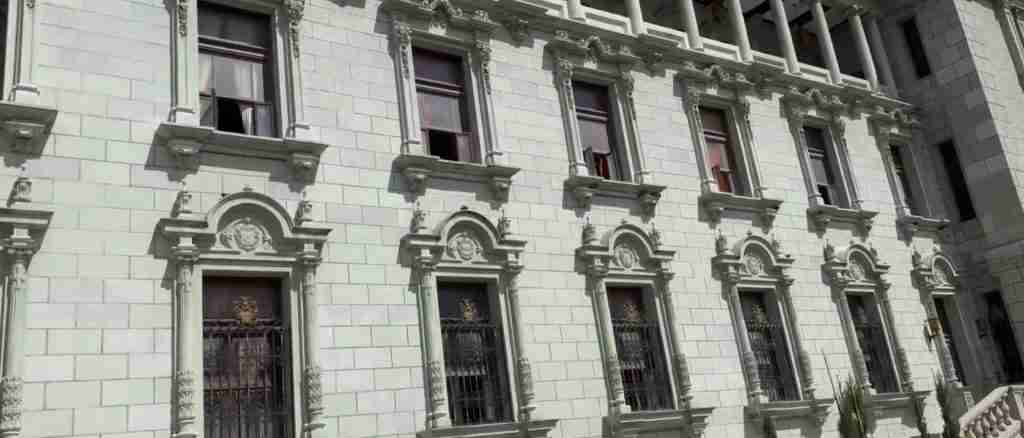
Guatemala City’s 25-zone structure determines your entire 2026 experience, as zones vary dramatically in safety, infrastructure, and tourist relevance. Zona 10 (Zona Viva) concentrates upscale hotels, international restaurants, shopping centers, and nightlife in a compact, heavily secured area ideal for 1-2 night stays. Zona 13 houses La Aurora International Airport plus the exceptional Museum Quarter featuring Guatemala’s finest archaeological and textile collections. Zona 4 contains the downtown commercial district and Torre del Reformador landmark. Zona 1 holds the historic center, National Palace, and Metropolitan Cathedral—requiring daytime-only visits with direct taxi transport between sites.
Zona 10 (Zona Viva) provides the most practical base for 2026 travelers, with hotels ranging $50-180 per night, walk-able restaurants and cafes, 24-hour security presence, and direct Uber access to all key destinations. The area spans roughly 1.5 x 1 km centered on Avenida La Reforma, allowing safe evening strolls between dinner venues and your hotel. Major chains (Marriott, InterContinental, Holiday Inn) cluster here alongside boutique properties and apartment hotels. Budget travelers can access Zona 10 via hostels in the southern section ($15-25 per dorm bed), though most budget accommodations concentrate in Zona 4.
Zona 13 functions primarily as transit infrastructure rather than accommodation base, though several airport hotels serve travelers with early morning departures or late-night arrivals. The Museum Quarter (officially Finca La Aurora) sits 10 minutes from the terminal via taxi ($3-5), offering 3-4 hours of world-class Maya artifact viewing at Museo Nacional de Arqueología y Etnología and Museo Popol Vuh. Most 2026 visitors time museum visits for departure day (after hotel checkout, before afternoon/evening flights) rather than arrival day.
Zona 4 appeals to budget-conscious travelers willing to trade some convenience for lower costs ($25-50 per night for clean, secure hotels). The area has working-class commercial character with authentic local restaurants, budget tour operators, and proximity to major bus terminals. Safety remains adequate during daylight hours with standard urban precautions, though evening activities should focus on hotel areas rather than extended exploration.
Zona 1 (Historic Center) requires careful planning for 2026 visits. The National Palace, Metropolitan Cathedral, Central Market, and surrounding colonial architecture merit 3-4 hours of exploration, but deteriorating infrastructure and poverty create elevated security concerns. Take registered taxis or Uber directly from Zona 10 to specific destinations (National Palace, Cathedral), complete your sightseeing during daylight hours (9 AM-3 PM), and return to Zona 10 before late afternoon. Do not walk between sites or explore side streets even during daytime—taxi rides between downtown destinations cost $2-4 and provide essential safety.
Current Costs and Budget Planning for 2026
Guatemala City accommodation ranges dramatically based on zone and comfort level in 2026. Budget hostels in Zona 4 charge $12-18 per dorm bed, $30-45 for private rooms with shared bath, offering basic security and breakfast. Mid-range hotels in Zona 10 cost $60-90 per night (double occupancy) with air conditioning, WiFi, breakfast, and secure parking—properties like Hotel Villa Colonial or Clarion Suites represent excellent value. Upscale Zona 10 hotels range $120-180 per night (Barceló, Real InterContinental, Westin Camino Real) providing resort-style amenities, business centers, and exceptional service. Airport hotels in Zona 13 charge $70-120 for convenient early departure or late arrival accommodation (check booking platforms for current rates as pricing varies seasonally).
Dining costs in Guatemala City offer exceptional value across all budget levels in 2026. Local comedores (workers’ restaurants) serve filling almuerzo (lunch special) plates with protein, rice, beans, tortillas, and drink for $4-7 throughout the city. Mid-range restaurants in Zona 10 charge $10-18 for substantial meals—try Tacontento for creative Mexican, Kacao for contemporary Guatemalan cuisine, or Pecorino for Italian. Upscale dining at establishments like Donde Mikel (steak), El Portal (seafood), or Hacienda Real (traditional) costs $25-40 per person including wine or cocktails. Street food from markets and vendors runs $2-4 for tamales, garnachas, or fresh fruit—safe and delicious options when selected carefully. Budget $25-40 daily for moderate restaurant meals, $40-60 for upscale dining, or $15-20 for comedor and street food combinations.
Transportation within Guatemala City remains remarkably affordable in 2026. Public TransMetro buses cost $0.15-0.30 per ride using prepaid cards available at stations—practical for budget travelers during daytime hours. Uber operates widely with rides between Zona 10 and the airport costing $6-10, Zona 10 to historic Zona 1 running $4-7, and cross-zone trips averaging $3-8. Registered yellow taxis charge slightly higher rates ($8-12 airport to Zona 10, $5-9 for cross-zone rides) but provide increased security for evening transport. Budget $8-15 daily for Uber/taxi transport if avoiding public buses, or $3-5 daily if using TransMetro strategically.
Museum and cultural site entries range $3-8 for international visitors in 2026, with most sites offering free admission Sundays for national residents (creating crowded conditions 10 AM-2 PM). Museo Nacional de Arqueología charges $8, Museo Popol Vuh $5, Museo Ixchel $6, and Palacio Nacional $8 (guided tour required). Budget $20-30 for a comprehensive museum day visiting 3-4 major institutions. Photography permits cost additional $3-5 at some venues.
Accommodation Strategies for 2026
Zona 10 Mid-Range Hotels: Best Overall Value
Mid-range properties in Zona 10 provide the optimal balance of safety, convenience, and value for most 2026 Guatemala City visitors. Hotels like Villa Colonial ($65-85), Clarion Suites ($70-95), or Dos Lunas ($60-80) offer secure parking, reliable WiFi, breakfast buffets, English-speaking staff, and walk-able access to restaurants and ATMs. These properties maintain 24-hour security with lobby guards and gated parking—essential features for rental car travelers continuing to Antigua or Lake Atitlán. Rooms include air conditioning (important during hot season March-May), safes, cable TV, and private bathrooms with hot water. Location within Zona 10 allows evening strolls to restaurants like Tacontento, Kacao, or Pecorino without taxi concerns.
Book mid-range Zona 10 hotels 1-2 weeks ahead during December-January peak season, when popular properties fill completely. February-November offers better availability with walk-in options, though online booking through platforms still provides 10-15% discounts versus front-desk rates. Request upper floors (3rd-5th) for quieter rooms away from street noise—Zona 10’s main avenues carry significant traffic throughout the day and evening. Most mid-range hotels offer free airport shuttle service with advance notice (12-24 hours), eliminating taxi costs and providing secure arrival transport.
Budget Hostels in Zona 4 and Lower Zona 10
Budget-conscious travelers find excellent hostel options in Zona 4 and the southern edges of Zona 10 in 2026. Properties like Yellow House Hostel ($15-18 dorm, $35-45 private), Hotel Spring ($30-40 private rooms), or Portal de Angel (Zona 10, $20-25 dorm) offer security-conscious facilities with locked rooms, lockers, common kitchens, and tour booking services. These hostels cater primarily to international backpackers creating instant social connections for those traveling solo or seeking day trip companions.
Zona 4 budget hotels provide basic private rooms ($25-40) with shared or private bathrooms, minimal amenities, but adequate safety for experienced budget travelers. Properties maintain locked entrance doors with 24-hour reception, though neighborhoods require standard urban caution during evening hours. Use Uber or registered taxis for arrivals after dark (after 7 PM) rather than walking with luggage. The savings versus Zona 10 mid-range ($25-40 per night difference) appeals to travelers spending minimal time in the capital before departing to cheaper provincial destinations.
Upscale Zona 10 Hotels for Business and Comfort
Guatemala City’s premier properties concentrate in Zona 10, offering business-class facilities and resort-style amenities at prices well below comparable North American or European hotels. The Real InterContinental ($140-180) features exceptional service, rooftop pool, fitness center, and five dining venues. Westin Camino Real ($130-170) provides modern rooms, business center, and direct access to Oakland Mall. Hotel Barceló Guatemala City ($120-150) combines contemporary design with traditional hospitality. These properties work well for business travelers, families seeking maximum security and convenience, or those ending Guatemala trips with comfort after rustic highland experiences.
Upscale hotels include substantial American breakfast buffets ($15-20 value), free parking, concierge services for tour booking, and airport transfers ($15-25 versus $6-10 Uber). The service quality, English-language assistance, and problem-solving capabilities justify premium rates for travelers uncomfortable navigating Guatemala independently or requiring flight changes, tour modifications, or emergency support.
Airport Hotels in Zona 13
Zona 13 airport hotels serve specific scenarios in 2026: very early departures (before 6 AM), late-night arrivals (after 10 PM when onward shuttle services cease), or quick turnarounds between international and domestic flights. Properties like Hotel Clarion Suites Zona 13 ($70-90) or Radisson Hotel & Suites ($80-110) sit 5-10 minutes from the terminal via taxi ($3-5), offering clean rooms, restaurants, and shuttle services. The Museum Quarter sits within 10-minute taxi ride, allowing departure-day cultural visits before afternoon or evening flights.
Airport hotels make less sense for standard afternoon arrivals (2-6 PM) when shuttle services to Antigua or Lake Atitlán still operate, or for travelers spending multiple days exploring Guatemala City proper. The Zona 13 area lacks restaurants, shopping, and attractions beyond the museums—you’ll be isolated in the hotel or taking $6-10 Uber rides to Zona 10 dining and activities. Choose airport hotels strategically based on flight timing rather than automatically assuming proximity equals convenience.
Transportation Guide for 2026
Getting to Guatemala City in 2026
La Aurora International Airport (GUA) receives all international arrivals to Guatemala, with direct flights from major US hubs (Miami, Houston, Los Angeles, Atlanta, Dallas), Mexico City, San Salvador, and Panama City. United, American, Delta, Avianca, Copa, and Volaris operate most routes with frequencies varying by season—December-March peak season offers multiple daily options, while May-October sees reduced schedules. Book international flights to Guatemala 2-4 months ahead for peak season travel, securing better prices ($350-550 round-trip from US gateways) and preferred flight times.
The airport terminal sits in Zona 13, approximately 15-20 minutes from Zona 10 hotels via taxi or Uber depending on traffic. Immigration and customs move efficiently with wait times typically 20-30 minutes for international arrivals. The airport provides ATMs immediately after customs (withdrawal limit Q5,000/$640 per transaction), currency exchange (poor rates, use ATMs instead), SIM card vendors (Tigo and Claro offer Q50/$6.50 tourist packages with 3GB data), and taxi stands.
Arrange airport transportation to Zona 10 hotels via three methods in 2026. First, hotel shuttle services (free at many mid-range and upscale properties with advance notice 12-24 hours before arrival). Second, Uber pickup from the departure level (walk upstairs from arrivals, exit terminal, request Uber for $6-10 versus $8-12 from arrivals level). Third, registered yellow taxi desk inside arrivals hall (fixed rate $12-15 to Zona 10, pay at counter, receive ticket, driver meets you curbside). Avoid informal taxi drivers approaching in the arrivals hall—stick to official desk or Uber.
Transportation Within Guatemala City in 2026
Uber provides the safest, most convenient transport within Guatemala City throughout 2026. The app works exactly as in other countries with clear pricing ($3-10 for most trips), driver information, and GPS tracking. Uber operates 24/7 in Guatemala City with 5-10 minute wait times in Zona 10, occasionally longer in peripheral zones. Order rides from hotel lobbies or secured locations rather than street corners. Drivers speak minimal English in most cases—use the app’s destination features rather than verbal directions.
Registered yellow taxis offer alternative transport when Uber temporarily unavailable or for travelers preferring human interaction over app-based services. Call Radio Taxi services (Taxi Amarillo Express, Taxi 2 Vías) for phone dispatch, negotiate rates before departure ($5-12 for cross-zone trips), and use hotel-recommended companies rather than hailing street taxis. Licensed taxis display company markings and meter/radio equipment—reject unmarked vehicles or drivers refusing pre-agreed fares.
TransMetro rapid bus system (TransMetro.gob.gt) serves as the public transportation backbone for Guatemala City in 2026. Modern articulated buses run on dedicated lanes along major corridors, offering safe, efficient transport during daylight hours (5 AM-10 PM). Purchase rechargeable TransCard at major stations ($0.50 card fee, add Q5-20/$0.65-2.60 credit), tap on entry, ride costs Q1/$0.13 per boarding. Lines 12 and 18 connect Zona 10 to downtown Zona 1, Line 2 serves the airport area. TransMetro works well for budget travelers comfortable with buses, though Uber’s minimal price difference ($3-5 versus $0.13-0.26) makes taxis more practical for most visitors.
Walking within zones proves safe during daylight hours with standard urban awareness. Zona 10 allows comfortable walking between hotels, restaurants, and Oakland Mall (1-2 km distances). Do not walk between zones—distances exceed comfortable ranges (Zona 10 to airport 8 km, Zona 10 to Zona 1 downtown 5 km) and traversing mixed-safety areas creates unnecessary risk. Use taxis or Uber for all inter-zone transport throughout your 2026 visit.
Transportation to Other Destinations from Guatemala City 2026
Antigua shuttles depart Guatemala City multiple times daily (6 AM-6 PM) from Zone 10 pickup points, taking 1-1.5 hours via highway to the colonial city. Companies like Atitrans ($12-15 one-way, $20-25 round-trip) and Adrenalina Tours ($10-12 one-way) provide comfortable microbuses with air conditioning, WiFi, and English-speaking drivers. Book online 3-7 days ahead during peak season, same-day or next-day for shoulder season. Shuttles pick up from major Zona 10 hotels (Real InterContinental, Westin, or central meeting points) at scheduled times—confirm pickup location when booking.
Lake Atitlán (Panajachel) shuttles require 3-4 hours from Guatemala City via winding mountain highways. Services like Atitrans ($20-25 one-way), Adrenalina Tours ($18-22), or hotel-arranged shuttles provide comfortable transport with stops for restrooms and snacks. Morning departures (6-9 AM) arrive at the lake before afternoon clouds obscure volcano views. Shuttles also connect to Santa Catarina Palopó and San Pedro La Laguna on request with minimal additional cost.
Chichicastenango market operates Thursdays and Sundays, with shuttle services departing Guatemala City 5-6 AM for 3-hour drives to the highland Maya market. Most services ($25-35 round-trip including guide) depart from Zona 10, allow 3-4 hours for market exploration, then return to Guatemala City by 5-6 PM. Tours include market overview and time for independent shopping—the Thursday market sees fewer tourists than Sunday. Book through Atitrans, Clark Tours, or hotel concierge services.
Domestic flights to Flores (Tikal gateway) depart 3-5 times daily in 2026 on TAG Airlines and Avianca. Flights cost $90-140 round-trip when booked 2-4 weeks ahead, climbing to $150-200 for last-minute purchases. Morning departures (6-8 AM) connect well with afternoon Tikal tours, while afternoon returns (4-6 PM) allow full-day temple exploration. Book domestic flights immediately after confirming international arrivals, as limited frequencies restrict options during peak December-March season. The 50-minute flight versus 8-10 hour overnight bus justifies costs for travelers with limited time.
Sample 2026 Guatemala City Itineraries
One-Night Transit Stop (Most Common)
This itinerary serves travelers using Guatemala City purely as international arrival and departure point before continuing to Antigua, Lake Atitlán, or other destinations in 2026. Arrive Guatemala City on afternoon international flight (2-6 PM typical arrival windows). Complete immigration, customs, collect luggage (30-45 minutes total), take Uber or hotel shuttle to Zona 10 accommodation (20-30 minutes). Check into mid-range hotel ($65-85) by 4-7 PM depending on arrival timing. Walk to nearby Zona 10 restaurants for dinner: try Tacontento for Mexican ($12-18 per person) or Kacao for contemporary Guatemalan ($15-22 per person). Return to hotel, organize luggage for morning departure, sleep.
Next morning, take scheduled Antigua shuttle from Zona 10 hotel (typically 8-9 AM departures, arrive Antigua 9:30-11 AM). Total costs: Hotel $65-85, dinner $12-22, airport transfer $6-12, breakfast included at hotel, shuttle to Antigua $12-15. Total: $95-134 per person for the transit night excluding international airfare.
Two-Day Museum and Culture Stop
This itinerary adds cultural depth to Guatemala City visits for history and archaeology enthusiasts in 2026. Day 1: Arrive on afternoon international flight, transfer to Zona 10 hotel ($70-90 mid-range), dinner at Pecorino Italian restaurant ($15-25 per person). Day 2: Morning taxi to Museum Quarter in Zona 13 ($6-8). Visit Museo Nacional de Arqueología y Etnología (2 hours, $8 entry) for exceptional Maya artifacts from Tikal, Quiriguá, and Copán—the jade collection alone justifies the visit. Walk to adjacent Museo Popol Vuh (1.5 hours, $5 entry) for colonial art and K’iche’ Maya manuscripts. Lunch at nearby cafe ($8-12). Return to Zona 10, visit Museo Ixchel for Maya textiles (1 hour, $6 entry). Evening in Zona 10: dinner at Donde Mikel steakhouse ($28-38 per person including wine). Day 3: Morning shuttle to Antigua or other destination ($12-15).
Day 2 costs: museum entries $19, taxis $10-15, lunch $8-12, dinner $28-38. Total day cost: $65-84 per person excluding accommodation $70-90. Two-night total: $200-258 per person excluding shuttles and international airfare.
Three-Day Comprehensive Capital Experience
This extended itinerary explores Guatemala City’s full cultural offerings plus day trips to nearby attractions in 2026. Day 1: Afternoon arrival, Zona 10 check-in ($75-100 upscale hotel), welcome dinner at Hacienda Real ($25-35 per person). Day 2: Morning Museum Quarter tour (Arqueología, Popol Vuh, Ixchel museums as described above, $19 total entry, 4-5 hours with taxi transport $10-15). Afternoon visit to Zona 1 historic center: National Palace ($8 guided tour, 1 hour), Metropolitan Cathedral (free, 30 minutes), lunch at downtown comedor ($5-8), return to Zona 10 by 4 PM. Evening shopping at Oakland Mall, dinner at Tacontento ($12-18).
Day 3: Full-day excursion to Chichicastenango market (Thursday or Sunday only, $30-40 shuttle round-trip including guide, 10-hour trip). Market exploration includes Maya rituals at Santo Tomás church, textile shopping, cemetery visits. Lunch included in most tour packages or independent comedor meals $5-8. Return to Guatemala City by 6 PM. Light dinner at Zona 10 hotel or nearby casual spot ($10-15). Day 4: Morning departure to next destination or afternoon international flight home.
Day 2 costs: museums $19, National Palace $8, taxis $15-20, downtown lunch $5-8, dinner $12-18. Total: $59-73 per person excluding accommodation. Day 3 costs: Chichicastenango tour $30-40, extra meals if any $5-10. Total: $35-50 per person excluding accommodation. Three-night accommodation $225-300 (upscale hotels). Comprehensive experience total: $319-423 per person excluding international airfare and final shuttles to other destinations.
Money-Saving Strategies for 2026
Accommodation Value Timing
Guatemala City hotel prices drop 15-25% during rainy season months May-October compared to dry season December-April rates in 2026. Mid-range Zona 10 properties charging $80-100 in January/February fall to $60-75 in June/July with identical service and facilities. Weekend rates (Friday-Saturday nights) cost 10-15% more than weekday rates at business-oriented hotels—reverse this by visiting Thursday-Monday when corporate travelers depart. Book directly with hotels via email or phone for 10-15% discounts versus online booking platforms, requesting “best available rate” and mentioning competitor pricing. Many mid-range properties offer free third night when booking two consecutive nights during low season—inquire when reserving.
Transportation Cost Control
Save $6-10 on every airport transfer by walking to the departure level (upstairs from international arrivals) and requesting Uber from outside the terminal building rather than from the arrivals level where higher pickup fees apply. TransMetro buses cost $0.15 per ride versus $3-8 Uber trips—the savings accumulate for multiple daily journeys, though minimal time differences make Uber more practical for short stays. Book Antigua shuttles as round-trip packages ($20-25) versus one-way tickets ($12-15 each direction), saving $4-5 overall. Purchase multi-museum packages when available—some museums offer 2-for-1 or three-museum discounts saving $3-5 versus individual entries.
Dining Strategies
Lunch menus (menu del día or almuerzo) cost 30-40% less than equivalent dinner portions at the same restaurants throughout Guatemala City in 2026. Mid-range Zona 10 restaurants charging $15-22 for dinner entrees offer $8-12 lunch specials with same quality and portions. Markets like Mercado Central or neighborhood comedores serve filling meals $4-7 during lunch hours (11 AM-2 PM)—perfectly safe when choosing busy stalls with visible cooking. Supermarkets like Paiz or La Torre in Zona 10 sell prepared foods, fresh fruit, bread, and beverages for picnic breakfasts or snacks at 50-60% below restaurant prices. Many upscale hotels include breakfast buffets ($15-20 value) in room rates—maximize this by eating substantial morning meals before light afternoon snacks and moderate dinners.
Museum and Attraction Timing
Most Guatemala City museums offer free admission Sundays for national residents, creating crowded conditions 10 AM-2 PM but sometimes extending free entry to all visitors. Arrive early (9 AM opening) or late (3 PM) on Sundays to test if free entry applies to international visitors at specific venues. Photography permits cost additional $3-5 at some museums—shoot without flash and review policies versus paying if photo quality matters less than experience documentation. National Palace guided tours in Zona 1 cost $8 and require guides, but surrounding Cathedral, parks, and architecture provide free exploration during the same downtown visit.
Safety and Practical Tips for 2026
Security Protocols for Guatemala City
Guatemala City requires standard urban safety awareness rather than extraordinary precautions in 2026. Stay in Zona 10 or Zona 13 (airport/museum area), use registered taxis or Uber for all inter-zone transport, avoid displaying expensive jewelry, cameras, or electronics conspicuously. Keep smartphones in pockets or bags when not actively using them—street theft targets visible devices in hands while walking. Use ATMs inside banks, shopping centers, or hotels rather than standalone street machines, withdrawing $100-200 at a time to minimize repeated exposure.
Evening activities should concentrate in Zona 10’s main areas (Avenida La Reforma, 4 Grados Norte district) where restaurants, hotels, and shopping create consistent pedestrian traffic and security presence. Walk confidently in pairs or groups when possible, stay on main streets rather than side alleys, return to hotels before 11 PM-midnight. Uber provides safe evening transport from restaurants to hotels ($3-6 typically), eliminating walking concerns after dark.
Zona 1 historic center requires specific protocols: visit during daylight hours only (9 AM-4 PM), take taxis directly between sites rather than walking, complete sightseeing and return to Zona 10 by mid-afternoon. The area’s poverty and deteriorating infrastructure create petty crime opportunities—minimizing time and exposure reduces risk effectively. National Palace, Cathedral, and Central Market merit visits but schedule carefully with taxi transport between locations.
Health and Medical Considerations
Guatemala City sits at 1,500 meters elevation, causing minimal altitude concerns for most visitors—light shortness of breath during exertion may occur for 12-24 hours after arrival. Drink extra water (2-3 liters daily), avoid excessive alcohol on arrival day, and rest if experiencing headaches or fatigue. Tap water in upscale Zona 10 hotels typically receives treatment and proves safe for teeth brushing, though bottled water ($1-2 per liter) provides guaranteed safety for drinking. Restaurants in Zona 10 and tourist areas use purified water and ice—standard food safety applies as anywhere.
Pharmacies (farmacias) throughout Guatemala City sell common medications without prescriptions, often at lower costs than US or European prices. Staff may speak limited English—bring medication names written clearly or use translation apps. Private hospitals in Zona 10 (Hospital Centro Médico, Hospital Herrera Llerandi) provide excellent care for emergencies or illness, with costs well below US rates even without insurance. Travel insurance covering medical emergencies proves worthwhile given potential costs for serious incidents requiring air evacuation.
Language and Communication
Spanish serves as Guatemala’s primary language with limited English in tourist areas during 2026. Zona 10 hotels, upscale restaurants, and tour operators maintain English-speaking staff, while drivers, markets, and budget establishments require Spanish. Download Google Translate app for offline use before arrival, enabling camera-based text translation for menus and signs. Basic Spanish phrases (greetings, numbers, “por favor,” “gracias,” “la cuenta por favor” for restaurant checks) improve interactions and demonstrate respect.
SIM cards from Tigo or Claro cost Q50/$6.50 for tourist packages with 3-5GB data valid 15-30 days—purchase at airport arrivals immediately after customs or at provider stores in shopping centers. Data enables Google Maps, Uber, WhatsApp communication, and translation apps throughout your visit. Most Zona 10 hotels provide free WiFi sufficient for evening planning and photo uploads.
Money and Banking
ATMs throughout Guatemala City dispense quetzales (Q) with withdrawal limits Q5,000/$640 per transaction depending on bank. Banco Industrial, Banrural, and BAM maintain widespread networks with international card acceptance (Visa, Mastercard, Plus, Cirrus). Withdrawal fees run $3-5 from Guatemalan banks plus your home bank’s foreign transaction fee (1-3% typically). Credit cards work at hotels, upscale restaurants, tour operators, and shopping centers, though smaller establishments and markets require cash. Carry Q200-500/$25-65 in small bills (Q20, Q50, Q100) for taxis, tips, street food, and small purchases—breaking Q200 bills at large establishments before attempting Q100 bills at small vendors.
Exchange rates fluctuate slightly but average Q7.8-8.0 per US dollar during 2026. Airport currency exchange counters offer rates 5-8% below market—use only for minimal initial cash (Q100-200/$13-26) to cover first taxi if Uber unavailable, then withdraw from ATMs providing better rates. Some tourist-oriented businesses quote prices in US dollars and accept dollar cash—verify rates before payment as conversion may disadvantage you slightly versus quetzal payment.
Booking and Advance Planning for 2026
Essential Pre-Arrival Reservations
Three services require advance booking for Guatemala City visits during 2026: domestic flights to Flores (book 2-4 weeks ahead for peak season December-March, 1-2 weeks for shoulder season, same-week for low season May-October), shuttle services to Antigua or Lake Atitlán (reserve 3-7 days ahead during high season weekends and holidays, next-day for weekday low season), and Zona 10 mid-range hotels during December-January peak season (book 1-2 weeks ahead). All other services—museums, restaurants, taxis, city tours—accept walk-in visitors with minimal wait times throughout the year.
Create a Guatemala City arrival plan before your international flight: confirm hotel reservation and address, research hotel to airport/shuttle terminal distance, download offline Google Maps for Guatemala City, save Uber app with payment method confirmed, note hotel phone number and email for arrival communication. Having these basics organized prevents confusion when arriving tired from international flights.
Insurance and Documentation
US, Canadian, and EU citizens require only valid passports (6 months validity from entry date) for Guatemala visits up to 90 days as tourists in 2026. Immigration provides free tourist card valid for 90 days in Central America region (Guatemala, El Salvador, Honduras, Nicaragua combined). No visas required for standard tourist visits. Carry passport copies separately from originals, store digital copies in cloud storage accessible from your phone, and leave one copy with trusted contacts at home.
Travel insurance covering medical emergencies, evacuation, trip interruption, and baggage loss costs $40-80 for typical 1-2 week Guatemala trips. Given Guatemala’s distance from most travelers’ home countries and limited English medical infrastructure outside Guatemala City, evacuation coverage provides essential protection for serious incidents. Review policy details on coverage amounts ($50,000+ medical recommended, $100,000+ evacuation), deductibles, and exclusions before purchasing.
Frequently Asked Questions About Guatemala City 2026
How many days should I spend in Guatemala City?
Most travelers spend 1-2 nights in Guatemala City as a transit hub between international arrivals and onward destinations like Antigua (1 hour), Lake Atitlán (3-4 hours), or Tikal via Flores (1 hour by air). One night suffices for standard logistics: arrive afternoon, overnight in Zona 10, morning shuttle departure. Two nights allows museum visits to the exceptional Museo Nacional de Arqueología or Museo Popol Vuh near the airport, adding cultural depth without significantly impacting itineraries. Three days enables comprehensive museum touring, historic Zona 1 exploration, and day trips to Chichicastenango market or Antigua. The city functions best as gateway rather than primary destination, with most highlights accessible within 1-2 days before continuing to colonial cities and highland attractions offering Guatemala’s most distinctive experiences.
Can I drink tap water in Guatemala City?
Tap water in upscale Zona 10 hotels generally receives treatment making it safe for teeth brushing and showering, though most travelers prefer bottled water for drinking as a precaution. Budget accommodations and outside Zona 10, tap water requires boiling or filtration. Restaurants in tourist areas use purified water and ice—standard food safety applies. Purchase bottled water at supermarkets ($1-2 per liter) or convenience stores throughout the city. The spring-like climate at 1,500 meters elevation means you’ll need 2-3 liters daily to maintain hydration, especially if visiting during hot season March-May.
Is Guatemala City worth visiting or just passing through?
Guatemala City merits 1-2 days for travelers interested in Maya archaeology, colonial art, or contemporary Guatemalan culture found in its world-class museums. The Museo Nacional de Arqueología houses exceptional jade, ceramics, and stone carvings from Tikal and other Maya sites rivaling collections in Mexico City. Museo Popol Vuh preserves rare K’iche’ Maya texts and colonial religious art. For travelers prioritizing highlands, colonial architecture, and traditional villages, Guatemala City serves better as efficient transit hub—spend minimal time before continuing to Antigua, Lake Atitlán, or Chichicastenango where Guatemala’s distinctive character emerges more vividly than the capital’s sprawling modernity.
What should I do on a layover in Guatemala City?
Long layovers (6+ hours between flights) allow visits to the Museum Quarter in Zona 13, just 10 minutes from the airport via taxi ($3-5). Museo Nacional de Arqueología showcases Guatemala’s finest Maya artifacts (2 hours, $8 entry), while Museo Popol Vuh offers colonial art and manuscripts (1.5 hours, $5 entry). Return to the airport 2-3 hours before domestic flights, 3-4 hours before international departures. Short layovers (3-4 hours) work better for remaining in the airport where restaurants, shops, and comfortable seating provide adequate comfort. Attempting Zona 10 restaurants during short layovers risks traffic delays and rushed experiences—save explorations for visits when you have overnight stays and proper time.
What’s the best way to get from Guatemala City to Antigua?
Shuttle services provide the easiest, safest transport from Guatemala City to Antigua in 2026, with companies like Atitrans ($12-15 one-way, $20-25 round-trip) offering scheduled departures from Zona 10 hotels every 1-2 hours between 6 AM-6 PM. Book online 3-7 days ahead during peak season, same-day or next-day during low season. The 1-1.5 hour journey via highway delivers you directly to Antigua’s central area or specific hotels. Uber costs $25-35 for the trip providing door-to-door service with flexibility—worthwhile for groups of 3-4 sharing costs. Public buses from Guatemala City’s main terminal cost $2-3 but involve navigating potentially confusing terminal areas, carrying luggage on crowded buses, and arriving at Antigua’s bus terminal rather than your hotel—shuttles’ minimal additional cost provides significant convenience and security value.
Do I need a car in Guatemala City?
Rental cars create more problems than solutions for Guatemala City visits in 2026. The city’s chaotic traffic, confusing zone navigation, limited parking at hotels and attractions, and security concerns when stopping at traffic lights make cars impractical. Uber, taxis, and shuttle services provide comprehensive transport at minimal costs ($3-15 for most trips). Rent cars for self-drive trips to Antigua, Lake Atitlán, or Chichicastenango—picking up vehicles at the Guatemala City airport after completing capital city logistics via ride-sharing. Several agencies maintain airport locations with competitive rates ($35-60 per day for compact cars, $50-80 for SUVs) and English-speaking staff. Insurance runs $15-25 daily but proves essential given Guatemala’s road conditions and driving habits.
What vaccinations do I need for Guatemala City?
Routine vaccinations (measles-mumps-rubella, diphtheria-tetanus-pertussis, varicella, polio, yearly influenza) provide baseline protection for Guatemala City visits in 2026. CDC recommendations include Hepatitis A (food/water transmission) and typhoid (extended stays or adventurous eating). Hepatitis B benefits travelers with multiple partners, medical procedures, or extended stays. Rabies vaccination suits travelers planning extensive rural time or animal interaction beyond typical tourism. Malaria prophylaxis and yellow fever vaccination remain unnecessary for Guatemala City and highlands destinations (Antigua, Lake Atitlán, Chichicastenango) given 1,500+ meter elevations eliminating mosquito populations. Consult travel medicine specialists 4-8 weeks before departure for personalized recommendations based on your specific itinerary and health history.
Can I use US dollars in Guatemala City?
Some tourist-oriented businesses accept US dollars directly—shuttle services, tour operators, upscale hotels—often at reasonable exchange rates (Q7.5-7.8 per dollar, close to official Q7.8-8.0 rates). However, most restaurants, taxis, markets, and local establishments expect quetzales. Withdraw Q500-1000/$65-130 from ATMs upon arrival for immediate cash needs (taxi, first meals, tips), then withdraw additional amounts as needed throughout your stay. Credit cards work widely at mid-range and upscale establishments, though 3% foreign transaction fees from your home bank may apply—cards with no foreign transaction fees (Chase Sapphire, Capital One Venture, various travel cards) eliminate these costs. Carrying $100-200 US dollars as emergency backup makes sense, but using quetzales for daily expenses provides better value and wider acceptance throughout your 2026 Guatemala City visit.