Lake Atitlan Budget Guide 2026: How to Visit Cheaply
Key Takeaways
- Daily budget ranges from 150-250 GTQ ($20-32 USD) for ultra-budget backpackers to 400-600 GTQ ($50-75 USD) for moderate budget travelers in 2026
- San Marcos La Laguna and San Pedro La Laguna offer the cheapest accommodation and dining options, with hostel beds starting at 60-80 GTQ ($8-10 USD) per night
- Boat transportation between lakeside towns costs 10-25 GTQ ($1.30-3.20 USD) per ride, making village-hopping affordable and convenient for budget travelers
- Free hiking trails, cultural experiences, and swimming opportunities provide excellent value entertainment without admission costs throughout the lake region
- Eating at local comedores (family-run restaurants) reduces meal costs to 25-40 GTQ ($3-5 USD) compared to tourist-oriented restaurants charging 60-100 GTQ ($8-13 USD)
- Visiting during shoulder season (April-May, September-October) offers 20-30% lower accommodation rates while maintaining excellent weather conditions
Planning Your Lake Atitlan Budget Trip in 2026
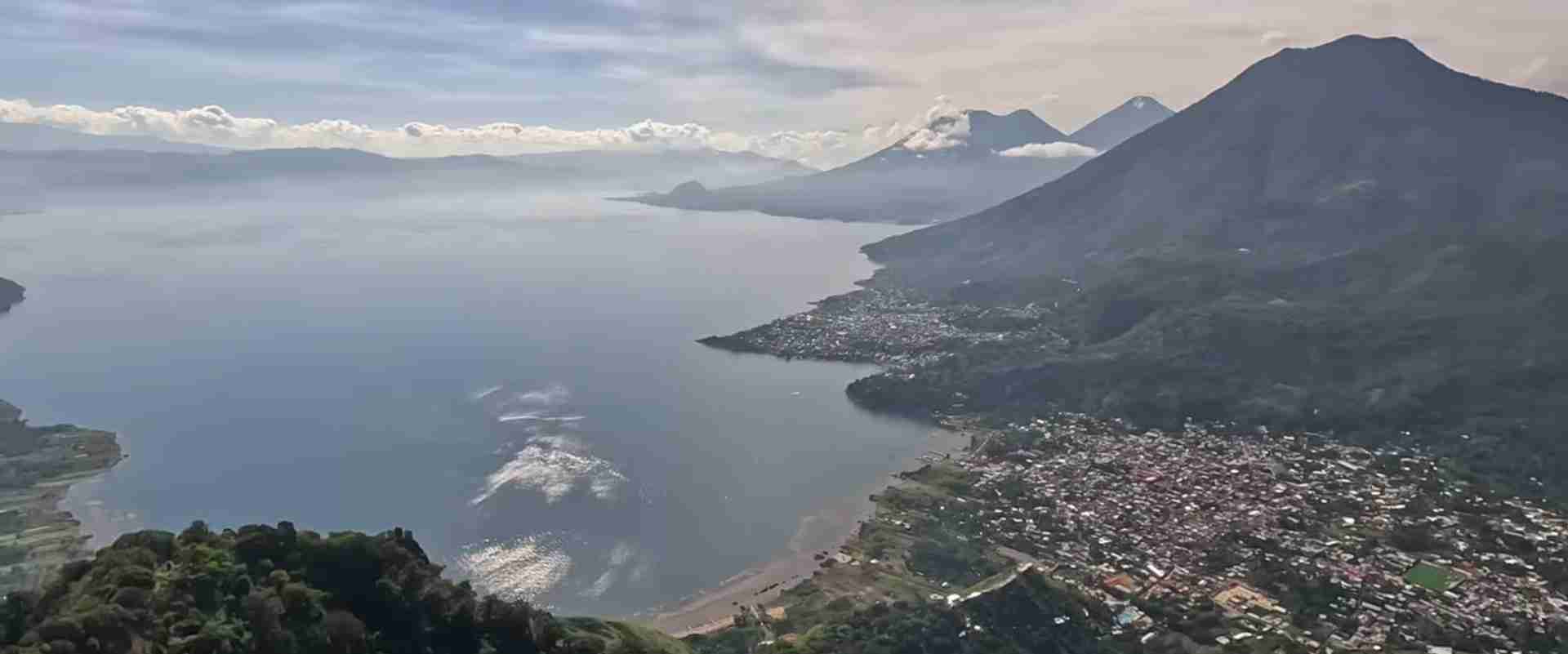
Lake Atitlan ranks among Central America’s most spectacular natural destinations, where three volcanic peaks rise dramatically from crystalline waters surrounded by indigenous Maya villages. This Guatemalan highland lake attracts budget travelers seeking authentic cultural experiences, outdoor adventures, and stunning natural beauty without the premium prices of more commercialized destinations. Understanding the cost structure and budget optimization strategies transforms Lake Atitlan from an expensive tourist attraction into an affordable backpacker paradise where extended stays become financially feasible.
The lake’s unique geography creates distinct budget zones, with twelve lakeside villages offering vastly different price points and traveler demographics. San Pedro La Laguna and San Marcos La Laguna dominate the budget travel scene with abundant hostels, cheap comedores, and backpacker-oriented services, while villages like Santa Cruz La Laguna and Jaibalito attract budget-conscious travelers seeking tranquility. Panajachel serves as the main transportation hub with moderate prices, and San Juan La Laguna offers authentic cultural experiences with reasonable costs. This geographic diversity allows budget travelers to optimize spending by selecting accommodation locations strategically.
The 2026 travel season brings Guatemala’s continued tourism infrastructure development, with improved boat services, expanded accommodation options, and enhanced digital connectivity benefiting budget travelers. Exchange rates favor international visitors, with the Guatemalan Quetzal (GTQ) maintaining stability against major currencies, though USD acceptance remains widespread. Budget planning requires understanding seasonal price fluctuations, transportation logistics between villages, and the significant cost differences between tourist-oriented establishments and local comedores frequented by Guatemalan families and long-term residents.
This comprehensive guide provides detailed cost breakdowns across accommodation categories, transportation options, dining strategies, and activity planning for 2026. Sample itineraries demonstrate realistic daily budgets for different traveler profiles, from extreme backpackers spending 150 GTQ ($20 USD) daily to moderate budget travelers comfortable with 500 GTQ ($65 USD) expenditure. Money-saving strategies address advance booking benefits, seasonal optimization, and local knowledge that reduces costs without sacrificing experience quality. Whether planning a brief weekend visit or an extended month-long immersion in Maya culture, this guide equips budget-conscious travelers with the practical information needed to maximize Lake Atitlan experiences while minimizing financial strain.
People Also Ask About Lake Atitlan Budget Travel 2026
How much does it cost to visit Lake Atitlan in 2026?
Budget travelers spend 150-250 GTQ ($20-32 USD) daily staying in hostel dormitories, eating at local comedores, and prioritizing free activities like hiking and swimming. Mid-range budget visitors spend 400-600 GTQ ($50-75 USD) daily with private rooms, occasional restaurant meals, and paid activities like yoga classes or kayaking. Ultra-budget backpackers extend stays by spending just 120-180 GTQ ($15-23 USD) daily through work exchanges, camping, and strict comedor dining. Luxury budget travelers comfortable spending 800-1200 GTQ ($100-150 USD) daily access boutique hotels, fine dining, and premium tour experiences while still maintaining budget-conscious approaches compared to international resort destinations.
Transportation to Lake Atitlan from Guatemala City costs 35-50 GTQ ($4.50-6.50 USD) via chicken bus or 125-150 GTQ ($16-19 USD) via shuttle, check current shuttle operators for official rates. Boat transportation between villages costs 10-25 GTQ ($1.30-3.20 USD) per ride depending on distance and boat service quality. Accommodation ranges from 60 GTQ ($8 USD) for basic hostel beds in San Pedro to 250-350 GTQ ($32-45 USD) for comfortable private rooms with lake views in Panajachel. Meals at local comedores cost 25-40 GTQ ($3-5 USD) while tourist restaurants charge 60-100 GTQ ($8-13 USD) for comparable dishes. Free activities including hiking Indian Nose, exploring villages on foot, and swimming from public docks provide entertainment without admission costs.
What’s the cheapest way to get to Lake Atitlan in 2026?
Chicken buses (retired American school buses) provide the cheapest transportation from Guatemala City to Panajachel at 35-50 GTQ ($4.50-6.50 USD) for the three-hour journey. These buses depart Guatemala City from the Zone 4 terminal near the main market area, with frequent departures throughout the morning and early afternoon. The journey travels through highland landscapes with spectacular mountain scenery, though buses stop frequently for passenger pickups and deliveries. Comfort levels vary significantly, with some buses offering cushioned seats and others featuring basic wooden benches, but the authentic Guatemalan travel experience and rock-bottom prices attract budget backpackers.
From Antigua, shared shuttle services cost 65-85 GTQ ($8-11 USD) and provide the best value combination of price and comfort for travelers based in this popular colonial city. These shuttles depart multiple times daily from Antigua’s central plaza area, with advance booking recommended during high season to secure seats. The scenic two-hour journey crosses highland valleys with volcanic views and coffee plantations. Upon arrival at Panajachel, budget travelers immediately transfer to public boats (lanchas) serving lakeside villages at 10-25 GTQ ($1.30-3.20 USD) depending on destination distance. The entire journey from Antigua to final village destination costs 85-120 GTQ ($11-15 USD) compared to private shuttle services charging 200-300 GTQ ($26-39 USD) per person.
Where are the cheapest towns to stay at Lake Atitlan in 2026?
San Pedro La Laguna offers Lake Atitlan’s most budget-friendly accommodation and dining options, with abundant hostels charging 60-80 GTQ ($8-10 USD) for dormitory beds and private rooms starting at 150-200 GTQ ($19-26 USD). The town’s backpacker infrastructure includes numerous comedores serving meals at 25-35 GTQ ($3-4.50 USD), cheap bars with happy hour specials, and free activities like the San Pedro Volcano hike and public swimming areas. The concentrated backpacker scene creates competition that keeps prices low while maintaining quality standards. San Pedro’s two distinct zones—the dock area with party atmosphere and the upper town with tranquil lake views—allow budget travelers to choose their preferred environment.
San Marcos La Laguna ranks as the second cheapest village, attracting yoga enthusiasts and spiritual seekers with similar price structures to San Pedro but quieter ambiance. Hostel beds cost 70-90 GTQ ($9-12 USD) and private bungalows with shared bathrooms start at 180-220 GTQ ($23-28 USD). The town’s abundant free yoga sessions, meditation spaces, and swimming platforms provide entertainment without costs. Santa Cruz La Laguna offers budget accommodation accessed only by boat, with several hostels charging 100-140 GTQ ($13-18 USD) for beds and spectacular cliff-side locations. Jaibalito provides the quietest ultra-budget option with camping opportunities and basic guesthouses, though limited food options require either cooking facilities or boat trips to neighboring villages for meals.
Can you visit Lake Atitlan on a backpacker budget in 2026?
Lake Atitlan excels as a backpacker-friendly destination with infrastructure specifically designed for budget travelers seeking extended stays. The combination of cheap accommodation, affordable local food, free activities, and easy transportation between villages creates ideal conditions for backpackers traveling throughout Central America. Hostel culture thrives in San Pedro and San Marcos, with common areas facilitating traveler connections, shared meal preparation facilities reducing food costs, and notice boards advertising work exchange opportunities extending stays beyond initial budgets. Many backpackers remain at Lake Atitlan for weeks or months, establishing the lake as a major hub on the Central American backpacker circuit.
Spanish language schools throughout lakeside villages offer package deals combining 20 hours of one-on-one instruction with homestay accommodation and three meals daily for 1200-1600 GTQ ($155-205 USD) per week, providing structured experiences that immerse travelers in local culture while maintaining budget parameters. Work exchange programs through platforms like Workaway and HelpX connect travelers with hostels, yoga centers, and permaculture projects offering free accommodation and meals in exchange for 15-25 hours weekly work. Volunteering opportunities with local NGOs and community development projects provide purpose-driven travel experiences while minimizing costs. The combination of affordable baseline expenses and creative budget-extending strategies makes Lake Atitlan accessible even to backpackers on minimal daily budgets of 150-200 GTQ ($20-26 USD).
Extended multi-day tours – 5+ days
Featured Guatemala Multi-Day Tour Packages
3 days
Guatemala 3-Day Discovery Tour
- ✓ Comprehensive Guatemala experience
- ✓ Expert local guides included
- ✓ All accommodation included
- ✓ Transportation provided
5 days
Guatemala 5-Day Highlights Experience
- ✓ Comprehensive Guatemala experience
- ✓ Expert local guides included
- ✓ All accommodation included
- ✓ Transportation provided
7 days
Guatemala 7-Day Cultural Journey
- ✓ Comprehensive Guatemala experience
- ✓ Expert local guides included
- ✓ All accommodation included
- ✓ Transportation provided
10 days
Guatemala 10-Day Complete Adventure
- ✓ Comprehensive Guatemala experience
- ✓ Expert local guides included
- ✓ All accommodation included
- ✓ Transportation provided
Multi-day tour packages powered by TourRadar. Prices and availability subject to change.
Essential Planning Information for 2026
Current Costs and Pricing Breakdown
Accommodation costs in 2026 vary dramatically by village location and accommodation style. San Pedro La Laguna hostel dormitories charge 60-80 GTQ ($8-10 USD) per night for basic beds with shared bathrooms, while upgraded dorms with lockers and power outlets cost 90-120 GTQ ($12-15 USD). Private rooms with shared bathrooms in San Pedro range 150-200 GTQ ($19-26 USD), and private rooms with ensuite bathrooms cost 220-300 GTQ ($28-39 USD). San Marcos La Laguna prices run 10-15% higher at 70-90 GTQ ($9-12 USD) for dorms and 180-250 GTQ ($23-32 USD) for private rooms. Panajachel mid-range hotels charge 250-350 GTQ ($32-45 USD) for comfortable double rooms, while budget hotels cost 180-240 GTQ ($23-31 USD). Santa Cruz cliff-side hostels cost 100-140 GTQ ($13-18 USD) for dormitory beds with spectacular views, check accommodation websites for current official rates as pricing may vary seasonally.
Food costs depend entirely on dining location selection. Local comedores serving Guatemalan families charge 25-30 GTQ ($3-4 USD) for filling breakfast plates with eggs, beans, tortillas, and coffee. Lunch and dinner at comedores cost 30-40 GTQ ($4-5 USD) for substantial meals including meat, rice, beans, salad, and tortillas. Tourist-oriented restaurants charge 60-100 GTQ ($8-13 USD) for similar meals with improved ambiance and English menus. Street food vendors sell tamales at 8-12 GTQ ($1-1.50 USD), fresh fruit at 10-15 GTQ ($1.30-2 USD), and grilled meat snacks at 15-20 GTQ ($2-2.60 USD). Supermarkets in Panajachel and larger villages stock basic provisions for self-catering, with pasta, rice, and vegetables costing significantly less than restaurant meals. Beer prices range from 12-15 GTQ ($1.50-2 USD) at local tiendas to 20-30 GTQ ($2.60-4 USD) at tourist bars.
Activity costs favor budget travelers, with most natural attractions completely free. Hiking Indian Nose, San Pedro Volcano, and various village trails costs nothing beyond boat transportation to trailheads. Swimming from public docks, exploring villages on foot, and attending free cultural events provides entertainment without admission fees. Paid activities include kayak rentals at 40-60 GTQ ($5-8 USD) per hour, standup paddleboard rentals at 50-80 GTQ ($6.50-10 USD) per hour, and scuba diving introductory dives at 400-600 GTQ ($52-78 USD). Yoga classes cost 40-80 GTQ ($5-10 USD) per session, with some studios offering donation-based classes. Guided village tours cost 80-150 GTQ ($10-19 USD) per person, though independent exploration eliminates these costs entirely. Weaving workshops and cooking classes charge 150-300 GTQ ($19-39 USD) for hands-on cultural experiences.
Transportation Options and Schedules
Public boats (lanchas) connect all lakeside villages with frequent service throughout daylight hours. Standard lanchas charge fixed rates based on route distance: Panajachel to San Pedro costs 25 GTQ ($3.20 USD), Panajachel to San Marcos costs 25 GTQ ($3.20 USD), San Pedro to San Marcos costs 10 GTQ ($1.30 USD), and Panajachel to Santa Cruz costs 15 GTQ ($2 USD). These boats depart when full, operating approximately every 20-30 minutes during peak hours and every 45-60 minutes during slower periods. Schedule reliability improves during morning and afternoon peak times when commuter traffic ensures frequent service. Private boats (lanchas privadas) cost 150-300 GTQ ($19-39 USD) depending on distance and group size, providing flexibility for early morning hikes or late evening returns.
Tuk-tuks (motorized three-wheeled vehicles) provide transportation within larger villages like Panajachel and San Pedro. Standard rides within town cost 10-15 GTQ ($1.30-2 USD), while trips between town zones cost 15-25 GTQ ($2-3.20 USD). Tuk-tuk drivers wait at major boat docks and town centers, with prices generally fixed though negotiation remains possible during slow periods. Walking remains the primary transportation method within smaller villages where distances rarely exceed fifteen minutes on foot. San Pedro’s layout requires boat travel or tuk-tuk rides between the lower dock area and upper hotel zone on steep hillsides.
Bicycle rentals provide budget-friendly transportation for exploring Panajachel’s relatively flat terrain and nearby villages connected by paved roads. Rental shops charge 40-60 GTQ ($5-8 USD) daily for basic single-speed bikes and 80-120 GTQ ($10-15 USD) daily for mountain bikes suitable for unpaved village paths. Some hostels provide free bicycle use for guests, eliminating transportation costs entirely. Motorcycle rentals cost 150-250 GTQ ($19-32 USD) daily, offering greater range for exploring highland areas beyond the immediate lake vicinity, though this option suits only experienced riders comfortable with steep mountain roads and minimal safety equipment.
Budget Accommodation Strategies for 2026
Ultra-Budget Options: Hostels and Guesthouses
San Pedro La Laguna dominates the ultra-budget accommodation sector with over twenty hostels competing for backpacker business. Zoola Hostel, Pinocchio Hostel, and Freedom Hostel offer dormitory beds at 60-80 GTQ ($8-10 USD) with free WiFi, shared kitchens, and common areas facilitating social interaction. These hostels maintain high cleanliness standards despite rock-bottom prices, with regular sheet changes, hot showers, and security lockers for valuables. Party-oriented hostels like Selina Lake Atitlan and Free Cerveza organize nightly events including live music, bar crawls, and bonfire gatherings, while quieter options like Casa del Mundo provide tranquil lake views and meditation spaces. Location significantly impacts hostel pricing, with dock-area properties charging premium rates for convenience while upper-town hostels offer lower prices requiring tuk-tuk rides or steep walks to reach boat transportation.
San Marcos La Laguna hostels cater to yoga practitioners and spiritual seekers with similarly affordable pricing structures. Hostel del Lago and La Iguana Perdida charge 70-90 GTQ ($9-12 USD) for dormitory beds, with some properties offering volunteer work exchange programs providing free accommodation in exchange for reception duties, cleaning, or garden maintenance. These arrangements suit extended-stay travelers willing to commit to regular work schedules. Camping opportunities exist at properties like La Iguana Perdida where tent sites cost 40-60 GTQ ($5-8 USD) per night, though campers typically use hostel bathroom facilities and common areas. Hammock spaces offer even cheaper accommodation at 30-50 GTQ ($4-6.50 USD) nightly, appealing to extreme budget travelers comfortable with minimal privacy and basic sleeping conditions.
Santa Cruz La Laguna’s cliff-side hostels combine budget pricing with spectacular natural settings accessible only by boat. Hostel La Iguana Perdida (the original location) charges 100-120 GTQ ($13-15 USD) for dormitory beds perched on cliffs with panoramic lake views, cliff-jumping platforms, and excellent swimming access. The boat-only access creates a unique remote atmosphere that attracts travelers seeking escape from busier villages. Jaibalito’s minimal tourist infrastructure includes several family-run guesthouses charging 120-180 GTQ ($15-23 USD) for basic private rooms, with camping available on some properties at negotiable rates. These ultra-quiet villages suit travelers prioritizing tranquility over social scenes and nightlife.
Mid-Budget Hotels and Airbnb Options
Travelers seeking private accommodation with reasonable comfort find excellent value in Lake Atitlan’s mid-budget sector. San Pedro private rooms with ensuite bathrooms cost 220-300 GTQ ($28-39 USD) at properties like Hotel Mikaso and Hotel Atitlan. These guesthouses provide hot showers, comfortable beds, secure rooms, and often include breakfast in rates. Panajachel offers greater mid-budget selection with hotels like Hotel Posada de Don Rodrigo and Hotel Primavera charging 250-350 GTQ ($32-45 USD) for well-maintained double rooms with WiFi, cable television, and town-center locations. The convenience of Panajachel’s restaurants, supermarkets, and transportation hub justifies slightly higher prices for travelers prioritizing accessibility.
Airbnb and vacation rental platforms provide alternatives to traditional hotels, particularly benefiting groups or families sharing costs. One-bedroom apartments in San Marcos and San Pedro cost 300-450 GTQ ($39-58 USD) nightly with full kitchens enabling significant food savings through self-catering. Two-bedroom apartments accommodating four people cost 500-700 GTQ ($65-90 USD) nightly, reducing per-person costs to competitive hostel rates while providing far greater privacy and comfort. Properties with lake views command 20-30% premiums, while garden-view or town-view units offer better budget value. Minimum stay requirements ranging from three to seven nights affect flexibility, though longer stays often negotiate discounted weekly or monthly rates.
Long-term budget travelers secure monthly rentals through local contacts and village notice boards rather than international booking platforms. Basic rooms with shared bathrooms cost 1500-2500 GTQ ($195-325 USD) monthly, while private studios with kitchenettes cost 2500-4000 GTQ ($325-520 USD) monthly. These arrangements require Spanish language skills for negotiation and direct payment to Guatemalan property owners, but they offer significant savings compared to nightly bookings. San Marcos, San Pedro, and Santa Cruz maintain active long-term rental markets serving the substantial expatriate and extended-stay traveler populations. Many yoga centers and language schools maintain bulletin boards listing available rentals and seeking housemates to share expenses.
Transportation Budget Planning for 2026
Getting to Lake Atitlan from Guatemala City
Chicken buses departing from Guatemala City’s Zone 4 terminal provide the most economical transportation option at 35-50 GTQ ($4.50-6.50 USD) for the three-hour journey to Panajachel. These converted American school buses operate frequent service throughout the morning and early afternoon, with peak departures between 6:00 AM and 1:00 PM ensuring regular options. The terminal location near central markets requires navigation through busy streets, with taxis from tourist areas costing 30-50 GTQ ($4-6.50 USD). The chicken bus experience includes frequent stops, local passengers boarding with large packages and produce, and varying comfort levels depending on specific vehicle condition. Despite these quirks, the authentic Guatemalan transport experience and minimal cost make chicken buses popular with budget backpackers.
Tourist shuttles operated by companies like Atitrans and various hostel partnerships charge 125-150 GTQ ($16-19 USD) from Guatemala City to Panajachel with door-to-door hotel pickup service. These shuttles provide comfortable air-conditioned minivans with guaranteed seats, luggage storage, and direct routes without the multiple stops characterizing chicken bus service. Departure times coordinate with international flights, with early morning and mid-afternoon options accommodating various arrival schedules. Booking online or through hotels ensures seat availability, particularly during December-March high season when shuttles frequently fill to capacity. The 75-100 GTQ ($10-13 USD) premium over chicken buses buys significant comfort improvement and time savings, making shuttles worthwhile for travelers carrying substantial luggage or with limited time.
From Antigua, shared shuttles operated by Atitrans and local tour companies cost 65-85 GTQ ($8-11 USD) for the scenic two-hour journey through Guatemala’s highlands. Multiple daily departures from Antigua’s central plaza accommodate flexible schedules, with 7:00 AM, 11:00 AM, and 3:00 PM representing typical timeslots. The journey traverses mountainous terrain with spectacular volcanic views, coffee plantations, and traditional Maya villages providing memorable scenery. Budget travelers based in Antigua for Spanish language study or colonial architecture exploration find these shuttles the optimal balance of price and convenience, avoiding the need to first travel to Guatemala City before heading to Lake Atitlan. Private taxi services charge 400-600 GTQ ($52-78 USD) for Antigua-Panajachel direct transfer, justifiable only when splitting costs among four passengers or requiring specific timing flexibility.
Boat Transportation Between Towns
Public lanchas (small motorboats) form Lake Atitlan’s primary transportation network, connecting all twelve lakeside villages with regular service during daylight hours. These boats operate on semi-fixed schedules loosely coordinated with demand patterns, departing most frequently during morning and afternoon peak periods. Standard routes include Panajachel to San Pedro (25 GTQ/$3.20 USD, 25 minutes), San Pedro to San Marcos (10 GTQ/$1.30 USD, 10 minutes), Panajachel to Santiago Atitlan (25 GTQ/$3.20 USD, 30 minutes), and Panajachel to Santa Cruz (15 GTQ/$2 USD, 15 minutes). Prices remain remarkably stable with little seasonal variation, making boat transportation predictable for budget planning. Boats depart from designated dock areas in each village, with vendors and tuk-tuk drivers directing newcomers to correct locations.
Early morning service begins around 6:00-6:30 AM serving workers commuting between villages, while evening service concludes around 5:00-6:00 PM depending on season and demand. Travelers missing final public lanchas negotiate private boat rates of 150-300 GTQ ($19-39 USD) depending on distance and group size, making evening planning important for budget maintenance. During high season (December-March), some routes operate extended hours until 7:00-8:00 PM, while low season sees reduced frequency particularly during midday hours. Weekend service increases on popular routes serving Guatemalan day-trippers from Panajachel to San Pedro and Santiago Atitlan.
Multi-day boat travel costs accumulate significantly for village-hoppers exploring different lakeside communities. A budget traveler visiting San Pedro (25 GTQ from Panajachel), then San Marcos (10 GTQ from San Pedro), then Santa Cruz (25 GTQ from San Marcos), then returning to Panajachel (15 GTQ from Santa Cruz) spends 75 GTQ ($10 USD) on transportation alone. Establishing a base in one village and taking day trips to others proves more economical than constantly relocating accommodation. Some villages lack direct connections requiring transfers through Panajachel hub, adding time and cost. Santiago Atitlan on the lake’s southern shore sees the highest boat fares at 30-35 GTQ ($4-4.50 USD) from Panajachel due to greater distance and rougher water conditions requiring larger, more robust vessels.
Local Transport Options Within Villages
Walking serves as the primary transportation method within Lake Atitlan’s compact villages where most destinations lie within fifteen minutes on foot. San Marcos, San Juan, and Santa Cruz feature exclusively pedestrian infrastructure with narrow cobblestone paths traversing steep hillsides. The car-free environment creates peaceful atmospheres ideal for budget travelers comfortable with physical exertion, as substantial uphill climbing characterizes many routes between lake level and upper village zones. Proper footwear becomes essential, particularly after rain when paths turn muddy and slippery.
San Pedro La Laguna and Panajachel accommodate vehicle traffic, with tuk-tuks providing convenient short-distance transportation. San Pedro tuk-tuks charge 10-15 GTQ ($1.30-2 USD) for rides between the lower dock area and upper hotel zone, while Panajachel tuk-tuks cost similar rates for cross-town trips between the main dock and Santander Street commercial district. Steep San Pedro topography makes tuk-tuks practical for travelers carrying luggage or supplies, though fit travelers save money walking uphill. Tuk-tuk drivers congregate at boat docks and major intersections, making them easily accessible without advance booking. Some hostels and hotels provide free tuk-tuk service for guests, particularly properties located in less convenient upper zones requiring steep climbs from dock areas.
Bicycle rentals offer budget-friendly exploration options in Panajachel where relatively flat terrain and paved roads create cycle-friendly conditions. Daily rentals at 40-60 GTQ ($5-8 USD) enable independent exploration of nearby villages accessible by road, including Santa Catarina Palopo and San Antonio Palopo. The lakeside road connecting these communities provides spectacular scenery with minimal vehicle traffic, creating pleasant cycling conditions for riders comfortable with basic bikes lacking suspension or gears. San Pedro’s steep grades make cycling impractical for most visitors, while smaller villages lack rental infrastructure entirely. Some hostels provide complimentary bicycle use for guests, eliminating transportation costs for local exploration.
Dining on a Budget for 2026
Local Comedores and Street Food
Comedores (small family-run restaurants) form the foundation of budget dining at Lake Atitlan, serving filling meals at prices designed for Guatemalan workers and families rather than tourists. These establishments cluster around market areas and residential neighborhoods rather than prime lakefront locations, requiring local knowledge or exploration to discover. Breakfast plates cost 25-30 GTQ ($3-4 USD) with generous portions of scrambled or fried eggs, black beans, fried plantains, tortillas, and coffee or juice. The “desayuno típico” (typical breakfast) provides substantial morning fuel lasting through afternoon activities without requiring mid-morning snacks.
Lunch and dinner at comedores feature set menus (menú del día) at 30-40 GTQ ($4-5 USD) including soup, main course, rice or tortillas, and sometimes dessert or beverage. Main courses rotate daily based on available ingredients, with common options including pepián (spiced meat stew), pollo guisado (stewed chicken), carne asada (grilled beef), or fish when available. Portion sizes satisfy hungry travelers with active schedules including hiking and water activities. The informal atmosphere encourages interaction with Guatemalan families and workers, providing cultural immersion opportunities while eating. Many comedores display no English signage and staff speak limited English, requiring basic Spanish for ordering, though pointing at other diners’ plates proves universally effective.
Street food vendors operating from permanent stalls and mobile carts offer even cheaper eating options. Tamales wrapped in banana leaves cost 8-12 GTQ ($1-1.50 USD) and provide portable breakfast or snack options filled with chicken, pork, or vegetables. Fresh fruit vendors sell sliced mango, papaya, pineapple, and watermelon at 10-15 GTQ ($1.30-2 USD) per container, perfect for budget-conscious travelers seeking healthy snacks. Grilled meat vendors (antojitos) sell tacos, tostadas, and garnachas at 5-8 GTQ ($0.65-1 USD) per item, with three items providing sufficient meal portions at just 15-24 GTQ ($2-3 USD) total. Panajachel’s market area concentrates the greatest street food variety, while San Pedro and Santiago Atitlan also maintain active street food scenes particularly during market days.
Self-Catering Strategies
Hostels with shared kitchens enable significant food savings for budget travelers willing to prepare meals. Supermarkets in Panajachel stock pasta, rice, beans, vegetables, and basic proteins at prices substantially lower than restaurant dining. A market visit producing ingredients for three days of meals costs 150-200 GTQ ($19-26 USD) compared to 270-360 GTQ ($35-47 USD) spent at comedores for the same period. Breakfast preparation proves particularly economical, with eggs, bread, coffee, and fruit costing 20-25 GTQ ($2.60-3.20 USD) compared to 30-35 GTQ ($4-4.50 USD) at restaurants. Communal cooking also facilitates social interaction with other hostel guests, with shared meal preparation creating bonding experiences.
Local markets operating in every village offer fresh produce at prices lower than supermarkets, with indigenous vendors selling tomatoes, onions, avocados, peppers, and seasonal fruits. Market days vary by village, with Panajachel’s main market operating daily while smaller villages hold weekly markets on specific weekdays. Shopping at markets requires conversational Spanish and comfort with negotiation, though prices remain reasonable even without haggling. A full market bag of fresh vegetables costs 50-80 GTQ ($6.50-10 USD) providing ingredients for multiple meals. Bread bakeries throughout villages sell fresh rolls at 1-2 GTQ ($0.13-0.26 USD) each, and local tortillerías sell fresh corn tortillas at incredibly low prices when purchased by the dozen.
Accommodation selection significantly impacts self-catering feasibility, with hostel kitchens varying from well-equipped facilities with cookware, dishes, and storage space to minimal setups lacking basic utensils. Properties advertising “shared kitchen” deserve investigation during booking to ensure adequate cooking facilities. Airbnb apartments typically provide complete kitchens with refrigerators, stoves, cookware, and dishes, making them excellent choices for travelers planning extensive meal preparation. Long-term rentals always include kitchen access, with many Guatemalan families supplementing income by renting rooms while sharing kitchen facilities with tenants. Camping scenarios require portable cooking equipment, with small propane stoves and basic cookware available at hardware stores in Panajachel.
Free and Low-Cost Activities for 2026
Hiking and Nature Experiences
Lake Atitlan’s surrounding volcanic peaks and forested hillsides provide extensive free hiking opportunities requiring only boat transportation costs to reach trailheads. Indian Nose (Nariz del Indio) stands as the most popular sunrise hike, with the trail starting from San Pedro or Santa Clara village. The one-hour predawn ascent rewards early risers with spectacular sunrise views over the entire lake, with three volcanic peaks silhouetted against colorful skies. The trail costs nothing beyond boat transportation from accommodations to trailhead villages, though organized tours charge 80-120 GTQ ($10-15 USD) for guided predawn expeditions including flashlights and breakfast. Independent hikers save money by arranging private boats or timing public boat schedules, though the very early departure times (4:00-4:30 AM) sometimes necessitate private boat arrangements.
San Pedro Volcano hike from San Pedro La Laguna village challenges fit hikers with a steep four-hour ascent to the 3020-meter summit. The established trail winds through coffee plantations, cloud forest, and finally volcanic rock fields with increasingly spectacular lake views. Park entrance fees of 100-150 GTQ ($13-19 USD) represent the only cost, as self-guided hiking proves straightforward following well-marked trails. Starting early morning avoids afternoon clouds often obscuring summit views, with most hikers beginning between 5:00-7:00 AM. The descent takes two to three hours, making this a full-day commitment requiring physical fitness. Alternative shorter trails around San Pedro villages provide free lake-view hikes for travelers seeking easier options.
Village exploration on foot reveals traditional Maya culture, colonial-era churches, textile cooperatives, and lakeside viewpoints without admission costs. San Juan La Laguna’s walking art tour following numbered murals painted on village walls provides self-guided cultural experiences. Santiago Atitlan’s bustling market streets showcase traditional dress and daily life, with the famous Maximon shrine accepting donations rather than charging entrance fees. Santa Cruz cliff-side trails connecting to nearby villages offer spectacular scenery and swimming access from natural rock formations. The nature reserve near San Marcos La Laguna maintains short trails through reforestation projects with donation-based entry, typically 10-20 GTQ ($1.30-2.60 USD) suggested contribution. Free swimming opportunities exist at public docks throughout the lake, with several villages maintaining designated swimming areas with diving platforms.
Cultural Experiences and Village Exploration
Traditional textile cooperatives throughout lakeside villages welcome visitors without entrance fees, with artisans demonstrating backstrap weaving techniques passed through generations. San Juan La Laguna hosts several women’s cooperatives including Asociación de Mujeres Tejedoras displaying natural dye processes and intricate weaving methods. Visitors watch demonstrations freely while purchasing directly supports artists without intermediary markups. Santiago Atitlan’s Friday market showcases traditional Maya commerce with vendors wearing distinctive purple-striped huipiles (traditional blouses) and selling produce, textiles, and handicrafts. The market experience costs nothing beyond potential purchases, providing authentic cultural immersion.
Church visits throughout villages offer architectural interest and spiritual experiences without admission charges. Santiago Atitlan’s colonial-era cathedral features intricate woodcarvings and memorial plaques commemorating civil war violence, providing poignant historical context. Smaller village churches host daily masses and religious festivals with elaborate processions during Holy Week and Christmas periods. Respectful behavior includes appropriate clothing (covered shoulders and knees) and quiet observation during services. Photography inside churches sometimes requires permission from church officials or small donations to collection boxes.
Free cultural events occur regularly in larger villages like Panajachel and San Pedro, with Saturday evening concerts in town plazas, art gallery openings, and occasional film screenings announced through social media and hostel bulletin boards. San Pedro’s library hosts free Spanish-English language exchanges several evenings weekly, facilitating conversation practice and cultural exchange. San Marcos’ free meditation sessions and donation-based yoga classes create opportunities for spiritual practices without significant costs. Community Spanish schools advertise through flyers and word-of-mouth, with trial classes sometimes offered free to prospective students. The international traveler community creates informal cultural exchanges through hostel common rooms where travelers share meals, music, and stories from diverse backgrounds.
Sample Budget Itineraries for 2026
3-Day Ultra-Budget Itinerary
This three-day ultra-budget itinerary demonstrates Lake Atitlan travel at absolute minimum costs suitable for extreme backpackers prioritizing experience over comfort. The plan bases accommodations in San Pedro La Laguna for optimal budget infrastructure and emphasizes free activities, comedor dining, and strategic timing to maximize value. Total three-day cost reaches approximately 480-630 GTQ ($62-82 USD) per person excluding transportation to/from Lake Atitlan.
Day 1: Arrival and San Pedro Exploration
Arrival via chicken bus from Antigua costs 65 GTQ ($8 USD), with connection to Panajachel then public boat to San Pedro adding 25 GTQ ($3.20 USD) for total transportation of 90 GTQ ($12 USD). Check into hostel dormitory at 70 GTQ ($9 USD) per night. Lunch at comedor costs 30 GTQ ($4 USD) with full plate including meat, rice, beans, and tortillas. Afternoon exploration of San Pedro village with visits to dock area, market vendors, and hillside viewpoints costs nothing. Dinner at different comedor costs 35 GTQ ($4.50 USD) with larger portions and beverage included. Evening socializing at hostel common room provides free entertainment. Hostel dormitory €70, lunch €30, dinner €35, boat transportation €25. Total day cost: €160 per person (excluding accommodation €70).
Day 2: Indian Nose Sunrise Hike and Village Hopping
Early morning private boat to Indian Nose trailhead split among four hostel travelers costs 40 GTQ ($5 USD) per person, departing 4:30 AM for sunrise timing. The free two-hour hike provides spectacular dawn views over the entire lake. Return boat to San Pedro costs 25 GTQ ($3.20 USD) per person. Late breakfast at comedor after hike costs 25 GTQ ($3 USD) with extra coffee for energy replenishment. Afternoon boat to San Marcos costs 10 GTQ ($1.30 USD) for village exploration, free swimming from public docks, and visiting meditation gardens with donation-based entry. Boat return to San Pedro costs 10 GTQ ($1.30 USD). Street food dinner of tacos and tostadas costs 20 GTQ ($2.60 USD). Hostel dormitory €70, breakfast €25, boats €85, dinner €20. Total day cost: €130 per person (excluding accommodation €70).
Day 3: San Pedro Volcano Hike and Departure
Early start for San Pedro Volcano hike with park entrance fee 100 GTQ ($13 USD). Breakfast at comedor before hike costs 25 GTQ ($3 USD) providing necessary fuel for challenging ascent. Packed lunch items from market vendors cost 15 GTQ ($2 USD) including fruit, bread, and water. The eight-hour round-trip hike provides spectacular summit views and volcanic terrain exploration. Late afternoon return to hostel for shower and pack-up. Early dinner at comedor costs 30 GTQ ($4 USD) before evening departure. Boat to Panajachel costs 25 GTQ ($3.20 USD) with shuttle to Antigua arranged at 65 GTQ ($8 USD). Hostel dormitory €70, breakfast €25, volcano entrance €100, snacks €15, dinner €30, transportation €90. Total day cost: €260 per person (excluding accommodation €70).
Three-Day Budget Summary: Accommodation 210 GTQ (3 nights × 70 GTQ), meals 215 GTQ (8 meals + snacks), activities 100 GTQ (volcano entrance), local transportation 145 GTQ (boats), departure transport 90 GTQ (to Antigua). Total three-day cost: 760 GTQ ($99 USD) per person including all accommodation, meals, and transportation. Additional 65 GTQ ($8 USD) for initial Antigua-Panajachel transport brings complete trip cost to 825 GTQ ($107 USD) for three full days of Lake Atitlan experiences.
5-Day Moderate Budget Itinerary
This five-day moderate budget itinerary provides comfortable Lake Atitlan experiences with private accommodation, mixed dining between comedores and restaurants, and combination of free and paid activities. The plan bases in San Pedro for three nights then relocates to San Marcos for two nights to experience different village atmospheres. Total five-day cost reaches approximately 1800-2300 GTQ ($234-299 USD) per person excluding transportation to/from Lake Atitlan.
Day 1: Arrival and San Pedro Orientation
Arrival via tourist shuttle from Antigua costs 75 GTQ ($10 USD) with direct Panajachel hotel pickup. Public boat to San Pedro costs 25 GTQ ($3.20 USD). Check into private room with ensuite bathroom at 250 GTQ ($32 USD) per night. Lunch at tourist restaurant costs 65 GTQ ($8 USD) with sandwich and fresh juice. Afternoon village exploration including market visits and lakefront walking. Coffee shop break costs 20 GTQ ($2.60 USD). Dinner at restaurant with lake views costs 85 GTQ ($11 USD) for traditional Guatemalan specialties. Private room €250, lunch €65, coffee €20, dinner €85, boat €25. Total day cost: €195 per person (excluding accommodation €250).
Day 2: Kayaking and Cultural Activities
Breakfast at hostel-attached restaurant costs 45 GTQ ($6 USD) with pancakes and fresh fruit. Three-hour kayak rental costs 120 GTQ ($15 USD) for paddling along shoreline to neighboring villages. Packed lunch from comedor costs 30 GTQ ($4 USD). Afternoon visit to weaving cooperative with demonstration and small textile purchase at 150 GTQ ($19 USD). Coffee and pastry break costs 25 GTQ ($3.20 USD). Dinner at mid-range restaurant costs 75 GTQ ($10 USD). Private room €250, breakfast €45, kayak €120, lunch €30, textile €150, coffee €25, dinner €75. Total day cost: €445 per person (excluding accommodation €250).
Day 3: Indian Nose Hike and Village Transfer
Pre-dawn breakfast at comedor costs 25 GTQ ($3 USD) before 4:00 AM departure. Organized Indian Nose sunrise tour costs 100 GTQ ($13 USD) including boat transport, guide, and breakfast at viewpoint. Return to San Pedro mid-morning for shower and checkout. Boat to San Marcos costs 10 GTQ ($1.30 USD). Check into San Marcos private bungalow at 280 GTQ ($36 USD) per night. Lunch at vegetarian restaurant costs 60 GTQ ($8 USD). Afternoon yoga class costs 60 GTQ ($8 USD). Free evening swimming and sunset viewing. Dinner at restaurant costs 70 GTQ ($9 USD). Private bungalow €280, breakfast €25, sunrise tour €100, lunch €60, yoga €60, dinner €70, boat €10. Total day cost: €325 per person (excluding accommodation €280).
Day 4: Relaxation and Wellness Focus
Breakfast at accommodation included in room rate. Free morning meditation session at lakefront platform. Massage treatment costs 200 GTQ ($26 USD) for one hour. Lunch at comedor costs 35 GTQ ($4.50 USD). Afternoon free activities including swimming, reading, and village exploration. Sunset standup paddleboard rental costs 60 GTQ ($8 USD) for one hour. Dinner at nice restaurant costs 90 GTQ ($12 USD). Private bungalow €280, massage €200, lunch €35, paddleboard €60, dinner €90. Total day cost: €385 per person (excluding accommodation €280).
Day 5: San Juan Village Tour and Departure
Breakfast at café costs 50 GTQ ($6.50 USD) with specialty coffee. Boat to San Juan La Laguna costs 20 GTQ ($2.60 USD). Guided village art and textile tour costs 100 GTQ ($13 USD) with cooperative visits and demonstrations. Lunch at San Juan restaurant costs 55 GTQ ($7 USD). Afternoon boat to Panajachel costs 25 GTQ ($3.20 USD). Tourist shuttle to Guatemala City costs 135 GTQ ($17 USD). Private bungalow €280, breakfast €50, tour €100, lunch €55, transportation €180. Total day cost: €385 per person (excluding accommodation €280).
Five-Day Budget Summary: Accommodation 1340 GTQ (3 nights San Pedro at 250 GTQ + 2 nights San Marcos at 280 GTQ), meals 735 GTQ (11 meals + snacks), activities 640 GTQ (kayak, yoga, massage, paddleboard, tours), local transportation 80 GTQ, textile purchase 150 GTQ, departure transport 210 GTQ. Total five-day cost: 3155 GTQ ($410 USD) per person including all accommodation, meals, activities, and transportation. This moderate budget provides comfortable experiences with mix of cultural immersion and relaxation activities.
Money-Saving Strategies for 2026
Advance Planning Benefits
Booking accommodation advance during high season (December-March) provides access to best-value properties before they fill to capacity. Popular hostels in San Pedro and San Marcos often reach full occupancy during Christmas-New Year period and Easter week, with walk-in travelers finding only expensive or inconveniently located options remaining. Advance reservations through booking platforms or direct email contact secure preferred properties at published rates, while last-minute bookings sometimes negotiate lower prices during slow periods but risk limited availability during peaks. Many properties offer discounts for stays exceeding five to seven nights, with 10-15% reductions for weekly bookings and 20-25% discounts for monthly commitments negotiated directly with owners bypassing booking platform commissions.
Shuttle transportation from Guatemala City and Antigua fills quickly during high season, with advance booking ensuring convenient departure times coordinating with flight arrivals or other travel plans. Walk-up shuttle passengers sometimes pay premium rates or wait hours for vehicles with available space. Booking shuttles online or through hotels costs identical to dock-side purchasing but guarantees seats and eliminates waiting uncertainty. Private boat arrangements for early morning hikes like Indian Nose benefit from advance negotiation with boat operators, establishing clear pricing and departure timing avoiding dawn miscommunications.
Language school packages combining instruction with homestay accommodation offer significant value when booked directly with schools rather than through international agencies adding commission markup. One week of intensive Spanish instruction (20 hours one-on-one) with homestay accommodation and three daily meals costs 1200-1600 GTQ ($155-205 USD) when booked directly, compared to $250-350 USD charged by international Spanish school booking platforms for identical arrangements. Schools throughout San Pedro, San Marcos, and Panajachel compete for students, with advance email contact enabling price comparison and securing preferred teachers or homestay families. Extended commitments of two to four weeks often negotiate 5-10% discounts.
Seasonal Optimization Strategies
Shoulder season months (April-May, September-October) offer optimal combinations of weather quality and reduced costs. These periods maintain excellent weather with minimal rainfall, warm temperatures, and clear skies while avoiding high-season premium pricing. Accommodation rates drop 20-30% compared to December-March peaks, with private rooms costing 180-220 GTQ ($23-28 USD) compared to 250-300 GTQ ($32-39 USD) during winter. Tourist restaurants offer promotions during slower periods, and boat operators sometimes negotiate rates when passenger loads decrease. The reduced traveler density creates more intimate village atmospheres with greater opportunities for authentic cultural interaction beyond backpacker bubble.
Low season (June-August) brings afternoon rainfall requiring schedule flexibility but delivers maximum cost savings. Hostels desperate for occupancy during rainy season offer walk-in rates 30-40% below high-season pricing, with dormitory beds available at 45-55 GTQ ($6-7 USD) and private rooms at 120-160 GTQ ($15-21 USD). Many properties close entirely during low season, concentrating remaining travelers into fewer establishments and creating tight-knit community atmospheres. Morning activities before afternoon rains maintain feasibility for hiking and village exploration, while rainy afternoons suit indoor activities like Spanish study, reading, and socializing. The dramatically reduced tourist presence reveals authentic village life without performance aspects characterizing high-season interactions.
Avoiding specific peak dates within high season reduces costs without sacrificing weather quality. Christmas week (December 23-January 2) and Easter week (dates varying annually) see prices increase 40-60% above standard high-season rates, with minimum stay requirements and advance deposits demanded by properties. Visiting during January-early March or late March-April maintains excellent weather while avoiding these premium-priced weeks. Guatemalan holiday weekends (particularly long weekends around official holidays) bring domestic tourism surges especially to Panajachel, with accommodation and restaurant prices rising 15-25% and increased crowding diminishing experiences. Checking Guatemalan holiday calendars and avoiding three-day weekends optimizes budget maintenance.
Town-by-Town Budget Comparison for 2026
San Pedro La Laguna claims the title of Lake Atitlan’s cheapest lakeside village, with hostel dormitories starting at 60-80 GTQ ($8-10 USD) per night and abundant comedores charging 25-35 GTQ ($3-4.50 USD) for meals. The concentrated backpacker infrastructure creates competition maintaining low prices despite steady visitor demand. San Pedro’s large population (approximately 14,000 residents) supports extensive local businesses serving Guatemalan families alongside tourist establishments, providing cheaper alternatives to foreigner-oriented restaurants and shops. The party atmosphere in lower town areas occasionally creates noise affecting budget hostel stays, though upper town properties offer tranquility at identical prices. Overall daily costs for ultra-budget travelers range 150-200 GTQ ($19-26 USD) including dormitory accommodation, three comedor meals, and local activities.
San Marcos La Laguna ranks as the second-most budget-friendly option, with prices running 10-15% higher than San Pedro but maintaining excellent value. Hostel beds cost 70-90 GTQ ($9-12 USD), and comedores charge 30-40 GTQ ($4-5 USD) for meals. The yoga and wellness focus attracts travelers willing to spend slightly more for tranquil atmospheres and spiritual activities. Free donation-based yoga classes and meditation sessions reduce entertainment costs, while the small village size creates intimate community feelings. Daily budgets for moderate travelers range 200-280 GTQ ($26-36 USD) including shared accommodation, mixed dining, and free activities. The absence of motorized vehicles and resulting peaceful atmosphere justifies marginal price premiums for travelers prioritizing relaxation.
Panajachel serves as Lake Atitlan’s commercial hub with moderate pricing reflecting its convenience and infrastructure. Budget hotels cost 180-240 GTQ ($23-31 USD) for private rooms, while limited hostel options charge 90-120 GTQ ($12-15 USD) for dormitories. Restaurant prices trend 20-30% higher than San Pedro, with comedor meals at 35-45 GTQ ($4.50-6 USD) and tourist restaurants at 70-100 GTQ ($9-13 USD). The extensive supermarket selection enables self-catering cost savings for travelers with kitchen access. Panajachel suits travelers prioritizing convenience over cheapest possible prices, with its boat transportation hub position making it logical base for village-hopping day trips. Daily budgets range 250-350 GTQ ($32-45 USD) for moderate travelers using mid-range accommodation and mixed dining strategies.
Santa Cruz La Laguna, Jaibalito, and Tzununa represent Lake Atitlan’s quietest villages accessible only by boat, with limited infrastructure creating selective pricing structures. Santa Cruz hostels charge 100-140 GTQ ($13-18 USD) for dormitories in spectacular cliff-side locations. Limited restaurant options prevent competitive pricing, with meals costing 50-80 GTQ ($6.50-10 USD) at the few available establishments. These villages suit travelers seeking isolation and natural beauty over budget optimization, with daily costs reaching 280-400 GTQ ($36-52 USD) due to fewer cheap alternatives. The boat-only access adds 30-50 GTQ ($4-6.50 USD) daily for transportation to neighboring villages with better food options.
Santiago Atitlan on the lake’s southern shore combines traditional Maya culture with moderate tourism prices. Accommodation costs 150-220 GTQ ($19-28 USD) for budget guesthouses, while the extensive local market provides cheap comedor meals at 30-40 GTQ ($4-5 USD). The substantial indigenous population maintains authentic cultural experiences, with textile shopping offering better prices than tourist-focused villages. Boat transportation costs from Panajachel run higher at 30-35 GTQ ($4-4.50 USD) due to distance and rougher water conditions. Daily budgets range 220-300 GTQ ($28-39 USD) for travelers balancing cultural immersion with reasonable costs. Santiago’s Friday market represents Lake Atitlan’s most authentic commercial experience, justifying day trips from cheaper base villages for cultural exploration.
Booking and Planning Tips for 2026
Direct booking with Lake Atitlan properties through email or WhatsApp contact often secures better rates than international booking platforms charging 15-20% commissions. Many budget hostels and guesthouses maintain Facebook pages and websites with direct contact information, enabling reservation confirmation without platform fees. Owners appreciate direct bookings providing them full payment rather than platform-reduced amounts, sometimes offering 5-10% discounts or upgraded rooms for direct reservations. Language barriers occasionally complicate direct booking for non-Spanish speakers, though many properties employ English-speaking staff or use translation apps for communication. Advance deposits via PayPal or international transfers confirm bookings, though some properties accept booking confirmations without prepayment for short stays.
Arrival during weekdays rather than weekends improves walk-in accommodation availability and negotiation leverage. Friday-Sunday sees increased demand from Guatemala City weekend visitors occupying Panajachel hotels and some lakeside properties, with prices rising 10-20% above weekday rates. Monday-Thursday arrivals find properties welcoming guests with standard pricing and greater room selection. Holiday weekends and festival periods (particularly Christmas, New Year’s, Easter, and Guatemalan Independence Day in September) require advance bookings regardless of arrival day, with walk-in travelers finding extremely limited availability at inflated rates.
Flexible itinerary planning enables strategic village selection based on budget priorities. Basing in cheap San Pedro or San Marcos for most nights while taking day trips to expensive villages like Santa Cruz provides budget optimization without sacrificing diverse experiences. Relocating accommodation frequently increases transportation costs and time spent packing/unpacking, suggesting longer stays in single villages with day trips to neighbors. Many travelers establish week-long bases before moving to different villages, balancing variety against logistical efficiency. Properties offering secure luggage storage accommodate day trips to neighboring villages without carrying full backpacks.
ATM availability concentrates in Panajachel with several machines accepting international cards, while smaller villages like San Pedro and San Marcos maintain limited ATM infrastructure with frequent stock-outs and technical problems. Withdrawing sufficient cash during Panajachel visits prevents scrambling for ATMs in smaller villages. Many budget establishments accept only cash payment, making adequate Quetzal supplies essential. Exchange rates slightly favor using Guatemalan Quetzals rather than USD for all transactions, though both currencies circulate freely in tourist areas. Credit cards see minimal acceptance outside upscale restaurants and hotels, with cash dominating all budget transactions.
Frequently Asked Questions About Lake Atitlan Budget Travel
Is Lake Atitlan expensive for tourists?
Lake Atitlan suits all budget levels from extreme backpackers to luxury travelers, with costs significantly lower than North American or European destinations. Ultra-budget backpackers spend 150-250 GTQ ($20-32 USD) daily staying in hostel dormitories and eating exclusively at local comedores, while moderate budget travelers spend 400-600 GTQ ($50-75 USD) daily with private rooms and mixed dining. The village selection dramatically impacts costs, with San Pedro and San Marcos offering Guatemala’s cheapest tourism infrastructure while Panajachel and Santa Cruz run 20-40% higher. Compared to neighboring Mexican beach destinations or Costa Rican attractions, Lake Atitlan provides exceptional value with authentic cultural experiences at budget-friendly prices.
How much cash should I bring to Lake Atitlan?
Budget travelers should carry 1500-2500 GTQ ($195-325 USD) in cash for week-long stays, accounting for accommodation, meals, activities, and transportation between villages. Most budget establishments accept only cash payment, with credit cards limited to upscale hotels and restaurants. ATMs concentrate in Panajachel with several reliable machines, while San Pedro and San Marcos maintain limited ATM infrastructure experiencing frequent stock-outs. Withdrawing adequate Quetzals during Panajachel visits prevents scrambling for cash in smaller villages. USD bills circulate freely in tourist areas though exchange rates slightly favor using Quetzals. Daily spending ranges from 150 GTQ ($20 USD) for extreme budget travelers to 600 GTQ ($75 USD) for comfortable moderate budgets, suggesting 1000-4500 GTQ ($130-585 USD) for week-long visits depending on spending style.
Can I use US dollars at Lake Atitlan?
US dollars circulate throughout Lake Atitlan tourist areas with widespread acceptance at hotels, restaurants, tour operators, and shops. Exchange rates offered by merchants typically run 2-5% less favorable than official bank rates, making Guatemalan Quetzals the better choice for maximizing spending power. ATMs dispense Quetzals rather than dollars, with currency exchange available at Panajachel banks and some hotels. Small vendors, local comedores, and public boat operators strongly prefer Quetzals, often lacking change for large denomination dollar bills. Budget travelers optimize value by using Quetzals for all transactions, withdrawing cash from ATMs at official exchange rates rather than accepting merchant dollar-to-Quetzal conversions. Bringing small-denomination dollar bills ($1, $5, $10) improves usability if preferring dollar transactions.
Which town at Lake Atitlan is best for budget travelers?
San Pedro La Laguna claims the title of Lake Atitlan’s most budget-friendly town, with abundant hostels charging 60-80 GTQ ($8-10 USD) for dormitory beds and numerous comedores serving meals at 25-35 GTQ ($3-4.50 USD). The concentrated backpacker infrastructure creates competition maintaining low prices, while the large local population supports cheap services beyond tourist establishments. San Pedro offers excellent hiking access including the San Pedro Volcano trail, free lakefront swimming areas, and vibrant social scenes in hostel common rooms. The town’s two distinct zones—party-oriented lower dock area and tranquil upper hillside—accommodate different traveler preferences at identical budget prices. San Marcos La Laguna runs a close second for budget travelers prioritizing yoga and wellness, with slightly higher prices (10-15% premium) offset by tranquil atmospheres and spiritual activities.
How long should I stay at Lake Atitlan?
Minimum three days allows basic lake experiences including village exploration, one major activity like volcano hiking or kayaking, and initial cultural immersion. Five to seven days enables thorough exploration of multiple villages, combination of active and relaxing activities, and deeper cultural connections through extended interactions with locals and fellow travelers. Budget-conscious travelers often extend stays to two to four weeks through work exchange programs, Spanish school enrollments, or volunteering arrangements that provide accommodation and meals while minimizing costs. Many backpackers establish month-long bases at Lake Atitlan for extended Spanish study, yoga teacher training programs, or simply enjoying the affordable lifestyle and international community. The lake’s diverse villages prevent boredom during extended stays, with each community offering distinct character and activities.
Is Lake Atitlan safe for solo travelers on a budget?
Lake Atitlan maintains generally safe conditions for solo budget travelers using common-sense precautions. Hostel dormitories provide secure accommodation with lockers for valuables and social environments facilitating connections with other travelers. Walking village streets during daylight hours presents minimal risks, though poorly lit areas after dark merit avoidance particularly in San Pedro’s lower dock zone. Boat transportation operates safely with regular schedules, though solo travelers should arrange shared boats with others after dark rather than hiring private boats alone. Petty theft (pickpocketing, bag snatching) occurs occasionally in crowded areas like Panajachel’s market district, requiring vigilance with belongings. Solo female travelers report comfortable experiences throughout Lake Atitlan, with harassment less common than many Latin American destinations. Budget hostels provide excellent opportunities for forming travel partnerships with other solo travelers for shared activities and transportation cost-splitting.
Can I find vegetarian food easily at Lake Atitlan?
San Marcos La Laguna and San Pedro La Laguna offer excellent vegetarian and vegan dining options reflecting their yoga and wellness orientations. San Marcos maintains several fully vegetarian restaurants serving international dishes at 50-80 GTQ ($6.50-10 USD), while San Pedro’s backpacker scene supports multiple vegetarian-friendly establishments. Traditional comedores throughout all villages serve vegetarian options including bean-based dishes, eggs, vegetables, and tortillas at budget prices of 25-35 GTQ ($3-4.50 USD). Communicating dietary restrictions requires basic Spanish phrases like “sin carne” (without meat) though English-speaking staff work at tourist-oriented establishments. Fruit vendors at markets throughout villages provide fresh produce at cheap prices, and supermarkets in Panajachel stock ingredients for self-catering. Vegan travelers face more challenges at traditional comedores but find dedicated options in San Marcos and San Pedro.
What’s the Wi-Fi situation like for digital nomads?
Most hostels and hotels throughout Lake Atitlan provide free Wi-Fi with varying reliability and speeds. San Pedro and San Marcos establishments targeting backpackers typically maintain functional internet suitable for basic browsing, social media, and email, though speeds often struggle with video streaming or large file uploads. Panajachel offers the most reliable internet infrastructure with fastest speeds at mid-range hotels and dedicated coworking spaces. Several cafes in San Pedro and San Marcos provide good Wi-Fi alongside coffee purchases, creating informal coworking environments. Digital nomads requiring consistent high-speed internet for video calls and professional work should test connections before committing to extended stays, as power outages and service interruptions occur occasionally. Some properties market themselves specifically to remote workers with dedicated workspaces and business-class internet connections, charging moderate premiums above basic budget accommodation.
Are there ATMs in all Lake Atitlan villages?
Panajachel maintains the most reliable ATM infrastructure with several machines accepting international Visa and Mastercard throughout the town center and near the main dock. San Pedro La Laguna has limited ATMs that frequently run out of cash or experience technical problems, particularly during weekends and holidays. San Marcos La Laguna’s single ATM sees similar reliability issues. Smaller villages like Santa Cruz, Jaibalito, San Juan, and Santiago Atitlan lack ATM infrastructure entirely, requiring cash brought from Panajachel or larger villages. Budget travelers should withdraw sufficient Quetzals during Panajachel visits to cover anticipated expenses before traveling to villages with limited ATM access. Daily withdrawal limits typically range 1500-3000 GTQ ($195-390 USD) depending on specific bank and card type, with international transaction fees of $3-5 USD per withdrawal suggesting larger withdrawals to minimize fee frequency.
Can I camp at Lake Atitlan to save money?
Limited official camping opportunities exist at Lake Atitlan, with several hostels and properties offering tent sites at 40-60 GTQ ($5-8 USD) per night. La Iguana Perdida in San Marcos La Laguna maintains the most established camping area with facilities including bathrooms, showers, and common areas accessible to campers. Some properties in Santa Cruz allow camping on grounds at negotiable rates typically lower than dormitory beds. Wild camping remains uncommon and generally discouraged, as most lakefront areas fall under private property ownership or village control. Budget travelers seeking extreme cost savings find hostel dormitory beds at 60-80 GTQ ($8-10 USD) provide better value than camping when considering facility access and security. Work exchange programs offering free accommodation prove more practical than camping for extended-stay budget optimization. Camping equipment availability remains limited at Lake Atitlan, requiring travelers to bring gear from Guatemala City or home countries.