Guatemala City Museums 2026: Jade, Popol Vuh & Archaeology
Key Takeaways:
- Guatemala City’s premier museums showcase Maya jade craftsmanship, colonial religious art, and archaeological treasures spanning 3,000 years of Mesoamerican civilization
- Museo Popol Vuh houses Guatemala’s finest colonial art collection and Pre-Columbian artifacts, while the Jade Museum displays the world’s most comprehensive jade exhibition with workshops demonstrating ancient carving techniques
- Combined museum visits cost $15-25 per person with most institutions offering guided tours, climate-controlled galleries, and multilingual interpretation enhancing the cultural experience
- Zone 10 concentration of major museums within walking distance enables efficient half-day or full-day cultural itineraries maximizing archaeological and artistic exploration
Exploring Guatemala City Museums in 2026
Guatemala City maintains Central America’s most significant museum network, preserving and interpreting millennia of Maya civilization, Spanish colonial heritage, and contemporary Guatemalan culture. This comprehensive guide explores the capital’s premier museums, providing practical planning information for 2026 visitors seeking deep engagement with Guatemala’s archaeological treasures, artistic achievements, and cultural evolution.
The city’s museum landscape centers in Zone 10, where three essential institutions – Museo Popol Vuh, Museo Ixchel del Traje Indígena, and the National Museum of Archaeology – cluster within comfortable walking distance. This geographic concentration, combined with the nearby Jade Museum in Zone 1, enables efficient cultural itineraries capturing Guatemala’s artistic and archaeological significance in organized half-day or full-day museum explorations.
Understanding museum collections, visiting logistics, and timing strategies is essential for maximizing your Guatemala City cultural experience. Each institution offers distinct perspectives on Guatemalan heritage: Popol Vuh emphasizes colonial religious art and Pre-Columbian ceramics, the Jade Museum showcases mesoamerican jade craftsmanship, the National Archaeology Museum interprets Maya civilization through artifacts from major sites, and Ixchel celebrates contemporary indigenous textile traditions. Together, these museums provide comprehensive cultural education impossible to replicate elsewhere in Central America.
People Also Ask About Guatemala City Museums 2026
Which is the best museum in Guatemala City in 2026?
Museo Popol Vuh ranks as Guatemala City’s premier museum for most visitors, offering balanced coverage of Pre-Columbian and colonial periods within beautifully curated galleries. The museum houses exceptional colonial religious art including paintings, sculptures, and ceremonial objects, alongside significant Pre-Columbian ceramic collections from major Maya sites. The institution’s location on Universidad Francisco Marroquín campus provides modern facilities, climate-controlled galleries, and comprehensive interpretation. For specialized interests, the Jade Museum excels in mineralogical and archaeological focus on jade, while the National Museum of Archaeology provides deeper Maya civilization context through extensive artifact collections.
How much do Guatemala City museums cost in 2026?
Major museum admission costs range $5-10 per person for international visitors in 2026. Museo Popol Vuh charges $6-8 for adults, Jade Museum admission costs $8-10, National Museum of Archaeology entrance fees are $5-7, and Museo Ixchel costs $5-7 per visitor. Check individual museum websites for current official rates as pricing may vary. Most museums offer student discounts (30-50% reduction with valid ID), senior rates, and free or reduced admission for children under 12. Photography permits when required cost an additional $2-5. Combined multi-museum visits total $20-35 for comprehensive cultural exploration covering all major institutions.
How long to spend at each museum in 2026?
Museo Popol Vuh requires 1.5-2 hours for thorough exploration of colonial and Pre-Columbian galleries. The Jade Museum needs 1-1.5 hours including workshop demonstrations and gift shop browsing. National Museum of Archaeology demands 1.5-2.5 hours for comprehensive coverage of extensive Maya artifact collections. Museo Ixchel visits typically span 1-1.5 hours reviewing textile exhibits and weaving demonstrations. Plan total museum time of 4-6 hours for visiting 2-3 institutions in a single day, allowing adequate interpretation time without rushing through collections.
Are Guatemala City museums open on Sundays in 2026?
Sunday hours vary significantly by institution. Museo Popol Vuh closes Sundays, operating Monday-Saturday only. The Jade Museum opens Sunday with reduced hours (10 AM-2 PM) compared to weekday schedules. National Museum of Archaeology maintains Sunday hours (9 AM-4 PM) attracting local families. Museo Ixchel operates Sunday mornings (9 AM-1 PM). Plan museum visits Tuesday-Saturday for maximum access to all institutions. Monday closures affect several museums, making weekday mid-week visits (Tuesday-Thursday) optimal for avoiding both weekend crowds and Monday closures.
Extended multi-day tours – 5+ days
Featured Guatemala Multi-Day Tour Packages
3 days
Guatemala 3-Day Discovery Tour
- ✓ Comprehensive Guatemala experience
- ✓ Expert local guides included
- ✓ All accommodation included
- ✓ Transportation provided

5 days
Guatemala 5-Day Highlights Experience
- ✓ Comprehensive Guatemala experience
- ✓ Expert local guides included
- ✓ All accommodation included
- ✓ Transportation provided

7 days
Guatemala 7-Day Cultural Journey
- ✓ Comprehensive Guatemala experience
- ✓ Expert local guides included
- ✓ All accommodation included
- ✓ Transportation provided

10 days
Guatemala 10-Day Complete Adventure
- ✓ Comprehensive Guatemala experience
- ✓ Expert local guides included
- ✓ All accommodation included
- ✓ Transportation provided
Multi-day tour packages powered by TourRadar. Prices and availability subject to change.
Essential Planning Information for 2026
Museum Locations and Access
Guatemala City museums concentrate in two primary zones simplifying visit logistics. Zone 10 (Zona Viva) hosts the main cluster including Museo Popol Vuh, Museo Ixchel, and the National Museum of Modern Art, all within 1-2 kilometer radius suitable for walking or short taxi rides. This affluent neighborhood provides safe pedestrian environment with restaurants, hotels, and shopping centers surrounding the museum area.
Museo Popol Vuh occupies space on Universidad Francisco Marroquín campus at 6a Calle Final, Zona 10, accessed via building’s east side entrance. The location sits approximately 1 kilometer from major Zone 10 hotels (Marriott, Westin Camino Real) requiring 15-20 minute walk or $3-5 taxi ride. Secure on-campus parking accommodates visitors arriving by rental car or private driver.
The Jade Museum relocated in recent years to 10 Calle 9-60, Zona 1 (historic center), occupying a renovated colonial building near the National Palace. This central location makes the museum accessible from downtown hotels and connects easily to other historic center attractions. The Zone 1 position requires taxi or Uber transport from Zone 10 museums ($4-7, 15-20 minutes), as walking between zones crosses areas less suitable for pedestrian tourism.
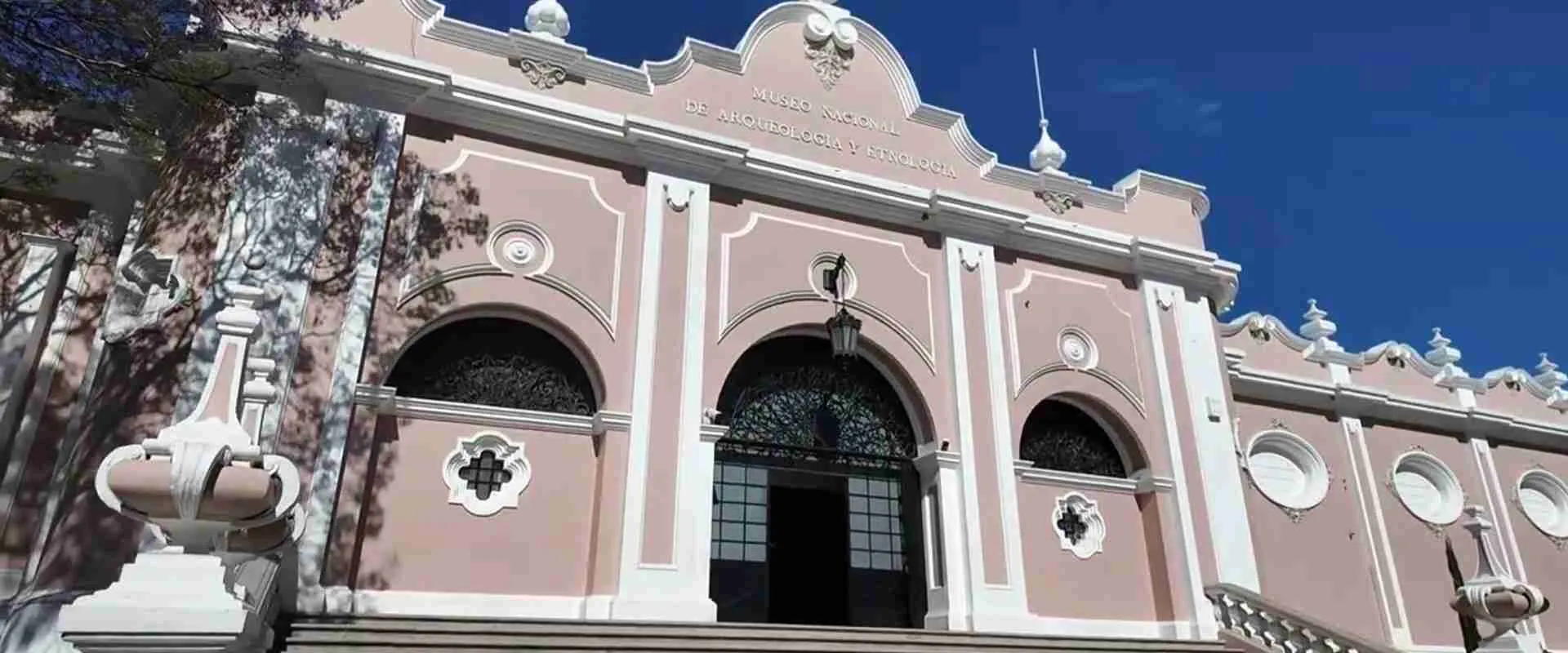
The National Museum of Archaeology and Ethnology operates from Salón No. 5, Finca La Aurora in Zone 13 near the airport. This somewhat remote location requires dedicated taxi journey ($8-12 from Zone 10) but the museum’s exceptional collections justify the travel investment for serious archaeology enthusiasts. The museum shares grounds with several other cultural institutions creating a museum district worth extended exploration.
Museo Ixchel del Traje Indígena sits adjacent to Museo Popol Vuh on the same university campus at 6a Calle Final, Zona 10. Visitors can tour both museums in single visit, maximizing efficiency of travel to the campus location. The combined visit requires 3-4 hours total allowing comprehensive coverage of both colonial/pre-Columbian (Popol Vuh) and contemporary indigenous (Ixchel) cultural expressions.
Admission Costs for 2026
Museum admission planning requires understanding the cost structure across institutions and identifying potential savings through combined visits or special rates. Museo Popol Vuh charges $6-8 for international adult visitors in 2026, with students paying $4-5 (valid student ID required) and children under 12 admitted free when accompanied by adults. Check museo.popolvuh.ufm.edu for current official rates as pricing may vary.
Jade Museum admission costs $8-10 per adult and includes access to all exhibition galleries, jade workshop demonstrations, and brief documentary film about Maya jade culture. Student rates ($5-6) and child admission ($3-4 for ages 6-12, under 6 free) reduce costs for families and young travelers. The museum offers photography permits for $3 additional fee – general photography is allowed without commercial use restriction.
National Museum of Archaeology charges $5-7 per person for foreigners, with Guatemalan citizens paying reduced local rates. The museum maintains government-subsidized pricing making it Guatemala City’s most affordable major museum. Students with international student cards receive 30% discount. Sunday admission sometimes includes special rates or promotions – check museum notices for weekly offerings.
Museo Ixchel costs $5-7 per adult with discounted rates for students ($3-4) and seniors ($4-5). The museum occasionally offers combined tickets with Museo Popol Vuh for slight savings ($10-12 for both museums versus $11-15 separately) – inquire at ticket desks about current package availability. Both museums accept cash (quetzales preferred) and credit cards at admission counters.
Additional costs beyond admission include guided tour services ($15-25 per person for private English-language tours at major museums), audio guide rentals where available ($3-5), photography permits at some institutions ($2-5), and museum shop purchases of books, reproductions, and cultural products. Budget $25-40 per person for comprehensive museum day including admission to 2-3 institutions, one guided tour, and modest gift shop purchases.
Museo Popol Vuh 2026 Guide
Collections and Highlights
Museo Popol Vuh houses Guatemala’s finest collection of colonial religious art alongside exceptional Pre-Columbian ceramics, making it essential destination for visitors seeking comprehensive cultural understanding. The museum divides into distinct thematic galleries presenting chronological and cultural progression from ancient Maya civilization through Spanish colonial period to early republican era.
The Pre-Columbian collection emphasizes Maya ceramics from the Classic and Post-Classic periods (250-1500 CE), featuring polychrome vessels, burial urns, figurines, and utilitarian pottery from major archaeological sites including Tikal, Uaxactún, and highland locations. Gallery displays organize ceramics by region and time period, allowing visitors to trace stylistic evolution and technological development across Maya civilization’s millennium of pottery production. Painted vessels depicting mythological scenes, court ceremonies, and daily life provide windows into ancient Maya culture documented through artistic expression.
Colonial religious art represents the museum’s crown achievement, encompassing three centuries of Guatemalan ecclesiastical painting, sculpture, and decorative arts. Gallery walls showcase oil paintings by colonial masters depicting religious narratives, saints, and theological concepts in Spanish baroque and mestizo styles. Painted wooden sculptures (santos) demonstrate artistic fusion of European sculptural traditions with indigenous aesthetic sensibilities creating distinctly Guatemalan religious art.
Ceremonial silver objects including processional crosses, chalices, monstrances, and reliquaries illustrate the wealth concentrated in colonial religious institutions. These pieces demonstrate sophisticated metalworking techniques and artistic achievement within Guatemala’s colonial economy. Accompanying interpretive materials explain religious significance, artistic conventions, and historical context enriching viewer appreciation beyond aesthetic appreciation alone.
The museum’s namesake Popol Vuh manuscript exhibition provides introduction to Maya creation mythology through facsimile reproduction and interpretation panels. The original Popol Vuh, composed in K’iche’ Maya language during early colonial period, recounts Maya cosmology, divine genealogies, and hero twins mythology. While the original manuscript resides elsewhere, the museum’s educational presentation makes this foundational text accessible to visitors unfamiliar with Maya literature.
Visit Planning for 2026
Optimal visiting strategy for Museo Popol Vuh begins with morning arrival (9-10 AM) when galleries remain uncrowded and natural light enhances viewing conditions. The museum opens Monday-Friday 9 AM-5 PM, Saturday 9 AM-1 PM, closed Sunday and major holidays. Arrive early in operating hours to maximize private viewing time before tour groups arrive mid-morning.
Gallery progression follows logical cultural chronology beginning with Pre-Columbian ceramics, advancing through Popol Vuh mythology interpretation, then colonial religious art, concluding with republican period objects. This sequence builds understanding of cultural continuity and transformation across Guatemala’s complex history. Allow 90-120 minutes for self-guided tour providing adequate time to read interpretive labels, study artwork details, and absorb cultural context.
English-language interpretation varies by gallery with most label text provided in Spanish. International visitors benefit from hiring museum docent for guided tour ($20-25 per person, arranged at admission desk) delivering comprehensive interpretation, pointing out masterpiece highlights, and answering questions about collections. Alternatively, pre-visit research using museum website and guidebooks prepares independent visitors for meaningful self-guided exploration.
Photography is permitted throughout galleries without flash or tripods. The museum’s climate-controlled interior provides excellent lighting for photographing colonial paintings and ceramic vessels. Respect photography restrictions on special exhibitions when posted. Museum staff monitor galleries ensuring visitor compliance with preservation protocols and security requirements.
The museum shop adjacent to galleries sells quality reproductions, scholarly books about Maya and colonial art, postcards, and cultural products. Budget 15-20 minutes for shop browsing if interested in acquiring art history references or gift items. Prices range $5-50 for most items with scholarly publications costing more. University campus setting provides peaceful environment with gardens, cafeteria, and bookstore worth exploring after museum visit.
Admission and Hours 2026
Museo Popol Vuh operates Monday-Friday 9 AM-5 PM, Saturday 9 AM-1 PM, closed Sunday, closed major Guatemalan holidays including January 1, Holy Thursday, Good Friday, May 1, June 30, September 15, October 20, November 1, December 24-25, December 31. Plan visits Tuesday-Friday for maximum schedule flexibility avoiding both Monday closures common at other museums and Saturday’s reduced hours.
Admission tickets purchased at museum entrance desk accept cash (quetzales preferred, dollars accepted at current exchange rate) and credit cards. Standard adult admission costs $6-8, students with valid ID pay $4-5, children under 12 enter free with adult. Group rates (10+ visitors) sometimes receive 10-15% discount – inquire when purchasing tickets for large parties. Annual memberships ($40-60) provide unlimited visits, special exhibition access, and gift shop discounts for frequent visitors or Guatemala City residents.
Special exhibitions periodically supplement permanent collections, featuring loaned works from international museums, private collections, or thematic presentations of Guatemalan cultural heritage. These temporary exhibitions may carry additional admission surcharge ($2-4) beyond standard entry fee. Check museum website or social media for current exhibition schedules and special programming including lectures, workshops, and cultural events enhancing regular museum visit experiences.
Jade Museum (Museo del Jade) 2026 Guide
Exhibits and Significance
Guatemala’s Jade Museum presents the world’s most comprehensive exhibition dedicated to Mesoamerican jade, exploring this precious stone’s mineralogical properties, archaeological significance, and contemporary cultural importance. The museum occupies beautifully renovated colonial building in Zone 1, providing modern exhibition spaces, workshop areas, and educational facilities that transform jade appreciation from superficial gemstone admiration to deep cultural understanding.
Exhibition galleries organize jade collections by theme and chronology, beginning with geological formation and mineralogical characteristics of jadeite, the rare green stone prized throughout Mesoamerican history. Interactive displays explain jade’s formation process, distribution in Guatemala’s Motagua River valley, and physical properties that made it technologically challenging yet culturally essential for ancient Maya civilization.
Archaeological jade artifacts represent the museum’s core collection, featuring carved pendants, ear flares, masks, and ceremonial objects spanning Maya civilization’s 2,000-year jade-working tradition. Gallery displays present pieces from major sites including Tikal, Calakmul, Palenque, and highland locations, demonstrating stylistic variation across regions and time periods. Masterpiece highlights include intricately carved pendants depicting rulers, gods, and mythological narratives executed with remarkable technical precision using only stone tools and abrasive techniques.
Royal burial jade assemblages illustrate jade’s role in elite Maya ideology and mortuary practices. Funeral masks reconstructed from jade mosaic pieces, massive jade pectorals, and ornate bead necklaces demonstrate the wealth and artistic investment concentrated in royal burials. Interpretation explains jade’s symbolic associations with water, fertility, life force, and the axis mundi connecting earthly and supernatural realms in Maya cosmology.
Contemporary jade artisanship receives equal exhibition emphasis through displays of modern carved pieces and workshop demonstrations. Master jade carvers work in visible studios using traditional techniques and modern tools, demonstrating the continuation of ancient craft traditions into present day. Visitors observe carvers transforming rough jade into polished jewelry, sculptures, and decorative objects, connecting ancient and contemporary jade cultural significance.
Visit Planning for 2026
Jade Museum visits optimally combine exhibition viewing with live carving demonstrations occurring daily during museum hours. Plan 75-90 minute visits allowing adequate time to tour permanent galleries, watch artisan demonstrations, view documentary film (20 minutes, English subtitles available), and browse the extensive museum shop offering Guatemala’s finest jade jewelry and art objects.
Begin museum visits in first-floor galleries covering jade geology, Maya civilization context, and ancient jade carving techniques. These foundational galleries establish understanding of jade’s cultural significance before ascending to upper floors displaying archaeological artifacts and royal burial assemblages. Chronological progression through galleries builds knowledge systematically from geological formation through contemporary artisanship.
Carving workshops operate throughout museum hours with artisans demonstrating traditional sawing, grinding, drilling, and polishing techniques using modern adaptations of ancient methods. Workshop viewing areas allow close observation of work in progress and interaction with artisans answering questions about techniques, materials, and contemporary jade craft. These demonstrations provide dynamic cultural experiences distinguishing the Jade Museum from static archaeological exhibitions.
English-language interpretation throughout galleries includes detailed label text, comprehensive exhibition guides available at admission desk (free), and multimedia presentations with subtitle options. The museum’s modern design emphasizes accessibility and educational clarity making self-guided visits effective for international visitors. Optional guided tours ($15-20 per person) provide deeper expertise and facilitate questions about specialized jade topics.
The museum shop represents Central America’s premier source for authentic jade jewelry and art, offering pieces ranging from simple pendants ($30-100) to museum-quality carved sculptures ($500-5000+). All jade is certified Guatemalan jadeite with documentation of origin. Purchases support both the museum’s educational mission and contemporary Maya artisan communities continuing ancient craft traditions. Budget time for shop exploration as selection exceeds typical museum gift shop offerings.
Practical Information for 2026
The Jade Museum operates Monday-Saturday 9 AM-5 PM, Sunday 10 AM-2 PM, closed major holidays. Zone 1 location at 10 Calle 9-60 provides central access near National Palace, Metropolitan Cathedral, and other historic center attractions. Taxis or Uber from Zone 10 hotels cost $4-7 requiring 15-20 minutes travel time depending on traffic conditions. Street parking is limited – taxis drop off directly at museum entrance.
Museum admission costs $8-10 for adults, $5-6 for students (valid ID required), $3-4 for children ages 6-12 (under 6 free). Check jademuseum.org for current official rates as pricing may vary. Photography throughout galleries is permitted without flash or tripods. Special photography permits for professional or commercial photography cost $5 beyond standard admission.
Museum facilities include climate-controlled galleries protecting sensitive artifacts, clean restrooms, small cafe offering drinks and snacks, gift shop accepting credit cards and cash (dollars and quetzales), and coat check for bags and backpacks. The colonial building maintains architectural character while incorporating modern amenities supporting comfortable extended visits. Security staff monitor galleries ensuring artifact protection and visitor safety.
Accessibility features include elevator access to upper floors for visitors with mobility limitations, though the colonial building’s historic character presents some architectural barriers. Museum staff assist visitors requiring special accommodations – contact museum in advance to arrange specific accessibility needs. Audio guide devices are not currently available, though museum plans future implementation of smartphone-based guide application.
National Museum of Archaeology 2026 Guide
Collections Overview
The National Museum of Archaeology and Ethnology (Museo Nacional de Arqueología y Etnología) houses Guatemala’s most extensive archaeological collections, presenting artifacts from every major Maya site and covering the civilization’s entire chronological span from Preclassic period through Spanish conquest. The museum serves as essential destination for serious students of Maya archaeology seeking comprehensive artifact exposure beyond what individual site museums can provide.
Exhibition galleries organize chronologically and geographically, beginning with Preclassic period (2000 BCE-250 CE) materials from Pacific Coast and highland sites. Display cases present early pottery, jade ornaments, obsidian tools, and monumental sculpture fragments documenting Maya civilization’s formative centuries. Interpretive materials explain agricultural development, ceramic evolution, and early architectural achievements establishing foundations for Classic period florescence.
Classic period galleries (250-900 CE) showcase artifacts from Tikal, Guatemala’s most significant archaeological site. Monumental stone stelae, altars, and architectural elements removed from Tikal during early 20th century excavations dominate gallery spaces. Jade jewelry, carved bone, obsidian tools, polychrome ceramics, and stucco architectural decorations provide intimate glimpses of Classic Maya court life, religious practice, and artistic achievement during the civilization’s peak centuries.
Postclassic period materials (900-1524 CE) from highland and Pacific Coast sites document Maya civilization’s transformation following Classic period collapse. Artifacts demonstrate continuing artistic traditions, trade networks, and cultural vitality despite political fragmentation. Interpretive materials explain how Maya people maintained cultural identity through centuries preceding Spanish contact, countering narratives of civilizational “collapse.”
Ethnographic collections complement archaeological materials by presenting contemporary Maya cultural practices, textiles, ceremonial objects, and agricultural technologies demonstrating cultural continuity from ancient through modern times. These ethnographic displays contextualize archaeological interpretations by showing living Maya communities maintaining traditions rooted in ancestral practices, making museum visits relevant to understanding contemporary Guatemala beyond historical focus alone.
Visit Planning for 2026
National Archaeology Museum visits require 2-2.5 hours for thorough gallery exploration given the extensive artifact collections and geographic scope covered. Optimal strategy begins with early morning arrival (9-10 AM) when galleries remain relatively quiet and morning light enhances viewing conditions through the building’s numerous windows. The museum opens Tuesday-Sunday 9 AM-4 PM, closed Monday, national holidays.
Gallery progression follows chronological sequence from Preclassic through Colonial periods, building understanding of Maya cultural development systematically. Resist temptation to rush through early galleries – Preclassic materials establish technological and artistic foundations essential for appreciating later Classic period achievements. Allow approximately 30 minutes per major chronological period (Preclassic, Classic, Postclassic) plus additional time for special thematic galleries covering jade, textiles, or other focused topics.
English-language interpretation varies throughout galleries with some label text provided in Spanish only. Guidebooks available at entrance desk ($8-12) provide English translations of major artifact descriptions and historical context. Audio guides are not offered, making Spanish reading ability or guidebook purchase important for international visitors seeking comprehensive understanding. Alternatively, hire museum-authorized guides ($20-30 per person) offering English-language tours explaining collections and answering archaeology questions.
Photography is permitted throughout galleries without flash or tripods. Natural lighting in many gallery spaces facilitates good documentation of major pieces, though some interior galleries present lighting challenges. Respect any photography restrictions posted near specific objects or temporary exhibitions. Museum management balances visitor photography interests with artifact preservation requirements and occasionally restricts photography based on conservation concerns.
The museum’s Zone 13 location near the airport makes it suitable for final-day visits before departure flights or first-day arrivals after morning flight landings. The setting within Finca La Aurora museum district provides pleasant grounds for walking between buildings and accessing outdoor sculpture displays. Adjacent museums include the Museum of Modern Art and Natural History Museum – budget additional time if interested in exploring multiple institutions within the museum district.
Admission Details for 2026
National Museum of Archaeology admission costs $5-7 for international visitors, making it Guatemala City’s most affordable major museum. Guatemalan citizens pay reduced local rates ($1-2). Students with valid international student ID receive 30% discount ($3-5), seniors may receive similar reductions. Children under 12 enter free when accompanied by adults. Check museo-arqueologia.org for current official rates as pricing may vary.
Museum hours run Tuesday-Sunday 9 AM-4 PM, closed Monday and major national holidays including January 1, Holy Thursday, Good Friday, September 15, October 20, December 25. Sunday hours attract local families creating more crowded conditions – visit Tuesday-Saturday for optimal viewing circumstances. Last admission occurs at 3:30 PM allowing 30 minutes before closing time, though arriving earlier provides adequate exploration time.
Admission tickets purchase at museum entrance desk accepts cash (quetzales strongly preferred, limited dollar acceptance) and credit cards. The museum maintains government-operated status resulting in occasional cash-only days when card systems malfunction – carry sufficient quetzales as backup payment method. No ATMs operate on museum grounds requiring cash withdrawal before arrival from Zone 10 or airport ATMs.
Additional Museums Worth Visiting 2026
Museo Ixchel del Traje Indígena
Museo Ixchel specializes in Guatemala’s renowned indigenous textile traditions, presenting comprehensive exhibitions of regional weaving styles, historical costume collections, and contemporary textile art. Located adjacent to Museo Popol Vuh on the same university campus, Ixchel provides natural complement to Popol Vuh’s historical focus by celebrating living Maya cultural expressions through textile production.
Exhibition galleries organize geographically by Guatemala’s diverse indigenous regions, displaying traditional costumes (traje) from highland communities, coastal areas, and distinct linguistic groups. Each regional display includes men’s and women’s costumes, weaving samples, tools, and interpretation explaining symbolic patterns, production techniques, and community identity expressed through clothing choices. Photography of textiles provides colorful documentation of Guatemala’s visual cultural diversity.
Live weaving demonstrations occur daily in museum workshop spaces where indigenous weavers use backstrap looms producing traditional textiles. These demonstrations illustrate weaving techniques, pattern complexity, and time investment required for creating Guatemala’s intricate textiles. Visitors can speak with weavers (Spanish language ability helpful) learning about contemporary textile production, market challenges, and cultural significance maintaining weaving traditions.
Museum admission costs $5-7 per person, hours Tuesday-Saturday 9 AM-5 PM, closed Sunday-Monday. Combined visits with Museo Popol Vuh create comprehensive cultural afternoon exploring both historical and contemporary dimensions of Guatemalan cultural heritage. Budget 75-90 minutes for thorough Ixchel gallery tour plus weaving demonstration viewing.
Museum of Modern Art (Museo de Arte Moderno)
The Museum of Modern Art occupies space in the Zone 13 museum district near the National Museum of Archaeology, presenting rotating exhibitions of 20th and 21st century Guatemalan artists. Collections include paintings, sculptures, installations, and multimedia works documenting Guatemala’s modern artistic development from early 20th century academic painting through contemporary conceptual practices.
Exhibition quality varies depending on current shows, with some periods presenting significant survey exhibitions of major Guatemalan artists while other times displaying emerging artists or thematic group shows. The museum provides valuable perspective on Guatemala’s contemporary cultural production beyond the historical and archaeological focus dominating other major museums. Art enthusiasts interested in Latin American modernism find the collection worthwhile though not essential for visitors with limited time prioritizing archaeological and colonial heritage.
Admission costs $3-5 per person with similar hours to the Archaeology Museum. Combined visits exploring both museums in the museum district create comprehensive cultural afternoon requiring 3-4 hours total. The modern art emphasis provides welcome aesthetic diversity after extensive ancient artifact viewing.
Planning Your Museum Visits for 2026
Suggested Itineraries
Half-day museum itinerary focusing on colonial and Pre-Columbian heritage centers on Museo Popol Vuh and Museo Ixchel, both located on the same university campus in Zone 10. Depart hotel 9 AM, taxi to university ($3-5), begin at Popol Vuh galleries 9:30 AM-11:00 AM covering colonial religious art and Pre-Columbian ceramics. Cross campus to Museo Ixchel 11:15 AM-12:30 PM exploring textile exhibitions and watching weaving demonstrations. Campus cafeteria provides lunch option, or return to Zone 10 restaurants. This itinerary provides comprehensive cultural exposure in compact timeframe suitable for travelers combining museum visits with other Guatemala City activities.
Full-day comprehensive museum itinerary adds Jade Museum and archaeology focus to half-day textile and colonial emphasis. Begin Zone 10 university museums 9 AM-12 PM as described above. Taxi to Jade Museum in Zone 1 12:30 PM (15-20 minutes), lunch at Zone 1 restaurant near National Palace ($8-15). Jade Museum visit 2 PM-3:30 PM including carving demonstrations and shop browsing. Option to extend day with National Museum of Archaeology in Zone 13 if energy and interest remain – this addition extends itinerary to 7-8 hours total museum time suitable only for dedicated archaeology enthusiasts.
Specialized jade and archaeology itinerary serves serious students of Maya civilization prioritizing artifact exposure over colonial art. Begin Jade Museum Zone 1 location 9 AM-10:30 AM for early carving demonstration viewing and uncrowded gallery access. Taxi to National Museum of Archaeology Zone 13 11 AM (20 minutes), thorough gallery exploration 11:30 AM-2 PM covering all chronological periods. Lunch at airport area restaurant, afternoon return to Zone 10 or depart for afternoon activities. This itinerary maximizes Maya archaeological content while skipping colonial religious art focus of Popol Vuh.
Timing Strategies
Optimal museum visiting days are Tuesday-Thursday when most institutions maintain full hours and weekend crowds have dispersed. Friday visits work well though some museums reduce hours approaching weekend schedule changes. Saturday presents mixed conditions – several museums operate half-day only (closing 12-1 PM) while others maintain full hours. Sunday access remains most limited with several major museums closed and others operating reduced schedules.
Daily timing emphasizes morning arrivals (9-10 AM) at any museum providing quiet viewing conditions before tour groups and school visits arrive mid-morning. Afternoon visits (2-4 PM) encounter more crowds but still provide adequate viewing quality. Avoid arriving within one hour of closing time as rushed viewing fails to provide meaningful cultural engagement with complex collections requiring contemplation time.
Seasonal considerations affect museum visiting primarily during December-January holiday periods when both international tourists and Guatemalan families increase museum attendance. Museums near Semana Santa (Easter week – varies March/April) experience capacity crowds and extended hours accommodating holiday visitors. Rainy season (May-October) creates optimal museum visiting conditions as afternoon showers drive visitors indoors while dry season outdoor attractions compete for tourist attention.
Budget Planning for 2026 Museum Visits
Cost Breakdown
Comprehensive museum day visiting three major institutions creates following cost structure: Museo Popol Vuh admission $6-8, Jade Museum $8-10, National Museum of Archaeology $5-7, total admission costs $19-25 per person. Add optional guided tour at one museum ($20-25), museum shop purchases ($20-50 depending on shopping interest), and transportation between museums ($10-15 total via taxis) for comprehensive daily budget of $69-115 per person excluding meals.
Transportation costs between museum locations vary by strategy. Walking between Popol Vuh and Ixchel (same campus) costs nothing. Taxi Zone 10 hotels to university museums runs $3-5 one-way. Zone 10 to Zone 1 Jade Museum costs $4-7 via taxi or Uber. Zone 1 to Zone 13 Archaeology Museum requires $8-12 taxi fare. Round-trip transportation visiting all three major museum areas totals $15-25 depending on route optimization and return timing to hotels.
Meal planning adds variable costs depending on dining choices. Campus cafeteria lunch near Popol Vuh/Ixchel costs $5-8 for basic traditional plates. Zone 1 restaurants near Jade Museum charge $8-15 for lunch in tourist-oriented establishments. Quick snacks at museum cafes (drinks, pastries) cost $3-6. Budget $15-25 per person for lunch and snacks during full-day museum itinerary.
Money-Saving Tips
Student discounts provide significant savings for qualifying visitors carrying valid student ID (international student cards work at most museums). Typical 30-50% reductions on admission costs yield $8-12 savings across three-museum visit. Senior discounts (age 60+) offer similar reductions at some institutions – inquire at ticket desks about age-based pricing.
Combined university campus visit to both Popol Vuh and Ixchel eliminates redundant transportation costs by visiting both museums in single trip. Some periods offer combined admission tickets at reduced rates ($10-12 for both museums versus $11-15 separately) – ask at first museum ticket desk about multi-museum pricing. Campus location allows free parking or single taxi fare accessing both institutions.
Timing visits for weekday mornings avoids paid guided tour necessity as uncrowded galleries enable leisurely self-guided exploration with adequate interpretation from label text and museum guidebooks ($8-12 one-time purchase usable at multiple museums). Weekend crowds and tour group presence make paid guides more valuable for securing interpretation and navigating busy galleries.
Free photography throughout most museums eliminates digital photography fees common at some international heritage sites. Bring smartphone or camera for documenting collections, taking artifact photos for later research, and sharing cultural experiences via social media. Museum shops offer postcards ($0.50-1) as inexpensive souvenirs versus more costly reproductions or books.
Sample 2026 Museum Day Itinerary
Optimal comprehensive museum day begins with 9:00 AM departure from Zone 10 hotel via taxi to Universidad Francisco Marroquín campus ($3-5). Arrive Museo Popol Vuh 9:15 AM purchasing admission ticket ($6-8) at entrance desk. Explore Pre-Columbian ceramic galleries 9:30-10:15 AM studying Maya pottery evolution and artistic achievements. Colonial religious art galleries 10:15-11:00 AM appreciating baroque paintings, santos sculptures, and ceremonial silver. Brief museum shop visit 11:00-11:15 AM browsing art history books and cultural reproductions.
Cross campus to Museo Ixchel 11:20 AM purchasing admission ($5-7). Textile exhibition galleries 11:30 AM-12:15 PM exploring regional costume variations and weaving techniques. Watch live weaving demonstration 12:15-12:40 PM observing backstrap loom operation and speaking with indigenous weaver about textile traditions. Campus cafeteria lunch 12:45-1:30 PM ($6-9) or taxi to nearby Zone 10 restaurant for extended meal break.
Taxi from Zone 10 to Jade Museum Zone 1 location 1:45 PM ($5-7, 15-20 minutes transit). Jade Museum admission 2:15 PM ($8-10), first floor geological and archaeological galleries 2:30-3:15 PM learning jade mineralogy and ancient carving techniques. Upper floor royal burial assemblages and carved masterpieces 3:15-3:50 PM appreciating finest examples of Maya jade artisanship. Watch carving workshop demonstration 3:50-4:15 PM observing contemporary jade artists continuing ancient traditions. Museum shop 4:15-4:45 PM browsing certified Guatemalan jade jewelry ($30-500+) and selecting souvenirs. Taxi return to Zone 10 hotel 5:00 PM ($5-7).
Total day costs: Popol Vuh admission $7, Ixchel admission $6, Jade Museum admission $9, campus cafeteria lunch $8, snacks $5, museum shop purchases $35, transportation $20. Daily total: $90 per person excluding accommodation, providing comprehensive cultural immersion covering Pre-Columbian, colonial, and contemporary Guatemalan heritage through three premier museum institutions.
Booking and Practical Tips for 2026
Museum admission requires no advance booking for individual visitors. Purchase tickets at entrance desk upon arrival using cash (quetzales preferred) or credit card at most major museums. Large groups (15+ visitors) should contact museums in advance to arrange group tickets, potential discounts, and coordinate timing to avoid conflicting with other group visits. School groups and tour groups book specific time slots reducing public gallery crowding during their reserved periods.
Guided tour arrangements work differently by institution. Museo Popol Vuh and Jade Museum offer staff guides bookable at admission desk if available (first-come basis) or arranged in advance via museum contact phone/email. National Museum of Archaeology maintains list of authorized independent guides working with the museum – contact museum office to request guide contact information and arrange tours directly. Guide fees ($15-25 per person) typically pay separately from admission costs.
Photography throughout museums follows standard protocols: no flash photography (damages artifacts and disrupts other visitors), no tripods (obstructs gallery circulation), no touching of artifacts or display cases, respect any specific photography restrictions posted near sensitive objects or temporary exhibitions. Smartphone and camera photography for personal documentation and social media sharing is welcomed. Commercial or professional photography requires special permits arranged in advance with museum administration.
Accessibility varies significantly by institution. Museo Popol Vuh and Jade Museum offer elevator access, wheelchair-friendly galleries, and accessible restrooms. National Museum of Archaeology has limited accessibility due to older building infrastructure – stairs connect different gallery levels with minimal ramp access. Contact museums in advance regarding specific accessibility needs to determine appropriate visit strategies for visitors with mobility limitations.
Security at museums includes bag checks at entrance, coat check services for large bags and backpacks, guard presence in galleries, and camera monitoring in exhibition spaces. Carry minimal valuables – secure excess belongings at hotel rather than carrying unnecessary items requiring constant monitoring. Museums maintain safe environments with professional security staff ensuring visitor safety and artifact protection.
Language considerations emphasize Spanish dominance in label text at government-operated museums (National Museum of Archaeology), while private institutions (Popol Vuh, Jade Museum) provide more extensive English interpretation. Translation apps assist Spanish reading when encountering labels without English equivalents. Guidebooks purchased at museum shops provide English content usable during visits for deeper comprehension beyond label text alone.
FAQ About Guatemala City Museums 2026
Can I take photos in Guatemala City museums?
Photography is permitted in most Guatemala City museum galleries without flash or tripods. Museo Popol Vuh, Jade Museum, and Museo Ixchel allow personal photography throughout exhibitions for documentation and social media sharing. The National Museum of Archaeology permits photography with occasional restrictions on specific artifacts or temporary exhibitions. Some museums charge small photography permit fees ($2-5) beyond admission – inquire at ticket desk. Professional or commercial photography requires advance authorization and special permits.
Are Guatemala City museums safe for tourists?
Guatemala City’s major museums maintain safe, professionally managed environments with security staff, bag checks, and monitored access. Zone 10 museum area provides safe pedestrian environment for walking between Popol Vuh and Ixchel. Zone 1 Jade Museum location in historic center requires taxi transport rather than walking from tourist areas – taxis drop directly at museum entrance. Follow standard urban precautions: secure valuables, remain aware of surroundings, avoid displaying expensive equipment unnecessarily. Museum interiors present no safety concerns for international visitors.
Which museum is best for children?
The Jade Museum provides most child-friendly experience with live carving demonstrations, interactive geological displays, and relatively compact galleries preventing child fatigue. Workshops demonstrating actual jade work create engaging experiences holding children’s attention better than static archaeological displays. Museo Ixchel’s weaving demonstrations similarly engage children through active cultural practice observation. The National Museum of Archaeology’s extensive galleries and artifact-heavy presentations suit older children (10+) with archaeology interests rather than young children requiring more interactive engagement.
Do I need a guide or can I visit independently?
Independent visits work well for English-speaking visitors at museums offering bilingual interpretation (Popol Vuh, Jade Museum). Purchasing museum guidebooks ($8-12) at entrance desks supplements label text with deeper context. Spanish language ability enhances National Museum of Archaeology visits where interpretation skews toward Spanish. Guided tours ($15-25 per person) provide valuable expertise, answer specific questions, highlight masterpiece collections, and reveal details independent visitors might miss. First-time visitors to Guatemala museums benefit from at least one guided tour experience establishing context for subsequent independent museum visits.
How much time should I budget for museum visits?
Single museum visits require 1-2 hours depending on institution size and visitor interest level. Museo Popol Vuh and National Museum of Archaeology both need 1.5-2 hours for thorough coverage. Jade Museum visits span 1-1.5 hours including demonstrations. Museo Ixchel requires 1-1.5 hours. Combined university campus visit (Popol Vuh + Ixchel) needs 3-4 hours. Full-day comprehensive itinerary visiting three major museums plus transportation and meals requires 6-8 hours. Rushed visits shorter than recommended times sacrifice meaningful engagement with complex cultural materials.
Are museum shops worth visiting?
Museum shops vary significantly in quality and selection. The Jade Museum shop offers Guatemala’s finest jade jewelry and authentic pieces with quality certification justifying premium prices. Popol Vuh shop sells scholarly art history publications, quality reproductions, and cultural products worth browsing for serious collectors. National Museum of Archaeology shop maintains limited selection primarily postcards and basic souvenirs. Budget 15-30 minutes for shop browsing at Jade Museum and Popol Vuh if interested in cultural products, minimal time at other institutions.
Can I visit multiple museums with one ticket?
Guatemala City museums operate independently without city-wide combination tickets. However, Popol Vuh and Ixchel occasionally offer combined campus admission at slight discount since both museums occupy the same university campus. Inquire at first museum ticket desk about multi-museum pricing. No combination tickets exist spanning different museum locations (Zone 1, Zone 10, Zone 13). Budget individual admission costs for each institution visited.
Are there restaurants near the museums?
Universidad Francisco Marroquín campus (Popol Vuh, Ixchel location) maintains cafeteria serving breakfast and lunch ($5-9) with traditional Guatemalan plates and lighter options. Zone 10 area surrounding university offers numerous restaurant choices within 5-10 minute walk. Zone 1 Jade Museum area near National Palace has multiple tourist restaurants serving Guatemalan and international cuisine ($10-20 per meal). Zone 13 museum district near airport has limited dining with restaurant options concentrated near airport terminals ($12-18 per meal). Plan meal timing around museum locations to optimize dining choices and minimize transit time.
Do museums have WiFi?
WiFi availability varies by institution. Museo Popol Vuh provides free WiFi throughout university campus including museum galleries. Jade Museum offers WiFi access in public areas though signal strength varies in interior galleries. National Museum of Archaeology has limited or no public WiFi – plan to use cellular data if connectivity needed during visit. Most visitors find WiFi unnecessary during museum tours as focus remains on collections rather than connectivity. Download any necessary maps or information before museum visits to avoid connectivity dependence.
Are there lockers for bags and coats?
Major museums provide coat check or bag storage services free or minimal cost. Museo Popol Vuh and Jade Museum maintain secure bag check areas where visitors store backpacks, shopping bags, and excess belongings while touring galleries. Lockers or attended storage ensures belongings’ safety while you explore exhibitions. Museums prohibit large bags in galleries to prevent accidental artifact contact and maintain circulation space. Plan to check bags rather than carrying through museums – only bring essential items (wallet, phone, camera) into gallery spaces.