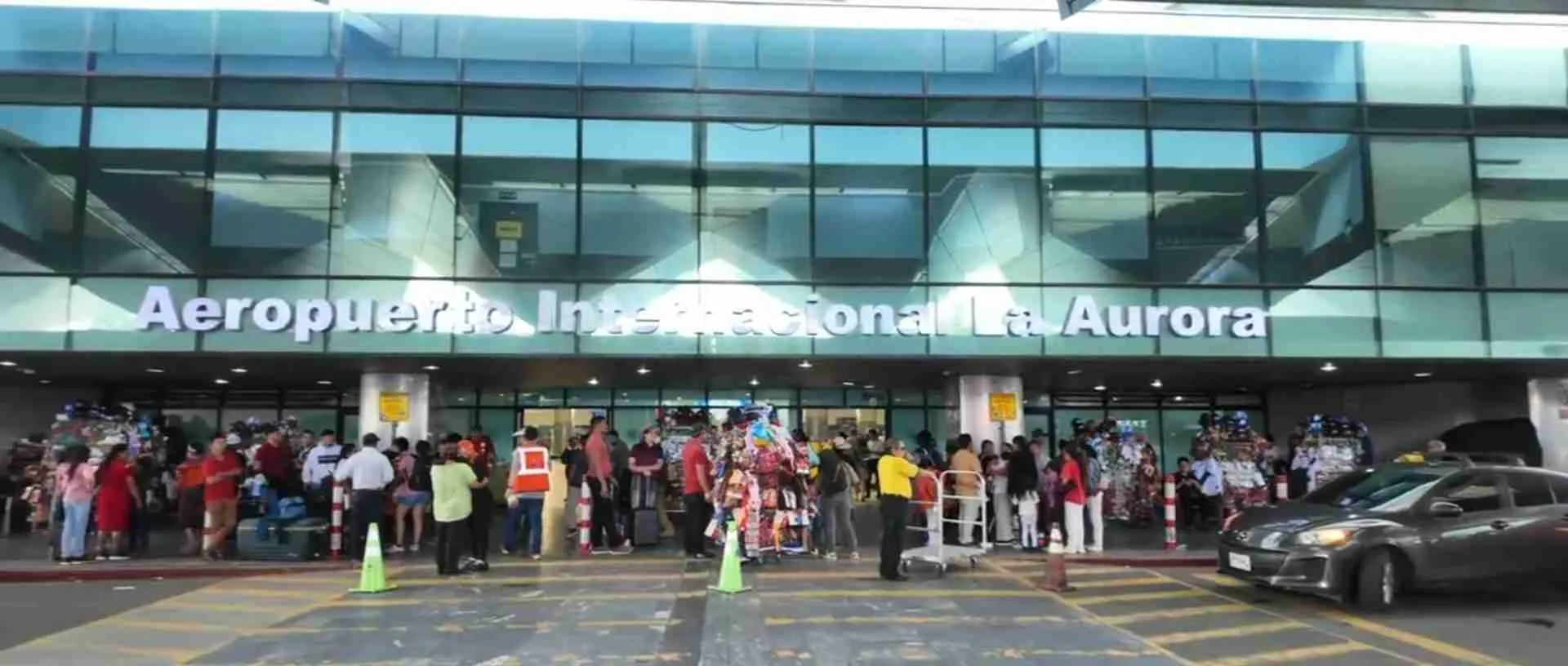
Guatemala City Airport Guide 2026: La Aurora International
Key Takeaways:
- La Aurora International Airport (GUA) operates as Central America’s busiest hub connecting Guatemala with major North American, European, and regional destinations through modern single-terminal facility
- Airport-city transportation includes official taxis ($15-20 fixed rates to Zone 10), authorized shuttles ($12-15), ride-sharing services ($10-15), and rental cars providing flexible options for all traveler preferences and budgets
- Immigration and security processing averages 30-45 minutes for arrivals, 45-60 minutes for departures during normal conditions with peak morning hours (5-9 AM) requiring additional time buffers
- Modern airport facilities offer free WiFi, duty-free shopping, diverse dining options, currency exchange, and comfortable lounges creating efficient transit experience for international travelers
Navigating La Aurora Airport in 2026
La Aurora International Airport (Aeropuerto Internacional La Aurora, code GUA) serves as Guatemala’s primary international gateway, processing over 6 million passengers annually through its modern terminal facility located 6 kilometers from Guatemala City’s downtown core. This comprehensive airport guide provides essential navigation information, transportation options, service details, and practical strategies for efficient arrival and departure experiences during your 2026 Guatemala visit.
The airport underwent significant modernization and expansion in recent years, replacing its former cramped conditions with spacious terminal areas, enhanced security systems, expanded commercial spaces, and improved passenger flow. These upgrades positioned La Aurora as Central America’s most efficient international hub, offering services and amenities comparable to major North American airports while maintaining the manageable scale that facilitates quick connections and streamlined processing.
Understanding airport layout, transportation logistics, service locations, and timing strategies is essential for stress-free travel through Guatemala City. Whether arriving on morning flights from Miami, connecting through to regional destinations, or departing on late-evening returns to North American cities, this guide ensures you navigate La Aurora with confidence, efficiency, and awareness of all available options for optimizing your airport experience.
People Also Ask About Guatemala City Airport 2026
How early should I arrive at Guatemala City Airport in 2026?
Arrive 3 hours before international flight departures to allow adequate time for check-in, security screening, and immigration processing. Morning departure flights (5-9 AM) experience peak congestion requiring the full 3-hour buffer, while midday and evening flights allow 2.5 hour arrival if traveling without checked baggage. Domestic flights within Guatemala require 90 minutes before departure. Premium cabin passengers and frequent flyers with expedited processing can reduce buffer times slightly, but maintaining conservative timing prevents stress from unexpected delays at security checkpoints or airline counters.
How much is a taxi from Guatemala City Airport in 2026?
Official airport taxis charge fixed rates of $15-20 to Zone 10 (Zona Viva hotel district), $12-15 to Zone 4, $20-25 to Zone 1 historic center, and $25-35 to Zone 13 areas. These fixed rates eliminate bargaining and provide transparent pricing. Authorized shuttle services cost $12-15 per person to major hotels. Uber and other ride-sharing services charge $10-15 to Zone 10 depending on demand pricing, often providing cost savings versus official taxis. Payment accepts cash (dollars or quetzales) and credit cards at most authorized services.
Does Guatemala City Airport have duty-free shopping in 2026?
La Aurora operates extensive duty-free shopping in the international departures area featuring spirits, tobacco, perfume, cosmetics, electronics, and local products including Guatemalan coffee, jade jewelry, textiles, and chocolate. Prices for international brands match standard duty-free rates competitive with other regional airports. Local product selections offer last-minute souvenir opportunities with quality coffee ($12-20 per pound) and authentic textiles ($20-100+). Shopping hours align with flight schedules, opening early morning through late evening covering all departure times. Credit cards and dollars widely accepted with competitive exchange rates for quetzale transactions.
Is there WiFi at Guatemala City Airport in 2026?
Free WiFi operates throughout the terminal with reasonable speeds suitable for email, web browsing, messaging apps, and social media. Access requires simple registration with email or phone number. Network capacity handles normal passenger loads though speeds may decrease during peak travel periods. Cellular service from major Guatemalan carriers (Tigo, Claro, Movistar) provides reliable backup connectivity throughout terminal areas. International roaming works for travelers maintaining home country mobile service. Premium lounges offer higher-speed dedicated WiFi networks for passengers with lounge access.
Extended multi-day tours – 5+ days
Featured Guatemala Multi-Day Tour Packages

3 days
Guatemala 3-Day Discovery Tour
- ✓ Comprehensive Guatemala experience
- ✓ Expert local guides included
- ✓ All accommodation included
- ✓ Transportation provided

5 days
Guatemala 5-Day Highlights Experience
- ✓ Comprehensive Guatemala experience
- ✓ Expert local guides included
- ✓ All accommodation included
- ✓ Transportation provided
7 days
Guatemala 7-Day Cultural Journey
- ✓ Comprehensive Guatemala experience
- ✓ Expert local guides included
- ✓ All accommodation included
- ✓ Transportation provided
10 days
Guatemala 10-Day Complete Adventure
- ✓ Comprehensive Guatemala experience
- ✓ Expert local guides included
- ✓ All accommodation included
- ✓ Transportation provided
Multi-day tour packages powered by TourRadar. Prices and availability subject to change.
Essential Airport Information for 2026
Terminal Layout and Facilities
La Aurora operates through single main terminal building divided into international and domestic sections with clear signage directing passengers between areas. International operations dominate terminal space serving flights from North America, Central America, Europe, and select South American cities. Domestic terminal handles limited internal Guatemalan routes primarily to Flores/Tikal and Caribbean coast destinations, operating from separate check-in counters and boarding gates.
Check-in area occupies the terminal’s upper level featuring airline counters organized alphabetically with clear overhead signage. Major carriers maintaining Guatemala operations include Avianca, Copa Airlines, United Airlines, American Airlines, Delta Air Lines, Iberia, and regional operators like TAG Airlines. Self-service kiosks for major airlines expedite check-in for passengers traveling without checked baggage or holding mobile boarding passes. Baggage drop counters adjacent to check-in areas process checked luggage after self-service check-in completion.
Security screening operates immediately after check-in with separate lanes for premium cabin passengers, frequent flyers, and general boarding. Modern screening equipment includes full-body scanners, advanced X-ray systems for carry-on luggage, and efficient processing protocols moving passengers quickly through mandatory security checks. Peak morning hours (5-9 AM) experience longest queues requiring 30-45 minutes for security completion, while afternoon and evening periods process passengers in 15-25 minutes.
Immigration processing occurs post-security for departing passengers and immediately upon landing for arrivals. Automated passport control kiosks for select nationalities expedite processing, while traditional staffed counters handle most passengers. Departure immigration typically requires 10-15 minutes during normal periods. Arrival immigration varies significantly by flight timing – morning arrivals from multiple North American flights create 45-60 minute processing times, while afternoon arrivals clear in 20-30 minutes.
Departure gates occupy the terminal’s central and eastern sections with numbered gates connecting to both jet bridges and ground-level boarding stairs depending on aircraft position. Gate areas include seating, charging stations, restrooms, and retail/dining options. Walking distance from security to furthest gates requires 10-15 minutes allowing adequate time for leisurely movement while maintaining awareness of boarding times and gate changes announced via terminal displays and airline apps.
Services Available in 2026
Currency exchange offices operate in both arrivals and departures areas converting major currencies to Guatemalan quetzales at competitive rates. Arrival area exchange desks provide convenient service for incoming passengers needing local currency before departing airport. ATMs throughout the terminal dispense quetzales using international bank cards at favorable exchange rates compared to currency exchange counters. Bring unlocked cards without foreign transaction fees for optimal cost efficiency.
Banking services beyond currency exchange include Banco Industrial and BAM branches in the terminal providing account services for Guatemalan residents and limited services for international travelers. These banks also operate ATM networks and can assist with money transfer arrangements if needed. Credit cards widely accepted throughout airport facilities for purchases at shops, restaurants, and transportation services.
Information desks in arrivals and departures areas staffed with English-speaking personnel provide directions, transportation assistance, hotel recommendations, and general traveler support. These desks maintain current knowledge of flight status, transportation options, and city attractions making them valuable resources for first-time Guatemala visitors seeking orientation assistance. Free printed maps and tourist information available at information desk locations.
Medical services operate through airport clinic providing basic medical attention, medication dispensing, and emergency response capabilities. The clinic handles common travel health issues including stomach complaints, minor injuries, and prescription refills. Contact airline staff or airport information desk if medical assistance becomes necessary during your airport time. Pharmacies in the terminal sell over-counter medications, first aid supplies, and basic health products.
Left luggage and baggage storage services operate for passengers needing temporary bag storage during Guatemala City layovers or day trips to Antigua while waiting for evening flights. Storage costs $5-10 per bag per day depending on size. Secure facilities maintain professional standards ensuring belongings safety during extended storage periods. Inquire at information desk for current storage location and operating hours.
Transportation from Airport for 2026
Taxi Services and Costs
Official airport taxis represent the most straightforward transportation option providing fixed-rate service to all Guatemala City zones and nearby destinations. Authorized taxi companies maintain counters in the arrivals area immediately after customs exit. Taxi agents quote fixed rates based on destination zone, collect payment in advance (cash or credit card), and assign passengers to waiting taxis in the organized taxi queue outside arrivals.
Standard fixed rates for 2026 include: Zone 10 (Zona Viva, major hotels) $15-20, Zone 4 (central bus terminals, some hotels) $12-15, Zone 1 (historic center, budget hotels) $20-25, Zone 13 (museum district) $25-35, Antigua Guatemala $40-50. These rates cover vehicle hire regardless of passenger count, making taxis economical for groups of 2-4 travelers splitting costs. Solo travelers pay full vehicle rate resulting in higher per-person costs compared to shared shuttle services.
Official taxi advantages include immediate availability without advance booking, fixed transparent pricing eliminating bargaining, professional drivers familiar with city navigation, newer vehicle fleet maintained to company standards, and company accountability if service issues arise. Radio dispatch systems allow airport tracking of assigned taxis ensuring passenger safety through recorded trip information and driver identification protocols.
Payment options at official taxi counters accept cash in both US dollars and Guatemalan quetzales with fair exchange rates. Credit cards work at major taxi company counters (Taxi Aeropuerto, Amarillo Express) though small surcharges (3-5%) may apply. Paying in quetzales obtained from airport ATMs provides best exchange value avoiding currency conversion markup. Tipping taxi drivers is customary though not mandatory – $2-3 or rounding up fare shows appreciation for professional service.
Shuttle Services
Authorized airport shuttle services provide shared-ride transportation to major Zone 10 hotels and other tourist accommodation at costs lower than private taxis. Shuttle companies maintain counters adjacent to official taxi services in the arrivals area. Agents collect passenger information (hotel name/address), confirm departure timing, and assign travelers to scheduled shuttle departures occurring every 30-60 minutes depending on passenger volume.
Shuttle service costs $12-15 per person to Zone 10 hotels, competitive with taxi rates when traveling solo but less economical for couples or groups who can split fixed taxi rates. Shuttle advantages include fixed per-person pricing regardless of group size, scheduled service eliminating wait anxiety, and opportunity to interact with fellow travelers during the 25-35 minute journey to hotel areas. Disadvantages include potential delays waiting for shuttle departure times and multiple hotel stops extending total journey duration.
Hotel-affiliated shuttle services operate for guests with advance reservations at major Zone 10 properties (Marriott, Westin Camino Real, InterContinental). These complimentary or nominal-cost shuttles ($5-10) require advance notification of flight arrival details during hotel booking. Shuttle drivers monitor flight status and adjust pickup timing for delayed arrivals. Contact hotels directly to confirm shuttle availability and reservation procedures before travel to access this cost-effective transport option.
Ride-Sharing Services 2026
Uber and other ride-sharing platforms operate at La Aurora Airport though with some usage complexity compared to traditional taxi services. Guatemala regulations restrict ride-sharing drivers from accessing official airport pickup areas, requiring passengers to walk to designated ride-share zones outside immediate terminal exit. This adds 5-10 minutes to departure process and requires familiarity with Spanish or clear English communication with drivers coordinating pickup locations.
Ride-sharing advantages include potentially lower costs ($10-15 to Zone 10) compared to official taxis, transparent app-based pricing showing estimated costs before confirming rides, cashless payment via app eliminating currency exchange needs, and driver ratings providing service quality feedback mechanisms. Disadvantages include pickup coordination challenges, potential language barriers with drivers, and occasional surge pricing during peak demand periods (early morning, evening rush hours) that can exceed official taxi fixed rates.
Optimal ride-sharing strategy involves requesting rides after clearing customs and collecting baggage, allowing driver time to navigate to pickup area while you move toward terminal exit. Communicate with driver via app messaging identifying your location by terminal exit gate numbers. Have patience for 10-15 minute wait as drivers circle to designated zones. Keep phone charged and data plan active for app functionality – airport WiFi works adequately though cellular data provides more reliable connectivity for real-time driver coordination.
Car Rental Options for 2026
Major international rental companies operate counters in the arrivals area including Avis, Budget, Hertz, Enterprise, Alamo, and local providers like Tabarini and Tally. Rental desk agents process reservations, vehicle assignments, insurance documentation, and payment before directing travelers to rental lot shuttle buses or walking to nearby parking structures where vehicles await pickup. Reserve vehicles in advance through company websites or travel booking platforms for guaranteed availability and optimal rates ($40-80 per day depending on vehicle class).
Rental car advantages include mobility freedom for exploring Guatemala beyond Guatemala City, flexibility for Antigua day trips or highland destinations, and cost efficiency for groups splitting rental and fuel costs over multiple days. Disadvantages include Guatemala City traffic navigation challenges, limited parking at hotels and tourist sites, security concerns about vehicle theft in some areas, and insurance complexity with mandatory local coverage supplements adding $15-25 per day to base rates.
Required documentation for car rental includes valid driver’s license (international driver’s permits recommended but not always mandatory), passport, credit card for security deposits ($500-1000 held during rental period), and printed reservation confirmation. Minimum rental age is 25 years at most companies, though some accept younger drivers (21-24) with surcharges. Review insurance requirements carefully – credit card coverage may not satisfy Guatemalan mandatory insurance requirements necessitating purchase of local policies.
Airport rental lot locations vary by company with some maintaining on-airport parking structures reached via 5-minute walk from terminal while others operate off-airport lots accessed via 5-10 minute shuttle bus ride. Departure procedures include vehicle inspection for pre-existing damage (photograph any dents or scratches for documentation), fuel policy understanding (full-to-full most common requiring return with full tank), and vehicle features familiarization before exiting lot into Guatemala City traffic.
Public Transport Connections
Public bus service connects the airport to Guatemala City’s central bus terminal (Zone 4) and various city zones via Transmetro system and local bus routes. This transportation option costs $0.25-0.50 per ride but presents significant challenges for international travelers including limited luggage space, security concerns in crowded buses, navigation complexity requiring Spanish language ability and local knowledge, and time investment (45-90 minutes to reach most destinations versus 20-30 minutes via taxi).
Budget backpackers comfortable with local transport and traveling light (carry-on only) can utilize public buses by exiting airport terminal, walking 10 minutes to main road outside airport grounds, and boarding city-bound buses displaying “Terminal” or specific zone destinations. Pay fare to driver or conductor in exact quetzales (bills larger than Q20 often not accepted). This option suits adventurous travelers prioritizing cultural immersion and extreme budget consciousness over comfort and convenience.
For most international visitors, public transport trade-offs (security risks, navigation difficulty, time investment, luggage challenges) outweigh the $15-20 savings compared to taxis or shuttles. The minimal cost difference between uncomfortable public bus journey and convenient taxi service makes taxis the recommended choice for airport transfers. Public transport remains viable for Guatemala City internal movement after reaching hotels and storing luggage, but proves impractical for airport-hotel transfers with baggage.
Check-in and Security for 2026
Check-in Procedures
International flight check-in opens 3 hours before departure for most airlines operating from La Aurora. Online check-in becomes available 24 hours before departure via airline websites or mobile apps, allowing selection of seats, verification of passport information, and generation of mobile boarding passes. Passengers with carry-on luggage only can proceed directly to security after online check-in, bypassing airline check-in counters entirely and saving 15-30 minutes.
Checked baggage requires visiting airline counters or self-service kiosks even with completed online check-in. Approach baggage drop counters (marked clearly near main check-in areas) with printed or mobile boarding pass, passport, and luggage prepared for weighing and tagging. Weight limits for checked bags vary by airline and fare class – economy typically allows 23kg (50 lbs) per bag, premium cabins 32kg (70 lbs), with charges for overweight baggage ranging $50-150 per excess bag depending on route and weight over limit.
Self-service check-in kiosks available for major airlines (United, American, Delta, Avianca, Copa) expedite process for passengers comfortable with touchscreen interfaces. Kiosks print boarding passes, allow seat changes, process frequent flyer program updates, and direct passengers to appropriate baggage drop areas if checking luggage. Staff assist passengers experiencing kiosk difficulties ensuring everyone completes check-in successfully regardless of technology comfort level.
Airline counter staff verify travel documents during check-in including passport validity (must be valid 6 months beyond travel dates for Guatemala entry), visa requirements for destination countries, and any additional documentation needed for specific routes. US and Canadian citizens entering Guatemala need only valid passport for tourism visits up to 90 days. European Union citizens travel visa-free. Other nationalities should verify Guatemala entry requirements through embassy websites before travel.
Security Screening Times
Security screening at La Aurora operates through centralized checkpoint processing all international departures. Modern screening equipment and efficient protocols move most passengers through security in 15-25 minutes during normal conditions. Morning peak hours (5-9 AM) when multiple North American flights depart simultaneously extend security wait times to 30-45 minutes requiring appropriate arrival time buffers to avoid missing flights due to unexpected queues.
Security procedures follow international standards including laptop and large electronics removal from carry-on bags into separate bins, liquid restrictions (100ml containers in clear quart bag), removal of shoes and belts, and full-body scanner screening or metal detector passage. Guatemalan security maintains professional standards with English-speaking staff available to assist international travelers navigating procedures. Cooperation with security officers and organized bag packing (liquids easily accessible, electronics separated) expedites screening process.
Premium cabin passengers and frequent flyer program elite members access expedited security lanes reducing wait times by 50-75% compared to general screening queues. These dedicated lanes provide significant time savings during peak periods when regular security queues extend 30+ minutes. Travelers qualifying for expedited screening should look for premium lane signage near security checkpoint entrance and present boarding pass showing eligible status.
Immigration Process
Departure immigration occurs post-security in designated immigration hall where officers verify passports, boarding passes, and occasionally ask basic travel questions (destination, purpose of visit, duration of stay in Guatemala). Officers stamp passports with exit stamps documenting legal departure from Guatemala. Departure immigration typically processes quickly (10-15 minutes) except during peak morning departures when multiple flights create temporary queues extending to 25-30 minutes.
Arrival immigration processing begins immediately after aircraft disembarkation with all international passengers directed to immigration hall. Officers verify passports, examine entry visas or visa-free entry eligibility, potentially ask questions about trip purpose and duration, and stamp passports with entry permission (typically 90 days for tourism). Processing time varies dramatically by arrival timing – morning arrivals when 3-5 North American flights land within one hour create 45-60 minute immigration queues, while afternoon single flight arrivals clear in 20-30 minutes.
Automated passport control kiosks for select nationalities expedite arrival processing by allowing passengers to scan passports, complete declaration forms electronically, and receive preliminary clearance before brief officer verification. These kiosks significantly reduce wait times for eligible travelers (primarily US, Canadian, EU passport holders). Look for kiosk signage in immigration area and follow on-screen instructions in English or Spanish. Even with kiosk use, expect final officer verification requiring passport stamp and brief interaction.
Airport Facilities and Services for 2026
Dining Options
La Aurora’s dining landscape includes diverse options spanning quick service, casual restaurants, and premium dining suitable for various meal times, budgets, and dietary preferences. International fast food chains maintain presence including McDonald’s, Burger King, and Subway offering familiar options for travelers seeking predictable meals. Local Guatemalan restaurant concepts serve traditional dishes including pepián, kaq’ik, tortillas with beans, and local breakfast plates providing authentic culinary experiences before departure.
Coffee shops including local Guatemalan coffee chains and international brands (Juan Valdez) operate throughout the terminal serving espresso drinks, pastries, and light snacks. Guatemala’s world-renowned coffee culture ensures excellent quality at airport cafes with prices ($3-6 per drink) comparable to North American airport coffee shops. Many coffee outlets sell packaged Guatemalan coffee for last-minute gift purchases combining food service and souvenir shopping.
Sit-down restaurants in the departures area provide comfortable table service for travelers with extended layovers or early arrivals preferring substantial meals before flights. Menu offerings range from international cuisine (pasta, sandwiches, salads) to Guatemalan specialties at prices ($12-25 per meal) aligned with typical airport restaurant costs worldwide. Alcohol service includes local beer (Gallo, Cabro), wine selections, and spirits suitable for pre-flight drinks within responsible consumption limits.
Dining costs at La Aurora align with international airport pricing norms – expect 30-50% premium over comparable Guatemala City restaurants. Budget-conscious travelers can reduce dining expenses by eating substantial meals at city restaurants before airport arrival, bringing snacks from city shops, or selecting quick service options over sit-down restaurants. Most flights departing Guatemala include meal or snack service reducing need for extensive airport dining.
Shopping and Duty-Free
Duty-free shopping occupies prime terminal real estate in the international departures area beyond immigration and security. Major duty-free operators (Attenza, Travel Retail) maintain extensive retail spaces selling spirits, tobacco, perfume, cosmetics, electronics, and accessories at tax-free prices. International brand selection compares favorably to other Central American airports with competitive pricing on standard duty-free items (premium spirits, fragrances, luxury cosmetics).
Local product specialists within duty-free area showcase Guatemalan cultural products including coffee, chocolate, jade jewelry, textiles, wood carvings, and handicrafts. These shops provide excellent last-minute souvenir opportunities for travelers who exhausted shopping time in Guatemala City or Antigua. Coffee prices ($12-20 per pound) for premium single-origin beans and chocolate costs ($10-25 for artisan bars) offer quality products with convenient airport purchase avoiding city shopping logistics.
Textile and handicraft shops sell authentic Guatemalan huipiles (traditional blouses), table runners, wall hangings, bags, and decorative items at prices ($20-150+) reflecting quality and artisan craftsmanship. These purchases support Guatemalan artisan communities while providing meaningful cultural souvenirs. Verify customs regulations for textile imports to destination countries – most allow reasonable personal-use quantities without restriction but commercial quantities may trigger duties.
Standard retail shops selling magazines, books, travel accessories, electronics, and convenience items operate alongside duty-free areas. Pricing for these non-duty-free items reflects typical airport premiums over city retail costs. Stock essential forgotten items (chargers, adapters, toiletries) if needed before departure though city shops offer better values for planned purchases. Credit cards widely accepted throughout shopping areas with competitive exchange rates for quetzale transactions.
Lounges and Amenities
La Aurora operates several airport lounges in the departures area providing comfortable refuge for premium passengers, frequent flyers, and travelers purchasing day passes. Copa Club lounge serves Copa Airlines business class passengers and Star Alliance Gold members with complimentary food buffet, bar service, WiFi, comfortable seating, workstations, and quiet environment away from busy terminal gates. Avianca Sala VIP provides similar amenities for Avianca business passengers and Star Alliance elite members.
Independent pay-per-use lounges accessible through Priority Pass, LoungeKey, or direct purchase ($35-45 per visit) offer lounge experience to economy passengers willing to invest in pre-flight comfort. Amenities include hot food buffets, beverage bars with alcohol, comfortable seating areas, power outlets, enhanced WiFi, and sometimes shower facilities. Multi-hour layovers or early morning arrivals before flight departures justify lounge access costs through meal value, workspace availability, and comfort enhancement.
Free terminal amenities available to all passengers include charging stations throughout gate areas, comfortable seating (though limited during peak periods), clean restrooms maintained regularly, natural lighting from large terminal windows, and climate-controlled environment year-round. Terminal walking circuits provide exercise opportunities during extended layovers. Outdoor observation areas allow airplane viewing though these spaces have limited terminal access requiring return through security if exiting to observation points.
Currency Exchange and Banking for 2026
Exchange Services
Currency exchange offices in both arrivals and departures areas provide convenient currency conversion services for travelers needing local currency or converting remaining quetzales before international departure. Multiple exchange providers compete for customer business creating moderately competitive rates though always less favorable than ATM withdrawals. Arrival passengers benefit from exchanging small amounts ($50-100) for immediate taxi fares and initial purchases before reaching city ATMs with superior exchange rates.
Exchange rates at airport kiosks typically reflect 3-5% markup over interbank rates – expect to receive Q7.50-7.70 per US dollar versus Q7.80-7.90 at optimal exchange rates. This markup represents convenience cost for immediate currency access without searching for city banks or ATMs. Compare rates between competing exchange offices as 0.10-0.20 quetzal per dollar variations exist between providers. Larger exchanges ($500+) justify rate shopping while small amounts ($50-100) matter less given minimal dollar difference.
Exchange offices accept major currencies including US dollars, Canadian dollars, Euros, British pounds, and some South American currencies. US dollars remain most widely accepted and offer best rates. Bring clean, undamaged bills as exchangers refuse torn, heavily worn, or marked currency. Large denomination bills ($50, $100) receive better rates than small bills ($1, $5, $10) in many cases. Request mix of bill denominations including smaller notes (Q20, Q50) suitable for taxi fares and small purchases.
ATM Locations
ATM machines operated by major Guatemalan banks (Banco Industrial, BAM, Banrural) throughout the terminal provide optimal currency exchange rates through direct bank withdrawals. ATMs dispense Guatemalan quetzales at exchange rates typically 2-3% better than currency exchange counters. International bank cards from Cirrus, Plus, Visa, and Mastercard networks work at Guatemala ATMs – verify your card operates on these networks before relying on ATM access.
ATM withdrawal limits typically cap at Q2,000-3,000 (approximately $250-375) per transaction with daily limits set by your home bank rather than Guatemalan ATMs. Multiple transactions within daily limit allow larger withdrawals if needed though transaction fees apply per withdrawal. Home bank foreign ATM fees ($3-5 per transaction) plus potential Guatemalan bank surcharges ($2-4) create total costs of $5-9 per ATM withdrawal – minimize fees by withdrawing larger amounts in fewer transactions rather than multiple small withdrawals.
ATM locations in both pre-security and post-security areas serve arriving and departing passengers. Arriving passengers find ATMs in baggage claim area before customs exit, ideal timing for obtaining local currency before exiting to transportation services. Departing passengers access ATMs throughout terminal though plan currency needs before clearing immigration as ATM access becomes more limited in departure gate areas. Keep receipts for ATM transactions documenting exchange rates and fees for expense tracking or tax purposes.
Transit and Connection Guide for 2026
Transfer Procedures
La Aurora serves as regional connection hub for passengers traveling between North America and Central American destinations via Copa Airlines, Avianca, and other carriers. Transit procedures vary by itinerary type with international-to-international connections following different protocols than international-to-domestic transfers. Understanding connection requirements prevents missing flights and ensures smooth transit experiences through Guatemala.
International-to-international connections (example: Miami to Guatemala City to San Salvador) typically keep passengers airside without Guatemala immigration processing if luggage checks through to final destination. Follow “transit” or “connections” signage after landing leading to airside transfer areas. Verify with first-flight airline that bags tag through to final destination – if bags require collection and re-check, you must clear Guatemala immigration and customs, collect bags, exit to departures area, and re-check bags with connecting airline.
International-to-domestic connections (example: Houston to Guatemala City to Flores/Tikal) require full Guatemala entry process including immigration, customs, baggage collection regardless of final domestic destination. After clearing customs with bags, proceed to domestic terminal check-in area for flight to Flores or other domestic destination. Allow minimum 3 hours for international-to-domestic connections given immigration processing time, baggage collection, and domestic terminal transfer requirements.
Minimum Connection Times
Minimum connection times (MCT) for different itinerary types provide guidance for booking feasible connections through La Aurora. Airlines establish MCTs considering immigration processing, baggage handling, and terminal navigation requirements. When booking connecting flights, respect these minimum times to avoid missed connections caused by inadequate transfer duration.
International-to-international connections same airline: 90 minutes minimum allowing for aircraft disembarkation, airside transit, and boarding next flight. Tight but feasible during normal operations with most connections occurring airside without immigration processing. Delays to first flight create risk of missing tight connections – booking 2-3 hour connections provides comfortable buffer.
International-to-international connections different airlines: 2 hours minimum accounting for potential need to collect and re-check bags if airlines lack interline agreements. Verify baggage check-through arrangements when booking – if bags cannot check through to final destination, allow 3 hours minimum for immigration clearance, customs, baggage collection, terminal navigation, second airline check-in, and security re-screening.
International-to-domestic connections: 3-4 hours minimum recognizing mandatory immigration and customs processing for Guatemala entry, baggage collection, transfer to domestic terminal, domestic check-in procedures, and domestic security screening. Morning international arrivals connecting to popular afternoon Flores flights need 3-hour minimum; evening connections allow comfortable 4+ hour layovers.
Overnight connections create special considerations – Guatemala City hotels near airport ($80-120 per night) provide convenient options for extended layovers requiring accommodation. Airport hotel shuttles operate for several properties offering package deals combining room and shuttle service. Book airport hotels directly for best rates and confirmed shuttle availability.
Budget Planning for Airport Costs 2026
Transportation Budget
Airport transportation represents significant cost component of Guatemala travel budgeting. Official taxi service from airport to Zone 10 hotels costs $15-20 covering 20-30 minute journey with fixed transparent pricing. Budget-conscious solo travelers find taxi rates expensive compared to accommodation and meal costs, making shared shuttles ($12-15 per person) or ride-sharing services ($10-15) more economical alternatives. Groups of 2-4 travelers splitting fixed taxi rates achieve per-person costs ($5-10) competing favorably with shuttle services while maintaining taxi convenience.
Round-trip airport transfers double transportation investment – budget $30-40 per person for taxi round-trips, $24-30 for shuttle services, or $20-30 for ride-sharing both directions. Return trips to airport from Zone 10 hotels cost identical to arrival transfers with same service providers available though hotel concierge can arrange reputable taxi services simplifying departure day logistics. Some hotels offer complimentary airport shuttle for guests – inquire during booking to potentially eliminate return transfer costs.
Additional transportation costs include tips for taxi drivers ($2-3 or rounding up fare appreciated though not mandatory), potential Uber surge pricing during peak demand periods, and parking fees if arriving by rental car ($5-15 per day depending on lot location and duration). Long-term parking for multi-day trips accumulates costs quickly – off-airport private lots sometimes offer better rates than official airport parking for extended stays.
Food and Shopping Costs
Airport dining costs reflect typical international airport pricing with 30-50% premiums over comparable city restaurants. Budget $8-15 per meal for quick service options (fast food, coffee shop sandwiches, food court selections), $15-25 for sit-down restaurant meals with beverage, $3-6 for coffee shop drinks and pastries. Travelers eating substantial city meals before airport arrival or bringing snacks minimize airport food expenses to just coffee or light refreshments.
Duty-free shopping creates discretionary expenses varying dramatically by personal shopping interest. Coffee purchases ($12-20 per pound for premium single-origin) provide excellent value combining quality with convenience. Chocolate bars ($10-25 for artisan products) make portable gifts. Jade jewelry ranges from simple pendants ($30-60) to museum-quality pieces ($200-500+). Textiles span $20-150+ depending on size and artisan quality. Budget $50-150 for meaningful souvenir purchases if planning duty-free shopping.
Miscellaneous airport costs include WiFi (free but premium options sometimes available), phone charging (free at terminal stations), luggage storage if needed ($5-10 per bag per day), lounge access for economy passengers ($35-45 per visit), and forgotten travel items (premium airport retail pricing). Total discretionary airport spending often reaches $50-100 beyond necessary transportation costs when including meals, shopping, and services.
Practical Tips for 2026 Travel
Arrival Strategies
Efficient airport arrival begins with advance preparation before landing in Guatemala. Complete all arrival forms electronically if airline offers digital completion options eliminating paper form requirements. Have passport, boarding pass, and accommodation address readily accessible for immigration officer questions. Keep one working pen if paper forms remain necessary – running low on ink or having forms rejected for illegible writing delays processing unnecessarily.
Immigration queues immediately after landing follow first-come-first-served processing with fastest passengers from aircraft reaching immigration hall first. If seated mid to rear aircraft sections, move efficiently toward exit during disembarkation (without pushing or rudeness) to avoid being stuck behind large tour groups that can add 15-30 minutes to immigration processing. Business class and frequent flyer passengers receive priority disembarkation boarding bridge access reaching immigration ahead of economy passengers.
Baggage claim efficiency depends on carousel awareness and prompt bag retrieval. Monitor carousel displays showing which belt services your flight – Guatemala City typically assigns specific carousels to incoming flights. Position yourself near belt’s beginning where bags first emerge rather than near end where bags make full circuit before reaching. Grab bags promptly when appearing to keep carousel flowing – delayed retrieval causes backups affecting all passengers.
Customs clearance follows green channel (nothing to declare) and red channel (goods to declare) format. Most tourists pass directly through green channel without inspection. Occasionally customs officers randomly select passengers for secondary inspection – cooperation and polite responses expedite these mandatory checks. Declaring goods when required (expensive equipment, large cash amounts over $10,000, restricted items) prevents penalties if caught not declaring during random inspections.
Departure Planning
Departure day organization begins with packing strategy and timing calculation. Complete primary packing evening before departure keeping morning preparation minimal and stress-free. Set multiple alarms accounting for hotel checkout, breakfast timing, transportation to airport, and 3-hour pre-flight arrival recommendation. Early morning flights (6-9 AM departures) require 3-4 AM hotel departures creating challenging wake-up calls – balance flight savings versus sleep quality when booking departures.
Hotel checkout procedures often involve baggage storage if departing late afternoon or evening after checkout time. Many Zone 10 hotels provide complimentary luggage storage for checkout-day guests – confirm this service availability when checking in so you can explore Guatemala City final day without dragging bags. Return to hotel 2-3 hours before required airport departure time allowing bathroom use, last-minute packing checks, and organized departure without rushing.
Transportation to airport from Zone 10 hotels works identically to arrival transfers with same service options and pricing. Hotel concierge arranges reliable taxi services eliminating coordination stress – request taxi booking evening before departure specifying preferred departure time. Uber and ride-sharing services work well if you feel comfortable coordinating pickup but official hotel-arranged taxis eliminate any departure day coordination concerns.
Check-in timing depends on checked baggage needs and airline used. Passengers with carry-on only and mobile boarding passes proceed directly to security after arriving at terminal. Checked baggage requires visiting airline counters or baggage drop – allow extra 30 minutes for this process. Premium cabin passengers and elite frequent flyers access expedited check-in and security lanes significantly reducing time investment for departure formalities.
Security and immigration processing absorbs significant departure time particularly during morning peak periods. Arrive minimum 3 hours before international flights guaranteeing adequate processing time even during crowded conditions. After clearing security and immigration, proceed to gate area verifying departure gate on displays and boarding pass – gate changes occur occasionally requiring vigilance to monitor announcements and display updates. Most airlines begin boarding 40-45 minutes before departure with boarding completion 10-15 minutes before scheduled departure.
FAQ About Guatemala City Airport 2026
Is Guatemala City Airport safe?
La Aurora Airport maintains professional security standards with police presence, monitored access control, and modern security systems creating safe environment for international travelers. Terminal interior is secure with controlled entry points preventing unauthorized access. Outside terminal areas require standard urban awareness – use authorized taxi services rather than accepting rides from unauthorized drivers approaching in parking areas. Inside terminal and in authorized transport services, travelers experience safety levels comparable to major international airports worldwide.
Can I sleep in Guatemala City Airport overnight?
La Aurora Airport remains open 24 hours accommodating overnight stays for passengers with early morning flights or long layovers. Seating in gate areas provides rest options though sleeping comfort is limited with typical airport chairs rather than designated sleep zones. Airport hotels within 2-5 kilometers offer better rest ($80-120 per night) for travelers wanting comfortable sleep before flights. Security staff monitor terminal overnight ensuring passenger safety during nighttime hours when passenger traffic decreases dramatically.
Does Guatemala City Airport have showers?
Shower facilities exist only in premium airport lounges (Copa Club, Avianca Sala VIP) unavailable to economy passengers unless purchasing lounge day passes ($35-45 per visit). No public shower facilities operate in terminal areas. Travelers needing shower access should consider airport hotels with day-use rooms available or lounge day passes if transit timing doesn’t justify hotel booking. Most connecting itineraries through Guatemala City don’t require shower access given relatively short connection times.
What happens if my flight is delayed?
Flight delays are announced via terminal displays, gate announcements, and airline mobile apps. Long delays (3+ hours) sometimes result in airline-provided meal vouchers for terminal restaurants – inquire with airline staff at gate if delay extends to meal times. Airlines maintain responsibility for rebooking passengers missing connections due to airline-caused delays – approach airline counter for assistance if incoming flight delay threatens connecting flight. Travel insurance covering flight delays provides compensation for accommodation and meals if extended delays occur.
Can I buy travel insurance at the airport?
Travel insurance kiosks and representatives operate in terminal areas offering last-minute insurance purchases though rates exceed advance online booking. Better strategy involves purchasing comprehensive travel insurance during initial trip planning covering cancellation, medical, baggage, and delay scenarios. Emergency travel insurance at airport provides limited coverage at premium cost suitable only if you forgot to purchase insurance earlier and want basic coverage despite higher price.
Are there smoking areas at Guatemala City Airport?
Guatemala City Airport maintains non-smoking policy throughout terminal interiors including all gate areas, restaurants, and shops. Designated smoking areas exist outside terminal building requiring passengers to exit security perimeter to access – this means clearing immigration and security again for departure passengers making smoking inconvenient during airport time. Passengers with strong smoking needs should plan accordingly with final cigarettes before security screening and awareness that smoking requires exiting secure departure area.
Can I exchange money at the airport late at night?
Currency exchange offices maintain hours aligned with flight schedules operating early morning through late evening covering most arrival and departure times. Very late night or early morning hours (midnight-5 AM) have limited exchange availability. ATMs operate 24 hours providing reliable currency access at any hour with better exchange rates than currency exchange offices. Plan currency needs appropriately or rely on ATMs for overnight and early morning currency access.
How do I get to Antigua from the airport?
Direct shuttle services from Guatemala City Airport to Antigua operate throughout the day charging $30-40 per person for the 1-hour journey. Private transfers cost $40-50 for the vehicle accommodating up to 4 passengers making this economical for groups. Many travelers prefer first taking taxi to Zone 10 Guatemala City hotel ($15-20), spending night recovering from travel, then taking shuttle to Antigua next morning ($10-15) allowing overnight rest between international flight arrival and Antigua arrival.
Does the airport have family facilities?
Family restrooms with changing tables exist throughout the terminal serving parents traveling with infants and young children. Play areas for children are limited – terminals focus on efficient passenger processing rather than extensive family entertainment zones. Restaurants and shops provide standard airport family services. Family-friendly services exceed basic needs though don’t match extensive family facilities at some large North American or European hub airports.
Can I get SIM cards at the airport?
Mobile phone operators maintain counters in arrivals area selling prepaid SIM cards and offering phone service activation. Tigo and Claro are major Guatemalan carriers with airport presence. Tourist prepaid plans ($10-30 depending on data allowance) provide voice and data service throughout Guatemala suitable for maps, communication, and ride-sharing apps. Bring unlocked phone compatible with GSM networks – verify your phone unlocked status before travel if planning local SIM card purchase. Airport cellular shops provide immediate connectivity setup before leaving airport eliminating need to locate city phone shops later.