Guanajuato Mummy Museum & Underground Tunnels 2026: Complete Visitor Guide
This comprehensive 2026 guide provides detailed planning information for costs, timing, transportation, accommodation strategies, and money-saving techniques specific to visiting both the Mummy Museum and exploring the underground tunnel network. The content focuses on practical implementation advice for independent travelers managing their own itineraries, supplemented by strategic guidance for those considering guided tours or extended Guanajuato explorations that incorporate these attractions with the city’s other UNESCO-designated colonial architecture and cultural offerings.
Key Takeaways:
- Mummy Museum entry costs 85-100 pesos ($5-6 USD) in 2026, offering Mexico’s most extraordinary macabre collection
- Underground tunnel network remains free to explore as functional streets, providing unique urban infrastructure experience
- Combined museum and tunnel exploration creates compelling half-day experience for 300-450 pesos ($18-27 USD) including meals and transport
- Weekday mornings (Tuesday-Thursday 10 AM-12 PM) offer best crowd management and photography conditions in 2026
- Spring months (March-May 2026) deliver optimal weather without Festival Cervantino crowds that peak October-November
- Advance tickets unnecessary for Mummy Museum, walk-up entry available throughout 2026 season
Introduction to Guanajuato’s Underground Wonders 2026
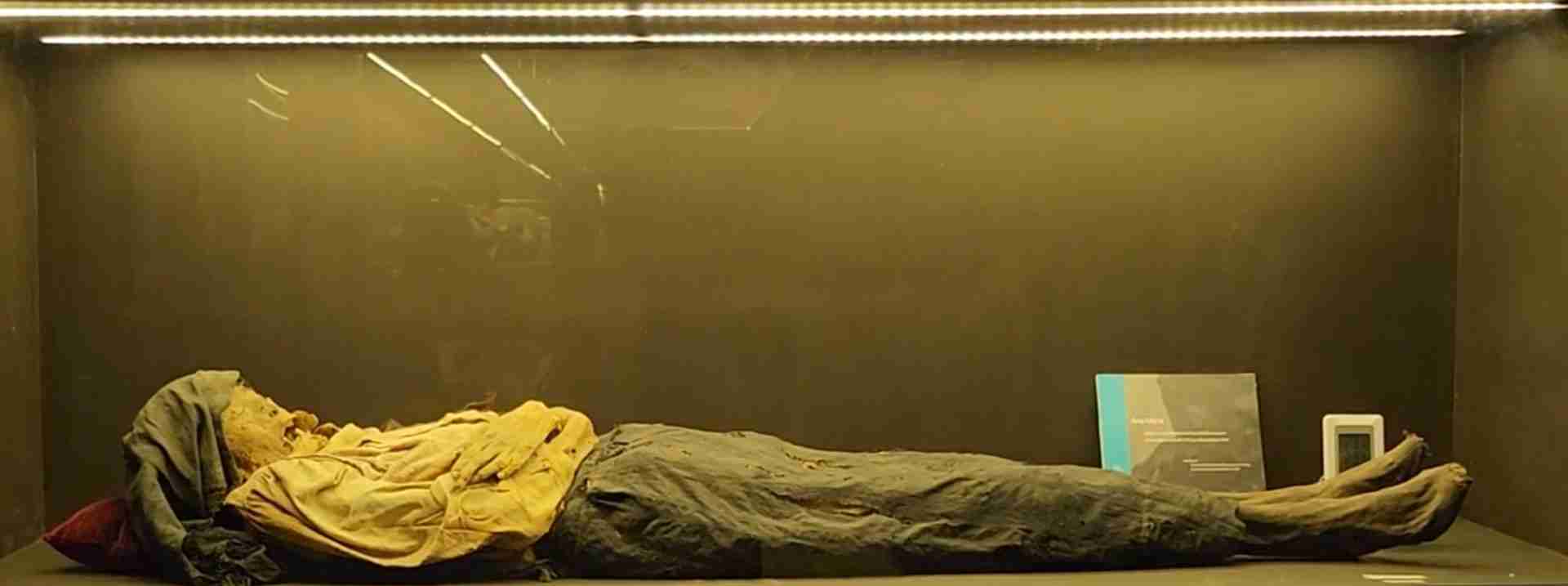
Guanajuato delivers one of Mexico’s most unusual UNESCO World Heritage experiences through the combination of the internationally renowned Museo de las Momias (Mummy Museum) and the city’s extensive underground tunnel network. These complementary attractions create a distinctive half-day or full-day exploration opportunity that differs fundamentally from conventional museum visits. The Mummy Museum houses naturally preserved human remains discovered in local cemetery crypts, while the tunnel system transforms former mining infrastructure and river channels into functional underground streets that carry regular vehicle traffic beneath the colonial city center.
Planning a 2026 visit requires understanding the practical logistics of accessing both attractions, managing the physical demands of tunnel navigation, and optimizing timing to balance crowd conditions with weather preferences. The museums operate year-round with consistent schedules, while tunnel exploration integrates seamlessly with standard city navigation since these underground passages function as regular streets rather than dedicated tourist attractions. Budget travelers find Guanajuato exceptionally affordable compared to European UNESCO sites, with combined museum entry, meals, and local transportation totaling 300-450 pesos ($18-27 USD) for comprehensive half-day experiences.
The 2026 season presents stable pricing and access conditions following post-pandemic normalization, with municipal authorities maintaining both attractions as core components of Guanajuato’s tourism infrastructure. The Mummy Museum underwent minor display updates in 2023-2024 but maintains its traditional presentation format that has attracted visitors since the 1950s. Tunnel access remains unrestricted as these routes serve essential transportation functions for local residents and commercial traffic, creating authentic immersion in Guanajuato’s unique urban geography rather than manufactured tourist experiences.
People Also Ask About Guanajuato Museums 2026
How much does the Mummy Museum cost in 2026?
The Museo de las Momias charges 85-100 pesos ($5-6 USD) for general admission in 2026, with exact pricing varying based on peso-dollar exchange rate fluctuations. Mexican nationals and residents receive discounted rates of 60-75 pesos, while international visitors pay the standard international rate. Children under 12 enter at half price (40-50 pesos), and children under 5 enter free when accompanied by paying adults. Photography permits cost an additional 30 pesos, though many visitors photograph displays without permits and enforcement varies by staff attention during different shifts. Check the official Guanajuato municipal tourism website for current rates as pricing may adjust with inflation.
Additional exhibition areas including the temporary display gallery and the adjacent explanation center integrate into the general admission price without supplementary charges. Audio guides in Spanish and English cost 50 pesos rental with 100-peso refundable deposit, though most displays include bilingual signage that provides sufficient context for self-guided visits. Group tours booked through travel agencies typically include museum admission in package pricing ranging from 450-650 pesos ($27-39 USD) depending on tour length and additional stops incorporated into the itinerary.
Are the underground tunnels included in museum tickets for 2026?
No, the underground tunnel network operates as free-access public streets rather than ticketed attractions. These tunnels function as regular transportation routes carrying vehicle traffic, pedestrians, and public buses throughout Guanajuato’s city center. Walking through the tunnels requires no admission fee, reservation, or special permission, as they represent functional urban infrastructure rather than dedicated tourist sites. Visitors explore the tunnel network simply by following standard pedestrian walkways along tunnel walls, identical to walking on any city street.
This fundamental difference in access models means tunnel exploration costs nothing beyond standard city navigation expenses. The main tunnel routes connect central landmarks including Teatro Juárez, Jardín de la Unión, and the university district, with well-marked pedestrian paths and adequate lighting throughout most sections. Some tunnel segments restrict pedestrian access during peak traffic hours (7-9 AM and 5-7 PM weekdays), but alternative routes always remain available. The practical implication for 2026 budgeting: tunnel exploration adds zero cost to Guanajuato itineraries, making it exceptional value compared to underground attractions in other cities that charge admission for similar infrastructure experiences.
When is the best time to visit Guanajuato museums in 2026?
March through May 2026 delivers optimal conditions for museum visits, combining comfortable temperatures (18-25°C/64-77°F), lower crowd levels compared to summer vacation periods, and absence of Festival Internacional Cervantino visitors who descend on Guanajuato each October. Spring mornings provide ideal lighting conditions for tunnel photography, with shafts of natural light penetrating tunnel openings to create dramatic visual effects between 9-11 AM. The Mummy Museum experiences lighter foot traffic Tuesday through Thursday compared to weekend peaks, when Mexican domestic tourists concentrate visits around family schedules.
Rainy season (June-September 2026) creates complications for tunnel exploration, as heavy afternoon downpours occasionally flood lower tunnel sections and create slippery conditions on pedestrian walkways. While museum visits remain comfortable during rainy season, tunnel navigation becomes less pleasant and potentially hazardous during active precipitation. Winter months (December-February 2026) bring cooler temperatures that make underground tunnel walking more comfortable, though December holiday crowds increase museum wait times from the standard 5-10 minutes to 20-30 minutes during peak midday hours.
Festival Cervantino (typically mid-October 2026) transforms Guanajuato into Mexico’s largest cultural festival destination, quintupling standard visitor numbers and creating 45-60 minute museum entry waits. Travelers seeking authentic museum experiences should avoid the October 10-28 festival window, when accommodation prices triple and restaurant reservations become essential. The week immediately following festival conclusion (late October-early November 2026) offers excellent value, with lingering festival atmosphere but normalized crowd conditions and standard pricing across hotels and attractions.
Do you need advance tickets for the Mummy Museum in 2026?
No, advance ticketing is unnecessary for the Museo de las Momias throughout 2026. The museum operates walk-up admission with tickets purchased at the entrance immediately before entry. Wait times rarely exceed 10-15 minutes even during moderate crowd conditions, and the museum’s relatively small size (approximately 30-40 minute average visit duration) creates steady visitor flow that prevents extended queuing. Peak weekend afternoons (Saturday-Sunday 1-4 PM) generate maximum wait times of 20-30 minutes, still manageable without advance planning.
This walk-up access model differs significantly from major European or Asian museums requiring timed entry reservations weeks or months ahead. The practical advantage for spontaneous travelers: Guanajuato museum visits integrate flexibly into daily itineraries without rigid scheduling constraints. Visitors adjust timing based on weather, energy levels, or schedule changes without forfeiting pre-purchased tickets. The only exception occurs during Festival Cervantino (October 2026), when some travel agencies offer skip-the-line packages that reduce wait times from 45-60 minutes to 10-15 minutes for premium fees of 150-200 pesos above standard admission.
Extended multi-day tours – 5+ days
Featured San Miguel De Allende Multi-Day Tour Packages

1 days
San Miguel de Allende Tour: A Marvelous Colonial Town Plus Queretaro
- ✓ Comprehensive San Miguel De Allende tour
- ✓ Expert local guides included
- ✓ All accommodation arranged
- ✓ Transportation provided
2 days
Mexico: San Miguel de Allende, Queretaro – 2 days
- ✓ Comprehensive San Miguel De Allende tour
- ✓ Expert local guides included
- ✓ All accommodation arranged
- ✓ Transportation provided
6 days
Independence Route
- ✓ Comprehensive San Miguel De Allende tour
- ✓ Expert local guides included
- ✓ All accommodation arranged
- ✓ Transportation provided
7 days
Viceregal Route from Guadalajara
- ✓ Comprehensive San Miguel De Allende tour
- ✓ Expert local guides included
- ✓ All accommodation arranged
- ✓ Transportation provided
Multi-day tour packages powered by TourRadar. Prices and availability subject to change.
Essential Planning Information 2026
Current Costs and Pricing Breakdown for 2026
Museum admission costs 85-100 pesos ($5-6 USD) for international visitors, with discounted rates of 60-75 pesos for Mexican nationals and 40-50 pesos for children ages 5-12 in 2026. Check the official Guanajuato tourism website for current rates as pricing may vary with exchange rate fluctuations. Photography permits add 30 pesos to base admission, though enforcement remains inconsistent and many visitors photograph displays without purchasing permits. Audio guide rental costs 50 pesos with 100-peso refundable deposit, providing detailed Spanish and English narration that enhances the basic bilingual signage available throughout display areas.
Transportation to the museum from central Guanajuato (Jardín de la Unión area) costs 10-12 pesos via public bus routes that stop within 200 meters of the museum entrance, or 80-120 pesos for taxi service that delivers direct door-to-door convenience. Walking the 2.5-kilometer route from city center requires 30-40 minutes along uphill streets with steep gradients, manageable for fit travelers but challenging for those with mobility limitations or in hot afternoon conditions. Return transportation costs match outbound pricing, with buses running every 10-15 minutes during daytime hours (6 AM-10 PM) and taxis readily available at the museum exit.
Dining near the museum includes economical options at local comedores (small family restaurants) serving complete meals for 80-120 pesos, or mid-range cafes offering international and regional specialties for 150-220 pesos per person. Street vendors surrounding the museum sell snacks, beverages, and light meals for 30-60 pesos, providing budget-conscious alternatives to sit-down dining. Combination museum-meal-transportation budgets range from 200-250 pesos for economical approaches to 350-450 pesos for comfortable mid-range experiences including taxi transport, museum admission with photography permit, and quality restaurant meals.
Tunnel exploration adds zero direct costs since these function as free-access public streets, though some visitors incorporate tunnel-accessible destinations like Mercado Hidalgo (traditional market) or specific colonial churches that request 10-20 peso voluntary donations for maintenance. Guided tunnel tours offered by commercial operators cost 250-350 pesos and provide historical context and navigation expertise for travelers uncomfortable exploring independently, though the well-marked main tunnel routes require no special guidance for confident walkers familiar with urban environments.
Transportation Options and Schedules for 2026
Public buses connect central Guanajuato with the Mummy Museum every 10-15 minutes during operating hours (6 AM-10 PM daily), with clearly marked “Momias” or “Panteón Municipal” route signs visible on bus fronts. Board buses at designated stops along Avenida Juárez or near Jardín de la Unión, paying 10-12 pesos cash directly to the driver upon entry. Buses discharge passengers at the cemetery entrance, requiring a brief 2-3 minute walk uphill to reach the museum building. Return buses depart from the same location with identical frequency, making round-trip planning straightforward without schedule consultation.
Taxi service from Jardín de la Unión to the Mummy Museum costs 80-120 pesos depending on traffic conditions and negotiation effectiveness, with higher rates applying during evening hours (after 8 PM) or rainy weather when demand increases. Most taxis lack meters, requiring price agreement before departure to avoid disputes upon arrival. Ride-sharing services including Uber operate sporadically in Guanajuato with coverage concentrated in central zones, making traditional taxis more reliable for museum transportation despite slightly higher costs. Pre-arrange return taxi pickup by requesting driver contact information or asking museum staff to call reliable taxi services, as taxi availability at the remote museum location varies throughout the day.
Walking from central accommodations to the museum covers 2.5-3 kilometers with elevation gain of approximately 80-100 meters, manageable in 35-45 minutes for travelers comfortable with sustained uphill walking on uneven colonial-era cobblestones. The route follows well-traveled streets with continuous pedestrian traffic during daylight hours, though evening walks (after 7 PM) become less comfortable as street lighting decreases in residential areas between city center and cemetery district. Morning walks (8-10 AM) offer pleasant temperatures and excellent photography opportunities, while afternoon return walks (2-4 PM) face hotter conditions that challenge those unaccustomed to uphill walking in warm weather.
Tunnel navigation requires no special transportation since pedestrians walk through tunnel sections as part of normal city exploration. Main tunnel routes begin near Teatro Juárez and extend southwest toward the university district, with clearly marked pedestrian walkways separated from vehicle traffic by painted lines and occasional low barriers. Walking the complete primary tunnel network takes 25-35 minutes at comfortable pace, covering approximately 2 kilometers of underground distance with multiple entry and exit points that allow flexible route customization based on destination preferences and energy levels.
Best Time to Visit Guanajuato Museums in 2026
Seasonal Analysis for 2026 Museum Visits
Spring months (March-May 2026) provide optimal museum visiting conditions with daytime temperatures ranging 18-25°C (64-77°F), minimal rainfall, and moderate crowd levels averaging 200-300 daily visitors compared to summer peaks of 400-500 and winter holiday surges reaching 600-700. March brings warming temperatures without spring break crowds that concentrate in April, while May offers pre-rainy season clarity with extended daylight hours that improve tunnel photography opportunities. These months deliver comfortable walking conditions between city center and museum, with morning temperatures (8-10 AM) particularly pleasant for the uphill journey to the cemetery district.
Summer season (June-August 2026) increases visitor numbers as Mexican domestic tourism peaks during school vacation periods, with weekend crowds reaching maximum capacity levels that extend museum wait times from standard 5-10 minutes to 25-35 minutes. Afternoon thunderstorms become frequent (60-70% of days experience some precipitation), creating complications for tunnel exploration as flash flooding occasionally closes lower tunnel sections for 1-2 hours following heavy downpours. Morning visits (9 AM-12 PM) avoid both crowd peaks and weather complications, though temperatures climb into the 26-30°C (79-86°F) range that makes uphill museum walks more challenging for heat-sensitive travelers.
Fall months present divided conditions with September continuing rainy season patterns that taper through early October, followed by Festival Internacional Cervantino (mid-to-late October 2026) that transforms Guanajuato into one of Latin America’s major cultural festivals. The festival period (typically October 10-28) quintuples standard visitor numbers, creating 45-60 minute museum queues and completely saturated accommodation availability at rates 200-300% above normal pricing. Post-festival November delivers exceptional value with pleasant temperatures, minimal rainfall, and normalized crowd conditions as international festival visitors depart while Mexican tourists haven’t yet arrived for December holidays.
Winter season (December-February 2026) brings cooler temperatures (12-20°C/54-68°F) that make tunnel exploration more comfortable and reduce heat stress during uphill museum walks, though December holidays (Christmas and New Year periods) create crowd surges comparable to summer peaks. January and February offer the year’s lowest visitor numbers with 150-250 daily museum guests, providing optimal conditions for photography and leisurely exhibit examination without crowd pressure. Occasional cold snaps bring nighttime temperatures near 5°C (41°F), making evening tunnel walks less pleasant though daytime conditions remain comfortable for all outdoor activities.
Weather Patterns and Crowd Predictions for 2026
Rainfall concentrates in June through September with afternoon thunderstorms occurring 15-20 days per month during peak rainy season (July-August 2026). These storms typically develop between 2-5 PM, creating hazardous tunnel conditions as water flows through underground channels and creates slippery surfaces on pedestrian walkways. Lower tunnel sections near the former riverbed occasionally flood to depths of 5-15 centimeters, requiring temporary closures lasting 1-3 hours until drainage systems clear accumulated water. Museum visits remain unaffected by rainfall since the building provides complete weather protection, though transport between city center and museum becomes less pleasant during active precipitation.
Dry season (October-May 2026) delivers stable weather patterns with rainfall occurring only 2-5 days per month and afternoon temperatures moderated by Guanajuato’s 2,000-meter elevation. Morning conditions regularly feature clear skies and excellent visibility extending 20-30 kilometers across the surrounding valleys, creating ideal photography opportunities for both tunnel interiors and museum exterior architectural shots. Wind speeds remain light throughout the year (5-15 km/h averages), with minimal impact on outdoor activities or comfort levels during walking tours through exposed tunnel sections.
Crowd patterns follow predictable weekly and monthly cycles with Tuesday-Thursday experiencing 30-40% lower visitor volumes compared to Friday-Sunday peaks when Mexican domestic tourists concentrate visits around weekend schedules. Weekday mornings (9-11 AM) offer the year’s most comfortable viewing conditions with 50-80 simultaneous museum visitors compared to weekend afternoon peaks (Saturday-Sunday 1-4 PM) reaching 200-250 concurrent guests that create congestion in the museum’s narrow display corridors. Holiday periods including Semana Santa (Holy Week, typically late March/early April 2026), Mexican Independence Day (September 16), and Christmas-New Year (December 20-January 6) generate visitor surges equivalent to festival periods with 500-700 daily guests and extended wait times.
Festival Cervantino (October 10-28, 2026 projected dates) represents the year’s extreme outlier with total visitor numbers reaching 8,000-12,000 daily across all Guanajuato attractions. The Mummy Museum experiences proportional increases to 1,200-1,500 daily visitors during festival peak, creating 60-90 minute queues at entrance and severely crowded display conditions that reduce exhibit viewing quality. Travelers prioritizing authentic museum experiences should avoid festival periods entirely, while those attending the festival for cultural programming should schedule museum visits during early morning hours (8-9 AM immediately following opening) when queues remain manageable at 15-25 minutes despite elevated overall attendance.
Accommodation Strategies for 2026 Visits
Budget Accommodation Options Near Museums
Hostels in central Guanajuato offer dormitory beds for 200-350 pesos ($12-21 USD) per night, with private rooms available for 450-650 pesos in the same properties that provide budget travelers social atmosphere and convenient access to tunnel entrances within 5-10 minute walks. Properties like Hostal Casa del Tío or Casa Zuniga deliver clean facilities, hot water, basic breakfast inclusion, and knowledgeable staff who provide reliable guidance for museum visits and tunnel exploration. These central locations eliminate transportation costs to major attractions, as both the main tunnel network and key cultural sites including Teatro Juárez and Basílica sit within 500-800 meter walking radius.
Budget hotels in Zona Centro charge 600-900 pesos for basic double rooms with private bathrooms, air conditioning, and WiFi access but without breakfast inclusion or significant amenities beyond clean, functional sleeping spaces. Properties like Hotel Posada Santa Fe or Hotel San Diego occupy colonial-era buildings with authentic architectural character though limited modern updates, situated 10-15 minute walks from primary tunnel access points and 8-12 pesos bus rides from the Mummy Museum. These options suit budget-conscious couples or solo travelers prioritizing location convenience over luxury amenities, with total accommodation costs for 2-3 night stays ranging 1,200-2,700 pesos before adding meals and activities.
Residential neighborhoods surrounding the university district offer casas de huéspedes (guest houses) charging 400-600 pesos for private rooms in family homes, including breakfast and extensive local knowledge from hosts who provide insider guidance for navigating Guanajuato’s complex colonial street network. These properties sit 15-20 minute walks from central tunnel access points but deliver authentic neighborhood experiences and significant cost savings compared to commercial accommodations. The trade-off involves less privacy and standardized services, with shared bathroom facilities common and accommodation quality varying significantly based on individual property maintenance standards rather than chain hotel consistency.
Mid-Range and Luxury Accommodation Options for 2026
Mid-range hotels in prime central locations charge 1,200-2,000 pesos ($72-120 USD) per night for well-appointed rooms with modern bathrooms, comfortable beds, air conditioning, included breakfast, and professional service standards. Properties like Hotel Boutique 1850 or Casa Estrella de la Valenciana occupy beautifully restored colonial mansions with rooftop terraces, central courtyards, and authentic period details combined with contemporary comfort amenities. These hotels position guests within 5-8 minute walks of main tunnel entrances and 200-400 meters from Jardín de la Unión central plaza, eliminating transportation needs for most city exploration while providing reliable bases for museum day trips.
Luxury accommodations including Quinta Las Acacias and Villa María Cristina command 2,500-4,500 pesos per night, delivering premium amenities like swimming pools, spa services, gourmet restaurants, and concierge assistance for tour bookings and transportation arrangements. These properties often occupy hillside locations with panoramic city views but require 10-15 minute walks or short taxi rides (40-60 pesos) to reach central tunnel network and cultural attractions. The luxury segment suits travelers prioritizing comfort and service over budget optimization, with total accommodation costs for typical 2-3 night Guanajuato visits reaching 5,000-13,500 pesos before adding dining and activity expenses.
Boutique options in the 1,500-2,200 peso range offer middle-ground solutions combining characterful colonial architecture, personalized service, and central locations with moderate pricing that delivers value for discerning travelers. Properties like La Casa de los Espíritus Alegres or Casa del Rector provide 6-12 room intimacy with unique design elements, included breakfasts featuring regional specialties, and knowledgeable ownership who share detailed local insights for optimizing museum visits and tunnel exploration. These accommodations frequently occupy the most architecturally significant colonial buildings, creating authentic heritage experiences that extend beyond simple sleeping arrangements to become integral components of the overall Guanajuato cultural immersion.
Transportation Guide for 2026 Museum Access
Public Transport Options and Costs for Museum Visits
Local buses operate comprehensive route networks connecting central Guanajuato with the Mummy Museum cemetery district every 10-15 minutes throughout operating hours (6 AM-10 PM daily). Board clearly marked “Momias” or “Panteón Municipal” buses at designated stops along Avenida Juárez near the central market or around Jardín de la Unión plaza, paying 10-12 pesos cash directly to drivers upon entry. Buses discharge passengers at the cemetery main entrance, requiring brief 2-3 minute uphill walks to reach the museum building entrance where tickets are purchased and entry queues form during busy periods.
Return buses depart from the same cemetery entrance location with identical 10-15 minute frequencies, making round-trip planning straightforward without schedule consultation or timing concerns. Buses display route numbers and destination names on illuminated front signs, though asking drivers “¿Va a las Momias?” (Does this go to the Mummies?) provides confirmation for travelers uncertain about route accuracy. Total round-trip bus costs of 20-24 pesos make public transport the most economical option for museum access, particularly for budget travelers managing daily spending carefully or those visiting multiple times during extended Guanajuato stays.
Bus comfort levels vary significantly based on vehicle age and route popularity, with newer units offering air conditioning and cushioned seats while older buses provide basic benches and open windows for ventilation. Rush hour periods (7-9 AM and 5-7 PM weekdays) create crowded conditions with standing room common during peak commute times, while midday and weekend services offer more comfortable seating availability. The 15-20 minute journey between city center and museum provides authentic local transportation experience, with buses serving regular Guanajuato residents alongside tourists and creating cultural immersion opportunities beyond sterile tour bus environments.
Private Transport and Alternative Options for 2026
Taxi service delivers direct door-to-door convenience from central accommodations to museum entrance, costing 80-120 pesos depending on exact pickup location, traffic conditions, and negotiation effectiveness. Most Guanajuato taxis lack meters, requiring price agreement before departure to avoid fare disputes upon arrival. Establish clear pricing by asking “¿Cuánto cuesta al Museo de las Momias?” (How much to the Mummy Museum?) before entering the vehicle, with reasonable rates ranging 80-100 pesos from Jardín de la Unión area and 60-80 pesos from closer neighborhoods like Zona Embajadoras.
Ride-sharing services including Uber operate with limited coverage in Guanajuato, concentrated primarily in central zones with sporadic availability in outlying areas including the cemetery district. App-based pricing for museum trips ranges 70-110 pesos from central locations when drivers are available, though significant wait times (15-25 minutes) frequently occur compared to immediate taxi availability at major plazas and hotel stands. Return transportation from the museum proves more challenging via ride-sharing apps due to weak cellular signals in the cemetery area, making pre-arranged taxi pickup more reliable despite slightly higher costs.
Private tours booked through commercial operators include round-trip transportation in package pricing ranging 450-650 pesos per person, bundling museum admission, guide services, and transport in air-conditioned vans or minibuses. These packages suit travelers preferring structured experiences with historical context provided by bilingual guides, though independent visitors comfortable with basic Spanish navigation and public transport save 250-400 pesos per person by self-managing logistics. Tour operator vehicles typically accommodate 8-15 passengers, with pickup and drop-off at central hotels included in base pricing.
Walking between city center and museum represents the most economical option (zero cost) while requiring 35-45 minutes uphill on cobblestone streets with cumulative elevation gain of 80-100 meters. The route follows well-maintained streets through residential neighborhoods with continuous foot traffic during daylight hours, though evening walks (after 7 PM) become less comfortable as street lighting decreases in areas between central commercial zones and cemetery district. Morning walks (8-10 AM) provide pleasant temperatures and good photography light, while afternoon return trips (2-4 PM) face hotter conditions that challenge heat-sensitive travelers or those unaccustomed to sustained uphill walking.
Money-Saving Strategies for 2026 Museum Visits
Advance Planning Benefits for Budget Optimization
Booking accommodation 3-4 weeks ahead of planned visit dates secures 15-25% savings compared to last-minute reservations, particularly important during peak demand periods including Semana Santa (late March/early April), summer vacation months (July-August), and Festival Cervantino (October). Budget hostels and hotels offer early booking discounts of 50-100 pesos per night when reservations are confirmed 30+ days in advance, with payment flexibility allowing cancellation up to 7-14 days before arrival without penalty in most cases.
Scheduling museum visits for weekday mornings (Tuesday-Thursday 9-11 AM) avoids weekend crowds while maintaining identical admission pricing, delivering superior viewing experiences without additional cost. The practical value of lighter crowds extends beyond mere comfort, enabling better photography opportunities, more leisurely exhibit examination, and reduced wait times at entrance queues. These timing optimizations cost nothing to implement but significantly enhance overall visit quality compared to weekend afternoon experiences when 200-250 simultaneous visitors create congestion in narrow display corridors.
Combining museum visit with tunnel exploration in single half-day itinerary maximizes value by pairing paid attraction (museum admission 85-100 pesos) with free activity (tunnel network exploration) rather than scheduling as separate outings requiring duplicate transportation costs. The proximity of cemetery district to major tunnel access points makes integrated planning straightforward, with typical combined itineraries flowing: morning museum visit (9:30-11 AM), lunch in central district (11:30 AM-12:30 PM), afternoon tunnel exploration (1-3 PM), creating comprehensive half-day experiences totaling 300-450 pesos including meals, transport, and admission.
Seasonal Optimization Tips for 2026 Budgets
Visiting during shoulder seasons (March-early April, May, November) captures 20-30% accommodation savings compared to peak summer and winter holiday periods, with mid-range hotel rates dropping from 1,800-2,000 pesos to 1,200-1,400 pesos for identical properties. Restaurant prices remain stable year-round, though crowd pressure diminishes during quieter months and enables better table selection without reservations, enhancing overall dining experiences without direct cost impact.
Avoiding Festival Cervantino period (October 10-28, 2026) prevents accommodation price spikes of 200-300% above normal rates, with typical mid-range hotels charging 3,500-5,000 pesos during festival compared to standard 1,200-2,000 peso rates in other months. The week immediately following festival conclusion (late October-early November) delivers exceptional value with pleasant weather, normalized pricing, and residual cultural atmosphere from festival activities, creating optimal conditions for budget-conscious travelers seeking quality experiences at reasonable costs.
Purchasing meals at local comedores (family restaurants) rather than tourist-oriented cafes reduces per-meal costs from 150-220 pesos to 80-120 pesos while delivering authentic regional cuisine in neighborhood settings. Markets including Mercado Hidalgo offer prepared food stalls serving complete lunches for 60-90 pesos, with generous portions and traditional recipes that provide cultural value alongside financial savings. Three-day Guanajuato visits following comedor-focused dining strategies spend 720-1,080 pesos on meals compared to 1,350-1,980 pesos for restaurant-focused approaches, savings of 630-900 pesos that fund additional activities or extend trip duration.
Sample 2026 Itineraries for Museum and Tunnel Exploration
Half-Day Museum and Tunnel Experience with Cost Breakdown
Morning Museum Visit Itinerary (9 AM – 1 PM):
9:00 AM – Depart central accommodation via public bus (10-12 pesos) from Jardín de la Unión area, arriving at Mummy Museum by 9:20 AM. Early arrival ensures minimal queue times (typically 5-10 minutes maximum during weekday mornings) and optimal crowd conditions inside exhibition halls. Purchase admission ticket at entrance (85-100 pesos for international visitors), declining photography permit if comfortable photographing without official authorization or accepting 30-peso surcharge for documented permission.
9:30-10:45 AM – Explore museum exhibitions at leisurely pace, examining approximately 100+ naturally preserved mummies including the famous “smallest mummy in the world” and various displays explaining the unique geological conditions that created Guanajuato’s mummification phenomenon. The museum layout flows through chronological sections, with English-language signage providing sufficient context for self-guided visits though audio guides (50-peso rental) enhance understanding of historical and scientific significance. Photography opportunities abound, though respectful approach to subject matter remains essential given sensitive nature of human remains displays.
11:00-11:20 AM – Return to city center via public bus (10-12 pesos) from cemetery entrance, arriving at central district by 11:40 AM. Walking the route (35-45 minutes downhill) offers alternative for travelers seeking exercise and street photography opportunities, though savings minimal compared to comfort benefits of bus transport, particularly during hot afternoons or after extended museum walking.
11:45 AM-12:45 PM – Lunch at local comedor near Mercado Hidalgo (80-120 pesos), selecting traditional regional dishes including enchiladas mineras or pork in pipián sauce with rice, beans, tortillas, and beverage included in set menu pricing. The market area offers dozens of economical dining options, with food quality generally excellent despite basic ambiance and service styles.
1:00-2:30 PM – Explore underground tunnel network beginning at Teatro Juárez entrance, walking primary routes through vehicle tunnels with designated pedestrian walkways (free access). The main tunnel circuit covers approximately 2 kilometers, requiring 25-35 minutes at comfortable pace with multiple entry/exit points allowing route customization. Photograph tunnel interiors where natural light penetrates from street-level openings, creating dramatic architectural compositions. Exit at university district or return to central plaza area depending on afternoon plans and energy levels.
Cost Summary: Museum admission 85-100 pesos, public bus round-trip 20-24 pesos, lunch 80-120 pesos, snacks/beverages 30-40 pesos. Total half-day cost: 215-284 pesos ($13-17 USD) per person excluding accommodation. Optional additions: photography permit 30 pesos, audio guide rental 50 pesos, taxi instead of bus 160-240 pesos round-trip.
Full-Day Guanajuato Museum and Cultural Exploration
Extended Itinerary (8 AM – 6 PM):
8:00-8:30 AM – Breakfast at hotel or local cafe (60-100 pesos), preparing for active day of walking and cultural exploration. Early start enables cooler morning temperatures for uphill museum walk and positions visits ahead of midday crowd peaks at all attractions.
8:45 AM – Depart for Mummy Museum via public bus (10-12 pesos) or taxi (80-120 pesos depending on accommodation location and traffic), arriving by 9:15 AM. Purchase museum admission (85-100 pesos) and begin exploration immediately, benefiting from minimal crowds during early opening hours.
9:30-11:00 AM – Complete museum visit with thorough examination of all exhibition areas, reading interpretive materials, and capturing photography throughout displays. Consider audio guide rental (50 pesos) for enhanced historical context and scientific explanations of mummification processes unique to Guanajuato’s specific geological conditions.
11:15 AM-12:00 PM – Visit adjacent Panteón Municipal cemetery where mummies were originally discovered, exploring the above-ground crypts and cemetery architecture that contributed to natural preservation conditions (free entry, though voluntary donations of 10-20 pesos appreciated for maintenance). The cemetery provides historical context for museum exhibits and offers excellent views across Guanajuato valley.
12:15 PM – Return to city center via public bus (10-12 pesos), arriving by 12:35 PM for lunch in central district.
12:45-2:00 PM – Extended lunch at mid-range restaurant (150-220 pesos), selecting regional specialties and refreshments while resting before afternoon activities. Restaurants near Jardín de la Unión offer quality cuisine with colonial architecture ambiance, though prices run 80-100 pesos higher than comedor alternatives for similar food quality with enhanced atmosphere.
2:15-4:00 PM – Comprehensive tunnel network exploration beginning at Teatro Juárez, following primary routes through central district and extending to university area. Walk the complete main circuit (approximately 2 kilometers), exiting at various points to explore connected streets, markets, and cultural sites including Templo de San Diego and Mercado Hidalgo (free entry to both, though market purchases and church donations optional).
4:15-5:30 PM – Visit Alhóndiga de Granaditas museum (50-60 pesos admission), examining regional history exhibits and revolutionary war collections. This museum complements Mummy Museum with broader historical context of Guanajuato’s role in Mexican independence movement and colonial mining economy.
5:45-6:30 PM – Evening refreshments and snacks (40-60 pesos) at outdoor cafe in Jardín de la Unión, observing daily paseo (evening stroll) tradition as locals and visitors circulate around central plaza. Return to accommodation via short walk (5-10 minutes from central plaza to most hotels in Zona Centro).
Cost Summary: Breakfast 60-100 pesos, museum admission 85-100 pesos, cemetery visit donation 10-20 pesos, bus fares 20-24 pesos (two round-trips), lunch 150-220 pesos, Alhóndiga museum 50-60 pesos, snacks/beverages 40-60 pesos. Total full-day cost: 415-584 pesos ($25-35 USD) per person excluding accommodation. Optional additions: photography permits 30 pesos, audio guide rentals 50-100 pesos (two museums), taxi transport instead of buses 320-480 pesos total.
Booking and Reservations for 2026 Season
Official Booking Channels and Direct Purchase Options
The Museo de las Momias operates walk-up admission exclusively, with no advance online ticketing system or reservation requirements throughout 2026. Purchase tickets directly at the museum entrance immediately before entry, paying cash (Mexican pesos preferred, though USD sometimes accepted at unfavorable exchange rates) or credit cards (Visa and Mastercard accepted with occasional processing fees of 3-5%). The entrance booth operates during museum hours (9 AM-6 PM daily), with ticket sales continuing until 30 minutes before closing time to allow final visitors adequate viewing opportunity.
Accommodation bookings proceed through standard channels including Booking.com, Airbnb, hotel direct websites, and telephone reservations for properties without online presence. Book 3-4 weeks ahead during peak seasons (Semana Santa, summer vacation, Festival Cervantino, Christmas-New Year) to secure preferred properties and rates, while last-minute bookings (1-3 days ahead) remain feasible during quieter months with availability at most price points. Confirmation emails or reservation numbers provide essential documentation, particularly for boutique properties and casas de huéspedes where communication may occur entirely in Spanish.
Transportation to museum requires no advance booking, as public buses operate regular routes without reservation systems and taxis provide on-demand service at plaza stands and hotel entrances. Travelers seeking private tour packages book through commercial operators including Viator, GetYourGuide, or local Guanajuato tour agencies, with typical lead times of 2-7 days sufficient during most periods though festival season requires 2-3 week advance booking to secure spaces on popular tours.
Tour Operator Recommendations and Package Options for 2026
Local tour operators including Guanajuato Tours and Mina Tours offer half-day museum packages combining transportation, admission, and bilingual guide services for 450-650 pesos per person. These tours typically run 3-4 hours, departing central hotels at 9-10 AM or 2-3 PM with air-conditioned van transport, museum entry, and 60-90 minutes guided explanation of exhibits before returning to departure points. The packages suit travelers preferring structured experiences with historical context, though independent visits save 250-400 pesos per person while providing greater flexibility for pacing and photography priorities.
Full-day cultural tours priced at 850-1,200 pesos combine the Mummy Museum with additional Guanajuato attractions including Alhóndiga de Granaditas, Diego Rivera Museum, and panoramic viewpoint stops at Monumento al Pípila and Valencia overlook. These comprehensive packages include transportation, museum admissions, bilingual guides, and sometimes lunch (verify inclusion before booking), creating convenient options for first-time visitors seeking maximum coverage in limited time. The value proposition works best for travelers spending only 1-2 days in Guanajuato, while those with 3+ days benefit more from independent exploration that allows deeper engagement with sites of greatest personal interest.
Specialized photography tours focusing on tunnel network and colonial architecture cost 600-800 pesos for 3-4 hour experiences with professional photographer guides who provide technical instruction and location knowledge for capturing optimal images. These tours typically limit groups to 4-6 participants, ensuring personalized attention and access to less-traveled tunnel sections and architectural details invisible to casual visitors. The tours suit serious photography enthusiasts willing to invest in expert guidance, though competent photographers comfortable with urban exploration achieve excellent results independently using research and early morning timing to capture optimal lighting conditions.
Planning Your 2026 Guanajuato Museum Visit
Successful museum and tunnel exploration requires balancing multiple factors including timing optimization, budget management, physical preparation for walking demands, and realistic expectations about the museum’s unusual subject matter. The Mummy Museum presents naturally preserved human remains in direct, unmediated display format that some visitors find emotionally challenging despite significant scientific and historical interest. Travelers sensitive to macabre content or those visiting with young children should research exhibit nature thoroughly before committing to visit, as the museum makes no concessions to squeamishness in its presentation philosophy.
Physical demands include 2.5-3 kilometer walking distances between central accommodations and museum (if walking rather than using buses or taxis), navigation of uneven colonial cobblestones, and sustained uphill gradients reaching 8-10% on approach routes to cemetery district. Tunnel exploration adds another 2-3 kilometers of walking on flat but occasionally wet surfaces, with some tunnel sections lacking climate control and reaching temperatures 3-5°C cooler than surface streets. Comfortable walking shoes with good traction prove essential, as smooth-soled footwear becomes hazardous on cobblestones particularly during or after rain events.
Budget planning should account for total daily costs ranging 300-450 pesos for economical approaches (public transport, comedor dining, museum-only visits) to 600-900 pesos for comfortable mid-range experiences (taxis, restaurant meals, multiple museum admissions including Alhóndiga and Diego Rivera). Three-day Guanajuato visits incorporating museum exploration alongside other UNESCO World Heritage colonial architecture typically require 2,400-3,600 pesos in activity and dining budgets plus 1,200-6,000 pesos accommodation costs depending on lodging category selected, creating total trip budgets of 3,600-9,600 pesos ($216-576 USD) excluding transportation to/from Guanajuato.
Weather preparation varies by season, with rainy months (June-September) requiring umbrella or rain jacket for tunnel exploration where overhead protection proves inconsistent. Summer visits benefit from sun protection including hats and sunscreen for outdoor walking portions, while winter months need light jacket or sweater for cool morning temperatures and tunnel exploration where air temperatures drop below surface levels. Water bottles prove essential year-round, as uphill museum walks and extended tunnel exploration in areas without beverage vendors create dehydration risks particularly during hot afternoons.
2026 Updates and Current Information for Museum Access
The Mummy Museum maintains consistent operations following post-pandemic normalization, with full daily access (9 AM-6 PM, 365 days annually including holidays) and standard admission pricing of 85-100 pesos for international visitors. Municipal authorities completed minor exhibit updates in 2024 including improved lighting in some display areas and refreshed interpretive signage, though the fundamental museum layout and presentation philosophy remain unchanged from traditional format. No major renovations or closures are projected for 2026, ensuring reliable access throughout the year without disruption concerns that affect some other Mexican cultural institutions undergoing restoration work.
Transportation infrastructure serving the museum area continues operating with stable route structures and pricing, though occasional road maintenance projects create temporary detours affecting bus routes during 2-3 week periods throughout the year. These disruptions typically involve alternative routes rather than service cancellation, with local drivers communicating changes and ensuring passengers reach museum destination despite modified paths. Travelers checking with hotel staff or tourist information offices before departure receive current information about any temporary route changes affecting museum access.
COVID-19 protocols have been eliminated as of early 2024, with no capacity restrictions, temperature screening, or mandatory mask requirements remaining in effect. The museum operates at full capacity without advance timed entry requirements or limitation on simultaneous visitors, creating standard access conditions comparable to pre-pandemic norms. This normalization benefits spontaneous travelers while potentially increasing crowd density during peak periods compared to pandemic-era restricted access that artificially reduced congestion.
Photography policies remain consistent with past practice, officially requiring 30-peso permits for camera use but enforcement varying based on staff attention and crowd conditions. Many visitors photograph displays without purchasing permits, though respectful approach to subject matter remains essential given sensitive nature of human remains presentations. Video recording follows similar official policy (requiring permit purchase) with comparable variable enforcement, though some museum guards actively discourage video documentation while tolerating still photography.
Tunnel network access continues unrestricted as these routes function as public streets rather than dedicated tourist attractions. Municipal maintenance programs occasionally close specific tunnel sections for 1-3 day periods to conduct repairs, install new lighting, or address drainage issues, though alternative routes always remain available and closures typically occur during low-traffic overnight hours (11 PM-6 AM) that don’t affect tourist access schedules. The well-marked main tunnel circuit connecting Teatro Juárez to university district remains fully operational throughout 2026 with no extended closures anticipated.
Frequently Asked Questions About Guanajuato Museums 2026
How disturbing is the Mummy Museum content? The museum displays approximately 100+ naturally preserved human remains including adults and children in direct, unmediated presentation without significant censorship or contextualization beyond basic scientific explanations. Visitors sensitive to macabre content or those with young children should research exhibit photography online before visiting to assess personal comfort levels. The museum makes no concessions to squeamishness, though the presentation focuses on scientific and historical interest rather than exploitation.
Can you visit the tunnels at night? Yes, the main tunnel network remains accessible 24 hours as these function as regular streets carrying vehicle traffic and pedestrian movement at all hours. Lighting levels decrease significantly after midnight in some sections, and pedestrian traffic thins considerably after 10 PM, making evening tunnel walks less comfortable though not prohibited. Solo travelers particularly women should exercise standard urban safety precautions during late-night tunnel exploration, preferring well-lit main routes over isolated side passages.
Is the Mummy Museum suitable for children? Parents must assess their own children’s maturity levels and tolerance for unsettling content, as the museum displays genuine human remains including deceased children and infants. Many Mexican families visit with children as young as 5-8 years without apparent distress, treating the museum as educational rather than entertainment. International visitors from cultures less comfortable with death imagery may prefer limiting visits to teenagers and adults who can contextualize exhibits within scientific framework.
How long should you spend at the Mummy Museum? Most visitors complete thorough examination of all exhibits in 40-60 minutes, with casual visits requiring 30-40 minutes and detailed photography-focused exploration extending to 75-90 minutes. The museum’s relatively compact size prevents extended all-day visits, making it ideal component of half-day itineraries combined with tunnel exploration or other Guanajuato cultural attractions.
Are there restaurants near the Mummy Museum? The cemetery district offers limited dining options concentrated in small comedores and street vendors rather than formal restaurants, with most visitors returning to central Guanajuato (15-20 minutes by bus) for quality meal options. Budget 80-120 pesos for simple meals at nearby eateries, or plan lunch in central district after museum visit to access broader restaurant selection at all price points.
Do you need a guide for the tunnels? No, the main tunnel routes feature clear signage, designated pedestrian walkways, and straightforward navigation that requires no special expertise. Independent exploration costs nothing and provides authentic urban infrastructure experience, though commercial tunnel tours (250-350 pesos) offer historical context and access to less-traveled sections for visitors seeking guided experiences.
What’s the best photography strategy for the museum? Early morning visits (9-10 AM Tuesday-Thursday) provide lightest crowds and best natural light conditions, though museum interior lighting remains relatively dim requiring camera sensitivity settings of ISO 800-1600 for quality handheld photography. Photography permits officially cost 30 pesos though enforcement varies, with many visitors successfully photographing exhibits without permits if approached respectfully and discretely.
Can you access the tunnels from the museum? No direct tunnel access exists from the cemetery district where the museum sits. Return to central Guanajuato (via bus or taxi) to access main tunnel network entry points near Teatro Juárez, Jardín de la Unión, or university district, with walking distance of 2.5-3 kilometers between museum and nearest tunnel entrance if attempting to walk rather than using transportation.
Is there wheelchair access at the Mummy Museum? Accessibility remains limited with steps at entrance and within exhibition areas, narrow corridors, and uneven flooring that creates significant challenges for wheelchair users. The museum lacks elevators and designated accessible pathways, reflecting its adaptation of historic cemetery structures rather than purpose-built museum design. Mobility-impaired visitors should contact museum administration in advance to discuss specific access options and limitations.
What souvenirs are available at the museum? Small gift shop at museum exit sells mummy-themed postcards, keychains, magnets, and photographic books for 30-150 pesos, along with broader Guanajuato cultural souvenirs. Quality and selection remain modest compared to major museum shops, with most visitors finding better souvenir options in central Guanajuato’s numerous craft markets and specialty stores.