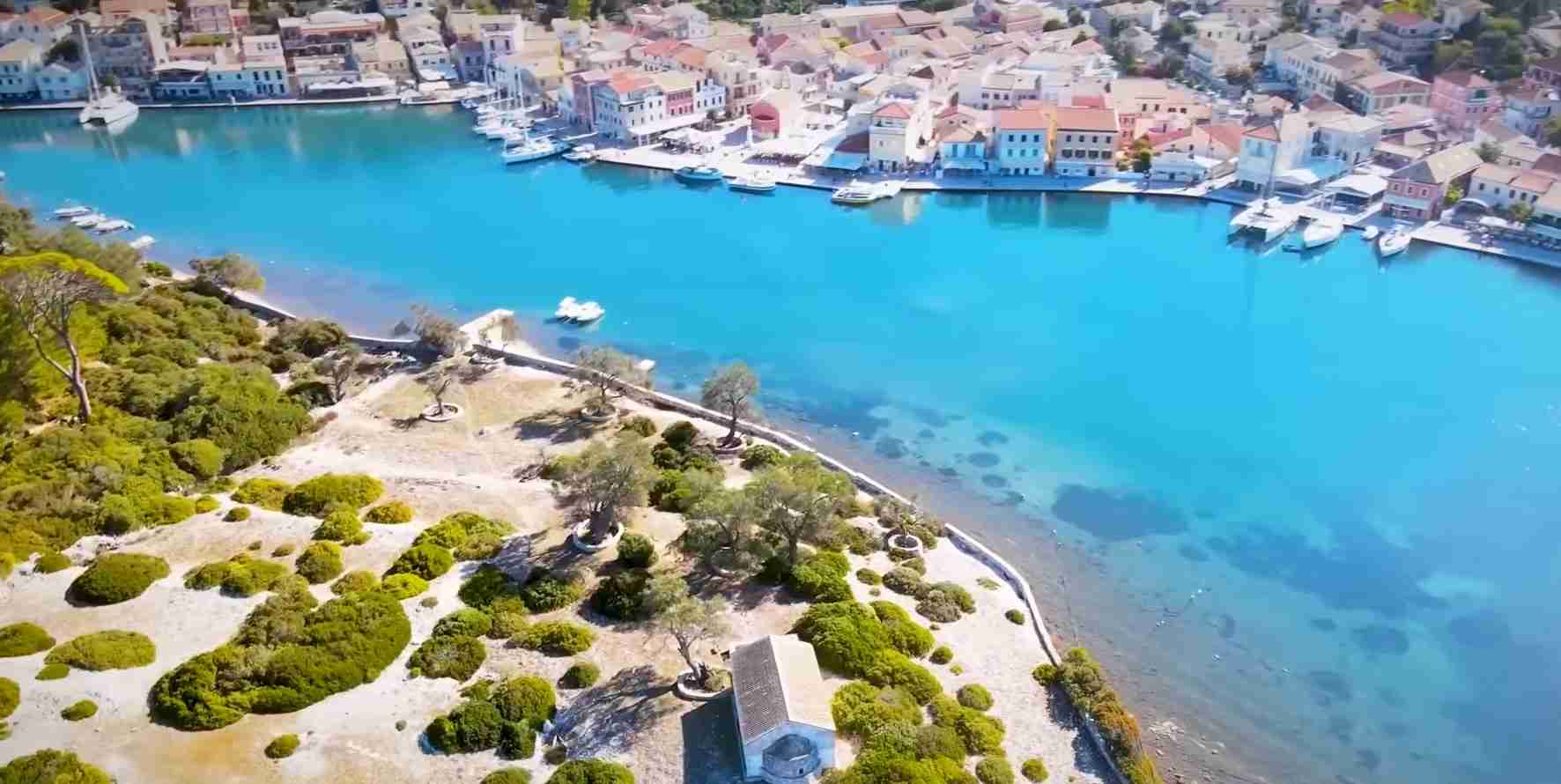
Greece Travel Guide 2026: Ultimate Planning Resource
Greece in 2026 combines 20 UNESCO World Heritage Sites spanning 3,500 years of civilization with 227 inhabited islands, budget-friendly travel costs averaging €80-150 daily for mid-range comfort, and simplified entry requirements through the new ETIAS authorization system launching late 2026. Strategic planning leveraging shoulder season timing (April-May, September-October), island-hopping ferry networks connecting Cyclades and Dodecanese destinations, and mainland archaeological circuit itineraries creates comprehensive Greek experiences balancing ancient history, pristine beaches, and authentic village culture without overwhelming logistics or excessive costs.
Key Takeaways: Planning Greece Travel in 2026
- UNESCO Cultural Wealth: Greece preserves 20 UNESCO World Heritage Sites including the Acropolis (€30 admission), Ancient Delphi, Meteora monasteries, and Medieval Rhodes, representing the highest concentration of Classical antiquity monuments globally alongside Byzantine and Venetian architectural heritage
- Realistic Daily Budgets 2026: Budget travelers manage €40-70 daily through hostels (€15-25 dorm beds), street food (€2.50-3.50 gyros), and public transport, while mid-range visitors spending €80-150 daily afford comfortable hotels (€40-60 nightly), taverna dining (€8-12 mains), and organized tours without financial strain
- Ferry Island-Hopping Costs: Domestic ferry networks connect islands with economy deck tickets ranging €15-60 for standard Cyclades routes (Athens-Santorini €50-70, Athens-Mykonos €38-55), while high-speed catamarans command 40-60% premiums reducing 4-5 hour conventional ferry journeys to 2-3 hours
- ETIAS Entry Requirement 2026: Non-EU travelers from visa-exempt countries (US, Canada, UK, Australia) require ETIAS authorization starting late 2026, costing €20 for three-year validity with 24-72 hour online processing completed before departure eliminating airport complications
- Optimal Timing Strategies: Shoulder seasons (April-May, September-October) deliver 18-25°C temperatures, 40-50% lower accommodation costs versus July-August peak, reduced ferry demand, and authentic local experiences as tourism pressure moderates after summer crowds disperse
- Mainland vs Island Balance: Strategic itineraries allocate 4-6 days exploring mainland archaeological circuits (Athens, Delphi, Meteora, Peloponnese sites), 7-10 days island-hopping Cyclades or Dodecanese chains, and 2-3 days Athens arrival/departure buffer creating comprehensive geographic and cultural coverage within 14-day standard vacation timeframes
People Also Ask About Greece Travel Planning 2026
How much does a 2-week Greece trip cost in 2026?
A 2-week Greece vacation costs €1,120-2,100 per person for mid-range travel in 2026, breaking down to €80-150 daily expenses covering accommodation (€40-60 per night in mid-range hotels or Airbnbs), dining (€30-50 daily for taverna meals and café breaks), inter-island ferry transport (€15-60 per route), museum and archaeological site admissions (€10-30 per major site), and organized day tours (€50-120 for Meteora or Delphi excursions). Budget-conscious travelers reduce costs to €560-980 for two weeks (€40-70 daily) through hostel dormitories (€15-25 nightly), self-catered meals from supermarkets and bakeries (€15-25 food budget), slower conventional ferries avoiding high-speed premium pricing, and self-guided exploration using free walking routes and audio guides. Luxury travelers exceed €4,200 for two weeks (€300+ daily) through boutique hotels in Santorini caldera positions (€200-400 nightly), fine dining experiences, private yacht charters between islands, and premium organized tours. These ranges exclude international flights but include all in-country expenses from Athens arrival through final departure, with geographic choices significantly impacting totals as expensive islands like Mykonos and Santorini increase daily averages 30-50% versus less-touristy Dodecanese or Northern Aegean destinations.
Is Greece expensive compared to other European destinations in 2026?
Greece ranks as moderately priced within Western Europe in 2026, offering better value than France, Italy, or Spain while costing more than Eastern European alternatives like Bulgaria or Romania. Mid-range Greek daily budgets of €80-150 per person compare favorably to Italian equivalents of €100-180 or French costs of €120-200, with particular savings in dining categories where quality Greek taverna meals cost €8-12 for mains versus €15-25 for comparable Italian or French restaurant dishes. Accommodation pricing proves competitive with Western European norms at €40-60 for clean, centrally located mid-range hotels matching quality levels costing €60-90 in major French or Italian cities. Transportation costs favor Greece through extensive affordable ferry networks (€15-60 inter-island routes) and budget public buses (€1.20 Athens metro rides, €5-15 intercity KTEL buses), while Western European rail passes and short-haul flights command premium pricing. The primary expense exceptions involve tourist-saturated islands Santorini and Mykonos where July-August accommodation inflates to €150-300 nightly for basic hotels, matching or exceeding costs in expensive Northern European capitals. Strategic Greece travel avoiding peak-season popular islands maintains solid budget-conscious value proposition throughout the country, particularly when compared to Scandinavia, Switzerland, or UK destinations where equivalent mid-range daily budgets exceed €150-200 per person.
What is the best Greece itinerary for first-time visitors in 2026?
The optimal first-time Greece itinerary for 2026 allocates 14 days balancing mainland archaeological highlights with Cyclades island exploration: spend Days 1-3 in Athens visiting the Acropolis (€30 admission), Acropolis Museum (€20 entry), Ancient Agora (€10), and Plaka neighborhood walking routes; Day 4 join Meteora day trip (€59-105 for organized tours visiting cliff-top monasteries); Days 5-7 ferry to Santorini (€50-70 from Athens, 5 hours conventional ferry) exploring caldera views, Oia sunset, ancient Akrotiri site, and distinctive black sand beaches; Days 8-9 continue to Naxos (€15-25 ferry from Santorini, 2 hours) experiencing authentic Cycladic village culture in Chora and Apiranthos; Days 10-11 hop to Mykonos (€20-30 from Naxos, 1 hour) touring windmills, Little Venice waterfront, and optional Delos archaeological site day trip (€12 ferry plus €12 admission); Days 12-13 return Athens (€38-55 from Mykonos, 3-5 hours) for Ancient Delphi day trip (€65-85 organized tours) visiting the Oracle sanctuary and archaeological museum; Day 14 Athens departure with morning National Archaeological Museum visit (€12 admission) or shopping in Monastiraki markets. This balanced route covers Greece’s essential experiences (Classical ruins, Byzantine heritage, island beaches, authentic villages) within realistic timeframes avoiding exhausting daily movement, incorporates strategic ferry connections minimizing backtracking, and allows flexibility adjusting island days based on weather or personal preferences. First-timers prioritizing beach time over archaeology can shift 2-3 mainland days toward additional Cyclades islands (Paros, Milos, Ios), while history enthusiasts add Peloponnese circuit visiting Mycenae, Epidaurus, and Ancient Olympia replacing one island segment.
Do I need to book Greece ferries and hotels in advance for 2026?
Greece ferry and accommodation advance booking requirements in 2026 depend heavily on travel timing, with peak season (July-August) demanding 2-3 months advance reservations while shoulder seasons (April-May, September-October) accommodate 1-2 week booking windows without availability concerns. High-speed ferry tickets on popular routes (Athens-Santorini, Athens-Mykonos, Santorini-Mykonos) sell out completely during July-August weekends requiring April-May booking for summer travel, while conventional Blue Star ferry economy deck tickets rarely sell out though cabin accommodations and vehicle spaces disappear 4-6 weeks before peak-season departures. Island accommodation on Santorini and Mykonos requires March-April booking for July-August stays as caldera-view properties and mid-range hotels in Oia, Fira, and Mykonos Town fill capacity by late spring, with prices escalating 100-200% compared to shoulder season rates. Mainland hotels in Athens, Delphi, and Meteora towns maintain better last-minute availability even during summer given higher accommodation inventory, though preferred central locations near archaeological sites still merit 4-6 week advance booking. Shoulder season travelers (April-May, September-October) successfully book quality accommodations 1-2 weeks in advance with solid choices remaining available, while ferry tickets purchased 5-7 days before travel secure preferred departure times without sellout risk on most routes. Budget travelers using hostel dormitories encounter minimal advance booking pressure given flexible cancellation policies and consistent bed availability, though popular social hostels in Athens, Santorini, and Mykonos benefit from 2-3 week advance reservations ensuring optimal locations. The optimal strategy books refundable accommodations 2-3 months in advance establishing itinerary framework while maintaining flexibility through free cancellation policies, then confirms ferry tickets 3-4 weeks before travel once weather forecasts and personal preferences solidify daily movement plans.
Extended multi-day tours – 5+ days
Featured Greece Multi-Day Tour Packages
15 days
Best of Greece (15 days) Athens & 4 Islands in 15 days (Self-Guided)
- ✓ Comprehensive Greece tour
- ✓ Expert local guides included
- ✓ All accommodation arranged
- ✓ Transportation provided
5 days
Classical Tour Greece Nafplion, Olympia, Delphi, Meteora
- ✓ Comprehensive Greece tour
- ✓ Expert local guides included
- ✓ All accommodation arranged
- ✓ Transportation provided
7 days
Cultural Athens & Island Hopping Mykonos – Santorini (Self-guided)
- ✓ Comprehensive Greece tour
- ✓ Expert local guides included
- ✓ All accommodation arranged
- ✓ Transportation provided
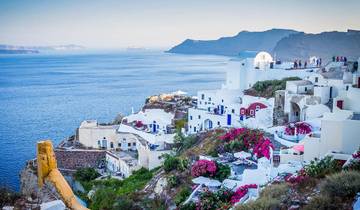
7 days
7 Days in Greece: Athens and Santorini Escape
- ✓ Comprehensive Greece tour
- ✓ Expert local guides included
- ✓ All accommodation arranged
- ✓ Transportation provided
Multi-day tour packages powered by TourRadar. Prices and availability subject to change.
Introduction: Planning Comprehensive Greece Travel in 2026
Greece presents modern travelers with extraordinary geographic and cultural diversity concentrated within surprisingly accessible boundaries, where ancient temples crowd urban Athens neighborhoods barely 2,500 years old, Byzantine monasteries crown dramatic Meteora rock pinnacles northwest of the capital, and 227 inhabited islands scattered across the Aegean and Ionian seas maintain distinct architectural traditions, culinary specialties, and historical narratives despite sharing common Hellenic heritage. The 2026 travel landscape balances exceptional value propositions against increasingly sophisticated tourism infrastructure, with mid-range daily budgets of €80-150 delivering comfortable experiences encompassing quality accommodation, authentic taverna dining, inter-island ferry transport, and organized archaeological tours impossible to replicate at equivalent costs throughout Western Europe.
The practical planning challenge involves navigating Greece’s geographic complexity through strategic itinerary construction balancing mainland archaeological circuits (Athens, Delphi, Meteora, Peloponnese UNESCO sites) against island-hopping adventures across distinct archipelagos (Cyclades, Dodecanese, Ionian, Sporades) operating on different seasonal schedules, ferry frequencies, and tourism development levels. First-time visitors commonly underestimate travel logistics, attempting overly ambitious 7-island itineraries creating exhausting daily movement between ferry terminals rather than meaningful destination engagement, or concentrating exclusively on tourist-saturated Santorini and Mykonos missing authentic village experiences preserved on lesser-known islands merely hours away by conventional ferry.
Greece’s 20 UNESCO World Heritage Sites anchor mainland exploration, concentrating remarkable Classical antiquity preservation (Acropolis, Ancient Delphi, Ancient Olympia, Delos island sanctuary, Epidaurus theater) alongside Byzantine monasteries (Meteora, Mount Athos, Daphni and Hosios Loukas complexes), medieval fortress towns (Rhodes, Corfu Old Town), and prehistoric palace complexes (Minoan sites on Crete, Mycenaean citadels in Peloponnese). These globally significant monuments provide cultural framework understanding Greek civilization’s contributions to Western philosophy, democracy, dramatic arts, architectural principles, and mathematical foundations, while simultaneously offering practical daily itinerary anchors around which broader regional exploration organizes logically.
The 2026 season introduces simplified entry procedures through ETIAS (European Travel Information and Authorization System) launching late in the year, requiring non-EU travelers from visa-exempt countries including United States, Canada, United Kingdom, and Australia to complete online pre-travel authorization costing €20 for three-year validity. This administrative adjustment adds minimal complexity to trip planning given straightforward online application processing within 24-72 hours, while eliminating previous passport control delays at airports and ferry ports through advance security screening. Domestic Greek travel logistics remain deliberately straightforward with extensive ferry networks connecting island chains on published schedules, affordable public bus systems (KTEL) linking mainland archaeological sites, and widespread English signage at major tourist destinations facilitating independent exploration without professional guide dependencies.
Optimal Greece timing prioritizes shoulder seasons (April-May in spring, September-October in autumn) delivering ideal 18-25°C temperatures comfortable for archaeological site walking and beach swimming, 40-50% reduced accommodation costs compared to July-August peak pricing, diminished ferry demand enabling last-minute booking flexibility, and authentic local cultural engagement as seasonal businesses operate at manageable capacity rather than overwhelming summer tourist volumes. Summer travel (June-August) trades higher costs, ferry booking pressures, and crowded archaeological sites for guaranteed sunshine, maximum ferry frequency across all routes, and vibrant island nightlife scenes particularly prominent on cosmopolitan Mykonos and party-oriented Ios. Winter travel (November-March) offers rock-bottom pricing and solitary archaeological site experiences offset by limited ferry schedules, closed island accommodations outside major towns, occasional rain disrupting outdoor activities, and cool 12-16°C temperatures less conducive to beach enjoyment.
This comprehensive planning guide addresses fundamental Greece travel decisions including realistic budget allocation across accommodation, dining, transport, and activities; geographic itinerary construction balancing mainland versus island priorities; seasonal timing optimization matching weather preferences against cost sensitivities; practical logistics covering ferry booking strategies, ETIAS authorization procedures, and inter-region transportation options; and detailed breakdowns of UNESCO archaeological sites, island-hopping routes, regional cuisine specialties, and budget management tactics enabling travelers to craft personalized Greek experiences matching individual interests, physical capabilities, and financial parameters within standard 7-14 day vacation timeframes.
Greece Budget Planning 2026: Realistic Daily Costs
Greece daily travel costs in 2026 divide into three distinct budget tiers reflecting accommodation standards, dining choices, transportation preferences, and activity participation levels, with accurate budget planning enabling appropriate financial preparation avoiding mid-trip spending restrictions or excessive economizing diminishing overall experience quality.
Budget Traveler Daily Costs Greece 2026 (€40-70 Per Person)
Budget-conscious Greece exploration costs €40-70 daily per person through strategic accommodation, dining, and transportation choices prioritizing cost efficiency while maintaining safety, cleanliness, and reasonable comfort standards. Hostel dormitory beds provide primary accommodation at €15-25 per night in major destinations including Athens, Santorini, Mykonos, Crete’s Chania and Heraklion, Rhodes Town, and Thessaloniki, with prices increasing to €20-30 during July-August peak season. Private hostel rooms serving couples or small groups cost €30-60 nightly making them economically competitive versus dormitories when traveling with companions, while offering noise reduction and personal space impossible in 6-8 bed shared rooms.
Budget dining emphasizes street food and supermarket purchases minimizing restaurant expenses: gyros and souvlaki wraps cost €2.50-3.50 providing filling meals with grilled pork or chicken, vegetables, tzatziki sauce, and fries; bakery spanakopita (spinach pie) and tiropita (cheese pie) sell for €2-3 serving breakfast or lunch; supermarket picnic assemblies cost €5-8 daily for bread, feta cheese, tomatoes, cucumbers, olives, and bottled water consumed in archaeological parks or beach settings. Occasional budget taverna dinners budgeted at €8-12 for main courses plus shared appetizers and house wine maintain connection to authentic Greek dining culture without overwhelming daily food allocations.
Transportation savings come through public buses and conventional ferries: Athens metro rides cost €1.20 for single journeys with 24-hour unlimited passes at €4.10 providing economical archaeological site circuit access; KTEL intercity buses charge €5-15 for mainland routes including Athens-Delphi (€15-18, 3 hours), Athens-Meteora via Kalambaka (€30-35, 4.5 hours); conventional Blue Star and Hellenic Seaways ferries cost €25-40 for economy deck seating on major Cyclades routes (Athens-Santorini €50-60, Athens-Mykonos €38-48, Santorini-Mykonos €25-35) accepting 5-7 hour journey durations versus 2-3 hour high-speed alternatives commanding 50-80% premium pricing.
Activities on shoestring budgets emphasize free walking routes, complimentary archaeological site access on designated free admission days (first Sunday monthly November-March, plus national holidays including March 6, March 25, April 18, May 18, last September weekend, October 28), beach time requiring zero expenses, and self-guided exploration using downloadable audio guides and printed guidebooks. Budget travelers typically skip organized tours (€50-120 daily), rental cars (€30-60 daily plus fuel), and entrance fees to paid archaeological sites, though strategic budgeting for 2-3 major UNESCO sites (Acropolis €30, Delphi €12, Meteora monasteries €5 each) maintains cultural engagement without destroying overall financial discipline.
Mid-Range Traveler Daily Costs Greece 2026 (€80-150 Per Person)
Mid-range Greece travel budgets of €80-150 daily per person deliver comfortable experiences balancing cost consciousness against quality accommodation, authentic dining, convenient transportation, and meaningful cultural activities avoiding either backpacker austerity or luxury excess. Clean, centrally located hotels and guesthouses cost €40-60 per night providing private bathrooms, air conditioning, breakfast inclusion, and proximity to archaeological sites or ferry terminals reducing taxi dependencies. Airbnb apartments in the €50-80 range offer kitchen facilities enabling occasional self-catering reducing dining expenses while maintaining authentic neighborhood locations away from pure tourist zones.
Mid-range dining allocates €30-50 daily for traditional taverna meals: breakfast at hotel or café costs €5-8 for Greek coffee, fresh bread, yogurt with honey; lunch options include €8-12 taverna main courses (moussaka, pastitsio, grilled fish, lamb dishes) with Greek salad and house wine at family establishments; dinner experiences range €12-18 for similar main courses in slightly upscale settings with appetizer sharing and drink upgrades. This budget supports authentic local dining three times daily without resort to street food or supermarket purchases, though strategic picnic lunches or bakery breakfasts create savings cushion for occasional splurge dinners.
Transportation combines conventional ferries with selective high-speed options and occasional taxis: economy ferry deck tickets (€25-60 for Cyclades routes) serve long-distance island hopping accepting slower speeds, while high-speed catamarans justified for short inter-island segments (€15-25 premiums reducing 2-hour routes to 1 hour feel worthwhile). Metro and bus systems cover urban transport with €4.10 Athens 24-hour passes, supplemented by €5-10 taxi rides when luggage or group travel makes public transport impractical. Rental cars budgeted €40-60 daily including basic insurance enable independent Crete or Peloponnese exploration though remaining unnecessary for pure island-hopping itineraries well-served by ferry networks.
Activities and entrance fees receive reasonable allocation: major UNESCO sites cost €10-30 admission (Acropolis €30, Acropolis Museum €20, Ancient Delphi €12, Ancient Olympia €12, Knossos Palace €15), organized day tours run €50-120 (Meteora from Athens €59-105, Delphi excursions €65-85, Santorini wine tours €60-90), and occasional splurges on sailing trips, cooking classes, or photography workshops enhance trip memorability without excessive financial burden. Mid-range budgets comfortably support 2-3 organized tours during two-week trips plus comprehensive archaeological site admission enabling meaningful cultural engagement.
Luxury Traveler Daily Costs Greece 2026 (€300+ Per Person)
Luxury Greece experiences exceeding €300 daily per person prioritize boutique accommodations, fine dining, private transportation, and exclusive activities creating premium travel memories through elevated service standards and unique access impossible at lower budget tiers. Santorini caldera-view suites in Oia or Fira cost €200-400 nightly during peak season providing infinity pools, sunset terraces, and concierge services, while Mykonos beachfront hotels command €250-500 for similar luxury positioning. Mainland boutique properties including Athens design hotels (€150-300) and restored traditional guesthouses in Delphi, Nafplio, or Monemvasia (€120-250) deliver intimate luxury balancing historic character with modern amenities.
Fine dining allocates €100-200 daily per person for sophisticated restaurant experiences: Michelin-starred Athens establishments charge €80-150 per person for tasting menus, upscale Santorini cliffside restaurants cost €60-100 for dinner with Caldera views, and premium tavernas serving highest-quality ingredients command €30-50 for main courses. Luxury budgets support sommelier wine selections, multi-course dining experiences, and rooftop cocktail venues charging €15-25 per drink creating memorable gastronomic journeys beyond simple nutritional requirements.
Private transportation through hired drivers, luxury car rentals, helicopter transfers, and yacht charters elevates convenience while compressing travel times: private drivers cost €200-400 for full-day archaeological tours (Delphi, Meteora, Peloponnese circuits), luxury car rentals run €80-150 daily for Mercedes or BMW models, inter-island helicopter transfers charge €200-400 per person eliminating 4-5 hour ferry journeys, and private yacht day charters start €800-1,500 for small groups creating intimate sailing experiences around Cyclades or Saronic islands.
Premium activities include private archaeological tours with PhD-qualified guides (€300-500 for small groups), exclusive wine tastings at boutique Santorini wineries (€80-150 per person), helicopter tours over Meteora or Santorini caldera (€150-300 per person), cooking masterclasses with renowned chefs (€120-200), and spa treatments at luxury resorts (€100-200 per session). These elevated experiences deliver exceptional quality, personalized attention, and unique perspectives unavailable through standard group tours or independent exploration.
Greece UNESCO World Heritage Sites 2026: Cultural Treasures
Greece preserves 20 UNESCO World Heritage Sites representing exceptional cultural and historical value spanning Classical antiquity, Byzantine religious architecture, medieval fortress complexes, and prehistoric palace civilizations. These globally significant monuments anchor mainland archaeological circuits while providing essential historical framework understanding Greek civilization’s foundational contributions to Western culture, philosophy, arts, and governance systems.
Essential Athens UNESCO Sites and Archaeological Zone 2026
The Acropolis of Athens dominates the capital’s skyline as Greece’s most visited UNESCO site, inscribed in 1987 for representing the apogee of Classical Greek architectural achievement. The fortified hilltop citadel crowned by the Parthenon temple (447-432 BC dedicated to goddess Athena) exemplifies ideal proportions, optical refinements, and sculptural integration defining Classical aesthetics for subsequent millennia. Adjacent structures including the Propylaea monumental gateway, Erechtheion temple with distinctive Caryatid porch, and Temple of Athena Nike demonstrate architectural evolution within unified sacred precinct. Adult admission costs €30 year-round (2026 pricing standardized eliminating previous seasonal variations) with timed entry reducing queue times, operating daily 8 AM opening with last entry 30 minutes before sunset (variable closing times: 8 PM summer, 5 PM winter).
The Acropolis Museum (separate €20 admission effective January 2026, increased from previous €15 summer/€10 winter pricing) houses original architectural sculptures, frieze panels, and archaic statues excavated from the site, with the third-floor Parthenon Gallery’s glass walls framing direct views of the hilltop temple creating powerful visual connection between museum displays and monumental context. The museum operates Tuesday-Sunday 9 AM – 5 PM (closed Mondays except summer) with Friday extended hours until 10 PM enabling atmospheric evening visits under dramatic lighting.
Athens’ broader archaeological zone encompasses the Ancient Agora (€10 admission) preserving marketplace, civic buildings, and the remarkably intact Temple of Hephaestus representing Greece’s best-preserved ancient temple, plus the Roman Agora (€8 entry) featuring the octagonal Tower of the Winds and Ottoman-era Fethiye Mosque illustrating Athens’ layered historical occupation. Strategic multi-site tickets once available have been discontinued as of 2026, requiring separate admission purchases for each archaeological location.
Mainland Archaeological Circuit: Delphi, Olympia, Meteora 2026
Archaeological Site of Delphi (UNESCO-listed 1987) occupies dramatic mountainside location 150km northwest of Athens, preserving the ancient world’s most influential oracle sanctuary where priestesses delivered Apollo’s prophecies to pilgrims from across the Mediterranean. The sprawling complex ascending Mount Parnassus slopes includes the Temple of Apollo foundation, intact Treasury of the Athenians, 5,000-capacity ancient theater with exceptional valley views, and hilltop stadium hosting Pythian Games. The exceptional archaeological museum displays original sculptures including the bronze Charioteer of Delphi and Sphinx of Naxos. Combined site and museum admission costs €12 (increased from €9-12 in previous years), operating daily 8 AM – 8 PM summer, 8:30 AM – 3:30 PM winter. Organized day tours from Athens cost €65-85 including round-trip transportation (3 hours each way), guided site tour, and museum visit.
Archaeological Site of Olympia in western Peloponnese (UNESCO 1989) preserves the birthplace of Olympic Games held every four years from 776 BC through 393 AD, with monumental Temple of Zeus ruins, intact Temple of Hera, ancient stadium with preserved starting blocks, and gymnasium complex. The site museum houses the Hermes of Praxiteles sculpture and pediment sculptures from the Temple of Zeus. Admission costs €12 for site plus museum, operating 8 AM – 8 PM summer, shorter winter hours. Access from Athens requires either rental car (4 hours drive) or organized tours combining Olympia with nearby archaeological sites.
Meteora (UNESCO 1988 as mixed cultural-natural site) presents six active Byzantine monasteries (Great Meteoron, Varlaam, Roussanou, St. Nicholas Anapafsas, Holy Trinity, St. Stephen) perched atop sandstone pinnacles rising 400 meters above Thessaly plains. Each monastery requires €5 admission payable cash only, with strict dress codes mandating long skirts or pants for women and covered shoulders for all visitors regardless of gender. Conventional access involves staying in nearby Kalambaka or Kastraki villages, though most Athens-based travelers opt for organized day trips (€59-105 for 13.5-hour experiences departing 8 AM and returning 10:30 PM) combining three monastery interior visits with hermit cave exploration and panoramic photography stops.
Island and Peloponnese UNESCO Sites Worth Visiting 2026
Medieval City of Rhodes (UNESCO 1988) preserves Europe’s best-preserved medieval fortress town with intact 4km defensive walls, Street of the Knights lined with Hospitaller inns, Grand Master’s Palace, and atmospheric old town quarters mixing Byzantine churches, Ottoman mosques, and Venetian fountains. The UNESCO zone occupies Rhodes Town’s historic center accessible via short flights from Athens (€50-100, 50 minutes) or conventional ferries (€50-70, 12-16 hours overnight sailings). Free walking exploration requires no admission with individual monuments charging €6-8 optional entry.
Delos island (UNESCO 1990) served as ancient Greek world’s most sacred sanctuary, mythological birthplace of Apollo and Artemis, and major Mediterranean trading hub from 3rd millennium BC through Roman period. The uninhabited archaeological island accessed via 30-minute ferries from Mykonos (€12 round-trip, departing 9-10 AM daily, return 12:30-3 PM) preserves extensive ruins including three temples, theater, residential quarters with floor mosaics, and the Terrace of the Lions with marble sculpture replicas. Site admission costs €12 with no shade or facilities requiring water, sun protection, and comfortable shoes for 2-3 hour walking exploration.
Mycenae and Tiryns (UNESCO joint listing 1999) represent Bronze Age Mycenaean civilization peak (1600-1100 BC) predating Classical Greece by 1,000 years, with Mycenae’s cyclopean walls, Lion Gate entrance, royal tombs including Treasury of Atreus, and palace foundations. Located near Nafplio in Peloponnese (2 hours from Athens), the combined sites cost €12 admission for both locations accessible via rental car or organized Peloponnese circuit tours (€80-120 from Athens combining Mycenae, Ancient Corinth, Epidaurus in single-day itinerary).
Greece Island Hopping 2026: Ferry Routes and Strategies
Greece’s 227 inhabited islands divide into distinct archipelagos (Cyclades, Dodecanese, Ionian, Sporades, Saronic, North Aegean) connected by extensive ferry networks operating daily, weekly, or seasonal schedules depending on route popularity, island size, and seasonal demand. Strategic island-hopping itineraries focus on single archipelagos minimizing complicated inter-group transfers, backtracking, and excessive ferry time consuming vacation days better spent exploring destinations.
Cyclades Island Hopping Routes and Ferry Costs 2026
Cyclades archipelago southeast of Athens encompasses Greece’s most popular islands including tourist magnets Santorini and Mykonos alongside lesser-known gems like Naxos, Paros, Milos, Sifnos, and Folegandros, all connected by frequent daily ferries during April-October season. Athens-Santorini represents the flagship route with conventional Blue Star ferries (€50-70, 5-7 hours) departing Piraeus port multiple times daily and high-speed SeaJets catamarans (€70-95, 4.5-5 hours) reducing journey time at 40-50% premium pricing. Athens-Mykonos ferries cost €38-55 for conventional service (3.5-5 hours) or €55-75 for high-speed options (2.5-3 hours), while the popular Santorini-Mykonos connection runs €25-40 conventional (2.5-3 hours) or €40-55 high-speed (2 hours).
Strategic Cyclades island-hopping creates geographic circuits avoiding backtracking: Athens → Mykonos → Naxos → Santorini → Athens works logically with each segment taking 2-3 hours by ferry at €20-40 per route; alternative Athens → Santorini → Naxos → Paros → Mykonos → Athens covers five islands in logical sequence with similar per-segment costs. Lesser-visited Cyclades including Milos, Sifnos, Folegandros connect less frequently (2-4 weekly ferries versus daily services to Santorini/Mykonos) requiring flexible scheduling and advance booking during July-August when limited capacity sells out 2-3 weeks ahead.
Ferry booking through consolidator platforms like FerryHopper.com enables single-transaction multi-route purchases comparing departure times and companies across Blue Star, SeaJets, Hellenic Seaways, Golden Star, and Fast Ferries operators. E-tickets deliver via email or app eliminating paper printing requirements, with simple smartphone barcode scanning at port gates replacing traditional ticket counters. Peak season (July-August) demands 2-3 months advance booking for high-speed ferries and cabin accommodations, while shoulder season (April-June, September-October) allows 1-2 week advance purchases with good availability maintained.
Dodecanese Island Hopping: Rhodes, Kos, Patmos Routes 2026
Dodecanese archipelago along Turkey’s coast encompasses larger islands Rhodes and Kos alongside smaller gems Patmos, Symi, Kalymnos, and Leros, connected by local ferry operator Dodekanisos Seaways running scheduled inter-island services. Rhodes serves as regional hub with daily connections to Athens (€50-70 conventional overnight ferries 12-16 hours, €90-120 flights 50 minutes), Kos (€25-35, 2.5-3 hours), and Patmos (€30-40, 4-5 hours). Kos-Patmos direct ferries operate 3-4 weekly (€20-30, 2-3 hours) enabling three-island circuits spending 3-4 nights each location within comfortable two-week timeframes.
Dodecanese island-hopping delivers distinct character versus Cyclades: Rhodes’ medieval UNESCO Old Town, Kos’ archaeological sites and beach resort atmosphere, Patmos’ UNESCO St. John’s Monastery and spiritual heritage create varied experiences beyond pure beach tourism. Smaller islands like Symi (accessible via €15-20 daily ferries from Rhodes, 1.5 hours) and Kalymnos (€15-20 from Kos, 1 hour) offer authentic fishing village culture, dramatic landscapes, and minimal tourist infrastructure appealing to travelers seeking quieter alternatives to mainstream destinations.
Dodecanese ferry schedules reduce November-March with some smaller islands receiving only 2-3 weekly services during low season, making spring through autumn (April-October) optimal timing for comprehensive island-hopping flexibility. The geographic position near Turkey enables combined Greece-Turkey itineraries via short international ferries from Rhodes or Kos to Turkish ports Marmaris and Bodrum (€35-50, 1-2 hours) though requiring separate visa documentation for non-EU travelers.
Saronic Gulf Islands: Day Trips from Athens 2026
Saronic Gulf islands (Hydra, Aegina, Poros, Spetses) located 1-3 hours from Athens Piraeus port via frequent daily ferries serve as popular day-trip or weekend getaway destinations combining beaches, historic towns, and easy Athens accessibility. Hydra stands out for car-free island status with donkey and water taxi transportation, preserved stone mansions lining picturesque harbor, and artistic heritage attracting painters and writers. Conventional ferries cost €15-25 (2.5-3 hours) while high-speed hydrofoils run €30-40 (90 minutes), operating multiple daily departures enabling same-day return Athens visits or overnight stays.
Aegina archaeological site preserves the Temple of Aphaia, one of Greece’s best-preserved ancient temples, alongside beaches and pistachio cultivation heritage. Ferry access costs €10-18 conventional (70-90 minutes) or €18-25 high-speed (40 minutes), with departures every 1-2 hours throughout day. Poros and Spetses offer similar beach resort atmospheres with neoclassical architecture and pine-forested landscapes, accessed via €15-30 ferries depending on speed preferences.
Saronic islands work optimally as Athens base supplements rather than dedicated island-hopping destinations, with 2-3 day trips integrated into broader Athens itineraries adding beach variety without complex ferry logistics. The proximity enables spontaneous decisions based on weather forecasts and personal energy levels, booking tickets morning of departure via online platforms or port agencies without advance reservation pressures affecting distant Cyclades or Dodecanese planning.
Greece Mainland Travel 2026: Beyond Athens Archaeological Sites
Greek mainland beyond Athens preserves exceptional archaeological concentrations in Peloponnese peninsula, dramatic landscapes in Epirus and Pindus mountains, important Byzantine heritage in Thessaloniki and Mount Athos, and accessible UNESCO sites around Delphi and Meteora forming comprehensive mainland circuits complementing island exploration.
Peloponnese Archaeological Circuit: Mycenae, Epidaurus, Olympia 2026
Peloponnese peninsula south of Athens concentrates remarkable archaeological density including four separate UNESCO sites (Mycenae-Tiryns, Epidaurus, Olympia, Byzantine Mystras) plus Ancient Corinth, Nafplio Venetian town, and medieval Monemvasia fortress, creating 5-7 day mainland itineraries requiring rental car for efficient site access. Rental cars cost €30-60 daily from Athens pickup locations, with automatic transmission commanding €10-15 daily premiums over manual standard. Comprehensive Peloponnese circuits cover 600-800km driving visiting major archaeological sites, coastal towns, and mountain villages in logical geographic sequence.
Ancient Epidaurus (UNESCO 1988) preserves the ancient world’s best-preserved theater with perfect acoustics demonstrated by whisper tests from orchestra to top tier seats 55 rows above, alongside Sanctuary of Asklepios healing complex ruins and excellent site museum. Admission costs €12 for combined site and museum access, operating 8 AM – 8 PM summer with reduced winter hours. The theater hosts summer festival performances June-August presenting Classical Greek drama in original ancient setting (tickets €20-40 per performance). Epidaurus lies 1.5 hours from Athens via rental car or organized day tours combining the theater with nearby Ancient Corinth and Mycenae in single itinerary (€80-120 per person including transportation and guide).
Nafplio serves as elegant Peloponnese base combining Venetian fortress architecture, waterfront promenade dining, and strategic position accessing Mycenae (30 minutes), Epidaurus (45 minutes), and Ancient Corinth (1 hour) via day trips. Accommodation ranges €40-80 nightly for mid-range hotels with old town locations, substantially less than comparable Athens properties while providing authentic small-town Greek atmosphere. Nafplio markets, tavernas, and cafés operate at neighborhood scales rather than industrial tourism levels characterizing Athens or island destinations.
Mystras (UNESCO 1989) preserves remarkable Byzantine ghost town cascading down mountainside near Sparta with palace ruins, churches containing original frescoes, monasteries, and defensive walls abandoned during 19th century population shifts to modern Sparta. The extensive site requires 2-3 hours walking exploration ascending steep cobbled paths accessing multiple terraces and building levels. Admission costs €12 with limited shade necessitating early morning or late afternoon visits during summer heat. Mystras combines effectively with Ancient Sparta archaeological park and nearby Mani Peninsula traditional tower villages in multi-day southern Peloponnese itineraries.
Northern Greece: Thessaloniki, Meteora, Mount Athos 2026
Thessaloniki, Greece’s second city located 5 hours north of Athens via bus (€35-45) or 50-minute flights (€50-100), preserves exceptional Byzantine and early Christian monuments (UNESCO 1988) including Rotunda, Hagia Sophia, and defensive walls alongside vibrant waterfront dining, university atmosphere, and modern cultural offerings. The compact city center enables 2-3 day visits covering Byzantine churches, Archaeological Museum, Ottoman heritage, and contemporary arts scene. Thessaloniki serves as strategic base for day trips to Meteora (3 hours west via rental car or organized tours), Mount Athos ferry access (2 hours east), and Vergina archaeological site (1 hour west) creating comprehensive northern Greece explorations.
Mount Athos (UNESCO 1988 as mixed site) operates as autonomous monastic republic preserving 20 active Orthodox monasteries restricting access to 100 daily male visitors only (women prohibited under religious traditions) requiring advance permits obtained through Athos Pilgrims Bureau 6+ months before travel. The multi-day hiking and monastery visits across roadless peninsula require serious logistical planning, moderate-to-difficult fitness levels, and genuine interest in Orthodox monasticism rather than casual tourism. Most non-Orthodox visitors experience Mount Athos remotely via boat cruises departing nearby Ouranoupoli viewing monastery exteriors from sea distance (€25-40 for 3-4 hour cruises).
Vergina (Ancient Aigai, UNESCO 1996) preserves Macedonian royal tombs including Philip II’s burial (Alexander the Great’s father) discovered intact in 1977 with remarkable gold artifacts, armor, and grave goods displayed in atmospheric underground museum built directly over excavation site. Located 1 hour from Thessaloniki via rental car or organized tours (€60-80 per person), Vergina combines with nearby Pella (Alexander’s birthplace) and Dion (Macedonian sanctuary at Mount Olympus base) forming full-day archaeological circuit exploring Macedonian heritage predating Classical Athens.
Crete: Greece’s Largest Island Travel Planning 2026
Crete spans 260km east-west requiring 5+ days minimum for comprehensive exploration combining Minoan archaeological sites (Knossos, Phaistos, Malia, UNESCO-listed 2025 as Minoan Palatial Centres), Venetian harbor towns (Chania, Rethymno), mountain gorges (Samaria, Europe’s longest at 16km), pristine beaches, and authentic village culture. Athens-Crete ferry connections via overnight Minoan Lines ships depart Piraeus 9 PM arriving Heraklion 6 AM following morning (€50-80 for economy deck seats, €80-150 for cabins sleeping 2-4), creating convenient time-efficient transport doubling as accommodation. Flights operate multiple daily Athens-Heraklion and Athens-Chania routes (€50-100, 50 minutes) for travelers prioritizing speed over overnight ferry cost savings.
Knossos Palace (€15 admission) requires separate visit beyond ferry/flight arrival as Crete’s premier archaeological attraction, preserving Bronze Age Minoan civilization ruins (1900-1350 BC) with controversial early 20th-century reconstructions providing visualization of original palace complex layout alongside authentic archaeological remains. Located 5km from Heraklion, the site suffers excessive tour group crowding 10 AM – 2 PM requiring strategic 8 AM opening arrival or 3-4 PM late afternoon visits. The nearby Heraklion Archaeological Museum (€12 admission) houses original Minoan frescoes, pottery, and artifacts essential for understanding Knossos context.
Crete rental cars prove essential rather than optional given island size and limited public bus connections between western Chania region and eastern Heraklion/Agios Nikolaos areas. Rental costs run €30-50 daily for economy manual transmission vehicles with fuel expenses adding €40-60 for weekly travel covering 500-700km typical exploration. The dramatic mountain interior, remote beaches, and traditional villages reward independent driving exploration impossible via organized tours or public transport limited to coastal highway routes.
Greece Seasonal Travel Planning 2026: Timing Strategies
Greece seasonal variations significantly impact costs, weather conditions, crowd levels, ferry availability, and overall travel experience quality, with strategic timing optimization delivering ideal conditions matching individual priorities regarding budget sensitivity, weather preferences, and tolerance for tourist density.
Spring Travel Greece (April-May 2026): Optimal Shoulder Season
Spring shoulder season (April-May) provides Greece’s best overall value proposition combining comfortable 18-25°C temperatures suitable for archaeological walking and initial beach swimming, wildflower-covered landscapes at peak bloom, 40-50% reduced accommodation costs versus July-August peak pricing, excellent ferry availability without booking pressures, and authentic local cultural experiences as seasonal tourism operations commence at manageable scales. Easter timing varies annually following Orthodox calendar (April 20, 2026) creating brief price spike and Greek domestic travel surge around holiday weekend, though non-holiday April and May weeks maintain consistent shoulder-season advantages.
Archaeological site visits excel during spring with moderate temperatures enabling extended exploration without summer heat exhaustion, good photography lighting, and reduced crowd density compared to July-August tour group invasions. The Acropolis, Delphi, Olympia, and Meteora provide comfortable walking conditions without 35°C+ temperatures forcing midday siesta breaks typical of summer months. Spring rains occur occasionally (5-8 rainy days monthly average April-May) requiring flexible schedules and rain gear but rarely disrupting entire days of outdoor activities.
Island beach seasons commence mid-May as water temperatures reach 19-21°C suitable for swimming, though April ocean temperatures of 16-18°C prove too cool for most visitors beyond brief wading. Accommodation and restaurant infrastructure on smaller islands operates reduced spring schedules with some properties remaining closed through May, while major destinations Santorini, Mykonos, Crete, and Rhodes maintain year-round services. Ferry frequencies increase progressively through April-May approaching summer maximum schedules by June, with all major routes operating daily services convenient for island-hopping flexibility.
Summer Peak Season Greece (June-August 2026): Crowds and Costs
Summer peak season (June-August) delivers guaranteed sunshine, maximum ferry frequency across all routes, warmest ocean temperatures (24-26°C), vibrant island nightlife particularly prominent on Mykonos and Ios, and complete accommodation/restaurant infrastructure operation even on smallest islands, offset by 50-100% higher costs versus shoulder seasons, overwhelming tourist crowds at major sites, uncomfortable heat (32-38°C mainland, 28-35°C islands), and advance booking requirements 2-3 months ahead for quality accommodations and high-speed ferries.
July-August represents Greece’s busiest period with European vacation weeks, North American summer breaks, and domestic Greek tourism converging creating maximum demand pressures. Santorini and Mykonos experience particularly severe crowding with cruise ship day-trippers supplementing overnight visitors, Acropolis entry queues extending 30-60 minutes despite timed tickets, and popular tavernas requiring reservations versus walk-in availability during quieter periods. Travelers tolerating crowds and higher costs benefit from social atmosphere, extensive organized tour options, maximum cultural events and festivals, and complete service infrastructure without seasonal closures affecting shoulder season experiences.
Heat management becomes essential planning consideration with archaeological sites lacking shade coverage forcing early morning (7-10 AM) or late afternoon (5-8 PM) visits, extended midday air-conditioned museum or café breaks during peak 1-4 PM heat, and generous water consumption preventing dehydration. Coastal islands and beaches provide relief from mainland heat intensity, with afternoon sea breezes moderating temperatures and ocean swimming offering natural cooling unavailable at interior archaeological sites. August specifically reaches annual temperature peaks with occasional 38-40°C extremes in Athens and mainland locations, though islands rarely exceed 35°C given marine climate influences.
Autumn Shoulder Season (September-October 2026): Ideal Timing
Autumn shoulder season (September-October) arguably provides Greece’s optimal travel timing combining summer’s warm weather inheritance (ocean temperatures remaining 23-25°C September, 21-23°C October enabling comfortable swimming), reduced costs approximating spring shoulder pricing, diminished crowds as summer vacation periods conclude, excellent ferry availability maintaining summer schedule frequencies through September gradually reducing October, and harvest season culinary specialties highlighting local wine, olives, and seasonal produce.
September specifically balances near-summer conditions without peak-season negatives: temperatures moderate to 25-30°C from August’s extremes, ocean warmth peaks from cumulative summer heating, accommodation costs drop 30-50% from July-August rates though remaining higher than October, and tourist crowds thin noticeably second half of month as European schools resume. October extends autumn advantages with further cost reductions (approaching winter low-season pricing), comfortable 20-25°C temperatures, minimal rainfall (3-5 rainy days monthly), and authentic local atmosphere as islands transition from summer tourism intensity toward quieter winter routines.
Ferry schedules maintain robust September frequencies with daily services across all major routes, then progressively reduce October as smaller islands shift to winter 2-3 weekly services. October island-hopping remains completely viable for major destinations (Cyclades, Dodecanese primary islands) though requiring schedule verification for lesser-visited islands potentially reducing services. Archaeological sites maintain summer operating hours through September then shift to winter schedules mid-October (earlier closing times, typically 3:30-5 PM versus 7-8 PM summer). Accommodation availability increases substantially versus summer capacity constraints, with same-day or 3-5 day advance bookings securing quality properties impossible during July-August peak.
Winter Low Season Greece (November-March 2026): Budget Travel
Winter low season (November-March) offers Greece’s lowest costs with €25-40 nightly mid-range accommodation versus €60-100 summer equivalents, uncrowded archaeological sites enabling contemplative experiences, authentic local engagement absent tourist season pressures, and reliable sunshine days (though interspersed with rain) maintaining outdoor activity viability, offset by cool 12-16°C temperatures uncomfortable for beach swimming, reduced ferry schedules (many island routes operating 2-3 weekly versus daily summer frequency), closed accommodation/restaurants outside major towns, and occasional rain disrupting outdoor plans.
Winter Greece suits budget-conscious travelers, archaeology enthusiasts prioritizing site access over beach time, photographers seeking dramatic winter light and storm conditions, and visitors comfortable with limited tourism infrastructure and flexible schedules accommodating weather variables. Athens, Thessaloniki, and major Crete towns maintain year-round services making them viable winter bases for archaeological explorations and cultural experiences, while smaller islands essentially close October-April with skeleton accommodation/restaurant operations serving only local populations.
Free archaeological site admission Sundays (November-March monthly) plus national holidays throughout year creates strategic opportunities for budget travelers coordinating itineraries around free admission dates eliminating €10-30 per site costs. The Acropolis, Ancient Delphi, Ancient Olympia, and other major UNESCO sites observe these free admission policies though requiring verification via official Hellenic Ministry of Culture announcements closer to travel dates as policies occasionally adjust. Winter weather brings 8-12 rainy days monthly requiring rain gear and backup indoor activities (museums, covered markets, café time), though rainfall typically arrives as intermittent showers rather than all-day deluges enabling outdoor exploration between weather systems.
Greece Practical Travel Logistics 2026: Essential Information
Greece travel logistics encompass entry requirements, currency and payment systems, language considerations, tipping customs, safety protocols, and health precautions essential for smooth trip execution without preventable complications or cultural misunderstandings.
ETIAS Entry Requirements Greece 2026: Authorization Process
European Travel Information and Authorization System (ETIAS) launches late 2026 requiring citizens from visa-exempt countries including United States, Canada, United Kingdom, Australia, New Zealand, Japan, and 60+ other nations to obtain pre-travel authorization before entering Greece or any Schengen Zone country. ETIAS represents screening system rather than visa, processing applications via online portal accessible through official website or mobile application with €20 fee covering three-year validity or until passport expiration, whichever occurs first.
Application processing typically completes within 24-72 hours through automated systems cross-checking applicant data against security databases, with approval delivered via email containing authorization number. Complex cases requiring manual review may extend processing to 4 weeks maximum, necessitating applications minimum 4-6 weeks before Greece departure avoiding last-minute complications. ETIAS authorization permits multiple entries during three-year validity for stays up to 90 days within any 180-day period, aligning with existing Schengen visa-waiver provisions while adding advance screening layer.
Application requirements include valid passport (minimum 3 months validity beyond intended departure from Schengen zone), email address, credit/debit card for €20 payment, and basic personal information (address, employment, education). The online form requires 10-15 minutes completion covering background questions, travel plans, and security screening queries. Travelers with criminal records, previous immigration violations, or unusual travel patterns may face additional scrutiny or denials requiring traditional visa applications through Greek consulates.
Currency, ATMs, and Payment Systems Greece 2026
Greece operates within Eurozone using euro (€) as official currency, with credit card acceptance widespread in cities and tourist areas though cash remaining essential for small tavernas, markets, archaeological site admissions, ferry ticket purchases at smaller ports, and rural village transactions. ATMs distribute throughout Athens, islands, and mainland towns dispensing euros against international debit/credit cards with typical €3-5 per transaction fees from Greek banks plus home bank foreign transaction charges (0-3% depending on card issuer). Daily ATM withdrawal limits typically cap €300-500 per transaction requiring multiple withdrawals for larger cash needs.
Credit card acceptance runs high in hotels, restaurants, shops, and organized tour operators, with Visa and Mastercard universally accepted while American Express encountering more limited acceptance. Contactless payment systems function normally for purchases under €50 without PIN requirements, though chip-and-PIN infrastructure predates contactless adoption requiring PIN knowledge for larger transactions. Some small family tavernas and village shops operate cash-only particularly in remote areas and smaller islands, necessitating adequate cash reserves avoiding embarrassing payment difficulties.
Currency exchange services at airports, ports, and tourist areas offer convenience at unfavorable rates (3-5% worse than ATM withdrawals), making ATM cash acquisition optimal strategy for most travelers. Exchange rate manipulation through deceptive pricing and hidden fees characterizes some tourist-area exchange bureaus, requiring careful transaction scrutiny and generally preferring ATMs over commercial exchange services. Home bank notification before Greece departure prevents fraud alerts blocking debit/credit card usage, a common preventable complication affecting unprepared travelers.
Language, Communication, and Tipping Customs Greece 2026
Greek serves as national language though English proficiency runs high in tourism sectors including hotels, restaurants, archaeological sites, and ferry operators, with younger Greeks (under 40) speaking conversational English and tourist-area businesses staffing English-speaking employees. Menus at tourist-oriented establishments typically offer English translations, archaeological sites provide English information panels, and transportation announcements include English versions. Basic Greek phrase learning (hello/yasou, thank you/efharisto, please/parakalo, excuse me/signomi) demonstrates cultural respect and facilitates positive local interactions beyond pure utilitarian communication.
Mobile connectivity through international roaming or local SIM cards enables constant internet access for maps, translation apps, ferry bookings, and communication. EU citizens enjoy roaming-free mobile service throughout Greece identical to home country usage, while non-EU visitors face either expensive home carrier roaming charges ($10-15 daily) or local prepaid SIM purchases (€15-25 for 10-20GB data packages) requiring unlocked phones. Free WiFi proliferates in hotels, cafés, and restaurants though security concerns around public networks necessitate VPN usage for sensitive transactions.
Tipping customs follow moderate European standards with discretionary gratuities appreciated rather than obligatory: restaurant bills typically round up or add 5-10% for good service (€2-5 typical for €25-40 meals), with cash left on table preferred over credit card tip additions. Taxi drivers appreciate rounding up to nearest euro without percentage-based calculations, hotel porters receive €1-2 per bag, and organized tour guides merit €5-10 per person for excellent full-day experiences. Service charges rarely appear on Greek restaurant bills unlike some European countries, leaving tip decisions entirely to patron discretion based on service satisfaction.
Greece Food and Dining 2026: Culinary Experiences
Greek cuisine emphasizes fresh seasonal ingredients, olive oil foundations, grilled meats and seafood, Mediterranean vegetable preparations, and locally produced wines creating distinctive regional flavors and authentic dining experiences central to cultural immersion beyond historical site visitation.
Essential Greek Dishes and Regional Specialties 2026
Traditional Greek taverna menus feature classic dishes appearing nationwide with regional variations: moussaka (layered eggplant, ground meat, béchamel sauce casserole) costs €8-12 as substantial main course; pastitsio (baked pasta with meat sauce and béchamel topping) runs €7-11; souvlaki (grilled pork or chicken skewers) serves as €8-10 plated meal or €2.50-3.50 wrapped street food version; Greek salad (tomatoes, cucumbers, onions, peppers, olives, feta) ranges €5-8 depending on portion size; tzatziki (yogurt-cucumber-garlic dip) accompanies meals at €3-5; dolmades (grape leaves stuffed with rice or meat) cost €6-8 as appetizer; saganaki (fried cheese) runs €7-9; grilled octopus commands €12-16 reflecting seafood premium pricing.
Regional specialties highlight geographic diversity: Santorini’s fava (yellow split pea puree) utilizes volcanic soil-grown legumes creating unique flavor; Crete’s dakos (barley rusk topped with tomatoes, feta, olive oil) showcases island’s bread tradition; Thessaloniki’s bougatsa (cream-filled phyllo pastry) serves as breakfast specialty; Corfu’s pastitsada (pasta with spiced meat sauce) reflects Venetian influences; Naxos and Mykonian cheeses (graviera, kopanisti) demonstrate island dairy excellence. Seasonal ingredients determine menu availability with spring wild greens (horta), summer tomatoes and zucchini, autumn grape harvests, and winter citrus creating natural menu evolution unavailable in standardized international cuisines.
Greek wines merit exploration beyond ubiquitous Retsina pine-resinated tradition, with Santorini’s Assyrtiko white wines gaining international recognition for volcanic terroir mineral character, Nemea’s Agiorgitiko red wines providing smooth tannins, and Naoussa’s Xinomavro reds offering age-worthy complexity. House wine (hima krasi) served in copper or aluminum carafes costs €3-5 per half-liter providing exceptional value versus bottled selections charging €12-25. Local microbreweries proliferate in Athens and islands offering craft beer alternatives to mass-market Mythos and Alpha lagers.
Restaurant Types and Dining Budget Strategies 2026
Greek dining establishments divide into distinct categories with corresponding price expectations: traditional tavernas serving home-style cooking in family-run operations charge €8-12 main courses with total meal costs €15-25 per person including appetizers, wine, and dessert; psarotavernas (fish tavernas) specialize in seafood commanding premium €15-25 main courses given fresh catch pricing; ouzeries and mezedopolia serve small plates (mezedes) designed for sharing with wine or ouzo costing €20-35 per person for varied tasting experiences; modern restaurants in Athens and upscale island locations charge €18-30 mains with contemporary presentations and international influences; souvlaki shops and bakeries provide quick €2.50-5 meals perfect for budget lunches.
Cost management strategies without sacrificing authentic experiences include: lunch as main meal taking advantage of €10-15 daily specials at quality tavernas serving generous portions; bakery breakfasts of tiropita, spanakopita, and Greek coffee totaling €3-5 versus €8-12 hotel breakfast buffets; supermarket picnic assemblies for beach days costing €5-8 per person; house wine in carafes providing better value than bottled selections; sharing multiple appetizers and salads among groups reducing per-person costs while sampling variety. Tourist-trap restaurants near cruise ship ports, archaeological sites, and Plaka’s main drags charge 30-50% premiums for mediocre quality, making 2-3 block walks toward residential neighborhoods yielding substantially better value and authenticity.
Meal timing follows Mediterranean patterns with breakfast (7-10 AM) light and quick, lunch (1-3 PM) as substantial daily meal when many Greeks take extended breaks, and dinner (8-11 PM) as leisurely social experience often starting 9 PM or later. Tourists dining 6-7 PM encounter empty restaurants staffed but not busy, missing authentic atmosphere developing later evening as Greek diners and families arrive. Weekend taverna reservations prove wise particularly in smaller towns with limited options, while weekday walk-in seating remains readily available outside high season July-August.
Frequently Asked Questions: Greece Travel Planning 2026
Is Greece safe for tourists in 2026?
Greece ranks among Europe’s safest destinations with violent crime extremely rare in tourist areas and standard travel precautions sufficient for confident exploration. Petty theft through pickpocketing and bag snatching occurs in crowded Athens locations (Monastiraki markets, metro stations, archaeological site queues) and ferry ports during boarding chaos, requiring basic security measures including front-carry daypacks, secure inner pockets for valuables, and vigilance in dense crowds. Street scams targeting tourists remain uncommon compared to some Mediterranean destinations, with legitimate business transactions and honest pricing characterizing most commercial interactions. Solo female travelers report overwhelmingly positive Greece experiences with respectful treatment, helpful assistance when lost, and minimal harassment compared to other European countries. Emergency services function reliably with 112 as universal emergency number connecting English-speaking operators to police, ambulance, or fire response. Tourist police divisions in major destinations provide English-language assistance for non-emergency issues including lost documents, theft reporting, and dispute resolution. Natural hazards requiring awareness include summer heat potentially causing dehydration or heat exhaustion during midday archaeological site visits, strong Aegean winds occasionally disrupting ferry schedules particularly affecting smaller high-speed catamarans, and slippery marble surfaces at ancient monuments especially when wet requiring proper footwear with grip. Overall security environment remains stable without terrorism concerns, civil unrest, or health crises affecting normal tourism operations throughout 2026.
Can I visit Greece without speaking Greek in 2026?
English-speaking tourists navigate Greece successfully without Greek language knowledge given widespread English proficiency in tourism sectors including hotels, restaurants, archaeological sites, organized tours, and ferry operators. Athens, major islands (Santorini, Mykonos, Crete, Rhodes), and popular mainland destinations (Delphi, Meteora) staff English speakers throughout hospitality industry, with younger Greeks under 40 typically speaking conversational English learned through education system and media exposure. Tourist-oriented restaurant menus provide English translations, archaeological site information panels include English descriptions, transportation announcements (metro, ferries, airports) broadcast English versions, and organized tours operate primarily in English catering to international visitor demographics. Translation apps including Google Translate enable real-time conversation through smartphone camera text translation or voice input overcoming occasional language barriers in rural areas or with older generations lacking English education. Basic Greek phrase learning (hello, thank you, please, excuse me, numbers 1-10) demonstrates cultural respect enhancing local interactions, with Greeks appreciating tourist efforts attempting their language even if pronunciation proves imperfect. Smaller islands, remote villages, and family-run traditional tavernas away from main tourist circuits may present greater language challenges though Greeks’ legendary hospitality typically overcomes communication barriers through gestures, patience, and creative problem-solving. Off-season travel November-March when tourism reduces increases likelihood encountering situations requiring translation app assistance or basic Greek knowledge, while peak season April-October maintains consistent English availability across all major tourist contexts. Overall language barrier remains minimal obstacle for English-speaking Greece visitors, ranking significantly easier than many European destinations including France, Portugal, or rural Italy where English proficiency runs lower in tourism sectors.
What is the best Greece island for first-time visitors in 2026?
Naxos represents the ideal first-time Greece island balancing authentic Cycladic culture, excellent beaches, reasonable prices, good ferry connections, and diverse experiences beyond pure beach tourism characterizing more specialized islands. The island’s capital Chora preserves medieval Venetian kastro quarter with labyrinth marble-paved alleys, waterfront dining district, and impressive Portara marble gateway ruins dominating harbor entrance, while interior mountain villages like Apiranthos and Halki maintain traditional architecture, craft workshops, and local tavernas serving regional specialties. Naxos beaches rank among Cyclades’ finest with long sandy stretches at Agios Prokopios, Agia Anna, and Plaka offering shallow turquoise waters, water sports facilities, and beachfront tavernas, supplemented by more remote southwestern coast beaches accessible via rental car or scooter. Ferry connections link Naxos directly to Athens Piraeus port (€43-60, 3.5-5 hours), Santorini (€15-25, 2 hours), Mykonos (€20-30, 1 hour), and Paros (€8-12, 45 minutes) enabling efficient Cyclades island-hopping integration. Accommodation costs remain 30-50% below Santorini and Mykonos equivalents with quality mid-range hotels €50-80 nightly, taverna dining averaging €12-18 per person for complete meals, and overall relaxed pace lacking aggressive commercialization affecting more famous neighbors. Alternative first-time recommendations include Paros for party atmosphere, windsurf culture, and traditional villages; Crete for comprehensive size enabling week-long stays combining archaeology, beaches, mountains, and cities; or Rhodes for medieval UNESCO Old Town, excellent infrastructure, and diverse activities. Santorini and Mykonos suit travelers prioritizing iconic scenery and luxury experiences accepting premium pricing and crowds, though their specialized character makes them less representative of authentic Greek island culture versus well-rounded options like Naxos providing broader experience spectrum.
How many days do I need for Greece vacation in 2026?
A comprehensive first-time Greece vacation requires minimum 10-14 days balancing mainland archaeological highlights with island beach experiences without creating exhausting daily movement or superficial destination engagement. The standard 14-day itinerary allocates 3-4 days Athens (Acropolis, museums, day trip to Delphi or Meteora), 3-4 days each in two Cyclades islands (Santorini and Naxos, or Mykonos and Paros), and 2-3 days flexible buffer accommodating weather delays, personal preferences, or additional island exploration. Shorter 7-10 day trips require choosing between mainland archaeological focus (Athens plus day trips to Delphi, Meteora, Peloponnese) or island concentration (Athens arrival/departure plus 5-7 days exploring 2-3 Cyclades islands), accepting inability to comprehensively cover both geographic zones within limited timeframe. Extended 14-21 day vacations enable combinations like 5-6 days mainland (Athens, Delphi, Meteora, Peloponnese circuit), 7-10 days Cyclades island-hopping (3-4 islands spending 2-3 nights each), and 2-3 days Crete exploration, or alternative configurations substituting Dodecanese for Cyclades, adding Thessaloniki and northern Greece, or dedicating full duration to single large island like Crete. Each destination merits minimum 2-3 nights avoiding exhausting daily packing and ferry terminal cycles, with 3-4 night stays enabling more relaxed pacing, weather buffer, and deeper local engagement. Ferry transit days consume vacation time through 2-7 hour journeys depending on routes and vessel speeds, plus port arrival buffers and check-in/checkout logistics reducing actual destination time. Strategic planning concentrates island selections within single archipelago (all Cyclades or all Dodecanese) minimizing complicated inter-group transfers and maximizing efficient sequential hopping between geographically proximate islands on frequent ferry routes. First-time visitors commonly overestimate feasible daily movement attempting 5-7 island itineraries creating unsustainable logistics, while conservative 2-3 island approaches provide satisfying depth, schedule flexibility, and stress-free experiences matching vacation relaxation goals better than aggressive coverage maximization.
Should I rent a car in Greece or use public transport in 2026?
Car rental decisions in Greece depend heavily on geographic itinerary with mainland exploration favoring rental cars for archaeological circuit flexibility while island-hopping renders vehicles largely unnecessary given excellent ferry networks and compact island sizes. Mainland rental cars cost €30-60 daily for economy vehicles with automatic transmission commanding €10-15 daily premiums, plus €40-60 weekly fuel expenses and €12-18 daily comprehensive insurance covering collision damage waivers. Athens-based mainland circuits visiting Delphi, Meteora, Peloponnese archaeological sites (Mycenae, Epidaurus, Olympia, Mystras), and mountain villages benefit substantially from rental car independence enabling spontaneous stops, flexible timing, and access to remote locations poorly served by public KTEL buses operating limited schedules. Crete specifically requires rental cars given 260km island length and interior mountain villages, gorge trailheads, and remote beaches inaccessible via public transport, making vehicles essential rather than optional for comprehensive Crete exploration beyond coastal resort areas. Island-hopping itineraries connecting Cyclades or Dodecanese destinations function optimally without cars as ferry travel prohibits vehicle transfers between most islands (vehicles possible but expensive at €60-120 per ferry segment), while individual island sizes enable walking, public buses, rental scooters/ATVs (€15-30 daily), and taxis covering local transportation needs efficiently. Santorini, Mykonos, Naxos, and most Cyclades islands operate compact enough dimensions that rental cars prove unnecessary expense adding insurance liabilities, parking hassles, and minimal practical advantage over €2-3 local bus rides or €10-15 taxi transfers between towns and beaches. Exceptions include larger islands like Rhodes or Kos where rental cars (or scooters for confident riders) enhance flexibility exploring archaeological sites and remote beaches, though public buses still provide viable budget alternatives for patient travelers comfortable with fixed schedules. Manual transmission prevalence in European rental fleets requires specification preferences during booking as automatic vehicles remain limited inventory commanding premium pricing, while unfamiliarity with manual operation creates safety hazards on mountain roads with hairpin curves, steep grades, and aggressive local driving culture. International Driving Permits technically required for non-EU license holders though enforcement proves inconsistent, with some rental agencies accepting home country licenses while others strictly requiring IDP documentation obtained through automobile associations ($20-25 fee, immediate issuance) before Greece departure.
What should I pack for Greece trip in 2026?
Greece packing priorities emphasize sun protection, comfortable walking shoes, modest clothing for archaeological sites and churches, and practical items unavailable or expensive locally. Essential clothing includes 3-4 lightweight shirts/tops, 2-3 shorts or skirts, 1-2 long pants or maxi skirts (required for monastery visits and conservative island churches), 1 light jacket or cardigan for evening breezes and ferry air conditioning, swimsuit and beach cover-up, comfortable broken-in walking shoes with grippy soles for marble archaeological sites, sandals for evening wear and beach. Sun protection requirements include high-SPF sunscreen (expensive in Greece at €15-20 for quality brands), wide-brimmed hat providing face and neck shade, quality sunglasses blocking UV rays, and light long-sleeve shirt for extended sun exposure. Practical items encompass reusable water bottle (1-liter capacity for archaeological site hydration), small daypack for daily excursions, power adapter (Type C/F European two-pin plugs, 230V), portable phone charger maintaining battery through long ferry days, basic first aid supplies including bandaids and pain relievers, prescription medications in original containers with copies of prescriptions. Electronics include unlocked smartphone for local SIM or international roaming, camera equipment for photography enthusiasts, waterproof phone case for beach and boat activities, and backup charging cables. Documents requiring physical copies include passport (minimum 3 months validity beyond departure), ETIAS authorization confirmation (starting late 2026), travel insurance policy details, hotel reservations, ferry tickets (though electronic tickets increasingly standard), and credit/debit cards from multiple issuers providing backup if one blocks for fraud concerns. Seasonal considerations add light rain jacket for April-May and October-November shoulder seasons, warmer layers for November-March winter travel, and mosquito repellent for summer evenings particularly in wetland areas or rural accommodations. Packing light philosophy suits Greece travel given frequent accommodation changes during island-hopping creating luggage manipulation between ferry terminals, hotels, and beaches, with 7-10 day trips manageable in single carry-on plus daypack avoiding checked bag fees, lost luggage risks, and physical burden moving heavy suitcases up narrow hotel stairs or cobblestone village streets lacking wheeled luggage accessibility.
Can I drink tap water in Greece in 2026?
Tap water safety in Greece varies by location with Athens and major mainland cities maintaining safe drinking water meeting EU standards, while many islands rely on desalination plants or tanker deliveries producing variable quality prompting bottled water preference by locals and travelers. Athens municipal water derives from mountain reservoirs delivering clean, chlorinated supply safe for consumption despite occasional unpleasant taste from chlorination levels, with restaurants and hotels serving tap water freely upon request without expectation of bottled water purchases. Smaller islands including Santorini, Mykonos, and most Cyclades destinations depend on desalinated seawater or summer water tanker shipments to supplement limited freshwater resources, creating mineral-heavy or slightly saline taste many visitors find unpalatable though technically safe under EU drinking water standards. Local practice guides best approach as Greeks themselves predominantly drink bottled water in island locations despite tap water safety certification, suggesting taste preferences and cultural habits rather than health concerns drive consumption choices. Bottled water costs remain quite affordable at €0.50-1 for 1.5-liter bottles from supermarkets (€1-2 from tourist shops, €2-3 from hotels), making economic barrier minimal for travelers preferring assured quality and taste. Restaurants typically charge €1-2 for bottled water table service with larger bottles serving multiple diners, though some establishments provide complimentary tap water carafes upon request particularly at traditional tavernas versus tourist-oriented restaurants. Environmental consciousness regarding single-use plastic bottles promotes reusable bottle carrying refilled from bottled sources at accommodations rather than purchasing daily disposables, balancing sustainability concerns against practical hydration needs in hot climate requiring 2-3 liters daily consumption during summer archaeological site walking. Water purification tablets or portable filters provide alternative for sustainability-focused travelers uncomfortable with bottled water environmental impacts, though marginal quality improvements over tap water rarely justify equipment weight and inconvenience given affordable bottled alternatives. Overall recommendation emphasizes bottled water for island travel while accepting tap water in Athens and mainland cities, with stomach sensitivity and personal taste preferences outweighing absolute safety considerations for most visitor decisions.
What is the best way to get from Athens airport to city center in 2026?
Athens International Airport (Eleftherios Venizelos) connects to city center via metro, express bus, and taxi providing options balancing cost, convenience, and luggage considerations. The metro Line 3 (blue line) operates every 30 minutes throughout day (5:30 AM – 11:30 PM approximately, verify current schedules via Athens Transport website) taking 40 minutes from airport to Syntagma Square central Athens with €9 single tickets or €16 roundtrip (valid 48 hours). Metro advantages include fixed pricing avoiding taxi negotiation, predictable journey times unaffected by traffic, and luggage accommodation though stairs at some stations create accessibility challenges for heavy bags without elevator access. The X95 express bus runs 24 hours daily connecting airport to Syntagma Square in 40-60 minutes depending on traffic at €5.50 per person, providing budget alternative accepting longer journey times and potential traffic delays offsetting metro speed advantages. Taxis from airport official taxi stands charge fixed €38 daytime rate (5 AM – midnight) or €54 nighttime (midnight – 5 AM) to central Athens neighborhoods including Syntagma, Plaka, Monastiraki serving 1-4 passengers with luggage, making taxis economical for couples or small groups splitting costs versus metro’s per-person pricing. Pre-booked private transfers through Welcome Pickups or similar services cost €40-50 with English-speaking driver, meet-and-greet service, and fixed pricing eliminating taxi scam concerns though offering minimal value over official taxi stand vehicles. Rideshare services including Uber and Beat operate at Athens airport though pricing approximates official taxi rates without meaningful savings justifying app dependency. Journey timing considerations account for rush hour traffic (8-10 AM, 5-7 PM weekdays) potentially doubling bus and taxi times to 90-120 minutes versus free-flowing midday or evening travel completing transfers 40-50 minutes, making metro optimal choice during traffic periods given grade-separated route unaffected by road congestion. Late-night or early-morning arrivals (midnight – 5:30 AM) when metro doesn’t operate require either X95 bus accepting longer journey times or taxi accepting higher nighttime rates. Accommodation proximity to metro stations guides optimal transport choice as metro delivers passengers to Syntagma, Monastiraki, or Acropolis stations requiring short walks to hotels versus taxis providing door-to-door service convenient for heavy luggage or mobility limitations. Overall recommendation prioritizes metro for solo or couple travelers during daytime with moderate luggage, while groups of 3-4 or families with children find taxi fixed pricing competitive when per-person costs considered, and budget-conscious solo travelers accept X95 bus €5.50 economy over €9 metro depending on minor convenience trade-offs.
Is Santorini worth visiting despite high costs in 2026?
Santorini merits inclusion in comprehensive Greece itineraries for distinctive volcanic caldera geography, sunset views from clifftop villages, unique black sand beaches, and iconic blue-domed churches representing quintessential Cyclades imagery, though 2-3 night visits prove sufficient experiencing highlights without excessive budget impact from sustained premium pricing. The volcanic crater rim villages of Oia, Fira, and Imerovigli deliver spectacular sunset viewing, whitewashed architecture cascading down cliffs, infinity pool luxury hotels, and sophisticated dining creating memorable visual experiences impossible to replicate elsewhere. Practical Santorini strategies minimize cost impacts: stay in Perissa, Kamari, or other beachside villages at €60-100 nightly versus €150-400 caldera-view properties, taking local buses (€1.80-2.50 per ride) to Oia for sunset viewing and evening dining rather than expensive accommodations; allocate single splurge dinner at €40-60 per person for caldera-view sunset experience balanced by budget taverna meals other days; visit ancient Akrotiri archaeological site (€12 admission) and local wineries (€20-30 for tastings) providing cultural substance beyond pure beach and sunset tourism; use ferry connections to Naxos, Paros, or Crete extending Cyclades experiences at more reasonable costs. Summer peak pricing (July-August) inflates Santorini costs 100-200% versus shoulder seasons when €100 hotels drop to €50-70 and restaurant premiums moderate, making April-May or September-October timing essential for budget-conscious visitors seeking Santorini experiences without financial excess. First-time Greece travelers benefit from 2-3 Santorini nights capturing iconic imagery and sunset experiences, while repeat visitors potentially skip the island favoring less-touristy Cyclades alternatives offering superior value and authenticity. The question ultimately reduces to personal priorities regarding budget flexibility and tolerance for crowds, as Santorini’s unique geography and photogenic qualities justify moderate premium versus other islands though full-week stays at peak prices prove difficult justifying when comparable accommodation and dining costs elsewhere in Cyclades run 40-60% less. Strategic approach incorporates Santorini as 2-3 night experience within broader Cyclades island-hopping rather than dedicated week-long focus, balancing must-see iconic destination against diversified geographic sampling and cost management across overall Greek vacation.
What vaccinations do I need for Greece travel in 2026?
Greece requires no mandatory vaccinations for entry from most countries with standard childhood immunizations (measles, mumps, rubella, diphtheria, tetanus, pertussis, polio) providing adequate protection for routine travel activities. The US CDC and European ECDC recommend ensuring routine vaccines remain current before international travel, with particular emphasis on measles-mumps-rubella (MMR) given occasional European outbreaks affecting unvaccinated travelers. Hepatitis A vaccination merits consideration for travelers consuming food from street vendors, rural tavernas, or markets given foodborne transmission risks, though Greece’s developed infrastructure and food safety standards create lower risk profile versus developing regions. Hepatitis B recommendations apply to travelers with potential blood or body fluid exposure including medical treatment needs, tattoos or piercings, or sexual contact with new partners during travel, though casual tourism activities present minimal transmission risk. Routine influenza vaccination (seasonal flu shot) provides general health protection particularly for elderly travelers or those with compromised immune systems, with Northern Hemisphere formulation appropriate for summer Greece travel. Tick-borne encephalitis vaccination consideration applies only to travelers engaging extended outdoor activities in rural northern Greece forests during spring-summer months when ticks actively transmit the virus, representing minimal concern for typical archaeological site and beach tourism. COVID-19 vaccination while no longer mandatory for entry as of 2024 onwards remains recommended by health authorities for international travel providing personal protection against severe illness, with current booster recommendations varying by age and health status. Prescription medication travelers should carry sufficient supplies for entire trip duration plus several days buffer in original labeled containers accompanied by prescriptions or physician letters describing medical necessity, as specific medications legal in home countries may face restrictions or unavailability in Greece requiring advance planning and documentation. Travelers with chronic conditions requiring medical devices (insulin pumps, CPAP machines, EpiPens) benefit from carrying medical documentation in English explaining conditions and treatment requirements facilitating airport security screening and emergency medical care if needed. Travel health insurance providing medical evacuation coverage, hospitalization costs, and emergency medical transportation merits serious consideration as standard domestic health insurance rarely covers international medical expenses, with policies costing €40-80 for 2-week coverage delivering substantial financial protection against potentially catastrophic medical costs abroad. Overall Greece presents minimal disease transmission risks for healthy travelers maintaining routine vaccinations current and exercising standard food and water safety precautions, with travel health preparation emphasizing prescription medication sufficiency and travel insurance coverage rather than exotic vaccination requirements characterizing developing region travel.
Can I visit both Greece and Turkey in one trip in 2026?
Combined Greece-Turkey itineraries prove logistically feasible given short ferry connections from Greek Dodecanese islands to Turkish Aegean coast, with day trips or multi-day Turkey extensions supplementing Greek island-hopping creating diverse Eastern Mediterranean experiences. Rhodes and Kos operate regular passenger ferries to Turkish ports Marmaris (Rhodes-Marmaris €35-50 each way, 1 hour), Bodrum (Kos-Bodrum €35-50 each way, 45 minutes), and Fethiye (Rhodes-Fethiye €40-60, 90 minutes) running daily April-October with reduced winter frequencies. These international ferries require passport presentation without visa requirements for most Western nationalities (US, Canada, EU, UK, Australia citizens receive visa-free or e-visa entry to Turkey), though travelers should verify current visa requirements through Turkish consulate websites as policies occasionally adjust. Day trips to Turkey from Rhodes or Kos work well for brief cultural exposure, bazaar shopping, and Turkish cuisine sampling, though superficial 6-8 hour visits barely scratch surface of Turkish coastal region richness. Multi-day Turkey extensions integrating 3-5 days exploring Ephesus archaeological site, Pamukkale travertine terraces, Istanbul’s Ottoman and Byzantine heritage, or Cappadocia’s underground cities deliver substantive Turkish experiences justifying international border crossing logistics. Strategic combined itineraries dedicate 10-14 days to Greek islands (Athens, Cyclades, Rhodes or Kos in Dodecanese) followed by 5-7 days Turkish coastal exploration via rental car from Bodrum or fly to Istanbul, or reverse sequence commencing Turkey concluding Greece depending on flight logistics and ferry availability. Practical considerations include allowing 2-3 hour port arrival times before international ferry departures for passport processing longer than domestic Greek ferry boarding, carrying adequate cash as Turkish lira ATM withdrawals charge fees and exchange services at ports offer poor rates, and managing accommodation transitions between Greek island bookings and Turkish hotel reservations requiring coordination across language and booking platform differences. Budget impacts remain moderate as Turkish costs often undercut Greek equivalents with similar quality accommodation and dining available at 20-40% lower pricing, though international ferry segments add €70-100 roundtrip per person versus €15-30 domestic Greek ferry routes. The combination appeals particularly to travelers exhausting Greek archaeology interest seeking cultural diversity, history enthusiasts comparing Hellenic and Ottoman civilizations occupying same geographic region different eras, and adventurous visitors maximizing geographic coverage within limited vacation timeframes. First-time Greece travelers generally benefit from focusing 14 days exclusively on Greek destinations achieving satisfying depth versus spreading attention between two countries risking superficial engagement with either, though repeat Greece visitors or those with extended 21+ day vacations find combined itineraries delivering rewarding Eastern Mediterranean comprehensiveness impossible within single-country limitations.