
Great Wall Visiting with Kids 2026: Complete Family Guide
Visiting the Great Wall of China with children transforms one of the world’s most remarkable UNESCO World Heritage sites into an unforgettable family adventure. The Great Wall stretches over 21,000 kilometers across northern China, with multiple sections near Beijing offering varying levels of accessibility, amenities, and child-friendly features. Selecting the right section makes the difference between an exhausting ordeal and a magical experience your children will remember for life.
Key Takeaways for Great Wall Family Visits 2026
- Mutianyu Section Best for Families: This restored section offers cable cars, toboggans, gentle slopes, guardrails, toilets, and restaurants—making it the most child-friendly Great Wall destination 70 kilometers from Beijing.
- Budget ¥350-500 Per Person Daily: Entrance fee ¥60 ($8), round-trip cable car ¥140 ($19), toboggan ¥100 ($14), transportation ¥80-120 ($11-17), meals ¥100-150 ($14-21), excluding Beijing accommodation.
- Arrive Before 10 AM to Avoid Crowds: Tour groups arrive 11 AM-2 PM during peak season; early morning visits provide cooler temperatures, better photos, and more relaxed exploration for young children.
- Baby Carriers Essential, Strollers Impossible: The Great Wall features steep stairs, uneven surfaces, and low doorways through watchtowers—backpack carriers work perfectly while strollers cannot navigate the terrain.
People Also Ask About Great Wall with Kids 2026
What is the best age to take kids to the Great Wall in 2026?
Children aged 5-12 years gain the most from Great Wall visits in 2026, possessing sufficient stamina for 2-3 hours of walking while appreciating the historical significance and dramatic scenery. Toddlers aged 2-4 years can visit successfully with baby carriers, though they tire quickly and remember less of the experience. Infants under 2 years present challenges with diaper changes and feeding logistics, though the Mutianyu section provides basic facilities. Teenagers excel at Great Wall exploration, handling longer hikes and steeper sections like Jinshanling. Physical fitness matters more than age—children who regularly hike or climb stairs adapt easily to Great Wall terrain.
How much does a Great Wall family trip cost in 2026?
A Great Wall day trip for a family of four costs ¥1,400-2,000 ($195-280) in 2026 from Beijing, covering transportation ¥300-500 ($42-70) for private car or ¥120 ($17) for public bus per person, Mutianyu entrance ¥240 ($33) for two adults with children under 18 free, cable car round-trip ¥560 ($77) for four, toboggan ¥300 ($42) for three riders (minimum age 6), and meals ¥400-600 ($56-84) for restaurant dining. Budget families using public buses and packed lunches spend ¥600-800 ($84-112) total. Luxury private tours with guide and vehicle range ¥2,400-4,000 ($335-560) per family. These costs exclude Beijing hotel accommodation ¥800-2,500 ($112-350) nightly.
Is Badaling or Mutianyu better for kids in 2026?
Mutianyu surpasses Badaling for families with children in 2026 due to significantly fewer crowds, identical cable car accessibility, the unique toboggan descent that children love, gentler slopes with better maintained steps, and superior facilities including clean toilets and diverse restaurant options. Badaling receives 3-5 times more visitors daily, creating crushing crowds between 11 AM-3 PM that stress young children. Mutianyu’s 70-kilometer distance from Beijing matches Badaling’s accessibility while providing a calmer environment. The toboggan ride from Tower 6 offers thrilling fun that justifies the entire trip for children. Both sections charge similar entrance fees—Badaling ¥40 ($6) adults, Mutianyu ¥60 ($8) adults—with children under 18 entering free at both locations.
Can you use strollers on the Great Wall in 2026?
Strollers cannot navigate Great Wall sections in 2026 due to continuous steep stairs, narrow passages through watchtower doorways, uneven stone surfaces, and lack of elevator access beyond cable car stations. Even the most accessible sections like Mutianyu and Badaling feature constant staircases climbing and descending watchtowers. Parents must use backpack baby carriers or hip seats for children unable to walk independently. Cable cars transport families to upper wall levels, but the wall itself remains entirely stroller-incompatible. Carriers with good back support prove essential—the Osprey Poco and Deuter Kid Comfort models handle Great Wall terrain excellently while distributing weight properly for 2-4 hour visits.
Extended multi-day tours – 5+ days
Featured Great Wall Multi-Day Tour Packages
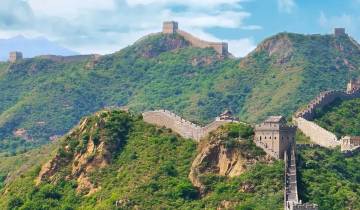
10 days
Walk the Great Wall of China
- ✓ Comprehensive Great Wall tour
- ✓ Expert local guides included
- ✓ All accommodation arranged
- ✓ Transportation provided

12 days
Walk the Great Wall + Xian Extension
- ✓ Comprehensive Great Wall tour
- ✓ Expert local guides included
- ✓ All accommodation arranged
- ✓ Transportation provided

1 days
One Day Private Tour of Beijing Great Wall from Shanghai
- ✓ Comprehensive Great Wall tour
- ✓ Expert local guides included
- ✓ All accommodation arranged
- ✓ Transportation provided

9 days
Walking the Great Wall
- ✓ Comprehensive Great Wall tour
- ✓ Expert local guides included
- ✓ All accommodation arranged
- ✓ Transportation provided
Multi-day tour packages powered by TourRadar. Prices and availability subject to change.
Introduction to Great Wall Family Adventures 2026
The Great Wall of China represents humanity’s largest architectural achievement, visible testimony to 2,000 years of Chinese military engineering and imperial ambition. For families traveling in 2026, the Wall offers children a tangible connection to ancient history—walking the same stone pathways that Ming Dynasty soldiers patrolled 600 years ago, climbing watchtowers that once signaled approaching armies with smoke and fire, touching weathered bricks shaped by hand in the 14th century.
Eight major Great Wall sections surround Beijing, each presenting distinct characteristics for family visits. Badaling welcomes the most tourists but suffers from overwhelming crowds. Mutianyu balances restoration quality with manageable visitor numbers while providing exceptional family amenities. Jinshanling and Simatai offer stunning scenery but demand serious hiking ability. Wild sections like Jiankou and Gubeikou present genuine dangers for children with crumbling walls, missing guardrails, and extreme steepness.
Successful Great Wall family trips in 2026 require matching section difficulty to your children’s ages and physical abilities, timing visits to avoid peak crowds and extreme weather, preparing for limited food and toilet facilities, and setting realistic expectations about hiking distances. Children under 10 years typically explore 1-2 kilometers of wall over 2-3 hours before exhaustion sets in. This guide provides comprehensive planning information for creating a Great Wall adventure your family will treasure.
Why Mutianyu is the Best Section for Families in 2026
Mutianyu Great Wall stands 70 kilometers northeast of Beijing in Huairou District, comprising 5.4 kilometers of restored Ming Dynasty fortifications featuring 23 watchtowers. This section earns universal recognition as the most family-friendly Great Wall destination for compelling reasons that matter when traveling with children.
Accessibility Features Designed for Young Visitors
The cable car system at Mutianyu eliminates the exhausting initial climb that defeats many children before they even reach the wall. Two options transport families upward: the conventional cable car ascending to Tower 14 on the western route, and the chairlift reaching Tower 6 on the eastern route. Both options reduce the physical demand dramatically—children ride comfortably for 8-10 minutes while viewing the wall snaking across mountain ridges below, building excitement rather than depleting energy.
The wall sections between Tower 6 and Tower 14 feature the gentlest slopes of any major Great Wall section, with many segments nearly level. Where stairs exist, they rise gradually rather than climbing nearly vertical pitches like those at Jinshanling or wild sections. Solid guardrails line both sides throughout the restored areas, providing parents peace of mind when children run ahead to explore watchtowers.
The toboggan descent from Tower 6 delivers the highlight experience children discuss for years afterward. This 1.5-kilometer stainless steel slide winds down the mountainside through forest, allowing riders to control speed with hand brakes. Children aged 6 and older ride independently while younger children sit between parent’s legs for safe descents. The toboggan transforms the potentially difficult descent into pure joy.
Facilities That Make or Break Family Visits
Mutianyu provides clean, Western-style toilets at the base area and at Tower 14 on the wall itself—a feature desperately needed by young children but absent from wild sections and limited at other restored areas. Multiple toilet facilities reduce parent stress considerably during 3-4 hour visits.
Restaurants and snack shops cluster at the entrance area and operate at the wall base, offering hot meals, drinks, and packaged snacks. Prices exceed Beijing city rates by 50-100% but remain reasonable: bottled water ¥5-8 ($0.70-1.10), simple lunch combinations ¥40-60 ($6-8), ice cream ¥10-15 ($1.40-2). The availability matters more than cost when children suddenly declare hunger or thirst.
Shaded rest areas with benches appear regularly along the restored sections, providing spots for children to rest, drink water, and eat snacks. These simple features reduce friction dramatically when young legs tire or summer heat intensifies.
Manageable Crowds Compared to Badaling
Mutianyu receives approximately 30-40% the visitor volume of Badaling during peak season, creating a noticeably more pleasant family experience. Morning visits before 10:30 AM often feel nearly private, with only scattered groups visible along the wall. Even during midday peak hours (11 AM-2 PM), Mutianyu rarely experiences the shoulder-to-shoulder crowding that makes Badaling miserable for children.
The section’s length distributes visitors effectively—western route hikers heading toward Tower 22 seldom encounter eastern route families exploring toward Tower 1. This geographic spread ensures children can explore at their own pace without constantly navigating dense tourist groups.
Great Wall with Kids Daily Budget Breakdown 2026
Planning accurate budgets prevents financial stress and ensures families allocate resources appropriately for a complete Great Wall experience in 2026. The following breakdown covers all major expense categories for a family of four (two adults, two children under 18) visiting Mutianyu section from Beijing.
Transportation Costs from Beijing 2026
Public Bus Option (Most Economical): Bus 916 departs Dongzhimen Wai bus station every 20-30 minutes from 6:00 AM to 5:00 PM, traveling to Huairou District for ¥30 ($4.20) per person one-way. At Huairou Bei Da Jie stop, families transfer to minibus H23 for ¥3 ($0.40) per person or shared taxi for ¥5 ($0.70) per person to reach Mutianyu entrance. Total round-trip transportation: ¥136-176 ($19-25) for four people. Travel time: 90-120 minutes each direction including transfers.
Private Car/Taxi (Maximum Convenience): Negotiated taxi rates from central Beijing average ¥600-800 ($84-112) round trip including 3-4 hour waiting time. Private car services through tour companies charge ¥800-1,200 ($112-168) round trip with English-speaking driver. Split among four people: ¥150-300 ($21-42) per person. Travel time: 75-90 minutes each direction depending on traffic.
Tour Bus (Moderate Option): Hotel pickup tour buses operating from major Beijing hotels charge ¥120-180 ($17-25) per adult round trip, children often half price or free. Total for family: ¥300-450 ($42-63). Departure times fixed at 7:00-8:00 AM, return 3:00-4:00 PM. Travel time: 90 minutes each direction with hotel pickups adding time.
Entrance and Activity Fees 2026
Mutianyu entrance tickets cost ¥60 ($8) for adults in 2026. Children under 18 years enter free with passport or ID verification. Two adults pay ¥120 ($17) total entrance. Check the official Mutianyu website for current rates as pricing may vary.
Cable car round-trip tickets cost ¥140 ($19) per person for adults, ¥70 ($10) for children 120-140cm height, free for children under 120cm when accompanied by paying adult. Family of four with children over 120cm pays ¥560 ($77) total. Alternative: chairlift charges identical rates with slightly more exposure and wind.
Toboggan ride costs ¥100 ($14) per person one-way descent, minimum age 6 years, children 6-10 must ride with adult at no additional charge. Family with two children over 6: ¥300 ($42). Children under 6 cannot ride the toboggan, requiring cable car descent instead.
Total entrance and activities for family of four: ¥680-980 ($95-137) depending on children’s ages and heights.
Food and Beverage Costs 2026
Packed snacks and water from Beijing supermarkets (recommended strategy): ¥80-120 ($11-17) provides ample trail mix, fruit, sandwiches, crackers, and bottled water for four people for the day. Children eat lighter quantities, making this budget realistic.
Restaurant lunch at Mutianyu base area: Simple noodle dishes ¥40-60 ($6-8), rice with meat and vegetables ¥50-80 ($7-11), dumplings ¥35-55 ($5-8), drinks ¥8-15 ($1.10-2). Family meal with modest selections: ¥200-300 ($28-42).
Snacks and drinks purchased on-site: Expect to spend ¥50-100 ($7-14) on bottled water, ice cream, fruit, and packaged snacks as children request refreshments throughout the day.
Total food costs: ¥100-400 ($14-56) depending on packed versus restaurant meals.
Complete Day Cost Summary 2026
Budget approach using public transportation and packed meals: Transportation ¥140 ($19), entrance and cable car ¥560 ($77), toboggan ¥300 ($42), packed food ¥100 ($14). Total: ¥1,100 ($154) for family of four. Per person: ¥275 ($38).
Moderate approach using tour bus and restaurant lunch: Transportation ¥350 ($49), entrance and cable car ¥560 ($77), toboggan ¥300 ($42), restaurant meal ¥250 ($35). Total: ¥1,460 ($204) for family. Per person: ¥365 ($51).
Comfortable approach using private car and restaurant: Transportation ¥800 ($112), entrance and cable car ¥560 ($77), toboggan ¥300 ($42), restaurant meal ¥300 ($42). Total: ¥1,960 ($274) for family. Per person: ¥490 ($68).
These costs exclude Beijing hotel accommodation ¥800-2,500 ($112-350) nightly depending on hotel category and location.
Best Times to Visit Great Wall with Kids 2026
Optimal Seasons for Family Visits 2026
Spring (April-May 2026) delivers ideal Great Wall conditions for families. Temperatures range 15-25°C (59-77°F), perfect for active exploration without overheating. Wildflowers bloom across the mountains, creating colorful scenery children enjoy. Trees display fresh green foliage. Crowds remain moderate except during May 1-5 Labor Day holiday when Chinese domestic tourism peaks dramatically—avoid this week entirely.
Fall (September-October 2026) rivals spring as the best family season. September temperatures mirror May at 15-23°C (59-73°F), while October brings cooler 10-20°C (50-68°F) weather. Mid-October showcases spectacular autumn foliage with mountainsides turning red, gold, and orange. The October 1-7 National Day holiday creates massive crowds worse than any other period—plan visits before September 25 or after October 10.
Summer (June-August 2026) challenges families with heat reaching 28-35°C (82-95°F) and high humidity. Morning visits before 10 AM provide bearable conditions, but midday heat exhausts children quickly. Summer brings occasional thunderstorms requiring flexibility. Conversely, summer offers the longest daylight hours and lush green vegetation. Plan extensive rest breaks, carry extra water, and accept reduced hiking distances.
Winter (November-February 2026) transforms the Great Wall into a frozen landscape beautiful in photos but harsh for young children. Temperatures drop to -5 to 5°C (23-41°F) with bitter winds on exposed wall sections. Ice makes stairs treacherous. However, winter delivers the smallest crowds—weekday visits can feel completely private. Families with older children (10+) who dress properly can enjoy unique winter Great Wall experiences.
Daily Timing Strategies 2026
Arrive at Mutianyu entrance by 9:00 AM for optimal family experiences. The cable car begins operating at 8:00 AM during peak season, 8:30 AM off-season. Early arrival provides cool morning temperatures, softer light for photos, and nearly empty wall sections before tour buses arrive. Children explore freely without crowds, parents relax without stress.
Tour group peak: 11:00 AM to 2:30 PM represents maximum crowding when dozens of group tours converge. If arriving during these hours proves unavoidable, explore the eastern route toward Tower 1 where fewer groups venture.
Afternoon visits (2:30-4:30 PM) work surprisingly well as tour groups depart and temperatures cool slightly. The toboggan and cable car operate until 5:00 PM during peak season, 4:30 PM in winter, allowing families to enjoy sunset lighting and emptier sections.
Plan 4-5 hours total for a complete Mutianyu visit: 90 minutes travel from Beijing, 2.5-3 hours on the wall including cable car and toboggan, 90 minutes return journey. Families attempting full-day Beijing sightseeing plus Great Wall visits create rushed, stressful experiences—dedicate the entire day to the wall itself.
Preparing Children for Great Wall Visits 2026
Educational Pre-Visit Activities
Building children’s historical knowledge and excitement before visiting transforms the Great Wall from “boring old wall” into fascinating adventure. Age-appropriate preparation strategies include:
Picture books for ages 4-7: “The Great Wall of China” by Crabtree Publishing provides simple explanations with vivid illustrations showing construction methods, soldier life, and wall geography. Reading together builds anticipation while establishing basic context.
Documentary videos for ages 8-12: National Geographic’s “Secrets of the Great Wall” (30 minutes) reveals construction techniques, military strategies, and modern preservation efforts in engaging format. YouTube offers numerous short videos showing toboggan rides and cable car journeys that excite children about specific experiences awaiting them.
Hands-on projects: Building small wall sections from cardboard boxes or Legos helps children understand defensive architecture. Creating watchtower models from recycled materials teaches military signaling. These activities make abstract history tangible.
Map study: Examining wall routes on China maps shows the immense scale spanning thousands of kilometers. Children grasp why the structure qualifies as humanity’s largest construction project. Locating the Beijing sections you’ll visit creates geographic awareness.
Physical Preparation and Conditioning
The Great Wall demands sustained physical effort even on family-friendly sections. Preparing children’s bodies reduces complaints and injuries:
Stair climbing practice: Spend 2-3 weeks before your trip having children climb apartment building stairs, stadium bleachers, or outdoor steps. Start with 10-15 minutes and build to 30-40 minutes. This specific training prepares leg muscles for continuous stepping up and down.
Endurance walks: Take family walks lasting 60-90 minutes at moderate pace through parks or neighborhoods. Children who regularly walk 2-3 miles without complaining handle Great Wall distances comfortably.
Ankle strengthening: Great Wall stones create uneven surfaces that stress ankles differently than flat pavements. Walking on trails, beaches, or intentionally varied terrain prepares ankles for this challenge.
Realistic distance expectations: Children aged 5-7 comfortably explore 1-1.5 kilometers of wall. Ages 8-10 manage 2-2.5 kilometers. Ages 11+ can match adult distances of 3-4 kilometers. Pushing beyond these ranges creates misery.
Essential Packing List for Kids
Baby carrier (children under 4 years): Backpack-style carriers with good hip belts distribute weight properly. The Osprey Poco Plus and Deuter Kid Comfort III prove excellent for 2-4 hour Great Wall visits. Hip carriers work for shorter visits but strain backs over longer periods.
Proper footwear: Athletic shoes or hiking shoes with good tread prevent slipping on smooth stones. New shoes cause blisters—wear already broken-in pairs. Bring band-aids regardless.
Sun protection: Wide-brim hats, sunglasses, and SPF 50 sunscreen protect children from intense exposure on shadeless wall sections. Reapply sunscreen every 2 hours.
Layers for temperature changes: Mountains create 5-10°C temperature differences between base and summit. Cable car rides feel cold from wind. Pack light jacket even on warm days. Remove layers during active climbing, add during rest breaks.
Hydration system: Each child needs 500ml-750ml water minimum. Backpack bladders with tubes encourage frequent sips. Bring 50% extra water beyond estimated needs—children drink unpredictably and wall vendors charge premium prices.
Snacks for energy: Trail mix, granola bars, fruit pouches, crackers provide calories for sustained effort. Children burn energy rapidly climbing stairs—pack substantially more food than seems necessary.
First aid basics: Band-aids, antiseptic wipes, pain reliever, motion sickness medication (for cable car), any prescription medications. Small injuries happen frequently on uneven surfaces.
Entertainment for cable car: Tablet loaded with games or videos occupies children during 8-10 minute cable car rides each direction. Some children experience anxiety on cable cars—distraction helps.
Age-Specific Great Wall Strategies 2026
Toddlers (Ages 2-4 Years) 2026
Toddlers present maximum challenges at the Great Wall but can visit successfully with proper strategies. They lack stamina for sustained walking, need frequent diaper changes or bathroom access, tire unpredictably, and cannot appreciate historical significance. However, they find watchtowers exciting to explore and enjoy cable car and toboggan rides.
Carrier mandatory: High-quality backpack carrier with rain cover and storage pockets becomes essential gear. Plan to carry your toddler 70-80% of visit duration. Let them walk short flat sections between towers but carry during all stairs.
Diaper changing stations nonexistent: Change diapers in cable car station restrooms before ascending. On the wall, find quiet corner areas away from crowds. Pack portable changing pad, extra diapers, wipes, disposal bags.
Naptime flexibility: Accept that the visit might trigger naptime. Carrier allows children to sleep while parents continue exploring. Alternatively, plan Great Wall visit around normal nap schedule—morning children visit 9 AM-12 PM, afternoon nappers visit 2-5 PM.
Realistic distance: Limit exploration to 1 kilometer total distance, roughly Tower 6 to Tower 10 or Tower 14 to Tower 18. Focus on quality time in limited area rather than distance covered.
Toboggan decision: Children under 6 cannot ride toboggan per safety regulations. Plan cable car descent instead. Some children dislike descending cable cars more than ascending—be prepared for potential distress.
Young Children (Ages 5-7 Years) 2026
Young children gain significantly more from Great Wall visits than toddlers, understanding they’re exploring ancient history and capable of walking moderate distances independently. They also tire less predictably and require constant supervision on walls with long drops.
Hand-holding non-negotiable: Despite guardrails, gaps exist where small children could squeeze through. Maintain physical contact or very close proximity (within arm’s reach) throughout wall sections. One parent should walk immediately behind child on stairs.
Rest breaks every 20-30 minutes: Young children cannot self-regulate effort, pushing until sudden exhaustion hits. Impose mandatory rest breaks whether they request them or not. Use breaks for water, snacks, photos.
Watchtower exploration as motivation: Frame the hike as tower-hopping adventure rather than distance walking. Each watchtower becomes an achievement to celebrate. Count towers climbed rather than focusing on endpoint.
Realistic distance: Children in this age range comfortably manage 1.5-2 kilometers total, visiting 5-7 towers. This provides satisfying accomplishment without pushing to negative experience.
Toboggan eligibility: Six is minimum toboggan age, and children 6-10 must ride with adults. This adds expense but creates highlight memory. Children this age universally adore the toboggan ride.
Middle Children (Ages 8-10 Years) 2026
Children in this age range make excellent Great Wall visitors, possessing physical ability for serious hiking, developing historical appreciation, and maintaining enthusiasm throughout longer visits. They represent the sweet spot for family Great Wall experiences.
Independence increasing: Eight-to-ten year olds can walk independently with visual supervision rather than hand-holding. They navigate stairs safely and understand danger awareness. However, maintain close watch near wall edges and unfenced sections.
Historical curiosity emerging: This age group asks genuine questions about wall purposes, construction methods, soldier life. Prepare answers about beacon tower signaling, watchtower functions, enemy strategies. Their engagement deepens the entire family’s experience.
Realistic distance: These children handle 2.5-3 kilometers comfortably, potentially more if exceptionally fit. Tower 6 to Tower 20 on Mutianyu represents achievable but satisfying distance requiring 2-3 hours including breaks.
Competitive motivation: Some children respond well to challenges like “Can we make it to Tower 15?” or “Let’s count total stairs climbed.” Others find such pressure stressful—know your child’s personality.
Photography involvement: Provide simple camera or phone for children to document their journey. This creative outlet maintains engagement and creates personal Great Wall story they can share with friends.
Preteens and Teens (Ages 11+ Years) 2026
Older children and teenagers can fully appreciate the Great Wall’s grandeur and handle adult-level hiking. They make excellent companions for exploring more challenging sections beyond family-friendly Mutianyu.
Adult-level distances achievable: Fit preteens and teens manage the entire Mutianyu restored section (Tower 1 to Tower 22, approximately 4 kilometers) without difficulty. They can tackle more challenging sections like Jinshanling or even carefully supervised Jiankou hikes.
Historical depth appreciated: These ages understand China’s imperial history, military strategies, construction engineering challenges. Provide in-depth explanations about Ming Dynasty threats, wall maintenance systems, cost of construction in lives and resources.
Photography skills developed: Teens excel at smartphone photography. Challenge them to capture artistic shots of wall perspective, architectural details, landscape integration. Great photos justify the trip to friend groups at home.
Independent exploration possible: At Mutianyu, teens can explore separately from parents within agreed boundaries (don’t pass Tower X) while parents hike at different pace. Establish clear meeting times and locations.
Motivation through adventure: Frame the visit as serious athletic achievement and adventure travel rather than family obligation. Older children appreciate the challenge and uniqueness of wall hiking.
Safety Considerations for Great Wall Family Visits 2026
Physical Hazards and Injury Prevention
The Great Wall presents multiple physical dangers requiring constant vigilance when visiting with children. Stairs throughout all sections feature irregular height and depth, creating trip hazards. Some steps rise 30-40cm (12-16 inches), forcing children to scramble. Others narrow to 15-20cm depth, barely accommodating adult feet. Children misjudge these variations, tripping frequently.
Stone surfaces become slippery when wet from rain, morning dew, or ice. Moss grows in shaded areas, reducing traction dramatically. Worn stones polished by millions of visitors create glass-smooth surfaces. Proper footwear with aggressive tread proves essential—smooth-soled shoes guarantee falls.
Low doorways through watchtowers measure 140-160cm (4.6-5.2 feet) height, positioned to force attackers to stoop. Modern visitors carrying children in backpack carriers must duck significantly to avoid head impacts. Children walking independently must be reminded to watch for low clearances.
Wall edges feature guardrails along restored sections, but gaps exist at tower corners and where modern railings end. Children climbing on walls or leaning over railings create genuine fall risks with deadly consequences. Enforce strict no-climbing rules and maintain close supervision near all edges.
Twisted ankles represent the most common injury on the Great Wall, occurring from uneven surfaces, misjudged steps, or fatigue-induced clumsiness. Children should wear ankle-supporting footwear and walk deliberately rather than running.
Weather-Related Challenges 2026
Summer heat exhaustion affects children faster than adults due to smaller body mass and less developed thermoregulation. Temperatures on exposed wall sections exceed 35°C (95°F) during July-August afternoons with minimal shade. Children should drink water every 15-20 minutes regardless of thirst sensation, rest frequently in shaded watchtowers, and wear hats continuously.
Thunderstorms develop rapidly in Beijing mountains during summer months, creating lightning danger on exposed ridges. The Great Wall represents the highest feature in the landscape, making wall visitors prime lightning targets. Weather forecasts should be checked before departure, and families should descend immediately when thunder sounds or dark clouds approach.
Winter ice transforms stairs into skating rinks, particularly on north-facing slopes that never receive direct sun. Microspikes or traction cleats for shoes become mandatory for winter visits. Many sections close entirely during ice conditions—verify operational status before attempting winter visits.
Wind exposure on ridgeline wall sections creates dangerous conditions for small children. Strong gusts can knock over young children or blow away hats, backpacks, and other items. Wind chill drops perceived temperatures by 10-15°C below ambient. Windbreaker jackets should be packed even on seemingly calm days.
Getting Lost and Separation Prevention
The Great Wall’s linear structure seems to prevent getting lost, but families do become separated in crowded conditions or when children explore side paths. Establish clear boundaries before starting your hike: “We’re walking from Tower 6 to Tower 12 only. Don’t go past Tower 12.”
Dress children in bright colors that stand out from the stone wall grays and surrounding green vegetation. Neon orange, pink, or yellow shirts make children visible at distance. Take photos of children at the start of the day showing their clothing for reference if separation occurs.
Program parent phone numbers into older children’s phones or write numbers on paper in their pockets. Many Great Wall sections have mobile phone coverage but verify your specific carrier’s coverage before relying on this.
Designate meeting points at specific towers: “If we get separated, return to Tower 10 and wait there.” Cable car stations work well as meeting points since families must eventually return there.
For young children, consider temporary tattoos or wristbands with parent phone numbers in Chinese and English. Local people can assist in reuniting separated families if they have contact information.
Crowd Navigation Strategies
During peak times, crowds create genuine physical dangers for small children who can be knocked down or swept along by moving groups. Teaching children to press against walls and let groups pass prevents collisions. Parents should maintain physical contact with young children in dense crowds.
Watchtower doorways create bottlenecks where crowds compress dramatically. Time watchtower entrances to avoid joining surging groups—wait for gaps in flow before entering or exiting.
Chinese tour groups often move en masse following flag-carrying guides, creating human waves that overwhelm small children. When you see an approaching tour group, step to the side and let the entire group pass rather than trying to push through.
Steep downhill stairs become especially dangerous in crowds as people above push forward. Control your descent pace, don’t let crowds rush you, and keep children in front where you can protect them from pressure behind.
Visiting Other Great Wall Sections with Kids 2026
Jinshanling Great Wall for Older Children 2026
Jinshanling section, located 140 kilometers from Beijing, offers the most beautiful Great Wall scenery accessible to families with children aged 10 and older in 2026. This section stretches 10.5 kilometers with 40+ watchtowers in varying restoration states, from fully reconstructed to romantically ruined. The mix of restored and wild sections creates dramatic photographic opportunities.
Physical demands exceed Mutianyu significantly: steeper sustained climbs, more irregular stairs, and limited guardrails in unrestored areas. Children must possess genuine hiking ability and stamina for 3-4 hour treks. However, the effort rewards with far fewer crowds than Mutianyu—even peak season days feel uncrowded.
No cable cars, toboggans, or extensive facilities exist at Jinshanling. Families climb approximately 30 minutes from the parking area to reach the wall, then hike the wall itself. One small restaurant operates at the entrance, but food options on the wall itself are non-existent. Pack all food and water needed.
Entrance fee for Jinshanling costs ¥65 ($9) for adults, children under 18 enter free. Transportation requires private car or tour, as public buses don’t reach this section—budget ¥800-1,200 ($112-168) for car hire from Beijing including waiting time.
Badaling as Alternative Family Option 2026
Badaling Great Wall serves as Beijing’s most famous section, located 70 kilometers northwest in Yanqing District. Despite reputation as overly crowded, Badaling provides legitimate family-friendly features for 2026 visitors willing to navigate masses of tourists.
The section offers two routes: the less-crowded southern route with 7 watchtowers and the extremely popular northern route with 12 towers. Cable car and surface escalator provide access options. Entrance fees cost ¥40 ($6) adults with children under 18 free, cable car ¥140 ($19) round trip per person.
Badaling provides excellent facilities including extensive restaurants, clean bathrooms, shopping areas, and the Great Wall Museum at the base. The wall itself features smooth pathways and comprehensive guardrails—accessibility rivals Mutianyu.
However, crowds reach crushing density between 10 AM-3 PM during peak season, creating stressful conditions for children. Families visiting Badaling must arrive before 9 AM or after 3 PM to avoid the worst congestion. Weekday visits during off-season (November-March) provide manageable crowd levels.
High-speed train service from Beijing Qinghe Station reaches Badaling in 25 minutes for ¥20 ($3) per person, offering the fastest and most convenient Great Wall access by public transportation.
Huanghuacheng Lakeside Great Wall with Families 2026
Huanghuacheng section, 75 kilometers from Beijing, offers unique lakeside scenery where portions of the wall disappear into reservoir waters—creating magical photographic opportunities that fascinate children. This lesser-known section provides excellent middle-ground between crowded Badaling/Mutianyu and challenging wild sections.
The section combines restored areas with wild portions, allowing families to experience both styles safely. Children enjoy boat rides on the reservoir viewing submerged wall sections, hiking the restored wall segments, and exploring wildflower meadows during spring. Physical demands fall between Mutianyu and Jinshanling—manageable for children 8+ with moderate hiking experience.
Limited facilities include small restaurants and basic restrooms at entrance, but nothing on the wall itself. Entrance fee costs ¥60 ($8) adults, children under 18 free. No cable cars exist—expect 20-30 minute hike to reach the wall from parking. Transportation requires private car or tour as public buses don’t serve this section.
Huanghuacheng attracts far fewer visitors than major sections, providing peaceful family experiences even during peak season. The lakeside setting offers picnic opportunities and relaxing scenery beyond just wall exploration.
Great Wall Day Trip Logistics from Beijing 2026
Optimal Hotel Base Locations 2026
Selecting strategic Beijing hotel locations reduces travel time to Great Wall sections significantly. Dongcheng District near Dongzhimen provides direct access to bus 916 for Mutianyu, plus proximity to Forbidden City and Tiananmen Square for other sightseeing days. Hotels in this area range ¥600-1,500 ($84-210) nightly.
Chaoyang District near Sanyuanqiao or Sihui offers excellent subway connections and proximity to Beijing Capital Airport. Private cars or taxis to Mutianyu take 60-75 minutes from these locations. Mid-range family hotels cost ¥700-1,800 ($98-252) nightly.
Staying directly in Huairou District near Mutianyu reduces travel time to 20-30 minutes but isolates families from Beijing city attractions. This works well for families dedicating 2-3 days exclusively to Great Wall exploration with multiple section visits. Huairou hotels range ¥400-1,000 ($56-140) nightly with fewer English-speaking staff.
For budget-conscious families, Dongzhimen and Gulou areas provide hostel and budget hotel options ¥300-600 ($42-84) nightly with good public transportation connections to both Great Wall buses and city attractions.
Private Car Service vs Public Transportation 2026
Private car services deliver maximum convenience for families with young children, eliminating the stress of navigating unfamiliar bus systems, managing transfers with tired kids, and adhering to fixed public transport schedules. Drivers handle all logistics while families relax. English-speaking drivers cost ¥800-1,200 ($112-168) for full-day Great Wall trips from Beijing hotels.
Tour companies offering private car services include China Highlights, WildChina, and China Odyssey Tours. Book 2-4 weeks in advance during peak season. Drivers typically arrive at 8:00 AM, transport families to Mutianyu, wait 3-4 hours while families explore, then return to Beijing by 2:00-3:00 PM.
Public bus option saves substantial money—¥140-170 ($19-24) total for family of four round trip versus ¥800-1,200 for private car. However, public buses require navigating Dongzhimen Wai bus station (entirely in Chinese), managing bus transfers at Huairou, dealing with crowded conditions, and adhering to fixed schedules. Families with mandarin-speaking members or adventurous spirits find this workable. Families with very young children or limited time may find the stress outweighs the savings.
Guided tours provide middle option: group tour buses from major hotels cost ¥300-450 ($42-63) for family of four including transportation, entrance tickets, English-speaking guide, and sometimes lunch. Tours impose fixed schedules and group pace but eliminate navigation stress and provide historical context.
Booking Entrance Tickets in Advance 2026
Mutianyu Great Wall switched to online-only ticket booking in 2024, continuing through 2026. Families must purchase entrance tickets through the official Mutianyu website (en.mutianyugreatwall.com) or authorized platforms like Trip.com, Klook, or Viator. Walk-up ticket purchases are no longer available.
Book tickets 2-7 days before your intended visit date. Peak season weekends and holidays (October 1-7, May 1-5, Spring Festival) require booking 1-2 weeks in advance as daily visitor caps limit entries. The booking system operates in Chinese and English but many foreign credit cards experience processing issues. Chinese payment apps WeChat Pay or Alipay work reliably but require Chinese bank accounts.
Authorized booking platforms charge small service fees (¥5-10 per ticket) but accept international credit cards more reliably. Some hotels offer booking assistance services. Tour packages include tickets, eliminating this hassle.
Cable car and toboggan tickets are purchased on-site at Mutianyu, not requiring advance booking. However, long queues form during midday peak hours—arrive before 10 AM to minimize wait times.
Frequently Asked Questions About Great Wall with Kids 2026
Can babies visit the Great Wall of China in 2026?
Babies under 2 years can visit the Great Wall in 2026 using backpack carriers, though the experience serves parents more than infants who won’t remember the visit. The Mutianyu section provides the best infrastructure for baby visits with clean toilets for diaper changes, cable cars eliminating stair climbing, and restaurants offering hot water for formula preparation. However, limited comfortable nursing spaces, no changing tables on the wall itself, and exposure to weather make infant Great Wall visits challenging. Babies ride cable cars free when held by parents. Summer heat and winter cold create genuine discomfort for infants who cannot regulate body temperature effectively. Many families postpone Great Wall visits until children reach 2-3 years when the effort proves more worthwhile.
What if it rains during our Great Wall visit in 2026?
Light rain actually creates beautiful atmospheric conditions at the Great Wall in 2026, with mist wrapping around watchtowers and mountains emerging from clouds. Bring waterproof jackets, avoid the slipperiest sections, and embrace the moody photographic opportunities. However, heavy rain makes stone stairs dangerously slippery, soaks children causing hypothermia risk, and prevents use of the toboggan at Mutianyu for safety reasons. Check weather forecasts before departing Beijing and reschedule if heavy rain or thunderstorms are predicted. The Great Wall remains open during rain but cable cars may temporarily close during lightning storms. Most tour operators allow free date changes if weather prevents safe wall visits.
Are wheelchairs or mobility aids possible at the Great Wall?
Wheelchairs cannot access the Great Wall itself at any section in 2026 due to continuous stairs, narrow passages, and uneven stone surfaces. However, wheelchair users can ride cable cars to upper stations at Mutianyu and Badaling, enjoy views from the cable car stations themselves, and access ground-level facilities including museums and restaurants. The Badaling section opened limited wheelchair-accessible pathways near the cable car station in 2023, allowing short wheelchair exploration of approximately 100 meters. No other sections offer any wheelchair accessibility on the wall structures. Families with mobility-impaired members can still experience Great Wall culture through base area facilities, cable car rides, and observation areas.
Should we hire a tour guide for Great Wall family visits?
Private tour guides enhance Great Wall experiences for families with children aged 8 and older who appreciate historical context in 2026. Guides explain military strategies, construction methods, soldier life, and cultural significance—transforming the wall from “old rocks” into fascinating story. English-speaking guides cost ¥600-1,000 ($84-140) for half-day Great Wall tours. However, families with young children (under 8) may find guides unnecessary expense since toddlers and young children lack patience for lengthy historical explanations and prefer active exploration. Self-guided visits work perfectly at Mutianyu where signage and facilities make navigation easy. Consider guide services for challenging sections like Jinshanling where route-finding proves difficult.
Can we bring food and drinks onto the Great Wall?
Yes, visitors can bring unlimited outside food and drinks to all Great Wall sections in 2026. Packing your own snacks, sandwiches, fruit, and water is strongly recommended as on-site food options at Mutianyu consist of basic restaurants at the entrance area and limited snack vendors. No restaurants operate on the wall itself. Water bottles cost ¥5-8 on-site versus ¥2 in Beijing supermarkets. Children consume snacks unpredictably during physical activity, so pack generous quantities. Bring more water than you think necessary—dehydration causes majority of children’s Great Wall complaints. Use backpacks to carry supplies, distributing weight evenly. All trash must be carried out as waste bins are limited on the wall sections themselves—bring trash bags to pack out wrappers and bottles.
What happens if my child gets injured at the Great Wall?
Minor injuries like scraped knees, twisted ankles, and bumped heads occur commonly at the Great Wall. First aid kits should include bandages, antiseptic wipes, pain relievers, and elastic bandages. For minor injuries, treat on-site and continue or descend based on severity. Mutianyu maintains medical stations at the cable car base area with basic first aid supplies and staff trained in emergency response. For serious injuries requiring hospital care, private cars can reach Beijing hospitals in 75-90 minutes from Mutianyu. Ambulance services respond to Mutianyu but travel time from Beijing hospitals averages 60-90 minutes. Tour guides and private drivers assist with emergency hospital transport and translation services. Travel insurance covering China should include medical evacuation provisions. Chinese emergency number is 120 for ambulances, though English speakers are limited.
Is the Great Wall suitable for children with special needs in 2026?
The Great Wall presents significant accessibility challenges for children with mobility limitations, sensory sensitivities, or developmental differences in 2026. Continuous stairs eliminate wheelchair access and challenge children with leg weakness or coordination difficulties. Crowds during peak hours overstimulate children with autism or sensory processing issues. However, families with special needs children can enjoy modified Great Wall experiences: cable car rides provide thrills without physical demands, base area museums offer educational content, and off-peak visits (weekday mornings November-March) provide calm environments with minimal crowds. The Mutianyu cable car stations at top and bottom offer accessible platforms for enjoying views without hiking. Families should assess individual children’s abilities realistically and consider whether alternative Beijing attractions might provide better experiences.
How do we handle bathroom emergencies with kids at the Great Wall?
Bathroom facilities at the Great Wall are limited, requiring planning for families with young children in 2026. Mutianyu provides the best facilities with clean Western-style toilets at the entrance area and additional bathrooms at Tower 14 on the wall itself—the only on-wall bathroom at any major section. These facilities have running water and soap but no changing tables. For sections without on-wall bathrooms, children must descend entirely via cable car to access facilities. Portable toilet seats for toddlers prove useful for Chinese squat toilets at some locations. Teach children to use bathrooms before ascending and again before leaving. For genuine emergencies on sections without facilities, find isolated areas away from main pathways—parents of young children understand necessity outweighs propriety in desperate situations.
What age should kids be to ride the Mutianyu toboggan in 2026?
Children must be at least 6 years old to ride the Mutianyu toboggan in 2026 according to safety regulations. Children aged 6-10 years must ride seated between an adult’s legs with the adult controlling the brake lever. Children 11 and older with sufficient maturity can ride independently in their own sleds. The toboggan descends 1.5 kilometers down the mountainside through forest on a stainless steel track with banked turns. Riders control speed using hand brake levers, allowing gentle or thrilling descents based on comfort level. Most families find the toboggan the highlight of their Great Wall visit, with children requesting multiple rides. However, children under 6 cannot ride under any circumstances—families with young children should plan cable car descents instead or split party with one parent riding toboggan while other accompanies young children on cable car.
Should we visit the Great Wall in winter with kids?
Winter Great Wall visits (December-February) with children succeed only when families dress properly for severe cold and accept icy conditions in 2026. Temperatures drop to -5 to 5°C (23-41°F) with brutal winds on exposed ridges. Ice coats stairs on north-facing slopes, requiring extreme caution or microspike traction devices. However, winter delivers spectacular empty wall sections—weekday visits feel completely private with zero crowds. Snow-covered Great Wall creates magical scenery rare to experience. Children aged 10+ who regularly experience winter conditions and dress in proper layered clothing, insulated boots, warm gloves, and windproof outerwear can enjoy unique winter Great Wall adventures. Families with young children (under 8) should avoid winter visits as cold exposure and ice risks outweigh benefits.