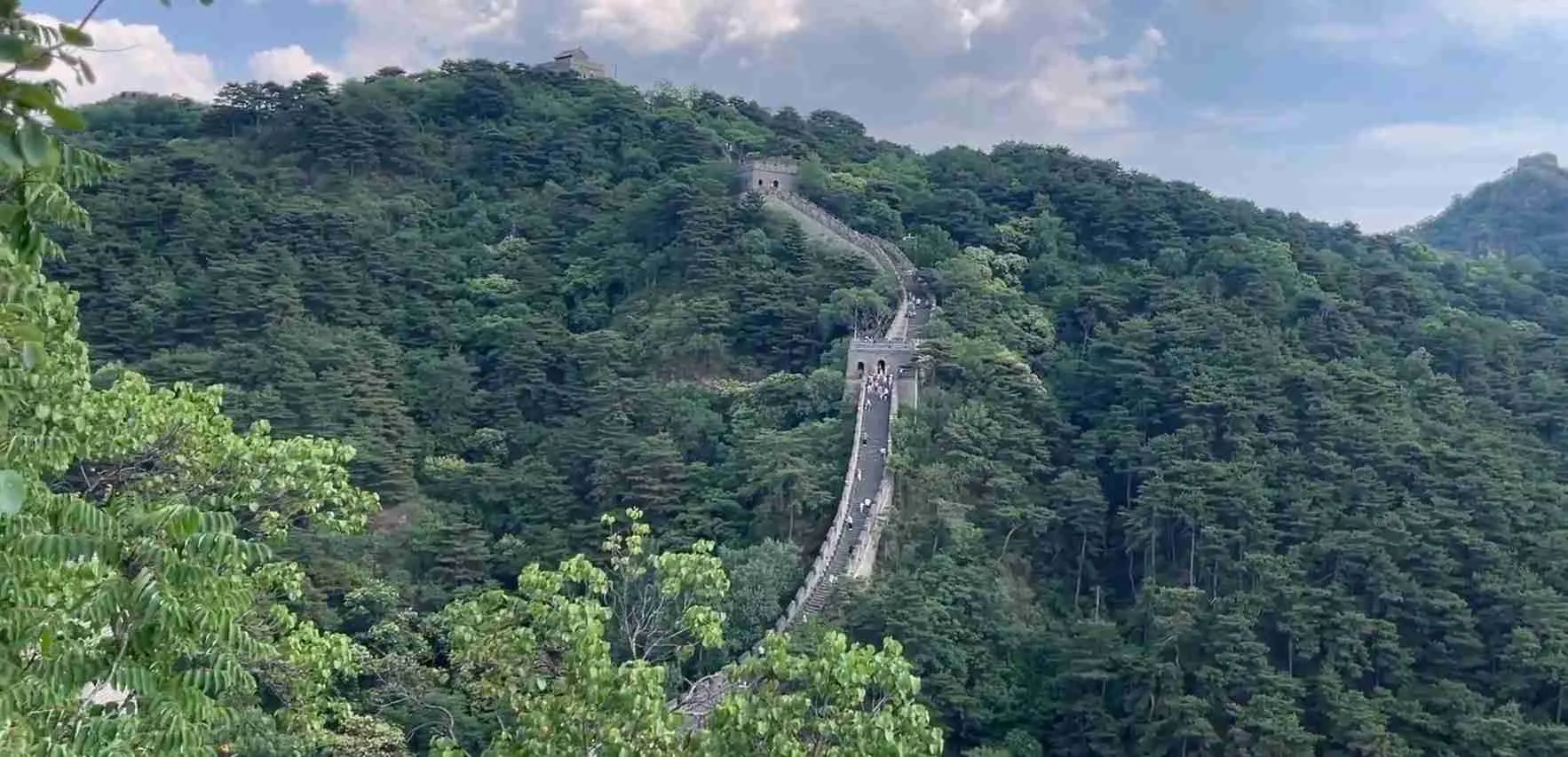
Great Wall Best Time Visit 2026: Seasonal Planning Guide
Visiting the Great Wall of China requires strategic timing to balance weather conditions, crowd levels, and budget considerations. Each season transforms this ancient wonder into distinctly different experiences, from spring’s mountain wildflowers to winter’s snow-draped battlements, with optimal visiting windows falling in April-May and September-October when comfortable temperatures meet manageable tourist numbers.
Key Takeaways
- Spring and autumn emerge as ideal visiting seasons in 2026, offering comfortable temperatures of 15-25°C (59-77°F), clear visibility for photography, and moderate crowd levels, particularly in April-May before summer peak and September-October after.
- Summer brings extreme heat and maximum crowds, with temperatures exceeding 30°C (86°F) at popular sections like Badaling and Mutianyu, though early morning departures before 8 AM reduce both heat exposure and tourist congestion significantly.
- Winter provides solitude and dramatic snow landscapes from December through February, with visitor numbers dropping 70% compared to summer peaks, though temperatures plunge to -10°C (14°F) requiring substantial cold-weather preparation.
- Chinese New Year in 2026 creates unique opportunities and challenges, with February 15-23 featuring extended hours at Badaling (6:30 AM-5 PM) and special night tours, but accommodation prices tripling in Beijing and tickets requiring advance booking weeks ahead.
- Weekday visits consistently outperform weekends year-round, reducing crowd density by 40-60% at major sections, with Tuesday and Thursday representing optimal days across all seasons for balanced weather and minimal tourist volume.
- Section-specific timing maximizes experience quality in 2026, with Mutianyu excelling in autumn foliage (mid-October), Jinshanling perfect for sunrise photography in spring (April-May), and Simatai’s night tours operating May through October offering illuminated battlements.
People Also Ask About Great Wall Visiting 2026
What is the absolute best month to visit the Great Wall in 2026?
October stands as the single best month for Great Wall visits in 2026, combining optimal weather conditions with spectacular autumn foliage and manageable crowd levels. Average temperatures range 10-20°C (50-68°F) with minimal rainfall, clear skies for photography, and vibrant mountain colors peaking mid-month. Early October (1-15) avoids China’s Golden Week holiday crowds while late October (20-31) offers even quieter conditions as temperatures cool. May ranks as close second, featuring spring wildflowers and fresh green landscapes, though slightly higher rainfall probability and warming temperatures toward month-end make October marginally superior for most travelers.
How much does visiting the Great Wall cost in 2026?
Total Great Wall visit costs in 2026 range ¥166-700 ($23-98) per person depending on section choice and transportation method. Badaling entrance costs ¥40 ($6) from April-October and ¥35 ($5) November-March, with high-speed train from Beijing North Station adding ¥18-31 ($2.50-4.30) for 25-minute journey. Mutianyu entrance costs ¥40 ($6) with optional cable car ¥140 ($19) round-trip and toboggan ¥100 ($14) one-way, plus tourist bus from Beijing ¥80 ($11) round-trip. Budget-conscious travelers spending ¥200-300 ($28-42) select public transport and skip cable cars, while comprehensive visits including premium transport and cable cars reach ¥500-700 ($70-98). Check official websites for current rates as pricing may vary seasonally.
Should I visit the Great Wall in winter 2026?
Winter Great Wall visits reward prepared travelers with extraordinary solitude and photographic drama but demand substantial cold-weather readiness. December through February temperatures drop to -10°C to 5°C (14-41°F) with bitter winds on exposed battlements, requiring layered thermal clothing, insulated boots, and hand warmers. Visitor numbers plummet 70% below summer peaks, creating opportunities for private wall experiences impossible during warmer months. Snow transforms sections like Mutianyu and Jinshanling into ethereal white landscapes perfect for dramatic photography, particularly after fresh snowfall. Ice accumulation makes steep sections dangerous without proper footwear, and some wild sections close entirely. January represents the coldest but clearest month for visibility, while December and February offer slightly milder conditions. Winter visits suit experienced travelers prioritizing atmosphere over comfort, with weekday visits in January providing near-solitary experiences at UNESCO World Heritage sections.
How crowded is the Great Wall during Chinese holidays in 2026?
Chinese New Year (February 15-23, 2026) and Golden Week (October 1-7, 2026) transform major Great Wall sections into extremely crowded destinations with visitor numbers surging 300-500% above typical levels. Badaling and Mutianyu become shoulder-to-shoulder during peak holiday hours (10 AM-3 PM), with wait times for cable cars exceeding 90 minutes and photography nearly impossible without including crowds in frames. Accommodation prices in Beijing triple during these periods, and train tickets to wall sections sell out weeks in advance. Travelers visiting during Chinese holidays must book everything 4-6 weeks ahead, arrive before 7 AM to beat crowds, or select lesser-known sections like Jinshanling, Gubeikou, or Huanghuacheng where holiday impact remains moderate. Alternative strategy involves visiting immediately after holidays end (February 24+ or October 8+) when prices normalize and crowds dissipate while weather conditions remain favorable.
Extended multi-day tours – 5+ days
Featured Great Wall Multi-Day Tour Packages
3 days
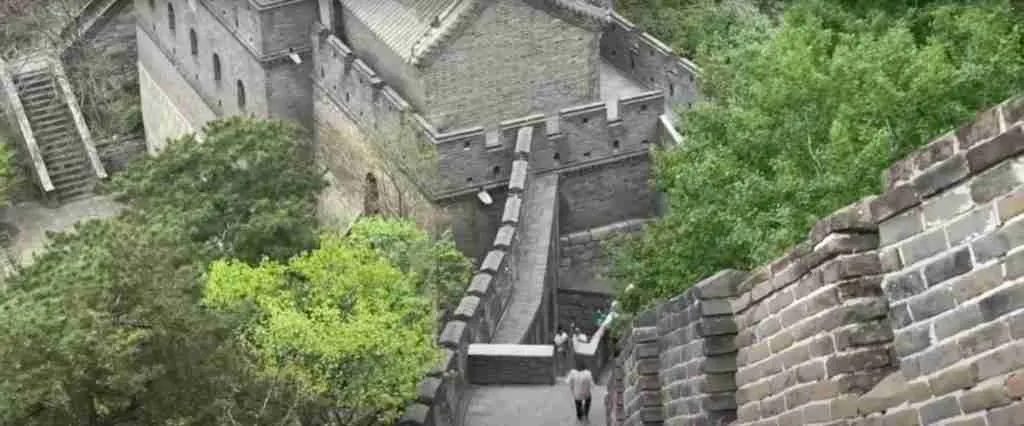
Great Wall 3-Day Discovery Tour
- ✓ Comprehensive Great Wall experience
- ✓ Expert local guides included
- ✓ All accommodation included
- ✓ Transportation provided

5 days
Great Wall 5-Day Highlights Experience
- ✓ Comprehensive Great Wall experience
- ✓ Expert local guides included
- ✓ All accommodation included
- ✓ Transportation provided
7 days
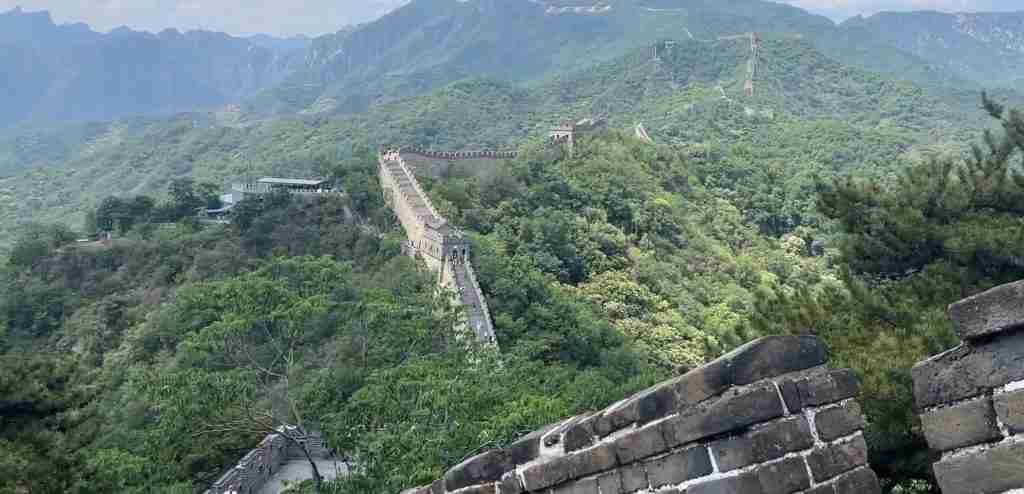
Great Wall 7-Day Cultural Journey
- ✓ Comprehensive Great Wall experience
- ✓ Expert local guides included
- ✓ All accommodation included
- ✓ Transportation provided

10 days
Great Wall 10-Day Complete Adventure
- ✓ Comprehensive Great Wall experience
- ✓ Expert local guides included
- ✓ All accommodation included
- ✓ Transportation provided
Multi-day tour packages powered by TourRadar. Prices and availability subject to change.
Introduction
Selecting the optimal time to visit the Great Wall of China shapes every aspect of the experience, from photographic opportunities and physical comfort to budget requirements and crowd encounters. This 21,196-kilometer fortification stretches across diverse climatic zones, creating dramatically different conditions throughout the year that transform the same section into entirely distinct destinations depending on season and timing.
The Great Wall near Beijing—home to most accessible and well-preserved sections including Badaling, Mutianyu, Jinshanling, and Simatai—experiences continental monsoon climate with four distinct seasons. Summer temperatures regularly exceed 30°C (86°F) accompanied by peak domestic tourism creating congested conditions, while winter plunges to -10°C (14°F) offering solitude at the cost of harsh weather. Spring and autumn occupy the sweet spot with temperatures ranging 10-25°C (50-77°F), though each brings unique characteristics affecting ideal visit timing.
Beyond basic weather patterns, numerous factors intersect to determine optimal visiting windows in 2026. Chinese public holidays concentrate domestic tourism into specific weeks, multiplying crowd levels severalfold during Golden Week and Chinese New Year. Photography considerations favor particular months for sunrise timing, autumn foliage, or winter snow. Budget travelers benefit from understanding seasonal price variations in accommodation and transport. Physical fitness levels interact with weather conditions to make certain months more suitable for extended hiking versus quick visits.
This guide analyzes every temporal variable affecting Great Wall visits in 2026, providing specific month-by-month recommendations for different sections, traveler types, and priorities. Whether seeking solitary sunrise at wild sections, family-friendly conditions at restored areas, or budget-optimized planning, understanding seasonal patterns enables informed decisions that maximize experience quality while matching individual constraints and preferences.
Understanding Great Wall Seasons and Weather Patterns 2026
The Great Wall near Beijing experiences continental monsoon climate creating four dramatically distinct seasons, each fundamentally altering the visiting experience through temperature variations, precipitation patterns, vegetation changes, and atmospheric conditions affecting visibility and photography.
Spring Climate Characteristics (March-May 2026)
Spring brings rapidly warming conditions from March’s lingering winter chill through May’s approaching summer heat. March averages 5-13°C (41-55°F) with occasional cold snaps and persistent winds, while April reaches comfortable 12-22°C (54-72°F) representing the season’s peak visiting conditions. May warms to 18-28°C (64-82°F) with increasing humidity signaling summer’s approach. Precipitation remains moderate at 20-40mm monthly, concentrated in brief afternoon showers that clear quickly. Mountain wildflowers bloom throughout April and early May, painting hillsides surrounding sections like Jinshanling and Mutianyu with yellow, pink, and white blossoms. Morning mist creates atmospheric photography opportunities early in season, while April’s clear days offer exceptional visibility extending 50+ kilometers. Vegetation transitions from bare branches through fresh green foliage, with peak greenery arriving late April through mid-May. Sandstorms occasionally blow from Gobi Desert in March and early April, reducing visibility and creating dusty conditions, though these events typically last 1-3 days.
Summer Climate Characteristics (June-August 2026)
Summer delivers intense heat, high humidity, and monsoon rainfall creating challenging conditions balanced by long daylight hours and fully green landscapes. June temperatures range 20-30°C (68-86°F), while July and August regularly exceed 32°C (90°F) with humidity levels reaching 70-80%. Afternoon thunderstorms occur frequently, particularly in July when Beijing receives 180-200mm precipitation—more than any other month. Morning visits before 9 AM offer tolerable temperatures before midday heat peaks, and shade becomes precious commodity on exposed wall sections. Dense vegetation reaches maximum growth obscuring some historical features but creating lush mountain scenery. Air quality improves during rainy periods but worsens during stagnant conditions between storms. Popular sections become extremely crowded, particularly weekends and July-August school holiday period when domestic tourism peaks. Extended daylight (sunrise around 5 AM, sunset after 7:30 PM) allows very early morning or late afternoon visits avoiding midday heat and crowds.
Autumn Climate Characteristics (September-November 2026)
Autumn represents the Great Wall’s premium visiting season, offering comfortable temperatures, minimal rainfall, clear skies, and spectacular foliage colors. September maintains summer warmth at 15-26°C (59-79°F) with decreasing humidity and rainfall, while October cools to ideal 8-19°C (46-66°F) with crisp air and peak autumn colors. November transitions toward winter at 0-10°C (32-50°F) with occasional early snow at higher elevations. Precipitation drops dramatically to 15-25mm monthly, concentrated in September’s early weeks. Foliage colors peak mid-October through early November, transforming mountains around Mutianyu, Jinshanling, and Huanghuacheng into vibrant displays of red, orange, and gold contrasting against grey stone battlements. Visibility reaches yearly maximum in October and November with clear days offering 60+ kilometer views. Air quality typically improves throughout season as winds disperse pollution. Tourist crowds remain moderate except Golden Week (October 1-7) when numbers surge dramatically. Morning temperatures in November require layering but afternoons remain comfortable for hiking.
Winter Climate Characteristics (December-February 2026)
Winter brings harsh cold, occasional snow, and minimal crowds creating stark beauty for prepared visitors. December and January temperatures range -10°C to 2°C (14-36°F) with wind chill factors pushing perceived temperatures lower. February warms slightly toward 0-8°C (32-46°F) as spring approaches. Precipitation falls mostly as snow totaling 5-15mm monthly, with accumulations of 5-20cm following storms. Snow transforms the Great Wall into dramatic monochrome landscapes particularly photogenic in morning light following fresh snowfall. Clear, cold days offer exceptional visibility and crisp air quality, though pollution episodes can trap smog during stable atmospheric conditions. Visitor numbers drop 70-80% below summer peaks, creating opportunities for solitary wall experiences at major sections. Ice accumulation makes steep stairs and inclines treacherous without proper footwear, and bitter winds on exposed ridges create dangerous conditions during temperature extremes. Some wild sections close entirely, and cable car operations may suspend during storms. Daylight shortens significantly (sunrise around 7:30 AM, sunset by 5 PM) limiting hiking time. Chinese New Year in late January or February brings temporary crowd surge and price increases, though 2026’s celebration falls February 15-23 outside the coldest period.
Best Months for Great Wall Visits in 2026
Month-by-month analysis reveals specific windows offering optimal conditions for different priorities and traveler types, with clear winners emerging for weather quality, crowd avoidance, and photographic opportunities.
April 2026: Prime Spring Visiting Window
April stands as spring’s optimal month, delivering comfortable 12-22°C (54-72°F) temperatures, minimal rainfall averaging 25mm, and spring wildflowers at peak bloom across mountain sections. Morning temperatures start cool at 8-12°C (46-54°F) requiring light jacket, while afternoons warm pleasantly for extended wall walking without summer’s oppressive heat. Tourist crowds remain moderate, particularly weekdays and early month before May holiday period begins. Fresh green vegetation emerges throughout April transforming winter’s brown landscapes into vibrant mountain scenery without summer’s dense growth obscuring historical features. Clear days dominate with excellent visibility for photography and distant wall views. Sunrise occurs around 5:45 AM, sunset near 7 PM, providing 13+ hours daylight for flexible scheduling. Accommodation prices remain reasonable at ¥400-600 ($56-84) for mid-range Beijing hotels, rising toward month’s end as May holiday approaches. April’s first two weeks represent the sweet spot—comfortable conditions established but crowds and prices not yet elevated. Sections like Jinshanling and Mutianyu excel during April with mountain wildflowers framing ancient stones, while even popular Badaling remains manageable on weekday mornings.
May 2026: Late Spring Peak Season Beginning
May brings warming temperatures of 18-28°C (64-82°F) that feel pleasant early morning but grow hot by afternoon, with late month days approaching summer conditions. Rainfall increases slightly to 35mm with more frequent afternoon showers, though these rarely disrupt full-day plans. Vegetation reaches full green growth creating lush mountain landscapes, and late wildflowers persist through mid-month. Tourist numbers escalate significantly during Labor Day holiday (May 1-5) when domestic travel surges, though post-holiday weeks offer more relaxed conditions before summer peak arrives. May’s longer daylight (sunrise 5:15 AM, sunset 7:30 PM) enables very early morning visits escaping crowds and heat. Accommodation prices spike during holiday week to ¥800-1,200 ($112-168) but normalize to ¥450-650 ($63-91) mid-month. Late May transitions toward summer with increasing humidity and temperatures making early month preferable. Photography conditions remain excellent with green landscapes and clear morning light, though afternoon haze increases as month progresses. Sections with cable car access like Mutianyu work well for managing late May heat, while exposed sections like Jiankou become challenging by month’s end.
June-August 2026: Summer Heat and Peak Crowds
Summer months demand heat management strategies and crowd tolerance, offering extended daylight hours and fully verdant landscapes at the cost of challenging weather conditions. June temperatures reach 20-30°C (68-86°F) with July and August regularly exceeding 32°C (90°F) plus 70-80% humidity creating oppressive conditions. Afternoon thunderstorms occur frequently particularly July when 180-200mm rain falls, though storms typically pass within 1-2 hours. Tourist crowds peak during July-August school holidays when domestic families travel en masse, creating congested conditions at Badaling and Mutianyu from 9 AM-5 PM. Successful summer visits require early morning departures before 7 AM when temperatures remain tolerable and crowds minimal, or late afternoon visits after 4 PM when heat begins subsiding. Cable cars and toboggan descents become essential rather than optional for managing physical demands in heat. Accommodation prices remain elevated at ¥600-900 ($84-126) throughout summer. Some travelers appreciate summer’s long daylight (sunrise around 5 AM, sunset after 7:30 PM) enabling very early morning photography sessions before heat arrives. Lesser-known sections like Jinshanling and Gubeikou see smaller summer crowd increases than famous Badaling, offering relative escape. Summer suits travelers whose schedules prevent spring or autumn visits but demands realistic expectations about heat and crowds.
September 2026: Early Autumn Excellence
September delivers excellent conditions as summer heat fades while tourist crowds decline, with temperatures cooling from 22°C (72°F) early month to 15°C (59°F) by September’s end. Humidity drops significantly improving comfort, and rainfall decreases to 50mm concentrated in month’s first half. Early September retains summer’s green landscapes, while late September shows first hints of autumn color at higher elevations. Tourist numbers decrease noticeably after mid-month as domestic students return to school, creating much more relaxed visiting environment. Daylight remains generous (sunrise 6 AM, sunset 6:30 PM early month) though shortening toward September’s end. Accommodation prices moderate to ¥450-650 ($63-91) as peak summer season ends. September’s weather stability increases with fewer thunderstorms and more consistently clear days benefiting photography. Comfortable temperatures enable extended hiking at wild sections without summer’s heat exhaustion risks or winter’s cold exposure. September represents excellent value proposition—near-optimal weather conditions without premium pricing or maximum crowds. All sections perform well in September, from family-friendly Mutianyu to challenging Jiankou, with Jinshanling particularly magnificent as early autumn colors emerge and tourist numbers thin.
October 2026: Peak Autumn Perfection
October claims title as the Great Wall’s single best visiting month, combining optimal 8-19°C (46-66°F) temperatures, minimal 20mm rainfall, peak autumn foliage, and clear skies providing 60+ kilometer visibility. Crisp morning air at 5-10°C (41-50°F) requires layering but afternoons warm comfortably for wall walking without overheating. Autumn colors peak mid-month when mountains surrounding Mutianyu, Jinshanling, and Huanghuacheng explode in red, orange, and gold foliage contrasting dramatically with grey stone battlements. Clear weather dominates with exceptional photography conditions and distant wall views stretching to horizon. Golden Week holiday (October 1-7) creates brief crowd surge and price spike, though post-holiday weeks from October 8-31 offer perfection—magnificent weather, thinning crowds, normalizing prices. Accommodation costs ¥500-700 ($70-98) during Golden Week but drop to ¥400-600 ($56-84) after, while entrance fees and transport costs remain stable. Daylight shortens to sunrise 6:30 AM, sunset 5:45 PM by month’s end but provides ample time for full-day visits. October’s stable atmospheric conditions ensure reliable planning without summer’s sudden storms. All Great Wall sections shine in October, with autumn foliage sections like Mutianyu and Jinshanling reaching yearly magnificence peak. Travelers seeking absolute optimal Great Wall experience should prioritize mid-to-late October 2026.
November 2026: Late Autumn Value Season
November brings cooler 0-10°C (32-50°F) temperatures requiring winter layering but maintains clear skies and excellent visibility as tourist crowds thin dramatically. Morning frost becomes common with temperatures near freezing, while afternoons warm to comfortable 8-12°C (46-54°F) in sunshine. Late autumn colors persist through early November particularly at lower elevations, transitioning to bare branches by month’s end. Rainfall drops to yearly minimum at 10-15mm, and clear days dominate providing crisp air quality. Tourist numbers decrease 60% below October peaks as cold weather deters casual visitors, creating relaxed conditions at all sections. Accommodation prices drop to yearly lows at ¥350-500 ($49-70) as Beijing tourism slows. Daylight shortens significantly (sunrise 7 AM, sunset 5 PM) limiting hiking time but providing excellent low-angle light for photography during shortened day. November represents outstanding value proposition for cold-tolerant travelers—clear conditions, minimal crowds, low prices, and still-manageable temperatures with proper clothing. Restored sections with good infrastructure like Mutianyu and Badaling work well in November, while wild sections become challenging as surfaces freeze overnight. November suits budget-conscious travelers and those seeking solitude more than those prioritizing mild temperatures.
December-February 2026: Winter Solitude Season
Winter months reward hardy visitors with extraordinary solitude, dramatic snow landscapes, and exceptional clarity at the cost of harsh cold requiring substantial preparation. December through January temperatures plunge to -10°C to 2°C (14-36°F) with bitter winds creating dangerous wind chill, while February warms slightly toward 0-8°C (32-46°F). Snow accumulations of 5-20cm follow storms transforming the wall into ethereal white landscapes perfect for dramatic photography but creating slippery conditions. Tourist crowds drop 70-80% below summer peaks, with weekday visits offering near-private experiences at major sections. Accommodation prices bottom at ¥300-450 ($42-63) except during Chinese New Year (February 15-23, 2026) when prices triple to ¥900-1,200 ($126-168). Daylight minimizes to sunrise 7:30 AM, sunset 5 PM limiting hiking time, and ice on steep sections makes proper winter boots essential. Clear, stable weather creates exceptional visibility when skies clear between storms, though pollution episodes can trap smog during calm periods. Winter suits experienced travelers prioritizing atmosphere over comfort, with January representing coldest but often clearest month. Mutianyu maintains best winter access with heated cable cars and facilities, while wild sections close entirely. Chinese New Year brings special night tours at Badaling (February 16-22, 6 PM-9 PM) and extended hours (6:30 AM-5 PM), though crowds and prices surge during holiday week.
Crowd Management Strategies for 2026
Strategic timing and section selection dramatically reduce crowd encounters, transforming potentially congested visits into relaxed explorations of this UNESCO World Heritage Site.
Chinese Holiday Periods to Avoid in 2026
Chinese New Year (February 15-23, 2026) and Golden Week (October 1-7, 2026) represent the year’s most crowded periods when domestic tourism surges 300-500% above normal levels. Badaling and Mutianyu become shoulder-to-shoulder during these holidays, with cable car wait times exceeding 90 minutes and photography nearly impossible without crowds in frame. Accommodation prices in Beijing triple to ¥900-1,500 ($126-210) during peak holiday dates, and train tickets to wall sections sell out 3-4 weeks in advance. Lesser-known sections like Jinshanling, Gubeikou, and Huanghuacheng see smaller holiday increases—perhaps doubling rather than quadrupling visitor numbers—making them strategic alternatives for unavoidable holiday visits. Travelers with flexible schedules should visit immediately before holidays (February 10-14 or September 25-30) or immediately after (February 24+ or October 8+) when weather remains similar but crowds and prices normalize. Other significant but less intense holidays include Labor Day (May 1-5), Qingming Festival (April 4-6), and Dragon Boat Festival (May 31-June 2), each creating 2-3 day crowd surges primarily affecting weekends and the specific holiday dates. Weekday visits during these shorter holidays remain manageable, particularly at less famous sections.
Optimal Weekly Timing Throughout 2026
Weekday visits consistently outperform weekends year-round, reducing crowd density by 40-60% at major sections regardless of season. Tuesday and Thursday emerge as optimal weekdays, avoiding Monday’s weekend overflow and Friday’s early weekend departure crowds. Weekend visits (Saturday-Sunday) bring maximum domestic tourism as Beijing residents take day trips, with Sunday typically more congded than Saturday as travelers make final weekend use. Major sections like Badaling and Mutianyu see 2-3 times more visitors on weekends versus weekdays, while the differential shrinks at remote sections where dedicated travelers visit regardless of day. School schedules affect patterns seasonally—weekdays during summer vacation (July-August) see elevated crowds as families travel midweek, while academic year weekdays (September-June) remain quiet as students attend school. Public holidays falling on weekdays extend weekend effects to adjacent days, creating 3-4 day elevated periods. Weekday visits work especially well for photography enthusiasts and hikers seeking contemplative experiences, as famous watchtowers that accommodate 50+ people weekends may host only 5-10 midweek. Travelers with fixed weekend-only availability should prioritize lesser-known sections, very early morning departures (before 7 AM), or winter months when even weekend crowds remain light.
Daily Timing for Minimum Crowds in 2026
Hour-by-hour crowd patterns follow predictable rhythms exploitable for peaceful visits. Early morning arrivals before 8 AM encounter minimal crowds as most tour groups depart Beijing 8:30-10 AM arriving at wall sections 10 AM-noon. Sunrise visits reward extreme early risers with often-solitary wall experiences, particularly at sections requiring cable car or shuttle bus where first departures carry few passengers. Tour group presence peaks 11 AM-3 PM when scheduled itineraries concentrate visitors, creating congestion at famous photo points and watchtowers. Late afternoon from 4 PM onward sees crowds thinning as tour groups return to Beijing for dinner, though this window shortens in winter when sunset arrives 5 PM. Sections with night tour capabilities like Simatai (operating May-October, 6 PM-9 PM) offer crowd-free experiences as illuminated battlements glow against dark sky. Sunrise timing varies seasonally from 5 AM in summer to 7:30 AM in winter, requiring correspondingly early departures from Beijing to arrive before cable cars start operating. Badaling’s high-speed train enables arrival before 8 AM with 6:30 AM departure from Beijing North Station, while bus-dependent sections like Mutianyu require private car or very early bus departure (6-7 AM) to beat crowds. Photography enthusiasts benefit from early arrival when angled morning light enhances stone textures before midday’s flat overhead sun.
Section Selection for Crowd Avoidance Throughout 2026
Strategic section choice provides single most effective crowd reduction strategy, as visitor distribution skews overwhelmingly toward famous sections while quieter alternatives offer comparable or superior experiences. Badaling, closest to Beijing and most famous, attracts 65% of all Great Wall visitors despite representing tiny fraction of wall length, creating extreme congestion particularly weekends and holidays. Mutianyu captures much of remaining foreign tourist traffic as second-most-promoted section, seeing moderate crowds that become heavy during peak seasons. Jinshanling, despite three-hour distance from Beijing, maintains manageable visitor levels year-round due to its remoteness and lack of domestic fame, with weekday visits offering near-private experiences even in optimal October weather. Gubeikou remains little-known among international visitors and moderately known domestically, providing authentic unrestored wall experience with minimal crowds except occasional weekend hiking groups. Huanghuacheng’s lakeside setting attracts some weekend visitors from Beijing but remains quiet weekdays, and its partially submerged wall sections create unique photo opportunities without Badaling’s masses. Simatai operates visitor number limits and advance booking requirements that control crowding even during peak seasons, though its night tour popularity means booking weeks ahead during holidays. Jiankou, technically not officially open but accessible via informal trails, sees dedicated hikers only and remains always quiet though requiring guided access and suitable only for fit adventurers. Section choice transforms experience fundamentally—travelers can encounter Badaling’s thousands on peak Saturday or Gubeikou’s dozens same day three hours away, both visiting identical ancient fortifications.
Budget Planning for Great Wall Visits in 2026
Total Great Wall visit costs vary dramatically based on section choice, transportation method, and seasonal timing, with budget-conscious approaches delivering complete experiences for under ¥300 ($42) while premium convenience-focused visits reach ¥1,000+ ($140).
Entrance Fee Structures Across Major Sections in 2026
Great Wall entrance fees remain remarkably affordable considering UNESCO World Heritage status, with most major sections charging ¥35-65 ($5-9) for basic admission. Badaling entrance costs ¥40 ($6) from April 1-October 31 and ¥35 ($5) from November 1-March 31, representing one of China’s best cultural site values. Mutianyu charges ¥40 ($6) year-round for entrance-only tickets, with optional cable car ¥140 ($19) round-trip or toboggan descent ¥100 ($14) priced separately. Jinshanling entrance costs ¥65 ($9) April-October and ¥55 ($7.50) November-March, slightly higher reflecting remoteness and superior preservation. Simatai charges ¥40 ($6) entrance with night tour access ¥80 ($11), and combination tickets with adjacent Gubei Water Town cost ¥170 ($24) including shuttle transport. Gubeikou offers the rare free entrance as officially undeveloped section, though informal guides operating there request ¥100-200 ($14-28) for trail access and safety support. Huanghuacheng charges ¥45 ($6) with separate ¥60 ($8) cable car option. Children under 1.2 meters enter free at all sections, and student discounts of 50% apply with valid student ID. Senior citizens over 60 receive discounts of 25-50% depending on age and section. Note that entrance fees exclude internal transport options like cable cars, shuttle buses, and toboggans, which add significantly to total costs but remain optional for fit visitors willing to hike access routes.
Transportation Cost Analysis to Great Wall Sections 2026
Transportation represents the largest variable cost component, ranging from ¥24 ($3.40) for public bus to ¥700+ ($98) for private car, fundamentally affecting budget calculations. Badaling access via high-speed train from Beijing North Station or Qinghe Station costs ¥18-31 ($2.50-4.30) one-way with 25-30 minute journey time, making it most economical option reaching Great Wall—total round-trip ¥36-62 ($5-8.60) plus ¥6-20 ($0.80-2.80) subway to train station. Mutianyu requires first taking subway line 916 to Huairou ¥30 ($4.20) one-way, then H23 bus or shared taxi ¥3-5 ($0.40-0.70), totaling approximately ¥70-80 ($10-11) round-trip. Tourist buses to Mutianyu from Dongzhimen cost ¥80-100 ($11-14) round-trip with more convenient direct service. Jinshanling lacks public bus requiring either tourist bus ¥160-200 ($22-28) round-trip or shared taxi from Miyun ¥200-300 ($28-42). Private car hire to any section costs ¥500-700 ($70-98) for full-day round-trip from Beijing, economical when split among 3-4 travelers but expensive solo. Rideshare services like Didi charge ¥300-400 ($42-56) each direction to distant sections like Jinshanling, double taxi rates but offering meet-anywhere convenience. Group tours to popular sections cost ¥150-300 ($21-42) including round-trip transport, entrance, and lunch, representing good value for solo travelers avoiding private car costs though sacrificing scheduling flexibility. Budget-conscious visitors minimize transport costs by selecting train-accessible Badaling or managing multi-stage public transport to Mutianyu, while time-conscious visitors justify private car or rideshare for distant sections like Jinshanling where public options consume 5-6 hours round-trip.
Seasonal Price Variations Throughout 2026
Accommodation costs in Beijing fluctuate 100-200% between low and peak seasons directly impacting Great Wall visit budgets for overnight travelers. Summer peak season (July-August) sees mid-range hotel rates at ¥600-900 ($84-126) per night, while winter low season (December-February except Chinese New Year) drops to ¥300-500 ($42-70) for equivalent properties. Chinese holiday periods create price spikes to ¥900-1,500 ($126-210) during Golden Week and Chinese New Year when advance booking becomes essential. Spring (April-May) and autumn (September-October) shoulder seasons maintain moderate ¥450-650 ($63-91) rates balancing demand with weather quality. Great Wall entrance fees themselves vary seasonally at some sections—Badaling, Jinshanling, and others charge ¥5-10 ($0.70-1.40) more April-October than November-March reflecting higher peak season demand and maintenance costs during heavy visiting periods. Cable car and toboggan operations maintain consistent pricing year-round but may offer early morning or late afternoon discounts of 10-20% at Mutianyu to encourage crowd spreading. Transportation costs remain largely stable except during holidays when private car and tour prices increase 20-30% due to elevated demand and driver wage premiums. Food costs near Great Wall sections inflate 50-100% compared to Beijing city prices, with simple meals costing ¥50-80 ($7-11) at tourist areas versus ¥25-40 ($3.50-5.60) in non-tourist neighborhoods. Budget optimization requires visiting during shoulder seasons (April-early May, September, November) when accommodation remains affordable while weather stays comfortable, avoiding both summer peak pricing and winter harsh conditions.
Sample Daily Budget Scenarios for 2026
Three budget tiers accommodate different comfort levels and priorities while delivering complete Great Wall experiences. Budget approach selecting Badaling with high-speed train transport costs: entrance ¥40 ($6), train round-trip ¥62 ($8.60), subway ¥20 ($2.80), packed lunch ¥0, water ¥10 ($1.40), snacks ¥20 ($2.80). Total ¥152 ($21.60) per person excluding Beijing accommodation, suitable for backpackers and students prioritizing cost savings over convenience. Mid-range approach selecting Mutianyu with tourist bus and cable car costs: entrance ¥40 ($6), tourist bus round-trip ¥80 ($11), cable car round-trip ¥140 ($19), toboggan descent ¥100 ($14), lunch ¥60 ($8), drinks ¥20 ($2.80). Total ¥440 ($62) per person excluding accommodation, delivering comfortable access and comprehensive experience without hiking strain. Premium approach selecting Jinshanling with private car and guide costs: entrance ¥65 ($9), private car ¥600 ($84) split 3 ways ¥200 ($28), guide fee ¥300 ($42) split 3 ways ¥100 ($14), lunch ¥80 ($11), drinks ¥30 ($4.20). Total ¥475 ($66.20) per person for group of three, or ¥1,075 ($150) solo, providing maximum flexibility and personalized experience at photogenic remote section. All scenarios exclude Beijing accommodation adding ¥300-900 ($42-126) nightly depending on season and hotel category. Budget travelers achieving full Great Wall experience for ¥150-300 ($21-42) daily by selecting accessible sections, managing public transport, and bringing food, while premium visitors spending ¥800-1,200 ($112-168) enjoy convenience, comfort, and optimal sections without transport hassles.
Photography Planning for Great Wall in 2026
The Great Wall ranks among the world’s most photographed landmarks, with timing and conditions dramatically affecting image quality and composition opportunities throughout the year.
Optimal Light Conditions by Season in 2026
Autumn (September-November) provides the Great Wall’s best photography light with low-angle sun creating dramatic stone texture contrast, clear atmospheric conditions enabling sharp distant wall visibility, and colorful foliage adding compositional interest. October’s crisp air and minimal haze produce exceptional clarity for telephoto shots of wall snaking across ridges extending to horizon. Spring (April-May) offers second-best light quality with fresh green landscapes and good visibility, though occasional dust storms and increasing haze toward May’s end reduce clarity compared to autumn. Summer (June-August) challenges photographers with midday’s harsh overhead light flattening stone textures, though early morning golden hour before 7 AM and late afternoon after 5 PM provide beautiful warm light. Summer’s frequent afternoon thunderstorms create dramatic moody conditions immediately post-storm when clouds part and angled light breaks through, though timing remains unpredictable. Winter (December-February) delivers exceptional clarity and low-angle light throughout short days, with snow-covered landscapes creating high-contrast black-and-white worthy compositions, but bitter cold makes extended photography sessions physically challenging. Winter’s minimal domestic tourism enables empty wall shots impossible during warmer months when people populate every frame. Morning light generally outperforms afternoon across all seasons as morning air quality tops daily clarity, and stone texture benefits from low eastern sun angles highlighting three-dimensional detail lost in afternoon’s western light.
Section-Specific Photography Recommendations for 2026
Jinshanling claims title as the Great Wall’s premier photography section with undulating terrain creating natural composition lines, mix of restored and wild sections providing visual variety, and 67 watchtowers along 10.5-kilometer stretch offering endless perspectives. The “photographer’s paradise” designation proves accurate during autumn foliage peak (mid-October) when colorful mountains frame grey stones, and sunrise photography rewards early arrivals with dramatic lighting and misty valleys. Mutianyu provides excellent family photography with restored sections, cable car access to multiple elevation vantage points, and autumn foliage matching Jinshanling’s appeal. Watchtower 14’s platform offers iconic perspective of wall snaking across ridges, while toboggan descent creates fun action photography opportunities. Jiankou delivers dramatic wild wall photography with steep inclines, crumbling sections revealing construction techniques, and dangerous “Sky Ladder” climb producing adventure content, though rugged conditions and exposure make this section suitable only for experienced hikers with capable photography equipment. Gubeikou’s unrestored authenticity provides historical character photography showing 500-year deterioration, military fortress architecture, and rural setting with farming villages visible below wall. Huanghuacheng’s unique partially submerged sections create distinctive reflection photography in calm water conditions, particularly spring and autumn when water levels stabilize and weather remains clear. Simatai’s night tour (May-October, 6 PM-9 PM) enables illuminated wall photography with battlements glowing against dark sky, though tripod essential for long exposures and advance booking required during peak seasons. Section choice depends on photography goals—Jinshanling for landscape beauty, Mutianyu for accessibility and family content, Jiankou for adventure drama, Gubeikou for historical authenticity, Huanghuacheng for unique compositions.
Sunrise and Sunset Timing Throughout 2026
Golden hour timing varies dramatically across seasons affecting photography planning and wake-up requirements. Summer (June-August) sunrise occurs 5:00-5:30 AM with sunset 7:30-8:00 PM, providing extended early morning photography windows before tourist crowds arrive but requiring extremely early Beijing departures to reach distant sections like Jinshanling before sunrise. Spring (April-May) and autumn (September-October) balance reasonable sunrise times 5:30-6:30 AM with comfortable evening light 6:00-7:00 PM, enabling both dawn and dusk photography without extreme schedule demands. Winter (December-February) sunrise delays to 7:00-7:30 AM with sunset arriving 5:00-5:30 PM, compressing photography window but allowing civilized wake times for sunrise shoots. Reaching sections like Jinshanling or Gubeikou for sunrise requires either overnight stay near wall (available at basic guesthouses ¥150-300/$21-42) or 3-4 AM departure from Beijing for 2-3 hour drive. Mutianyu and Badaling’s proximity enables 5-6 AM Beijing departure reaching wall before sunrise even in summer. Sunset photography benefits from late afternoon arrival avoiding crowds while capturing golden hour light, particularly autumn when clear conditions dominate and colors peak. Winter’s short daylight compresses all photography into 7 AM-5 PM window requiring efficient planning to maximize limited light hours, while summer’s extended daylight enables leisurely all-day shoots with multiple golden hour sessions. Photographers prioritizing both sunrise and sunset at single section benefit from overnight guesthouse stays near Jinshanling or Huanghuacheng where basic accommodation exists, capturing morning and evening light without double driving time from Beijing.
Section-Specific Seasonal Recommendations for 2026
Different Great Wall sections excel during specific seasons based on unique characteristics, accessibility features, and environmental conditions affecting visitor experience quality.
Badaling Year-Round Accessibility in 2026
Badaling operates year-round with consistent infrastructure making it optimal choice for winter visits, shoulder season quick trips, and travelers prioritizing convenience over solitude. High-speed train access from Beijing maintains regular service in all weather conditions, delivering visitors to wall base in 25 minutes regardless of season. Extended hours during Chinese New Year (February 15-23, 2026: 6:30 AM-5 PM daytime, 6 PM-9 PM night tours February 16-22) showcase this section’s premium infrastructure supporting special events. Restoration quality ensures safe walking surfaces even when snow or ice affects other sections, and facilities including heated buildings and reliable cable cars operate throughout winter when exposure sections close. Summer brings Badaling’s worst crowding making it least appealing June-August when domestic tourism peaks, though very early morning arrivals (before 7:30 AM) capture manageable conditions before tour buses arrive. Spring (April-May) and autumn (September-October) deliver Badaling at its most balanced—comfortable weather, manageable crowds on weekdays, and excellent visibility for photographing wall extending across mountains. Winter (December-February) transforms Badaling into surprisingly tranquil destination as visitor numbers plummet 70%, enabling iconic photo compositions without people when snow blankets battlements. November through March represents Badaling’s optimal window for photography enthusiasts and crowd-avoiders willing to dress warmly, while families with children benefit from spring and autumn’s mild conditions and comprehensive facilities. Badaling’s proximity makes it perfect for spontaneous day trips adjusting to weather forecasts, and its famous status means travelers “tick the box” of Great Wall visit regardless of season.
Mutianyu Seasonal Appeal Throughout 2026
Mutianyu reaches peak magnificence during autumn foliage season (mid-October through early November) when surrounding mountains explode in red, orange, and gold contrasting against grey stones, creating the Great Wall’s most photogenic conditions accessible to mainstream travelers. Cable car access to elevated watchtowers provides effortless positioning for foliage photography without strenuous hiking, and toboggan descent adds fun element suitable for families and photographers seeking action shots against colorful backdrop. Spring (April-May) offers second-best Mutianyu conditions with fresh green vegetation and mountain wildflowers framing restored sections, comfortable temperatures enabling extended wall walking, and moderate crowds particularly on weekdays. Summer heat and crowds make Mutianyu challenging June-August, though cable car and toboggan minimize hiking exposure to peak heat, and its higher elevation catches cooling breezes unavailable at lower sections. Winter transforms Mutianyu into pristine snow photography destination with excellent facilities maintaining operations when wild sections close, though visitor numbers drop dramatically creating peaceful conditions for those properly dressed for -5°C to 5°C (23-41°F) temperatures. September and early October provide excellent shoulder season value before peak autumn color arrives—comfortable weather, thinning summer crowds, and emerging early foliage without October’s premium positioning. Mutianyu’s family-friendly infrastructure including restaurants, restrooms, and multiple cable car stations maintains consistent service year-round supporting visits across all seasons, though autumn and spring clearly optimize the experience combining weather quality, visual appeal, and manageable crowds. Families with young children benefit most from spring and autumn’s mild conditions and moderate visitor levels, while photography enthusiasts should prioritize mid-to-late October specifically for foliage peak.
Jinshanling Photography Season Priorities 2026
Jinshanling demands prioritizing autumn (September-October) and spring (April-May) when photography conditions reach yearly peak and weather supports the 2-3 hour drive from Beijing plus potential multi-hour hiking along wall’s 10.5-kilometer accessible section. October delivers Jinshanling’s absolute prime time with peak autumn foliage mid-month, exceptional clarity for telephoto shots of wall snaking across ridges, comfortable 8-19°C (46-66°F) temperatures supporting extended photography sessions, and thinning crowds after Golden Week (post-October 8) creating opportunities for empty wall compositions. Sunrise photography in October rewards 4 AM Beijing departures or overnight guesthouse stays with dramatic morning light illuminating colorful mountains and misty valleys below wall. April and May provide spring photography excellence with fresh green landscapes, mountain wildflowers, and good visibility, though slightly elevated rainfall risk and warming temperatures toward May’s end make early-to-mid April optimal. Summer (June-August) proves challenging for Jinshanling’s exposed ridgeline sections where shade disappears during midday heat, though dedicated photographers capturing sunrise before 7 AM enjoy beautiful conditions before temperature soars. Winter transforms Jinshanling into advanced photography destination requiring cold-weather readiness but rewarding with pristine snow landscapes, exceptional clarity on clear days, and absolute solitude—weekday winter visits may encounter zero other visitors along entire section. Photography workshop groups frequent Jinshanling October-November capitalizing on peak foliage and light quality, making advance accommodation booking essential near wall if planning overnight stay for sunrise/sunset sessions. Remote location means weather significantly affects access, with heavy rain making the drive treacherous and snow potentially closing mountain roads December-February, requiring flexibility to reschedule if conditions deteriorate. Jinshanling suits dedicated photographers and serious hikers prioritizing image quality and wall aesthetics over convenience, with autumn and spring clearly defining optimal windows.
Wild Sections Seasonal Access 2026
Jiankou, Gubeikou, and other unrestored “wild wall” sections require careful seasonal selection as weather directly determines safety on exposed, crumbling sections lacking infrastructure of restored areas. Spring (April-May) and autumn (September-October) represent primary windows for wild section hiking when comfortable temperatures enable strenuous climbs, clear weather reduces danger of sudden storms on exposed ridges, and dry conditions stabilize loose stone and earth making steep sections safer. April emerges as spring’s optimal month before May’s heat and humidity increase physical demands on challenging terrain, while October claims autumn’s peak before November’s cold and potential ice make sections dangerous. Summer heat creates dangerous conditions on exposed wild sections lacking shade, with temperatures exceeding 30°C (86°F) plus humidity causing heat exhaustion risks during steep climbs, though extremely early morning starts before 6 AM provide short window of tolerable conditions. Winter makes wild sections genuinely hazardous with ice accumulation on steep grades, loose stones becoming invisible under snow, and exposure to bitter winds lacking any shelter, effectively closing sections like Jiankou to all but most experienced winter mountaineers with proper equipment. Experienced hikers may attempt wild sections June or September when temperatures moderate but weather remains generally stable, though thunderstorm risk in summer demands careful weather monitoring and early departure if clouds develop. Gubeikou maintains better year-round accessibility than Jiankou due to less extreme grades, though winter still requires significant cold-weather preparation and ice management equipment. Guided access to wild sections proves essential for first-time visitors regardless of season, as local guides know current conditions, safe routes, and weather patterns affecting safety—guide fees of ¥300-500 ($42-70) for groups provide insurance against getting lost or injured on unmarked trails. Wild section enthusiasts should plan April-May or September-October visits, book experienced guides, monitor weather forecasts closely, and maintain schedule flexibility to postpone if conditions deteriorate.
Special Events and Festivals at Great Wall 2026
Several annual events transform routine Great Wall visits into unique cultural or athletic experiences, though requiring advance planning and potentially affecting normal tourist access.
Chinese New Year Celebrations February 15-23, 2026
Chinese New Year at Badaling features extended operating hours (6:30 AM-5 PM February 15-23) and special night tours (6 PM-9 PM February 16-22) with illuminated battlements, traditional performances, and festive decorations transforming the ancient fortification into celebration venue. Night tour tickets cost ¥80 ($11) including access to section from South Tower 4 to North Tower 4, approximately 1.5 kilometers of illuminated wall providing unique photography and cultural experience unavailable other times. Advance booking becomes essential as night tour capacity limits mean sellouts during holiday period, with tickets released 3-4 weeks before dates. Chinese New Year brings maximum domestic travel creating extreme crowding at Badaling and Mutianyu particularly February 17-20 when extended families travel together, though night tours see smaller crowds than daytime. Accommodation prices in Beijing triple to ¥900-1,500 ($126-210) during holiday week, and many restaurants and services close February 15-17 as staff return to hometowns for celebration. Travelers specifically seeking Chinese New Year cultural atmosphere accept crowding and premium prices as part of experience, while those prioritizing comfortable wall hiking should avoid February 15-23 entirely. Lesser-known sections like Jinshanling and Gubeikou see elevated but manageable visitor numbers during holiday, offering compromise option for unavoidable holiday period visits. Special performances including traditional music, dragon dances, and cultural demonstrations occur at Badaling during daytime February 16-22, creating festival atmosphere absent during normal operations.
Great Wall Marathon and Sporting Events 2026
Great Wall Marathon, scheduled annually in May (likely May 16-17, 2026 based on typical timing), attracts international runners to Huanghuacheng and Jinshanling sections for uniquely challenging course featuring 5,164 stairs and four mountain peaks over marathon distance. The event temporarily closes affected sections to regular tourists race day while runners experience the wall, though adjacent sections remain open. Half-marathon and 10K options accommodate recreational runners alongside serious marathoners, with registration typically opening December-January and selling out by February for popular marathon distance. Runners appreciate spring’s mild temperatures and clear weather during May event timing, though course difficulty makes it among world’s most challenging marathons regardless of conditions. Other annual sporting events include various trail running races at Gubeikou and hiking festivals at Jinshanling throughout spring and autumn, though these smaller events cause minimal disruption to regular tourism. Travelers interested in watching marathon should arrive early morning May race day when runners begin ascending wall sections, creating spectacular athlete-meets-ancient-wonder photography opportunities. Normal Great Wall visits resume immediately after race completion typically by 2-3 PM, though sections see elevated activity as marathoners celebrate and photograph their achievement post-race. Adventure travelers considering participating should understand significant fitness demands—many experienced runners report this as toughest marathon completed due to uneven stone stairs, steep climbs, and altitude variations absent from typical road marathons.
Practical Logistics for Great Wall Visits in 2026
Successful Great Wall visits require understanding ticket purchasing systems, transportation connections, and tour versus independent visit considerations that vary by section and season.
Online Ticket Booking Requirements 2026
Most Great Wall sections now require or strongly encourage advance online ticket booking through official WeChat mini-programs or Trip.com, with Badaling mandatory requiring advance booking while Mutianyu accepts walk-ups during non-peak periods but recommends booking. Badaling tickets must be reserved online showing passport information and selecting specific entry time slot, with tickets released 7 days in advance and peak periods (weekends, holidays) selling out quickly. WeChat payment proves essential as most ticket systems integrate with China’s ubiquitous mobile payment platform, though Trip.com accepts international credit cards for foreign travelers lacking WeChat Pay. Bring valid passport to Great Wall entrance matching name on ticket reservation, as entrance requires scanning government ID to validate ticket. Ticket scanning systems at major sections have eliminated previous paper ticket systems, with QR codes on mobile phones now serving as admission proof. Cable car and toboggan tickets typically purchase on-site rather than advance booking except during Golden Week and Chinese New Year when even these sell out requiring bundled tickets purchased weeks ahead. Simatai’s night tours require advance booking with limited capacity of 200 visitors nightly during peak season, often selling out 1-2 weeks ahead for autumn weekends. Tour groups handle all ticket booking as part of package, eliminating administrative burden for travelers selecting guided visits. Independent travelers visiting May, October, or holiday periods should book tickets 5-7 days advance ensuring access, while other months allow more flexibility with 1-2 day advance booking typically sufficient except weekends. Credit card acceptance remains limited at physical ticket windows making mobile payment essential for any on-site purchases including food, drinks, and optional services.
Transportation Connections and Timing 2026
Transportation requires strategic planning as Great Wall sections lack direct metro or bus service from central Beijing, necessitating multi-stage journeys or specialized tourist transport. Badaling high-speed train departs Beijing North Station and Qinghe Station hourly 7 AM-6 PM with 25-30 minute journey time, requiring arrival 20-30 minutes before departure for security screening and ticket validation. Mutianyu tourist bus operates from Dongzhimen Transport Hub Line 916 with 6:30 AM first departure and approximately hourly service until 4 PM return, though exact schedule varies seasonally requiring verification. Public transport to Mutianyu involves first taking Line 916 to Huairou (1.5 hours), then changing to H23 bus or taxi (30-45 minutes), consuming 2.5-3 hours each direction making early departure essential for full-day visit. Jinshanling lacks public transport requiring tourist bus booking through travel agencies, private car hire, or rideshare, with typical 2.5-3 hour driving time from Beijing depending on traffic. Private car services should be booked 1-2 days advance during normal periods or 5-7 days during peak seasons, with reputable drivers charging ¥500-700 ($70-98) for full-day round-trip including 4-5 hours waiting time. Tour groups depart Beijing hotels 7-8 AM returning 5-6 PM typically, eliminating transport planning but sacrificing flexibility and time at wall due to fixed schedules. Self-driving rental cars remain option for licensed international drivers, though Chinese traffic patterns and navigation challenges make this suitable only for experienced travelers comfortable with highway driving and Chinese GPS apps. Return transport timing proves crucial as last buses/trains from wall sections depart 4-5 PM depending on season, and missing these creates expensive taxi situation or potential stranding requiring careful schedule management.
Guided Tours Versus Independent Visits 2026
Choosing between organized tours and independent visits depends on priorities regarding flexibility, convenience, cost, and language support. Group tours to popular sections cost ¥150-300 ($21-42) including round-trip transport, entrance, and typically lunch, representing excellent value for solo travelers and those uncomfortable navigating Chinese transport systems. Tours eliminate ticket booking hassles, provide English-speaking guides explaining historical context, and handle all logistics enabling relaxed participation, but sacrifice scheduling freedom and limit wall time to 2-3 hours within fixed itinerary. Small group tours (8-12 people) and private tours offer better flexibility than 30-40 person bus tours, though costing ¥400-800 ($56-112) per person for small group or ¥800-1,500 ($112-210) for private full-day tour. Independent visits provide complete schedule control enabling sunrise photography, extended hiking, or flexible departure timing responding to weather and energy levels, but require managing Chinese booking systems, public transport, and language barriers at ticket counters. Cost comparisons favor independence for couples or groups sharing private car costs while solo travelers find tours economically competitive, though independence’s value increases for photography enthusiasts and hikers needing flexibility impossible on fixed-schedule tours. Tour quality varies dramatically with some focusing on shopping stops rather than wall time, making careful provider selection essential—read reviews emphasizing “no shopping” and “maximum wall time” when booking. Hybrid approaches combine independence with convenience by booking transport-only services delivering to wall entrance but allowing independent exploration, though these cost ¥300-500 ($42-70) approaching private car prices. First-time China travelers benefit from tours handling language and logistics, while experienced independent travelers with Mandarin capabilities or translation apps manage independent visits successfully saving money and gaining flexibility.
Weather-Related Contingency Planning for 2026
Weather unpredictability demands backup plans and flexibility to optimize Great Wall experiences when conditions deviate from seasonal norms.
Rain and Storm Considerations Throughout 2026
Summer thunderstorms June-August bring sudden downpours averaging 30-60 minutes duration, requiring rain gear and creating slippery stone conditions that make steep sections dangerous and halt cable car operations temporarily during lightning. July’s 180-200mm monthly rainfall means 40-50% chance of afternoon storms during peak summer, though mornings before 11 AM typically remain clear enabling early visits completing before weather deteriorates. Spring and autumn rain occurs less frequently (20-40mm monthly) and arrives as gentle precipitation rather than violent thunderstorms, though multi-day rain systems occasionally settle over Beijing requiring schedule flexibility. Checking weather forecasts 2-3 days before visit enables rescheduling decisions, with Chinese apps like Moji Weather providing hour-by-hour precipitation predictions more accurate than international forecast services. Waterproof clothing and non-slip footwear prove essential June-August even on clear days as afternoon storms develop quickly, and stone sections become treacherously slippery when wet regardless of season. Lightning on exposed wall sections creates genuine danger requiring immediate descent to lower elevations or shelter in watchtowers during electrical activity—cable cars halt operations during storms for safety and may remain suspended 30+ minutes after storm passes while operators verify system integrity. Post-storm conditions often provide excellent photography with dramatic clouds, clear washed air, and angled light breaking through dissipating systems, making patience during weather delays worthwhile for photographers. Tour groups typically proceed with visits during light rain but may alter itineraries or return early during heavy precipitation, while independent travelers maintain flexibility to delay visits or seek covered sections like museums until weather clears. Winter snowstorms December-February may close sections entirely when accumulations exceed 20cm or winds create dangerous conditions, with closures announced same-day making winter visits inherently uncertain requiring backup plan days.
Air Quality and Visibility Factors 2026
Beijing’s air quality directly affects Great Wall visibility and photography conditions, with good quality days (AQI under 100) enabling 40-60 kilometer distant wall views while poor quality days (AQI over 200) reduce visibility to under 10 kilometers obscuring wall sections beyond immediate area. Autumn and spring typically deliver best air quality with AQI averaging 80-120 during stable weather patterns, while winter inversion episodes trap pollution creating AQI above 200 during calm, cold periods without wind to disperse smog. Summer rain cleanses atmosphere temporarily producing excellent visibility immediately post-storm, though stagnant periods between systems allow pollution accumulation. Checking real-time AQI measurements before departure enables visibility-based decisions, with apps like AirVisual providing current readings and forecasts. Photography enthusiasts should prioritize visiting when AQI falls below 80 for crisp distant shots, potentially delaying trips 1-2 days when forecasts predict improving air quality after frontal system passage. Mornings before 10 AM consistently offer better visibility than afternoons regardless of overall air quality as overnight cooling reduces particulates before daytime heating creates convection mixing pollution upward. Sections further from Beijing like Jinshanling often enjoy clearer air than closer sections during regional pollution episodes, creating strategy of selecting more distant sections when Beijing air quality deteriorates. Health-conscious travelers with respiratory sensitivities should avoid Great Wall visits when AQI exceeds 150 as physical exertion in poor air quality strains cardiovascular and respiratory systems, particularly problematic during steep climbs that elevate breathing rates. Seasonal visibility patterns favor autumn (September-November) as optimal window for distant wall photography, with October delivering highest probability of clear days and maximum clarity conditions.
Extreme Temperature Management 2026
Temperature extremes summer and winter require preparation preventing heat exhaustion or cold injury that can transform enjoyable visits into dangerous situations. Summer heat exceeding 32°C (90°F) July-August demands early morning scheduling before 9 AM when temperatures remain tolerable 22-28°C (72-82°F), with afternoon visits 4 PM+ offering only marginal improvement as residual heat remains. Hydration becomes critical in summer carrying minimum 2-3 liters water per person, as vendors near popular sections charge premium prices ¥10-15 ($1.40-2.10) per bottle, and remote sections may lack any vendors entirely. Sunscreen, sun hats, and lightweight breathable clothing prove essential for summer visits, and seeking shaded watchtowers or tree-covered sections like Mutianyu’s forest setting provides critical rest breaks during midday heat. Cable cars eliminate strenuous climbing exposure to heat while still enabling wall walking experience at elevation where breezes provide some cooling. Winter cold dropping to -10°C (14°F) January-February demands layered thermal clothing, insulated boots, gloves, and face protection from bitter winds on exposed ridgelines creating wind chill pushing perceived temperatures 5-10°C lower than actual. Chemical hand warmers and thermal underwear prove worthwhile investments for extended winter photography sessions, and waterproof outer layers protect against sudden snow squalls. Physical exertion warms body during winter climbing but stops during photography or rest breaks create rapid cooling requiring immediately adding layers to prevent hypothermia. Knowing personal limits regarding temperature tolerance informs season selection, with spring and autumn’s moderate temperatures providing comfortable margin for error absent during summer and winter extremes. Medical emergencies from heat exhaustion or hypothermia occur annually at Great Wall sections, with most incidents involving travelers unprepared for extreme conditions or pushing physical limits beyond safety margins—recognizing warning signs like dizziness, confusion, excessive fatigue, or loss of coordination requires immediately descending and seeking help.
Frequently Asked Questions About Great Wall Visiting 2026
Which Great Wall section offers the best balance of beauty and accessibility in 2026?
Mutianyu delivers optimal balance combining spectacular scenery with comfortable accessibility for most travelers. Cable car access eliminates strenuous approach hiking while delivering visitors to multiple elevated watchtowers showcasing restored Ming Dynasty wall snaking across forested mountains. Autumn foliage mid-October through early November transforms Mutianyu into the Great Wall’s most photogenic accessible section, with vibrant mountain colors contrasting against grey stones. Facilities including restaurants, restrooms, and optional toboggan descent enhance family-friendliness, and moderate tourist numbers (particularly weekdays) avoid Badaling’s extreme congestion while maintaining enough infrastructure for comfort. Located 70 kilometers from Beijing with tourist bus service, Mutianyu remains reachable without private car though requiring more effort than high-speed train to Badaling. Photographers appreciate wall preservation quality enabling clean compositions without modern intrusions, and variety of watchtowers at different elevations provides composition diversity. Jinshanling surpasses Mutianyu for pure beauty and photography but requires 3-hour drive and lacks comprehensive facilities, while Badaling offers superior accessibility but inferior scenery and maximum crowds. Mutianyu occupies the sweet spot for travelers seeking memorable Great Wall experience without extreme effort or compromise on visual appeal, particularly autumn when conditions peak.
How early should I arrive at the Great Wall to avoid crowds in 2026?
Arriving before 8 AM consistently delivers quiet wall experiences as most tour groups depart Beijing 8:30-10 AM and reach wall sections 10 AM-noon when congestion peaks. Extreme early birds arriving for sunrise (5 AM summer, 7 AM winter) encounter near-solitary conditions even at popular Badaling and Mutianyu, with first cable cars carrying only handful of passengers and watchtowers empty for private photography sessions. High-speed train to Badaling enables 7 AM arrival with 6:20 AM departure from Beijing North Station, reaching wall before tourist rush while maintaining civilized schedule. Mutianyu requires more aggressive timing with tourist bus first departure 6:30 AM from Dongzhimen arriving approximately 8:30 AM, or private car 5:30 AM departure reaching by 7 AM for true early advantage. Tour group presence builds steadily 10 AM-2 PM creating peak congestion lunch hours, then begins dispersing 3 PM onward as groups return to Beijing. Weekday early arrivals prove especially effective reducing crowds 60-70% compared to midday, while weekend early arrivals (before 8 AM) still encounter 30-40% fewer visitors than midday peaks. Jinshanling and other remote sections require overnight guesthouse stays near wall or 4 AM Beijing departures to reach before sunrise, though reward with genuine solitude impossible at popular sections. Photography enthusiasts prioritizing empty wall compositions should target sunrise year-round, accepting extreme wake times as cost of perfect conditions. Families with children may find 8-9 AM sweet spot—crowds minimal but daylight and facilities fully operational avoiding ultra-early darkness and closed amenities.
Can I visit multiple Great Wall sections in one day in 2026?
Visiting two sections in single day proves theoretically possible but practically challenging and generally not recommended as transportation time and physical demands consume the day leaving insufficient time to appreciate either section properly. Mutianyu and Badaling, being closest sections to each other at approximately 50 kilometers apart, represent the only practical two-section option requiring private car (impossible via public transport) with very early 6 AM departure visiting first section 7-10 AM, driving to second section arriving 11 AM, and completing by 2-3 PM for Beijing return. This rushed schedule eliminates photography opportunities, prevents extended hiking, and creates exhausting day better replaced by selecting single section and fully experiencing it. Jinshanling-Simatai connection enables hiking between these adjacent sections (4-6 hours) treating them as continuous experience rather than separate visits—this represents the only two-section approach actually enhancing rather than compromising experience. Physical demands of Great Wall climbing create fatigue that makes second section visit less enjoyable, particularly for older travelers or families with children whose energy depletes mid-day. Photography enthusiasts require 4-6 hours at single section capturing multiple compositions, light angles, and conditions, making two-section visits rush through potentially once-in-lifetime locations. Better strategy involves selecting optimal section matching priorities (Badaling for convenience, Mutianyu for balance, Jinshanling for photography, Jiankou for adventure) and dedicating full day to thorough exploration including sunrise/sunset timing if possible. Travelers with multiple Beijing days should consider visiting one restored section (Mutianyu) and one wild section (Gubeikou) across separate days for contrasting experiences rather than cramming two similar restored sections into single exhausting day.
What should I pack for a Great Wall visit in 2026?
Essential Great Wall packing varies by season but always includes comfortable hiking footwear with ankle support and good traction, as uneven stone steps and steep inclines create ankle twist risks in inadequate shoes. Water constitutes critical item carrying 2-3 liters per person summer or 1-2 liters other seasons, as vendor prices inflate 100-200% compared to Beijing and remote sections may lack vendors entirely. Sunscreen SPF 30+ year-round as elevation exposure intensifies UV radiation even cool days, plus sun hat and sunglasses for face/eye protection. Small backpack distributes supplies comfortably during climbing, with hip belt transferring weight from shoulders preventing fatigue. Camera equipment obviously but also extra batteries and memory cards as cold weather drains batteries quickly and photographic opportunities exceed expectations. Snacks providing quick energy for sustained climbing—nuts, dried fruit, energy bars—avoiding reliance on limited overpriced wall vendors. Weather-specific items include: Summer (June-August): lightweight breathable clothing, extra water bottle, rain gear for afternoon storms. Spring/Autumn (April-May, September-October): layered clothing adapting to temperature changes, light jacket for morning coolness. Winter (December-February): thermal layers, insulated boots, heavy gloves, hand warmers, face protection from wind. First aid basics including blister bandages (common from stone stair climbing), pain medication, and any personal prescriptions. Phone with fully charged battery plus portable charger, as navigation and translation apps prove essential for independent travelers. Small amount cash (¥200-500) as card acceptance remains limited at sections and vendors, though WeChat Pay dominates for travelers with Chinese mobile payment access. Toilet paper in plastic bag as some sections have primitive facilities without paper provided. Rain gear year-round but especially summer when afternoon thunderstorms develop suddenly, and waterproof outer layers protect camera equipment from sudden weather.
Is the Great Wall crowded during weekdays in 2026?
Weekday crowds depend entirely on season and section choice, ranging from genuinely quiet at remote sections to moderately busy at famous areas but consistently 40-60% less congested than equivalent weekend visits. Badaling and Mutianyu see steady weekday traffic year-round except winter (December-February) when even these popular sections thin dramatically, with peak season weekdays (April-May, September-October) hosting moderate crowds manageable through early arrival (before 9 AM) or late afternoon timing (after 3 PM). Summer weekdays (June-August) during school vacation period blur weekend/weekday distinction as families travel midweek creating elevated all-week crowds, while academic year weekdays (September-June) maintain quieter patterns as students attend school. Chinese holiday weeks (Chinese New Year, Golden Week, May holiday) eliminate weekday advantage entirely as week-long celebrations generate maximum travel regardless of day. Remote sections like Jinshanling, Gubeikou, and Huanghuacheng remain genuinely quiet weekdays year-round with possibility of encountering only dozens rather than thousands of visitors, enabling contemplative wall experience and excellent photography without people in frames. Weekday advantage amplifies during shoulder seasons (April, May, September, November) when weather remains excellent but school schedules keep families home and retiree travel peaks weekends. Tuesday-Thursday represent optimal weekdays avoiding Monday’s weekend overflow and Friday’s early weekend departure crowds. Independent travelers with flexible schedules should absolutely prioritize weekday visits maximizing quiet conditions and photographic opportunities, while weekend-only travelers should select lesser-known sections or very early morning timing compensating for elevated weekend crowds. Winter weekdays transform even famous sections into near-private experiences with possibility of being among only 20-30 total visitors at Mutianyu or Badaling during coldest January-February weeks, creating opportunities impossible during warmer months.
What happens if weather forces Great Wall closure in 2026?
Severe weather including heavy snow (accumulation exceeding 20cm), lightning storms, extreme cold (below -15°C wind chill), or high winds (sustained over 60 km/h) may prompt temporary or full-day closures announced on-site or via official WeChat channels typically same morning. Major restored sections like Badaling and Mutianyu close reluctantly as operators balance safety against disappointing tourists, while wild sections lack formal closure systems leaving access decisions to individual judgment. Cable cars halt during lightning within 10 kilometers or heavy snowfall, potentially stranding visitors at elevation until conditions improve, though operators assist descent via stairs when cable suspension extends beyond 30-60 minutes. Travelers arriving to closed sections receive entrance fee refunds but no compensation for transportation costs or itinerary disruption, making weather monitoring essential preceding visits particularly winter and summer storm seasons. Chinese weather apps like Moji Weather provide hour-by-hour forecasts more accurate than international services for Beijing area, enabling informed go/no-go decisions before departing accommodation. Backup plans prove essential winter visits when closure risk peaks—identifying alternative indoor activities in Beijing (museums, indoor markets, cultural shows) provides fallback options preventing wasted days. Sections may close particular wall portions while maintaining access to safer areas, with notices posted at entrance indicating which watchtowers remain open versus closed for safety. Lightning creates most sudden closure risk summer when afternoon thunderstorms develop rapidly, potentially forcing mid-visit evacuations requiring descent during storms—following staff instructions immediately and seeking lowest terrain or enclosed watchtowers until all-clear issued. Tour groups reschedule or substitute alternative activities when weather forces closure, while independent travelers bear full cost of rearranging plans. Travel insurance covering trip interruption may reimburse certain costs when documented weather closures prevent planned activities, though standard policies vary requiring advance verification of coverage. Best strategy involves booking Great Wall visit early in Beijing stay providing flexibility to reschedule if first attempt meets poor weather, and monitoring forecasts 2-3 days ahead preparing to advance or delay visit based on predicted conditions.
How physically demanding is Great Wall hiking in 2026?
Great Wall physical demands vary dramatically by section choice and route, ranging from gentle cable-car-accessible restored areas suitable for seniors and families to extreme wild sections requiring advanced fitness and technical hiking skills. Restored sections like Badaling and Mutianyu feature relatively regular stairs with handrails, paved surfaces, and cable car options eliminating approach hiking though still involving 200-500 stairs between watchtowers creating moderate cardiovascular and leg demands. Ascending 4-5 watchtowers represents typical moderate exertion requiring reasonable fitness without being extreme, with most visitors completing these routes in 2-3 hours including rest breaks. Wild sections like Jiankou and Gubeikou present serious physical challenges with 45-60 degree inclines, crumbling irregular stairs missing stones, exposed climbs requiring occasional scrambling using hands, and 5-7 hour durations testing endurance. Altitude remains modest at 600-1000 meters but constant ascending/descending creates cumulative leg fatigue, and humidity summer months intensifies exertion. Travelers should honestly assess fitness levels—those maintaining regular walking or hiking routines manage restored sections easily, while sedentary individuals may struggle with sustained stair climbing even restored areas. Age matters less than conditioning, with fit 70-year-olds often outperforming sedentary 30-year-olds on steep sections. Pre-existing knee or hip issues face considerable stress from constant stair descents creating impact forces, and trekking poles significantly reduce joint stress though rental typically unavailable requiring bringing from home. Heat and cold multiply physical demands—same route manageable spring day becomes dangerous summer midday heat or winter cold. Cable cars provide essential fatigue reduction for less-fit visitors, older travelers, and families with children, transforming difficult wall access into easy arrival though stairs still remain once on wall itself. Realistic self-assessment prevents dangerous situations where exhaustion mid-route creates injury risk or emergency evacuation needs in sections lacking easy exit. Rest breaks every 20-30 minutes maintain energy and prevent overexertion, and knowing personal limits regarding altitude, stairs, and sustained exertion informs appropriate section selection and route planning.
Are there age restrictions for Great Wall visits in 2026?
No official age restrictions exist for Great Wall visits, with sections hosting everyone from infants in carriers to 90+ seniors, though practical limitations based on physical capability and safety considerations affect suitability across age spectrum. Restored family-friendly sections like Mutianyu and Badaling accommodate all ages via cable cars, handrails, and relatively smooth surfaces, with families regularly bringing toddlers and young children though requiring constant supervision near unfenced edges and steep stairs. Baby carriers prove more practical than strollers as stairs and uneven surfaces render wheeled equipment useless, and most parents find children age 6+ manage restored section walking independently while younger children require carrying for portions. Teenagers often enjoy wall visits as combination of history education and physical activity, particularly when families select toboggan descents or longer hiking routes providing adventure element beyond passive sightseeing. Senior visitors regularly visit restored sections well into 70s and 80s provided reasonable mobility maintained, with cable cars eliminating most strenuous approach hiking though wall walking itself still involves stairs and uneven footing requiring stability. Visitors with mobility limitations can access cable-car-serviced watchtowers experiencing partial wall including stunning views without extensive walking, though fully wheelchair-accessible routes remain limited. Wild sections carry unofficial but practical minimum age restrictions based on physical demands and danger—most guides refuse young children under 12 on sections like Jiankou where exposure and crumbling conditions create genuine risk, and upper age limits exist based on fitness assessment rather than chronological age. Parents should realistically assess children’s hiking capability, attention span (typical visit spans 3-4 hours), and comfort with heights as unfenced wall edges can frighten some kids. Late afternoon visits work well for families with young children who naptime-disrupted by early morning departures, though accepting smaller crowds requires this timing compromise. Health conditions affecting any age group—heart issues, respiratory problems, severe joint limitations—require medical consultation before attempting Great Wall visit given sustained physical exertion and limited emergency access at sections, particularly remote wild areas. Ultimately age matters less than fitness, preparation, and appropriate section selection matching capabilities—fit seniors regularly outpace unfit young adults, and families with well-prepared children enjoy wonderful experiences while unprepared adults may struggle.
Can I camp on the Great Wall overnight in 2026?
Official camping on the Great Wall remains prohibited at all formal tourist sections including Badaling, Mutianyu, Jinshanling, and Simatai, with security patrols and closing times preventing overnight stays. However, informal camping occurs at wild unrestored sections like Jiankou, Gubeikou, and remote western stretches where no official management exists, creating grey-area opportunity for adventurous travelers aware of legal ambiguity and willing to accept rudimentary conditions. Organized camping tours operate legally by maintaining distance from protected UNESCO sections, typically setting up near wall but not directly on battlements, with specialty tour companies offering guided overnight wall camping experiences ¥800-1,200 ($112-168) per person including equipment, guide, meals, and transport. These organized camps provide proper equipment, safety management, and cultural interpretation while respecting preservation concerns about camping directly on ancient stones. Independent wild camping requires complete self-sufficiency as no facilities, water sources, or emergency services exist in remote sections, plus significant hiking to reach unpatrolled areas often involving 2-3 hour approach from nearest road. Weather poses serious concerns for overnight wall exposure as mountain conditions shift rapidly, temperatures drop significantly after sunset even summer (by 10-15°C), and shelter remains minimal in crumbling watchtowers offering only partial protection. Winter wild camping becomes extremely dangerous with temperatures plunging below -15°C and no heat sources, suitable only for experienced winter mountaineers with expedition-grade equipment. Legal risks exist as authorities technically prohibit camping throughout Great Wall system under cultural protection regulations, though enforcement focuses on popular tourist sections while remote wild areas see minimal patrol. Sunrise and sunset remain accessible through very early departure or late return without overnight camping, providing similar photographic benefits without legal ambiguity, cold night exposure, or equipment hauling. Guesthouses near sections like Jinshanling, Gubeikou, and Huanghuacheng offer accommodation ¥150-300 ($21-42) enabling sunrise access without actual wall camping. Travelers specifically seeking overnight wall experience should book organized legal camping tours respecting preservation while providing adventurous atmosphere, rather than attempting unauthorized camping risking legal issues, safety problems, and contributing to heritage site degradation.
What’s the best Great Wall section for sunset photography in 2026?
Jinshanling delivers the Great Wall’s premier sunset photography combining dramatic mountainous terrain creating natural composition lines, well-preserved watchtowers providing foreground interest, and western wall orientation capturing direct golden hour light illuminating stones. The wall’s undulating path across multiple ridges creates depth and leading lines perfect for telephoto compositions as evening light rakes across battlements highlighting texture. October sunset at Jinshanling around 5:30-6 PM provides spectacular combination of autumn foliage colors plus golden light, representing the wall’s absolute photographic peak conditions. Potential challenges include closing time (typically 6 PM) restricting sunset access except summer’s extended hours, requiring negotiations with management or guided tours specifically arranged for sunset access. Simatai offers second-best sunset option via official night tour program (May-October, 6 PM-9 PM) providing legal access to illuminated wall after sunset, with lit battlements against twilight sky creating unique photographic opportunities impossible elsewhere. Night tour tickets ¥80 ($11) cost more than standard admission but deliver exclusive access and dramatically different aesthetic than daytime photography. Huanghuacheng provides good sunset photography potential with lakeside setting adding water reflections if positioning allows including both wall and reservoir in frame, and closing times prove more flexible at this less-regulated section. Gubeikou enables sunset access as unrestored section lacking formal closing times, though hiking out after sunset requires headlamps and familiarity with terrain preventing night navigation problems. Western-facing wall sections capture best direct evening light, while eastern sections photograph better sunrise—wall orientation matters significantly for golden hour timing. Summer’s 7:30-8 PM sunset provides ample timing for leisurely evening shoots, while winter’s 5-5:30 PM sunset compresses photography window requiring efficient setup. Autumn’s clear air quality and stable atmospheric conditions maximize sunset success rate compared to summer’s haze or winter’s pollution episodes. Tripod essential for optimal sunset work as light levels drop requiring longer exposures stabilizing image quality, and arriving 60-90 minutes before sunset enables scouting compositions and capturing pre-sunset golden hour. Photographers prioritizing sunset should specifically research section closing times, consider guided tours providing after-hours access, and maintain headlamps plus offline navigation capability ensuring safe exit after dark.