
Great Wall of China Photography Guide: Best Spots & Professional Tips
Stretching across 13,000 miles of rugged landscapes, China’s ancient marvel presents both awe and challenge for visual storytellers. Its winding paths through mountains and deserts create breathtaking vistas, but the sheer scale and fragmented structure demand thoughtful preparation. No single frame can fully convey its grandeur—a reality shaped by Earth’s curvature and centuries of preservation efforts.
This resource addresses the unique demands of documenting one of humanity’s most ambitious projects. From shifting light conditions to uneven terrain, photographers must balance technical skill with creative vision. Understanding regional variations in architecture and restoration helps craft images that honor the site’s layered history.
Our approach goes beyond basic travel advice, focusing on strategic timing, specialized gear, and artistic techniques tailored to the Wall’s diverse environments. Readers will learn how modern tools like panoramic stitching and drone technology complement traditional methods to overcome geographical limitations.
Key Takeaways
- The Wall’s immense scale and terrain require adaptive shooting strategies
- Lighting and seasonal changes dramatically impact visual storytelling
- Combining historical knowledge with technical skills enhances image depth
- Specialized equipment choices improve results in challenging conditions
- Post-processing techniques help bridge gaps in physical documentation
Overview of Capturing the Great Wall
Documenting this historic structure requires understanding its 21,000-kilometer journey through China’s most dramatic landscapes. From crumbling desert watchtowers to mist-shrouded mountain passes, each segment tells distinct stories shaped by dynastic eras and natural forces.
Understanding the Monument’s Scale
The structure’s true magnitude becomes apparent when tracing its path across 15 provinces. Ancient builders adapted techniques to local materials – granite in mountainous regions, compacted earth in deserts – creating visual contrasts modern photographers can exploit. Sections like Jiankou’s wild ridges contrast sharply with Mutianyu’s restored battlements, offering diverse creative opportunities.
Seasonal changes add complexity. Summer foliage softens stone contours, while winter snow highlights structural patterns. “You’re not just shooting walls,” notes architectural historian Li Wei. “You’re capturing centuries of human determination etched into geography.”
The Challenge of a Full-Frame Image
Earth’s curvature makes comprehensive documentation impossible – even satellites capture only fragments. This limitation sparks creativity:
- Use panoramic stitching to emphasize serpentine mountain paths
- Employ drone bursts to showcase elevation changes
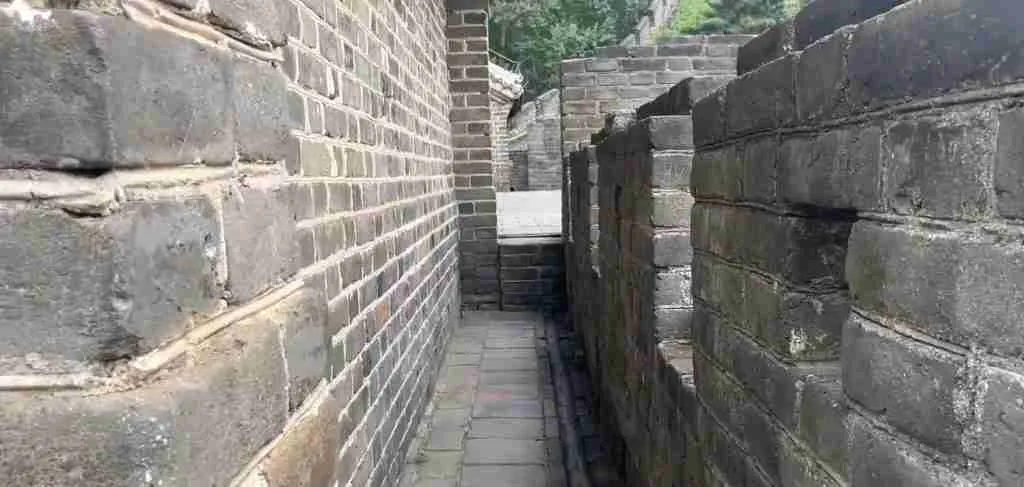
- Focus on textures: weathered bricks, guard tower shadows
Advanced editing tools help bridge gaps, but the most compelling images often emerge from intentional constraints. A well-composed shot of a single watchtower at golden hour can convey more emotional weight than endless horizon attempts.
Extended multi-day tours – 5+ days
Featured Great Wall Multi-Day Tour Packages
3 days
Great Wall 3-Day Discovery Tour
- ✓ Comprehensive Great Wall experience
- ✓ Expert local guides included
- ✓ All accommodation included
- ✓ Transportation provided

5 days
Great Wall 5-Day Highlights Experience
- ✓ Comprehensive Great Wall experience
- ✓ Expert local guides included
- ✓ All accommodation included
- ✓ Transportation provided

7 days
Great Wall 7-Day Cultural Journey
- ✓ Comprehensive Great Wall experience
- ✓ Expert local guides included
- ✓ All accommodation included
- ✓ Transportation provided

10 days
Great Wall 10-Day Complete Adventure
- ✓ Comprehensive Great Wall experience
- ✓ Expert local guides included
- ✓ All accommodation included
- ✓ Transportation provided
Multi-day tour packages powered by TourRadar. Prices and availability subject to change.
Understanding the Terrain and Geography
China’s iconic structure weaves through an astonishing array of environments, demanding photographers adapt their strategies to each unique setting. From parched deserts to misty highlands, the ever-changing landscape dictates both creative possibilities and practical preparations.
Varied Landscapes and Restoration Sections
Mountainous regions like Jiankou test shooters with steep ascents but reward them with elevated views perfect for dramatic panoramas. Desert segments near Jiayuguan reveal minimalist beauty, where ancient battlements carve sharp lines through endless sands. “The contrast between restored and wild sections tells two sides of history,” observes heritage photographer Ming Zhao. “One polished for modern travelers, the other frozen in time.”
Preparation proves essential across these diverse conditions:
- High-altitude areas require layered clothing and weather-sealed gear
- Unrestored portions demand sturdy footwear and navigation tools
- Plateau zones benefit from wide-angle lenses to capture rolling contours
Tourist-friendly areas like Mutianyu offer accessibility, while remote sections promise raw authenticity. Savvy photographers research local terrain features and restoration status to balance safety with creative ambition. This strategic approach transforms challenging landscape elements into powerful compositional assets.
Essential Photography Gear for Great Wall Shots
Capturing the ancient serpentine structure requires equipment that balances durability with creative flexibility. Rugged environments and unpredictable weather demand specialized tools to translate visual ambition into striking images.
Camera Essentials and Accessories

Weather-sealed camera bodies withstand dust storms and sudden mountain showers. Pair them with wide-angle lenses (16-35mm) to emphasize the structure’s interaction with cliffs, while telephoto zooms (70-200mm) isolate watchtowers against distant ridges.
Three non-negotiable items for challenging terrain:
- Carbon fiber tripods – lightweight yet stable for long exposures
- Silica gel packs – combat humidity in forested sections
- Quick-release camera straps – secure grip during climbs
Drone and Panoramic Equipment
Aerial platforms reveal the structure’s winding path through impossible topography. However, operators must verify local flight permissions – several sections near military zones restrict drone use.
For ground-based panoramas:
- Nodal slide rails ensure seamless image stitching
- L-brackets enable swift transitions between orientations
- Specialized software merges shots while correcting distortion
Seasoned shooters recommend portable power banks. As landscape photographer Elena Torres notes: “Remote areas offer no outlets – losing battery mid-panorama means losing dawn’s perfect light.”
Best Times and Lighting for Unforgettable Photos
Mastering the interplay of natural illumination and seasonal shifts transforms ordinary snapshots into extraordinary visual narratives. The ancient structure reveals distinct personalities throughout the day and year, demanding strategic planning to capture its most photogenic moments.

Sunrise, Sunset, and Golden Hour Techniques
Early morning shoots reward photographers with mist-layered valleys and soft light that sculpts weathered stones. These conditions emphasize texture while reducing harsh contrasts. “Arriving 45 minutes before dawn ensures full setup time,” advises Beijing-based photographer Lin Xia.
Evening sessions showcase fiery skies that frame watchtowers in silhouette. Use graduated neutral density filters to balance bright horizons with shadowed battlements. The table below compares seasonal advantages:
| Season | Light Quality | Key Challenge |
|---|---|---|
| Spring | Crisp, directional | Sudden fog banks |
| Summer | Diffuse, warm | Midday haze |
| Autumn | Golden, low-angle | Leaf litter reflections |
| Winter | Cool, contrasty | Limited access hours |
Blue hour – the 20 minutes after sunset – illuminates restored sections with artificial lighting. This creates layered compositions blending warm stone tones with twilight hues. Always verify local sunset times using GPS coordinates, as mountainous terrain alters visible light windows.
Midday photography requires creativity. Focus on intimate details like carved inscriptions or shadow patterns. Polarizing filters enhance cloud definition during summer months when direct light dominates.
Insider Tips from the Great Wall Photography Guide: Best Spots & Pro Tips
Strategic timing transforms chaotic scenes into serene compositions at China’s iconic structure. Morning mist clinging to ancient stones or golden light tracing watchtower silhouettes reward those who master scheduling logistics and creative framing.
Mastering Visual Flow Through Design
Seasoned shooters use the structure’s natural curves as leading lines to guide viewers through the frame. Low-angle shots emphasize weathered textures, while elevated positions reveal how battlements interact with mountain contours. “Shoot with the landscape, not against it,” advises Beijing-based photographer Chen Wei. “Let ridges frame your subject naturally.”
Timing Techniques for Solitary Shots
Weekday visits before 7 AM bypass 83% of daily visitors at popular sections. After 4 PM, departing tour groups leave staircases empty for twilight shoots. Consider this comparison of peak vs off-peak strategies:
| Approach | Pros | Cons |
|---|---|---|
| Dawn arrivals | Soft light, minimal crowds | Requires pre-dawn travel |
| Winter weekdays | Snow accents, 70% fewer visitors | Icy path hazards |
| Remote sections | Authentic ruins, no entry fees | Limited facilities |
Since 2006 security upgrades, official sections require permits but offer maintained paths. Adventurous photographers often prefer unrestored areas like Jiankou’s “Arrow Nock” ridge, where dawn arrivals yield misty panoramas without human interference. Patience reveals fleeting moments – a hawk circling a tower or shafts of light piercing cloud layers – that elevate standard architectural shots into storytelling images.
Exploring Iconic Sections and Hidden Gems
China’s ancient defensive marvel reveals its photographic potential through both celebrated landmarks and secluded stretches. While popular areas draw crowds, strategic planning unlocks access to lesser-known vistas where history and nature collide.
Jinshanling, Mutianyu, and Other Renowned Spots
The Jinshanling section stands 95 miles northeast of Beijing, offering 67 watchtowers across 6 miles of undulating terrain. Its marble window frames and strategic battlements provide endless framing options. Early arrivals here capture morning mist weaving through original Ming-era brickwork.
Mutianyu balances accessibility with visual drama. Cable cars deliver photographers to forested ridges where autumn maples frame restored battlements. For historical significance, Badaling’s polished stones have hosted world leaders since the 1950s – arrive before 7 AM to avoid 90% of daily visitors.
| Section | Unique Feature | Best Time |
|---|---|---|
| Jinshanling | 67 original towers | April-May |
| Mutianyu | Cable car access | October |
| Badaling | Diplomatic history | Weekday dawn |
Finding Less-Traveled, Picturesque Locations
Adventure seekers find raw beauty at Jiankou’s crumbling “Nine-eyed Tower” – a 3-hour hike rewards photographers with jagged ridges untouched by restoration. Huanghuacheng’s lakeside position creates mirror-like reflections during still mornings, while Simatai’s “Stairway to Heaven” challenges shooters with 70-degree inclines.
“The true magic lies beyond guardrails,” notes expedition photographer Clara Lin. “Unrestored sections whisper stories through cracked mortar and leaning towers.”
Less-visited areas require permits and sturdy boots but deliver unparalleled authenticity. Research local regulations and pack navigation tools – cell service often fades in these remote places.
Planning Your Visit and Travel Logistics
Organizing a trip to China’s historic landmark requires balancing accessibility with authentic experiences. Most travelers base themselves in Beijing, where multiple transport options connect to various sections. Early planning helps avoid crowds while maximizing shooting time during optimal lighting conditions.
Tour Options and Transportation Tips
Private taxi hires (¥400-600/day) offer flexibility to visit multiple areas within limited time. Drivers familiar with remote routes can access less crowded viewpoints at dawn. For budget-conscious travelers, public buses like route #919 reach popular sections in under two hours.
Consider these options when structuring your day:
- Combine restored and wild sections for visual contrast
- Allocate extra hours for mountain road travel
- Verify seasonal access restrictions with local guides
Multi-day trips allow deeper exploration of western desert segments. Late autumn provides crisp air and vibrant foliage, while winter visits require checking road closures. Always carry water and layered clothing – weather shifts rapidly across elevations.
Smart scheduling transforms travel hurdles into creative opportunities. With proper preparation, photographers can focus on capturing the landmark’s essence rather than logistical challenges.
Top 5 Great Wall Sections for Photography
### 1. Jinshanling Great Wall – The Photographer’s Paradise ⭐⭐⭐⭐⭐
**Why Photographers Love Jinshanling:**
– 67 watchtowers across 10km creating endless compositions
– Perfect mix of restored and wild sections
– Dramatic mountain backdrop in all directions
– Minimal crowds allow for pristine shots
– Famous “snake-like” wall curves
**📸 Best Photo Opportunities:**
– **Small Jinshan Tower:** Classic sunrise shots with wall snaking into distance
– **Flower Tower:** 360-degree panoramic views
– **Eastern Five-Window Tower:** Dramatic silhouettes at sunset
– **Wall curves:** Iconic S-shaped sections that define Great Wall photography
**⏰ Photography Timing:**
– **Sunrise:** 5:30 AM arrival for 6:15 AM golden hour
– **Sunset:** 4:30 PM for 5:45 PM golden hour
– **Blue hour:** 30 minutes after sunset for moody shots
– **Autumn:** Mid-October to early November for fall colors
**📱 Technical Settings:**
– **Wide shots:** f/8-11, ISO 100-400, tripod essential
– **Sunrise/sunset:** Bracketed exposures for HDR
– **Focus point:** 1/3 into the scene for maximum sharpness
– **Composition:** Use wall as leading line to distant mountains
### 2. Huanghuacheng – The Lakeside Wall ⭐⭐⭐⭐
**Unique Photography Features:**
– Only section where wall meets water
– Perfect reflections in Huanghua Lake
– Submerged wall sections create mysterious compositions
– Ancient chestnut trees frame shots beautifully
– Spring wildflowers add color contrast
**📸 Signature Shots:**
– **Reflection photography:** Wall mirrored in calm lake water
– **Seasonal contrast:** Cherry blossoms with ancient stones
– **Aerial perspective:** Wall emerging from/disappearing into water
– **Macro opportunities:** Ancient tree bark and wall textures
**🌅 Best Photography Conditions:**
– **Early morning:** Glassy water for perfect reflections
– **Spring (April-May):** Blooming flowers and fresh green
– **Autumn:** Golden foliage reflected in water
– **After rain:** Enhanced colors and dramatic clouds
### 3. Mutianyu – Family-Friendly Photography ⭐⭐⭐⭐
**Photography Advantages:**
– 23 watchtowers provide varied compositions
– 96% forest coverage creates natural frames
– Cable car access for elevated perspectives
– Less crowded than Badaling but still accessible
– Four distinct seasonal looks
**📸 Photo Highlights:**
– **Watchtower 6-14:** Classic Great Wall snaking views
– **Forest integration:** Wall emerging from dense vegetation
– **Seasonal variety:** Four completely different photo series possible
– **Cable car shots:** Aerial perspective during ascent
**🎯 Composition Tips:**
– Use forest canopy to frame wall sections
– Capture mist rising from valley in early morning
– Shoot through watchtower windows for framed compositions
– Include colorful autumn foliage as foreground elements
### 4. Jiankou – Wild Wall Adventure ⭐⭐⭐⭐⭐
**For Advanced Photographers:**
– Most dramatic and challenging section
– Completely unrestored, authentic appearance
– Steep climbs reward with unique perspectives
– Very few tourists = pristine compositions
– Connects to Mutianyu for varied shots
**⚠️ Photography Challenges:**
– Requires excellent fitness and hiking experience
– Weather-dependent access
– Safety equipment recommended
– Guide strongly advised for first visit
**📸 Dramatic Opportunities:**
– **”Sky Ladder”:** Extremely steep wall sections
– **Crumbling authenticity:** Weathered stones and wild vegetation
– **Storm photography:** Dramatic weather conditions
– **Sunset silhouettes:** Wall outlined against colorful skies
### 5. Simatai – Night Photography Specialist ⭐⭐⭐⭐
**Unique Night Photography:**
– Only Great Wall section illuminated after dark
– Romantic atmosphere with lit watchtowers
– Star photography opportunities away from light pollution
– Gubei Water Town adds foreground interest
**🌙 Night Photography Setup:**
– **Essential gear:** Sturdy tripod, fast lens, flashlight
– **Settings:** Long exposures (15-30 seconds), low ISO
– **Focus:** Manual focus on infinity or distant lights
– **Safety:** Warm clothing, non-slip shoes, backup lighting
—
## Essential Photography Gear for Great Wall
### Camera Equipment
**📷 Camera Bodies:**
– **Full-frame:** Best for landscape photography and low light
– **Crop sensor:** Acceptable, provides extra reach for telephoto shots
– **Mirrorless:** Lighter for hiking, excellent image quality
**🔍 Essential Lenses:**
– **Wide-angle (14-24mm):** Captures wall’s grand scale and mountain vistas
– **Standard zoom (24-70mm):** Versatile for various compositions
– **Telephoto (70-200mm):** Isolates distant wall sections and watchtowers
– **Prime lens (35mm or 50mm):** Sharp detail shots and environmental portraits
**🎒 Must-Have Accessories:**
– **Sturdy tripod:** Essential for sharp images in all conditions
– **Polarizing filter:** Reduces haze, enhances sky contrast
– **Neutral density filters:** For long exposures and motion blur
– **Extra batteries:** Cold weather drains power quickly
– **Memory cards:** Shoot RAW files for maximum editing flexibility
### Technical Recommendations
**📸 Camera Settings for Great Wall:**
– **Aperture:** f/8-11 for landscape sharpness
– **ISO:** 100-400 during day, up to 1600 for sunrise/sunset
– **Focus mode:** Single-point AF on specific wall sections
– **Metering:** Center-weighted or spot for complex lighting
– **File format:** RAW for maximum post-processing flexibility
**⚡ Exposure Techniques:**
– **Golden hour:** Slight underexposure to preserve highlight detail
– **Midday sun:** Use fill flash or reflector for shadow detail
– **Overcast conditions:** Expose for highlights, lift shadows in post
– **Backlit subjects:** Use graduated ND filter or HDR techniques
—
## Photography Timing and Seasonal Guide
### Golden Hour Magic
**🌅 Sunrise Photography (Best Overall):**
– **Timing:** Arrive 1 hour before sunrise
– **Light quality:** Soft, warm, directional light
– **Atmosphere:** Often misty, creating dreamy effects
– **Crowds:** Minimal, especially on weekdays
– **Colors:** Warm oranges and pinks on ancient stones
**🌄 Sunset Photography:**
– **Timing:** Arrive 2 hours before sunset
– **Light quality:** Golden, dramatic side-lighting
– **Atmosphere:** Clear evening air, distant mountains visible
– **Crowds:** More people but manageable at remote sections
– **Colors:** Rich golds transitioning to deep blues
### Seasonal Photography Calendar
**🌸 Spring (March-May) – Renewal Theme:**
– **Weather:** Cool mornings, warm afternoons
– **Colors:** Fresh greens, blooming flowers
– **Special opportunities:** Cherry blossoms at Huanghuacheng
– **Photo themes:** Rebirth, contrast between ancient and new growth
– **Technical notes:** Polarizing filter essential for spring haze
**☀️ Summer (June-August) – Lush Landscapes:**
– **Weather:** Hot, humid, occasional dramatic storms
– **Colors:** Deep greens, vibrant blue skies
– **Special opportunities:** Storm photography, morning mist
– **Photo themes:** Power of nature, wall emerging from dense vegetation
– **Technical notes:** Early morning essential to avoid harsh midday light
**🍂 Autumn (September-November) – Peak Season:**
– **Weather:** Perfect for photography – clear, crisp days
– **Colors:** Golden yellows, fiery reds, orange foliage
– **Special opportunities:** Peak fall foliage around October 15-November 10
– **Photo themes:** Timeless beauty, seasonal cycles
– **Technical notes:** Graduated ND filters help balance sky and foreground
**❄️ Winter (December-February) – Dramatic Minimalism:**
– **Weather:** Cold, clear, occasional snow
– **Colors:** Monochromatic palette, stark contrasts
– **Special opportunities:** Snow-covered wall, icicle formations
– **Photo themes:** Endurance, stark beauty, minimalist compositions
– **Technical notes:** Protect gear from moisture, extra batteries essential
—
## Professional Photography Techniques
### Composition Mastery
**📐 Rule of Thirds:**
– Place wall along horizontal thirds lines
– Position watchtowers at intersection points
– Let sky occupy 2/3 for dramatic clouds
– Use foreground elements in lower third
**➡️ Leading Lines:**
– Wall itself creates natural leading line
– Use stairs and ramps to guide viewer’s eye
– Incorporate pathways and hiking trails
– Frame shots through doorways and windows
**🖼️ Framing Techniques:**
– Shoot through watchtower windows
– Use tree branches to frame distant wall sections
– Create depth with foreground, middle ground, and background
– Include human elements for scale reference
**🔄 Perspective Variations:**
– **Low angle:** Makes wall appear more imposing
– **High angle:** Shows wall’s relationship to landscape
– **Close-up details:** Weathered stones, ancient craftsmanship
– **Aerial perspective:** From cable cars or elevated positions
### Advanced Techniques
**🌟 HDR Photography:**
– Essential for high-contrast sunrise/sunset scenes
– Bracket exposures: -2, 0, +2 stops minimum
– Use tripod for perfect alignment
– Process naturally to avoid “HDR look”
**💫 Long Exposure:**
– Use ND filters for cloud movement
– 30-second exposures create smooth, flowing clouds
– Capture star trails at night (Simatai best location)
– Moving water at Huanghuacheng becomes glass-like
**📱 Focus Stacking:**
– Combine multiple images for maximum sharpness
– Start focused on foreground, shift to background
– Essential for close-up detail shots
– Use when maximum depth of field needed
—
## Photography Tours and Workshops
### Recommended Photography Tours
**🎯 Professional Photography Tours:**
– **Jinshanling Sunrise Tour:** $140-180 per person
– **Multi-section Photography Workshop:** $250-400 per day
– **Night Photography at Simatai:** $120-200 per person
– **Seasonal Specialty Tours:** $180-300 per person
**👥 Group vs Private Photography Tours:**
**Small Group Photography Tours (6-8 people):**
– **Pros:** Learn from other photographers, shared costs
– **Cons:** Less flexibility, may wait for others
– **Best for:** Beginners wanting to learn techniques
– **Cost:** $140-220 per person
**Private Photography Tours:**
– **Pros:** Complete flexibility, personalized instruction
– **Cons:** Higher cost, less social interaction
– **Best for:** Serious photographers with specific goals
– **Cost:** $300-500 per day for 1-4 people