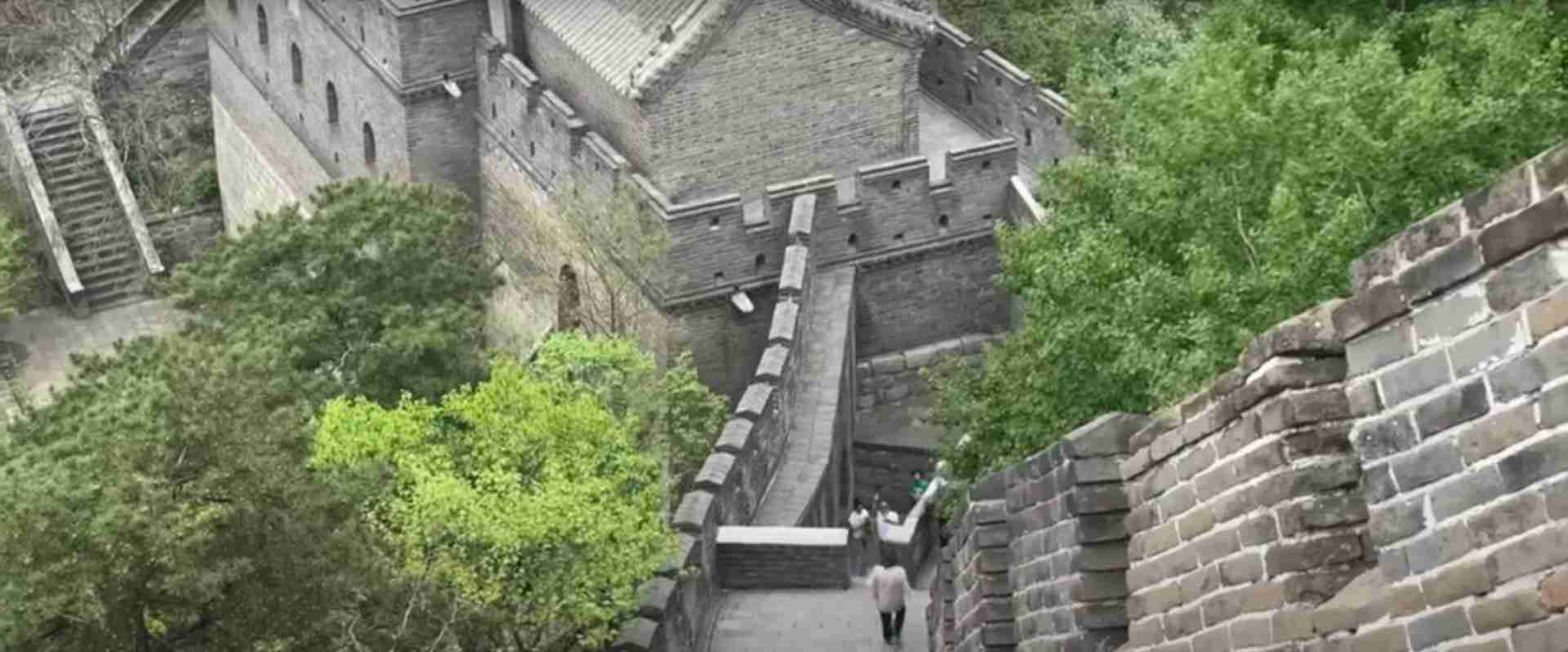
Mutianyu vs Badaling: Which Great Wall Section is Better
Choosing between Mutianyu and Badaling sections represents the most consequential decision for Great Wall visitors, as each offers dramatically different experiences despite similar distances from Beijing. Both sections showcase Ming Dynasty fortifications at their finest, yet crowd levels, accessibility options, scenic beauty, and visitor facilities vary significantly enough to make or break your Great Wall experience.
Key Takeaways: Mutianyu vs Badaling Great Wall Comparison
- Crowd Levels: Mutianyu attracts significantly fewer visitors than Badaling, particularly on weekends and holidays, offering a more contemplative experience of the Wall with space to appreciate the architecture and landscape without constant congestion.
- Scenic Beauty: Mutianyu delivers superior natural scenery with dense forests creating seasonal transformations (spring blossoms, autumn colors, winter snow), while Badaling offers more open mountain vistas but less vegetation diversity.
- Transportation Access: Badaling provides easier public transport options including direct high-speed trains from Beijing North Railway Station, while Mutianyu requires buses or private transport but compensates with a more serene arrival experience.
- Visitor Experience: Badaling’s heavy commercialization and tourist infrastructure serves first-time visitors seeking convenience, while Mutianyu’s toboggan descent and better-preserved historical texture appeal to travelers prioritizing authenticity and adventure.
- Physical Challenge: Mutianyu presents steeper, more challenging sections ideal for active hikers, whereas Badaling offers gentler inclines with handrails throughout, making it more accessible for elderly visitors and families with young children.
- Historical Authenticity: Mutianyu retains more original Ming Dynasty character despite restoration work, while Badaling’s extensive 1980s renovation created a more uniform appearance that some visitors find less historically evocative.
People Also Ask About Mutianyu vs Badaling Great Wall
Which Great Wall section has fewer tourists, Mutianyu or Badaling?
Mutianyu consistently attracts 60-70% fewer visitors than Badaling throughout the year. Badaling receives over 10 million visitors annually as China’s most famous Great Wall section, while Mutianyu draws approximately 3-4 million. This difference becomes most pronounced during Chinese national holidays, weekends, and summer months when Badaling experiences severe congestion with visitors shoulder-to-shoulder on popular sections. Mutianyu maintains manageable crowd levels even during peak times, allowing visitors to walk freely, take photographs without hundreds of people in frame, and experience the Wall’s grandeur without constant jostling. The 45-minute longer travel time to Mutianyu and its lower profile among domestic Chinese tourists account for these dramatically lower visitor numbers.
Is Mutianyu or Badaling better for photography?
Mutianyu offers superior photography opportunities due to its natural setting, varied terrain, and manageable crowds. The section winds through dense forests that provide dramatic seasonal color changes, creating compelling foreground and background elements for Wall photography. The 23 watchtowers along Mutianyu’s 5,400-meter length present varied architectural perspectives, while steep sections like the western route’s “Ox Horn Edge” and “Arrow Nock” create dynamic compositions. Lower visitor numbers mean photographers can capture the Wall without crowds dominating images. Badaling’s more uniform appearance and constant tourist presence make clean architectural shots challenging, though its iconic status and the famous “Hero Slope” inscription provide recognizable landmarks. Early morning visits to either section offer optimal lighting and minimal crowds.
Which Great Wall section is easier to reach from Beijing?
Badaling provides easier access from central Beijing through multiple transportation options. High-speed trains depart Beijing North Railway Station directly to Badaling Great Wall Station in just 20 minutes. Public bus 877 runs from Deshengmen Bus Station, taking approximately 90 minutes. The S2 commuter train from Huangtudian Railway Station offers another alternative. Mutianyu requires the tourist bus from Dongzhimen departing at 8:30 AM, or private transport taking 90-120 minutes depending on traffic. However, Badaling’s accessibility contributes directly to its overcrowding problem. Many visitors find the extra 30-45 minutes travel time to Mutianyu worthwhile given the dramatically superior on-site experience.
Can you visit both Mutianyu and Badaling in one day?
Visiting both sections in a single day is theoretically possible but not recommended. The two sections lie in opposite directions from Beijing—Badaling northwest, Mutianyu northeast—requiring 2-3 hours driving between them depending on traffic. Each section deserves 3-4 hours for a thorough visit including cable car rides and adequate walking time. A rushed one-day itinerary covering both would involve 6-7 hours of transportation and only 4-5 hours of actual Wall time, creating an exhausting experience that prevents appreciation of either location. Visitors with limited time should choose one section and explore it thoroughly rather than attempting to see both superficially.
Extended multi-day tours – 5+ days
Featured Great Wall Multi-Day Tour Packages
3 days
Great Wall 3-Day Discovery Tour
- ✓ Comprehensive Great Wall experience
- ✓ Expert local guides included
- ✓ All accommodation included
- ✓ Transportation provided

5 days
Great Wall 5-Day Highlights Experience
- ✓ Comprehensive Great Wall experience
- ✓ Expert local guides included
- ✓ All accommodation included
- ✓ Transportation provided
7 days
Great Wall 7-Day Cultural Journey
- ✓ Comprehensive Great Wall experience
- ✓ Expert local guides included
- ✓ All accommodation included
- ✓ Transportation provided

10 days
Great Wall 10-Day Complete Adventure
- ✓ Comprehensive Great Wall experience
- ✓ Expert local guides included
- ✓ All accommodation included
- ✓ Transportation provided
Multi-day tour packages powered by TourRadar. Prices and availability subject to change.
Introduction: The Great Wall Decision
The Great Wall of China stretches over 21,000 kilometers across northern China, yet only select sections near Beijing open to tourists with developed facilities. Among these accessible sections, Mutianyu and Badaling stand as the two most visited, drawing millions of travelers annually who must choose between them. This decision carries significant consequences for visitor experience, as the two sections present fundamentally different characters despite sharing similar Ming Dynasty construction, comparable distances from Beijing, and equivalent historical significance.
Badaling earned its reputation as China’s most famous Wall section through decades of promotion, receiving over 370 world leaders since opening in 1957 as the first tourist-accessible Great Wall location. Chairman Mao’s famous declaration that “he who has never been to the Great Wall is not a true hero” specifically referenced Badaling, cementing its status in Chinese cultural consciousness. The section underwent extensive restoration in the 1980s, creating the uniform, well-maintained appearance visitors encounter today. Its proximity to Beijing via direct high-speed rail, combined with heavy domestic tourism marketing, generates massive visitor numbers that peak during holidays and summer months.
Mutianyu developed later as a tourist destination, capitalizing on foreign visitors’ desire for a less congested Wall experience. Located in Huairou District northeast of Beijing, this section preserves more of its original Ming Dynasty character while offering modern amenities including cable cars, chairlifts, and the unique toboggan descent. Dense forests surrounding the Wall create seasonal beauty that enhances the visitor experience beyond pure architectural appreciation. The section’s 23 watchtowers across 5,400 meters provide varied terrain from gentle eastern routes suitable for families to challenging western ascents that test experienced hikers.
Understanding the practical differences between these sections empowers visitors to align their Wall experience with personal priorities. Those valuing convenience, accessibility, and seeing China’s most famous Wall section may prefer Badaling despite its crowds. Travelers prioritizing natural beauty, photographic opportunities, and a more contemplative experience typically find Mutianyu’s trade-off of slightly longer travel time worthwhile. Physical fitness levels, travel companions, time constraints, and specific interests all factor into this decision.
Location and Geographic Setting
Both sections occupy positions approximately 70-75 kilometers from central Beijing, creating similar overall journey times despite lying in different directions. Badaling extends along the Jundu Mountains in Yanqing District northwest of the city, positioned strategically to guard the northern approaches to Beijing. The name “Badaling” derives from Chinese characters meaning “roads extending in all directions,” reflecting its historical role as a critical transportation crossroads. The section sits at an elevation ranging from 600 to 800 meters, offering expansive mountain vistas with less vegetation than other Wall sections.
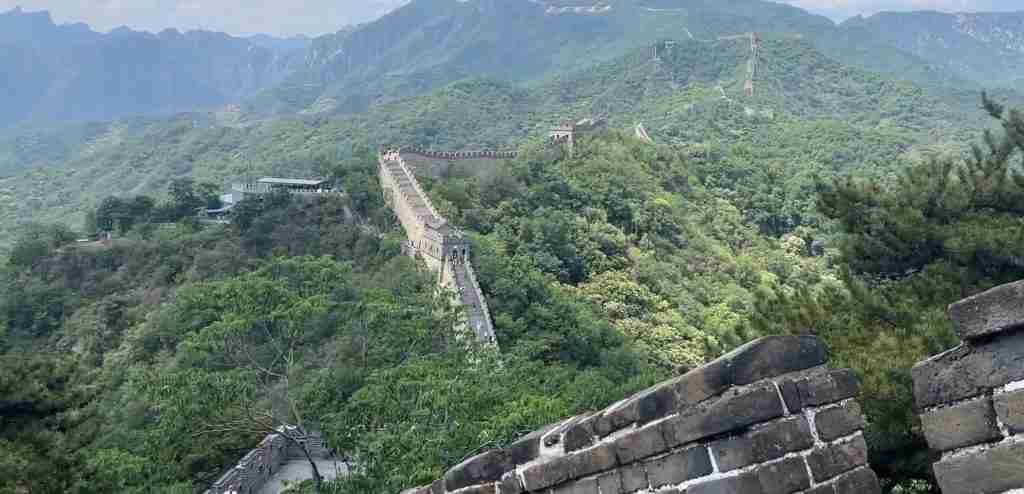
Mutianyu snakes through the Yanshan Mountain range in Huairou District northeast of Beijing, surrounded by dense forests that distinguish it visually from Badaling’s more open terrain. The section connects historically significant neighbors—Jiankou’s wild Wall to the west and Gubeikou’s strategic pass to the east. Elevation varies from 600 to 1,000 meters as the Wall climbs steep ridges, creating dramatic topographical features like the “Ox Horn Edge” where the Wall negotiates a sharp mountain spur. These forests provide habitat for diverse wildlife and create microclimate variations that produce spectacular autumn foliage and spring blossoms absent from Badaling’s landscape.
The geographic differences extend beyond aesthetics to practical touring implications. Badaling’s more exposed position subjects visitors to stronger winds and more intense sun exposure, particularly along the popular northern section. The lack of tree cover means summer heat radiates from stone walkways, while winter brings bitter cold amplified by wind chill. Mutianyu’s forest canopy provides natural shade during summer months and windbreaks during winter, creating more comfortable conditions across seasons. However, the steeper terrain at Mutianyu demands greater physical exertion, whereas Badaling’s gentler grades accommodate visitors with limited mobility.
Historical Construction and Significance
Both sections trace their origins to the Northern Qi Dynasty (550-577 CE) when rudimentary defensive structures first occupied these strategic mountain passes. The Ming Dynasty (1368-1644) rebuilt and expanded these fortifications into the imposing walls visitors see today, part of the massive military infrastructure protecting Beijing from Mongol incursions from the north. Construction at both locations utilized locally quarried granite and limestone, combined with fired bricks transported from kilns throughout the region. Labor forces included soldiers, conscripted peasants, and prisoners who worked in harsh conditions to build these mountain-top fortifications.
Badaling’s construction began in 1505 during the Ming Dynasty’s Hongzhi Emperor reign, designed as one of the “Nine Strategic Passes” defending Beijing. The section’s strategic importance derived from its position controlling mountain passages that provided the most direct invasion routes to the capital. Military engineers positioned the Wall along ridgelines to maximize defensive advantages, with watchtowers spaced 100-200 meters apart for coordinated defense. The fortress gate features two levels—the eastern gate inscribed “Juyong Waizhen” (Frontier Town of Juyong) and western gate marked “Beimen Suoyue” (Key to the Northern Gate)—emphasizing its role as Beijing’s northern guardian.
Mutianyu’s fortifications date to 1368, the Ming Dynasty’s founding year, when General Xu Da supervised construction to replace Northern Qi structures. The section features unique double-sided battlements (crenellations on both interior and exterior faces), a rare defensive innovation found in few other Wall sections. This design allowed defenders to repel attacks from either direction, acknowledging that invaders might breach the Wall at other points and attack from the south. The “Zhengguantai” (Main Pass Platform) consists of three parallel watchtowers, an architectural layout appearing nowhere else along the Wall’s entire length.
Both sections witnessed numerous military engagements throughout the Ming and Qing dynasties, though detailed battle records survive for Badaling given its higher profile. The famous general Qi Jiguang, who revolutionized Ming military tactics, oversaw major reinforcement work at both locations during the 1560s-1570s. His innovations included hollow watchtowers that stored supplies and housed troops, heating systems for winter warfare, and improved signal tower networks. These enhancements transformed the Wall from a simple barrier into an integrated military system capable of coordinated defense across hundreds of kilometers.
Post-1949, the two sections followed different preservation trajectories. Badaling opened to tourists in 1957, receiving immediate government investment that funded extensive restoration. Mutianyu remained largely abandoned until 1986 when local authorities began gradual restoration balancing historical preservation with tourist safety. This 29-year delay means Mutianyu retains more original stonework and architectural features, whereas Badaling’s earlier, more aggressive restoration created a more uniform but less historically authentic appearance. Modern archaeologists and conservationists generally regard Mutianyu as better preserving Ming Dynasty construction techniques and materials.
Architectural Features and Layout
Badaling’s accessible section spans 3,741 meters divided into northern and southern segments from the central fortress. The northern section extends 2,565 meters incorporating 12 watchtowers, climbing to the famous “Hero Slope” between Towers 7 and 8 where the gradient exceeds 60 degrees. This steep section challenges visitors who must use hands and feet to ascend, though handrails assist the climb. Tower 8 marks the northern section’s highest point, offering panoramic views where the Wall disappears into distant mountains. The southern section covers 1,176 meters with 7 watchtowers, receiving far fewer visitors despite equally impressive architecture.
Mutianyu opens 2,250 meters of its 5,400-meter total length to visitors, organized around two distinct routes from Tower 14 as the central access point. The western route from Tower 14 to Tower 22 presents the section’s most dramatic terrain, ascending steep grades to the challenging “Ox Horn Edge” and the precariously positioned “Arrow Nock” (Jiankou) watchtower. This route tests visitor fitness with sustained climbs and uneven footing where original stonework survives. The eastern route from Tower 14 to Tower 1 offers gentler grades suitable for families, culminating in the “Big Corner Tower” that provides elevated views across the surrounding forest landscape.
Wall width varies significantly between sections and within each section. Badaling maintains relatively uniform width of 5-6 meters throughout most accessible areas, wide enough for five horses to walk abreast as Ming military doctrine required. The standardized restoration work created consistent walking surfaces with even stone paving and regular step heights. Mutianyu’s width ranges from 4 to 6 meters depending on terrain, with original sections showing greater irregularity in stone placement and step dimensions. These variations reflect historical construction constraints and preservation philosophies prioritizing authenticity over uniformity.
Watchtower architecture demonstrates significant creativity within standardized military design principles. Badaling’s towers follow consistent patterns with two-story structures featuring arrow windows at cardinal directions, interior rooms that housed 20-30 soldiers, and roof platforms for signal fires. The renovation work standardized architectural details, removing much of the individual character different construction teams imparted to their towers. Mutianyu’s 23 towers exhibit greater architectural variety, including the unique triple-tower Zhengguantai, round towers at the eastern terminus, and the “Eagle Flies Facing Upward” section where the Wall ascends a nearly vertical cliff face.
Defensive features at both sections include crenellations (battlements) for archer positions, drainage systems channeling rainwater off wall surfaces, and integrated signal tower networks. Badaling’s fortress gate complex represents the most architecturally sophisticated element, incorporating multiple defensive layers, concealed passages, and a barbican design forcing attackers through controlled killing zones. Mutianyu’s double-sided battlements remain its most distinctive defensive innovation, allowing bi-directional defense if the Wall was breached. These architectural differences reflect varying strategic priorities at different historical periods and locations along the Wall’s vast length.
Crowd Levels and Visitor Experience Throughout the Year
Badaling’s status as China’s most famous Wall section generates approximately 10 million annual visitors, creating severe overcrowding during peak periods. Chinese national holidays—Spring Festival (January/February), Qingming (April), Labor Day (May 1-5), Dragon Boat Festival (June), Mid-Autumn Festival (September), and National Day Golden Week (October 1-7)—bring crushing crowds when visitor numbers can exceed 80,000 daily. During these periods, visitors move in slow-motion procession along popular northern section routes, with waits of 20-30 minutes to photograph iconic viewpoints. Summer weekends from June through August see similar congestion as domestic tourists and school groups flood the site.
Mutianyu attracts approximately 3-4 million annual visitors, roughly one-third of Badaling’s volume. Even during Chinese national holidays, Mutianyu maintains manageable crowd levels with sufficient space to walk at natural pace, stop for photographs, and experience the Wall without constant crowding. The section’s lower profile among domestic Chinese tourists, combined with 45-minute longer travel time from Beijing, naturally limits visitor numbers. Foreign travelers constitute a higher percentage of Mutianyu’s visitors compared to Badaling’s overwhelming domestic Chinese majority, creating a different cultural atmosphere.
Seasonal patterns affect both sections similarly, though absolute crowd levels differ dramatically. Spring months (April-May) bring moderate visitor numbers seeking comfortable temperatures and emerging vegetation. Summer (June-August) represents peak season with maximum crowds, heat, and occasional rain. Autumn (September-October) rivals spring for ideal visiting conditions with crisp temperatures and spectacular foliage at Mutianyu. Winter (November-March) sees the fewest visitors as cold temperatures and occasional snow deter casual tourists, though both sections remain open with reduced hours.
Time of day significantly impacts visitor experience at both locations. Sunrise arrivals at either section (possible when gates open 6:30-7:00 AM depending on season) offer near-solitary Wall experiences with optimal photography light. Mid-morning through early afternoon (10:00 AM-3:00 PM) brings peak congestion as tour groups arrive. Late afternoon visits (4:00-6:00 PM in summer) see crowds thin as groups depart, providing better conditions for photography and contemplation. Badaling’s night illumination program during summer months offers unique after-dark experiences, though Mutianyu closes at dusk year-round.
The crowd differential between sections affects visitor experience beyond mere numbers. At overcrowded Badaling, safety concerns emerge when thousands of people navigate steep sections simultaneously, particularly Hero Slope where bottlenecks form. Photography becomes challenging when every frame includes dozens of people, making clean architectural shots nearly impossible during peak hours. The constant flow of large tour groups following flag-waving guides creates a commercialized atmosphere antithetical to the reflective Wall experience many travelers seek. Mutianyu’s more relaxed pace allows visitors to appreciate architectural details, understand the Wall’s military function, and experience the dramatic mountain setting without competing for space.
Transportation and Accessibility from Beijing
Badaling provides the most convenient public transportation access of any Wall section through multiple options. The high-speed railway from Beijing North Railway Station to Badaling Great Wall Station operates frequently throughout the day, completing the 70-kilometer journey in just 20-25 minutes. The train service, inaugurated in 2019, drops visitors within walking distance of the Wall entrance. Second-class tickets cost ¥25, first-class ¥40, though purchasing tickets during peak periods requires advance booking. The S2 commuter train from Huangtudian Railway Station offers a slower, cheaper alternative at ¥8, taking approximately one hour.
Public bus service to Badaling includes Bus 877 departing Deshengmen Bus Station from 6:00 AM to 12:30 PM. The journey takes approximately two hours depending on traffic, costing ¥12 per person. Return buses operate until evening but fill quickly during peak seasons. Tourist Bus Line 1 from Qianmen (south of Tiananmen Square) provides another option, though schedules limited to morning departures (7:00-11:00 AM) make return timing inflexible. Heavy traffic on the Beijing-Zhangjiakou Expressway frequently extends journey times significantly, particularly on weekends and holidays.
Mutianyu’s public transportation consists primarily of the direct tourist bus from Dongzhimen Transportation Hub, departing at 8:30 AM and returning in late afternoon. This single daily departure provides no flexibility for visitors preferring different schedules. The journey takes approximately 90 minutes to two hours depending on traffic. Some travelers take Bus 916 or 916 Express to Huairou District, then transfer to local buses reaching Mutianyu, though this multi-transfer approach requires 2.5-3 hours each direction and proves challenging for non-Chinese speakers.
Private transportation offers significant advantages for both sections, particularly Mutianyu. Hiring a private car with driver costs approximately ¥800-1,200 for a full day including waiting time, splitting this cost among 3-4 travelers makes it economically competitive with tour bus prices while providing schedule flexibility. The direct drive to either section takes 70-90 minutes from central Beijing hotels in normal traffic. Didi (China’s equivalent to Uber) operates to both locations, costing ¥200-300 each way, though return rides from Mutianyu can be difficult to arrange due to poor cell service in the mountainous area.
Tour packages from Beijing hotels typically include both sections as options, priced ¥200-500 per person depending on group size and inclusions. These tours handle all logistics including hotel pickup, entrance tickets, lunch, and guide services. English-speaking guides cost more than Chinese-only options. Small group tours (8-15 people) provide better experiences than large bus tours (40+ people) common for Badaling. Most tour operators recommend Mutianyu over Badaling for foreign visitors, acknowledging the superior experience despite slightly longer travel time.
Accessibility for visitors with mobility limitations differs significantly between sections. Badaling provides wheelchair ramps, elevators at certain points, and relatively gentle grades along the southern section. The northern section’s Hero Slope remains inaccessible to wheelchair users. Mutianyu’s steeper terrain and longer stair sequences challenge mobility-impaired visitors despite cable car availability. Neither section fully accommodates wheelchairs for extensive Wall walking, though both allow disabled visitors to access portions of the Wall with assistance.
Admission Pricing and Facilities
Badaling implements seasonal pricing with peak season (April 1-October 31) tickets at ¥40 and off-season (November 1-March 31) admission at ¥35. Children under 18 and seniors over 60 enter free with proper identification. Full-time students receive half-price tickets (¥20 peak, ¥17.50 off-season) with valid student ID. The section maintains a daily visitor cap of 65,000 people, requiring advance online reservation through the official ticketing system. This quota fills quickly during major holidays, necessitating booking 7-10 days ahead during peak periods.
Mutianyu charges slightly higher base admission, approximately ¥45 for adults year-round, with similar child and senior discounts. The section has no published daily visitor cap. All tickets purchase online through the official website, authorized travel agencies, or booking platforms like Trip.com, Klook, and Ctrip. On-site ticket purchase is not available. Tickets include entry to the Wall and required shuttle bus from the parking area to cable car stations, as the main gate sits 2 kilometers from the Wall base.
Cable car systems at both sections charge additional fees beyond base admission. Badaling operates two systems: a northern section aerial cable car reaching Tower 8 at ¥100 one-way or ¥140 round-trip, and a southern section pulley car (ground cable car) to Tower 4 South costing the same. Mutianyu’s cable car to Tower 14 costs identical rates (¥100 one-way, ¥140 round-trip). Mutianyu additionally offers a chairlift system covering similar terrain at equivalent pricing, providing an open-air alternative to the enclosed cable car gondolas.
Mutianyu’s signature toboggan descent provides exhilarating return from the Wall, costing approximately ¥120 one-way. This metal slide track winds 1,580 meters down the mountainside, allowing riders to control speed with hand brakes. The toboggan operates during daylight hours in dry weather, closing during rain or snow for safety. No equivalent exists at Badaling. Combined ticket packages at Mutianyu bundling admission, cable car, and toboggan save approximately 10-15% compared to purchasing separately.
On-site facilities vary considerably between sections. Badaling provides extensive tourist infrastructure including large visitor centers, multiple restaurants, souvenir shops, and the Great Wall Museum. The heavily commercialized approach offers convenience but diminishes the historical site’s atmosphere. Clean public restrooms appear at regular intervals. English signage throughout helps international visitors navigate. Accessibility features including ramps and elevators accommodate disabled visitors to varying degrees.
Mutianyu maintains more restrained commercialization with smaller-scale facilities. The base area includes several restaurants serving Chinese cuisine and simple tourist fare. Souvenir shops concentrate near the cable car stations rather than throughout the walking path. Restroom facilities exist but appear less frequently than at Badaling. English signage is adequate though less comprehensive. The toboggan station, chairlift, and cable car terminal create necessary but relatively unobtrusive tourist infrastructure. Overall, Mutianyu preserves a more natural setting despite modern amenities.
Photography Opportunities and Scenic Beauty
Mutianyu excels photographically due to its natural setting, varied terrain, and manageable crowds. The dense forests framing the Wall create stunning foreground and background elements, particularly during autumn (late September through October) when foliage transforms into brilliant reds, oranges, and yellows. Spring cherry and apricot blossoms add delicate pink accents in April-May. Winter snow dusts the Wall’s crenellations and surrounding peaks, creating monochromatic compositions that emphasize the fortification’s architectural lines. The absence of crowds in most frames allows photographers to capture the Wall’s grandeur without visual distractions.
The western route at Mutianyu from Tower 14 to Tower 22 provides the most dramatic photography opportunities. The “Ox Horn Edge” where the Wall navigates a sharp mountain ridge creates stunning perspective views showing the fortification receding into distant peaks. The eastern route’s gentler terrain offers different compositions including the Big Corner Tower’s elevated position overlooking forested valleys. Twenty-three watchtowers provide varied architectural subjects, from the triple-tower Zhengguantai to individual towers demonstrating different construction periods and restoration approaches.
Badaling’s more open mountain setting creates expansive vistas with less natural framing than Mutianyu’s forests provide. The northern section’s Hero Slope presents the most iconic photographic location, particularly the stone monument inscribed with Chairman Mao’s famous quotation. This spot attracts every visitor, making clean shots impossible during peak hours. The Wall’s uniform restoration creates less visual interest than Mutianyu’s varied stonework, though purists may prefer Badaling’s consistent aesthetic. Sunset lighting illuminates the western-facing northern section beautifully, though afternoon crowds remain substantial.
Early morning golden hour (sunrise plus two hours) provides optimal photography conditions at either section. The low-angle sunlight creates texture-revealing shadows on wall surfaces while maintaining manageable contrast ratios. Morning also offers the day’s clearest air before afternoon haze develops. Late afternoon golden hour (two hours before sunset) works equally well, though afternoon crowds remain larger than morning at both locations. Overcast conditions actually benefit Wall photography by providing even lighting that reveals architectural details without harsh shadows, though dramatic sky compositions become impossible.
Specialized photography considerations include drone restrictions (strictly prohibited at both sections with heavy fines for violations), tripod usage (permitted but impractical during crowded periods), and weather impacts. Summer brings occasional thunderstorms that create dramatic cloud formations but pose lightning risks on exposed ridges. Winter’s clear air enhances distant views though bitter cold challenges photographers and equipment. Autumn’s stable weather, moderate temperatures, and seasonal colors create the year’s best photography window at both sections.
Physical Difficulty and Hiking Experience
Mutianyu demands significantly greater physical exertion than Badaling across its routes. The western route from Tower 14 to Tower 22 ascends steep grades with stair sequences exceeding 50-60 degree angles. The “Ox Horn Edge” section requires hand-over-hand climbing where the Wall negotiates a narrow mountain ridge, with drops of hundreds of meters on both sides. Physically fit hikers find this challenging route rewarding for its dramatic terrain and sense of authentic Wall hiking. The round-trip from Tower 14 to Tower 22 and back typically requires 2-3 hours depending on fitness level and photography stops.
The eastern route at Mutianyu from Tower 14 to Tower 1 provides moderate difficulty suitable for average fitness levels and families with older children. Grades remain manageable with shorter stair sequences and frequent level walking sections. This route still includes significant vertical gain—approximately 200 meters cumulative elevation change—but distributes climbing more gradually. The round-trip takes 1.5-2 hours at leisurely pace. Very young children, elderly visitors with limited mobility, and anyone with knee problems may still struggle despite this being Mutianyu’s easiest route.
Badaling’s northern section to Tower 8 and Hero Slope requires moderate fitness with sustained stair climbing but includes handrails throughout. The Hero Slope section between Towers 7 and 8 presents the route’s most challenging segment with 60+ degree grades requiring both hands for safe ascent. This section sees traffic bottlenecks during crowded periods when descending and ascending visitors must carefully pass each other on narrow stairs. The round-trip from the main entrance to Tower 8 and return typically takes 2-2.5 hours for average-fitness visitors.
Badaling’s southern section provides the easiest hiking of either location, with gentle grades, comprehensive handrails, and shorter overall distance. This route perfectly suits elderly visitors, families with young children, and anyone with limited mobility or stamina. The section receives far fewer visitors despite its accessibility, offering a more relaxed experience. The round-trip from the central fortress to Tower 4 South and return requires only 1-1.5 hours.
Heat and altitude affect hiking difficulty at both sections. Summer temperatures frequently exceed 30°C (86°F) with intense sun exposure, particularly on Badaling’s less forested terrain. Dehydration becomes a real concern during multi-hour hikes with limited water sources on the Wall itself. Visitors should carry 1-2 liters of water per person and start hydrating before beginning the climb. Winter’s subfreezing temperatures and icy conditions require appropriate clothing and caution, as some stairs become dangerously slippery despite sand and salt treatment.
Altitude considerations remain relatively minor at both sections, with highest points around 1,000 meters (3,280 feet) unlikely to cause altitude sickness in healthy individuals. However, the constant stair climbing at elevation does strain cardiovascular systems more than sea-level exercise. Visitors with heart conditions, respiratory issues, or very sedentary lifestyles should consult physicians before attempting challenging Wall hiking. Both sections offer cable car options allowing less-fit visitors to access elevated positions without strenuous climbing.
Seasonal Considerations and Best Times to Visit
Spring (April through May) ranks among the year’s best periods for either section, offering comfortable temperatures ranging 15-25°C (59-77°F), emerging vegetation, and moderate crowds outside major holidays. Qingming Festival in early April and Labor Day (May 1-5) bring domestic tourist surges that should be avoided. Early spring weather remains somewhat unpredictable with occasional cold spells and rain, requiring flexible clothing layers. Badaling’s more exposed position experiences stronger spring winds than Mutianyu’s sheltered forest setting.
Summer (June through August) brings peak visitation, maximum heat, and occasional severe weather to both sections. July and August see temperatures reaching 30-35°C (86-95°F) with high humidity making exposed Wall walking uncomfortable. Brief but intense thunderstorms occur 1-2 afternoons per week, creating hazardous conditions on exposed ridges with lightning risks and slippery stairs. Schools’ summer vacation floods both sections with domestic tour groups, though Badaling suffers more severely. Heat-tolerant visitors who arrive at 6:30 AM opening can enjoy 2-3 hours of morning touring before crowds and temperatures become oppressive.
Autumn (September and October) represents the optimal visiting season combining comfortable temperatures (15-25°C / 59-77°F), stable weather, and spectacular scenery. Mid-Autumn Festival (typically mid-September) and National Day Golden Week (October 1-7) should be avoided due to massive domestic tourism. Late September through late October provides consistently excellent conditions with Mutianyu’s forests transforming into brilliant autumn colors. Clear autumn skies enhance distant mountain views and photography. Crowds remain substantial but more manageable than summer peaks.
Winter (November through March) offers the year’s most solitary Wall experiences as cold temperatures (frequently -5 to -10°C / 14-23°F) deter casual visitors. Both sections remain open with reduced hours (7:00 AM-6:00 PM typical). Snow creates stunning photographic opportunities, covering the Wall’s crenellations and surrounding peaks with white blankets. However, icy conditions make walking treacherous despite sand treatment, and bitter winds amplify cold exposure on exposed ridges. Properly equipped visitors tolerating cold weather can virtually have either section to themselves on winter weekdays. Chinese Spring Festival (January or February depending on lunar calendar) brings brief winter visitation surges.
Shoulder seasons (early November and late March) balance decent weather with minimal crowds. Temperatures remain cool but tolerable (5-15°C / 41-59°F) with proper clothing. Autumn foliage persists into early November at Mutianyu while Badaling’s sparse vegetation shows less seasonal change. Late March sees winter’s end with increasing temperatures and emerging vegetation, though occasional cold spells and rain remain possible. These periods offer excellent value for visitors prioritizing solitude and atmospheric Wall experiences over guaranteed perfect weather.
Facilities for Families and Children
Badaling provides superior facilities for families with young children through its gentler southern section, comprehensive handrails, and extensive on-site amenities. The southern route from the central fortress to Tower 4 South maintains moderate grades suitable for children as young as 5-6 years with reasonable fitness. Handrails throughout the route provide safety and assistance. Rest areas with benches appear frequently, allowing families to pace themselves. Clean restroom facilities at multiple locations serve children’s frequent needs. The Great Wall Museum and Bear Park near the entrance provide alternative activities if children tire of Wall hiking.
The cable car and pulley car systems at Badaling reduce or eliminate stair climbing, making the section accessible to families with very young children or strollers (though strollers cannot proceed far along the Wall itself). The pulley car’s novelty appeals to children, turning transportation into an attraction. Multiple restaurants near the entrance accommodate families with standard Chinese and Western-style dishes. The heavily developed tourist infrastructure provides convenience for families prioritizing practical amenities over historical authenticity.
Mutianyu’s toboggan represents its primary family attraction, thrilling children aged 5 and up (younger children can ride with parents). The 1,580-meter descent provides an exciting reward after Wall hiking, transforming the experience into an adventure rather than purely educational outing. Children specifically mention the toboggan in post-visit descriptions, indicating it significantly enhances their experience. The cable car gondolas accommodate families with young children safely, and the chairlift provides open-air alternative for older children excited by elevated perspectives.
Mutianyu’s steeper terrain and more challenging routes pose difficulties for families with young children. The eastern route provides the most family-friendly hiking, though even this section includes substantial stair climbing. Parents with children under 8 should plan only limited Wall walking, using cable cars for ascent and toboggan or cable car for descent. The less commercialized setting means fewer on-site dining options and longer walks between facilities. However, the natural forest setting and wildlife provide educational interest beyond pure Wall architecture.
Safety considerations for families include adequate supervision on narrow wall sections with unprotected drops, hydration during warm weather, and sun protection on exposed sections. Both locations allow parents to accompany children on cable cars and pulley cars. Photography opportunities with children work better at less-crowded Mutianyu where families can take time composing shots without tour groups forcing them onward. Weather contingencies matter more for families than adult-only groups, as children tolerate temperature extremes and rain poorly.
Tour Guide Services and Independent Visits
Organized tour packages from Beijing hotels typically offer both Badaling and Mutianyu as options, though tour operators increasingly recommend Mutianyu for foreign visitors acknowledging superior experience despite marginally longer travel time. Full-day tours including hotel pickup, transportation, entrance fees, lunch, and English-speaking guide typically cost ¥300-600 per person depending on group size and inclusions. Small group tours (8-12 people) provide better experiences than large bus tours (40+ people), allowing guides to provide personalized attention and avoiding the rushed, impersonal feeling of mass tourism.
Private guided tours offer maximum flexibility and customization, particularly valuable for photographers requiring specific lighting conditions, families with young children needing flexible pacing, or travelers with special interests in military history or architecture. Private tours cost ¥800-1,500 per person depending on group size, vehicle type, guide qualifications, and inclusions. English-speaking guides with deep historical knowledge command premium prices but dramatically enhance understanding of the Wall’s construction, military function, and historical context. Guide services become more valuable at less-commercialized Mutianyu where English signage and explanatory materials appear less frequently.
Independent visits prove entirely feasible for either section, particularly for travelers comfortable navigating foreign transportation systems and accepting greater logistical complexity in exchange for flexibility. Self-guided visitors can arrive at their preferred time, spend exactly as long as desired at each location, and explore at personal pace without group constraints. However, independent travel to Mutianyu requires more planning than Badaling given limited public transportation. Independent visitors miss the historical and architectural context that knowledgeable guides provide, though smartphone apps and online resources partially address this gap.
Audio guide rentals at both sections (¥20-40 depending on language) provide commentary on key features and historical points, offering a middle ground between fully guided tours and completely independent exploration. Quality varies, with Badaling’s more developed system offering better English content than Mutianyu’s somewhat limited offerings. Smartphone apps including maps, historical information, and photo spot identification assist independent visitors, though unreliable cell service at Mutianyu limits functionality.
The decision between guided and independent visits depends primarily on language comfort, historical interest depth, and flexibility priorities. Non-Chinese speakers with strong interest in detailed historical context benefit most from quality guided services. Independent travelers confident in navigation and content with surface-level historical understanding save money and gain schedule flexibility through self-guided visits. Families with children often prefer guided tours’ logistical convenience, while serious photographers typically choose independent visits allowing extended time at preferred locations.
Making the Final Choice: Practical Decision Framework
Choose Mutianyu if your priorities include natural beauty, photographic opportunities, and experiencing the Wall without overwhelming crowds. Travelers willing to spend an extra 30-45 minutes each direction in transportation find this trade-off worthwhile for the dramatically superior on-site experience. The toboggan descent adds unique adventure appeal missing from Badaling’s offerings. Photographers particularly benefit from Mutianyu’s forest setting, seasonal color changes, and ability to capture the Wall without hundreds of tourists in every frame. The section suits physically fit visitors who appreciate challenging terrain and want to experience the Wall as an active hike rather than a walk.
Choose Badaling if your priorities emphasize convenience, accessibility, and seeing China’s most famous Wall section despite crowds. First-time visitors to China often prefer Badaling’s iconic status and the ability to say they visited the section that countless world leaders climbed. The high-speed train connection from Beijing North Railway Station provides unmatched accessibility, particularly valuable for travelers with tight schedules. Elderly visitors and families with young children benefit from the southern section’s gentle grades and comprehensive facilities. Travelers unbothered by commercialization and crowds find Badaling’s extensive tourist infrastructure convenient.
Specific visitor profiles align better with each section. Serious photographers overwhelmingly prefer Mutianyu for superior scenic beauty, manageable crowds, and varied architectural subjects. Active hikers seeking physical challenge appreciate Mutianyu’s steep western route and authentic Wall experience. Families with children aged 8+ enjoy Mutianyu’s toboggan as a memorable adventure. Travelers prioritizing historical authenticity find Mutianyu’s better-preserved Ming Dynasty character more satisfying than Badaling’s heavily restored appearance. Foreign visitors generally rate Mutianyu more favorably post-visit, citing the more contemplative atmosphere and natural setting.
Conversely, elderly visitors with limited mobility, families with very young children (under 5), and travelers unable or unwilling to navigate Mutianyu’s steeper terrain benefit from Badaling’s accessibility features. First-time China visitors wanting to experience the country’s most famous Wall section accept Badaling’s crowds as the price of that iconic status. Travelers with extremely limited time appreciate Badaling’s superior public transportation access. Chinese domestic tourists often prefer Badaling for cultural reasons, viewing it as the “authentic” Wall experience despite (or perhaps because of) its fame and crowds.
Timing considerations affect the relative merits of each section. During Chinese national holidays and summer weekends, Mutianyu’s crowd advantage becomes overwhelming—the difference between uncomfortable congestion and tolerable visitor density. During winter’s off-season, both sections see minimal visitors, reducing Mutianyu’s primary advantage. Early morning visits (arriving at 6:30-7:00 AM opening) make Badaling more palatable by avoiding peak congestion. Weather considerations—Mutianyu’s forest providing wind/sun protection, Badaling’s open terrain offering expansive views—shift slightly with seasonal conditions.
Budget-conscious travelers find minimal cost difference between sections. Badaling’s marginally cheaper base admission (¥5 difference) disappears when accounting for public transportation costs. Both sections charge identical cable car fees. Mutianyu’s toboggan costs extra but provides unique value. Tour package prices typically match for either section from the same operator. Independent travelers spending similar amounts on transportation to either location. Ultimately, budget considerations should not drive the choice between sections—quality of experience should predominate.
Frequently Asked Questions About Mutianyu vs Badaling
How much time should I allocate for visiting Mutianyu or Badaling?
Plan half-day excursions allocating 5-6 hours total including round-trip transportation from Beijing. The drive to either section requires 90-120 minutes each direction depending on traffic and departure point. On-site, spend 3-4 hours minimum for thorough exploration: 30 minutes for cable car/transit, 2-3 hours walking the Wall, and 30-60 minutes for lunch or facilities. Serious hikers or photographers may extend on-site time to 4-5 hours. Morning departures (7:00-8:00 AM from Beijing) allow return by early afternoon, leaving remainder of day free. Full-day tours typically operate 8:00 AM-5:00 PM including hotel pickup/dropoff.
Can I visit the Great Wall independently without joining a tour?
Independent visits are entirely feasible with proper planning. Badaling’s high-speed train from Beijing North Railway Station makes independent travel straightforward—purchase tickets online, take the metro to Beijing North, ride the train to Badaling Great Wall Station. Mutianyu requires more planning: take metro to Dongzhimen, catch the 8:30 AM tourist bus, or arrange DiDi/taxi. Purchase entrance tickets online in advance through official websites, Trip.com, or Klook. Independent travel provides schedule flexibility and costs less than guided tours, though you miss historical context that knowledgeable guides provide. Ensure smartphone has translation apps downloaded for offline use.
What should I wear and bring for a Great Wall visit?
Wear sturdy closed-toe shoes with good ankle support and traction—hiking boots or trail runners ideal, avoid sandals or fashion sneakers. Dress in layers allowing adjustment for elevation/weather changes: moisture-wicking base layer, insulating mid-layer, windproof outer layer. Bring 1-2 liters water per person, high-energy snacks, sunscreen (even cloudy days), sunglasses, and hat. Pack small backpack for hands-free climbing. Summer requires sun protection and extra water; winter demands insulated jacket, gloves, and thermal layers. Trekking poles help on steep sections but prove cumbersome on crowded Badaling. Cash for small purchases though major facilities accept WeChat Pay/Alipay.
Are there restaurants and food options at Mutianyu and Badaling?
Both sections provide dining facilities near entrances. Badaling offers multiple restaurants ranging from simple noodle shops to full-service restaurants serving standard Chinese dishes and limited Western options. Prices run ¥40-80 per person for basic meals. Food quality and variety exceed Mutianyu’s more limited offerings. Mutianyu has 2-3 small restaurants near the parking area serving Chinese cuisine, noodles, and simple dishes at ¥40-60 per person. Quality is adequate but unexceptional. Both sections have small shops selling bottled water, snacks, and ice cream at elevated tourist prices. Bringing packed lunch provides better value and flexibility to eat on the Wall itself with scenic views.
Is it safe to visit the Great Wall with young children?
The Great Wall is generally safe for children but requires parental supervision on narrow sections with unprotected drops. Badaling’s southern section suits children aged 5+ with reasonable fitness, featuring handrails and moderate grades. Mutianyu’s challenging terrain makes it more suitable for children 8+ unless using cable cars for access and limiting Wall walking. The toboggan thrills children 5+ (younger can ride with parents). Keep children between adults in family groups, maintain physical contact on steep stairs, and avoid visiting during overcrowded peak times when crowd surge risks increase. Ensure adequate hydration, sun protection, and energy snacks. Both sections have first-aid facilities for emergencies.
What photography restrictions exist at Mutianyu and Badaling?
Standard handheld photography is unrestricted at both sections. Drones are strictly prohibited with heavy fines and equipment confiscation for violations—enforcement is rigorous. Tripods are technically permitted but impractical during crowded periods when foot traffic makes setup impossible. Commercial photography and videography requiring professional equipment or models may require advance permits. Selfie sticks work though they annoy other visitors in crowded areas. Photography from watchtowers usually allowed though some militarily sensitive areas prohibit cameras. Both sections encourage photography for personal use. The best photos come from early morning or late afternoon visits when lighting improves and crowds thin.
Can I hike between different Great Wall sections?
Hiking between separate tourist sections is not permitted and dangerous. Mutianyu connects to wild Jiankou section to the west, but this unrestored segment presents serious hazards including crumbling sections, missing stairs, and sheer drops. Several tourists die or suffer serious injuries attempting unsanctioned wild Wall hikes annually. Badaling connects to Juyongguan section, but the connecting Wall remains closed to tourists. Within each developed section, visitors can freely walk between all accessible watchtowers. Respect boundary markers and closed area signs—venturing beyond maintained areas risks severe injury and legal penalties. If seeking authentic wild Wall hiking, join permitted guided tours to sections like Jiankou with proper safety measures.
What happens if weather is bad on my scheduled visit day?
Both sections remain open during light rain and moderate weather, though heavy rain, thunderstorms, and severe weather cause temporary closures for safety. High winds may shut down cable car operations while the Wall itself remains open. Winter snow creates beautiful conditions but makes stairs slippery and hazardous. Check official websites or call ahead during questionable weather. Most tour operators offer rescheduling or cancellation options for severe weather. Independent visitors should build schedule flexibility allowing alternate-day visits if weather deteriorates. The Wall remains impressive in rain or mist, creating atmospheric photographs, though practical challenges include slippery surfaces and reduced visibility. Waterproof clothing and proper footwear allow enjoyment of the Wall in light rain.
Are the Great Wall sections wheelchair accessible?
Neither section achieves full wheelchair accessibility given the Wall’s inherent architectural limitations. Badaling provides the better accessibility with wheelchair ramps, elevators at certain points, and relatively flat southern section allowing limited wheelchair use with assistance. The northern section’s steep grades and Hero Slope remain inaccessible. Accessible restrooms exist at the base facilities. Mutianyu’s steeper terrain and extensive stairs make wheelchair access very limited even with cable car use. Both sections allow visitors with disabilities to access portions of the Wall and enjoy views, but extensive Wall walking proves impossible for wheelchair users. Visitors with mobility limitations should carefully research specific capabilities before visiting and consider shorter, easier routes with assistant helpers.
How do crowds compare on weekdays versus weekends?
Weekday visits substantially reduce crowd levels at both sections, particularly Badaling where domestic tourism dominates. Tuesday-Thursday see the lightest crowds with Monday and Friday experiencing moderate levels as long weekenders arrive/depart. Weekend crowds (Saturday-Sunday) multiply 2-3 times compared to mid-week, with Sunday slightly worse than Saturday. The crowd differential affects Badaling more severely given its higher absolute visitor numbers. Mutianyu maintains more consistent moderate crowd levels across the week, though weekends still bring noticeably more visitors. If possible, schedule weekday visits, particularly Tuesday-Wednesday, to optimize experience. During Chinese national holidays, crowds remain crushing every day—avoid these periods entirely if possible.