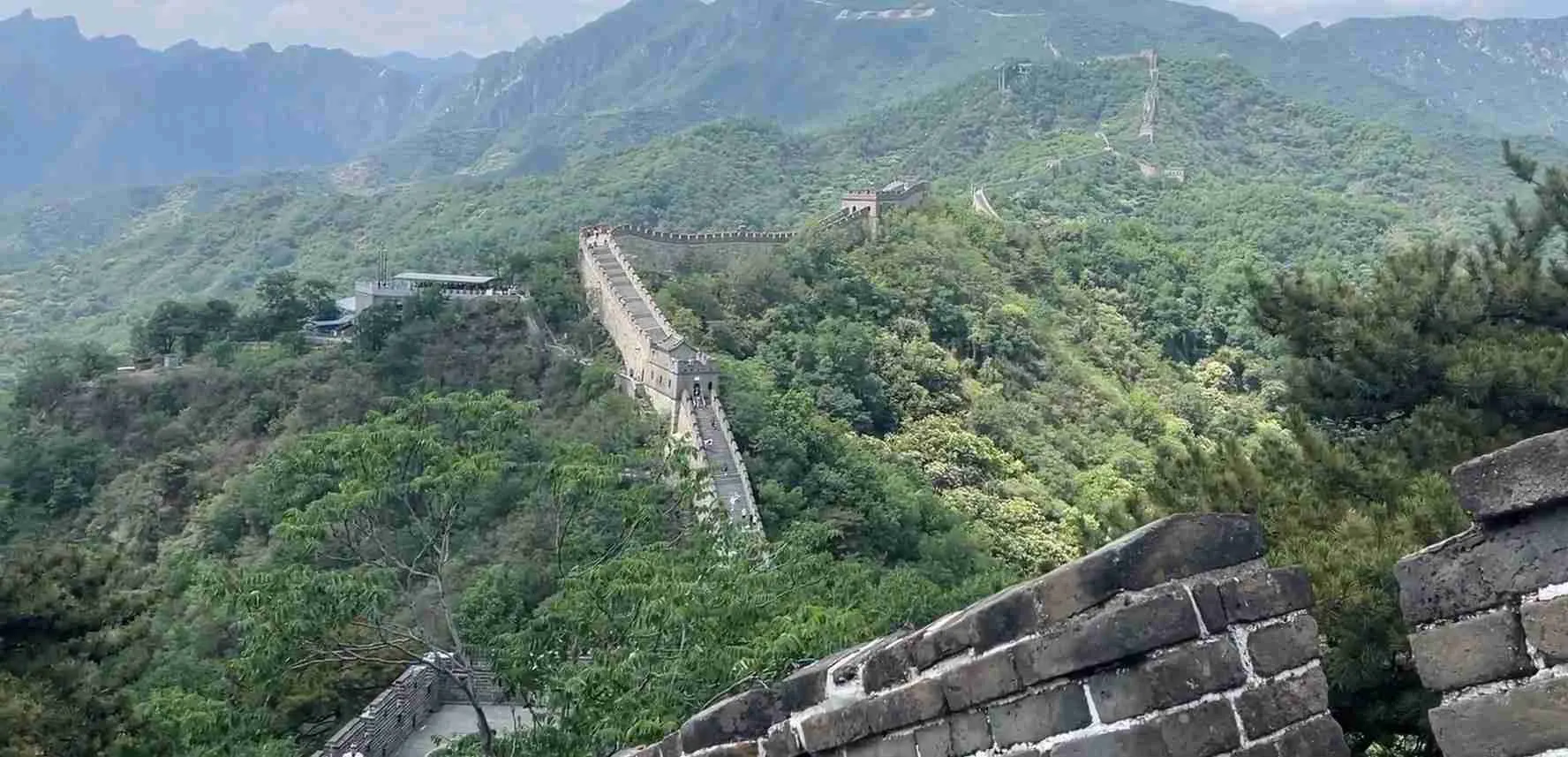
Great Wall 3-Day Itinerary 2026: First-Time Visitor Guide
The Great Wall of China stretches over 21,000 kilometers across northern China, presenting first-time visitors with the challenge of choosing which sections to explore and how to structure an efficient three-day experience. This comprehensive itinerary balances iconic restored sections like Badaling and Mutianyu with adventurous wild wall experiences at Jinshanling, strategic accommodation planning in Beijing, and practical transportation solutions that maximize your time at this UNESCO World Heritage Site while minimizing costs and logistical complexity.
Key Takeaways for Great Wall 3-Day Planning 2026
- Strategic Section Selection: Visit three distinct Great Wall sections over three days—Mutianyu for scenic beauty and cable car access (Day 1), Badaling for historical significance and accessibility (Day 2), and Jinshanling for wild wall hiking and photography (Day 3)—covering restored, iconic, and authentic segments of the wall
- Budget-Conscious Transportation: Public buses from Beijing cost ¥12-20 ($1.50-2.50) per trip to major sections, compared to private cars at ¥300-600 ($42-85) or organized tours at ¥400-800 ($55-115), with early morning departures essential to secure seats during peak season
- Accommodation Strategy for 2026: Base yourself in Beijing’s Dongzhimen or Deshengmen neighborhoods for direct bus access to Great Wall sections, with budget hotels at ¥250-400 ($35-55) per night, mid-range options at ¥500-800 ($70-115) per night, and proximity to subway lines 2 and 13
- Daily Cost Planning 2026: Budget ¥350-550 ($50-75) per day including Great Wall admission ¥40-60 ($6-8), round-trip transportation ¥24-40 ($3-6), meals ¥100-150 ($14-21), cable car or toboggan rides ¥80-140 ($11-20), and incidentals, excluding accommodation which adds ¥250-800 ($35-115) nightly
- Seasonal Timing Optimization: Visit between late September and early November 2026 for optimal weather conditions with temperatures 15-25°C, clear skies for photography, autumn foliage colors, and reduced crowds compared to summer peak season when temperatures exceed 30°C and visitor numbers triple
- Advanced Booking Requirements: Reserve Badaling and Mutianyu tickets online 1-7 days in advance through official platforms as on-site ticket sales are discontinued, bring passport for identification, download tickets to mobile device, and arrive 30-45 minutes before cable car operations begin to minimize waiting times
People Also Ask About Great Wall 3-Day Itinerary 2026
Which Great Wall sections should I visit in a 3-day itinerary in 2026?
Visit Mutianyu Great Wall on Day 1 for its scenic cable car access, restored battlements, and family-friendly toboggan descent through forested mountains 73 kilometers northeast of Beijing. Allocate Day 2 to Badaling Great Wall, the most historically significant and accessible section 70 kilometers north of Beijing, featuring smooth stone pathways and connections to Ming Dynasty military history. Reserve Day 3 for Jinshanling Great Wall, an authentic wild wall experience 130 kilometers northeast of Beijing with unrestored watchtowers, dramatic mountain ridges, and minimal crowds ideal for photography and genuine hiking. This three-section combination provides comprehensive Great Wall experiences covering restored tourism infrastructure, historical importance, and authentic wilderness segments within reasonable travel distances from Beijing.
How much does a 3-day Great Wall trip cost in 2026?
A three-day Great Wall itinerary costs ¥1,050-1,650 ($145-230) per person excluding accommodation, covering admission fees ¥120-180 ($17-25) for three sections, round-trip transportation ¥72-120 ($10-17) via public buses, meals ¥300-450 ($42-63), cable car or toboggan experiences ¥240-420 ($33-59), and incidentals ¥100-150 ($14-21). Accommodation adds ¥750-2,400 ($105-335) for three nights depending on hotel category, with budget hostels at ¥250-400 ($35-55) nightly, mid-range hotels at ¥500-800 ($70-115), and luxury properties at ¥1,200+ ($170+). Total three-day budget ranges ¥1,800-4,050 ($250-565) for budget travelers, ¥2,700-5,250 ($375-735) for mid-range comfort, and ¥4,500-8,000+ ($630-1,120+) for luxury experiences, with prices reflecting 2026 rates and seasonal variations.
What’s the best time to visit the Great Wall in 2026?
Late September through early November 2026 offers optimal Great Wall visiting conditions with daytime temperatures 15-25°C, minimal rainfall, clear skies for photography, and autumn foliage coloring mountain landscapes around Mutianyu and Jinshanling sections. This period follows summer peak season when July-August temperatures exceed 30°C and visitor numbers at Badaling reach 65,000 daily, while avoiding winter months December-February when temperatures drop below -5°C and strong winds make wall walking uncomfortable despite dramatically reduced crowds. Spring months April-May provide secondary optimal timing with blooming vegetation and mild weather, though occasional sandstorms from the Gobi Desert can reduce visibility. Avoid Chinese national holidays including Golden Week (October 1-7) and Labor Day (May 1-3) when domestic tourism increases prices 40-60% and crowds at popular sections triple compared to regular weekdays.
How do I get from Beijing to different Great Wall sections in 2026?
Public Bus 877 departs hourly from Deshengmen Bus Station to Badaling Great Wall from 6:00 AM, costs ¥12 ($1.50), takes 75 minutes, and drops passengers 400 meters from the entrance. Bus 916 from Dongzhimen Bus Station serves Mutianyu Great Wall every 30-45 minutes from 7:00 AM, costs ¥15-20 ($2-2.50) including connecting shuttle, requires 90-120 minutes, and operates until 5:00 PM return trips. Jinshanling requires private transportation or organized tours as public buses discontinued in 2024, with shared minivans from Wangjing West subway station costing ¥100-150 ($14-21) per person or private cars at ¥400-600 ($55-85) for round-trip including 2.5-hour each-way journey. High-speed trains from Beijing North Railway Station reach Badaling in 34 minutes for ¥20 ($2.50), departing every 30-60 minutes from 7:00 AM to 5:00 PM, providing fastest access but requiring 15-minute walk or shuttle bus from Badaling Railway Station to Great Wall entrance.
Extended multi-day tours – 5+ days
Featured Great Wall Multi-Day Tour Packages
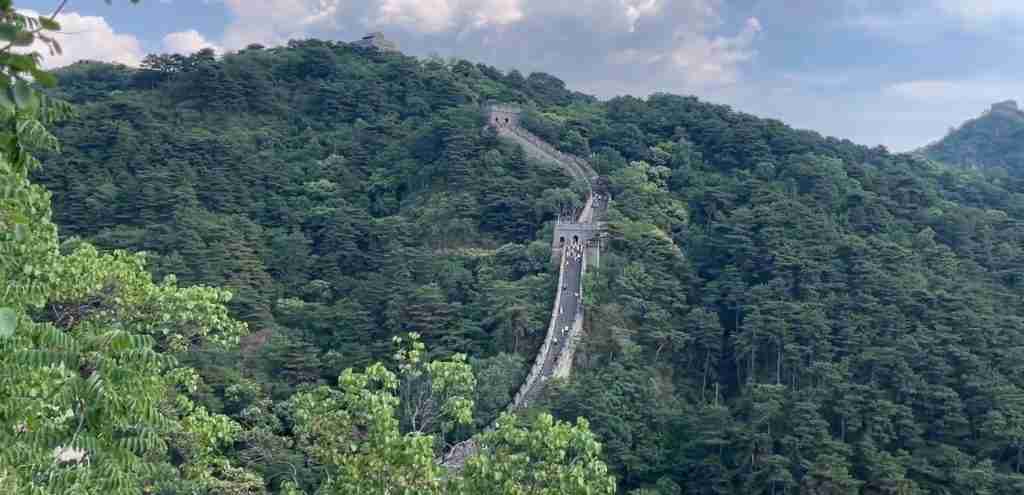
3 days
Great Wall 3-Day Discovery Tour
- ✓ Comprehensive Great Wall experience
- ✓ Expert local guides included
- ✓ All accommodation included
- ✓ Transportation provided
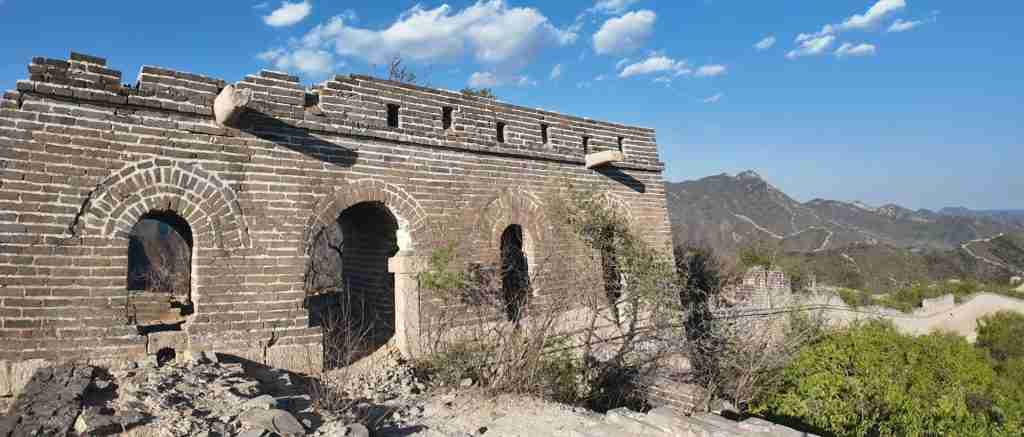
5 days
Great Wall 5-Day Highlights Experience
- ✓ Comprehensive Great Wall experience
- ✓ Expert local guides included
- ✓ All accommodation included
- ✓ Transportation provided
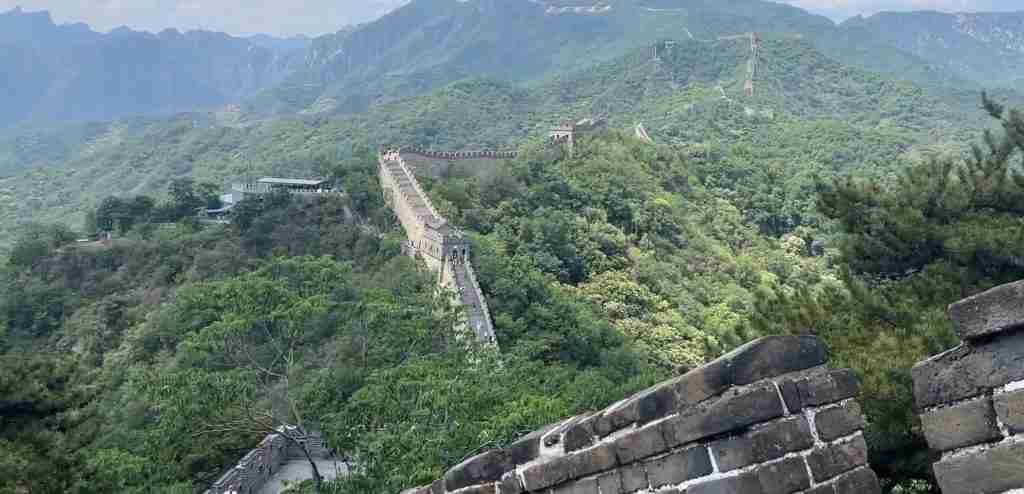
7 days
Great Wall 7-Day Cultural Journey
- ✓ Comprehensive Great Wall experience
- ✓ Expert local guides included
- ✓ All accommodation included
- ✓ Transportation provided
10 days
Great Wall 10-Day Complete Adventure
- ✓ Comprehensive Great Wall experience
- ✓ Expert local guides included
- ✓ All accommodation included
- ✓ Transportation provided
Multi-day tour packages powered by TourRadar. Prices and availability subject to change.
Introduction: Planning Your Great Wall 3-Day Adventure 2026
The Great Wall of China represents humanity’s most ambitious architectural achievement, winding across 15 provinces from Liaoning’s Hushan in the east to Gansu’s Jiayuguan in the west, with construction spanning over 2,000 years from the 7th century BCE through the Ming Dynasty (1368-1644 CE). First-time visitors arriving in 2026 encounter a UNESCO World Heritage Site where tourism infrastructure has evolved significantly since pre-pandemic years, with mandatory online ticketing systems, enhanced cable car facilities, and improved transportation networks connecting Beijing to major wall sections.
This three-day itinerary addresses the fundamental challenge facing Great Wall visitors: selecting which sections to explore among dozens of accessible segments, each offering distinct experiences from fully restored tourist-friendly pathways to crumbling wild wall ruins where original Ming Dynasty bricks remain untouched for centuries. The strategic approach balances restored sections providing safe, accessible experiences with authentic segments offering genuine archaeological atmosphere and photographic opportunities unavailable at crowded tourist zones.
Modern Great Wall tourism concentrates around Beijing, where eight major sections within 130 kilometers offer varying combinations of historical significance, restoration quality, crowd levels, and transportation accessibility. Badaling remains the most visited section with 10 million annual visitors, featuring extensive restoration, broad pathways, and connections to Chinese political history through visits by over 400 world leaders since 1957. Mutianyu attracts families and photography enthusiasts with its cable car access, toboggan descent, and forested mountain setting 73 kilometers from Beijing. Jinshanling appeals to hikers and photographers seeking wild wall experiences with unrestored watchtowers, dramatic ridgeline positions, and daily visitor numbers under 1,000 compared to Badaling’s 65,000.
The 2026 visiting landscape differs substantially from previous years through several key developments. Online ticketing became mandatory across all major sections, eliminating on-site ticket purchases and requiring advance planning through Chinese-language platforms or international booking services. Transportation options expanded with high-speed rail connections to Badaling reducing travel time to 34 minutes from Beijing North Railway Station, though public bus services remain the most economical choice at ¥12-20 ($1.50-2.50) per trip compared to private vehicles at ¥300-600 ($42-85) or organized tours at ¥400-800 ($55-115).
Accommodation strategy significantly impacts three-day itinerary efficiency and total costs. Staying in Beijing neighborhoods with direct Great Wall bus access—specifically Dongzhimen for Mutianyu-bound buses and Deshengmen for Badaling routes—eliminates subway transfers and reduces morning departure complexity. Budget travelers find hostel dormitories at ¥100-180 ($14-25) per night and budget hotels at ¥250-400 ($35-55), while mid-range hotels near transportation hubs cost ¥500-800 ($70-115) nightly. Luxury accommodations in Beijing’s central districts reach ¥1,200-3,000+ ($170-420+) but require additional subway travel to bus departure points.
Seasonal timing dramatically affects Great Wall experiences through weather conditions, crowd levels, and photographic opportunities. Summer months June-August bring temperatures exceeding 30°C, high humidity, and maximum domestic tourism when Badaling receives 65,000+ daily visitors and cable car wait times at Mutianyu reach 90-120 minutes. Autumn months September-November provide optimal conditions with temperatures 15-25°C, clear skies, autumn foliage coloring mountain landscapes, and reduced crowds following summer peak season. Winter December-February offers dramatically reduced prices and visitor numbers but requires preparation for temperatures below -5°C and strong winds making wall walking physically demanding.
This itinerary structures three days to provide comprehensive Great Wall experiences while maintaining practical transportation logistics, reasonable physical demands, and strategic photography timing. Day 1 introduces the Great Wall through Mutianyu’s cable car access and restored pathways, building confidence for more challenging sections. Day 2 explores Badaling’s historical significance and political connections while experiencing the wall’s most developed tourism infrastructure. Day 3 ventures to Jinshanling’s wild wall segments for authentic hiking experiences and photographic opportunities unavailable at restored sections, concluding the itinerary with genuine archaeological atmosphere and minimal crowds.
Day 1: Mutianyu Great Wall Experience 2026
Morning Departure and Transportation to Mutianyu
Depart Beijing between 7:00-7:30 AM via Bus 916 from Dongzhimen Bus Station (东直门外公交站), located adjacent to Dongzhimen subway station Exit B on Lines 2 and 13. The bus costs ¥15 ($2) for the 73-kilometer journey to Mutianyu, taking 90-100 minutes under normal traffic conditions. Purchase tickets directly from the driver using cash (exact change preferred) or scan QR codes for Alipay or WeChat Pay if you’ve configured international payment methods. Buses depart every 30-45 minutes during peak season March-November, with reduced frequency during winter months December-February.
Arrive at Mutianyu Village by 8:30-9:00 AM, then transfer to the free shuttle bus operating between the village parking area and the Great Wall ticket checkpoint, a 5-minute ride covering 2 kilometers uphill. The shuttle departs every 10-15 minutes once 15-20 passengers board, with first departures beginning 7:45 AM and final returns at 5:30 PM. During peak season weekends and Chinese holidays, shuttle wait times extend to 20-30 minutes as visitor numbers increase dramatically.
Mutianyu Great Wall Admission and Cable Car Access 2026
Mutianyu Great Wall admission costs ¥60 ($8) for adults in 2026, with 50% discounts for students presenting valid international student cards and free entry for children under 1.2 meters height (check official site for current rates as pricing may vary seasonally). Tickets must be purchased online in advance through the official Mutianyu Great Wall booking platform or authorized travel agencies, as on-site ticket sales discontinued in 2024. Present your passport and booking confirmation code at the entrance checkpoint, where staff scan QR codes and verify identification before granting access to cable car or hiking trail areas.
Cable car tickets cost ¥140 ($20) for round-trip access to Watchtower 14, the main entry point for the western wall route spanning Watchtowers 14-23. The cable car operates 8:00 AM to 5:00 PM during peak season, with reduced hours 8:30 AM to 4:30 PM in winter months. Single-ride options allow hiking up or down for ¥80 ($11), while the toboggan slide from Watchtower 6 costs ¥120 ($17) for descent-only access, providing an exhilarating 1,580-meter alpine slide experience through forested mountainside.
Chairlift alternatives serve the eastern route to Watchtower 6 for ¥100 ($14) round-trip, offering open-air seating with panoramic mountain views but slower 20-minute ascent compared to the cable car’s 8-minute enclosed ride. Most first-time visitors select the cable car for comfort, speed, and protection from weather conditions, particularly during spring and autumn when mountain winds intensify at higher elevations. Combination tickets pairing cable car ascent with toboggan descent cost ¥200 ($28), creating the most popular access pattern among international visitors seeking both convenience and adventure.
Western Wall Route Exploration (Watchtowers 14-23)
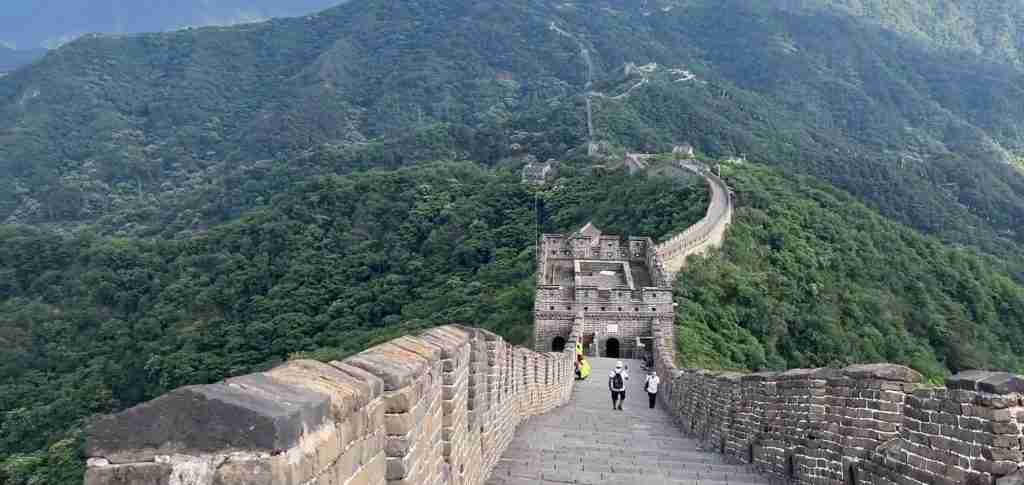
Exit the cable car at Watchtower 14 and proceed westward along the restored wall section, ascending through increasingly steep gradients toward Watchtower 20, nicknamed “Ox Horn Edge” for its dramatic ridgeline position. This 2.4-kilometer western route requires 90-120 minutes for round-trip hiking at moderate pace, with elevation gains of 180 meters from Watchtower 14 to the highest point at Watchtower 23. The restored pathways feature even stone steps, metal handrails on steep sections, and rest platforms every 200-300 meters with benches and trash receptacles.
Watchtower 17 provides the first major rest point with indoor seating areas, vendor stalls selling beverages ¥10-15 ($1.40-2) and snacks ¥15-30 ($2-4), and restroom facilities—the last available before Watchtower 23. Photography opportunities intensify beyond Watchtower 18 where the wall climbs steep mountain ridges, creating dramatic perspectives of serpentine battlements extending toward distant peaks. Morning light from 9:00-11:00 AM illuminates the northern face of the wall, ideal for capturing the architectural details and mountain landscape backdrop.
Watchtower 20 marks the steepest ascent section where steps increase to 50-60 degrees, requiring careful footing and use of side handrails. This segment separates casual visitors from committed hikers, with approximately 60% of cable car passengers turning back at this point. Continue beyond Watchtower 20 to reach Watchtower 23, the terminus of the restored western route and the highest elevation point on Mutianyu’s tourist section at 1,039 meters. Watchtower 23’s rooftop platform provides 360-degree views of mountain ranges extending into Hebei Province, though wind speeds intensify at this exposed position, particularly during spring and autumn months.
Eastern Wall Route and Toboggan Descent
Return to Watchtower 14 via the same western route, then continue eastward toward Watchtower 6 for the toboggan departure point, covering 1.6 kilometers with gentler gradients than the western section. The eastern route passes through Watchtower 10, featuring unique architectural elements including three parallel watchtowers sharing connected defensive walls—a rare configuration found in only five locations along the entire Great Wall system. This section receives fewer visitors than the western route, creating more spacious conditions for photography and contemplative walking.
Watchtower 6 houses the toboggan loading station where passengers board two-person sleds for the 1,580-meter descent through forested mountainside, controlled by hand brake levers allowing speeds from walking pace to 35 kilometers per hour maximum. The toboggan operates 8:30 AM to 5:00 PM during peak season with reduced winter hours 9:00 AM to 4:00 PM. Average descent time runs 8-10 minutes depending on braking frequency, with track curves requiring speed reduction to prevent sled derailment. Children under 1.2 meters must ride with adults, while maximum combined weight limits reach 150 kilograms per sled.
Alternative descent options include retracing your route to Watchtower 14 for cable car return, hiking down the access trail (45-60 minutes), or taking the chairlift from Watchtower 6 (20 minutes). The hiking trail descends through pine and oak forests, passing small temples and village farmhouses, offering cultural immersion unavailable via mechanical transportation. However, knee strain from descending 400+ meters on stone steps makes the toboggan or cable car preferable for visitors with joint sensitivities or those planning strenuous Day 2 and Day 3 activities.
Lunch and Afternoon Photography at Mutianyu Village
Descend to Mutianyu Village by 12:30-1:00 PM for lunch at local restaurants offering Beijing and regional Hebei cuisine. Village restaurants range from simple noodle shops at ¥25-40 ($3.50-5.50) per person to family-style restaurants at ¥60-100 ($8.50-14) per person serving signature dishes including roasted lamb, hand-pulled noodles, and stuffed buns. The Schoolhouse restaurant, housed in a converted rural school building, offers Western-Chinese fusion menu items at ¥80-150 ($11-21) per person with terrace seating overlooking the Great Wall’s mountain ridges.
Afternoon hours 2:00-4:00 PM provide optimal photography timing as sunlight shifts to the southern wall face, illuminating restored brickwork details and creating dramatic shadows across watchtower interiors. Consider purchasing a second cable car ticket ¥80 ($11) for one-way ascent to capture afternoon lighting conditions, particularly at Watchtowers 18-20 where ridgeline positions offer unobstructed southern exposures. Late afternoon light enhances autumn foliage colors during September-October, creating vibrant foreground elements contrasting with gray stone battlements.
Return to Beijing via Bus 916 from Mutianyu Village, with final departures at 5:00-5:30 PM ensuring arrival in Dongzhimen by 7:00 PM. Plan to board return buses 30-45 minutes before stated departure times during peak season as seats fill rapidly with tour groups and day-trippers. Alternative return transportation includes private drivers arranged through village shops at ¥300-400 ($42-55) for direct hotel transfer, beneficial for groups of 3-4 passengers splitting costs or travelers with evening flight departures requiring precise timing.
Day 1 Cost Summary
Mutianyu Great Wall admission ¥60, round-trip Bus 916 transportation ¥30, cable car round-trip ¥140 (or cable car up + toboggan down ¥200), lunch ¥60-100, beverages and snacks ¥30-50, photography prints or souvenirs ¥50-100. Total Day 1 cost: ¥370-540 ($52-75) per person (excluding accommodation).
Day 2: Badaling Great Wall and Ming Tombs 2026
Transportation to Badaling via High-Speed Train or Bus
Two primary transportation options serve Badaling Great Wall from Beijing: high-speed train from Beijing North Railway Station or direct bus from Deshengmen Bus Station. The S2 high-speed train departs every 30-60 minutes from 7:00 AM to 5:00 PM, costs ¥20 ($2.50), reaches Badaling Railway Station in 34 minutes, then requires a 15-minute walk or ¥10 ($1.40) shuttle bus to the Great Wall entrance. Purchase train tickets through the 12306 railway booking platform or at station ticket windows, arriving 30 minutes before departure for security screening and platform access.
Bus 877 from Deshengmen Bus Station provides more direct access to Badaling entrance, departing hourly 6:00 AM to 4:00 PM, costing ¥12 ($1.50), taking 75-90 minutes depending on traffic conditions. The bus drops passengers 400 meters from the entrance checkpoint, eliminating additional shuttle transfers or walking distances required from the railway station. Early morning departures 6:00-7:00 AM offer advantages of reduced traffic congestion, cooler temperatures for wall hiking, and arrival before tour bus groups that typically reach Badaling 9:30-10:00 AM.
Deshengmen Bus Station location: Exit A2 of Jishuitan subway station (Line 2), then walk 600 meters north following Deshengmen Outer Street. The bus station operates 5:30 AM to 6:00 PM with ticket counters opening 5:45 AM. Arrive 20-30 minutes before intended departure to secure seats, as buses fill to capacity during peak season weekends and Chinese holidays. Alternative express buses operate from Qianmen (south of Tiananmen Square) at ¥30-40 ($4-5.50) but include tourist shopping stops, extending total journey time to 2.5-3 hours.
Badaling Great Wall Admission and Section Selection 2026
Badaling Great Wall admission costs ¥40 ($6) for adults during peak season April-October and ¥35 ($5) during off-season November-March in 2026. Advanced online booking through the official Badaling Great Wall website or authorized platforms remains mandatory, with daily visitor caps at 65,000 during peak season and 40,000 in winter months (check official site for current rates as pricing may vary). Tickets include access to both northern wall section (12 watchtowers) and southern wall section (7 watchtowers), with separate cable car or shuttle bus fees for transportation to higher elevation start points.
The northern wall route provides the classic Badaling experience, ascending from the entrance plaza through Watchtowers 1-12 with the famous “Hero’s Slope” (好汉坡) inscription at Watchtower 8, where Chairman Mao’s declaration “He who has never been to the Great Wall is not a true hero” appears in Chinese characters. This 3.74-kilometer route requires 90-120 minutes for complete round-trip hiking, with elevation gain of 370 meters from entrance (600 meters above sea level) to Watchtower 12 (970 meters). Restored pathways feature even stone steps, metal handrails, and accessible ramps between Watchtowers 1-4 accommodating wheelchair users and families with strollers.
The southern wall route extends 2.8 kilometers through 7 watchtowers, receiving approximately 30% of total visitor traffic compared to the heavily frequented northern section. This route offers more spacious conditions for photography and contemplative walking, with similar architectural features and mountain views but fewer commercial vendors and tour groups. Most first-time visitors prioritize the northern route for its historical significance and photographic iconography, though combining both sections creates a comprehensive 5-hour Badaling experience covering 6.5 kilometers of restored wall.
Northern Wall Exploration: Watchtowers 1-12
Begin the ascent from the entrance plaza, passing through the fortified gate featuring the inscription “Juyong Waizhen” (居庸外镇 – Frontier Town of Juyong), referencing Juyongguan Pass 20 kilometers south, a strategic military checkpoint during Ming Dynasty. The initial section Watchtowers 1-4 maintains gentle 15-20 degree gradients with wide pathways accommodating bidirectional foot traffic, creating congested conditions 10:00 AM to 3:00 PM when daily visitor numbers peak at 35,000-45,000.
Watchtower 4 marks the transition to steeper gradients reaching 45-50 degrees between Watchtowers 5-8, where step height increases to 30-40 centimeters requiring careful footing and use of side handrails. The “Hero’s Slope” section between Watchtowers 7-8 represents the psychological midpoint where approximately 40% of visitors turn back, with the remaining 60% continuing toward higher elevation watchtowers. Watchtower 8’s rooftop platform provides the first expansive views of the wall’s serpentine path across mountain ridges, with early morning 8:00-9:00 AM offering optimal photography lighting conditions and reduced human traffic in frame compositions.
Continue ascending beyond Watchtower 8 to reach Watchtowers 10-12, the terminus of public access on the northern route and the highest elevation point at 970 meters above sea level. This final section receives fewer visitors, creating more spacious conditions for extended photography sessions and rest periods. Watchtower 12’s interior chambers remain intact with original Ming Dynasty brickwork, arrow slots positioned for defensive archery, and smoke signal platforms on the rooftop for communication with adjacent garrison stations. Return via the same route, descending carefully on steep sections between Watchtowers 8-5 where polished stone steps become slippery, particularly after rainfall or during winter ice conditions.
Cable Car and Pulley Options at Badaling
Two mechanical transportation systems serve Badaling’s northern route: a cable car system accessing Watchtower 8 and a pulley/chairlift system reaching Watchtower 4. The cable car costs ¥140 ($20) for round-trip tickets, operates 8:00 AM to 5:00 PM during peak season (reduced winter hours 8:30 AM to 4:30 PM), completes the ascent to Watchtower 8 in 6 minutes, eliminating the initial steep climbing section. Single-ride cable car tickets cost ¥80 ($11), allowing visitors to ride up and hike down or vice versa depending on physical condition and knee sensitivity to descending steep grades.
The pulley system provides slower access to Watchtower 4 for ¥60 ($8) round-trip, operating along the wall’s base path rather than ascending directly to mid-level positions like the cable car. This option suits families with young children or elderly visitors with limited mobility, though the pulley only eliminates the first 800 meters of hiking, requiring continued climbing from Watchtower 4 to reach the “Hero’s Slope” and higher watchtowers. Most able-bodied visitors opt to hike the entire route, reserving cable car expenses for Mutianyu or other sections where mechanical access provides greater elevation advantages.
Afternoon Ming Tombs Extension (Optional)
The Ming Tombs (明十三陵) complex lies 25 kilometers south of Badaling, housing the burial sites of 13 Ming Dynasty emperors spanning 1409-1644 CE. Tourist Bus 919 connects Badaling Great Wall to Dingling Tomb (定陵), the most extensively excavated tomb complex, departing hourly 10:00 AM to 3:00 PM for ¥20 ($2.50), taking 40 minutes. Dingling Tomb admission costs ¥60 ($8), with the underground palace chambers open for exploration, displaying coffins, burial artifacts, and architectural elements from Emperor Wanli’s 1620 CE interment.
Combining Badaling and Ming Tombs creates a full-day historical immersion experience, though splitting this across two separate days provides more relaxed pacing and deeper engagement with each site. If including the Ming Tombs in Day 2, allocate 2.5 hours for tomb exploration including the Sacred Way featuring stone statues of animals and officials, then return to Beijing via Bus 919 or 872 from the tomb complex, arriving Dongzhimen by 5:30-6:00 PM. This extended itinerary increases Day 2 costs by ¥80-120 ($11-17) for additional transportation and admission, pushing total daily expenditure to ¥450-660 ($63-92) per person.
Day 2 Cost Summary
Badaling Great Wall admission ¥40, round-trip transportation ¥24-40 (bus) or ¥40 (train), optional cable car ¥140 (if used), lunch ¥50-80, beverages and snacks ¥20-40, optional Ming Tombs extension ¥80-120. Total Day 2 cost: ¥274-460 ($38-64) per person without Ming Tombs, or ¥354-580 ($49-81) with Ming Tombs extension (excluding accommodation).
Day 3: Jinshanling Great Wall Wild Wall Hiking 2026
Private Transportation to Jinshanling
Jinshanling Great Wall, located 130 kilometers northeast of Beijing in Hebei Province, lacks direct public bus service following discontinuation of tourist bus routes in 2024. Private transportation options include hiring a car with driver through Beijing hotels or travel agencies at ¥400-600 ($55-85) for round-trip service including 2.5-hour each-way journey, or joining shared minivan services from Wangjing West subway station (Line 15) at ¥100-150 ($14-21) per person for group departures once 6-8 passengers assemble.
Negotiate private driver services one day in advance, confirming departure time 6:30-7:00 AM for arrival at Jinshanling by 9:00-9:30 AM, allowing maximum daylight hours for hiking. Verify return timing flexibility, as wild wall hiking durations vary 4-6 hours depending on route selection and hiking pace. Drivers typically wait at the parking area, though some offer to return at specified pickup times, reducing costs slightly but requiring precise schedule adherence. Groups of 3-4 travelers splitting private car costs achieve comparable per-person rates to shared minivan services while gaining departure time flexibility and luggage security.
Jinshanling Great Wall Admission and Hiking Routes 2026
Jinshanling Great Wall admission costs ¥65 ($9) for adults in 2026, with free entry for children under 1.2 meters height and 50% discounts for students presenting valid international student cards (check official site for current rates as pricing may vary). The entrance checkpoint opens 7:00 AM during peak season April-October and 8:00 AM during winter months November-March, with final entry at 4:00 PM year-round. Unlike Badaling and Mutianyu, on-site ticket purchases remain available at Jinshanling as daily visitor numbers rarely exceed 1,000 compared to Badaling’s 65,000, though online advance booking through authorized platforms provides convenience and small discounts ¥5-10 ($0.70-1.40).
Three primary hiking routes serve different skill levels and time commitments at Jinshanling. The East Route spans 10.5 kilometers from Jinshanling East Gate to Simatai West, requiring 4-5 hours for through-hiking with 67 watchtowers ranging from fully intact structures to partially collapsed ruins. The West Route covers 6.8 kilometers from Jinshanling East Gate westward through 42 watchtowers toward Gubeikou, completing in 3-4 hours with gentler elevation changes than the East Route. The Summit Loop provides a 4-kilometer circuit requiring 2-3 hours, ideal for visitors with limited time or moderate fitness levels, accessing the most photogenic watchtowers without committing to full through-hikes.
East Route Through-Hike to Simatai
The East Route represents Jinshanling’s signature hiking experience, traversing 10.5 kilometers of wild wall with minimal restoration, authentic Ming Dynasty brickwork, and dramatic ridgeline positions creating the Great Wall’s most photogenic segments. Begin at Jinshanling East Gate entrance, ascending immediately to the main wall via steep stone stairs—the most strenuous climbing of the entire route concentrated in the first 30 minutes. Once atop the wall at the first watchtower, the route follows undulating ridgelines with elevation changes of 200-300 meters distributed across the 10.5-kilometer distance.
The initial 3-kilometer section passes through 20 watchtowers in varying preservation states, from fully intact structures with complete roofs and interior chambers to partial ruins where only exterior walls remain standing. This segment includes the “General Tower” and “Black Tower,” named for distinctive architectural features and historical military significance during Ming Dynasty northern frontier defense. Photography opportunities intensify along this section as morning sunlight 9:00-11:00 AM illuminates the eastern wall face, while autumn months September-November add golden-hued mountain vegetation contrasting with gray stone battlements.
Continue eastward beyond the 4-kilometer point where the wall enters its wildest section, with vegetation encroaching on pathways, missing bricks creating irregular footing, and watchtowers in advanced states of decay revealing construction techniques and materials. This authentic archaeological atmosphere represents what hikers sought when wild wall hiking gained popularity during the 1990s-2000s, before extensive restoration projects transformed major sections like Badaling and Mutianyu into highly developed tourist sites. However, the unrestored nature demands careful attention to footing, particularly on steep descents where loose stones and eroded steps increase fall risks.
The final 2.5 kilometers approach Simatai West through the most dramatic topographical features along the entire route, including nearly vertical ascent/descent sections locally nicknamed “Heavenly Ladder” and “Eagle Flies Facing Upward” for their extreme gradients reaching 70-80 degrees. Metal ladders installed in recent years provide security on these sections, though hikers must possess reasonable physical fitness and comfort with heights to complete this segment safely. The route terminates at Simatai West gate, where shuttle buses transport hikers to Gubei Water Town for lunch and return transportation to Beijing.
Photography and Authentic Great Wall Experience
Jinshanling’s unrestored condition creates exceptional photography opportunities unavailable at heavily restored sections like Badaling and Mutianyu. The wild wall aesthetic features vegetation growing from crumbling watchtowers, original Ming Dynasty bricks showing weathering patterns from 400+ years of exposure, and absence of crowds allowing unobstructed landscape compositions. Professional photographers and serious amateurs specifically select Jinshanling for sunrise and sunset shoots, with autumn months September-November providing optimal lighting conditions and seasonal color palettes.
Optimal photography timing occurs 8:00-10:00 AM when eastern-facing wall sections receive direct sunlight, creating long shadows across watchtower interiors and highlighting architectural details. Late afternoon 4:00-5:30 PM during summer months (5:00 PM sunset during winter) offers golden hour lighting conditions illuminating western-facing segments, though this timing requires precise transportation coordination to avoid missing return vehicles. Midday photography 12:00-2:00 PM produces harsh overhead lighting reducing depth and detail in stone surfaces, better reserved for rest periods and lunch breaks.
The authentic archaeological atmosphere extends beyond photography to provide genuine connection with Great Wall history unavailable at commercialized sections. Walking across original Ming Dynasty paving stones, examining construction techniques in partially collapsed walls, and experiencing solitude with only 200-400 daily visitors compared to Badaling’s 65,000 creates the contemplative engagement sought by travelers prioritizing cultural significance over recreational convenience. This authentic experience represents Day 3’s core value, rewarding the additional transportation costs and physical demands with memories of the Great Wall as historical monument rather than theme park attraction.
Return Transportation and Evening Arrival in Beijing
Complete the Jinshanling hike by 3:30-4:00 PM to meet pre-arranged drivers at the East Gate parking area or walk to Simatai exit for shuttle buses to Gubei Water Town, where shared minivans and private cars congregate 4:30-5:30 PM for return trips to Beijing. The 2.5-hour return journey arrives in Beijing 6:30-8:00 PM depending on traffic conditions, with Friday and Sunday evenings experiencing heavier congestion extending travel time 30-45 minutes. Negotiate return timing with drivers during morning departure, confirming mobile phone contact for coordination if hiking duration extends beyond initial estimates.
Alternative return options include staying overnight in Gubei Water Town, a reconstructed Ming Dynasty-style village offering hotels ¥400-1,200 ($55-170) per night, traditional restaurants, and evening illumination transforming the Great Wall into a dramatic nighttime spectacle. This option eliminates same-day return transportation stress, allows extended photography during golden hour and twilight, and creates a more relaxed conclusion to the three-day itinerary. However, most budget-conscious travelers prefer returning to Beijing for final night accommodation, maximizing time efficiency and minimizing total trip costs.
Day 3 Cost Summary
Jinshanling Great Wall admission ¥65, private car transportation ¥400-600 total (¥100-150 per person if split among 4 passengers), or shared minivan ¥100-150 per person, lunch at Jinshanling village or Gubei Water Town ¥60-100, beverages and snacks ¥30-50. Total Day 3 cost: ¥355-515 ($50-72) per person (excluding accommodation).
Accommodation Strategy for 3-Day Great Wall Itinerary 2026
Strategic Location Selection in Beijing
Optimal accommodation locations for Great Wall itineraries concentrate around Dongzhimen and Deshengmen neighborhoods, providing direct access to departure points for Mutianyu-bound Bus 916 and Badaling-bound Bus 877 without requiring subway transfers or early morning taxi coordination. Dongzhimen area, centered on the intersection of subway Lines 2 and 13, offers 300+ hotels and hostels within 800-meter walking radius of the bus station, ranging from budget dormitories at ¥100-180 ($14-25) per night to mid-range business hotels at ¥400-650 ($55-90). This neighborhood provides 24-hour convenience stores, breakfast restaurants opening 6:00 AM for pre-departure meals, and evening dining options including hotpot, noodle shops, and international cuisines.
Deshengmen area, located near Jishuitan subway station (Line 2), serves as primary departure point for Badaling Great Wall access via Bus 877, with hotel concentrations slightly lower than Dongzhimen but comparable price ranges and amenities. The Deshengmen neighborhood features the ancient Deshengmen Gate tower, converted food markets, and residential hutong alleys providing authentic Beijing cultural atmosphere contrasting with modern business districts. Accommodation here suits travelers prioritizing cultural immersion and slightly lower costs ¥30-80 ($4-11) less per night than comparable Dongzhimen properties, accepting trade-offs of fewer international dining options and reduced English language signage.
Budget Accommodation Options (¥250-400 / $35-55 Per Night)
Budget hotels and hostels serve independent travelers and backpackers prioritizing cost efficiency over luxury amenities, with dormitory beds at ¥100-180 ($14-25) per night and private rooms at ¥250-400 ($35-55). These properties typically occupy older buildings, offer shared bathroom facilities or private bathrooms with basic fixtures, provide free WiFi, and include minimal staff English proficiency requiring translation apps for complex communications. Examples include Beijing Downtown Backpackers near Dongzhimen, Leo Hostel near Houhai Lakes, and various budget chain hotels like Home Inn and Hanting Express scattered throughout the 2nd Ring Road area.
Budget accommodation trade-offs include smaller room sizes (12-18 square meters for private rooms), limited breakfast options or pay-extra buffets at ¥25-40 ($3.50-5.50), lack of in-room temperature control requiring seasonal adaptation, and potential noise from adjacent rooms or street traffic. However, these properties provide essential services including luggage storage, travel information, Great Wall tour booking assistance, and convenient locations near subway stations and bus departure points, meeting fundamental needs for itinerary-focused travelers spending minimal time in accommodations.
Mid-Range Hotels (¥500-800 / $70-115 Per Night)
Mid-range hotels balance comfort, convenience, and value for travelers seeking reliable amenities without luxury pricing. Properties in this category include international chains like Holiday Inn Express, Hampton by Hilton, and Ibis Hotels, plus Chinese business hotel brands like Home Inn Plus and Atour Hotels, offering private rooms 22-28 square meters with modern bathrooms, air conditioning, work desks, and English-speaking reception staff. Included breakfast buffets provide Western and Chinese options including eggs, bread, congee, vegetables, and fresh fruit, eliminating morning meal preparation before early Great Wall departures.
Mid-range hotels typically feature additional amenities including fitness centers, business centers with printing services, airport shuttle arrangements, tour booking desks providing Great Wall transportation information, and 24-hour reception staff capable of handling emergency situations or last-minute itinerary changes. Room rates fluctuate seasonally, with peak summer months July-August reaching ¥800+ ($115+) per night, shoulder seasons April-June and September-October maintaining ¥600-750 ($85-105), and winter low season December-February dropping to ¥500-650 ($70-90), creating 30-40% price variations across the year.
Luxury Accommodations (¥1,200+ / $170+ Per Night)
Luxury hotels serve travelers prioritizing comfort, comprehensive services, and premium locations, with rates starting ¥1,200 ($170) for 4-star properties and reaching ¥2,500-5,000+ ($350-700+) for 5-star establishments in Beijing’s central business and embassy districts. These properties offer spacious rooms 35-50+ square meters, marble bathrooms with rainfall showers and soaking tubs, concierge services for Great Wall tour arrangements, multiple on-site restaurants serving Chinese and international cuisines, executive lounges providing complimentary breakfast and evening cocktails, and shuttle services to popular attractions.
Luxury accommodation advantages include private car arrangements to Great Wall sections eliminating public transportation complexity, English-speaking staff capable of handling complex requests, and located in central districts like Wangfujing, CBD, and Chaoyang requiring subway transfers to Great Wall bus departure points but offering superior evening dining, shopping, and entertainment options. First-time visitors to Beijing often select luxury hotels for their first night, transitioning to mid-range properties for subsequent nights, balancing initial comfort and orientation assistance with overall budget management across the trip duration.
Seasonal Considerations for Great Wall Visits 2026
Spring Season (March-May 2026)
Spring brings transitional weather to Beijing and the Great Wall, with March temperatures 5-15°C gradually warming to April-May ranges of 12-25°C. This season offers advantages of blooming vegetation, reduced winter crowds, and moderate temperatures ideal for hiking, though disadvantages include occasional sandstorms from the Gobi Desert reducing visibility and coating surfaces with fine yellow dust, plus variable weather requiring layered clothing for temperature fluctuations throughout single days. March remains off-season with accommodation rates 20-30% below summer peaks and daily Great Wall visitor numbers at Badaling around 15,000-25,000 compared to summer’s 50,000-65,000.
April-May transition to shoulder season with increasing domestic tourism as Chinese students begin spring breaks, pushing accommodation prices upward 15-25% and Great Wall crowds to 35,000-45,000 daily at Badaling, 8,000-12,000 at Mutianyu. These months provide optimal hiking conditions before summer heat intensifies, particularly for Jinshanling’s wild wall routes where shade remains limited and steep climbing generates significant body heat. Wildflowers bloom across mountain landscapes during late April-May, creating colorful foreground elements for photography, though color intensity remains subdued compared to autumn foliage.
Summer Season (June-August 2026)
Summer delivers Beijing’s peak tourism season with temperatures exceeding 30°C regularly, humidity levels 65-80% creating discomfort during physical exertion, and maximum domestic tourism coinciding with Chinese summer school vacations. Badaling receives 50,000-65,000 daily visitors during July-August weekends, creating congested conditions on the wall with 15-30 minute wait times at narrow sections and 90-120 minute cable car queues at Mutianyu. These conditions make summer the least recommended season for first-time visitors despite maximum daylight hours and lush green vegetation covering mountain landscapes.
Summer advantages include extended operating hours at all sections with cable cars running 7:30 AM to 6:00 PM, longer daylight permitting flexible departure timing, and guaranteed good weather for photography excepting occasional afternoon thunderstorms requiring rain gear and lightning awareness. Accommodation costs peak during July-August at 30-50% above winter rates, with budget hotels reaching ¥350-500 ($50-70), mid-range properties at ¥700-1,000 ($100-140), and advance booking essential 2-3 weeks ahead for weekend stays. Summer visits require early morning departures 6:00-7:00 AM to complete wall hiking before midday heat peaks 12:00-3:00 PM when temperatures reach 32-35°C.
Autumn Season (September-November 2026)
Autumn provides optimal Great Wall visiting conditions combining comfortable temperatures 15-25°C, clear skies with reduced summer humidity, dramatic autumn foliage coloring mountain landscapes orange-red-gold during October-early November, and reduced crowds following summer peak season. September maintains summer visitor numbers initially, gradually declining through October as domestic tourism subsides after National Day Golden Week (October 1-7), reaching shoulder season levels by November with daily Badaling visitors around 25,000-35,000 compared to summer’s 50,000-65,000.
October stands as the single best month for Great Wall visits, though National Day Golden Week (October 1-7) must be avoided as accommodation prices triple, Great Wall daily visitors reach maximum capacity of 65,000 at Badaling within 2-3 hours of opening, and transportation services experience overwhelming demand. Schedule autumn visits either early October immediately after Golden Week concludes, or during November when autumn colors peak but temperatures begin cooling toward winter ranges. Autumn photography reaches peak quality with clear air reducing atmospheric haze, golden hour lighting creating warm color temperatures enhancing autumn foliage tones, and reduced humidity producing sharp landscape details.
Winter Season (December-February 2026)
Winter transforms the Great Wall into a dramatically different experience with temperatures -5 to 5°C, occasional snow covering battlements and mountains, strong winds intensifying wind chill factors, and reduced tourism creating serene conditions with only 8,000-15,000 daily visitors at Badaling compared to summer’s 50,000-65,000. Winter visits appeal to photographers seeking snowy landscapes and empty wall compositions, plus budget travelers capitalizing on accommodation rates 40-50% below summer peaks, but require preparation for physical challenges including cold-weather clothing, ice-covered steps, and shortened operating hours with cable cars closing 4:30 PM.
December-January represent the coldest months with temperatures regularly below freezing, requiring thermal underlayers, insulated jackets, gloves, and warm headwear for wall hiking where exposed ridgeline positions intensify wind exposure. February begins warming trends with occasional sunny days reaching 8-10°C creating pleasant hiking conditions despite cold mornings. Winter advantages include dramatically reduced crowds creating contemplative atmosphere, near-guaranteed accommodation availability even with same-day booking, and unique photographic opportunities capturing the Great Wall’s military defensive character emphasized by harsh winter conditions reflecting historical realities of frontier garrison duty during Ming Dynasty.
Packing Essentials for 3-Day Great Wall Itinerary 2026
Clothing and Footwear Requirements
Sturdy hiking shoes with ankle support and deep tread patterns provide essential safety on Great Wall hiking, particularly for Day 3’s Jinshanling wild wall routes where unrestored sections feature loose stones, irregular step heights, and steep gradients requiring secure footing. Running shoes or casual sneakers suffice for Badaling’s smooth pathways but prove inadequate for Jinshanling’s challenging terrain and Mutianyu’s steep sections where polished stone becomes slippery after rainfall. Break in new hiking shoes 2-3 weeks before travel to prevent blisters, or bring blister treatment supplies including bandages and antibiotic ointment for foot care during multi-day hiking.
Layered clothing systems adapt to temperature fluctuations throughout hiking days, with mornings often 10-15°C cooler than midday temperatures, and elevation changes of 400-600 meters creating 3-5°C temperature differences between valley parking areas and high-elevation watchtowers. Pack moisture-wicking base layers, insulating mid-layers (fleece or light down jacket), and weather-resistant outer shells protecting against wind and rain. Avoid cotton fabrics retaining moisture and creating discomfort during physical exertion, instead selecting synthetic or merino wool materials providing temperature regulation and quick drying.
Photography Equipment and Accessories
Camera equipment requires balance between photographic capability and hiking weight burden across three consecutive days of wall exploration. DSLR or mirrorless cameras with wide-angle lenses (16-35mm equivalent) capture dramatic Great Wall landscapes and architectural perspectives, while telephoto lenses (70-200mm) compress distance creating serpentine wall compositions. However, carrying multiple lenses adds 1-2 kilograms to backpack weight, fatiguing shoulders and back during 4-6 hour hiking days, particularly during Jinshanling’s 10.5-kilometer through-hike.
Modern smartphones with computational photography capabilities produce excellent Great Wall images for casual photographers, eliminating dedicated camera weight while maintaining backup device functionality for navigation, translation, and communication. Serious photographers accept equipment weight trade-offs for superior image quality, manual controls, and low-light performance, particularly for sunrise/sunset shoots at Jinshanling requiring ISO flexibility and fast shutter speeds. Essential accessories include spare batteries (cold weather drains battery capacity 40-60% faster), lens cleaning cloths for dust removal, polarizing filters reducing atmospheric haze in landscape shots, and protective camera bags securing equipment during toboggan rides and cable car journeys.
Food, Water, and Medical Supplies
Carry 2-3 liters of water per person for full-day Great Wall hiking, with consumption rates increasing during summer months when temperatures exceed 30°C and physical exertion generates significant perspiration. Purchase water from Beijing convenience stores at ¥3-5 ($0.40-0.70) per bottle rather than on-wall vendors charging ¥10-15 ($1.40-2), reducing daily beverage costs ¥20-40 ($3-5.50). Collapsible water bottles or hydration bladders distribute weight efficiently in backpacks while eliminating single-use plastic waste.
Portable snacks supplement meals during extended hiking days, with energy bars, trail mix, dried fruit, and chocolate providing compact calories without refrigeration requirements. Chinese convenience stores stock these items at ¥8-20 ($1-3) per package, offering familiar international brands plus local options including dried tofu snacks, sesame crackers, and preserved plums. Avoid carrying heavy or perishable foods requiring refrigeration, instead purchasing fresh items like fruit or sandwiches from villages near Great Wall sections for same-day consumption.
Medical supplies address common hiking injuries and discomforts including blister treatment (bandages, moleskin, antibiotic ointment), pain relief medication for muscle soreness and headaches, antihistamines for allergies or insect bites, and personal prescription medications in original containers with copies of prescriptions. Sun protection includes SPF 30+ sunscreen for exposed skin, lip balm with UV protection, and wide-brimmed hats or caps shielding face from direct sun exposure during midday hours. First aid kits remain available at all major Great Wall sections through visitor centers and medical stations, though carrying personal supplies ensures immediate access without searching for facilities during emergencies.
Booking and Reservation Strategies 2026
Great Wall Ticket Advance Purchase
Online ticket booking became mandatory at all major Great Wall sections following pandemic-era digitalization of China’s tourism infrastructure, eliminating on-site cash purchases and requiring advance reservations through official platforms or authorized travel agencies. Badaling and Mutianyu enforce strict daily visitor caps at 65,000 and 45,000 respectively during peak season, with tickets selling out 1-3 days in advance for summer weekends and Chinese holidays. Book tickets 5-7 days ahead during peak season April-October, or 2-3 days ahead during shoulder season March and November, ensuring entry access while maintaining schedule flexibility.
Official booking platforms include Badaling Great Wall official website (www.badaling.cn), Mutianyu Great Wall official site (www.mutianyugreatwall.com), and authorized platforms like Trip.com and Ctrip offering English-language interfaces, international payment methods, and customer service support. Ticket prices through these platforms match official rates ¥40-65 ($6-9) with potential service fees ¥5-15 ($0.70-2) added for international credit card processing or language support. Print or save mobile tickets to smartphone photo galleries as backup, as internet connectivity at remote Great Wall sections varies and may prevent real-time ticket retrieval during entry checkpoint verification.
Accommodation Booking Timing and Platforms
Beijing accommodation booking follows seasonal patterns with summer months July-August requiring 3-4 weeks advance reservation for budget and mid-range properties in optimal locations near Dongzhimen and Deshengmen bus stations. Shoulder seasons April-June and September-October allow 1-2 weeks advance booking maintaining good selection and avoiding premium last-minute pricing, while winter low season December-February permits same-day or next-day booking with 20-40% discounts compared to standard rates. Chinese holidays including Spring Festival (late January-February), Golden Week (October 1-7), and Labor Day (May 1-3) demand 4-6 weeks advance booking as domestic tourism overwhelms available inventory.
International booking platforms including Booking.com, Expedia, Hotels.com, and Trip.com offer English-language interfaces, international payment methods, customer reviews filtering questionable properties, and often provide better rates than booking directly through hotel websites. Chinese platforms like Ctrip and Meituan occasionally offer 10-15% lower rates but require Chinese language proficiency, Chinese payment apps (WeChat Pay, Alipay), and provide limited English customer support. Balance cost savings against booking convenience and support availability, particularly for first-time China visitors unfamiliar with local hospitality standards and communication challenges.
Transportation Pre-Arrangements
Public transportation to Badaling and Mutianyu requires minimal advance planning as buses operate regular schedules with sufficient capacity excepting Chinese holidays when demand overwhelms available seats. However, private transportation for Jinshanling requires 1-2 days advance arrangement through hotel concierge services, online travel platforms, or direct negotiation with drivers in Beijing. Confirm pricing ¥400-600 ($55-85) for full-day round-trip service, departure time 6:30-7:00 AM, driver contact information for coordination, and clarify waiting arrangements versus scheduled return pickup to avoid miscommunications.
Alternative pre-arrangements include joining organized Great Wall tours bundling transportation, admission tickets, lunch, and guide services for ¥400-800 ($55-115) per person depending on group size and included sections. These tours eliminate booking complexity and transportation coordination but reduce schedule flexibility and include shopping stops extending total trip duration 1-2 hours. Independent travelers prioritizing schedule control and cost efficiency manage separate bookings for accommodation, tickets, and transportation, accepting additional planning effort for 20-35% cost savings compared to packaged tour services.
Cultural Considerations and Visitor Etiquette 2026
Respecting UNESCO World Heritage Status
The Great Wall’s UNESCO World Heritage Site designation since 1987 establishes international standards for preservation and visitor conduct, prohibiting activities damaging historical fabric including graffiti carving, brick removal, climbing on fragile sections, and littering. Chinese authorities enforce regulations through roving patrol staff, security cameras at major sections, and fines ¥200-2,000 ($28-280) for documented violations. Foreign visitors bear responsibility for understanding and following preservation guidelines despite language barriers, as UNESCO World Heritage status creates shared global cultural patrimony requiring respectful engagement from all international visitors.
Photography restrictions apply at certain military installations and archaeological excavation sites adjacent to tourist sections, marked with bilingual signage prohibiting cameras. These restrictions reflect contemporary security concerns regarding frontier military positions rather than historical preservation, though visitors should comply regardless of perceived rationale. Drone photography requires advance permits from local cultural heritage bureaus, rarely granted to foreign tourists, with unauthorized drone operation resulting in equipment confiscation and fines ¥500-5,000 ($70-700). Standard handheld and tripod-mounted photography remains unrestricted throughout public access areas.
Interacting with Local Vendors and Communities
Local vendors at Great Wall villages and on-wall commercial areas sell beverages, snacks, souvenirs, and photographic services at prices 100-300% above Beijing convenience stores, reflecting transportation costs and limited competition in remote locations. Negotiate prices for non-labeled items including souvenirs and photographic props, typically achieving 20-40% discounts from initial asking prices through polite haggling. However, labeled beverage and snack items maintain fixed prices regardless of negotiation attempts, as inventory arrives via wholesalers with standardized retail markups.
Photographic services including costume rentals (imperial robes, military armor) and professional photography with props cost ¥30-100 ($4-14) depending on costume complexity and number of photos. These services provide authentic cultural experiences and support local livelihoods, though photo quality varies significantly between vendors. Review sample photos before committing to services, and request digital copies via WeChat or email rather than relying on physical prints that may fade or damage during subsequent travel.
Rural communities surrounding less-developed Great Wall sections including Jinshanling and Huanghuacheng depend partly on tourism income through guesthouse operations, restaurant services, and agricultural product sales. Supporting these communities through meal purchases, guesthouse stays, and buying locally-produced goods like honey, walnuts, and handicrafts sustains rural livelihoods while enriching visitor experiences through authentic cultural interactions unavailable at commercialized sections like Badaling. However, language barriers limit depth of engagement, requiring basic Chinese phrases, translation apps, or willingness to communicate through gestures and shared human expressions transcending linguistic differences.
Safety Considerations and Emergency Protocols 2026
Physical Fitness Requirements and Injury Prevention
Great Wall hiking demands moderate to high physical fitness levels depending on section selection, with Badaling’s paved pathways accessible to most visitors but Jinshanling’s wild wall routes requiring cardiovascular endurance for 4-6 hour hiking days and knee stability for steep descents totaling 400-600 meters elevation loss. Prepare for Great Wall hiking through pre-trip conditioning including stair climbing, hiking on varied terrain, and cardiovascular exercises building endurance and leg strength. Visitors with pre-existing knee conditions, heart conditions, or respiratory issues should consult physicians before attempting strenuous sections, potentially limiting visits to cable-car-accessible areas at Mutianyu and Badaling.
Common injuries during Great Wall hiking include ankle sprains on uneven surfaces, knee strain from descending steep grades, muscle soreness from repetitive climbing, and blisters from improper footwear or insufficient break-in periods. Prevent injuries through appropriate hiking footwear with ankle support, using trekking poles distributing weight and reducing knee impact, maintaining moderate pace avoiding exhaustion, and taking regular rest breaks every 30-45 minutes allowing muscle recovery. Carry basic first aid supplies for immediate treatment, though medical stations operate at all major Great Wall sections providing professional assessment and treatment for serious injuries.
Weather-Related Risks and Lightning Safety
Summer thunderstorms develop rapidly across Great Wall mountain areas during July-August afternoons, creating lightning strike risks for hikers positioned on exposed ridgelines where watchtowers represent highest elevation points attracting lightning. Monitor weather forecasts before departures and observe cloud development during hiking, descending immediately if dark clouds approach or thunder sounds within 5-10 kilometers. Lightning safety requires avoiding watchtower rooftop platforms, metal handrails, and exposed ridgeline positions, instead seeking shelter in lower-elevation watchtower interiors with stone roofs or descending to forested areas below the wall until storms pass.
Winter weather creates different hazards including ice-covered steps causing slip-fall injuries, frostbite on exposed skin during sub-zero temperatures with high winds, and hypothermia risks if hikers become lost or injured in remote sections. Prevent cold-weather injuries through layered clothing systems, covering all exposed skin, carrying emergency blankets, and avoiding solo hiking in remote wild wall sections during winter months. Strong winds year-round at exposed ridgeline positions create balance challenges and increase fatigue, particularly for elderly visitors or those with inner ear balance issues, necessitating caution near unguarded wall edges where falls could prove fatal.
Emergency Contact Information and Medical Resources
China’s emergency services operate through nationwide numbers including 110 for police, 120 for ambulance, and 119 for fire services, with English-speaking operators available in Beijing and major cities but limited in rural areas surrounding remote Great Wall sections. Program these numbers into mobile phones before departures, along with hotel contact information, travel insurance emergency lines, and embassy contact numbers for your nationality. Medical stations operate at Badaling, Mutianyu, and other major sections, staffed by paramedics providing first aid, basic medications, and ambulance coordination for serious injuries requiring hospital transport.
Travel insurance covering medical evacuation proves essential for Great Wall itineraries, as serious injuries at remote sections like Jinshanling may require helicopter evacuation to Beijing hospitals at costs exceeding $50,000 USD without insurance coverage. Verify insurance policies include adventure sports coverage for hiking activities, as some policies exclude injuries during trekking or outdoor recreation. Carry insurance policy documents, passport copies, and emergency contact information in waterproof bags accessible during hiking, separate from primary luggage remaining at hotels during day trips.
Frequently Asked Questions
Can I visit the Great Wall on a single day trip from Beijing?
Yes, single-day Great Wall visits are feasible and common, typically focusing on one section like Badaling or Mutianyu via early morning departure 7:00-8:00 AM, 3-4 hours on the wall, lunch at village restaurants, and return to Beijing by 4:00-5:00 PM. However, three-day itineraries provide comprehensive experiences spanning restored and wild wall sections, eliminating rushed pacing and allowing deeper cultural engagement and photographic opportunities unavailable during compressed day trips. Single-day visits suit travelers with limited Beijing time or those making preliminary Great Wall reconnaissance before committing to extended hiking adventures.
Which Great Wall section is best for families with young children?
Mutianyu Great Wall provides optimal family experiences through cable car access eliminating strenuous climbing, gentle gradients on restored pathways between Watchtowers 14-20, toboggan descent creating memorable adventure for children, and rest facilities including indoor seating areas and clean restrooms. Badaling offers similar accessibility with wheelchair ramps between Watchtowers 1-4 but experiences three times higher crowds than Mutianyu during peak season, creating congested conditions stressful for families with young children requiring space and slower pacing. Avoid wild wall sections including Jinshanling and Simatai with young children as unrestored surfaces, steep gradients, and lack of safety barriers create hazards for small children with developing coordination and risk assessment.
Do I need to speak Chinese to visit the Great Wall independently?
No, independent Great Wall visits remain feasible without Chinese language proficiency through combination of translation apps, visual navigation following crowds, and English signage at major sections marking pathways, restrooms, and cable car stations. However, basic Chinese phrases including greetings, numbers, and directional words improve experiences through smoother vendor interactions, bus driver communications, and emergency situations where English support proves limited. Download offline translation apps before departures as internet connectivity varies at remote Great Wall sections, and carry hotel business cards with Chinese addresses enabling taxi drivers and helpful locals assisting with directions during navigation challenges.
Can I hike between different Great Wall sections?
Through-hiking between certain Great Wall sections remains possible, particularly the Jinshanling-to-Simatai route covering 10.5 kilometers in 4-5 hours and the Gubeikou-to-Jinshanling route spanning 12 kilometers in 5-6 hours. However, many intervening sections between major tourist sites remain closed to visitors due to dangerous conditions including collapsed structures, steep unrestored terrain, and lack of emergency services. Attempting unauthorized access to closed sections violates Chinese regulations and risks serious injury in remote areas where rescue operations prove difficult. Satisfy through-hiking ambitions through officially permitted routes like Jinshanling-Simatai rather than attempting dangerous illegal access to restricted areas.
What’s the best photography equipment for Great Wall visits?
Wide-angle lenses (16-35mm equivalent) capture dramatic Great Wall landscapes including serpentine wall paths extending across mountain ridges, watchtower architectural details in context of surrounding peaks, and environmental portraits positioning human subjects against wall backdrops. Telephoto lenses (70-200mm) compress distance creating layered compositions of multiple watchtowers receding into atmospheric haze, isolate architectural details, and capture candid portraits of fellow visitors without intrusive close approaches. However, serious photographers balance image quality desires against equipment weight burden during 4-6 hour hiking days, often selecting single versatile zoom lenses (24-105mm) providing acceptable compromise between focal length flexibility and portability.
How do weather conditions affect Great Wall photography?
Clear sunny days provide optimal lighting for Great Wall photography, with early morning 7:00-9:00 AM and late afternoon 4:00-6:00 PM golden hour periods creating warm color temperatures, long shadows enhancing architectural details, and atmospheric perspective through mountain haze layers. Overcast conditions create flat lighting reducing image drama but eliminating harsh shadows in midday shoots, suitable for detailed architectural photography where even illumination reveals texture and construction techniques. Avoid photographing during midday 11:00 AM-2:00 PM when overhead sun creates harsh shadows, washed-out colors, and squinting subjects in portrait photography, instead using these hours for rest breaks and lunch.
Are guided tours better than independent Great Wall visits?
Guided tours provide advantages including comprehensive historical context, transportation coordination eliminating navigation stress, group camaraderie creating social experiences, and language support for vendor interactions and emergency situations. Independent visits offer flexibility in pacing and schedule, significant cost savings 30-50% compared to equivalent guided experiences, opportunities for spontaneous photography and exploration, and authentic cultural engagement without tour group bubbles separating visitors from local communities. First-time visitors often select guided tours for initial Great Wall experiences, transitioning to independent visits during return trips after building confidence in China travel logistics and Great Wall geography.
What should I do if I get separated from my group at the Great Wall?
Establish meeting points before wall hiking begins, typically at cable car stations, entrance checkpoints, or distinctive watchtower numbers, with specific timing for regrouping. Program group leader and fellow traveler mobile numbers into phones enabling direct contact during separations, and carry fully charged portable battery packs as Great Wall photography rapidly drains smartphone batteries. If separated without established meeting point, remain at your current location for 15-20 minutes allowing searching group members to backtrack, then proceed downward to entrance areas where all visitors eventually converge before departures. Cable car stations and ticket checkpoints employ staff who can assist with group location through public announcements or mobile phone coordination.
Can I visit the Great Wall during winter months?
Yes, winter Great Wall visits offer unique experiences including snow-covered landscapes, dramatic reduced crowds creating contemplative atmosphere, and exceptional photography opportunities capturing the wall’s military defensive character emphasized by harsh conditions. However, winter visits require preparation for temperatures -5 to 5°C, strong winds intensifying chill factors, ice-covered steps creating slip hazards, and reduced operating hours with cable cars closing 4:30 PM. Budget travelers benefit from winter accommodation rates 40-50% below summer peaks and near-guaranteed availability, while photographers seeking empty wall compositions and snow-covered mountain landscapes find winter optimal despite physical discomforts and shortened daylight hiking windows.
How much money should I bring for a 3-day Great Wall trip?
Budget travelers require ¥1,800-3,000 ($250-420) for three days including accommodation ¥250-400 ($35-55) per night in hostels or budget hotels, admission fees ¥120-180 ($17-25) for three sections, transportation ¥150-250 ($21-35) via public buses and shared minivans, meals ¥300-500 ($42-70) at local restaurants, and incidentals ¥150-300 ($21-42). Mid-range travelers budget ¥3,500-6,000 ($490-840) covering superior accommodation ¥500-800 ($70-115) nightly, private transportation ¥600-1,000 ($85-140), enhanced dining ¥500-800 ($70-115), cable car experiences ¥300-450 ($42-63), and comfortable buffers for unexpected expenses. Carry mix of cash CNY and international credit cards as rural areas near Jinshanling and Huanghuacheng may lack card payment infrastructure despite widespread adoption in urban Beijing.