Great Wall Best Tours & Walking Routes 2026: Complete Guide
The Great Wall of China offers over 21,000 kilometers of fortifications with distinct sections providing vastly different touring and hiking experiences across northern China. Understanding which sections match specific fitness levels, experience goals, and time constraints enables travelers to select optimal routes—whether gentle 2-hour Mutianyu strolls accessible to elderly visitors or challenging 5-day Jiankou-to-Jinshanling treks demanding advanced hiking skills and wilderness camping comfort.
Key Takeaways
- Mutianyu offers easiest walking routes with 2.5 hour moderate hikes covering 5 kilometers through restored wall sections accessible via cable cars
- Jinshanling provides premier hiking with four distinct routes ranging 3-10 kilometers, combining restored sections with authentic wild wall segments
- Jiankou-to-Mutianyu trek represents most challenging single-day route requiring 5-6 hours across steep unrestored sections suitable only for experienced hikers
- Gubeikou-to-Jinshanling route spans 11 kilometers over 4-5 hours offering intermediate difficulty with exceptional photographic opportunities
- Professional hiking tour operators like Great Wall Hiking charge $110-210 per day providing experienced guides essential for wild section safety
- Multi-day trekking programs ranging 2-6 days enable authentic Great Wall experiences with watchtower camping and rural homestays
People Also Ask About Great Wall Tours and Routes 2026
Which Great Wall Section Has the Best Walking Routes in 2026?
Jinshanling offers the best walking routes in 2026 with 10 kilometers of accessible terrain featuring 67 watchtowers, four distinct hiking options (3-10km each), and dramatic landscapes combining fully restored sections with original wild wall segments. The terrain balances challenge with safety through well-maintained staircases on restored portions while preserving authentic crumbling sections for photography. Small Jinshan Tower and Big Jinshan Tower provide panoramic viewing positions accessible via 90-minute moderate hikes or cable car ascent. Jinshanling attracts serious photographers and hikers rather than tour bus crowds, ensuring peaceful exploration impossible at Badaling or Mutianyu during peak seasons.
What Is the Easiest Great Wall Hike for Beginners in 2026?
Mutianyu provides the easiest Great Wall hiking routes in 2026 with gentle 2.5-hour walks covering 5 kilometers from watchtower 14 to watchtower 6 along fully restored stone pathways. Cable cars eliminate steep entrance climbs while toboggan descents transform exhausting returns into entertainment. The section features 90% vegetation coverage creating shaded hiking environments in summer, handrails throughout steep sections, and rest pavilions every 10-15 minutes. Elderly visitors and families with children successfully complete Mutianyu routes without specialized hiking experience. Alternative easier routes at Juyongguan offer compact 2-hour walks through dramatic mountain passes with minimal elevation changes ideal for visitors wanting Great Wall experiences without strenuous hiking.
Do I Need a Guide for Great Wall Hiking in 2026?
Restored sections (Badaling, Mutianyu, main Jinshanling) require no guides in 2026 due to clear pathways, multiple exit points, English signage, and established tourist infrastructure. Independent hikers safely navigate these areas using smartphone GPS and section maps. Wild wall sections (Jiankou, Gubeikou, Yangbian) absolutely require experienced guides familiar with crumbling walls, unmarked trails, and emergency protocols. These rugged areas lack safety infrastructure, maintain minimal pathway markings, and present serious injury risks from loose bricks and steep drops. Professional guide services cost $50-100 per day but prove essential for safety and route optimization. Multi-day wilderness treks mandate guide participation regardless of personal hiking experience.
What Are the Best Multi-Day Great Wall Hiking Routes in 2026?
The Jinshanling-to-Simatai-to-Gubeikou route represents the premier 3-day Great Wall hiking experience in 2026, covering 20 kilometers across three distinct sections with watchtower camping and farmer homestays. Day one explores Jinshanling’s 10 kilometers (4 hours) ending at rural guesthouse. Day two traverses Simatai’s dramatic steep sections (3 hours, 6km) with overnight camping in restored watchtower. Day three completes Gubeikou’s wild wall (4 hours, 7km) before Beijing return. This intermediate-level trek balances accessibility with authenticity, avoiding extreme Jiankou difficulties while providing genuine wilderness experiences. Operator-organized 3-day treks cost $400-600 per person including guides, meals, camping equipment, and all logistics.
Extended multi-day tours – 5+ days
Featured Great Wall Multi-Day Tour Packages
3 days
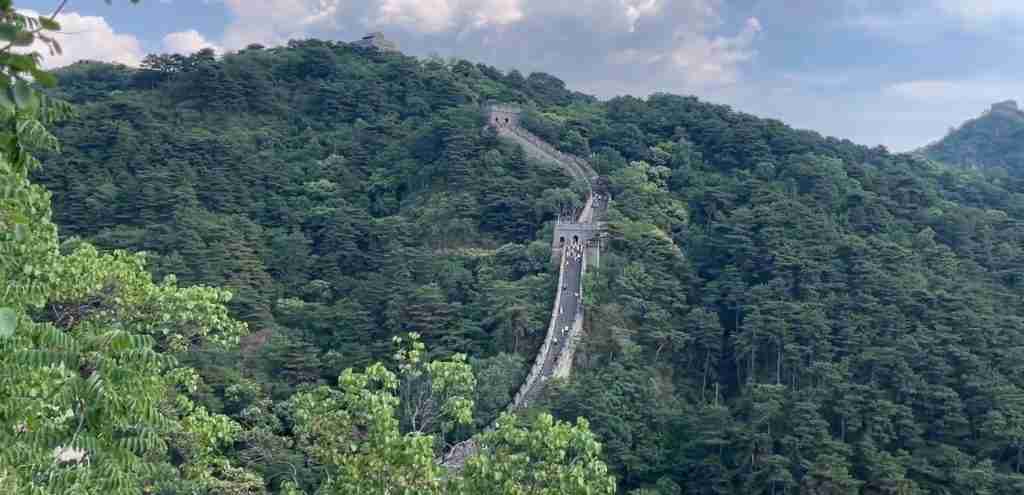
Great Wall 3-Day Discovery Tour
- ✓ Comprehensive Great Wall experience
- ✓ Expert local guides included
- ✓ All accommodation included
- ✓ Transportation provided
5 days
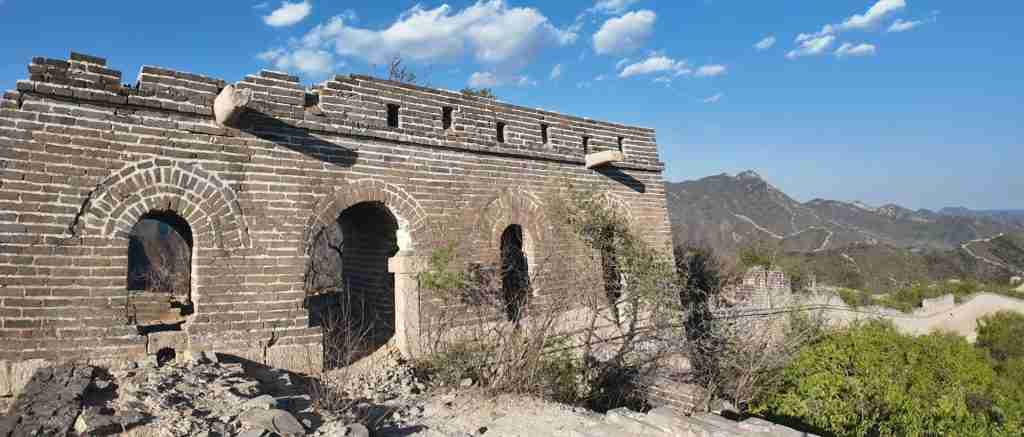
Great Wall 5-Day Highlights Experience
- ✓ Comprehensive Great Wall experience
- ✓ Expert local guides included
- ✓ All accommodation included
- ✓ Transportation provided
7 days
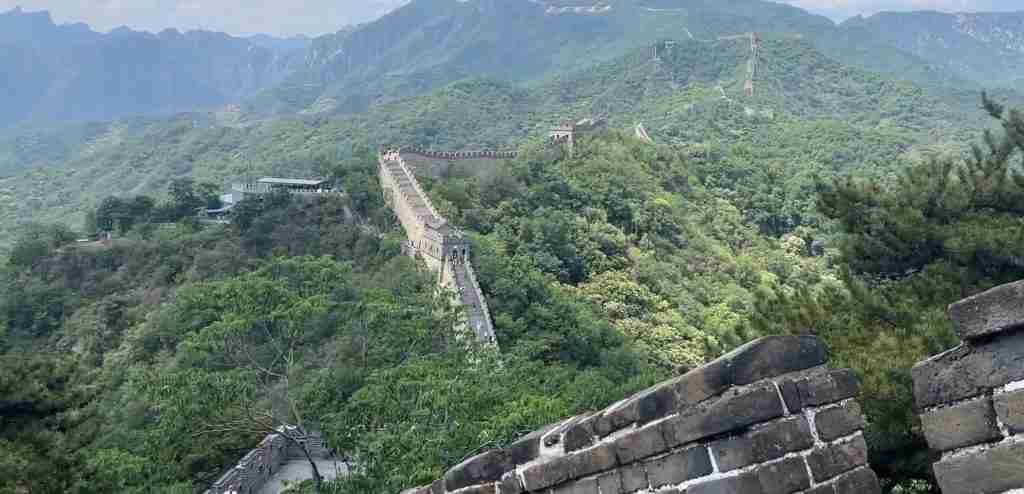
Great Wall 7-Day Cultural Journey
- ✓ Comprehensive Great Wall experience
- ✓ Expert local guides included
- ✓ All accommodation included
- ✓ Transportation provided
10 days
Great Wall 10-Day Complete Adventure
- ✓ Comprehensive Great Wall experience
- ✓ Expert local guides included
- ✓ All accommodation included
- ✓ Transportation provided
Multi-day tour packages powered by TourRadar. Prices and availability subject to change.
Introduction to Great Wall Tours and Hiking Routes 2026
The Great Wall of China presents paradoxical challenges for tour planning—its 21,000-kilometer length offers unlimited options while simultaneously overwhelming travelers uncertain which sections merit limited vacation time. The wall’s construction across 2,000+ years and multiple dynasties created dramatically different architectural styles, preservation states, and accessibility levels. Ming Dynasty sections near Beijing showcase sophisticated brick construction and comprehensive restoration, while older earthen walls in remote western provinces barely resemble fortifications. This guide focuses on premier sections within 150 kilometers of Beijing offering optimal combinations of historical significance, scenic quality, and practical accessibility for 2026 visitors.
Tour and hiking route selection fundamentally depends on three factors: physical capability, desired authenticity level, and available time. Visitors wanting gentle 2-3 hour walks with maximum comfort should focus on Mutianyu or Badaling restored sections offering cable cars, paved walkways, and comprehensive tourist facilities. Adventure-oriented travelers seeking raw experiences prefer wild sections like Jiankou or Gubeikou where crumbling walls and steep scrambles demand hiking boots, gloves for grabbing rough bricks, and comfort with exposure to significant drops. Time-constrained visitors maximize efficiency through organized half-day tours covering single sections, while multi-day independent trekkers create custom itineraries connecting multiple sections through countryside hiking.
The distinction between restored and wild wall sections profoundly impacts touring experiences. Restored sections underwent extensive 1980s-1990s reconstruction replacing damaged bricks, rebuilding collapsed towers, and installing modern safety features like handrails and emergency shelters. These sections provide comfortable walking surfaces, clear directional signage, and minimal injury risks suitable for casual tourists. Wild sections maintain original deteriorated conditions with loose bricks, vegetation overgrowth, and structural instabilities creating serious hazards requiring advanced hiking skills. Photographers and adventurous hikers prize these authentic sections despite dangers, while families and elderly visitors wisely avoid them entirely.
Tour operator selection significantly influences Great Wall experiences regardless of chosen section. Budget group tours charging $30-45 per person maximize affordability while accepting compromises like large group sizes (12-16 people), fixed schedules allowing 2-3 hours wall time, mandatory shopping stops at jade factories, and basic lunch quality. Mid-tier private tours ($130-230 per person for two travelers) provide personalized attention, flexible schedules, English-speaking guides, and restaurant lunch upgrades. Premium specialist hiking companies like Great Wall Hiking and Great Wall Adventure Club ($110-210 per day) cater exclusively to serious trekkers wanting multi-day wilderness experiences with professional guides holding wilderness first aid certifications.
Walking route complexity ranges from simple there-and-back strolls to intricate multi-section connections requiring overnight wilderness camping. Mutianyu’s watchtower 14-to-6 route exemplifies straightforward hiking with clear start/end points, single defined pathway, and cable car escape options at multiple towers. Advanced routes like Jiankou-to-Mutianyu require navigating unmarked passages, climbing near-vertical brick ladders using hand-and-foot holds, and route-finding through collapsed sections where wall remnants barely exist. These challenging treks demand trekking poles, proper hiking boots, leather gloves protecting hands during brick scrambles, and detailed topographical maps since smartphone GPS fails in remote areas lacking cellular coverage.
Best Great Wall Sections for Tours in 2026
Eight major Great Wall sections near Beijing offer distinct touring characteristics catering to different visitor priorities and capabilities. Understanding each section’s strengths and limitations enables informed selection matching specific travel goals.
Mutianyu Great Wall Tours 2026
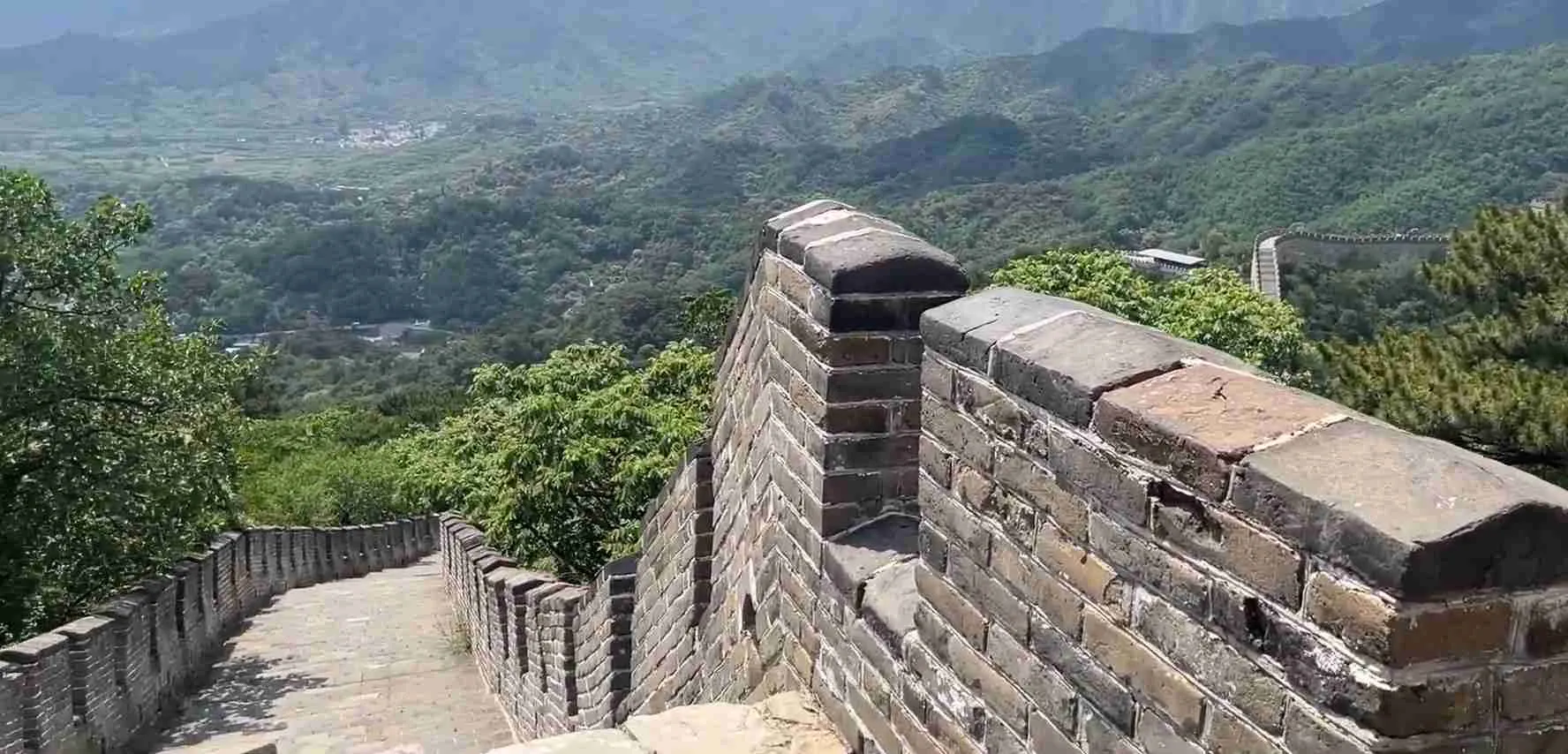
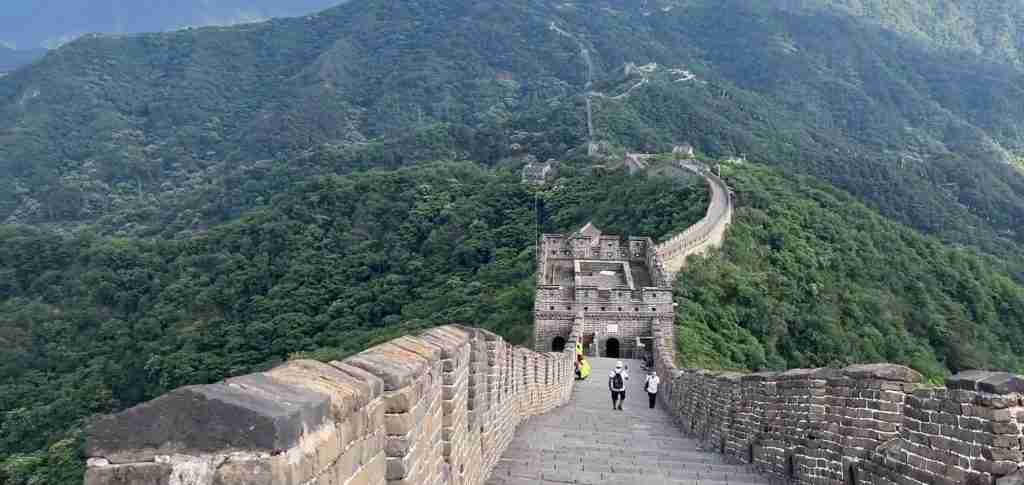
Mutianyu ranks as optimal first-time Great Wall visit choice in 2026 with restored 1980s reconstruction maintaining historical authenticity while providing modern safety and accessibility features. The section stretches 5.4 kilometers with 22 watchtowers offering multiple route options accommodating various fitness levels and time constraints. Cable car infrastructure eliminates exhausting entrance climbs while famous toboggan descent creates memorable experiences for children and adults. Vegetation coverage exceeding 90% provides natural cooling during summer visits and spectacular autumn foliage photography opportunities.
Small group tours to Mutianyu operate daily year-round charging $33-44 per person including hotel pickup, English-speaking guides, entrance fees, and lunch. Tours typically allow 2.5-3 hours wall time balancing comprehensive exploration with reasonable day lengths. Private tours cost $130-230 per person (based on two travelers) offering flexible schedules enabling sunrise photography sessions or extended 4-5 hour hiking sessions impossible on group tour fixed itineraries.
The section’s watchtower numbering system facilitates route planning and communication. Watchtower 14 sits at cable car upper station serving as primary starting point for most visitors. Heading west (right from cable car) toward watchtower 1 offers gentler slopes suitable for elderly visitors, while eastern routes toward watchtower 20 present steeper climbs rewarding effort with superior photography angles and thinner crowds. Most visitors complete watchtower 14-to-6 routes (westward) in 2-2.5 hours including photography stops, achieving satisfying Great Wall experiences without excessive exertion.
Jinshanling Great Wall Tours 2026
Jinshanling represents premier Great Wall hiking destination in 2026 attracting photographers and serious hikers seeking dramatic landscapes without overwhelming tourist crowds. The 10-kilometer section features 67 watchtowers showcasing exceptional Ming Dynasty military architecture including barrier walls, horse-blocking walls, and complex defensive systems. Half the section maintains restored conditions while remaining half preserves wild unrestored character creating unique dual-nature experiences.
Professional hiking tour operators prioritize Jinshanling for single-day and multi-day programs. Companies like Great Wall Hiking and China Odyssey Tours offer specialized Jinshanling experiences at $110-160 per person including expert guides, transportation, entrance fees, and authentic farmer lunches. These tours emphasize photography instruction, historical education, and optimal route timing for sunrise or sunset conditions. Group sizes remain small (4-8 participants) ensuring personalized attention impossible in budget mass-market tours.
Four distinct hiking routes accommodate different capabilities and time constraints. The shortest 3-kilometer route from Zhuanduokou Pass to General Tower requires 1.5 hours suitable for visitors wanting Jinshanling experiences without full-day commitments. The classic 5-kilometer route extending to Big Jinshan Tower (2.5 hours) provides comprehensive section overview with iconic photography locations. Intermediate 7-kilometer routes (3.5 hours) explore lesser-visited eastern towers offering solitude and authentic wild wall conditions. Advanced 10-kilometer full-section traverses (4-5 hours) challenge experienced hikers while showcasing complete architectural and landscape diversity.
Badaling Great Wall Tours 2026
Badaling holds historical significance as most visited Great Wall section receiving 10+ million annual visitors but suffers from overwhelming crowds diminishing experience quality during peak periods. The section’s proximity to Beijing (70 kilometers, 1 hour drive) and convenient public bus access (Bus 877, ¥12) make it default choice for time-constrained travelers. However, weekend and holiday visits encounter human congestion requiring shuffling rather than walking, with 30-60 minute queues for cable cars and restroom facilities.
Budget group tours favor Badaling due to convenient access and lower transportation costs versus distant sections. Tours charging $20-35 per person typically combine Badaling with Ming Tombs or Forbidden City creating comprehensive Beijing overview days. Quality varies dramatically—reputable operators provide knowledgeable guides and reasonable wall time while budget operators rush visits, emphasize shopping stops, and serve substandard lunches.
Strategic timing transforms Badaling experiences. Summer weekend visits prove miserable with 50,000+ daily visitors creating gridlock conditions. Winter weekday arrivals before 8:30 AM encounter manageable crowds enabling enjoyable exploration before tour buses arrive at 10:00. Off-season visits (November-March) reduce crowds 60-70% while maintaining full facilities access. Visitors specifically wanting “most famous” Great Wall section should accept crowd trade-offs or schedule carefully to minimize impacts.
Simatai Great Wall Tours 2026
Simatai offers unique night tour programs unavailable at other sections, with selective evening illumination creating theatrical Great Wall experiences. The section features exceptionally steep original Ming construction with gradient angles reaching 80-85 degrees requiring cable car ascent for safety. Eastern Simatai maintains wild unrestored conditions while western portions underwent 2010s reconstruction balancing authenticity with accessibility.
Night tours operate April-October charging $45-65 per person including illumination programming, mandatory cable car transport, and entrance fees. These specialized experiences attract photographers capturing illuminated ancient architecture against dark skies and couples seeking romantic atmospheres. Tour duration limits to 2 hours due to cable car operating schedules and safety considerations for nighttime wall navigation.
Daytime Simatai visits cost $15-25 per person attracting serious hikers comfortable with challenging terrain. The section’s connection to Gubei Water Town creates combination touring options, though many independent travelers consider the reconstructed town artificial and skip it. Pure Simatai hiking without water town distractions provides authentic wild wall experiences rivaling Jiankou without quite reaching extreme difficulty levels.
Juyongguan Great Wall Tours 2026
Juyongguan Great Wall occupies strategic mountain pass controlling historical Beijing access routes with dramatic cliff settings and impressive cloud platform architecture. The compact section enables complete 2-3 hour visits including museum exploration, making it ideal for travelers wanting quality Great Wall experiences without full-day commitments. Fortress architecture and garrison buildings provide additional historical context beyond basic wall walking.
Tour operators rarely feature Juyongguan as primary destination, instead combining it with Ming Tombs or other Beijing attractions in day-long packages charging $45-70 per person. Independent travelers find Juyongguan excellent value using Bus 919 from Deshengmen (¥20 each way) completing satisfying half-day trips returning to Beijing by early afternoon for additional sightseeing or rest.
The section’s moderate slopes and comprehensive restoration suit elderly visitors and families with young children wanting Great Wall experiences without extreme hiking. Photography opportunities emphasize architectural details and mountain pass settings rather than endless wall snaking across ridgelines. Cultural significance as millennium-old transportation corridor adds depth beyond scenic beauty alone.
Great Wall Walking Routes by Difficulty 2026
Great Wall walking routes in 2026 range from gentle 2-hour strolls suitable for elderly visitors to extreme 5-day wilderness treks demanding mountaineering skills and camping experience. Understanding difficulty classifications enables realistic planning preventing over-commitment to unsuitable routes.
Easy Routes for Beginners and Families 2026
Mutianyu watchtower 14-to-6 route represents premier easy-grade Great Wall walking covering 5 kilometers in 2-2.5 hours with minimal elevation change and fully restored pathways. Cable car ascent to watchtower 14 eliminates steep entrance climb. The route proceeds westward along wide stone walkways with handrails throughout steep sections. Regular rest pavilions provide shade and seating every 10-15 minutes. Watchtower 6 features chairlift or toboggan descent options eliminating return climbing. This route succeeds for visitors aged 8-80 with basic walking fitness and no specialized hiking experience.
Juyongguan fortress circuit covers 3 kilometers in 1.5-2 hours following gentle grades through restored wall sections and garrison complex. The route includes museum access, cloud platform exploration, and multiple viewpoint towers. Compact layout prevents getting lost while offering sufficient distance for satisfying walks. Children and elderly visitors complete circuits without exhaustion, making Juyongguan ideal for multi-generational family visits.
Badaling north route from entrance to watchtower 8 spans 2.5 kilometers requiring 1.5 hours of easy walking along tourist-optimized pathways. While crowds diminish experience quality, infrastructure and accessibility prove excellent for mobility-challenged visitors. The route includes multiple emergency exits, comprehensive signage, and accessible restrooms every 15 minutes. Physical demands remain minimal despite tourist congestion.
Moderate Routes for Regular Hikers 2026
Jinshanling classic route from Zhuanduokou Pass through General Tower to Big Jinshan Tower covers 5 kilometers over 2.5-3 hours combining restored pathways with original wild sections. Elevation changes remain manageable for regularly active adults through well-maintained staircases and natural erosion paths. The route provides authentic Great Wall hiking without extreme technical difficulties or safety risks. Hikers should possess basic fitness completing 5-8 kilometer walks comfortably at home.
Mutianyu watchtower 14-to-20 route extends 6 kilometers eastward over 3-4 hours featuring steeper grades and less tourist traffic than western sections. Several towers maintain partially unrestored conditions requiring careful footing on loose bricks and uneven surfaces. Physical fitness equivalent to hiking 8-10 kilometers with 300-meter elevation gain proves necessary. The route rewards increased effort with superior photography angles, peaceful environments, and authentic wall atmospheres.
Huanghuacheng lakeside route spans 4 kilometers over 2-3 hours incorporating water scenery and moderate climbing. The section’s unique flooded valley creates photogenic settings where Great Wall meets reservoir. Terrain mixes restored pathways with natural dirt trails. Fitness requirements match moderate day hiking rather than technical mountaineering. The route attracts visitors seeking variety beyond standard ridge-top wall walking.
Challenging Routes for Experienced Hikers 2026
Jiankou-to-Mutianyu traverse covers 7 kilometers over 5-6 hours across completely unrestored wild wall requiring advanced hiking skills and comfort with exposure. The route begins with steep 90-minute climb to Jiankou’s Zhengbeilou Tower before traversing famous challenging sections including “Eagle Flying Upside Down” (near-vertical descent), “Beijing Knot” (complex wall intersection), and steep brick ladders requiring hands-and-feet climbing. Professional guides prove essential since unmarked passages and collapsed sections create serious navigation challenges and injury risks.
Hikers must possess strong cardiovascular fitness, balance on uneven surfaces, comfort with heights and exposure, and experience on technical mountain trails. Trekking poles, proper hiking boots with ankle support, and leather gloves for brick scrambling prove necessary equipment. The route attracts adventure-seeking hikers wanting raw Great Wall experiences and dramatic photography opportunities. Tour operators classify this as advanced/strenuous requiring fitness questionnaires before accepting bookings.
Extreme Routes for Advanced Mountaineers 2026
Gubeikou-to-Jinshanling-to-Simatai extended route spans 20 kilometers over 7-8 hours traversing three distinct sections with significant unrestored wild wall segments. Physical demands approach mountaineering levels with 600-meter cumulative elevation gain, sustained steep grades, and technical climbing sections. Only experienced mountain hikers with proven endurance should attempt this route. Professional guide services prove mandatory given route complexity, limited exit points, and serious injury consequences in remote areas.
Multi-day Great Wall camping treks covering 50-100 kilometers over 3-6 days represent ultimate extreme experiences requiring mountaineering fitness, wilderness camping skills, and comfort operating in remote areas without modern amenities. These expeditions attract serious adventure travelers viewing Great Wall as mountaineering objective rather than cultural site. Operators screen participants rigorously ensuring capability matches route demands.
Detailed Walking Route Descriptions 2026
Comprehensive route knowledge enables effective preparation and realistic time planning. These detailed descriptions cover popular walking routes with precise distances, timing expectations, and landmark identification.
Mutianyu Classic Route: Watchtower 14 to Watchtower 6 (2026)
This westward 5-kilometer route requires 2-2.5 hours covering Mutianyu’s most scenic and accessible section. Begin at watchtower 14 accessed via cable car from base entrance. The tower offers panoramic 360-degree views establishing orientation before hiking. Head west (right when facing away from cable car) along wide stone pathway descending gradually. Watchtower 13 (5 minutes) provides first rest opportunity with partial shade and seating.
Continue west through watchtowers 12-11 (10 minutes) observing excellent brick construction quality and comprehensive restoration. Watchtower 11 features photography platform with exceptional views back toward watchtower 14 creating classic Great Wall images. The section between watchtowers 11-10 (8 minutes) includes steeper descent requiring handrail use, manageable for all fitness levels but demanding attention.
Watchtower 10 (15 minutes from start) marks route midpoint with restroom facilities, snack vendors, and shaded rest areas. Most visitors pause here for refreshments and photography. Continue west through watchtowers 9-8-7 (20 minutes) along flatter terrain with superior vegetation coverage providing natural cooling. This segment proves least crowded offering peaceful Great Wall experiences.
Final approach to watchtower 6 (30 minutes) includes moderate climbing over irregular stone steps. Watchtower 6 serves as western terminus featuring chairlift station (descent) and toboggan entrance. Visitors can return via chairlift (¥100), toboggan (¥80-100), or hike back along same route (90 minutes climbing). Total route time averages 2 hours for moderate-paced hikers plus additional time for photography and rest stops.
Jinshanling Complete Traverse: Zhuanduokou to East Five-Window Tower (2026)
The full Jinshanling traverse spans 10 kilometers over 4-5 hours representing premier single-day Great Wall hiking. Begin at Medial Gate entrance hiking 20 minutes along approach path to Zhuanduokou Pass watchtower marking wall access. Ascend to wall level observing immediate transition between restored (western) and wild (eastern) sections visible from this strategic junction.
Head east toward General Tower (15 minutes) crossing first significant barrier walls and defensive obstacles characteristic of Jinshanling architecture. General Tower provides first major photography opportunity with classic views westward toward Gubeikou sections. Continue east passing through series of smaller watchtowers (30 minutes) to reach Shalingkou Pass, first potential exit point for short 3-kilometer route.
Press eastward to Small Jinshan Tower (45 minutes from General Tower) climbing to section’s highest elevation. This watchtower features cable car station and serves as popular sunrise/sunset photography location. Big Jinshan Tower sits 10 minutes east offering marginally superior panoramic views. The eastern route beyond Big Jinshan Tower transitions increasingly toward wild unrestored sections.
Continue through Flower Tower and Corner Tower (60 minutes) observing original brick degradation, vegetation overgrowth, and authentic ancient wall conditions. Physical demands increase with uneven surfaces and steeper grades. Final approach to East Five-Window Tower (45 minutes) completes traverse at section’s eastern boundary near East Gate exit. This full route showcases Jinshanling’s complete architectural and landscape diversity while challenging experienced hikers without reaching extreme difficulty levels.
Jiankou-to-Mutianyu Advanced Route (2026)
This 7-kilometer advanced route requires 5-6 hours crossing wild Jiankou section into restored Mutianyu. Professional guides prove essential for safety and navigation. Route begins at Xizhazi Village with 90-minute steep climb ascending 400 meters to reach Zhengbeilou Tower marking wall access. This preliminary climb tests fitness levels before technical wall sections.
From Zhengbeilou, traverse west along Jiankou’s infamous challenging sections. Pass through “Sky Stair” featuring near-vertical brick steps requiring hand-holds and careful footing. “Eagle Flying Upside Down” section (30 minutes) presents exposed ridge walking with significant drops both sides demanding balance and concentration. “Beijing Knot” junction (20 minutes) shows complex wall intersection where multiple fortification lines converge.
Continue west through progressively deteriorating sections with loose bricks, collapsed towers, and minimal pathway definition. Route-finding challenges require guide expertise interpreting terrain features and historical construction patterns. After 3-4 hours wild wall traversing, reach Jiankou-Mutianyu boundary marked by abrupt transition from crumbling ruins to 1980s restoration.
Final Mutianyu section (90 minutes) follows standard tourist pathways westward to watchtower 14 cable car station or watchtower 6 chairlift access. Physical and mental relief accompanies transition to safe restored sections. This route attracts adventure photographers and serious hikers seeking authentic wild wall experiences combined with dramatic photography opportunities impossible on tourist sections.
Gubeikou-to-Jinshanling Hiking Route (2026)
This 11-kilometer intermediate route requires 4-5 hours connecting two premier sections through partially wild terrain. Begin at Gubeikou village accessing Panlongshan section via 30-minute approach hike. Initial wall access presents unrestored conditions with loose bricks and overgrown vegetation characteristic of wild sections. Military area restrictions require specific route knowledge since some Gubeikou sections remain off-limits.
Traverse eastward along Gubeikou ridge (2 hours) passing through multiple watchtowers in various preservation states from complete ruins to partially intact structures. The route offers exceptional photography opportunities with wall snaking across dramatic mountain ridgelines. Terrain demands careful footing on uneven surfaces and loose materials. Physical fitness equivalent to mountain day hiking proves necessary.
Transition into western Jinshanling sections (45 minutes) observing gradual improvement in preservation quality. Route intersects Jinshanling’s Zhuanduokou Pass marking entry into maintained section with clear pathways and restored infrastructure. Continue east through General Tower and Small Jinshan Tower (90 minutes) completing route at cable car station or continuing to full eastern terminus.
This route balances wild authentic conditions with safe restored sections, making it accessible to regular hikers without requiring extreme mountaineering skills. Professional guides enhance experience through historical knowledge and optimal photography location selection. Tour operators price this route at $120-160 per person including guide, lunch, and transportation.
Great Wall Tour Operators and Companies 2026
Selecting reputable tour operators significantly influences Great Wall experience quality, safety standards, and value realization. The Beijing area hosts dozens of operators ranging from budget mass-market companies to specialist adventure hiking services.
Budget Group Tour Operators 2026
Major budget operators including Hantang International Travel Service, BusDa Tours, and numerous hotel-based services charge $20-45 per person for standard Great Wall tours. These companies maximize profitability through large group sizes (12-20 people), fixed itineraries allowing 2-3 hours wall time, and mandatory shopping stops at jade factories, tea houses, or traditional medicine centers generating commission revenue.
Budget tours typically include hotel pickup via air-conditioned coach, English-speaking guide, entrance fee, and basic Chinese lunch at tourist restaurant. Hidden costs include optional cable car expenses not mentioned in advertised prices. Service quality varies dramatically—some guides provide excellent historical information while others emphasize shopping opportunities over education. TripAdvisor and Google Reviews enable pre-booking quality assessment through thousands of traveler reports.
Budget tour value depends on traveler priorities. Time-constrained visitors wanting hassle-free Great Wall access accept quality compromises for convenience and low cost. Independent travelers comfortable navigating public transportation save 40-60% arranging equivalent experiences themselves while maintaining schedule control. First-time China visitors often prefer budget tours eliminating language barriers and navigation stress despite higher costs and fixed schedules.
Mid-Tier Private Tour Operators 2026
Quality private tour companies including China Highlights, China Odyssey Tours, and Travel China Guide charge $130-230 per person (based on two travelers) providing personalized Great Wall experiences. These operators emphasize customer service, guide quality, and flexible itineraries accommodating specific interests and pacing preferences. Vehicles remain private exclusively for booking party enabling custom departure times, extended wall visits, and route modifications impossible with group tours.
Services typically include professional English-speaking guide holding university degrees and tour guide certifications, late-model private vehicle with experienced driver, entrance fees, and restaurant lunch at above-average establishments. Guides provide substantive historical education, photography instruction, and cultural context beyond basic factual recitation. Many companies accommodate dietary restrictions, mobility limitations, and special photography interests through advance communication.
Private tour value peaks for families, elderly travelers, and visitors wanting personalized attention. Per-person costs decrease significantly with larger parties—four travelers reduce individual expenses to $80-120 for identical service. Multi-day packages combining Great Wall with Forbidden City, Summer Palace, and other Beijing attractions offer comprehensive Beijing coverage at reasonable per-day costs. These mid-tier operators represent optimal balance between quality and affordability for most travelers.
Specialist Hiking Tour Companies 2026
Dedicated Great Wall hiking operators including Great Wall Hiking, Great Wall Adventure Club, and Wild Wall focus exclusively on trekking experiences avoiding standard tourist sections entirely. Single-day hiking tours cost $110-210 per person while multi-day camping/trekking programs range $400-800 covering comprehensive wilderness experiences. These companies target serious hikers and adventure photographers wanting authentic wild wall encounters.
Professional hiking guides possess advanced wilderness skills including first aid certification, rescue training, and extensive Great Wall route knowledge accumulated through hundreds of trips. Groups remain small (4-8 participants maximum) ensuring personalized attention and appropriate pacing for all fitness levels. Equipment support includes emergency supplies, comprehensive first aid kits, and communication devices for remote area safety.
Meals on hiking tours feature authentic farmer-prepared Chinese food rather than tourist restaurant fare. Accommodations utilize rural guesthouses and camping facilities rather than urban hotels, immersing travelers in countryside environments. These programs attract adventurous travelers ages 25-50 with strong fitness levels and interest in photography, culture, and authentic experiences beyond standard tourism.
Luxury Tour Operators 2026
High-end operators including Abercrombie & Kent, Remote Lands, and Bespoke China Travel charge $300-600+ per person daily for luxury Great Wall experiences. Services include expert guides holding advanced degrees in Chinese history or architecture, luxury vehicles (Mercedes, BMW, Audi), gourmet restaurant reservations, and five-star hotel accommodations. These operators customize comprehensive China tours with Great Wall as major component within broader cultural immersion programs.
Luxury tours emphasize exclusive access, minimal crowds, and exceptional comfort. Arrangements might include private early morning wall access before tourist arrival, helicopter transfers eliminating multi-hour driving, or UNESCO expert guides providing scholarly interpretation. Culinary experiences feature Michelin-starred restaurants rather than tourist cafeterias. Photography packages include professional photographers capturing client portraits at premium locations.
These services target affluent travelers ages 45-70 wanting premium experiences without budget constraints. Value proposition focuses on time optimization, exclusivity, and flawless execution rather than cost efficiency. Multi-week China grand tours combining Great Wall with Yangtze cruises, Silk Road exploration, and Tibet visits demonstrate comprehensive approach to luxury Chinese cultural tourism.
Self-Guided Great Wall Walking Routes 2026
Independent hikers with strong navigation skills, Chinese language basics, and comfort operating without guide support access Great Wall sections through self-guided approaches saving 50-70% versus organized tours. Success requires thorough preparation, appropriate equipment, and realistic assessment of physical capabilities.
Planning Self-Guided Mutianyu Visits 2026
Mutianyu proves most accessible for self-guided visits given comprehensive English signage, clear pathways, and multiple emergency exits. Transportation via Bus 916 from Dongzhimen to Huairou (¥30) plus local Bus H23 to Mutianyu (¥3) totals ¥66 round-trip versus group tour costs of $35-45. Entrance tickets (¥45) purchased online through official website or Ctrip enable direct gate entry without queuing.
Self-guided visitors should download offline maps (Baidu Maps, Maps.me) since cellular coverage proves inconsistent on wall sections. Print section maps showing watchtower locations and numbering before departure. Cable car purchase (¥140 round-trip) optional but recommended for elderly visitors or families—tickets sold at base station near parking area. Pack sufficient water (2 liters per person) and snacks since wall vendors charge premium prices.
Timing proves critical for self-guided success. Arrive before 9:00 AM avoiding peak tour bus arrival times (10:00-11:00). Early visits enable peaceful photography and shorter cable car queues. Allow 4-5 hours total including transportation, hiking, and photography. Last return buses depart Mutianyu 17:00-18:00—missing final service necessitates expensive taxi hire back to Beijing (¥300-400).
Self-Guided Jinshanling Hiking Strategy 2026
Jinshanling self-guided hiking requires advanced preparation but rewards effort with authentic experiences without tour group crowds or schedules. Transportation options include tourist buses from Beijing Wangjing West Station (¥80 round-trip, 2.5 hours) or private car hire through Didi (¥800-1000 round-trip). Direct public bus services ceased in recent years complicating independent access.
Route planning determines hiking success. Download detailed section maps showing all watchtower positions, exit points, and cable car location. The 5-kilometer Zhuanduokou-to-Big Jinshan Tower route serves as optimal self-guided option combining manageable distance with complete Jinshanling experience. Avoid extending into wild eastern sections without guide since navigation becomes complex and safety infrastructure disappears.
Essential equipment includes proper hiking boots with ankle support, trekking poles for stability on steep sections, 3 liters water per person, high-energy snacks, sun protection, and basic first aid supplies. Leather gloves help grasping rough bricks during steep sections. Weather monitoring proves crucial—avoid visits during rain or immediately after since wet bricks become dangerously slippery. Emergency contact numbers for local authorities and accommodation bookings provide safety backup if injuries or delays occur.
Limitations of Self-Guided Wild Wall Access 2026
Wild sections including Jiankou, Gubeikou, and Yangbian remain inadvisable for self-guided access regardless of hiking experience. These areas lack maintained pathways, safety infrastructure, clear route markings, and emergency services. Cellular coverage fails in remote valleys creating communication impossibility during emergencies. Serious injuries from falls or brick collapses require professional rescue operations costing thousands of dollars and risking permanent disability.
Local village guides sometimes offer informal services at ¥300-500 per day providing basic navigation assistance. However, these individuals lack professional training, insurance coverage, wilderness first aid skills, or emergency communication equipment. Using informal guides saves money versus professional operators but accepts significant safety compromises. Travelers must realistically assess risk tolerance and capability before choosing informal guide options.
Multi-Day Great Wall Hiking Programs 2026
Extended Great Wall trekking programs spanning 2-6 days provide comprehensive exploration impossible through single-day visits. These intensive experiences combine multiple sections, overnight camping or rural homestays, and immersion in countryside environments far from urban tourism infrastructure.
2-Day Mutianyu and Jinshanling Combination Trek 2026
Two-day programs combining Mutianyu and Jinshanling average $280-380 per person including guide, transportation, meals, and rural guesthouse accommodation. Day one covers Mutianyu’s full eastern section (4-5 hours hiking) ending with evening transfer to Jinshanling area for guesthouse check-in and authentic farmer dinner. Day two explores Jinshanling’s classic routes (4 hours) before afternoon Beijing return.
This program suits regular hikers wanting comprehensive Great Wall experience without extreme physical demands or wilderness camping. Accommodations utilize family-run guesthouses providing clean private rooms with basic amenities. Meals feature home-cooked regional specialties vastly superior to tourist restaurant fare. Total hiking distance spans 12-15 kilometers across two sections with moderate elevation changes manageable for most active adults.
3-Day Jinshanling-Simatai-Gubeikou Wilderness Trek 2026
Three-day wilderness programs covering Jinshanling, Simatai, and Gubeikou average $450-600 per person including professional guides, all meals, camping equipment, and comprehensive logistics. Day one hikes Jinshanling’s full 10-kilometer traverse (4 hours) ending at rural guesthouse. Day two tackles challenging Simatai sections (3 hours, 6 kilometers) with overnight camping in restored watchtower providing unique sleeping experience directly on Great Wall. Day three completes Gubeikou’s wild sections (4 hours, 7 kilometers) before afternoon Beijing return.
This intermediate-advanced program demands strong fitness equivalent to hiking 8-12 kilometers daily with 400-600 meter elevation gains. Camping experiences require comfort with basic facilities, outdoor toilets, and rustic conditions. Guides provide comprehensive safety coverage, cultural education, and photography instruction throughout. Programs attract adventurous travelers ages 25-55 seeking authentic experiences beyond standard tourism while maintaining reasonable safety margins.
5-6 Day Extended Great Wall Expedition 2026
Extended expeditions covering 50-100 kilometers across 5-6 days represent ultimate Great Wall hiking challenges priced $800-1200 per person. Itineraries typically traverse Jiankou-Mutianyu-Jinshanling-Simatai-Gubeikou sections through combination of restored and wild wall segments. Multiple overnight camping experiences in watchtowers and rural homestays provide comprehensive countryside immersion.
These programs require advanced fitness, hiking experience, and comfort with rustic conditions. Daily distances average 10-15 kilometers with cumulative elevation gains reaching 3000+ meters across full expedition. Physical demands approach multi-day mountain trekking rather than casual tourism. Participants must complete fitness questionnaires and sometimes provide hiking resume documentation before acceptance.
Support services include professional guide teams with wilderness first aid certification, comprehensive camping equipment, all meals featuring quality regional cuisine, and emergency evacuation protocols. Group sizes remain 4-8 participants maximum ensuring personalized attention and appropriate pacing. These expeditions attract serious adventure travelers viewing Great Wall as mountaineering and cultural objective rather than standard tourist attraction.
Great Wall Photography Tours and Routes 2026
Specialized photography tours focus on optimal lighting conditions, unique angles, and comprehensive location coverage for serious camera enthusiasts and professional photographers. These programs differ fundamentally from standard tourism through extended time allocations, specialized guide expertise, and flexible schedules accommodating weather and light conditions.
Sunrise and Sunset Photography Tours 2026
Dedicated photography tours emphasizing sunrise or sunset conditions charge $180-280 per person including overnight accommodation near wall sections, professional photographer guides, and flexible multi-hour shooting sessions. Jinshanling serves as premier location with Big Jinshan Tower and Small Jinshan Tower providing 360-degree panoramic positions capturing changing light across endless wall snaking over ridgelines.
Sunrise tours begin with 4:00-5:00 AM departures from nearby guesthouses reaching optimal positions before dawn. Photographers spend 2-3 hours capturing golden hour light, morning mist conditions, and changing atmospheric effects as sun illuminates progressive wall sections. Afternoon sessions repeat process for sunset conditions with different lighting angles and color temperatures. Professional guides provide composition advice, optimal positioning recommendations, and historical context enhancing photographic storytelling.
Multi-Section Photography Expeditions 2026
Extended photography programs covering multiple sections over 3-5 days enable comprehensive portfolio development across diverse Great Wall environments. Itineraries typically visit Jinshanling (classic restored wall), Jiankou (dramatic wild sections), Huanghuacheng (lakeside scenery), and Gubeikou (historical military significance) creating varied visual narratives. Programs cost $600-900 per person including accommodations, guide services, and all logistics.
Time allocations prioritize photography over hiking—groups may spend 6-8 hours at single locations awaiting optimal conditions rather than rushing through multiple sites. Accommodations position near sections enabling morning golden hour shoots, midday rest, and evening sunset sessions. Professional photographer guides assist with technical camera settings, creative composition techniques, and post-processing workflows. These programs attract serious photography enthusiasts and semi-professional photographers building China portfolio collections.
Seasonal Considerations for Great Wall Routes 2026
Great Wall hiking experiences vary dramatically by season affecting weather conditions, crowd levels, scenery characteristics, and physical comfort. Understanding seasonal patterns enables optimal timing selection matching specific priorities.
Spring Great Wall Hiking (March-May 2026)
Spring offers excellent hiking conditions with moderate temperatures (10-20°C), blooming wildflowers, and manageable crowds except during May Golden Week holiday. March presents variable weather requiring layered clothing and rain preparation. April-May provide optimal conditions with consistent sunshine, minimal precipitation, and comfortable temperatures. Scenery emphasizes fresh vegetation growth and colorful wildflowers particularly spectacular at Jinshanling and Huanghuacheng sections.
Disadvantages include occasional dust storms affecting air quality and visibility during March-April. Spring allergies may impact sensitive individuals. Shoulder season pricing provides moderate cost savings versus summer peaks but lacks winter’s dramatic discounts. Spring proves ideal for photography emphasizing fresh greenery and wildflower colors combined with excellent weather reliability.
Summer Great Wall Hiking (June-August 2026)
Summer hiking presents significant challenges with temperatures exceeding 30-35°C creating heat exhaustion risks during midday periods. Afternoon thunderstorms occur frequently requiring flexible scheduling and weather monitoring. Extreme humidity increases physical exertion difficulty. Advantages include longest daylight hours enabling extended hiking windows, lush vegetation providing natural cooling, and summer vacation family travel opportunities.
Early morning departures (6:00-7:00 AM) prove essential avoiding midday heat peaks. Hydration becomes critical requiring 3-4 liters water per person daily. Sun protection through hats, sunscreen, and long sleeves prevents severe sunburn at high altitudes. Summer represents peak tourist season creating maximum crowds and highest accommodation costs. Serious hikers should avoid summer favoring spring or autumn unless schedule constraints mandate summer travel.
Autumn Great Wall Hiking (September-November 2026)
Autumn ranks as optimal Great Wall season with comfortable temperatures (15-25°C), minimal precipitation, stable weather patterns, and spectacular fall foliage. September offers residual summer warmth without extreme heat. October provides peak conditions with brilliant autumn colors transforming wall landscapes into photographer’s paradise. November transitions toward winter cold but maintains stable weather and dramatically reduced crowds.
October National Day Golden Week (October 1-7) creates extreme crowding requiring avoidance or acceptance of tourist masses. Mid-late October and November offer peaceful experiences with moderate costs. Autumn foliage peaks mid-October through early November with maple, oak, and sumac creating red-gold hillside tapestries. Photography tours emphasize autumn specifically for these color displays. Temperature variability requires layered clothing accommodating 10-15°C daily temperature swings.
Winter Great Wall Hiking (December-February 2026)
Winter hiking presents challenges with subfreezing temperatures (-5 to -15°C), occasional snow/ice conditions, and limited daylight hours. Advantages include minimal crowds enabling private Great Wall experiences, dramatic winter landscapes, lowest accommodation and tour costs, and unique photography opportunities. Sections like Mutianyu and Badaling maintain full operations with heated facilities while remote sections may close due to safety concerns.
Essential equipment includes insulated winter hiking boots, thermal layers, gloves, hats, and hand warmers. Ice conditions make cable cars essential eliminating dangerous hiking on frozen surfaces. Clear winter days provide exceptional visibility and crystalline lighting conditions. Photography emphasizes stark landscapes, occasional snow coverage, and dramatic cloud formations. Winter suits adventurous cold-weather hikers wanting authentic experiences without summer tourist infrastructure.
Great Wall Hiking Safety and Preparation 2026
Great Wall hiking safety requires realistic capability assessment, proper equipment, and understanding environmental hazards specific to ancient stone fortifications and mountain terrain. Preventable accidents diminish when travelers prepare appropriately and recognize personal limitations.
Essential Hiking Equipment 2026
Proper hiking boots with ankle support prevent twisted ankles on uneven stone surfaces. Running shoes or casual sneakers prove inadequate given loose bricks and irregular surfaces. Trekking poles reduce knee stress during steep descents and provide stability across challenging terrain. Leather gloves protect hands when grasping rough bricks during steep climbs—many experienced hikers consider gloves essential equipment rather than optional.
Hydration systems carrying 2-3 liters water per person prevent dehydration particularly during summer months. High-energy snacks (nuts, dried fruit, energy bars) maintain blood sugar levels during extended exertion. Sun protection including sunscreen SPF 30+, wide-brim hats, and sunglasses prevents severe sunburn at high altitudes. Basic first aid kit with bandages, pain relievers, blister treatment, and personal medications addresses common hiking injuries.
Weather and Environmental Hazards 2026
Thunderstorms present serious lightning risks on exposed wall sections with no shelter for kilometers. Weather monitoring before departure and willingness to abandon hikes during approaching storms prevents life-threatening situations. Wet bricks become extremely slippery creating fall hazards—cancel or postpone hikes during rain or within 24 hours after precipitation when surfaces remain wet.
Summer heat exhaustion affects unprepared visitors hiking during midday peak temperatures. Symptoms include dizziness, nausea, confusion, and rapid heart rate. Prevention requires adequate hydration, frequent rest breaks in shade, and avoiding exertion during hottest hours (12:00-15:00). Winter hypothermia risks increase when temperatures drop below freezing combined with wind exposure. Proper insulation and recognition of early symptoms (shivering, confusion, coordination loss) prevent progression to dangerous states.
Physical Capability Assessment 2026
Realistic physical assessment prevents over-commitment to routes exceeding personal capabilities. Easy routes (Mutianyu, Juyongguan) suit visitors capable of walking 5 kilometers with moderate elevation changes equivalent to 10-story building climbs. Moderate routes (Jinshanling standard routes) require fitness equivalent to hiking 8-10 kilometers with 400-meter elevation gains over 3-4 hours.
Challenging routes (Jiankou-Mutianyu, Gubeikou-Jinshanling) demand strong cardiovascular fitness, balance on technical terrain, and experience with exposed mountain hiking. Visitors without regular hiking practice or recent mountain experience should attempt moderate routes first assessing capability before progressing to advanced terrain. Age alone does not determine capability—many 60+ experienced hikers successfully complete challenging routes while younger inexperienced visitors struggle with moderate terrain.
Frequently Asked Questions About Great Wall Tours and Routes 2026
How Long Should I Spend at the Great Wall?
Casual visitors should allocate 3-4 hours for basic Great Wall experiences covering single sections like Mutianyu or Badaling. This timeframe includes transportation from entrance to wall access, 2-3 hours hiking and photography, and return logistics. Serious hikers exploring full sections require 5-7 hours accommodating extended distances and comprehensive exploration. Multi-day trekking programs span 2-6 days for complete wilderness experiences across multiple sections.
Can I Hike the Great Wall Without a Tour?
Yes, restored sections (Badaling, Mutianyu, main Jinshanling) accommodate independent hiking with clear pathways, English signage, and established infrastructure. Public transportation reaches these sections enabling complete self-guided visits. Wild sections (Jiankou, Gubeikou) require professional guides due to safety risks, navigation challenges, and absence of support infrastructure. First-time China visitors often prefer tours eliminating language barriers while experienced travelers comfortable in Asia successfully manage independent visits.
What Is the Best Section for Photography?
Jinshanling offers superior photography opportunities in 2026 with 10-kilometer wall snaking across dramatic ridgelines, 67 distinct watchtowers, and mix of restored and wild sections creating visual variety. Big Jinshan Tower and Small Jinshan Tower provide 360-degree panoramic positions ideal for sunrise and sunset shoots. Jiankou rivals Jinshanling for dramatic wild wall photography but requires advanced hiking skills accessing optimal positions. Mutianyu provides excellent casual photography with lush vegetation and well-restored architecture though heavy tourist presence during peak seasons diminishes authenticity.
Are Great Wall Tours Suitable for Elderly Visitors?
Yes, tours specifically designed for seniors and mobility-limited visitors focus on accessible sections with cable car infrastructure. Mutianyu tours accommodating elderly travelers utilize cable cars eliminating steep climbs while providing 1-2 hours gentle walking along flat wall sections. Juyongguan offers compact layouts with minimal elevation change. Private tours allow custom pacing, frequent rest stops, and early exits if fatigue develops. Extremely steep sections like Jiankou or Simatai prove unsuitable for elderly visitors regardless of fitness level.
Can I Camp on the Great Wall?
Yes, specialized multi-day trekking programs include overnight camping in restored watchtowers on wild sections. Professional tour operators handle all camping equipment, food supplies, and logistics. Independent camping without guide services remains technically prohibited and practically dangerous due to structural instabilities, absence of facilities, and navigation challenges. Camping experiences provide unique Great Wall connection impossible through day visits but require comfort with rustic conditions and basic outdoor facilities. Programs typically cost $150-200 per person daily including full support services.
What Should I Wear for Great Wall Hiking?
Wear proper hiking boots with ankle support preventing twisted ankles on uneven terrain. Avoid casual sneakers or dress shoes unsuitable for stone surfaces. Layer clothing allowing adjustment as temperatures change during ascents and descents—base layer, insulating layer, wind-resistant outer layer. Summer requires sun-protective clothing including long sleeves, hats, and sunglasses. Winter demands insulated layers, gloves, and thermal accessories. Pack rain jacket regardless of season since mountain weather changes rapidly. Bring daypack carrying water, snacks, extra layers, and personal items.
How Difficult Is Great Wall Hiking Compared to Regular Mountain Trails?
Restored Great Wall sections (Mutianyu, Badaling) prove easier than most mountain trails given paved stone surfaces, handrails, and regular rest facilities. Wild sections (Jiankou, Gubeikou) exceed normal mountain trail difficulty through unstable surfaces, near-vertical sections requiring hands-and-feet climbing, and significant exposure to drops. Physical demands match or exceed technical mountain routes. Altitude remains moderate (500-1000 meters) minimizing altitude sickness concerns but steep grades increase cardiovascular demands despite modest elevations.
Do I Need Travel Insurance for Great Wall Hiking?
Yes, comprehensive travel insurance covering hiking activities and emergency medical evacuation proves essential. Standard travel insurance often excludes adventure activities requiring specific policy additions for trekking coverage. Wild wall hiking presents injury risks from falls, brick collapses, or weather emergencies necessitating evacuation from remote areas. Emergency helicopter rescue from inaccessible sections costs $10,000-30,000 without insurance. Verify policy covers hiking up to appropriate difficulty levels and includes evacuation provisions for remote area accidents.
Can I Visit Multiple Great Wall Sections in One Day?
Yes, Badaling and Juyongguan sit 45 kilometers apart enabling combination day trips. Mutianyu and Jinshanling lie 80 kilometers apart requiring longer travel times but remain feasible with private transportation and early starts. Visiting three or more sections in single days proves exhausting and superficial—comprehensive single-section exploration provides superior experiences than rushed multi-section marathons. Multi-day programs allow proper time at each section while enabling countryside immersion between wall visits.
What Is the Great Wall’s Total Hiking Distance?
The Great Wall’s total length exceeds 21,000 kilometers including all branches and historical phases. The Ming Dynasty main line spans approximately 8,850 kilometers. Accessible sections near Beijing total roughly 100 kilometers across Badaling, Mutianyu, Jinshanling, Jiankou, Gubeikou, Simatai, Huanghuacheng, and other developed areas. Complete Great Wall hiking remains impossible for ordinary travelers. British explorer William Lindesay spent two years hiking 8,850 kilometers of Ming wall demonstrating extreme endurance required for comprehensive traverses.