
Graz Travel Guide 2026: Complete Planning Resource
Key Takeaways:
- Graz’s UNESCO Old Town centers around Schlossberg castle hill with Renaissance courtyards, baroque churches, and contemporary architecture blend
- Budget €80-120 per person daily in 2026 for mid-range experience including accommodation, meals, attractions, and local transportation
- April-May and September-October provide optimal visiting conditions with moderate temperatures, spring/autumn foliage, and fewer crowds than summer peak
- Central accommodation near Hauptplatz costs €70-120 per night for mid-range hotels, with excellent public transport connections to outer districts
- Graz Card provides free museum entry and unlimited public transport: 24-hour card €19, 48-hour €29, 72-hour €38 in 2026
- Direct trains connect Vienna (2.5 hours), Salzburg (2.75 hours), and Ljubljana (3.5 hours) making Graz accessible for multi-city itineraries
Introduction: Planning Your 2026 Graz Experience
Graz emerges as Austria’s compelling alternative to Vienna, blending UNESCO World Heritage architecture with avant-garde design, student energy, and relaxed southern Austrian atmosphere. Austria’s second-largest city sits at the convergence of Alpine foothills and Pannonian plains, creating microclimate favorable for viticulture and outdoor activities. The historic center, designated UNESCO World Heritage in 1999, showcases extraordinarily preserved Renaissance and baroque architecture alongside contemporary interventions including the Kunsthaus museum and Murinsel floating platform.
Planning 2026 travel to Graz requires understanding the city’s dual character. The compact historic center concentrates major attractions within walkable area dominated by Schlossberg hill. The 14th-century clock tower crowning the hill serves as city symbol visible throughout downtown. Renaissance courtyards hidden behind street facades reveal architectural treasures accessible through discreet archway entrances. Herrengasse pedestrian street connects baroque palaces, historic cafes, and modern boutiques creating atmospheric shopping and dining corridor.
The city’s contemporary side demonstrates bold architectural innovation. British architects Peter Cook and Colin Fournier designed the Kunsthaus contemporary art museum, nicknamed “friendly alien” for its biomorphic blue acrylic bubble form contrasting dramatically with surrounding historic structures. American artist Vito Acconci created Murinsel, an artificial island in the Mur River featuring cafe and amphitheater accessible via pedestrian bridge. These interventions generated controversy but established Graz’s reputation as UNESCO City of Design, balancing preservation with innovation.
Student population from three universities infuses energy into cultural scene beyond typical historic European city atmosphere. Karl-Franzens-Universität, founded 1585, enrolls 30,000 students contributing to vibrant nightlife, alternative culture, and international ambiance. Affordable restaurants, independent cafes, and casual bars cluster in student neighborhoods offering relaxed alternatives to tourist-focused establishments. Summer months bring open-air festivals, outdoor cinema screenings, and cultural programming taking advantage of mild climate and historic courtyard spaces.
Graz serves as strategic base for exploring southern Austrian regions. Styrian wine country surrounds the city with vineyard-covered hills producing excellent white wines including Sauvignon Blanc and Welschriesling. The Austrian Thermal Spa region lies within short driving distance offering thermal baths and wellness facilities. Maribor, Slovenia sits 60 kilometers south creating easy international day trip option. These connections make Graz ideal for travelers seeking authentic Austrian experience beyond Vienna’s tourist intensity while maintaining access to diverse regional attractions.
People Also Ask About Graz 2026
How much does it cost to visit Graz in 2026?
Budget travelers manage on €50-70 per person daily staying in hostels (€20-30), eating at student cafes and supermarkets (€15-25), and limiting paid attractions to free walking tours and Schlossberg access (€5-10 for funicular). This budget excludes alcohol, shopping, and paid tours but covers basic comfortable experience exploring the historic center.
Mid-range visitors budget €80-120 daily for three-star hotel accommodation (€70-100 for double occupancy shared), restaurant meals with local wine (€30-45), paid museum entries (€10-15), and occasional taxis or tours (€10-20). Check booking platforms for current hotel rates as pricing varies seasonally. This range provides comfortable experience with quality dining, comprehensive sightseeing, and occasional indulgences like traditional Sachertorte at historic cafes.
Luxury travelers allocate €200+ daily for four-star boutique hotels (€150-250 per room), fine dining at Michelin-recommended restaurants (€60-90), private guides (€150-200 for half-day), and wine country excursions (€100-150 including tastings and transport). This budget ensures exceptional accommodations in converted Renaissance palaces, gourmet Styrian cuisine, and personalized cultural experiences beyond standard tourist offerings.
What is the best time to visit Graz in 2026?
Late spring (April-May) delivers ideal conditions with blooming gardens, moderate temperatures averaging 15-20°C, and reduced crowds before summer tourist season. Easter markets (March-April 2026) add cultural programming, while outdoor cafe season begins as weather warms. Hotel rates remain lower than peak summer, and major attractions operate without summer congestion. Spring rainfall occurs but intermittent showers alternate with sunny periods rather than persistent gray weather.
Early autumn (September-October) provides excellent alternative with stable weather, harvest festivals in surrounding wine regions, and golden foliage framing baroque architecture. The Styrian Autumn Festival (Steirischer Herbst), Austria’s premier contemporary arts festival, runs September-October bringing avant-garde performances, installations, and exhibitions attracting international arts community. Temperatures remain comfortable for walking city tours, and vineyard visits coincide with harvest activities and new wine celebrations.
Summer peak (June-August) brings warmest weather and longest daylight hours but highest accommodation costs and crowded attractions. The Graz opera house closes for summer break, though open-air festivals compensate with alternative programming. Students depart during July-August creating quieter neighborhoods but reducing youthful energy that characterizes other seasons. Book accommodations well in advance for July-August visits as university conference activity and tourist demand strain capacity.
Winter (December-February) offers different appeal with Christmas markets, reduced tourist numbers, and atmospheric fog creating moody photography conditions. Hotel rates drop 30-40% compared to summer peaks, and cultural programming increases as theater and music season reaches peak activity. Snow occasionally dusts the city though winter weather remains milder than northern Austria. The Schlossberg hill provides winter views across snow-covered rooftops. Some attractions reduce hours or close for maintenance during January-February.
Do you need advance bookings for Graz attractions in 2026?
Graz Card purchases require no advance booking as cards remain available at tourist offices and many hotels year-round. Purchase upon arrival and begin using immediately for public transport and museum entries. The card functions as excellent value covering Schlossberg funicular, major museums, and unlimited tram use, with optional extensions for additional museum access.
Major museums including Kunsthaus, Landeszeughaus (armory), and Schloss Eggenberg operate walk-in admission without advance tickets required except for special exhibitions drawing international attention. Summer weekends (July-August) bring highest visitation; arrive at opening (10 AM) for optimal experience. Private guided tours require advance booking, especially for English-language options where guide availability limits daily capacity.
Restaurant reservations prove essential for Michelin-starred establishments like Aiola Upstairs and Landhauskeller during peak season (May-September) and holidays. Book 2-3 weeks ahead for Friday-Saturday dinner service. Traditional restaurants accept walk-ins for lunch and weekday dinners, though popular locations near Hauptplatz fill during standard dining hours (12-2 PM, 7-9 PM). Student-oriented casual dining requires no reservations.
Hotel booking timelines depend on category and season. Budget hostels near university areas maintain availability except during major events (Styrian Autumn Festival in September, Formula 1 races in nearby Spielberg, university graduation periods in June-July). Mid-range hotels in historic center book 4-8 weeks ahead for peak summer weekends. Luxury boutique properties like Hotel Wiesler and Das Weitzer maintain consistent occupancy requiring 6-12 weeks advance booking for premium summer dates and festival periods.
How walkable is Graz for tourists in 2026?
The UNESCO historic center spans approximately 1.5 kilometers in diameter, making all major attractions accessible on foot from central accommodation. Hauptplatz main square serves as natural orientation point with the Schlossberg hill’s clock tower providing constant visual landmark. Flat terrain throughout downtown areas allows easy walking, though ascending Schlossberg involves steep staircases (260 steps from Schlossbergplatz) or taking the funicular railway (€2.90 one-way, free with Graz Card).
Pedestrian zones cover most historic center streets creating pleasant walking environment without vehicle traffic concerns. Herrengasse, the main pedestrian boulevard, extends from Hauptplatz to Jakominiplatz connecting major shopping areas, historic cafes, and architectural highlights. Side streets reveal hidden courtyards and quiet passages perfect for wandering without specific destinations. The Mur River promenade provides level walking paths extending several kilometers suitable for morning runs or evening strolls.
Distance to outer attractions requires consideration. Schloss Eggenberg, a UNESCO baroque palace with significant art collections, sits 3 kilometers west of center—easily reached via tram 1 (15-minute ride) or leisurely 45-minute walk through residential neighborhoods. The cemetery and adjacent gardens lie 2 kilometers north, accessible via tram or extended walk. Planning mixed walking and public transport days optimizes energy while exploring comprehensively.
Accessibility features throughout downtown allow wheelchair and limited-mobility visitors to experience major attractions. The Schlossberg elevator provides alternative to stairs ascending the hill (€2.90 one-way, free with Graz Card). Museums maintain elevator access and accessible restrooms. Trams feature low-floor entry, though some older vehicles require folding ramps. Cobblestone streets in historic center create uneven surfaces requiring careful navigation, though main thoroughfares maintain smooth pavement.
Extended multi-day tours – 5+ days
Featured Graz Multi-Day Tour Packages
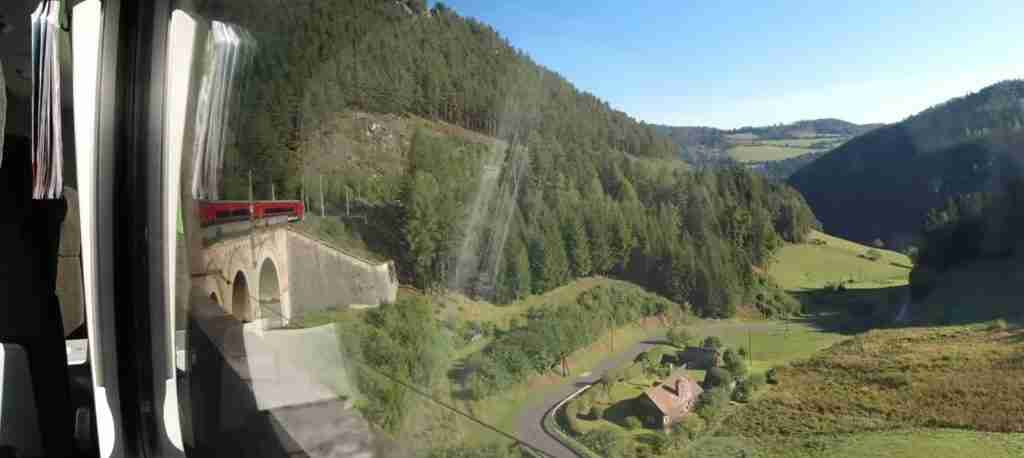
3 days
Graz 3-Day Discovery Tour
- ✓ Comprehensive Graz experience
- ✓ Expert local guides included
- ✓ All accommodation included
- ✓ Transportation provided

5 days
Graz 5-Day Highlights Experience
- ✓ Comprehensive Graz experience
- ✓ Expert local guides included
- ✓ All accommodation included
- ✓ Transportation provided
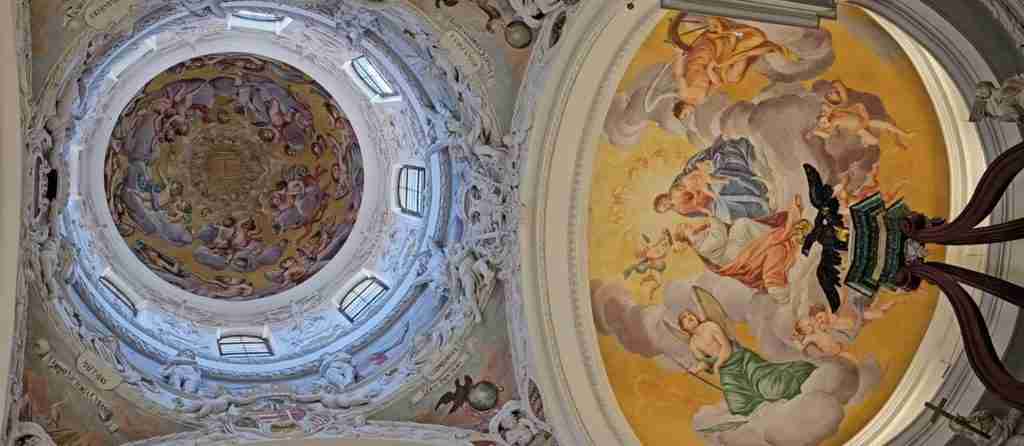
7 days
Graz 7-Day Cultural Journey
- ✓ Comprehensive Graz experience
- ✓ Expert local guides included
- ✓ All accommodation included
- ✓ Transportation provided
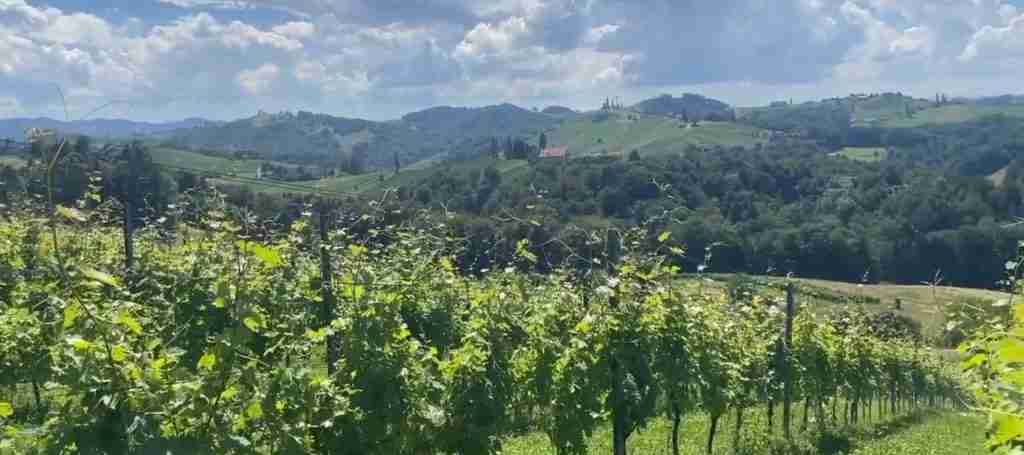
10 days
Graz 10-Day Complete Adventure
- ✓ Comprehensive Graz experience
- ✓ Expert local guides included
- ✓ All accommodation included
- ✓ Transportation provided
Multi-day tour packages powered by TourRadar. Prices and availability subject to change.
Essential Planning Information 2026
Current Costs and Pricing Breakdown
The Graz Card provides excellent value for intensive sightseeing covering public transport, major museums, and Schlossberg attractions. The 24-hour card costs €19, 48-hour €29, and 72-hour €38 in 2026 (check graz-card.com for current official rates). The card includes unlimited tram and bus travel within city zones, Schlossberg funicular and elevator, Kunsthaus entrance, Landeszeughaus armory, Schloss Eggenberg, and 20+ additional museums. Calculate break-even based on planned activities: Schlossberg funicular alone costs €2.90 each direction, major museum entries €10-13 each, and day transport pass €5.70.
Museum admission prices for non-card holders: Kunsthaus €11, Landeszeughaus €13, Schloss Eggenberg €14, combined tickets available providing 15-20% savings for multiple sites. Students with valid ID receive discounts typically 30-50% off standard admission. Under-19 entries are often free or heavily discounted. Senior discounts (65+) reduce admission 20-30%. Check individual museum websites during trip planning as special exhibitions may carry supplemental charges beyond base admission.
Restaurant costs span wide range depending on category and location. Student cafes and quick lunch spots charge €8-14 for substantial meals including soup, main course, and beverage. Traditional Styrian restaurants in historic center price main courses €14-24, three-course dinners €30-45 per person excluding wine. Fine dining establishments start €60-90 per person for tasting menus with wine pairings adding €30-50. Supermarket prepared foods and bakeries offer budget alternatives €4-8 for hearty meals.
Transportation costs within Graz remain modest: single tram tickets €2.50, 24-hour pass €5.70, weekly pass €17. Taxis start €4.20 base fare plus €1.60-2.20 per kilometer depending on time (higher evenings and weekends). Uber operates with comparable pricing to traditional taxis. Bike sharing (nextbike) charges €1 for 30 minutes, €3 for 2 hours, daily maximum €12. Many hotels provide guest bicycles free, maximizing mobility without transport costs.
Documentation and Entry Requirements
Austria maintains Schengen Area membership eliminating border controls for travelers from EU/EEA countries and Schengen visa waiver nations. US, Canadian, Australian, New Zealand, Japanese, and South Korean citizens enter visa-free for tourism stays up to 90 days within 180-day period. Valid passport required with minimum three months validity beyond intended departure date. No advance registration or ETIAS (European Travel Information and Authorization System) required for 2026, though ETIAS implementation remains under development with potential 2026 activation requiring online pre-registration.
Travelers from countries requiring Schengen visas apply through Austrian embassy or consulate in home country, allowing travel throughout Schengen zone. Processing requires 15 days minimum, up to 60 days during peak periods. Required documentation includes completed application, passport photos, proof of accommodation, return transport tickets, travel insurance covering €30,000 medical expenses, and sufficient financial means (minimum €120 per day documented through bank statements or credit cards). Visa applications submit 3-6 months before planned travel date.
COVID-19 entry requirements vary based on evolving public health conditions. As of 2026, Austria maintains no COVID-specific entry requirements for most travelers, though travelers from specific countries facing outbreaks may encounter testing or quarantine requirements. Monitor Austrian Federal Ministry for Europe, Integration and Foreign Affairs website for current regulations which update based on epidemiological conditions. Travel insurance covering potential COVID-related medical expenses and trip interruption remains strongly recommended.
Climate and Weather Patterns
Graz’s continental climate features warm summers, cold winters, and distinct seasonal transitions. Summer (June-August) brings temperatures typically 25-30°C with occasional heat waves exceeding 35°C creating uncomfortable conditions for intensive sightseeing. Afternoon thunderstorms occur periodically during July-August providing brief cooling but requiring waterproof clothing. Evening temperatures cool to 15-18°C creating pleasant dining and walking conditions.
Autumn (September-November) starts warm and gradually cools, with September temperatures similar to late spring (18-22°C) and November reaching single digits. Autumn fog, characteristic of Graz’s location, creates atmospheric mornings clearing to sunny afternoons. Golden foliage peaks mid-October transforming surrounding hills and parks into photogenic landscapes. Rain increases in frequency compared to summer but remains intermittent rather than persistent.
Winter (December-February) brings cold temperatures ranging 0-5°C during daytime, often dropping below freezing overnight. Snow occurs intermittently but rarely accumulates significantly in city center, melting within days. Persistent low clouds and fog create gray atmospheric conditions though Christmas markets and cultural programming provide incentive for winter visits. Pack layered clothing for indoor-outdoor transitions between heated museums, churches, and cold street environments.
Spring (March-May) delivers unpredictable weather with rapid temperature changes, alternating sunny warm days and cool rainy periods. April temperatures range 10-18°C with increasing warmth through May reaching 18-22°C. Spring precipitation proves most frequent during April-May, though rainfall comes in showers rather than all-day downpours. Gardens and parks throughout the city bloom from late March through May creating beautiful green spaces after winter dormancy.
Best Time to Visit Graz 2026
Seasonal Analysis for 2026
Spring 2026 (April 1 – May 31) provides ideal conditions balancing weather, crowds, and cultural programming. Easter falls on April 20, 2026, bringing Easter markets with traditional crafts, foods, and spring celebrations. Temperatures stabilize into comfortable 15-22°C range perfect for walking tours. Gardens bloom throughout the city including Stadtpark and Schloss Eggenberg grounds. Hotel rates remain 20-30% below summer peaks while restaurants and attractions operate without summer congestion. Book Easter weekend accommodation 8-10 weeks ahead as Austrian families travel during school holidays.
Early summer 2026 (June 1-30) offers warm weather before peak tourist season intensity. Students remain present through mid-June maintaining energetic atmosphere before summer break. Outdoor cafe seating reaches full operation, and river promenade activities increase. The Graz opera season concludes in June with final performances before summer closure. Temperatures reach consistently pleasant 20-25°C without extreme heat. Book accommodation 6-8 weeks ahead for weekends as wedding season and early summer getaways increase demand.
High summer 2026 (July 1 – August 31) brings warmest weather, longest daylight (sunset after 8:30 PM), and maximum tourist activity. Student departure creates quieter neighborhoods and reduced pressure on casual dining spots, though major attractions experience highest visitation. Open-air festivals, outdoor cinema, and evening concerts take advantage of warm weather and late sunsets. Hotel rates peak 30-40% above shoulder season with advance booking essential for July-August weekends. Consider morning and late afternoon activities avoiding midday heat during July heat waves.
Autumn 2026 (September 1 – October 31) delivers Graz’s cultural highlight: Steirischer Herbst (Styrian Autumn Festival) running September-October with cutting-edge contemporary arts programming. The internationally renowned festival brings performances, installations, exhibitions, and discussions attracting arts enthusiasts worldwide. September weather remains warm (18-24°C) while October cools to 12-18°C with increasing autumn color. Surrounding wine regions celebrate harvest season with special events and wine taverns opening for the season. Book festival period accommodation 10-12 weeks ahead as arts community and cultural tourists fill available rooms.
Winter 2026 (November 1 – February 28) transforms into atmospheric season with Christmas markets, cultural programming, and reduced tourism. Advent markets operate from late November through December 24 on Hauptplatz and throughout old town offering traditional crafts, seasonal foods, and mulled wine. January-February brings lowest rates (40-50% below summer) and empty museums perfect for contemplative visits. Opera, theater, and concert season reaches peak activity. Cold weather limits outdoor activities but creates cozy atmosphere in historic cafes and wine taverns. The Opernredoute (Opera Ball) in February marks social season highlight with ballroom dancing, live music, and formal celebration.
Event Calendar and Festival Planning
March 2026: Spring markets begin late March with local produce, crafts, and flower vendors appearing in historic squares. University semester concludes bringing student energy to nightlife and cultural events. International Film Festival showcasing independent cinema from Central Europe.
April-May 2026: Easter markets (March 29 – April 20) feature traditional handicrafts, painted eggs, and spring foods. The Graz Spring Festival brings classical music concerts throughout historic venues. Vineyards surrounding the city begin welcoming visitors as weather warms and vine cultivation activities increase.
June 2026: Opera season concludes with final performances at Oper Graz. Schlossberg outdoor cinema season opens with screenings against castle hill backdrop. Street festivals and outdoor concerts increase as summer programming begins. Museums extend hours for longer daylight periods.
July-August 2026: Open-air cinema continues throughout summer months. Jazz festivals bring international musicians to outdoor venues and courtyard stages. The Mur Island hosts evening concerts and cultural programming. Surrounding wine regions peak tourist season with vineyard tours, tastings, and special events.
September-October 2026: Steirischer Herbst (Styrian Autumn Festival) dominates cultural calendar with avant-garde performances, installations, and exhibitions. The festival, running continuously since 1968, established Graz’s reputation for contemporary arts. Harvest festivals throughout wine country celebrate new vintage with special menu, tastings, and vineyard celebrations. Long Night of Museums opens cultural institutions for extended evening hours with special programming.
November-December 2026: Advent markets transform Hauptplatz and surrounding squares from late November through December 24. Traditional crafts, seasonal foods, mulled wine, and live music create festive atmosphere. St. Martin’s Day (November 11) brings roasted goose dinners at traditional restaurants celebrating harvest conclusion. Christmas concerts fill churches and concert halls throughout December.
January-February 2027: Opera, theater, and classical music season reaches intensity with premiere productions and visiting performers. The Opernredoute (Opera Ball) brings formal celebration with dancing, live music, and grand ballrooms in early February. Valentine’s Day programming includes special restaurant menus and romantic walking tours. Winter sports access to nearby Alpine resorts reaches peak season for day trip skiing.
Accommodation Strategies 2026
Historic Center Hotels: Premium Location Access
Boutique hotels in converted Renaissance and baroque buildings provide atmospheric accommodation with modern amenities. Hotel Wiesler, overlooking Mur River, occupies restored 19th-century building with contemporary design elements, rooftop bar, and central location near Hauptplatz. Rooms cost €120-180 per night for standard doubles, €200-280 for superior river-view rooms. The hotel’s Daniel restaurant serves modern Styrian cuisine, and complimentary bicycles allow easy city exploration. Book directly for occasional package deals including breakfast and museum entries.
Das Weitzer combines historic structure with modern boutique design providing minimalist rooms, riverside location, and casual-luxury atmosphere. Standard double rooms range €110-170, suites €180-250. The ground floor hosts popular restaurant and bar attracting locals alongside guests, creating vibrant social atmosphere. Walking distance to major attractions, opera house, and best shopping streets creates ideal base for intensive sightseeing. Seasonal promotions often include free Graz Card with multi-night stays.
Schlossberghotel sits on castle hill within historic fortifications offering unique hilltop location, panoramic city views, and immediate Schlossberg access. The unique setting trades central location convenience for atmospheric experience and superior views. Rooms cost €140-200 for doubles with breakfast, underground parking available €18 daily. Reach the hotel via funicular or Schlossberg elevator (both free with Graz Card), or climb historic staircases if mobility allows. The hotel restaurant serves breakfast and dinner with terrace seating overlooking the city.
Mid-Range Options: Value and Comfort Balance
Three-star hotels near historic center provide comfortable accommodation at moderate cost. Hotel Gollner, family-operated traditional hotel, offers clean modern rooms, substantial breakfast, and helpful staff. Doubles range €75-110 depending on season and room category. Location near Jakominiplatz provides easy tram access and 10-minute walk to Hauptplatz. The hotel maintains old-school European hospitality with personalized service unusual in larger properties.
Austria Trend Hotel Europa Graz, business-oriented property near main train station, serves travelers prioritizing transport connections and consistent standard quality. Rooms cost €80-130 for doubles with breakfast, frequent online promotions reducing rates 15-25%. The hotel’s business focus creates predictable experience without local character but ensures reliable comfort, functioning WiFi, and 24-hour services. Walk to historic center requires 15 minutes, or frequent tram connections operate from adjacent Hauptbahnhof stop.
Gästehaus im Priesterseminar, operated by Catholic diocese, provides unusual accommodation option in seminary buildings near cathedral. Simple, very clean rooms with shared or private bathrooms cost €45-70 for doubles including breakfast. The quiet, contemplative atmosphere appeals to travelers seeking peaceful accommodation without typical hotel services. Central location and exceptional value compensate for basic amenities and lack of luxury features. Religious affiliation doesn’t require guests to participate in any religious activities.
Budget and Youth Hostels: Affordable Social Atmosphere
Grand Hostel Graz occupies converted department store near university creating social budget accommodation with private rooms and dormitories. Dorm beds cost €20-28, private doubles €55-75. The hostel features common areas, guest kitchen, bar, and regular social events attracting international backpackers and young travelers. Location in student quarter provides access to affordable restaurants, casual bars, and alternative culture. Staff organize walking tours and pub crawls creating easy social connections for solo travelers.
A&O Graz Hauptbahnhof near main train station offers hostel pricing with hotel-like private rooms. Dormitories €18-25 per bed, private doubles €50-70 including breakfast. The chain property maintains consistent quality standards with 24-hour reception, luggage storage, and basic amenities. Family rooms accommodate parents with children more affordably than hotels. Online booking typically provides better rates than walk-in, especially for advance reservations 3-4 weeks ahead.
Hostel Graz, smaller independent property in converted residential building, provides intimate atmosphere and personalized attention unusual in larger hostels. Dorm beds €22-30, doubles €60-80. The owner-operated hostel emphasizes community through shared meals, local recommendations, and small-group activities. Common kitchen allows budget travelers to prepare meals reducing daily food costs. Location slightly outside immediate center requires 15-minute walk to Hauptplatz, compensated by quiet neighborhood and local authenticity.
Apartment Rentals and Alternative Accommodation
Short-term apartment rentals through Airbnb, Booking.com, and local agencies provide alternatives for longer stays or groups. One-bedroom apartments near historic center cost €60-90 nightly, two-bedroom €90-140. Weekly and monthly rates reduce daily costs 20-40% creating significant savings for extended visits. Kitchen facilities eliminate restaurant expenses for some meals, though excellent café culture may limit cooking motivation. Minimum stays typically 2-3 nights, with some properties requiring 5-7 nights during peak season.
University dormitories offer summer accommodation (July-August) when students depart. Basic single and double rooms with shared bathrooms cost €25-40 per person including breakfast. Locations throughout the city provide various options, though booking directly through university housing offices requires navigating German-language websites and processes. This option appeals primarily to budget-conscious travelers comfortable with basic student accommodation and willing to handle booking complexity.
Rural accommodation in surrounding wine country provides peaceful alternatives 15-30 minutes outside Graz. Family-run guesthouses and wine estates offer doubles €60-100 including breakfast and often wine tastings. This option requires rental car access but rewards travelers seeking countryside experience, direct winemaker interactions, and escape from urban tourism. Combine city sightseeing days with relaxed vineyard exploration creating varied itinerary balancing cultural attractions and rural atmosphere.
Transportation Guide 2026
Reaching Graz: International and Domestic Connections
Graz Airport (GRZ) serves primarily charter flights, Ryanair connections to London, and seasonal leisure routes. Limited scheduled service reduces airport’s utility for most international travelers. Taxis to city center cost €20-25, shuttle buses €10 operating coordinated with flight arrivals. The airport sits 10 kilometers south requiring 15-20 minute transfer to accommodations.
Vienna International Airport (VIE) provides major international gateway for Graz travelers. Direct ÖBB trains depart Vienna Airport station hourly to Graz Hauptbahnhof with 2.5-hour journey time. Tickets cost €39-49 standard class purchased online in advance, €56 flexible same-day purchase. First-class upgrades add €20-25 providing more space and quieter environment. The train journey showcases varied Austrian landscapes transitioning from Danube valley to Alpine foothills and Styrian plains.
Salzburg provides alternative arrival point for travelers combining multiple Austrian destinations. Direct trains operate hourly Salzburg to Graz requiring 2.75-3 hours with tickets €39-52 depending on booking timing and flexibility. The scenic route passes through Alpine regions and historic towns creating enjoyable journey beyond mere transportation function. Book advance Sparschiene tickets 1-3 months ahead securing significant discounts sometimes reducing costs to €19-29 for non-refundable, non-changeable travel on specific departures.
Ljubljana, Slovenia sits 180 kilometers south accessible via direct train (3.5 hours, €25-35) or shared shuttle services (2.5 hours, €30-40). The international connection enables easy Slovenia-Austria combination trips, with Ljubljana’s compact baroque center providing interesting contrast to Graz’s larger scale. Passport required for Austria-Slovenia crossing despite both countries’ Schengen Area membership requiring identity documentation for potential police checks.
Public Transportation Within Graz
Graz Linien operates integrated tram and bus network covering the city comprehensively. Six tram lines (1, 3, 4, 5, 6, 7) radiate from Jakominiplatz central hub serving most tourist-relevant destinations. Trams operate 5 AM-midnight weekdays, extended hours weekends and reduced schedules Sundays. Real-time arrival information appears on digital displays at stops and through Öffi/Google Maps applications showing accurate arrival predictions.
Ticket options include single rides €2.50 valid 60 minutes from validation, 24-hour passes €5.70, weekly passes €17, and monthly passes €55. Purchase tickets from machines at major stops, tobacco shops (Tabak Trafik), or via smartphone app. Tickets require validation in blue machines aboard trams before riding; failure to validate results in €110 fines if inspectors discover unvalidated tickets. The Graz Card provides unlimited public transport eliminating individual ticket purchases during card validity period.
Key tram lines for tourists: Line 1 connects Hauptbahnhof (train station) with historic center and continues west to Schloss Eggenberg palace. Line 4 and 5 serve Hauptplatz area and university quarter. Lines access Schlossberg funicular and elevator starting points, major museums, and accommodation areas. Tram frequency during daytime hours ensures waits rarely exceed 7-10 minutes, increasing to 15-20 minutes evenings and weekends.
Night buses (N-routes) operate Friday and Saturday nights from 12:30 AM-4 AM with reduced frequency covering major routes after regular tram service concludes. Night bus tickets cost standard fare and allow transfers within 60-minute validity window. This service enables late-night restaurant, bar, and theater visits without requiring taxis for accommodation returns.
Cycling and Active Transportation
Nextbike bike-sharing operates throughout Graz with 100+ stations near major destinations, tram stops, and residential areas. Registration requires downloading smartphone app and providing credit card for payments and security deposit. Rates: €1 per 30 minutes, €3 for 2 hours, €12 daily maximum. First 15 minutes free for annual subscribers (€25 yearly fee). Bikes feature simple city-bike design with baskets, locks, and adjustable seats suitable for casual urban cycling though not ideal for longer recreational rides.
Dedicated bicycle lanes parallel major streets and riverside paths creating relatively safe cycling infrastructure. Cyclist traffic lights, dedicated signals, and marked lanes provide clear right-of-way though vigilance remains necessary at busy intersections. The flat terrain throughout historic center and riverside areas makes cycling easier than hillier European cities. The Schlossberg hill creates exception requiring strong fitness for cycling ascent or accepting walking alternative.
Many hotels provide complimentary guest bicycles, particularly mid-range and boutique properties recognizing cycling’s role in Graz’s transportation culture. Hotels without bikes often maintain relationships with rental shops providing discounts for guests. Long-term rentals from dedicated cycle shops cost €12-18 daily, €50-70 weekly for quality city bikes with better components than bike-sharing fleet. These rentals suit travelers planning extensive cycling exploration or multi-day itineraries centered on two-wheel mobility.
Taxis and Ride Services
Traditional taxis operate from ranks near Hauptplatz, Jakominiplatz, train station, and major hotels. Phone dispatch available through multiple companies though English speakers vary by operator. Base fare €4.20 plus €1.60-2.20 per kilometer depending on time (higher rates evenings, weekends, holidays). Short rides within historic center typically cost €8-12, airport transfers €20-25, wine country excursions €40-60 depending on distance and waiting time.
Uber functions in Graz with pricing generally comparable to traditional taxis though dynamic pricing during high-demand periods can increase costs significantly. The app’s convenience, transparent pricing, and English language interface benefit international travelers uncomfortable with German-language taxi interactions. Driver quality and vehicle conditions vary more widely than traditional taxi fleets where regulations ensure consistent standards. Split-payment features facilitate group travel cost sharing.
For wine country excursions, day trips, or multi-hour tours, negotiate fixed rates with taxi companies or private drivers rather than using meters. Full-day wine tours cost €120-180 for up to 4 passengers including transport, waiting time at vineyards, and knowledgeable driver providing recommendations. Book these services 3-7 days ahead ensuring availability and confirming itinerary expectations. Some drivers speak English and provide informal guiding; others focus solely on safe transport requiring separate guide arrangements for detailed touring.
Budget Planning 2026
Daily Budget Scenarios and Cost Breakdowns
Budget traveler (€50-70 daily per person): Hostel dormitory €22-28, breakfast included or at bakery €4-6, lunch at student cafes €8-12, dinner from supermarket or budget restaurant €10-15, attractions limited to free walking and Schlossberg hill (funicular €2.90 if not walking stairs), tram day pass €5.70, one coffee or beer €3.50-4.50. This budget requires advance hostel booking, self-catering for some meals, free walking tours rather than paid guides, and limiting museum visits to 1-2 during stay. Travel off-season (November-March excluding Christmas) for lowest accommodation rates and occasional free-entry museum days.
Mid-range traveler (€80-120 daily per person, double occupancy): Three-star hotel €70-100 per room (€35-50 per person sharing), breakfast at hotel or café €8-12, lunch at traditional restaurant €15-20, dinner at quality restaurant €25-35, attractions including Graz Card €19-38 depending on length, one museum tour or guide €15-25, tram included with Graz Card, coffee and snacks €8-12. This budget allows comfortable experience with good meals, comprehensive sightseeing, and occasional splurges on wine tastings or cultural performances. Book hotels 4-6 weeks ahead for best rates and availability.
Luxury traveler (€200+ daily per person): Four-star boutique hotel €150-250 per room, breakfast included, lunch at quality restaurant €30-40, dinner at Michelin-recommended establishment €60-90, private guide half-day €150-200 (split among group), wine tasting excursion €100-150, fine wine and cocktails €30-50, transportation via taxi €20-40. This budget ensures exceptional accommodations, gourmet dining featuring Styrian specialties, personalized cultural experiences, and convenience over economy. Book premium hotels 8-12 weeks ahead, especially for festival periods and summer weekends.
Money-Saving Strategies and Value Maximization
The Graz Card delivers exceptional value for intensive sightseeing: 24-hour card (€19) breaks even with Schlossberg funicular round-trip (€5.80), one major museum (€11-13), and unlimited tram use (€5.70 day pass). The 48-hour card (€29) becomes increasingly valuable with additional museum visits, while 72-hour option (€38) suits travelers planning comprehensive cultural exploration over three full days. Purchase the card upon arrival and begin using immediately for maximum benefit.
Lunch specials (Mittagsmenü) at traditional restaurants provide three-course meals with beverages for €10-16, roughly half dinner prices at the same establishments. Many restaurants near Hauptplatz, Herrengasse, and university areas advertise daily lunch specials on sidewalk boards. These offerings provide opportunity to experience quality Styrian cuisine without evening price premiums. Arrive during 11:30 AM-1:30 PM windows when specials operate; outside these hours, full à la carte menus apply.
University cafeterias (Mensa) serve students and public with substantial meals at heavily subsidized prices: €5-9 for complete lunch including soup, main course, side dishes, and dessert. The facilities operate Monday-Friday during academic terms (September-January, March-June), closing during semester breaks and summer holidays. Locations cluster near campus areas; Karl-Franzens-Universität Mensa on Schubertstraße provides easiest access for tourists. The institutional atmosphere and limited menu variety trade against significant cost savings.
Supermarkets including Spar, Billa, and Hofer (Aldi) offer prepared foods, salads, and hot meals at fraction of restaurant costs. Spend €4-8 for hearty lunch or dinner assembled from supermarket delis and bakery sections. Many central locations operate extended hours; some Spar locations maintain 7 AM-9 PM service Monday-Saturday. Combine supermarket provisions for some meals with restaurant experiences for others, balancing budget control and culinary exploration.
Free attractions provide cultural experiences without admission costs: Schlossberg hill climbing stairs (bypassing funicular charge), wandering through Renaissance courtyards accessible from Herrengasse, attending churches including the Cathedral and Franciscan Church with impressive baroque interiors, exploring the Mur River promenade and Murinsel platform, browsing farmers’ markets on squares throughout old town (Saturdays), and enjoying street performance and musicians in pedestrian zones. These activities create rich Graz experience without museum admission expenses.
Evening concerts and performances at churches often operate on donation basis or nominal €10-15 charges compared to formal concert hall prices. Small baroque churches host chamber music, organ recitals, and choral performances several evenings weekly during tourist season. Check bulletin boards at tourist offices and church entrances for upcoming performances. These intimate events provide authentic musical experiences in atmospheric settings without commercial concert hall pricing.
Sample 2026 Itineraries
One-Day Intensive: Historic Center and Schlossberg
Begin at Hauptplatz (9 AM) observing the main square’s baroque façades and fountain before crowds arrive. Walk through adjacent streets admiring Renaissance courtyards accessible through open archways, particularly along Herrengasse pedestrian zone. Purchase Graz Card at tourist office on Herrengasse enabling subsequent attractions and transport (€19 for 24-hour card).
Ascend Schlossberg via funicular (10 AM, free with Graz Card) reaching castle hill’s summit. Explore the clock tower, bell tower ruins, and fortification remnants while enjoying panoramic views across red-tiled rooftops. Walk down via historic staircases passing through landscaped gardens and observation platforms. Total Schlossberg visit: 90 minutes.
Visit Landeszeughaus armory museum (11:30 AM, free with Graz Card) housing world’s largest historic armory with 32,000 weapons, armor, and military artifacts spanning five floors. The remarkable collection demonstrates Styria’s military history defending against Ottoman invasions. Guided tours available or explore independently; allocate 60-90 minutes for comprehensive viewing.
Lunch at traditional Styrian restaurant (1 PM) near Hauptplatz selecting lunch special (€12-16) featuring local specialties like Styrian beef, pumpkin seed oil salad, and seasonal vegetables. Budget 60-75 minutes for relaxed meal experiencing regional culinary traditions.
Afternoon visit Kunsthaus contemporary art museum (2:30 PM, free with Graz Card) exploring current exhibitions in the striking “friendly alien” building. The museum showcases rotating contemporary art exhibitions with international artists; exhibitions change every 3-4 months. The building’s architecture itself deserves attention with its biomorphic form contrasting dramatically with surrounding baroque structures. Allow 90 minutes for exhibition viewing and building appreciation.
Walk along Mur River (4 PM) crossing to Murinsel artificial island designed by Vito Acconci. The steel and glass structure houses café and small amphitheater creating unique public space within the river. Continue riverside walk upstream or downstream enjoying local atmosphere and views back to castle hill. Budget 45 minutes for relaxed stroll.
Coffee and traditional pastry (5 PM) at historic café like Hofbäckerei Edegger-Tax, Austria’s oldest bakery, sampling Sachertorte or regional specialties. Observe Graz social culture in atmospheric setting (€8-12 per person with coffee and cake). Allow 45 minutes for leisurely break.
Evening at opera or theater (7:30 PM) if schedule aligns with performances, or dinner at traditional restaurant featuring Styrian wine and cuisine (€30-45 per person for three courses and local wine). End with evening walk through illuminated historic center appreciating baroque architecture under dramatic lighting.
Daily cost summary: Graz Card €19, lunch €14, Kunsthaus already included, afternoon coffee and cake €10, dinner €38. Total: €81 per person (excluding accommodation).
Two-Day Comprehensive: City and Regional Exploration
Day One follows one-day itinerary covering historic center, Schlossberg, Landeszeughaus, Kunsthaus, and Mur River with evening cultural experience. Daily cost: €81 per person as detailed above.
Day Two begins with Schloss Eggenberg visit (9 AM, tram 1 from Hauptplatz, free with 48-hour Graz Card at €29). The UNESCO World Heritage baroque palace houses state rooms, Alte Galerie art museum with medieval and Renaissance paintings, archaeology museum, and extensive landscaped gardens. The elaborate state rooms feature baroque decoration, ceiling frescoes, and period furnishings. Plan 2.5-3 hours for comprehensive visit including gardens.
Lunch near Schloss Eggenberg at local restaurant (12:30 PM, €15-20) before afternoon excursion to nearby wine country. Arrange wine tour through hotel or book private driver/taxi (€120-150 for half-day including transport for up to 4 people, split cost). Visit 2-3 family-owned wineries in southern Styrian wine country sampling Sauvignon Blanc, Welschriesling, and local varietals while touring vineyards and cellars. Total excursion time: 4-5 hours including transport.
Return to Graz evening (6 PM) for casual dinner at wine tavern (Buschenschank) serving traditional cold platters of local meats, cheeses, pickles, and fresh bread accompanied by regional wines. These informal establishments provide authentic atmosphere and excellent value (€20-30 per person for food and wine). End evening with walk through illuminated old town.
Day Two cost summary: 48-hour Graz Card €29 (covers both days), lunch €18, wine tour €35 per person (€140 split 4 ways), dinner €25. Total: €107 per person for Day Two (excluding accommodation). Two-day total: €188 per person plus accommodation.
Three-Day Relaxed: Deep Cultural Immersion
Day One: Gentle introduction walking tour of historic center (9 AM free tour or self-guided with map). Explore Renaissance courtyards, historic churches, and Hauptplatz at leisurely pace. Lunch at local spot (€12-18). Afternoon visit Cathedral, Mausoleum, and adjacent museums (1-2 hours). Coffee break at traditional café (€8-10). Evening opera or theater performance if available, or dinner at traditional restaurant (€30-40).
Day Two: Schlossberg ascent via stairs (9 AM), exploring hilltop attractions thoroughly including lesser-visited observation points and gardens (2 hours). Descend via funicular with 72-hour Graz Card (€38). Visit Landeszeughaus armory (11 AM, 90 minutes with English audio guide). Lunch special (€14-18). Afternoon at Kunsthaus contemporary art exhibition (2 hours). Mur River walk and Murinsel visit (1 hour). Dinner exploring student quarter restaurants for authentic local atmosphere (€20-30).
Day Three: Schloss Eggenberg extensive visit (9 AM) including state rooms, both museums, and leisurely garden exploration (3-4 hours). Lunch at palace café or nearby restaurant (€15-25). Afternoon choose specialty interest: contemporary architecture walking tour viewing Kunsthaus, Murinsel, and modern interventions throughout the city; or deeper museum experience at remaining Graz Card attractions like Museum der Wahrnehmung or Natural History Museum; or shopping and café culture exploration in pedestrian zones. Evening farewell dinner at quality restaurant (€40-50).
Day Three cost summary: 72-hour Graz Card €38 (covers all three days), lunch €20, afternoon coffee or shopping €15, farewell dinner €45. Total: €118 per person for Day Three. Three-day total: approximately €260-300 per person plus accommodation (€210-300 for 3 nights mid-range double occupancy).
Booking and Reservations 2026
Accommodation Booking Strategy
Book historic center and boutique hotels 8-12 weeks ahead for summer peak (June-August), major events including Styrian Autumn Festival (September-October), and holiday periods (Christmas markets November-December, Easter April). Last-minute bookings during these periods encounter limited availability at inflated prices, particularly for properties offering best location and character. Mid-range hotels maintain greater availability though best-value options book earliest.
Shoulder season (April-May, October-November excluding festivals) allows 4-6 week booking windows with reasonable selection and pricing. Budget hostels maintain consistent availability except during major events when backpacker crowds increase. Flexible travelers monitor booking platforms for last-minute deals: hotels sometimes discount rates 2-3 weeks before arrival if occupancy looks weak, though this strategy risks limited selection.
Direct booking with hotels often provides better rates than third-party platforms, especially for multi-night stays. Phone or email hotels inquiring about package deals, free breakfast additions, or Graz Card inclusion with bookings. Many properties offer loyalty benefits or direct-booking advantages not advertised on aggregator sites. Compare prices across booking platforms, official hotel websites, and direct communication before finalizing reservations.
Cancellation policies vary significantly: budget chains typically allow free cancellation until 24-48 hours before arrival, while boutique hotels may require non-refundable deposits or charge cancellation fees for changes within 1-2 weeks. Read policies carefully and consider travel insurance for expensive bookings if personal circumstances create cancellation risk. Some credit cards provide trip cancellation protection when bookings charge to the card, potentially eliminating separate travel insurance need.
Restaurant and Dining Reservations
Michelin-starred and high-end restaurants (Aiola Upstairs, Landhauskeller, Der Steirer) require advance booking, especially Friday-Saturday dinner service and any day during festival periods. Book 2-4 weeks ahead for peak season; some restaurants maintain online reservation systems while others require phone or email contact. These establishments often operate limited seating creating genuine scarcity during high-demand periods.
Traditional restaurants near Hauptplatz and popular tourist areas accept walk-ins for lunch and weekday dinners but fill during standard dinner hours (7-9 PM) on weekends. Arrive early (6-6:30 PM) or late (after 8:30 PM) improving walk-in success, or make same-day reservations by phone if planning specific restaurant experience. Language barriers occasionally complicate phone reservations; hotel concierges often assist guests with restaurant bookings.
Casual dining including student cafes, ethnic restaurants, and wine taverns rarely require reservations and operate first-come-first-served. These spots provide flexible options for spontaneous meal planning without advance commitments. Buschenschanken (wine taverns) in surrounding countryside operate seasonal schedules (typically April-October) and may close unexpectedly; phone ahead confirming operation before making special journeys.
Cultural Event and Performance Tickets
Oper Graz (opera house) operates September-June season with summer closure. Popular productions sell tickets weeks or months ahead, while less mainstream contemporary works maintain better availability. Check the Oper Graz website (oper-graz.com) for season schedule published in early summer for following season. Tickets range €15-80 depending on performance and seating category. Last-minute tickets sometimes available at box office 1-2 hours before performance if productions don’t sell out.
Steirischer Herbst festival (September-October) releases complete program 2-3 months before festival opening. Popular performances, especially internationally renowned artists and premiere productions, sell quickly. Book tickets immediately upon program announcement if specific events interest you. Some exhibitions and installations operate free admission while performances, concerts, and theater require paid tickets. Festival pass options provide access to multiple events at reduced combined price compared to individual tickets.
Churches hosting concerts and organ recitals typically sell tickets at door, with prices ranging €10-25 for chamber music and choral performances. These events rarely sell out though arriving 20-30 minutes early ensures seating during popular summer season performances. Tourist offices maintain event calendars listing upcoming concerts, performances, and cultural programming; check these resources upon arrival planning last-minute additions to itinerary.
2026 Updates and Current Information
Recent Developments and Changes
Kunsthaus completed renovation of climate control systems in 2025, improving exhibition conservation standards and visitor comfort. The museum continues rotating exhibitions every 3-4 months with 2026 programming featuring contemporary artists exploring climate change, social justice, and technological society themes. Check the museum website for current exhibition details before visiting as content varies significantly throughout the year.
Tram network expansion adds new line connections to outer residential areas through 2026, though tourist-relevant routes remain unchanged. The Graz Linien transit authority upgraded real-time information systems providing more accurate arrival predictions via smartphone apps and stop displays. Ticket prices increased modestly (5-10%) from 2025 levels reflecting standard annual inflation adjustments. The Graz Card pricing structure remains stable for 2026.
New boutique hotels opened in converted historic buildings near Hauptplatz during 2024-2025, increasing accommodation options in premium historic-center category. These additions slightly ease summer peak season pressure on limited historic accommodation though advance booking remains strongly recommended. Budget hostel capacity expanded with new properties near university areas serving increasing backpacker and budget traveler demand.
Schloss Eggenberg maintains ongoing restoration work on state rooms and art collections, with sections occasionally closed for conservation. The palace remains substantially open to visitors though specific rooms may be inaccessible during temporary projects. Gardens and park areas remain fully accessible year-round with seasonal variations in landscaping and horticultural displays.
Practical Tips for 2026 Visitors
Austrian retail hours maintain traditional schedules with shops closing Saturday evenings and remaining closed Sundays except for specific tourist areas near Hauptplatz where some establishments maintain Sunday hours. Supermarkets close by 7-8 PM weekdays, 6 PM Saturdays, and remain closed Sundays. Plan food shopping and essential purchases during weekday business hours avoiding Sunday shortages.
Credit cards accepted widely at hotels, restaurants, and major attractions though small shops, markets, and casual cafes may prefer cash. ATMs appear frequently throughout historic center dispensing euros; withdraw larger amounts minimizing transaction fees if your bank charges per withdrawal. Some establishments implement €10-20 minimum purchase requirements for credit card payments, keeping small cash amounts for minor expenses.
English proficiency varies: hotel staff, tourist office workers, and major attraction personnel speak English competently. Restaurant servers, shop staff, and local service workers may have limited English, though younger workers typically manage basic communication. German phrasebook or translation app assists with routine interactions. Austrian German differs from German German in vocabulary and pronunciation though speakers understand both variants.
Tipping customs follow European standards: round up restaurant bills or add 5-10% for excellent service rather than mandatory 15-20% North American practice. Table service isn’t expected beyond drink delivery. Tip taxis by rounding up to nearest euro or two. Hotel porters receive €1-2 per bag if assistance provided. Service charges appear in prices, so tips represent appreciation rather than expected income supplement.
Water quality from taps meets high Austrian standards; refilling water bottles from public fountains and hotel bathrooms provides safe, cost-free hydration. Restaurants serve tap water if requested though many establishments prefer selling bottled water. Ordering “Leitungswasser” (tap water) provides free drinking water with meals though some servers show reluctance serving non-revenue items.
Frequently Asked Questions 2026
How many days should I spend in Graz?
Two full days allow comprehensive experience of major attractions including historic center, Schlossberg, key museums, and day excursion to wine country or nearby destinations. Three days provide more relaxed pace with time for specialized museums, extended neighborhood exploration, and cultural performances. One-day visits work for travelers prioritizing only top highlights but sacrifice depth and atmosphere absorption. Consider 2-3 nights in Graz as part of broader Austrian itinerary combining Vienna, Salzburg, and southern regions.
Is Graz worth visiting compared to Vienna and Salzburg?
Graz offers more authentic, less touristy Austrian experience compared to Vienna’s overwhelming scale and Salzburg’s concentrated tourist focus. The city combines significant cultural attractions, UNESCO heritage architecture, contemporary design innovation, and relaxed southern Austrian atmosphere unique among major Austrian destinations. Visitors seeking beyond-typical-tourist-circuit experiences and interest in contemporary art and architecture find Graz particularly rewarding. The city works excellently as Vienna alternative or complement within multi-city Austrian itineraries.
What makes Graz a UNESCO World Heritage Site?
UNESCO designated Graz’s historic center and Schloss Eggenberg World Heritage Sites in 1999 and 2010 respectively, recognizing exceptionally preserved Renaissance and baroque architecture within compact medieval street layout. The old town demonstrates remarkable architectural continuity spanning six centuries, with Gothic churches, Renaissance courtyards, baroque palaces, and nineteenth-century additions creating coherent urban ensemble. Schloss Eggenberg represents outstanding baroque palace architecture with unified design concept, elaborate state rooms, and significant art collections. The contemporary architectural interventions (Kunsthaus, Murinsel) add innovative dimension while respecting historic context.
What are the signature Styrian foods to try?
Styrian pumpkin seed oil (Kürbiskernöl), dark green nutty-flavored oil, appears in salads, soups, and desserts throughout regional cuisine. Try traditional salad dressed with pumpkin seed oil and local vinegar. Styrian beef gained protected designation of origin status for quality grass-fed cattle raised in regional pastures. Sample beef dishes including tafelspitz (boiled beef) and beef goulash at traditional restaurants. Wild game including venison and boar appears on autumn menus reflecting hunting season and forest resources. Regional wines, particularly Sauvignon Blanc from southern Styrian wine country, provide ideal accompaniment to local foods.
Can I visit Graz as a day trip from Vienna?
Technically possible but not ideal: trains require 2.5 hours each direction consuming 5 hours in transit plus connection time. A rushed day trip allows 5-6 hours in Graz, sufficient for Hauptplatz, Schlossberg, one museum, and brief old town exploration but missing the city’s relaxed atmosphere and evening cultural scene. Consider overnight stay appreciating Graz properly rather than exhausting day trip. Alternatively, Graz works as stopover between Vienna and destinations south (Ljubljana, Croatian coast) maximizing travel time efficiency while experiencing the city meaningfully.
What language challenges will English speakers face?
Tourist infrastructure (hotels, major attractions, tourist offices) maintains strong English proficiency. Restaurant menus often appear in German only though many establishments offer English translations or servers explain dishes. Small shops, markets, and local cafes may have limited English requiring basic German phrases or translation apps for complex interactions. Younger Austrians typically speak English more fluently than older generations. Overall, English speakers navigate Graz successfully though learning basic German courtesy phrases improves interactions and demonstrates cultural respect.
How does Graz compare for solo travelers versus couples or families?
Solo travelers appreciate Graz’s safe, walkable environment, social hostel options, and easy public transport reducing isolation concerns. The university presence creates welcoming atmosphere for independent travelers. Couples find romantic appeal in baroque architecture, wine country excursions, and intimate restaurants serving Styrian cuisine with local wines. Families benefit from compact size allowing tired children to reach accommodations quickly, castle hill adventure, playgrounds throughout the city, and relaxed pace compared to overwhelming larger destinations. All traveler types succeed in Graz with appropriate planning matching interests and needs.
What are the best day trips from Graz?
Southern Styrian wine country (30-60 minutes drive) provides vineyard landscapes, family wineries, and wine taverns serving traditional foods. The region peaks April-October when establishments operate full schedules. Maribor, Slovenia (60 minutes) offers baroque old town, excellent wine region, and international experience requiring passport but no visa for most tourists. The Lipizzaner stud farm at Piber (45 minutes) breeds famous white horses for Vienna’s Spanish Riding School with tours showing breeding operations and young horses. Austrian thermal spa towns including Bad Radkersburg and Loipersdorf (45-75 minutes) provide relaxation and wellness options.
When do Christmas markets operate in 2026?
Graz Advent markets operate from late November (typically Friday after Thanksgiving, November 27, 2026) through December 24. Hauptplatz hosts the main market with traditional crafts, seasonal foods, mulled wine (Glühwein), and live music. Additional smaller markets appear in surrounding squares including Franziskanerplatz and Glockenspielplatz. Markets operate daily 10 AM-8 PM weekdays, 10 AM-9 PM weekends with extended evening hours during final two weeks before Christmas. Plan accommodations well in advance for December weekends as markets attract domestic tourism alongside international visitors.
How accessible is Graz for travelers with disabilities?
Modern infrastructure maintains good accessibility standards with low-floor trams, elevator access to Schlossberg, and accessible facilities at major museums. Historic center cobblestones create uneven surfaces challenging for wheelchairs though main routes maintain relatively smooth pavement. Some Renaissance courtyards and baroque buildings lack elevator access due to historic structure preservation. Hotels built or renovated recently include accessible rooms though availability varies. Contact accommodations directly confirming specific accessibility needs before booking. Overall, Graz provides better accessibility than many historic European cities though challenges remain in authentically preserved areas where modifications would compromise architectural integrity.