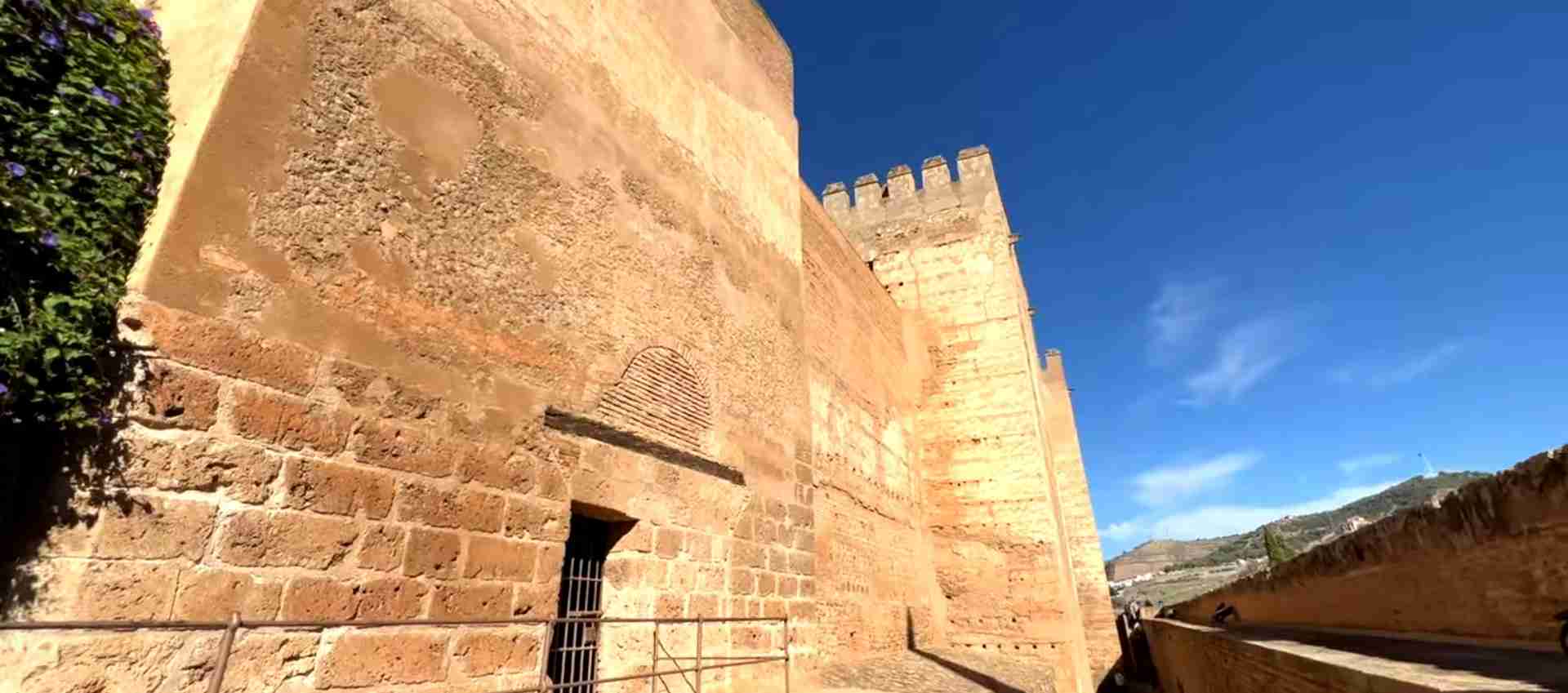
Granada Free Things to Do 2026: Albaicín & Budget Experiences
Key Takeaways:
- Granada offers exceptional free experiences in 2026, particularly exploring the UNESCO-listed Albaicín neighborhood with its Moorish architecture and viewpoints
- Mirador de San Nicolás provides spectacular free Alhambra views during sunset hours, accessible via walking routes through historic streets
- Budget travelers can experience Granada’s cultural heritage through free cathedral access hours, complimentary tapas culture, and extensive walking routes
- Strategic planning in 2026 allows complete days of exploration spending under €30 per person when combining free attractions with budget dining
- The city’s compact layout makes walking the primary transportation method, eliminating daily transport costs for most visitors
- Free flamenco performances, street art districts, and municipal parks provide authentic cultural experiences without admission fees
Discovering Granada’s Free Treasures in 2026
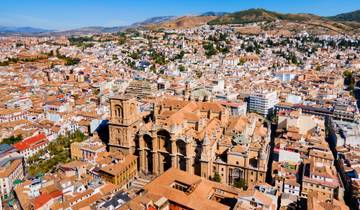
Granada stands as one of Europe’s most budget-friendly destinations in 2026, offering travelers remarkable cultural experiences without admission fees. The UNESCO World Heritage Albaicín neighborhood alone provides days of exploration through narrow cobblestone streets, whitewashed houses, and viewpoints overlooking the Alhambra. This Moorish quarter represents Granada’s Islamic heritage, preserved through centuries of architectural evolution and cultural transformation.
The city’s unique tapas culture creates exceptional value for budget travelers in 2026. Many traditional bars serve complimentary tapas with drink purchases, transforming lunch or dinner into affordable cultural experiences. Combined with free access to historic neighborhoods, viewpoints, and cultural sites during specific hours, Granada enables complete days of exploration on minimal budgets. The compact city center concentrates attractions within walking distance, eliminating transportation costs while providing authentic encounters with Andalusian culture.
Strategic timing enhances budget experiences in 2026. Morning visits to markets and plazas capture local life at its most authentic, while sunset gatherings at viewpoints offer spectacular Alhambra vistas without crowds. Understanding Granada’s rhythm—siesta closures, evening paseos, late dining hours—allows travelers to maximize free experiences while experiencing genuine Spanish lifestyle patterns. The following guide details specific free attractions, budget strategies, and planning approaches for comprehensive Granada exploration in 2026.
People Also Ask About Granada Free Activities 2026
What can you do for free in Granada in 2026?
Granada offers extensive free experiences in 2026, starting with unlimited Albaicín neighborhood exploration. This UNESCO World Heritage district provides hours of wandering through Moorish architecture, discovering hidden plazas, and accessing multiple viewpoints without admission fees. Mirador de San Nicolás, the city’s most famous viewpoint, offers spectacular Alhambra panoramas throughout the day, particularly stunning during sunset hours when the fortress glows golden against Sierra Nevada peaks.
The Cathedral and Royal Chapel offer free admission during worship hours, providing access to Renaissance architecture and royal tombs. Carrera del Darro, Granada’s most picturesque street, runs along the river beneath the Alhambra, connecting free attractions while showcasing medieval bridges and historical buildings. Realejo neighborhood features extensive street art, Jewish quarter remnants, and Carmen gardens visible from public streets. Municipal parks including Parque Federico García Lorca and Carmen de los Mártires gardens provide green spaces with Alhambra views and cultural monuments.
Cultural experiences include free flamenco in Sacromonte caves (tips expected), street performances in Plaza Nueva, and market browsing at Alcaicería bazaar. Walking routes to Sacromonte Abbey, San Miguel Alto viewpoint, and Alhambra forest trails offer panoramic city views and natural landscapes. The university district provides vibrant street life, affordable student bars with tapas culture, and free cultural events throughout academic months. Granada’s compact layout makes all these experiences accessible on foot, creating complete days of exploration without admission costs or transportation fees.
How much does it cost to visit the Albaicín in 2026?
The Albaicín neighborhood is completely free to explore in 2026, requiring no admission fees or permits for unlimited access to its streets, plazas, and public viewpoints. Visitors can spend entire days wandering through this UNESCO World Heritage district without spending money on entrance costs. The experience remains one of Granada’s most valuable free attractions, offering architectural heritage, cultural immersion, and spectacular views without financial barriers.
Optional expenses within the Albaicín enhance but don’t define the experience. Arab tea houses (teterías) charge €3-5 for tea and pastries, providing authentic Moorish ambiance with terrace views. Traditional restaurants range €12-20 for lunch menus, while street cafés offer coffee for €1.50-2.50. Hammam Arab baths start at €28 for basic sessions, though viewing the historic bathhouse exteriors costs nothing. Small museums like Museo Arqueológico charge €1.50 admission, but passing through neighborhoods and enjoying architecture requires zero expenditure.
Budget-conscious exploration of the Albaicín in 2026 involves bringing water bottles (refillable at public fountains), wearing comfortable walking shoes for steep cobblestone streets, and timing visits during morning or late afternoon to avoid midday heat. Spending €5-10 for strategic refreshments during hours of exploration represents typical optional costs, but the neighborhood itself charges nothing for its primary attraction—authentic Moorish urban fabric preserved through eight centuries.
Is Granada expensive for budget travelers in 2026?
Granada ranks among Spain’s most affordable cities for budget travelers in 2026, particularly compared to Barcelona, Madrid, or Seville. The tapas culture creates exceptional dining value, with bars offering complimentary food portions with drink orders—a beer costs €2.50-3.50 and includes tapas ranging from simple olives to substantial tortilla or jamón portions. Strategic bar-hopping provides dinner experiences for €10-15 including three drinks and corresponding tapas, representing far better value than formal restaurant meals.
Accommodation costs remain reasonable in 2026, with hostel beds available for €18-28 per night in central locations, budget hotels ranging €45-70 for doubles, and apartment rentals starting around €50-80 nightly. The city’s compact size eliminates transportation costs—visitors walk between attractions, neighborhoods, and dining areas without requiring buses or taxis. Major free attractions including the Albaicín, viewpoints, cathedral worship hours, and walking routes create full days of sightseeing without admission expenses.
Paid attractions remain affordable compared to other European destinations. Alhambra tickets cost €19.09 for grounds access in 2026 (check official site for current rates), while most museums charge €5-8 admission. Budget travelers spending strategically can enjoy comprehensive Granada experiences for €35-50 daily including accommodation, food, and occasional paid attractions. This contrasts sharply with €80-120+ daily budgets required in major Spanish cities, making Granada exceptional value for extended stays and cultural immersion in 2026.
What’s the best free viewpoint in Granada in 2026?
Mirador de San Nicolás in the Albaicín stands as Granada’s most spectacular free viewpoint in 2026, offering unobstructed Alhambra panoramas with Sierra Nevada mountain backdrop. The plaza accommodates dozens of visitors during sunset hours, when golden light illuminates the fortress and creates dramatic shadow patterns across Generalife gardens. Musicians, street performers, and local gatherings add cultural atmosphere to the visual spectacle, making this viewpoint a complete sensory experience rather than simple observation point.
San Nicolás attracts crowds during peak sunset hours (arrive 45-60 minutes before sunset to secure optimal positions), but morning visits provide equally beautiful views with minimal crowds and different lighting conditions. The walk to San Nicolás through Albaicín streets constitutes part of the experience—steep cobblestone lanes, whitewashed houses with flower-draped balconies, and glimpses of Alhambra towers between buildings create anticipation for the final panorama. No admission fee, no reservation requirement, no time restrictions—the viewpoint remains accessible 24 hours daily throughout 2026.
Alternative free viewpoints offer different perspectives and reduced crowds. Mirador de San Cristóbal provides equally stunning views from higher elevation with dramatic sunset colors but requires steeper climbing through less-traveled Albaicín sections. Paseo de los Tristes along the Darro River offers ground-level Alhambra views with medieval bridge foregrounds. San Miguel Alto, Granada’s highest accessible viewpoint, delivers 360-degree city panoramas including Alhambra, cathedral, Sierra Nevada, and vega plains—the 30-minute uphill walk deters casual visitors, ensuring peaceful contemplation. All remain completely free, accessible year-round, and represent Granada’s most valuable budget experiences in 2026.
Extended multi-day tours – 5+ days
Featured Andalucia Multi-Day Tour Packages
6 days
6 Day Malaga including visit to Gibraltar, Granada, Alhambra and Caminito del Rey
- ✓ Comprehensive Andalucia tour
- ✓ Expert local guides included
- ✓ All accommodation arranged
- ✓ Transportation provided
11 days
Flavors of Spain: A 11 Day Journey Through Madrid, Seville, Granada & Barcelona
- ✓ Comprehensive Andalucia tour
- ✓ Expert local guides included
- ✓ All accommodation arranged
- ✓ Transportation provided
11 days
A Taste of Spain: : 11 Days Across Madrid, Seville, Granada & Barcelona
- ✓ Comprehensive Andalucia tour
- ✓ Expert local guides included
- ✓ All accommodation arranged
- ✓ Transportation provided
5 days
Granada: Crossroads of Arab and Christian Cultures
- ✓ Booking needs min. 2 travelers
Multi-day tour packages powered by TourRadar. Prices and availability subject to change.
Essential Planning Information 2026
Granada’s free experiences require minimal advance planning but benefit from strategic timing and route organization. The city’s elevation creates distinct microclimates—Albaicín neighborhoods sit 100+ meters above the city center, generating temperature differences and affecting walking comfort. Summer 2026 heat (35-40°C afternoon peaks) makes morning and evening exploration preferable, while winter months (December-February) bring occasional rain and cooler temperatures requiring layers. Spring (March-May) and autumn (September-November) offer ideal walking conditions with moderate temperatures and fewer crowds at popular viewpoints.
Free attraction access follows specific patterns in 2026. Cathedral worship hours provide free entry during early morning and evening services, though sightseeing during services shows disrespect—verify current worship schedules at the entrance. Viewpoints remain accessible continuously, but optimal timing varies: San Nicolás for sunset (arrive 7-8 PM summer, 5-6 PM winter), San Cristóbal for sunrise (6-7 AM summer provides dramatic light with zero crowds), Paseo de los Tristes for midday photography when sunlight illuminates Alhambra facades. Markets operate morning hours (8 AM-2 PM), while Albaicín shops and teterías open late morning through evening.
Walking capabilities determine free experience accessibility. The Albaicín involves steep cobblestone streets with irregular surfaces—comfortable, grippy footwear prevents slipping on polished stones. Distances appear short on maps but elevation changes create challenging routes: Plaza Nueva to San Nicolás involves 15-20 minute uphill walking, while San Miguel Alto requires 30+ minutes of continuous climbing. Water bottles, sun protection, and realistic fitness assessment prevent exhaustion during free exploration. Granada’s compact layout rewards slow, observant wandering rather than rushed attraction-checking, allowing travelers to discover hidden corners, local interactions, and architectural details that define authentic neighborhood experiences.
Free Albaicín Experiences 2026
The Albaicín neighborhood represents Granada’s most significant free attraction in 2026, offering labyrinthine streets that preserved Moorish urban planning across eight centuries. This UNESCO World Heritage district requires no tickets, guides, or scheduled access—visitors enter freely from multiple points around the hill, exploring organic street patterns that contrast sharply with Spanish Christian grid layouts elsewhere in Granada. The neighborhood rewards aimless wandering, with each turn revealing new perspectives, architectural details, and cultural layers representing Granada’s Islamic, Jewish, and Christian heritage.
Specific free Albaicín highlights include Plaza Larga, the neighborhood’s market square where locals shop for produce, bread, and household goods amid historic buildings and cafe terraces. The square hosts Saturday morning markets with additional vendors and social gatherings. Calle Calderería Nueva and Calderería Vieja, Granada’s “little Morocco,” feature Arab tea houses, craft shops, and hookah cafés in restored Moorish buildings—browsing costs nothing while providing cultural immersion. Aljibe (cistern) discoveries scattered throughout demonstrate Moorish water engineering, with some restored as cultural centers offering free exhibition access.
Carmen viewing opportunities provide glimpses into Granada’s distinctive house-garden combinations. While private carmens remain inaccessible, their exterior walls, gates, and visible garden sections along streets showcase this unique architectural form. Some carmens operate as hotels or cultural centers with publicly accessible courtyards—polite inquiry often grants brief viewing permission. The Albaicín’s strategic position above the city creates natural viewpoints beyond famous miradores: random street ends, plaza edges, and terrace cafés offer spectacular Alhambra glimpses framed by neighborhood architecture, making the entire district one extended free observation platform.
Walking routes through the Albaicín combine free viewpoint visits with neighborhood exploration. The classic route ascends from Plaza Nueva via Calderería streets to Mirador de San Nicolás, continues to San Cristóbal viewpoint, descends through Carrera del Darro to Paseo de los Tristes, creating a circular 2-3 hour walk incorporating Granada’s most photogenic free locations. Extended routes add San Miguel Alto (highest viewpoint requiring additional 30-minute climb), Sacromonte neighborhoods (cave architecture and abbey exterior viewing), and Realejo descent (street art and Carmen de los Mártires gardens). Every route remains completely free, accessible year-round, and adaptable to individual pace and interest.
Budget-Friendly Granada Attractions 2026
Granada’s budget attractions extend beyond completely free experiences to include exceptional value paid options that enhance cultural understanding. The Alhambra offers grounds-only tickets at €19.09 in 2026 (check alhambra-patronato.es for current official rates), providing access to palace exteriors, Generalife gardens, and forest trails without interior palace admission. This represents remarkable value considering hours of exploration through UNESCO World Heritage landscapes and architecture. Gardens reach peak beauty during spring bloom (March-May) and autumn colors (October-November), making grounds-only visits particularly rewarding during these seasons.
Cathedral admission costs €6 during regular hours (free during worship times), offering Renaissance architecture, royal chapels, and art collections. The combined ticket including Royal Chapel costs €9, adding elaborate tombs of Catholic Monarchs Ferdinand and Isabella. Museum admission throughout Granada remains affordable: Museo de la Alhambra is free, Archaeological Museum charges €1.50, Huerta de San Vicente (Lorca’s summer home) costs €3. These modest fees provide cultural depth while maintaining budget-friendly spending levels.
Arab bath experiences (hammams) represent Granada’s most affordable luxury activity in 2026. Traditional bathhouses charge €28-35 for 90-minute sessions including thermal pools, steam rooms, and relaxation areas—significantly less than luxury spa treatments while providing authentic Moorish wellness experiences. Several hammams offer student discounts, off-peak pricing, or multi-visit packages reducing per-session costs. The experience complements free Albaicín exploration by demonstrating Islamic bathing culture that influenced neighborhood development.
Flamenco performances vary dramatically in cost and authenticity. Free shows occur in Sacromonte caves where musicians practice or gather socially—tips of €5-10 express appreciation without obligation. Formal zambra performances cost €15-25 in cave venues, providing professional shows in intimate settings. Alternative free flamenco happens spontaneously in Plaza Nueva during evenings, where street performers create impromptu gatherings. Budget travelers can experience authentic flamenco culture through strategic free viewing and selective paid performance attendance, balancing cost control with cultural support.
Free Cultural Experiences 2026
Granada’s cultural calendar offers numerous free events and performances throughout 2026, particularly during festival periods and summer months. Corpus Christi celebrations (late May/early June) feature street decorations, processions, and public performances throughout the city center—entirely free viewing from streets and plazas. Semana Santa (Holy Week) brings elaborate religious processions with magnificent floats and thousands of participants, creating spectacle accessible to all observers. These festivals represent Granada’s living cultural heritage, with free participation connecting visitors to centuries-old traditions.
Summer concert series and cultural programming activate public spaces from June through September. Plaza del Carmen hosts free outdoor concerts featuring classical, jazz, and traditional Spanish music. University-sponsored events during academic months (October-May) include lectures, film screenings, and cultural presentations open to public attendance. Festival Internacional de Música y Danza de Granada (June-July) offers select free performances in addition to ticketed events, with outdoor concerts in historic settings accessible without admission.
Street performance culture thrives in Granada’s pedestrian zones. Plaza Nueva, Bib-Rambla, and cathedral plaza host musicians, dancers, and artists creating spontaneous cultural moments throughout the day. Quality varies but represents authentic urban performance traditions rather than tourist-targeted shows. The university district around Gran Vía and Recogidas brings student energy with political demonstrations, cultural activism, and artistic expressions reflecting contemporary Granada beyond historical tourism narratives.
Market experiences provide cultural immersion without purchase requirements. Mercado San Agustín, Granada’s main food market, operates Monday-Saturday mornings with local vendors selling produce, meat, fish, and prepared foods. Browsing stalls, observing shopping interactions, and experiencing market atmosphere costs nothing while revealing daily life patterns. Saturday morning markets in Plaza Larga (Albaicín) and various neighborhood plazas expand shopping options with clothing, household goods, and additional food vendors. Markets represent free cultural education demonstrating Spanish shopping culture, regional products, and social interactions defining Granada’s contemporary identity.
Money-Saving Strategies 2026
Granada’s exceptional tapas culture creates the most effective money-saving strategy for 2026 visitors. Traditional bars throughout the city serve complimentary tapas with drink purchases—ordering three drinks provides three food portions, creating substantial meals for €7.50-10.50 (drinks cost €2.50-3.50 each). Strategic bar selection maximizes value: avoid tourist-heavy areas around Plaza Nueva where some establishments charge separately for tapas, instead explore residential neighborhoods like Realejo, university district bars near Campo del Príncipe, or local favorites in outer Albaicín streets where generous portions accompany every order.
The “tapas crawl” approach optimizes value and variety. Order one drink at each of 3-4 different bars over 2-3 hours, accumulating diverse tapas representing different cuisines and preparation styles. Many bars display food options at counters, allowing selection rather than accepting default offerings. This strategy provides dinner experiences costing €10-15 while sampling multiple Granada specialties and discovering neighborhood character. Lunch tapas follows the same pattern during afternoon hours when locals gather after work.
Accommodation timing affects total costs significantly in 2026. Shoulder season visits (March-May, September-November) offer 30-40% lower hotel rates compared to peak summer months, while providing better walking weather and reduced viewpoint crowds. Weekday stays cost less than weekends in popular neighborhoods. Booking 8-12 weeks in advance for spring/autumn, 12-16 weeks for summer, secures best selection and pricing. Budget accommodations outside immediate center (still within 10-15 minute walking distance) charge €30-50 less nightly than Albaicín or cathedral proximity, with savings accumulating substantially over multi-night stays.
Water and snack expenses add up during full exploration days. Granada’s public fountains throughout the Albaicín and city center provide potable water for refillable bottles, eliminating €2-3 per bottled water purchase. Supermarkets sell sandwich components, fruit, and snacks at fraction of café prices—assembling picnic lunches saves €10-15 versus restaurant meals. Street vendors near viewpoints charge premium prices (€4-5 for water, €8-10 for simple snacks); buying from neighborhood shops before walking routes reduces unnecessary expenditure while providing identical sustenance.
Sample Free Day Itinerary 2026
A comprehensive free day in Granada begins with early morning exploration before tourist crowds and heat accumulation. Start at 8:30 AM in Plaza Nueva, Granada’s central meeting point where locals gather for morning coffee. Walk along Carrera del Darro, the city’s most scenic street connecting Plaza Nueva to Paseo de los Tristes beneath Alhambra walls. This riverside route showcases medieval bridges, Moorish bathhouse remains, and historical buildings with zero admission requirements. Stop at public fountains to fill water bottles for the day ahead.
Continue to Paseo de los Tristes, where morning light illuminates Alhambra facades reflected in calm waters. The promenade offers ground-level fortress views framed by ancient bridges and riverside architecture. From here, ascend through lower Albaicín neighborhoods via Chapiz street or San Juan de los Reyes route, experiencing authentic residential areas where locals conduct daily routines. These alternative paths avoid touristy Calderería streets while revealing neighborhood character through schools, shops, and plaza interactions. Arrive at Mirador de San Nicolás around 10:30 AM for morning views without sunset crowds.
Spend midday hours (11 AM – 2 PM) exploring Albaicín depths beyond San Nicolás. Walk to San Cristóbal viewpoint for alternative perspectives, discovering hidden plazas, aljibe cisterns, and carmen walls along the way. The organic street network encourages getting intentionally “lost”—every route eventually descends to familiar landmarks, while wandering reveals architectural details, street art, and neighborhood life invisible during rushed itineraries. Return to Plaza Larga around 1 PM to observe market closing and lunch preparations, experiencing local rhythm as shops shut for siesta.
Afternoon schedule (2 PM – 6 PM) adapts to season: summer heat demands indoor respite or shaded plaza resting, while spring/autumn/winter allows continued walking. Free options include cathedral worship service attendance (verify schedule at entrance), browsing Alcaicería bazaar without purchase obligation, exploring Realejo street art routes, or relaxing in Carmen de los Mártires gardens. University district offers student-frequented cafés where a coffee (€1.50-2.00) grants terrace seating for reading, people-watching, or siesta without pressure for additional purchases.
Evening experiences (6 PM onward) showcase Granada at its most vibrant. Return to San Nicolás for sunset viewing, arriving 7-8 PM in summer, 5-6 PM in winter to secure favorable positions. After sunset, descend through illuminated Albaicín streets where warm lighting emphasizes whitewashed walls and creates romantic atmosphere. Dinner tapas crawl through Realejo or Navas street bars provides cultural dining on minimal budget—three drinks with tapas costs €7.50-10.50. Conclude with evening paseo (stroll) through Plaza Bib-Rambla and cathedral plaza, joining locals in Granada’s timeless social tradition.
This complete free day requires only optional small expenses: morning coffee €1.50, afternoon café drink €2.00, evening tapas crawl €10.50. Total: €14 for full day of cultural immersion, architectural appreciation, and authentic local experiences. Alternatively, bringing snacks and water eliminates even these modest costs, creating entirely zero-expenditure days while experiencing Granada’s cultural heritage comprehensively.
Planning Your Budget Granada Visit 2026
Optimal Granada timing balances weather conditions, crowd levels, and cultural events for maximum free experience value in 2026. Spring months (March-May) offer ideal walking temperatures, blooming gardens throughout the city, and major festivals including Semana Santa and Corpus Christi. April and May specifically provide warm days (18-25°C) without summer heat extremes, making all-day Albaicín exploration comfortable. Accommodation costs rise during April festivals, but remain reasonable compared to peak summer pricing.
Autumn (September-November) presents equally attractive conditions with harvest celebrations, comfortable temperatures, and reduced summer crowds. September maintains warm weather with fewer visitors as European summer holidays end. October brings mild temperatures perfect for extensive walking, while November offers the lowest prices of any moderate-weather month. Both spring and autumn create better viewpoint photo opportunities than summer—clearer skies, dramatic cloud formations, and favorable light angles enhance Alhambra photography without haze or extreme contrast.
Visit duration affects budget optimization significantly. Single-day visits limit free exploration to major highlights—Albaicín, key viewpoints, basic neighborhood discovery—creating rushed experiences that sacrifice depth for coverage. Three-day visits allow comprehensive free attraction exploration plus selective paid museum or Alhambra attendance, balancing budget control with cultural breadth. Five-day stays enable complete neighborhood immersion, discovering every viewpoint and plaza, experiencing local market rhythms, and integrating into Granada’s daily pace. Extended visits reduce daily accommodation costs through long-stay discounts while allowing flexible scheduling around weather and energy levels.
Multi-destination Andalusia trips benefit from Granada’s central position. Budget travelers can combine Granada with free experiences in nearby destinations: Córdoba (3 hours by bus, €15-20), Sevilla (3 hours, €20-25), Málaga (2 hours, €12-18). Each city offers distinct free attractions—Córdoba’s historic center and riverside walks, Sevilla’s cathedral plaza and Triana neighborhood, Málaga’s beaches and historic district. Regional bus services provide affordable connectivity for creating comprehensive Andalusia experiences on limited budgets, with Granada serving as cost-effective base due to accommodation value and extensive free attractions.
Additional Budget Resources 2026
Granada’s tourist information centers provide free maps, event schedules, and current attraction information without commercial bias. Main office at Plaza del Carmen opens Monday-Saturday 9 AM – 7 PM, offering multilingual assistance, neighborhood route suggestions, and upcoming free event calendars. Smaller information points operate at Plaza Nueva and Alhambra entrance, providing specialized neighborhood or monument guidance. These official resources complement commercial tourism materials with objective information and budget-conscious recommendations.
Free walking tour companies operate throughout Granada in 2026, offering 2-3 hour guided experiences on tip-based payment models. Tours cover Albaicín highlights, cathedral district, or Realejo neighborhoods, with knowledgeable guides providing historical context and architectural insights. While tipping €10-15 per person represents expected appreciation, the “free” model removes upfront cost barriers and allows travelers to assess value before payment. Quality varies by guide and company—reading recent reviews helps select tours matching interests and walking capabilities.
Library and cultural center access provides free WiFi, comfortable spaces, and often English-language materials for travel research or rainy day activities. Biblioteca Pública Provincial operates extensive collections with reading rooms open to public use. University libraries during academic months welcome general visitors for study space access. These facilities enable budget travelers to plan upcoming travel segments, research attractions, or simply rest in climate-controlled environments without café expenditure.
Granada Card offers potential value for travelers combining free and paid attractions. Standard versions include Alhambra admission, public transport, and select museum access for €47-57. Analysis reveals questionable value for budget-focused visitors already maximizing free experiences—public transport isn’t needed for central sightseeing, included museums often charge only €3-6 individual admission, and Alhambra tickets cost €19.09 separately. The card benefits visitors planning multiple paid museum visits beyond standard budget traveler priorities, but careful calculation against actual intended usage prevents unnecessary expenditure on anticipated rather than actual activities.
Seasonal Considerations 2026
Summer 2026 (June-August) brings Granada’s most challenging weather conditions for budget travelers maximizing free outdoor experiences. Afternoon temperatures reach 35-40°C regularly, making midday Albaicín exploration uncomfortable and potentially dangerous without proper hydration and sun protection. Free viewpoint visits shift to early morning (before 10 AM) and evening hours (after 7 PM), requiring schedule adjustments and potentially splitting exploration days. The compensation includes extended daylight (sunset after 9 PM), vibrant evening street life, and numerous free outdoor cultural events in plazas and parks.
Winter months (December-February) present opposite challenges with occasional rain, shorter daylight hours, and cooler temperatures requiring layers. However, winter offers unique advantages for budget travelers: minimal crowds at all free attractions (San Nicolás viewpoint often empty during weekday mornings), lowest accommodation rates of the year, and dramatic Sierra Nevada snow-capped backdrops behind the Alhambra. Clear winter days provide exceptional photography conditions with crisp air and strong contrast. Bringing weather-appropriate clothing eliminates environment discomfort while enabling comprehensive free exploration during Granada’s quietest, most affordable season.
Spring and autumn shoulder seasons combine favorable weather with moderate pricing and crowds. March and November specifically offer Granada’s best value: comfortable temperatures for all-day walking, reasonable accommodation costs, fewer visitors than peak months, and distinct seasonal characters. March brings almond blossoms and spring festivals, while November offers autumn colors in Generalife gardens and harvest celebrations in surrounding villages. These months maximize free experience quality while minimizing heat stress, crowd competition, and accommodation expense.
Festival periods create unique free experience opportunities with corresponding accommodation challenges. Semana Santa (week before Easter) brings elaborate religious processions throughout the city—completely free viewing but hotels book months ahead with premium pricing. Corpus Christi (60 days after Easter) features street decorations and cultural events with moderate accommodation impact. Summer festival programming activates public spaces with free performances but coincides with peak tourist season. Budget travelers seeking festival experiences should book accommodations 3-4 months ahead for spring events, accepting higher costs as trade-off for exceptional free cultural programming unavailable during other periods.
Practical Tips for Free Granada Exploration 2026
Physical preparation enhances free Albaicín exploration significantly. The neighborhood involves continuous uphill walking on cobblestone surfaces with uneven stones and varying slopes. Broken-in walking shoes with grip prevent slipping on polished stones, particularly after rain or morning dew. Ankle support helps navigate steep descents safely. Many first-time visitors underestimate climbing demands—the elevation gain from Plaza Nueva to San Miguel Alto equals 15-20 story building, distributed across 30-minute walking distance. Building leg strength before travel or arriving in Granada early to acclimatize prevents exhaustion during prime exploration days.
Hydration becomes critical during warm months but matters year-round during extended walking. Public fountains throughout Granada provide potable water (agua potable), with notable sources at Plaza Nueva, Plaza Larga, and multiple Albaicín locations. Carrying a 1-liter refillable bottle eliminates beverage costs while ensuring hydration during 3-4 hour walking routes. Summer exploration requires additional sun protection—hat, sunscreen, light long sleeves—to prevent heat exhaustion while maximizing free outdoor time. Winter visits need layers for temperature variation between sunny plazas and shaded streets.
Photography equipment considerations affect free viewpoint experiences. San Nicolás sunset attracts dozens of photographers with tripods during peak season, creating congestion and position competition. Handheld photography or compact tripods respect shared space while capturing excellent images—modern smartphone cameras produce quality results without bulky equipment. Early morning or midday visits to popular viewpoints provide ample positioning space without crowds. Alternative viewpoints like San Cristóbal or less-known mirador locations offer photographic opportunities with minimal competition throughout the day.
Navigation tools enhance free exploration efficiency while preventing time waste. Offline map applications (Maps.me, Google Maps offline mode) work without data connection, crucial given international roaming costs and spotty Albaicín WiFi. However, getting deliberately “lost” in the Albaicín creates serendipitous discoveries—the neighborhood’s small size ensures descent to familiar landmarks within 15-20 minutes from any point. Balancing navigation certainty with exploratory wandering optimizes free experience discovery while maintaining schedule control for timed activities like sunset viewing.
Social interaction opportunities arise naturally during free exploration. Local residents in Albaicín plazas, market vendors, and café owners often engage with respectful visitors showing genuine neighborhood interest. Basic Spanish phrases (buenos días, gracias, por favor) facilitate positive interactions, though many younger Granada residents speak English from university exposure. Cultural sensitivity matters—photographing residents requires permission, entering private spaces without invitation shows disrespect, and excessive noise in residential areas creates negative impressions. Authentic free experiences come from observing and respectfully participating in neighborhood life, not treating historic districts as theme park backdrops.
FAQ: Granada Free Things to Do 2026
Can you visit the Alhambra for free in 2026?
The Alhambra does not offer free admission in 2026, but grounds-only tickets at €19.09 provide exceptional value for budget travelers (check alhambra-patronato.es for current official rates). This admission includes Generalife gardens, palace exteriors, forest trails, and viewpoints—hours of exploration through UNESCO World Heritage landscapes. Free Alhambra experiences exist through external viewing from multiple city viewpoints including Mirador de San Nicolás, San Cristóbal, and Paseo de los Tristes, where perspectives showcase fortress architecture, defensive walls, and palace towers without admission costs. These free external views provide photography opportunities and architectural appreciation while saving budget for other Granada experiences. The combination of paid grounds access and free external viewing creates comprehensive Alhambra understanding for budget-conscious visitors in 2026.
How many days do you need in Granada for free exploration?
Three days provides ideal duration for comprehensive free Granada exploration in 2026, allowing thorough Albaicín discovery, multiple viewpoint visits, neighborhood immersion, and cultural event participation without rushed schedules. Day one covers classic free highlights—Carrera del Darro, Paseo de los Tristes, Albaicín walking routes, San Nicolás sunset. Day two explores extended neighborhoods—Sacromonte, Realejo, San Miguel Alto, market experiences—plus cathedral worship attendance. Day three enables deeper immersion—favorite plaza returns, alternative viewpoints, residential area wandering, and discovering personal hidden gems. Budget travelers can experience Granada’s essence in two days but miss neighborhood depth and spontaneous discoveries that define authentic cultural engagement. Five-day visits allow selective paid attraction attendance while maintaining primarily free activity focus, creating balanced experiences combining education, relaxation, and budget optimization throughout 2026.
Is Granada safe for solo travelers exploring free attractions?
Granada ranks among Spain’s safest cities for solo travelers in 2026, with violent crime nearly non-existent in tourist areas and petty theft the primary concern. Albaicín streets remain safe during daylight hours and early evening, though isolated areas after dark warrant standard precautions. Solo travelers should avoid empty Albaicín streets late at night, stick to well-lit routes, and remain alert in crowded viewpoint areas where pickpockets occasionally operate. The city’s compact layout, active street life, and tourist infrastructure create secure environments for independent exploration. Women traveling solo report comfortable experiences navigating Granada freely, though unwanted attention from street vendors or flirtatious locals occurs occasionally—firm polite refusals prove effective. Free walking tours provide social opportunities for solo travelers seeking company while exploring budget-friendly attractions. Overall, Granada enables safe independent free exploration with standard travel awareness and common-sense precautions throughout 2026.
What free apps or resources help Granada exploration in 2026?
Offline map applications including Maps.me and Google Maps offline mode provide essential free navigation tools for Granada exploration in 2026. Download neighborhood maps before travel to access detailed Albaicín street layouts, viewpoint locations, and route planning without data connection. Google Translate offline Spanish language pack enables menu reading, sign interpretation, and basic communication without roaming charges. Free WiFi availability at plazas, libraries, and some cafés allows periodic online research, though comprehensive pre-trip planning reduces connectivity dependence. Granada’s official tourism website (granadatur.com) offers free downloadable neighborhood guides, cultural calendar information, and practical visitor resources. Tourist information centers provide free printed maps with neighborhood routes, viewpoint locations, and current event schedules. These resources eliminate expensive guided tour dependence while enabling informed, independent, budget-friendly exploration throughout 2026.
Can you experience authentic Granada culture for free?
Authentic Granada culture exists primarily in free experiences rather than paid tourist attractions throughout 2026. Market shopping at Mercado San Agustín or Plaza Larga reveals daily life patterns, product preferences, and social interactions defining contemporary Granada beyond historical tourism. Evening paseo tradition along main streets and plazas costs nothing while demonstrating Spanish social culture—families, friends, and couples strolling through pedestrian zones engaging in informal socializing. Tapas culture in neighborhood bars provides authentic culinary tradition, though drink purchases (€2.50-3.50) unlock the complimentary food component. Free festival attendance during Corpus Christi, Semana Santa, or summer cultural programming connects visitors to living traditions practiced by local communities rather than performed for tourist consumption. The Albaicín’s residential character means wandering streets encounters real neighborhood life—children playing, residents chatting from windows, shops serving local needs rather than souvenir sales. These free cultural experiences provide deeper Granada understanding than paid museum visits or commercial flamenco shows, creating authentic connections to the city’s contemporary identity throughout 2026.
How does Granada’s free tapas culture work in 2026?
Granada maintains unique free tapas tradition in 2026, where bars automatically serve complimentary food portions with every drink order. The system works simply: order a beer (€2.50-3.50), wine (€2.50-3.00), or soft drink (€2.00-2.50), and the bar brings tapas ranging from olives and nuts to substantial tortilla, jamón, or prepared dishes. Each subsequent drink brings different tapas, with portions and quality varying by establishment. Traditional neighborhood bars follow this custom faithfully, while some tourist-heavy areas near major attractions have abandoned the practice or charge separately. Budget travelers maximize value by researching authentic tapas bars through local recommendations, exploring residential neighborhoods like Realejo or university district, and avoiding obvious tourist streets. Three drinks over 90-120 minutes at quality tapas bars provides dinner-equivalent food for €7.50-10.50, representing exceptional value and cultural authenticity. The tradition reflects Granada’s social culture rather than mere restaurant marketing, creating genuine cultural experiences accessible to all budget levels throughout 2026.
What free activities work well for families with children in Granada?
Granada offers numerous free family-friendly activities in 2026, starting with park exploration at Parque Federico García Lorca featuring playgrounds, duck ponds, and open spaces for running. Carmen de los Mártires gardens provide maze-like paths, peacocks, and shaded areas for family picnics with Alhambra views. The Science Park (Parque de las Ciencias) exterior plaza offers free outdoor exhibits and observation tower access, though main museum requires admission. Albaicín exploration becomes family adventure with treasure hunt elements—finding specific doors, counting cats, photographing colorful tiles—transforming historical wandering into engaging child activities. Carrera del Darro riverside walk offers gentle terrain suitable for strollers with interesting bridges and views maintaining children’s attention. Plaza Nueva and Plaza Bib-Rambla provide safe pedestrian spaces where children can run while parents rest at terraces with coffee (€1.50-2.50). Street performers and musicians in central plazas create free entertainment throughout evenings. Family budgets benefit significantly from Granada’s free attractions, as admission costs multiply with children while outdoor exploration, park visits, and plaza activities remain free regardless of family size throughout 2026.
How do weather conditions affect free Granada activities in 2026?
Weather significantly impacts free outdoor exploration in Granada throughout 2026, requiring seasonal adaptation strategies. Summer heat (35-40°C afternoon peaks) makes midday outdoor activity dangerous—shift free Albaicín exploration to early morning (7-10 AM) and evening hours (7-10 PM), using afternoon heat for indoor rest, siesta, or air-conditioned refuge in libraries and cultural centers. Spring and autumn provide ideal conditions for all-day outdoor exploration with comfortable temperatures (15-25°C) and manageable precipitation. Winter brings occasional rain (8-10 days monthly) requiring flexible scheduling—rainy days suit cathedral worship visits, covered market browsing, or museum attendance, while clear winter days offer spectacular photography conditions with snow-capped Sierra Nevada backdrops. Wind affects viewpoint enjoyment year-round, with strong breezes at exposed locations like San Miguel Alto creating discomfort but enhancing flag and cloud photography. Checking weather forecasts shapes daily planning, allowing optimization of free outdoor time while maintaining backup options for unfavorable conditions. Granada’s compact size enables quick schedule pivots between outdoor and indoor free activities throughout 2026.
What mistakes do budget travelers make with Granada free activities?
Common budget traveler mistakes limit Granada free experience value in 2026. First, rushing through the Albaicín to “see everything” sacrifices depth for coverage—spending 2-3 hours slowly exploring limited areas creates better experiences than frantic all-neighborhood racing. Second, visiting San Nicolás only at sunset misses morning views without crowds and alternative lighting conditions revealing different Alhambra details. Third, following tourist crowds concentrates visitors in limited areas while neglecting equally beautiful locations like San Cristóbal or San Miguel Alto offering superior views with minimal competition. Fourth, treating free activities as inferior placeholder time before paid attractions—Granada’s free experiences represent primary attractions, not budget compromises. Fifth, inadequate physical preparation for Albaicín climbing creates exhaustion preventing full exploration—building walking stamina or arriving early to acclimatize enables comprehensive neighborhood discovery. Sixth, buying water and snacks at tourist-area vendors paying premium prices rather than shopping neighborhood markets or bringing supplies reduces unnecessary expenditure. Avoiding these mistakes optimizes free Granada experiences while maintaining budget discipline throughout 2026.
Can you do a Granada day trip for free from nearby cities?
While Granada itself offers extensive free attractions in 2026, the day trip concept requires transportation costs from nearby cities—buses from Málaga cost €12-18, Sevilla €20-25, Córdoba €15-20. However, once arriving in Granada, day visitors can experience comprehensive free itineraries without additional expenditure. A free Granada day trip includes Albaicín exploration, multiple viewpoint visits, Carrera del Darro walk, cathedral exterior viewing, and market browsing—creating full cultural days without admission costs. The limitation involves time constraints rather than budget restrictions: 8-10 hours in Granada (typical day trip duration) allows thorough major highlight coverage but misses neighborhood depth and evening culture. Day trippers maximize value by prioritizing free Albaicín routes, key viewpoints (San Nicolás essential), and authentic neighborhood wandering over museum visits or paid attractions. The combination of moderate intercity transportation costs with extensive free Granada activities creates affordable day trip experiences throughout 2026, though multi-day stays enable deeper budget travel value through accommodation cost distribution and comprehensive cultural immersion.