Granada Travel Guide 2026: Beyond the Alhambra
Key Takeaways
- Granada offers exceptional value beyond Alhambra with free admission to Granada Cathedral-Royal Chapel (€6 combined), Albaicín UNESCO quarter exploration, and Sacromonte cave culture
- Budget €75-110 per person daily excluding accommodation in 2026, with mid-range hotels at €60-95 per night and tapas culture enabling €12-18 dining
- Visit April-May or September-October 2026 for optimal weather (20-26°C), manageable crowds, and full cultural event calendars without summer heat peaks
- The Albaicín-Sacromonte walking circuit requires 4-5 hours covering steep cobblestone streets but reveals Moorish heritage, cave houses, and panoramic city views
- Free tapas culture at Granada bars provides authentic dining experiences where drink purchases include complimentary food plates worth €3-5
- Book flamenco cave shows 2-3 weeks ahead during peak season (April-October 2026) as intimate venues accommodate only 30-50 spectators per performance
Introduction: Discovering Granada’s Hidden Layers in 2026
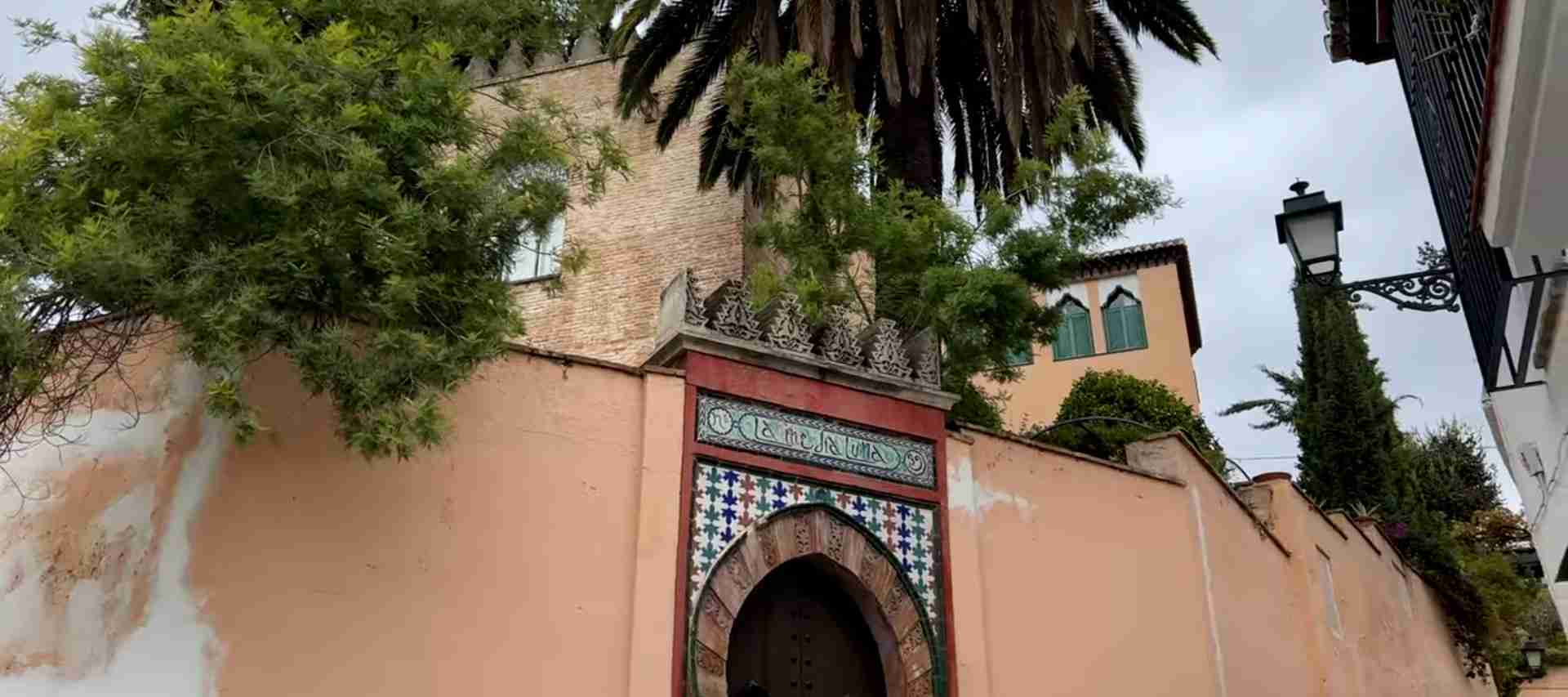
Granada’s international reputation rests almost entirely on the Alhambra palace complex, yet this Andalusian city of 230,000 residents offers profound cultural experiences beyond its most famous monument. The Albaicín quarter preserves the largest intact medieval Moorish neighborhood in Europe, with 11th-15th century architecture cascading down hillsides in a UNESCO World Heritage labyrinth of narrow streets, Carmen houses with interior gardens, and viewpoints revealing Sierra Nevada mountain backdrops. The Sacromonte district maintains cave-dwelling traditions dating to 15th-century Roma settlement, creating Europe’s only hillside cave neighborhood where residents still occupy whitewashed subterranean homes while hosting authentic flamenco performances in intimate zambra venues.
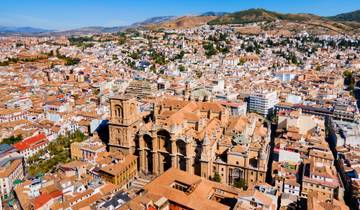
Granada Cathedral represents Spain’s Renaissance architectural masterpiece, built 1523-1704 on the site of Granada’s former mosque after 1492 Christian reconquest. The adjacent Royal Chapel houses the tombs of Catholic Monarchs Ferdinand and Isabella, whose 1492 conquest ended 781 years of Islamic rule in Iberia. These monuments anchor Granada’s city center alongside Plaza Nueva’s Arabic baths, the Alcaicería silk market remnant, and tapas bar culture that distinguishes Granada from other Spanish cities through its tradition of free food portions accompanying every drink purchase.
Planning your 2026 Granada visit beyond the Alhambra requires understanding the city’s vertical geography where neighborhoods occupy distinct hillside elevations, seasonal patterns affecting Sierra Nevada snow conditions visible from city viewpoints, accommodation strategies for staying within historic quarters vs. modern districts, and the cultural calendar of flamenco performances, religious processions, and music festivals. This guide provides comprehensive planning information for travelers seeking authentic Granada experiences beyond the palace complex that consumes most visitors’ entire attention.
People Also Ask About Granada 2026
How much does it cost to visit Granada in 2026 beyond the Alhambra?
Daily costs in Granada average €75-110 per person excluding accommodation when focusing on non-Alhambra experiences in 2026. Granada Cathedral and Royal Chapel combined admission costs €6, Arab Baths €5, Monastery of San Jerónimo €5, and flamenco cave shows €20-30 per person (check official venue websites for current rates as pricing may vary). Budget accommodation starts at €35-55 per night for hostels, mid-range hotels cost €60-95, while boutique Carmen houses in Albaicín range €110-160 per night. Granada’s free tapas culture enables economical dining at €3-4 per drink with substantial food portions included, allowing complete meals for €12-18 vs. €25-40 at seated restaurants. A comprehensive 3-day Granada visit focusing on Albaicín, Sacromonte, Cathedral, and cultural experiences costs €350-500 per person including mid-range accommodation.
What can you do in Granada besides the Alhambra in 2026?
Granada offers extensive experiences beyond the Alhambra in 2026. The Albaicín UNESCO quarter provides 4-5 hours of exploration through medieval Moorish streets, whitewashed Carmen houses, artisan workshops, and viewpoints including Mirador de San Nicolás with Alhambra-Sierra Nevada panoramas. Sacromonte cave neighborhood reveals Roma heritage through cave house museums, traditional zambra flamenco performances, and hillside walking trails. Granada Cathedral and Royal Chapel showcase Renaissance architecture and Catholic Monarchs’ tombs. Arab Baths (Hammam Al Andalus) offer relaxation in restored 11th-century bathing chambers. Tapas bar circuits in Calle Navas and Plaza Nueva deliver authentic dining culture. Day trips reach Sierra Nevada for skiing January-April or hiking May-October. Cultural events include International Music Festival (June-July), International Jazz Festival (November), and numerous flamenco performances year-round.
Is the Albaicín worth visiting in 2026?
The Albaicín delivers exceptional value as Europe’s best-preserved medieval Moorish quarter and represents Granada’s most authentic neighborhood experience. The UNESCO-designated district covers 4-5 hours comprehensive exploration through steep cobblestone streets, revealing 11th-15th century architecture, traditional Carmen houses with interior gardens, artisan ceramics workshops, tea houses serving Moroccan mint tea, and multiple panoramic viewpoints. Mirador de San Nicolás provides the iconic Alhambra-with-Sierra-Nevada-backdrop photograph while lesser-known miradores (Mirador de San Cristóbal, Mirador de la Lona) offer equally dramatic perspectives with fewer crowds. The neighborhood maintains residential authenticity with local markets, neighborhood bars, and daily life continuing alongside tourist activity. Free access to all streets and viewpoints makes the Albaicín Granada’s best value cultural experience in 2026.
How do you get around Granada in 2026?
Granada’s compact historic center makes walking the primary transportation mode for monument visits covering 1.5-2 kilometer distances maximum. However, steep terrain to Albaicín and Sacromonte hillside neighborhoods requires good fitness and appropriate footwear. City buses (lines C31, C32, C34) connect Plaza Nueva to Albaicín summit areas, costing €1.40 per ride or €7 for 9-ride passes. Tourist minibuses operate circular routes through Albaicín-Sacromonte, costing €8 for hop-on-hop-off day passes. Taxis cost €6-8 between city center and Albaicín hotels, useful for luggage transport given steep streets. The city center remains largely pedestrianized around Cathedral, Plaza Nueva, and Alcaicería market, eliminating vehicle access. Walking from train station to city center takes 20 minutes, buses run every 10-15 minutes at €1.40 per ride, or taxis cost €8-10.
Extended multi-day tours – 5+ days
Featured Andalucia Multi-Day Tour Packages
6 days
6 Day Malaga including visit to Gibraltar, Granada, Alhambra and Caminito del Rey
- ✓ Comprehensive Andalucia tour
- ✓ Expert local guides included
- ✓ All accommodation arranged
- ✓ Transportation provided
11 days
Flavors of Spain: A 11 Day Journey Through Madrid, Seville, Granada & Barcelona
- ✓ Comprehensive Andalucia tour
- ✓ Expert local guides included
- ✓ All accommodation arranged
- ✓ Transportation provided
11 days
A Taste of Spain: : 11 Days Across Madrid, Seville, Granada & Barcelona
- ✓ Comprehensive Andalucia tour
- ✓ Expert local guides included
- ✓ All accommodation arranged
- ✓ Transportation provided
5 days
Granada: Crossroads of Arab and Christian Cultures
- ✓ Booking needs min. 2 travelers
Multi-day tour packages powered by TourRadar. Prices and availability subject to change.
Essential Planning Information 2026
Current Costs and Pricing Breakdown
Granada’s 2026 pricing structure reflects its position as a major Andalusian destination with diverse experiences beyond the Alhambra. Monument admission costs €6 for Granada Cathedral-Royal Chapel combined ticket (purchased at Royal Chapel entrance), €5 for Monastery of San Jerónimo, €5 for Arab Baths museum, and €12-15 for comprehensive monastery complexes like Cartuja Monastery (check official cathedral and monastery websites for current rates as pricing may vary). These costs remain consistent year-round with no seasonal variation.
Flamenco cave performances in Sacromonte represent Granada’s signature cultural experience, costing €20-30 per person for shows including one drink. Premium venues with dinner packages cost €50-75 per person. Shows operate nightly year-round with 9 PM and 10:30 PM start times. Book 2-3 weeks ahead during peak season (April-October) as intimate caves accommodate only 30-50 spectators per performance.
Accommodation presents the widest cost variation. Budget hostels and pensiones charge €35-55 per night for double rooms with shared or private bathrooms, mid-range hotels cost €60-95 per night with breakfast included, and boutique Carmen houses in Albaicín command €110-160 per night for rooms in restored historic properties with garden courtyards and rooftop terraces. Peak season premiums (April-May, September-October, Semana Santa/Easter week) add 15-25% to base rates.
Granada’s distinctive tapas culture fundamentally changes dining economics compared to other Spanish cities. Traditional bars provide complimentary tapas (small food portions worth €3-5) with every drink purchase (€3-4 for beer/wine, €6-8 for cocktails). Ordering 3-4 drinks creates complete meals for €12-18 per person including substantial food. Seated restaurants charge €18-25 for lunch menus, €28-40 for dinner, but tapas bar culture makes seated dining unnecessary except for special occasions.
Transportation costs remain minimal with €1.40 city bus fares, €7 for 9-ride passes useful for multi-day visits requiring Albaicín-Sacromonte access. Taxis charge €6-8 for typical in-city routes, €20-25 for airport transfers 18 kilometers from center.
Neighborhood Geography and Navigation
Granada’s topography creates distinct vertical neighborhoods requiring understanding for efficient planning. The city center occupies relatively flat terrain around Granada Cathedral, Plaza Nueva, and Gran Vía commercial street at 700-meter elevation. The Albaicín quarter rises north from Plaza Nueva across 100 vertical meters of steep cobblestone streets, creating challenging uphill walks that reward with viewpoints at 750-800 meter elevation. Sacromonte extends northeast from Albaicín summit, climbing further to 850 meters through cave neighborhoods.
This vertical geography means walking from city center Cathedral to Mirador de San Nicolás (Albaicín’s most famous viewpoint) covers 1.2 kilometers horizontal distance but 80 vertical meters elevation gain, taking 25-30 minutes uphill at moderate pace. Return descents take 15-20 minutes. Sacromonte’s furthest cave museums add another 40 vertical meters above Albaicín summit.
Navigation in Albaicín-Sacromonte requires tolerance for getting lost as medieval street patterns follow hillside contours without grid logic. Narrow passages, dead-end streets, and staircases create labyrinth complexity. However, small neighborhood size (1 square kilometer) means any wrong turn can be corrected in 5-10 minutes by walking downhill to reach familiar Plaza Nueva baseline.
Modern Granada extends south and west from historic center with less tourist interest but practical services including bus station, shopping centers, and budget accommodation. This area remains flat and grid-organized but lacks architectural or cultural significance.
Best Time to Visit Granada 2026
Optimal Months for Different Priorities
Shoulder season months of April-May and September-October 2026 deliver ideal conditions for Granada exploration beyond the Alhambra. These periods offer comfortable temperatures (20-26°C) perfect for Albaicín hillside walking, reduced crowds compared to summer peaks, full cultural event calendars including flamenco performances and festivals, moderate accommodation rates (10-15% below summer pricing), and Sierra Nevada mountain visibility with spring snow cover or autumn golden colors providing dramatic backdrops for viewpoint photographs.
Budget travelers maximize value during November-February 2026 when accommodation costs drop 25-35% below peak rates, restaurant lunch menus reach €12-15 vs. €18-25 in summer, and monument queues disappear entirely. However, winter brings weather variability with temperatures of 8-18°C, occasional rain (6-8 days monthly vs. 1-2 days in summer), and Sierra Nevada cloud cover reducing viewpoint appeal. Some outdoor venues reduce hours, but flamenco caves and indoor monuments maintain full schedules.
Summer months (June-August) create challenging conditions with intense heat (32-38°C) making afternoon Albaicín walking uncomfortable despite Granada’s slightly higher elevation vs. Sevilla. Morning hours (7-11 AM) and evenings (7-10 PM) provide the only pleasant exploration windows. Summer also brings maximum tourist crowds and highest accommodation rates (20-30% premium), though tapas culture and late Spanish dining hours (9-11 PM) align well with summer’s livable evening temperatures.
Cultural event enthusiasts should target June-July for International Music Festival featuring classical concerts in Alhambra courtyards and city venues, or November for International Jazz Festival. Semana Santa (Easter week) delivers Spain’s most elaborate religious processions but brings accommodation price spikes, advance booking requirements 3-4 months ahead, and maximum tourist crowds.
Seasonal Considerations for 2026
Spring (March-May) provides optimal balance with wildflower blooms in Sierra Nevada foothills visible from Albaicín viewpoints, comfortable walking temperatures (18-25°C), increasing daylight hours for extended evening exploration, and moderate tourist levels. However, Semana Santa (Easter week, dates vary by year) creates 1-week accommodation spike and crowd surge requiring advance planning or avoidance.
Summer (June-August) demands heat management strategies. Schedule Albaicín exploration for early morning (7-10 AM) before temperatures exceed 28°C, spend midday hours in Arab baths or Cathedral interior, and resume outdoor activity after 6 PM when shadows cover hillside streets. Evening flamenco shows (9-11 PM) align naturally with summer’s late sunset (9-9:30 PM), maintaining pleasant outdoor cave venue temperatures.
Autumn (September-November) delivers Granada’s most pleasant overall conditions with moderating temperatures (20-28°C in September, 15-22°C in October-November), excellent Sierra Nevada visibility, harvest season in nearby wine regions, and major cultural events (International Jazz Festival in November). Autumn also sees significant crowd reduction after school year restart in September, improving Albaicín exploration and restaurant availability.
Winter (December-February) suits budget travelers and those avoiding crowds but requires weather flexibility. Morning fog occasionally obscures Sierra Nevada views from Albaicín miradores, rain increases to 6-8 days monthly, and temperatures drop to 8-15°C requiring warm layers. However, winter provides authentic local experience with minimal tourist presence, maximum accommodation discounts, and opportunities to see Sierra Nevada snow-capped peaks from city viewpoints when weather clears.
Transportation Guide 2026
Getting to Granada
Granada Airport (18 kilometers from city center) receives limited domestic flights from Madrid, Barcelona, and seasonal European connections. Airport buses run to city center every 30-60 minutes 5:30 AM-midnight, taking 30-40 minutes and costing €3 per person. Taxis charge fixed €25-30 rates to city center accommodations. However, most international visitors arrive via Madrid or Málaga connections.
From Madrid, direct buses operate hourly 7 AM-midnight from Estación Sur terminal, taking 4.5 hours and costing €18-24 per person. These comfortable coaches offer the most economical Madrid-Granada connection and terminate at Granada bus station 1.5 kilometers from city center. Alternatively, trains from Madrid Atocha to Granada require 3.5 hours and cost €35-65 depending on service class and advance booking, arriving at Granada train station 1.5 kilometers northwest of center.
From Málaga, direct buses run every 1-2 hours taking 1.5-2 hours and costing €12-15 per person, providing the quickest coastal-Granada connection. Trains from Málaga take 2.5 hours, costing €22-32, but operate only 2-3 times daily. Rental cars from Málaga to Granada take 1.5 hours via A-92 motorway, costing €30-40 daily for compact vehicles plus €12-15 fuel.
From Sevilla, direct buses operate 8-10 times daily, taking 3 hours and costing €18-22 per person. Train service requires 3 hours with one connection, costing €28-40, making buses more practical for this route.
City Transportation
Granada’s compact historic center makes walking the default transportation for Cathedral, Plaza Nueva, and city center monument visits. However, Albaicín-Sacromonte hillside neighborhoods create transportation decisions based on fitness levels and weather.
Walking Albaicín from Plaza Nueva to Mirador de San Nicolás summit takes 25-30 minutes uphill via Cuesta de Gomerez or Carrera del Darro routes. The steep climb challenges fitness and requires breaks, but reveals neighborhood character through narrow streets, Carmen gardens glimpsed through doorways, and progressive elevation rewarding with expanding city views. Descent takes 15-20 minutes and proves much easier.
City bus lines C31 and C32 provide mechanical assistance for Albaicín access, departing Plaza Nueva every 8-12 minutes and circulating through upper Albaicín streets, costing €1.40 per ride. These buses reduce uphill walking but navigate very narrow streets with entertaining driver skill displays. C34 line serves Sacromonte cave area from Albaicín summit.
Tourist minibuses (Granada City Tour) operate hop-on-hop-off circuits covering Albaicín, Sacromonte, and city center monuments, costing €8 for day passes with departures every 30 minutes 9 AM-8 PM. These suit travelers with limited time or mobility constraints but miss intimate neighborhood discovery available through walking.
Taxis serve specific needs: luggage transport to hillside hotels (€6-8 from city center to Albaicín properties), evening returns from Sacromonte flamenco caves to city center hotels (€8-10), and rainy day mobility (€6-8 for typical routes). WhatsApp-based booking through local companies (numbers provided by hotels) works better than street hailing in Albaicín’s narrow passages.
Accommodation Strategies 2026
Albaicín Carmen Houses
Staying in Albaicín Carmen houses delivers Granada’s most atmospheric accommodation experience. These traditional properties feature whitewashed interiors, interior garden courtyards (the Carmen’s defining element), rooftop terraces with Alhambra-Sierra Nevada views, and location within the medieval quarter’s labyrinth streets. Boutique Carmen hotels cost €110-160 per night for double rooms including breakfast, often featuring only 6-10 rooms in restored historic houses.
Carmen accommodation rewards with immediate access to Albaicín viewpoints (Mirador de San Nicolás 5-10 minute walk), authentic neighborhood atmosphere away from tourist center crowds, and sunset terrace experiences. However, these properties present challenges: steep uphill walks from Plaza Nueva (25-30 minutes with luggage), narrow vehicle-free streets requiring taxi drop-off 50-100 meters from entrance, potential noise from nearby mosques’ call to prayer (5 AM, tolerable for most), and limited room sizes reflecting historic building constraints.
Book Carmen houses 6-8 weeks ahead for April-May and September-October visits as limited inventory (8-12 boutique properties total) sells quickly during peak season. Winter months offer 25-30% discounts and easier availability. Properties include Casa Morisca, Carmen de la Alcubilla del Caracol, and Palacio de Santa Inés among notable examples.
City Center Mid-Range Hotels
City center hotels around Plaza Nueva, Gran Vía, and Cathedral area provide practical accommodation at €60-95 per night with easier logistics than hillside Albaicín properties. These hotels occupy renovated buildings (often former palaces or convents) offering en-suite bathrooms, air conditioning, WiFi, and breakfast inclusion. Locations enable flat walking to Cathedral, restaurants, and Plaza Nueva without hill challenges.
Mid-range city center hotels suit travelers prioritizing convenience over atmospheric location, those with mobility limitations avoiding Albaicín’s stairs and slopes, and visitors making Granada a base for day trips where easy bus/train station access matters. However, city center properties sacrifice the rooftop terrace views and medieval neighborhood charm available in Albaicín Carmens.
Book 3-4 weeks ahead for peak season (April-October) as city center inventory serves both leisure tourists and business travelers, maintaining consistent occupancy. Winter sees 20-25% discounts and walk-in availability.
Budget Options
Budget travelers find adequate options at €35-55 per night for hostel dormitory beds (€18-25 per person) or private budget hotel doubles. Most budget properties locate in city center or modern districts southwest of Cathedral, providing clean functional rooms without charm but enabling economical Granada visits.
Granada’s excellent tapas culture makes budget accommodation more viable than in cities requiring restaurant spending for meals. Hostel common areas facilitate traveler networking for shared day-trip costs or flamenco show attendance. Budget properties typically lack breakfast, but nearby cafés provide coffee-tostada breakfasts for €4-6.
Book 2-3 weeks ahead April-October as budget inventory remains limited. Winter offers significant availability and negotiation potential for multi-night stays, achieving €30-45 per night rates for extended bookings.
Sample 2026 Itineraries
Two-Day Granada Beyond Alhambra
Two days provides comprehensive non-Alhambra Granada experience focusing on neighborhoods, culture, and monuments outside the palace complex.
Day One – Albaicín Exploration: Morning walk from city center via Carrera del Darro riverside street to enter Albaicín’s lower quarter, observing 11th-century Arab walls, bridges, and early Carmen houses. Climb to Plaza Larga neighborhood market square, visit Church of San Salvador built over former mosque site (free admission), and continue uphill to Mirador de San Nicolás for iconic Alhambra-Sierra Nevada photographs (arrive 10-11 AM for best light). Explore surrounding streets including Callejón de San Cecilio and Placeta de Carvajales, observing Carmen doorways, artisan workshops, and local daily life. Lunch €15-20 at neighborhood restaurant or tapas bars in Plaza Larga area. Afternoon descent via different route (Calle Pagés or Cuesta del Chapiz) to discover additional viewpoints and streets. Late afternoon Arab Baths visit €5 for peaceful historical immersion. Evening tapas circuit in city center Calle Navas area, ordering 3-4 drinks with complimentary tapas for dinner.
Morning walking/entrance free, lunch €15-20, Arab Baths €5, afternoon coffee €3-4, evening tapas €12-18. Total day cost: €35-47 per person (excluding accommodation).
Day Two – Cathedral, Sacromonte & Flamenco: Morning visit to Royal Chapel-Cathedral combined ticket €6, spending 1.5-2 hours examining Catholic Monarchs’ tombs, Cathedral Renaissance architecture, and museum collections. Walk through Alcaicería silk market remnant browsing ceramics and souvenirs. Lunch €18-25 at traditional restaurant featuring Granada specialties (tortilla del Sacromonte with lamb brains and sweetbreads, or remojón salad with salt cod and oranges). Afternoon Sacromonte exploration via uphill walk from Albaicín, visiting Cave Museum €5 demonstrating traditional cave dwelling life, walking Camino del Sacromonte hillside path for city-mountain panoramas, and observing contemporary cave residences. Return to city center for late afternoon rest. Evening flamenco zambra performance in Sacromonte cave venue €25-30 including one drink (9 PM or 10:30 PM shows), experiencing authentic Roma flamenco tradition in intimate setting.
Cathedral-Chapel €6, lunch €18-25, Cave Museum €5, coffee €3-4, dinner snacks €8-12, flamenco €25-30. Total day cost: €65-82 per person (excluding accommodation).
Two-day total: €100-129 per person daily costs excluding accommodation of €120-190 for two nights (mid-range), equaling €220-319 comprehensive two-day Granada beyond Alhambra visit.
Three-Day Extended Cultural Immersion
Three days allows deeper neighborhood exploration, additional monuments, and day-trip possibilities while maintaining relaxed pace.
Day One follows two-day itinerary structure: Albaicín exploration including multiple viewpoints, Arab Baths, evening tapas. Total: €35-47 per person.
Day Two: Morning Cathedral-Royal Chapel €6, Alcaicería market browsing, lunch €18-25. Afternoon choice of: Monastery of San Jerónimo €5 for Renaissance cloister and church, OR Cartuja Monastery €5 for Baroque excess including ornate sacristy, OR relaxation at Hammam Arab Baths spa experience €35-45 for 1.5-hour bathing circuit. Evening preparation for flamenco show. Night Sacromonte zambra performance €25-30.
Cathedral €6, lunch €18-25, afternoon monument €5 OR spa €35-45, coffee €3-4, flamenco €25-30. Total: €57-110 per person (excluding accommodation).
Day Three: Full-day excursion to Sierra Nevada for hiking May-October (free trail access, rental car €40-50 daily divided among passengers, or organized hiking tour €45-65 per person) OR visit to Alpujarras white villages (rental car €40-50 divided, or guided tour €55-75). Alternative: Granada city museums including Science Park €7, Granada Fine Arts Museum free admission, and Federico García Lorca Museum €3 (check museum websites for current rates), combined with afternoon shopping and final tapas circuit. Evening farewell dinner at quality restaurant €30-40.
Day trip costs €10-20 per person (if sharing car) OR €45-75 (organized tour) OR city museums €10-15, lunch €15-22, dinner €30-40, snacks €8-12. Total: €63-149 per person (excluding accommodation).
Three-day total: €155-306 per person daily costs excluding accommodation of €180-285 for three nights, equaling €335-591 comprehensive three-day cultural immersion (lower end assumes shared car costs, higher end assumes solo travel or organized tours).
Money-Saving Strategies 2026
Tapas Culture Economics
Granada’s unique tapas tradition provides exceptional dining value unavailable in other major Spanish cities. Traditional bars include complimentary tapa (small food plate worth €3-5) with every drink purchase. Ordering beer or wine (€3-4) receives plates of jamón serrano, tortilla española, fried fish, stewed meats, salads, or other substantial portions. Ordering 3-4 drinks over 1.5-2 hours creates complete meals for €12-18 per person including significant food quantity and variety.
This system works at traditional neighborhood bars in Calle Navas, Plaza Nueva area, Campo del Príncipe, and Realejo quarter but not at tourist-focused restaurants or modern cocktail bars. Identify authentic tapas bars by local clientele, Spanish-language menus, and bar rather than table service. Standing at bar (rather than sitting at tables) sometimes receives larger tapa portions.
Budget-conscious travelers can execute entire 3-day Granada visits eating exclusively via tapas culture, spending €36-54 for all meals vs. €75-120 for restaurant dining. This strategy provides both economical eating and authentic cultural experience, though seated restaurant meals for special dinners offer different atmosphere.
Free Experiences
Granada offers numerous high-value free experiences. The Albaicín quarter provides hours of exploration through medieval streets, viewpoint visits (Mirador de San Nicolás, Mirador de San Cristóbal, Mirador de la Lona), Carmen house exteriors, and neighborhood observation without any admission charges. All Albaicín streets, squares, and viewpoints remain freely accessible 24/7.
Sacromonte Camino hillside path delivers city-mountain panoramas, cave house exterior viewing, and hiking experience completely free beyond sturdy footwear requirement. The walk from Albaicín summit through Sacromonte to Abbey viewpoint covers 2-3 hours round-trip through unique landscape.
Granada Cathedral exterior and plaza observation provides architectural appreciation without €5 interior admission. Royal Chapel exterior similarly shows Renaissance façade. Many visitors find exterior viewing sufficient without interior ticket purchase.
Carrera del Darro riverside walk along Darro River from Plaza Nueva to Paseo de los Tristes offers medieval bridge views, Arab wall remnants, Carmen house exteriors, and relaxed urban walking completely free. This 15-20 minute stroll provides Granada orientation and photography opportunities.
Church exteriors throughout city demonstrate architectural evolution without admission requirements. While interiors charge €2-3 or require mass attendance for free access, exterior viewing delivers substantial value for architecture enthusiasts.
Seasonal Timing Optimization
Winter months (November-February) deliver maximum cost savings with accommodation discounts of 25-35% vs. peak season, reduced restaurant lunch menu competition creating €12-15 options vs. €18-25 in summer, and elimination of crowd-related premium pricing at hotels near major monuments. Winter suits budget travelers willing to accept weather unpredictability (6-8 rainy days monthly) and occasional cold temperatures (8-15°C).
Shoulder season Tuesdays-Thursdays (April-May, September-October) offer 15-20% lower accommodation rates vs. weekend pricing as hotels target business travelers during weekdays. These periods combine good weather with moderate tourist levels and reasonable costs.
Meal timing captures better value. Lunch menus del día (€18-25) provide three courses with drink included, representing 40-50% savings vs. equivalent evening à la carte ordering. Tapas bar visits during early evening hours (7-9 PM) before restaurant dinner service delivers maximum food-per-drink value as bars prepare daily tapas at highest quality before evening rush.
Booking and Reservations 2026
Essential Advance Bookings
Accommodation requires 4-6 week advance reservation for peak season (April-May, September-October) visits, particularly for boutique Carmen houses in Albaicín where limited inventory creates early sellouts. Semana Santa (Easter week) demands 3-4 month advance booking due to maximum tourism surge. Mid-range city center hotels maintain better availability but benefit from 3-4 week advance planning during peak periods. Winter months (November-March) offer walk-in availability and last-minute booking opportunities.
Flamenco zambra cave shows in Sacromonte demand 2-3 week advance booking during peak season (April-October) as intimate venues accommodate only 30-50 spectators per performance and popular 9 PM shows sell out ahead. Winter months see easier availability with 1-week advance booking sufficient. Book directly through venue websites (Cueva de la Rocío, María la Canastera, Los Tarantos) or through hotel concierge services maintaining venue relationships.
Hammam Arab Baths spa experiences require 1-2 week advance booking year-round for preferred time slots (evening sessions book fastest). Walk-in availability exists during winter weekdays but summer and weekends demand reservation.
Cathedral-Royal Chapel, Monastery visits, and Cave Museum accommodate walk-in visitors year-round with minimal queues (5-10 minutes maximum during peak summer weekends). Advance booking provides no practical benefit for these monuments.
Official Booking Channels
Granada Cathedral and Royal Chapel tickets purchase on-site at Royal Chapel entrance (Calle Oficios) via cash or credit card, no advance booking system exists. Combined €6 ticket provides access to both monuments. Hours: Monday-Saturday 10 AM-6:30 PM, Sunday 11 AM-6 PM.
Monastery of San Jerónimo and Cartuja Monastery accept walk-in payment at entrances, €5 admission each. Hours vary seasonally, typically 10 AM-1:30 PM and 4-7:30 PM.
Sacromonte Cave Museum (Museo Cuevas del Sacromonte) operates walk-in admission €5, no advance booking. Hours: Tuesday-Sunday 10 AM-8 PM April-October, 10 AM-6 PM November-March.
Flamenco zambra venues maintain individual websites for advance booking: www.cuevadelarocio.com, www.mariacanastera.com. Credit card payment, email confirmation, ticket pickup at venue 30 minutes before show. Prices €20-30 per person including one drink, dinner packages €50-75.
Hammam Al Andalus Arab baths spa booking through www.hammamgranada.com, requiring credit card payment and advance time slot selection. Sessions operate hourly throughout day and evening, 1.5-hour bathing circuits cost €35-45 per person.
Accommodation booking proceeds through hotel direct websites, Booking.com, Airbnb platforms. Carmen house properties often provide 5-10% discounts for direct website booking vs. third-party platforms, plus personalized service arrangements (taxi pickup, dinner reservations, tour booking assistance).
Planning Your 2026 Visit
Cultural Calendar Highlights
Granada’s 2026 cultural calendar extends far beyond daily flamenco performances, offering seasonal festivals enhancing visit experiences. The International Music and Dance Festival (Festival Internacional de Música y Danza) operates mid-June through early July, featuring classical music concerts, ballet performances, and flamenco shows in historic venues including Alhambra courtyards, Generalife gardens, and Carlos V Palace. Individual concert tickets cost €25-65, festival passes €150-250 for access to multiple performances (check www.granadafestival.org for current rates and schedules).
International Jazz Festival (Festival Internacional de Jazz) runs November, bringing renowned international and Spanish jazz musicians to city venues. Concerts typically cost €15-35 per performance, with some free outdoor shows in city plazas.
Semana Santa (Easter week, dates vary annually) delivers Spain’s most elaborate religious processions with 32 brotherhoods carrying ornate floats through city streets from Palm Sunday through Easter Sunday. The processions operate evening-to-dawn schedules (8 PM-6 AM), creating crowds of 100,000+ visitors. Accommodation prices spike 50-75%, requires 3-4 month advance booking, but provides unmatched cultural spectacle for those interested in Spanish Catholic traditions.
Corpus Christi (60 days after Easter, typically late May-early June) features another major procession through decorated streets, bullfights, and traditional festivities. The celebration creates moderate accommodation demand and cultural programming without Semana Santa intensity.
December brings Christmas markets in Plaza Bib-Rambla, nativity scene exhibitions throughout churches, and New Year’s Eve plaza celebrations. Winter cultural events suit budget travelers as accommodation remains inexpensive despite festival programming.
Practical Logistics
Currency exchange in Granada benefits from ATM withdrawal at city center bank branches (better rates than exchange bureaus). Most restaurants and shops accept credit cards but small tapas bars, market vendors, and neighborhood shops require cash. Carry €50-100 cash for daily tapas, bus tickets, and small purchases.
Granada Tourism Offices operate at Plaza del Carmen (city center, Monday-Saturday 9 AM-7 PM, Sunday 9:30 AM-3 PM) and Plaza de Romanilla (Albaicín access point, daily 9:30 AM-2:30 PM). Staff provide free maps, current event information, flamenco show recommendations, and booking assistance. English language support available.
WiFi exists at hotels, restaurants, and cafés with generally reliable speeds. Many city plazas offer free public WiFi 8 AM-midnight. However, Albaicín’s medieval streets create connectivity challenges in some areas. Hotels provide most reliable access for planning and reservations.
Laundry services operate in city center and modern districts at €7-9 per kilogram with same-day or next-day service. Relevant for extended stays or travelers on multi-week Andalusian itineraries. Carmen house hotels sometimes offer laundry service at €10-15 per load.
Medical services include Hospital Universitario Virgen de las Nieves (public hospital accepting EU citizens with European Health Insurance Card) and private clinics throughout city center. Pharmacies operate throughout city, identified by green cross signs, selling common medications and providing basic health advice.
2026 Updates & Current Information
Albaicín Preservation Initiatives
Granada’s 2026 landscape includes ongoing Albaicín preservation efforts affecting visitor experience. UNESCO World Heritage designation (granted 1994) creates strict rehabilitation requirements for Carmen houses and historic buildings, ensuring architectural authenticity while sometimes complicating modern amenity installation. These regulations preserve neighborhood character that attracts visitors but limit elevator installation in boutique hotels occupying historic structures.
Street surface restoration projects gradually replace deteriorated cobblestones in heavily-trafficked Albaicín routes, improving pedestrian safety while maintaining historical appearance. Work proceeds neighborhood-by-neighborhood, occasionally creating temporary detours lasting 2-4 weeks but rarely affecting major tourist routes simultaneously.
Vehicle access restrictions expand progressively, eliminating private car traffic from additional Albaicín streets while maintaining resident parking permits and delivery access. These changes benefit pedestrian experience and viewpoint access but complicate taxi drop-off arrangements for hotel guests with luggage.
Cultural Programming Expansion
Granada develops additional flamenco venues beyond traditional Sacromonte caves, including Centro Cultural Municipal Atalaya and Jardines de Zoraya restaurant offering evening performances. These venues provide alternatives during periods when cave shows sell out, though caves maintain superior authenticity and atmosphere. New venues typically cost €20-30 per person for shows, €45-65 with dinner packages.
Walking tour proliferation creates diverse exploration options including specialized routes focused on Moorish heritage, tapas culture, photography, or Federico García Lorca literary connections. Tours cost €15-25 per person for 2-hour walks, operating year-round with advance booking recommended during peak season. Quality varies significantly, making hotel recommendations or established operator selection advisable.
Frequently Asked Questions
Can you visit Granada without seeing the Alhambra in 2026?
Granada delivers exceptional experiences completely independent of Alhambra visits. The Albaicín UNESCO quarter, Sacromonte cave culture, Granada Cathedral-Royal Chapel complex, Arab baths heritage, and tapas bar traditions create comprehensive 2-3 day itineraries without palace admission. Many visitors find Granada’s neighborhood character, cultural immersion, and architectural diversity more engaging than monument-focused sightseeing. Travelers with limited Alhambra interest should absolutely visit Granada for its non-palace offerings that distinguish it from other Andalusian cities. However, Alhambra does represent Granada’s premier monument and omitting it entirely seems counterintuitive unless specific reasons exist (physical limitations preventing palace walking, previous visits, or very limited time better spent in neighborhoods).
How many days do you need in Granada in 2026 without the Alhambra?
Two to three days provides optimal Granada experience focusing on non-Alhambra attractions. Two days covers Albaicín comprehensive exploration, Sacromonte cave culture and flamenco performance, Cathedral-Royal Chapel monuments, and tapas culture immersion. Three days allows additional monastery visits, Arab bath relaxation, day-trip to Sierra Nevada or Alpujarras villages, and deeper neighborhood absorption without rushed schedules. Single-day visits capture only surface-level highlights and sacrifice the neighborhood wandering that reveals Granada’s character. Four-day visits suit very slow travelers or those combining Granada exploration with regional day trips.
Is the Albaicín safe at night in 2026?
The Albaicín maintains good safety for tourists during evening hours when returning from city center restaurants or heading to Sacromonte flamenco shows. Main routes (Cuesta de Gomerez, Carrera del Darro, Calle Pagés) remain well-lit and populated until midnight. However, very narrow side streets become poorly lit after dark, creating navigation challenges rather than safety threats. Solo female travelers report comfortable evening walking on main routes but avoid isolated narrow passages after 11 PM. Taxis provide practical evening returns from Sacromonte shows to city center or Albaicín hotels for €8-10, eliminating dark hillside walks. Actual crime remains low, with occasional tourist-focused pickpocketing (not violent crime) as the primary concern in very crowded areas.
What should I wear in Granada in 2026?
Comfortable walking shoes with good tread represent essential wardrobe items given Albaicín-Sacromonte cobblestone streets and hillside slopes. Lightweight, breathable clothing suits spring-summer-autumn visits with temperatures of 20-32°C. However, Granada’s altitude (700 meters) and proximity to Sierra Nevada create significant day-night temperature variations (10-15°C drops after sunset during spring-autumn), requiring light jacket or sweater for evenings even when afternoons reach 28°C. Summer demands sun protection (hat, sunglasses, sunscreen) for Albaicín climbing and viewpoint photography. Winter requires warmer layers and rain protection for temperatures of 8-18°C and increased precipitation. Granada maintains casual dress standards at restaurants and monuments; smart-casual attire (collared shirts, neat pants, closed shoes) proves adequate for all situations including evening dining and flamenco shows.
Do you need to speak Spanish in Granada in 2026?
Basic Spanish knowledge significantly enhances Granada experience though English proves sufficient for major tourist services. Hotels, tourist restaurants, and tour operators maintain English-speaking staff. However, traditional tapas bars, neighborhood shops in Albaicín, and local markets operate primarily in Spanish. Basic phrases for ordering food, asking directions, and expressing preferences improve interactions and demonstrate cultural respect. Translation apps (Google Translate) provide backup for complex needs. Granada sees fewer international tourists than Barcelona or Madrid, creating lower English fluency expectations outside core tourist services. Travelers with zero Spanish ability can navigate successfully but miss nuanced local interactions.
What is the best viewpoint in Granada in 2026?
Mirador de San Nicolás in Albaicín provides Granada’s most famous viewpoint with Alhambra palace framed against Sierra Nevada mountain backdrop. This plaza delivers the classic Granada photograph reproduced on countless postcards and travel guides. However, San Nicolás suffers from crowd congestion (50-100 people during sunset peak season) and aggressive street vendors. Alternative viewpoints offering comparable or superior views with fewer crowds include: Mirador de San Cristóbal (higher elevation, wider panorama, 5-10 people maximum), Mirador de la Lona (intimate plaza, excellent afternoon light, almost no tourists), and Placeta de Carvajales (smaller scale, charming neighborhood context). Photographers should visit multiple viewpoints during different lighting conditions rather than limiting to San Nicolás despite its fame.
How much does flamenco cost in Granada in 2026?
Authentic zambra flamenco performances in Sacromonte caves cost €20-30 per person for shows including one drink (check venue websites for current rates as pricing may vary). Shows last 60-75 minutes featuring traditional Roma flamenco styles in intimate cave settings accommodating 30-50 spectators. Premium packages including dinner before or after performance cost €50-75 per person. These prices represent fair value for genuine cultural experience in unique venues. City center tablaos (indoor performance spaces) charge similar rates but lack cave atmosphere. Free flamenco occasionally appears at bars during late evening hours (after midnight) but quality and scheduling remain unpredictable. Budget-conscious travelers should prioritize one cave show at €20-30 as essential Granada cultural experience rather than attempting cost-cutting that sacrifices quality.
Can you do day trips from Granada in 2026?
Granada serves as excellent base for Andalusian mountain and coastal day trips. Sierra Nevada National Park (30 kilometers, 45 minutes by car) offers hiking trails May-October through Spain’s highest peaks (3,478 meters), or skiing January-April at Europe’s southernmost ski resort. Organized hiking tours cost €45-65 per person including transportation and guide. Alpujarras white villages (50-70 kilometers, 1-1.5 hours) including Pampaneira, Bubión, and Capileira provide mountain village architecture and hiking access, requiring rental car or organized tour €55-75 per person. Coastal destinations (Nerja, Salobreña) reach 60-80 kilometers requiring 1-1.5 hours, offering beach alternatives to mountain focus. However, rich Granada content means day trips become optional rather than necessary, with 3-4 days easily filled within city boundaries.
What is tapas culture exactly in Granada in 2026?
Granada’s tapas tradition differs fundamentally from other Spanish cities. Traditional bars include complimentary tapa (small food plate) with every beverage purchase automatically, without requesting. Ordering beer (€3-4) receives plates like tortilla española slice, jamón serrano portions, fried fish, stewed meats, salads, or cheese. Second drink brings different tapa. Third drink another variation. This continues without additional food charges beyond drink prices. The system exists at neighborhood bars serving local clientele, identified by Spanish menus, bar rather than table service, and casual atmosphere. Tourist-focused restaurants and modern cocktail bars don’t follow this tradition. Granada’s system remains unique in Spain, making the city exceptional for economical yet authentic dining. Visitors should embrace bar-hopping (different bar for each drink-tapa round) to experience variety rather than staying at single location.
Is Granada better than Sevilla for non-Alhambra experiences in 2026?
Granada and Sevilla offer different strengths for non-palace tourism. Granada provides superior neighborhood character (Albaicín medieval quarter exceeds Sevilla’s Santa Cruz), more dramatic mountain-city landscape contrasts, unique cave culture in Sacromonte, and better value through tapas tradition. Sevilla counters with larger scale monuments (Cathedral third-largest in Christianity vs. Granada’s smaller Renaissance cathedral), more extensive cultural programming, greater restaurant scene diversity, and easier flat terrain navigation. Granada suits travelers seeking intimate hillside neighborhood exploration, mountain proximity, and budget-conscious dining. Sevilla appeals to those wanting major monument grandeur, extensive nightlife, and urban sophistication. Both cities merit multi-day visits; choosing between them depends on personal preferences regarding scale, terrain, and cultural priorities rather than objective quality differences.