Goa Best Tours & Walking Routes 2026: Heritage & Spice Plantations
Goa’s heritage tours and spice plantation experiences reveal Portuguese colonial architecture, traditional farming methods, and cultural depth beyond beach tourism. This comprehensive 2026 guide details verified tour operators, self-guided walking routes through UNESCO sites, spice plantation options with current pricing, and strategic planning for maximizing cultural exploration while balancing beach time and budget considerations.
Key Takeaways
- Heritage Walking Tours 2026: Guided walks cost ₹600-3,300 depending on duration and inclusions, with 2-hour Old Goa UNESCO tours (₹950-1,100) and Fontainhas Latin Quarter walks (₹1,100) offering exceptional value
- Spice Plantation Tours: Standard tours cost ₹450-600/person including 1-hour guided walk, welcome drink, traditional Goan buffet lunch (veg/non-veg), and spice shopping opportunities at organic farms near Ponda
- Top Tour Operators: Make It Happen, Soul Travelling, GTDC (official tourism), and Thrillophilia provide professional guides, reliable scheduling, and comprehensive experiences with advance booking recommended for peak season
- Self-Guided Options: UNESCO churches in Old Goa cluster within 1-2 kilometer radius allowing independent exploration completely free, while Fontainhas district offers architectural photography and café culture without guide necessity
- Combo Tour Value: Full-day combinations pairing spice plantations with Dudhsagar Waterfalls (₹2,200-3,500) or Old Goa heritage sites (₹1,500-2,200) maximize time efficiency and reduce per-attraction costs
- Booking Strategy 2026: Peak season (December-January) requires 2-3 week advance booking ensuring availability, while shoulder season allows 5-7 day notice with better negotiation opportunities for group discounts
People Also Ask About Goa Tours 2026
What are the best heritage walking tours in Goa for 2026?
Old Goa Heritage Walk ranks as the premier cultural experience, covering UNESCO World Heritage churches including Basilica of Bom Jesus, Se Cathedral, Church of St. Francis of Assisi, and St. Cajetan Church within 2-hour guided walks costing ₹950-1,100. Make It Happen offers highly-rated tours (₹1,100) departing 10:00 AM or 3:00 PM with knowledgeable local guides providing Portuguese colonial history, architectural details, and access to Archaeological Museum. Fontainhas Latin Quarter walks (₹1,100, 1 hour) explore Panaji’s colorful Portuguese-style houses, heritage homes, and Immaculate Conception Church with stops at local art galleries and traditional bakeries. Fort Aguada heritage walks (₹700-850, 1.5 hours) combine 17th-century fortification history with panoramic coastal views and sunset timing options. Soul Travelling and Thrillophilia operate similar routes with comparable pricing and consistently positive reviews highlighting guide expertise and engaging storytelling approaches.
How much do spice plantation tours cost in Goa 2026?
Spice plantation tours range ₹450-600/person with standard inclusions comprising 1-hour guided plantation walk, welcome drink (herbal tea or cashew feni), traditional Goan buffet lunch (vegetarian and non-vegetarian options), and opportunities to purchase organic spices directly from farms. Sahakari Spice Farm charges ₹500 including all standard amenities, while Tropical Spice Plantation maintains identical ₹500 pricing with optional elephant sightings. Tanshikar’s Organic Spice Farm (₹600) emphasizes sustainable agriculture and organic certification, including spice processing demonstrations. Savoi Plantation (₹500) adds traditional Goan house tours showcasing rural architecture. GTDC official tours cost ₹500/person with organized transportation from North Goa hotels adding ₹200-300 per person. Tours operate daily 9:00 AM-4:30 PM with advance booking recommended for groups exceeding 10 people, particularly weekends and holidays when walk-in availability becomes limited.
Can I visit Old Goa churches without a guide in 2026?
Self-guided exploration of Old Goa’s UNESCO churches proves entirely feasible with all seven monuments clustered within 1-2 kilometer walkable radius offering completely free entry. The Basilica of Bom Jesus, Se Cathedral, Church of St. Francis of Assisi, St. Cajetan Church, Chapel of St. Catherine, Our Lady of the Rosary, and Ruins of Church of St. Augustine all maintain open access during daylight hours without tickets or mandatory guides. Information plaques provide basic historical context, while mobile apps and guidebooks offer detailed architectural and cultural information matching paid tour content. Self-guided visits suit photography enthusiasts wanting flexible timing, budget travelers avoiding tour costs, and those preferring independent pace. However, professional guides provide deeper historical context, architectural insights, Portuguese colonial period stories, and access to Archaeological Museum narratives unavailable through self-exploration alone. Combining self-guided church visits with single heritage walk in Fontainhas or Fort Aguada balances independence with expert interpretation.
What’s included in typical Goa food and heritage combo tours 2026?
Food and heritage combination tours pair cultural exploration with culinary experiences, typically costing ₹2,200-3,300 for 3-4 hour experiences. The Goan Feni & Tapas Trail (₹3,300) includes Fontainhas Latin Quarter walking tour, stops at 4-5 iconic Goan establishments serving authentic dishes with local cashew feni tastings, and cultural commentary linking food traditions to Portuguese influence. Secret Food & Tavern Trail (₹2,750) explores hidden local spots away from tourist areas, featuring family-run restaurants, traditional bakeries, and neighborhood taverns with emphasis on authentic Goan home-style cooking. Margao Food Trail (₹2,750) covers South Goa’s market culture, dominant trades, and diverse community influences through street food tastings and restaurant visits. All tours include food samples, drinks, guide expertise, and cultural narratives connecting cuisine to Goan history. Vegetarian options available with advance notice, though seafood and pork feature prominently in traditional preparations making pure vegetarian experiences somewhat limited compared to meat-inclusive alternatives.
Extended multi-day tours – 5+ days
Featured Goa Multi-Day Tour Packages
3 days
Goa 3-Day Discovery Tour
- ✓ Comprehensive Goa experience
- ✓ Expert local guides included
- ✓ All accommodation included
- ✓ Transportation provided
5 days
Goa 5-Day Highlights Experience
- ✓ Comprehensive Goa experience
- ✓ Expert local guides included
- ✓ All accommodation included
- ✓ Transportation provided
7 days
Goa 7-Day Cultural Journey
- ✓ Comprehensive Goa experience
- ✓ Expert local guides included
- ✓ All accommodation included
- ✓ Transportation provided
10 days
Goa 10-Day Complete Adventure
- ✓ Comprehensive Goa experience
- ✓ Expert local guides included
- ✓ All accommodation included
- ✓ Transportation provided
Multi-day tour packages powered by TourRadar. Prices and availability subject to change.
Introduction: Beyond Beaches to Cultural Goa 2026
Goa’s cultural landscape extends far beyond its celebrated coastline, offering UNESCO World Heritage architecture, organic spice cultivation experiences, Portuguese colonial neighborhoods, and heritage walks revealing 450 years of unique Indo-European fusion. While international visitors primarily associate Goa with beaches and nightlife, the state’s interior regions, historic sites, and traditional agricultural practices provide essential context for understanding this distinctive Indian territory that spent more time under Portuguese control than British colonial rule.
The 2026 tour landscape emphasizes professionally guided experiences over improvised exploration, with established operators providing vetted guides, reliable transportation, and comprehensive inclusions that eliminate planning stress while ensuring quality. Heritage walking tours cost ₹600-3,300 depending on duration and specialization, with 2-hour Old Goa UNESCO church walks (₹950-1,100) representing optimal value combining free monument access with expert historical interpretation. Spice plantation tours maintain standardized ₹450-600 pricing across major farms, with virtually identical inclusions making location convenience and organic certification primary differentiating factors.
Self-guided exploration remains entirely viable for UNESCO churches in Old Goa, where clustered monuments within 1-2 kilometer radius allow independent walks saving tour costs while sacrificing deeper historical narrative and architectural analysis that professional guides provide. Fontainhas Latin Quarter similarly supports independent exploration with colorful Portuguese houses, heritage cafés, and artistic atmosphere creating photographic opportunities without mandatory guide expenses. However, specialized experiences like spice plantation tours, food trails, and Fort Aguada heritage walks benefit significantly from guide expertise unavailable through solo exploration.
Timing considerations significantly impact tour availability and pricing. Peak season (December-January) requires 2-3 week advance booking with tours often selling out completely during Christmas and New Year weeks. Shoulder season (November, February-March) allows 5-7 day advance notice while maintaining full tour operations and favorable weather. Monsoon season (June-September) sees reduced tour offerings with some operators suspending spice plantation tours due to challenging access roads and reduced visitor demand, though cultural walking tours continue year-round with indoor church visits unaffected by weather.
Heritage Walking Tours: Old Goa UNESCO Sites 2026
Old Goa heritage walking tours focus on the Churches and Convents of Goa UNESCO World Heritage Site, comprising seven monuments from the 16th-17th centuries illustrating Portuguese colonial architecture and Christian evangelization in Asia. Professional guides provide historical context, architectural analysis, and cultural insights elevating free monument access into comprehensive educational experiences.
Old Goa Complete Heritage Walk
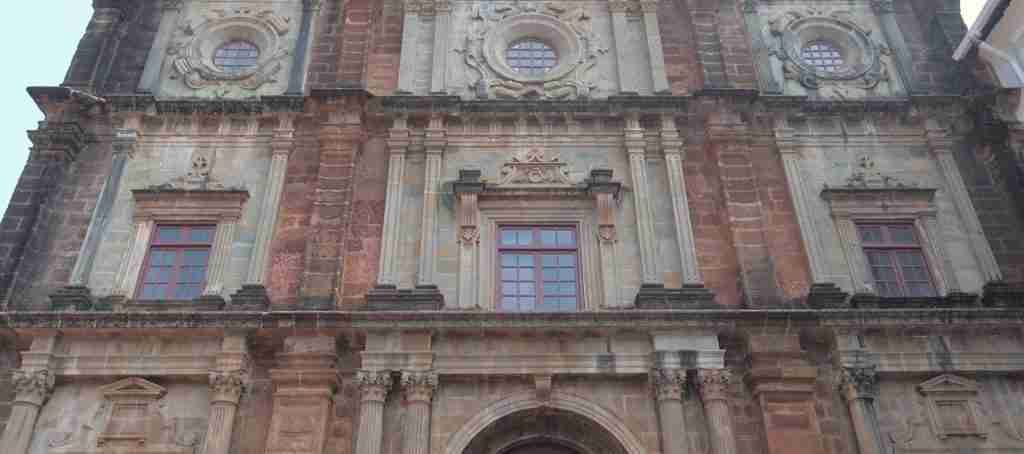
The flagship Old Goa heritage experience covers major UNESCO monuments within 2-hour guided walks departing 10:00 AM or 3:00 PM from Gandhi Circle meeting point. Make It Happen charges ₹1,100/person for groups of 5+, while Thrillophilia offers similar experiences at ₹950 with identical coverage and guide quality. Tours begin at Basilica of Bom Jesus exploring Baroque architecture housing St. Francis Xavier’s preserved remains, then proceed to Se Cathedral examining Asia’s largest church featuring the famous “Golden Bell” and 15 ornate altars.
Church of St. Francis of Assisi provides artistic highlights with preserved frescoes and wood paintings depicting the saint’s life, while attached Archaeological Museum showcases Portuguese-era artifacts and sculptures. St. Cajetan Church’s resemblance to Rome’s Basilica of St. Peter demonstrates colonial ambition recreating European grandeur in Asian context. Chapel of St. Catherine and Our Lady of the Rosary receive briefer visits highlighting architectural styles and historical significance, while Ruins of Church of St. Augustine provide dramatic photography subject and reflection on Old Goa’s diminished glory.
Tour inclusions comprise professional English-speaking guide (Portuguese, German, French available with advance request), entry to all monuments (inherently free but guide provides access to restricted areas and Archaeological Museum), bottled water, and comprehensive historical narrative linking sites to broader Portuguese colonial expansion. Tours accommodate maximum 15 people maintaining intimate group size for questions and detailed examination. Advance booking required minimum 24 hours though peak season demands 2-3 weeks notice ensuring availability.
Fontainhas Latin Quarter Walking Experience
Fontainhas represents Goa’s best-preserved Portuguese colonial neighborhood, featuring narrow cobbled streets, colorful houses with overhanging balconies, heritage homes with period furniture, and authentic Goan bakeries serving traditional pastries. Guided walks cost ₹1,100 for 1-hour experiences departing from Old Secretariat building, covering Immaculate Conception Church’s imposing whitewashed facade and baroque styling before meandering through residential streets lined with ochre, yellow, blue, and green painted houses.
Goa Tours operates highly-rated Fontainhas walks emphasizing architectural photography, local interaction, and cultural insights into Indo-Portuguese lifestyle persisting in this neighborhood. Tours stop at traditional bakeries sampling bebinca (Goan layered dessert) and bread rolls, visit heritage homes showcasing antique furniture and Portuguese tiles, and explore art galleries featuring local artists. The relaxed pace encourages photography, questions, and authentic neighborhood atmosphere rather than rushed monument-hopping.
Soul Travelling offers enhanced “5 Senses Walk” (₹1,650) adding sensory experiences including spice scent identification, traditional Goan cuisine tastings, fabric texture exploration in local shops, and musical elements through visits to venues preserving Portuguese fado traditions. This immersive approach suits travelers seeking deeper cultural engagement beyond standard architectural tours. All Fontainhas walks operate morning (9:00-10:00 AM) or late afternoon (4:00-5:00 PM) avoiding midday heat while capturing optimal photography light.
Fort Aguada Heritage and Sunset Tours
Fort Aguada, constructed 1612 as Portuguese defensive fortification protecting against Dutch and Maratha invasions, offers 17th-century military architecture with panoramic coastal views from clifftop position. Heritage walks cost ₹700-850 for 1.5-hour experiences combining historical narrative with sunset viewing from lighthouse and fort ramparts. Make It Happen’s night walk option (₹850) adds dramatic evening atmosphere with fort illumination and storytelling emphasis on prison facility history where Portuguese held political prisoners during Indian independence movement.
Tours explore lower fort sections near beach level, ascend to upper fort bastions examining cannon placements and defensive architecture, and visit freshwater storage systems that gave the fort its name (Aguada meaning “watering place”). The adjacent lighthouse (closed to public climbing) provides photography subject, while restored sections showcase Portuguese military engineering adapted to tropical climate. Guides narrate evolution from bustling port to defensive fort to prison facility to heritage monument, providing comprehensive historical arc spanning 400 years.
Sunset timing tours (4:30-6:00 PM) prove most popular for photography combining heritage architecture with Arabian Sea views and golden hour lighting. However, morning tours (9:00-10:30 AM) avoid crowds and heat while providing clearer views for distant photography. Both timing options include identical historical content with atmospheric differences only.
Spice Plantation Tours: Agricultural Heritage 2026
Goa’s spice plantations showcase traditional organic farming methods, tropical plant biodiversity, and Ayurvedic herb cultivation while providing authentic Goan lunch experiences in plantation settings. Tours cost ₹450-600/person with standardized inclusions making location convenience and organic certification primary selection criteria.
Top Spice Plantation Locations
Sahakari Spice Farm near Ponda represents most popular choice, charging ₹500/person for comprehensive plantation experience including 1-hour guided walk through cardamom, pepper, nutmeg, cinnamon, vanilla, and betel nut cultivation areas. Welcome drink comprises herbal tea made from plantation herbs, while traditional Goan buffet lunch features fish curry, chicken xacuti, vegetable preparations, rice, and local desserts prepared in traditional mud pots and served on dried leaf plates. The plantation maintains strong organic certification and sustainable farming practices, employing local community members and avoiding chemical fertilizers.
Tropical Spice Plantation matches Sahakari’s ₹500 pricing with identical core offerings enhanced by optional elephant sightings (where available, though increasingly discouraged due to animal welfare concerns) and riverside location providing scenic ambiance. The guided walk emphasizes medicinal properties of various spices and herbs used in Ayurvedic medicine, with guides explaining traditional preparation methods and health benefits. Buffet lunch includes vegetarian and non-vegetarian options accommodating dietary preferences with advance notice.
Tanshikar’s Organic Spice Farm in Netravali forest charges premium ₹600 pricing reflecting deeper eco-tourism commitment and black pepper trail specialty. Tours include spice processing demonstrations showing post-harvest drying, grinding, and packaging methods. The organic certification and sustainable tourism practices appeal to environmentally conscious travelers willing to pay slight premium for verified organic production and minimal environmental impact. Location requires longer travel time (60-75 minutes from North Goa beaches) but offers more pristine forest setting.
Savoi Plantation (₹500) adds traditional Goan house tours showcasing rural architecture with laterite construction, tile roofing, and antique furniture providing cultural context beyond agricultural focus. Pascoal Spice Village near Ponda emphasizes lush greenery and exotic herb variety with ₹500 standard pricing. Rustic Plantation in Valpoi offers offbeat location (₹450) with forest spice trail and fruit tasting included, suiting adventurous travelers willing to venture beyond mainstream Ponda area.
What to Expect During Plantation Tours
Tours operate daily 9:00 AM-4:30 PM with staggered departure times accommodating multiple groups without overcrowding. Upon arrival, welcome drinks (herbal tea or small cashew feni taste for adults) introduce plantation products while guides assemble groups of 15-20 people maximum. The 1-hour guided walk proceeds through cultivation areas with stops explaining individual spices – cardamom growing in shade, pepper climbing betel nut trees, nutmeg requiring specific climate conditions, cinnamon bark harvesting, and vanilla orchid pollination intricacies.
Guides demonstrate spice identification through smell, taste, and visual characteristics, encouraging participant interaction and questions throughout. Ayurvedic medicinal applications receive particular emphasis with explanations of turmeric’s anti-inflammatory properties, ginger’s digestive benefits, and various herbs used in traditional Indian medicine. Tropical fruits including pineapple, papaya, jackfruit, and star fruit grow interspersed with spices, with seasonal availability determining tasting opportunities.
Following the guided walk, buffet lunch service typically begins 12:00-1:00 PM in open-air thatched-roof restaurants. Traditional Goan dishes prepared with plantation-grown spices showcase authentic flavors rarely experienced in restaurant settings. Vegetarian options include vegetable xacuti, mushroom balchao, mixed vegetable curry, dal preparations, while non-vegetarian selections feature fish curry, chicken cafreal, pork vindaloo, and prawn preparations. Rice, bread, pickles, and local desserts complete the meal with unlimited servings included in tour price.
Post-lunch, small shops sell organic spices, cashew products, honey, Ayurvedic preparations, and plantation souvenirs at retail prices typically 20-30% below tourist market rates. Quality remains high with fresh harvest and organic certification appealing to buyers seeking authentic products. Tours conclude 2:30-3:00 PM with return transportation (if booked through tour operator) or independent departure for self-drive visitors.
Booking Spice Plantation Tours 2026
Direct booking through plantation websites or phone contact provides simplest approach with confirmed reservations and direct communication regarding dietary restrictions, timing preferences, and special requests. GTDC official tourism offers organized spice plantation tours at ₹500/person including round-trip transportation from North Goa hotels (additional ₹200-300 per person), ideal for travelers without scooter rentals or car access. Make It Happen and other heritage tour operators incorporate spice plantations into full-day itineraries combining Old Goa churches or Dudhsagar Waterfalls for ₹1,500-2,200 total.
Peak season (December-January) and weekend visits require 1-2 week advance booking ensuring lunch preparation and guide availability. Weekday visits during shoulder season allow walk-in access though advance notice remains courteous. Groups exceeding 10 people should always pre-book regardless of season, particularly for dietary accommodations requiring special preparation.
Combo Tours: Maximizing Time and Value 2026
Combination tours pair multiple experiences into full-day itineraries, reducing per-attraction costs while eliminating transportation coordination stress.
Old Goa Heritage + Spice Plantation Combo
Full-day tours (₹1,500-2,200/person) combine morning Old Goa UNESCO church visits (9:00 AM-12:00 PM) with afternoon spice plantation experience (1:00-4:00 PM), including round-trip transportation from North Goa hotels, all monument entries, plantation tour with lunch, and professional guide throughout. This combination proves highly efficient for culturally-focused travelers wanting comprehensive inland Goa exposure within single day, returning to beach accommodation by 5:00-6:00 PM.
Make It Happen and Soul Travelling operate this combination with slight variations in specific plantations visited and additional stops at craft markets or local villages. Transportation typically employs air-conditioned private vehicles accommodating 6-12 people depending on group size, with pickup/drop-off at major North Goa hotels included. The seamless experience eliminates scooter rental necessity and navigation challenges while providing expert commentary throughout.
Dudhsagar Waterfalls + Spice Plantation Adventure
Adventure-oriented combinations pair Dudhsagar Waterfalls jeep safari (₹1,200-1,500/person) with spice plantation visits for ₹2,200-3,500 full-day experiences. Tours depart 7:00-8:00 AM for 45-minute drive to Kulem area, followed by 1-hour jeep ride through Mollem National Park to waterfalls. Swimming at waterfall base (seasonal depending on water levels), photography, and nature exploration occupy 1.5-2 hours before return journey stopping at spice plantation for lunch and guided walk.
This combination works best October-January when waterfall flows remain strong post-monsoon but swimming pools have formed safely. March-May sees reduced water flow diminishing waterfall impact, while monsoon period (June-September) closes jeep access entirely due to dangerous conditions. Tours return to North Goa beaches by 5:00-6:00 PM, creating full but manageable day perfect for active travelers wanting nature and culture combined.
Fontainhas Walk + Food Trail Experience
Cultural combinations merge Fontainhas Latin Quarter architectural walk with Goan cuisine tasting trail (₹2,200-3,300, 3-4 hours), typically scheduling morning heritage walk (9:00-10:00 AM) followed by progressive food tastings at traditional bakeries, family restaurants, and local taverns through lunch period (11:00 AM-1:00 PM). These experiences suit food enthusiasts and cultural explorers wanting deeper engagement with Goan lifestyle beyond tourist beach culture.
The Goan Feni & Tapas Trail specifically (₹3,300) includes 4-5 venue stops with tastings, cultural commentary, cashew feni education, and traditional Goan tapas preparations. Guides narrate Portuguese culinary influence, ingredient sourcing from local markets, and family recipes passed through generations. Vegetarian adaptation possible though seafood and pork feature prominently in authentic preparations.
Self-Guided Walking Routes 2026
Independent exploration suits budget-conscious travelers, photography enthusiasts wanting flexible timing, and those preferring self-paced discovery over structured group tours.
Old Goa UNESCO Churches Self-Guided Route
Begin at Basilica of Bom Jesus (free entry, opens 9:00 AM) allowing 30-45 minutes examining Baroque architecture, St. Francis Xavier’s tomb, and interior artworks. Walk 200 meters to Se Cathedral (directly opposite) spending 30-40 minutes exploring 15 altars, “Golden Bell,” and Corinthian interior details. Church of St. Francis of Assisi sits adjacent requiring 20-30 minutes for church and Archaeological Museum combination.
St. Cajetan Church lies 400 meters east (10-minute walk) with Greek cross layout and Corinthian architecture warranting 20-25 minutes. Chapel of St. Catherine and Our Lady of the Rosary Church sit on hill requiring uphill walk but offering quieter exploration and medieval architecture appreciation (15-20 minutes each). Ruins of Church of St. Augustine provide dramatic conclusion with 46-meter tower and historical reflection (15 minutes). Total walking route covers approximately 2 kilometers requiring 3-4 hours with photography stops and interior contemplation.
Self-guided advantages include zero tour cost, flexible timing for optimal photography light, ability to revisit favorite monuments, and independent pace avoiding group rush. Disadvantages comprise missing deeper historical context, architectural analysis, and Archaeological Museum narratives that professional guides provide. Mobile apps and guidebooks partially compensate but lack interactive question opportunity and local perspective.
Fontainhas Latin Quarter Photography Walk
Start at Immaculate Conception Church (whitewashed baroque facade, free entry) before descending into Fontainhas neighborhood via Altinho Hill stairs providing elevated street views. Wander residential streets (Rua 31 de Janeiro, Rua São Tomé) photographing colorful Portuguese houses, overhanging balconies, decorative tiles, and narrow cobbled lanes. Stop at traditional bakeries sampling bebinca and bread products (₹50-150/item), visit Galeria Gitanjali art gallery showcasing local artists, and explore heritage cafés serving authentic Goan breakfast items.
Continue to Chapel of St. Sebastian featuring Neo-Gothic architecture and crucifixion artwork brought from Palace of Inquisition. Walk along riverfront (Campal promenade) before ascending through upper Fontainhas streets completing 2-3 kilometer loop requiring 2-3 hours with café stops and photography sessions. Self-guided approach allows unlimited photography time, café lingering, and spontaneous neighborhood interaction impossible during structured tours, though missing guide’s architectural insights and hidden details.
Panaji City Heritage Circuit
Comprehensive Panaji exploration combines Fontainhas Latin Quarter with Municipal Garden, Adil Shah Palace Gateway ruins, Church of Our Lady of the Immaculate Conception, Fontainhas Square galleries, and Mandovi River promenade. Total walking distance approximately 4-5 kilometers creates half-day itinerary (4-5 hours) perfect for cultural immersion before or after beach activities.
Begin 9:00-10:00 AM avoiding midday heat, bring water and sun protection, wear comfortable walking shoes, and carry camera with extra battery for extensive photography opportunities. Combine with lunch at Goan restaurant in Panaji (₹600-1,000 for two) experiencing authentic cuisine away from tourist beach shacks. Self-guided Panaji walk costs zero beyond refreshments and meals, providing exceptional cultural value for budget travelers.
Tour Operators and Booking Resources 2026
Selecting reputable tour operators ensures quality experiences, reliable scheduling, professional guides, and comprehensive inclusions eliminating planning stress.
Make It Happen: Premium Heritage Specialists
Make It Happen operates Goa’s most comprehensive heritage tour portfolio with experiences ranging ₹600-3,300 covering Old Goa churches (₹1,100), Fontainhas walks (₹1,100), Fort Aguada heritage (₹700-850), food trails (₹2,200-3,300), and specialized experiences like Escape Challenge at Aguada Jail. Professional guides receive extensive training in Portuguese colonial history, architecture, and cultural interpretation, consistently earning positive reviews for engaging storytelling and detailed knowledge.
Booking through makeithappen.co.in provides transparent pricing, detailed experience descriptions, cancellation policies (typically 24-hour full refund), and responsive customer service. Peak season booking requires 2-3 weeks advance notice, while shoulder season allows 5-7 days. Group discounts available for 8+ people with negotiated rates reducing per-person costs 10-15%. All tours include professional guides, water, and specified inclusions (museum entries, food tastings) with transportation optional at additional cost.
Soul Travelling: Cultural Immersion Focus
Soul Travelling emphasizes deep cultural engagement through interactive experiences, local community involvement, and sensory immersion beyond standard monument visits. Heritage walks through Saligao village, Panjim neighborhoods, and cultural landmarks incorporate resident interactions, traditional practices observation, and authentic lifestyle glimpses. Pricing ranges ₹1,100-2,750 with experiences specifically designed for travelers seeking meaningful cultural exchange rather than superficial sightseeing.
The company’s website (soultravelling.in) showcases experience philosophy, guide profiles, and booking procedures. Small group sizes (maximum 12 people) maintain intimate atmospheres conducive to questions and interaction. Advance booking recommended particularly for specialized experiences like village walks requiring resident coordination and cultural performances necessitating artist scheduling.
GTDC: Official Goa Tourism
Goa Tourism Development Corporation (GTDC) operates government-backed tours providing reliable baseline experiences at standardized pricing. Spice plantation tours cost ₹500/person with organized transportation from North Goa hotels (additional ₹200-300), while city tours covering Old Goa, Panaji, and major landmarks operate daily at budget-friendly rates. Professional licensed guides and air-conditioned coaches ensure comfortable experiences, though group sizes can reach 40-50 people reducing interaction opportunities.
Book through goatourismhotels.com or GTDC hotel reception desks with advance payment securing reservations. Peak season sees full buses requiring 1-2 week advance booking, while off-season allows walk-in availability. Budget travelers appreciate GTDC’s transparent pricing and no-haggling approach, though private operators often provide more personalized experiences for modest premium.
Thrillophilia and GetYourGuide: Aggregator Platforms
Thrillophilia.com and GetYourGuide.com aggregate multiple tour operators, allowing price comparison and review verification across providers. Heritage walks, spice plantations, and adventure tours appear with verified customer reviews, detailed inclusions, cancellation policies, and instant booking confirmation. These platforms add convenience layer for travelers preferring familiar booking interfaces and consolidated itineraries.
Prices typically match direct operator rates (₹950-1,100 for Old Goa walks, ₹500-600 for spice plantations) with occasional promotional discounts. Read reviews carefully verifying recent experiences and guide quality. Platform customer service handles disputes and cancellations more efficiently than direct operator contact in some cases, providing additional security for advance bookings.
Seasonal Considerations for Tours 2026
Tour availability, pricing, and experience quality vary significantly across Goa’s distinct seasons requiring strategic planning around weather and tourist patterns.
Peak Season (November-February)
Peak season delivers optimal weather (25-32°C, minimal rainfall) for heritage walks and spice plantations, with comfortable temperatures for outdoor exploration and full operational capacity across all tours. However, demand drives 2-3 week advance booking requirements, higher group sizes reducing interaction quality, and occasional crowding at UNESCO churches diminishing contemplative atmosphere. Tour prices remain stable year-round (operators rarely implement seasonal pricing), but transportation and accommodation premiums indirectly increase overall costs.
December 20-January 5 represents extreme peak with some tours selling out completely requiring 3-4 week advance booking and flexible timing acceptance. Morning tours (9:00-11:00 AM) prove most popular requiring earliest booking, while afternoon options maintain better availability. Heritage walks operate comfortably during peak season unlike beach activities affected by crowds, making cultural touring strategic activity during busiest periods.
Shoulder Season (March-May, September-November)
March-May experiences rising temperatures (30-35°C) making midday heritage walks uncomfortable but early morning (8:00-10:00 AM) and late afternoon (4:00-6:00 PM) tours entirely viable. Reduced tourist numbers create intimate tour groups, better guide interaction opportunities, and more contemplative UNESCO church experiences. Spice plantations showcase lush greenery pre-monsoon while post-monsoon (September-November) periods offer fresh growth and optimal agricultural viewing.
Booking windows compress to 5-7 days advance notice with walk-in availability possible for some experiences. Operators appreciate advance booking but rarely see full capacity allowing spontaneous decisions. Negotiation opportunities emerge for group tours with operators willing to offer 10-15% discounts for 6+ people booking together.
Monsoon Season (June-September)
Heavy rains (June-August particularly) limit outdoor spice plantation tours with muddy access roads, slippery plantation paths, and reduced visitor comfort. Some operators suspend plantation tours entirely during peak monsoon (July-August) while others continue with weather-dependent cancellations possible. Heritage walking tours operate year-round as UNESCO churches provide indoor air-conditioned shelter, though walking between monuments involves rain exposure requiring umbrellas and waterproof footwear.
Monsoon delivers lowest tourist numbers creating private tour atmospheres with guides often conducting exclusive experiences for 1-2 people at standard group rates. The lush green landscapes provide stunning photography particularly spice plantations and interior Goa countryside. However, beach closures, reduced nightlife, and limited water sports make monsoon primarily suitable for cultural-focused travelers prioritizing heritage over beach activities.
Photography Tips for Heritage Sites 2026
Heritage sites and spice plantations offer exceptional photography opportunities with strategic approaches maximizing results.
UNESCO Churches Photography
Interior church photography challenges include low light conditions requiring higher ISO settings (800-3200), slower shutter speeds necessitating image stabilization or tripods, and restrictions on flash photography near main altars. Arrive early morning (9:00-10:00 AM) when natural light streams through windows providing illumination without harsh shadows. Late afternoon (4:00-5:00 PM) creates golden light highlighting baroque details and architectural features.
Basilica of Bom Jesus’s exposed laterite exterior photograph beautifully during golden hour (5:30-6:30 PM) with warm tones enhancing red stone color. Se Cathedral’s massive whitewashed facade requires morning front-light (9:00-11:00 AM) avoiding harsh midday overhead sun. Church of St. Francis of Assisi’s interior frescoes benefit from careful exposure balancing to preserve detail in both bright windows and darker painted areas.
Wide-angle lenses (16-35mm full-frame equivalent) capture church interiors and architectural grandeur, while 24-70mm versatile zooms handle most situations. Avoid disrupting worship services or using flash during active religious ceremonies. Tripods generally permitted except during services, though monopods provide stabilization with less obtrusive presence.
Fontainhas Architectural Photography
Fontainhas’s colorful Portuguese houses photograph optimally during soft morning light (8:00-10:00 AM) or late afternoon (4:00-6:00 PM) when low-angle sun creates texture and depth. Narrow streets benefit from vertical compositions emphasizing building heights and overhanging balconies. Architectural details like tiles, windows, and doorways reward macro or close-up approaches with 50-100mm focal lengths.
Residents generally tolerate respectful photography of house exteriors but seek permission before photographing people or private interior spaces visible through open doors. Heritage homes offering tours explicitly permit photography providing excellent opportunities for period furniture, antique objects, and architectural details documentation.
Spice Plantation Photography
Spice plantations offer macro photography opportunities capturing spice flowers, leaves, and fruits with 90-105mm macro lenses revealing intricate details invisible to naked eye. Early arrival (9:00-10:00 AM tours) provides optimal light filtering through canopy creating dappled patterns and soft illumination. Guided walks pause frequently allowing photography without group pressure, though communicating photography priority with guides ensures adequate time at photogenic subjects.
Wide-angle shots (16-35mm) capture plantation scale, canopy architecture, and environmental context. Portrait orientations work well for vertical pepper vines climbing betel nut trees. Buffet lunch setups, traditional serving implements, and food presentations create cultural documentation opportunities though seek permission before photographing kitchen areas or staff.
Family-Friendly Tour Considerations 2026
Heritage tours and spice plantations accommodate families with children through age-appropriate approaches and practical planning.
Age Suitability
Heritage walking tours suit children 8+ years capable of 2-hour walks with moderate attention spans for historical narrative. Younger children (4-7 years) struggle with extended walking and historical content, though spice plantations engage this age group through interactive elements like spice smell identification, tropical fruit tastings, and outdoor exploration. Children under 5 years enter spice plantations free (₹500 charge applies 5+ years), though long lunch periods and guided walks may test patience requiring parental entertainment strategies.
Fort Aguada tours particularly appeal to children with fortress architecture, coastal views, and historical storytelling about battles and prisoners creating engaging narratives. UNESCO churches prove hit-or-miss with younger visitors depending on individual interest in art and architecture versus restlessness in quiet sacred spaces.
Practical Family Modifications
Request shorter tour versions or self-guided approaches allowing flexible breaks matching children’s energy levels and attention spans. Bring snacks, water, sun protection, and entertainment items (small toys, books) for younger children during adult-focused segments. Spice plantation buffet lunches generally please children with familiar rice and mild curry options alongside more adventurous traditional preparations.
Some tour operators offer family-specific experiences with interactive elements, scavenger hunts, and child-friendly explanations. Inquire when booking about family accommodation and guide experience with children ensuring appropriate expectations and delivery.
Accessibility and Special Requirements 2026
Heritage sites and tours present varying accessibility levels requiring advance planning for mobility-limited visitors.
Wheelchair and Mobility Considerations
Old Goa’s UNESCO churches feature ground-level access to main areas though some interior sections involve steps limiting complete wheelchair exploration. Basilica of Bom Jesus and Se Cathedral provide relatively flat access to primary spaces, while Church of St. Francis of Assisi and attached museum include stairs complicating wheelchair navigation. Self-guided approaches allow focusing on accessible areas versus structured tours covering all sites regardless of accessibility.
Fontainhas Latin Quarter features cobbled streets, hills, and uneven surfaces challenging for wheelchairs and limited mobility. Walking assistance, resting spots, and abbreviated routes accommodate moderate mobility limitations, though complete neighborhood exploration requires substantial walking capability. Fort Aguada involves significant elevation changes and rough terrain unsuited for wheelchairs.
Spice plantations explicitly note wheelchair access limitations due to narrow plantation paths, rough surfaces, and slippery conditions. Some plantations accommodate wheelchairs in specific areas (welcome area, restaurant, shops) while walking tour participation remains challenging. Contact plantations directly discussing specific mobility situations and determining suitable participation levels.
Dietary Restrictions and Allergies
Spice plantation tours accommodate vegetarian requirements with advance notice ensuring adequate vegetarian buffet preparation. Pure vegetarian (no eggs) and vegan requests require explicit communication as default vegetarian often includes egg preparations and ghee. Spice plantations cannot guarantee gluten-free or allergen-free preparations due to shared cooking equipment and traditional recipe constraints, though simple rice and vegetable curry generally prove safe for common allergies.
Food trail tours present greater challenges for restricted diets given emphasis on traditional preparations incorporating seafood, pork, and specific ingredients. Communicate dietary requirements when booking allowing operators to modify experiences or recommend alternative tours better suited to restrictions.
Frequently Asked Questions
How long do spice plantation tours take in 2026?
Standard spice plantation tours require 3-4 hours total including 1-hour guided plantation walk, 1-1.5 hours for buffet lunch, and 30-45 minutes for welcome drink, spice shop browsing, and photography. Tours typically operate 9:00 AM-4:30 PM with staggered departure times allowing 10:00 AM, 11:00 AM, or 12:00 PM starts depending on plantation and group size. Full-day combinations pairing spice plantations with Old Goa heritage sites or Dudhsagar Waterfalls extend to 7-8 hours including round-trip transportation from North Goa beaches. Budget half-day (9:00 AM-1:00 PM or 12:00 PM-4:00 PM) for plantation-only experiences, allowing afternoon beach time or complementary activities.
Can I do Old Goa heritage walk and spice plantation in one day?
Yes, combining Old Goa UNESCO churches and spice plantation visits proves entirely feasible within single day through self-guided approach or organized combo tour. Self-guided option: visit Old Goa churches 9:00 AM-12:00 PM (3 hours), drive to Ponda-area spice plantation arriving 12:30-1:00 PM for lunch and afternoon tour (3 hours), return to beaches by 5:00 PM. Organized combo tours (₹1,500-2,200) handle all logistics including transportation, guide services, and coordinated timing eliminating planning stress. This combination creates full cultural day perfect for travelers wanting comprehensive inland Goa exposure before focusing remaining trip on beaches and nightlife. Attempting both experiences plus Dudhsagar Waterfalls proves overly ambitious creating rushed, exhausting day better split across two days.
What should I wear for heritage walking tours?
Modest clothing with covered shoulders and knees required for UNESCO church entry, meaning no tank tops, sleeveless shirts, shorts above knee, or short skirts. Lightweight cotton or linen fabrics provide comfort in tropical heat while maintaining appropriate coverage. Comfortable walking shoes essential for cobblestone streets, uneven surfaces, and 2-3 hour walking durations – avoid flip-flops, high heels, or new shoes causing blisters. Sun protection includes hat, sunglasses, and sunscreen for outdoor walking segments between churches. Bring small daypack carrying water, camera, and light jacket for air-conditioned church interiors that can feel cold after outdoor heat. Fontainhas and Fort Aguada tours maintain same modesty standards though slightly more casual than active religious sites.
Are spice plantation tours worth it for non-cooks?
Absolutely yes – spice plantation tours provide cultural, agricultural, and environmental education extending far beyond culinary applications. Tours showcase traditional organic farming methods, tropical plant biodiversity, Ayurvedic medicinal uses, sustainable agriculture practices, and rural Goan lifestyle offering perspective unavailable through beach-focused tourism. The buffet lunch experience introduces authentic Goan flavors in traditional preparation context, while plantation landscapes provide photography opportunities and nature exposure complementing beach environments. Even non-cooks appreciate understanding spice origins, cultivation requirements, and processing methods that contextualize grocery store products into agricultural reality. Tours suit nature enthusiasts, cultural learners, photographers, and anyone seeking diverse Goa experiences beyond stereotypical beach party tourism.
Can I tip tour guides in Goa?
Tipping tour guides remains optional but appreciated, with ₹200-500/person representing standard gratuity for excellent 2-3 hour guided experiences. Heritage walk guides receiving ₹300-400/person for exceptional service, knowledge depth, and engaging delivery prove customary among satisfied participants. Spice plantation guides typically receive ₹100-200/person though tipping culture varies as lunch buffet inclusion represents substantial value. Tour operator pricing already includes guide wages, making tips genuine appreciation gestures rather than expected income supplements. Cash tips directly to guides ensure they receive full amount versus percentage deductions if processed through operators. Groups pooling tips providing single larger gratuity simplifies multiple-person coordination while maximizing guide appreciation.
What’s the best month for spice plantation tours in 2026?
November through February represents optimal period combining perfect weather (25-32°C, minimal rainfall), lush plantation landscapes post-monsoon, comfortable walking conditions, and peak spice flowering for some varieties. October shows very green environments immediately post-monsoon though occasional rain showers possible. March-April experiences rising temperatures making early morning tours (9:00-10:00 AM) preferable to midday heat. May heat becomes uncomfortable for extended outdoor walks, while June-August monsoon brings heavy rains, muddy paths, and reduced plantation access with some operators suspending tours entirely. September marks monsoon tail-end with improving conditions and renewed greenery. For photography, flower observation, and maximum comfort, book November-January tours while accepting peak season requires 2-3 week advance reservations.
Are private heritage tours available in Goa?
Yes, private heritage tours accommodate couples, families, or small groups preferring exclusive guide attention, flexible timing, and customized content focus. Make It Happen, Soul Travelling, and other operators arrange private experiences typically costing 150-200% of standard group tour rates (₹1,650-2,200 for 2-person private Old Goa walk versus ₹950-1,100 group rate). Private tours allow personalized pace, extensive photography time, deeper question engagement, and content emphasis matching specific interests (architectural details, religious history, Portuguese colonial governance, etc.). Groups of 4-6 people find private tour per-person costs approaching group rates while maintaining exclusive experience benefits. Book private tours minimum 1-2 weeks advance allowing operator scheduling and guide assignment ensuring expertise match to requested focus areas.
How physically demanding are heritage walking tours?
Old Goa heritage walks involve moderate physical demands with 2-3 kilometers walking over 2-3 hours on mostly flat terrain with occasional steps and uneven surfaces. Average fitness levels handle these walks comfortably with frequent stops at monuments providing rest opportunities. Fontainhas tours include hill sections and stairs requiring moderate fitness though slower pace and shorter 1-hour duration reduce demands. Fort Aguada involves more strenuous uphill walking and uneven fort surfaces requiring good fitness levels, particularly for combined fort and lighthouse tours. Spice plantations feature 1-hour walks on plantation paths with moderate inclines, occasional muddy spots, and uneven surfaces – comfortable for most fitness levels though anti-slip footwear recommended. Senior travelers and those with minor mobility limitations complete heritage walks successfully by communicating pace preferences with guides who accommodate slower progression and additional rest stops.
Can I visit spice plantations without a tour?
Technically possible though highly impractical as spice plantations require property entry permission, guided interpretation for spice identification and agricultural understanding, and lunch reservations for buffet service. Plantations primarily cater to organized tours with walk-in individuals redirected to scheduled tour groups upon arrival. Some plantations allow independent property walking with basic entry fee (₹100-200) excluding guide and lunch, though this provides minimal value versus full tour experience. The ₹450-600 tour pricing represents exceptional value considering buffet lunch alone typically costs ₹400-500 in restaurants, making guided tour inclusion essentially free when viewed as lunch with complementary agricultural education. Skip tour concept entirely and simply visit if seeking only spice shopping without cultural/agricultural learning, as plantation shops sell directly to walk-in customers without tour participation required.
What languages are heritage tours conducted in?
English represents primary language for heritage tours given international tourist focus, with all major operators providing fluent English-speaking guides as standard. Portuguese language tours available through Make It Happen and specialized operators with advance request (minimum 1-week notice), appealing to Portuguese-speaking tourists and those seeking authentic colonial language experience. German, French, and Spanish tours possible through some operators though requiring longer advance notice (2-3 weeks) for guide scheduling and typically commanding slight premium (10-20% additional). GTDC government tours operate exclusively in English without alternative language options. Hindi tours exist for domestic tourists but rarely relevant for international visitors. When booking non-English tours, confirm guide language proficiency and subject matter expertise as some operators assign general guides with translation assistance rather than subject-expert native speakers.