Glasgow Travel Guide 2026: Complete Visitor’s Guide to Scotland’s Largest City
Scotland’s largest city pulses with creative energy, Victorian grandeur, and a cultural vibrancy that rivals any European destination. Glasgow combines world-class museums, thriving food scenes, and architectural masterpieces with genuine Scottish warmth, offering travelers an authentic urban experience that extends far beyond Edinburgh’s shadow. This comprehensive 2026 guide delivers everything needed to navigate Scotland’s most dynamic city.
Key Takeaways
- Budget-Friendly Culture: Glasgow’s exceptional museums—including Kelvingrove Art Gallery, Riverside Museum, The Burrell Collection, and Gallery of Modern Art—offer free admission, providing world-class cultural experiences without admission costs.
- Daily Travel Costs 2026: Budget travelers need £49-84 ($63-110) per person daily assuming two sharing budget accommodation, mid-range visitors spend £130-192 ($170-250) per person daily, and luxury travelers invest £260-405 ($340-525) per person daily.
- Commonwealth Games Summer 2026: Glasgow hosts the Commonwealth Games from July 23-August 2, 2026, bringing international sporting events, cultural celebrations, and increased city energy during peak summer season.
- Transportation Value: The circular Glasgow Subway provides efficient city navigation with smartcard fares at £1.80 ($2.30) per journey or £3.40 ($4.35) for unlimited all-day travel, connecting major neighborhoods and attractions.
- Charles Rennie Mackintosh Legacy: Glasgow showcases Scotland’s most celebrated architect through numerous sites including The Lighthouse, Mackintosh House at The Hunterian, and House for an Art Lover, offering comprehensive architectural immersion.
- Thriving Food Scene 2026: The city’s culinary landscape features everything from £3-5 ($4-6) Greggs breakfast rolls to £40-70+ ($50-90+) fine dining, with particularly strong South Asian cuisine earning Glasgow recognition as Britain’s “Curry Capital.”
People Also Ask About Glasgow Travel 2026
How Much Does Glasgow Cost Per Day in 2026?
Glasgow costs £49-84 ($63-110) per person daily for budget travelers, £130-192 ($170-250) for mid-range visitors, and £260-405 ($340-525) for luxury travelers, assuming two people sharing hotel accommodation. Budget travelers stay in hostels at £25-30 ($32-39) per person, eat at casual restaurants and cafes spending £21-32 ($27-42) on meals, use public transport for £3-7 ($4-9), and focus on Glasgow’s extensive free museum offerings. Mid-range travelers select hotels at £65-90 ($85-117) per person share, dine at established restaurants spending £43-62 ($56-81) daily on food, budget £7-15 ($9-20) for mixed transport including occasional taxis, and allocate £15-25 ($20-33) for paid tours and special exhibitions. Luxury visitors book upscale hotels at £120-180 ($155-235) per person, enjoy fine dining totaling £90-135 ($117-175) daily, use taxis and private transfers costing £20-40 ($26-52), and spend £30-50 ($39-65) on premium experiences and private tours.
What’s the Best Time to Visit Glasgow in 2026?
May through June and September represent Glasgow’s optimal visiting windows in 2026, offering mild weather, manageable crowds, and lower accommodation costs compared to July-August peak season. May temperatures reach 13-16°C (55-61°F) with increasing daylight extending to nearly 17 hours by month end, while September maintains 12-16°C (54-61°F) with autumn colors emerging in the city’s parks. July-August delivers the warmest weather at 15-19°C (59-66°F) but brings Commonwealth Games crowds from July 23-August 2, significantly higher hotel rates, and heavy tourism pressure at major attractions. Winter months (November-February) offer the lowest prices with hotels dropping to £85-130 ($110-170) nightly compared to £140-220+ ($180-285+) in summer, though shorter daylight hours restrict sightseeing and some Highland day trips face weather limitations. The city’s extensive indoor cultural offerings—museums, galleries, distillery tours—make Glasgow particularly attractive during shoulder and off-peak seasons when outdoor-dependent destinations lose appeal.
Is Glasgow Safe for Tourists in 2026?
Glasgow ranks as a safe city for tourists in 2026, with violent crime concentrated in specific residential areas well outside visitor zones and petty theft remaining the primary concern in crowded tourist locations. The city center, West End, Merchant City, and major attraction areas maintain strong police presence and excellent street lighting, with most visitors experiencing no safety incidents during their stay. Standard urban precautions apply: remain aware of surroundings in busy areas like Buchanan Street and Sauchiehall Street, keep valuables secured in crowded subway cars and tourist hotspots, avoid displaying expensive electronics or jewelry, and use licensed black cabs or reputable ride-share services late at night. The Glasgow Subway operates safely until approximately 11:30 PM on weekdays with regular security patrols, though late-night travelers should consider taxis when returning to accommodations after midnight. Women traveling alone report positive experiences in Glasgow, with the West End’s cafe culture, well-lit streets, and active evening foot traffic creating comfortable solo exploration environments. Emergency services respond quickly throughout the city center, and most locals provide helpful assistance when visitors need directions or recommendations.
How Many Days Should I Spend in Glasgow in 2026?
Three to four days provides sufficient time to experience Glasgow’s essential attractions, cultural offerings, and distinctive neighborhoods while allowing rhythm for the city’s cafe culture and evening pub scenes. First-time visitors typically allocate one day for major museums (Kelvingrove, Riverside Museum), one day exploring the West End and Mackintosh architecture, one day in the city center including shopping and cathedral district, and potentially a fourth day for either a Highland day trip or deeper neighborhood exploration. A well-paced three-day itinerary covers Kelvingrove Art Gallery and Glasgow Cathedral on day one, the West End including University of Glasgow and Mackintosh House on day two, and the Riverside Museum with Clydeside explorations on day three. Visitors with specific interests—architecture enthusiasts touring every Mackintosh site, museum devotees spending half-days in individual collections, food lovers taking multiple culinary tours—benefit from five to six days. Glasgow serves effectively as a base for day trips to Loch Lomond (45 minutes by train), Stirling Castle (30 minutes), or even Edinburgh (50 minutes), potentially justifying extended stays for travelers wanting both urban and Highland experiences. The city’s compact core and efficient public transport allow concentrated sightseeing without exhausting travel times between attractions, making shorter visits viable for travelers combining Glasgow with broader Scotland itineraries.
Extended multi-day tours – 5+ days
Featured Glasgow Multi-Day Tour Packages
3 days
Glasgow 3-Day Discovery Tour
- ✓ Comprehensive Glasgow experience
- ✓ Expert local guides included
- ✓ All accommodation included
- ✓ Transportation provided
5 days
Glasgow 5-Day Highlights Experience
- ✓ Comprehensive Glasgow experience
- ✓ Expert local guides included
- ✓ All accommodation included
- ✓ Transportation provided
7 days
Glasgow 7-Day Cultural Journey
- ✓ Comprehensive Glasgow experience
- ✓ Expert local guides included
- ✓ All accommodation included
- ✓ Transportation provided
10 days
Glasgow 10-Day Complete Adventure
- ✓ Comprehensive Glasgow experience
- ✓ Expert local guides included
- ✓ All accommodation included
- ✓ Transportation provided
Multi-day tour packages powered by TourRadar. Prices and availability subject to change.
Understanding Glasgow in 2026
Glasgow emerges from its industrial shipbuilding past as Scotland’s cultural powerhouse, combining Victorian grandeur with contemporary creativity across neighborhoods that each express distinct personalities. The city’s 600,000 residents create Scotland’s densest urban energy, concentrated along the River Clyde where former docklands transform into cultural quarters, residential developments, and entertainment districts. Glasgow’s reputation for friendly locals extends beyond Scottish stereotype into genuine daily reality, with Glaswegians typically more outgoing and conversational than Edinburgh counterparts, creating approachable urban encounters from cafe interactions to pub conversations.
The city center radiates from George Square, Glasgow’s civic heart featuring Victorian statuary and the elaborate City Chambers, extending south through the shopping districts of Buchanan Street and Argyle Street where pedestrianized thoroughfares host major British retailers alongside independent boutiques. The Merchant City stretches east from George Square, occupying the historic merchant quarter where 18th-century warehouses convert into design studios, craft breweries, and upscale restaurants, particularly concentrated along Ingram Street and Wilson Street. The West End, Glasgow’s bohemian intellectual quarter, clusters around the University of Glasgow’s Gothic Revival campus, spreading through residential streets lined with blonde sandstone tenements, vintage shops on Byres Road, and the green expanses of Kelvingrove Park.
The 2026 calendar brings exceptional timing to Glasgow visits, with the Commonwealth Games returning to the city from July 23 through August 2 after Glasgow’s successful 2014 hosting. This streamlined event features 10 sports across 4 venues—including gymnastics, swimming, and athletics—with fully integrated para-sports representing a Commonwealth Games first. The sporting program creates heightened city atmosphere during summer peak season, though travelers seeking quieter experiences should note increased crowds and elevated hotel rates during this specific two-week window. Beyond the Games, 2026 sees continued development of the Clydeside waterfront with the new Clydeside Containers dining complex opening as a permanent outdoor food and entertainment venue, the transformation of York Hill Quay beginning infrastructure works, and multiple urban regeneration projects reshaping former industrial zones into mixed-use neighborhoods.
Glasgow’s architectural heritage spans medieval origins through Victorian prosperity to contemporary innovation, with Charles Rennie Mackintosh’s Art Nouveau masterworks representing the city’s most distinctive contribution to global design. The 12th-century Glasgow Cathedral survives as mainland Scotland’s only medieval cathedral intact from the Reformation, its Gothic architecture overlooking the Necropolis cemetery’s Victorian monuments on the hillside above. Victorian wealth manifests throughout the city center in elaborate tenement facades, ornate commercial buildings, and the spectacular City Chambers interior with its marble staircases and mosaic ceilings. Mackintosh’s influence permeates the city through The Lighthouse (his first public commission), Mackintosh House at The Hunterian (reconstructed interiors from his demolished home), House for an Art Lover (built from his 1901 competition drawings), and numerous tea rooms, schools, and churches bearing his distinctive linear style and integration of architecture, furniture, and decorative elements.
The River Clyde, once synonymous with global shipbuilding that launched ocean liners including the Queen Mary, now anchors Glasgow’s cultural and recreational life through waterfront museums, pedestrian bridges, and riverside pathways connecting attractions from the Riverside Museum’s transport collection to the Tall Ship docked alongside. The Clyde’s transformation from industrial waterway to urban amenity symbolizes Glasgow’s broader evolution from industrial powerhouse to cultural destination, maintaining working-class authenticity while developing sophisticated cultural infrastructure. This industrial heritage informs Glasgow’s character—pragmatic, unpretentious, and creatively industrious—distinguishing it from Edinburgh’s more formal tourist-oriented personality and creating genuine urban experiences that attract travelers seeking authenticity over polish.
Getting to Glasgow 2026
Glasgow Airport serves as Scotland’s primary international gateway for North American and European travelers, located 8 miles west of the city center with direct flights from major hubs and expanding transatlantic service for 2026. United Airlines inaugurates daily Newark-Glasgow service operating May through September 2026, joining existing Delta seasonal flights from New York-JFK and WestJet’s increased frequency from Toronto with four weekly departures. These enhanced North American connections complement year-round European services from Amsterdam, Paris, Frankfurt, and numerous other continental cities, making Glasgow increasingly accessible for international travelers.
The Glasgow Airport Express bus 500 provides the primary public transport link between the airport and city center, operating every 10 minutes during peak hours with journey times of 25 minutes to Buchanan Bus Station (£8-9 / $10-12). This service stops at multiple city center locations including Queen Street Station and Central Station, delivering convenient access to most hotel areas without transfers. Taxis cost £25-30 ($32-39) for the airport-city center journey with journey times of 20-30 minutes depending on traffic, while Uber and other ride-share services charge similar rates. Travelers booking accommodation in the West End should confirm whether Glasgow Airport Express stops near their hotel or whether a connecting subway journey proves necessary from city center drop-off points.
Edinburgh Airport, located 35 miles east of Glasgow, sometimes offers better international flight options or lower fares for travelers willing to make the cross-country connection. The Airlink 100 bus connects Edinburgh Airport to Edinburgh city center (£5 / $6.50, 30 minutes), where frequent trains depart for Glasgow Queen Street or Glasgow Central stations (£15-17 / $20-22, 50 minutes). This combined journey requires 90-110 minutes total travel time and involves managing luggage through transfers, making it practical only when Edinburgh flights offer significant cost savings or better routing from origin cities.
Train services position Glasgow as Scotland’s rail hub, with Glasgow Queen Street Station handling most Edinburgh services (departures every 15 minutes, 50-minute journey, £15-17 / $20-22) and connections north to Stirling, Perth, and the Highlands, while Glasgow Central Station manages services from England including London Euston (4.5-5.5 hours, £55-150+ / $70-195+ depending on booking timing and flexibility). The West Highland Line, frequently cited among the world’s most scenic rail journeys, departs from Glasgow Queen Street to Oban (3 hours) and Fort William (3.5-4 hours), offering spectacular Highland scenery as a day trip or connection to Scotland’s western coastal regions. Advance train bookings through ScotRail or TrainLine, typically made 12 weeks before travel, deliver substantial savings compared to day-of purchase, with flexible tickets costing double or triple the advance purchase rates.
Driving to Glasgow proves practical for travelers touring broader Scotland, though city parking costs and restrictions make car rental more sensible as a base-and-explore strategy rather than for in-city mobility. The M8 motorway connects Glasgow with Edinburgh (45 miles east) and continues west toward Greenock and Gourock, while the M74 provides routes south toward England and the M80 leads north toward Stirling and the Highlands. City center parking rates reach £15-25 ($20-33) daily at commercial lots, with limited street parking requiring payment typically until 6 PM weekdays. Travelers staying multiple days in Glasgow typically find better value parking at their hotel (£10-15 / $13-20 daily at most city hotels) and using public transport for in-city movement, reserving vehicle use for day trips to Loch Lomond, Stirling Castle, or Highland destinations where public transport proves less practical.
Buchanan Bus Station, Scotland’s largest bus terminal located in the city center adjacent to the Buchanan Street shopping district, handles intercity services including Megabus and Scottish Citylink routes from Edinburgh (£8-12 / $10-16, 1.25 hours), London (8-9 hours overnight services, £25-45 / $32-59), and destinations throughout Scotland. Budget travelers often find bus services significantly cheaper than equivalent train journeys, particularly on the Glasgow-Edinburgh route where bus frequency matches trains but costs half the price, though journey times extend 20-30 minutes beyond rail travel due to motorway traffic and additional stops.
Transportation Within Glasgow 2026
The Glasgow Subway, affectionately known as the “Clockwork Orange” for its distinctive orange trains and circular route, operates as the world’s third-oldest underground system and Glasgow’s most efficient transport for visitors. The 15-station circular line connects the city center with the West End and southside neighborhoods, running clockwise (Outer Circle) and counterclockwise (Inner Circle) with trains arriving every 4-8 minutes during peak hours. Smartcard fares cost £1.80 ($2.30) per journey or £3.40 ($4.35) for unlimited all-day travel, offering exceptional value for tourists making multiple trips. Weekly tickets at £14.50 ($19) deliver further savings for longer stays, while contactless payment cards work directly at entry gates without requiring separate ticket purchase.
Key visitor stations include Buchanan Street (city center, Buchanan Galleries shopping, and connections to Queen Street Station), St Enoch (Argyle Street shopping and connections to Central Station), Hillhead (West End cafes, Byres Road, and University of Glasgow area), Kelvinbridge (Kelvingrove Park and access to Kelvingrove Art Gallery), Ibrox (Rangers Football Club stadium), and Cowcaddens (Theater Royal and northern city center). The circular system’s simplicity—trains travel one direction around the circle from any station—eliminates complex routing decisions, though understanding whether destinations lie clockwise or counterclockwise from current location saves time. The system operates Monday-Saturday 6:30 AM to approximately 11:30 PM, with Sunday service running 10 AM to approximately 6 PM, requiring taxis or night buses for late evening returns from restaurants or entertainment venues.
First Bus operates the primary bus network throughout Glasgow and surrounding areas, with extensive routes covering destinations the Subway doesn’t reach including eastern neighborhoods, Glasgow Green, and areas north of the River Clyde. Single bus fares cost £1.85-2.60 ($2.40-3.40) depending on distance, with exact change required for cash payments, though contactless cards work throughout the system. Day tickets at £4.70 ($6.10) allow unlimited bus travel, though most visitors find the Subway’s all-day ticket more practical given the system’s efficiency for typical tourist movements. Bus routes prove particularly valuable for reaching the Riverside Museum (routes 100, 41) and The Burrell Collection in Pollok Country Park (routes 45, 48, 57), both attractions lying beyond Subway reach.
Walking represents Glasgow’s most rewarding transport mode for city center exploration, with most major shopping, dining, and entertainment concentrated within a compact 15-20 minute walking radius of George Square. The city’s grid-pattern streets in the center and Merchant City facilitate navigation, while the West End’s residential character invites leisurely strolling through tree-lined terraces and hidden lanes. Key walking routes include George Square to Glasgow Cathedral (15 minutes uphill, passing through the medieval district), city center to West End via Sauchiehall Street (25-30 minutes, passing through both commercial and residential zones), and the Clyde Walkway connecting multiple riverside attractions from the city center to the Riverside Museum (40 minutes total length). Glasgow’s blonde sandstone architecture rewards attentive walking, with Victorian-era details, Art Nouveau flourishes, and contemporary street art creating visual interest throughout central districts.
Taxis and ride-share services provide practical solutions for late-night returns, luggage-laden airport transfers, and reaching attractions in outlying areas. Glasgow’s black cabs operate on meters with typical city center journeys costing £6-12 ($8-16), while Uber and Bolt services charge comparable or slightly lower rates depending on demand. Late-night taxi ranks locate outside Central Station, Queen Street Station, and along major entertainment streets in the city center and West End, with services generally plentiful except during major events like Commonwealth Games competitions or Saturday night peak hours. Ride-share apps demonstrate particular value for reaching The Burrell Collection (£12-18 / $16-23 from city center), getting to accommodations with luggage from railway stations, and making airport transfers when traveling as couples or groups where split costs approach bus pricing.
Cycling gains increasing infrastructure support across Glasgow, with dedicated cycle lanes, bike-share programs, and relatively flat terrain except when navigating between the West End and city center via the hills surrounding Kelvingrove Park. The nextbike Glasgow scheme provides bike rentals throughout the city at £1 ($1.30) per 30 minutes or £10 ($13) for all-day access, with docking stations located near major attractions, transport hubs, and residential neighborhoods. The 300-kilometer cycle path network includes the Clyde Walkway, route along the Forth and Clyde Canal towpath, and connections to Loch Lomond (40 miles from city center). City center cycling navigates heavy traffic on main thoroughfares, though parallel quieter streets typically offer safer alternatives for less confident urban cyclists. Most hotels and hostels provide secure cycle storage for guests arriving with their own bicycles or using bike-share systems.
Best Neighborhoods to Stay in Glasgow 2026
The City Center provides maximum convenience for first-time visitors, positioning accommodations within walking distance of major shopping, multiple museums, both railway stations, and the Buchanan Street Subway station. Hotels cluster around George Square, along Argyle Street, and throughout the grid of commercial streets running south from Queen Street Station, ranging from budget chains like Premier Inn (£65-95 / $85-125 per room) to upscale properties like Kimpton Blythswood Square (£180-280 / $235-365). City center locations deliver unmatched access to restaurants, theaters, and nightlife, with the Merchant City’s bars and restaurants minutes away on foot and major cultural attractions like the Gallery of Modern Art at the doorstep. The trade-off involves urban noise from late-night revelers on weekends, higher accommodation costs compared to residential neighborhoods, and fewer local-life experiences than staying in residential quarters. Budget travelers find several hostels in the city center including Euro Hostel Glasgow (£22-35 / $29-46 for dorm beds) and Glasgow Youth Hostel (£25-38 / $32-50), both offering private rooms for couples alongside dormitories.
The West End represents Glasgow’s most characterful visitor base, combining university atmosphere, independent cafes, vintage shops, and residential calm with excellent Subway access to city center attractions. Accommodations in Hillhead, Kelvinbridge, and around the University of Glasgow campus occupy converted Victorian tenements and purpose-built hotels, creating boutique environments with more personality than city center chains. The neighborhood locates steps from Kelvingrove Park, Kelvingrove Art Gallery, and the Hunterian Museum, while Byres Road’s restaurant scene, Ashton Lane’s hidden pubs, and Great Western Road’s shops provide local flavor beyond tourist-focused city center offerings. Hotels like Best Western Glasgow Hotel (£85-140 / $110-180) and numerous guesthouses (£70-120 / $90-155) cluster around Kelvinbridge and Hillhead Subway stations, ensuring 10-minute connections to the city center. The West End suits travelers seeking neighborhood character, excellent walkability for local exploring, and proximity to both Kelvingrove’s cultural offerings and the university district’s cafe culture.
The Merchant City occupies the historic merchant quarter east of George Square, where converted warehouses house design studios, craft breweries, and upscale apartments above designer boutiques and contemporary restaurants. This area delivers boutique hotel options with design-forward interiors, proximity to the Gallery of Modern Art and Trongate contemporary arts venues, and excellent restaurant density particularly along Ingram Street and Wilson Street. The Merchant City positions visitors within the city center but away from the busiest shopping streets, creating a more refined urban experience than staying along Buchanan Street or Argyle Street. Accommodations include aparthotels like Adagio Glasgow Central (£95-155 / $125-200), offering kitchen facilities for travelers wanting self-catering options, and design-focused boutiques emphasizing contemporary Scottish interiors. The neighborhood works particularly well for food-focused travelers, with breakfast cafes, lunch spots, and dinner restaurants all within blocks of accommodation, and for architecture enthusiasts interested in the conversion of historic commercial buildings into contemporary uses.
Finnieston and the West End Fringe, stretching along Argyle Street west from Kelvingrove Park toward the River Clyde, combine residential calm with Glasgow’s strongest restaurant concentration and good Subway access via Kelvinbridge, St George’s Cross, and Kelvingrove stations. This area lacks major hotels, instead offering numerous guesthouses and serviced apartments (£70-130 / $90-170) in converted tenements, appealing to travelers seeking local neighborhood life while maintaining easy public transport access to city center attractions. Finnieston’s restaurant scene concentrates along Argyle Street with particular strength in seafood restaurants, craft beer pubs, and international cuisine, creating exceptional dining options within walking distance of accommodations. The neighborhood positions visitors for easy walks to both Kelvingrove Art Gallery (10-15 minutes) and city center museums (20-25 minutes), while the Subway provides quick connections when walking feels less appealing. Travelers prioritizing food experiences and residential atmosphere over immediate proximity to major shopping benefit most from Finnieston stays.
Southside neighborhoods including Pollokshields and Shawlands offer budget-conscious alternatives with good public transport connections, appealing primarily to travelers on extended Glasgow stays or those prioritizing accommodation savings over convenience. Hotels and guesthouses (£55-90 / $70-120) in these residential areas locate 15-25 minutes by bus or Subway from city center attractions, requiring slightly more transport planning but delivering significantly lower accommodation costs. Pollok Country Park, home to The Burrell Collection, sits within this area, making Southside accommodation logical for travelers planning extensive time at this museum. Shawlands and Pollokshields feature primarily residential streets with local shops and cafes rather than tourist-oriented businesses, creating authentic Glasgow neighborhood experiences. These areas suit independent travelers comfortable navigating public transport, budget-focused visitors willing to add 20-30 minutes daily travel time, and those seeking Glasgow life beyond typical tourist zones.
Accommodation Costs and Booking Strategy 2026
Budget accommodation in Glasgow spans hostel dormitories at £22-38 ($29-50) per bed and basic hotels at £50-70 ($65-91) per room, delivering functional shelter for cost-conscious travelers prioritizing experiences over accommodation comfort. Euro Hostel Glasgow and Glasgow Youth Hostel, both centrally located near George Square, offer dormitory beds with shared bathrooms, communal kitchens for self-catering, and social spaces facilitating traveler connections, with private double rooms available at £65-85 ($85-110) for travelers wanting hostel pricing without dormitory sleeping. Budget hotel chains including Premier Inn, Travelodge, and Ibis Budget cluster around the city center and near the airport, providing en-suite private rooms with basic amenities (television, WiFi, tea/coffee facilities) without frills like restaurants, room service, or elaborate decor. These properties deliver clean, functional accommodation with reliable quality standards, particularly appealing to travelers spending minimal time in rooms and maximizing time exploring the city. Booking well in advance, particularly for summer travel and the Commonwealth Games period (July 23-August 2), secures better rates at budget properties, with prices rising £15-25 ($20-33) for last-minute bookings.
Mid-range hotels occupy the £110-180 ($145-235) nightly range, featuring en-suite bathrooms, on-site restaurants or breakfast service, and locations throughout the city center, West End, and Merchant City. Properties like Maldron Hotel Glasgow City, Clayton Hotel Glasgow, and Best Western Glasgow Hotel combine reliable comfort with central locations, delivering amenities including gyms, bars, and 24-hour front desks. West End boutique hotels and guesthouses in converted Victorian buildings provide more character than chain properties at similar price points, trading standardized reliability for unique interiors, smaller room counts, and neighborhood rather than commercial district locations. Mid-range accommodation suits most independent travelers and couples wanting comfortable bases without luxury expenditure, with room sizes adequate for a few nights’ stay and breakfast often included or available at £8-15 ($10-20) supplements. Many mid-range properties offer family rooms sleeping three or four at £130-200 ($170-260), delivering better value for traveling families than booking separate rooms.
Luxury hotels command £200-400+ ($260-520+) per night, concentrated around George Square, in the Merchant City, and in the West End’s Kelvinbridge area. Properties like Kimpton Blythswood Square, Hotel du Vin One Devonshire Gardens, and the Grand Central Hotel occupy historic buildings with contemporary interiors, offering amenities including spas, fine dining restaurants, room service, and concierge services. These hotels feature larger rooms, superior bedding and bath products, minibar service, and often complimentary extras like welcome drinks or afternoon tea. The premium pricing reflects location in prime areas, distinctive architecture or interiors, and elevated service standards including same-day laundry, nightly turndown service, and personalized recommendations for dining and attractions. Luxury travelers typically book these properties through hotel direct websites or luxury travel agencies rather than mass-booking platforms, sometimes accessing package rates combining accommodation with spa treatments or dining credits.
Seasonal pricing variations create substantial cost differences, with summer rates (June-August) typically 40-60% higher than winter prices (November-February) across all accommodation categories. The Commonwealth Games period (July 23-August 2, 2026) drives the year’s highest rates with city center hotels reaching £200-300 ($260-390) for rooms typically priced at £110-160 ($145-210), while availability becomes severely limited within 6-8 weeks of the event. Travelers visiting during this period should book accommodations no later than March 2026 to secure reasonable rates and preferred locations. Shoulder season months (March-April, September-October) balance pleasant weather with moderate pricing approximately 20-30% below summer peaks, representing optimal value for travelers with flexible schedules. Weekend rates exceed weekday pricing by £20-40 ($26-52) at most hotels, particularly in the city center where business travelers dominate weekday bookings but leisure travelers fill weekend capacity, though West End properties show less weekend premium given their residential rather than commercial character.
Booking strategies for Glasgow focus on advance purchase for summer and event periods, price comparison across multiple platforms, and consideration of location versus savings trade-offs. Major booking platforms including Booking.com, Hotels.com, and Expedia often show different rates for identical properties, warranting 10-minute comparison searches before committing to bookings. Hotel direct websites sometimes match or undercut booking platform rates while offering additional benefits like free breakfast, room upgrades subject to availability, or flexible cancellation terms not available through intermediaries. Travelers visiting during the Commonwealth Games should prioritize accommodation confirmation over price optimization given capacity constraints, accepting higher rates in exchange for securing rooms near desired locations rather than gambling on last-minute discounts that rarely materialize during major events.
Serviced apartments present alternatives for longer stays, small groups, and families wanting kitchen facilities, offering one or two-bedroom units with full kitchens, living areas, and weekly housekeeping at £90-180 ($120-235) nightly. Properties like Adagio Glasgow Central and Staycity Aparthotels Glasgow cluster in the city center and Merchant City, providing hotel-style reception and security with apartment amenities. Kitchen facilities enable grocery shopping at Tesco Metro, Sainsbury’s, or Marks & Spencer food halls, reducing meal costs through self-catering breakfasts and occasional dinners, particularly valuable for families with young children or budget-conscious travelers spending a week or more in Glasgow. Apartment bookings typically require 3-4 night minimum stays, making them impractical for brief city breaks but cost-effective for extended visits where nightly rates decrease with booking length.
Food and Dining Costs Glasgow 2026
Glasgow’s food scene balances traditional Scottish fare, exceptional South Asian cuisine earning the city its “Curry Capital of Britain” designation, and contemporary restaurants pushing creative boundaries with local ingredients. The dining landscape spans from £3-5 ($4-6) Greggs breakfast sandwiches through £10-15 ($13-20) pub lunches to £40-70+ ($50-90+) fine dining experiences, with particular strength in the £15-25 ($20-33) mid-range category where quality consistently exceeds price points. The city’s working-class heritage maintains accessible pricing across most restaurant categories, with Glasgow typically offering better value than Edinburgh for equivalent quality dining, though the gap narrows at the premium end where both cities support similar high-end establishments.
Budget dining options cluster throughout the city center, with chain bakeries Greggs and Caffè Nero providing breakfast sandwiches and coffee combinations at £3-5 ($4-6), while supermarket meal deals at Tesco Metro, Sainsbury’s, and Marks & Spencer food halls deliver sandwich-snack-drink combinations at £3.50-5 ($4.50-6.50). The West End’s student population supports numerous cafes offering substantial breakfast options at £6-9 ($8-12), including places like Café Strange Brew and Offshore known for generous portions and quality coffee. Wetherspoon pubs, scattered throughout the city center and neighborhoods, serve reliable pub meals including burgers, fish and chips, and all-day breakfast plates at £6-10 ($8-13) with drinks, appealing to travelers prioritizing value over culinary adventure. Street food vendors at George Square, along Buchanan Street, and at the new Clydeside Containers waterfront venue offer quick meals at £6-10 ($8-13), with particular strength in international options from Vietnamese banh mi to Mexican tacos.
Mid-range restaurants dominate Glasgow’s dining scene, occupying the £15-30 ($20-39) main course range where the city’s culinary reputation builds. The Merchant City concentrates contemporary Scottish restaurants serving locally sourced meat, seafood, and seasonal vegetables in modern preparations, with establishments like The Gannet and Cail Bruich delivering sophisticated cooking at £18-28 ($23-36) per main course. Glasgow’s South Asian restaurants, particularly concentrated in the city center and West End, offer exceptional value with main courses at £10-16 ($13-21), rice and naan adding £3-5 ($4-6), and BYO policies at some establishments eliminating alcohol markups. Mother India’s Cafe pioneered small-plate Indian dining in Glasgow, allowing diners to sample multiple dishes at £6-10 ($8-13) per plate rather than committing to large curry portions. Italian restaurants cluster in the Merchant City and West End, with pizza and pasta mains at £12-18 ($16-23), while Scottish seafood restaurants, particularly along Argyle Street in Finnieston, feature market-fresh fish at £18-28 ($23-36) for whole fish preparations or £15-22 ($20-29) for fish and chips executed at levels far exceeding traditional chip shop versions.
Pre-theater and early-evening menus offer mid-range quality at reduced pricing, typically available 5:00-6:30 PM at restaurants near theaters and entertainment venues. These set menus deliver two courses for £15-22 ($20-29) or three courses for £20-28 ($26-36), featuring selections from regular menus rather than dedicated pre-theater dishes, making them exceptional value for diners willing to eat before typical 7:30-8:00 PM dinner hours. The Ubiquitous Chip in the West End, Rogano in the city center, and numerous Merchant City establishments offer pre-theater pricing, effectively halving typical dinner costs while maintaining full menu quality. Travelers planning theater visits or evening entertainment should factor these early dining times into daily schedules, potentially adjusting afternoon sightseeing to accommodate 5:00 PM dinner reservations.
Fine dining establishes Glasgow as a serious culinary destination, with Michelin-recognized restaurants and acclaimed chefs pushing creative boundaries at £40-70+ ($50-90+) per person before drinks. The Gannet, Cail Bruich, and Brett’s Bar earned Michelin recognition for contemporary Scottish cooking that respects traditional ingredients while applying modern techniques, with tasting menus at £60-90 ($78-117) representing the surest path to experiencing chef ambitions. These restaurants require advance booking, particularly for weekend dinner service, with 2-4 week lead times standard for peak periods and Commonwealth Games weeks necessitating even earlier reservations. Wine pairings add £40-75 ($52-98) to tasting menu costs, while à la carte dining allows more flexible spending at £45-65 ($59-85) for three courses. Luxury travelers should budget £80-120 ($105-155) per person including drinks for fine dining experiences, accepting that Glasgow’s top restaurants compete with Edinburgh’s best while maintaining slightly lower pricing on average.
Pub food represents essential Glasgow dining, with traditional pubs serving substantial lunches and dinners at £10-16 ($13-21) alongside craft beer selections and whisky lists. The Scotia Bar, Glasgow’s oldest pub, and The Horseshoe Bar, famous for its extended bar and cheap meals, exemplify traditional Glasgow pub culture where food serves as accompaniment to drinking and socializing rather than fine dining destination. Gastropubs elevate pub food expectations with careful sourcing and skilled cooking, charging £14-22 ($18-29) for dishes that would command £18-28 ($23-36) in dedicated restaurants, examples including The Finnieston and The Butchery on Argyle Street. Sunday roasts, a British tradition featuring roasted meat with Yorkshire pudding, vegetables, and gravy, appear throughout Glasgow pubs at £12-18 ($16-23), providing substantial mid-afternoon meals perfect for travelers planning lighter evening dining or catching early evening entertainment.
Breakfast costs vary dramatically based on venue selection, with hotel breakfasts typically £10-18 ($13-23) for full Scottish breakfast (eggs, bacon, sausage, black pudding, beans, toast, tomatoes) while neighborhood cafes charge £6-11 ($8-14) for equivalent meals. Travelers booking accommodation without breakfast included often find better value and more interesting food at nearby cafes than paying hotel supplements, particularly in the West End where cafe culture thrives. Continental breakfast options—pastries, yogurt, fruit, coffee—cost £5-8 ($6.50-10) at cafes, bakeries, and coffee shops, appealing to travelers wanting lighter morning meals before midday sightseeing. Many budget-conscious visitors adopt continental-style breakfasts during city days, reserving full Scottish breakfasts for countryside or Highland portions of broader Scotland itineraries where the meal better matches slower rural pacing.
Alcohol pricing reflects standard British pub and restaurant markups, with pints of lager or ale costing £4-6 ($5-8) in traditional pubs, rising to £5-7.50 ($6.50-10) in trendy bars and gastropubs. Glasgow’s craft beer scene supports numerous breweries and specialist bars, where locally produced beers command £5-8 ($6.50-10) per pint but offer distinctive flavors beyond mainstream lager options. Wine by glass costs £6-10 ($8-13) for house selections and £8-16+ ($10-21+) for premium pours, while wine bottles range from £18-28 ($23-36) for drinkable house options to £35-70+ ($46-91+) for quality bottles at mid-range restaurants. Cocktails price at £8-14 ($10-18) depending on establishment, with craft cocktail bars in the Merchant City charging the upper end of this range for creative preparations using premium spirits and fresh ingredients. Budget-conscious drinkers can exploit happy hour promotions typically running 4:00-7:00 PM at many bars, offering discounted pints and cocktails that reduce drinking costs by 30-40%.
Museum and Cultural Attraction Costs 2026
Glasgow’s exceptional museum offerings include free admission to major collections including Kelvingrove Art Gallery and Museum, the Riverside Museum, The Burrell Collection, the Gallery of Modern Art, and the Hunterian Museum, providing world-class cultural experiences without admission costs. This free access tradition, maintained by Glasgow Life museums, removes significant expense from typical tourist budgets while offering unlimited return visits to collections too extensive for single-day viewing. Special exhibitions at these venues sometimes charge admission (typically £10-20 / $13-26), with Kelvingrove’s 2026 Barbie Exhibition (June 13-October 18) requiring timed entry tickets, but permanent collections remain freely accessible throughout the year.
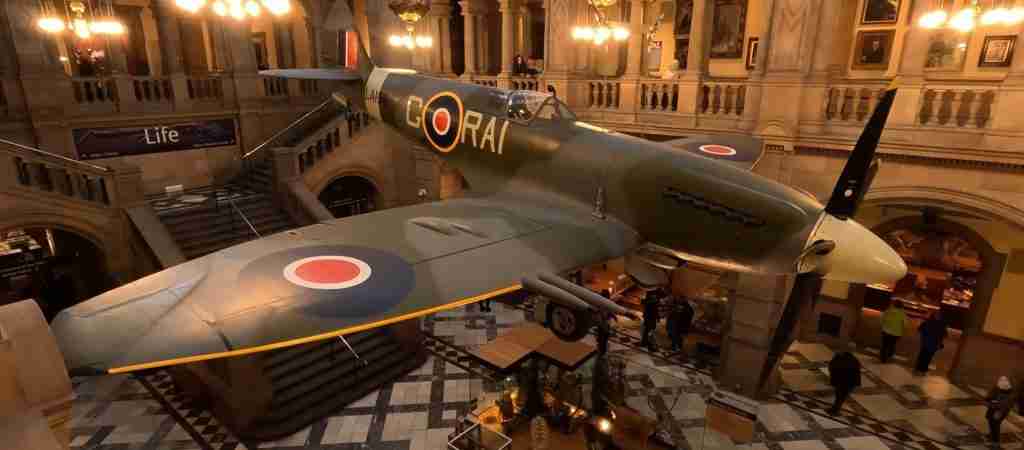
Kelvingrove Art Gallery and Museum, Scotland’s most visited free attraction, houses 22 themed galleries displaying 8,000 objects spanning natural history, world cultures, and Scottish art within a spectacular red sandstone Victorian building. The collection includes Salvador Dali’s Christ of St. John of the Cross, extensive Charles Rennie Mackintosh furniture and architectural elements, and galleries devoted to Ancient Egypt, arms and armor, and Scottish history. Daily organ recitals at 1:00 PM (Monday-Friday) and 3:00 PM (Sunday) provide free musical performances on the magnificent pipe organ, while family trails and handling sessions engage young visitors without additional charges. Visitors typically spend 2-4 hours experiencing highlights or full-day immersion covering multiple galleries thoroughly, with an on-site cafe providing refreshments when museum fatigue sets in.
The Riverside Museum, housed in a striking Zaha Hadid-designed building on the Clydeside, presents Glasgow’s transport collection including locomotives, vintage cars, trams, and recreated Victorian street scenes with detailed shop interiors. The collection documents Glasgow’s industrial heritage, particularly its globally dominant shipbuilding industry, through vessels, models, and photographic archives. The adjacent Tall Ship Glenlee, a restored 1896 sailing ship moored alongside the museum, requires separate admission (£6-8 / $8-10 adults), but the main museum maintains free access. Interactive displays allow children to climb aboard vintage trams and explore ship interiors, while the 2026 green transport exhibition addresses contemporary sustainability challenges facing urban mobility. The waterfront location positions the museum 20 minutes by bus from the city center (routes 100, 41) or approximately 30 minutes walking along the Clyde Walkway, with the journey itself offering river views and passing other attractions including the SEC complex.
The Burrell Collection reopened in 2022 after extensive renovation, presenting Sir William Burrell’s vast private collection of 9,000 artworks and objects within Pollok Country Park’s 360 wooded acres. The collection emphasizes medieval art including tapestries, stained glass, and carved stone, alongside Chinese ceramics, Islamic art, and works by Rodin and Degas. The modernized building integrates indoor galleries with parkland views, creating contemplative viewing environments enhanced by natural settings. Free admission extends to the collection while park admission remains unrestricted, allowing visitors to combine museum viewing with woodland walks, formal gardens, and the park’s Highland cattle herd. The location in southern Glasgow requires 20-25 minutes by bus from the city center (routes 45, 48, 57), making it less convenient than central museums but rewarding the journey with peaceful parkland surrounding galleries.
The Gallery of Modern Art occupies a neoclassical building on Queen Street in the heart of the city center, presenting contemporary art in rotating exhibitions alongside a permanent collection featuring Scottish artists and international contemporary works. The controversial equestrian statue outside the building typically sports an orange traffic cone placed by unknown parties, creating Glasgow’s most photographed and beloved unofficial monument. Free admission and central location make GoMA an easy cultural addition to city center shopping or dining days, requiring only 30-60 minutes for current exhibition viewing. The building’s former use as a tobacco merchant’s mansion and later Royal Exchange adds historical layers to the contemporary art mission.
The Hunterian Museum and Art Gallery, located within the University of Glasgow campus, operates as Scotland’s oldest museum with collections spanning natural history, scientific instruments, and art including the world’s largest Whistler collection. The attached Mackintosh House provides the essential Mackintosh pilgrimage site, presenting reconstructed interiors from Charles Rennie Mackintosh and Margaret Macdonald’s demolished home with original furniture, decorative elements, and the architect’s distinctive spatial concepts intact. Free admission extends to general collections while Mackintosh House sometimes charges minimal entry (£5-8 / $6.50-10), though this varies by season and visiting policy. The Gothic Revival main building and surrounding university grounds create spectacular architectural contexts for museum visits, with visitor time varying from quick 1-hour highlights tours to 3-4 hour immersions in Whistler’s works and scientific collections.
Glasgow Cathedral, mainland Scotland’s only medieval cathedral surviving Reformation destruction intact, stands open for visitors with suggested donations rather than mandatory admission fees. The 12th-century Gothic architecture features elaborate stone vaulting, pre-Reformation stained glass, and the tomb of St. Mungo, Glasgow’s patron saint, in the atmospheric lower church. Guided tours operate at scheduled times providing historical context and architectural interpretation, while visitors can explore independently during opening hours (Monday-Saturday 9:30 AM-5:30 PM, Sunday 1:00 PM-5:00 PM). The adjacent Necropolis, Glasgow’s Victorian garden cemetery covering the hillside behind the cathedral, creates dramatic skyline views of Gothic revival monuments and offers panoramic city views from the summit monument, all without admission charges.
Paid attractions include Glasgow Science Centre (£15-18 / $20-23 adults, £12-14 / $16-18 children), featuring interactive exhibits, planetarium, and IMAX theater with additional charges, House for an Art Lover (£8-10 / $10-13 adults), built from Mackintosh’s 1901 competition drawings in Bellahouston Park, and The Lighthouse (£6-8 / $8-10 adults), Mackintosh’s first public building now housing Scotland’s Centre for Design and Architecture with observation tower views. Glasgow Necropolis maintains free access as a cemetery and park, while Pollok Country Park surrounding The Burrell Collection remains open without charges. Botanical Gardens, including the magnificent Kibble Palace glasshouse, provides free admission with particularly appealing winter visits when tropical heat and humidity contrast sharply with Glasgow’s cold wet weather. The combination of extensive free museums and moderate charges for specialized sites allows cultural travelers to experience Glasgow’s heritage and art collections with minimal admission expenditure, directing savings toward dining, accommodation, or day trips.
Essential Glasgow Attractions and Experiences 2026
Kelvingrove Art Gallery and Museum commands position as Glasgow’s essential cultural destination, combining artistic masterpieces, natural history specimens, and Scottish historical artifacts within a magnificent red sandstone Victorian building set in Kelvingrove Park. The Salvador Dali painting Christ of St. John of the Cross ranks among Britain’s most recognized religious artworks, while extensive Mackintosh galleries display furniture, architectural elements, and watercolors documenting Glasgow’s most celebrated designer. Natural history galleries feature taxidermy specimens including a suspended sperm whale and extensive Scottish wildlife, Egyptian mummies occupy dedicated galleries exploring ancient religious practices, and arms and armor collections spanning medieval to Victorian periods appeal to military history enthusiasts. The building itself warrants appreciation, with soaring central hall, elaborate stonework, and period architectural details creating atmospheric backdrops for world-class collections. Free admission removes barriers to multiple visits, allowing travelers to focus on specific galleries rather than attempting comprehensive coverage in single exhausting sessions. Daily organ recitals at 1:00 PM provide 30-minute musical interludes that enhance cultural immersion while offering seated rest during extended museum exploration.
The Riverside Museum documents Glasgow’s industrial and transport heritage through vintage vehicles, recreated street scenes, and maritime exhibits housed in Zaha Hadid’s award-winning contemporary structure. The transport collection includes historic locomotives documenting Scotland’s railway development, vintage cars spanning automotive history from early brass-era vehicles through 1970s family sedans, and Glasgow trams that once defined the city’s public transport. Recreated Victorian and Edwardian street scenes feature detailed shop fronts—pharmacies, tobacconists, grocers—with authentic period interiors visible through windows, creating immersive historical environments. The adjacent Tall Ship Glenlee, one of only five Clyde-built sailing ships remaining afloat, allows exploration of crew quarters, captain’s cabin, and cargo holds while interpreting the global trade routes that built Glasgow’s 19th-century wealth. The museum’s waterfront location on the former docklands symbolizes Glasgow’s transformation from industrial powerhouse to cultural destination, with the building’s contemporary architecture deliberately contrasting the historic vessels and vehicles it houses. Visitors typically spend 2-3 hours exploring highlights or full half-days for comprehensive viewing, with riverside cafes nearby providing lunch options when museum energy depletes.
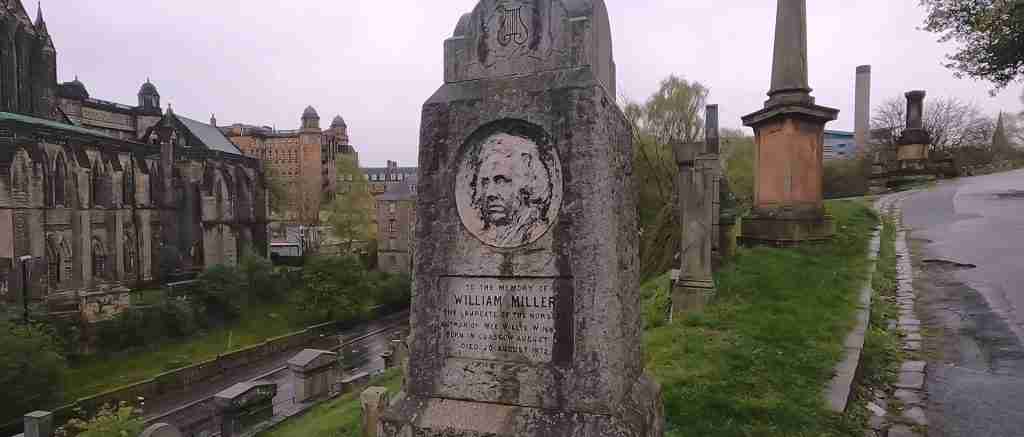
Glasgow Cathedral and the Necropolis create Glasgow’s most atmospheric historical experience, combining mainland Scotland’s finest medieval cathedral with a Victorian cemetery occupying the dramatic hillside behind. The cathedral’s lower church, where St. Mungo’s tomb resides within elaborate Gothic vaulting, provides particularly powerful architectural experiences with forest-like stone columns supporting vaults that create medieval spiritual atmosphere unchanged since the 13th century. The upper cathedral features the pre-Reformation stone screen, one of only two surviving in Scotland, and modern stained glass windows replacing medieval glass destroyed during Reformation iconoclasm. The Necropolis, inspired by Père Lachaise Cemetery in Paris, climbs the hillside in 37 acres of Victorian Gothic monuments honoring Glasgow’s merchant princes, industrialists, and professionals, with paths winding between elaborate tombs and obelisks toward the summit Knox monument offering panoramic city views. The cemetery operates as public park and sculpture garden, encouraging exploration of Victorian funerary art while providing elevated perspectives over Glasgow’s eastern cityscape. Combined cathedral and Necropolis visits require 1.5-2 hours minimum, with photography enthusiasts and architecture devotees easily spending half-days documenting carved details, monument inscriptions, and atmospheric corners where Victorian Gothic drama persists intact.
Charles Rennie Mackintosh’s architectural legacy permeates Glasgow through multiple sites that collectively document Scotland’s most internationally influential designer. The Lighthouse, Mackintosh’s first public commission (1895), now houses Scotland’s Centre for Design and Architecture with exhibitions interpreting his career alongside temporary shows featuring contemporary design. The distinctive helical tower staircase provides city views while exemplifying Mackintosh’s integration of functional elements—staircases, light fixtures, door hardware—into complete artistic compositions. Mackintosh House at The Hunterian reconstructs interiors from the architect’s demolished home, displaying original furniture, light fixtures, and decorative panels within spaces recreating the actual room proportions and natural light conditions of his residence. The careful reconstruction allows appreciation of Mackintosh’s total design philosophy where architecture, furniture, textiles, and decorative elements combine into unified artistic environments. House for an Art Lover, built in 1996 from Mackintosh’s 1901 competition drawings that remained unrealized during his lifetime, occupies Bellahouston Park with modern facilities including cafe and exhibition spaces alongside the competition-design rooms featuring Mackintosh’s distinctive high-backed chairs, geometric decorative panels, and the integration of masculine and feminine design elements that characterized his partnership with Margaret Macdonald. Additional Mackintosh sites include Queen’s Cross Church (the only church design he realized), Scotland Street School Museum (demonstrating his institutional architecture), and The Willow Tea Rooms (recently restored to operating tea room with original design elements). Mackintosh enthusiasts can easily devote 2-3 days visiting every site, while casual admirers satisfy curiosity with selective visits to The Lighthouse and Mackintosh House requiring combined 3-4 hours.
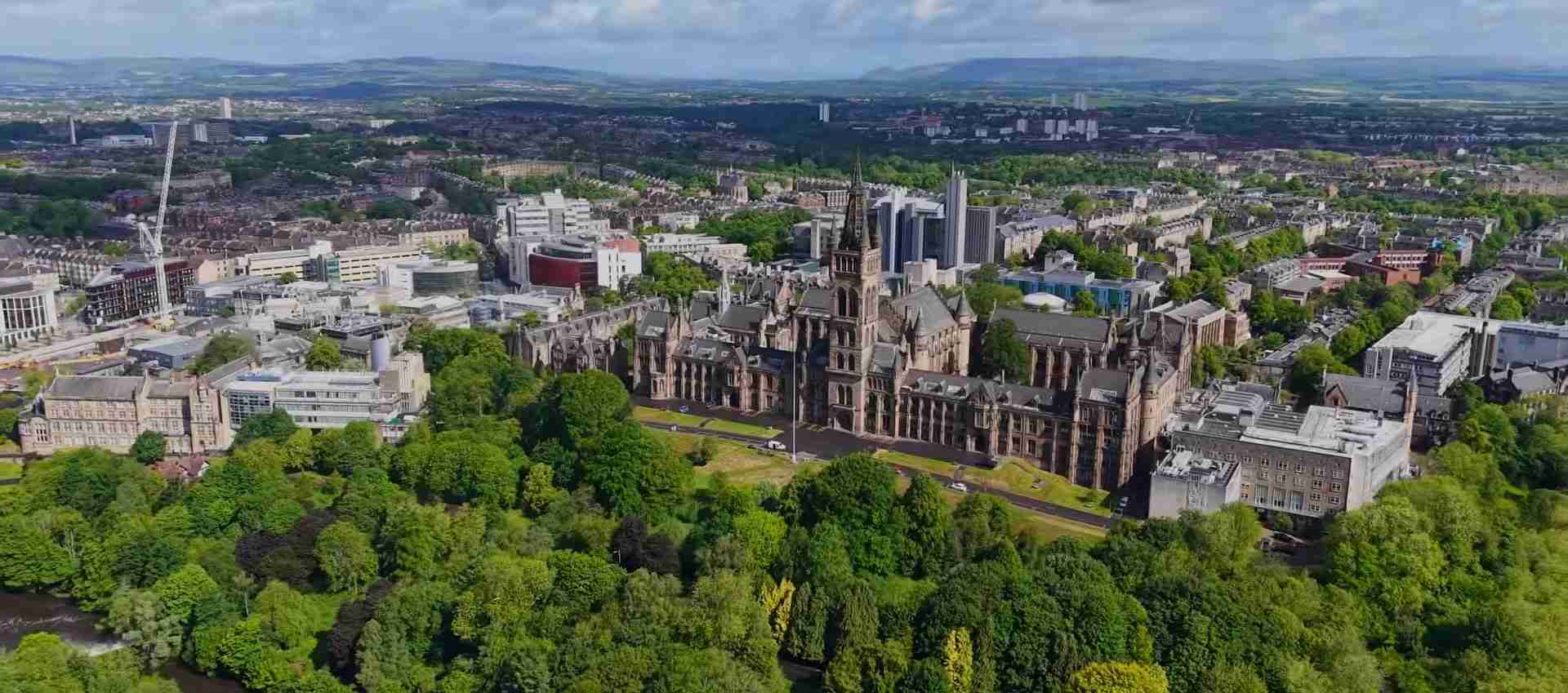
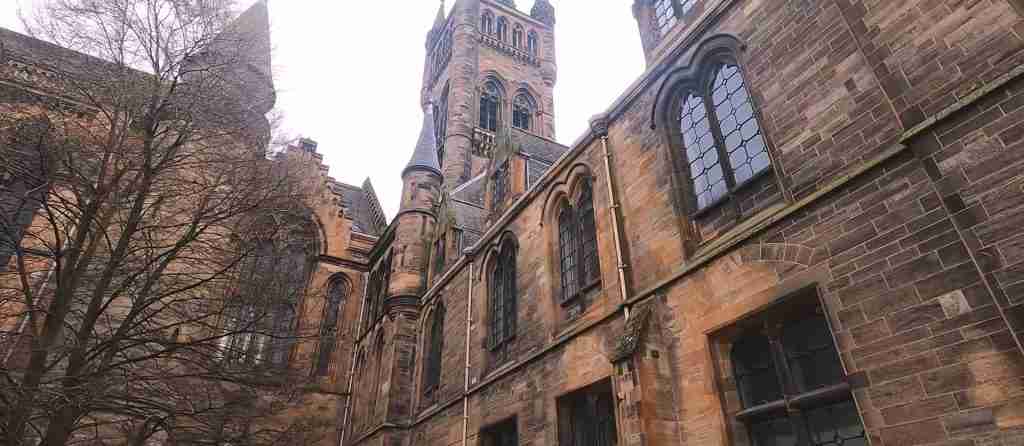
The University of Glasgow’s main campus occupies Gilmorehill in the West End, crowned by the Gothic Revival main building that ranks among Britain’s finest 19th-century university structures. The building’s external appearance channels medieval Gothic splendor with elaborate stone carving, pointed arches, and a soaring tower visible across the city, while interior spaces include the magnificent Bute Hall with its hammerbeam roof and stained glass, cloisters inspired by medieval monastery architecture, and the memorial chapel honoring university members who died in the World Wars. The campus grounds provide elevated views across Kelvingrove Park toward the city center, with the western terrace offering dramatic sunset vistas. The Hunterian Museum occupies buildings within the campus, making combined university architecture tours and museum visits logical itineraries requiring 2-3 hours minimum. The area surrounding the university, particularly Hillhead and Byres Road, concentrates student-friendly cafes, vintage shops, bookstores, and affordable restaurants that create the West End’s distinctive character, encouraging afternoon wandering after morning campus and museum visits.
George Square represents Glasgow’s civic heart, surrounded by Victorian commercial buildings including the elaborate City Chambers dominating the eastern edge. The square’s statuary honors Scottish heroes including Robert Burns, James Watt, and Walter Scott, creating open-air sculpture gallery spanning Victorian imperial confidence. The City Chambers interior, normally accessible through free guided tours (check Glasgow City Council website for current schedules), reveals the full extravagance of Victorian municipal pride through marble staircases, mosaic ceilings, ornate council chambers, and banqueting halls decorated with lavish craftsmanship that expressed Glasgow’s late 19th-century position as “second city of the Empire.” The building’s Italianate design deliberately evokes Venetian palaces, asserting Glasgow’s commercial and cultural aspirations through architectural grandeur. George Square operates as the city’s main event space, hosting Christmas markets in December, Hogmanay celebrations on New Year’s Eve, and various festivals throughout the year including significant Commonwealth Games celebrations during July-August 2026. The square connects to Buchanan Street’s shopping district immediately west, Queen Street Station to the north, and the Merchant City to the east, making it inevitable crossing point for most city center itineraries.
The Merchant City, Glasgow’s historic merchant quarter stretching east from George Square, combines 18th-century warehouse architecture with contemporary galleries, designer boutiques, craft breweries, and upscale restaurants occupying the converted commercial buildings. This neighborhood particularly appeals during evening hours when restaurants and bars activate the area, creating sophisticated urban atmosphere distinct from the city center’s more tourist-focused character. Key sites include Hutchesons’ Hall (17th-century hospital now housing restaurant and visitor center), the Tron Theatre occupying a converted church, and the Gallery of Modern Art anchoring the quarter’s cultural offerings. Weekend visits capture the Merchant City at its most energetic, with brunch crowds filling cafes, afternoon shoppers browsing independent boutiques, and evening diners occupying the neighborhood’s high concentration of quality restaurants. Architecture enthusiasts appreciate the Georgian and Victorian warehouse conversions that preserve historic facades while inserting contemporary interiors, demonstrating successful adaptive reuse that maintains neighborhood character while supporting modern commerce.
The West End neighborhood, centered on Byres Road and the University of Glasgow, provides Glasgow’s most walkable district for unhurried exploration of cafes, vintage shops, bookstores, and residential terraces. Ashton Lane, a cobblestoned back street running between Byres Road and Hillhead Subway station, concentrates atmospheric bars, pubs, and restaurants including the Ubiquitous Chip (Glasgow institution since 1971) and the Grosvenor Cinema showing art house and mainstream films. The lane exemplifies West End character—bohemian, intellectual, unpretentious—that distinguishes this area from the city center’s commercial focus. Great Western Road, running north from the university, lines up antique shops, designer boutiques, and neighborhood restaurants that attract local residents rather than tourists, creating authentic Glasgow experiences. The Botanic Gardens, at the western edge of the area, features the magnificent Kibble Palace glasshouse with tropical plants and Victorian ironwork, offering peaceful refuge from urban energy and particularly appealing during winter when heated glasshouse warmth contrasts Glasgow’s cold wet weather. West End exploring requires no specific agenda beyond wandering, cafe-sitting, and absorbing neighborhood atmosphere, with half-days or full days disappearing into bookshop browsing, extended cafe sessions, and unplanned conversations with friendly Glaswegians.
Pollok Country Park, Glasgow’s largest park at 360 acres, surrounds The Burrell Collection while providing woodland trails, formal gardens, and Highland cattle herds that create countryside atmosphere within the city. The park’s southern location (20-25 minutes by bus from city center) discourages casual visits but rewards dedicated journeys with peaceful environments contrasting urban intensity. Beyond The Burrell Collection’s art holdings, the park features Pollok House (historic manor with Spanish art collection, £8-10 / $10-13 admission), gardens designed in 18th-century style, and extensive walking trails through native woodlands and along the White Cart Water. The park particularly suits travelers seeking outdoor relaxation between intensive museum days, families with young children needing space for running and exploring, and nature enthusiasts interested in urban biodiversity where woodland birds, red squirrels, and wildflowers persist within city boundaries. Combining Burrell Collection visit with park exploration typically requires half-day minimum, with picnics on the lawns or cafe meals at Pollok House creating leisurely countryside-in-the-city experiences.
Glasgow Food Tours and Local Specialties 2026
Glasgow’s food culture combines traditional Scottish dishes, exceptional South Asian cuisine, contemporary fine dining, and working-class staples that together create diverse culinary landscape exceeding most visitors’ expectations. Understanding local specialties and where to find authentic examples enhances dining experiences while avoiding tourist-trap versions of Scottish food that prioritize kitsch over quality. Food tours, self-guided market exploration, and strategic restaurant selection all contribute to memorable Glasgow eating.
The full Scottish breakfast represents the definitive morning meal, featuring eggs (fried or scrambled), bacon, pork sausage (known as “link”), square sausage (minced beef in distinctive square shape, uniquely Scottish), black pudding (blood sausage), baked beans, grilled tomato, mushrooms, and toast or fried bread, all served on a single large plate creating substantial fuel for full sightseeing days. Quality versions distinguish themselves through sourcing—Stornoway black pudding from the Isle of Lewis, Ayrshire bacon, and proper pork sausages rather than cheap processed alternatives. Recommended breakfast spots include University Cafe (traditional Glasgow institution since 1918 serving massive portions at £8-11 / $10-14), Café Strange Brew in Finnieston (contemporary take on Scottish breakfast with quality coffee, £10-14 / $13-18), and hotel restaurants at mid-range and upscale properties where breakfast buffets allow sampling multiple Scottish breakfast components. Budget travelers find adequate versions at Wetherspoon pubs (£6-8 / $8-10) though quality varies by location and preparation timing.
Haggis, Scotland’s national dish of sheep organs (heart, liver, lungs) minced with oatmeal, onions, and spices then traditionally cooked in sheep stomach lining, divides visitors between enthusiasts embracing its rich savory flavor and skeptics unable to overcome ingredient descriptions. Quality haggis served at proper temperature with neeps (mashed turnips) and tatties (mashed potatoes) reveals why Scots celebrate this dish, with peppery spice notes and crumbly texture quite distinct from the gray mush feared by nervous tourists. MacLeod’s haggis, a Glasgow institution, supplies most of the city’s restaurants and appears at prices from £8-12 ($10-16) as starter portions to £14-18 ($18-23) as mains. The Ubiquitous Chip serves refined haggis preparations, while traditional pubs including The Horseshoe Bar offer straightforward versions with generous portions. Vegetarian haggis, substituting mushrooms, beans, and vegetables for meat ingredients while maintaining the spicing and texture, appears throughout Glasgow and typically satisfies even meat eaters, making it viable option for travelers uncomfortable with organ meat but wanting authentic taste experiences.
Cullen skink, creamy smoked haddock soup with potatoes and onions, represents Scottish seafood tradition in bowl form, offering warming comfort particularly during Glasgow’s cool wet weather. Quality versions feature chunky haddock pieces rather than shredded fish, rich but not overly thick broth, and subtle smokiness that flavors without overwhelming. The Finnieston and other seafood-focused restaurants serve proper Cullen skink (£7-10 / $9-13 for starter portions), making it ideal first course before fish mains or substantial enough as light lunch with crusty bread. The dish’s origins in the fishing village of Cullen in northeast Scotland give it authentic pedigree beyond tourist-focused “traditional Scottish” menus.
Glasgow’s South Asian food scene, particularly its Pakistani and Indian restaurants, earned the city recognition as Britain’s “Curry Capital” through density, quality, and innovation that exceeds even London’s more famous curry houses. The city’s South Asian population, concentrated during Glasgow’s industrial period and expanding through family connections and community growth, established restaurant traditions that now span from traditional curry houses serving classic dishes to contemporary interpretations pushing creative boundaries. Mother India’s Cafe pioneered small-plate format allowing diners to sample multiple dishes rather than committing to large curry portions, with plates at £6-10 ($8-13) encouraging adventurous ordering. Shish Mahal, operating since 1964, claims invention of chicken tikka masala (disputed origin story shared with multiple establishments) while serving reliable traditional preparations. The Dhabba delivers North Indian and Pakistani dishes in refined setting with excellent bread (naan, roti, paratha) and tandoor cooking (£12-18 / $16-23 for mains). Budget travelers find exceptional value in curry houses throughout the city center where £10-14 ($13-18) delivers main course, rice, and naan with generous portions and BYO alcohol policies at some establishments eliminating drink markups.
Scottish seafood, sourcing from Atlantic waters surrounding Scotland’s extensive coastline, appears throughout Glasgow restaurants with particular concentrations in Finnieston along Argyle Street. The Finnieston specializes in gin selection and seafood small plates, while Crabshakk focuses on daily market catches with simply prepared fish, oysters, and shellfish highlighting ingredient quality over elaborate preparations. Whole Scottish langoustines (Dublin Bay prawns), scallops from west coast waters, and line-caught fish including haddock, cod, and mackerel appear seasonally based on sustainable catch availability. Prices reflect quality and sourcing, with seafood mains at £18-32 ($23-42) representing premium dining rather than budget meals, though fish and chips at £12-16 ($16-21) provides more accessible seafood access. The Clydeside Distillery and nearby establishments combine whisky tasting with seafood pairing, creating particularly Scottish experiences that justify premium pricing through quality and atmosphere.
Glasgow’s cafe culture, particularly strong in the West End, emphasizes quality coffee, homemade cakes, and comfortable spaces encouraging extended sitting rather than rushed coffee consumption. Artisan Roast, Papercup Coffee Company, and numerous independent cafes source beans from quality roasters, train baristas properly, and create environments where morning coffee extends into laptop working sessions or afternoon reading time. Flat whites, cortados, and filter coffee demonstrate serious coffee commitment, with prices at £2.80-3.80 ($3.60-5) positioning Glasgow’s coffee scene as quality-focused rather than volume-driven. Cake and pastry selections, including traditional Scottish items like empire biscuits (iced sandwich cookies) and shortbread alongside contemporary brownies and millionaire’s shortbread, complement coffee programs at £2.50-4.50 ($3.20-6). The cafe culture particularly suits travelers adjusting to Glasgow’s frequent rain and cool temperatures, providing warm dry spaces for regrouping between sightseeing missions while maintaining authentic local atmosphere absent from international chain coffee shops.
Street food gains increasing presence through the Clydeside Containers venue opening in 2026, offering permanent covered outdoor dining with multiple food vendors representing international cuisines in repurposed shipping containers along the Clydeside. This development brings concentrated street food offerings to a single location, eliminating the need to hunt individual food trucks and markets scattered throughout the city. Vendors feature in menus evolve but typically include wood-fired pizza, Scottish seafood, Asian fusion, Mexican tacos, and craft beer bars, with meals at £8-14 ($10-18) and craft beer at £5-7 ($6.50-9). The waterfront location encourages casual dining while watching river traffic and enjoying Glasgow’s maritime heritage, with covered seating protecting from rain while maintaining outdoor atmosphere. The street food scene’s emphasis on quality ingredients and skilled cooking rather than lowest-price offerings positions Glasgow’s emerging street food as legitimate dining option rather than inferior alternative to restaurants.
Scotch whisky appears throughout Glasgow bars, pubs, and restaurants, with the city’s position as former center of whisky blending (before operations moved to industrial estates) maintaining cultural connections to Scotland’s national drink. The Pot Still, Glasgow’s definitive whisky pub, stocks 400+ bottles spanning every Scottish region and style, with knowledgeable bartenders offering recommendations and explanations that educate novices without intimidating. Whisky flights, typically three half-measures (25ml pours) representing different regional styles or ages, cost £15-25 ($20-33) and provide structured tasting experiences. The Clydeside Distillery, Glasgow’s first whisky distillery in over 100 years, offers tours including production explanations and tastings (£20-30 / $26-39) in purpose-built waterfront facility. Single malts from Islay (peaty), Speyside (fruity), Highland (varied), and Lowland (gentle) regions demonstrate Scotland’s whisky diversity, while Glasgow’s blending heritage connects to famous brands including Johnnie Walker and Chivas Regal that built fortunes through skillful blending rather than single malt production. Whisky appreciation pairs naturally with Scottish meal courses, particularly salmon, game, and rich desserts, with many restaurants maintaining strong whisky selections that complement food programs.
Day Trips from Glasgow 2026
Loch Lomond and The Trossachs National Park begins just 20 miles north of Glasgow, providing immediate access to Highland scenery, mountain trails, and Scotland’s largest lake without requiring extensive travel time. The village of Balloch, at Loch Lomond’s southern tip, connects to Glasgow by train in 45 minutes (£8-11 / $10-14 return), offering lakeside walks, boat tours on the loch (£12-18 / $16-23 for hour cruises), and aquarium visits at Loch Lomond Shores visitor complex. More dramatic Highland scenery awaits along the loch’s western shore via Luss (accessible by bus from Balloch), where postcard-perfect stone cottages, mountain backdrops, and clear waters create quintessential Highland village atmosphere. Active travelers drive or take buses to Rowardennan on the eastern shore for climbing Ben Lomond (974m / 3,195 ft), Scotland’s southernmost Munro requiring 6-8 hours for the challenging but non-technical ascent that rewards with panoramic Highland views. Combined transport and activities for Loch Lomond day trips typically cost £25-45 ($32-59) per person including return train or bus, boat tour, and meals, with early morning departures (8:00-9:00 AM) allowing full-day exploration before evening return to Glasgow.
Stirling Castle, Scotland’s grandest fortress and key military stronghold throughout Scottish history, stands 30 minutes from Glasgow by train (£8-10 / $10-13 return to Stirling station, then 15-minute uphill walk or £6 / $8 taxi to castle). The castle’s strategic position atop volcanic rock commanded routes between Lowlands and Highlands, witnessing pivotal battles including Stirling Bridge (1297, William Wallace’s victory over English) and Bannockburn (1314, Robert the Bruce’s decisive Scottish victory). The restored Renaissance palace represents Scottish Renaissance architecture’s finest achievement, with elaborate decorative details, period furnishings, and excellent interpretive displays explaining royal court life. The Great Hall, Scotland’s largest medieval banquet hall, and Chapel Royal with elaborate painted ceiling demonstrate architectural ambition matching contemporary European courts. Castle admission costs £18-20 ($23-26) with audio guides included, while the surrounding Old Town features medieval streets, historic buildings, and the National Wallace Monument visible on adjacent hill (additional £12-14 / $16-18 if climbing). Combined Stirling day trips typically require £40-55 ($52-72) per person covering transport, castle admission, and meals, with morning departure allowing 4-5 hours exploring castle and town before afternoon return.
Edinburgh, Scotland’s capital and UNESCO World Heritage Site, lies just 50 minutes from Glasgow by frequent train service (departures every 15 minutes, £15-17 / $20-22 return), making full-day or even evening trips viable without overnight stays. Edinburgh’s concentrated attractions—Edinburgh Castle, Royal Mile, Arthur’s Seat volcanic hill, National Museum of Scotland, and Palace of Holyroodhouse—allow substantial sightseeing within single-day visits, though the city’s depth justifies overnight stays for travelers wanting thorough exploration. Day-trippers from Glasgow typically focus on Edinburgh Castle and Royal Mile (the historic street connecting castle to Holyroodhouse) with morning visits, afternoon museum or gallery time, and early evening return to Glasgow avoiding peak commuter trains. This strategy costs £40-70 ($52-91) per person including return train, Edinburgh Castle admission (£20-22 / $26-29), lunch, and miscellaneous expenses. The Glasgow-Edinburgh relationship, characterized by friendly rivalry and distinct personalities (Edinburgh formal and tourist-focused, Glasgow unpretentious and working-class), makes day trips particularly interesting for observing Scottish cultural variations within minimal travel time.
The West Highland Line to Oban or Fort William, frequently listed among the world’s most scenic train journeys, departs from Glasgow Queen Street multiple times daily traversing increasingly dramatic Highland landscapes as the route climbs away from the central belt. The journey to Oban (3 hours, £25-35 / $32-46 return) passes Loch Lomond’s shores, Glen Ogle’s mountain pass, and coastal views approaching the seafood town famous for fresh oysters, seafood restaurants, and ferry connections to Inner Hebrides islands. Fort William (3.5-4 hours, £30-40 / $39-52 return) extends further into dramatic Highland scenery with views of Rannoch Moor’s desolate beauty and approaches to Ben Nevis, Britain’s highest mountain. Both destinations require full-day commitments with early morning departures (typically 8:00-8:30 AM) and early evening returns (6:00-7:00 PM), though the train journey itself constitutes a primary attraction rather than merely transport. Advance booking, particularly during summer months and Commonwealth Games period, secures better fares and window seat availability crucial for photography and scenery appreciation.
Loch Lomond Distillery at Alexandria, on Loch Lomond’s southern shore, offers whisky production tours and tastings including their single malt and grain whiskies plus blended brands (tours £15-25 / $20-33). The facility combines with Balloch visits for combined loch scenery and whisky education, requiring approximately 50 minutes from Glasgow by train. Alternative distillery options include Glengoyne Distillery near Killearn (30 minutes north of Glasgow, tours £15-35 / $20-46 depending on whisky selections) and Auchentoshan Distillery in Clydebank (20 minutes from city center, tours £18-45 / $23-59), both offering production explanations, warehouse visits, and comparative tastings that educate about whisky production while providing drinking experiences. Distillery tours typically last 1.5-2 hours, allowing combination with area exploration or return to Glasgow for afternoon and evening activities.
Culzean Castle and Country Park, perched on Ayrshire cliffs overlooking the Firth of Clyde, combines Robert Adam’s neoclassical architecture with 600 acres of gardens, woodland, and coastal paths creating Scotland’s most visited attraction under National Trust for Scotland management. The castle’s location 60 miles southwest of Glasgow requires driving (75 minutes) or complicated public transport combinations limiting its practicality as day trip for non-drivers, though organized tours from Glasgow (£55-75 / $70-98 including transport and admission) eliminate logistics while providing guided context. The castle’s interiors include the spectacular Oval Staircase and Circular Saloon demonstrating Adam’s architectural genius, while grounds feature walled gardens, swan pond, and dramatic coastal views toward Arran. This day trip suits travelers with rental cars or those willing to invest in organized tours, offering architectural and landscape experiences distinct from Highland scenery that dominates most Glasgow day trip options.
The Kelpies, massive horse-head sculptures standing 100 feet tall near Falkirk between Glasgow and Edinburgh, create Scotland’s most dramatic contemporary public art installation visible from the M9 motorway. The steel sculptures honor horse-powered heritage of Scottish industry and mythology of shape-shifting water spirits, creating impressive scale that photographs well and requires minimal time investment. Located 30 minutes from Glasgow by car or 50 minutes by train to Falkirk then bus, The Kelpies suit travelers wanting quick high-impact attraction requiring only 1-2 hours on-site including walking around the sculptures, visitor center, and parkland setting. This experience often combines with Stirling Castle visits (15 miles away) for full-day itineraries covering multiple Central Scotland highlights with £35-50 ($46-65) total costs for transport, parking, and any food purchases.
Sample Glasgow Itineraries 2026
Three-Day First-Time Visitor Glasgow Itinerary
Day 1 – City Center and Cathedral Quarter: Begin at George Square examining the Victorian statuary and City Chambers facade, then walk north through the medieval quarter to Glasgow Cathedral. Spend 45 minutes exploring the cathedral’s Gothic architecture and St. Mungo’s tomb in the lower church, then climb to the Necropolis for city views and Victorian monument exploration (1.5-2 hours total for cemetery wandering and photography). Descend to the city center via High Street, stopping for lunch at a Merchant City restaurant (£12-18 / $16-23). Afternoon visits the Gallery of Modern Art (GoMA) for contemporary art and the iconic traffic-cone statue photography (1 hour), then explores Buchanan Street shopping district and the Merchant City’s converted warehouses. Evening dining at Merchant City restaurant featuring Scottish or South Asian cuisine (£25-40 / $32-52 per person). Day costs approximately £45-70 ($59-91) per person including meals, transport, and miscellaneous expenses.
Day 2 – West End Cultural Immersion: Take the Subway to Kelvinbridge station and walk to Kelvingrove Art Gallery and Museum, arriving at opening time (10:00 AM) to beat crowds. Spend morning exploring galleries with focus on Salvador Dali’s Christ painting, Mackintosh collections, and natural history galleries, attending the 1:00 PM organ recital (3-4 hours total). Lunch at West End cafe on Byres Road or Great Western Road (£10-16 / $13-21), then walk to the University of Glasgow campus to admire Gothic Revival architecture and visit the Hunterian Museum and Mackintosh House (2-3 hours). Late afternoon exploring Ashton Lane and Byres Road vintage shops, cafes, and bookstores, soaking in West End atmosphere. Evening at Ubiquitous Chip or similar West End restaurant (£30-45 / $39-59 per person), then drinks at Ashton Lane bar. Day costs approximately £50-80 ($65-105) per person including Subway fares, meals, potential Mackintosh House admission, and drinks.
Day 3 – Clydeside Heritage and Finnieston: Morning visits the Riverside Museum arriving at opening (10:00 AM) to explore transport collection, recreated streets, and new green transport exhibitions (2-3 hours). Tour the adjacent Tall Ship Glenlee (£6-8 / $8-10, 45 minutes), then walk along the Clyde Walkway toward Finnieston examining the regenerated waterfront. Lunch at Finnieston seafood restaurant or the new Clydeside Containers street food venue (£15-22 / $20-29). Afternoon visits The Lighthouse for Mackintosh’s architectural legacy and city views from the observation tower (1.5 hours), then explores shopping along Buchanan Street with potential stops at Princes Square Victorian shopping arcade. Evening pre-theater dining taking advantage of 5:00-6:30 PM set menus (£15-22 / $20-29 for two courses), potentially attending theater performance at King’s Theatre or Theatre Royal. Day costs approximately £50-75 ($65-98) per person including transport, admissions, meals, and potential theater tickets.
Five-Day Comprehensive Glasgow Experience
Days 1-3: Follow the three-day itinerary above covering essential city center, West End, and Clydeside attractions with thorough museum visits and neighborhood exploration.
Day 4 – The Burrell Collection and Pollok Park: Morning travels to Pollok Country Park (20-25 minutes by bus) for The Burrell Collection opening time (10:00 AM). Spend morning exploring the extensive medieval, Islamic, and Asian art collections within the renovated galleries (2-3 hours), then walk through Pollok Park’s woodlands to Pollok House for Spanish art collection and 18th-century architecture (£8-10 / $10-13 admission, 1.5 hours including gardens). Picnic lunch in the park or cafe meal at Pollok House, then afternoon woodland walking, formal garden exploration, or watching Highland cattle in the parkland. Return to city center late afternoon for evening in Merchant City with dinner at contemporary Scottish restaurant (£30-50 / $39-65 per person) and potential craft brewery or cocktail bar visits. Day costs approximately £45-75 ($59-98) per person including transport, admissions, and meals.
Day 5 – Day Trip to Loch Lomond or Stirling Castle: Early morning train departure to either Balloch for Loch Lomond exploration (boat tours, lakeside walks, Highland village visits) or Stirling for castle and town exploration. Full day in chosen destination with return to Glasgow by early evening. Loch Lomond option costs approximately £30-50 ($39-65) per person including return train, boat tour, and meals. Stirling Castle option costs approximately £45-65 ($59-85) per person including return train, castle admission, and meals. Final evening in Glasgow includes farewell dinner at quality restaurant representing cuisine that most impressed during the week—whether traditional Scottish, South Asian, contemporary fine dining, or gastropub (£35-70+ / $46-91+ per person). Day costs vary by chosen excursion but typically range £60-100 ($78-130) per person including transport, activities, and meals.
Budget-Conscious Three-Day Glasgow Itinerary
This itinerary maximizes Glasgow’s exceptional free museum offerings, minimizes transport costs through strategic walking and selective Subway use, and focuses on budget dining while maintaining quality experiences. Days one through three follow similar attraction patterns to the standard itinerary but incorporate specific budget strategies: self-catered breakfasts using supermarket purchases (£3-5 / $4-6), free museum focus (Kelvingrove, Riverside Museum, The Burrell Collection, GoMA, Hunterian), lunch at budget restaurants or meal deals (£6-10 / $8-13), Subway day tickets (£3.40 / $4.35) only on days requiring multiple journeys, extensive walking rather than taxis, pre-theater dining for dinner (£15-22 / $20-29), and drinks at traditional pubs rather than cocktail bars (£4-6 / $5-8 per pint). Combined daily costs range £40-60 ($52-78) per person including accommodation share, all meals, transport, and occasional paid admission to non-free attractions.
Shopping in Glasgow 2026
Buchanan Street, Glasgow’s premier shopping thoroughfare, runs pedestrianized through the city center featuring major British retailers, international fashion brands, and department stores within Victorian and contemporary architecture. Buchanan Galleries shopping center anchors the northern end with three floors of mid-range retailers, while the southern reaches connect to Argyle Street and the St Enoch Centre creating interconnected shopping district covering multiple blocks. The street’s Victorian commercial buildings, featuring elaborate stonework and ornate facades, create architectural interest beyond simple retail function, making window shopping and building appreciation viable activities for non-shoppers accompanying retail enthusiasts. House of Fraser department store occupies a spectacular Victorian building mid-street, while luxury retailers including Jaeger and other premium brands cluster in converted historic buildings with original architectural details preserved. Princes Square, an ornate Victorian shopping arcade adjacent to Buchanan Street, features boutique retailers, jewelers, and cafes within an iron-and-glass courtyard creating atmospheric alternative to pedestrian street shopping.
The Merchant City concentrates independent boutiques, designer studios, and specialist shops occupying converted warehouses and historic buildings east of Buchanan Street. Ingram Street and Wilson Street feature fashion boutiques showcasing Scottish designers, vintage clothing shops curating retro pieces, and homeware stores offering design-forward objects. The area’s emphasis on independent retailers rather than chains attracts shoppers seeking unique items unavailable in standard shopping districts, with particular strength in contemporary Scottish fashion from emerging designers. The Barras weekend market (Saturday-Sunday), Glasgow’s famous flea market operating since 1921, occupies a covered market and surrounding streets near Glasgow Green with vendors selling everything from vintage furniture through clothing, vinyl records, antiques, and general bric-a-brac. The market’s working-class character and bargain-hunting atmosphere provides authentic Glasgow shopping experiences contrasting sharply with Buchanan Street’s polished retail environment, though quality varies dramatically between vendors requiring patience and selective purchasing.
Byres Road in the West End runs through Hillhead and Partick lined with vintage shops, bookstores, independent fashion boutiques, and charity shops that create bohemian shopping alternatives to city center retail. Vintage stores including Vintage Guru and Starry Starry Night curate clothing from 1940s-1990s with particular strength in 1970s and 1980s pieces, while bookshops including Voltaire & Rousseau stock used and antiquarian books spanning academic texts to popular fiction. The area’s student population supports affordable pricing at charity shops where quality items appear mixed with typical charity shop inventory, requiring browsing time but rewarding persistent shoppers. Great Western Road, running north from the university, features antique shops, designer boutiques, and specialist retailers including excellent kitchen shops, art supply stores, and design-focused homeware retailers. West End shopping emphasizes browsing and discovery rather than targeted purchasing, with afternoon shopping sessions flowing naturally into cafe stops and pub visits creating leisurely retail-and-social experiences.
Scottish souvenir shopping requires careful navigation between genuine quality items and tourist-focused kitsch, with substantial price and quality differences between categories. Quality Scottish products worth purchasing include Harris Tweed items (jackets, bags, hats) from legitimate Harris Tweed producers using genuine Outer Hebrides wool, Shetland knitwear from actual Shetland producers, Scottish silver jewelry from contemporary designers, and whisky from distillery shops rather than tourist-trap retailers. Geoffrey (Tailor) Kiltmakers, operating since 1989, provides serious highland dress and quality kilts rather than costume-shop quality, while Ness Scottish Clothing focuses on contemporary interpretations of traditional patterns and materials. Whisky purchases benefit from specialist shops including The Whisky Shop and Royal Mile Whiskies (also operates Glasgow location) where staff provide knowledgeable guidance and genuine rarity items rather than tourist-markup pricing on common bottles. Tourist shops along Buchanan Street and near major attractions sell tartan scarves, shortbread, and “Scottish” items often manufactured overseas, appealing to quick souvenir needs but offering poor value compared to seeking genuine Scottish-made products from quality retailers.
Glasgow School of Art shop, located in the Reid Building (the school’s modern facility, not the Mackintosh building damaged by fire), sells student and alumni work including prints, ceramics, jewelry, and textiles creating opportunities to purchase contemporary Scottish art and design directly from emerging artists. The shop emphasizes affordable items alongside occasional premium pieces, with price ranges from £15-20 ($20-26) for small prints up to £200-500+ ($260-650+) for substantial artworks. Similar artist-run and art school shops in the city center and West End provide alternatives to commercial retail while supporting Glasgow’s active artistic community. Kelvingrove Art Gallery shop stocks museum-quality art books, reproduction prints of collection highlights, and design objects related to exhibitions, offering cultured souvenir options that connect to actual Glasgow cultural institutions rather than generic Scottish symbols.
Practical Information and Travel Tips 2026
Currency exchange in Glasgow utilizes banks, dedicated currency exchange offices, and ATMs, with ATM withdrawals typically offering better rates than exchange offices despite potential foreign transaction fees from card issuers. Pound sterling (£) remains the exclusive currency despite Scotland issuing its own notes from Scottish banks alongside Bank of England notes, both legal tender throughout Britain though Scottish notes sometimes face reluctance in England. TSB, Bank of Scotland, Barclays, and other major banks operate branches throughout the city center with ATMs offering 24-hour access, while currency exchange offices cluster along Buchanan Street and near Central Station typically charging 3-5% commission plus unfavorable rates. Visitors with international debit or credit cards should verify whether their bank charges foreign transaction fees or ATM withdrawal fees before departing, considering dedicated travel cards from companies like Wise that offer competitive exchange rates without standard bank markups.
Tipping practices follow standard British customs with service charges often included in restaurant bills, eliminating mandatory tipping while leaving optional tipping for exceptional service. Full-service restaurants automatically add 10-12.5% service charges to bills, with customers having the right to request removal for poor service though rarely exercising this option. When service charge is absent, 10-15% tips represent appropriate appreciation for good service. Casual cafes, coffee shops, and bars where customers order at counters do not expect tips, though tip jars accept small change if customers choose. Taxi drivers appreciate rounding up to the nearest pound or adding £1-2 ($1.30-2.60) for longer journeys or exceptional service, while hotel porters and housekeeping typically receive £1-2 ($1.30-2.60) per service.
Weather preparation remains crucial for Glasgow visits given Scotland’s reputation for unpredictable conditions and frequent rain regardless of season. Layered clothing proves more practical than heavy jackets, allowing adjustment to temperature variations throughout days when morning drizzle gives way to afternoon sun then evening chill. Waterproof jacket or compact umbrella ranks among essential items, with locals favoring waterproof jackets over umbrellas for their practicality during walking and resistance to Glasgow’s frequent wind. Summer temperatures rarely exceed 20°C (68°F) even during July-August peak season, with comfortable walking weather typically ranging 15-18°C (59-64°F). Winter cold remains moderate compared to continental climates with January lows around 2-4°C (36-39°F), though dampness and wind create chillier sensation than raw temperature suggests. The city’s substantial indoor attractions—museums, galleries, shopping centers, cafes—provide refuge during poor weather while maintaining sightseeing momentum.
WiFi access saturates the city center through coffee shops, restaurants, shopping centers, and public buildings offering free wireless with varying reliability and speed. Most hotels and hostels provide complimentary WiFi to guests, while cafes typically expect purchase before providing WiFi passwords. Mobile data coverage through British networks EE, Vodafone, Three, and O2 provides excellent coverage throughout Glasgow and surrounding areas, with international visitors benefiting from either international roaming plans through home carriers or purchasing local SIM cards from convenience stores, mobile shops, or at Glasgow Airport arrivals hall. EU visitors retain their home data allowances without roaming charges under post-Brexit arrangements, while other international travelers should verify roaming charges before relying on home mobile service. Public WiFi at train stations, airports, and major attractions requires email registration but provides functional access for checking directions and basic communication.
Safety considerations for Glasgow emphasize normal urban awareness with particular attention in crowded shopping areas, late-night entertainment districts, and around transportation hubs where pickpocketing occasionally occurs. The city center, West End, and Merchant City maintain strong police presence and low violent crime rates affecting tourists, with most visitors experiencing no security incidents during their stays. Evening safety in entertainment districts benefits from staying in well-lit areas with active foot traffic, using licensed black cabs or reputable ride-share services for late-night returns, and avoiding shortcuts through empty streets or parks. Solo female travelers report generally positive Glasgow experiences, with particular comfort in the West End’s evening cafe and bar culture and the city’s friendly conversational nature reducing isolation concerns. Emergency services respond quickly throughout the city, with 999 (equivalent to 911) connecting to police, ambulance, and fire services. Hospitals including Glasgow Royal Infirmary and Queen Elizabeth University Hospital provide NHS accident and emergency care, free for UK residents and sometimes for visitors depending on circumstances, though international visitors should verify travel insurance coverage before requiring medical services.
Accessibility throughout Glasgow continues improving with attention to mobility issues, though the city’s Victorian architecture and hilly terrain create inevitable challenges. The Subway, as one of the world’s oldest systems, faces particular difficulty with accessibility given its deep stations and original construction predating modern accessibility standards, though stations including St Enoch and Buchanan Street now feature lift access. Bus services provide wheelchair accessibility on most modern vehicles, while taxis include wheelchair-accessible options bookable through specific operators. Museums including Kelvingrove, Riverside Museum, and The Burrell Collection offer comprehensive accessibility with lifts connecting all floors, wheelchair availability, and accessible toilets throughout. Glasgow Cathedral’s architectural age creates limitations with stairs to the lower church and Necropolis’ steep hillside paths proving challenging for mobility-limited visitors. Most restaurants and cafes in newly renovated buildings provide step-free access, though some West End establishments in converted Victorian buildings retain entrance steps or cramped interiors limiting wheelchair navigation. AccessAble, a UK organization providing detailed accessibility guides, offers comprehensive Glasgow venue information helping mobility-impaired visitors plan practical itineraries avoiding inaccessible sites.
Language presents no barriers for English speakers, with Glasgow’s thick accent creating the primary communication challenge for visitors unfamiliar with Scottish pronunciation patterns and occasional slang. Glaswegians generally speak clearly when they recognize tourists struggling with accent, instinctively moderating pronunciation and pace when confusion becomes evident. Common Scottish words worth recognizing include “wee” (small), “aye” (yes), “naw” (no), “ken” (know), “dreich” (dreary wet weather), and “messages” (grocery shopping). The city’s friendly reputation extends to helpful directions when visitors appear lost, with locals typically providing detailed guidance rather than brief pointer responses. International visitors with basic English competency find Glasgow manageable given extensive signage, English menus at restaurants, and clear communication at hotels and attractions, though complex conversations about local history, architecture, or cultural context benefit from strong English skills to fully appreciate explanations.
Electrical outlets follow UK standards with three-pin plugs and 230V power supply, requiring adapters for non-British plugs including North American two-pin devices and European two-pin round plugs. Adapters purchase at airports, electronics shops, or large supermarkets costs £3-8 ($4-10), with multi-socket versions allowing simultaneous charging of multiple devices. Most modern electronics including phone chargers and laptop power supplies handle both North American 110V and European 230V systems requiring only plug adapters rather than voltage converters, though older devices should verify voltage compatibility before plugging in. Hotels typically provide adapters at front desks for guest use, while hostels sometimes sell basic adapters at reception.
Commonwealth Games Glasgow 2026 Visitor Information
Glasgow hosts the 2026 Commonwealth Games from July 23 through August 2, creating a unique two-week period where international sporting competition, cultural programming, and heightened city energy transform typical Glasgow visiting experiences. The streamlined competition features 10 sports across 4 venues, including athletics, swimming, wheelchair basketball, gymnastics, judo, and cycling, with integrated para-sports representing a Commonwealth Games first. The city welcomed the 2014 Commonwealth Games with exceptional organization, infrastructure development, and public enthusiasm, with 2026’s scaled-down version leveraging existing facilities rather than requiring major new construction.
Venues concentrate in Glasgow’s western districts, with the Emirates Arena and Sir Chris Hoy Velodrome in the East End hosting track cycling and gymnastics, Tollcross International Swimming Centre in the southwest managing aquatics competition, Scotstoun Stadium in the northwest featuring rugby sevens, and the Kelvin Hall in the West End accommodating judo and weightlifting. This geographic distribution spreads Games atmosphere across multiple neighborhoods rather than concentrating in single Olympic Park-style developments, encouraging exploration of different Glasgow districts while attending various events. The Subway connects most venues with 10-15 minute rides from city center stations, while dedicated Games Day transport with enhanced bus frequency and extended Subway operating hours serves event-goers.
Accommodation becomes extremely constrained during Games weeks, with July-August typically representing Glasgow’s peak season before Commonwealth Games demand further reduces availability. Hotels within 10-minute walking distance of Subway stations command particular premiums, with rates increasing 50-80% above typical July pricing and properties near venues potentially doubling usual rates. Travelers committed to attending Commonwealth Games events should book accommodation no later than February-March 2026 to secure reasonable locations and rates, accepting that availability becomes severely limited closer to event dates. Alternative accommodation strategies include staying in Edinburgh (50 minutes by train), booking suburban Glasgow hotels with good public transport connections, or arranging private apartment rentals through platforms like Airbnb where residential properties supplement commercial hotel capacity.
Ticket availability and pricing varies dramatically by sport, session timing, and medal rounds, with swimming and athletics finals commanding premium prices while preliminary rounds and less prominent sports offer accessible entry points. Commonwealth Games organizing committee releases ticket information and sales timelines typically 8-10 months before competition, with ballots or priority sales for popular sessions preceding general public sales. Budget-conscious fans maximize Games exposure through purchasing multiple preliminary session tickets rather than single expensive final tickets, experiencing various sports and venues while avoiding four-figure expenditures on gold medal athletics sessions. The Games’ compact schedule allows determined fans to attend multiple events daily by moving between venues via Subway, potentially experiencing morning swimming preliminaries, afternoon cycling races, and evening athletics sessions across three different locations.
Cultural programming surrounds the sporting competition, with live music, street festivals, and public viewing areas creating festival atmosphere extending beyond ticket-holding attendees. George Square typically hosts free public screens showing live competition feeds, cultural performances during medal ceremonies, and evening entertainment programs that allow non-ticket holders to participate in Games excitement. The Merchant City, West End, and other neighborhoods develop their own Games-related programming with late-night venue hours, special menus, and themed events creating citywide celebration atmosphere. This cultural dimension makes Glasgow an appealing destination during Games weeks even for travelers not attending specific sporting events, though crowd density, elevated costs, and reduced accommodation availability weigh against visits for travelers primarily interested in museums, architecture, and dining rather than sporting enthusiasm.
Security measures increase throughout the city center and near venues, with bag checks, metal detectors, and restricted access zones surrounding competition sites. These security protocols add 20-40 minutes to venue arrival times, necessitating earlier departures from hotels and potentially extending overall event-day durations. Public transportation crowding peaks around session start and end times, particularly on Subway lines serving venues, with standing-room conditions common during afternoon and evening rush periods. Travelers should factor these crowd conditions into itinerary planning, potentially scheduling non-Games activities during mid-morning and early afternoon periods when event attendees concentrate at venues rather than museums and attractions.
Budget Breakdown Glasgow 2026
Budget travelers managing Glasgow costs carefully achieve daily expenditure of £49-84 ($63-110) per person assuming two sharing budget accommodation, with hostel dormitory beds at £22-38 ($29-50) or basic hotel rooms at £50-70 ($65-91) total cost divided by two occupants yielding £25-30 ($32-39) per person accommodation share. Budget breakfast strategies include supermarket meal deals (sandwich, fruit, drink) at £3-5 ($4-6), Greggs bakery breakfast sandwiches at £3-5 ($4-6), or self-catering using hostel kitchen facilities for £2-4 ($2.60-5.20) when purchasing bread, spreads, and coffee from Tesco Metro or Sainsbury’s Local. Budget lunches emphasize pub meals at £8-12 ($10-16), street food vendors at £6-10 ($8-13), or supermarket meal deals again at £3.50-5 ($4.50-6.50), while budget dinners utilize pre-theater menus at £15-22 ($20-29) for two courses at quality restaurants or casual dining at curry houses and pizza restaurants for £10-16 ($13-21) mains plus £3-5 ($4-6) rice or sides. Transport costs minimize through walking central attractions, purchasing Subway day tickets (£3.40 / $4.35) only when making 3+ journeys requiring it, and avoiding taxis except late-night safety situations. Attraction costs focus on Glasgow’s exceptional free museums (Kelvingrove, Riverside Museum, The Burrell Collection, GoMA, Hunterian) supplemented with selective paid admissions (House for an Art Lover, The Lighthouse) when specific interest justifies £8-15 ($10-20) expenditures. Alcohol consumption significantly impacts budget ranges, with complete abstinence allowing lower-range achievement while pub sessions with 2-3 pints nightly push toward upper budget limits given £4-6 ($5-8) per pint pricing.
Mid-range travelers spending £130-192 ($170-250) per person daily achieve comfortable Glasgow experiences with hotel accommodation at £110-180 ($145-235) per room split between two people yielding £65-90 ($85-117) per person share, breakfast included or supplemented through hotel dining or quality cafes at £8-15 ($10-20), lunch at mid-range restaurants or gastropubs at £15-25 ($20-33), dinner at established restaurants featuring contemporary Scottish or quality ethnic cuisine at £25-45 ($32-59) before drinks, with wine or cocktails adding £8-16 ($10-21). Transport combines walking with regular Subway use plus occasional taxis for convenience or luggage transport, budgeting £7-15 ($9-20) daily for mixed transport modes. Attraction expenses include some paid admissions beyond free museums—special exhibitions at Kelvingrove, distillery tours, House for an Art Lover, The Lighthouse—totaling £15-25 ($20-33) daily when visiting multiple charged attractions. This spending level allows spontaneous cafe stops, afternoon drinks in West End pubs, quality restaurant meals without constant budget consciousness, and occasional splurges like fine dining experiences or premium whisky tastings that enhance Glasgow immersion without requiring strict advance budgeting and sacrifice.
Luxury travelers investing £260-405 ($340-525) per person daily secure premium Glasgow experiences through upscale hotels at £240-360 ($310-470) per room split between two occupants yielding £120-180 ($155-235) per person accommodation share, breakfast at hotel restaurants or premium cafes at £15-25 ($20-33), lunch at quality establishments with wine at £25-45 ($32-59), dinner at Michelin-recognized or equivalent fine dining restaurants at £50-90+ ($65-117+) before drinks, with premium wine or cocktail programs adding £25-50+ ($32-65+) to evening dining costs. Transport emphasizes taxis for convenience and comfort over public transport economy, budgeting £20-40 ($26-52) daily for multiple taxi journeys, private airport transfers, and potential chauffeured day trips. Attractions include private guided tours at £150-250 ($195-325) for half-day personalized experiences, premium distillery tours with rare whisky tastings at £40-75 ($52-98), and exclusive access experiences like private gallery viewings or after-hours museum programs that create distinctive memories beyond standard tourist experiences. This budget level accommodates spontaneous luxury—unexpected Michelin dinner reservations, private whisky consultant sessions, luxury spa treatments—without requiring rebudgeting or sacrifice of other planned experiences.
Weekly costs scale directly from daily expenditure ranges with accommodation and meal patterns remaining consistent, though weekly totals benefit from occasional reduced-cost days balancing expensive splurge experiences. Budget weekly totals reach £343-588 ($445-765) per person for seven-night stays, mid-range weeks cost £910-1,344 ($1,185-1,750), and luxury weeks require £1,820-2,835 ($2,365-3,685). These ranges assume Glasgow-only stays without day trips, with excursions to Loch Lomond, Stirling Castle, or Edinburgh adding £25-65 ($32-85) per trip depending on chosen destinations, transport modes, and activities. Advance booking, particularly for accommodation and trains, reduces costs by 15-25% compared to last-minute purchases, while Commonwealth Games period (July 23-August 2) elevates all costs by 40-60% through accommodation premiums, increased restaurant demand, and event-related expenses.
Money-Saving Strategies Glasgow 2026
Free museum concentration provides Glasgow’s greatest money-saving advantage, with Kelvingrove Art Gallery, Riverside Museum, The Burrell Collection, Gallery of Modern Art, and Hunterian Museum delivering world-class cultural experiences without admission charges. Strategic itinerary planning around these free attractions allows 3-4 full days of museum and gallery visits consuming zero admission budget, redirecting savings toward accommodation upgrades, quality dining, or day trip activities. Selective paid admission targeting specific interests—Mackintosh enthusiasts paying for House for an Art Lover and Mackintosh House, whisky fans investing in distillery tours—maximizes value by focusing expenditure on personally meaningful experiences while maintaining free options for general cultural satisfaction.
Pre-theater dining menus offer exceptional value for quality restaurant experiences, with two-course meals at £15-22 ($20-29) and three courses at £20-28 ($26-36) representing 40-50% savings compared to standard dinner pricing at identical restaurants. These menus require dining between 5:00-6:30 PM before typical 7:30-8:00 PM dinner service, necessitating afternoon schedule adjustments but delivering restaurant-quality meals at pub-meal pricing. Travelers flexible about dinner timing should automatically seek pre-theater options at any restaurant with evening entertainment nearby, capturing premium dining experiences at mid-range budgets. Many establishments offer these menus citywide, not only near theaters, making this strategy widely applicable across different neighborhoods and cuisines.
Accommodation booking timing dramatically affects costs, with 8-12 week advance reservations typically saving 20-35% compared to last-minute booking, while shoulder season visits (April-May, September-October) cost 25-40% less than July-August peak season for equivalent properties. Travelers with flexible dates should specifically avoid July 23-August 2 Commonwealth Games period when accommodation rates double or triple typical summer pricing and availability becomes severely constrained. Sunday-Wednesday stays generally cost £15-35 ($20-46) less per night than Thursday-Saturday stays at city center hotels catering to business travelers, with West End properties showing less dramatic weekend premiums given their residential rather than commercial character.
Public transport maximization through Subway day tickets (£3.40 / $4.35) unlimited travel versus individual journey tickets (£1.80 / $2.30 each) delivers savings when making 3+ trips daily, while walking covers most city center and West End movements eliminating transport costs entirely for many itinerary days. The compact urban geography allows hotel selection near major attractions, potentially enabling entire Glasgow stays without any public transport expenditure beyond airport transfers. Budget-conscious travelers should prioritize accommodations within walking distance of multiple target attractions rather than selecting distant hotels requiring daily transport investments that accumulate to £10-20+ ($13-26+) over multi-day stays.
Supermarket meal strategies including breakfast meal deals (£3-5 / $4-6), lunch sandwiches and snacks (£4-7 / $5-9), and occasional dinner picnics from supermarket prepared food sections (£8-14 / $10-18 for substantial meals) reduce food costs 40-60% compared to restaurant dining for every meal. Tesco Metro, Sainsbury’s Local, and Marks & Spencer food halls concentrate throughout the city center and West End, providing convenient access to quality prepared foods beyond typical American gas station fare. Travelers staying in serviced apartments with kitchen facilities maximize savings through self-catered breakfasts and occasional dinners, reducing meal expenditure to £15-25 ($20-33) daily while maintaining quality through selective splurge restaurant meals balancing budget dining.
Alcohol consumption represents discretionary expense easily reduced through moderation, with each pint eliminated saving £4-6 ($5-8), wine glasses avoided preserving £6-10 ($8-13), and cocktails skipped retaining £8-14 ($10-18). Two-drink-per-evening habits cost £200-280 ($260-365) over week-long stays, representing substantial savings when redirected toward accommodation upgrades, fine dining experiences, or day trip activities that create more memorable experiences than routine pub drinking. Travelers maintaining home drinking habits should consciously evaluate whether alcohol expenditure enhances Glasgow experience proportional to its cost or simply replicates home patterns in more expensive vacation context.
Lunch-as-main-meal strategies capitalize on lower daytime pricing, with substantial lunch portions at £10-15 ($13-20) replacing £20-35+ ($26-46+) dinner mains at equivalent restaurants. This approach requires late breakfasts (9:00-10:00 AM) and light dinners (soup, salad, shared appetizers) rather than full three-course evening meals, but delivers quality restaurant experiences at reduced expenditure. Many Glasgow restaurants offer lunch menus featuring dinner-menu dishes at reduced portions and prices, making this strategy particularly effective for experiencing high-end establishments without fine-dining budgets. Budget-conscious travelers might execute this strategy 3-4 times weekly, balancing substantial lunch dining with budget dinners or supermarket picnics that maintain overall spending discipline while allowing quality food experiences.
Group dining enables sharing dishes, particularly effective at South Asian restaurants where multiple curry orders, rice, and bread for 2-4 people costs £40-65 ($52-85) total, averaging £10-16 ($13-21) per person while providing variety impossible with individual ordering. Similar sharing strategies work at tapas restaurants, gastropubs with sharable sides, and Chinese restaurants with family-style service. Couples and solo travelers gain less benefit from this approach but should consider shared appetizers and desserts splitting food costs while sampling more menu items than individual ordering allows.
Frequently Asked Questions Glasgow Travel 2026
Do I Need a Car to Visit Glasgow?
Cars prove unnecessary for Glasgow city exploration given the compact urban core, efficient public transport, and extensive pedestrian-friendly areas, with most visitors finding vehicle rental more burden than benefit for in-city activities. The Subway connects major neighborhoods including city center, West End, and southside with frequent service, while walking covers most city center and West End movements requiring only 15-25 minutes between major attractions. Parking costs £15-25 ($20-33) daily at commercial lots, street parking requires payment until 6:00 PM weekdays with time restrictions, and navigating one-way systems, bus lanes, and congested streets creates frustration for unfamiliar drivers. Rental cars become practical only when planning extensive day trips to destinations poorly served by public transport—rural Highland areas, multiple distilleries, or multi-stop touring along the west coast—where vehicle flexibility justifies costs and parking challenges. Travelers combining Glasgow city stays with broader Scotland touring often adopt base-and-explore strategies: spend 3-4 days in Glasgow without vehicle using public transport, then collect rental car for Highland touring, returning vehicle before final Glasgow nights to avoid urban parking costs.
Is Glasgow Better Than Edinburgh for Tourists?
Glasgow and Edinburgh serve different tourist preferences and interests, with neither objectively superior but each appealing to specific travel styles and priorities. Edinburgh offers concentrated UNESCO World Heritage architecture, Edinburgh Castle dominating the skyline, the Royal Mile’s medieval character, and festivals including the Edinburgh Fringe creating internationally recognized tourist experiences, while Glasgow counters with free world-class museums, superior food scene, authentic urban character, lower costs, and friendlier locals according to visitor feedback. Cultural travelers prioritizing extensive museum time, contemporary art, and Mackintosh architecture favor Glasgow, while history enthusiasts drawn to medieval castles, royal palaces, and UNESCO sites prefer Edinburgh. Budget-conscious travelers find Glasgow consistently cheaper across accommodation, dining, and attractions given its working-class heritage versus Edinburgh’s tourist-focused economy, with equivalent quality hotels costing 15-25% less in Glasgow. The cities’ proximity (50 minutes by train) makes either-or choices unnecessary for travelers spending a week or more in Scotland, with both cities easily experienced during single trips through day visits or split accommodation strategies.
How Much Time Should I Allocate to Kelvingrove Art Gallery?
Kelvingrove Art Gallery merits minimum 2.5-3 hours for meaningful engagement with highlights including Salvador Dali’s Christ painting, Charles Rennie Mackintosh galleries, natural history specimens, and Egyptian collections, with enthusiasts and art devotees easily spending 4-6 hours for comprehensive gallery coverage. The 22 themed galleries display 8,000 objects across multiple floors, creating overwhelming scope that defeats single-visit comprehensive viewing attempts. First-time visitors should target specific galleries aligned with personal interests—art enthusiasts focusing on Scottish Colourists, Old Masters, and contemporary collections while history buffs explore arms and armor, Scottish history, and world cultures galleries—accepting that multiple visits access the full collection better than exhausting single-day marathons. The daily organ recitals at 1:00 PM provide natural break points during extended visits, with the museum cafe offering refreshments when gallery fatigue sets in. Free admission removes pressure to maximize single visits, encouraging return trips that explore different galleries rather than attempting complete coverage during initial exposure.
Can I Visit Glasgow and the Scottish Highlands in the Same Trip?
Glasgow serves as logical base or starting point for broader Scotland itineraries combining urban culture with Highland scenery, with train connections, rental car access, and day trip proximity making multi-region trips practical within week-long or longer stays. Travelers with 7-10 days in Scotland typically allocate 3-4 days to Glasgow for thorough city exploration plus day trips to Loch Lomond or Stirling, then either base in Highland towns (Fort William, Inverness) for 3-4 days of mountain, loch, and castle touring or execute road trip loops from Glasgow through Highlands returning for final city nights. The West Highland Line train from Glasgow to Fort William (3.5-4 hours) or Oban (3 hours) provides scenic Highland access without driving, allowing rail-based itineraries for non-drivers wanting both urban and wilderness experiences. Rental car flexibility enables multi-stop Highland touring—Isle of Skye, Glen Coe, Cairngorms National Park—impossible via public transport, justifying 5-7 day rentals for travelers prioritizing Highland immersion. Glasgow’s position as Scotland’s largest city and primary international airport makes it logical arrival point for Highland-bound travelers, with immediate urban cultural experiences before or after Highland adventures providing weather insurance (museums as refuge during Highland rain) and culinary reward (quality Glasgow restaurants after Highland pub meals).
What’s the Drinking Age and Alcohol Culture in Glasgow?
The legal drinking age throughout Britain stands at 18, with identification required for anyone appearing under 25 under “Challenge 25” policies that err toward caution regarding age verification. Acceptable identification includes passports, UK driving licenses, or official national ID cards from EU countries, with other forms of identification (non-UK driving licenses, university ID) often refused by cautious establishments. Glasgow’s drinking culture emphasizes pub socializing over nightclub scenes, with traditional pubs, craft beer bars, and gastropubs creating comfortable environments for conversation and extended sessions rather than loud music and dancing that dominates nightclub experiences. Pubs typically operate until 11:00 PM-midnight on weekdays and 1:00-2:00 AM on Friday-Saturday, with “lock-ins” (informal after-hours drinking) rare in contemporary Glasgow given stricter licensing enforcement. Responsible drinking remains the cultural norm, with public drunkenness socially disapproved and excessive intoxication marking tourists as disrespectful rather than fun-loving. Travelers should moderate alcohol consumption to British pub-session pacing—2-3 pints over 2-3 hours with conversation and potentially food—rather than American shot-heavy binge drinking patterns that alienate locals and create safety risks in unfamiliar environments.
Do Glaswegians Speak English?
Glaswegians speak English as their primary and typically only language, with the thick Glasgow accent and rapid speaking pace creating comprehension challenges for visitors unfamiliar with Scottish pronunciation patterns rather than representing different language. The accent features glottal stops (dropping ‘t’ sounds), distinctive vowel pronunciations, and contracted phrases that combine multiple words into single sounds, making initial encounters difficult for American, English, or even other Scottish visitors until ears adjust to speech patterns. Glaswegians generally speak more clearly when they recognize communication difficulties, instinctively slowing pace and enunciating more carefully when confusion becomes evident, making genuine language barriers rare beyond initial accent adjustment periods. Common Scottish vocabulary including “wee” (small), “aye” (yes), “naw” (no), and “ken” (know) appears in casual speech but rarely prevents comprehension given context clues and friendly elaboration when visitors look confused. International travelers with functional English competency manage Glasgow successfully given extensive English signage, menus, and museum interpretation, while complex historical or architectural discussions benefit from strong English skills to fully appreciate local experts’ detailed explanations.
Is Glasgow Good for Families with Young Children?
Glasgow provides family-friendly experiences through interactive museums, green spaces, and generally welcoming attitudes toward children in public spaces, making it viable destination for families with young children aged 5-12 particularly when alternating cultural activities with outdoor play and child-focused attractions. The Riverside Museum’s transport collection encourages hands-on interaction with vintage trams, vehicles, and ship exploration, while Kelvingrove’s natural history galleries featuring dinosaurs, taxidermy specimens, and Egyptian mummies appeal to elementary-age interests. Glasgow Science Centre (£15-18 / $20-23 adults, £12-14 / $16-18 children) provides full-day interactive science engagement with planetarium, IMAX theater, and extensive hands-on exhibits that educate while entertaining. Pollok Country Park’s 360 acres allow children to run, explore woodlands, and observe Highland cattle, creating outdoor relief from intensive museum touring. Glasgow’s compact geography enables return to hotels for afternoon rest or meal breaks, preventing the exhausting marathon days that leave young children overtired and complaining. Family-oriented restaurants throughout the city accommodate children without formal dress codes or hushed atmospheres that restrict energetic youngsters, with pub meals particularly welcoming toward families during lunch and early dinner hours.
Should I Book Glasgow Hotels in Advance?
Advance booking delivers substantial benefits including 20-35% lower rates compared to last-minute reservations, better room category selection, and guaranteed accommodation during high-demand periods particularly Commonwealth Games weeks (July 23-August 2) and general summer season (June-August). Hotels near major attractions or Subway stations typically sell out 6-8 weeks before peak summer weekends, leaving last-minute bookers with distant properties requiring inconvenient commutes or premium-priced rooms at remaining central hotels. Budget and mid-range properties show particular advance-booking advantages with best-value rooms selling first, while luxury hotels maintain more last-minute availability but still offer better rates for advance reservations. Flexible travelers visiting during shoulder seasons (April-May, September-October) or winter months (November-February) can occasionally secure last-minute deals from hotels seeking to fill unsold capacity, though this gamble risks limited selection and potentially higher costs than advance booking would have delivered. General recommendation suggests booking 8-12 weeks ahead for summer visits, 4-8 weeks for shoulder season, and 2-4 weeks for winter stays, balancing advance planning benefits against flexibility limitations of early commitments.
What Should I Pack for Glasgow?
Glasgow packing emphasizes layered clothing and rain protection over specific seasonal wardrobes, with unpredictable weather requiring prepared versatility regardless of visit timing. Essential items include waterproof jacket or compact umbrella, comfortable walking shoes with waterproof treatment or water-resistant materials, layering pieces (long-sleeve shirts, light sweaters, cardigans) allowing temperature adjustment, and one warm jacket or fleece for cool evenings even during summer months. Casual dress predominates throughout Glasgow with jeans, comfortable trousers, and casual shirts acceptable at all but the most formal restaurants, while one smart-casual outfit handles upscale restaurant reservations or theater attendance. Summer visitors (June-August) should pack both warm-weather clothes (t-shirts, shorts, light trousers) and cool-weather options (sweaters, light jacket) given temperature variations and occasional chilly days even during peak season. Winter travelers (November-February) need warm coat, gloves, scarf, and warm socks given temperatures frequently near freezing plus dampness that creates chillier sensation than raw temperature suggests. British electrical adapters for phone chargers and electronics prove essential given UK three-pin outlets, while small daypack carries water, snacks, extra layers, and rain protection during sightseeing days. Glasgow’s generally casual culture means packing light while ensuring rain protection and layering flexibility serves most situations better than extensive wardrobe covering every potential weather scenario.
Can I Drink Scottish Tap Water?
Scottish tap water meets high safety standards and tastes excellent throughout Glasgow and surrounding areas, with many locals and visitors preferring tap water flavor to bottled alternatives given Scotland’s abundant freshwater sources and minimal treatment requirements. Restaurants provide tap water free upon request with no social pressure to order bottled water, making hydration easily available without costs during meals. Hotels, cafes, and public buildings feature water fountains or allow water bottle refilling from bathroom taps, supporting sustainable travel practices while avoiding bottled water expenses and plastic waste. Visitors from countries with unsafe tap water can confidently drink Glasgow tap water without filtration, boiling, or purification measures, making reusable water bottles practical packing choices. The water’s slight mineral taste deriving from Scotland’s geology creates distinctive flavor some visitors notice but represents safe drinking water rather than contamination or treatment chemicals.