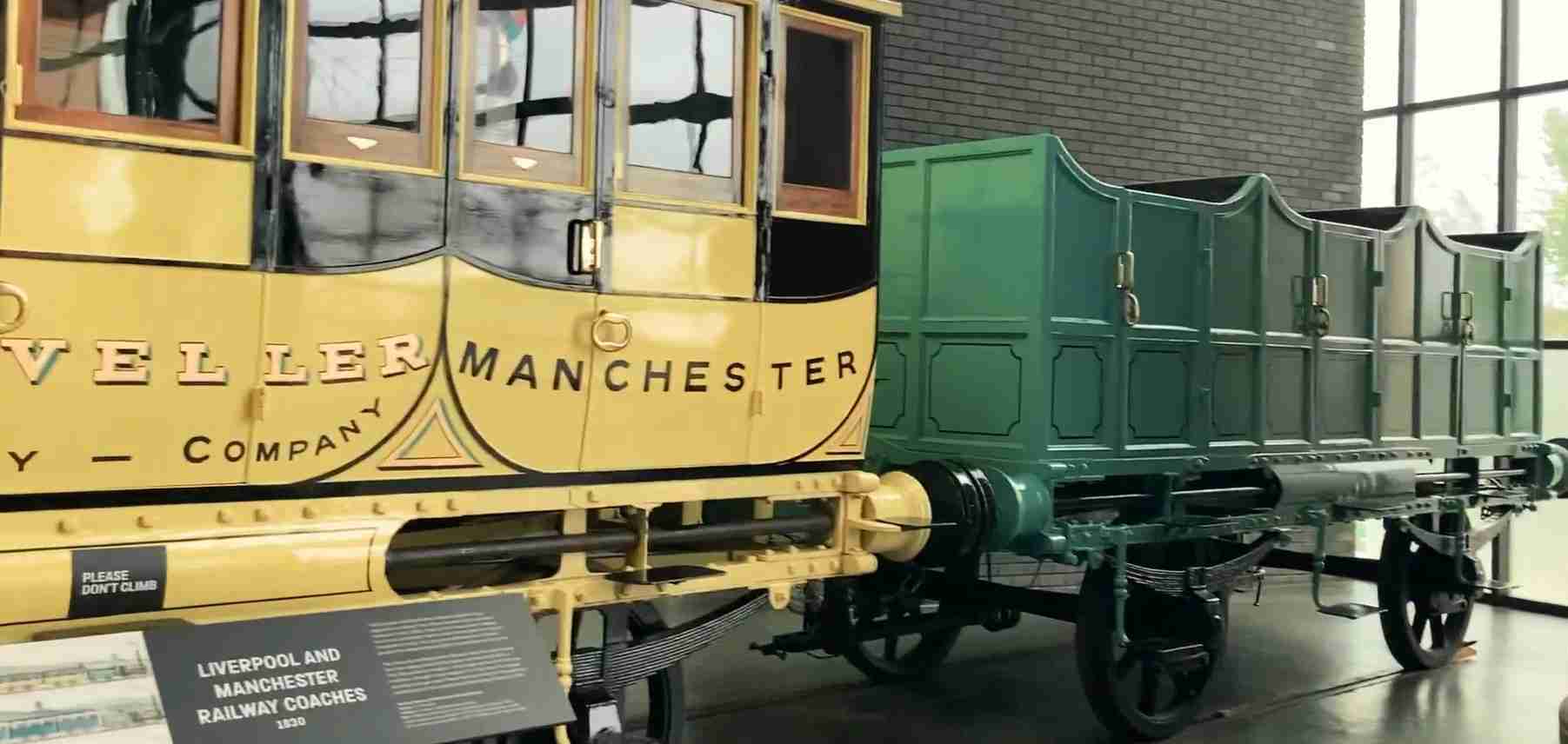
York Museums & Galleries 2026: Complete Cultural Guide
York’s museum landscape encompasses world-class collections ranging from Roman archaeology and Viking heritage to Renaissance art and railway engineering, with options spanning free national institutions to specialized historic houses. This ancient cathedral city maintains over 20 significant museums and galleries within its compact medieval center, offering concentrated cultural exploration unmatched in northern England. Whether your interests lean toward medieval treasures, contemporary ceramics, or immersive historical experiences, York delivers extraordinary depth across every period of British history while remaining accessible to day visitors and extended stays alike.
Key Takeaways About York Museums & Galleries 2026
- Outstanding Free Option: The National Railway Museum offers world-class collections completely free, though advance booking guarantees entry during peak periods and school holidays when capacity fills quickly.
- York Museums Trust Annual Pass Value: A single admission to York Castle Museum (£18), Yorkshire Museum (£10), or York Art Gallery (£9) provides 12 months unlimited return access to all three venues, making multiple visits exceptionally economical.
- York Pass Multi-Attraction Savings: The 1-day York Pass (approximately £60-65) includes 30+ attractions plus City Sightseeing bus and river cruise, breaking even after visiting just three major paid sites like York Minster, JORVIK Viking Centre, and York Castle Museum.
- Concentrated Central Location: Major museums cluster within 10-15 minutes’ walk of each other around the city walls, allowing visitors to experience multiple venues without transportation logistics or time waste between sites.
- 2026 Special Exhibitions: Making Waves: The Art of Japanese Woodblock Print opens February 27 at York Art Gallery (featuring Hokusai’s Great Wave), while Chariots, Treasure and Power: Secrets of the Melsonby Hoard displays at Yorkshire Museum through autumn 2026.
- Advance Booking Essential: JORVIK Viking Centre, York Minster tower climbs, and York Museums Trust venues during weekends and school holidays require pre-booked timed entry slots to guarantee admission and avoid lengthy queues or turnaway disappointments.
People Also Ask About York Museums & Galleries 2026
How much does visiting York museums cost per day in 2026?
Budget museum visitors in York can explore extensively for £25-40 daily by prioritizing the free National Railway Museum (2-3 hours), walking the free city walls, and adding one paid attraction like York Art Gallery (£9) or Yorkshire Museum (£10). Mid-range cultural enthusiasts spending £55-75 daily typically visit 2-3 paid museums such as York Castle Museum (£18), JORVIK Viking Centre (£17), and York Minster (£20), while intensive museum-focused days reaching £90-120 include the York Pass (£60-65) plus optional specialized venues like York Cold War Bunker (£12) or Merchant Adventurers’ Hall (£7), maximizing attraction access across 6-8 sites. These daily costs cover admission only, excluding accommodation, meals, or transportation beyond walking the compact city center where all major museums concentrate within a 15-minute radius.
What are York’s best free museums and galleries in 2026?
The National Railway Museum stands as York’s premier free attraction in 2026, displaying over 100 locomotives including the Flying Scotsman, royal carriages, and the only Japanese Shinkansen bullet train outside Japan across two massive halls totaling 20 acres of exhibition space. York Museum Gardens surrounding the Yorkshire Museum offer free entry daily (except December 25-26 and January 1) with 10 acres of botanical collections, medieval abbey ruins, Roman architecture fragments, and peaceful riverside walks forming an exceptional outdoor museum experience. York Minster permits free entry for worship and prayer outside visiting hours, while the city’s ancient walls provide a free 2-mile circuit walk with interpretive panels explaining 2,000 years of defensive architecture. These free options alone justify a dedicated York cultural visit before considering any paid museums, with the National Railway Museum particularly outstanding for families, railway enthusiasts, and anyone appreciating Victorian engineering excellence at no admission cost beyond advance booking to secure entry slots.
Is the York Pass worth buying for museum visits in 2026?
The York Pass delivers clear value for visitors planning 3+ paid attractions in one day, breaking even after visiting York Minster (£20), JORVIK Viking Centre (£17), and York Castle Museum (£18) — a £55 total versus the 1-day pass at approximately £60-65. Intensive cultural tourists visiting 5-6 attractions in a single day (adding York Art Gallery £9, Clifford’s Tower £14, Yorkshire Museum £10) accumulate £88-98 in individual admission fees, representing £25-35 savings with a 1-day pass while gaining City Sightseeing bus access and river cruise inclusion. However, visitors focusing primarily on free attractions (National Railway Museum, city walls, Museum Gardens) or planning leisurely museum visits across multiple days see limited value, as York Museums Trust annual passes (purchased at any of their three venues) provide better economics for extended stays with £18 York Castle Museum admission granting 12 months unlimited access to all three Trust museums. The York Pass suits fast-paced itineraries cramming maximum attractions into 1-2 days, while the Trust annual pass benefits multi-day cultural explorers and return visitors within a 12-month window.
What museum opening hours should I plan around in York 2026?
York Castle Museum, Yorkshire Museum, and York Art Gallery operate Tuesday-Sunday 10:00-17:00 with Monday 11:00-17:00 openings (10:00 during school holidays), requiring pre-booking on weekends and holidays when capacity fills 2-3 hours before closing. The National Railway Museum maintains daily 10:00-17:00 hours year-round including Mondays and bank holidays, though advance free ticket booking prevents disappointment during peak summer months and February/October half-term weeks when families overwhelm walk-in capacity. York Minster opens daily for visitors 09:30-16:00 Monday-Saturday and 12:45-15:00 Sundays with extended summer hours to 18:00 June-August, but tower climbs operate restricted 10:00-15:30 schedules requiring separate booking and last-entry cutoffs 30 minutes before closing. JORVIK Viking Centre runs 10:00-17:00 daily with last admission 16:00, mandating timed entry slot booking days or weeks in advance during school holidays when the 20-minute ride-through experience reaches capacity early. Plan museum itineraries around these core hours, noting most York museums cluster afternoon closings at 17:00 necessitating strategic sequencing for visitors attempting multiple venues in one day without advance planning.
Extended multi-day tours – 5+ days
Featured York Multi-Day Tour Packages
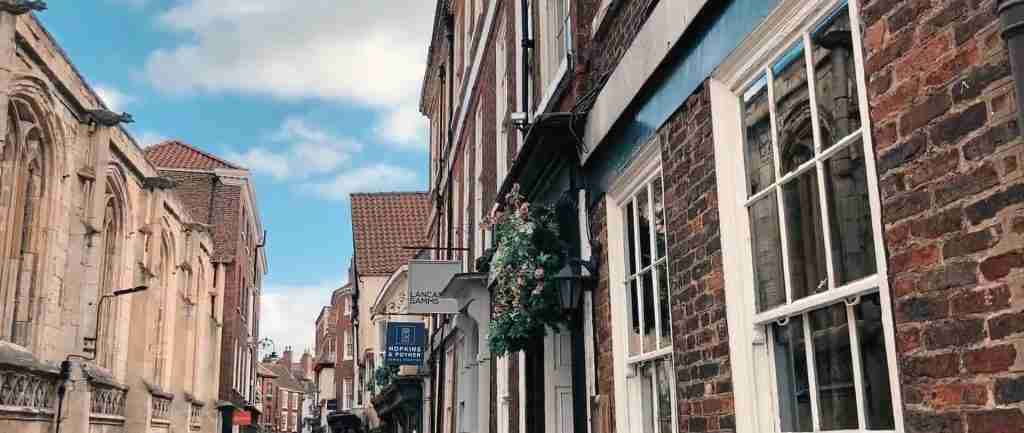
3 days
York 3-Day Discovery Tour
- ✓ Comprehensive York experience
- ✓ Expert local guides included
- ✓ All accommodation included
- ✓ Transportation provided
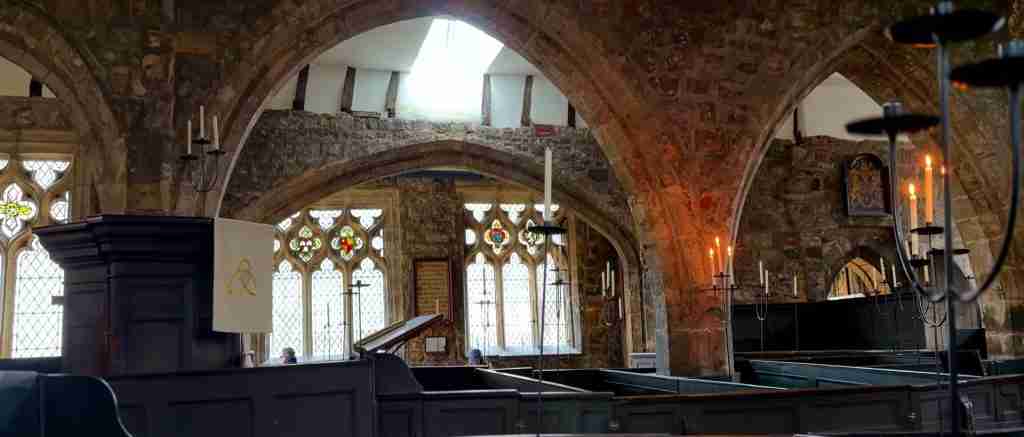
5 days
York 5-Day Highlights Experience
- ✓ Comprehensive York experience
- ✓ Expert local guides included
- ✓ All accommodation included
- ✓ Transportation provided
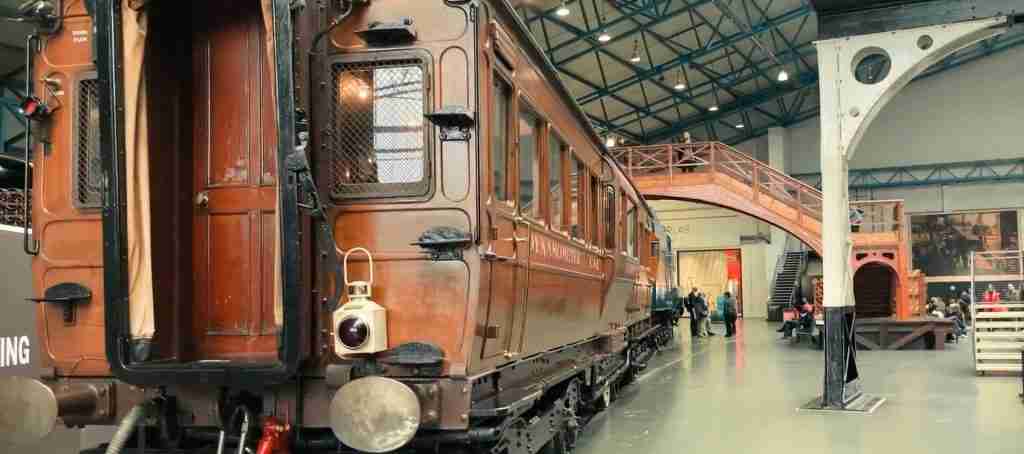
7 days
York 7-Day Cultural Journey
- ✓ Comprehensive York experience
- ✓ Expert local guides included
- ✓ All accommodation included
- ✓ Transportation provided
10 days
York 10-Day Complete Adventure
- ✓ Comprehensive York experience
- ✓ Expert local guides included
- ✓ All accommodation included
- ✓ Transportation provided
Multi-day tour packages powered by TourRadar. Prices and availability subject to change.
Introduction: York’s Museum Landscape in 2026
York emerged from Roman Eboracum through Viking Jorvik into medieval splendor, accumulating 2,000 years of material culture now preserved across specialized museums documenting every historical layer. The city’s compact geography concentrates remarkable cultural density, with world-class institutions clustered within the medieval walls alongside intimate historic houses and specialized collections. Unlike sprawling metropolitan museum districts requiring extensive transportation, York’s walkable center allows visitors to transition from Roman mosaics to Victorian street scenes to Renaissance paintings within minutes on foot, maximizing cultural immersion while minimizing logistical complexity.
The museum ecosystem divides into distinct categories serving different interests and budgets. York Museums Trust operates three major venues — York Castle Museum, Yorkshire Museum, and York Art Gallery — under unified ticketing with annual pass benefits encouraging repeat exploration. National institutions like the National Railway Museum offer world-class free admission balancing accessibility with excellence. Independent heritage attractions including York Minster, JORVIK Viking Centre, and Clifford’s Tower charge premium admissions justified by specialized experiences and conservation costs. Smaller venues like Merchant Adventurers’ Hall, Treasurer’s House, and Barley Hall reveal intimate glimpses into specific periods and social classes beyond the grand narratives told elsewhere.
The 2026 cultural calendar brings exceptional special exhibitions enriching permanent collections. York Art Gallery presents Making Waves: The Art of Japanese Woodblock Print from February 27 through August 30, featuring Katsushika Hokusai’s The Great Wave on loan from Maidstone Museum alongside comprehensive woodblock printing technique demonstrations. Yorkshire Museum debuts Chariots, Treasure and Power: Secrets of the Melsonby Hoard, displaying Iron Age treasure discovered in North Yorkshire including elaborate chariot fittings, ceremonial artifacts, and precious metal hoards revealing pre-Roman British society’s sophistication. York Castle Museum continues its Victorian street immersive installation The Last Stop Before Kirkgate, recreating coaching inn atmospheres through period-accurate sights, sounds, and smells while the museum’s 1960s galleries transport visitors through Britain’s cultural revolution. These temporary exhibitions complement permanent collections spanning prehistoric Yorkshire through contemporary art, ensuring fresh experiences for repeat visitors alongside essential stops for first-time cultural tourists.
Strategic planning unlocks York’s museum riches efficiently. The free National Railway Museum justifies 2-3 hours alone, anchoring any cultural itinerary as the morning or afternoon centerpiece before adding paid attractions. York Museums Trust venues reward annual pass purchases — even single-day visitors benefit from the £18 York Castle Museum admission converting to 12-month unlimited tri-museum access if they later add Yorkshire Museum or York Art Gallery within 24 hours. The York Pass suits intensive 1-2 day visits cramming maximum attractions including City Sightseeing bus transportation between sites, though its value diminishes for leisurely multi-day stays focusing on deeper exploration over quantity. Understanding these ticketing nuances, opening hour patterns, and geographical clustering transforms York museum visiting from overwhelming options into coherent cultural journeys tailored to individual interests, timeframes, and budgets while maximizing the extraordinary historical and artistic treasures this medieval city preserves.
York Castle Museum 2026: Victorian Immersion & Social History
York Castle Museum transforms 18th-century prison buildings into one of Britain’s finest social history collections, with the world-famous Kirkgate Victorian street reconstruction anchoring galleries exploring 400 years of everyday life. Adult admission stands at £18 for 12 months unlimited access, with children (5-16) at £11 and students/seniors at £16, making the annual pass format exceptional value for York residents and return visitors while remaining economical for single-day tourists planning multiple York Museums Trust venue visits. The museum operates Tuesday-Sunday 10:00-17:00 plus Monday 11:00-17:00 (10:00 during school holidays), with weekend and school holiday advance booking strongly advised as capacity fills mid-afternoon.
Kirkgate street recreation forms the museum’s centerpiece, featuring authentic Victorian shopfronts salvaged from demolished York buildings and meticulously furnished with period goods, advertising, and architectural details. The street spans multiple authentic businesses including Stephenson’s chemist displaying hundreds of Victorian pharmaceutical bottles and cure-all concoctions, a sweet shop with traditional confections in glass jars, Kirk’s saddlery with leather goods and harnesses, and Terry’s bakery (the famous York chocolate manufacturer’s family business). The Last Stop Before Kirkgate installation, opened January 2026 in collaboration with Novo Theatre, immerses arriving visitors in a recreated coaching inn atmosphere complete with period-appropriate sounds, smells, and costumed interpreters explaining Victorian travel culture before guests transition onto Kirkgate proper. This theatrical introduction deepens the street experience beyond passive viewing into multisensory historical immersion rarely achieved in traditional museum displays.
The Victorian era extends beyond Kirkgate into specialized galleries exploring period-specific aspects. Period rooms reconstruct middle-class and working-class domestic interiors showing the dramatic lifestyle gaps between social classes despite their temporal proximity. The costume collection displays centuries of fashion evolution through original garments ranging from 17th-century embroidered waistcoats through Victorian crinolines to 1960s miniskirts, demonstrating how clothing reflected and enforced social hierarchies, gender expectations, and economic status across four centuries. Toy galleries showcase childhood evolution from handcrafted wooden playthings through mass-produced tin soldiers to early plastic toys, with interactive elements allowing modern children to experience Victorian games and compare childhood experiences across centuries.
World War I galleries commemorate the conflict’s total impact on British society through military artifacts, personal letters, propaganda posters, and reconstructed trench environments. The displays emphasize civilian experiences alongside soldier stories — rationing, women’s workforce entry, conscription debates, and bereavement’s universal reach — demonstrating how the war transformed every aspect of British life regardless of proximity to battlefronts. York’s particular military significance as a northern garrison city and railway hub receives focused attention, with local regiment histories and individual soldier stories personalizing the global conflict’s local dimensions.
The 1960s street provides chronological balance to Victorian Kirkgate, recreating the revolutionary decade when British culture exploded into international influence. Period shopfronts display 1960s fashions, music posters, domestic appliances, and consumer goods while gallery displays address the decade’s social transformations — women’s liberation, youth culture emergence, immigration impact, and traditional authority structure challenges. The juxtaposition between Victorian propriety and 1960s liberation, separated by just three generations yet worlds apart culturally, demonstrates history’s acceleration during the 20th century more powerfully than any textbook chronology.
York Castle Prison cells occupy the museum’s original purpose, preserving where Dick Turpin (the legendary 18th-century highwayman) awaited execution in 1739 alongside subsequent centuries of condemned prisoners. The cells maintain their oppressive atmosphere — cold stone, minimal light, cramped dimensions — while interpretive panels explain prison life evolution, execution methods, crime and punishment philosophies, and individual prisoner stories humanizing the harsh justice system. This authentic setting provides sobering counterpoint to Kirkgate’s nostalgic charm, reminding visitors that Victorian York simultaneously housed prosperous merchants and desperate criminals within the same urban fabric.
Special exhibitions rotate throughout 2026, typically requiring no additional admission beyond general museum entry. The Castle Kitchen installation runs through Easter 2026, offering Victorian food preparation demonstrations, period recipe tastings, and explanations of how social class dictated diet dramatically during the 19th century when wealthy merchants enjoyed multi-course dinners while working families subsisted on bread, potatoes, and occasional meat. These living history elements transform the museum from static displays into interactive experiences, particularly valuable for school groups and families seeking engagement beyond label reading.
Practical considerations enhance visits. The museum café serves light meals and refreshments in a pleasant setting overlooking the prison courtyard gardens. The museum shop stocks Victorian-themed gifts, local history books, and period reproduction items including traditional sweets, toys, and homeware. Large luggage cannot enter galleries, with no storage facilities available, necessitating hotel drop-off before museum visits for travelers with wheeled bags. Pushchairs park at designated areas with baby carriers available free, though carrying devices suit the museum’s multi-level layout better than wheels. Photography permits personal use throughout most galleries, with specific exhibition restrictions clearly marked.
The £18 annual adult admission converts York Castle Museum from expensive single-site visit into economical multi-museum access. Purchasing admission here grants immediate 12-month unlimited entry to Yorkshire Museum and York Art Gallery, transforming a £18 expenditure into £37 value (combined single-visit prices for all three venues). This makes York Castle Museum the strategic first stop for multi-day York visits or returning tourists, with the annual format encouraging deeper exploration across multiple visits rather than rushed single-day attempts to absorb 400 years of material culture. For intensive same-day cultural tourists visiting 4+ attractions, the York Pass alternative provides better value including York Minster, JORVIK, and City Sightseeing bus beyond the three Museums Trust venues.
Yorkshire Museum 2026: Archaeology & Natural History Excellence
Yorkshire Museum houses Britain’s premier regional archaeology collection spanning 11,000 years from Ice Age hunters through Roman occupation to medieval splendor, displayed within a purpose-built 1830 Greek Revival structure set in 10 acres of botanical gardens. Adult admission costs £10 for 12 months unlimited access, with children (5-16) at £6 and students/seniors at £9, representing exceptional value for archaeological enthusiasts and natural history devotees willing to dedicate 2-3 hours to comprehensive exploration. The museum operates Tuesday-Sunday 10:00-17:00 plus Monday 11:00-17:00 (10:00 during school holidays), with advance booking essential weekends and school holidays when intimate gallery spaces reach comfortable capacity limits.
Roman York dominates significant gallery space, justified by Eboracum’s status as Britain’s northern military and administrative headquarters where emperors resided and Constantine the Great was proclaimed emperor in 306 CE. The massive statue of Mars discovered in the River Ouse represents Britain’s finest surviving Roman sculpture, its imposing presence and exquisite detail demonstrating Roman artistic sophistication at empire’s northern frontier. Visitors walk across genuine Roman mosaic floors relocated from excavation sites, experiencing authentic imperial luxury underfoot rather than behind protective barriers. The Wold Newton Hoard, discovered by a Yorkshire farmer in 2004, displays Britain’s largest Roman precious metal hoard — over 500 gold coins and jewelry pieces hidden during 4th-century crisis, never recovered by their original owner, now illuminating economic networks, artistic tastes, and personal wealth during Eboracum’s decline.
The marble head of Constantine the Great provides tangible connection to world-historical significance, as this particular emperor’s conversion to Christianity transformed European civilization’s trajectory. Finding such imperial portraiture in York rather than Rome or Constantinople underscores the city’s importance within the empire’s administrative hierarchy. Supporting displays explain garrison life, civilian settlement, trade networks extending to Mediterranean and Middle East, religious diversity including early Christianity, and the gradual Romano-British cultural fusion that characterized Britain’s 400-year imperial experience.
Medieval York galleries showcase the city’s golden age as England’s second city and northern ecclesiastical center. The Middleham Jewel, discovered in 1985 near Richard III’s childhood castle, ranks among Britain’s finest medieval jewelry pieces — a gold and sapphire pendant engraved with religious imagery demonstrating late 15th-century craftsmanship’s extraordinary sophistication. The Cawood Sword, a magnificent 15th-century ceremonial weapon, exemplifies the heraldic and decorative metalwork that distinguished elite military culture during the Wars of the Roses. The Vale of York Hoard, a 10th-century Viking silver treasure containing over 600 coins plus ornamental metalwork, illustrates the cultural mixing occurring as Scandinavian settlers integrated into Anglo-Saxon society while maintaining distinct identities.
York Helmet, an 8th-century Anglo-Saxon ceremonial helmet discovered during 1982 construction work, represents one of just five complete Anglo-Saxon helmets surviving in Britain. Its elaborate brass decoration, face guard design, and inscription mentioning “Oshere” (possibly the owner’s name) provide rare material evidence about pre-Viking warrior culture and social hierarchy. The Gilling Sword, found in a North Yorkshire churchyard, adds another elite military artifact to the collection, its pattern-welded blade and decorated hilt components illustrating early medieval metalworking mastery that required generations of accumulated knowledge to achieve.
Viking North exhibition, opened July 2025 and continuing through 2026, presents the most comprehensive Viking Age display outside London with over 200 objects documenting Scandinavian settlement, integration, and cultural transformation between 866 CE (York’s Viking conquest) and 1066 CE (Norman invasion). Artifacts range from everyday domestic items through elaborate jewelry and weapons, demonstrating how Viking York (Jorvik) functioned as an international trading hub connecting Scandinavia, British Isles, and continental Europe through commerce, craft production, and cultural exchange. The exhibition challenges simplistic “raiders and plunderers” stereotypes, revealing Vikings as sophisticated urban dwellers, skilled craftspeople, savvy merchants, and gradual Christian converts whose cultural legacy profoundly shaped northern England’s dialect, place names, legal traditions, and social structures.
Chariots, Treasure and Power: Secrets of the Melsonby Hoard exhibition debuts 2026, displaying the extraordinary Iron Age chariot burial and associated treasures discovered near Richmond in 2018-2020. This Late Iron Age (1st century BCE) aristocratic burial contains elaborate chariot fittings, horse equipment, weapons, feasting vessels, and personal ornaments revealing pre-Roman Yorkshire’s sophisticated tribal society. The chariot components’ technical complexity and decorative artistry demonstrate that Celtic Britain achieved remarkable technological and aesthetic sophistication before Roman conquest, contradicting outdated notions of primitive native culture requiring Roman civilizing influence.
Prehistoric galleries cover 11,000 years before Romans, tracing Ice Age hunter-gatherers through Bronze Age farmers to Iron Age tribal kingdoms. Star Carr Mesolithic headdresses, created from red deer skulls approximately 11,000 years ago, represent Britain’s oldest headwear and earliest evidence of elaborate costume or ritual practice. These mysterious objects, never before publicly displayed together, raise profound questions about early religion, shamanism, social hierarchy, and artistic expression among Britain’s first post-glacial inhabitants. Supporting displays present Yorkshire’s geological evolution, climate change impacts on human settlement, technology development from stone tools through metalworking, and the agricultural revolution’s transformation from nomadic hunting to settled farming communities.
Natural history collections occupy dedicated galleries exploring Yorkshire’s geological formation, fossil record, and biodiversity evolution across 150 million years. Yorkshire’s Jurassic World exhibition presents marine reptile fossils from the county’s Jurassic-era seabeds including ichthyosaurs, plesiosaurs, and crocodilians that swam above what is now the Yorkshire coast during the age of dinosaurs. These spectacular specimens, many discovered by amateur fossil hunters along the Yorkshire coast, demonstrate that significant paleontological discoveries remain accessible to dedicated enthusiasts rather than exclusively professional archaeologists. Supporting displays explain plate tectonics, climate shifts, extinction events, and Yorkshire’s transformation from tropical seas through ice sheets to modern temperate landscape.
York Museum Gardens surrounding the museum provide free botanical sanctuary regardless of museum admission, though visitors appreciate greater context after exploring interior galleries. St. Mary’s Abbey ruins, the most substantial surviving medieval abbey architecture in York, demonstrate Benedictine monastery scale and sophistication before Henry VIII’s dissolution destroyed England’s monastic network. The ruins’ interpretation connects interior Roman and medieval gallery content to surviving architectural evidence, revealing how successive civilizations built upon, incorporated, and sometimes destroyed predecessor structures while York evolved from Roman garrison through Viking trading center into medieval ecclesiastical powerhouse.
The £10 adult admission includes 12 months unlimited Yorkshire Museum access plus York Art Gallery and York Castle Museum, making this among York’s best museum values for multi-visit tourists or extended stays. Purchasing admission at any York Museums Trust venue immediately activates the tri-museum annual pass, encouraging strategic decisions about which institution to enter first based on daily capacity constraints or special exhibition timing rather than ticket price optimization. For same-day intensive cultural tourists visiting multiple non-Trust attractions (York Minster, JORVIK, Clifford’s Tower), the York Pass provides superior value including all three Museums Trust sites plus 27+ additional attractions and City Sightseeing bus access.
York Art Gallery 2026: Fine Art & Studio Ceramics
York Art Gallery presents 600 years of painting, sculpture, and decorative arts alongside Britain’s premier studio ceramics collection, housed in a magnificently renovated Victorian building that earned 2016 Art Fund Museum of the Year shortlisting. Adult admission stands at £9 for 12 months unlimited access, with children (5-16) at £5.40 and students/seniors at £9, making this Yorkshire’s most economical serious art museum while offering exceptional collection quality rivaling metropolitan institutions. The gallery operates Tuesday-Sunday 10:00-17:00 plus Monday 11:00-17:00 (10:00 during school holidays), with advance booking recommended weekends and during major exhibitions when timed entry slots prevent overcrowding in intimate gallery spaces.
Making Waves: The Art of Japanese Woodblock Print exhibition opens February 27, 2026, running through August 30 and featuring Katsushika Hokusai’s The Great Wave off Kanagawa — one of world art’s most recognized images — on generous loan from Maidstone Museum. This comprehensive survey explores ukiyo-e (floating world pictures) development during Japan’s Edo period (1603-1868), demonstrating how Japanese printmakers perfected multicolor woodblock techniques achieving extraordinary detail, subtle gradations, and bold compositions that revolutionized Western art when European artists encountered these prints during the 1860s-1890s. The exhibition explains complex technical processes requiring master carvers and printers collaborating with artists to produce each design through multiple carved blocks and precisely registered color applications. Hokusai’s Great Wave exemplifies the mature ukiyo-e style’s power — dynamic composition, bold line, flattened perspective, and dramatic subject perfectly balanced through masterful design serving both artistic and commercial purposes within Japan’s thriving print market.
Western artists including Impressionists, Post-Impressionists, and Art Nouveau designers absorbed Japanese print influence deeply, incorporating flattened space, asymmetric composition, bold outlines, and everyday subject matter that ukiyo-e demonstrated into paintings, posters, and decorative arts transforming European visual culture. The exhibition traces these connections through comparative displays showing how Monet, Whistler, Toulouse-Lautrec, and others adapted Japanese aesthetic principles to Western media, creating the cultural fusion now recognized as Japonisme. For visitors familiar with Impressionism or Art Nouveau but unfamiliar with their Japanese precedents, this exhibition provides revelatory context explaining stylistic innovations often attributed solely to Western artists’ genius actually drew heavily upon Japanese print tradition’s alternative visual approaches.
Harold Gosney: Materials and Making exhibition continues through June 28, 2026, celebrating the Yorkshire sculptor’s (1933-2018) six-decade career working primarily in wood with occasional metal and stone works. Gosney’s practice emphasized material honesty and craft tradition, creating abstract and figurative forms that respected timber’s natural properties while pushing technical boundaries through innovative joinery, lamination, and carving techniques. This retrospective, drawn primarily from private collections and family holdings, reveals an artist whose commitment to traditional craftsmanship and regional artistic networks resisted London-centric art world pressures while maintaining rigorous standards and continuous formal evolution. For visitors interested in post-war British sculpture, studio craft movement, or regional artistic identity, Gosney exemplifies the dedicated maker operating outside metropolitan spotlight while achieving work of enduring quality and distinctive vision.
The permanent collection’s Italian Old Masters section anchors the gallery’s historical holdings, with 14th-15th century panel paintings demonstrating Renaissance art’s early development in Florence, Siena, and Venice. These works, while individually modest compared to National Gallery or Uffizi holdings, collectively illustrate the revolutionary technical and conceptual innovations that transformed European painting between medieval and Renaissance periods. Supporting displays explain tempera technique, gold leaf application, religious iconography, and patronage systems that shaped Italian art before oil painting and secular subjects gained prominence during the High Renaissance.
17th century Dutch and Flemish paintings represent Northern European artistic traditions parallel to but distinct from Italian developments. Genre scenes depicting everyday life, landscape paintings celebrating Dutch countryside, still life arrangements demonstrating symbolic meaning encoded in ordinary objects, and portraits documenting merchant class prosperity illustrate how Protestant Northern Europe developed different artistic priorities than Catholic Mediterranean regions, with markets favoring smaller cabinet pictures for domestic display over monumental religious commissions dominating Italian production.
British art from 18th century through contemporary periods traces national artistic development across 250 years. William Etty (1787-1849), York’s most famous native artist, receives dedicated gallery space displaying his characteristic historical and mythological subjects featuring idealized nude figures that earned him Royal Academy success and contemporary controversy. Victorian narrative painting, popular during the 19th century but critically dismissed during modernist 20th century, receives rehabilitative presentation explaining how these detailed story-telling pictures engaged contemporary audiences through literary references, moral lessons, and technical virtuosity now appreciated after decades of critical neglect.
20th century British art includes significant works by L.S. Lowry (industrial landscape scenes), Stanley Spencer (religious and domestic subjects), Paul Nash (surrealist landscapes), and David Hockney (Yorkshire-born international star). Hockney’s presence proves particularly significant given his Bradford origins and continued Yorkshire connections, with his vibrant colors, bold compositions, and innovative media experimentation representing Yorkshire artistic achievement at global pinnacle. The gallery periodically rotates Hockney holdings between storage and display, encouraging repeat visits to encounter different works from this beloved local artist whose international recognition validates regional cultural vitality.
Centre of Ceramic Art (CoCA) occupies dedicated first-floor galleries, housing one of Britain’s most significant studio ceramics collections with over 2,000 works spanning 150 years. The Wall of Pots installation arranges hundreds of vessels by color creating a spectacular 17-meter rainbow effect demonstrating ceramic glaze’s extraordinary chromatic range while celebrating the vessel form’s enduring centrality to ceramic practice. This dramatic display transforms functional pottery into pure visual spectacle, inviting viewers to appreciate form, surface, and color relationships independent of vessels’ utilitarian origins.
The collection traces British studio pottery movement from Victorian art pottery through Bernard Leach’s Anglo-Oriental fusion establishing 20th century British ceramics’ philosophical foundations, to contemporary makers exploring ceramics’ boundaries between craft, sculpture, and conceptual art. Major makers including Lucie Rie, Hans Coper, Shoji Hamada, and contemporary innovators receive focused displays explaining their technical innovations, aesthetic philosophies, and influence on subsequent generations. The collection’s strength lies in comprehensive depth across studio ceramics’ full historical development rather than isolated masterpieces, allowing visitors to understand how British ceramic art evolved through successive movements, innovations, and debates about craft’s relationship to fine art, industry, and Eastern ceramic traditions.
Temporary ceramic installations commission contemporary makers to create site-specific works responding to the gallery’s historic architecture, permanent collection, or thematic concepts. These installations demonstrate ceramics’ contemporary vitality and conceptual range beyond traditional vessel-making, with artists employing ceramic materials for sculptural, architectural, performative, and installation purposes that expand medium definitions while honoring clay’s 10,000-year human relationship. Clare Twomey’s commissioned works exemplify this approach, using thousands of ceramic components to create immersive environments addressing themes ranging from memory and loss to environmental crisis and social connection.
The Artists Garden and Edible Wood extend the gallery’s Victorian building through landscaped outdoor spaces providing contemplative respite between gallery visits. These gardens connect to Museum Gardens proper, allowing visitors to transition between York Art Gallery and Yorkshire Museum through beautiful planted landscapes rather than circling to street entrances, creating a unified Museums Trust campus experience enhancing each individual venue visit.
The £9 adult admission provides 12-month unlimited access to York Art Gallery plus Yorkshire Museum and York Castle Museum, making even single-visit tourists strategic beneficiaries of the York Museums Trust annual pass structure. Purchasing admission at any Trust venue immediately activates tri-museum access, with the economical pricing encouraging multiple visits to explore rotating exhibitions, rediscover favorite works, and follow special events or artist talks scheduled throughout the year. For intensive same-day cultural tourists visiting 4+ attractions including non-Trust venues, the York Pass bundles all three Museums Trust sites with York Minster, JORVIK Viking Centre, Clifford’s Tower, and 24+ additional attractions plus City Sightseeing bus, delivering superior per-attraction economics when time constraints demand maximum cultural density.
National Railway Museum 2026: World-Class Free Engineering
The National Railway Museum displays the world’s largest railway collection across two massive halls and extensive outdoor areas, offering completely free admission making this Britain’s premier accessible museum for families, transport enthusiasts, and anyone appreciating Victorian engineering’s revolutionary impact. Free tickets require advance online booking particularly during school holidays, half-term weeks, and summer months when the museum’s 300,000+ annual visitors concentrate into peak periods overwhelming walk-in capacity despite the venue’s 20-acre site accommodating substantial crowds. The museum operates daily 10:00-17:00 year-round including Mondays and bank holidays, with last admission 16:30 and certain exhibits closing 15 minutes before museum shutdown.
The Great Hall houses the most historically significant and visually spectacular locomotives including the Flying Scotsman, Britain’s most famous train that achieved the first authenticated 100mph speed in 1934 and completed a celebrated Australian tour during the 1980s before extensive restoration returned it to mainline operating condition. Visitors circle this legendary locomotive on ground level before ascending the mezzanine viewing platforms, appreciating the engineering complexity, streamlined aesthetics, and meticulous restoration work that preserves this national treasure for future generations. The locomotive’s celebrity status — appearing on stamps, models, books, films, and popular consciousness — illustrates how engineering achievements transcend purely technical appreciation to become cultural icons representing British innovation, industrial prowess, and nostalgic connection to railway’s golden age.
Mallard, holder of the world steam speed record at 126mph set in 1938 and never exceeded, represents streamlined locomotive design’s pinnacle when aerodynamic shaping, mechanical refinement, and power optimization converged in Sir Nigel Gresley’s masterpiece. The Mallard’s sleek profile, wedge-shaped front, and careful detail design demonstrate how engineering and aesthetics merged during the 1930s streamline era when speed became cultural obsession and railways competed against emerging aviation through dramatic visual styling alongside technical performance. The locomotive’s preservation in original London and North Eastern Railway garter blue livery provides striking contrast to earlier Victorian black engines, illustrating how railways evolved from purely functional machines into branded corporate identities requiring visual distinction and public appeal.
Royal trains occupy dedicated gallery space displaying carriages used by monarchs from Queen Victoria through Elizabeth II, revealing how royalty traveled in extraordinary luxury while maintaining security, protocol requirements, and symbolic presence across empire and nation. Queen Victoria’s 1869 saloon features sumptuous upholstery, intricate woodwork, and innovative suspension systems providing smooth riding despite Victorian track standards, while later royal vehicles show evolving technologies, changing aesthetic tastes, and modernizing ceremonial requirements as railways transitioned from cutting-edge innovation to reliable infrastructure. These carriages, open for interior viewing, demonstrate craftsmanship standards applied to royal commissions with materials, finishes, and detail work exceeding even first-class commercial vehicle specifications.
The Japanese Shinkansen bullet train, a six-car 1975 Series 0 set donated to Britain as the only complete Shinkansen outside Japan, represents post-war technological advancement and non-Western railway engineering excellence. This exhibit challenges Eurocentric railway narratives by showcasing how Japanese engineers developed high-speed rail decades before European nations achieved comparable systems, with the original 1964 Tokaido Shinkansen service reaching 130mph commercial speeds when British railways operated at 1930s performance levels. Visitors enter the streamlined vehicles experiencing the distinctive design language — smooth curves, efficient space utilization, advanced engineering integration — that influenced subsequent worldwide high-speed train development.
Stephenson’s Rocket, displayed prominently as railways’ founding document, represents the 1829 Rainhill Trials winner that established railway transport’s viability through reliable steam locomotion. This deceptively simple-looking machine embodies revolutionary innovations — multi-tube boiler for efficient steam generation, direct drive cylinders, and integrated design thinking — that transformed it from experimental contraption into practical technology launching the railway age. Understanding that this modest machine sparked the 19th century’s transportation revolution contextualizes the massive locomotives elsewhere in the collection, showing how 90 years of accumulated refinement produced the Flying Scotsman and Mallard from Rocket’s fundamental principles.
The Station Hall recreates Victorian railway architecture’s grandeur through massive spans, decorative ironwork, and spatial drama that transformed railway stations from purely functional structures into civic monuments expressing community pride, corporate power, and modern progress. Original station signs, period advertisements, platform furniture, and architectural fragments salvaged from demolished stations preserve material culture surrounding railway travel’s social dimensions beyond the trains themselves. This environmental setting helps visitors understand how railways revolutionized not just transportation but also urban design, commercial architecture, and public space experience as millions of passengers encountered modern materials, engineering scale, and corporate branding through station environments.
The Warehouse stores additional vehicles in dense arrangements allowing close examination of engineering details, undercarriage components, and technical variations across locomotive types. This area functions as visible storage where enthusiasts can study construction techniques, restoration challenges, and collection management decisions rarely visible in conventional museums where displayed objects represent only small collection percentages. The Warehouse’s honest presentation acknowledges that comprehensive collections exceed display space while providing access to study collection depth beyond star exhibits.
Interactive exhibits explain railway engineering principles through hands-on models, cutaway engines showing internal mechanisms, and digital simulations demonstrating how steam locomotives, diesel engines, and electric traction convert energy into motion. These educational elements transform passive viewing into active learning particularly valuable for school groups and families, with explainers on weekends providing live demonstrations answering technical questions and sharing railway history anecdotes beyond static displays.
The turntable, a massive rotating platform allowing locomotives to reverse direction or access multiple track orientations from a single approach line, provides focal point for outdoor viewing and scheduled demonstrations when operating locomotives perform controlled movements. This functional engineering solution, mundane to railway operations but fascinating to general audiences, exemplifies how railways required extensive supporting infrastructure beyond locomotives and carriages to function efficiently, with maintenance facilities, signaling systems, stations, goods yards, and water supplies forming integrated networks where every component enabled the system’s overall functionality.
Search Engine, the museum’s digitized collection and archives research center, allows visitors to explore 3 million items including photographs, documents, technical drawings, and artifacts beyond physical display capacity. Enthusiasts conducting family history research, technical investigations, or historical inquiries access professional collection databases, railway company archives, and specialist library holdings usually restricted to academic researchers, democratizing knowledge while supporting serious railway scholarship. This research facility elevates the museum beyond popular entertainment into genuine knowledge institution serving amateur and professional historians equally.
The museum’s South Yard redevelopment, opening phases throughout 2026, creates new galleries, improved circulation, and enhanced facilities addressing capacity constraints and visitor experience weaknesses identified through recent assessment. The expansion emphasizes accessibility, family provision, and educational programming rather than simply adding display space, recognizing that free admission mandates superior visitor services compensating for no revenue barriers preventing casual visits. These improvements position the museum for continued relevance as Britain’s largest free visitor attraction outside London, with investment reflecting the Science Museum Group’s commitment to maintaining the York facility’s national significance despite metropolitan cultural institution advantages in media attention and tourist traffic.
The museum’s free admission policy delivers extraordinary public value, making world-class engineering collections accessible regardless of economic means while removing cost barriers preventing schools, families, and individuals from repeated engagement. This accessibility achieves social mission goals beyond any admission charge’s revenue generation, with the museum funded through Science Museum Group allocation rather than ticket sales. The advance booking requirement manages capacity without imposing financial barriers, with the reservation system preventing overcrowding compromising visitor experience and artifact conservation while maintaining the democratic admission principle fundamental to national museums’ public service responsibilities. For York cultural tourists, the National Railway Museum anchors any itinerary as the essential free institution balancing paid attractions’ accumulated costs across multi-day museum-focused visits.
JORVIK Viking Centre 2026: Immersive Archaeological Experience
JORVIK Viking Centre recreates 10th-century Viking York through dark ride technology, physical reconstructions, and original artifacts discovered during 1976-1981 Coppergate excavations, creating immersive historical experience unique among York’s museums. Adult admission costs approximately £17-18 for the time-capsule ride and archaeological displays, with children, seniors, and family tickets available at reduced rates, while the York Pass includes admission without separate booking requirements. The center operates daily 10:00-17:00 with last admission 16:00, though timed entry slots require advance booking days or weeks ahead during school holidays and summer when demand overwhelms capacity for the 20-minute ride-through experience.
The journey begins with introductory gallery explaining York’s Viking conquest in 866 CE when the Great Heathen Army captured the Anglo-Saxon city, transforming it into Jorvik — a Scandinavian trading hub connecting Britain, Ireland, continental Europe, and Scandinavia through commerce, craft production, and cultural exchange. Archaeological evidence demonstrates that Viking York became one of Europe’s largest cities with 15,000+ inhabitants engaged in international trade reaching from Arctic walrus ivory through Byzantine silk to Baltic amber, challenging simplistic raid-and-pillage Viking stereotypes by revealing sophisticated urban society mixing Scandinavian and Anglo-Saxon cultures into distinctive hybrid identity.
The time-capsule ride transports visitors through reconstructed 10th-century Viking streets populated by animatronic figures engaged in daily activities — metalworking, weaving, trading, cooking, socializing — with historically accurate costumes, tools, buildings, and deliberately authentic smells including smoke, sewage, and animal odors recreating medieval urban sensory environment rarely addressed in traditional museums. This multisensory approach proves particularly effective for children and visitors struggling with conventional museum displays, with the theatrical presentation making history tangible and memorable beyond dates and facts. The authentic odors, while sometimes criticized as unpleasant, serve important educational purpose demonstrating how dramatically pre-modern urban environments differed from contemporary sanitized cities, challenging visitors to consider how daily life experience fundamentally changed through public health, waste management, and sanitation infrastructure developments.
Period voices speak Old Norse and Anglo-Saxon languages, with modern English audio guides providing translation and context explaining what visitors observe. This linguistic authenticity reminds audiences that Viking settlers spoke distinctly different languages gradually mixing with local English through daily interaction over generations, creating the Yorkshire dialect’s distinctive features persisting into present day. Place names ending in -by, -thorpe, -gate (from Old Norse gata meaning street, not entrance barrier) throughout Yorkshire demonstrate Viking linguistic legacy embedded in everyday modern language 1,000 years after political Viking period ended.
Archaeological displays follow the ride-through experience, showing actual artifacts excavated from beneath modern Coppergate shopping center built directly above the Viking settlement. The excavation’s significance extends beyond individual artifact quality to the exceptional preservation conditions — waterlogged soil preventing organic material decay — allowing wooden objects, leather goods, textile fragments, and plant remains to survive where typical excavations recover only stone, metal, and pottery. This comprehensive material culture recovery provides unprecedented insight into Viking daily life beyond the weapons, jewelry, and elite goods dominating conventional Viking displays when organic materials decomposed completely.
Leather shoes demonstrate Viking cobbling skills and fashion consciousness, with multiple styles and decoration levels showing that even working-class residents cared about personal appearance beyond pure function. Wooden combs, bone pins, and jewelry illustrate personal grooming practices contradicting “dirty Viking” stereotypes, while specialized craft tools reveal skilled trades including blacksmithing, woodworking, leatherworking, textile production, and jewelry manufacture operating from dedicated workshops supplying regional and international markets. Import items including silk fragments, Islamic dirhams, and exotic materials trace trade networks extending thousands of miles from York through Scandinavian mercantile connections, demonstrating how Viking Age globalization connected distant cultures through commerce decades before the Crusades or medieval Mediterranean trade networks typically emphasized in European history narratives.
The Gaze of Jorvik introduces facial reconstruction technology allowing visitors to see historically accurate representations of Viking Age York residents based on skull analysis from burial excavations. These reconstructions humanize abstract “Vikings” into individuals with specific features, ages, health conditions, and life experiences, challenging monolithic ethnic stereotypes by showing diversity within Viking communities that included Scandinavian settlers, Anglo-Saxon locals, Irish traders, and occasional Mediterranean or Arabic merchants passing through this international trading hub. The reconstructions prove particularly powerful for school children and younger visitors who connect more readily with personalized individuals than with generalized historical populations described through text alone.
Gallery displays contextualize Coppergate discoveries within broader Viking Age archaeology, showing how York’s material culture compares with Dublin, Dublin, Bergen, and Scandinavian homeland sites to demonstrate shared cultural characteristics and regional variations across Viking world. These comparisons reveal that “Viking” identity encompassed considerable internal diversity rather than monolithic culture, with regional traditions, local adaptations, and cultural mixing producing distinctive characteristics at different settlement locations despite shared Scandinavian origins. Understanding this complexity moves visitors beyond simplified Viking stereotypes toward appreciating the actual medieval society’s sophistication, cultural negotiations, and hybrid identities emerging as Scandinavian settlers integrated into British Isles over 200-year period.
The gift shop stocks Viking-themed merchandise including reproduction jewelry, books, toys, and souvenirs, with quality levels ranging from historical reproduction pieces suitable for reenactors through children’s toy weapons and costume items encouraging imaginative play. The shop provides revenue supporting the attraction’s ongoing maintenance, archaeological research, and educational programming, with merchandising connecting visitor enthusiasm from the immersive experience into lasting souvenirs reinforcing Viking heritage awareness beyond the single visit.
JORVIK’s compact format, typically visited in under one hour, suits short attention spans and time-limited itineraries, functioning as York Viking heritage introduction complementing Yorkshire Museum’s more comprehensive archaeological Viking displays and deeper academic context. The centers work synergistically rather than competing — JORVIK provides entertaining accessible introduction capturing popular imagination and family audiences, while Yorkshire Museum offers serious archaeological depth satisfying enthusiast-level engagement. Visitors encountering both venues gain complementary perspectives on Viking York’s significance, with entertainment and scholarship reinforcing rather than contradicting each other when both components receive appropriate emphasis within balanced cultural tourism experiences.
The £17-18 admission represents premium pricing within York’s museum landscape, justified by the unique immersive experience, expensive animatronic technology maintenance, and the attraction’s private operation lacking public subsidy available to national museums or York Museums Trust venues. Budget-conscious visitors must weigh JORVIK’s distinctive offering against Yorkshire Museum’s free-to-Museums-Trust-passholders Viking North exhibition providing deeper archaeological context at lower cost. The York Pass includes JORVIK admission without additional charges, making the multi-attraction pass increasingly valuable when including this relatively expensive single venue alongside York Minster, York Castle Museum, and other bundled attractions accumulating to £80-90 individual admission fees covered by the £60-65 pass investment.
York Minster 2026: Gothic Cathedral & Tower Climb
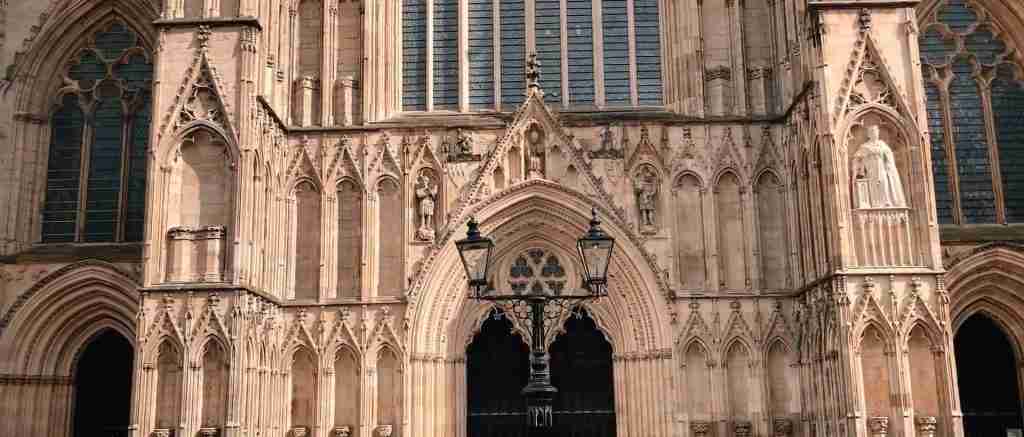
York Minster, Britain’s largest medieval cathedral and northern Europe’s most significant Gothic structure outside France, charges approximately £20 adult admission in 2026 for nave, transepts, choir, and undercroft museum access, with separate £6 tower climb tickets reaching 275 steps to roof-level viewing platform offering unrivaled York panoramas. Students, seniors, and children receive reduced rates, while family tickets bundle multiple admissions economically, though the York Pass includes complete Minster access without separate booking fees. The cathedral opens Monday-Saturday 09:30-16:00 and Sunday 12:45-15:00 for general visiting, extending hours to 18:00 during June-August summer season, though worship services, special events, and occasional closures require checking the official schedule before visiting.
The building’s scale overwhelms first-time visitors accustomed to parish churches or modest cathedrals, with the 524-foot length, massive pillars, soaring vaults, and vast internal volume creating spatial drama communicating medieval religious authority and engineering ambition. Understanding that this structure represents 250 years of continuous construction from 1220s through 1470s helps contextualize the architectural complexity blending Early English, Decorated, and Perpendicular Gothic styles as builders adapted to changing aesthetic preferences, engineering innovations, and practical constraints across multiple generations. This evolutionary development differs from Continental cathedrals often following unified design concepts, giving York Minster distinctive character where careful observation reveals stylistic transitions between construction phases separated by decades.
The medieval stained glass collection represents Britain’s finest surviving assemblage with over half of all medieval glass remaining in England concentrated in York Minster’s 128 windows. The Great East Window, created 1405-1408 by John Thornton of Coventry, ranks as the world’s largest medieval stained glass window containing over 2,000 individual glass pieces illustrating biblical history from Creation through Apocalypse. This magnificent window survived Henry VIII’s Protestant Reformation glass destruction, Cromwell’s Puritan iconoclasm, and Victorian “restoration” alterations that destroyed stained glass elsewhere, making its preservation historically miraculous and artistically irreplaceable. The Five Sisters Window in the north transept, composed of five 53-foot lancets containing geometric grisaille glass dating from around 1260, demonstrates Early English Gothic aesthetic preferring subtle patterns and filtered light over the colorful narratives dominating later Decorated and Perpendicular windows.
The Rose Window in the south transept, created around 1500, celebrates Tudor dynasty union with intricate tracery holding red and white roses symbolizing Houses of Lancaster and York joined through Henry VII’s marriage ending the Wars of the Roses. This politically charged window demonstrates how cathedral glass served propagandistic functions alongside devotional purposes, with wealthy patrons commissioning windows broadcasting their piety, family connections, and political loyalties to congregations and visitors contemplating the glowing narratives during services.
The Chapter House, an octagonal architectural masterpiece built 1260-1280, displays Decorated Gothic style’s mature phase with elaborate stone carving, complex vaulting patterns, and extensive stained glass illuminating the chamber where cathedral clergy conducted administrative business and theological debates. The absence of central supporting pillar, with the entire vault suspended from external walls’ structural strength, demonstrates medieval engineering’s sophistication solving challenging technical problems through innovative design and accumulated construction knowledge. The stone carved heads on capitals and roof bosses, each individually unique, showcase medieval craftspeople’s artistic creativity beyond pure structural function, with humorous, grotesque, and sublime faces entertaining visitors seven centuries after their creation.
The Undercroft Museum occupies cathedral foundations revealing successive building phases from Roman garrison headquarters through Norman cathedral to present Gothic structure, with archaeological excavations exposed and interpreted through displays explaining York’s architectural evolution. Roman columns recycled into medieval construction demonstrate practical medieval building practice reusing high-quality materials from abandoned structures rather than quarrying new stone, while foundation levels expose how cathedrals built upon earlier churches’ sacred ground required engineering solutions addressing pre-existing construction and accumulated burials complicating new building projects.
Treasures exhibition displays cathedral silver, vestments, manuscripts, and decorative arts accumulated across centuries through donations, purchases, and survival despite periodic destructions threatening church property during Reformation, Civil War, and occasional accidents. These objects contextualize cathedral worship practices, revealing how elaborate ceremonial clothing, precious metal altar vessels, illuminated service books, and jeweled reliquaries materialized religious devotion and institutional wealth before Protestant reforms simplified Anglican liturgy and reduced visual splendor. The survival of these objects despite destruction waves affecting most English cathedrals reflects York Minster’s relative protection through political circumstances, careful hiding during dangerous periods, and occasional fortunate oversights sparing individual pieces from zealots’ targeted smashing.
The Tower Climb, requiring separate ticket purchase, ascends 275 steps through medieval stairways offering progressively spectacular views as climbers emerge from claustrophobic spiral stairs onto roof walkways with panoramic Yorkshire countryside vistas and detailed York cityscape examination. This challenging climb suits reasonably fit visitors but excludes those with mobility limitations, respiratory conditions, or claustrophobia, with the cathedral providing clear advance warnings about physical requirements preventing disappointed arrivals. The experience combines historical architecture appreciation — viewing flying buttresses, roof construction, and defensive parapets from working structure perspectives impossible at ground level — with spectacular photography opportunities making the additional ticket cost and physical effort worthwhile for visitors capable of completing the ascent.
Guided tours led by volunteer cathedral guides provide deeper historical context, architectural explanation, and anecdotal richness beyond self-guided exploration, with daily scheduled tours included in general admission tickets. These tours illuminate details easily missed during independent visiting — stained glass symbolism, architectural innovations solving specific problems, historical events occurring within these walls, and ongoing conservation challenges maintaining this massive medieval structure against water damage, structural movement, and environmental pollution degrading stone and glass. Participating in guided tours transforms casual cathedral visits into educational experiences appropriate for serious historical interest beyond superficial tourist photography.
Evensong services, held daily at 17:00 (16:00 Sundays), allow visitors to experience cathedral functioning as living worship space rather than historical monument, with the cathedral choir’s exceptional singing performing Anglican choral tradition within the acoustically magnificent space it was designed to enhance. Attending evensong requires no ticket, with services open to all regardless of religious affiliation, providing free cathedral access alongside genuine spiritual experience transcending tourist consumption. This worship participation reminds visitors that York Minster serves active religious community continuing medieval cathedral functions rather than merely preserving historical buildings for secular admiration.
The £20 admission represents significant expense within York museum landscape but funds ongoing conservation work costing £20,000+ daily to maintain this massive medieval structure against weathering, structural issues, and general deterioration affecting 800-year-old fabric. The admission partially offsets these enormous maintenance costs while preserving public access to Britain’s religious architectural pinnacle, with the York Pass including cathedral admission making multi-attraction passes increasingly valuable when bundling this expensive single venue alongside other included sites. Budget-conscious visitors might time visits around free worship services or settle for external appreciation of Gothic architectural splendor visible from public streets and adjacent city walls, though internal stained glass and spatial experience justify the admission premium for serious cathedral enthusiasts or first-time York visitors deserving comprehensive cultural immersion.
Clifford’s Tower 2026: Medieval Castle Ruins & Roof Deck Views
Clifford’s Tower, York Castle’s sole substantial survival and the city’s most distinctive skyline landmark, reopened 2022 after major English Heritage conservation work installing new interior platforms, interpretive displays, and roof deck offering 360-degree York panoramas. Adult admission stands at £14 in 2026 (free for English Heritage members), with children, seniors, and family tickets available at reduced rates, while the York Pass includes tower admission simplifying multi-attraction itineraries. The tower opens daily 10:00-18:00 April-September and 10:00-16:00 October-March with last entry 30 minutes before closing, though weather can temporarily close the exposed roof deck during high winds or severe conditions.
The quatrefoil plan, unique among English castles and reflecting Continental architectural influence, demonstrates Norman castle-building sophistication beyond simple rectangular keeps dominating English medieval military architecture. This unusual design created interlocking spaces allowing defenders to cover all exterior walls with crossfire while providing multiple interior chambers for garrison accommodation, storage, and command functions within relatively compact footprint. The tower’s elevated motte position, built upon Norman earthworks from William the Conqueror’s original 1068 castle establishing control over recently conquered York, commands strategic views across the city and surrounding countryside explaining its military value controlling northern England’s primary urban center.
The 1190 massacre of York’s Jewish community represents Clifford’s Tower’s darkest historical episode, when Christian mob violence during Crusade fervor trapped approximately 150 Jewish residents in the wooden tower (predecessor to present stone structure) where they chose mass suicide over mob murder. This horrific event, one of medieval England’s worst anti-Semitic atrocities, receives sensitive commemoration through interpretive displays and annual memorial services acknowledging the victims and confronting medieval Christian violence against Jewish communities across England during this period. Understanding this tragedy contextualizes Clifford’s Tower beyond picturesque ruin or strategic military site into memorial space marking profound human suffering requiring historical acknowledgment and contemporary reflection on prejudice, violence, and religious intolerance’s devastating consequences.
The tower’s subsequent history spans royal treasury, prison, courts, military garrison, and tourist attraction across 750+ years, with different periods leaving architectural modifications, damage, and adaptations visible in the surviving stonework. Fire in 1684 destroyed interior floors and roof, leaving the hollow shell standing today with new English Heritage installations providing modern access infrastructure while respecting the medieval fabric. This ruin state paradoxically enhances visitor experience by exposing construction techniques, allowing unobstructed interior viewing of the quatrefoil plan, and creating dramatic architectural photography opportunities showing stone arches framing sky impossible in complete buildings.
The new roof deck, installed 2022, transforms Clifford’s Tower from partial ruin requiring imagination to recreate original appearance into functioning viewpoint exploiting the elevated position’s natural advantages. The deck sits at roof level where medieval battlements allowed defenders to observe approaching threats and direct defensive operations, with modern visitors using the same strategic position for peaceful cityscape photography and landmark identification. Interpretive panels identify visible York landmarks including Minster towers, city walls, castle museums, and surrounding Yorkshire countryside, connecting the tower’s military function to actual terrain features defenders monitored for enemy movements.
Interior displays explain castle evolution from Norman conquest through Tudor decline, with medieval castle life recreated through artifacts, replica items, and illustrated panels showing how garrison soldiers, prisoners, treasury officials, and royal administrators used the tower across different periods. These displays provide historical context transforming empty stone shell into imagined living military structure, with weapons displays, armor replicas, and tactical explanations helping visitors understand castle warfare practicalities beyond romantic medieval combat imagery. The compact interior, climbing 55 feet from entrance to roof deck, suits short attention spans and tight itineraries, typically requiring 30-45 minutes for complete visit including roof deck photography and display reading.
Archaeological investigations conducted during recent conservation work revealed construction details, previous interior arrangements, and material evidence about tower functions across different periods, with findings incorporated into updated interpretive materials enriching visitor understanding beyond previous installation’s limited information. This ongoing research demonstrates how even thoroughly studied monuments yield new knowledge through modern archaeological techniques, scientific analysis, and interdisciplinary collaboration combining historical documentary research with material evidence examination.
The tower’s central York location, adjacent to York Castle Museum and Fairfax House while positioned between city walls and river, makes Clifford’s Tower ideal itinerary component connecting multiple attractions within short walking distances. Visitors can easily combine tower visit with Castle Museum exploration, city walls walking, or riverside strolling, creating half-day York experiences efficiently utilizing concentrated attractions without transportation complexity or time waste between sites. This geographic advantage enhances the tower’s tourism value beyond its individual merits, functioning as anchoring landmark organizing broader York exploration.
The £14 admission reflects English Heritage pricing standards across their 400+ historic properties, with membership representing excellent value for visitors planning multiple English Heritage site visits during UK travels. Annual membership (approximately £60 individual, £105 family) grants free admission to all English Heritage properties including Stonehenge, Dover Castle, Hadrian’s Wall sites, and 50+ Yorkshire locations beyond Clifford’s Tower, making membership economical for heritage enthusiasts visiting 4+ properties annually. The York Pass bundles Clifford’s Tower admission with 30+ York attractions including York Minster, JORVIK Viking Centre, and York Museums Trust venues, providing superior value for intensive 1-2 day York itineraries cramming maximum cultural attractions without individual ticket purchases at each venue.
Additional York Museums & Galleries 2026
Merchant Adventurers’ Hall preserves Britain’s finest surviving medieval guild hall, operated by York’s Merchant Adventurers Company from 1357 through present day as Europe’s longest-operating guild. Adult admission stands at £7 with concessions available, offering intimate glimpses into medieval merchant culture, guild organization, and timber-framed architecture preceding the stone magnificence dominating York’s more prominent monuments. The Great Hall, with its massive oak beams, medieval roof structure, and heraldic decorations, demonstrates wealthy merchants’ social aspirations matching aristocratic display standards despite their non-noble commercial origins. The Undercroft Hospital provided almshouse accommodation for retired guild members and poor widows, illustrating medieval charitable obligations accompanying guild membership beyond pure commercial profit-seeking. Chapel spaces reveal how religious observance integrated into guild activities, with merchant companies maintaining their own clergy, altars, and devotional practices alongside business dealings, demonstrating pre-Reformation society’s seamless blending of sacred and secular life modern compartmentalization struggles to comprehend.
Treasurer’s House, a National Trust property adjacent to York Minster, recreates Edwardian elegance through industrialist Frank Green’s early 20th-century restoration transforming the medieval treasurer’s residence into fashionable period showcase. The property displays Green’s eclectic collections including furniture, paintings, ceramics, and textiles accumulated through dedicated antiquarian pursuits and discriminating taste, with room arrangements reflecting Edwardian upper-class lifestyle aspirations. Guided tours revealing Roman road remnants beneath cellars and sharing the house’s legendary ghost story — Roman legionaries reportedly marching through basement walls — add supernatural intrigue to architectural and decorative interest. National Trust membership grants free admission; otherwise, standard adult tickets cost approximately £11-12, with the York Pass including access alongside 30+ other attractions.
Barley Hall recreates a medieval townhouse occupied by York’s civic leaders and wealthy merchants during the 15th century, with reconstructed interiors demonstrating domestic life arrangements, furniture styles, and daily routines for prosperous urban families before Tudor period transformations. The hall uses historical reenactment, replica furnishings, and interactive elements encouraging visitors to handle objects, sit in chairs, and imagine medieval domestic experience through tactile engagement beyond passive viewing. This hands-on approach particularly suits school groups and families struggling with conventional museum display cases preventing physical interaction with historical artifacts. Admission costs approximately £7-9 with concessions available, while York Pass holders enter without separate tickets.
DIG archaeological experience teaches excavation techniques through simulated digs where participants uncover replica artifacts, clean discoveries, and interpret findings under expert guidance. This interactive approach introduces archaeological methodology while connecting to York’s extraordinary buried history revealed through continuous urban excavation projects. The hands-on format engages children and adults equally, making DIG popular family attraction bridging entertainment and education through participatory learning impossible in conventional museums constrained by artifact conservation preventing handling. Tickets cost approximately £7-9 with family rates available, included in York Pass multi-attraction bundles.
York Cold War Bunker, operated by English Heritage, preserves 1950s-1960s nuclear monitoring station built during Cold War nuclear attack fears, with original equipment, communications systems, and operational procedures frozen at 1991 closure when Soviet collapse ended the facility’s strategic purpose. Guided tours only (no independent exploration permitted) lead visitors through claustrophobic underground chambers explaining civil defense planning, nuclear strike monitoring protocols, and the psychological pressures affecting bunker crews maintaining constant readiness for apocalyptic events mercifully never materializing. This recent historical site provides sobering counterpoint to York’s medieval and Victorian heritage, reminding visitors that threats to British survival extended beyond Norman conquest and Viking raids into 20th-century nuclear brinkmanship requiring different responses but similar existential fears. Admission costs approximately £10-12, included for English Heritage members and York Pass holders.
Richard III Experience at Monk Bar introduces York’s connection to the controversial king whose 1485 defeat at Bosworth Field ended medieval England and launched Tudor dynasty, with displays addressing the enduring Richard III debate — ruthless child-murdering tyrant or maligned competent administrator victimized by Tudor propaganda? The museum occupies one of York’s medieval gates (bars), providing authentic architectural setting while exploring how historical reputations evolve through changing interpretations, discovered evidence, and cultural needs for heroes and villains. Admission costs approximately £5-7, representing economical niche museum visit for Richard III enthusiasts or medieval history devotees seeking specialized content beyond York’s major institution’s broader narratives.
York Art Museum at St Mary’s Tower, distinct from York Art Gallery despite similar names, displays contemporary and local artists in rotating exhibitions within atmospheric medieval church setting. This venue emphasizes regional artistic vitality and emerging talents over established names or historical collections, offering alternative art experiences beyond York Art Gallery’s Old Master and studio ceramics focus. Admission typically free or low-cost (£2-4 suggested donation), making this accessible supplementary cultural stop for serious art enthusiasts exhausting major venue offerings while seeking deeper engagement with York’s living artistic community.
Yorkshire Air Museum, located at former RAF Elvington bomber base approximately 6 miles southeast of York, preserves wartime airfield buildings, displays 50+ historic aircraft, and commemorates RAF Bomber Command’s sacrifices during World War II strategic bombing campaigns. The museum’s remote location and specialized focus limit casual tourist appeal but rewards aviation enthusiasts and military history devotees with comprehensive collections, authentic environments, and memorial spaces honoring Yorkshire’s aviation heritage and the aircrews who never returned from operations over occupied Europe. Admission costs approximately £10-12, not included in York Pass but accessible via short taxi ride, personal vehicle, or dedicated aviation tourism itineraries combining multiple regional airfield museums.
York Cocoa House and York Chocolate Story celebrate York’s confectionery heritage stemming from Quaker families including Terry’s, Rowntree’s, and Craven’s establishing chocolate factories making York Britain’s “Chocolate City” during Victorian and Edwardian eras. These complementary attractions offer chocolate-making demonstrations, tasting sessions, historical exhibitions, and interactive experiences appealing to families and sweet-toothed tourists seeking lighter cultural content balancing medieval history and fine art intensity. Tickets typically cost £13-17 depending on experience level selected, with York Pass including standard admission making these attractions economical additions to multi-day intensive itineraries maximizing pass value through numerous venue visits.
York Museums Pass Comparison & Multi-Attraction Strategy 2026
York offers three primary multi-attraction ticketing strategies — York Museums Trust annual passes, York Pass day passes, and individual admissions — each optimizing different visit patterns and priorities. Understanding these systems’ mechanics and break-even calculations transforms casual museum visiting into strategic cultural tourism maximizing value while accessing desired collections.
York Museums Trust Annual Pass activates automatically when purchasing admission at any Trust venue (York Castle Museum £18, Yorkshire Museum £10, York Art Gallery £9), immediately granting 12 months unlimited entry to all three institutions. This structure creates compelling value even for single-day visitors who add a second Trust venue within 24 hours — purchasing York Castle Museum admission then visiting Yorkshire Museum the same day gains £10 value instantly, while adding York Art Gallery within days generates £19 combined benefit against the initial £18 expenditure. The annual format particularly rewards extended York stays, repeat visits within 12 months, and return tourists maintaining long-term York connections. Local residents and regional day-trippers benefit most substantially, visiting museums repeatedly across seasons experiencing special exhibitions, educational programs, and collection rotations impossible to exhaust during single intensive visits.
York Pass bundles 30+ attractions including major paid sites (York Minster £20, JORVIK Viking Centre £17, York Castle Museum £18, Clifford’s Tower £14, Yorkshire Museum £10, York Art Gallery £9) plus City Sightseeing hop-on-hop-off bus and river cruise, with 1-day passes costing approximately £60-65 adult, 2-day £75-85, and 3-day £90-105. The pass breaks even after visiting York Minster, JORVIK, and York Castle Museum (£55 combined), with additional attractions generating incremental savings accumulating to £25-40 value when visiting 5-6 sites in one intensive day. The pass suits fast-paced tourists cramming maximum attractions into 1-2 days, particularly first-time York visitors attempting comprehensive cultural survey before departure. However, the pass delivers limited value for leisurely explorers dedicating 2-3 hours per museum, free-attraction-focused visitors prioritizing National Railway Museum and city walls, or return tourists targeting specific special exhibitions rather than broad coverage.
Break-even analysis clarifies optimal strategy selection. Intensive 1-day cultural tourists visiting York Minster (£20), JORVIK (£17), York Castle Museum (£18), Yorkshire Museum (£10), and Clifford’s Tower (£14) accumulate £79 individual admission against £60-65 York Pass, saving £14-19 while gaining bus access. Leisurely 2-day visitors splitting these same five attractions across two days see marginal £4-9 savings insufficient to justify pass complexity over paying attractions individually, while 3-day visitors dedicating full mornings to each major museum gain minimal benefit unless adding specialized venues like Treasurer’s House, York Chocolate Story, or day trips to Castle Howard extending pass value through included admissions. Family calculations multiply individual adult savings across multiple admissions, with 2-adult + 2-child families accumulating £40-60+ savings when visiting 4-5 paid attractions justifying even 1-day pass investment despite higher family pass prices.
Free attractions anchoring economical York cultural tourism include the National Railway Museum (world-class collections, 2-3 hours minimum), York city walls complete circuit (2 miles, 1.5-2 hours), Museum Gardens (botanical collections, abbey ruins, free outdoor access), and Minster worship services (evensong daily 17:00, free attendance without admission tickets). Budget-conscious visitors dedicating one full day to these free options then selectively adding 1-2 paid museums (Yorkshire Museum £10, York Art Gallery £9) achieve comprehensive York cultural experience for £19-20 total versus £60+ York Pass investment, sacrificing breadth for depth while avoiding admission cost pressure driving rushed superficial visits attempting to “get money’s worth” through excessive attraction cramming.
Strategic sequencing optimizes daily itineraries regardless of ticketing approach. Start mornings at high-capacity venues (National Railway Museum, York Museums Trust sites) when crowds remain light and energy levels peak, reserving smaller intimate spaces (Merchant Adventurers’ Hall, Barley Hall) for afternoon visits when fatigue reduces large museum appreciation. Group geographically clustered attractions minimizing walking between sites — Yorkshire Museum, York Art Gallery, and Museum Gardens form natural combination; York Castle Museum and Clifford’s Tower sit adjacent sharing approach routes; York Minster, Treasurer’s House, and Merchant Adventurers’ Hall cluster in Minster Quarter. Schedule tower climbs (York Minster Central Tower, Clifford’s Tower roof deck) during clear weather maximizing view quality, shifting to interior collections during rain when wet stone stairs become hazardous and visibility disappears.
Advance booking prevents disappointment at popular venues requiring timed entry slots. York Museums Trust venues (York Castle Museum, Yorkshire Museum, York Art Gallery) accept walk-ins weekdays during term time but fill capacity 2-3 hours before closing on weekends, school holidays, and summer months necessitating morning booking for afternoon admission. JORVIK Viking Centre requires timed slot booking days or weeks ahead during peak periods, with school holidays and February Viking Festival selling out completely forcing multi-day advance planning. York Minster generally accommodates walk-ins except tower climbs requiring separate booking and capacity management. National Railway Museum’s free admission requires advance ticket reservation preventing walk-in turnaway during peak summer weeks and school holidays, though term-time weekdays rarely reach capacity requiring booking days ahead.
Special Exhibitions & Seasonal Programming York Museums 2026
York’s museum calendar throughout 2026 features rotating special exhibitions, temporary displays, and themed programming enriching permanent collections with fresh content encouraging repeat visits and targeting specific audiences beyond general cultural tourists.
York Art Gallery’s Making Waves: The Art of Japanese Woodblock Print (February 27 – August 30, 2026) represents the gallery’s major 2026 exhibition showcase, featuring Hokusai’s The Great Wave on rare loan from Maidstone Museum alongside comprehensive ukiyo-e survey demonstrating Japanese printing tradition’s technical sophistication and artistic excellence. The exhibition’s six-month run allows extended engagement impossible with brief loan exhibitions, with associated programming including printmaking workshops, curator talks explaining woodblock technique intricacies, and comparative discussions exploring Japonisme influence on Western Impressionist and Post-Impressionist artists. This exhibition suits serious art enthusiasts, Japanese culture devotees, and educators seeking curriculum connections between Eastern and Western artistic traditions during the transformative late 19th-century period when European artists discovered Japanese aesthetics revolutionizing Western visual culture.
Harold Gosney: Materials and Making (November 15, 2025 – June 28, 2026) continues through mid-2026, celebrating Yorkshire sculptor’s six-decade career emphasizing craft tradition, material honesty, and regional artistic identity against London-centric art world pressures. This retrospective draws from family and private collections rarely publicly displayed, offering comprehensive Gosney survey unlikely to recur soon given the logistical challenges assembling dispersed holdings. The exhibition appeals to sculpture enthusiasts, studio craft movement historians, and visitors interested in post-war British regional artistic production beyond metropolitan narratives dominating art history accounts.
Yorkshire Museum’s Chariots, Treasure and Power: Secrets of the Melsonby Hoard debuts 2026, presenting extraordinary Iron Age discoveries including elaborate chariot fittings, weapons, feasting equipment, and personal ornaments revealing pre-Roman Yorkshire’s sophisticated tribal society. This major archaeological exhibition showcases recent discoveries transforming understanding of Late Iron Age Britain, challenging outdated notions about primitive Celtic culture requiring Roman civilizing influence by demonstrating indigenous technological and artistic sophistication predating conquest. The exhibition combines spectacular artifacts with multimedia reconstructions, experimental archaeology demonstrations, and scientific analysis results explaining how modern techniques extract unprecedented information from ancient materials. This appeals to archaeology enthusiasts, British prehistory students, and anyone interested in how contemporary discoveries continuously revise historical understanding beyond static textbook narratives.
Viking North (opened July 2025, continuing through 2026) presents the most comprehensive Viking Age display outside London, documenting Scandinavian settlement’s transformation of York into international trading hub between 866-1066 CE. This exhibition challenges simplistic raid-and-pillage stereotypes by revealing sophisticated urban society mixing Scandinavian and Anglo-Saxon cultures into distinctive hybrid identity, using over 200 objects demonstrating everyday life, craft production, trade networks, and gradual cultural integration spanning two centuries. The exhibition complements JORVIK Viking Centre’s immersive theatrical approach with serious archaeological scholarship and comprehensive artifact displays, creating dual perspectives on Viking York accessible within single-day itineraries visiting both venues.
York Castle Museum’s The Last Stop Before Kirkgate installation (opened January 2026) immerses visitors in Victorian coaching inn atmosphere through theatrical reconstruction featuring period-appropriate sounds, smells, costumed interpreters, and multisensory environmental design before guests transition onto the famous Kirkgate Victorian street. This innovative introduction deepens traditional museum display through experiential theater techniques, particularly effective for school groups and families struggling with conventional exhibit formats. The installation runs indefinitely as permanent enhancement rather than temporary exhibition, representing museum investment in immersive interpretation acknowledging contemporary audiences’ expectations for engagement beyond passive viewing.
Seasonal programming across York Museums Trust venues includes February half-term activities, Easter family workshops, summer holiday programs, October half-term events, and December festive activities, with each period featuring age-appropriate craft workshops, costumed interpretation, storytelling sessions, and hands-on activities transforming museum visits into participatory experiences beyond gallery touring. These programs require separate booking and often incur additional fees beyond general admission, though Museums Trust annual pass holders typically receive discounted workshop access encouraging family membership investment. School groups receive tailored educational programming aligned with National Curriculum requirements, with dedicated learning staff developing resources, leading sessions, and supporting teachers using museum collections for history, art, science, and literacy instruction.
The 2026 Eboracum Roman Festival at Yorkshire Museum (dates to be confirmed, typically spring/summer) celebrates York’s Roman heritage through reenactments, living history demonstrations, talks, and hands-on activities allowing visitors to experience Roman military drill, craft techniques, cooking methods, and daily life practices beyond static artifact displays. This multi-day festival attracts Roman reenactment societies, classical historians, and families seeking entertaining educational content, with outdoor Museum Gardens hosting larger demonstrations and activities complementing indoor exhibitions. Festival attendance typically requires general museum admission only, with special ticketed events occasionally offered for premium experiences or evening programs.
York Dog Show (September 20, 2026, Museum Gardens) represents lighter seasonal programming using museum grounds for community events beyond traditional cultural offerings, with proceeds supporting York Museums Trust charitable mission. These events demonstrate how museums function as civic spaces hosting diverse activities beyond collections display, building community relationships and attracting audiences who might not otherwise visit museums regularly. Free garden admission during events provides museum introduction encouraging future paid visits to interior exhibitions.
Lecture series, curator talks, artist demonstrations, and academic symposia throughout 2026 provide deeper engagement for serious enthusiasts seeking scholarly content beyond general visitor programming. These events typically require booking and sometimes charge separate fees, with York Museums Trust members receiving priority access and discounted rates. Topics range from conservation techniques through art historical analysis to archaeological methodology, delivered by museum professionals, university scholars, and visiting experts bringing specialized knowledge enriching permanent collection understanding. These programs serve lifelong learners, students, amateur historians, and dedicated enthusiasts willing to invest time and attention beyond casual tourism into sustained intellectual engagement with museum collections and their broader scholarly contexts.
Practical Planning: Access, Timing & Visitor Facilities 2026
York’s compact medieval center concentrates museums within 10-15 minute walks, creating pedestrian-friendly cultural tourism requiring minimal planning beyond basic orientation. York Railway Station sits 10 minutes south of Museum Gardens, with walking routes to all major museums clearly signposted through medieval streets and along city walls. Visitors arriving by car face York’s challenging parking situation — limited city center spaces, expensive daily rates (£15-25), and medieval street layouts preventing convenient drop-off near museums. The Marygate car park (350 spaces, 5 minutes from Yorkshire Museum, 10 minutes from York Minster) offers most convenient museum parking, while Park & Ride services from suburban locations provide economical alternatives avoiding city center traffic congestion and parking cost.
Accessibility provisions vary significantly across York’s museums reflecting building constraints and recent upgrade investments. National Railway Museum achieves excellent wheelchair access throughout both halls, outdoor areas, and most exhibits, with level flooring, ramps, accessible toilets, and wheelchairs available for loan. York Museums Trust venues (York Castle Museum, Yorkshire Museum, York Art Gallery) provide comprehensive accessibility including lifts to upper floors, accessible toilets, wheelchair loans, and staff assistance, though Victorian building adaptations impose some constraints compared to purpose-built modern facilities. York Minster achieves good accessibility to nave, transepts, and undercroft museum with ramps and assistance available, but the tower climb necessarily excludes mobility-limited visitors due to medieval spiral stairs. JORVIK Viking Centre’s ride-through experience accommodates wheelchairs and mobility scooters with adapted ride cars, though transfer assistance may be required depending on individual needs. Historic buildings including Merchant Adventurers’ Hall, Treasurer’s House, Clifford’s Tower, and Barley Hall face greater accessibility challenges from medieval architecture, with steps, narrow passages, and historic fabric constraints preventing full accessibility despite best efforts installing ramps where possible.
Sensory accessibility receives growing attention across York museums, with quiet hours, visual supports, and autism-friendly provisions increasingly available. York Museums Trust venues stock ear defenders for noise-sensitive visitors, provide communication lanyards, and offer advance facility tours for visitors requiring environmental familiarization before standard visits. Visual impairments receive support through large-print guides, tactile objects, and descriptive audio tours at major venues, though provision varies with some museums offering comprehensive support while others maintain basic accessibility only. Service dogs accompany visitors throughout all venues, with designated relief areas and water bowls typically available near museum entrances.
Visitor facilities including cafés, toilets, baby changing, and rest areas vary by venue scale. National Railway Museum operates café and shop supporting extended visits, with outdoor picnic areas and abundant seating throughout exhibitions. York Museums Trust venues maintain cafés or refreshment points, though York Art Gallery’s Sketch café serves primarily light refreshments rather than full meals. York Minster’s refectory provides substantial dining supporting multi-hour visits, with outdoor seating in Dean’s Park during favorable weather. Smaller venues typically lack onsite dining, with Merchant Adventurers’ Hall, Barley Hall, and Clifford’s Tower requiring visitors to plan refreshment stops at nearby York cafés and restaurants abundant in the compact medieval center.
Luggage storage challenges affect York museums, with most venues prohibiting large bags, wheeled luggage, and backpacks from galleries due to conservation concerns and limited space in historic buildings. National Railway Museum permits wheeled luggage in limited areas but encourages hotel check-in before visiting, while York Museums Trust venues and York Minster forbid large luggage entirely with no storage facilities available. Visitors must deposit bags at hotels or use York Railway Station’s left luggage service (located in station, charges apply) before museum visits, requiring advance planning for day-trip visitors or pre-/post-accommodation travel days when luggage accompanies cultural tourism.
Photography policies generally permit personal-use photography throughout museums without flash or tripods, with specific exhibition restrictions clearly marked. Most venues prohibit video recording except where explicitly permitted, and commercial photography requires advance permission and typically incurs fees. Social media posting of personal photography receives tacit encouragement as free marketing, though some museums request tagging and credit. Sketching and watercolor painting typically gain permission in galleries when not causing obstruction or conservation concerns, with some museums actively encouraging artistic response to collections through amateur copying and interpretation.
Museum shops stock books, souvenirs, reproductions, and gifts ranging from scholarly publications through children’s toys to locally made crafts, with quality and prices reflecting venue character and target audiences. National Railway Museum’s shop emphasizes transport history books, railway models, and engineering-themed gifts. York Museums Trust shops curate carefully selected stock complementing exhibitions with historical reproductions, craft items, and thoughtful souvenirs beyond typical tourist tat. York Minster’s shop focuses on religious books, cathedral guides, and devotional items alongside tourist souvenirs. Revenue supports museum operations, conservation work, and educational programming, making purchases direct charitable contributions beyond mere souvenir acquisition.
Weather contingency planning proves essential for York museum visiting, as Yorkshire experiences frequent rain and cold temperatures even during summer months. Indoor museums provide all-weather cultural alternatives to outdoor activities, with increased visitor numbers during rainy periods potentially requiring earlier-than-usual booking for popular venues. The National Railway Museum’s mostly covered exhibition halls offer substantial rain protection, while Museum Gardens provide pleasant outdoor walking during dry intervals between showers. City walls walks, while technically always accessible, prove less appealing during heavy rain when exposed stone becomes slippery and views disappear into mist, shifting visitors toward museum interiors and creating capacity pressure at popular venues during extended poor weather periods.
Family provisions including baby changing facilities, nursing areas, activity backpacks, trails, and family-specific programming make York museums generally family-friendly beyond major exception of York Minster’s formal religious atmosphere potentially challenging for young children during worship services. Most museums provide activity sheets, discovery trails, or hands-on elements engaging children beyond passive adult-oriented displays, with National Railway Museum, York Castle Museum, and JORVIK Viking Centre particularly successful attracting and entertaining family audiences through interactive elements, theatrical presentations, and scale/subject matter appealing to children’s interests. School holiday periods bring significantly increased family visitor numbers affecting capacity and atmosphere, with advance booking essential avoiding turnaway disappointment when popular venues fill morning capacity by early afternoon.
York Museums Perfect Itineraries: Day Plans 2026
One-day intensive cultural immersion requires strategic prioritization balancing major attractions against time constraints and walking distances. Start 09:30 at York Minster (1.5 hours including tower climb) capturing morning light through stained glass and avoiding afternoon crowds, then walk 10 minutes through Museum Gardens to Yorkshire Museum (1.5 hours) exploring Roman and Viking collections before 13:00 lunch at museum café or nearby restaurants. Afternoon continues at York Art Gallery (1 hour) viewing Italian Old Masters and studio ceramics, then 15-minute walk to JORVIK Viking Centre (1 hour including ride-through and displays) experiencing theatrical immersion before 16:00 closure. This itinerary covers £56 individual admissions (York Minster £20, Yorkshire Museum £10, York Art Gallery £9, JORVIK £17) against £60-65 York Pass, breaking even while including City Sightseeing bus unused this walkable route but valuable for morning hotel-to-Minster transfer or evening return with tired feet.
Leisurely two-day cultural exploration allows deeper engagement spreading must-see attractions across comfortable timeline. Day one dedicates morning to National Railway Museum (2.5-3 hours) appreciating world-class free collections without admission pressure, then afternoon at York Castle Museum (2-3 hours) exploring Victorian street and social history galleries before 17:00 closure. Day two visits Yorkshire Museum opening (2 hours) covering Roman and Viking archaeology, then York Art Gallery (1.5 hours) viewing fine art and ceramics, with afternoon at York Minster (1.5 hours) experiencing Gothic architecture and stained glass. This relaxed pacing permits café breaks, gift shop browsing, and contemplative viewing impossible when cramming five museums into single-day forced march, while accumulated costs (York Minster £20, York Castle Museum £18, Yorkshire Museum £10, York Art Gallery £9 = £57) remain manageable without multi-attraction pass investment by prioritizing the National Railway Museum’s exceptional free collections anchoring day one.
Budget-conscious three-day specialized exploration emphasizes free attractions and selective paid admission. Day one covers National Railway Museum (full morning, 3 hours), Museum Gardens walking (1 hour), and city walls circuit (2 hours) for comprehensive free cultural engagement totaling £0. Day two adds Yorkshire Museum (2 hours, £10) or York Art Gallery (1.5 hours, £9) as single paid attraction complementing extensive free content, with remaining afternoon exploring Shambles medieval streets, independent shops, and historic quarter. Day three visits York Minster (2 hours, £20) as justified premium cultural experience, with afternoon at chosen second York Museums Trust venue (£10 or £9) utilizing annual pass activation from day two, totaling £39-40 across three days while experiencing major collections plus extensive free content. This approach prioritizes depth over breadth, avoiding admission pressure driving superficial rushed visits attempting to justify multi-attraction pass costs through maximum venue quantity.
Family-focused two-day itinerary emphasizes interactive engaging attractions over contemplative fine art. Day one starts National Railway Museum (2-3 hours) offering extraordinary free experience captivating all ages through massive locomotives, ride-on simulators, and space allowing children movement beyond glass cases. Afternoon visits JORVIK Viking Centre (1 hour) providing theatrical immersion and multisensory experience holding children’s attention effectively, followed by York city walls walk (30-45 minutes) offering outdoor activity and adventure contrasting museum interiors. Day two dedicates morning to York Castle Museum (2-3 hours) featuring Victorian street exploration, 1960s nostalgia, and prison cells providing variety sustaining family interest across different historical periods and display styles. Afternoon options include York Minster (1 hour, skipping tower climb for young children) experiencing architectural grandeur, or DIG archaeology experience (1 hour) offering hands-on excavation simulation when children tire of passive viewing. Total costs for 2 adults + 2 children approximate £130-150 depending on York Pass or individual admission choices, with the Pass providing marginal savings while simplifying logistics avoiding separate ticket purchases at each venue.
Specialist archaeological enthusiast three-day deep dive exhausts York’s exceptional archaeological collections. Day one covers Yorkshire Museum opening (3-4 hours) thoroughly examining Roman, Viking, medieval, and prehistoric galleries with notes and photographs documenting key artifacts. Afternoon visits JORVIK Viking Centre (1 hour) experiencing theatrical Viking presentation complementing Yorkshire Museum’s academic approach, then York city walls walk (1 hour) examining surviving Roman and medieval defensive architecture with archaeological interpretation panels. Day two dedicates full day to York Castle Museum (4-5 hours) studying social history collections, Victorian material culture, and prison history rarely given such concentrated attention during typical rushed visits. Day three explores Barley Hall (1.5 hours) examining reconstructed medieval domestic architecture, then Merchant Adventurers’ Hall (1.5 hours) studying guild hall timber construction and medieval commercial organization, with afternoon at York Minster (2 hours) examining medieval architecture and undercroft archaeological excavations revealing successive building phases. This intensive schedule suits serious amateur archaeologists or students conducting research beyond casual cultural tourism, with accommodation near museums permitting extended sessions and library/archive access at Yorkshire Museum complementing gallery visits.
Getting Around York Museums: Transportation & Geography 2026
York’s concentrated medieval geography creates natural pedestrian museum district requiring minimal transportation beyond comfortable walking shoes and basic orientation. Museum locations cluster along three main axes: Museum Street corridor (Yorkshire Museum, York Art Gallery, Museum Gardens), Minster Quarter (York Minster, Treasurer’s House), and Castle precinct (York Castle Museum, Clifford’s Tower), with National Railway Museum positioned 15 minutes northwest requiring slightly longer walk or City Sightseeing bus connection for mobility-limited visitors.
Walking routes between major museums follow straightforward paths minimizing navigation complexity. York Railway Station to Museum Gardens requires 10 minutes via Station Road and Museum Street, passing through medieval walls at Lendal Bridge entering historic core. Museum Gardens to York Minster follows 5-minute route through gardens and along Minster Gates approaching cathedral from west front. York Minster to York Castle Museum requires 10 minutes walking south through medieval lanes or following city walls segment passing Monk Bar then descending near Clifford’s Tower. York Castle Museum to National Railway Museum spans longest inter-attraction distance at 20 minutes, best accomplished via city center streets through Minster Quarter then northwest along Leeman Road, or utilizing City Sightseeing bus reducing walking distance while providing audio commentary connecting cultural sites.
City Sightseeing hop-on-hop-off bus operates 20-stop route covering major attractions including National Railway Museum, York Minster, JORVIK Viking Centre, York Castle Museum, and Railway Station, with departures every 30 minutes during peak season and hourly during quieter periods. Adult tickets cost approximately £15-17 for 24-hour access, included free with York Pass making the multi-attraction pass valuable for bus convenience beyond admission bundling. The bus particularly benefits mobility-limited visitors, families with young children tiring during extensive walking, luggage-carrying arrivals visiting museums pre-hotel check-in, or multi-day visitors maximizing efficiency through strategic bus usage supplementing predominantly pedestrian exploration.
Taxis offer point-to-point convenience for visitors prioritizing time over cost, particularly useful late afternoon when tired feet and closing hour coordination pressure create transportation willingness. Uber and traditional taxis operate throughout York, with railway station rank and prominent city center locations ensuring ready availability though prices reflect York’s tourism economy and compact geography making most taxi rides £6-12 for cross-city journeys. The National Railway Museum’s slightly removed location generates most frequent taxi usage, with visitors preferring 5-minute ride over 15-minute walk when pressed for time or physically fatigued, though walking the scenic route along river and through residential neighborhood provides pleasant alternative when schedule permits.
Cycling remains impractical for museum touring despite York’s generally cycle-friendly infrastructure, as frequent museum entries/exits for 1-3 hour visits create parking logistics problems and secure storage concerns. Dedicated cyclists visiting York for multiple days might use bicycles for accommodation-to-museum transport then exploring city walls, riverside paths, and surrounding countryside between cultural attractions, but bike rentals target recreational riding rather than museum-hopping logistics where pedestrian access proves simpler despite longer travel times.
River cruises along the Ouse provide leisurely alternative perspectives seeing York’s architecture from water level while resting tired feet, though river routes don’t optimize museum connections requiring walking from landing points to attraction entrances. City Cruises operates 45-minute circular commentary cruises departing near Lendal Bridge every 30 minutes during season, with tickets approximately £10-12 included in York Pass bundles. These cruises work best as afternoon relaxation following morning museum visits or as leisurely transition between Museum Quarter and Castle precinct, providing rest and fresh perspective rather than efficient transport maximizing cultural density.
Park & Ride services from suburban lots including Askham Bar (A64 south), Rawcliffe Bar (A19 north), Monks Cross (A1036 east), Poppleton Bar (A59 west), and Designer Outlet (A19 north) provide economical parking avoiding city center congestion and daily garage fees approaching £20-25. Return bus tickets cost approximately £3-4 per person with frequent departures 7:00-19:00 weekdays and slightly reduced weekend schedules, delivering visitors to central York stops near Museum Gardens, York Minster, and Castle areas. Families and multi-day visitors particularly benefit from Park & Ride economics, with daily parking charges quickly exceeding city center garage costs while avoiding medieval street navigation challenges and limited parking space availability near popular museums.
Dining & Refreshment Near York Museums 2026
Museum café quality varies dramatically across York institutions, with National Railway Museum’s cafe offering full meals, York Museums Trust venues providing light refreshments, and smaller museums lacking onsite dining entirely. National Railway Museum cafe serves hot meals, sandwiches, snacks, and beverages supporting 2-3 hour visits, with outdoor picnic tables supplementing indoor seating during favorable weather. Prices reflect captive audience economics (sandwiches £6-8, hot meals £9-12, coffee £3-4) without excessive markup compared to high street chains, making onsite dining acceptable convenience though not culinary destination.
York Art Gallery’s Sketch cafe occupies bright gallery space serving coffee, tea, cakes, sandwiches, and light lunch items (£5-10 range) in pleasant surroundings encouraging contemplative breaks between gallery visits. The indoor/outdoor seating transitions into Artists Garden and Museum Gardens, creating seamless flow between art viewing and relaxation impossible in conventional museum cafeterias separated from collections. Yorkshire Museum and York Castle Museum maintain smaller refreshment facilities offering beverages, snacks, and minimal food options (£3-6 range) sufficient for short breaks but requiring external restaurants for substantial meals during extended museum sessions.
Museum Gardens provides idyllic picnic setting during pleasant weather, with abundant benches, mature trees, riverside location, and abbey ruins creating arguably York’s finest outdoor dining environment. Visitors purchasing takeaway from nearby high street shops (Shambles area 5 minutes, Bootham restaurants 3 minutes) or packing picnic supplies maximize budget stretching while enjoying superior ambiance compared to indoor cafe dining. This strategy proves particularly economical for families where restaurant meals quickly escalate costs, with supermarket picnic supplies serving 4 people for £15-20 versus £40-60 restaurant equivalent.
Shambles medieval street (5-10 minutes from Museum Quarter) concentrates independent cafes, traditional tearooms, and takeaway options serving tourists seeking atmospheric dining between cultural attractions. Betty’s Tea Rooms, York’s most famous tearoom, demands advance booking weeks ahead for afternoon tea service (£40-45 per person) combining exceptional cakes, finger sandwiches, and historical ambiance in elegant Victorian setting, though walk-in cafe service downstairs offers more accessible Betty’s experience without reservation requirements or full afternoon tea commitment. The Shambles Tavern, Evil Eye Lounge, and numerous coffee shops provide varied dining options £8-15 per person for lunch, with evening meals escalating to £20-30 per person at higher-end establishments.
Minster Quarter restaurants surrounding York Minster cater to cultural tourists seeking convenient dining near cathedral and Treasurer’s House, with Pizza Express, Cafe Concerto, Ask Italian, and chain restaurants offering reliable £12-18 meals complemented by independent establishments like Mannion & Co and The Star Inn the City providing upscale dining £25-40 per person. These locations prove convenient for visitors combining Minster morning visit with Museum Quarter afternoon attractions, avoiding return journeys to hotel districts or extensive walking seeking restaurants after museum fatigue sets in.
Railway Station vicinity features limited dining suitable for arrival/departure meal timing, with platform cafe serving basic refreshments and nearby hotels operating restaurants open to non-guests. The station’s 10-minute walk to Museum Quarter, however, makes returning to station area for meals illogical when superior dining concentrates around museums themselves, with station food best reserved for genuine transit meal requirements rather than cultural tourism dining.
Evening dining after museum closures (most venues 17:00) allows relaxed meals without schedule pressure, with York’s compact center offering countless restaurant options 5-15 minutes walking from any accommodation. The city’s culinary scene ranges from traditional Yorkshire pubs serving Sunday roasts and locally-sourced ingredients (£12-18 mains) through ethnic restaurants (Indian, Italian, Thai, Chinese £10-16 mains) to fine dining establishments (Skosh, The Rattle Owl, Roots £35-50 tasting menus) satisfying diverse tastes and budgets. Trip Advisor, Google reviews, and local guidebooks help navigate quality variations, though spontaneous exploration proves relatively safe in York’s competitive tourist-oriented restaurant market where poor quality establishments struggle to survive.
York Museum Visitor Tips & Common Mistakes 2026
Advance booking prevents the single most common York museum mistake — arriving at JORVIK Viking Centre, York Museums Trust venues during weekends/holidays, or National Railway Museum peak periods without reservations, facing turnaway or multi-hour delayed admission. Book timed entry slots 2-7 days ahead for weekday visits, 1-2 weeks for weekend visits, and 2-4 weeks for school holiday periods, with zero booking cost creating no financial risk while guaranteeing admission preventing wasted travel time and disappointment. Mobile tickets eliminate printing requirements, with smartphone screens accepted for entry at all venues using digital ticketing systems.
Morning museum visits capture optimal viewing conditions — fresh mental energy, better natural lighting through windows and skylights, smaller crowds enabling closer artifact examination, and maximum remaining day for multiple venues before 17:00 closures. Starting cultural days 09:30-10:00 permits 3-4 museum visits before fatigue and closing hours constrain options, while late-afternoon museum beginnings risk insufficient time for thorough collection appreciation and potential closure-driven rushing compromising experience quality.
Comfortable footwear prevents the second most common tourist mistake — attempting full York museum circuit in fashionable but unsuitable shoes creating foot pain limiting cultural engagement. York’s museums require 2-3 hours standing, walking on hard floors, and climbing stairs, accumulated across multiple venues producing 15,000-20,000 daily steps exhausting unprepared visitors. Supportive walking shoes or trainers prove essential regardless of aesthetic preferences, with comfort determining whether museum marathons succeed or collapse into painful abbreviated visits seeking earliest exit opportunities.
Luggage restrictions catch unprepared travelers, with York Castle Museum, York Minster, and most museums prohibiting wheeled luggage and large bags from galleries. Day-trippers arriving York by train or pre-hotel-check-in early arrivals must use Railway Station left luggage (charges £6-8 per bag, located in station, limited hours) before museum visits, requiring 15-30 minutes additional schedule buffer for bag storage logistics preventing museum arrival rushing. Hotels typically accept early luggage storage for guests checking in later, allowing accommodation-first routing before cultural program begins.
York Pass economics confuse many visitors purchasing multi-attraction passes assuming automatic value without calculating break-even points against their actual itineraries. The pass delivers clear savings only when visiting 3+ premium attractions (York Minster, JORVIK, York Castle Museum) within pass validity, with leisurely 2-3 hour museum visits limiting realistic daily venue capacity to 3-4 attractions maximum. Calculate intended museum visits’ individual admission costs before purchasing York Pass, ensuring actual savings justify pass investment rather than creating pressure visiting excess attractions “getting money’s worth” through rushed superficial touring compromising cultural experience quality.
Photography without flash proves universally acceptable across York museums, yet many visitors avoid photography assuming general prohibitions. Museum policies permit personal-use photography throughout most galleries (excluding specific temporary exhibitions occasionally restricting images), with photos aiding memory, enabling social media sharing providing free museum marketing, and allowing later research beyond notes alone. Photograph gallery labels alongside artifacts, creating self-documented digital catalog supporting post-visit study and sharing when recommending York museums to friends and family considering similar cultural tourism.
Rest areas and seating exist throughout York museums, yet many visitors power through fatigue creating diminishing returns as mental exhaustion prevents appreciation of later collections. Museum visiting demands intellectual energy beyond physical stamina, with gallery reading, artifact examination, and historical context absorption exhausting mental capacity across successive hours. Strategic breaks every 60-90 minutes — sitting quietly viewing galleries from benches, café rest periods, outdoor garden walks — restore attention permitting continued high-quality engagement rather than zombie-mode gallery trudging where eyes glaze and information fails to register.
Family visiting without activity engagement fails capitalizing on museums’ interactive elements, trails, and hands-on provisions designed specifically addressing children’s learning styles. York Castle Museum provides discovery packs, JORVIK includes theatrical elements naturally engaging younger visitors, National Railway Museum offers extensive interactive displays beyond locomotive viewing. Actively seeking these resources rather than attempting adult-style passive gallery touring keeps children engaged and learning rather than bored and complaining, transforming potential discipline challenges into successful educational family experiences both generations appreciate.
Special exhibition timing affects optimal visit scheduling, with major temporary displays (Making Waves Japanese prints, Melsonby Hoard, Harold Gosney sculpture) justifying strategic date selection maximizing exhibition access rather than generic “sometime in 2026” vague planning. Check museum websites 3-6 months before York trips identifying must-see temporary exhibitions closing during planned visit window, prioritizing these over permanent collections accessible during future visits. Missing blockbuster exhibitions creates regret impossible to remedy short of return York trips, while permanent collections remain consistently accessible across multiple potential visit periods.
York Museums for Specialist Interests 2026
Railway enthusiasts find exceptional depth at National Railway Museum obviously, but Yorkshire Museum’s transport history collections, York Castle Museum’s railway social history components, and city-wide railway heritage (Victorian station architecture, historical signage, preserved infrastructure) create comprehensive railway tourism beyond single institution. Dedicated enthusiasts can easily occupy 2-3 days exploring railway angles across multiple venues, then extending to regional railway attractions including National Railway Museum’s Locomotion facility at Shildon (50 minutes by car, additional world-class collections), Yorkshire Air Museum’s railway connections, and Darlington Railway Centre (40 minutes, birthplace of passenger railways), creating railway-focused Yorkshire cultural circuit centered on York.
Art historians appreciate York Art Gallery’s Italian Old Master collection, Centre of Ceramic Art’s exceptional studio pottery holdings, and the Minster’s medieval stained glass collection representing distinct artistic traditions spanning 600 years. These specialized collections punch above York’s regional museum weight, with studio ceramics particularly significant nationally and stained glass internationally important. Serious art enthusiasts can justify multi-day York visits exploring these collections in depth alongside York Minster’s architectural sculpture, Merchant Adventurers’ Hall’s timber craft, and Treasurer’s House’s decorative arts, supplemented by temporary exhibition programming like Making Waves Japanese woodblock print show elevating regional offerings to metropolitan exhibition standards.
Viking enthusiasts benefit from York’s unique dual Viking interpretation — Yorkshire Museum’s scholarly archaeological approach displaying comprehensive artifact collections with academic context alongside JORVIK Viking Centre’s theatrical immersive experience recreating Viking daily life through multisensory presentation. These complementary approaches create complete Viking York picture impossible at single-institution destinations, with Museum Gardens’ Viking Age plant collections, city walls’ Viking-period archaeology, and specialist bookshops’ Viking history sections deepening engagement beyond gallery visits. Annual February Jorvik Viking Festival brings living history societies, combat demonstrations, craft workshops, and themed programming creating weeklong Viking celebration unmatched elsewhere in Britain.
Medieval architecture enthusiasts find extraordinary resources across multiple York buildings spanning 400 years of Gothic development, Norman military engineering, and timber-framed domestic construction. York Minster demonstrates English Gothic architecture’s full evolution from Early English through Decorated to Perpendicular styles within single structure, while city walls, gates, and Clifford’s Tower preserve military architecture. Merchant Adventurers’ Hall and Barley Hall showcase timber-framed construction rarely surviving in large structures, and Yorkshire Museum displays architectural fragments explaining building techniques. This concentration allows architectural students and enthusiasts to examine centuries of development within compact geography, supplemented by specialized architectural tours and guidebooks providing technical analysis beyond general visitor interpretation.
Social historians appreciate York Castle Museum’s unparalleled British social history collections spanning 400 years of everyday life, complemented by Yorkshire Museum’s archaeological evidence about earlier periods and York Art Gallery’s visual culture evidence about changing tastes and social values. The combination allows comprehensive social history survey from prehistoric Yorkshire through present, with material culture evidence supporting documentary historical accounts. Specialized researchers can access museum archives and study collections beyond public displays, with Yorkshire Museum particularly strong in supporting academic inquiry through accessible holdings and knowledgeable curatorial staff.
Family historians researching Yorkshire ancestors find valuable resources at Yorkshire Museum archives, National Railway Museum library (for railway workers), and city archives beyond museums proper. Local history societies, specialist genealogy resources, and church records complement museum holdings, with York’s position as regional capital meaning many Yorkshire families have York connections worth exploring through these concentrated historical resources. Multi-day research trips combining archive work, museum collections examination, and site visiting to family-connected locations create deeply personal historical experiences connecting contemporary visitors with ancestor experiences across generations.
Frequently Asked Questions About York Museums & Galleries 2026
Do I need to book York museum tickets in advance for 2026?
Advance booking proves essential for JORVIK Viking Centre (always), York Museums Trust venues during weekends and school holidays (York Castle Museum, Yorkshire Museum, York Art Gallery), and National Railway Museum during peak summer and holiday weeks, while York Minster, Clifford’s Tower, and smaller venues generally accommodate walk-ins except during occasional capacity constraints. Book timed entry slots 3-7 days ahead for weekdays, 1-2 weeks for weekends, and 2-4 weeks for school holiday visits guaranteeing admission and avoiding turnaway disappointment, with zero booking fees making advance reservation zero-risk pure benefit. The York Pass requires separate timed booking at venues using reservation systems (York Museums Trust, National Railway Museum) despite pass covering admission, maintaining capacity management through scheduling regardless of payment method.
What are the best museums in York for families with children in 2026?
The National Railway Museum delivers exceptional family value combining world-class collections with complete free admission, massive locomotives fascinating all ages, interactive exhibits, simulator rides, and spacious layouts allowing children movement beyond restrictive glass cases. York Castle Museum’s Victorian street reconstruction, 1960s galleries, and prison cells provide variety sustaining children’s attention across different historical periods through theatrical immersive environments encouraging imaginative engagement. JORVIK Viking Centre’s dark ride and multisensory experience (including authentic smells) creates memorable theatrical history lesson holding children’s attention effectively through 20-minute journey supplemented by archaeological displays and interactive elements. These three venues form ideal family itinerary balancing free attractions with selective paid admissions targeting known child-friendly presentations beyond adult-oriented fine art or academic archaeology potentially frustrating younger visitors lacking patience for conventional museum displays.
How much time should I allow for each major York museum in 2026?
The National Railway Museum demands 2-3 hours minimum doing justice to both massive exhibition halls and outdoor areas, with serious railway enthusiasts easily spending 4-5 hours examining locomotive details and exploring study collections. York Castle Museum requires 2-3 hours covering Victorian street, period rooms, World War I galleries, 1960s displays, and prison cells comprehensively, though rushed visitors complete in 90 minutes sacrificing depth. Yorkshire Museum needs 1.5-2 hours for Roman, Viking, medieval, and natural history galleries plus temporary exhibitions, while York Art Gallery occupies 1-1.5 hours viewing permanent collections and any special exhibitions like Making Waves. York Minster demands 1.5-2 hours including undercroft museum and careful stained glass examination, with tower climb adding 30-45 minutes. JORVIK Viking Centre’s compact format requires approximately 1 hour total including 20-minute ride and archaeological displays. These timeframes assume engaged viewing and reading rather than superficial rushing, with serious enthusiasts potentially doubling durations for collections matching their specific interests.
What are York’s completely free museums and attractions in 2026?
The National Railway Museum offers world-class railway collections completely free including Flying Scotsman, Mallard, royal trains, Japanese Shinkansen, and comprehensive transport history across 20 acres of exhibition space, though advance booking guarantees entry during peak periods when walk-in capacity fills. Museum Gardens surrounding Yorkshire Museum provide free 10-acre botanical sanctuary with St. Mary’s Abbey ruins, Roman architecture fragments, and riverside walking regardless of museum admission. York city walls complete circuit walks 2 miles atop medieval fortifications offering elevated city views, defensive architecture examination, and historical interpretation panels without admission charges. York Minster permits free entry for worship services including daily evensong at 17:00, though general visiting requires £20 admission tickets. These free options alone justify York cultural visits before considering paid museums, with the National Railway Museum particularly outstanding delivering metropolitan-quality collections at zero cost through national museum public funding removing financial access barriers.
Is the York Pass worth purchasing for museum visits in 2026?
The York Pass delivers clear value when visiting 3+ premium attractions in 1-2 intensive days, breaking even after York Minster (£20), JORVIK Viking Centre (£17), and York Castle Museum (£18) totaling £55 against the approximately £60-65 1-day pass, with additional venues generating £15-30 savings when reaching 5-6 attractions plus City Sightseeing bus usage. However, leisurely museum visitors dedicating 2-3 hours per venue limiting realistic daily capacity to 2-3 museums, free-attraction-focused itineraries prioritizing National Railway Museum and city walls, or multi-day stays spreading cultural attractions across 3+ days see minimal savings insufficient to justify pass complexity over individual admission purchases or York Museums Trust annual pass activation providing better economics for extended York engagement. Calculate your specific intended museums’ individual admission costs before purchasing York Pass, ensuring actual savings rather than assumed value, remembering that time constraints physically prevent visiting enough attractions to maximize theoretical pass value when quality engagement requires 2+ hours per serious museum.
What York museum opening hours should I plan around in 2026?
Most York museums operate core 10:00-17:00 hours Tuesday-Sunday with Monday 11:00-17:00 (10:00 during school holidays), requiring morning starts for multi-museum days before 17:00 closures leave insufficient time for final venue visits. National Railway Museum maintains daily 10:00-17:00 schedule including Mondays and bank holidays providing schedule flexibility other venues lack. York Minster opens Monday-Saturday 09:30-16:00 and Sunday 12:45-15:00 for general visiting (extended to 18:00 June-August), with worship services potentially limiting access during specific hours. JORVIK Viking Centre operates 10:00-17:00 daily with last admission 16:00 due to 20-minute ride duration. Plan museum itineraries recognizing that late-afternoon arrivals (after 15:00) risk insufficient time for thorough collection appreciation before closing, with most venues stopping new admissions 30-60 minutes before official closure time ensuring existing visitors can complete visits without rushed ejection.
Which York museum has the best café or restaurant in 2026?
National Railway Museum’s café serves the most substantial food among York museums with hot meals, sandwiches, full breakfast options, and beverages supporting extended multi-hour visits, though Museum Gardens’ picnic-friendly environment creates superior dining ambiance during favorable weather when visitors purchase takeaway from nearby high street shops rather than accepting captive-audience café economics. York Art Gallery’s Sketch café occupies the most aesthetically pleasant setting with gallery-quality interior design and seamless transitions to outdoor Artists Garden seating, though menu limits to light refreshments (coffee, tea, cakes, sandwiches) rather than full meals. York Minster’s refectory provides adequate dining supporting multi-hour cathedral visits within historical building, while York Castle Museum and Yorkshire Museum maintain minimal refreshment facilities sufficient for beverage breaks but requiring external restaurants for substantial meals during extended cultural sessions spanning lunch hours.
Can I visit multiple York museums in one day using public transportation in 2026?
York’s compact medieval geography makes walking the optimal museum transportation method, with all major venues positioned within 10-15 minute walks creating natural pedestrian museum circuit requiring minimal planning beyond comfortable footwear and basic orientation. The National Railway Museum sits slightly farther at 15-20 minute walk from city center museums, manageable for moderately fit visitors but alternatively accessible via City Sightseeing bus (included with York Pass, £15-17 individual ticket) reducing walking distance while providing audio commentary connecting cultural sites. Public bus services serve tourist-heavy routes inadequately compared to pedestrian convenience, with taxis offering point-to-point transport for mobility-limited visitors or tired afternoon returns but unnecessary for typical cultural tourists capable of modest walking. Three museum visits requiring 2+ hours each plus walking time between venues and meal breaks comfortably occupy 8-10 hour cultural day without transportation stress, though attempting 4+ museums risks rushed superficial visits sacrificing engagement quality for quantity accumulation.
What are the best York museums for rainy day activities in 2026?
National Railway Museum’s mostly covered exhibition halls provide substantial all-weather protection across 20 acres of indoor space, allowing 2-3+ hour visits with minimal outdoor exposure beyond entrance walks and occasional outdoor exhibit viewing during rain breaks. York Castle Museum’s interconnected galleries span multiple floors and prison buildings creating extensive indoor exploration sustaining several hours without weather concerns, while York Art Gallery and Yorkshire Museum offer complete indoor environmental protection through Victorian building architecture. JORVIK Viking Centre’s underground location and ride-through format operate identically regardless of weather, though queueing outdoors during peak periods exposes visitors to elements briefly. York Minster provides magnificent architectural shelter though its spiritual atmosphere and formal presentation suit contemplative moods rather than children needing active entertainment during extended rainy confinement. Rainy periods increase visitor numbers at indoor attractions, making advance booking even more critical avoiding turnaway at popular venues when outdoor activities become impossible and York’s cultural tourists concentrate inside simultaneously.
Are York museums wheelchair accessible in 2026?
National Railway Museum achieves excellent wheelchair access throughout both halls, outdoor areas, and most exhibits with level flooring, ramps eliminating steps, accessible toilets, and wheelchairs available for complimentary loan, representing best practice among York museums. York Museums Trust venues (York Castle Museum, Yorkshire Museum, York Art Gallery) provide comprehensive accessibility including lifts reaching upper floors, accessible toilets, wheelchair loans, and trained staff assistance, though Victorian building conversions impose some constraints compared to purpose-built modern facilities where accessibility integration occurs during initial design rather than retrofit adaptation. York Minster offers good accessibility to nave, transepts, choir, and undercroft museum through ramps and staff assistance, but the tower climb necessarily excludes mobility-limited visitors due to medieval spiral stairs’ architectural constraints. Historic buildings including Merchant Adventurers’ Hall, Treasurer’s House, Clifford’s Tower, and Barley Hall face greater accessibility challenges from medieval architecture, narrow passages, multiple floor levels, and historic fabric preservation requirements preventing extensive modifications, though manageable access exists to ground-floor areas with assistance. Contact individual venues before visiting confirming specific accessibility requirements and current provision avoiding on-site disappointment discovering insurmountable barriers.