Glasgow Budget Guide 2026: Complete Travel Cost Breakdown
Glasgow delivers exceptional value as Scotland’s cultural capital, where world-class museums cost nothing, atmospheric pubs serve hearty meals under £15, and efficient public transport connects every corner for under £5 daily. This comprehensive budget guide breaks down every expense category from accommodation and dining to transportation and entertainment, providing realistic daily cost ranges across budget, mid-range, and luxury travel styles to help you plan an authentic Scottish city experience without financial surprises.
Key Takeaways: Glasgow Travel Costs 2026
- Budget Travel 2026: Expect £60-85 per person daily for hostel dormitories, pub meals, free museum visits, and public transport, with weekly costs around £420-595 for budget-conscious travelers sharing accommodation.
- Mid-Range Comfort 2026: Plan £120-175 per person daily for hotel stays (two sharing), restaurant dining, occasional taxis, and paid tours, totaling £840-1,225 weekly for comfortable urban exploration.
- Luxury Experience 2026: Allocate £225-330+ per person daily for boutique hotels, fine dining, private transport, and premium experiences, with weekly budgets reaching £1,575-2,310 for high-end Scottish hospitality.
- Free Cultural Wealth: Glasgow’s major museums including Kelvingrove Art Gallery, Riverside Museum, Burrell Collection, and Hunterian Museum offer free admission, eliminating the largest attraction expense category found in most European cities.
- Transport Efficiency: The Glasgow Subway costs £1.80 per ride or £4.30 for unlimited daily travel, while buses range £3.60-5.90 per journey, making public transport Glasgow’s most economical option.
- Seasonal Price Variations: Accommodation rates peak June through August at 30-40% above winter prices, with November through March offering the best value for budget travelers willing to accept shorter daylight hours.
People Also Ask About Glasgow Budget 2026
How much does Glasgow cost per day in 2026?
Glasgow costs £60-85 per person daily for budget travelers staying in hostels and eating at pubs, £120-175 daily for mid-range comfort with hotel accommodation (two sharing) and restaurant meals, or £225-330+ daily for luxury experiences with boutique hotels and fine dining. These ranges include accommodation, meals, local transport, and attraction costs, with the exact amount depending on your accommodation choice, dining preferences, and activity selections. Budget travelers benefit enormously from Glasgow’s free museums, which eliminate typical sightseeing expenses.
What’s the average hotel price in Glasgow 2026?
Hotels in Glasgow range from £111-156 per night for mid-range properties, translating to £56-78 per person when two people share a double room. Budget hotels and hostels cost £43-60 per night total, while luxury accommodations run £199-280+ per night. Prices fluctuate significantly by season, with summer months commanding premium rates and winter offering discounts of 30-40%. City center locations near Buchanan Street and George Square typically cost 15-20% more than West End neighborhoods, though the latter offers excellent character and proximity to Kelvingrove Museum.
Is food expensive in Glasgow compared to other UK cities?
Glasgow offers moderate food prices positioned below London and Edinburgh rates, with pub lunches costing £10-14, mid-range restaurant mains £13-20, and supermarket meal deals just £3.50-5. A full day’s meals runs £27-37 for budget eaters using cafes and pubs, £43-64 for mid-range restaurant dining, or £80-115 for upscale establishments. The city’s competitive dining scene and strong pub culture keep food costs reasonable, while the “Curry Capital of Britain” title means excellent value in the substantial Indian restaurant district near Charing Cross and Merchant City.
How much should I budget for a week in Glasgow 2026?
Budget one week in Glasgow at £420-595 per person for hostel stays, pub meals, and free museums; £840-1,225 per person for mid-range hotel comfort with restaurant dining and occasional tours; or £1,575-2,310+ per person for luxury accommodations, fine dining, and premium experiences. These weekly totals assume two people sharing hotel rooms for mid-range and luxury tiers, with hostel costs representing per-bed dormitory rates. Add £150-300 for day trips to the Highlands or Loch Lomond if venturing beyond Glasgow city limits.
Extended multi-day tours – 5+ days
Featured Glasgow Multi-Day Tour Packages
3 days
From Glasgow: 3 Day Mull & Iona
- ✓ Comprehensive Glasgow tour
- ✓ Expert local guides included
- ✓ All accommodation arranged
- ✓ Transportation provided
2 days
Loch Ness, Inverness & The Highlands – from Edinburgh
- ✓ Comprehensive Glasgow tour
- ✓ Expert local guides included
- ✓ All accommodation arranged
- ✓ Transportation provided
4 days
4 Day Islay Whisky Tour
- ✓ Comprehensive Glasgow tour
- ✓ Expert local guides included
- ✓ All accommodation arranged
- ✓ Transportation provided

6 days
Scotland (13 destinations)
- ✓ Comprehensive Glasgow tour
- ✓ Expert local guides included
- ✓ All accommodation arranged
- ✓ Transportation provided
Multi-day tour packages powered by TourRadar. Prices and availability subject to change.
Introduction: Planning Your Glasgow Budget 2026
Glasgow stands apart among European cultural capitals by offering world-class museums, Victorian architecture, and vibrant urban culture without the punishing price tags of London, Edinburgh, or continental cities. Scotland’s largest city rewards budget-conscious travelers with free admission to its premier attractions including Kelvingrove Art Gallery’s 22 galleries, the award-winning Riverside Museum’s transport collection, and the Burrell Collection’s Renaissance masterpieces, eliminating what typically represents the largest daily expense category in tourist budgets. The city’s efficient public transport network, strong pub culture serving substantial meals under £15, and competitive accommodation market across budget hostels to boutique hotels create opportunities for memorable Scottish experiences at every price point.
Understanding Glasgow’s cost structure requires recognizing how the city’s unique characteristics affect your budget differently than other UK destinations. The concentration of free museums means entertainment costs shift toward optional paid experiences like distillery tours, football stadium visits, or Highland excursions rather than essential sightseeing. The compact city center allows walking between many attractions, reducing transport expenses despite Glasgow’s larger geographic footprint compared to Edinburgh’s Old Town. The thriving student population supports an active budget dining scene with international cuisines, while the city’s position as Scotland’s commercial center maintains quality mid-range and luxury options for travelers seeking comfort without London-level prices.
This comprehensive budget guide breaks down every expense category you’ll encounter in Glasgow during 2026, providing realistic price ranges verified through current booking platforms, restaurant menus, and transport authority rates. From accommodation options across budget hostels in the Merchant City to luxury hotels overlooking the River Clyde, through dining costs spanning supermarket meal deals to Michelin-recommended establishments, to transport economics comparing subway passes against taxi fares, each section provides the specific numbers you need to construct an accurate travel budget. Sample itineraries demonstrate how daily costs accumulate across different travel styles, while money-saving strategies reveal how to maximize Glasgow’s exceptional cultural offerings without compromising quality. Whether you’re backpacking through Scotland on £60 daily or enjoying boutique luxury at £300 per person, Glasgow delivers authentic urban Scottish culture with transparent, manageable costs.
Accommodation Costs Glasgow 2026
Accommodation represents the most variable expense in your Glasgow budget, with nightly rates ranging from £25 hostel dormitory beds to £280+ luxury hotel suites, and your choice fundamentally shaping your daily spending baseline. Glasgow’s competitive lodging market spans every price tier, concentrated in distinct neighborhoods that offer different advantages for location, atmosphere, and access to attractions. Understanding these accommodation options and their neighborhood contexts allows you to select lodging that balances cost, comfort, and convenience for your specific travel style.
Budget Accommodation Glasgow (£25-60 Per Night)
Budget travelers find excellent value in Glasgow’s hostel scene, with dormitory beds costing £25-35 per night in well-maintained properties offering communal kitchens, social spaces, and central locations. Euro Hostel Glasgow in the Merchant City provides beds from £27 nightly with en-suite bathrooms and 24-hour reception steps from George Square and Queen Street Station. Glasgow Youth Hostel in the West End charges £29-35 for dormitory beds in a Victorian building near Kelvingrove Museum and University of Glasgow, attracting a slightly older backpacker demographic. These prices include basic breakfast provisions and free Wi-Fi, though towel rental adds £2-3 when not provided.
Budget hotel rooms sleeping two guests cost £43-60 per night at chains like Premier Inn and Point A Hotel, translating to just £22-30 per person when shared. Point A Hotel Glasgow offers compact but modern rooms from £59 nightly in the city center near Buchanan Galleries, with spotless facilities and professional service at no-frills prices. Travelodge locations around Glasgow Central Station provide similar rates with slightly larger rooms, though neighborhoods vary in character. These budget hotels eliminate hostel dormitory compromises while maintaining affordability for couples or friends traveling together.
Budget accommodation clusters in three key areas serving different traveler priorities. The Merchant City and city center offer maximum convenience for first-time visitors, placing you within walking distance of George Square, Glasgow Cathedral, and shopping districts. The West End provides more residential character near Kelvingrove and Botanic Gardens, popular with students and longer-stay budget travelers. The Southside near Pollok Country Park costs 10-15% less but requires more public transport time reaching central attractions. All three areas connect to Glasgow’s excellent subway and bus networks.
Mid-Range Accommodation Glasgow (£111-156 Per Night)
Mid-range hotels in Glasgow deliver comfortable rooms with en-suite bathrooms, daily housekeeping, and breakfast options for £111-156 per night, equating to £56-78 per person when two share a standard double. Maldron Hotel Glasgow City charges £118-145 nightly for well-appointed rooms near the financial district, offering 24-hour gym access, on-site restaurant, and efficient service. citizenM Glasgow provides design-conscious compact rooms from £125 nightly with floor-to-ceiling windows, premium bedding, and communal social spaces in a striking riverside location. Hampton by Hilton Glasgow Central books at £135-156 for reliable Hilton quality with hot breakfast included and prime positioning between both train stations.
Three-star properties in this category balance independent character against chain reliability. Grasshopper Hotel Glasgow, a boutique property in the Merchant City, offers rooms from £111 nightly with exposed brick, modern amenities, and personalized service in an 1839 Victorian building. Jurys Inn Glasgow in Jamaica Street provides functional comfort from £119 nightly with larger family rooms available and parking on-site. These mid-range hotels include free Wi-Fi as standard, with breakfast either bundled (Hampton) or available as £10-15 add-on (most properties).
Location significantly affects mid-range hotel value in Glasgow. City center properties command £10-20 premiums over West End equivalents but place you immediately within George Square, Buchanan Street shopping, and both rail stations for day trips. West End hotels near University of Glasgow offer quieter residential neighborhoods, excellent restaurants, and direct subway access to downtown attractions. Finnieston district hotels position you near the Hydro concert venue and Riverside Museum with emerging restaurant scenes. All mid-range neighborhoods provide safe, walkable streets and convenient access to Glasgow’s major sights.
Luxury Accommodation Glasgow (£199-280+ Per Night)
Luxury hotels in Glasgow deliver exceptional quality, historic grandeur, or cutting-edge design for £199-280+ per night, translating to £100-140+ per person when sharing opulent accommodations. Kimpton Blythswood Square Hotel occupies a 1823 Georgian mansion surrounding a private garden square, offering rooms from £220 nightly with spa facilities, afternoon tea service, and five-star hospitality in the heart of the city center. Hotel du Vin at One Devonshire Gardens provides Victorian elegance from £199 nightly in the affluent West End, with whisky snug, cigar room, and individually designed rooms in interconnected townhouses. Dakota Glasgow delivers contemporary luxury from £185 nightly near the Hydro, combining sleek design with exceptional dining and river views.
Five-star heritage properties command top-tier rates while offering unique architectural experiences. The Radisson RED Glasgow reinvents a Victorian warehouse as a design hotel from £165 nightly with bold interiors, craft cocktails, and city center positioning. Malmaison Glasgow transforms a Greek Orthodox church into a boutique hotel from £179 nightly with dramatic vaulted ceilings, champagne bar, and theatrical style. Grand Central Hotel, housed above Central Station, charges £195-245 for rooms in Glasgow’s most iconic railway hotel, blending 1880s grandeur with modern comfort.
Luxury accommodation in Glasgow splits between traditional grand hotels in the city center and boutique properties in the West End residential neighborhoods. City center luxury hotels position you for maximum convenience but sacrifice quiet for urban energy, while West End boutiques offer residential calm, exceptional restaurants, and short subway rides to downtown attractions. Both options deliver impeccable service, premium amenities, and distinctive Scottish hospitality that justifies the investment for travelers prioritizing comfort, atmosphere, and memorable lodging experiences.
Accommodation Booking Strategies 2026
Glasgow hotel prices fluctuate 30-40% seasonally, with summer months June through August commanding peak rates and winter November through March offering the deepest discounts. Booking three months ahead secures the best summer rates before properties sell out, while last-minute winter bookings can yield exceptional value as hotels reduce prices to fill rooms. Thursday night stays cost 15-20% less than Friday and Saturday, making midweek visits ideal for budget travelers. Festival periods including Glasgow International Comedy Festival (March) and Celtic Connections music festival (January) drive temporary rate spikes requiring advance reservations.
Major booking platforms including Booking.com, Hotels.com, and Expedia aggregate Glasgow accommodations with user reviews and competitive pricing, though direct bookings through hotel websites occasionally offer better rates or upgrades, particularly for boutique properties and luxury hotels. Hostel specialists like Hostelworld and HostelBookers provide the widest dormitory selection with genuine backpacker reviews. Always verify final prices include VAT, as some booking engines display pre-tax rates before checkout. Glasgow accommodation costs are fixed in pounds sterling, eliminating currency risk for planning purposes.
Food and Dining Costs Glasgow 2026
Glasgow’s diverse dining scene accommodates every budget from £3.50 supermarket meal deals to £60+ tasting menus, with the city’s strong pub culture, international influences, and competitive restaurant market delivering exceptional value compared to London or Edinburgh. Understanding where and how Glaswegians eat reveals money-saving opportunities while accessing authentic local food culture beyond tourist-oriented establishments.
Budget Dining Glasgow (£27-37 Daily)
Budget travelers eating strategically spend £27-37 daily on satisfying meals without compromising nutrition or taste. Supermarket meal deals at Tesco, Sainsbury’s, and Marks & Spencer cost just £3.50-5 for sandwich, snack, and drink combinations that serve as convenient lunches while exploring. Greggs bakery locations throughout the city center offer sausage rolls for £1.50, pasties from £1.80, and coffee from £2, providing quick breakfast or snack options. Traditional Scottish bakeries including Thomas Tunnock’s and Brattisani’s sell fresh rolls for under £1 and morning rolls with bacon or sausage for £2.50-3.50.
Pub lunches represent Glasgow’s best dining value, with substantial meals costing £10-14 including chips at classic establishments. The Horseshoe Bar’s famous pub lunch serves massive portions for £10-12, while Babbity Bowster in the Merchant City offers Scottish classics from £11-14 in a charming courtyard setting. Wetherspoon pubs scattered across the city including The Counting House in George Square provide reliable meals for £8-12 with drink deals that further reduce costs. These pub meals typically include proteins, vegetables, and starches in portions that satisfy active sightseers without afternoon hunger.
Budget dinner options span casual ethnic restaurants where authentic cuisines cost less than Scottish fare. Merchant City’s Indian restaurants including Mother India’s Café serve tapas-style portions from £4-7 per plate, with two plates and rice totaling £13-18 per person. Chinatown restaurants near Cambridge Street offer large noodle bowls for £8-12 and shared plates for similar prices. Italian chain restaurants including Bella Italia and Pizza Express run regular promotions with mains from £10-14. Fish and chips shops throughout Glasgow charge £12-16 for traditional suppers with generous portions of hand-cut chips.
Mid-Range Dining Glasgow (£43-64 Daily)
Mid-range diners enjoying restaurant meals across all three daily occasions spend £43-64 per person. Breakfast at independent cafes costs £8-12 for full Scottish breakfasts with haggis, black pudding, bacon, eggs, and toast, or £7-10 for continental options with good coffee. Renowned Glasgow breakfast spots including Cafe Gandolfi and Riverhill Coffee Bar deliver quality morning meals from £9-13. Hotel breakfast buffets, when not included in room rates, typically cost £10-15 for hot and cold selections.
Lunch at sit-down restaurants runs £15-22 for mains plus sides or salads. The Gannet in Finnieston serves seasonal Scottish ingredients from £16-22 for lunch mains, while Ox and Finch nearby offers innovative small plates at £7-12 each (expect three plates per person). Pre-theatre menus at quality establishments provide excellent value at £12-15 for two courses between 12:00-18:00, though these deals require dining earlier than typical dinner hours. Merchant City bistros including The Italian Kitchen charge £14-19 for pasta mains and £16-22 for meat or fish.
Dinner at established restaurants with good reputations costs £20-30 per main course before drinks. Ubiquitous Chip in the West End, Glasgow’s most famous restaurant, charges £22-30 for mains in a stunning courtyard setting with impeccable Scottish ingredients. Cail Bruich, with Michelin recognition, offers à la carte mains from £28-35 or tasting menus from £65. More casual dinner options including Paesano Pizza deliver authentic Neapolitan pizzas for £10-14, while Scran restaurant in the Merchant City serves Scottish comfort food from £16-22. Adding a drink or two brings typical mid-range dinners to £30-40 per person.
Luxury Dining Glasgow (£80-115 Daily)
Luxury diners pursuing Glasgow’s finest establishments spend £80-115 daily on exceptional breakfast settings, quality lunches, and evening fine dining. Premium breakfast venues including The Buttery and One Devonshire Gardens hotel dining rooms charge £15-20 for refined Scottish breakfast plates with smoked salmon, artisanal breads, and specialty coffee preparations. These settings justify premium pricing through impeccable service, elegant surroundings, and superior ingredient quality.
Fine dining lunches at Michelin-level restaurants offer relative value through shorter tasting menus or à la carte options. Cail Bruich’s lunch menu presents refined Scottish cuisine from £25-35 per main, while wine pairings add £30-45. Afternoon tea at luxe hotels including Kimpton Blythswood Square costs £35-45 per person for traditional tiered service with sandwiches, scones, and pastries, providing elegant mid-afternoon sustenance that bridges lunch and dinner.
Dinner tasting menus at Glasgow’s top restaurants run £65-95 per person before wine, with pairings adding £40-70. Cail Bruich’s full tasting menu costs £85 for seven courses showcasing seasonal Scottish ingredients with French technique. Unalome by Graeme Cheevers offers innovative fine dining from £75 per head, while The Gannet’s tasting menu presents Finnieston’s best at £65. These experiences include multiple courses over 2-3 hours, exceptional service, and wine selections that justify luxury pricing for special occasion dining.
Beverage Costs and Drinking Culture 2026
Beverages significantly impact dining budgets, with costs varying dramatically between supermarkets, pubs, and restaurants. Supermarket alcohol proves remarkably cheap, with decent wine bottles from £6-10, craft beer cans £2-3 each, and spirits from £15-25 per bottle for self-catering in hostel kitchens or hotel rooms. Coffee shops including Artisan Roast and Papercup Coffee Company charge £2.80-3.50 for expertly prepared coffee, while chain cafes cost slightly less at £2.50-3.20.
Pub pints in Glasgow cost £5-6.50 for local beers including Tennent’s, with craft beers commanding £6-7.50 in specialist bars. Wine by the glass runs £5.50-8 in pubs and £7-11 in restaurants, with house wines representing better value than premium selections. Cocktails cost £9-12 in standard bars and £12-15 in high-end establishments. Happy hour promotions, common 17:00-19:00 at many bars, discount drinks 25-40%. Glasgow’s vibrant pub scene encourages socializing over drinks, with two pints adding £11-13 to any evening’s budget.
Neighborhood Dining Price Variations
Restaurant costs vary moderately by Glasgow neighborhood, with tourist-heavy areas around George Square and Buchanan Street charging 10-15% premiums over residential West End neighborhoods for equivalent quality. Finnieston has emerged as Glasgow’s foodie district with excellent restaurants at all price points, while Merchant City combines upscale dining with budget ethnic restaurants. Southside neighborhoods including Shawlands offer the best value for locals-oriented restaurants and pubs. These price differences rarely exceed £3-5 per main course, making neighborhood selection more about atmosphere and convenience than dramatic savings.
Transportation Costs Glasgow 2026
Glasgow’s comprehensive public transport network delivers exceptional value through an integrated subway, extensive bus system, and local rail connections that make car rental unnecessary for urban exploration. Understanding fare structures and multi-day passes optimizes your transport budget while maximizing sightseeing efficiency across this geographically spread city.
Glasgow Subway System Costs 2026
The Glasgow Subway, affectionately called the “Clockwork Orange” for its distinctive trains, operates as a circular line serving 15 stations connecting city center, West End, and south Glasgow neighborhoods. Single rides cost £1.80 per journey regardless of distance, with all-day unlimited travel passes priced at £4.30, making the day pass economical for anyone taking three or more rides. The subway operates Monday-Saturday 06:30-23:40 and Sunday 10:00-18:12, with trains every 4-8 minutes during peak hours. Major tourist destinations on the subway line include St Enoch for city center shopping, Buchanan Street for connections to both main rail stations, Hillhead for University of Glasgow and Botanic Gardens, and Cessnock for the Riverside Museum and Hydro arena.
Multi-day subway passes are not available, making the £4.30 day pass your best value for full-day exploration. SPT Smartcards allow contactless payment with automatic daily capping at £4.30 after three single journeys, eliminating the need to calculate whether a day pass makes financial sense. Purchasing Smartcards costs £3 from subway stations but credit applies immediately, making the investment worthwhile for stays of two days or longer. The compact subway system means most journeys take 15-25 minutes around the full circle, making it ideal for efficient neighborhood hopping.
Bus Transport Costs Glasgow 2026
Glasgow’s extensive First Bus network serves areas beyond the subway’s reach, with single fares ranging £3.60-5.90 depending on journey length. First Day tickets cost £5.50 for unlimited bus travel across Glasgow until 04:29 the following morning, representing good value for suburban attractions or multiple cross-city journeys. Weekly bus passes run £23 for unlimited First Bus travel, paying for themselves after five daily commutes. Contactless payment works on all First buses with automatic daily capping, though exact fare machines on some older buses require correct change.
Night buses operate on key routes after regular service ends, charging £5-6 for late journeys home from entertainment districts. These services run hourly 00:00-04:00 on Friday and Saturday nights, connecting city center to residential neighborhoods. For visitors staying central, walking combined with occasional bus rides often proves more economical than daily passes unless visiting attractions in outer neighborhoods like Pollok Country Park or Glasgow Fort shopping center.
Combined Transport Passes 2026
Combined subway and rail day tickets (ZoneCard) cost £7.50-15 depending on zones covered, with Zone 1-2 cards at £7.50 sufficient for city center exploration plus Glasgow Airport rail access. These passes work across subway, First Bus, and SPT rail services, offering maximum flexibility for travelers planning mixed-transport days visiting both urban and suburban attractions. Weekly ZoneCards for Zone 1-2 cost £31, paying for themselves with daily commutes to Loch Lomond day trips or repeated airport-city journeys.
Taxi and Ride-Share Costs Glasgow 2026
Glasgow taxis operate on meters with £3.20-3.80 initial charges plus approximately £1.80 per mile, making typical city center to West End rides cost £8-12. Airport to city center runs £22-28 depending on exact destination, taking 15-25 minutes. Uber operates in Glasgow with prices typically 10-20% below traditional taxis during off-peak hours, though surge pricing during Friday-Saturday evenings can double base rates. For solo travelers or early morning airport transfers, taxis make sense, but public transport saves substantially for routine sightseeing and dining trips.
Walking and Cycling Glasgow
Glasgow’s compact city center allows walking between many major attractions, with George Square to Glasgow Cathedral taking 12 minutes, city center to Merchant City just 8 minutes, and Buchanan Street shopping to Kelvingrove Museum a pleasant 25-minute walk through attractive neighborhoods. The extensive walking city core means many budget travelers rely almost exclusively on their own feet for central attractions, reserving paid transport for reaching Riverside Museum, Pollok Country Park, or returning late after evening entertainment.
Nextbike operates Glasgow’s public bike share with rental costs of £1 for 30 minutes or £5 for 24-hour access, though hilly terrain and busy traffic make cycling less appealing than in flatter cities. Dedicated cycle lanes serve major routes including the Clyde Walkway riverside path connecting multiple museums and attractions. Serious cyclists find this option economical for reaching suburban destinations, though casual tourists generally prefer walking and public transport.
Attraction and Entertainment Costs Glasgow 2026
Glasgow’s most significant budget advantage over other European cities emerges in attraction costs, where world-class museums offer free admission and paid experiences focus on specialized tours, sporting events, and Highland excursions rather than essential sightseeing.
Free Museums and Galleries Glasgow 2026
The majority of Glasgow’s premier cultural attractions charge no admission, fundamentally altering budget calculations for culture-focused travelers. Kelvingrove Art Gallery and Museum, Scotland’s most visited free attraction, displays over 8,000 objects across 22 galleries including European masterpieces, Scottish history exhibits, and natural history collections without admission fees. The Riverside Museum houses Glasgow’s transport collection featuring everything from skateboards to locomotives across 3,000 objects, again with free entry. The Burrell Collection, recently reopened after major refurbishment, showcases Sir William Burrell’s eclectic acquisitions from ancient Egypt to French Impressionism at no cost.
Additional free museums blanketing Glasgow’s cultural landscape include the Hunterian Museum (Scotland’s oldest museum with Roman Scotland artifacts and natural history), Gallery of Modern Art in the city center, People’s Palace documenting working-class Glasgow history, St Mungo Museum of Religious Life and Art, and the Lighthouse architecture center. This extraordinary concentration of free cultural institutions means dedicated museum visitors can enjoy world-class collections for a week without spending anything on admission tickets.
Paid Attractions and Tours Glasgow 2026
Paid attractions in Glasgow focus on specialized experiences beyond standard museum visits. Celtic Park stadium tours cost £18 for adults, offering behind-the-scenes access to Celtic FC’s locker rooms, trophy room, and pitch walk for football enthusiasts. Hampden Park national stadium tours run £16 including the Scottish Football Museum. These specialized sports experiences appeal primarily to dedicated fans rather than general tourists.
Distillery tours at The Clydeside Distillery cost £17 for standard tours including tastings, £25-35 for extended whisky education experiences. Tennent’s brewery tours at Wellpark Brewery charge £20 for behind-the-scenes brewery access with beer samples. These represent optional splurges for spirit enthusiasts rather than essential Glasgow experiences. Pollok House, managed by National Trust for Scotland, charges £10 for adults during summer months (free admission off-season and for National Trust members), providing access to the Stirling Maxwell art collection and Spanish Renaissance paintings.
Hop-On Hop-Off Bus Tours Glasgow
City Sightseeing hop-on hop-off buses operate two routes covering Glasgow’s major landmarks, charging £16-18 for 24-hour tickets and £20-23 for 48-hour access. These open-top bus tours connect Kelvingrove Museum, Glasgow Cathedral, Riverside Museum, and other key sites with audio commentary, offering convenience for visitors preferring guided context over independent exploration. Given Glasgow’s compact center, efficient subway system, and preponderance of free museums, hop-on buses provide less value than in cities with expensive, scattered attractions, though they serve travelers with mobility limitations or those wanting systematic city overviews.
Walking Tours Glasgow 2026
Free walking tours operating on tips typically request £10-15 per person at conclusion, covering city center highlights including George Square, Glasgow Cathedral, and Merchant City over 2-3 hours. Specialized paid walking tours focusing on Charles Rennie Mackintosh architecture cost £15-20, dark history tours exploring Glasgow’s spooky past run £12-18, and music history walks through legendary venues charge similar rates. These guided experiences add context beyond independent exploration while remaining affordable additions to Glasgow budgets.
Entertainment and Nightlife Costs 2026
Glasgow’s vibrant entertainment scene spans every budget category. Cinema tickets cost £10-14 for standard showings at Cineworld and Odeon multiplexes, £12-16 at boutique cinemas including GFT (Glasgow Film Theatre). Live music at legendary venues including King Tut’s Wah Wah Hut and Barrowland Ballroom charges £15-30 for touring acts depending on artist prominence. Comedy clubs including The Stand charge £5-12 for shows during regular nights. Theatre productions at Theatre Royal, King’s Theatre, and Citizens Theatre range £15-50 for productions from amateur shows to touring West End hits.
Pub and club entry in Glasgow generally costs nothing for standard venues, with late-night clubs charging £5-10 cover after 22:00 or 23:00. Drinking costs dominate nightlife budgets rather than entrance fees, making Glasgow’s after-hours scene accessible for budget travelers willing to limit alcohol consumption. Special club nights, DJ events, and concert after-parties command higher cover charges of £12-20, though many venues offer reduced entry before 23:00.
Daily Budget Breakdown by Travel Style 2026
Understanding how individual expense categories combine into total daily costs allows realistic budget planning across different travel preferences, with Glasgow offering viable options from £60 shoestring travel to £330+ luxury experiences.
Budget Travel: £60-85 Per Person Daily
Budget travelers visiting Glasgow spend £60-85 per person daily by staying in hostel dormitories, eating pub lunches and supermarket dinners, using public transport exclusively, and focusing on free museums and walking tours. Accommodation in hostel dormitory beds costs £25-35 per night including basic breakfast provisions. Meals total £27-37 daily through strategic choices: £4-5 supermarket breakfast, £10-14 pub lunch providing the day’s main calories, and £13-18 casual dinner at ethnic restaurants or fish and chip shops. Glasgow Subway day passes at £4.30 plus occasional bus rides cost £4-5 daily for transport. Free museum visits and walking tours minimize entertainment costs to £5-10 daily for optional tip-based tours or rare paid attractions.
Budget travelers successfully visit Glasgow at the low end of this range by self-catering some meals using hostel kitchens, walking instead of taking public transport for central attractions, and dedicating entire days to free museums. The upper end of the budget range accommodates daily pub meals, more frequent public transport use, and occasional paid tours or distillery visits. Most budget travelers find their spending naturally settles around £70-75 daily, comfortably experiencing Glasgow without penny-pinching stress while avoiding unnecessary expenditures.
Mid-Range Travel: £120-175 Per Person Daily
Mid-range travelers enjoying comfortable Glasgow experiences spend £120-175 per person daily for hotel accommodation (two sharing), restaurant meals, mixed transport including occasional taxis, and paid tours or entertainment. Hotel accommodation costs £56-78 per person nightly when two share rooms at properties like citizenM Glasgow or Hampton by Hilton. Daily meal costs run £43-64 across cafe breakfasts (£8-12), restaurant lunches (£15-22), and quality dinners (£20-30). Transport costs increase to £6-10 daily through subway rides, buses, and occasional short taxi trips for convenience or late returns. Attraction and entertainment expenses total £15-25 daily for paid tours, occasional distillery visits, or evening entertainment.
Mid-range travelers gain comfort, convenience, and broader dining options compared to budget travel without approaching luxury pricing. Private hotel rooms provide better sleep and morning routines than hostel dormitories, restaurant meals deliver atmosphere and service beyond pub counters, and occasional taxis prevent long public transport waits with heavy shopping or after late entertainment. Most mid-range travelers spending around £140-150 daily report optimal value balancing quality and economy, with enough financial flexibility to splurge occasionally without budget anxiety.
Luxury Travel: £225-330+ Per Person Daily
Luxury travelers pursuing Glasgow’s finest experiences allocate £225-330+ per person daily for boutique hotels, fine dining, private transport, and premium cultural experiences. Boutique hotel accommodation costs £100-140 per person nightly at properties including Kimpton Blythswood Square or Hotel du Vin when two share suites or premium rooms. Fine dining across three meals totals £80-115 daily including hotel breakfast (£15-20), upscale lunch (£25-35), and tasting menu dinners (£40-60) before drinks. Private transport via taxis costs £15-25 daily for convenient point-to-point travel. Premium experiences including private tours, exclusive distillery tastings, and high-end entertainment run £30-50 daily.
Luxury Glasgow travel delivers exceptional comfort, personalized service, and memorable experiences through Scotland’s best hospitality. Heritage hotels provide unique atmosphere, Michelin-level dining showcases Scottish ingredients at their finest, and private guides offer insights impossible to gain independently. Luxury travelers investing £280-300 daily access the full spectrum of Glasgow’s cultural offerings without compromises, with budget flexibility for spontaneous opportunities including last-minute concert tickets, private Highland excursions, or exceptional wine pairings at dinner.
Sample Itineraries with Costs 2026
These detailed sample itineraries demonstrate how daily costs accumulate across realistic Glasgow experiences, providing concrete examples of budget allocation across different travel styles.
Budget 3-Day Glasgow Itinerary
Day 1 – City Center Exploration: Hostel accommodation £28, breakfast supermarket meal deal £4, Glasgow Cathedral visit (free), Merchant City walking tour tip £12, lunch pub meal £11, afternoon Kelvingrove Museum (free), subway day pass £4, dinner fish and chips £15, evening pub drinks £12. Daily total: approximately £86.
Day 2 – West End Cultural Day: Hostel accommodation £28, breakfast bakery roll £3, University of Glasgow campus (free), Hunterian Museum (free), lunch cafe sandwich £9, Botanic Gardens (free), subway rides £4, dinner Indian restaurant £16, evening supermarket wine hostel socializing £6. Daily total: approximately £66.
Day 3 – Transport and Design: Hostel accommodation £28, breakfast hostel provisions £0, Riverside Museum (free), walk along Clyde Walkway (free), lunch supermarket picnic £5, Lighthouse architecture center (free), afternoon Gallery of Modern Art (free), subway rides £4, farewell dinner Merchant City £18, evening drinks £10. Daily total: approximately £65.
Three-day budget total: approximately £217 per person covering comfortable hostel stays, satisfying meals without deprivation, comprehensive museum visits, and evening social experiences. This demonstrates Glasgow’s exceptional value for budget travelers willing to embrace hostels, pub culture, and free museums.
Mid-Range 5-Day Glasgow Itinerary
Day 1 – Arrival and Orientation: Hotel accommodation £65 (two sharing), breakfast hotel buffet £12, Glasgow Cathedral £0, Necropolis walking tour £15, lunch Merchant City bistro £18, afternoon Kelvingrove Museum £0, subway and bus £7, dinner The Gannet £28, evening craft beer bar £14. Daily total: approximately £159.
Day 2 – Art and Architecture: Hotel £65, breakfast cafe £10, Hunterian Art Gallery £0, Mackintosh House £12, lunch West End restaurant £19, afternoon Burrell Collection £0, taxi to hotel £10, dinner Ubiquitous Chip £32, nightcap cocktails £13. Daily total: approximately £161.
Day 3 – Highland Day Trip: Hotel £65, breakfast hotel £12, full-day Loch Lomond and Trossachs tour £65, packed lunch included £0, return evening, late dinner city center £25, evening drinks £11. Daily total: approximately £178.
Day 4 – Modern Glasgow: Hotel £65, breakfast cafe £9, morning Riverside Museum £0, lunch Finnieston restaurant £20, afternoon Gallery of Modern Art £0, Celtic Park stadium tour £18, subway £5, pre-theatre dinner £24, Theatre Royal show £28. Daily total: approximately £169.
Day 5 – Departure Day: Hotel £65, breakfast cafe £8, morning People’s Palace £0, farewell lunch Italian restaurant £22, afternoon shopping Buchanan Street, taxi to airport £26, airport coffee £4. Daily total: approximately £125.
Five-day mid-range total: approximately £792 per person demonstrating comfortable Glasgow exploration with quality accommodation, excellent dining, comprehensive cultural experiences, and a Highland excursion without luxury pricing.
Luxury 3-Day Glasgow Weekend
Day 1 – Grand Arrival: Boutique hotel accommodation £120, breakfast hotel dining room £18, private city walking tour £85, lunch champagne at Rogano £40, afternoon spa treatment hotel £75, tasting menu dinner Cail Bruich £95 including wine, evening whisky bar £22. Daily total: approximately £455.
Day 2 – Highland Luxury: Hotel £120, breakfast hotel £18, private Mercedes Highland tour £280 per person, gourmet packed lunch included £0, return evening, dinner Unalome tasting menu £85, nightcap hotel bar £18. Daily total: approximately £521.
Day 3 – Culture and Departure: Hotel £120, breakfast hotel £18, private Burrell Collection tour £65, lunch One Devonshire Gardens £42, afternoon shopping personal styling £0, taxi airport £28, champagne airport lounge £15. Daily total: approximately £288.
Three-day luxury total: approximately £1,264 per person showcasing Glasgow’s finest hotels, restaurants, and private experiences for travelers prioritizing exceptional quality and personalized service throughout their Scottish city break.
Seasonal Price Variations Glasgow 2026
Glasgow’s tourism economy experiences moderate seasonal fluctuation compared to destinations like Edinburgh or Mediterranean resorts, but understanding these patterns helps optimize your travel budget through strategic timing.
Peak Season Costs: June-August 2026
Summer represents Glasgow’s peak tourism season with accommodation rates climbing 30-40% above winter baseline prices. Mid-range hotels averaging £120-135 per night during off-season reach £156-175 nightly in July and August. Budget hostels similarly increase from £27-30 to £33-35 for dormitory beds. These increases reflect genuine demand from families, international tourists, and visitors timing trips for Scotland’s best weather and longest daylight hours. Restaurant prices remain relatively stable year-round, though popular spots require reservations further in advance during summer months.
Peak season advantages offsetting higher accommodation costs include 18-20 hour daylight allowing extended sightseeing days, reliable weather for Highland day trips, and full schedules of festivals and outdoor events. Edinburgh Festival overflow drives significant August hotel demand in Glasgow as visitors seek better-value accommodation within 50 minutes by train. Booking accommodation 3-4 months ahead during peak season secures better rates and preferred locations before availability tightens.
Shoulder Season Value: April-May and September-October 2026
Spring and autumn shoulder seasons deliver optimal Glasgow value with accommodation discounted 15-20% below peak summer rates while weather remains reasonable and attractions operate full schedules. Mid-range hotel rates drop to £100-120 nightly, hostels to £25-30 per bed, and luxury properties to £170-200 from summer highs. These months offer particular appeal for budget travelers seeking comfort upgrades, with mid-range hotels available at near-budget prices compared to summer.
May and September specifically provide the best weather during shoulder seasons, with average temperatures 12-16°C and moderate rainfall. Cultural festivals including Glasgow International Comedy Festival (March) and Merchant City Festival (late July/early August) bookend shoulder seasons with entertainment options, while autumn colors enhance parks and riverside walks through October. Shoulder season visitors report optimal balances of value, weather, and crowd management across Glasgow’s major attractions.
Low Season Savings: November-March 2026
Winter delivers Glasgow’s deepest accommodation discounts with hotel rates 40-50% below summer peaks, bringing mid-range comfort into budget territory. Properties averaging £156 in summer drop to £85-95 nightly November through February, with boutique hotels and luxury options showing even steeper discounts. Hostels maintain more modest reductions to £24-28 per bed as backpacker traffic remains relatively consistent year-round. Last-minute winter bookings frequently yield exceptional value as hotels reduce rates to fill inventory.
Winter trade-offs include 7-8 hour daylight limiting daily sightseeing hours, increased rainfall probability, and 4-7°C average temperatures requiring warm clothing. However, Glasgow’s identity as an indoor cultural destination with free museums mitigates these limitations more than outdoor-focused destinations. Celtic Connections music festival in January and Christmas markets in December provide winter entertainment justifying cold-weather visits. Winter Glasgow particularly suits museum-focused travelers, budget seekers willing to embrace short days, and visitors planning to spend significant time in cozy pubs experiencing authentic local atmosphere.
Money-Saving Strategies Glasgow 2026
Strategic planning and local knowledge unlock significant savings beyond simple budget allocation, allowing travelers to experience more of Glasgow for less investment through tactical choices and Glasgow-specific opportunities.
Accommodation Savings Tactics
Booking midweek stays rather than weekends reduces hotel costs 15-20%, with Thursday night rates substantially below Friday and Saturday pricing. Staying in West End neighborhoods versus city center properties saves £10-20 nightly for equivalent quality hotels, offset by a 15-minute subway ride reaching George Square. Extended stays qualify for weekly hostel discounts reducing per-night costs 15-25%, particularly valuable for travelers spending 7-10 days exploring Glasgow as a Scottish base. Apartment rentals through Airbnb for groups of 3-4 travelers cost less per person than hostel beds while providing full kitchens for self-catering.
Dining Budget Optimization
Self-catering one meal daily using supermarket ingredients saves £8-15 per person compared to three restaurant meals. Budget travelers breakfast on supermarket provisions (£2-3), enjoy substantial pub lunches as their main meal (£10-14), then prepare light supermarket dinners (£4-6) in hostel kitchens, dramatically reducing daily food costs. Pre-theatre and early-bird restaurant menus (typically 17:00-18:30) offer 25-30% discounts on regular dinner prices, with quality restaurants including The Gannet and Cail Bruich participating.
Lunchtime specials at quality restaurants provide the same kitchens and ingredients as dinner service at £5-8 less per main course, with The Ubiquitous Chip and similar establishments running excellent lunch deals. Splitting large portions at casual restaurants reduces costs while preventing food waste, particularly effective at ethnic restaurants serving generous plates. Student discount apps including TOTUM and UNiDAYS provide 10-15% discounts at chain restaurants for eligible travelers, though verification requires student identification.
Transport Cost Reductions
Walking between city center attractions eliminates transport costs entirely for many sightseeing days, with George Square to Kelvingrove Museum representing the longest walk at just 25 minutes. Contactless payment on buses and subway provides automatic daily fare capping without requiring upfront pass purchases, eliminating the risk of buying day passes then taking fewer trips. Weekly transit passes only make financial sense for 5+ subway days or extensive bus use reaching outer neighborhoods.
Glasgow Airport’s bus services to the city center cost £8.50-10, while the train to Paisley Gilmour Street then subway to city center totals just £5-6 with slightly longer journey times. This £3-4 savings per direction adds up for couples (£6-8 round trip savings). Sharing taxis among traveling companions makes late-night rides economical, with £10 fares splitting to £3-4 per person beating night bus costs for groups.
Free Experiences Maximization
Glasgow’s free museum concentration means culture-focused travelers can enjoy world-class collections without admission costs affecting budgets. Planning 2-3 museum days focuses your trip on Glasgow’s genuine strengths while minimizing expenses. Free walking tour guides work for tips rather than fixed fees, allowing budget travelers to control costs by tipping £8-12 rather than paying £15-20 for equivalent paid tours. Self-guided walking routes using free Visit Glasgow maps and online resources provide similar neighborhood exploration without guide costs.
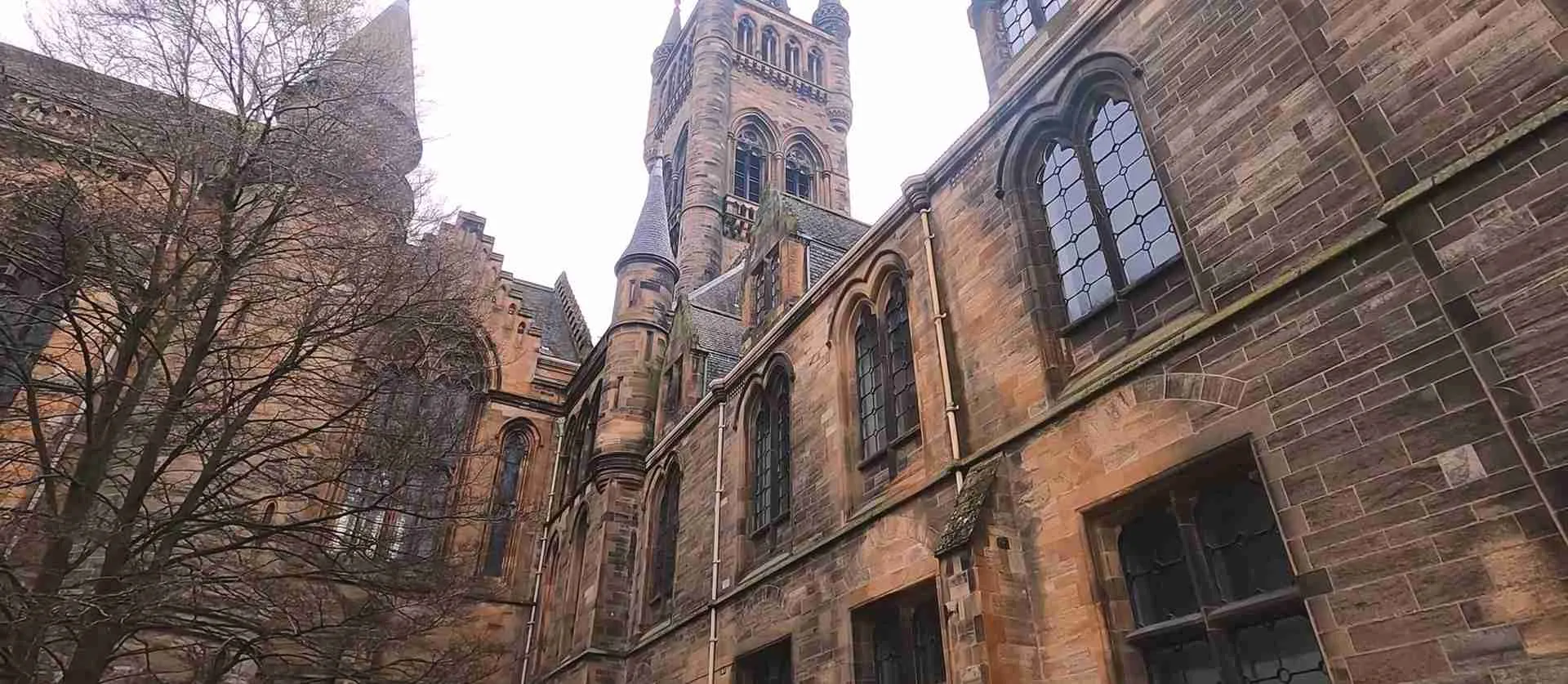
Glasgow Botanic Gardens offers free entry to beautiful Victorian glasshouses and extensive grounds providing peaceful afternoon respites. The Necropolis Victorian cemetery delivers spectacular city views and fascinating monument architecture without admission charges. Glasgow Green provides expansive parkland along the Clyde with free People’s Palace museum access, creating full-day free experiences combining green space and culture. University of Glasgow campus exploration includes stunning Gothic architecture and small free exhibitions without tourist crowds.
Booking Platform Optimization
Comparing prices across Booking.com, Hotels.com, Expedia, and direct hotel websites before confirming reservations saves £10-25 per night, with occasional promotions or loyalty discounts on different platforms. Hostels consistently price better on specialized platforms including Hostelworld and HostelBookers than general booking engines. Restaurant reservation platforms including OpenTable sometimes offer discounts or bonus programs, though these rarely exceed 10% of bill totals.
Glasgow attraction tickets purchased bundled through discount platforms including GetYourGuide occasionally beat direct booking by £2-5, though always verify final prices after fees. Scottish National Trust memberships (£66 individual, £116 family) provide free access to Pollok House and dozens of Scottish properties, paying for themselves after 7-8 property visits if exploring Scotland extensively. English Heritage memberships do not cover Scottish properties despite similar names.
Hidden Costs and Fees Glasgow 2026
Beyond obvious expenses, several less visible costs affect Glasgow budgets unless anticipated during planning, with awareness preventing unpleasant financial surprises.
Accommodation Hidden Fees
Hotels occasionally charge additional fees for Wi-Fi (typically free at budget and mid-range properties, sometimes £5-8 daily at luxury hotels), parking (£10-15 daily when not included), breakfast (£10-15 per person when not bundled), and resort fees (rare in Glasgow but occasionally appear at airport hotels as service charges of £5-8). Always verify final pricing includes VAT at 20%, as some booking platforms display pre-tax rates prominently with VAT added at checkout. Cancellation policies vary dramatically, with budget chains offering free cancellation while luxury boutique hotels enforce strict no-refund policies requiring careful verification before booking.
Dining Service Charges and Tipping
Scottish restaurants increasingly add automatic service charges of 10-12.5% to bills, with some establishments making this discretionary and others mandatory. Always check bills for included service before adding additional tips to avoid double-tipping. When service is not included, 10-12% represents appropriate gratuity for good service, though tipping remains less compulsory in Scotland than in North America. Pubs do not expect tips for bar service, though leaving change (£1-2) for table service is appreciated. Cafe tip jars invite small change donations rather than percentage-based tipping.
Attraction Extras and Upgrades
Photography fees rarely appear at Glasgow attractions, with the primary exception being special exhibitions at Kelvingrove or Gallery of Modern Art charging £5-8 when regular galleries remain free. Audio guides at paid attractions cost £4-6 when not included in admission. Guidebooks at museum shops run £8-15 for comprehensive volumes, though free printed gallery maps suffice for most visitors. Souvenir photo services at Celtic Park and Hampden stadium tours add £10-15 for professional prints, making phone photos the budget option.
Transport Penalty Fares
Glasgow public transport imposes substantial penalty fares for improper ticket validation, with First Bus charging £20 penalties when riders cannot produce valid tickets or properly validate contactless payments. Subway ticket inspections occur regularly, with similar penalties for fare evasion. Always validate tickets properly and retain receipts until journey completion. Overnight parking restrictions in city center neighborhoods enforce charges even when daytime parking proves free, with £40-60 penalties for violations.
Currency Exchange and ATM Fees
Airport currency exchanges and tourist-area bureaux de change charge 5-8% worse rates than ATMs or credit cards, costing £5-8 per £100 exchanged. Major bank ATMs provide competitive exchange rates, though many impose £2-3 withdrawal fees, making larger less-frequent withdrawals economical. Credit cards charging foreign transaction fees add 2.5-3% to all purchases, easily totaling £15-30 over a week-long trip, while zero-foreign-transaction-fee cards eliminate these costs. Dynamic currency conversion at card terminals offering to charge in your home currency rather than pounds sterling typically costs 3-5% extra and should always be declined.
Budget Planning for Different Traveler Types 2026
Specific traveler demographics face unique budget considerations in Glasgow beyond general price categories, with family dynamics, solo travel logistics, and senior circumstances affecting practical spending patterns.
Family Travel Budgets Glasgow
Families with children allocate £180-280 per night for hotel rooms sleeping four (two adults, two children under 12), translating to £45-70 per person nightly when evenly distributed. Budget family rooms at Premier Inn or Travelodge cost £80-100 per night, mid-range family suites at Holiday Inn or Maldron run £140-180, and luxury family accommodations at Kimpton or similar properties reach £240-300. These rates significantly reduce per-person accommodation costs compared to booking multiple standard rooms.
Family dining costs rise substantially with four mouths to feed, typically requiring £60-90 daily for budget family meals (supermarket breakfasts, pub lunches, casual dinners) or £120-160 daily for mid-range restaurant dining. Many Glasgow restaurants offer children’s menus at £6-9 per child, substantially below adult main course pricing. Family tickets at paid attractions like Celtic Park tours save 15-20% versus individual admission, with Hampden Park charging £29 for family admission (two adults, two children) versus £16 individual adult tickets.
Glasgow’s free museum concentration particularly benefits families by eliminating what often represents the largest family travel expense category. Kelvingrove Museum and Riverside Museum both offer extensive child-friendly exhibits, while Glasgow Science Centre (£15 adults, £12 children, £48 family) provides the city’s primary paid family attraction. Realistic family travel budgets in Glasgow run £250-350 daily for budget-conscious families in economy hotels, £380-520 daily for mid-range comfort, or £550-750+ daily for luxury family accommodations and experiences.
Solo Traveler Budget Considerations
Solo travelers face accommodation challenges with single occupancy supplements typically adding 15-30% to per-night hotel rates compared to per-person costs when two share. A hotel room costing £120 for two translates to £75-85 for single occupancy, dramatically increasing solo traveler accommodation costs compared to couples. Hostel dormitory beds eliminate this single supplement while providing social opportunities, making them particularly attractive for solo budget travelers despite privacy compromises.
Solo dining in Glasgow presents no practical difficulties, with many cafes and pubs offering bar seating welcoming single diners. However, splitting plates or sharing restaurant appetizers becomes impossible, potentially forcing solo diners to order smaller portions or accept waste. Most Glasgow restaurants accommodate single diners professionally without awkwardness common in couple-oriented establishments elsewhere. Realistic solo travel budgets in Glasgow run £75-100 daily for hostel-based budget travel, £140-190 daily for mid-range hotel comfort, or £250-350+ daily for luxury experiences, reflecting the single-occupancy premium.
Senior Traveler Discounts and Considerations
Scottish Senior Concession passes provide free bus travel throughout Scotland for residents aged 60+ and qualifying UK residents, though international senior visitors do not qualify for these substantial savings. However, many Glasgow attractions offer senior discounts of 10-15% on admission to paid sites, with Celtic Park and Hampden tours reducing rates £2-3 for seniors 60+. Rail passes including ScotRail Senior Railcard (£30 annually) provide 33% discounts on train fares for UK residents 60+, valuable for day trips from Glasgow.
Senior travelers prioritizing comfort typically allocate budgets toward mid-range or luxury accommodation avoiding hostel stairs and dormitory conditions. Glasgow’s excellent public transport reduces walking demands compared to hilly Edinburgh, with flat city center streets and comprehensive subway access easing mobility concerns. Senior travel budgets typically fall in the mid-range category (£140-180 daily per person) emphasizing comfortable hotels, quality dining, and convenient transport while benefiting from reduced walking-intensive itineraries.
Comparison to Other UK Cities 2026
Glasgow’s positioning within the UK travel cost hierarchy helps contextualize its value relative to alternative destinations, with the city offering specific advantages for budget-conscious travelers exploring Scotland and Britain.
Glasgow versus Edinburgh Costs
Glasgow consistently prices 15-25% below Edinburgh across accommodation, dining, and attractions, with particularly dramatic differences during Edinburgh Festival in August. Mid-range Glasgow hotels averaging £120-140 nightly compare to Edinburgh equivalents at £150-180, while August festival peaks drive Edinburgh rates to £220-280 for identical quality. Restaurant main courses cost £2-5 less in Glasgow than Edinburgh’s tourist-heavy Old Town and Royal Mile establishments, though both cities offer similar budget pub options.
Edinburgh’s concentration of paid attractions including Edinburgh Castle (£21), Palace of Holyroodhouse (£18), and Camera Obscura (£17) creates higher daily sightseeing costs compared to Glasgow’s free museums. However, Edinburgh’s UNESCO World Heritage Old Town and more dramatic setting justify premium pricing for travelers prioritizing iconic cityscapes and concentrated historic atmosphere. Budget travelers choosing between cities find Glasgow delivers better value, while luxury travelers appreciate Edinburgh’s superior boutique hotels and Michelin-starred restaurants.
Glasgow versus London Costs
London dramatically exceeds Glasgow costs across every category, with comparable mid-range London hotels costing £180-250 nightly versus Glasgow’s £120-140, and London restaurant mains running £18-28 versus Glasgow’s £13-20. London Underground day travel costs £8-15 depending on zones versus Glasgow Subway’s £4.30 flat rate. Budget travelers spending £70-85 daily in Glasgow require £110-140 daily for equivalent London experiences, while mid-range travelers face 40-50% higher total costs in the capital.
London offers substantially more diverse museums, theaters, and international cuisine, plus superior global connectivity and cosmopolitan atmosphere justifying higher costs for travelers prioritizing variety and international scale. Glasgow appeals to travelers seeking authentic Scottish urban culture, manageable size, friendly locals, and exceptional value without sacrificing cultural depth. Budget travelers exploring Britain often allocate shorter London visits (2-3 days) while extending Glasgow stays (4-7 days) to maximize travel value.
Glasgow versus Manchester and Birmingham
Glasgow prices comparably to Manchester and Birmingham across accommodation and dining, with minimal differences in mid-range hotel rates (£110-140 across all three) or restaurant costs. Glasgow’s free museum concentration provides slight advantage over Manchester’s mix of free and paid attractions, though Manchester’s superior music scene and Birmingham’s diverse ethnic dining offer different value propositions. All three cities deliver substantially better value than London while providing genuine urban culture beyond tourist-oriented experiences.
Day Trip Costs from Glasgow 2026
Glasgow’s strategic Scottish location enables excellent day trips to Highlands, lochs, and historic sites, with these excursion costs significantly affecting multi-day budgets depending on how many days you venture beyond the city.
Loch Lomond and Trossachs Day Trips
Scotland’s most accessible Highland scenery lies just 45 minutes from Glasgow by train or bus. Organized coach tours to Loch Lomond cost £45-65 per person for full-day excursions including stops at picturesque villages, Loch Lomond shores, and Trossachs National Park viewpoints. Independent travel via ScotRail trains to Balloch at Loch Lomond’s southern tip costs £7-12 return, with local buses connecting to other loch villages for £3-5 more. Loch Lomond boat cruises cost £15-25 per person for 1-2 hour sailings.
Stirling and William Wallace Monument
Historic Stirling lies 30 minutes by train from Glasgow with return fares costing £12-18. Stirling Castle admission runs £17 for adults, while the National Wallace Monument charges £12. Combined castle and monument visits total £29 plus transport, making full-day Stirling excursions cost £41-47 per person for independent travelers. Organized tours combining both sites cost £55-75 including transport and admission, offering convenience for travelers preferring guided context.
Highland Day Tours
Full-day Highland tours to Glencoe, Fort William, and surrounding landscapes cost £55-85 per person for coach tours with 12-16 passengers, or £120-180 per person for small-group minibus tours limited to 8 passengers. These comprehensive excursions include dramatic Highland scenery, historic sites, and photo stops across 10-12 hour days. The substantial cost increase for small-group tours reflects more personalized commentary, flexible itineraries, and less time waiting for large groups at stops.
Isle of Arran Day Trips
Ferries to the Isle of Arran depart Ardrossan (45 minutes by train from Glasgow, £12-15 return) with crossing costs of £9-12 per person return, totaling £21-27 for transport. The 55-minute ferry crossing reaches Brodick, Arran’s main village, with local buses (£4-6 day passes) connecting island attractions including Brodick Castle (£14 admission) and coastal trails. Full-day Arran excursions total £35-50 per person for independent travelers, or £65-85 for organized tours including all transport and some admissions.
Glasgow Budget Planning Tools 2026
Effective budget tracking and planning tools help monitor spending during your Glasgow visit, preventing overspending while maintaining flexibility for spontaneous opportunities.
Pre-Trip Budget Calculators
Determine total trip costs by multiplying daily spending targets (£60-85 budget, £120-175 mid-range, £225-330+ luxury) by planned nights, then adding day trip costs and flight expenses. For example, a mid-range 5-night Glasgow visit budgets: £625-875 accommodation and daily expenses (£125-175 × 5 days), plus £60-70 for one Highland day trip, totaling £685-945 per person excluding flights. Adding 15-20% contingency for unexpected costs, spontaneous experiences, and currency fluctuations creates realistic total trip budgets of £790-1,135 per person.
Daily Expense Tracking Methods
Mobile apps including Trail Wallet, Splitwise, or Excel/Numbers spreadsheets enable real-time expense logging across categories. Recording expenditures immediately after purchases prevents forgotten costs accumulating, with categorization revealing whether overspending concentrates in dining, accommodation, or entertainment. Many travelers photograph receipts daily then enter totals each evening, balancing accuracy against travel enjoyment without obsessive tracking interrupting experiences.
Cash envelope systems where travelers withdraw daily spending limits (eg £75 for budget days) create hard spending caps preventing card overspending, though this method requires finding ATMs and managing physical currency. Hybrid approaches using cards for accommodation and major purchases while allocating daily cash for meals and transport balance convenience with spending awareness. Glasgow’s universal card acceptance makes cash optional except at some market stalls and smallest cafes.
Currency Management Strategies
Zero-foreign-transaction-fee credit cards eliminate 2.5-3% charges imposed by standard cards, saving £20-40 over week-long trips for travelers charging £700-1,400 total expenses. Major bank ATMs provide better exchange rates than currency exchange bureaux, with ATM fees (£2-3 per withdrawal) minimized by withdrawing larger amounts less frequently. Wise (formerly TransferWise) debit cards offer genuine mid-market exchange rates without markups, providing the most economical option for spending abroad.
Avoid dynamic currency conversion at payment terminals when offered the option to charge in your home currency rather than pounds sterling, as this conversion typically costs 3-5% extra. Always select “pay in local currency” (pounds) instead. Carrying small amounts of backup currency (£50-100) provides emergency funds if cards fail, though Glasgow’s comprehensive banking infrastructure makes significant cash holdings unnecessary.
Frequently Asked Questions About Glasgow Costs 2026
Is Glasgow expensive for tourists compared to other European cities?
Glasgow prices moderately for European travel, costing substantially less than London, Paris, Copenhagen, or Zurich while pricing comparably to Manchester, Dublin, or Porto. Mid-range Glasgow daily costs of £120-175 per person position it in the middle tier of European capitals, with free museums and efficient public transport providing exceptional value compared to cities where attractions require expensive admission tickets. Budget travelers find Glasgow particularly economical with hostel dormitories under £35 nightly and pub meals under £15.
Can I visit Glasgow on a tight budget under £50 daily?
Extremely budget-conscious travelers can visit Glasgow for £45-55 daily by staying in the cheapest hostel dormitories (£24-28), self-catering most meals using supermarket provisions (£15-20 daily), walking instead of using public transport, and focusing exclusively on free museums and attractions. This bare-bones approach requires significant compromises including basic accommodation, minimal restaurant meals, extensive walking, and elimination of paid tours or evening entertainment. Most budget travelers find £60-75 daily provides substantially better experiences without extreme penny-pinching discomfort.
How much cash should I bring to Glasgow?
Carry £100-200 in cash for small purchases at markets, tip-based walking tours, and backup emergency funds, with the remainder of your budget on zero-foreign-transaction-fee credit or debit cards. Glasgow’s universal card acceptance means you can realistically spend entire days without using cash, though having small notes for tips and occasional cash-only vendors prevents inconvenience. ATMs throughout the city center allow easy cash withdrawals as needed, making large cash reserves unnecessary and risky.
Are credit cards widely accepted in Glasgow?
Credit and debit cards work at virtually all Glasgow hotels, restaurants, shops, museums, and transport systems, with contactless payment under £100 widely accepted including on buses and subway. Most establishments accept Visa and Mastercard universally, with American Express less common at smaller independent businesses. Some small cafes, market vendors, and pub landlords prefer cash for purchases under £5, though card acceptance remains overwhelmingly standard. Chip-and-PIN remains more common than signature verification for card transactions.
Should I buy the Glasgow City Pass or similar attraction cards?
Glasgow does not currently offer a comprehensive city pass comparable to London Pass or Paris Museum Pass, and given most major museums offer free admission, such passes would provide limited value regardless. The concentration of free attractions means Glasgow visitors save more money by visiting museums without passes rather than buying bundled tickets. Individual paid attractions like stadium tours, distilleries, and day trips require separate bookings without pass discounts, making selective purchases more economical than prepaid bundles.
How much does a week in Glasgow cost per person in 2026?
Budget one week in Glasgow at £420-595 per person for hostel stays and economical dining, £840-1,225 per person for mid-range comfort with hotel accommodation (two sharing) and restaurant meals, or £1,575-2,310+ per person for luxury hotels and fine dining experiences. These weekly totals include accommodation, meals, local transport, and attraction costs based on daily rates of £60-85 budget, £120-175 mid-range, or £225-330+ luxury. Add £100-300 for Highland day trips if venturing beyond Glasgow itself.
What’s the cheapest month to visit Glasgow?
January through February and November deliver the deepest Glasgow accommodation discounts, with hotel rates 40-50% below summer peaks and last-minute bookings yielding exceptional value. Mid-range hotels costing £156 in July drop to £85-95 in February, while budget hostels reduce from £33 to £24-26 per bed. These savings offset short winter daylight hours (7-8 hours) and cold temperatures (4-7°C average), making winter ideal for budget travelers planning indoor-focused visits emphasizing museums, pubs, and cultural experiences. Celtic Connections music festival in January provides quality winter entertainment justifying cold-weather visits.
Do I need to tip in Glasgow restaurants and pubs?
Tip 10-12% in Glasgow restaurants when service is good and not already included as a service charge, though tipping remains less obligatory than in North America. Many restaurants automatically add 10-12.5% service charges to bills, making additional tipping unnecessary, so always check your bill before adding extra gratuity. Pubs do not expect tips for bar service when ordering drinks, though leaving £1-2 per round or table service meal is appreciated but not required. Taxi drivers expect rounding up fares to the nearest pound or adding 10% for good service, while hotel porters appreciate £1-2 per bag for assistance.
Can families visit Glasgow affordably with children?
Families visit Glasgow affordably by leveraging free museums perfect for children (Riverside Museum transport exhibits and Kelvingrove’s dinosaurs particularly appeal to young visitors), booking family rooms that cost less per person than multiple standard rooms, and using children’s menus at restaurants (£6-9 per child). Budget families spend £250-350 daily total (four people), mid-range families £380-520 daily, with accommodation representing the largest controllable expense. Glasgow’s compact center, excellent public transport, and abundance of parks and free attractions make it one of Britain’s more affordable family city destinations.
How do Glasgow prices compare to Edinburgh?
Glasgow consistently costs 15-25% less than Edinburgh across accommodation, dining, and attractions, with particularly dramatic differences during Edinburgh Festival in August. Glasgow mid-range hotels averaging £120-140 nightly compare to Edinburgh equivalents at £150-180 base rates, while restaurant mains cost £2-5 less in Glasgow. However, Edinburgh’s UNESCO World Heritage setting, concentration of historic attractions, and iconic castle provide different value propositions justifying higher costs for travelers prioritizing architectural drama and historic atmosphere. Budget travelers find Glasgow offers better value, while both cities deliver authentic Scottish urban culture.