Glasgow Best Tours & Walking Routes 2026: Street Art, Architecture & Whisky Experiences
Glasgow transforms exploration into art itself through street murals spanning entire buildings, Mackintosh architectural masterpieces hidden in plain sight, and whisky heritage woven through Victorian streets. The city rewards both guided expertise and independent discovery, offering free mural trails alongside specialized tours that unlock stories invisible to casual observation, creating experiences that range from £0 self-guided walks to immersive cultural journeys with local experts.
Key Takeaways
- Free Self-Guided Excellence: The Glasgow Mural Trail delivers 30+ world-class street art pieces across 2.5-4 hours of walking, requiring zero admission fees and providing detailed maps through citycentremuraltrail.co.uk for completely independent exploration of works by internationally recognized artists like Smug and Rogue-One.
- Affordable Guided Depth: Professional walking tours cost £17-24 ($22-30) for 1.5-2 hour experiences with local experts who reveal hidden architectural details, historical context, and neighborhood stories that self-guided routes cannot replicate, with daily departures at 10:30am, 2pm, and 5pm year-round.
- Specialized Cultural Immersion: Mackintosh architecture tours, whisky heritage walks, and street art deep-dives range £18-35 ($23-44) and include exhibition entries or tastings that justify premium pricing through exclusive access to tearooms, distilleries, or artist insights unavailable through general city tours.
- Tip-Based Tour Transparency: Several operators advertise “free” tours but require £10-15 ($13-19) minimum suggested donations, with guides earning primarily through tips rather than fixed wages, making honest pricing communication essential for budget planning despite marketing language.
- Route Combinations Maximize Value: Glasgow’s compact city centre permits combining multiple self-guided trails in single afternoons, with the Mural Trail, Mackintosh sites, Merchant City architecture, and Necropolis viewpoints all accessible within 3-4 hours of walking and £0-10 ($0-13) public transport costs.
- Weather-Resistant Planning Essential: Glasgow receives 170+ annual rain days making waterproof layers non-negotiable for outdoor tours, though covered sections of routes, museum stops, and tearoom breaks built into guided experiences provide shelter options that self-guided walkers must plan independently using cafe locations along mural trail routes.
People Also Ask About Glasgow Tours 2026
What’s the best walking tour in Glasgow for first-time visitors in 2026?
The Glasgow City Centre Walking Tour operates daily at 10:30am, 2pm, and 5pm covering George Square, Glasgow Cathedral, Merchant City, and hidden gems across 1.5 hours with local guides who contextualize Victorian architecture, industrial heritage, and modern cultural transformation for £17-19 ($22-24). This tour balances major landmarks with lesser-known sites, providing essential orientation that makes subsequent independent exploration more meaningful, with guides offering restaurant recommendations and itinerary suggestions tailored to individual interests expressed during the walk.
How much do Glasgow street art tours cost in 2026?
Guided Glasgow street art tours cost £17-24 ($22-30) for 1.5-hour walks departing daily at 2pm, covering 10-15 major murals with artist background stories, creative process insights, and neighborhood cultural context that elevate street art beyond photo opportunities into cultural education. Private street art tours accommodate 1-8 participants for £120 ($150) total, providing flexible scheduling and customized routes focusing on specific artistic styles or neighborhoods based on group interests. The self-guided Mural Trail alternative costs £0 with downloadable maps from citycentremuraltrail.co.uk covering 30+ murals across 2.5-4 hours.
Are Charles Rennie Mackintosh tours worth taking in Glasgow 2026?
Mackintosh walking tours justify £20-30 ($25-38) costs through expert architectural analysis, access to Mackintosh at the Willow exhibition (£5 value included), visits to his first married flat exterior, and connections between designs and Glasgow’s social history that self-guided visitors miss entirely. Tours operate Saturdays at 10am covering 2 hours with guides explaining Art Nouveau influences, Glasgow Style development, and Mackintosh’s partnership with Margaret Macdonald, concluding at restored Willow Tearooms where included exhibition entry permits extended exploration of original furniture, light fittings, and decorative panels.
What’s included in Glasgow whisky walking tours in 2026?
The “Wee Walk & Whisky” tour combines 1-hour city centre walking with premium whisky tasting featuring three full drams (25ml each) at traditional Glasgow pub Mharsanta, covering local history, architecture, and whisky heritage for estimated £25-35 ($32-44). Participants learn proper whisky nosing and tasting techniques from guides, sample distinct regional styles representing Speyside, Highland, and Islay characteristics, and receive food pairing suggestions connecting Scottish culinary traditions with whisky culture, with tour finishing at restaurant for optional dinner bookings at 7pm.
Extended multi-day tours – 5+ days
Featured Glasgow Multi-Day Tour Packages
3 days
Glasgow 3-Day Discovery Tour
- ✓ Comprehensive Glasgow experience
- ✓ Expert local guides included
- ✓ All accommodation included
- ✓ Transportation provided
5 days
Glasgow 5-Day Highlights Experience
- ✓ Comprehensive Glasgow experience
- ✓ Expert local guides included
- ✓ All accommodation included
- ✓ Transportation provided
7 days
Glasgow 7-Day Cultural Journey
- ✓ Comprehensive Glasgow experience
- ✓ Expert local guides included
- ✓ All accommodation included
- ✓ Transportation provided
10 days
Glasgow 10-Day Complete Adventure
- ✓ Comprehensive Glasgow experience
- ✓ Expert local guides included
- ✓ All accommodation included
- ✓ Transportation provided
Multi-day tour packages powered by TourRadar. Prices and availability subject to change.
Introduction
Glasgow’s walking tour landscape reflects the city’s dual identity: industrial powerhouse turned creative capital, Victorian grandeur meeting contemporary street art rebellion. Unlike Edinburgh’s concentrated Old Town tourism, Glasgow spreads cultural treasures across neighborhoods requiring either guided expertise to unlock context or independent determination to discover connections between disparate sites. The city rewards both approaches generously.
Three distinct exploration strategies dominate Glasgow tourism in 2026. Free self-guided trails exploit Glasgow’s compact walkable centre, particularly the globally-recognized Mural Trail delivering world-class street art across 30+ sites without admission fees. Professional guided tours ranging £17-35 ($22-44) provide historical depth, architectural analysis, and insider access that transform casual sightseeing into cultural education through local experts who’ve spent decades studying specific subjects like Mackintosh’s influence or whisky heritage. Specialized experiences combining walking with tastings, exhibitions, or exclusive venue access justify premium pricing through added value beyond mere route guidance.
Glasgow’s tour infrastructure has evolved significantly since 2020, with post-pandemic adaptations including smaller group sizes, extended operating hours covering 10:30am through 5pm departures, and enhanced digital resources supporting self-guided exploration. The city’s UNESCO designation as a Creative City of Music, combined with ongoing street art additions and architectural restoration projects, ensures tour content remains dynamic rather than static historical recitation. Walking remains the optimal exploration method given Glasgow’s 1.5-mile city centre radius containing most major attractions, though Glasgow Subway’s £1.70 ($2) single fares provide relief for longer distances or inclement weather days.
Tour selection requires matching personal interests, physical capabilities, and budget constraints with Glasgow’s diverse offerings. Architecture enthusiasts prioritize Mackintosh-focused routes revealing Art Nouveau masterpieces, street art fans choose mural trail guides unlocking artist backgrounds and social commentary, history buffs select comprehensive city tours connecting industrial heritage with modern transformation, and whisky culture seekers combine walking with distillery visits or pub tastings. Weather adaptation proves essential given Glasgow’s 170+ annual rain days, with most outdoor tours operating rain-or-shine using waterproof layers and strategic shelter stops, though winter’s 4pm sunsets compress optimal photography windows into shorter afternoon periods.
Free Self-Guided Walking Routes Glasgow 2026
Glasgow Mural Trail stands as the city’s premier free walking experience, delivering 30+ internationally-recognized street art pieces across 2.5-4 hours of self-directed exploration requiring zero admission fees and minimal navigation complexity. The official citycentremuraltrail.co.uk website provides downloadable PDF maps with GPS coordinates, artist information, and recommended circular routes starting from Glasgow Central Station or Queen Street Station, both providing immediate access to city centre murals within 5-10 minutes walking.
Route planning flexibility permits customized experiences ranging from 1-hour abbreviated walks covering 8-10 highlights to comprehensive 4-hour journeys photographing every listed piece. Starting at George Square provides logical clockwise progression through Buchanan Street shopping district, Merchant City’s restored warehouses, High Street’s medieval core, and Trongate’s industrial heritage zones. Key murals include Smug’s “Fellow Glasgow Residents” wildlife compilation on Ingram Street, Rogue-One’s “Wind Power” sustainable energy piece on Mitchell Street, and the Billy Connolly tribute series by Jack Vettriano spanning Osborne Street, Howard Street, and Gallowgate locations.
Technical considerations affect photography quality and crowd density. Midday sun creates harsh shadows on east-west facing walls, making morning or late afternoon light preferable for capturing mural details and colors accurately. Weekend foot traffic concentrates around Buchanan Street and Merchant City, with Tuesday-Thursday mornings offering quieter conditions for unobstructed photography. Seasonal variations matter: summer extends shooting hours until 9pm sunset but increases tourist density, while winter’s 4pm darkness compresses viable exploration windows but reduces crowds substantially.
Self-guided Mackintosh Trail connects architectural masterpieces across West End and city centre locations, requiring 3-4 hours and combining free exterior viewing with paid interior admissions where applicable. Queen’s Cross Church (£5 entry, $6) serves as Charles Rennie Mackintosh Society headquarters providing architectural context, while Glasgow School of Art, Willow Tearooms (exhibition £5, $6), and House for an Art Lover (£7.50 entry, $9) require advance booking for interior access. The route covers 2.5 miles incorporating public transport connections via Glasgow Subway’s circular route linking West End sites to city centre terminals.
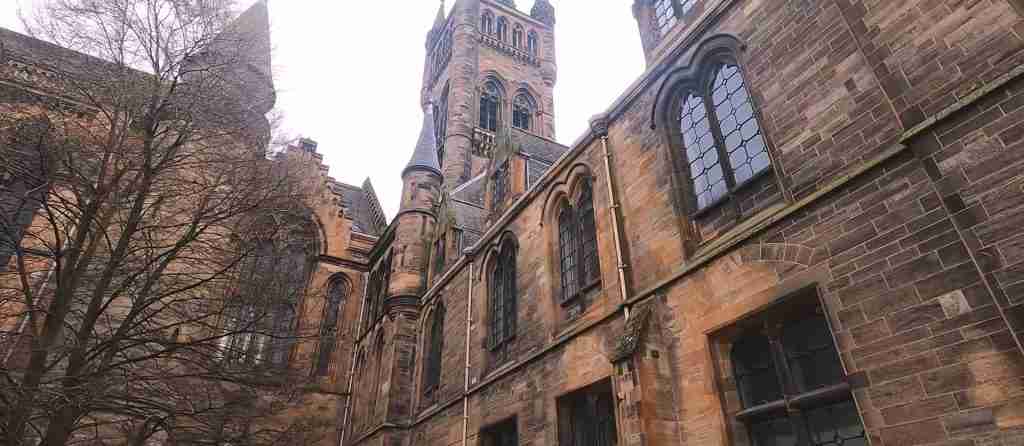
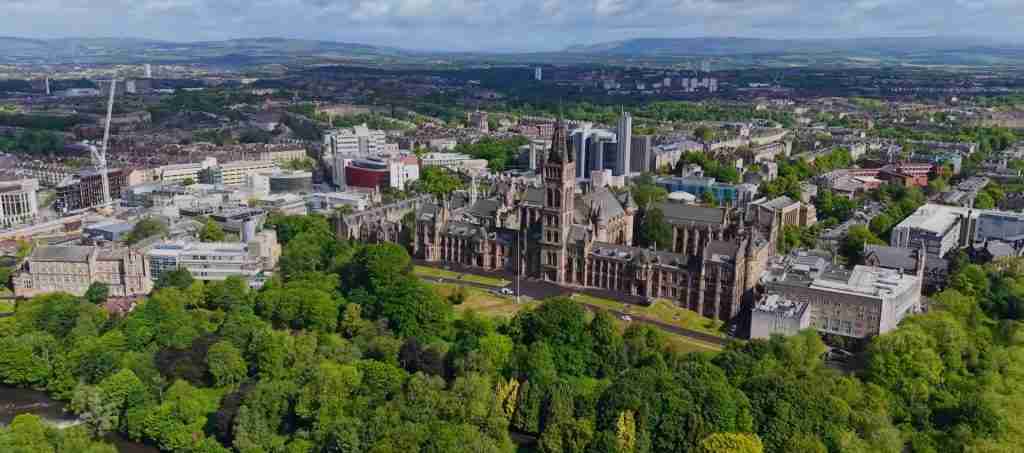
West End architectural walking route explores Glasgow University Gothic Revival buildings, Kelvingrove Park Victorian landscaping, and Great Western Road’s sandstone tenements across 2-3 hours of free exploration starting from Hillhead Subway station. University cloisters provide photography opportunities without admission charges, while Kelvingrove Art Gallery and Museum (free entry) permits combined art viewing with architectural appreciation. The route extends to Botanic Gardens’ Kibble Palace glasshouse (free entry) offering Victorian engineering alongside plant collections.
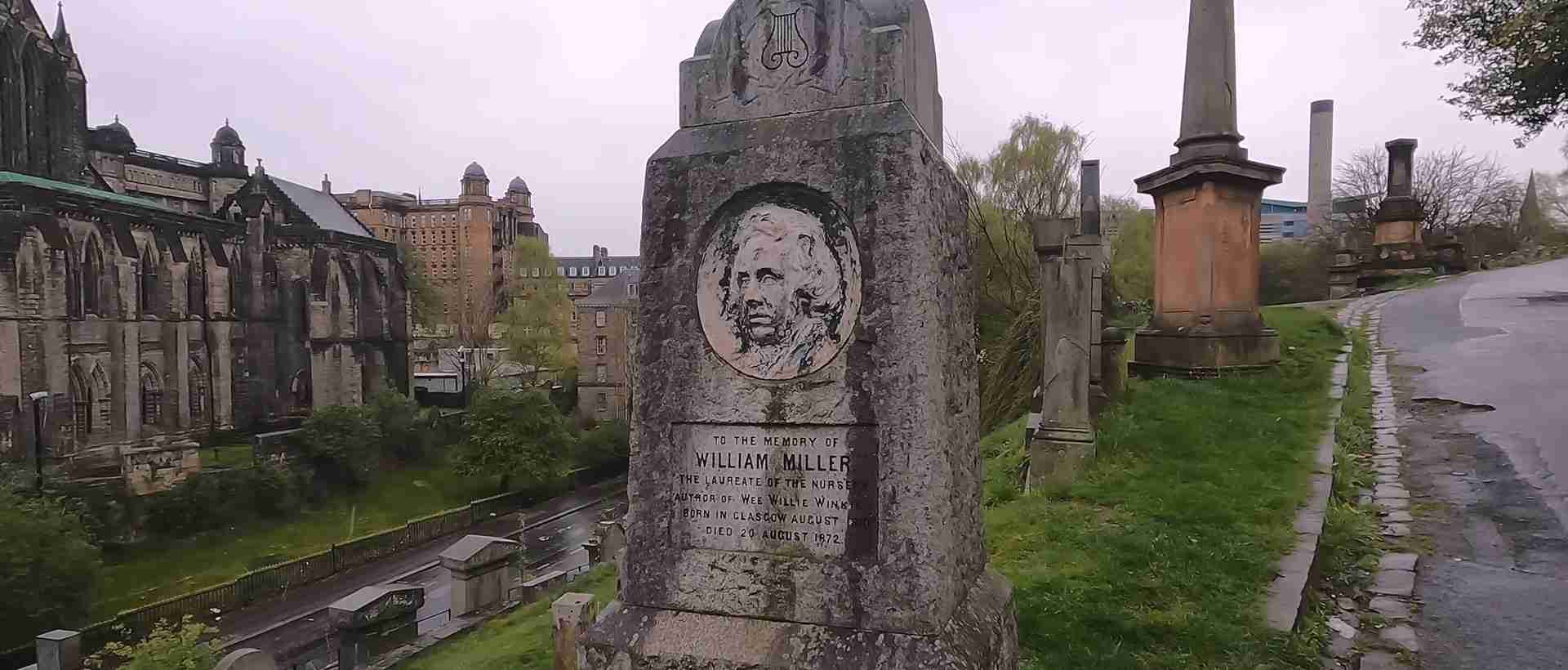
Glasgow Necropolis walking route delivers panoramic city views, Victorian funerary architecture, and sculptural monuments across 1-2 hours of free access from dawn to dusk. Starting from Glasgow Cathedral (free admission), the raised cemetery hill provides 360-degree vistas over city centre, Clydeside industrial zones, and surrounding hills. Notable monuments include John Knox memorial, brewing magnate monuments, and Egyptian-inspired mausoleums representing Glasgow’s 19th-century wealth accumulation through tobacco, cotton, and shipbuilding industries.
River Clyde Walkway extends 24 kilometers between Glasgow Green and Clydebank, though most visitors focus on the 3-kilometer city centre section from Glasgow Science Centre to Riverside Museum (both free admission). This 45-minute riverside walk passes modern architecture, shipbuilding heritage sites, and regenerated waterfront developments, with permanent interpretation boards explaining industrial history and contemporary regeneration projects. Weekend markets at Barras and pedestrianized areas around Buchanan Street permit shopping integration without deviating from walking routes.
Professional Guided Walking Tours Glasgow 2026
Glasgow City Centre Walking Tours operate year-round at 10:30am with additional 2pm and 5pm departures May through October, covering 1.5 hours for £17-19 ($22-24) with advance booking through walkingtoursin.com or viator.com platforms. Meeting points at Glasgow City Chambers on George Square provide central location accessible from all public transport hubs, with guides wearing identifying orange jackets or company-branded clothing for easy recognition five minutes before departure.
Tour content balances major landmarks with hidden architectural details invisible to independent explorers. George Square’s Victorian statues receive historical context explaining Glasgow’s industrial elite commemoration, while Glasgow City Chambers interior architecture (exterior viewing only on standard tour) demonstrates municipal wealth from shipbuilding and tobacco trading eras. Routes progress through Merchant City’s restored warehouses explaining gentrification and cultural regeneration, then to medieval High Street revealing Glasgow’s pre-industrial origins, concluding at Glasgow Cathedral with Gothic architecture analysis and Necropolis viewpoint recommendations.
Guide expertise differentiates professional tours from self-guided exploration. Walking Tours in Glasgow employs local residents who’ve completed specialized training in architecture, social history, and cultural development, with many guides possessing university degrees in history, art history, or related disciplines. Personal anecdotes about neighborhood changes, family connections to industries, and contemporary cultural developments provide insider perspectives unavailable through guidebook descriptions or online research.
Booking logistics require advance planning especially during peak summer months (June-August) and festival periods when group sizes reach maximum 20-person capacity. Online reservation systems permit last-minute bookings up to 2 hours before departure when spaces remain available, though weekend tours and popular time slots fill days ahead. Cancellation policies allow full refunds 24 hours before scheduled departure, with weather-related cancellations extremely rare given Glasgow guides’ adaptation to routine rainfall conditions.
The Glasgow Gander Walking Tours operates pay-what-you-wish format with £15 ($19) minimum suggested donation, departing George Square at 10:30am Tuesday through Sunday with maximum 15-person groups. Despite “free tour” marketing, guides explicitly request minimum contributions to cover operational costs and guide wages, creating potential confusion for budget-conscious travelers expecting truly voluntary tipping. Reviews consistently praise guide Johnny’s theatrical delivery and encyclopedic knowledge, though some visitors report discomfort with mandatory minimum donations after booking under free tour assumptions.
Ghouls, Ghosts & Gruesome Tales guided walks explore Glasgow’s dark history through 2-hour evening tours departing 7pm covering murder sites, haunted locations, and Victorian-era crime stories for £24 ($30). These theatrical experiences incorporate dramatic storytelling techniques, period photographs, and psychological analysis of historical crimes, appealing to visitors seeking entertainment alongside historical education. Small group sizes (maximum 15) permit interactive discussions and question opportunities throughout the walk.
Glasgow Street Art Tours 2026: Expert-Led Mural Exploration
Glasgow Street Art Walking Tours depart daily at 2pm from NCP car park at 81 Mitchell Street covering 1.5 hours for £17-19 ($22-24), focusing exclusively on city centre murals with guides providing artist backgrounds, creative processes, and social commentary context absent from self-guided trail maps. Meeting beside the Wind Power mural by Rogue-One provides immediate immersion into Glasgow’s street art scene before progressing through approximately 10-15 major works selected for artistic significance and accessibility.
Tour content emphasizes artist stories and community impact beyond aesthetic appreciation. Guides explain how Glasgow City Council’s supportive approach to street art contrasts with cities criminalizing graffiti, creating ecosystem where internationally-recognized artists like Smug establish permanent studios and local emerging artists gain commissioned opportunities. The distinction between graffiti (illegal tagging) and street art (commissioned murals) receives detailed analysis through specific examples showing permission processes, community consultation, and regeneration objectives driving mural placement decisions.
Specific mural analysis includes technical details about painting methods, time requirements, and material costs. Smug’s hyper-realistic “Fellow Glasgow Residents” wildlife piece on Ingram Street car park required three weeks of continuous painting using specialized exterior acrylic paints designed to withstand Glasgow’s harsh weather conditions. Rogue-One’s multiple Billy Connolly tributes across three city locations demonstrate progression in artistic style and community response to beloved local comedian’s cultural significance, with guides sharing anecdotes about Connolly’s reactions to the artworks.
Photography guidance forms integral tour component, with guides identifying optimal shooting angles, lighting considerations, and compositional techniques for capturing mural scale and detail. Morning light benefits east-facing walls while late afternoon illuminates west-facing pieces, though guided tours operate fixed 2pm schedule requiring adaptability to midday conditions. Guides also identify lesser-known works hidden in lanes and courtyards beyond official trail maps, rewarding tour participants with exclusive discoveries unavailable to self-guided visitors following standard routes.
Private street art tours accommodate 1-8 participants for £120 ($150) total group price with flexible scheduling and customized routes focusing on specific artistic interests, neighborhoods, or photographic objectives. These bespoke experiences permit extended discussions with guides who adapt pace and content to group preferences, stopping longer at preferred pieces or incorporating additional neighborhoods like Tradeston or Finnieston beyond standard city centre concentration. Advance booking requires 48-hour minimum notice with preference for Tuesday-Friday slots when guide availability exceeds weekend demand.
Radical Glasgow Tours offers alternative street art perspective focusing on social justice murals, workers’ rights imagery, and political commentary integrated into creative expression. These 2-hour walks explore connections between Glasgow’s socialist heritage and contemporary activist art, highlighting pieces addressing poverty, gentrification, climate justice, and LGBTQ+ rights through visual storytelling. Tours cost £18-20 ($23-25) departing Saturday mornings with maximum 12-person groups permitting discussion-oriented approach rather than lecture-style delivery.
Charles Rennie Mackintosh Architecture Tours 2026
Charles Rennie Mackintosh Walking Tours operate Saturdays at 10am covering 2 hours for £20-30 ($25-38) including Mackintosh at the Willow exhibition entry (£5 value) and exterior visits to key architectural works that shaped Glasgow’s Art Nouveau legacy. Meeting point at Clutha Bar’s Mackintosh Mural on Clyde Street provides thematic introduction before progressing through city centre sites demonstrating Mackintosh’s evolution from student to celebrated designer.
Architectural analysis depth distinguishes these specialized tours from general city walks. Guides explain Mackintosh’s innovative structural solutions, particularly his integration of Scottish Baronial forms with Japanese-influenced simplicity and Continental Art Nouveau decoration. Specific building examples include The Lighthouse (Scotland’s Centre for Design and Architecture), Mackintosh’s first public commission revealing early experimental approaches visible in spiral staircase geometry and tower proportions. His first married flat exterior on Buccleuch Street demonstrates domestic design philosophy before West End relocations.
Historical context connects Mackintosh’s work to Glasgow’s broader cultural movements and economic conditions. The Glasgow Style emerged from city’s industrial wealth creating patronage opportunities through tea room entrepreneurs like Kate Cranston who commissioned multiple Mackintosh interiors during temperance movement’s peak. Guides explain how Glasgow’s Victorian prosperity permitted experimental architecture that conservative Edinburgh or Aberdeen clients rejected, making the city’s progressive merchant class essential to Mackintosh’s career development and international recognition.
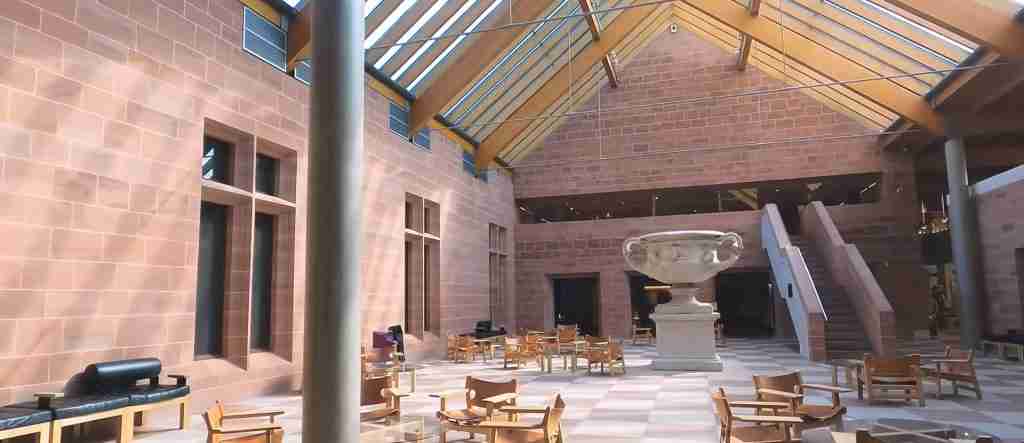
Mackintosh at the Willow exhibition concludes tours with 1-hour self-guided exploration of recreated tearoom interiors, original furniture pieces, and archival drawings demonstrating complete environmental design philosophy. Guides provide orientation to exhibition layout and highlight key pieces before permitting independent viewing, with staff available for detailed questions about specific objects or restoration processes. The building’s controversial demolition and subsequent 2018 reconstruction receives explanation through archival photographs comparing original interiors to modern recreation.
Private Mackintosh tours extend coverage to House for an Art Lover in Bellahouston Park and Hill House in Helensburgh (30 minutes from Glasgow by train), creating full-day experiences for £200-300 ($250-375) covering specialist guide fees, transport coordination, and venue admissions. These comprehensive explorations suit architecture students, designers, and Mackintosh devotees seeking deeper understanding than standard city centre tours provide, incorporating interior access to furniture, light fixtures, and decorative details that exterior-only walks cannot reveal.
Queens Cross Church serves as Charles Rennie Mackintosh Society headquarters offering additional exploration opportunities for £5 ($6) admission independent of guided tours. The church’s complete Mackintosh interior design permits self-guided study of stained glass, timber detailing, and spatial composition, with volunteer docents providing informal commentary during weekday opening hours. Combining church visit with guided walking tour creates comprehensive Mackintosh day experience for total £25-35 ($32-44) investment.
Glasgow Whisky Heritage Tours 2026
A Wee Walk & Whisky tour combines 1-hour city centre walking with premium whisky tasting featuring three full 25ml drams at traditional Glasgow pub for estimated £25-35 ($32-44), departing at various times with advance booking essential. Walking component covers Glasgow’s distilling heritage, temperance movement history, and contemporary craft spirits revival before concluding at Mharsanta pub near Trongate for guided whisky tasting session.
Whisky education emphasizes regional distinctions and production methods through three carefully-selected drams representing Speyside elegance, Highland robustness, and Islay peat intensity. Guides demonstrate proper nosing techniques encouraging participants to identify aromas before tasting, explain flavor development through mashing, fermentation, and barrel aging processes, and suggest food pairings connecting Scottish culinary traditions with whisky characteristics. The pub setting provides authentic Glasgow atmosphere contrasting with sterile tasting room formality some distillery tours impose.
Clydeside Distillery tours operate from restored pumphouse on Glasgow’s dockside offering 1-hour guided experiences covering £18-22 ($23-28) including two whisky samples and grain-to-glass production explanation. The working distillery permits observation of copper pot stills, mash tuns, and spirit safes during operational hours, with guides explaining how urban distilling differs from Highland estate operations through water sourcing, ingredient transport logistics, and maturation warehouse constraints.
Historical context connects Glasgow’s whisky heritage to broader industrial development and global trading networks. The city’s 19th-century blending houses established Scotch whisky’s international reputation through consistent quality standards and shipping infrastructure exploiting Clyde port facilities. Guides explain how grain whisky production in Glasgow suburbs supported blending operations, while malt whisky sourcing from Highland distilleries demonstrated commercial relationships between urban merchants and rural producers.
The Pot Still pub functions as unofficial whisky museum with 600+ bottle selection spanning all Scottish regions and international whiskies for comparison, offering self-directed tasting flights £15-25 ($19-32) for three to five 25ml pours chosen from detailed menu. Staff provide informed recommendations based on flavor preferences, occasion requirements, and knowledge levels, creating accessible whisky education without requiring formal tour structure or advance booking.
Scotch Malt Whisky Society’s Glasgow members’ room provides alternative tasting experience for enthusiasts seeking single cask bottlings unavailable through retail channels, requiring £110 ($138) annual membership plus individual bottle purchases at £60-90 ($75-113) for 700ml. Members access quarterly tasting events, guest distiller presentations, and exclusive releases from society’s independent bottling program, creating community-oriented whisky exploration beyond tourist-focused distillery tours.
Specialized Walking Tours Glasgow 2026
Gothic Glasgow Walking Tour explores Victorian cemetery architecture, murder sites, and supernatural folklore across 2-hour evening walks departing 7pm for £24 ($30), combining historical research with theatrical storytelling techniques that entertain while educating about Glasgow’s darker past. Meeting at George Square permits progression through city centre locations associated with Burke and Hare body snatching, Victorian-era serial murders, and haunted building legends perpetuated through generations.
Narrative structure emphasizes verified historical facts over sensationalized ghost stories, with guides presenting documented police reports, newspaper archives, and court records explaining actual crimes and their social context. The tour examines how poverty, overcrowding, and inadequate sanitation created conditions facilitating Victorian-era crime while also generating supernatural explanations for unexplained deaths and disappearances. Modern psychological analysis helps contemporary audiences understand historical beliefs in ghosts, witchcraft, and demonic possession without dismissing Victorian perspectives.
West End Food and Drink Walking Tour combines neighborhood exploration with tastings at five local establishments covering £119-149 ($149-187) for 3-hour experiences departing Saturday afternoons. Participants sample Scottish specialties including cullen skink seafood soup, haggis preparations, cranachan dessert, and whisky or craft beer pairings while learning about ingredients, preparation methods, and cultural significance. The walking component covers approximately 1.5 miles through Finnieston and Great Western Road restaurant districts.
LGBTQ+ History Walking Tour traces Glasgow’s queer heritage through 1.5-hour Friday evening walks covering £18-20 ($23-25) with maximum 15-person groups ensuring intimate discussion atmosphere. Routes include Pink Triangle memorial, former gay club locations, and sites significant to LGBTQ+ activism and community development, with guides sharing personal stories alongside documented historical events. The tour addresses both progress and ongoing challenges facing Glasgow’s queer community through balanced contemporary analysis.
Music Heritage Walking Tour explores Glasgow’s UNESCO Creative City of Music designation through 2-hour walks covering £22-25 ($28-31) visiting venues associated with Simple Minds, Franz Ferdinand, Belle and Sebastian, and contemporary artists. King Tut’s Wah Wah Hut, Barrowland Ballroom, and Sub Club receive historical context explaining how Glasgow’s music scene developed international reputation despite geographic isolation from London industry centres. Guides with music industry experience provide insider perspectives on recording studios, independent labels, and venue operations.
Football Heritage Tours visit Celtic Park or Ibrox Stadium with museum access and behind-scenes areas for £18-22 ($23-28) covering 90-minute experiences including dressing rooms, pitch-side viewing, and trophy collections. These specialized tours suit football enthusiasts understanding Glasgow’s sectarian sporting heritage and Old Firm rivalry’s cultural significance beyond mere athletic competition. Match day stadium tours operate different schedules avoiding fixture conflicts.
Hop-On Hop-Off Bus Tours Glasgow 2026
Glasgow City Sightseeing bus tours operate circular routes with 20+ stops covering city centre attractions, West End museums, and Clydeside regeneration zones for £21-27 ($27-34) providing 24-hour unlimited hop-on privileges. Buses depart George Square every 20-30 minutes from 9:30am through 5pm with frequency increasing to 15-minute intervals during July-August peak season. Audio commentary in eight languages explains landmarks, history, and cultural significance through automated recordings triggered by GPS location.
Route coverage includes stops at Kelvingrove Art Gallery, Glasgow Cathedral, Riverside Museum, University of Glasgow, Botanic Gardens, and Glasgow Science Centre, permitting independent exploration at preferred pace without walking long distances between dispersed attractions. The 90-minute complete circuit without alighting provides overview suitable for orientation before selecting specific stops for detailed visits on subsequent circuits or days.
Bus tour limitations include fixed route constraints missing hidden neighborhoods, inability to access pedestrianized streets where street art concentrates, and impersonal audio commentary lacking local guides’ spontaneity and current event integration. The elevated viewing perspective benefits photography of building exteriors and urban landscapes while preventing detailed architectural examination possible during ground-level walking. Weather protection through covered upper deck provides Glasgow’s frequent rainfall adaptation unavailable to walking tour participants.
Combination tickets bundling bus tours with attraction admissions create modest savings, though independent purchase of individual components often proves more economical when selectively visiting 2-3 major sites rather than attempting comprehensive coverage. The 48-hour ticket option at £27-34 ($34-43) suits visitors spending multiple days in Glasgow who prioritize convenience over absolute cost minimization.
Private Tour Options Glasgow 2026
Private Glasgow city tours accommodate 1-8 participants for £150-200 ($188-250) providing 2-3 hours of customized routing, flexible pacing, and specialized content matching group interests from architecture to food culture to industrial heritage. Booking requires 48-hour advance notice with preference for weekday slots when guide availability exceeds weekend demand. Walking Tours in Glasgow, Glasgow Gander, and independent guides operating through GetYourGuide or Viator platforms offer private services with varying expertise levels and specialty focuses.
Customization benefits include route modifications accommodating mobility limitations, extended time at particular sites matching specific interests, photography session integration with guidance on optimal angles and lighting, and thematic focus depth impossible within standardized public tour structures. Families with children benefit from pace adaptation and content simplification, while specialist groups like architects or historians receive advanced analysis appropriate to existing knowledge levels.
Guide selection requires researching individual expertise through reviews and credentials. Architecture specialists possess formal training in building analysis and preservation history, history-focused guides hold relevant university degrees, and local cultural experts bring neighborhood residency and community connections. Requesting specific guides when booking private tours ensures expertise match with group interests rather than accepting generic guide assignment.
Private Mackintosh tours extending beyond city centre to Hill House in Helensburgh and House for an Art Lover in Bellahouston Park require £250-350 ($313-438) covering full-day 6-8 hour experiences including transport coordination, entrance fees, and specialist guide analysis of complete architectural output. These comprehensive explorations suit serious architecture students or Mackintosh devotees seeking understanding beyond casual appreciation.
Private whisky tours combining distillery visits with pub tastings and whisky shop exploration create bespoke experiences for £200-300 ($250-375) full-day programs matching participant knowledge levels and flavor preferences. Guides coordinate access to members-only tasting rooms, arrange interviews with distillers or blenders, and secure limited release bottles unavailable through standard retail channels.
Walking Route Planning Glasgow 2026: Logistics and Preparation
Route timing requires factoring Glasgow’s compact but hilly topography affecting walking speeds and energy expenditure. The 1.5-mile city centre radius permits most major attractions within 20-30 minutes walking, though elevation changes between Merchant City lowlands and Cathedral precinct hilltop add 10-15 minutes through steep gradients. West End routes incorporate similar elevation variations between Great Western Road’s ridge and River Kelvin valley approximately 40 meters lower elevation.
Weather adaptation proves essential given Glasgow’s 170+ annual rain days and Atlantic maritime climate creating year-round precipitation risk. Waterproof jacket rated minimum 10,000mm hydrostatic head provides adequate protection against sustained rainfall, while packable rain pants prevent lower body saturation during extended outdoor periods. Umbrella usage proves impractical given frequent wind exposure, with hooded waterproof layers offering superior protection without occupying hands needed for photography, maps, or stability on uneven surfaces.
Footwear selection balances weather protection, walking comfort, and urban appropriateness. Waterproof hiking boots prove excessive for paved city routes while providing unnecessary weight and reduced flexibility, with waterproof walking shoes or trail runners offering optimal protection-comfort compromise. Thick socks prevent blisters during extended walking while providing insulation during winter months when temperatures range 2-8°C (36-46°F) requiring thermal layering.
Navigation tools incorporate both digital and physical backup systems preventing technology failure disruptions. Google Maps offline downloads of Glasgow city centre permit GPS navigation without mobile data consumption or roaming charges for international visitors, while printed maps from tourist information centres provide battery-independent reference. The Glasgow Mural Trail website’s PDF downloads include detailed street-level routing and landmark photographs facilitating mural identification without constant digital reference.
Safety considerations acknowledge Glasgow’s urban environment requiring standard precautions without excessive anxiety. City centre routes maintain good visibility and pedestrian traffic throughout daylight hours, with evening safety improving through concentrated restaurant and entertainment districts in Merchant City and Finnieston. Side street navigation during darkness requires awareness of lighting conditions and alternative route selection favoring major thoroughfares when walking alone.
Public transport integration permits route extensions beyond comfortable walking distances or weather-enforced retreat from outdoor exposure. Glasgow Subway’s circular route connects West End attractions to city centre terminals for £1.70 ($2) single fares or £4.80 ($6) all-day tickets, operating 6:30am-11:40pm weekdays with reduced weekend hours. Local buses accept contactless payment for £2 ($2.50) single fares throughout integrated transport zones covering suburban attractions like House for an Art Lover.
Photography equipment choices balance image quality aspirations with carrying comfort and theft risk. Smartphone cameras produce adequate documentation for social sharing and personal memory keeping without additional weight, specialized protective cases, or theft anxiety. Dedicated cameras improve artistic results through superior low-light performance and compositional control but require weather protection, spare batteries for cold weather operation, and secure carrying systems preventing equipment loss during active walking.
Rest stop planning maintains energy levels and provides relief from weather exposure through strategic cafe, pub, and museum breaks integrated into routes. The Glasgow Mural Trail passes numerous coffee shops, bakeries, and lunch spots permitting 15-30 minute breaks every 90 minutes of walking. Mackintosh routes incorporate museum visits and tearoom stops providing extended indoor periods, while West End walks utilize university buildings and Kelvingrove Art Gallery as weather refuges with free admission and toilet facilities.
Seasonal Considerations Glasgow Walking Tours 2026
Summer season (June-August) delivers optimal daylight duration with sunset extending to 10pm permitting evening photography sessions impossible during winter months, though visitor density peaks creating booking competition and crowded conditions at popular mural sites and guided tour meeting points. Average temperatures range 15-20°C (59-68°F) requiring light layering and rain protection without heavy winter insulation. Tour frequency increases with operators adding 2pm and 5pm departures supplementing standard 10:30am slots.
Spring season (March-May) balances moderate weather with reduced tourist density, providing comfortable walking temperatures averaging 10-15°C (50-59°F) and fewer crowds at major attractions despite continuing rainfall risk. Cherry blossoms in Kelvingrove Park and Botanic Gardens peak late April through early May creating photographic opportunities, while lengthening daylight extends afternoon walking windows without summer’s compressed evening hours. Tour booking availability improves compared to summer peak with walk-up participation often possible for non-weekend departures.
Autumn season (September-November) offers crisp temperatures averaging 10-15°C (50-59°F), dramatic foliage colors in parks and tree-lined streets, and diminished tourist numbers creating intimate tour experiences and unobstructed mural photography. Rainfall increases through November while daylight contracts to 4pm sunset compressing viable outdoor activity windows, requiring afternoon tour selection over morning departures that conclude in darkness. Cultural events including Celtic Connections music festival (January-February) and film festivals create alternative indoor programming supplementing outdoor walking options.
Winter season (December-February) challenges visitors through 4pm darkness, near-freezing temperatures averaging 2-7°C (36-45°F), and increased rainfall creating slippery sidewalk conditions requiring cautious walking pace. Tour availability contracts with some operators reducing departures to 10:30am slots only, though reduced tourist competition permits guaranteed booking availability and small intimate groups. Christmas lights installation throughout Buchanan Street and George Square December through early January creates festive atmosphere compensating for limited daylight hours, with specialized evening light tours operating select December dates.
Festival periods including Glasgow International Comedy Festival (March), Celtic Connections (January-February), and West End Festival (June) create programming that complements walking tours through evening entertainment options but also generates accommodation price increases and booking pressure requiring advance reservations. The Merchant City Festival (July) integrates street performances, public art installations, and food markets into city centre routes creating enhanced walking experiences beyond standard year-round offerings.
Combining Tours and Walking Routes 2026: Maximizing Glasgow Exploration
Multi-day itinerary construction permits comprehensive coverage balancing guided expertise with independent discovery while preventing physical exhaustion from excessive walking. Day one focusing on guided city centre walking tour (1.5 hours, £17-24/$22-30) establishes orientation and historical context, followed by self-guided Glasgow Mural Trail afternoon session (2-3 hours, £0) applying knowledge gained from guide’s neighborhood explanations to independent exploration.
Day two dedicated to Mackintosh architecture combines Saturday morning guided tour (2 hours, £20-30/$25-38) with afternoon visits to House for an Art Lover (£7.50 entry/$9, 1-2 hours) or Queen’s Cross Church (£5 entry/$6, 1 hour) creating comprehensive understanding of complete architectural output spanning domestic, ecclesiastical, and commercial applications. Evening whisky tasting at Pot Still or Scotch Malt Whisky Society provides cultural immersion without additional walking requirements.
Day three exploring West End incorporates self-guided university campus architecture (free, 1-2 hours), Kelvingrove Art Gallery visit (free admission, 2-3 hours), and Botanic Gardens stroll (free, 1 hour) creating museum-focused day with reduced walking intensity after previous days’ extended outdoor activity. Great Western Road’s restaurant concentration provides lunch and dinner options without returning to city centre, with Hillhead Subway station offering convenient transport connection.
Rainy day alternatives acknowledge Glasgow’s weather unpredictability requiring flexible planning accommodating forecast changes. Riverside Museum (free admission), Kelvingrove Art Gallery (free admission), Gallery of Modern Art (free admission), and Mackintosh at the Willow exhibition (£5 entry/$6) provide indoor cultural experiences substituting for outdoor walking routes during persistent rainfall. The Clydeside Distillery tour (£18-22/$23-28) offers weather-protected whisky education alternative to outdoor pub-based tasting walks.
Budget-conscious combinations maximize free content through self-guided routes while strategically investing in single guided tour providing context enhancing subsequent independent exploration value. The Glasgow Mural Trail (free), Necropolis walk (free), Cathedral visit (free), Kelvingrove Art Gallery (free), and Riverside Museum (free) create full-day itinerary requiring only transport costs (£4.80 day ticket/$6) and optional meal expenses. Adding single £17-24 ($22-30) city centre walking tour elevates understanding without excessive budget impact.
Photography-focused itineraries prioritize optimal lighting conditions for mural and architecture documentation, scheduling morning east-facing wall coverage 8-11am, midday interior museum visits avoiding harsh exterior shadows, and late afternoon west-facing wall photography 4-7pm during summer months. Winter’s compressed daylight requires afternoon concentration for outdoor photography with morning reserved for indoor cultural visits not dependent on natural light.
Tour Booking Strategies Glasgow 2026
Advance reservation timing balances early booking security against last-minute weather forecast integration and schedule flexibility. Summer peak season (June-August) requires 5-7 day advance booking for weekend tours reaching capacity, while weekday departures often permit 1-2 day advance booking maintaining availability. Spring and autumn shoulder seasons reduce booking pressure permitting same-day walk-up participation for most non-weekend tours, with winter months offering guaranteed availability except Christmas-New Year period.
Platform selection affects pricing, cancellation terms, and customer service access. Direct booking through operator websites like walkingtoursin.com eliminates third-party commission markups and provides direct communication channels for questions or modifications, while aggregator platforms including GetYourGuide and Viator offer consolidated reviews and payment protection at minor price premiums. Free-walking tours advertised through platforms require careful reading distinguishing genuinely free tip-based models from £15 ($19) minimum suggested donation requirements that function as mandatory fees.
Cancellation policy verification prevents financial loss from weather-related or schedule-change cancellations. Standard 24-hour advance cancellation windows permit full refunds for most commercial tours, while some operators extend to 48-hour windows for private bookings. Weather cancellation policies vary significantly: most operators continue tours during rainfall unless severe weather warnings create safety concerns, while some permit participant-initiated cancellation for heavy rain with full refunds or rebooking options. Reading specific terms before booking prevents disappointment when discovering non-refundable policies after payment.
Group discounts apply for parties of 8+ participants on some tours, with reductions ranging 10-20% off individual pricing depending on operator and tour type. Private tour pricing for groups sometimes proves more economical than per-person public tour costs when groups reach 6-8 participants, particularly for specialized content like Mackintosh architecture or whisky heritage requiring extended guide attention impossible within large public groups.
Review verification distinguishes authentic participant feedback from promotional content or competitor manipulation. Recent reviews (within 6 months) provide current operational quality indicators more reliable than historical feedback potentially predating guide changes or route modifications. Specific detail inclusion (“guide Sarah explained Art Nouveau influences at Willow Tearooms”) signals genuine participation versus generic praise (“great tour, highly recommend”) potentially indicating fraudulent posting.
Accessibility Considerations Glasgow Walking Tours 2026
Wheelchair accessibility varies significantly across tour types and routes reflecting Glasgow’s mix of modern accessibility infrastructure and Victorian-era built environment challenges. The Glasgow Mural Trail incorporates predominantly level paved surfaces throughout city centre sections, though some murals occupy locations requiring short stair access or uneven cobblestone navigation. The official trail map indicates wheelchair-accessible routing covering approximately 75% of major works, with alternative viewing angles available for most elevated or stair-accessed pieces.
Mobility limitation accommodations require advance communication with tour operators explaining specific requirements and requesting route modifications. Most walking tour companies adapt standard routes eliminating steep climbs between Merchant City and Cathedral areas, substituting alternative flat-terrain sites maintaining content quality while improving accessibility. Private tours offer maximum flexibility for mobility-adapted routing, extended rest breaks, and shortened distances matching participant capabilities.
Glasgow Necropolis presents significant accessibility challenges through steep hill gradients and uneven historic pathways unsuitable for wheelchairs or limited mobility visitors. The Cathedral Precinct viewpoint provides partial panoramic views without hill ascent, though missing monument access and elevated perspectives that define full Necropolis experience. Tour operators typically describe terrain difficulty during booking conversations permitting informed participation decisions.
West End routes incorporate mixed terrain with Kelvingrove Park’s paved main paths providing wheelchair access to museum entrance and Kelvin River bridges, while steeper connecting routes to University of Glasgow’s elevated campus create barriers requiring alternative access via Great Western Road’s gradual slope approach. Botanic Gardens maintains fully accessible paved pathways throughout grounds with Kibble Palace glasshouse offering level entry and circulation.
Audio accessibility support includes hearing loop systems in some indoor venues like museums and tearooms, though outdoor walking tours lack technical audio enhancement beyond guide voice projection. Advance requests for written tour scripts or printed material permits hearing-impaired participants following content through reading when voice comprehension proves difficult. Small group tours provide positioning flexibility permitting hearing-impaired participants maintaining close guide proximity for optimal sound reception.
Visual impairment accommodations focus on verbal description richness rather than assumption of visual content comprehension. Specialized tours incorporating tactile architectural elements at Queen’s Cross Church or descriptive audio emphasizing spatial relationships, material textures, and historical context suit vision-impaired participants when operators receive advance notice permitting guide preparation. Guide dog accompaniment receives universal acceptance across all tour types including food-integrated walks where hygiene regulations might otherwise restrict animal access.
Frequently Asked Questions
How long does the Glasgow Mural Trail take to complete in 2026?
The complete Glasgow Mural Trail requires 2.5-4 hours depending on photography time, navigation efficiency, and number of murals visited from the 30+ officially mapped works. Fast walkers completing abbreviated routes covering 10-12 highlight murals finish in 90 minutes, while comprehensive photography-focused routes including breaks extend to 5-6 hours. The self-guided nature permits unlimited customization, with most visitors completing satisfying 2-hour experiences covering 15-20 major works without rushing.
Are Glasgow walking tours suitable for children in 2026?
Glasgow walking tours accommodate children effectively when tour type matches age and interest levels. City centre historical tours suit ages 10+ with attention spans handling 90-minute duration and intellectual content connecting past to present, while street art tours’ visual nature engages ages 6+ through colorful imagery requiring minimal historical context comprehension. Ghost tours’ evening timing and dark content target teenage participants rather than young children who may find murder stories frightening. Tour operators accept families when advance notice permits guide adaptation including simplified explanations, more frequent breaks, and reduced walking pace.
Do I need to book Glasgow tours in advance or can I join on arrival in 2026?
Advance booking proves essential for summer weekends (June-August Saturdays-Sundays) when popular tours reach 15-20 person capacity limits, while weekday tours March-May and September-November frequently permit walk-up participation 30 minutes before departure. Winter months guarantee availability except Christmas-New Year period, though verifying operation schedules prevents wasted journey to meeting points where reduced winter departures might not occur. Online booking platforms provide instant confirmation and calendar integration, while some operators accept phone bookings for less tech-savvy participants or complex group arrangements.
What’s the difference between free walking tours and paid tours in Glasgow 2026?
Free walking tours advertise no advance payment but request £10-15 ($13-19) minimum suggested donations at tour conclusion, creating ambiguity between voluntary tipping and mandatory fees when guides explicitly state minimum amounts. Some operators genuinely accept any tip amount including zero for dissatisfied participants, while others apply social pressure making minimum donations functionally mandatory despite “free tour” marketing. Paid tours charging £17-24 ($22-30) provide price transparency and often deliver superior content through specialized guide training, smaller group sizes, and included amenities like exhibition entries unavailable in tip-dependent free models.
Can I do multiple walking tours in one day in Glasgow 2026?
Combining two walking tours in single days proves physically manageable for fit participants when selecting complementary morning and afternoon options with break periods between tours. A 10:30am city centre walking tour (1.5 hours) concluding noon permits 2-hour lunch and rest before 2pm street art tour (1.5 hours), creating 4-hour active period with integrated breaks preventing exhaustion. Three tours in one day risks physical burnout and information overload reducing enjoyment and retention, with most visitors preferring one guided tour daily supplemented by self-guided exploration maintaining engagement without excessive structure.
What happens if it rains during my Glasgow walking tour in 2026?
Glasgow walking tours operate rain-or-shine with cancellations occurring only during severe weather warnings creating safety concerns from high winds, lightning, or flooding, conditions arising perhaps 2-3 times annually. Participants receive advance notification of rare cancellations with full refunds or rebooking options, while standard rainfall conditions expected 170+ days annually require appropriate waterproof clothing and acceptance of damp conditions as normal Glasgow experience. Some tours incorporate indoor shelter stops at museums, cafes, or covered passages providing brief respite during persistent heavy rain.
Are Glasgow’s street art murals permanent or do they change frequently in 2026?
Glasgow murals exist in permanent-temporary paradox where individual works remain visible for years before building demolition, renovation, or intentional replacement creates turnover averaging 5-10% annually. Major works by recognized artists like Smug’s “Fellow Glasgow Residents” and Billy Connolly tributes demonstrate multi-year stability, while smaller pieces in development zones face higher removal risk. The City Centre Mural Trail website updates quarterly reflecting additions and removals, requiring fresh map downloads before visits rather than relying on outdated printed versions that may reference demolished or overpainted works.
Can I take photographs during Glasgow walking tours in 2026?
Photography receives universal encouragement during Glasgow walking tours with guides building photo stops into routes and often suggesting optimal angles or compositional techniques enhancing image quality. Group selfies with guides occur commonly at major landmarks or notable murals, while guides pause explaining points permitting participants capturing specific architectural details or mural sections without rushing. Flash photography restrictions apply only inside specific venues like churches or museums visited during tour routes, with outdoor photography unrestricted regarding techniques or equipment.
Which Glasgow walking tour provides the best value for money in 2026?
Value assessment balances price against content depth, guide expertise, and included amenities creating individual preference variation. Budget-conscious visitors maximize value through free self-guided Mural Trail (£0) combined with single £17-24 ($22-30) city centre walking tour providing context enhancing subsequent independent exploration. Architecture enthusiasts justify £20-30 ($25-38) Mackintosh tours through included exhibition entry and specialist analysis unavailable elsewhere, while whisky culture seekers find £25-35 ($32-44) tasting walks delivering premium spirit samples alongside walking content. Absolute lowest per-hour cost comes from 1.5-hour city centre tours at £17-19 ($22-24) providing comprehensive introduction for minimum investment.
How much walking stamina do I need for Glasgow tours in 2026?
Standard 1.5-2 hour walking tours cover 1.5-2.5 miles at casual 2mph pace with frequent stops permitting rest, requiring fitness levels supporting sustained gentle walking rather than athletic conditioning. Hills between Merchant City lowlands and Cathedral precinct add moderate cardiovascular demand, while flat Mural Trail routes in city centre require minimal exertion beyond distance accumulation. Extended 3-4 hour self-guided routes covering comprehensive Mural Trail or West End exploration require comfort with 3-4 miles walking at self-determined pace with flexibility for extended breaks. Participants with mobility limitations communicate requirements during booking permitting route modifications or shorter tour options matching capabilities.