
Free Things to Do in Glasgow 2026: Budget Travel Guide
Glasgow stands as Scotland’s most generous city for budget travelers, offering fourteen world-class museums with completely free entry, spectacular Victorian architecture, vast public parks, and one of Britain’s finest street art collections. This comprehensive guide reveals how to experience Glasgow’s cultural richness, historic landmarks, and natural beauty without spending a penny on admission fees, transforming a potentially expensive city break into an accessible cultural adventure.
Key Takeaways: Free Glasgow Experiences 2026
- Fourteen Free Museums: Glasgow Life operates fourteen museums with permanent free admission including Kelvingrove Art Gallery, The Burrell Collection, and Riverside Museum, offering everything from Renaissance art to transport history without entry charges
- Pay-What-You-Wish Walking Tours: Multiple companies offer daily city history tours departing from George Square where you determine the tip amount, typically £10-15, providing expert-guided exploration of Glasgow’s architecture, history, and hidden gems
- Glasgow Mural Trail: Over thirty massive street art installations by internationally recognized artists create a free outdoor gallery across the city centre, accessible anytime via self-guided exploration or specialist street art tours
- Victorian Parks and Gardens: The Necropolis Victorian cemetery, Pollok Country Park, Glasgow Botanic Gardens, and Glasgow Green offer hundreds of acres of free green space with architectural monuments, Highland cattle, and panoramic city views
- Free Cathedral and Architecture: Glasgow Cathedral provides complimentary admission and volunteer-led tours six days weekly, while the University of Glasgow campus welcomes self-guided exploration of Gothic Revival architecture and historic courtyards
- Zero Admission Costs: A complete day exploring museums, parks, street art, and landmarks requires no admission fees, with only optional costs for public transport, food, and voluntary donations or tour tips
People Also Ask About Free Things in Glasgow 2026
How many free museums does Glasgow have in 2026?
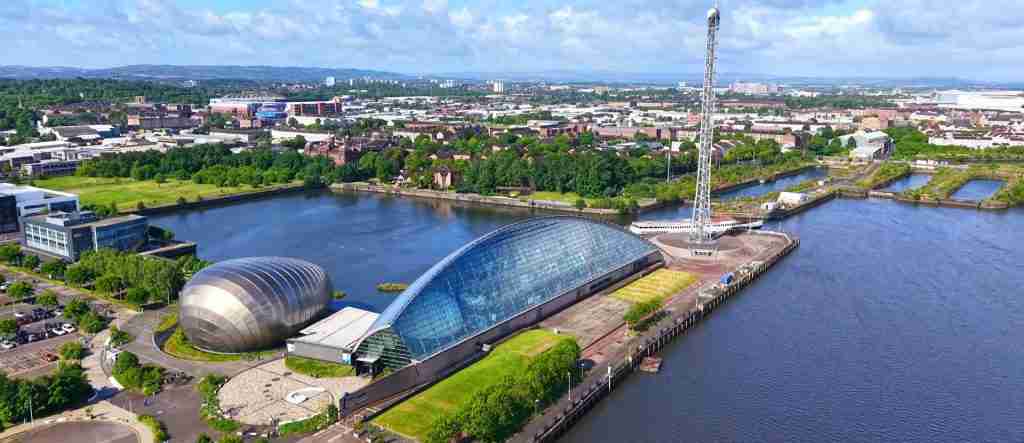
Glasgow offers fourteen completely free museums operated by Glasgow Life, plus additional free venues run by universities and independent organizations. The Glasgow Life collection includes Kelvingrove Art Gallery and Museum with 22 galleries and 8000 objects, The Burrell Collection housing Sir William Burrell’s art collection, Riverside Museum displaying 3000 transport objects, People’s Palace chronicling Glasgow social history, Gallery of Modern Art showcasing contemporary works, St Mungo Museum of Religious Life and Art, The Hunterian Museum and Art Gallery at the University of Glasgow, Glasgow Police Museum, Glasgow Women’s Library, Provand’s Lordship as the oldest residential building, and Glasgow Museums Resource Centre offering pre-booked collection tours. Additional free venues include The Lighthouse Scotland’s Centre for Design and Architecture, Govan Old Parish Church with the Govan Stones medieval sculptures, and The Tall Ship Glenlee moored beside Riverside Museum. All fourteen Glasgow Life museums maintain permanent free admission policies with no booking fees, though some special exhibitions may charge separately and donations are welcomed to support conservation and programming.
Are Glasgow’s free walking tours actually free in 2026?
Glasgow’s walking tours operate on a pay-what-you-wish tip-based model rather than traditional free admission. Multiple companies including Blubale, Scotland City Tours, Glasgow Gander, and GuruWalk offer daily tours departing from George Square where participants pay nothing upfront but tip the guide at the end based on their satisfaction with the experience. Most participants tip £10-15 per person for a two-hour tour, though the amount remains entirely discretionary and guides accept any amount including zero if visitors genuinely cannot afford payment. This model differs from truly free activities like museums or parks but provides significantly better value than fixed-price tours charging £20-30 per person, while ensuring guides earn fair compensation for their expertise. Tours run year-round regardless of weather, cover Glasgow’s history from medieval origins through industrial revolution to modern culture, last approximately two hours, and accommodate groups up to fifteen people with advance booking available online. Some reviewers note that while advertised as free, guides do establish an expectation of minimum £15 contribution, so budget travelers should prepare to tip at least £10-15 or alternatively explore the city using completely free self-guided options including mural trail maps, park walks, and cathedral volunteer guides.
What is the Glasgow Mural Trail and is it completely free in 2026?
The Glasgow Mural Trail comprises over thirty large-scale street art installations painted on building walls across the city centre, created by internationally recognized artists including Smug, Rogue One, Art Pistol, and visiting artists, and completely free to view anytime day or night with no admission fees or booking requirements. Glasgow City Council established the trail in 2008 to revitalize vacant buildings and blank walls, commissioning artists through the City Centre Mural Fund to create works celebrating Glasgow culture, wildlife, history, and social themes. Notable murals include Smug’s St Mungo and Child eleven-story photorealistic portrait on High Street, Fellow Glasgow Residents depicting Scottish wildlife in an Ingram Street car park, The Lost Giant wearing Glaswegian tartan in Sauchiehall Lane, and Billy Connolly portraits in Osborne Street and Dixon Street. The trail is entirely self-guided using free maps available from Glasgow City Council website and Visit Glasgow, or visitors can download GPS-enabled apps providing mural locations and artist information. Guided street art walking tours operate for those wanting expert interpretation, typically charging £15-20 per person, but the murals themselves remain publicly accessible with no restrictions. The collection changes gradually as buildings are redeveloped and new commissions replace older works, so the trail evolves continuously while maintaining free public access to all installations.
Can I visit Glasgow Cathedral for free in 2026?
Glasgow Cathedral maintains free entry for all visitors in 2026 with donations welcomed but never required, operating as a working Church of Scotland congregation while serving as one of Scotland’s finest examples of medieval Gothic architecture open to public exploration six days weekly. The cathedral opens Monday to Saturday from 9:30 AM or 10 AM depending on season, closing between 3:30 PM and 5 PM, while Sunday access is limited to those attending 11 AM worship services from April to September or 1 PM to 3:30 PM for general visiting October to March. Volunteer guides from the Friends of Glasgow Cathedral offer completely free guided tours lasting thirty minutes to one hour, available on walk-in basis for groups under four people or by advance booking for larger parties, covering the building’s 15th-century architecture, St Mungo’s tomb in the atmospheric crypt, Victorian stained glass, and connections to Reformation history. Specialist tours focusing on stained glass, medieval saints, or military history are available by pre-booking, while French and German language tours run on scheduled days. Advance timed ticket booking through Historic Environment Scotland website is recommended to guarantee entry though not mandatory, and the cathedral occasionally closes for private services, funerals, or maintenance without prior notice. The adjacent Necropolis Victorian cemetery and St Mungo Museum of Religious Life and Art are both free to visit, creating a comprehensive free heritage experience in Glasgow’s medieval quarter.
Extended multi-day tours – 5+ days
Featured Glasgow Multi-Day Tour Packages
3 days
Glasgow 3-Day Discovery Tour
- ✓ Comprehensive Glasgow experience
- ✓ Expert local guides included
- ✓ All accommodation included
- ✓ Transportation provided
5 days
Glasgow 5-Day Highlights Experience
- ✓ Comprehensive Glasgow experience
- ✓ Expert local guides included
- ✓ All accommodation included
- ✓ Transportation provided

7 days
Glasgow 7-Day Cultural Journey
- ✓ Comprehensive Glasgow experience
- ✓ Expert local guides included
- ✓ All accommodation included
- ✓ Transportation provided
10 days
Glasgow 10-Day Complete Adventure
- ✓ Comprehensive Glasgow experience
- ✓ Expert local guides included
- ✓ All accommodation included
- ✓ Transportation provided
Multi-day tour packages powered by TourRadar. Prices and availability subject to change.
Introduction: Glasgow’s Free Cultural Landscape 2026
Glasgow transforms the traditional expensive city break model by offering more free cultural attractions than virtually any British city outside London, combining fourteen permanently free museums with spectacular Victorian parks, one of Europe’s finest street art collections, and Gothic cathedral architecture accessible without admission fees. This remarkable generosity stems from Glasgow City Council’s commitment to cultural access and Glasgow Life’s charitable mission to remove financial barriers to arts and heritage, ensuring that world-class collections including Renaissance paintings, Egyptian antiquities, transport history, and contemporary art remain freely available to all visitors regardless of budget.
The city’s free offerings extend far beyond museum walls into public spaces where massive street murals by internationally recognized artists cover building gables, Victorian cemeteries function as sculpture parks with panoramic city views, and hundreds of acres of parks and gardens provide green respite complete with Highland cattle, fossil tree stumps, and architectural monuments. Walking tours operate on pay-what-you-wish models where visitors determine fair payment, while Glasgow Cathedral’s volunteer guides offer complimentary tours of medieval architecture six days weekly, and the University of Glasgow welcomes exploration of Gothic Revival courtyards and cloisters without charge.
This comprehensive guide details every genuinely free activity available across Glasgow in 2026, distinguishing between completely no-cost experiences requiring zero payment and tip-based or donation-encouraged options where small contributions are customary but never mandatory. The strategic combination of free museums, parks, street art, architecture, and self-guided exploration enables budget travelers to experience Glasgow’s complete cultural spectrum across multiple days without spending money on admissions, though associated costs for public transport, meals, and optional tour tips will apply. Understanding which activities are truly free versus pay-what-you-wish helps travelers plan realistic budgets while maximizing their Glasgow experience through intelligent use of the city’s generous free cultural infrastructure.
Free Museums and Galleries in Glasgow 2026
Glasgow operates fourteen permanently free museums through Glasgow Life, a charitable organization managing the city’s cultural venues with a mission to remove financial barriers to arts and heritage access. All fourteen venues maintain year-round free admission to permanent collections, though some special temporary exhibitions may charge entry fees clearly advertised in advance. Donations are welcomed at all venues to support conservation and programming but never required for admission.
Kelvingrove Art Gallery and Museum: Glasgow’s Flagship Free Attraction
Kelvingrove Art Gallery and Museum ranks as Scotland’s most visited free attraction and one of Lonely Planet’s top 500 global experiences, housed in a stunning red sandstone Victorian building in Kelvingrove Park west of the city centre. The museum contains twenty-two themed galleries displaying 8000 objects spanning natural history, arms and armor, Scottish history, Ancient Egypt, and art from Old Masters to Salvador Dalí. Notable highlights include Mackintosh’s Oak Room reassembled inside the museum, the massive Spitfire suspended in the main hall, Sir Roger the Asian elephant, and Dalí’s Christ of Saint John of the Cross painting. The building itself is an architectural masterpiece with soaring halls, ornate details, and magnificent pipe organ that hosts free daily recitals at 1 PM Monday through Friday and 3 PM on Sundays. Admission is completely free with no booking required though the museum can be extremely busy during school holidays and summer weekends. Allow minimum three hours to explore the highlights or full day for comprehensive viewing, and plan visits around the organ recitals which provide atmospheric musical accompaniment to gallery exploration. The museum café and shop operate separately with normal commercial pricing. Kelvingrove Park surrounding the museum offers additional free exploration including riverside walks, monuments, and green spaces. Opening hours run Monday to Thursday and Saturday 10 AM to 5 PM, Friday and Sunday 11 AM to 5 PM, with extended hours during special events.
The Burrell Collection: Award-Winning Free Museum in Pollok Country Park
The Burrell Collection won Museum of the Year 2023 and Best Building in Scotland 2024 following extensive renovation, reopening in a stunning glass-walled building within Pollok Country Park that integrates woodland views with one of Britain’s finest private art collections. Sir William Burrell, a wealthy Glasgow shipping magnate, amassed over 9000 objects including medieval tapestries and stained glass, French Impressionist paintings by Degas and Manet, Chinese ceramics spanning dynasties, Egyptian antiquities, Islamic art, and European decorative arts, all gifted to Glasgow with stipulation they be displayed in parkland setting away from city pollution. The new building features interactive displays, immersive experiences, and galleries designed with children in mind, making collections accessible to all ages. Entry is completely free with no booking required though advance online reservation is recommended during peak periods to guarantee admission. The museum integrates seamlessly with Pollok Country Park’s woodland walks, formal gardens, and Highland cattle herd, enabling visitors to combine museum exploration with park rambling in a full day free experience. The on-site café serves meals and refreshments at standard commercial pricing, and the museum shop stocks collection-inspired gifts. Opening hours run 10 AM to 5 PM daily except Monday when the museum closes. The park itself remains accessible dawn to dusk daily providing free walking even when the museum is closed. Public transport from city centre requires bus or combination of subway to Pollokshaws West then bus, with journey taking 25-40 minutes each way.
Riverside Museum: Free Transport History on the Clyde
Riverside Museum occupies a dramatic Zaha Hadid-designed building on the River Clyde, housing Glasgow’s vast transport collection with over 3000 objects from skateboards to locomotives, vintage cars to prams, plus recreated Victorian streets with period shop fronts and a Subway carriage. The award-winning museum displays the evolution of transport from horse-drawn carriages through steam age to modern vehicles, with particular emphasis on Glasgow’s shipbuilding heritage and role in transport innovation. Interactive exhibits allow children to climb aboard buses and fire engines, while touch-screen panels tell stories behind individual vehicles and their owners. The tall ship Glenlee is moored adjacent to the museum and while separately managed requires separate admission or combined ticket, the Riverside Museum itself maintains completely free entry with no booking required. The building’s architecture alone justifies the visit, with its distinctive zinc-clad zigzag roofline and floor-to-ceiling windows overlooking the Clyde. Allow two to three hours for thorough exploration or combine with riverside walks and Glenlee visit for full day experience. The museum café provides refreshments at commercial pricing and the shop sells transport-themed gifts. Opening hours run Monday to Thursday and Saturday 10 AM to 5 PM, Friday and Sunday 11 AM to 5 PM. Free parking is available on site though spaces fill quickly during weekends and school holidays, making public transport from city centre via subway and bus a reliable alternative taking approximately 25 minutes.
Gallery of Modern Art (GoMA): Free Contemporary Art in Former Bank
The Gallery of Modern Art occupies a stunning neo-classical former bank building in Royal Exchange Square, serving as Scotland’s most popular modern art gallery with rotating exhibitions of contemporary works by Turner Prize winners and emerging artists. The permanent collection includes pieces from the 1950s to present day with particular strength in Scottish contemporary art, while temporary exhibitions change every few months showcasing international artists working in painting, sculpture, installation, video, and mixed media. The building’s architecture provides dramatic gallery spaces with high ceilings and natural light, while the iconic Duke of Wellington statue outside invariably wears a traffic cone hat that has become an unofficial Glasgow symbol. Entry to both permanent collection and most temporary exhibitions is completely free though occasional special exhibitions may charge admission clearly advertised in advance. The gallery features a library and reading room on the top floor offering free access to art books and periodicals, plus educational programs and workshops with varying fees. Opening hours run Monday to Wednesday and Saturday 10 AM to 5 PM, Thursday 10 AM to 8 PM, Friday and Sunday 11 AM to 5 PM, with extended Thursday evening providing opportunity for after-work visits. The ground floor café serves light meals and coffee at commercial pricing in beautiful historic surroundings. Location in heart of city centre makes GoMA easily accessible on foot from most hotels and transport hubs.
People’s Palace: Free Social History on Glasgow Green
The People’s Palace offers fascinating glimpses into how ordinary Glaswegians lived, worked, and played from 1750 to present day, housed in a Victorian building on Glasgow Green with collections of photographs, prints, artifacts, furniture, and documents chronicling the city’s social and industrial history. Exhibitions cover topics from tenement life to tobacco lords, shipbuilding to suffragettes, music halls to football, providing context for understanding Glasgow’s transformation from small medieval burgh to industrial powerhouse to post-industrial cultural centre. The Winter Gardens glasshouse adjacent to the museum historically provided a tropical plant collection though currently closed for renovation, but the People’s Palace itself remains fully accessible with free entry. The museum takes its name from serving as palace for the people rather than aristocracy, embodying Glasgow’s egalitarian tradition and working-class pride. Allow one to two hours for thorough exploration of permanent displays plus rotating temporary exhibitions. The museum sits at the heart of Glasgow Green, Scotland’s oldest public park, enabling visitors to combine museum visit with park walks, monuments including Nelson’s Monument and Templeton on the Green, and riverside paths along the Clyde. Opening hours run Monday to Thursday and Saturday 10 AM to 5 PM, Friday and Sunday 11 AM to 5 PM. Public transport from city centre includes buses to Glasgow Green or fifteen-minute walk from High Street station.
St Mungo Museum of Religious Life and Art: Free Interfaith Exploration
St Mungo Museum explores the importance of religion in people’s lives across world faiths through art, artifacts, and themed galleries, located beside medieval Glasgow Cathedral in the historic Cathedral Precinct. The museum presents Christianity, Islam, Buddhism, Hinduism, Sikhism, Judaism, and other belief systems through sacred objects, religious art, and thoughtful exhibition design that encourages reflection and dialogue. The Zen garden behind the museum provides peaceful contemplative space designed according to Japanese principles, offering quiet respite from city bustle. The museum takes its name from Glasgow’s patron saint Kentigern known as Mungo, whose medieval tomb lies beneath Glasgow Cathedral next door. Free entry with no booking required allows visitors to explore at their own pace, spending thirty minutes to two hours depending on interest level. The museum complements Glasgow Cathedral visits perfectly, creating a comprehensive free heritage experience in the Cathedral quarter combining medieval architecture, religious history, and contemporary interfaith dialogue. Opening hours run Monday to Thursday and Saturday 10 AM to 5 PM, Friday and Sunday 11 AM to 5 PM. The museum occasionally hosts special events, lectures, and workshops with varying participation fees advertised in advance. Public transport includes buses to Cathedral Square or ten-minute walk from High Street station. Free guided tours of the museum are not regularly scheduled but staff provide orientation and can answer questions about exhibits and collections.
The Hunterian Museum and Art Gallery: Free University Collections
The Hunterian Museum ranks as Scotland’s oldest museum, founded in 1807 from physician William Hunter’s collections and now managed by the University of Glasgow across multiple buildings in the West End. The Hunterian Museum on University Avenue displays over one million items from natural history specimens including 2500-year-old Egyptian mummy to 330-million-year-old shark fossils, scientific instruments, Roman artifacts from Antonine Wall excavations, and objects from Captain Cook’s Pacific voyages. The Hunterian Art Gallery in adjacent building houses world’s largest permanent James McNeill Whistler collection, works by Old Masters including Rembrandt and Rubens, Scottish Colourists, and the Glasgow Boys. The Mackintosh House reconstructs Charles Rennie Mackintosh’s first home with original interiors, furniture, and decorative schemes meticulously reassembled within the Art Gallery building, offering intimate insight into the architect’s domestic vision. Entry to both Hunterian Museum and Hunterian Art Gallery is completely free, while Mackintosh House requires timed ticket that can be reserved online in advance or collected on arrival subject to availability. Allow one hour for the museum, one to two hours for the art gallery, and thirty to forty-five minutes for Mackintosh House for total three to four hours comprehensive visit. The university campus surrounding the Hunterian provides additional free architectural exploration with Gothic Revival buildings, cloisters, and courtyards. Opening hours vary between venues with museum and gallery typically 10 AM to 5 PM Tuesday to Saturday, 11 AM to 4 PM Sunday, closed Mondays, while Mackintosh House has more restricted hours and occasional closures for conservation work. Public transport includes subway to Hillhead station then ten-minute walk uphill, or buses to University Avenue stops.
Additional Free Glasgow Museums 2026
Glasgow Police Museum illustrates the history of Britain’s first police force from 1779 to 1975 through artifacts, uniforms, photographs, and crime stories, located in a former police station in Merchant City with volunteer ex-officers providing expert guided tours. Opening hours are limited to Tuesday and Sunday 10 AM to 4:30 PM with free admission and optional donations. Glasgow Women’s Library celebrates women’s lives and achievements through archives, exhibitions, and heritage walks, operating from Bridgeton with free entry during opening hours Tuesday to Saturday. Provand’s Lordship survives as Glasgow’s oldest residential building from 15th century, now displaying period furniture and royal portraits with free admission though currently operating limited hours Tuesday to Thursday and Saturday. The Lighthouse serves as Scotland’s Centre for Design and Architecture in Charles Rennie Mackintosh’s first public commission, offering rotating exhibitions of contemporary design, architecture displays, and the Mackintosh Tower with panoramic city views from 167 feet. Entry to exhibitions is free though climbing the tower requires small admission fee approximately £5. Govan Old Parish Church houses the spectacular Govan Stones, a collection of medieval carved stones and hogback tombstones ranking among Britain’s finest early Christian sculpture, with volunteer guides providing free tours when church is open limited days weekly. The Tenement House preserves an early 20th-century Glasgow tenement flat exactly as its owner left it, managed by National Trust for Scotland with small admission fee approximately £8 though worth mentioning for those with membership providing free entry. Glasgow Museums Resource Centre stores collections not currently displayed in other venues, offering free pre-booked tours allowing visitors to see objects from art to natural history in climate-controlled storage, available select days with advance registration through Glasgow Life website.
Free Walking Tours and City Exploration 2026
Glasgow offers multiple daily walking tours operating on pay-what-you-wish tip-based models where participants pay no upfront fee but contribute voluntary tips to guides at tour conclusion based on satisfaction with the experience. This system provides access to expert-guided city exploration for travelers on tight budgets while ensuring guides earn fair compensation for their knowledge and effort. Understanding that these tours are tip-based rather than truly free helps set appropriate expectations and budget for fair £10-15 contribution per person.
Pay-What-You-Wish History Tours Departing George Square
Several companies including Blubale Free Tour Glasgow, Scotland City Tours, Glasgow Gander, and GuruWalk operate daily walking tours departing from George Square in front of the City Chambers, covering Glasgow’s history from medieval St Mungo through industrial revolution tobacco lords and shipbuilding magnates to modern regeneration and contemporary culture. Tours last approximately two hours and visit landmarks including George Square monuments, Glasgow Cathedral, Merchant City historic streets, Victorian architecture, and hidden closes and courtyards inaccessible to casual visitors. Guides are typically Glaswegian locals or long-term residents with deep knowledge of city history, architecture, and culture, delivering engaging narratives mixing historical facts with anecdotes and local stories. Tour sizes range from handful of participants on quiet weekdays to fifteen to twenty people during summer and weekends, with booking recommended online in advance though walk-up participants are usually accommodated if space permits. Tours run regardless of weather conditions unless extreme circumstances force cancellation, so participants should prepare for Glasgow’s unpredictable rain with waterproof jacket and umbrella. The pay-what-you-wish model means no fixed price exists, but most participants tip £10-15 per person for a satisfactory two-hour tour, with guides providing suggested amounts at tour conclusion. Some reviews note that certain companies establish minimum tip expectations of £15 per person, creating pressure that contradicts the free tour concept, so budget travelers genuinely unable to pay should clearly understand expectations before joining or alternatively explore the city independently using free self-guided resources.
Specialist Free Tours: Street Art, Dark History, and Architecture
In addition to general history tours, Glasgow offers specialist walking tours focusing on specific themes including street art and murals, dark history of murders and executions, architectural heritage, and LGBTQ history, typically operating on same pay-what-you-wish model with £15-20 typical contribution amounts. Street art tours explore the Glasgow Mural Trail and hidden pieces not on official maps, providing artist backgrounds, technique explanations, and cultural context for understanding the city’s vibrant street art scene. Dark history tours delve into Glasgow’s criminal past including famous murders, public hangings, ghost stories, and underworld connections, appealing to visitors interested in macabre history. Architecture tours highlight Charles Rennie Mackintosh buildings, Victorian warehouses, Art Deco cinemas, and contemporary architectural statements across different city districts. These specialist tours often attract smaller groups and more dedicated audiences than general history tours, and guides typically possess deeper expertise in their subject areas. Booking in advance is more important for specialist tours due to limited frequency and smaller maximum group sizes. The same tip expectations apply with £15-20 per person considered appropriate contribution for specialist content and smaller group sizes enabling more interaction with guides.
Self-Guided Free City Exploration Without Tips
Visitors preferring completely free exploration without any tip obligations can explore Glasgow independently using printed maps from tourist information centers, online walking routes from Visit Glasgow website, and smartphone GPS apps providing heritage trails and points of interest. The Glasgow Mural Trail can be walked entirely self-guided using free downloadable maps showing all thirty-plus murals with addresses and brief artist information. Historic Glasgow walking route connects major landmarks from George Square to Glasgow Cathedral via Merchant City in a logical two-hour circuit requiring no guide. The Clyde Walkway follows the river from city centre to Riverside Museum as a flat accessible route with industrial heritage interpretation panels. Kelvingrove Park to University of Glasgow to Botanic Gardens creates a scenic west end walk through Victorian parks and Gothic architecture. Self-guided exploration eliminates all costs beyond transport and refreshments, though visitors miss the historical narratives, hidden details, and insider recommendations that expert guides provide. The trade-off between completely free self-guided versus tip-based guided tours depends on individual budget constraints, interest in historical depth, and comfort navigating unfamiliar cities independently.
Glasgow Mural Trail: Free Street Art Gallery 2026
The Glasgow Mural Trail transforms the city centre into an outdoor art gallery with over thirty massive street art installations painted on building walls, created by internationally recognized artists and emerging local talent, completely free to view anytime without admission fees, booking requirements, or access restrictions. Glasgow City Council initiated the trail in 2008 as urban regeneration strategy, commissioning murals on vacant buildings and blank gable ends to brighten deteriorating areas and celebrate Glasgow culture through public art.
Trail Highlights and Notable Murals
The trail features diverse artistic styles from photorealistic portraits to abstract designs, with works celebrating Glasgow history, Scottish wildlife, social justice themes, and contemporary culture. Smug’s St Mungo and Child on High Street depicts the city’s patron saint as modern mother breastfeeding her child across eleven building stories in photorealistic detail, ranking among Scotland’s largest murals and most photographed street art pieces. Fellow Glasgow Residents in an Ingram Street car park showcases Scottish wildlife including deer, foxes, squirrels, and badgers emerging through cracked wall sections, demonstrating Smug’s signature hyperrealistic style. The Lost Giant on Sauchiehall Lane shows a tall figure wearing Glasgow tartan scarf, part of Australian artist Stormie Mills’s global series placing giants in cities worldwide. Billy Connolly portraits on Osborne Street and Dixon Street commemorate Glasgow’s beloved comedian with two eleven-story tributes based on John Byrne’s portrait drawing and Jack Vettriano’s painting, unveiled for Connolly’s 75th birthday. Keeper of Light on Brunswick Street allegedly ranks as Scotland’s largest mural, showing a woman holding candlestick and martini glass with ornate jewelry across multiple floors in Smug’s characteristic photorealistic approach. COP26 legacy murals including indigenous community portraits and renewable energy themes commemorate the 2021 climate conference held in Glasgow, adding social and environmental justice messages to the collection.
Self-Guided Mural Trail Walking Route
The complete mural trail spans approximately three to four miles walking distance across the city centre, concentrated primarily in Merchant City, around Glasgow Cathedral, and along High Street and Sauchiehall Street areas. A comprehensive walking route visiting all thirty-plus murals requires approximately three hours moving at steady pace with brief stops for photographs, or five to six hours for leisurely exploration with extended viewing and refreshment breaks. Free downloadable maps from citycentremuraltrail.co.uk and Visit Glasgow website show mural locations with addresses and grid references, while smartphone apps including GPS My City provide GPS navigation between murals eliminating need for paper maps. The murals are publicly visible from streets and lanes 24 hours daily, though daylight viewing provides better photography and safer navigation through alleys and less-traveled streets where some pieces are located. The trail is entirely self-guided with no official starting point, enabling visitors to begin from any convenient location and create customized routes visiting preferred murals without seeing the complete collection. Many murals are located near major tourist attractions including Glasgow Cathedral, George Square, and Buchanan Street shopping district, enabling integration of street art exploration with other sightseeing activities in single day itinerary.
Guided Street Art Tours
Specialist street art walking tours led by expert guides provide deeper understanding of artistic techniques, artist backgrounds, cultural context, and hidden murals not on official trail maps, typically lasting two to three hours and charging £15-20 per person fixed fee or operating on pay-what-you-wish model. These guided tours explain spray paint techniques, stenciling methods, how massive multi-story murals are created using cherry pickers and scaffolding, artist career trajectories, and connections between Glasgow street art scene and international movements. Guides often provide insights into which murals are temporary versus permanent, upcoming commissions in development, recent pieces painted since official trail maps were updated, and artist controversies or community reactions to particular works. Booking in advance through tour company websites ensures confirmed place particularly during summer peak season when street art tours attract international visitors and photography enthusiasts. For budget travelers, guided street art tours represent optional enhancement rather than necessity since the murals themselves are freely visible and downloadable maps provide basic information, but the £15-20 cost may prove worthwhile for art enthusiasts seeking comprehensive understanding of Glasgow’s street art movement and individual artist stories.
Free Parks, Gardens, and Green Spaces 2026
Glasgow earned its nickname “Dear Green Place” through extensive parks and green spaces totaling over 1500 acres accessible to public without admission fees, ranging from formal Victorian gardens to wild woodlands, riverside walks to hilltop cemeteries with panoramic city views. These free outdoor spaces provide essential respite from urban density, opportunities for walking and recreation, and historic monuments and architecture integrated within natural settings.
Glasgow Necropolis: Victorian Cemetery with Free Guided Tours
The Glasgow Necropolis ranks among Europe’s most significant Victorian cemeteries, covering 37 acres on a dramatic hill behind Glasgow Cathedral with over 3500 monuments and 50,000 burials creating an atmospheric outdoor sculpture park with magnificent city views. Modeled on Père-Lachaise Cemetery in Paris, the Necropolis opened in 1832 as interdenominational burial ground accepting all faiths when most cemeteries restricted burial by religion, with the very first interment being a Jewish jeweller predating Christian burials by one year. The cemetery functions as vast outdoor museum of Victorian funerary architecture with elaborate Gothic tombs, Egyptian-style mausoleums, Greek Revival monuments, and ornate Celtic crosses designed by eminent Victorian architects including Alexander “Greek” Thomson and Charles Rennie Mackintosh. The John Knox Monument crowns the cemetery’s highest point despite Knox being actually buried beneath a car park in Edinburgh rather than Glasgow, providing 360-degree panoramic views across the city, cathedral, and Clyde valley. Access is completely free via the Bridge of Sighs entrance near Glasgow Cathedral from 7 AM until dusk year-round, with paths winding up the hillside past architectural monuments and historical graves of Glasgow’s Victorian merchant class, industrialists, and notable citizens. Friends of Glasgow Necropolis volunteer organization offers free guided walking tours lasting approximately two hours, departing from cathedral entrance and requiring no booking for individuals though group bookings are recommended. Tours operate throughout the year except in extreme weather, led by knowledgeable volunteers passionate about Victorian funerary culture, architecture, and Glasgow social history. The cemetery also functions as nature reserve with 180 species of flowering plants and trees attracting birds, insects, and occasional roe deer, creating peaceful green space within the city combining historical, architectural, and natural interest completely free to explore.
Pollok Country Park: Glasgow’s Largest Free Green Space
Pollok Country Park spans 360 acres as Glasgow’s largest green space and only country park within city boundaries, combining woodland walks, formal gardens, Highland cattle herd, riverside paths along the White Cart Water, and two major heritage attractions all accessible without admission fees to the park itself. The park grounds include extensive woodland paths suitable for walking and cycling, open parkland with ancient trees, formal gardens around Pollok House, and meadows where Highland cattle graze freely creating a remarkably rural atmosphere minutes from city centre. The Burrell Collection museum sits within the park providing world-class art and antiquities collection with free admission as described earlier, while Pollok House historic country house charges admission approximately £10 for National Trust for Scotland members or £13 for non-members though exterior grounds are freely accessible. The park also features the North Glen, a restored Victorian-era tree collection, and South Glen with wilder woodland character. Multiple entrances around the park perimeter provide access from different directions with main entrance on Pollokshaws Road served by buses from city centre, while Pollokshaws West railway station sits ten minutes walk from park edge. The park is open dawn to dusk daily year-round with no admission fees, booking requirements, or access restrictions beyond closing at nightfall. Visitor facilities include free parking, public toilets, and several cafés operating within Burrell Collection and Pollok House though external to the park itself. The combination of natural beauty, Highland cattle, heritage architecture, and free museum makes Pollok Country Park capable of absorbing entire day visit for families and visitors seeking outdoor recreation combined with cultural attractions.
Glasgow Botanic Gardens: Free Victorian Glasshouses and Gardens
Glasgow Botanic Gardens occupies 27 acres in the West End featuring outdoor gardens, woodland walks along River Kelvin, and two magnificent Victorian glasshouses housing tropical and temperate plant collections, all freely accessible with no admission charges year-round. The Kibble Palace glasshouse ranks among Britain’s most spectacular Victorian glasshouses, originally built as conservatory for wealthy merchant John Kibble before being gifted to city and relocated to Botanic Gardens in 1873, featuring a soaring domed structure housing tree ferns from Australasia, marble statues, and exotic plants from temperate regions worldwide. The Main Range glasshouse contains several climate zones from tropical rainforest to desert, showcasing orchids, begonias, tree ferns, and economic plants including banana, coffee, and cacao. Outdoor gardens include systematic collections arranged by plant family, ornamental borders, rose garden, herb garden, and arboretum with specimen trees labeled for educational purposes. The gardens follow the River Kelvin providing scenic walks along the wooded riverbank connecting to Kelvingrove Park and creating a continuous green corridor through the West End. Entry to all gardens and both glasshouses is completely free with no booking required, operating dawn to dusk for outdoor gardens and approximately 10 AM to 4:30 PM for glasshouses with seasonal variation in closing times. The gardens received Green Flag Award recognition for fifteen consecutive years acknowledging high quality management and visitor experience. Limited free parking is available on Great Western Road with additional paid parking nearby, while public transport includes subway to Hillhead station then ten-minute walk or buses to Botanic Gardens stops on Great Western Road. The gardens attract picnickers, students, families, and plant enthusiasts throughout the year, with particularly beautiful displays during spring bulb season and summer flowering periods.
Glasgow Green: Scotland’s Oldest Public Park
Glasgow Green claims status as Scotland’s oldest public park, established in medieval times and formalized as public green space in 1662, spanning 136 acres along the River Clyde east of city centre with monuments, sports facilities, and the People’s Palace museum freely accessible. The park served historically as common grazing land, bleaching ground for textile industry, and public gathering space for political rallies and working-class recreation. Notable monuments include the massive Doulton Fountain transferred from 1888 International Exhibition as world’s largest terracotta fountain at 46 feet tall depicting Victorian British Empire, Nelson’s Monument erected 1806 as first monument to Admiral Nelson in Britain, McLennan Arch relocated from demolition of 18th-century Assembly Rooms, and Templeton on the Green building designed to resemble Doge’s Palace in Venice. The park hosts major annual events including TRNSMT music festival and World Pipe Band Championships though these are ticketed events, while everyday access to park grounds remains free year-round. Riverside paths along the Clyde provide flat walking suitable for all mobility levels, while the park’s expanse offers space for picnics, informal sports, and relaxation. The People’s Palace museum occupies the eastern end of the park providing free admission to social history exhibitions as described earlier. Public transport includes buses to Glasgow Green stops and fifteen-minute walk from High Street or Bridgeton stations. The park operates 24 hours daily with no admission fees though late-night visits should be approached with normal urban safety awareness.
Additional Free Parks and Gardens Across Glasgow
Kelvingrove Park surrounds Kelvingrove Art Gallery and Museum with 85 acres of landscaped grounds, monuments, riverside walks along River Kelvin, and views of University of Glasgow Gothic tower. Victoria Park in West End features Fossil Grove unique heritage site preserving eleven 330-million-year-old fossilized tree stumps under protective building, plus formal gardens, pond, and play areas. The Hidden Gardens in Pollokshields transforms former industrial site into peaceful sanctuary garden with colorful planting, open lawns, quiet corners, and connection to Tramway arts venue. Tollcross Park in East End showcases stunning rose garden with 240 rose varieties arranged in rosebud shape, plus children’s farm, sports facilities, and general parkland. Hogganfield Park features large loch popular for fishing and wildlife watching, designated as Local Nature Reserve attracting grey herons, swans, and seasonal migrants. Cuningar Loop offers Scotland’s first outdoor bouldering park, bike circuit, adventure play area, and riverside boardwalk in urban woodland setting. The Forth and Clyde Canal provides linear green corridor for walking and cycling through urban areas with opportunities to spot grey herons, kingfishers, and reintroduced beavers just minutes from city centre. All parks and gardens maintain free public access dawn to dusk or 24 hours depending on facilities and lighting, with no admission fees, though some parks charge for parking in adjacent car parks while street parking remains freely available on surrounding roads.
Free Architecture and Historic Buildings 2026
Glasgow’s architectural heritage spans medieval cathedral to Victorian warehouses, Art Nouveau masterpieces to contemporary statements, much of it freely accessible through exterior viewing, public spaces, and select buildings welcoming visitors without admission charges. The city’s built environment tells stories of medieval religious devotion, industrial revolution wealth, artistic innovation, and contemporary regeneration, all visible while walking city streets at no cost.
Glasgow Cathedral: Free Medieval Gothic Architecture
Glasgow Cathedral survives as mainland Scotland’s only medieval cathedral to survive Reformation intact, built from 12th to 15th centuries on the site of Saint Mungo’s tomb and maintaining active worship as Church of Scotland congregation while welcoming visitors six days weekly with completely free admission. The building exemplifies Scottish Gothic architecture with soaring nave, intricate stone choir screen, atmospheric crypt housing Saint Mungo’s traditional burial site, delicate window tracery, and Blackadder Aisle with spectacular tierceron vaulting added in late 15th century. The crypt particularly impresses with its forest of columns supporting the choir above while creating mysterious vaulted chambers around the shrine. Victorian stained glass windows by Francis Spear add color and light, while the stone choir screen features carved figures possibly representing the seven deadly sins. Volunteer guides from Friends of Glasgow Cathedral offer completely free tours lasting thirty to sixty minutes departing regularly throughout the day, explaining architectural development, religious significance, Reformation survival, Victorian restoration, and connections to Glasgow’s founding saint. Specialist tours focusing on stained glass, medieval saints, or military connections are available by pre-booking through cathedral website, while French and German language tours run on scheduled days. The cathedral is open Monday to Saturday with hours varying seasonally from approximately 9:30 AM or 10 AM opening to 3:30 PM or 5 PM closing, while Sunday access is limited to those attending 11 AM worship services or 1 PM to 3:30 PM visiting hours October to March. Entry is completely free with donations welcomed but never required, and advance timed ticket booking through Historic Environment Scotland website is recommended to guarantee admission though not mandatory. The cathedral occasionally closes for private services, funerals, or maintenance with short notice, so checking website before visiting or calling ahead avoids disappointment. Audio guides are available free via smartphone using own device and headphones, accessed through web browser requiring internet connection at cathedral. The combination of architectural grandeur, historical significance, atmospheric crypt, and expert volunteer guides makes Glasgow Cathedral exceptional free cultural experience requiring minimum ninety minutes for basic tour or longer for comprehensive exploration including Necropolis climb and St Mungo Museum visit in adjacent buildings.
University of Glasgow: Free Gothic Revival Campus Exploration
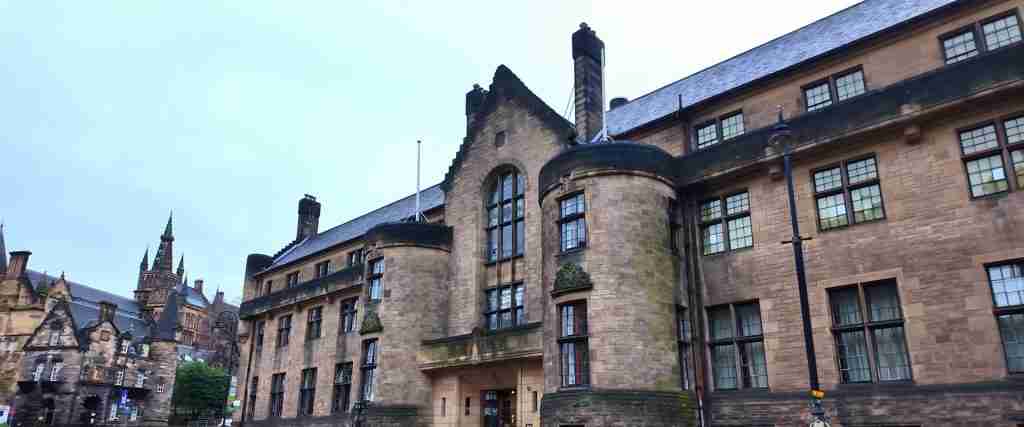
The University of Glasgow occupies spectacular Gothic Revival campus on Gilmorehill in the West End, designed by Sir George Gilbert Scott and featuring over 100 listed buildings including the iconic tower, cloisters, quadrangles, and academic buildings freely accessible to visitors during daytime hours. The main campus centers on Gilbert Scott Building with soaring tower visible across the city, inspired by medieval Flemish cloth halls and Continental Gothic architecture rather than Scottish baronial style. The cloisters provide sheltered arcades surrounding the quadrangle, creating contemplative space with stone vaulting, memorial plaques, and views to the tower. The university welcomes visitors to explore public areas including the main quadrangle, cloisters, Western Infirmary Gate, and exterior grounds without admission fees or booking requirements. Self-guided exploration using downloadable campus map from university website enables visitors to navigate the sprawling campus identifying notable buildings and architectural details. Scheduled guided campus tours led by university ambassadors operate during term time, typically free though booking is recommended through university website to confirm availability and meeting point. The Hunterian Museum and Art Gallery located on campus provide additional free attractions as described earlier, while university shops, cafés, and visitor center welcome public access. The campus sits adjacent to Kelvingrove Park and Glasgow Botanic Gardens creating interconnected West End heritage and green space circuit walkable in half day or full day depending on pace and interest levels. Public transport includes subway to Hillhead station then ten to fifteen minute walk uphill, or buses to University Avenue stops. The university operates as working academic institution so access to some buildings may be restricted during examinations, special events, or outside normal daytime hours, though public outdoor spaces and main quadrangle remain accessible. Allow minimum one hour for basic campus walk or combine with Hunterian museums and surrounding parks for comprehensive West End exploration.
George Square and City Chambers: Free City Centre Landmarks
George Square functions as Glasgow’s principal public square, surrounded by Victorian architecture and containing twelve monuments to Scottish historical figures including Walter Scott, Robert Burns, James Watt, and Queen Victoria, freely accessible 24 hours daily for viewing and photography. The square serves as gathering space for events, festivals, Christmas markets, and political demonstrations, while also providing central orientation point for city navigation with most bus routes passing nearby. Glasgow City Chambers dominates the square’s eastern side, featuring elaborate Italian Renaissance Revival architecture with marble staircases, mosaic floors, ornate ceilings, and grand halls completed 1888 as symbol of Victorian Glasgow’s wealth and civic pride. Free guided tours of City Chambers interior operate Monday to Friday when council business permits, departing from main entrance at scheduled times typically 10:30 AM and 2:30 PM though confirming current schedule via city council website or tourist information prevents disappointment. Tours last approximately one hour showing principal halls, council chambers, and decorative interiors with expert guides explaining architectural details, political history, and contemporary civic functions. Booking is recommended though walk-up visitors are accommodated subject to availability and security requirements. The square itself requires no booking and welcomes visitors continuously, making it ideal starting point for city exploration, meeting point for walking tours, and free attraction in its own right for monument viewing and people watching.
Merchant City Architecture and Charles Rennie Mackintosh Buildings
Merchant City historic district preserves 18th and 19th century warehouse architecture, cobbled streets, and cast-iron streetscape from Glasgow’s tobacco and textile trading heyday, freely explored on foot with no admission charges. Notable buildings include Hutchesons’ Hall with elegant Adam-influenced design now housing restaurant and shop, Trades Hall with elaborate guildhall interior occasionally open for tours, and Virginia Court 18th-century tobacco warehouse courtyards. Charles Rennie Mackintosh buildings scattered across the city include The Lighthouse his first public commission now serving as Scotland’s Centre for Design and Architecture with free exhibition spaces and paid tower climb, Glasgow School of Art Reid Building (Mackintosh Building tragically destroyed by fire), and numerous tea rooms and commercial buildings viewable from exteriors though often requiring admission fees for interior access. The Willow Tea Rooms on Sauchiehall Street recreate Mackintosh’s 1903 design with ground floor exhibition space free to view and upper floors operating as commercial tea rooms. House for an Art Lover in Bellahouston Park charges admission approximately £8 though worth noting for architecture enthusiasts, while Mackintosh Church at Queen’s Cross operates as Mackintosh Society headquarters with small admission fee approximately £6 providing essential funding for preservation. Budget travelers can experience Mackintosh architecture through exterior viewing of multiple buildings, free Lighthouse exhibition spaces, Hunterian Mackintosh House free admission, and occasional open days when churches or commercial buildings allow free public access. Creating a self-guided Mackintosh walking trail using free maps from tourist information covers exteriors of key buildings across different neighborhoods, requiring most of a day for comprehensive walking route.
Free Events, Activities, and Experiences 2026
Beyond static attractions, Glasgow offers dynamic free programming including organ recitals, open-air markets, seasonal festivals, university lectures, and community events that provide authentic local experiences without admission costs. These free activities vary by season, day of week, and community programming, requiring advance research to align visit dates with available free events.
Free Organ Recitals at Kelvingrove Museum
Kelvingrove Art Gallery and Museum hosts free organ recitals on the magnificent Lewis & Co pipe organ in the main hall at 1 PM Monday through Friday and 3 PM on Sundays, providing atmospheric musical accompaniment to museum visits without separate concert tickets or admission fees. The organ recitals last approximately thirty minutes featuring classical repertoire, popular melodies, and seasonal selections performed by professional organists. Visitors can enjoy recitals while touring galleries, seated in the main hall, or standing in adjacent galleries where music resonates throughout the Victorian building’s soaring spaces. The recitals are included in free museum admission making them completely no-cost cultural experience, though arriving fifteen minutes early secures good viewing position near the organ in the main hall. The schedule operates year-round except during occasional maintenance or special events when recitals may be canceled without advance notice. Checking museum website or calling ahead confirms recital schedule for specific visit dates. The combination of world-class art collection with live organ music creates unique multisensory museum experience rarely available without paying concert admission fees.
Glasgow Cathedral Free Guided Tours and Choir Services
Glasgow Cathedral provides free volunteer-led guided tours departing regularly throughout opening hours six days weekly, offering expert interpretation of architecture, history, and religious significance without advance booking required for groups under four people. Tours last thirty to sixty minutes covering the building’s Gothic architecture, Saint Mungo’s tomb and legends, Reformation survival story, Victorian stained glass, and contemporary worship life. Specialist tours focusing on stained glass, medieval saints, or military connections require pre-booking but remain completely free. Sunday morning worship at 11 AM features professional choir singing psalms and anthems in magnificent Gothic setting, open to all visitors whether religious or simply appreciating choral music and architecture together. Attending Sunday service provides opportunity to experience the cathedral in its primary function as active worship space with music, liturgy, and community gathering rather than tourist monument. Evensong or special services around Christian holidays offer additional free music experiences worth coordinating with visit timing. The cathedral also hosts occasional free concerts, lectures, and heritage events advertised through cathedral website and social media requiring advance registration but charging no admission fees.
University Public Lectures and Open Campus Events
The University of Glasgow and University of Strathclyde offer public lecture series, research showcase events, and open days throughout academic year, many freely accessible to interested visitors though advance registration may be required to confirm attendance numbers. Topics span arts, humanities, sciences, engineering, medicine, and social sciences with expert academics presenting research findings, historical insights, and contemporary debates in accessible formats. University open days typically scheduled in autumn welcome prospective students but also provide general public opportunities to tour facilities, attend sample lectures, and explore campus grounds. Checking university websites for events calendars identifies upcoming free lectures and events coinciding with planned Glasgow visits. Some lectures require registration through university events systems to manage capacity, while others welcome walk-in attendance subject to available seating. These events provide intellectual engagement and insider access to academic spaces beyond what typical tourist experiences offer.
Seasonal Markets and Community Festivals
Glasgow hosts various seasonal markets and community festivals with free admission to grounds though purchases of food, drink, and artisan goods incur costs. George Square Christmas market operates November through December with festive stalls, ice skating rink, and seasonal entertainment, while admission to market grounds is free though skating and purchases cost money. West End Festival in June features hundreds of free and ticketed events across two weeks including street performances, music, art installations, and community celebrations with many free components. Merchant City Festival in summer showcases food, fashion, and performance with mix of free outdoor events and ticketed indoor performances. Glasgow’s Green festivals and community days in various neighborhoods throughout summer offer free entry with entertainment, food vendors, and family activities. TRNSMT music festival on Glasgow Green and other major events are fully ticketed rather than free, but smaller neighborhood festivals and markets provide free access to public spaces with optional purchases. Checking Visit Glasgow events calendar and Glasgow Life programming identifies upcoming free festivals and markets during planned visit dates.
Money-Saving Strategies for Free Glasgow 2026
Maximizing Glasgow’s free attractions while minimizing associated costs for transport, food, and discretionary spending enables multi-day budget travel in one of Britain’s most generous cities for no-cost cultural access. Strategic planning around free attractions, smart transport choices, and selective spending creates comprehensive Glasgow experience on minimal budget.
Transport Strategies for Free Attraction Access
Glasgow’s free museums and attractions cluster in accessible city centre and West End locations reachable on foot or via affordable public transport, minimizing transport costs while accessing free cultural venues. The city centre to West End walk from George Square to Kelvingrove Museum covers approximately two miles and passes free attractions including Kelvingrove Park and potentially the Mural Trail, requiring no transport costs. The subway operates flat-fare £2 single or £4 day ticket providing unlimited same-day travel between city centre and West End stations serving Kelvingrove, University, and Botanic Gardens. Bus day tickets cost approximately £5-£6 providing unlimited travel across wider city including Pollok Country Park, Riverside Museum, and outlying attractions. Walking where possible between nearby attractions eliminates all transport costs while providing opportunity to discover street art, architecture, and neighborhood character between major museums. The subway’s circular route and limited stations make navigation extremely simple with Hillhead station serving University of Glasgow, Hunterian Museums, and Botanic Gardens, while Kelvingrove and Kelvinhall stations serve Kelvingrove Museum and Riverside Museum respectively. Planning clustered daily itineraries grouping attractions by neighborhood minimizes cross-city transport needs, such as dedicating one day to city centre museums and Mural Trail on foot, another day to West End museums and parks using subway day ticket, and third day to Pollok Country Park and Riverside Museum using bus day ticket.
Free Accommodation Alternatives and Low-Cost Options
While accommodation costs money, budget travelers seeking extended Glasgow stays can minimize nightly costs through hostels from £15-£25 dormitory beds, budget hotels from £40-£60 double rooms, or Airbnb apartments from £50-£80 enabling self-catering to reduce meal expenses. The combination of completely free daytime activities with low-cost accommodation and self-catered meals from supermarkets creates possibility of multi-day Glasgow visits on extremely limited budgets. Hostels particularly suit solo travelers meeting other budget travelers while spending minimal time in accommodation since free museums and parks provide all-day activity from opening to closing. The money saved on completely free museums compared to cities charging £15-£20 museum admissions can be redirected to slightly better accommodation or occasional restaurant meals, significantly improving overall travel experience without increasing total budget. For travelers combining Glasgow with other Scottish destinations, Glasgow serves as excellent budget-friendly city break between more expensive Edinburgh or Highland experiences, since Glasgow’s fourteen free museums and extensive free attractions enable comprehensive cultural immersion without the admission fees common in other Scottish cities.
Self-Catering and Budget Food Options
Bringing packed lunches and snacks to museums and parks eliminates expensive museum café costs while most venues permit visitors to bring own food except in gallery spaces where eating is prohibited. Glasgow’s numerous supermarkets including Tesco, Sainsbury’s, Morrisons, and budget chains including Lidl and Aldi enable self-catering at hostels or apartments plus packed lunch assembly for approximately £5-£8 daily food costs compared to £20-£35 restaurant meals. Wetherspoon pubs scattered across city offer budget breakfasts from £4-£6 and meals from £6-£10 providing reliable low-cost alternative to packing every meal. Many free attractions including parks and outdoor spaces welcome picnicking, so combining supermarket lunch with park visit creates pleasant outdoor dining experience at fraction of café costs. Budget travelers should note that free museum visits still involve voluntary donation requests and gift shop temptations, so maintaining discipline around declining donations when genuinely budget-constrained and resisting gift shop purchases preserves the truly free nature of museum access. The savings from free museums compared to £15-£25 museum tickets in London or European capitals can fund several days of modest accommodation and meals in Glasgow, making it exceptional value destination for cultural tourism on tight budgets.
Planning Your Free Glasgow Itinerary 2026
Strategic itinerary planning maximizes free attractions while minimizing backtracking and transport costs, creating logical daily routes that cluster nearby venues and account for opening hours, walking distances, and weather contingencies. Different itinerary lengths from one-day highlights to week-long comprehensive explorations enable various budget travel scenarios.
One-Day Free Glasgow Highlights
A packed one-day itinerary covers Glasgow’s premier free attractions through efficient route planning and selective venue time allocation. Start 9 AM at Glasgow Cathedral for thirty-minute volunteer-guided tour explaining medieval architecture and Saint Mungo’s shrine, then climb the adjacent Necropolis for forty-five minutes wandering Victorian monuments with panoramic city views, descending by 10:30 AM. Walk to Merchant City fifteen minutes for Glasgow Mural Trail exploration visiting ten to twelve major murals including St Mungo and Child, Fellow Glasgow Residents, and Keeper of Light over ninety minutes using downloaded map. Reach George Square by 12:30 PM for free City Chambers tour at 2:30 PM with time for lunch break either packed or budget café meal. Walk to Gallery of Modern Art 1:45 PM for one hour viewing contemporary exhibitions, then proceed to Kelvingrove Museum arriving 3:30 PM for thorough exploration of highlights before 5 PM closing including 1 PM organ recital if timing permits alternative schedule. This ambitious one-day route covers cathedral architecture, cemetery monuments, street art, civic buildings, modern art, and comprehensive museum across five major free attractions walking approximately four miles total distance. Modifications for slower pace might eliminate either GOMA or reduce mural trail coverage, while extended days in summer could add West End university campus or Botanic Gardens after Kelvingrove before evening closing times.
Three-Day Free Glasgow Exploration
Three days enable comprehensive free attraction coverage without exhausting rushing, dedicating each day to distinct neighborhood clusters and themes. Day one focuses on city centre and cathedral quarter: Glasgow Cathedral and volunteer tour, Necropolis extensive exploration, St Mungo Museum, People’s Palace on Glasgow Green, Provand’s Lordship, and evening mural trail walk in Merchant City photographing murals in golden hour light. Day two explores West End cultural venues: University of Glasgow campus tour, Hunterian Museum and Art Gallery with Mackintosh House, Kelvingrove Art Gallery and Museum timing visit around 1 PM organ recital, and Glasgow Botanic Gardens glasshouses and riverside walks. Day three ventures to Riverside Museum for transport collection, Tall Ship Glenlee exterior viewing, Clyde Walkway to city centre, Gallery of Modern Art, and free afternoon in Pollok Country Park including Burrell Collection museum and Highland cattle viewing with forest walks. This three-day schedule provides balanced coverage of museums, architecture, parks, and street art while maintaining relaxed pace with time for meals, rest breaks, and spontaneous discoveries. Each day’s attractions cluster geographically minimizing transport while providing varied experiences from Gothic cathedrals to contemporary art, Victorian funerary architecture to Mackintosh interiors, transport history to Renaissance paintings.
Week-Long Free Glasgow Immersion
Seven days permits leisurely exploration of every free attraction plus repeat visits to favorites, specialist museum areas requiring multiple hours, extensive park rambling, and coordination with weekly scheduled free events. The extended timeline enables flexibility around weather with indoor museums reserved for rainy days and outdoor parks and mural trails prioritized during clear weather. Week-long visits can incorporate multiple free walking tours on different themes comparing guides and content, attendance at Sunday worship with choir at Glasgow Cathedral, participation in public lectures at universities if schedules align, and thorough exploration of smaller specialist museums like Police Museum, Women’s Library, and Museums Resource Centre requiring advance booking. The week also accommodates day trips to free destinations outside Glasgow including Loch Lomond accessible via train for scenic walks, or deeper neighborhood exploration visiting local parks and community spaces beyond tourist circuits. Budget travelers spending full week in Glasgow should investigate volunteer opportunities at museums or community organizations potentially providing free accommodation or meals in exchange for several hours daily assistance, though such arrangements require advance coordination and may not suit all travel styles.
Practical Information for Free Glasgow 2026
Understanding logistical details around opening hours, transport options, weather preparation, and access requirements ensures smooth execution of free attraction itineraries without unexpected obstacles or expenses.
Museum Opening Hours and Closures
Most Glasgow Life museums operate Monday to Thursday and Saturday 10 AM to 5 PM, Friday and Sunday 11 AM to 5 PM, creating consistent schedule across venues though individual museums occasionally vary these times or close for maintenance. Glasgow Cathedral opens Monday to Saturday with seasonal variation approximately 9:30 AM or 10 AM to 3:30 PM or 5 PM, closed for general visiting on Sunday except during worship services or afternoon visiting hours October to March. The Hunterian Museum and Art Gallery close Mondays unlike other venues and operate restricted hours on Sundays. Parks and outdoor spaces including Necropolis, Pollok Country Park, and Botanic Gardens outdoor grounds are accessible dawn to dusk daily year-round, while glasshouses at Botanic Gardens close approximately 4:30 PM. Planning daily itineraries accounting for varying closing times avoids arriving at closed venues, particularly important for Sunday when many museums open late and cathedral access is limited. Museums occasionally close without advance notice for maintenance, staff training, or emergencies, so checking venue websites or calling ahead before traveling significant distances prevents wasted journeys. Christmas Day and New Year’s Day see most museums and cathedral closed entirely, while reduced hours operate on other public holidays.
Transport and Getting Around
Glasgow’s compact city centre enables walking between most central free attractions including George Square, cathedral, Merchant City murals, and GOMA without public transport costs. The circular subway line connects city centre to West End serving Kelvingrove Museum, University, and Botanic Gardens on flat-fare £2 single or £4 day ticket providing unlimited same-day travel. Buses cover wider city including Pollok Country Park and Riverside Museum with single fares approximately £2 or day tickets £5-£6, purchased from driver with contactless card payment or exact change in coins. The Clyde Walkway riverside path connects city centre to Riverside Museum as scenic walking route avoiding transport costs. Free transport maps are available from tourist information centers and downloadable from SPT public transport website showing subway stations and major bus routes. Walking tours departing George Square cluster most meeting points in central area reachable on foot from city centre hotels and hostels. Budget travelers should note that Glasgow’s walkability differs significantly from Edinburgh’s compact Old and New Town geography, with free attractions more dispersed across wider geographic area requiring either more walking time, public transport investment, or selective attraction prioritization focusing on clustered neighborhoods.
Weather and Year-Round Visiting
Glasgow’s temperate oceanic climate delivers year-round rainfall averaging 170 wet days annually, making waterproof jacket and umbrella essential regardless of season for any outdoor activities including park visits, cemetery walks, and mural trail exploration. Summer months June through August offer longest daylight hours with sunset after 9 PM enabling extended evening outdoor exploration, though temperatures rarely exceed 20°C and rain remains frequent. Winter months December through February bring short daylight approximately 8 AM to 4 PM limiting park and outdoor attraction visiting hours, though indoor museums maintain same operating hours year-round. Spring and autumn shoulder seasons offer moderate weather with fewer tourists than summer peak, making museum visits more comfortable without sacrificing accessibility to free attractions. Free indoor attractions including museums become particularly valuable during Glasgow’s inevitable rainy days, enabling comprehensive cultural tourism regardless of weather while outdoor attractions like Necropolis and parks are best prioritized during dry spells identified through hourly weather forecasts. The completely free nature of museum admission means visitors can spontaneously duck into dry galleries when rain starts, stay through heavy downpour, and resume outdoor exploration when weather improves without wasting purchased tickets or admission fees. Pack layered clothing for variable temperatures even in summer, comfortable waterproof walking shoes for cobbled streets and cemetery paths, and prepare mentally for experiencing much of Glasgow under grey skies and drizzle that locals consider normal weather rather than unfortunate weather.
Accessibility and Facilities
Glasgow Life museums maintain strong accessibility with wheelchair access via lifts to all public areas, accessible toilets, hearing loops in some venues, and British Sign Language video guides available for major museums. Glasgow Cathedral has limited accessibility due to medieval architecture with steps throughout and atmospheric crypt accessed via stairs without lift alternative, though main nave level is accessible and volunteer guides accommodate visitors with mobility limitations where possible. The Necropolis presents accessibility challenges with steep hillside paths, uneven historic surfaces, steps throughout, and no wheelchair-accessible route to monument viewpoints or cemetery summit. University of Glasgow campus includes steps and hillside terrain requiring reasonable fitness level though main quadrangle and some buildings have accessible routes. Parks vary with Glasgow Green, Botanic Gardens, and most park main paths suitable for wheelchairs and pushchairs, while Pollok Country Park forest trails and Necropolis hillside are challenging for limited mobility visitors. Most free attractions provide public toilets either within venues or in adjacent parks and public spaces, though cathedral notably lacks facilities requiring visitors to use nearby St Mungo Museum or café facilities. Many museums offer free lockers for storing coats and bags during visits. Baby changing facilities are standard in museums though less common in cathedral and some smaller venues. Visitors requiring accessibility accommodations should contact venues in advance through websites or phone to discuss specific needs and receive detailed accessibility information beyond general facilities descriptions.
Frequently Asked Questions: Free Things in Glasgow 2026
Can I really visit Glasgow’s museums for free or is there a catch?
Glasgow’s fourteen Glasgow Life museums genuinely offer completely free admission to permanent collections with no hidden charges, booking fees, or donation requirements, funded through Glasgow City Council and Glasgow Life charitable organization committed to removing financial barriers to cultural access. The free admission policy is permanent rather than temporary promotion, applying to all visitors regardless of age, residency, or nationality. Some museums charge admission fees for special temporary exhibitions clearly advertised as separate from free permanent collections, and all museums display donation boxes requesting voluntary contributions to support conservation and programming but never requiring payment. Museum cafés, shops, and some specialist activities like Mackintosh House tours or audio guides may charge fees while general museum admission remains free. This genuine free access model differs significantly from many British and European cities where major museums charge £15-£25 admission fees, making Glasgow exceptional value for budget travelers and families. The only costs associated with free museum visits are transport to reach venues, optional food and drink from museum cafés, and discretionary gift shop purchases or donations, but the core museum experience exploring galleries, viewing collections, and accessing basic facilities involves zero admission charges.
Are Glasgow’s walking tours actually free or do I have to pay?
Glasgow’s walking tours operate on pay-what-you-wish tip-based model where no upfront payment is required but participants customarily tip guides £10-£15 per person at tour conclusion based on satisfaction with the experience, so they are not entirely free like museums but offer flexible pricing accessible to tight budgets. This model enables participation without advance payment or fixed fees, with guides earning compensation through tips rather than salary or commission from tour company. The tip amount remains genuinely discretionary legally and theoretically though social pressure and guide suggestions establish expected minimum around £10-£15, with some reviewers noting certain guides or companies communicate minimum expectations that contradict the free tour concept. Budget travelers genuinely unable to afford tips should understand these expectations and either prepare to tip modest amount within personal budget, clearly communicate financial limitations to guides beforehand, or alternatively explore Glasgow using completely free self-guided resources including mural trail maps, heritage walking routes, and printed guides from tourist information. The pay-what-you-wish model provides middle ground between free self-guided exploration requiring navigation skills and research versus paid tours charging fixed £20-£30 fees regardless of tour quality, enabling flexible payment based on perceived value while supporting guides’ livelihoods. For travelers seeking truly zero-cost guided experiences, Glasgow Cathedral volunteer tours, some museum tours, and self-guided trails with informational panels provide alternatives to tip-based walking tours.
What is the Glasgow Mural Trail and how much does it cost to visit?
The Glasgow Mural Trail consists of over thirty large-scale street art installations painted on building walls across the city centre, completely free to view 24 hours daily with no admission fees, tickets, or access restrictions since they are publicly visible from streets and lanes. The trail began in 2008 when Glasgow City Council commissioned artists to create murals on vacant buildings and blank walls as urban regeneration strategy, growing into major tourist attraction featuring works by internationally recognized street artists including Smug, Rogue One, and Art Pistol. Viewing the murals costs nothing beyond any transport needed to reach city centre and walk between installations, with free downloadable maps from citycentremuraltrail.co.uk and Visit Glasgow website showing all locations with addresses. The self-guided nature means visitors explore at own pace taking as long as desired photographing murals and discovering surrounding neighborhoods without any time restrictions or admission windows. Optional guided street art tours led by expert guides cost approximately £15-£20 per person providing artist backgrounds, technical explanations, and access to hidden pieces not on official maps, but the murals themselves remain freely accessible regardless of tour participation. Budget travelers can experience the complete trail entirely free using maps and GPS apps, potentially dedicating three to four hours walking the full circuit or selecting favorite pieces for shorter customized route. The murals are outdoor installations exposed to weather so no indoor admission or shelter access is required, though some are located in narrow lanes and less-traveled areas where caution around personal safety after dark is advisable despite the art being theoretically viewable 24 hours.
How many days do I need to see all of Glasgow’s free attractions?
Seeing all fourteen Glasgow Life museums plus additional free museums, parks, street art trail, cathedral, and architecture requires minimum five to seven days moving at moderate pace without exhausting rushing, though selective visitors can cover highlights in two to three days by prioritizing premier attractions and accepting that comprehensive coverage is impossible in short timeline. A two-day highlights itinerary covers Kelvingrove Museum, Burrell Collection, Riverside Museum, Glasgow Cathedral and Necropolis, major mural trail pieces, and University of Glasgow campus through efficient clustering and selective museum gallery viewing rather than comprehensive every-exhibit exploration. Three days enables adding Gallery of Modern Art, People’s Palace, Hunterian museums with Mackintosh House, Botanic Gardens, and more thorough museum visits with time for organ recitals and volunteer cathedral tours. Five days permits visiting all fourteen Glasgow Life museums, most parks, complete mural trail, architecture walking routes, and free events if scheduled during visit dates. Seven days allows leisurely pace with repeat visits to favorite museums, extensive park rambling, attendance at weekly scheduled events like Sunday cathedral worship with choir, and flexibility around weather reserving indoor museums for rainy days. Budget travelers should consider that while admission is free, the mental and physical energy required to thoroughly explore large museums day after day can be exhausting, so even with week-long visit, designating some days for lighter schedules with just one major museum plus outdoor exploration prevents museum burnout. The completely free nature of admission means visitors can return to partially-seen museums on subsequent days without wasting money on duplicate admissions, enabling flexible itinerary adjustments based on energy levels and weather conditions.
Is anything in Glasgow actually completely free or does everything expect donations?
Multiple Glasgow attractions are genuinely completely free with no donation expectations or social pressure for payment, including all outdoor spaces like parks, Necropolis, mural trail, river walks, and architectural viewing from streets, while indoor museums welcome donations but clearly state they are voluntary and never required. Parks, gardens, Necropolis, street art murals, Glasgow Green monuments, Clyde Walkway, and architectural exteriors involve zero payment expectations since they are public outdoor spaces accessible continuously without staff presence or donation collection points. Glasgow Life museums display donation boxes at entrances and exits requesting voluntary contributions to support conservation and programming, but clear signage and staff training emphasize donations are completely optional and visitors are never refused entry or made uncomfortable for declining to donate. Many visitors including local residents utilize free museums regularly without donating every visit, making clear that donation is genuinely voluntary practice rather than expected pseudo-admission fee. Glasgow Cathedral similarly welcomes donations through collection boxes but maintains explicit free entry policy with volunteer guides making clear they are unpaid volunteers and donations support cathedral upkeep not individual compensation. The pay-what-you-wish walking tours represent different model where tip payment is customary though legally voluntary, and some guides communicate minimum expectations creating social pressure unlike donation boxes in museums. For travelers seeking experiences with zero payment expectations, prioritizing outdoor spaces, self-guided exploration, and museums where donation is clearly voluntary while avoiding tip-based tours creates itinerary of truly free activities without awkward payment pressure or social obligation. Understanding the distinction between voluntary donations at museums versus customary tips for walking tours helps budget travelers make informed choices about which activities align with genuinely zero-cost versus modest discretionary payment travel styles.
Can I visit Glasgow for free including accommodation and food?
While Glasgow’s attractions can be visited completely free, accommodation and food involve unavoidable costs meaning a truly zero-cost visit is unrealistic, though budget travelers can minimize these costs through hostels, self-catering, and strategic planning to create extremely low-cost multi-day visits. Accommodation costs minimum £15-£25 nightly for hostel dormitory beds, £40-£60 for budget hotel double rooms, or £50-£80 for Airbnb apartments enabling self-catering to reduce food expenses. Food costs can be minimized to approximately £5-£8 daily through supermarket shopping and self-catered meals, or £15-£25 daily with budget restaurant or pub meals including Wetherspoon breakfasts and takeaway lunches. Free museum visits eliminate £15-£20 daily admission costs that would apply in most British cities, enabling budget reallocation to slightly better accommodation or occasional restaurant meals while maintaining lower overall costs than museum-heavy cities with entrance fees. Public transport adds £4-£6 daily for unlimited subway and bus access, or £0 for visitors willing to walk longer distances between attractions. The combination of completely free attractions plus low-cost accommodation and minimal food spending creates realistic three-day Glasgow visit for approximately £100-£150 total budget including hostel accommodation, self-catered meals, minimal transport, and occasional budget restaurant meal, compared to £200-£300 for equivalent experience in cities charging museum admissions. Travelers seeking to minimize costs should investigate work exchange programs, volunteering opportunities, or hospitality exchange networks potentially providing free accommodation in exchange for several hours daily assistance, though such arrangements require advance coordination and may not suit all travel styles. The key insight is that Glasgow’s generous free cultural infrastructure enables budget travelers to experience world-class museums, art, architecture, and history without spending money on admissions, redirecting entire budget to unavoidable costs of accommodation, food, and transport rather than dividing limited funds between necessities and cultural access.
What free things can I do in Glasgow when it’s raining?
Glasgow’s fourteen free museums provide comprehensive rainy day programming with multiple full-day indoor options requiring no admission fees and maintaining consistent hours regardless of weather, making the city excellent destination for budget travelers even during Glasgow’s frequent rain. Kelvingrove Museum alone could occupy three to four hours with its 22 galleries spanning natural history to fine art, while Burrell Collection provides another three to four hours in stunning contemporary building showcasing medieval to Impressionist collections. Riverside Museum offers transport history exploration with recreated Victorian streets providing covered shopping experience atmosphere, Gallery of Modern Art presents contemporary works in neo-classical building, and Hunterian museums showcase everything from Roman artifacts to Whistler paintings across multiple galleries. The combination of five major free museums enables complete rainy day coverage across multiple days without repetition, with each museum located in different neighborhood allowing rainy day backup plans wherever current itinerary is focused. Glasgow Cathedral provides indoor architectural exploration with atmospheric medieval spaces and volunteer tours regardless of weather, while university buildings including Hunterian and library reading rooms offer covered spaces for walking and exploration. Museum cafés provide sheltered lunch options though at commercial pricing, or budget travelers can bring packed lunches eating in designated museum spaces away from galleries. The completely free museum admission means visitors can duck into galleries when rain begins without wasting purchased tickets or admission fees if weather improves and outdoor exploration resumes, enabling flexible responses to Glasgow’s unpredictable weather patterns. Shopping centers including Buchanan Galleries and St Enoch Centre provide covered walking and browsing without purchase requirements, while libraries including Mitchell Library offer free entry to impressive Victorian reading rooms and architecture.
Are there any free things to do in Glasgow with children?
Glasgow’s free museums, parks, and activities provide excellent family-friendly options with many venues specifically designed for children through interactive exhibits, hands-on activities, and educational programming without admission charges. Kelvingrove Museum features dedicated family galleries, natural history specimens including elephants and dinosaurs appealing to children, and interactive exhibits allowing touching and exploration unlike typical museum restrictive viewing. Riverside Museum enables children to climb aboard buses, fire engines, and vehicles while recreated Victorian streets provide immersive historical environment for imaginative play. The Burrell Collection incorporated child-friendly design in its 2022 renovation with interactive displays and family activity trails encouraging engagement with art and antiquities through games and discovery challenges. Glasgow Science Centre charges admission fees to interactive exhibits but exterior plaza, café, and viewing areas beside the Clyde are free, while nearby riverside walks and parks provide outdoor running and playing space. Parks including Glasgow Green, Pollok Country Park with Highland cattle, and Botanic Gardens offer playgrounds, open grass for ball games, and nature spotting opportunities completely free year-round. The Necropolis provides unusual graveyard exploration appealing to older children interested in Victorian culture and architecture, though steep paths and historic monuments require supervision and appropriate behavior. Many museums run free family events, workshops, and activity sessions during school holidays with advance booking through museum websites, supplementing permanent free exhibits with structured educational programming. Walking the mural trail transforms into treasure hunt with children spotting designated artworks and photographing favorites, while self-guided exploration eliminates need for quiet museum behavior. The combination of interactive museums, vast parks, street art discovery, and Highland cattle viewing creates multi-day Glasgow family visit on minimal budget since the primary costs are transport, food, and accommodation rather than expensive activity admissions common in many family destinations.
Can I visit Glasgow Cathedral for free including tours?
Glasgow Cathedral offers completely free admission to the building plus free volunteer-led guided tours departing regularly throughout the day six days weekly, creating comprehensive heritage experience without any charges, donations required but voluntary, and advance booking needed only for larger groups. The volunteer guides from Friends of Glasgow Cathedral provide expert interpretation lasting thirty to sixty minutes covering architectural development, Saint Mungo’s tomb and legends, Reformation survival, Victorian stained glass, and contemporary worship life, available on walk-in basis for individuals and groups under four people. Specialist tours focusing on stained glass, medieval saints, French and German language tours, or military history require pre-booking through cathedral contact form but remain completely free with no participation fees. Sunday morning worship at 11 AM with professional choir provides additional free experience of cathedral in active use with music and liturgy, open to all visitors regardless of religious affiliation or belief. The cathedral operates as working Church of Scotland congregation funded through congregation donations and Historic Environment Scotland support, enabling free public access rather than charging museum-style admission fees seen at many British cathedrals. Donation boxes at entrance and exit welcome contributions toward building maintenance and volunteer guide program but signage clearly states donations are voluntary and never required. Audio guides accessed via personal smartphone and headphones provide free self-guided alternative to volunteer tours, available through cathedral website and requiring internet connection to access content. The combination of free building admission, free volunteer tours, free audio guides, and free Sunday choir worship creates exceptional value heritage experience that would typically cost £10-£15 cathedral entry plus £5 tour supplement plus £3 audio guide in cities charging admission, making Glasgow Cathedral model of accessible cultural heritage where financial barriers do not exclude visitors from experiencing medieval architecture and religious history.
What are the must-see free attractions in Glasgow for first-time visitors?
First-time visitors should prioritize Kelvingrove Art Gallery and Museum for comprehensive art and history collections, Glasgow Cathedral and Necropolis for medieval architecture and Victorian cemetery atmosphere, and the Mural Trail for contemporary street art culture, creating foundational Glasgow experience covering the city’s artistic, historical, and architectural highlights without admission fees. Kelvingrove serves as Glasgow’s flagship museum and most visited free attraction combining Old Masters paintings with natural history specimens, Scottish history with Egyptian antiquities, and impressive Victorian architecture with daily organ recitals, easily absorbing three to four hours with highlights tour or half-day for comprehensive viewing. Glasgow Cathedral and adjacent Necropolis provide Glasgow’s signature heritage experience with finest medieval architecture surviving in mainland Scotland, atmospheric crypt, volunteer-guided tours, and dramatic hillside cemetery offering panoramic city views and Victorian funerary monuments. The Mural Trail showcases Glasgow’s contemporary creative culture through over thirty massive street art installations by internationally recognized artists, self-guided using free maps and requiring two to three hours walking city centre streets discovering artworks on building walls. This three-attraction combination can be accomplished in single ambitious day or more comfortably across two days, providing visitors with comprehensive impression of Glasgow’s cultural richness spanning medieval to contemporary periods, religious to secular themes, high art to street art, and indoor museums to outdoor architectural exploration. Additional priority attractions for first-time visitors with extended stays include Riverside Museum for transport history in striking contemporary building, Burrell Collection for impressive art collection in award-winning architecture within beautiful park setting, and University of Glasgow campus for Gothic Revival architecture and Hunterian museums. The completely free admission to all these premier attractions enables first-time visitors to experience Glasgow’s cultural highlights without financial barriers while forming informed opinions about which venues merit deeper exploration on potential return visits.