
Gjirokaster Travel Guide 2026: Albania’s UNESCO Stone City
Gjirokaster rises dramatically from the Drino Valley in southern Albania, a UNESCO World Heritage Site since 2005 where 600 Ottoman-era stone houses cascade down steep hillsides beneath one of the Balkans’ largest fortresses. This remarkably preserved “City of Stone” rewards travelers with exceptional value—mid-range comfort costs €100-140 per person daily—while offering architectural treasures, Cold War history, and authentic Albanian culture far from coastal crowds.
Key Takeaways About Visiting Gjirokaster 2026
- Budget & Costs 2026: Budget travelers spend €40-60 per person daily (two sharing budget accommodation), mid-range travelers €100-140, and luxury visitors €195-305, with three-day visits typically costing €120-180 budget, €300-420 mid-range, or €585-915 luxury per person
- UNESCO Heritage Status: Inscribed in 2005 under criteria iii and iv as a rare example of Ottoman-period Balkan architecture, with Berat added as site extension in 2008, protecting over 600 monumental houses with characteristic slate roofs and fortified towers
- Castle & Main Attractions 2026: Gjirokaster Castle dominates the city with 400 lek ($4) admission including panoramic valley views, Cold War bunker access at additional 200 lek ($2), captured US Air Force plane, and Arms Museum, while Ottoman houses like Skenduli and Zekate House offer interior tours €3-5 each
- Best Time to Visit 2026: April through June and September through October provide ideal weather (15-25°C), fewer crowds than summer coastal Albania, and lower accommodation prices, while July-August brings heat but vibrant cultural festivals in the castle
- Transportation Access 2026: Direct buses from Tirana operate hourly 5:00-20:30 costing €12-14 for the 4-hour journey, with Saranda connections at 500 lek ($5) taking 1.5 hours, while rental cars provide flexibility for exploring surrounding villages and Blue Eye spring
- Three-Day Itinerary Essentials: Dedicate Day 1 to the castle and bazaar exploration, Day 2 to Ottoman house interiors and Ethnographic Museum, Day 3 to day trips including Blue Eye natural spring (30km south) or ancient Antigonea ruins, allowing time to absorb the city’s unhurried mountain atmosphere
People Also Ask About Gjirokaster 2026
How much does visiting Gjirokaster cost per day in 2026?
Daily costs in Gjirokaster range €40-60 per person for budget travel (two sharing budget accommodation), €100-140 for mid-range comfort, or €195-305 for luxury experiences. Budget travelers stay in guesthouses at €25-40 per room (€13-20 per person sharing), eat traditional meals €5-8 each, and visit attractions walking between sites. Mid-range visitors enjoy boutique hotels €70-100 per room (€35-50 per person), dine at recommended restaurants €15-25 per meal, and hire occasional taxis for hilltop access. Luxury travelers book heritage properties €150-250 per room (€75-125 per person), experience fine dining with regional wine €35-50 per meal, and arrange private guided tours of the castle and surrounding villages. All budgets benefit from Gjirokaster’s exceptional value compared to coastal Albanian cities—prices run 30-40% lower than Saranda or Ksamil while offering superior cultural authenticity.
Is Gjirokaster worth visiting for 3 days in 2026?
Three days provides ideal time to experience Gjirokaster’s depth beyond surface-level castle visits. Day 1 covers the fortress complex (half-day minimum), bazaar shopping, and evening views from terrace restaurants. Day 2 explores Ottoman house interiors—Skenduli House reveals authentic 18th-century aristocratic life, Zekate House showcases painted ceilings and carved woodwork, and the Ethnographic Museum (in dictator Enver Hoxha’s birthplace) contextualizes Albanian history. Day 3 enables excursions: Blue Eye spring (30km south) offers stunning natural beauty, ancient Antigonea ruins reveal Hellenistic history, or Permet’s thermal baths and wine culture create full-day experiences. The unhurried pace suits Gjirokaster’s character—rushing through in one day misses the atmospheric stone streets at dawn, local interactions in family-run restaurants, and the layered history requiring time to absorb. Three days also positions you perfectly for onward travel to Saranda (90 minutes south) or Berat (3.5 hours north).
What’s the best way to reach Gjirokaster from Tirana in 2026?
Direct buses depart Tirana’s Regional Bus Terminal (South and North Albania section) hourly from 5:00 to 20:30, costing €12-14 for the 4-hour journey with several comfort stops. Book tickets at the terminal or through operators like Gjirafa Travel—no advance reservation necessary except July-August weekends. The route traverses scenic southern Albania through Fier and Tepelene, arriving at Gjirokaster’s new town from where €3-5 taxis reach the Old Bazaar (steep cobblestones prevent large buses entering the historic center). Rental cars cost €20-30 daily plus €35-45 fuel one-way, providing flexibility for Blue Eye and Antigonea excursions but facing challenging parking in the Old Town’s narrow lanes. Private transfers run €110-180 one-way (comfortable for 2-4 passengers splitting cost). From Tirana Airport, direct buses cost €16 (5-hour journey), or connect through Tirana city with 30 minutes added. Early morning departures (5:00-7:00) maximize your first day in Gjirokaster, while afternoon returns (15:00-18:00) allow full morning exploration before departure.
How does Gjirokaster compare to Berat for UNESCO heritage experiences in 2026?
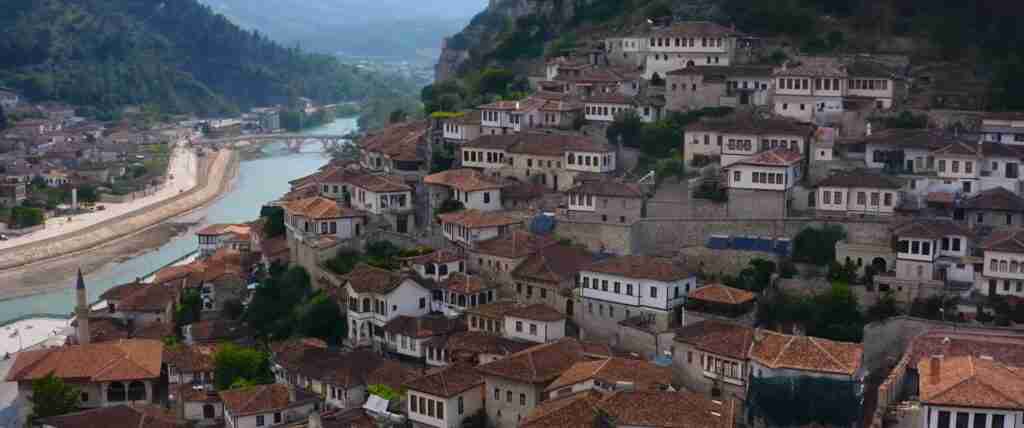
Gjirokaster and Berat share 2005/2008 UNESCO inscription as rare Ottoman urban examples but offer contrasting experiences. Gjirokaster presents fortress-citadel architecture—noble landowner houses built for defense, dramatic hilltop setting, and martial history including Cold War tunnels and captured military equipment. Stone construction dominates, slate roofs create distinctive “scales,” and the atmosphere feels more rugged and mountain-oriented. Berat showcases merchant-craftsman architecture with whitewashed houses earning its “City of 1,000 Windows” nickname, three distinct quarters (Muslim, Christian, Castle), and more intact religious buildings including functioning Byzantine churches. Gjirokaster’s cuisine emphasizes mountain flavors (qifqi rice balls, slow-cooked lamb), while Berat offers Osum River fish and wine-producing traditions. Practically, Gjirokaster sees fewer tourists (30-40% less crowded than Berat in peak season), costs run 15-20% lower for accommodation and dining, and the setting feels more remote despite good bus connections. Ideal itineraries include both: Tirana to Berat (2-3 days) to Gjirokaster (3 days) creates comprehensive UNESCO heritage experience spanning 5-6 days total.
Extended multi-day tours – 5+ days
Featured Albania Multi-Day Tour Packages
3 days
Albania 3-Day Discovery Tour
- ✓ Comprehensive Albania experience
- ✓ Expert local guides included
- ✓ All accommodation included
- ✓ Transportation provided
5 days
Albania 5-Day Highlights Experience
- ✓ Comprehensive Albania experience
- ✓ Expert local guides included
- ✓ All accommodation included
- ✓ Transportation provided
7 days
Albania 7-Day Cultural Journey
- ✓ Comprehensive Albania experience
- ✓ Expert local guides included
- ✓ All accommodation included
- ✓ Transportation provided

10 days
Albania 10-Day Complete Adventure
- ✓ Comprehensive Albania experience
- ✓ Expert local guides included
- ✓ All accommodation included
- ✓ Transportation provided
Multi-day tour packages powered by TourRadar. Prices and availability subject to change.
Introduction: Understanding Gjirokaster’s UNESCO Significance 2026
Gjirokaster earned UNESCO World Heritage inscription in 2005 under criteria iii and iv, recognized as bearing “outstanding testimony to the diversity of urban societies in the Balkans” and representing “various types of monument and vernacular urban housing during the Classical Ottoman period.” The designation specifically cited the city’s unique fortified house architecture developed by notable landowners whose interests aligned with Ottoman central power, creating defensive residential structures unlike merchant-oriented cities elsewhere in the Balkans. Berat joined as a site extension in 2008, forming a paired inscription showcasing contrasting Ottoman urban typologies—Gjirokaster’s citadel-noble character versus Berat’s merchant-craftsman traditions.
Over 600 monumental houses built between the 17th and 19th centuries define Gjirokaster’s protected core. These stone structures feature distinctive slate roofs quarried from nearby mountains, fortified towers called kule, and elaborate interior wooden galleries where families conducted daily life above ground-floor storage and livestock areas. The architectural formula responded to the region’s geography—steep terrain, defensive requirements, and cold winters—while expressing social hierarchies through house size and decoration. Wealthier families built larger towers with more elaborate painted ceilings and carved wooden elements, creating visible markers of status still readable today in buildings like Zekate House (18 rooms, symmetrical towers flanking an arched gateway) and Skenduli House (nine fireplaces, original 18th-century furnishings intact).
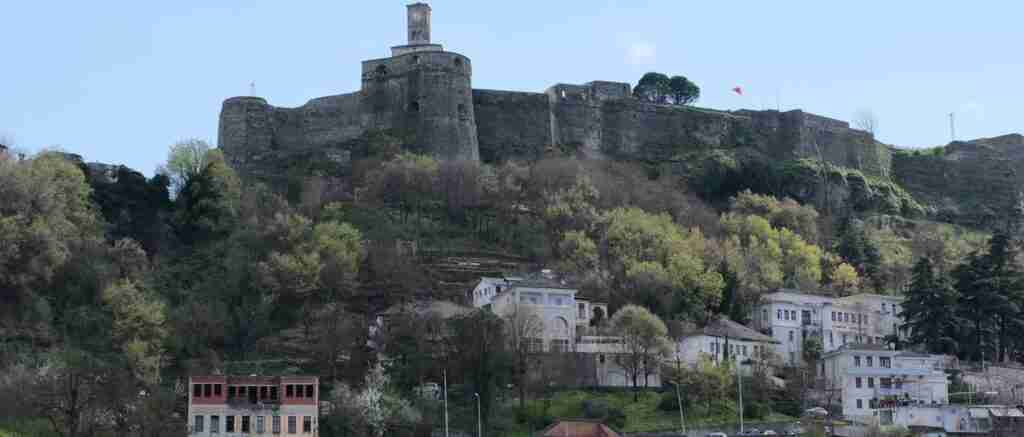
The city’s defensive character stems from its strategic location controlling the Drino Valley route between inland Albania and the Adriatic coast. Gjirokaster Castle, originating in the 12th century under Byzantine rule and expanded significantly during Ottoman administration, dominates from a rocky spur 300 meters above the valley floor. Unlike decorative European palaces, this fortress served continuous military functions through World War II, when Italian occupiers expanded the fortifications, and into the Cold War, when the Albanian communist regime converted sections into a prison holding political dissidents and constructed massive underground bunkers beneath the castle complex. The castle remained operational as a prison until 1968, making it one of Albania’s most recent functioning defensive structures.
In 2026, Gjirokaster maintains remarkable authenticity compared to other UNESCO towns facing overtourism pressures. The Old Bazaar preserves traditional crafts—coppersmiths, felt makers, and woodcarvers—alongside family restaurants serving mountain cuisine unchanged for generations. Tourism infrastructure remains modest: most accommodation operates in converted historic houses (boutique hotels occupy 18th-century merchant residences), restaurants emphasize local ingredients and recipes, and souvenir shops sell genuine Albanian handicrafts rather than imported trinkets. This authentic character reflects Gjirokaster’s geographic isolation—232 kilometers and 4 hours by bus from Tirana, situated in mountainous southern Albania away from beach resort development—and conscious preservation efforts by local authorities implementing UNESCO management plans established after inscription.
The city also functions as Albania’s cultural heartland, birthplace of renowned writer Ismail Kadare (1936-) whose novels chronicle Albanian history through Gjirokaster’s perspective, and former dictator Enver Hoxha (1908-1985) whose childhood home now operates as the Ethnographic Museum. These literary and political associations layer contemporary significance onto centuries-old architecture, creating a living city where UNESCO heritage intersects with ongoing Albanian identity formation. In 2026, the National Folklore Festival held every five years in the castle brings together performers from across Albania and the Balkans, demonstrating how Gjirokaster continues functioning as a cultural center rather than existing solely as an architectural museum.
For travelers, UNESCO designation ensures preservation standards protecting the city’s character while providing infrastructure (marked walking routes, informational panels in English, trained guides) that facilitate meaningful engagement with the heritage. The 2006 Albanian government fund establishing €1.2 million for restoration projects has enabled careful renovation of key monuments while maintaining construction techniques and materials matching original Ottoman methods. This approach preserves authentic experiences—walking cobblestone lanes worn smooth by centuries of foot traffic, entering houses where families have lived continuously for 300 years, viewing valley landscapes unchanged since the 17th century—that distinguish Gjirokaster from reconstructed or overly commercialized heritage sites elsewhere in Europe.
Understanding Gjirokaster’s Geography and Climate 2026
Gjirokaster sits at approximately 300 meters elevation on the western slopes of the Gjerë mountain range in southern Albania’s Drino Valley, 35 kilometers inland from the Ionian Sea. This mountainous position creates a microclimate distinct from coastal Albania—cooler summers, cold winters with occasional snow, and dramatic temperature swings between sunny hillside exposure and shaded valley positions. The city’s built environment responds to this geography: houses orient south-facing to maximize winter sun, thick stone walls provide thermal mass moderating temperature extremes, and multilevel construction uses the steep terrain to create natural cooling through gravity-driven ventilation.
The altitude differential between the valley floor at 200 meters and the castle at 500 meters generates microclimates within walking distance. The Old Bazaar in the upper town experiences temperatures 2-3°C cooler than the new town below, with stronger winds making autumn and spring evenings require light jackets even when daytime temperatures reach 20°C. The castle complex sits fully exposed to valley breezes, offering spectacular views but also unfiltered sun—summer midday visits require sun protection, while winter visits face cold winds making the Cold War tunnel tours surprisingly welcome warm respites.
Spring 2026 (April-May) brings ideal conditions: daytime temperatures 15-22°C, wildflowers covering surrounding hillsides, and water features like fountains in Ottoman house courtyards at their most attractive after spring rains. Morning mist often fills the Drino Valley through mid-morning, creating atmospheric photography opportunities as the castle emerges from clouds. Summer (June-August) sees temperatures 25-35°C with low humidity—heat feels manageable in the Old Town’s shaded stone lanes but intense on exposed castle ramparts. Thunderstorms arrive 2-3 afternoons weekly in July-August, brief but spectacular as lightning illuminates the valley.
Autumn (September-October) rivals spring for visitor comfort: temperatures 18-25°C September, 12-18°C October, with harvest activities in surrounding villages (grape picking, olive processing) adding cultural interest. Fall colors arrive late October as deciduous trees on mountain slopes transition, creating striking backdrops for the gray stone cityscape. Winter (November-March) brings cold temperatures 5-12°C, occasional snow covering the castle and upper town (3-5 days annually), and reduced tourist services—many guesthouses close November through March, restaurants operate limited hours, and some attraction sites close for maintenance. However, winter offers authentic local life experiences and dramatic light for photography as low-angle sun creates long shadows across stone facades.
Rainfall concentrates November through February (60-80mm monthly), with the driest period July-August (under 20mm monthly). The stone streets become slippery when wet—wear appropriate footwear during any season as the Old Town’s steep cobblestones challenge even in dry conditions. The Drino River in the valley below floods occasionally in heavy winter rains, though the elevated Old Town faces no flood risk. Surrounding agricultural terraces demonstrate traditional water management—stone walls create level planting areas while channeling runoff to prevent erosion, systems functioning since Ottoman times and still maintaining the landscape character UNESCO designation protects.
Transportation to Gjirokaster 2026: Complete Access Guide
From Tirana (232 kilometers, 4 hours)
Direct buses depart Tirana’s Regional Bus Terminal North and South Albania (also called Terminali i Autobusave të Veriut dhe Jugut) hourly from 5:00 to 20:30 daily in 2026. Operators include Argjiro ShPK and Trans Dea Company, charging €12-14 ($14) for standard single tickets purchased at terminal ticket windows—no advance booking required except July-August weekends when earlier buses sometimes fill. The terminal sits west of central Tirana on Rruga Kavaja; city buses or €3-5 taxis from Skanderbeg Square reach it in 15-20 minutes. Confirm “Gjirokastër” pronunciation (jer-oh-KAS-ter) when purchasing tickets to avoid confusion with other destinations.
Buses typically run Mercedes or Iveco minibuses seating 15-25 passengers, with air conditioning functioning variably (bring a small fan for summer travel). Luggage stores underneath, though large backpacks sometimes ride inside on laps during full buses. The 4-hour journey includes 2-3 rest stops: one major stop in Fier (coffee, toilets, snacks), one near Tepelenë, and sometimes a third in smaller villages. The route follows the national highway south through central Albania’s agricultural plains before climbing into mountain terrain approaching Gjirokaster. Views from the right side (southbound) capture valley vistas in the final hour.
Buses arrive at Gjirokaster’s new town terminal on the valley floor, approximately 2 kilometers from the Old Bazaar entrance. Taxis wait at arrivals charging 300-500 lek ($3-5) for the steep uphill drive to the historic center. Alternatively, walk uphill following signs for “Qendra Historike” (Historic Center)—a challenging 25-30 minute climb gaining 100 meters elevation, manageable with light luggage but difficult with heavy bags. Most accommodation can arrange pickup from the bus terminal if notified of arrival time.
From Tirana International Airport, direct buses to Gjirokaster depart several times daily at €16 ($19) for the 5-hour journey including airport pickup. Alternatively, take the airport shuttle to Tirana city (€3, 30 minutes) and connect to the regular Gjirokaster service—this adds 30-45 minutes total journey time but provides more frequent departure options. The first airport departure typically leaves 6:00, allowing midday arrival in Gjirokaster for full afternoon exploration.
From Saranda (50 kilometers, 1.5 hours)
Buses between Saranda and Gjirokaster run frequently throughout the day costing 500 lek ($5) for the 1.5-hour mountain journey. Service increases June through September (10-12 daily buses) and reduces October through May (6-8 daily). Departures from Saranda start 5:00 and continue through 22:00 in peak season, from Gjirokaster 5:30-18:30. The route climbs from sea level at Saranda to Gjirokaster’s mountain position, offering spectacular Ionian Sea views in the first 30 minutes before entering interior valleys.
Blue Eye natural spring sits 15 kilometers from Saranda on the Gjirokaster route. Buses pass the marked turnoff where 100-400 lek ($1-4) connects visitors to the spring parking area 2 kilometers uphill from the highway. Coordinate return pickup with drivers or walk back to the highway to flag any Saranda-bound bus. This enables Blue Eye visits either as a day trip from Gjirokaster or as a stop en route between Saranda and Gjirokaster.
Rental Cars and Private Transfers 2026
Rental cars provide flexibility for exploring surrounding villages, ancient Antigonea ruins, and valley viewpoints inaccessible by public transport. Major rental companies in Tirana charge €20-35 daily for compact cars suitable for mountain roads, with fuel costing €35-50 one-way from Tirana to Gjirokaster. The drive takes 3 hours 20 minutes via good-condition highways until the final mountain approach where roads narrow and hairpin turns require careful attention. Parking in the Old Town itself proves nearly impossible—narrow cobblestone lanes prohibit vehicles—but hotels outside the historic core provide parking, and several paid lots serve the castle and bazaar areas at 200-300 lek ($2-3) daily.
Private transfers between Tirana and Gjirokaster cost €110-180 depending on vehicle size and comfort level. Book through hotels or reputable companies to ensure fixed pricing—informal drivers at bus stations sometimes inflate costs. Private transfers make sense for groups of 3-4 splitting costs (€30-45 per person approaches bus pricing while adding door-to-door convenience) or travelers with limited time wanting direct routes without bus schedule constraints.
Within Gjirokaster 2026
Walking dominates transportation within the compact Old Town where steep cobblestone lanes prohibit vehicles. The main attractions—castle, bazaar, Ottoman houses—concentrate within 1.5 kilometers radius, reachable entirely on foot though elevation gains of 150-200 meters require moderate fitness. Comfortable walking shoes with good traction prove essential on smooth stone pavement that becomes slippery when wet. Early morning and late afternoon offer cooler temperatures for uphill walks, with midday heat in summer making short taxi rides between lower and upper town worth the 300-500 lek ($3-5) cost.
Taxis operate from stands in the new town and can be called through hotels for castle-to-accommodation transfers. No ride-sharing apps function in Gjirokaster. Local transportation to outlying villages uses informal minibuses (furgons) that depart when full from the new town terminal, serving nearby settlements at 100-200 lek ($1-2) per journey.
Accommodation in Gjirokaster 2026: Where to Stay
Budget Accommodation €25-40 Per Night
Budget travelers find excellent value in Gjirokaster’s guesthouses and small hotels, many occupying converted historic houses in the Old Town or modern buildings in the new town below the bazaar. Stone Hostel (from €26 per bed in shared dorms, €38-42 doubles) offers the city’s premier hostel experience with spectacular terrace views rivaling paid viewpoints, traditional Albanian breakfast included, and a passionate owner providing detailed local guidance and organizing excursions to nearby Zagoria National Park. The hostel occupies a restored Ottoman house near the castle, placing guests within the UNESCO zone while maintaining authentic character—original stone walls, wooden ceiling beams, and courtyard areas create atmospheric common spaces.
Alsara Guesthouse runs €45-50 for private doubles with ensuite bathrooms, placing it at the upper edge of budget range but delivering mid-range quality at budget prices. The guesthouse sits in the Old Bazaar area providing immediate access to restaurants and shopping while offering parking (rare in the historic center) for self-drive visitors. Traditional Albanian breakfast features local cheeses, homemade jams, fresh bread, and strong coffee prepared by the owner’s family. Rooms blend modern amenities (air conditioning, wifi) with traditional design elements maintaining heritage character.
Further budget options cluster in the new town where Hotel Argjiro (€30-35 doubles) and similar properties offer basic but clean accommodation with parking, breakfast, and easy bus terminal access. These prove practical for late arrivals or early departures when navigating the Old Town’s steep lanes with luggage presents challenges. The tradeoff sacrifices atmospheric historic setting for convenience and lower prices—a 15-20 minute walk or short taxi ride connects to the bazaar and main attractions.
Mid-Range Accommodation €70-100 Per Night
Mid-range accommodation in Gjirokaster centers on boutique properties occupying restored Ottoman houses, blending heritage architecture with modern comfort. Hotel Gjirokastra (€75-90 doubles) sits immediately below the castle entrance, offering unobstructed valley views from its garden terrace and pool area where afternoon swims follow morning castle exploration. The 8 rooms occupy a traditional stone building seamlessly integrated into surrounding parks and gardens. Complimentary breakfast features Albanian specialties, free wifi reaches all areas, and free parking solves one of the Old Town’s main practical challenges. Staff speak fluent English and arrange tours, restaurant reservations, and transportation.
Hotel Kalemi (€80-95 doubles) provides similar quality slightly deeper in the Old Town, with stone-and-timber construction maintained to UNESCO standards. The location near Skenduli House and the bazaar puts guests in the heart of the historic zone, though this requires walking the final 100 meters from where taxis can drop passengers. Rooms feature handcrafted wooden furniture echoing Ottoman design traditions, modern bathrooms with reliable hot water, and small balconies overlooking stone-paved alleys where morning light creates excellent photography conditions.
N’SOKAK Boutique Hotel (€90-110 doubles) represents the top tier of mid-range pricing, justifying costs through exceptional interior design combining contemporary aesthetics with historic structure preservation. Original stone walls, wooden ceiling beams, and traditional fireplaces anchor rooms outfitted with premium bedding, rainfall showers, and carefully curated local artwork. The hotel restaurant serves refined versions of Albanian mountain cuisine, and the location just off the main bazaar lane provides quiet evenings while maintaining convenient access to restaurants and shopping.
Luxury Accommodation €150-250+ Per Night
Luxury properties remain limited in Gjirokaster compared to coastal Albanian cities, reflecting the destination’s focus on authentic heritage experiences over resort-style amenities. However, several exceptional options serve travelers seeking premium comfort alongside historic atmosphere. Stone Sky Hotel (€160-190 doubles) combines boutique sensibilities with mountain lodge aesthetics, set in extensive gardens providing privacy while maintaining proximity to the bazaar. Rooms feature custom-crafted furniture, high-end linens, and bathrooms appointed with luxury toiletries. The garden setting creates retreat-like atmosphere—morning coffee on private terraces, evening wine watching sunset over the Drino Valley—while remaining walking distance from castle and Old Town attractions.
DAM Stone Boutique Hotel (€170-210 doubles) occupies a meticulously restored mansion demonstrating how UNESCO preservation standards create luxury through authenticity rather than modern excess. Original frescoes adorn walls, hand-carved wooden galleries preserve 19th-century craftsmanship, and period furnishings acquired from local families fill common areas with museum-quality pieces. Modern interventions—climate control, premium mattresses, rainfall showers—integrate discreetly without compromising historic character. The hotel’s small size (6 rooms) ensures personalized service including customized meal preparation featuring ingredients from family farms in surrounding villages.
For ultimate luxury, The Barrels (€220-280 doubles including dinner) sits outside Gjirokaster proper in the valley below, operating as a boutique winery-restaurant-hotel combination. The property focuses on culinary experiences—multi-course dinners featuring estate wines, traditional Albanian recipes prepared with modern techniques, and cooking classes exploring mountain cuisine traditions. Views across vineyards to the castle-crowned city above create romantic settings justifying the premium pricing, particularly for couples celebrating special occasions or wine enthusiasts seeking immersive food-and-wine experiences grounded in local terroir.
Seasonal Pricing Patterns and Booking Strategies 2026
Accommodation prices in Gjirokaster fluctuate significantly by season, with July-August commanding peak rates 40-50% above spring-fall levels while November-March sees prices drop 30-40% as many properties close entirely during the slowest winter months. The optimal booking window runs April-June and September-October when moderate weather combines with shoulder-season pricing—mid-range hotels costing €90 in August drop to €70-80 in May or September. Budget properties show less dramatic swings but still offer 15-20% savings outside peak summer weeks.
Book 2-3 weeks ahead for April through October stays, particularly weekends when Albanian domestic tourists from Tirana fill properties. July-August requires 4-6 weeks advance booking for first-choice properties, though last-minute options always exist in the new town. November through March sees walk-in availability at open properties, though limited restaurant and tour operator availability during winter months argues for summer-fall visits despite higher costs. Festival periods—particularly the National Folklore Festival held every five years in the castle (next scheduled 2025, verify dates for future cycles)—require earliest possible booking as events attract visitors from across Albania and internationally.
Food and Dining in Gjirokaster 2026: Mountain Cuisine Guide
Traditional Gjirokaster Specialties and Where to Find Them
Gjirokaster’s cuisine reflects its mountain geography and historical position on trade routes between inland Albania and the Adriatic. Qifqi stands as the city’s signature dish—rice balls mixed with egg and herbs, shaped by hand, then baked or fried until golden outside while remaining tender inside. The recipe traces to Ottoman times when rice arriving on Adriatic-bound caravans combined with local eggs and mountain herbs (mint, dill, parsley) creating a complete protein dish suitable for cold winters. Order qifqi at traditional restaurants for €5-7 per generous portion, often served with yogurt dipping sauce and fresh salad. Bar Mezeri Harqet near the bazaar serves exceptionally well-executed versions confirmed by locals as the city’s best.
Tavë kosi holds national dish status throughout Albania but achieves particular excellence in Gjirokaster where mountain lamb grazes terraced hillsides producing distinctively flavored meat. The preparation layers lamb pieces with rice in ceramic tavë dishes, covers everything with beaten eggs and yogurt, then bakes until the yogurt-egg mixture forms a golden crust. The result balances rich lamb fat against tangy yogurt creating comfort food perfectly suited to cool mountain evenings. Traditional restaurants charge €10-14 for full portions easily shared between two diners. The slow-cooking process requires 45-60 minutes after ordering—tell servers when seating so timing coordinates with your meal schedule.
Fërgesë adapts across Albania but Gjirokaster’s version emphasizes peppers and tomatoes cooked down with cottage cheese until thick and spreadable, served with fresh bread for dipping. The dish functions as appetizer or side but proves so flavorful many visitors order it as a main with salad. Summer versions use fresh peppers and tomatoes from valley farms, winter versions rely on preserved vegetables maintaining intensity of flavor. Expect €6-9 per serving. Meat versions add beef or organ meats creating heartier preparations suitable as entrees.
Budget Dining €15-25 Per Day
Budget meals in Gjirokaster center on traditional restaurants (tavernas) serving Albanian home cooking in the Old Bazaar and new town. Breakfast rarely appears on restaurant menus—accommodation provides breakfast or buy supplies at bakeries: fresh bread (byrek) filled with cheese, spinach, or meat costs 100-150 lek ($1-1.50) per piece, sweet pastries 80-120 lek, and coffee 100 lek from cafés along the bazaar. This €3-5 breakfast approach allows flexibility to start walking before restaurants open at 11:00-12:00.
Lunch options include simple meals at bazaar tavernas: grilled meat (qofte meatballs, qebapa sausages) with bread and salad €5-7, or traditional dishes like qifqi €5-8. Portions run large enough that one main dish plus bread provides sufficient calories for active sightseeing. Many restaurants offer daily specials—whatever the cook prepared that morning based on market availability—typically €6-9 for complete meals including sides. Ask for “specialitet të ditës” (special of the day) to access these best-value options not always listed on tourist-oriented menus.
Dinner follows the same pattern with slightly higher prices: main dishes €7-12, salads €3-5, local wine or beer €2-4. A complete dinner ordering shared appetizer (fërgesë or mixed salad), two mains, and drinks runs €18-25 total for two diners—split €9-13 each. Restaurants like Kujtimi and Traditional Odaja Restaurant receive consistent local recommendations for authentic preparation and generous portions. The latter sits steps from Hotel Gjirokastra, serving dinner on a terrace overlooking the valley with views justifying slightly elevated prices (mains €10-14).
Mid-Range Dining €35-50 Per Day
Mid-range dining explores more polished restaurants emphasizing regional ingredients and refined presentations while maintaining traditional Albanian preparations. Restorant Tradicional Urat near the bazaar operates in a restored historic building where multiple dining rooms span several levels connected by stone staircases. The menu reads like a survey of Albanian cuisine: lamb prepared multiple ways, fresh trout from mountain streams, seasonal vegetables grilled over wood coals, and house-made desserts. Mains run €12-18, with full meals including wine €25-35 per person. Service operates at a relaxed pace—budget 90 minutes for full dinners as courses arrive with significant spacing.
Taverna Kuka combines traditional recipes with contemporary dining room design and professional service elevating the experience beyond casual taverna meals. The outdoor terrace provides castle views while maintaining comfortable seating and proper table settings. Order the mixed grill (€16-20) to sample multiple Albanian meat preparations—lamb chops, beef sausages, chicken—alongside grilled vegetables and house-made bread. The wine list features Albanian labels from Berat, Korça, and Shkodra regions, with servers providing knowledgeable guidance. Full dinners with appetizers and wine reach €28-40 per person.
Te Kalaja Restaurant operates within Hotel Gjirokastra, offering convenient on-site dining with standards matching separate restaurants. The poolside setting creates relaxed atmosphere, useful for casual lunches between morning castle visits and afternoon rest. Lunch mains €10-15, dinner mains €14-20. The kitchen accommodates dietary restrictions more readily than traditional tavernas—vegetarian versions of typically meat-based dishes, gluten-aware preparations, and ingredient modifications suit international visitors’ needs.
Luxury Dining €70-100+ Per Day
The Barrels restaurant (Te Fucite in Albanian) defines Gjirokaster’s luxury dining tier, operating as destination restaurant warranting dedicated visits rather than convenient meals. Set in extensive winery grounds 3 kilometers outside the city center, the family-run operation combines estate wines with sophisticated preparations of Albanian mountain cuisine. Multi-course dinners start €35-50 per person before wine, featuring dishes like slow-braised lamb shanks with wild mountain herbs, house-cured meats and cheeses, grilled valley vegetables, and house-made desserts incorporating traditional recipes with modern plating. Wine pairings add €20-35 depending on selections. The setting—dining under pergolas overlooking vineyards with castle views—justifies the premium pricing, particularly at sunset when golden light illuminates the valley.
Reserve ahead as limited seating fills quickly with Albanian food enthusiasts from Tirana and international visitors. Taxis from the Old Town cost 500-700 lek ($5-7) each direction. The restaurant also offers cooking classes (€45-60 per person including meal) teaching traditional Albanian techniques using estate-grown ingredients—an immersive experience for food-focused travelers.
N’SOKAK Boutique Hotel restaurant serves refined Albanian cuisine in intimate dining room settings. The chef sources ingredients from specific valley farms, preparing contemporary interpretations of mountain recipes. Tasting menus run €40-55 per person, á la carte mains €18-25. The wine list emphasizes Albanian producers while including international selections. The boutique scale (maximum 20 diners) creates quiet, attentive service contrasting with the bustle of bazaar restaurants.
Markets and Self-Catering Options 2026
The daily market operates mornings near the bus terminal in the new town, offering fresh produce, cheeses, olives, bread, and prepared foods at prices lower than restaurants. Mountain honey (€8-12 per kilo), local cheeses (feta-style white cheese €5-7 per kilo, aged varieties €10-15), cured meats (€12-18 per kilo), and seasonal fruit create excellent picnic supplies. Buy supplies for daytrips or supplement restaurant meals with market snacks. The market functions primarily for local residents so English rarely spoken—point and smile communication works, as does basic Albanian: “ju lutem” (please), “faleminderit” (thank you), and numbers.
Small shops in the Old Bazaar stock basics—bottled water, snacks, limited fresh items—at higher prices reflecting tourist location. Better value comes from the new town supermarkets: Conad and local chains stock international products, Albanian specialties, and complete grocery selection. This matters for self-catering apartments or travelers wanting familiar breakfast items beyond what guesthouses provide.
Gjirokaster Castle 2026: Complete Guide to the Fortress Complex
History and Architecture of Albania’s Largest Castle
Gjirokaster Castle ranks among the Balkans’ largest fortress complexes, covering approximately 43,000 square meters on a rocky spur 336 meters above sea level. The current structure represents layered construction from the 12th century through the mid-20th century, each period adding fortifications, buildings, and functional spaces reflecting changing military technologies and political circumstances. Byzantine-era walls from the 1200s form the oldest sections, recognizable through construction techniques using smaller stones and different mortar compared to later Ottoman work. The Ottoman expansions from the 15th through 18th centuries added most of what visitors see today: imposing gates, defensive towers, interior buildings, and the extensive ramparts encircling the complex.
The castle’s plan follows the elongated rocky outcrop, creating an irregular oval roughly 500 meters long and 60-100 meters wide. Five major towers project from the walls, each offering distinct views across different sections of the Drino Valley and surrounding mountains. The eastern section includes a 1812-constructed clock tower—one of Albania’s most photographed landmarks—that marked time for the city below until recent decades. Interior structures include barracks, storage magazines, a church, cisterns ensuring water supply during sieges, and administrative buildings from various periods.
Italian occupation forces during World War II added concrete bunkers and gun positions modernizing defenses for 20th-century warfare. These utilitarian structures contrast sharply with older stone construction but document the castle’s evolution from medieval fortress to modern military installation. Post-war Communist authorities converted sections into a political prison holding dissidents, intellectuals, and regime critics from the 1940s through 1968. The prison blocks remain preserved, their small cells, interrogation rooms, and execution grounds offering sobering testimony to Albania’s authoritarian decades.
Visiting Logistics and Admission 2026
The castle opens daily 9:00-18:00 April through September, 9:00-16:00 October through March, with last admission 45 minutes before closing. Admission costs 400 lek ($4) purchased at the gate—no advance booking necessary. The ticket covers the fortress grounds, rampart walks, clock tower, and National Folk Festival stage. The Arms Museum inside requires separate 400 lek admission, while Cold War tunnel tours cost additional 200 lek ($2) with mandatory guide accompaniment (tours depart hourly during operating hours). Pay in cash—card acceptance remains unreliable at the ticket booth.
The uphill walk from the Old Bazaar to the castle gate takes 10-15 minutes via cobblestone lanes, gaining approximately 80 meters elevation. Taxis drop passengers directly at the upper parking area adjacent to the gate (300-500 lek from lower town). Once inside, the castle complex requires another 15-20 minutes of walking to reach the far eastern end where the captured US Air Force plane sits, with additional time for museum visits, tunnel tour, and rampart exploration. Budget minimum 2 hours for basic visits, 3-4 hours for comprehensive exploration including all museums and tunnel tour.
The castle grounds offer limited shade—crucial consideration for summer visits when exposed stone surfaces radiate heat and minimal tree cover provides relief. Morning visits (9:00-11:00) or late afternoon (16:00-18:00 in summer, earlier in winter) avoid peak heat while capturing excellent photography light. Sunset views from the western ramparts justify late afternoon timing despite crowd levels increasing as day-trippers complete their visits.
Key Attractions Within the Castle Complex 2026
The captured US Air Force plane sits on the eastern rampart, a Lockheed T-33 training jet forced down in 1957 during the Cold War when American military reconnaissance flights probed Albanian airspace testing Communist-era defenses. Albanian authorities displayed the plane as propaganda demonstrating their ability to defend against Western aggression. The aircraft remains in deteriorating condition—paint fading, components missing—but creates a surreal juxtaposition of 1950s American aviation technology in an Ottoman fortress setting. Unfortunately, the plane often sits covered by a protective tarp limiting photograph opportunities.
The Clock Tower commands the highest point in the fortress, visible from throughout Gjirokaster and the Drino Valley. Constructed in 1812 during Ottoman governor Ali Pasha’s modernization campaigns, the tower combines Ottoman architectural traditions with European clock mechanics imported for installation. Visitors can climb internal stairs reaching the clock mechanism level, though access depends on ongoing restoration work status. Views from tower windows span 360 degrees across the city’s stone roofs, valley farmlands, and surrounding mountains.
The National Folk Festival stage occupies a large open area within the fortress walls, built to accommodate the massive cultural event held every five years bringing together performers from across Albania and the broader Balkans. The most recent festival occurred in 2020 (verify dates for next iteration), when thousands of participants wearing traditional costumes performed folk dances, music, and cultural demonstrations. The stage sits empty between festivals but its scale—seating for several thousand spectators—demonstrates the castle’s continued cultural function rather than purely historical preservation.
The Arms Museum (separate 400 lek admission) chronicles Albanian military history from ancient Illyrian weapons through World War II and Communist-era equipment. Collections include Ottoman-period firearms, Italian occupation equipment, German artillery pieces, and Albanian partisan weapons from anti-fascist resistance. The displays emphasize Albanian military traditions and resistance to foreign occupation—themes central to national identity formation. English labeling remains limited, making guided tours valuable for understanding context beyond what individual object labels provide.
Cold War Tunnel Tour 2026
The underground tunnel complex built during Albania’s paranoid Cold War isolation ranks among Gjirokaster’s most distinctive attractions. Constructed in the early 1970s under dictator Enver Hoxha’s orders, the 800-meter-long bunker system includes 59 rooms designed to shelter government officials, military command, and party elite during feared foreign invasion. The facility demonstrates Albania’s extreme siege mentality—after breaking with the Soviet Union in the 1960s, Hoxha believed simultaneous NATO and Warsaw Pact invasions imminent, prompting massive bunker construction projects throughout the country.
Guided tours (200 lek, 20-30 minutes) depart hourly from the main castle entrance, descending via stairs into the tunnel network kept at constant cool temperatures year-round (bring light jacket even in summer). The preserved spaces include sleeping quarters with metal bunk beds, conference rooms with original furniture, power generation equipment, water storage, food supplies, communications equipment, and even segregated areas for government versus party versus military leadership reflecting rigid Communist hierarchies. The preservation intentionally leaves the site in its original state rather than creating polished museum displays—dust, peeling paint, rusting equipment—making the experience more authentic but less informative without guide explanations.
Tours operate in Albanian with occasional English-speaking guides during peak tourist season. If assigned an Albanian-only guide, basic understanding still emerges from viewing the spaces and equipment, though historical context requires reading supplementary materials available at the castle entrance. The underground bunker system reveals Albania’s unique Cold War experience—aligned with neither NATO nor Warsaw Pact, profoundly isolated, convinced of imminent invasion—creating one of Europe’s most militarized and paranoid states during the 1970s-1980s.
Ottoman Houses 2026: Exploring Gjirokaster’s Architectural Heritage
Skenduli House: Best-Preserved Ottoman Interior
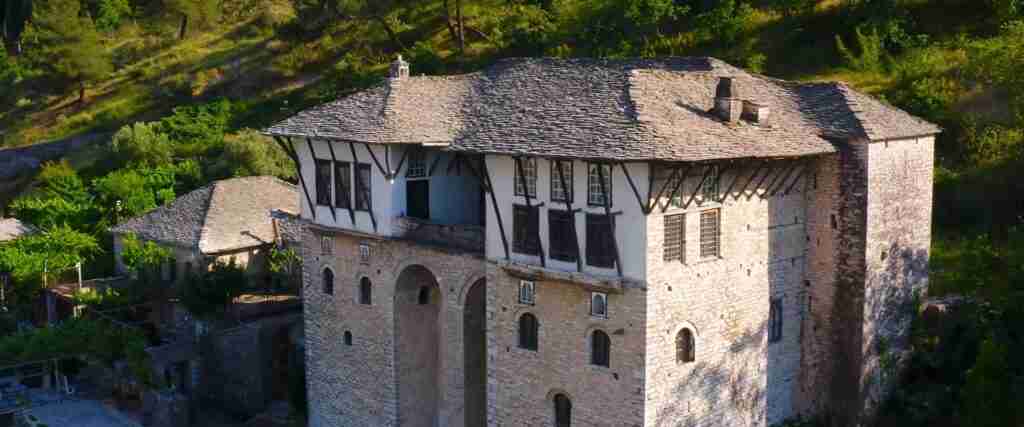
Skenduli House represents Gjirokaster’s finest preserved Ottoman-era residence, continuously inhabited by the same family since construction in 1700. The house functions as living museum where family members conduct tours, creating intimate experiences contrasting with formal museum presentations. The multi-level structure demonstrates typical Ottoman kule (tower house) design: ground floor for storage and livestock, first floor for daily family activities, upper floors for sleeping quarters and special occasions. Nine fireplaces distributed throughout the building provided heating in winter, with chimneys built into external walls marking each room.
Interior spaces showcase exceptional 18th-century craftsmanship: carved wooden ceilings featuring geometric and floral patterns, painted walls with traditional motifs combining Islamic geometric designs with European-influenced naturalistic flowers, and built-in wooden cupboards with elaborate carved doors. The haremlik (women’s quarters) and selamlik (men’s reception areas) remain distinct, demonstrating how Ottoman-era social customs separated genders in daily life while allowing mixed family gatherings on special occasions. The tower room at the highest level features windows overlooking the valley, where family patriarchs received guests and conducted business with valley views reinforcing their social status.
Original furnishings throughout the house include low wooden sofas arranged around room perimeters (typical Ottoman seating where guests reclined on cushions), copper and brass household items, ceramic tableware, and textiles demonstrating weaving traditions. The current family members maintain the house largely as their great-great-grandparents furnished it, providing authentic atmosphere museums cannot replicate. Tours cost approximately €5 per person, paid directly to family members conducting the visits. No fixed schedule—arrive between 9:00-18:00 and knock; if family members are available, tours proceed immediately.
Zekate House: Architectural Symmetry and Painted Interiors
Zekate House serves as Gjirokaster’s architectural showpiece, an unusually large and symmetrical structure built for wealthy landowner family in the early 1800s. The house comprises two identical tower structures flanking a central arched gateway, creating impressive street presence. The architectural symmetry—rare in Ottoman residential construction where organic growth typically created irregular forms—demonstrates the family’s wealth and social ambition. Each tower contains eight rooms arranged across three levels, with matching layouts creating mirror-image spaces.
Interior decoration reaches exceptional quality, particularly the painted ceilings and walls surviving two centuries with colors remaining vivid. Floral patterns dominate—roses, carnations, and stylized botanical designs covering wall surfaces and ceiling panels. The painting tradition reflected Ottoman court aesthetics filtering to provincial elite, with local craftsmen adapting Istanbul styles to regional sensibilities and available pigments. The main reception room (odë) occupies the entire upper floor of one tower, its walls featuring landscape paintings showing European-influenced perspectives and depth unusual in traditional Ottoman decoration.
The house remained in family possession until the 1960s when Communist authorities nationalized it as state property. Restoration work in recent decades returned it to presentable condition, though the conversion to museum status removed furnishings, creating empty spaces where original Ottoman interiors featured low sofas, cushions, and portable furniture stored in built-in cupboards. Despite the furniture absence, the architecture and painted decoration justify the visit. Admission costs approximately €4-5. The house sits in the upper Old Town near the castle approach, making combined castle-Zekate visits efficient routing.
Other Accessible Ottoman Houses 2026
Beyond Skenduli and Zekate, several other Ottoman houses open for visits offering variations on the architectural theme. Zekati Family House (note spelling variation—different from Zekate House despite similar names) operates as boutique hotel with some public areas accessible to non-guests, demonstrating how restoration for hospitality use maintains character while introducing modern amenities. The Ethnographic Museum occupies dictator Enver Hoxha’s birthplace—a mid-sized Ottoman house converted to museum documenting traditional Albanian life including rooms furnished as they appeared in the early 1900s, traditional costume displays, and craft demonstrations. Admission costs 200 lek ($2) with English labeling and informational panels explaining daily life customs.
Many houses remain private residences not open to tourists, though walking the Old Town’s lanes provides exterior views of dozens of Ottoman structures demonstrating the neighborhood’s exceptional preservation. Architectural details visible from streets include the distinctive slate roofs (each roof tile hand-cut from local stone creating fish-scale patterns), protruding wooden galleries on upper floors (çardaks where families could sit enjoying valley views), and fortified ground floors with small defensive windows. This residential continuity—families living in 300-year-old houses maintained largely in original form—creates the living heritage character UNESCO inscription protects.
Museums and Cultural Sites 2026: Beyond the Castle and Ottoman Houses
Ethnographic Museum: Life in Ottoman-Era Albania
The Ethnographic Museum occupies Enver Hoxha’s birthplace, a mid-sized Ottoman house converted to display traditional Albanian daily life from the 18th through early 20th centuries. The museum’s political significance—celebrating the birthplace of Albania’s brutal Communist dictator who ruled 1944-1985—created uncomfortable tensions that recent administration changes attempt to balance. Contemporary signage acknowledges Hoxha’s authoritarian legacy while maintaining the house’s historical value documenting ordinary Albanian life.
Exhibits span two floors with rooms furnished as they appeared during different periods: kitchen areas with copper cookware, hearth, and traditional utensils; sleeping quarters with low sofas and woven textiles; weaving rooms demonstrating carpet and cloth production; storage areas for grain, olive oil, and preserved foods. The displays emphasize women’s work—textile production, food preparation, household management—often overlooked in military and political history. Traditional costume displays show regional variations in embroidery, jewelry, and clothing styles revealing social status and family origins through design details.
The upper floor includes craft demonstrations certain days of the week (inconsistent schedule—check with tourist information or museum) when local artisans demonstrate traditional techniques: silver jewelry making, felt production, wooden carving, and embroidery. These living tradition presentations connect historical displays to contemporary craft practice maintaining techniques generations old. Museum admission costs 200 lek ($2), open daily 9:00-18:00 May through September, 9:00-16:00 October through April. English labeling accompanies Albanian text, and museum staff provide informal English-language explanations when available.
The Old Bazaar: Architecture and Artisan Traditions
The Old Bazaar (Pazari i Vjetër) forms the commercial heart of the UNESCO historic zone, a cobblestone market street descending the hillside from the castle to the lower town. Ottoman-era commercial architecture dominates—stone shops with arched doorways, wooden-shuttered windows, and second-floor workshops where artisans lived above their businesses. Unlike sanitized heritage sites where tourism displaced traditional commerce, Gjirokaster’s bazaar maintains working craft shops alongside tourist-oriented restaurants and souvenir stores, creating authentic atmosphere where local residents shop for daily needs.
Traditional crafts surviving include copper and brass working (hammered trays, vessels, decorative items), silver jewelry (filigree techniques creating delicate patterns), felt production (hats, slippers, bags using compressed wool), woodworking (carved kitchen utensils, furniture, decorative panels), and stone carving (memorial monuments, architectural details, decorative pieces). Watch artisans work in open-front workshops—the best education in traditional techniques comes from observing experienced craftspeople rather than reading descriptions. Prices run lower than tourist coastal cities: hand-hammered copper trays €15-35 depending on size, silver filigree jewelry €20-60, felt hats €12-20, carved wooden items €8-25.
The bazaar architecture itself warrants attention beyond the shops it houses. Stone paving worn smooth by centuries of foot traffic creates uneven surfaces requiring careful navigation but authentic character impossible to replicate. Drainage channels cut into the cobblestones follow the steep grade, managing rainwater runoff that would otherwise flood the downhill neighborhoods. Building facades show successive generations’ modifications—blocked windows, added balconies, structural reinforcements—creating palimpsest surfaces recording the neighborhood’s evolution. Early morning visits (7:00-9:00) find the bazaar at its most atmospheric: shop keepers opening shutters, coffee brewing in small cafés, local residents shopping before tourist crowds arrive.
Day Trips from Gjirokaster 2026: Exploring the Surrounding Region
Blue Eye Natural Spring (30 kilometers, 45 minutes)
Blue Eye (Syri i Kaltër) ranks among Albania’s most photographed natural sites, a karst spring where underground water surfaces through a pool 50+ meters deep. The water’s intense blue color—created by the depth and mineral content filtering sunlight—gives the site its name. Trees overhanging the pool create dappled light effects, while the spring’s 10°C water temperature maintains year-round clarity. Peak flow occurs spring and early summer when snowmelt feeds the underground systems, with water volume dropping somewhat late summer through winter.
Reach Blue Eye via bus toward Saranda (500 lek from Gjirokaster), disembarking at the marked turnoff 15 kilometers south. From the highway, walk or arrange ride (100-200 lek) along the 2-kilometer access road climbing to the spring parking area. Alternatively, join organized tours (€20-30 per person) combining Blue Eye with other sites—tour operators in Gjirokaster’s Old Bazaar offer various combinations including Antigonea ruins or coastal villages. Site admission costs 50 lek ($0.50), with developed paths, viewing platforms, and small cafés serving refreshments. Budget 1-2 hours at the site, longer if swimming in the shallow areas near the spring (the deep main pool prohibits swimming for safety).
The access road passes through scenic valley landscapes—olive groves, stone-walled farms, mountain views—justifying the journey even beyond the destination. Spring visits (April-May) find wildflowers covering hillsides, while autumn (September-October) brings grape harvest activities in valley vineyards. Combine Blue Eye with lunch at roadside restaurants specializing in grilled trout from nearby fish farms (€8-12 per meal).
Ancient Antigonea: Hellenistic Ruins (15 kilometers, 30 minutes)
Antigonea archaeological site preserves remains of a 3rd-century BC Greek city founded by Epirote king Pyrrhus and named for his first wife. The site spreads across a mountain ridge offering strategic defensive position and commanding valley views similar to Gjirokaster’s castle setting. Visible remains include city walls extending several kilometers (among the best-preserved Hellenistic fortifications in the Balkans), house foundations revealing orthogonal urban planning, public building foundations, and scattered column fragments.
Archaeological work continues at Antigonea with Albanian and international teams conducting excavations each summer, gradually revealing the city’s extent and character. Interpretation remains limited—no museum, minimal signage, no visitor center—making the site rewarding primarily for visitors interested in ancient history or archaeological sites in atmospheric mountain settings rather than expecting Pompeii-level preservation or explanation. The reward lies in the lack of development: walk freely across the ancient city, sit on foundation walls imagining the Hellenistic period when Greek culture dominated the region, and enjoy valley views unchanged since antiquity.
Reach Antigonea via rental car (taxi costs 800-1,200 lek roundtrip including wait time) following signs from the Gjirokaster-Saranda highway. The access road climbs steeply to the site entrance. No admission fee—the site remains unfenced and unguarded. Wear sturdy shoes as paths cross uneven ancient paving, and bring water since no facilities exist on-site. Combine with Blue Eye for full-day excursions exploring different historical periods and natural-versus-cultural attractions.
Zagoria National Park: Mountain Hiking and Traditional Villages
Zagoria National Park protects mountain landscapes north of Gjirokaster, encompassing traditional stone villages, forested peaks, alpine meadows, and the dramatic Vjosa River gorge—one of Europe’s last free-flowing rivers still undammed. The park offers hiking ranging from easy village walks to challenging ridge traverses, with summer temperatures 5-8°C cooler than Gjirokaster creating comfortable conditions for physical activity.
Day hiking options from Gjirokaster include the Stone Hostel owner’s organized excursions (€25-35 per person depending on group size) visiting traditional villages like Labovë e Kryqit with its 6th-century Byzantine church, or valley trails along the Drino River tributaries. Longer treks (2-3 days with mountain refuge overnight stays) explore higher elevations and more remote villages maintaining traditional agriculture and livestock practices. The park infrastructure remains undeveloped by Western standards—trails follow ancient pack routes, signage appears sporadically, and facilities exist primarily in villages rather than dedicated tourist services. This appeals to adventurous hikers seeking authentic mountain experiences but proves challenging for visitors expecting marked trails and visitor centers.
Combine park visits with overnight stays in villages like Lengaricë or Prongji (guesthouse accommodation €20-30 per night, meals €5-8), experiencing rural Albanian hospitality and traditional food preparation far from tourist infrastructure. These villages maintain stone architecture similar to Gjirokaster’s but in continuous occupation by farming families rather than converted to tourism uses, providing glimpses of mountain life relatively unchanged over centuries.
Practical Information for Gjirokaster 2026: Essential Planning Details
Money Matters: Currency, ATMs, and Payment Options
Albania uses the lek (ALL), with 2026 exchange rates approximately 100 lek to $1, 110 lek to €1 (verify current rates before travel). Bring euros or dollars for exchange at banks or exchange offices in Gjirokaster’s new town—rates approximate official rates with small commissions (2-3%). ATMs operate near the bus terminal and along the main street in the new town, dispensing lek from major international card networks (Visa, Mastercard). Withdraw cash in lek rather than converting euros at businesses, as EUR-to-lek conversion rates favor establishments.
Credit cards see limited acceptance in Gjirokaster—major hotels and some restaurants accept them, but small guesthouses, Ottoman house tours, bazaar shops, and taxis remain cash-only. Carry sufficient lek for daily expenses: budget €30-50 cash per person daily for mid-range travel, less for budget, more for luxury. The castle ticket booth accepts lek only (keep 400-1,000 lek in small bills for attraction admissions). U.S. visitors find withdrawal fees from home banks’ ATM networks (typically $3-5 per transaction) make large withdrawals more economical than frequent small amounts—withdraw €100-150 equivalent covering 2-3 days to minimize fees while not carrying excessive cash.
Internet, Connectivity, and Staying Connected 2026
Hotel and guesthouse wifi functions reliably for email and basic browsing but proves inconsistent for video calls or large downloads. The Old Town’s stone construction blocks signals making wifi strongest in common areas near routers rather than in individual rooms. Cafés along the bazaar offer free wifi with drink purchases (signal strength varies by location). For reliable mobile data, purchase Albanian SIM cards from Vodafone or ALBtelecom shops in the new town: tourist packages cost €10-15 for 10-20GB data plus calls, valid 14-30 days. SIM registration requires passport, and sellers activate cards and configure phones’ settings.
Mobile coverage reaches throughout Gjirokaster’s Old Town and most surrounding valleys, though some remote hiking areas lose signal. This matters for navigation apps and emergency communications—download offline maps before day trips into mountain areas. WhatsApp functions well for international communication when wifi or mobile data is available—the standard method locals use to communicate with visitors.
Language and Communication 2026
Albanian remains the primary language, with young adults (under 35) often speaking functional English learned in schools and through international media. Middle-aged and older residents speak less English but may know Italian (Albania received Italian television throughout the Communist era, creating unexpected linguistic bridges). In tourist-facing businesses—hotels, established restaurants, tour operators—English communication poses minimal challenges. In traditional bazaar shops, small tavernas, and daily markets, expect limited English requiring gesture-based communication and patience.
Essential Albanian phrases prove valuable: “përshëndetje” (hello), “faleminderit” (thank you), “ju lutem” (please/you’re welcome), “sa kushton?” (how much?), “ku është…?” (where is…?), and numbers 1-10. Attempting Albanian, even poorly, generates goodwill—Albanians appreciate visitors making linguistic effort in a country where historically foreigners demanded others speak their languages. Translate apps work adequately for simple communications though require data or wifi connectivity.
Safety and Health Considerations 2026
Gjirokaster maintains low crime rates typical of Albanian inland cities. Petty theft remains rare but exercise standard urban precautions: secure valuables in hotels, watch bags in crowded areas, avoid displaying expensive electronics unnecessarily. The Old Town’s steep cobblestones present the primary safety concern—wear appropriate footwear with good traction, walk carefully on smooth stones that become slippery when wet, and use handrails where provided. Uneven surfaces, unexpected stairs, and poor lighting in some lanes require attention, particularly evening returns to hillside accommodations after dinner.
Medical facilities in Gjirokaster include a public hospital and several private clinics handling routine issues. Serious medical emergencies require transfer to Tirana (4 hours). Travel insurance covering medical evacuation provides security for travelers with health concerns. Pharmacies (identifiable by green cross signs) stock common over-the-counter medications and operate throughout the new town and in the Old Bazaar. Pharmacists often speak English and provide basic medical advice.
Tap water quality in Gjirokaster varies by neighborhood and season. Hotels and restaurants use treated water for drinking, but travelers sensitive to water changes should purchase bottled water (0.5L bottles cost 50-80 lek). Summer heat combined with steep walking requires hydration—carry water bottles during castle visits and Old Town exploration. Sun protection matters at altitude even spring and fall—sunscreen, hats, and light long sleeves prevent sunburn on exposed castle ramparts.
Best Photography Spots and Times 2026
Morning light (7:00-9:00) creates ideal conditions for castle photography when eastern sun illuminates the fortress while valley mist still clings to lower elevations, creating dramatic cloud-bank effects. Position in the new town or valley viewpoints shooting uphill toward the castle. Late afternoon (16:00-18:00) produces warm light on the Old Town’s stone houses, with west-facing walls glowing golden hour creating postcard-perfect scenes. Shoot from the castle ramparts looking down across rooftops, or from terraces of hillside hotels capturing the stratified architecture descending the slope.
The castle’s western ramparts provide sunset viewpoints overlooking the Drino Valley and distant mountain ranges. Time arrival 30 minutes before sunset to secure positions along the parapet—these become crowded during peak season as day-trippers complete castle visits with sunset photography. Nighttime photography captures the illuminated clock tower and castle walls (floodlights activate after dark) contrasting against dark mountain silhouettes, though Old Town lane lighting remains minimal creating challenges for street-level night shooting.
Bazaar photography works best early morning before 9:00 when shops open, craftspeople begin work, and tourist crowds remain absent. Respectfully ask permission before photographing artisans—some welcome attention as potential marketing, others prefer privacy, but asking first demonstrates courtesy. Ottoman house interiors present dim lighting conditions requiring higher ISO settings or slower shutter speeds—respect photography restrictions in Skenduli House where family members limit shooting certain rooms preserving privacy.
Sample Itineraries for Gjirokaster 2026: Structured Planning Guide
Budget Three-Day Itinerary (€120-180 per person total)
Day 1 – Castle and Bazaar Introduction: Morning bus arrival from Tirana, check into Stone Hostel or similar budget accommodation €30 per night (€15 per person sharing). Walk uphill to Gjirokaster Castle paying 400 lek ($4) admission. Explore fortress grounds 3 hours including Arms Museum (additional 400 lek), captured plane, and valley views. Descend through Old Bazaar stopping at artisan workshops, purchasing fresh bread and cheese from bazaar shops for lunch (€4-5). Afternoon rest at accommodation, evening dinner at Kujtimi taverna (qifqi and salad €7-8 per person). Daily cost: accommodation €15, castle entry €8, meals €12, miscellaneous €5. Total €40.
Day 2 – Ottoman Houses and Cold War History: Early start with bakery breakfast (byrek and coffee €3), walk to Skenduli House for morning tour (€5), continue to Zekate House (€5), then Ethnographic Museum (200 lek/$2). Lunch at traditional taverna (daily special €7-8). Afternoon return to castle for Cold War tunnel tour (200 lek/$2 plus guide tip). Evening explore bazaar artisan workshops, dinner from market supplies picnic-style (€5-6 per person). Daily cost: accommodation €15, attraction entries €15, meals €15, miscellaneous €5. Total €50.
Day 3 – Blue Eye Excursion and Departure: Join organized Blue Eye tour (€25-30 per person) departing 9:00, returning 15:00 including swimming time and lunch stop at roadside restaurant (included in tour price or add €8-12). Return to accommodation, pack, evening bus to onward destination (€12-14 to Tirana or €5 to Saranda). Daily cost: accommodation €15, Blue Eye tour €28, lunch €10, transport €7. Total €60. Three-day total: €150 per person mid-range budget estimate.
Mid-Range Five-Day Itinerary (€500-700 per person total)
Day 1 – Arrival and Castle Sunset: Afternoon arrival Gjirokaster, check into Hotel Gjirokastra or similar mid-range property €85 per night (€43 per person sharing). Walk Old Bazaar exploring artisan workshops, purchase local crafts. Late afternoon ascend to castle for sunset photography, comprehensive fortress exploration as crowds thin. Dinner at Restorant Tradicional Urat with appetizer, mains, wine (€28-35 per person). Daily cost: accommodation €43, castle entry €4, dinner €32, miscellaneous €6. Total €85.
Day 2 – Ottoman Architecture Deep Dive: Morning guided tour (arranged through hotel) of Skenduli House, Zekate House, and lesser-known Ottoman residences including architectural explanation (€40-50 per person for private 3-hour tour). Lunch at bazaar taverna (€12-15). Afternoon visit Ethnographic Museum and Cold War tunnel tour. Evening dinner at Taverna Kuka with grilled specialties (€30-38 per person including wine). Daily cost: accommodation €43, guided tour €45, castle/museum entries €8, meals €48, miscellaneous €6. Total €150.
Day 3 – Blue Eye and Village Experience: Full-day private excursion to Blue Eye, Antigonea ruins, and traditional village lunch in Labovë (arranged through hotel, €80-100 per person including transport, guide, lunch). Return afternoon, rest at hotel pool. Evening casual dinner at hotel restaurant (€20-25 per person). Daily cost: accommodation €43, private tour €90, dinner €23, miscellaneous €4. Total €160.
Day 4 – Zagoria National Park Hiking: Day hiking excursion with Stone Hostel or other local operator into Zagoria mountain trails (€30-40 per person including guide, picnic lunch, transport to trailhead). 5-6 hour moderate trek through mountain villages, valley views, traditional agriculture observation. Return late afternoon, dinner at The Barrels restaurant experiencing estate wines and refined Albanian cuisine (€50-65 per person including wine pairings and taxi). Daily cost: accommodation €43, hiking excursion €35, dinner €58, taxi €7. Total €143.
Day 5 – Bazaar Shopping and Departure: Morning leisurely breakfast, final bazaar exploration purchasing silver jewelry, copperwork, or felt items as souvenirs. Late morning checkout, lunch at Te Kalaja before departure (€15-20 per person). Afternoon private transfer to Saranda or bus to onward destination. Daily cost: accommodation €43, souvenirs €30-40, lunch €18, transport €10. Total €100-110. Five-day total: €640-650 per person mid-range experience.
Luxury Three-Day Itinerary (€585-915 per person total)
Day 1 – Arrival and Epicurean Introduction: Private transfer arrival from Tirana (€45-50 per person for couple sharing), check into DAM Stone Boutique Hotel €200 per night (€100 per person sharing). Afternoon private guided tour of castle and Ottoman houses with architectural historian (€120-150 per person for customized 4-hour experience). Sunset wine tasting on hotel terrace featuring Albanian labels paired with local cheeses. Dinner at The Barrels restaurant with multi-course tasting menu and estate wines (€60-75 per person including taxi transfers). Daily cost: accommodation €100, private transfer €48, guided tour €135, wine tasting €25, dinner €70. Total €378.
Day 2 – Cultural Immersion and Gastronomy: Morning cooking class at The Barrels learning traditional Albanian mountain cuisine techniques, preparing lunch consumed with estate wines (€50-60 per person). Afternoon private Cold War history tour of castle bunkers and prison sections with historian guide specializing in Albanian Communist period (€80-100 per person). Return to hotel for spa treatments if available or relaxation by pool. Evening private dining experience at hotel with chef preparing customized menu featuring regional ingredients (€70-85 per person). Daily cost: accommodation €100, cooking class €55, guided tour €90, dinner €78, miscellaneous €12. Total €335.
Day 3 – Natural Landscapes and Departure: Private excursion to Blue Eye, Antigonea, and scenic valley viewpoints with professional photographer guide capturing landscapes and cultural portraits (€150-180 per person including luxury transport and lunch at premium restaurant). Return afternoon, light dinner at hotel before evening private transfer to airport or onward destination (€50-60 per person). Daily cost: accommodation €100, private photo tour €165, dinner €25, transfer €55, miscellaneous €5. Total €350. Three-day luxury total: approximately €1,065 per person, though variations in optional activities and dining choices create range €585-915 stated in Key Takeaways.
Seasonal Events and Cultural Experiences 2026
National Folklore Festival: Albania’s Premier Cultural Event
The National Folklore Festival (Festivali Folklorik Kombëtar) occurs every five years in Gjirokaster Castle, next scheduled 2025 with following iteration 2030 (verify exact dates as planning finalizes). The multi-day event transforms the fortress into performance venue hosting thousands of participants from across Albania and neighboring Balkan countries. Traditional music groups, dance troupes, and craft demonstrators showcase regional folk traditions in costumes representing different Albanian ethnographic zones—Geg from the north, Tosk from the south, Lab from central regions, Cham from Greek border areas.
Festival programming includes daytime workshops and demonstrations (instrument making, traditional weaving, costume construction, culinary techniques) and evening mass performances when hundreds of performers simultaneously present choreographed displays of regional dances accompanied by live folk orchestras. The castle’s stone walls amplify acoustic music—çifteli (two-stringed lute), lahuta (one-stringed fiddle), def (frame drum)—creating powerful sonic experiences. Attendance requires advance planning: accommodation books months ahead throughout Gjirokaster and surrounding towns, ticket sales for evening performances open weeks before the festival, and transportation to the city becomes congested.
Festival years offer unique opportunities witnessing Albania’s living folk traditions and meeting cultural practitioners from throughout the country, though practicalities (crowds, higher prices, reduced availability) challenge spontaneous travel. Non-festival years provide more relaxed Gjirokaster experiences where the castle’s cultural function remains visible through the permanent festival stage while avoiding the intensity of actual event periods.
Religious Observances and Cultural Calendar 2026
Gjirokaster’s multi-religious character—Muslim, Orthodox Christian, Bektashi—creates diverse cultural calendar observances. Ramadan (spring 2026, specific dates following lunar calendar) sees reduced daytime restaurant service as Muslim residents fast, with evening iftar meals creating community gatherings. Non-Muslim visitors can eat discreetly during fasting hours, though many choose to respect local practices. Orthodox Easter (calculated differently than Western Easter—verify 2026 date) brings festive atmospheres, church services, and traditional lamb preparations in Christian households.
Albanian Independence Day (November 28) marks independence from Ottoman rule in 1912, celebrated with flags, music, and patriotic programs. Gjirokaster often hosts regional celebrations given its UNESCO significance and cultural status. National holidays see businesses and museums operating reduced hours or closing entirely—plan accordingly if visiting during these periods.
Frequently Asked Questions About Visiting Gjirokaster 2026
How many days should I spend in Gjirokaster?
Three days provides comprehensive time to explore the castle complex, visit Ottoman house interiors, experience the Old Bazaar’s artisan traditions, and complete one day trip to Blue Eye or Antigonea. Two days enables castle, bazaar, and main Ottoman houses but feels rushed for deep exploration or day excursions. One day suffices only for superficial castle visit and bazaar walk—inadequate for meaningful engagement with the UNESCO heritage but workable for travelers with tight schedules visiting en route between Tirana and Saranda. Five-day stays suit travelers combining Gjirokaster with extensive hiking in Zagoria National Park, culinary experiences at winery restaurants, and thorough documentation of architectural details.
Is Gjirokaster safe for solo travelers in 2026?
Gjirokaster maintains excellent safety record for solo travelers including solo women. The compact Old Town creates natural community where regular visitors become recognized faces, locals provide informal watchfulness, and tourist-facing business owners demonstrate protective attitudes toward guests. Standard urban precautions apply—secure valuables, avoid excessive late-night alcohol, inform accommodation of itinerary plans—but aggressive street harassment, bag snatching, and similar urban crimes remain rare. Solo women travelers report comfortable experiences walking evening streets, dining alone in restaurants without unwanted attention, and receiving respectful interactions from local residents. The Old Town’s steep terrain and stone streets present physical challenges (particularly managing luggage) where solo travelers benefit from choosing accommodation with vehicle access rather than properties requiring long uphill walks with bags.
Can I visit Gjirokaster on a day trip from Saranda or should I stay overnight?
Day trips from Saranda prove feasible given the 1.5-hour bus journey and frequent service, enabling departure 8:00-9:00, full day exploration 10:00-17:00, and return 18:00-19:00. This schedule allows castle visit, bazaar exploration, one Ottoman house interior, and lunch in traditional taverna—adequate for introduction to the city’s character. However, overnight stays deliver superior experiences: evening atmosphere as day-trippers depart and local life emerges, morning light photography before tourist arrivals, leisurely dining without departure deadline pressure, and ability to complete both castle complex and multiple Ottoman houses without rushing. The overnight approach also enables Cold War tunnel tour, Arms Museum, and Ethnographic Museum visits that day-trippers often sacrifice. Accommodation costs run lower than Saranda (budget options €25-40 versus €40-60, mid-range €70-100 versus €90-130), making overnight stays economically reasonable while dramatically improving experience quality.
What’s the best way to experience Gjirokaster’s food culture authentically?
Authentic food experiences center on traditional tavernas serving Albanian home cooking rather than tourist-oriented restaurants. Arrive at lunch (12:00-14:00) or dinner (19:00-21:00) when local families dine, observe what Albanian tables order, and request the same dishes—this ensures getting kitchen specialties rather than tourist menu standards. Visit the morning market in the new town selecting fresh produce, cheeses, and olives for picnics, interacting with farmers and vendors in transactional Albanian that requires minimal language skills. Book cooking experiences at The Barrels or through Stone Hostel where classes emphasize traditional techniques using authentic ingredients rather than simplified tourist versions. Attend family dinners if Stone Hostel or other accommodations offer these periodic events where owners’ relatives prepare traditional meals in home settings. Most importantly, eat qifqi at Bar Mezeri Harqet, order tavë kosi at establishments locals recommend, try house-made raki when offered, and embrace slow meal pacing where courses arrive with significant intervals allowing conversation and digestion between dishes.
How does Gjirokaster’s UNESCO status affect the visitor experience compared to other Albanian cities?
UNESCO inscription creates both preservation requirements and tourism infrastructure distinguishing Gjirokaster from unprotected Albanian cities. Building alterations require heritage authority approval maintaining architectural authenticity—no plastic windows in Ottoman houses, no modern facades on historic structures, no inappropriate signage or street furniture. This regulation preserves visual coherence other Albanian cities lose through uncontrolled development. Tourism infrastructure funded through UNESCO programs and Albanian government heritage budgets provides marked walking routes, multilingual informational panels, trained guides, and maintained monuments that towns like Përmet or Korça lack despite possessing interesting architecture and history.
However, UNESCO status also attracts higher visitor numbers than non-heritage Albanian destinations, particularly July-August when day-trip tours from Saranda flood the castle. Prices run 20-30% higher than comparable non-UNESCO Albanian cities reflecting international tourist presence. The designation emphasizes preservation over contemporary development, meaning Gjirokaster maintains historical character but offers fewer modern amenities, nightlife, or shopping options than larger Albanian cities. For heritage-focused travelers, UNESCO status delivers exactly desired experiences—authentic Ottoman urban fabric, protected architectural monuments, interpretive infrastructure. For travelers seeking vibrant contemporary Albanian urban life, cities like Korça or Shkodra offer more dynamic modern culture alongside their historical elements.
What’s the wifi and mobile connectivity situation in Gjirokaster for remote work or staying connected?
Accommodation wifi functions adequately for email, basic browsing, and video calls from common areas but proves inconsistent in individual rooms due to stone walls blocking signals. The Old Town’s architecture inherently challenges wifi—thick stone construction, multilevel buildings, and organic layouts prevent signal propagation making wifi strongest near router locations (typically reception areas). Plan video conferences or uploads from hotel lobbies, restaurant terraces with strong signals, or cafés along the bazaar advertising wifi availability.
Mobile data provides more reliable connectivity once Albanian SIM cards are purchased and activated. Vodafone and ALBtelecom shops in the new town sell tourist packages €10-15 for 10-20GB data valid 14-30 days—sufficient for remote work needs including video calls, file transfers, and continuous connectivity. 4G coverage reaches throughout the Old Town and most valley areas, with 5G expanding in urban centers (verify current rollout status). Download critical documents, maps, and work files before relying entirely on Albanian connectivity, and maintain backup plans (mobile data as wifi backup, café wifi as mobile backup) for important remote work commitments. The 1-hour time difference from Central European Time makes Gjirokaster workable for European remote workers, though U.S. East Coast workers face 7-hour differences complicating synchronous collaboration.
Are there any cultural customs or etiquette rules I should know before visiting Gjirokaster?
Standard Albanian cultural practices apply in Gjirokaster with some mountain-region specifics. Remove shoes when entering private homes (including Ottoman house museums functioning as family residences like Skenduli House)—hosts provide slippers or allow sock-clad walking. Dress modestly when visiting mosques or churches—shoulders covered, knees covered, women carrying headscarves for mosque entry though enforcement varies by specific religious site. Refuse initial hospitality offers (coffee, raki, food) at least once before accepting—Albanian custom involves host persistence and guest resistance demonstrating politeness before genuine acceptance occurs on the second or third offer.
Photography etiquette requires asking permission before photographing people, particularly in bazaar artisan workshops where craftspeople may welcome or reject camera attention. Never photograph inside mosques during prayer times. When dining in traditional tavernas, lingering over meals proves expected and welcomed—rushing through courses signals dissatisfaction. Tip 10% in restaurants serving tourists, round up bills in local tavernas (leaving 50-100 lek on 600-700 lek bills), and avoid tipping at establishments where family owners directly serve (they consider tips unnecessary between host and guest).
Learn basic Albanian greetings and thanks—linguistic effort demonstrates respect even when execution proves imperfect. Avoid discussing politics, religion, or regional conflicts unless the Albanian person initiates such conversations and clearly welcomes your participation. The country’s complex 20th century history (Ottoman rule, independence, Italian and German occupation, Communist dictatorship, post-Communist transition) creates sensitive topics where uninformed foreign opinions can offend.
What should I pack specifically for Gjirokaster that I might not bring to other Albanian destinations?
Footwear prioritizes differently in Gjirokaster than coastal Albanian destinations. Pack comfortable walking shoes with excellent traction—the Old Town’s steep cobblestone lanes worn smooth by centuries of use become slippery when wet and challenging even dry conditions. Hiking boots prove excessive for city exploration but trail runners or approach shoes with Vibram soles provide better traction than casual sneakers or canvas shoes. The elevation gain walking between accommodations, castle, and bazaar totals 150-200 meters daily, with surfaces including smooth stone pavement, rough cobblestones, and occasional stairs—footwear must handle these variations across hours of daily walking.
Layer clothing more extensively than beach destinations require. Mountain elevation creates cooler temperatures than Saranda or Ksamil, particularly mornings and evenings. Summer highs reach 30-35°C but nights drop to 15-18°C, winter days 5-12°C. Pack light jacket or fleece even summer months for castle evening visits or restaurant terrace dining after sunset. The Cold War tunnel tour requires light jacket year-round—underground temperatures maintain constant 10-12°C providing welcome summer cooling but chilling autumn-winter visitors.
Sun protection matters more than coastal areas despite lower temperatures—altitude increases UV exposure and the castle’s exposed ramparts lack shade. Bring sunscreen (difficult to find in Gjirokaster shops), hat with brim, and consider light long-sleeve shirts for castle exploration. Water bottle proves essential—carry 1L minimum for morning castle visits as no water sources exist within fortress complex and stair-climbing in heat requires hydration.
How accessible is Gjirokaster for travelers with mobility limitations in 2026?
Gjirokaster presents significant challenges for mobility-limited travelers due to steep terrain, cobblestone surfaces, and historical architecture predating accessibility standards. The Old Town’s lanes gain 150-200 meters elevation from lower bazaar to castle over 1-2 kilometer distances, with surfaces including smooth stone pavement, rough cobblestones, and stairs. Wheelchairs cannot navigate these areas—even pushing walkers or using canes proves difficult on the steepest sections. Taxis can drop passengers at several points within the Old Town (bazaar area, near Zekate House, castle entrance parking) reducing walking distances but cannot eliminate the challenging surfaces entirely.
The castle itself includes extensive stairs between different levels, rampart walks with uneven stone surfaces, and the Arms Museum requiring stair access. The Cold War tunnel tour involves descending steep stairs into underground spaces with limited lighting. Ottoman house museums like Skenduli and Zekate include multiple floor levels connected by original stairs (not modern accessibility-compliant stairs). No ramps, elevators, or wheelchair-accessible routes provide alternatives.
Accommodation in the Old Town requires navigating steep lanes and often stairs to reach properties. Hotels in the new town offer vehicle access and potentially accessible rooms (verify directly with properties as Albanian accessibility standards differ from Western requirements) but sacrifice the atmospheric historic setting that defines Gjirokaster’s character. Mobility-limited travelers benefit from private vehicle transport, choosing new town accommodation, focusing on accessible sites (bazaar at its lower levels, Ottoman house exteriors viewed from streets, castle viewed from distance rather than interior exploration), and accepting that comprehensive Gjirokaster experiences require physical capabilities that some travelers cannot meet. Alternative Albanian destinations like Berat offer slightly more manageable terrain though still challenging by international accessibility standards.
What makes Gjirokaster worth visiting compared to better-known European heritage cities?
Gjirokaster delivers authenticity increasingly rare in European UNESCO sites. Unlike overtouristed Dubrovnik, Bruges, or Rothenburg where heritage character struggles beneath crowds and commercialization, Gjirokaster maintains working-city character with local residents living in historic houses, artisans practicing traditional crafts, and family restaurants serving unchanged recipes rather than tourist-adapted menus. The scale remains human—walking the city in a morning proves feasible where mega-heritage sites require days covering comparable ground. Prices run 40-60% below Western European heritage destinations: mid-range comfort €100-140 daily versus €180-250 in comparable Italian or French UNESCO towns.
The architectural typology—Ottoman fortress-citadel preserved nearly intact—finds few parallels in Western Europe where urban development erased similar structures or World War destruction eliminated them. The layered history from Byzantine foundations through Ottoman expansion to Cold War military functions creates narrative depth spanning 800 years concentrated in walkable area. The location in Albania—European country only emerging as tourist destination post-1990 after decades of isolation—adds discovery dimension absent from thoroughly documented and visited Western sites.
Finally, Gjirokaster offers experiential richness beyond architectural viewing. Day trips into surrounding mountain landscapes, culinary traditions emphasizing local ingredients and centuries-old recipes, artisan workshops where visitors watch craftspeople maintaining traditional techniques, and opportunities interacting with residents who welcome visitors rather than resenting tourist impacts provide engaged experiences instead of passive site viewing. The city functions as cultural center hosting events like the National Folklore Festival rather than existing solely as heritage preservation project, creating living city character distinguishing it from museum-like European heritage destinations.