
Gibraltar Day Trip from Andalusia 2026: Complete Planning Guide
Key Takeaways:
- Gibraltar day trips from Andalusian cities require advance planning in 2026 for border crossing efficiency and optimal attraction sequencing
- La Línea de la Concepción serves as the primary access point, with direct buses from Málaga (€18-22), Sevilla (€25-30), and other Andalusian cities
- British territory status creates unique planning requirements including passport controls, currency considerations (Gibraltar Pound/British Pound accepted), and driving restrictions
- Complete day trip budgets range €75-120 per person including transportation, cable car, attractions, and meals when following strategic planning protocols
- The Rock’s cable car, Upper Rock Nature Reserve, and Barbary macaques constitute primary attractions accessible within 6-8 hour visit timeframes
- Border crossing times vary significantly—weekday mornings allow 20-30 minute crossings while summer weekends can extend to 90+ minutes during peak hours
Understanding Gibraltar Day Trips in 2026
Gibraltar presents a unique day trip destination from Andalusia in 2026, combining British territory status with Mediterranean geography to create distinctive cultural and natural experiences. The British Overseas Territory occupies 6.8 square kilometers at Europe’s southern tip, where the limestone Rock rises 426 meters above sea level creating dramatic topography visible from surrounding Spanish coastline. Gibraltar’s strategic position controlling the strait between Atlantic Ocean and Mediterranean Sea has shaped centuries of military history, visible today through preserved fortifications, tunnels, and defensive installations accessible to visitors.
The territory’s compact size makes day trips logistically feasible from multiple Andalusian departure points in 2026. Málaga lies 130 kilometers northeast (2 hours by bus), Sevilla 200 kilometers northwest (3 hours), Cádiz 120 kilometers northwest (2.5 hours), and Granada 260 kilometers northeast (4 hours). La Línea de la Concepción, the Spanish border town, functions as Gibraltar’s gateway where most visitors arrive via intercity bus services before crossing the pedestrian border into British territory. This border crossing creates the most significant planning variable—weekday mornings typically allow 20-30 minute crossings while summer weekend peaks can extend beyond 90 minutes depending on traffic volume and security procedures.
Gibraltar’s British character contrasts sharply with surrounding Andalusian culture, creating cultural transitions that define the day trip experience. English serves as the official language, though Spanish remains widely spoken given workforce commuting from La Línea. Currency accepted includes Gibraltar Pounds, British Pounds Sterling, and Euros (though exchange rates favor using Pounds). Driving occurs on the right side (European standard) rather than British left-side pattern. Electrical outlets follow UK standards. These British administrative features combined with Mediterranean climate, Barbary macaques, and Spanish cultural influences create unique hybrid character attracting day visitors seeking variety from typical Andalusian tourism patterns throughout 2026.
People Also Ask About Gibraltar Day Trips 2026
How much does a Gibraltar day trip cost from Andalusia in 2026?
Gibraltar day trip costs from Andalusia in 2026 range €75-120 per person depending on departure city and activity selections. From Málaga, the most popular origin point, budget breakdowns include: intercity bus €18-22 round-trip to La Línea, cable car ticket £16 (€18-19, check gibraltarcablecar.gi for current official rates), Upper Rock Nature Reserve admission £15 (€17-18, verify at visitgibraltar.gi), lunch €12-18 at local establishments, and optional attractions £5-10 each. Total expenditure reaches €75-90 for basic experiences or €100-120 with additional museum visits and formal dining.
From Sevilla, transportation costs increase to €25-30 round-trip bus service, raising total day budgets to €85-135 depending on attraction selections. From Granada, longer travel distances (4 hours each way) make day trips less practical, with early departures and late returns creating exhausting schedules. Budget optimization strategies include bringing snacks and water to reduce food costs (supermarkets in La Línea offer provisions before crossing), combining attractions into Upper Rock ticket bundles, and scheduling weekday visits when border crossings move faster, maximizing Gibraltar time versus waiting periods.
Currency considerations affect final costs in 2026. Gibraltar accepts Euros but prices attractions in Pounds Sterling, with exchange rates fluctuating. Paying in Pounds (obtained before travel or from Gibraltar ATMs) typically provides better value than Euro payments with unfavorable conversion rates. Credit cards work throughout Gibraltar but may incur foreign transaction fees depending on bank policies. Cash remains useful for smaller purchases, tips, and market stalls. Budget travelers should calculate costs in Pounds for accuracy, converting to Euros at current exchange rates rather than relying on merchant Euro pricing that incorporates conversion margins.
Can you visit Gibraltar from Spain in 2026?
Gibraltar remains fully accessible from Spain in 2026, with thousands of daily crossings by tourists, workers, and residents. The border operates 24 hours with pedestrian and vehicle lanes controlled by Spanish Guardia Civil on one side and Gibraltar Customs on the other. EU citizens (including Spanish nationals) and many international visitors need only valid passports for entry—no visas or special permissions required for day visits. The border crossing involves standard security screening with luggage checks and occasional vehicle inspections, but procedures remain straightforward for tourists carrying minimal belongings.
Post-Brexit administrative changes affect crossing experiences since Gibraltar remains outside the Schengen Area despite geographic proximity to Spain. Travelers must show passports at both sides (Spanish exit and Gibraltar entry), with stamps issued for non-EU visitors. This contrasts with pre-Brexit arrangements when EU citizens crossed with minimal documentation checking. Wait times increased somewhat after Brexit implementation, particularly during peak tourist seasons when combined tourist and worker traffic creates bottlenecks. However, the border remains open for unrestricted tourism throughout 2026, with efficiency improvements addressing initial post-Brexit delays.
Practical crossing advice for 2026 includes avoiding Friday afternoons and Saturday mornings when Spanish shoppers cross into Gibraltar for British goods, and Monday mornings when workers return after weekends. Wednesday or Thursday midmornings (10-11 AM) typically offer fastest crossings. Bringing only necessary items speeds security screening—large bags, excess electronics, or unusual items trigger additional inspections extending wait times. The pedestrian crossing walk from Spanish side to Gibraltar town center takes 10-15 minutes, crossing directly over Winston Churchill Avenue (the airport runway) where gates close briefly during aircraft takeoffs and landings, creating unique border crossing experiences found nowhere else globally.
What’s the best way to reach Gibraltar in 2026?
Direct bus services from Andalusian cities to La Línea de la Concepción provide the most practical Gibraltar access method in 2026. From Málaga, multiple daily departures (8 AM, 10 AM, 12 PM, 2 PM, 4 PM) operate via ALSA and Portillo companies, with 2-hour journey times and €18-22 round-trip fares. Buses arrive at La Línea bus station 400 meters from the border crossing, allowing easy pedestrian access. Advance booking during summer months (June-September) secures seats and sometimes provides small online discounts, though walk-up ticket purchases remain available for most departures.
From Sevilla, direct services depart morning hours (7:30 AM, 9 AM) returning late afternoon/evening, creating day trip-compatible schedules despite 3-hour journey duration. Round-trip costs reach €25-30 with advance booking recommended during peak season. From Cádiz, buses connect via Algeciras with schedule coordination allowing day visits though requiring 3+ hours total travel time. Granada departures involve 4-hour journeys making day trips exhausting—overnight stays in La Línea or Algeciras create better alternatives for eastern Andalusia visitors seeking Gibraltar experiences.
Rental car options exist but create complications in 2026. Driving into Gibraltar requires special insurance not included in standard Spanish rental agreements—most rental companies prohibit Gibraltar entry in contract terms. Parking difficulties compound the issue, with limited Gibraltar spaces and expensive daily rates (£15-20). La Línea parking exists but adds costs and security concerns about leaving rental cars unattended. For these reasons, public bus transportation provides superior convenience, cost efficiency, and stress reduction compared to self-driving options. Taxis from Spanish cities cost €120-180 one-way, making them viable only for groups splitting costs or travelers prioritizing schedule flexibility over budget optimization.
Do you need a passport for Gibraltar in 2026?
Valid passports remain mandatory for all Gibraltar entries in 2026, regardless of nationality or EU membership status. Spain’s Schengen Area membership contrasts with Gibraltar’s outside status, requiring formal border controls with passport presentation and inspection. Post-Brexit procedures involve passport stamps for non-EU visitors, creating official entry/exit records. EU citizens including Spanish nationals receive stamp-free processing but must still present valid passports showing identity and EU status.
National ID cards (DNI for Spanish citizens, other EU national ID documents) theoretically allow entry under EU freedom of movement principles, but practical reality recommends full passport presentation in 2026. Border officials prefer passports for quick verification, and Gibraltar authorities maintain stricter documentation standards than typical Schengen crossings. Travelers attempting entry with ID cards rather than passports risk delays, additional questioning, or potential entry refusal depending on official discretion and current security protocols. The minimal effort of carrying passports versus potential entry complications makes passport presentation standard practice for all Gibraltar day trip planning.
Children require individual passports rather than inclusion in parent documents. Family travel to Gibraltar in 2026 demands ensuring all members possess valid passports with at least 6 months remaining validity (standard international travel requirement). Expired passports or damaged documents create entry problems, with Spanish border officials sometimes permitting exit while Gibraltar customs refuse entry, stranding travelers in the neutral zone between borders. Verifying passport validity several weeks before planned day trips prevents last-minute documentation crises that could invalidate entire travel itineraries.
Extended multi-day tours – 5+ days
Featured Andalucia Multi-Day Tour Packages
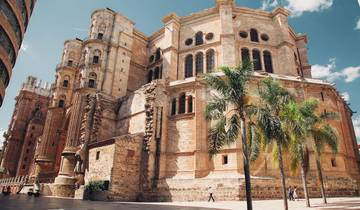
6 days
6 Day Malaga including visit to Gibraltar, Granada, Alhambra and Caminito del Rey
- ✓ Comprehensive Andalucia tour
- ✓ Expert local guides included
- ✓ All accommodation arranged
- ✓ Transportation provided
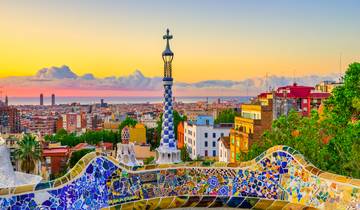
11 days
Flavors of Spain: A 11 Day Journey Through Madrid, Seville, Granada & Barcelona
- ✓ Comprehensive Andalucia tour
- ✓ Expert local guides included
- ✓ All accommodation arranged
- ✓ Transportation provided

11 days
A Taste of Spain: : 11 Days Across Madrid, Seville, Granada & Barcelona
- ✓ Comprehensive Andalucia tour
- ✓ Expert local guides included
- ✓ All accommodation arranged
- ✓ Transportation provided
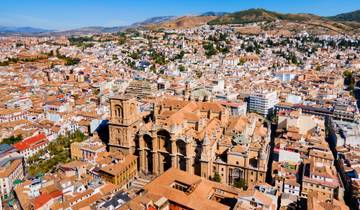
5 days
Granada: Crossroads of Arab and Christian Cultures
- ✓ Booking needs min. 2 travelers
Multi-day tour packages powered by TourRadar. Prices and availability subject to change.
Essential Planning Information 2026
Gibraltar day trip success in 2026 depends on understanding unique operational patterns distinct from typical Spanish tourism. The territory operates on British time (GMT/BST), matching Spanish time during most of the year but diverging briefly during spring and autumn when clock changes occur on different dates. Business hours follow British patterns with shops opening 9 AM-7 PM Monday-Saturday, many closing Sundays. Restaurant lunch service runs 12 PM-2:30 PM, dinner 6 PM-10 PM—earlier than Spanish customs where dining starts 2-3 PM lunch, 9-10 PM dinner. These timing differences affect meal planning for visitors arriving from Spain expecting Andalusian schedules.
Weather conditions mirror southern Spanish patterns with hot dry summers (27-33°C), mild winters (12-18°C), and pleasant spring/autumn seasons (18-25°C). The easterly Levante wind creates unique local weather, bringing fog and moisture from Mediterranean side while western areas remain clear. This “Levante cloud” often clings to the Rock’s upper sections, obscuring views during otherwise sunny days. Wind strength varies from gentle breezes to forceful gusts affecting cable car operations—services suspend during extreme wind events several times annually, primarily winter months. Checking current weather before day trips prevents disappointment from attraction closures.
Mobility considerations shape attraction accessibility. The Rock’s steep slopes and numerous stairs make comprehensive visits physically demanding—cable car access reduces climbing but doesn’t eliminate walking entirely. Upper Rock trails involve uneven surfaces, steps, and gradients requiring reasonable fitness levels. Wheelchair users and mobility-limited visitors face significant challenges, though cable car stations provide some accessibility. Mediterranean Steps, a popular hiking route, involves strenuous climbing unsuitable for casual tourists or anyone with cardiovascular limitations. Realistic self-assessment of physical capabilities prevents overambitious itinerary planning that could create exhaustion or safety issues during day visits.
Transportation Options 2026
Intercity bus services dominate Gibraltar day trip transportation in 2026, offering convenient schedules and affordable pricing. ALSA operates primary Málaga-La Línea route with modern coaches featuring air conditioning, WiFi, and onboard restrooms. Departures align with day trip timing: 8 AM bus allows 10 AM Gibraltar arrival after border crossing, providing 6-7 hours Gibraltar time before 5 PM return departures. The 10 AM departure offers more relaxed morning schedules, reducing total Gibraltar time to 4-5 hours but accommodating travelers preferring later starts. Round-trip flexibility allows return on any scheduled bus the same day, adapting to actual experience duration rather than fixed advance commitments.
Ticket purchasing options include online booking through ALSA website (www.alsa.es), bus station counter purchases, or onboard payment (subject to seat availability). Online booking 1-2 days ahead during summer guarantees seats and sometimes provides €1-2 discounts versus walk-up fares. Student discounts (10-20% off with valid international student cards), senior rates (60+ age with documentation), and return ticket combinations create additional savings. Bus stations in major cities offer luggage storage (€3-5 per day) allowing overnight travelers to day trip Gibraltar without carrying full bags across borders.
Alternative transportation from Málaga includes Málaga-Gibraltar Airport connections, though this airport serves primarily UK flights rather than tourist transfers. Málaga to Algeciras train service (€15-20, 2 hours) connects to local buses or taxis covering final distance to La Línea border, but adds complexity versus direct bus services without cost savings. Private car services (€150-200 round-trip for up to 4 passengers) provide door-to-door convenience but require splitting costs among multiple travelers to achieve reasonable per-person rates. For solo travelers and couples, direct bus services offer optimal balance of convenience, cost, and schedule flexibility throughout 2026.
Border Crossing Guide 2026
The Gibraltar-Spain border crossing represents the day trip’s most unpredictable element in 2026, with wait times ranging from 20 minutes during optimal conditions to 90+ minutes during peak traffic periods. Spanish Guardia Civil conducts exit controls on the Spanish side, checking passports and occasionally inspecting bags for customs compliance. The neutral zone involves walking across the airport runway (Winston Churchill Avenue) where red lights and gates halt pedestrians during aircraft operations—gates close 2-5 minutes per plane movement, occurring every 30-90 minutes depending on flight schedules. Gibraltar Customs conducts entry procedures including passport inspection, questions about visit purpose and duration, and luggage screening through X-ray machines.
Peak crossing times concentrate around worker schedules and shopping patterns. Morning peaks (8-9:30 AM weekdays) involve Spanish workers entering Gibraltar for jobs, creating queues that clear by 10 AM. Lunch returns (1-2 PM) bring workers crossing back to Spain for meals, though this affects the Gibraltar-to-Spain direction less relevant for day visitors. Evening departures (5-7 PM weekdays) create significant delays as workers return to Spain after business closures. Weekend peaks occur Saturday mornings (9 AM-12 PM) when Spanish shoppers cross for British goods, and Sunday evenings when weekend visitors return to Spain.
Crossing optimization strategies include timing arrivals during mid-morning (10-11 AM) or early afternoon (2-3 PM) when worker flows subside. Carrying minimal bags speeds screening—backpacks undergo X-ray inspection while purses and small bags often pass without scanning. Prohibited items include weapons, excessive tobacco/alcohol beyond duty-free limits, and fresh foods subject to import restrictions. Cooperative, polite interactions with border officials smooth processing—answering questions clearly, having passports readily accessible, and maintaining patience during delays create positive interactions. Budget 45-60 minutes for border crossing in day trip timing calculations, allowing contingency for unexpected delays without schedule stress.
Sample 2026 Day Itineraries
Classic Rock Experience Itinerary
This standard Gibraltar day trip from Málaga maximizes iconic attractions within 7-hour visit timeframes. Depart Málaga 8 AM on direct ALSA bus (€18-22 round-trip), arriving La Línea 10 AM. Cross border 10-10:30 AM (budget 30 minutes for weekday morning crossing). Walk through Gibraltar town center to cable car station (15 minutes), arriving 10:45 AM. Purchase cable car round-trip ticket £16 (€18-19, check gibraltarcablecar.gi for current official rates) and Upper Rock Nature Reserve admission £15 (€17-18, verify at visitgibraltar.gi), creating combined access to all major upper attractions.
Cable car ascent (11 AM) takes 6 minutes reaching Top Station at 412 meters elevation. Explore St. Michael’s Cave (30-45 minutes), natural limestone cavern with impressive stalactite formations and underground lake. Walk to Apes’ Den (15 minutes) encountering Barbary macaques in natural habitat—these tailless monkeys represent Europe’s only wild primate population. Exercise caution as macaques exhibit bold behavior, sometimes grabbing bags or loose items seeking food. Continue to Great Siege Tunnels (45 minutes), 18th-century defensive network carved through limestone during 1779-1783 siege, showcasing military engineering and historical exhibits.
Descend via cable car (1:30 PM) to town center for lunch at traditional fish and chips restaurant (£12-15/€14-17) experiencing authentic British cuisine. Afternoon exploration (2:30-4:30 PM) covers Main Street shopping district (British high street stores mixed with duty-free shops), Gibraltar Museum (£2/€2.30 admission showing Moorish bath remains and natural history), and Ocean Village marina area. Walk to Europa Point (30 minutes from center or take local bus #2) for southernmost Gibraltar location with Strait views to Africa on clear days, Trinity Lighthouse, and Ibrahim-al-Ibrahim Mosque.
Return journey begins 4:30 PM, allowing border crossing time (budget 45 minutes) to reach La Línea bus station for 6 PM Málaga departure. Alternative 7 PM bus provides schedule flexibility if border delays or attraction interest extends Gibraltar time. Cable car £16, Upper Rock admission £15, lunch £12-15, museum £2, snacks £5-8, bus €20. Total day cost: €80-95 per person (excluding accommodation).
Nature and History Focus Itinerary
This alternative Gibraltar approach emphasizes natural landscapes and historical sites over shopping and town exploration. Depart Málaga 8 AM bus, cross border by 10:30 AM. Instead of cable car, hike Mediterranean Steps trail from Jews’ Gate starting 11 AM. This demanding route climbs 1-1.5 hours through 1,400+ stone steps carved into Rock’s eastern face, providing stunning Mediterranean views and macaque encounters in natural settings. The trail requires good fitness, proper shoes, and water—physically demanding but free and rewarding for capable hikers. Upper Rock admission £15 still required for trail access (verify at visitgibraltar.gi).
Summit arrival (12:30 PM) allows St. Michael’s Cave exploration, O’Hara’s Battery (highest accessible point with panoramic views), and World War II Tunnels showcasing 20th-century military installations. Pack lunch (purchased in La Línea before crossing) and eat at summit viewpoints, eliminating restaurant costs and time while enjoying spectacular scenery. Descend via cable car (£9/€10 one-way down ticket) around 3 PM, allowing afternoon town exploration.
Historical Gibraltar focus includes visiting Casemates Square with British colonial architecture, walking defensive walls and bastions that ring the town, and exploring American War Memorial honoring U.S. forces stationed Gibraltar during WWII. Moorish Castle (£4/€4.50 admission) presents medieval fortifications from Islamic period (711-1462 AD) with Tower of Homage offering elevated town views. The Gibraltar National Museum (£2/€2.30) provides comprehensive history from Neanderthal inhabitants through modern British territory status.
This itinerary reduces costs through hiking versus cable car round-trip, packed lunch versus restaurant dining, and focus on lower-cost historical sites versus shopping. Upper Rock admission £15, cable car descent £9, museum entries £6, packed lunch €8, snacks €5, bus €20. Total day cost: €70-80 per person (excluding accommodation).
Family-Friendly Gibraltar Itinerary
Gibraltar offers family day trip experiences with attractions suitable for various ages in 2026. Start with 8 AM Málaga bus for 10:30 AM border crossing. Take cable car to upper Rock (children love the aerial journey and macaque encounters) with family ticket discounts available (check gibraltarcablecar.gi for current family rates). St. Michael’s Cave fascinates children with impressive natural formations and history stories about cave use during sieges. Apes’ Den provides wildlife interaction opportunities—remind children not to feed macaques or touch them despite apparent friendliness, as bites occasionally occur.
Descend for lunch at family-friendly establishments along Main Street offering familiar British cuisine (fish and chips, burgers, sandwiches) that picky eaters accept more readily than adventurous Spanish cuisine. Post-lunch activities include Ocean Village area where children can watch boats, feed ducks in marina areas, and play in waterfront spaces. Gibraltar Museum offers interactive exhibits including Moorish Bath reconstruction and natural history displays engaging for school-age children.
Alameda Gardens, Gibraltar’s botanical garden, provides green space for running and playing while adults appreciate subtropical plantings and harbor views. The Gibraltar Cable Car offers return visits with different family members if energy and interest levels vary—one parent can re-ascend with older children while another supervises younger ones in town areas. Evening fish and chips dinner creates British experience before 6-7 PM return bus departure.
Family costs accumulate with multiple tickets but combined packages reduce expenses. Cable car family tickets, packed snacks to supplement restaurant meals, and free park/gardens time optimize budgets. Estimate €200-280 total for family of four including transportation, cable car, meals, and minor purchases, creating full-day British territory experiences from Andalusian base.
Budget Planning 2026
Gibraltar day trip budgets from Málaga break down into fixed transportation costs and variable attraction/dining expenses. Round-trip bus €18-22 represents mandatory cost regardless of Gibraltar activities. Border crossing requires no fees. Cable car round-trip £16 (€18-19, check gibraltarcablecar.gi for current official rates) provides access to upper Rock attractions but hiking represents free alternative for fit travelers. Upper Rock Nature Reserve admission £15 (€17-18, verify at visitgibraltar.gi) grants entry to St. Michael’s Cave, Great Siege Tunnels, Apes’ Den, and other sites—essential for comprehensive experiences.
Food costs vary dramatically based on choices. Self-catering with La Línea supermarket provisions before crossing creates minimal expense (€5-8 for full day’s snacks and drinks). Traditional restaurant lunch costs £12-15 (€14-17) for substantial meals, while Main Street cafés offer light lunch for £8-10 (€9-11). Fish and chips, Gibraltar’s quintessential dish, ranges £10-15 (€11-17) depending on establishment. Budget-conscious families should bring snacks, purchase only one meal in Gibraltar, and avoid tourist-heavy restaurants charging premium prices for mediocre quality.
Optional attraction costs include Gibraltar Museum £2 (€2.30), Moorish Castle £4 (€4.50), dolphin watching tours £25-30 (€28-35), and shopping expenses which vary individually. Duty-free electronics and British goods attract some visitors but represent discretionary spending beyond day trip basics. Currency exchange costs affect final expenses—using Pounds Sterling obtained beforehand or withdrawn from Gibraltar ATMs provides better rates than Euro payments with merchant conversion markups. Budget €5-10 loss on currency exchange for typical day trip spending amounts.
Total realistic budget ranges break down as: ultra-budget (hiking, packed food) €55-70, moderate (cable car, one restaurant meal) €80-100, comfortable (cable car, museums, multiple meals) €110-130. These calculations exclude accommodation as day trips return to Spanish base cities same evening. Families should multiply by 0.8-0.9 rather than number of people due to family ticket discounts and meal sharing—family of four estimates €200-280 total versus €220-360 calculating individual adult rates.
Booking and Reservations 2026
Gibraltar attractions require minimal advance booking for day trip visits in 2026. Cable car operates on walk-up basis without reservations—purchase tickets at Lower Station upon arrival. Lines form during peak season midday hours (11 AM-2 PM), creating 20-30 minute waits, but morning arrivals before 11 AM or afternoon visits after 2 PM typically allow immediate boarding. The cable car suspends operations during high winds (10-15 days annually) or maintenance periods (published on gibraltarcablecar.gi website), making morning arrival advisable to confirm operation before committing to upper Rock itineraries.
Upper Rock Nature Reserve admission purchases occur at entry points or cable car station with no advance booking required. Combination tickets (cable car + Upper Rock admission) provide slight savings versus separate purchases and streamline entry processes. Museums, tunnels, and caves operate on open access during posted hours without timed entry requirements—arrive, pay admission, explore at personal pace. This contrasts with many Spanish attractions requiring advance timed tickets (Alhambra, major museums), making Gibraltar planning simpler for spontaneous day trips.
Bus transportation from Málaga benefits from 1-2 day advance booking during summer months (June-September) when tourist demand peaks. ALSA website (www.alsa.es) allows online purchase with seat selection and mobile ticket delivery, eliminating bus station queuing. Off-season months (October-May) permit walk-up purchases for most departures though popular weekend buses occasionally sell out. Return journey flexibility exists through open return tickets valid on any same-day departure, allowing Gibraltar experience to determine actual departure timing rather than fixed advance commitments.
Accommodation in La Línea de la Concepción provides budget alternative to Gibraltar’s expensive limited hotel options for travelers extending visits beyond single days. La Línea hotels charge €40-70 nightly (versus £80-120 in Gibraltar for equivalent quality), position visitors at border for early morning crossings avoiding commute time, and offer Spanish dining costs significantly below Gibraltar prices. Booking 4-6 weeks ahead for summer, 2-3 weeks for other seasons secures best La Línea accommodation value for multi-day Gibraltar explorations.
Planning Your 2026 Gibraltar Visit
Optimal Gibraltar day trip timing balances weather conditions, attraction operations, and crowd levels throughout 2026. Spring months (March-May) offer ideal conditions with moderate temperatures (18-25°C), clear skies showing African coast views, and blooming gardens enhancing beauty. Easter week brings increased tourism but generally manageable crowds given Gibraltar’s limited overnight capacity dispersing visitors across multi-day stays. April and May specifically provide excellent photography conditions with dramatic cloud formations and favorable light angles for Rock views from Spanish side.
Summer (June-August) creates challenges with high temperatures (28-35°C), intense sun requiring extensive protection, and peak tourist seasons creating cable car lines and attraction crowds. However, summer extends daylight hours allowing more comprehensive exploration within day trip timeframes—sunset occurs 8-9 PM permitting evening viewpoint visits. Summer also brings calmer Mediterranean waters ideal for dolphin watching tours, with higher success rates spotting pods in Gibraltar Bay. Budget travelers accepting crowd challenges benefit from maximum attraction hours and extended exploration time during long summer days.
Autumn (September-November) mirrors spring advantages with comfortable temperatures, good visibility, and reduced summer crowds. September remains warm enough (25-28°C) for beach or marina activities while October and November bring perfect walking weather for hikes and outdoor exploration. Winter months (December-February) present mixed conditions—mild temperatures (12-18°C) compared to northern Europe but increased rainfall, stronger winds affecting cable car operations, and earlier darkness limiting exploration time. December holiday season creates unique atmosphere with British Christmas traditions, though some attractions reduce operating hours.
Weekday versus weekend timing affects border crossing experiences significantly in 2026. Tuesday, Wednesday, and Thursday provide fastest border crossings with minimal worker commute interference and fewer Spanish weekend shoppers. Monday mornings bring worker traffic returning after weekends, while Friday afternoons involve workers heading to Spain for weekends. Weekend crossings peak Saturday mornings (Spanish shoppers entering Gibraltar) and Sunday evenings (weekend visitors returning). Day trip planning should prioritize midweek visits when possible, accepting slightly higher bus costs (if weekend rates apply) in exchange for dramatically improved border crossing efficiency and reduced attraction crowds.
Gibraltar Practical Considerations 2026
Language transitions between Spanish and English define Gibraltar’s unique character in 2026. Main Street shops, restaurants, and tourist attractions operate primarily in English with staff speaking British accents or local “Llanito” dialect mixing English and Spanish. Many service workers live in La Línea and speak fluent Spanish, creating seamless communication for Spanish speakers. International tourists speaking neither English nor Spanish find Gibraltar more accessible than Andalusian cities—more English speakers, British signage patterns, and familiar cultural frameworks for UK or North American visitors reduce language barriers compared to Spanish-only environments in surrounding areas.
Currency practical use involves understanding accepted forms and exchange considerations. Gibraltar pounds and British pounds circulate freely with 1:1 value, both accepted at all establishments. Euros receive acceptance at tourist businesses but exchange rates favor using pounds—€1 typically exchanges at £0.85-0.87 Gibraltar rate versus £0.90 market rate, creating 3-5% cost penalty for Euro payments. ATMs throughout Gibraltar dispense pounds (with standard ATM fees), providing current exchange rates superior to restaurant/shop conversions. Credit cards work universally but may incur foreign transaction fees depending on bank policies—checking card terms prevents unexpected charges appearing on statements weeks later.
Shopping considerations involve understanding duty-free benefits and practical limitations for day visitors. Gibraltar’s duty-free status creates lower prices on tobacco, alcohol, electronics, and perfumes compared to Spanish taxation. However, travelers must comply with Spanish customs limits when crossing back—exceeding allowances (200 cigarettes, 1 liter spirits, €300 total goods value) risks confiscation and fines. The effort of carrying purchases all day during attraction visits, border crossing inspection risks, and minimal savings on most items make shopping secondary to sightseeing for typical day trip priorities. Serious shoppers should plan specific shopping-focused Gibraltar visits rather than combining extensive purchases with comprehensive Rock exploration.
Photography opportunities abound throughout Gibraltar with unique perspectives unavailable elsewhere. The Rock provides dramatic subject matter from every angle—Spain side views showing full limestone profile, upper viewpoints overlooking town and strait, tunnels creating historical military context. Barbary macaques offer wildlife photography chances with accessible subjects showing natural behaviors (avoid flash which distresses animals). Strait of Gibraltar perspectives capture shipping traffic passing between continents, with Africa visible across 14-kilometer gap on clear days. Sunset from Europa Point creates spectacular light conditions with Trinity Lighthouse silhouettes. Photography equipment should balance capability with portability—climbing Rock trails with heavy camera bags creates exhaustion, while smartphones capture adequate images for casual documentation.
Cultural Insights 2026
Gibraltar’s identity combines British territory status with Mediterranean geography to create distinctive cultural character in 2026. The 30,000+ residents identify as British nationals while maintaining connections to Spanish, Genoese, Portuguese, Maltese, and Jewish heritage spanning generations. This multicultural identity manifests in language (Llanito mixing English and Spanish), cuisine (British staples coexisting with Spanish tapas and Mediterranean seafood), and cultural practices (British holidays observed alongside Spanish traditions). Understanding this hybrid nature enhances day trip appreciation beyond simple “British enclave in Spain” superficial interpretation.
National Day (September 10) celebrates Gibraltar’s 1967 referendum choosing British sovereignty over Spanish integration, defining contemporary political identity. The territory maintains fierce independence despite Brexit complications and periodic Spanish pressure for joint sovereignty or territorial transfer. Residents demonstrate pride in British identity while pragmatically recognizing Spanish economic connections—thousands of Spaniards work in Gibraltar, while Gibraltar residents shop in La Línea for cheaper goods. This practical cooperation coexists with political tensions, creating complex relationships rarely visible to casual day visitors but underlying daily interactions.
Local customs blend British formality with Mediterranean relaxed attitudes. Queuing behavior follows British patterns (orderly lines, polite waiting), while social interactions reflect Mediterranean warmth. Dress codes lean casual even in upscale restaurants, though beachwear remains inappropriate for town areas. Tipping practices follow British standards (10-15% for good service, optional for mediocre experiences, rounded-up amounts for casual venues). Shop hours extend later than northern Europe but earlier than Spanish patterns—most businesses close 7-8 PM rather than 9-10 PM Spanish timing. Understanding these subtle cultural patterns prevents social missteps and enables more authentic local interactions during day visits.
Safety and Health Considerations 2026
Gibraltar maintains excellent safety standards for visitors in 2026, with extremely low violent crime rates and generally secure tourism environments. Petty theft occurs occasionally in crowded Main Street shopping areas and cable car queues, requiring standard precautions: secure bags with zippers, avoid flashy jewelry or electronics displays, maintain awareness in dense crowds. The British police force patrols regularly, with visible presence enhancing security perceptions and actual safety. Emergency services follow British 999 number (equivalent to European 112) with English-speaking operators and rapid response capabilities given territory’s compact size.
Upper Rock exploration presents natural hazards requiring awareness and preparation. Trails involve uneven surfaces, steep slopes, and exposure to sun and wind without shade or shelter. Dehydration risks increase during warm months when exertion combines with inadequate water carrying. Macaque encounters require caution despite animals’ apparent friendliness—bites occur when tourists feed them (prohibited) or handle loose items macaques grab seeking food. Maintaining 2-3 meter distance, securing bags properly, and avoiding feeding prevents most wildlife incidents. Parents must supervise children closely as macaques show particular interest in small humans carrying food or shiny objects.
Medical care in Gibraltar follows British NHS standards with A&E (Accident & Emergency, equivalent to ER) at St. Bernard’s Hospital accepting walk-in patients. EU visitors with European Health Insurance Cards receive free emergency treatment, while non-EU visitors pay for services—costs remain lower than U.S. private care but higher than many countries’ public healthcare. Travel insurance covering Gibraltar specifically (some Spanish-focused policies exclude Gibraltar) provides protection against unexpected medical expenses. Pharmacies along Main Street stock standard medications with many available over-counter that require prescriptions elsewhere, though British pharmaceutical regulations apply.
Environmental Awareness 2026
Gibraltar’s Upper Rock Nature Reserve protects Mediterranean ecosystems rare elsewhere in British territories. The limestone habitat supports unique plant species adapted to drought conditions, thin soils, and coastal exposure. Barbary macaques represent the reserve’s most visible conservation priority—the 250+ strong population descended from North African ancestors faces challenges from habitat limitation, human interaction conflicts, and genetic isolation. Visiting regulations prohibit feeding macaques (£500 fine) as human food causes health problems and increases aggressive behavior toward tourists.
Trail etiquette preserves fragile environments while ensuring visitor safety. Staying on marked paths prevents erosion and plant damage, particularly important given thin soil layers over limestone bedrock. Litter removal maintains natural beauty and prevents wildlife hazards—macaques and birds investigate trash potentially causing injuries. Noise control near caves and tunnels respects wildlife and other visitors seeking quiet natural experiences. These practices ensure Gibraltar’s unique ecosystems remain viable for future generations while current visitors enjoy access to remarkable natural heritage.
Sustainable tourism considerations include minimizing single-use plastics (bring refillable water bottles), choosing walking over driving when possible, and supporting local businesses rather than international chains. Gibraltar’s compact size makes walking the primary transportation method, reducing carbon footprints compared to car-dependent destinations. The territory’s water scarcity (no natural fresh water sources, all water desalinated or imported) makes conservation important—short showers, turning off taps, and minimizing water waste respect limited resources. These minor behavioral adjustments create positive environmental impacts while demonstrating respect for Gibraltar’s ecological constraints and conservation efforts.
FAQ: Gibraltar Day Trip from Andalusia 2026
How long does it take to see Gibraltar’s main attractions?
Gibraltar’s primary attractions require 5-7 hours for comprehensive coverage in 2026, making day trips logistically feasible from nearby Andalusian cities. The Rock’s cable car, St. Michael’s Cave, Great Siege Tunnels, Apes’ Den, and town exploration fit comfortably within this timeframe. Rushed visitors can cover highlights in 4 hours focusing only on cable car ascent, cave visit, and brief town walk, though this sacrifices depth for speed. Extended 8-10 hour visits allow hiking trails, multiple museums, Europa Point, and relaxed dining experiences. Border crossing times (30-90 minutes depending on traffic) add to total day duration—budget 8-10 hours total from La Línea arrival to departure, or 11-13 hours including bus travel from Málaga. Multi-day visits enable more thorough exploration of historical sites, nature reserves, and cultural experiences while reducing daily pace stress, though day trip timeframes suffice for most visitor priorities throughout 2026.
Can you see Africa from Gibraltar?
Africa remains visible from Gibraltar on clear days in 2026, with Morocco’s Jebel Musa and surrounding Rif Mountains appearing 14.3 kilometers across the Strait of Gibraltar at its narrowest point. Europa Point, Gibraltar’s southernmost location, provides optimal Africa viewing with unobstructed strait perspectives showing Moroccan coastline, mountains, and occasionally individual buildings during exceptional visibility conditions. Upper Rock viewpoints including Top Station, O’Hara’s Battery, and Mediterranean Steps lookouts offer elevated Africa perspectives with strait shipping traffic visible between continents. Visibility varies seasonally and daily—spring and autumn typically provide clearest conditions while summer heat haze and winter weather fronts reduce clarity. Early morning and late afternoon create best viewing times when low-angle sunlight enhances distant mountain definition. Telephoto photography captures Morocco details invisible to naked eye, though standard camera capabilities show African landmass clearly. The continental proximity creates unique geography allowing simultaneous Europe-Africa viewing from single vantage points, contributing to Gibraltar’s strategic historical importance and contemporary visitor appeal throughout 2026.
Is Gibraltar cheaper than Spain for shopping?
Gibraltar’s duty-free status creates lower prices than Spain for specific products in 2026, particularly tobacco, alcohol, electronics, and perfumes. Cigarette cartons cost £30-40 (€35-45) versus €50-65 in Spain, while spirits and wines show 20-30% savings compared to Spanish taxation. British electronics and fashion brands price competitively with UK rates, often lower than Spanish import-taxed versions. However, Spanish customs limits (200 cigarettes, 1 liter spirits, €300 total goods) restrict quantity savings for day visitors. Most general goods (food, household items, casual clothing) show minimal price differences versus Spanish supermarkets and shops—savings exist but don’t justify shopping-focused trips unless purchasing specific duty-free categories. Main Street tourist areas sometimes charge premium prices for convenience, making comparative shopping important. La Línea Spanish shops actually undercut Gibraltar for produce, groceries, and everyday items given lower rent costs. Day visitors should view shopping as supplement to sightseeing rather than primary purpose—any purchases require carrying throughout Rock exploration and navigating border customs inspections, creating practical complications beyond potential modest savings throughout 2026.
What should you not do in Gibraltar?
Several prohibited or discouraged behaviors in Gibraltar in 2026 create problems for visitors. Never feed Barbary macaques—£500 fines apply, and feeding creates aggressive behavior endangering subsequent visitors. Don’t photograph military installations or sensitive security areas (clearly marked), as Gibraltar maintains active British military presence with security restrictions. Avoid crossing streets without attention to traffic—vehicles drive on right side (European standard) rather than British left pattern, creating confusion for UK visitors expecting familiar patterns. Don’t attempt climbing restricted areas or entering military zones—serious legal consequences including detention apply to trespassers. Never exceed duty-free allowances when crossing back to Spain—customs inspections catch violations, resulting in confiscation and fines. Don’t assume all establishments accept Euros at fair exchange rates—many tourist businesses use unfavorable conversion rates extracting extra profit from uninformed visitors. Avoid loud or disruptive behavior in residential areas—Gibraltar residents maintain British sensibilities about public conduct despite Mediterranean location. Don’t litter or disturb natural environments in Upper Rock Nature Reserve—preservation regulations protect unique ecosystems. Following these guidelines prevents legal problems, financial losses, and negative experiences during Gibraltar day visits throughout 2026.
How difficult is hiking in Gibraltar?
Gibraltar hiking difficulty varies dramatically by route selection in 2026. Mediterranean Steps, the most challenging trail, involves 1,400+ stone steps climbing 400+ vertical meters over 1-1.5 hours, requiring excellent fitness, sturdy shoes, and cardiovascular endurance. This route presents serious physical challenge unsuitable for casual hikers, elderly visitors, or anyone with knee problems or cardiovascular limitations. Alternative routes like Douglas Path offer gentler gradients and better surface conditions but still involve significant climbing and uneven terrain. Upper Rock trails connecting attractions involve shorter segments with stairs, slopes, and rough surfaces requiring reasonable mobility and balance. The cable car eliminates most climbing for visitors preferring minimal physical exertion, though accessing attractions from Top Station still involves walking on uneven surfaces. Summer heat amplifies difficulty significantly—attempting challenging hikes in 30°C+ temperatures creates heat exhaustion risks. Winter rain makes stone steps slippery and dangerous. Spring and autumn provide optimal hiking conditions with moderate temperatures and stable weather. Realistic fitness assessment prevents overambitious route selection—underestimating Gibraltar terrain challenges creates exhaustion, potential injuries, and ruined day trip experiences throughout 2026.
Do you need travel insurance for Gibraltar day trips?
Travel insurance covering Gibraltar specifically provides valuable protection for day trip visitors in 2026, though not legally required. Standard Spanish travel insurance sometimes excludes Gibraltar given separate territory status, making policy verification essential before assuming coverage. Medical insurance matters most—EU visitors with European Health Insurance Cards receive free NHS emergency treatment at St. Bernard’s Hospital, but non-EU visitors pay full costs that can reach hundreds of pounds for serious incidents. Trip cancellation coverage protects against bus ticket losses from unexpected illness or emergencies preventing travel. Personal liability insurance covers accidents causing injury or damage to others during Rock exploration. Lost baggage coverage (though minimal for day trips) and personal accident insurance provide additional protection. Annual multi-trip policies covering all destinations including Gibraltar offer best value for frequent travelers. Single-trip insurance for Gibraltar day visits costs £5-15 depending on coverage limits and policy terms. The modest insurance cost relative to potential medical expenses, trip losses, and liability risks makes coverage prudent for all Gibraltar day trip planning throughout 2026.
What’s the best month for Gibraltar day trips in 2026?
April and May represent optimal months for Gibraltar day trips from Andalusia in 2026, combining favorable weather, manageable crowds, and operational reliability. Temperatures range 18-25°C—warm enough for comfortable outdoor exploration without summer’s oppressive heat. Clear skies predominate with minimal rain probability, ensuring cable car operations and viewpoint visibility. Spring wildflower blooms enhance Upper Rock beauty while gardens show fresh growth after winter dormancy. Tourist crowds remain moderate compared to summer peaks, creating shorter cable car lines and reduced border crossing times. Photography conditions excel with dramatic cloud formations and favorable light angles. Easter week (April) brings increased tourism but crowds disperse across entire month. May specifically offers extended daylight without extreme heat, perfect walking weather for trails and hikes, and lower accommodation costs than summer season. September and October provide comparable conditions after summer heat subsides, with September maintaining warm temperatures while October brings perfect hiking weather. These shoulder season months maximize Gibraltar day trip value through optimal weather, reasonable costs, and enhanced visitor experiences throughout 2026.
Can you take a day trip to Morocco from Gibraltar?
Direct day trips from Gibraltar to Morocco remain impractical in 2026, though the proximity creates attractive theoretical possibilities. No ferry services connect Gibraltar directly to Morocco—the 14-kilometer strait crossing requires traveling to Algeciras (30 minutes from Gibraltar) or Tarifa (60 minutes) for Moroccan ferry departures. Ferry schedules and border procedures make same-day Gibraltar-Morocco combinations extremely rushed and logistically challenging. A realistic itinerary requires: Gibraltar departure by 8 AM, reaching Algeciras/Tarifa for 10 AM-12 PM ferry, arriving Morocco 11:30 AM-2 PM, exploring 2-3 hours, catching 3-5 PM return ferry, arriving Spain 5-7 PM, returning to Gibraltar 6-8 PM. This compressed schedule provides minimal Morocco time while involving extensive transit, multiple border crossings, and significant costs (€70-100 ferry round-trip, plus ground transportation). Travelers seriously interested in Morocco should plan dedicated multi-day trips rather than combining with Gibraltar visits. However, viewing Morocco from Gibraltar viewpoints—seeing Africa across the strait, imagining trans-continental connections, and understanding strategic geography—provides meaningful experiences without actual crossing. Gibraltar and Morocco both merit focused attention rather than rushed same-day combinations throughout 2026.
What wildlife can you see in Gibraltar besides macaques?
Gibraltar’s Upper Rock Nature Reserve supports diverse wildlife beyond the famous Barbary macaques in 2026. Bird watching attracts ornithologists globally during migration seasons (spring March-May, autumn September-November) when millions of raptors, storks, and other species cross the strait between Europe and Africa. Common species include Griffon vultures soaring on thermal currents, peregrine falcons nesting on cliffs, and Barbary partridges inhabiting scrubland. Marine life includes dolphins frequently spotted in Gibraltar Bay—organized boat tours (£25-30/€28-35) provide close encounters with common and striped dolphin pods hunting in strait waters rich with fish attracted to current convergence. Rock scorpions inhabit dry stone areas, though nocturnal habits make daytime sightings rare. Lizards including Moroccan rock lizards sun on walls and trails throughout the reserve. Mediterranean flora creates habitat supporting diverse insects including rare butterfly species. Strait position creates unique ecosystem blending European and North African species, making Gibraltar exceptional for naturalists beyond the macaque population that dominates casual visitor attention throughout 2026.
How does Brexit affect Gibraltar day trips from Spain?
Brexit implementation since January 2021 affected Gibraltar day trips through enhanced border procedures that continue in 2026. The most significant change involves mandatory passport controls replacing previously casual EU freedom of movement crossings. All visitors must present passports (not just ID cards) with official stamps for non-EU nationals creating formal entry/exit records. Queue times increased somewhat as additional documentation checks slow processing, though border infrastructure improvements since initial Brexit challenges reduced delays to manageable levels for most crossing times. Duty-free allowances became stricter with Spain enforcing limits more rigorously at Gibraltar border than previously. No visa requirements changed—day visitors from visa-exempt countries maintain same access as pre-Brexit periods. Currency considerations remain unchanged—pounds, euros, and Gibraltar pounds circulate as before with Gibraltar maintaining outside Schengen status predating Brexit. The practical impact for 2026 day trippers involves planning slightly longer border crossing times (add 15-20 minutes to previous estimates), ensuring valid passports with adequate validity, and understanding enhanced customs enforcement. Despite these administrative changes, Gibraltar remains fully accessible for day trips with procedural adjustments becoming routine for regular visitors throughout 2026.