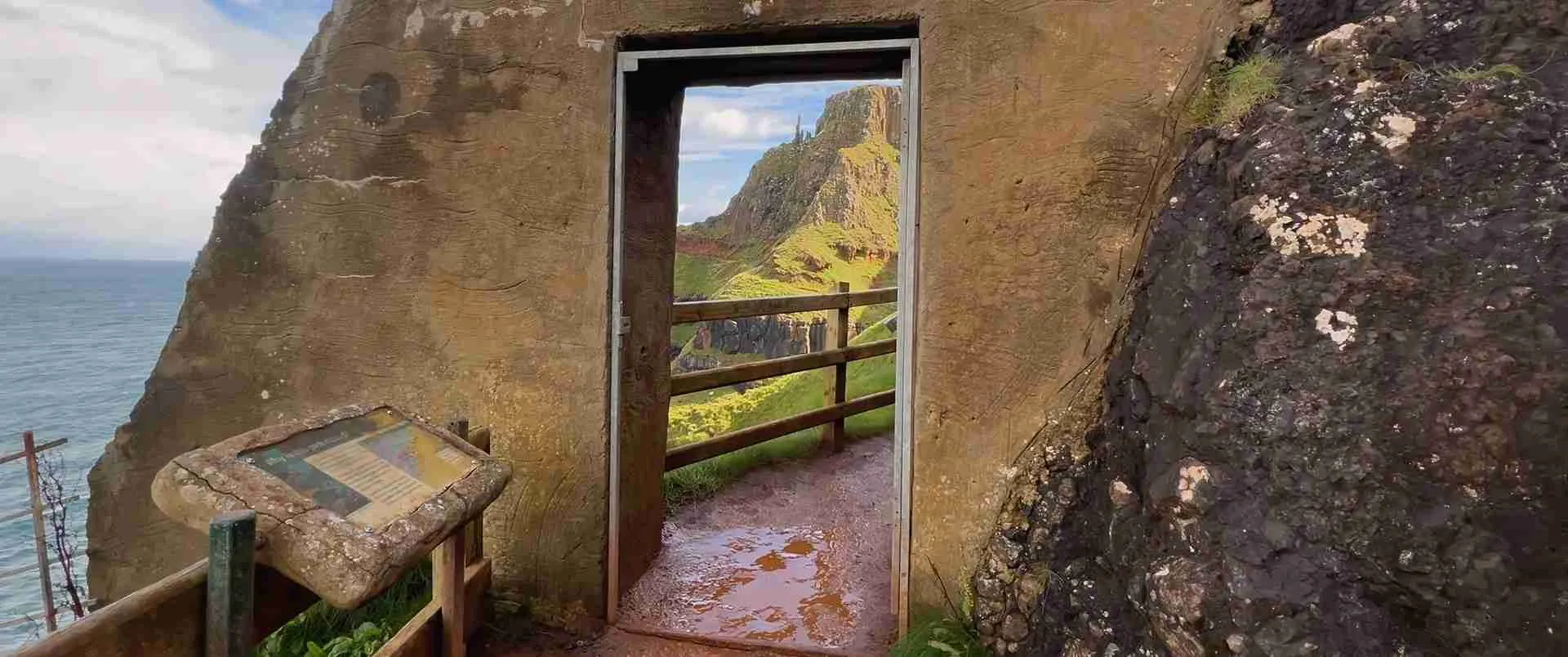
Giant’s Causeway Day Trip from Belfast 2026: Complete Travel Planning Guide
Northern Ireland’s most iconic natural wonder sits just 60 miles from Belfast, making the UNESCO World Heritage Giant’s Causeway an essential day trip combining dramatic coastal scenery, ancient geological formations, and centuries of Irish folklore. Whether traveling by guided coach tour, public transport, or self-drive rental car, this 2026 planning guide covers transport options, verified costs, optimal timing strategies, and detailed itineraries to maximize your experience along the legendary Causeway Coast.
Key Takeaways:
- Budget-Friendly Access 2026: Public transport day trips cost £30-40 per person using direct bus service 221 from Belfast Europa Buscentre, while the Giant’s Causeway stones remain free to explore via established public right of way regardless of transport method.
- Guided Tour Value 2026: Standard coach tours from Belfast range £30-55 ($40-70) per person for 8-9 hour experiences including Giant’s Causeway, Dark Hedges, Carrickfergus Castle, and Dunluce Castle viewpoints with live commentary and coastal route travel.
- Self-Drive Flexibility 2026: Car rental day trips cost £60-85 per person when two share vehicle expenses, offering complete schedule control and access to hidden coastal stops along the 1 hour 15 minute scenic drive north from Belfast.
- Optimal Timing Strategy 2026: Weekday departures between March-May and September-October avoid peak summer crowds, while early morning arrivals before 10am or late afternoon visits after 4pm provide quieter stone exploration and superior photography lighting.
- Seasonal Opening Hours 2026: Giant’s Causeway Visitor Centre operates 09:00-17:00 March through May, extends to 09:00-18:00 during June-July peak season, then shifts to 10:00-16:00 October through February with closures December 24-26.
- Complete Day Investment 2026: Expect £30-90 per person for full Belfast-based Giant’s Causeway experiences depending on transport choice, with mid-range guided tours averaging £45-90 including lunch, entrance options, and multiple coastal attractions.
People Also Ask About Giant’s Causeway Day Trips from Belfast 2026
How much does a Giant’s Causeway day trip from Belfast cost in 2026?
A Giant’s Causeway day trip from Belfast costs £30-40 per person for budget public transport options, £45-90 per person for guided coach tours, or £60-85 per person when two travelers share self-drive car rental expenses. Budget travelers using direct bus service 221 and walking to the free stones spend approximately £30-40 total including transport and modest meals. Mid-range guided tour participants investing £45-90 receive 8-9 hour experiences with multiple coastal stops, live commentary, and convenient Belfast hotel pickup. Self-drive couples splitting car rental costs of £25-52 daily plus fuel and parking spend £60-85 each for maximum flexibility exploring the Causeway Coast at their own pace.
Is a guided tour or self-drive better for visiting Giant’s Causeway from Belfast in 2026?
Guided tours excel for first-time visitors wanting hassle-free experiences with expert commentary covering Giant’s Causeway geology, Irish folklore, and coastal history across multiple stops including Dark Hedges and castle viewpoints. Self-drive rental cars benefit independent travelers seeking schedule flexibility, early morning or sunset photography opportunities, and freedom to explore hidden coastal villages beyond standard tour itineraries. Tours eliminate navigation stress and parking concerns while providing structured 8-9 hour experiences, whereas self-drive options allow spontaneous detours, extended Giant’s Causeway exploration time, and visits to additional Causeway Coast attractions like Bushmills Distillery or Carrick-a-Rede Rope Bridge at your preferred pace.
How long should I spend at Giant’s Causeway on a Belfast day trip in 2026?
Plan minimum 2 hours at Giant’s Causeway for walking down to the basalt columns, exploring the main formations, and returning to the Visitor Centre, with 3-4 hours ideal for photographers, cliff path hikers, and visitors exploring both lower stone areas and upper coastal trails. Standard guided tours from Belfast allocate 90 minutes to 2 hours at the Causeway itself, sufficient for most visitors to walk the main pathways, photograph iconic hexagonal columns, and enjoy Atlantic Ocean views. Self-drive travelers benefit from unrestricted time allowing 3-4 hour visits incorporating extended coastal walks along the red trail clifftop route, leisurely café breaks, and photography during optimal morning or golden hour evening light conditions.
What’s the best time of day to visit Giant’s Causeway from Belfast in 2026?
Early morning arrivals before 10am or late afternoon visits after 4pm outside peak summer season provide quieter Giant’s Causeway experiences with fewer tour bus crowds and superior photography lighting across the basalt formations and coastal cliffs. Most guided coach tours from Belfast arrive between 11am-2pm creating midday congestion particularly June through August, making shoulder season weekday departures in March-May or September-October optimal for peaceful exploration. Self-drive visitors departing Belfast by 7am reach Giant’s Causeway around 8:30am for sunrise photography and solitary stone walking, while sunset seekers leaving Belfast mid-afternoon enjoy golden hour light between 5pm-7pm during extended summer daylight hours.
Extended multi-day tours – 5+ days
Featured Belfast Multi-Day Tour Packages
5 days
From Dublin: 5 Day Northern Ireland & Atlantic Coast
- ✓ Comprehensive Belfast tour
- ✓ Expert local guides included
- ✓ All accommodation arranged
- ✓ Transportation provided

7 days
Evergreen Ireland North – 7 Days/6 Nights (12 destinations)
- ✓ Comprehensive Belfast tour
- ✓ Expert local guides included
- ✓ All accommodation arranged
- ✓ Transportation provided
5 days
Belfast, Galway, Northern Ireland & Atlantic Coast Small-Group Tour – 5 Days
- ✓ Comprehensive Belfast tour
- ✓ Expert local guides included
- ✓ All accommodation arranged
- ✓ Transportation provided
7 days
North of Ireland Escape
- ✓ Comprehensive Belfast tour
- ✓ Expert local guides included
- ✓ All accommodation arranged
- ✓ Transportation provided
Multi-day tour packages powered by TourRadar. Prices and availability subject to change.
Introduction: Why Giant’s Causeway Remains Northern Ireland’s Essential Day Trip from Belfast
The Giant’s Causeway represents far more than a collection of unusual rock formations along Northern Ireland’s dramatic Causeway Coast. This UNESCO World Heritage Site combines 60-million-year-old volcanic geology creating approximately 40,000 interlocking basalt columns with centuries of Irish folklore attributing the hexagonal stepping stones to the mythical giant Fionn mac Cumhaill. Located precisely 60 miles north of Belfast along the scenic Causeway Coastal Route, this natural wonder draws over one million annual visitors yet maintains an ethereal quality when experienced during optimal timing windows away from peak midday tour bus arrivals.
Belfast’s proximity to Giant’s Causeway makes day trip logistics straightforward compared to longer Dublin-based excursions requiring 6-7 hours round-trip driving. From Belfast city center, travelers reach the Causeway via three distinct approaches in 2026: budget-conscious direct public buses arriving in approximately 90 minutes, comprehensive guided coach tours spanning 8-9 hours with multiple coastal attractions, or flexible self-drive rental cars completing the scenic journey in 75-90 minutes while enabling spontaneous detours to hidden coves and clifftop viewpoints.
The 2026 planning landscape for Giant’s Causeway day trips from Belfast balances verified transport costs against desired experience depth. Public transport budget travelers spending £30-40 total prioritize affordability while accepting limited time at the Causeway itself and reduced coastal exploration. Mid-range guided tour participants investing £45-90 per person value comprehensive itineraries combining Giant’s Causeway with Dark Hedges, medieval castle ruins, and expert live commentary explaining geological processes and Irish mythology. Self-drive couples splitting £60-85 daily costs gain maximum schedule control, allowing early morning photography sessions, extended cliff walks, and freedom to spend 3-4 unrushed hours exploring both famous formations and lesser-known coastal paths.
Seasonal timing significantly impacts Giant’s Causeway day trip quality beyond simple weather considerations. March through May and September through October shoulder seasons deliver ideal conditions: comfortable temperatures between 9-15°C, manageable visitor numbers concentrated on weekends rather than overwhelming all week, and Visitor Centre operating hours extending through late afternoon for facilities access. Summer months June through August maximize daylight for photography and coastal walks but attract peak crowds particularly between 11am-3pm when tour buses from Belfast and Dublin converge. Winter visits October through February offer dramatic Atlantic wave action and near-solitary experiences but require warm layered clothing, waterproof footwear for potentially slippery basalt surfaces, and acceptance of Visitor Centre early closures around 4pm limiting café and exhibit access.
Understanding Giant’s Causeway’s unique dual-access system proves essential for cost-effective 2026 planning. The actual basalt stone formations remain free to access 24/7 via established public right of way dating to an 1897 High Court ruling, meaning budget travelers can explore the geological wonder without admission fees. However, the National Trust Visitor Experience offering reserved parking, multilingual audio guides, guided walking tours, and interpretive exhibits costs £9 for adults when pre-booked online in 2026. This distinction allows flexibility: budget-conscious visitors park at alternative nearby locations or arrive via public transport, walking the coastal path to free stone access, while comfort-seekers investing in Visitor Experience tickets gain convenient parking immediately adjacent to the descent pathways plus educational resources enriching the geological and historical context.
Belfast’s compact city center simplifies day trip departure logistics regardless of chosen transport method. Guided tour pickups concentrate around Belfast City Hall on Donegall Square with standard 8:45am departures, public buses leave from clearly-signed Europa Buscentre or High Street stations with morning services around 9am, and rental car collection from Belfast International Airport or Belfast City Airport positions travelers for scenic coastal driving within 20-30 minutes of downtown. This geographic convenience combined with Northern Ireland’s toll-free road system and well-maintained A2 Causeway Coastal Route makes Giant’s Causeway day trips from Belfast remarkably accessible for visitors of varying budgets, mobility levels, and travel preferences throughout 2026.
Understanding Giant’s Causeway Access and Admission in 2026
Giant’s Causeway operates under a distinctive dual-access framework that confuses many first-time visitors: the actual UNESCO-listed basalt formations remain perpetually free to access via public right of way, while the National Trust Visitor Experience centered around parking, facilities, and interpretive programming requires paid admission tickets. This system stems from an 1897 High Court of Dublin ruling establishing public road access to the foreshore, legally guaranteeing anyone’s right to walk down to the stones regardless of payment status or National Trust membership.
The National Trust Visitor Experience ticket costs £9 for adults and £4.50 for children when pre-booked online for 2026 visits, representing a £1.50 adult savings compared to walk-up pricing. Check the official National Trust website for current rates as pricing updates annually. Family tickets covering two adults and up to three children under 17 cost £22, while children under age 5 enter free. National Trust members receive complimentary admission to all Visitor Experience components including parking, though pre-booking remains strongly recommended during peak season March through October to guarantee parking space availability.
The Visitor Experience admission includes substantially more than simple site access. Reserved on-site parking eliminates the stress of finding alternative spaces along narrow Causeway Road during busy periods. Hourly guided walking tours led by National Trust storytelling team members bring geological processes and Fionn mac Cumhaill folklore to life across the formations. Hand-held audio guides available in 11 languages provide self-paced interpretation for international visitors. The architecturally-acclaimed Visitor Centre houses interactive exhibitions explaining volcanic basalt column formation, climate impacts on the Causeway Coast, and conservation challenges. Full café and shop facilities plus comprehensive restroom access including Changing Places disability equipment round out the included amenities.
Budget travelers avoiding Visitor Experience costs face parking and facilities trade-offs. The Causeway Coast Way Car Park at Innisfree Farm located 60 Causeway Road charges £12 per vehicle via JustPark mobile app, offering free parking for National Trust members entering membership numbers. The Causeway Hotel car park approximately 200 meters from the main entrance charges £10 entry but provides £10 vouchers valid in the hotel restaurant, effectively offering free parking with meal purchase. Nook Café adjacent to the Visitor Centre allows customer parking with food purchase, typically costing £7-10 per person for substantial café meals. Free parking exists only for those willing to park in Portballintrae or Dunseverick villages then hike 2-3 miles along coastal paths to reach the Causeway.
Once at the Causeway via any access method, visitors face a straightforward 1-kilometer descent pathway from upper Visitor Centre level down to the basalt stone formations at sea level. This paved route suitable for most mobility levels descends gradually over 10-15 minutes, though the return uphill climb requires moderate fitness. An electric shuttle bus operates at 15-minute intervals for visitors with walking difficulties or those preferring to conserve energy, costing £1 per person each direction with children paying 50p. Elderly passengers and those with disabilities receive boarding priority, though space remains limited to approximately 20 passengers per journey during peak periods.
The stones themselves sprawl across multiple tiers descending into the Atlantic Ocean, with visitors free to scramble across the hexagonal columns, photograph the geometric patterns, and explore side formations like the Organ Pipes vertical columns and Chimney Stacks erosion features. No time limits apply to stone exploration for either free-access or Visitor Experience ticket holders, though practical visit duration typically ranges 60-90 minutes for casual visitors walking the lower formations up to 3-4 hours for serious photographers and those extending along clifftop trails including the red trail offering elevated Causeway views.
Safety considerations demand attention particularly during winter months and rough sea conditions. The Atlantic regularly produces powerful wave sets crashing over lower-tier basalt columns, occasionally catching unwary visitors positioned too close to the waterline. The National Trust posts warning signs and occasionally closes lower pathway sections during severe weather when wave overwash or rockfall risks exceed safe thresholds. Basalt surfaces become extremely slippery when wet, requiring proper footwear with grippy soles rather than smooth-soled fashion shoes or inadequate sandals. Weather conditions along the exposed Causeway Coast change rapidly with minimal warning, making layered waterproof clothing essential year-round regardless of morning sunshine at Belfast departure.
Comprehensive Transport Options from Belfast to Giant’s Causeway 2026
Belfast’s position 60 miles south of Giant’s Causeway creates straightforward transport logistics across three primary methods: guided coach tours offering comprehensive multi-stop experiences with zero navigation stress, public bus services providing budget-friendly direct connections requiring longer journey times, and self-drive car rental granting maximum flexibility for coastal exploration at personal pace. Each approach delivers distinct advantages aligning with different traveler priorities, budgets, and comfort preferences for 2026 visits.
Guided Coach Tours from Belfast to Giant’s Causeway 2026
Guided coach tours represent the most popular Giant’s Causeway day trip option from Belfast, combining stress-free transport with expert commentary, multiple coastal attractions, and comprehensive itineraries requiring minimal planning effort. Standard full-day tours cost £30-55 ($40-70) per person in 2026 from established operators including McCombs Coach Travel, Allen’s Belfast Bus Tours, Belfast City Sightseeing, and Paddywagon Tours. Tour pricing typically excludes optional castle entrance fees and personal meal costs but includes luxury air-conditioned coach transport, professional driver-guide services, and Giant’s Causeway access time.
Typical Belfast coach tour itineraries depart 8:45am from designated city center pickup points around Belfast City Hall on Donegall Square West, returning approximately 6:00-6:30pm after 9-9.5 hour experiences. Standard routes incorporate Carrickfergus Castle for exterior photos and optional paid entry around £6 adult admission, scenic Causeway Coastal Route driving with Rathlin Island and Scottish coast viewpoints, 90-120 minutes at Giant’s Causeway for stone exploration and photography, Dunluce Castle ruins perched dramatically on coastal cliffs for photo stops, the atmospheric Dark Hedges beech tree tunnel famous from Game of Thrones, and Bushmills village or Carrick-a-Rede viewpoints depending on specific tour routing.
Tour guide quality significantly impacts day trip satisfaction according to verified 2025-2026 traveler reviews. The most highly-rated Belfast operators employ local Northern Irish guides with deep knowledge of Causeway Coast geology, Irish mythology surrounding Fionn mac Cumhaill and the giant’s path to Scotland, Game of Thrones filming location details, and regional history including the Troubles period. Superior guides weave entertaining storytelling with factual commentary, maintain appropriate pacing between stops allowing adequate photo time without rushed schedules, and demonstrate genuine enthusiasm for Northern Ireland’s natural beauty rather than delivering monotone scripted presentations.
Coach tour group sizes vary from intimate 16-passenger minibuses to full-size 50-passenger coaches depending on operator and booking date. Smaller group tours typically cost £55-75 per person reflecting premium pricing for more personalized attention, easier question opportunities with guides, and reduced waiting times for bathroom stops and attraction entry. Larger budget-conscious tours around £30-40 per person maximize value but accept longer boarding times, less individual guide interaction, and occasional delays when gathering dispersed group members at photo stops.
Most Belfast tour operators offer free cancellation up to 24 hours before departure, allowing weather-dependent booking flexibility. This proves valuable for Giant’s Causeway visits where heavy rain, strong winds, or poor visibility significantly diminish coastal scenery appreciation and photography quality. Travelers can monitor weather forecasts, cancel rainy-day bookings without penalty, and rebook improved weather days during Belfast stays spanning multiple dates.
Premium small-group and private tour options cater to travelers prioritizing comfort and customization. Small group Giant’s Causeway tours limited to 8-16 passengers range £60-90 per person but provide more legroom, easier sight lines through coach windows, and flexible itinerary adjustments based on group interests. Private tours for families or friend groups cost £800-1,000+ total per vehicle accommodating 4-7 passengers, becoming cost-competitive with standard tours when split among five travelers while offering complete schedule control, longer Causeway exploration time, and personalized photo stop requests.
Public Transport from Belfast to Giant’s Causeway 2026
Public transport provides budget-friendly Giant’s Causeway access for independent travelers willing to accept longer journey times and reduced coastal exploration compared to guided tours. Two primary routes exist: direct bus service 221 from Belfast Europa Buscentre reaching Giant’s Causeway in approximately 2 hours 10 minutes, or combined train-plus-bus journey via Coleraine offering scenic rail travel followed by connecting bus service 402.
Translink operates bus service 221 departing Belfast Europa Buscentre with morning services around 9:00am reaching Giant’s Causeway approximately 11:10am, returning in late afternoon allowing 3-4 hours on-site exploration. One-way fares cost approximately £8-10 per person making round-trip transport £16-20, substantially cheaper than £30-55 guided tour costs. However, this budget advantage comes with significant trade-offs: no intermediate stops at Dark Hedges or castle viewpoints, no live commentary explaining coastal geology or Irish folklore, limited daily service frequency requiring strict schedule adherence, and potential crowded conditions during peak summer months.
The train-plus-bus combination route appeals to travelers appreciating scenic rail journeys across Northern Ireland countryside. Belfast Lanyon Place or Great Victoria Street stations offer frequent Translink train departures to Coleraine throughout the day, with journeys averaging 1 hour 15 minutes through rural Antrim landscapes. Upon Coleraine arrival, passengers walk one minute to Coleraine Buscentre for connecting Ulsterbus service 402 to Ballycastle, disembarking at Giant’s Causeway stop after approximately 30 minutes. Combined one-way costs total £12-15 per person depending on advance booking versus walk-up fares, with return journeys requiring reverse routing coordination around service timetables.
Public transport users must carefully plan Giant’s Causeway visit duration around limited return service frequency. Bus 221 operates twice daily in each direction rather than hourly service, meaning missed return buses necessitate hours-long waits or expensive taxi alternatives. Train-bus combinations offer more flexibility with multiple daily Coleraine train departures, though final bus 402 services from Giant’s Causeway to Coleraine typically run by early evening requiring afternoon departure from the Causeway to ensure connection catching.
Walking from public bus stops to Giant’s Causeway entrance requires 25-30 minutes along Causeway Road from the nearest “Giant’s Causeway – The Nook” stop. This paved roadside walk adds journey time but eliminates parking costs entirely, depositing budget travelers at either Visitor Centre entrance for Visitor Experience ticket purchase or continuing along public pathways to free stone access. Travelers with heavy luggage or mobility limitations may find this walk challenging, particularly in wet weather when passing vehicle spray from narrow road creates unpleasant conditions.
Public transport day trips from Belfast demand early morning departures and late afternoon returns, typically allocating 3-4 hours actual Giant’s Causeway time compared to 90-120 minutes on standard guided tours. This extended on-site duration benefits photographers wanting varied lighting conditions, serious hikers exploring cliff path trails, or visitors who prefer leisurely café breaks and thorough Visitor Centre exhibition exploration. However, the schedule rigidity means inclement weather forcing tour cancellations cannot be easily rescheduled, and attraction closures due to extreme conditions strand public transport users without alternative return options until next scheduled service.
Self-Drive Car Rental from Belfast to Giant’s Causeway 2026
Self-drive car rental provides maximum flexibility for Giant’s Causeway day trips, allowing early morning photography arrivals, spontaneous coastal detours, extended multi-hour Causeway exploration, and freedom from tour group schedules or public transport timetable constraints. Belfast offers numerous rental agencies at both Belfast International Airport and Belfast City Airport plus city center locations, with daily rates ranging £25-52 ($30-65) for economy through mid-size vehicles in 2026 depending on booking advance, vehicle type, and insurance coverage selections.
The Belfast to Giant’s Causeway driving route follows clearly-signed roads totaling approximately 60 miles requiring 1 hour 15 minutes to 1 hour 30 minutes depending on traffic conditions and selected route. The fastest approach uses M2 motorway north from Belfast transitioning to A26 through Ballymena, then joining scenic A2 Causeway Coastal Route westward to Bushmills and Giant’s Causeway. Northern Ireland’s toll-free road system eliminates bridge or motorway fees, though fuel costs for the 120-mile round trip average £18-22 at current petrol prices around £1.50 per liter for vehicles achieving 40 miles per gallon.
Alternative scenic routing extends journey time by 20-40 minutes but rewards drivers with spectacular Causeway Coast vistas. Departing Belfast via A2 coastal road through Carrickfergus, Larne, and the Glens of Antrim delivers continuously changing seascapes, quaint harbor villages, and dramatic cliff scenery absent from faster inland motorway routes. This approach works best for self-drive day trips departing Belfast around 7:00am allowing 2.5-3 hours leisurely coastal driving with photo stops, arriving Giant’s Causeway by 9:30-10:00am before peak midday crowds.
Parking at Giant’s Causeway for self-drive visitors involves three primary paid options detailed in the Access and Admission section above: National Trust Visitor Experience parking included with £9 admission tickets providing most convenient access immediately adjacent to pathway descent, Causeway Coast Way Car Park at £12 per vehicle requiring 5-minute walk to Visitor Centre, or Causeway Hotel parking at £10 with matching £10 restaurant voucher effectively offering free parking with meal purchase. Additional free parking exists in Portballintrae and Dunseverick villages 2-3 miles from the Causeway for budget travelers willing to hike coastal paths.
Self-drive day trips enable comprehensive Causeway Coast exploration far beyond Giant’s Causeway alone. Carrick-a-Rede Rope Bridge 8 miles east requires advance online booking for £12 adult tickets but delivers thrilling 20-meter-high bridge crossing between coastal cliffs. Dunluce Castle 3 miles west offers dramatic medieval ruins perched on basalt outcrop with £6 adult admission. Old Bushmills Distillery in nearby Bushmills village provides Irish whiskey tours and tastings from £10 per person. Dark Hedges atmospheric beech tree avenue lies 15 miles southeast requiring no admission fees for photography. Strategic self-drive itineraries incorporate 2-3 of these attractions surrounding 2-3 hour Giant’s Causeway centerpiece visits, creating comprehensive 8-10 hour Causeway Coast experiences.
Driving in Northern Ireland presents minimal challenges for visitors from right-hand-drive countries, though left-side driving requires initial adjustment for those accustomed to right-side systems. Roads along the Causeway Coast narrow significantly compared to Belfast motorways, with single-track sections requiring passing place etiquette and careful mirror watching for approaching vehicles. Blind corners, steep grades, and absence of center line markings on some rural roads demand cautious speeds particularly in wet conditions when pavement grip reduces noticeably.
Car rental insurance excess amounts typically range £1,000-2,200 held as credit card pre-authorization during rental period, released upon undamaged vehicle return. Collision Damage Waiver included in base rates covers theft and accident damage but maintains the excess liability. Additional insurance reducing excess to zero costs £15-25 per day, worthwhile for travelers lacking personal auto insurance coverage or credit card rental car benefits. Fuel policies typically require full-to-full tank returns, meaning Belfast pickup with full tank necessitates refilling before airport return to avoid expensive per-liter refueling charges from rental agencies.
Self-drive costs for two travelers sharing vehicle expenses break down to approximately £60-85 per person for complete day trips. Car rental £25-52 daily divided by two equals £13-26 per person, fuel £20 round trip splits to £10 each, parking £10-12 adds £5-6 per person, Visitor Experience tickets £9 each total £9, lunch £15-22 per person, and snacks £8-12 per person combine to £60-85 per person range. Single travelers bear full vehicle costs pushing total day trip expenses to £80-120, making guided tours more cost-effective for solo Giant’s Causeway visitors.
Detailed Day Trip Itineraries from Belfast 2026
Successful Giant’s Causeway day trips from Belfast require careful timing balancing sufficient Causeway exploration duration against realistic Belfast departure and return schedules. The following itineraries represent tested approaches for budget public transport, mid-range guided tours, and premium self-drive experiences optimized for 2026 seasonal conditions and current operating hours.
Budget Public Transport Day Trip Itinerary Belfast to Giant’s Causeway 2026
7:30am: Depart Belfast accommodation heading to Europa Buscentre on Great Victoria Street, arriving 15 minutes before scheduled bus departure for ticket purchase and boarding queue position. Translink accepts contactless payment cards and mobile tickets purchased via official app. Pack lunch items from Belfast supermarket or bakery to minimize on-site food costs, as Giant’s Causeway café prices exceed city rates.
8:45am: Board Goldline bus service 221 from Europa Buscentre Stand 5 toward Coleraine and Giant’s Causeway. Secure window seat on right side of bus for optimal coastal views during final approach along Causeway Road. Journey time approximately 2 hours 10 minutes with comfort stop in Ballymena around 9:45am for restroom access and light refreshment purchases if needed.
11:00am: Disembark at “Giant’s Causeway – The Nook” stop on Causeway Road, beginning 25-minute walk along roadside pavement toward Visitor Centre and stone formations. Alternative immediate access via free coastal pathway begins approximately 100 meters past bus stop heading toward sea, bypassing Visitor Centre entirely for direct route to basalt columns saving 10 minutes walking.
11:30am: Arrive Giant’s Causeway area, deciding between Visitor Experience ticket purchase at £9 adult for parking, exhibits, audio guide, and guided tour access, or proceeding directly to free stone formations via established public right of way. Budget-conscious travelers skip Visitor Experience, walking coastal descent path to reach lower stone formations by 11:45am.
11:45am-2:30pm: Explore Giant’s Causeway basalt formations across approximately 2 hours 45 minutes. Begin at lower stone tiers photographing hexagonal column patterns, the Organ Pipes vertical formations, and Atlantic wave interactions. Walk west toward Chimney Stacks and Port Noffer for varied perspectives. Extend exploration via red trail cliff path ascending to elevated viewpoints overlooking entire Causeway complex, adding 45-60 minutes round trip hiking distance. Consume packed lunch at coastal benches or clifftop grass areas with panoramic sea views, avoiding £8-15 Visitor Centre café meal costs.
2:45pm: Begin return walk from Giant’s Causeway stones back to Causeway Road bus stop, allowing 30 minutes for gradual uphill pathway ascent and roadside walking. Use public restrooms at Visitor Centre exterior or Causeway Hotel if needed before bus departure.
3:15pm: Arrive bus stop 15 minutes before scheduled service 221 return departure around 3:30pm toward Belfast. Verify exact departure time via Translink mobile app or posted timetable, as seasonal service adjustments may shift late afternoon departure by 15-30 minutes.
3:30pm: Board return bus service 221 to Belfast, settling in for 2 hour 15 minute journey arriving Belfast Europa Buscentre approximately 5:45pm. Journey time may extend during Friday evening traffic returning to Belfast or following tour bus convoys along single-track coastal road sections.
6:00pm: Return to Belfast accommodation or city center, completing approximately 10.5-hour day trip. Total cost per person: Bus fare £16-20 round trip, packed lunch £8-12, snacks £5-8, totaling £30-40 per person for complete budget Giant’s Causeway experience from Belfast.
Mid-Range Guided Coach Tour Day Trip Belfast to Giant’s Causeway 2026
8:15am: Arrive Belfast City Hall on Donegall Square West for guided tour check-in at designated coach parking area. Most operators request 15-30 minute early arrival for passenger manifest verification and coach boarding organization. Bring booking confirmation email or mobile ticket for driver-guide inspection.
8:45am: Depart Belfast aboard luxury air-conditioned coach with reclining seats and large windows optimized for scenic viewing. Driver-guide begins live commentary explaining Belfast’s Victorian architecture, the Troubles history, and introduction to Causeway Coast geology during first 30 minutes departing city center via M2 motorway north.
9:30am: Brief photo stop at Carrickfergus Castle for exterior shots of this well-preserved Norman fortress dating to 1177. Optional paid castle interior entry around £6 adult available for those interested in medieval military architecture, though most tour participants opt for 15-minute exterior photography and continue toward Giant’s Causeway.
10:15am: Scenic driving along A2 Causeway Coastal Route with photo stops at designated viewpoints overlooking Rathlin Island, Scotland’s Mull of Kintyre visible on clear days, and dramatic basalt cliff formations. Driver-guide identifies seabird colonies on coastal rock stacks and explains geological processes forming columnar basalt from ancient volcanic lava flows.
11:15am: Arrive Giant’s Causeway, receiving 90-120 minutes free time for independent exploration. Tour price typically excludes Visitor Experience tickets, allowing participants to decide between £9 paid access with exhibits and audio guides versus free stone exploration only. Most visitors walk directly to formations, spending 60-75 minutes on lower basalt tiers before returning to coach for scheduled 12:45pm departure.
12:45pm: Depart Giant’s Causeway for lunch stop at designated pub or hotel restaurant in Ballintoy, Bushmills, or similar coastal village. Typical pub lunch costs £12-18 per person for substantial meals including fish and chips, Irish stew, or sandwiches with sides. Vegetarian and dietary restriction options widely available with advance notice to restaurant.
2:00pm: Photo stop at Dunluce Castle ruins perched dramatically on coastal cliffs, allowing 30 minutes for exterior photography and optional paid entry around £6 adult for those wishing to explore interior chamber ruins and learn medieval Clan McDonnell history.
2:45pm: Visit Dark Hedges atmospheric beech tree avenue made famous by Game of Thrones King’s Road scenes, with 20-30 minutes for walking beneath intertwined branches and photography. Coach continues through scenic Causeway Coast countryside with additional brief viewpoint stops at driver-guide discretion based on weather and schedule.
3:45pm: Optional stop at Bushmills Distillery for exterior photos and gift shop browsing, or brief visit to Carrick-a-Rede viewpoint overlooking rope bridge and Atlantic cliffs. Tour routing varies by operator with some including Cushendun Caves or Carnlough Harbor alternatives.
5:00pm: Begin return journey to Belfast via direct M2 motorway route, arriving city center approximately 6:00-6:30pm depending on Friday evening traffic conditions. Driver-guide concludes commentary with Belfast restaurant recommendations and evening activity suggestions.
6:15pm: Arrive Belfast City Hall original departure point, completing 9.5-hour comprehensive Causeway Coast experience. Total cost per person: Tour £30-55, optional Visitor Experience £9, lunch £12-18, optional castle entries £6-12, totaling £45-90 per person for mid-range guided tour from Belfast.
Premium Self-Drive Coastal Exploration Day Trip Belfast to Giant’s Causeway 2026
6:30am: Collect rental car from Belfast International Airport or Belfast City Airport after early breakfast at accommodation. Complete vehicle inspection with rental agent, photograph any existing damage for records, and program Causeway Coast destinations into GPS navigation or mobile maps application. Depart airport via M2 motorway north toward Antrim and Causeway Coast.
7:15am: Transition from M2 to scenic A2 Coastal Route at Larne, beginning spectacular seaside driving through Glens of Antrim with frequent pullouts for photography. Morning light illuminates coastal cliffs and harbor villages during quietest traffic period before tour buses depart Belfast.
8:30am: Brief stop in Cushendall village for coffee and pastry at local café, allowing restroom break and leg stretching during 2-hour driving midpoint. Continue north along increasingly dramatic coastal scenery with views to Rathlin Island and Scotland beyond.
9:15am: Arrive Giant’s Causeway Visitor Centre among first visitors of the day, securing prime parking spot immediately adjacent to pathway descent. Purchase Visitor Experience tickets £9 per person at reception desk, receiving parking validation, audio guide, and guided tour schedule showing first tour departing 10:00am.
9:30am-12:15pm: Comprehensive Giant’s Causeway exploration totaling 2 hours 45 minutes. Begin with 10:00am guided tour led by National Trust storyteller explaining Fionn mac Cumhaill mythology and volcanic basalt formation processes across 45 minutes walking lower stone formations. After guided tour conclusion, extend exploration independently along red trail clifftop path reaching elevated viewpoints overlooking entire Causeway complex and neighboring Port Reostan cove. Return to lower formations for photography during improved midday light angles and Atlantic wave watching. Visit Visitor Centre exhibition halls learning climate impacts on coastal erosion and conservation challenges.
12:30pm: Lunch at Visitor Centre café enjoying sea views through floor-to-ceiling windows, or drive 3 miles to Bushmills village for pub lunch at Bushmills Inn or similar local establishment. Café meals £15-22 per person for substantial soups, salads, and hot dishes; pub lunches similar pricing with fuller Irish menu selections.
2:00pm: Depart Giant’s Causeway driving 8 miles east along coastal road to Carrick-a-Rede Rope Bridge. Pre-booked online tickets £12 adult allow immediate entry avoiding potential queue, though bridge crossings require steady nerves given 20-meter height above Atlantic waters and bridge sway during windy conditions. Alternative for those avoiding bridge crossing includes spectacular coastal viewpoint walking trails above bridge location.
3:30pm: Drive to Dunluce Castle 3 miles west of Giant’s Causeway, spending 45 minutes exploring medieval ruins including great hall remains, cliff-edge ramparts, and interpretation panels explaining Clan McDonnell history and dramatic 1639 kitchen collapse into sea. Entrance £6 adult provides access to all standing structures and coastal walking paths surrounding castle grounds.
4:45pm: Visit Dark Hedges 15 miles southeast for late afternoon photography under beech tree canopy, avoiding midday tour bus crowds and capturing softer light filtering through intertwined branches. Free access allows unlimited photography time without admission costs or time pressure.
5:30pm: Begin return journey to Belfast via A26 and M2 motorway, stopping for fuel refill at Ballymena service station ensuring full tank return avoiding rental agency refueling charges. Journey time 1 hour 15 minutes in light early evening traffic.
7:00pm: Return rental car to Belfast International Airport or Belfast City Airport, completing vehicle inspection with agent and confirming no damage charges apply. Transfer to Belfast accommodation via taxi or airport bus, arriving city center by 7:45pm after comprehensive 12.5-hour Causeway Coast exploration.
Total self-drive cost per person when two share expenses: Car rental £25-52 daily split £13-26 each, fuel £20 split £10 each, parking £10-12 split £5-6 each, Visitor Experience £9 each, Carrick-a-Rede £12 each, Dunluce Castle £6 each, meals £15-22 each, totaling £60-85 per person for premium flexible day trip from Belfast.
Seasonal Timing and Weather Considerations for 2026 Giant’s Causeway Visits
Giant’s Causeway experiences dramatically different atmospheres across Northern Ireland’s four distinct seasons, with each period offering unique advantages and specific challenges for Belfast day trip planning. Understanding seasonal patterns beyond simple temperature ranges enables strategic visit timing maximizing photography conditions, minimizing tour bus crowds, and aligning weather expectations with appropriate clothing preparation.
Spring months March through May deliver optimal conditions for first-time Giant’s Causeway visitors from Belfast seeking balanced weather, manageable crowds, and comfortable Visitor Centre operating hours. Temperatures range 6-14°C requiring layered clothing rather than heavy winter gear, with daylight extending from 12 hours in early March to nearly 16 hours by late May enabling early morning or late afternoon visits without darkness concerns. Rainfall averages 60-80mm monthly across the season, meaning approximately 12-15 days per month experience some precipitation though extended all-day rain remains less common than brief passing showers.
Spring visitor numbers build gradually through the season, with March and early April representing shoulder season quiet before Easter holiday crowds arrive mid-April. Weekday visits Tuesday through Thursday encounter substantially fewer tour buses than weekend days when Belfast locals join international tourists at the Causeway. The Visitor Centre operates 09:00-17:00 hours throughout spring, providing 8-hour daily access to facilities, café, and exhibits while stones remain accessible sunrise to sunset extending beyond official centre hours.
Summer months June through August maximize Giant’s Causeway daylight and warmest temperatures 13-18°C but attract peak season crowds creating congested conditions particularly between 11:00am-3:00pm daily. Extended daylight hours from 5:00am sunrise to 10:00pm sunset enable early morning or late evening photography sessions avoiding midday tour bus convergence, though Visitor Centre summer hours 09:00-18:00 mean after-hours visitors forfeit café and restroom access relying on exterior facilities.
Summer weather proves surprisingly variable despite being Northern Ireland’s warmest season, with Atlantic fronts bringing unexpected rain showers even during clear morning starts. Pack waterproof jacket and layers regardless of Belfast departure weather, as exposed Causeway Coast location experiences different conditions than sheltered city areas. Wind speeds increase noticeably compared to spring months, creating dramatic wave action photographically but requiring secure grip on cameras and awareness of sea spray reaching upper stone tiers during high tide.
Peak summer crowding impacts photography opportunities and peaceful stone contemplation significantly. Tour buses from Belfast and Dublin arrive continuously between 10:30am-3:30pm depositing 40-50 passengers each across the formations, creating human congestion obscuring hexagonal column views and making isolation photography shots nearly impossible during these hours. Self-drive visitors arriving 8:00-9:30am or departing Belfast for 4:00-6:00pm Causeway arrival avoid worst crowds while maintaining June-August daylight advantages for extended exploration.
Autumn months September through November provide second optimal window combining comfortable temperatures 9-15°C, reduced summer crowds, and autumn light delivering rich golden tones across basalt formations and coastal cliffs. September maintains summer-like conditions with minimal crowd reduction, but October-November shoulder season brings substantially quieter weekdays particularly mid-October through mid-November outside school holiday periods.
Autumn weather instability exceeds summer variability, with Atlantic storm systems tracking across Northern Ireland bringing strong winds 40-60 km/hour and heavy rainfall episodes. The National Trust occasionally closes lower Causeway pathways during severe conditions when wave overwash creates unsafe access or rockfall risks increase from saturated cliff faces. Monitor official Giant’s Causeway social media or phone information line before Belfast departure during October-November when storm warnings are active.
Visitor Centre hours contract to 09:00-17:00 by September then 10:00-16:00 throughout October and November, reducing facilities access window but aligning with shortened daylight hours. The earlier opening time shift to 10:00am means early morning arrivals forfeit café breakfast options, requiring Belfast pre-departure meals or packed provisions. Conversely, 4:00pm closures encourage earlier Belfast departures around 1:30-2:00pm ensuring adequate Causeway time before facilities shut.
Winter months December through February offer Giant’s Causeway at its most dramatic and solitary, with fierce Atlantic storms creating towering wave sets crashing spectacularly over basalt tiers and near-empty pathways enabling contemplative exploration without tour group disruption. Temperatures drop to 3-8°C requiring substantial cold weather gear including waterproof outer layers, insulated mid-layers, warm hat, and waterproof gloves for comfortable extended outdoor time.
Winter light quality provides exceptional photography opportunities during brief midday windows when low sun angles illuminate formations from unique perspectives impossible during high summer sun. However, December-January daylight contracts to just 7-8 hours approximately 8:30am-4:30pm, severely limiting flexible visit timing compared to 16-hour summer days. Combined with Visitor Centre 10:00am-4:00pm winter hours December through February, self-drive visitors gain minimal advantages over guided tour schedules constrained by same shortened daylight.
Winter storm closures occur most frequently December through February when Atlantic low-pressure systems track directly across Northern Ireland bringing sustained 60-80 km/hour winds and heavy rainfall. The National Trust prioritizes visitor safety over access, closing exposed cliff paths and lower stone areas without advance notice when conditions deteriorate. Tour operators typically proceed with scheduled departures unless extreme weather warnings are active, though reduced Causeway time or complete Giant’s Causeway cancellation with alternative attractions occurs occasionally during severe winter conditions.
Christmas and New Year periods December 24-26 see Visitor Centre complete closure for holiday observances, though stones remain accessible via public right of way for determined visitors. Boxing Day December 26 and New Year’s Day January 1 attract local Northern Irish families to the Causeway despite winter weather, creating modest weekend-level crowds unusual for otherwise-quiet December-January visitor patterns.
What to See and Do at Giant’s Causeway Beyond the Famous Stones 2026
Giant’s Causeway’s 40,000 hexagonal basalt columns represent the headline attraction, but comprehensive visits extend beyond photographing geometric rock formations to encompass diverse geological features, coastal hiking trails, interpretive exhibitions, and surrounding natural wonders creating full-day experiences worthy of Belfast departure efforts. Understanding the complete site layout and available activities enables strategic time allocation maximizing both famous viewpoints and lesser-known discoveries.
The Main Basalt Formation Areas and Geological Features
The lower Giant’s Causeway stone formations descending into the Atlantic Ocean comprise three distinct sections called the Little Causeway, Middle Causeway, and Grand Causeway, each offering unique perspectives on the volcanic basalt column phenomenon. The Grand Causeway features the tallest and most perfectly-formed hexagonal columns, some reaching 12 meters in height with surfaces so precisely flat they resemble man-made paving stones. Visitors scramble across these lower tiers photographing geometric patterns, sitting on column tops for scale reference shots, and observing Atlantic waves washing between individual pillars during moderate seas.
The Organ Pipes formation located on the cliff face immediately east of the main descent pathway displays near-perfect vertical basalt columns resembling church organ pipes, some extending 12 meters from base to cliff top. This formation demonstrates columnar jointing at its most regular, with hexagonal cross-sections visible from pathway viewpoints without requiring scrambling across uneven surfaces. Early morning or late afternoon light illuminates the Organ Pipes dramatically when angled sun catches individual column faces creating three-dimensional shadow effects impossible during overhead midday sun.
The Chimney Stacks erosion features approximately 100 meters west of the Grand Causeway represent isolated basalt column groups surrounded by Atlantic waters, remnants of more extensive formations eroded by millennia of wave action. These stacks demonstrate ongoing geological processes gradually dismantling the Causeway, with visible cracks between columns indicating future collapse points. Photographers capture Chimney Stacks during incoming tides when waves crash around bases creating dramatic spray effects, though caution proves essential as rogue wave sets occasionally sweep across lower platforms without warning.
Port Noffer cove west of the main formations provides sheltered access to additional basalt features including the Giant’s Boot, a boot-shaped rock formation measuring approximately 2 meters claimed by folklore as Fionn mac Cumhaill’s footwear left behind during his legendary retreat from Scottish giant Benandonner. This area experiences less visitor congestion than central Grand Causeway enabling more contemplative exploration, though the pathway requires careful footing across uneven surfaces potentially slippery during wet conditions.
Coastal Walking Trails and Clifftop Routes
The red trail clifftop path represents Giant’s Causeway’s most rewarding extended walk for visitors allocating 3-4 hours total site time, ascending 100 vertical meters from Visitor Centre level to spectacular elevated viewpoints overlooking the entire basalt formation complex, neighboring coves, and Atlantic horizon extending to Scotland’s Mull of Kintyre 20 miles distant. This 3-kilometer round-trip route follows well-maintained gravel and paved surfaces suitable for most fitness levels, though sustained uphill sections require reasonable cardiovascular health and proper footwear.
The red trail summit viewpoints around Port Reostan and Hamilton’s Seat deliver completely different Giant’s Causeway perspectives impossible to appreciate from lower stone level, revealing the formations’ massive scale, geometric column arrangement, and dramatic cliff context. Photographers capture comprehensive landscape compositions incorporating foreground cliff vegetation, mid-ground basalt columns, and background Atlantic seascapes during golden hour periods when angled light emphasizes terrain textures and coastal depth.
The green trail represents Giant’s Causeway’s easy-access route suitable for wheelchairs, mobility scooters, and visitors with limited walking ability, following paved surfaces from Visitor Centre down to bay viewpoint overlooking the formations from 50 meters elevation. This 800-meter round-trip walk requires 20-30 minutes total providing Giant’s Causeway appreciation for those unable to descend to stone level or climb clifftop trails. National Trust provides free wheelchair and all-terrain scooter loans to Visitor Experience ticket holders from the Visitor Centre, enabling mobility-impaired visitors to experience the Causeway independently.
The yellow trail extends 5 kilometers east from Giant’s Causeway toward Port Ballintrae following dramatic clifftop paths passing Benbane Head, Portcoon Cave visible only at low tide, and Hamilton’s Seat highest viewpoint 100 meters above sea level. This challenging route requires 2.5-3 hours one-way with return options via the same clifftop path or lower coastal route depending on tidal conditions, appealing to serious hikers wanting extended Causeway Coast exploration beyond typical day-trip time allowances.
Giant’s Causeway Visitor Centre Exhibitions and Interpretive Programming
The award-winning Giant’s Causeway Visitor Centre designed by Heneghan Peng Architects integrates into the coastal landscape with grass-covered roof and basalt-clad walls echoing surrounding geological formations. Interior exhibition spaces explain volcanic processes creating columnar basalt 60 million years ago, detail Fionn mac Cumhaill folklore comparing Irish and Scottish giant legend versions, and explore climate change impacts on Causeway Coast erosion rates using interactive digital displays and hands-on geological specimens.
Hourly guided walking tours included with Visitor Experience tickets depart the Centre throughout operating hours, led by National Trust storytellers who bring geological processes and Irish mythology to life through entertaining 45-minute presentations. These tours follow lower pathway routes to Grand Causeway formations, stopping at viewpoints for explanations of hexagonal column formation physics, identification of different basalt cooling patterns, and recounting of folkloric tales surrounding giant Fionn mac Cumhaill’s construction of the stone pathway to Scotland for his legendary battle with rival giant Benandonner.
Audio guides available in 11 languages including English, Irish, French, German, Spanish, Italian, Dutch, Japanese, Mandarin Chinese, Korean, and Polish provide self-paced interpretation for international visitors preferring to explore independently without group tour schedules. Numbered audio points throughout the site correspond to guide commentary explaining specific formations, viewpoints, and geological phenomena, with typical full audio tour duration around 90 minutes for comprehensive coverage.
The Visitor Centre shop stocks locally-crafted gifts, Northern Irish food products, geology books, and Giant’s Causeway-themed souvenirs ranging from affordable postcards and magnets to premium Irish crystal and handmade ceramics. The café serves breakfast 9:00-11:00am, lunch 11:00am-3:00pm, and afternoon refreshments until closing, with menu featuring traditional Irish dishes, locally-sourced ingredients, and accommodation for vegetarian, vegan, and gluten-free dietary requirements.
Photography Tips and Best Lighting Conditions for Giant’s Causeway 2026
Giant’s Causeway delivers world-class photography opportunities combining geometric basalt formations, dramatic Atlantic coastline, and ever-changing light conditions creating unique image possibilities throughout the day. Understanding optimal timing, camera settings, and composition approaches transforms casual snapshots into memorable photographs worthy of the UNESCO World Heritage designation.
Early morning hours between sunrise and 10:00am provide Giant’s Causeway’s finest light quality for landscape photography, with low sun angles creating long shadows emphasizing hexagonal column textures and three-dimensional relief across the formations. Summer sunrise around 5:00-5:30am requires extremely early Belfast departures only practical for self-drive visitors staying overnight on the Causeway Coast, though spring and autumn 6:30-7:30am sunrise times allow reasonable 4:30-5:00am Belfast departures arriving for optimal light. Winter sunrise around 8:30am coincides with practical tour departure schedules, democratizing morning light access across all visitor types.
Golden hour periods in the hour before sunset bathe Giant’s Causeway in warm tones complementing the grey-brown basalt columns and creating rich color palettes impossible during harsh midday sun. Summer sunset extending to 9:30-10:00pm enables self-drive evening visits departing Belfast around 5:00pm, arriving 6:15pm for 3+ hour photography sessions before return journey. Spring and autumn sunset around 6:00-7:00pm requires earlier Belfast departures but still provides adequate evening light for photographers prioritizing warm tones over blue midday clarity.
Composition strategies for Giant’s Causeway photography balance recognizable hexagonal column close-ups establishing the site’s iconic geometric patterns against wider environmental context shots incorporating cliffs, ocean, and sky. Use wide-angle lenses 16-35mm focal length for environmental landscape compositions positioning basalt formations as foreground interest leading eye toward background Atlantic horizon and Scottish coast. Telephoto lenses 70-200mm compress perspective isolating specific column groups, Organ Pipes details, or distant Chimney Stacks against simplified backgrounds reducing visual clutter.
Include human scale reference in compositions to emphasize Giant’s Causeway’s massive formation size, positioning travel companions on column tops or cliff paths providing size comparison impossible to convey in empty landscape shots. Early morning and late evening visits increase likelihood of capturing solitary figure compositions without inadvertent background strangers, as midday periods 11:00am-3:00pm see hundreds of visitors simultaneously exploring the formations creating composition challenges avoiding unwanted people.
Atlantic weather creates dramatic photography opportunities beyond simple clear-sky scenic shots, with storm clouds, breaking wave spray, and dynamic cloud movements adding visual interest and emotional impact to Giant’s Causeway images. Pack weather-sealed camera bodies and lenses when forecasts predict rain or strong winds, using lens hoods preventing water droplets on front elements and carrying microfiber cloths for frequent sensor and lens cleaning. Polarizing filters reduce water glare on wet basalt surfaces while intensifying blue sky saturation, though remove filters during overcast conditions to avoid unnecessary light reduction.
Drone photography delivers spectacular aerial perspectives revealing Giant’s Causeway’s massive scale and geometric column arrangement patterns invisible from ground level, though strict regulations govern unmanned aircraft operations around the site. The Civil Aviation Authority requires drone pilots to maintain 150-meter horizontal distance from congested areas including the Visitor Centre and main stone formations during busy periods, fly below 120 meters altitude, and maintain visual line of sight with aircraft at all times. Early morning flights before 9:00am when visitor numbers remain minimal provide best compliance with congestion restrictions while capturing clean aerial compositions without ground-level people.
Smartphone photography produces excellent Giant’s Causeway results given modern computational photography capabilities, particularly during optimal lighting conditions when dynamic range challenges remain manageable. Use portrait mode depth effects isolating specific formations against blurred backgrounds, HDR modes capturing detail in both shadowed basalt recesses and bright sky areas, and panorama features creating ultra-wide environmental compositions impossible with single-frame captures. Clean smartphone lenses frequently using clothing to remove fingerprints and sea spray degrading image sharpness.
Hidden Gems and Lesser-Known Attractions Near Giant’s Causeway 2026
Comprehensive Causeway Coast day trips from Belfast extend beyond the UNESCO headliner to incorporate remarkable lesser-visited attractions providing deeper regional understanding while avoiding tour bus crowds concentrated at famous sites. Self-drive visitors allocating full 10-12 hour days discover exceptional secondary destinations requiring minimal driving detours yet delivering substantial experience value.
Portbradden hamlet represents Ireland’s smallest village with just five buildings nestled in a tiny cove 2 miles east of Giant’s Causeway, accessible via narrow single-track road descending dramatically toward the Atlantic. This collection of traditional whitewashed cottages, a tiny church seating 12 people, and rocky harbor creates postcard-perfect compositions often photographed but rarely included in standard tour itineraries. No commercial facilities exist beyond self-catering cottage rentals, making Portbradden an authentic glimpse of traditional Causeway Coast settlement patterns before tourism development transformed the region.
Ballintoy Harbour featured prominently in Game of Thrones as the Iron Islands’ Lordsport delivers atmospheric maritime scenery with limestone cliffs, natural rock pools, and a working harbor supporting local fishing boats. Located 5 miles east of Giant’s Causeway requiring 10-minute driving detour from main coastal road, Ballintoy remains relatively quiet compared to nearby Carrick-a-Rede crowds despite television fame. The small parking area charges £5 daily, while the harbor itself requires no admission enabling free coastal walking, rock pool exploration, and photography sessions without time restrictions.
Kinbane Castle ruins perched on a dramatic limestone headland 8 miles southeast of Giant’s Causeway represent one of Northern Ireland’s most spectacularly-positioned medieval fortifications, though narrow access path and unstable ruins mean National Trust restricts visitor numbers and closes the site during high winds. The 16th-century castle remnants include partial walls and tower base balanced on narrow rock outcrop projecting into the sea, with views extending along the Causeway Coast to Rathlin Island and Scotland. Free access when conditions permit, though verify status before visiting as closures occur frequently during winter months.
Murlough Bay 15 miles east of Giant’s Causeway delivers exceptional coastal scenery combining heather moorland, dramatic cliff views, and secluded beaches attracting far fewer visitors than headline Causeway attractions despite arguably superior landscape beauty. National Trust manages the area maintaining walking trails through varied habitats, with parking lot accommodating 30-40 vehicles at £5 daily rate. The bay requires 15-minute steep descent from parking area to beach level, limiting access for mobility-impaired visitors but rewarding capable hikers with near-private coastal experiences even during peak summer months.
Glendun Viaduct near Cushendun village represents remarkable engineering heritage from 1839, carrying Causeway Coastal Route across deep ravine via five stone arches 30 meters above Glendun River. This photogenic structure appears in numerous Northern Ireland tourism materials yet receives minimal visitor attention beyond passing motorists, with small pullout area allowing brief stops for photographs. The viaduct’s strategic position along scenic coastal driving route between Ballymena and Ballycastle means self-drive day trips incorporate this landmark naturally without specific planning effort.
Torr Head represents Northern Ireland’s closest point to Scotland at just 12 miles separation, delivering exceptional viewpoints on clear days when Mull of Kintyre appears remarkably close across the North Channel. The narrow access road climbing steeply from Cushendun deters casual visitors and tour buses, making Torr Head a genuine hidden gem requiring confident driving skills on single-track roads with blind corners. Free parking at road end provides trailhead access for coastal walking routes and lighthouse views, rewarding navigation challenges with solitary coastal experiences impossible at developed attractions.
Practical Planning Tips for Giant’s Causeway Day Trips from Belfast 2026
Successful Giant’s Causeway day trips require attention to numerous practical details beyond simply reaching the site, from appropriate clothing selection and meal planning to mobile connectivity, accessibility accommodations, and safety awareness. These implementation specifics distinguish comfortable memorable experiences from frustrating visits marred by avoidable complications.
Essential Clothing and Equipment for Giant’s Causeway Visits
Northern Ireland’s Atlantic coastal weather changes rapidly regardless of season, making layered waterproof clothing mandatory for Giant’s Causeway visits even during clear Belfast morning departures. Pack waterproof jacket with sealed seams and hood protecting against horizontal rain driven by coastal winds, waterproof trousers if forecasts predict extended precipitation, and quick-dry base layers wicking moisture away from skin during strenuous cliff path hiking. Avoid cotton fabrics that retain moisture and dry slowly, choosing synthetic or merino wool materials maintaining warmth even when damp.
Footwear selection critically impacts Giant’s Causeway safety and comfort, as basalt surfaces become extremely slippery when wet requiring substantial grip. Hiking boots or trail shoes with aggressive tread patterns provide necessary traction, while fashion sneakers with smooth soles create genuine slip hazards on wet hexagonal columns. Waterproof hiking boots excel during rainy conditions keeping feet dry across puddles and wet grass, though breathable trail runners suffice during confirmed dry weather when weight reduction and comfort outweigh waterproofing benefits.
Sun protection remains essential even during overcast conditions, as UV radiation penetrates cloud cover and reflects intensely off water surfaces along exposed coastal locations. Apply broad-spectrum SPF 30+ sunscreen to face, neck, and hands before Belfast departure, reapplying every 2 hours during extended outdoor time. Sunglasses with UV protection reduce glare from Atlantic waters and improve visibility identifying safe pathways across formations, while wide-brimmed hats provide additional facial sun protection and rain shielding.
Bring sufficient water capacity for 3-4 hour Giant’s Causeway visits, as Visitor Centre café represents the only on-site drinking water source beyond paid bottled purchases. Reusable water bottles 750ml-1 liter capacity prove adequate for moderate exertion during mild weather, though increase to 1.5-2 liters during hot summer days or when planning extended cliff path hiking. Pack high-energy snacks including trail mix, energy bars, and fruit providing quick calories during extended walking without requiring meal breaks.
Mobile Connectivity and Emergency Contact Information
Mobile phone signal coverage at Giant’s Causeway remains generally reliable across major UK networks including EE, Vodafone, O2, and Three, enabling navigation app usage, weather forecast checking, and emergency communications throughout the site. However, some cliff path sections and remote coves experience reduced signal strength, making downloaded offline maps advisable for self-drive visitors exploring beyond main Causeway formations.
Download offline Google Maps or Maps.me coverage for Causeway Coast region before departing Belfast, ensuring navigation capability independent of mobile data connection. Screenshot Giant’s Causeway parking locations, Visitor Centre coordinates, and return route directions providing backup reference if battery depletion or technical issues disable primary navigation devices. Carry portable power bank maintaining smartphone charge for photography, navigation, and emergency contact capability throughout full-day excursions.
Emergency services access throughout Giant’s Causeway and surrounding Causeway Coast responds to standard UK 999 or European 112 emergency numbers, connecting immediately to police, ambulance, or fire brigade dispatch. The National Trust maintains on-site first aid trained staff during Visitor Centre operating hours, with emergency equipment including automated external defibrillator located inside main reception area. For non-emergency National Trust inquiries or site condition updates, contact Giant’s Causeway directly at 028 2073 1855 during business hours.
Accessibility Accommodations and Mobility Assistance
Giant’s Causeway provides comprehensive accessibility accommodations enabling mobility-impaired visitors to experience the site despite challenging terrain, with National Trust offering free wheelchair and all-terrain mobility scooter loans to Visitor Experience ticket holders from the main reception desk. These specialized devices handle paved pathway descents and green trail surfaces, though lower stone formations themselves require scrambling across uneven hexagonal columns impossible for wheeled access.
The green trail accessible route descends from Visitor Centre to elevated viewpoint overlooking Grand Causeway formations, providing appreciation of the basalt columns’ scale and geometric patterns without requiring stone-level access. This paved surface suitable for wheelchairs and scooters extends approximately 400 meters each direction, achievable in 30-40 minutes total including viewpoint photography time. Benches at regular intervals allow rest breaks, while gradual gradient eliminates steep sections challenging for manual wheelchair users.
Changing Places facility within Visitor Centre provides accessible toilet with adult-sized changing bench, hoist equipment, height-adjustable washbasin, and adequate space for caregivers assisting mobility-impaired visitors. This specialized restroom addresses needs beyond standard accessible toilets, serving travelers requiring substantial assistance during longer Giant’s Causeway visits. Access requires requesting key from Visitor Centre reception staff during operating hours.
The electric shuttle bus between Visitor Centre and lower pathway terminus accommodates wheelchair users via rear ramp access, though space constraints limit capacity to two wheelchairs per journey alongside standing passengers. Priority boarding for elderly and disabled visitors helps ensure access during busy periods, though advance phone inquiry at 028 2073 1855 enables National Trust staff to arrange appropriate timing avoiding peak congestion when bus fills completely.
Group Travel and Family Considerations
Families with young children find Giant’s Causeway engaging through hands-on geology exploration and folklore storytelling, though specific preparation ensures enjoyable experiences rather than frustrated visits. Plan minimum 2.5-3 hour on-site time allowing children to scramble across formations at their pace, take breaks, and avoid rushing through experiences parents might complete in 90 minutes. Pack substantial snacks and drinks as excited children exploring formations expend considerable energy, and Visitor Centre café prices discourage frequent purchases.
Child-friendly guided tours from Belfast including Giant’s Causeway typically accommodate family needs with regular restroom stops, snack time allowances, and guides skilled at engaging younger passengers during 2-hour driving segments. Request family-specific tours when booking if traveling with children under 10, as standard adult-oriented commentary may not maintain attention across full 9-hour itineraries. Some operators offer reduced children’s rates around 50% of adult pricing, though policies vary requiring advance confirmation.
School groups and organized youth travel require advance National Trust booking via [email protected] email contact, with group rates available for 15+ participants and specialized educational programming addressing curriculum geology and ecosystem topics. Coach parking for school groups needs 72-hour advance reservation ensuring adequate space allocation, as standard online Visitor Experience booking system accommodates only standard car-sized vehicle arrivals.
Safety Awareness and Weather-Related Closures
Atlantic wave conditions at Giant’s Causeway prove genuinely dangerous during high tides and storm conditions when powerful wave sets sweep across lower stone formations without warning, occasionally washing unwary visitors into the sea. Observe National Trust closure signs and barriers seriously, as they reflect real-time assessment of hazardous conditions by experienced staff monitoring wave patterns and weather evolution. Ignoring closure warnings risks injury or drowning, not simply rule violation.
Sneaker waves representing isolated large sets within generally calm periods pose particular hazard, arriving unexpectedly after 10-15 minutes of moderate wave action lulling visitors into false security. Maintain awareness of ocean constantly when positioned on lower stone tiers, watching wave approach patterns and identifying safe retreat routes to higher formations if unusually large sets appear. Never turn your back completely on the Atlantic for extended photography sessions or conversation.
Cliff edge safety requires constant attention along red trail and yellow trail routes where 60-100 meter sheer drops present fatal hazards during strong winds or poor visibility. Stay well back from cliff edges even during calm conditions, as grass often overhangs actual rock edge creating false ground appearing stable while hiding significant drops. Supervise children constantly along clifftop sections, maintaining firm hand contact rather than simply verbal instructions during gusty conditions.
Weather-related pathway closures occur most frequently October through March when Atlantic storm systems track across Northern Ireland bringing 60-80 km/hour sustained winds and heavy rainfall. Monitor official Giant’s Causeway website or phone 028 2073 1855 for closure updates before Belfast departure during marginal weather, as advance knowledge prevents wasted travel to closed facilities. Most tour operators proceed with scheduled departures unless extreme weather warnings are active, substituting alternative attractions when Giant’s Causeway closes unexpectedly.
Combining Giant’s Causeway with Other Causeway Coast Attractions 2026
Self-drive day trips from Belfast enable comprehensive Causeway Coast exploration incorporating multiple headline attractions beyond Giant’s Causeway alone, creating diverse experiences balancing geological wonders, medieval castles, whiskey heritage, and filming location tourism across strategic routing. Standard 10-12 hour day trips accommodate 3-4 major stops plus brief viewpoint breaks, though realistic time allocation prevents rushed superficial visits lacking genuine engagement.
Carrick-a-Rede Rope Bridge Strategic Integration
Carrick-a-Rede Rope Bridge 8 miles east of Giant’s Causeway represents Northern Ireland’s second-most-popular coastal attraction, delivering adrenaline-inducing suspended bridge crossing 20 meters above Atlantic waters connecting mainland cliffs to tiny Carrick-a-Rede island. Advance online booking proves essential during March through October as daily capacity limits mean walk-up visitors frequently face sold-out conditions, particularly weekends and school holidays. Adult tickets cost £12 when pre-booked online, operating 9:30am-6:00pm summer and 9:30am-3:30pm winter with final crossings 30 minutes before closing.
Integrate Carrick-a-Rede into Giant’s Causeway day trips by visiting bridge first during morning 9:30-11:00am arrival avoiding midday tour bus crowds, then continuing west to Giant’s Causeway for 11:30am-2:30pm centerpiece visit during optimal light, before afternoon stops at Dunluce Castle and Dark Hedges. This routing flows naturally along A2 coastal road minimizing backtracking, with total driving time between attractions approximately 45 minutes spread across the day.
Carrick-a-Rede visit duration averages 60-90 minutes including cliff path walk from parking area, bridge crossing, island exploration, and return journey. The rope bridge itself requires just 2-3 minutes crossing, though queues during peak periods extend waiting to 15-20 minutes each direction. Those avoiding actual bridge crossing still enjoy spectacular coastal scenery along approach pathways and clifftop viewpoints overlooking bridge and Atlantic seascapes.
Dunluce Castle Medieval Heritage Stop
Dunluce Castle ruins 3 miles west of Giant’s Causeway deliver dramatic medieval atmosphere with partial walls and tower remains balanced precariously on narrow basalt headland projecting into the Atlantic. The 16th-century McDonnell clan stronghold features great hall remnants, clifftop ramparts offering panoramic coastal views, and fascinating interpretive panels explaining the castle’s turbulent history including the legendary 1639 kitchen collapse when entire section tumbled into sea during storm killing multiple servants.
Budget 45-60 minutes for comprehensive Dunluce exploration including £6 adult admission, guided tour option when available, and photography around exterior walls and grounds. The castle operates 10:00am-5:00pm summer and 10:00am-4:00pm winter with final entry 30 minutes before closing, making afternoon 3:00-4:00pm visits ideal following morning Giant’s Causeway and lunch stop. Small visitor center provides historical context and restroom facilities, while gift shop stocks locally-made crafts and castle history books.
Position Dunluce between Giant’s Causeway and Dark Hedges in afternoon itineraries, as the castle’s compact size and straightforward layout prevents visit extension beyond allocated time unlike Causeway formations’ sprawling paths where 2 hours easily becomes 3-4 hours. This creates natural pacing rhythm: intensive 3-hour Causeway morning, brief 60-minute castle interlude, then relaxed 30-minute Dark Hedges photography finishing daylight hours.
Old Bushmills Distillery Whiskey Experience
Old Bushmills Distillery in Bushmills village 2 miles from Giant’s Causeway represents Ireland’s oldest licensed whiskey producer operating since 1608, offering guided distillery tours revealing traditional production methods and concluding with whiskey tasting sessions. Standard tours cost £10-15 per person depending on tasting selection, operating hourly 9:30am-4:30pm summer and reduced winter schedule 10:00am-3:30pm with advance online booking recommended during peak season.
Integrate Bushmills into day trips as lunch stop destination, visiting distillery gift shop and café without formal tour commitment if time constraints prevent 90-minute guided experiences. The distillery café serves traditional Irish lunch fare £12-18 per person, positioned as practical meal break between morning Causeway exploration and afternoon castle or Dark Hedges visits. Pub alternatives in Bushmills village include Bushmills Inn offering substantial lunch menus in historic coaching inn atmosphere.
Designated drivers on self-drive day trips must skip whiskey tasting elements of distillery tours, as even small 25ml samples put drivers over Northern Ireland’s 35mg/100ml blood alcohol limit for several hours. Non-driving passengers enjoy tasting experiences, though guided tours proceed regardless with whiskey education and production demonstration remaining engaging without alcohol consumption.
Dark Hedges Photography Integration
Dark Hedges beech tree avenue 15 miles southeast of Giant’s Causeway gained international fame through Game of Thrones King’s Road scenes, creating atmospheric tunnel effect with intertwined 200-year-old branches arching over narrow country road. Free access with small roadside parking areas accommodates 15-20 vehicles, though coach tour congestion during 11:00am-3:00pm peak periods creates challenging photography conditions with constant people flow beneath trees.
Visit Dark Hedges during late afternoon 4:00-5:30pm golden hour for optimal photography light and reduced tour bus presence, as most guided tours complete Dark Hedges stops by mid-afternoon before returning to Belfast. The avenue requires just 15-20 minutes for walking length and capturing signature perspectives, making it ideal final stop before beginning Belfast return journey around 5:30-6:00pm via A26 motorway.
Photography considerations include traffic management during shooting, as the narrow road remains active for local vehicle passage despite tourist presence. Stand on road edges allowing car passage, watching for approaching vehicles when composing shots down avenue center line. Early morning and late evening visits reduce both tourist and vehicle traffic, though summer sunset around 9:00pm occurs too late for practical day trip inclusion requiring Belfast return before midnight.
Food and Dining Options for Giant’s Causeway Day Trips 2026
Meal planning significantly impacts Giant’s Causeway day trip budgets and schedules, with options ranging from budget-friendly packed provisions through mid-range pub meals to premium restaurant dining across the Causeway Coast. Understanding food availability, pricing ranges, and strategic timing enables satisfying meal experiences complementing rather than dominating day trip budgets and itineraries.
The Giant’s Causeway Visitor Centre café operates during full facility hours serving breakfast 9:00-11:00am, lunch service 11:00am-3:00pm, and afternoon refreshments until closing at 5:00pm summer or 4:00pm winter. Menu features traditional Irish dishes including Ulster fry breakfast £12-15, fish and chips £15-18, vegetable soup with wheaten bread £8-10, and various sandwiches, salads, and hot specials £10-14. Vegetarian, vegan, and gluten-free options clearly marked accommodate dietary restrictions, while children’s menu offers smaller portions £6-8.
Visitor Centre café pricing reflects captive audience positioning with limited alternatives within walking distance, making packed lunch strategies popular among budget-conscious travelers. Prepare sandwiches, snacks, and drinks at Belfast accommodation before departure, storing food in daypack or car cooler for consumption at coastal benches or cliff path picnic spots with panoramic Atlantic views. This approach saves £10-15 per person compared to café purchases while providing schedule flexibility eating whenever hungry rather than conforming to café operating hours.
Bushmills village 2 miles from Giant’s Causeway offers multiple pub and restaurant lunch options at prices moderately below Visitor Centre rates. Bushmills Inn serves substantial pub lunch fare £12-16 per person including fish and chips, Irish stew, sandwiches, and daily specials in historic coaching inn atmosphere with open fires during winter months. The French Rooms restaurant attached to Bushmills Distillery provides upscale lunch service £18-25 per person featuring locally-sourced ingredients and contemporary Irish cuisine, requiring advance booking during peak summer weekends.
Portballintrae village 3 miles east of Giant’s Causeway contains several casual dining options including Babushka Kitchen Café offering breakfast and lunch £10-15 per person, and The Skerries traditional pub serving standard Irish pub menu £12-18 per person. These village locations provide authentic local atmosphere beyond tourist-focused Visitor Centre, though require brief driving detour from main Giant’s Causeway-Carrick-a-Rede-Dark Hedges touring route.
Guided tour participants typically receive designated lunch stops at contracted pubs or hotels along the Causeway Coast, with meals consumed individually at personal expense averaging £12-18 per person for substantial pub fare. Tour guides allocate 45-60 minutes for meal service allowing adequate time for ordering, eating, and restroom breaks before continuing afternoon itinerary. Vegetarian and dietary restriction needs should be communicated during tour booking enabling guides to select appropriate restaurants accommodating all participants.
Self-drive visitors gain maximum meal flexibility choosing between packed provisions, village pub stops, Visitor Centre café convenience, or premium restaurant experiences based on daily weather, schedule, and budget preferences. Rainy conditions favor indoor café or pub meals providing warm shelter and restroom access, while sunny weather encourages outdoor picnic consumption at scenic clifftop viewpoints or harbor benches. Strategic timing positions lunch around 1:00-2:00pm following morning Giant’s Causeway exploration, providing energy for afternoon castle visits and Dark Hedges photography.
Frequently Asked Questions About Giant’s Causeway Day Trips from Belfast 2026
Can I visit Giant’s Causeway for free from Belfast in 2026?
Yes, the actual Giant’s Causeway basalt stone formations remain free to access 24/7 via public right of way, meaning visitors arriving by any transport method can explore the geological formations without admission charges. However, parking costs apply at all nearby facilities with options ranging £10-12 at commercial lots to free parking in villages 2-3 miles distant requiring coastal path hiking. The National Trust Visitor Experience ticket costing £9 adult provides reserved parking, guided tours, audio guides, and facility access, but remains optional for those willing to walk from free/budget parking alternatives. Budget travelers using public bus service 221 from Belfast avoid parking costs entirely, walking from roadside bus stop to free stone access in 25-30 minutes.
How long does it take to get from Belfast to Giant’s Causeway in 2026?
Travel time from Belfast to Giant’s Causeway ranges 75 minutes to 2 hours 15 minutes depending on transport method selected. Self-drive rental cars complete the 60-mile journey via M2 motorway and A2 coastal route in approximately 1 hour 15 minutes to 1 hour 30 minutes depending on traffic and selected routing, with scenic coastal alternatives adding 20-40 minutes driving time. Direct public bus service 221 from Belfast Europa Buscentre requires approximately 2 hours 10 minutes journey time with brief comfort stop in Ballymena. Guided coach tours typically consume 1 hour 45 minutes to 2 hours Belfast-to-Causeway travel including intermediate photo stops at Carrickfergus Castle or coastal viewpoints, with total round-trip travel occupying 3.5-4 hours of 9-hour tour duration.
What should I wear to Giant’s Causeway from Belfast in different seasons?
Layered waterproof clothing proves essential year-round at Giant’s Causeway regardless of Belfast departure weather, as coastal conditions differ significantly from sheltered city areas. Spring and autumn visits require waterproof jacket, quick-dry layers, long trousers, and hiking boots with aggressive tread for wet basalt surfaces. Summer months allow lighter layers with breathable shirts and trail shoes, though waterproof jacket remains mandatory as Atlantic weather changes rapidly. Winter visits demand substantial cold weather gear including insulated jacket, waterproof outer layer, warm hat, waterproof gloves, and waterproof hiking boots, as temperatures drop to 3-8°C with fierce winds creating significant wind chill. Avoid cotton fabrics choosing synthetic or merino wool materials maintaining warmth when wet, and pack sun protection including sunscreen, sunglasses, and hat regardless of cloud cover as UV radiation reflects intensely off water surfaces.
Are guided tours or self-drive better for Giant’s Causeway from Belfast?
Guided tours excel for first-time visitors prioritizing convenience, comprehensive multi-stop itineraries, and expert commentary explaining geology and folklore across 8-9 hour experiences costing £45-90 per person including transport and multiple attractions. Self-drive rental cars benefit independent travelers seeking schedule flexibility, early morning or sunset photography opportunities, and freedom exploring hidden coastal villages beyond standard tour routes, with costs of £60-85 per person when two share vehicle expenses. Tours eliminate navigation stress and parking concerns while providing structured comprehensive experiences, whereas self-drive enables spontaneous detours, extended 3-4 hour Giant’s Causeway visits, and precise timing for optimal crowd avoidance. Solo travelers find guided tours more cost-effective at £30-55 per person versus £80-120 bearing full rental car costs, while couples and small groups achieve better value sharing self-drive expenses while gaining maximum flexibility.
Can I do Giant’s Causeway as a half-day trip from Belfast?
Half-day Giant’s Causeway trips from Belfast prove challenging due to 2.5-3 hour minimum round-trip travel time leaving insufficient site exploration duration for worthwhile experiences. The fastest self-drive approach departing Belfast 8:00am reaches Giant’s Causeway by 9:15am, allowing maximum 2 hours on-site before beginning 12:30pm return journey arriving Belfast around 2:00pm for abbreviated 6-hour half-day. However, this rushed schedule sacrifices cliff path hiking, leisurely photography, and Visitor Centre exhibition exploration that distinguish memorable visits from simple checkbox tourism. Public transport half-day trips prove impossible given limited bus service 221 frequency with morning departure around 9:00am and afternoon return requiring 3:30pm departure, forcing choice between adequate travel time or adequate exploration time. Most visitors allocate full 9-12 hour days ensuring worthwhile Giant’s Causeway experiences justify Belfast departure efforts.
What’s the best day of the week to visit Giant’s Causeway from Belfast in 2026?
Weekdays Tuesday through Thursday deliver quietest Giant’s Causeway experiences particularly during shoulder season March-May and September-October when tour bus numbers remain manageable and weekend tourist peaks subside. Monday sees moderate crowds from weekend overflow and fresh weekly guided tour departures, while Friday begins building toward peak weekend congestion. Saturday and Sunday experience maximum visitor numbers year-round with domestic Northern Irish tourists joining international visitors, creating challenging photography conditions and crowded stone formations particularly 11:00am-3:00pm. School holiday periods override typical weekly patterns with Tuesday-Thursday advantages disappearing during Easter week, summer holidays July-August, and October half-term when family visitors maintain seven-day-per-week crowd levels.
How much does a full Giant’s Causeway day trip from Belfast cost in 2026?
Complete Giant’s Causeway day trip costs from Belfast range £30-90 per person depending on transport choice and optional attraction entries. Budget public transport trips using bus service 221 cost £30-40 per person including round-trip fare £16-20, packed lunch £8-12, and snacks £5-8, accessing free stone formations via public right of way. Mid-range guided coach tours cost £45-90 per person including standard tour fare £30-55, optional Visitor Experience ticket £9, pub lunch £12-18, and optional castle entries £6-12 for comprehensive multi-stop experiences with live commentary. Self-drive day trips when two travelers share costs total £60-85 per person including car rental split £13-26 each, fuel split £10 each, parking split £5-6 each, Visitor Experience £9 each, meals £15-22 each, and optional attraction entries £6-12 each for maximum schedule flexibility and coastal exploration freedom.
Is Giant’s Causeway worth visiting in winter from Belfast?
Winter Giant’s Causeway visits from Belfast deliver dramatically different experiences compared to summer tourism, offering near-solitary stone exploration, fierce Atlantic storm wave action, and exceptional low-angle light for photography despite challenging weather requiring substantial cold-weather gear. Visitor numbers drop 60-70% compared to summer peaks creating peaceful contemplative atmosphere impossible during June-August congestion, though December-February daylight contracts to just 7-8 hours limiting visit timing flexibility. Winter storm systems produce spectacular wave sets crashing over basalt formations photographically while occasionally forcing lower pathway closures when conditions become genuinely dangerous. Budget travelers particularly benefit from winter visits as tour operators frequently discount rates 20-30% during low season November-February, and accommodation along the Causeway Coast offers superior value with reduced competition for quality properties.
Can I combine Giant’s Causeway with Game of Thrones locations from Belfast?
Yes, comprehensive Game of Thrones filming location tours from Belfast naturally incorporate Giant’s Causeway within broader Causeway Coast itineraries visiting Dark Hedges King’s Road, Ballintoy Harbour Iron Islands, Cushendun Caves, and Carrick-a-Rede viewpoints across 8-10 hour experiences. Standard guided tours combining both themes cost £48-90 per person depending on operator and included attractions, allocating 90-120 minutes Giant’s Causeway time within multi-stop routing. Self-drive visitors gain flexibility creating custom Game of Thrones routes incorporating 2-3 hours Giant’s Causeway centerpiece visit plus afternoon stops at Dark Hedges 15 miles southeast, Ballintoy Harbour 5 miles east, and Cushendun Caves 12 miles east for comprehensive 10-12 hour filming location and natural wonder combination experiences.
Do I need to book Giant’s Causeway tickets in advance for Belfast day trips?
Advance booking proves unnecessary for accessing the free Giant’s Causeway stone formations via public right of way, though strongly recommended for National Trust Visitor Experience tickets £9 adult during peak season March-October when parking capacity limitations mean walk-up visitors risk turned-away disappointment. Online pre-booking saves £1.50 per adult ticket compared to walk-up pricing while guaranteeing reserved parking immediately adjacent to pathway descent, particularly valuable during summer weekends and school holidays when parking lot fills by 10:30am. Guided tour bookings should occur 3-7 days advance during shoulder seasons and 2-3 weeks advance during July-August peak to secure preferred departure dates and avoid sold-out conditions on popular tours. Self-drive visitors booking Visitor Experience tickets online 24-48 hours before Belfast departure ensure smooth arrival and immediate site access without ticket queue delays.